




Abstract
Increased demand for medical or healthcare services has meant that nurses are to take on a more proactive and independent role intending to patients, providing basic treatment and deciding relevant clinical practice. This, in turn, translates into the need for nurses to be able to translate research and evidence into their practice more efficiently and effectively. Hence, competencies in looking for, evaluating, synthesizing and applying documented information or evidence-based practice becomes crucial. This article presents a quantitative study that involved more than 300 nurses from a large government hospital in Singapore. A self-reporting questionnaire was developed to collect data pertaining to evidence-based practice and activities, including those that demonstrate information literacy competencies. Results seem to suggest that the nurses preferred to use print and human information sources compared to electronic information sources; were not proactive in looking up research or evidence-based information and, instead, preferred such information to be fed to them; and that they perceived they lacked the ability to evaluate research papers or effectively search electronic information related to nursing or evidence-based practice. It was also found that more than 80% of the nurses have not had any training related to evidence-based practice.
Keywords
Introduction
Nursing practice has traditionally relied on conventional scientific research and theories, opinions and experiences of those who are more experienced in the field in providing treatment, as well as established clinical practices and protocols when dealing with patients. However, it is recognized that the nursing practice is a complex and under-determined field where the nurse practitioner or clinician must be able to attend to changing relevance and the changing needs of the patient under their care. 1 Current new demands and expectations call for nurses to be flexible, innovative and able to use good clinical judgment that is informed by scientific evidence and technological development. In other words, nurses are expected to be information literate professionals who are able to address complex patient problems by utilizing existing best practices and available evidence. 2 Being information literate becomes a necessity in healthcare systems that increasingly embrace evidence-based practice (EBP), which requires nurses to reconcile patient values and problems with clinical judgment and system resources. 3 In addition, nurses are also expected to access, evaluate, select and apply pertinent scientific research to their practice. These qualities essentially reflect the characteristics of information literate individuals who are able to ‘recognize when information is needed and have the ability to locate, evaluate, and use effectively the needed information’. 4
Literature review
Information literacy in evidence-based nursing practice
With EBP being accepted as the main approach in nursing and professional healthcare, it is seen that the delivery of healthcare to individual patients increasingly involves making decisions based on ‘conscientious, explicit and judicious use of current best evidence’. 5 Sackett et al. 5 identified five steps in the EBP process (Figure 1).
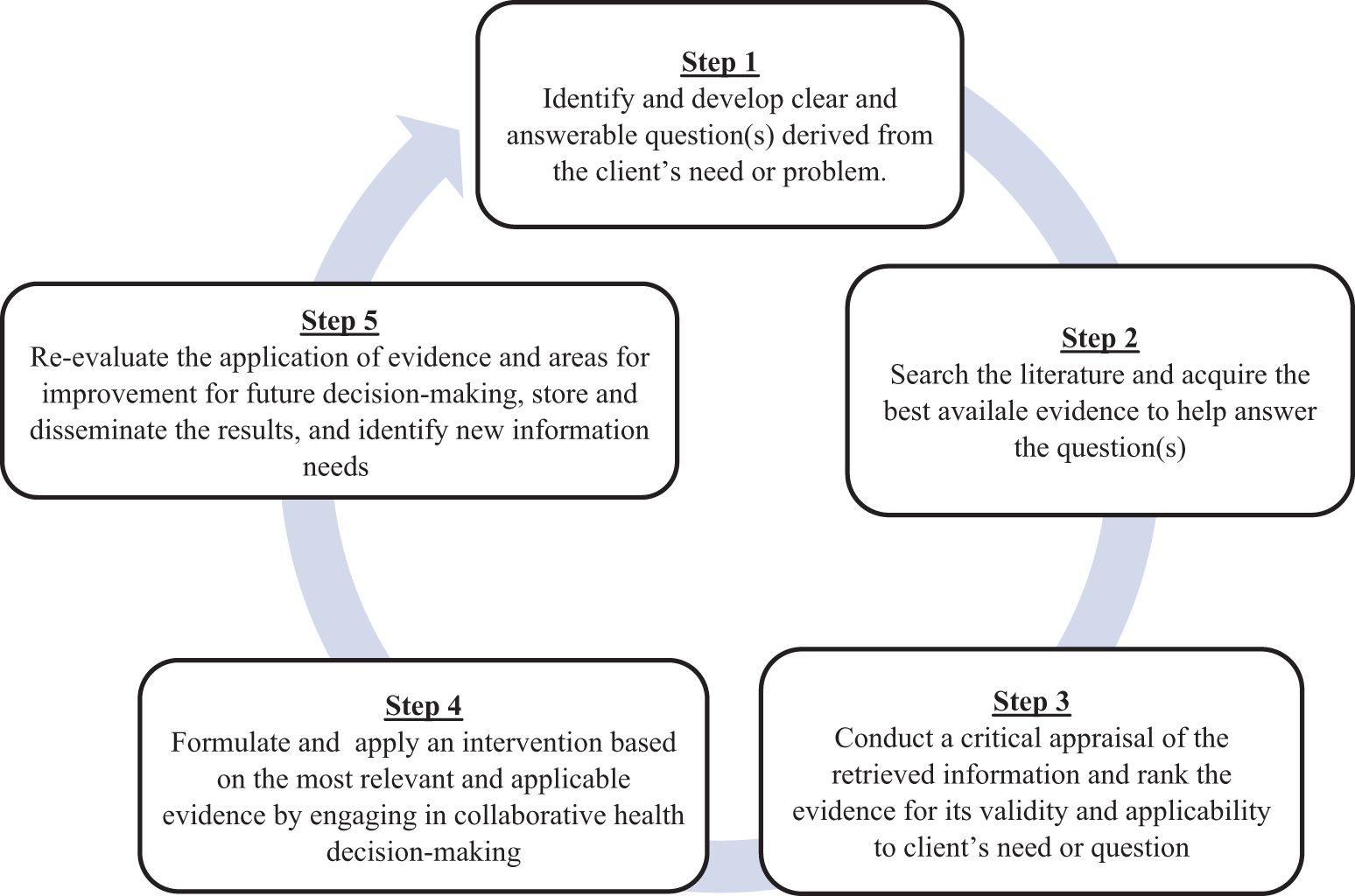
Five-step evidence-based practice process by Sackett et al. 5
Similarly, Newhouseet al. 6 defined the EBP process as involving (i) practice questions; (ii) evidence; and (iii) translation. Generally, it can be seen that the EBP process entails defining an information need or question; looking up various information sources to answer that need or question; and applying the information in a somewhat similar situation. Hence, it can be seen that information literacy is a central component in EBP, specifically where evaluation and evidence (or information from practice) use is concerned.
However, prior studies have revealed that new nurses in particular found it difficult to cope with new work demands and the transition to full-time nursing practice. 3 This led to work-related stress which, in turn, undermined their self-confidence, caused a lack of participation in decision-making activities, limited consultation with colleagues and little interaction with patients and their families to find out more about their concerns, values and ailments. 7 As a result of these stressful experiences, new nurses tend to be very task-focused and have little time for ‘thinking’ 3 or critically evaluating or questioning their actions or that of others related to nursing. 7 Other than having good time-management skills, it can also be inferred that adequate information literacy competencies would be a pre-requisite for effective evidence-based nursing practice. The lack of such competencies could result in the inability to manage rapidly growing medical and healthcare information, avoiding irrelevant or inaccurate information, missing out on critical information, and carrying out inefficient and ineffective practice.
The purpose of the research project that was carried out was to determine if nurses in Singapore are equipped with effective clinical, as well as relevant information, skills that will enable them to carry out EBP effectively.
Healthcare and the nursing profession in Singapore
In the mid 1800s, the first general hospital was opened in Singapore. 8 Back then, there were more male nurses than female nurses, and separate wards for female patients had not yet been established. In addition, nurses were generally those who attended to the sick and infirm and were not properly qualified healthcare or nursing professionals. When requests were made to install female nurses in the hospital in the late 1800s, nuns from the Convent in Singapore were recruited, mainly because they were ‘the only better educated European women in Singapore prepared to do this type of work’ 8 who could speak other European languages in addition to English. The doctors at that time were mainly British and European, hence the preference to work with nurses with similar backgrounds and who could speak English or other European languages. In addition, as the nuns were mainly involved in social and charity work, it seemed more natural for them to be recruited as nurses to care for the sick. The recruitment of the nuns marked the start of the nursing profession in Singapore. Training courses were set up a few years later and, as the demand for nurses increased and the nursing profession expanded, better qualifications for nurses were also required by the early 1900s. By the 1930s, professional nursing training lasted four years and Staff Nurses and Senior Staff Nurses were more frequently appointed. While the Second World War disrupted the development of the medical and nursing professions, things improved after Singapore gained independence in 1965. Nursing diploma courses were set up at two local polytechnics from 1992, while the first nursing degree program started in 2006. 9
Although the nursing profession has developed very rapidly, such as through the disbursement of more funds for nurses to carry out and publish their research, and the setting up of Advanced Practice Nurses positions, little, if no, research has been done on the information literacy of nurses in Singapore to date. Information literacy, in turn, presents itself strongly in effective EBP, which has been recognized as the corner-stone for improving nursing practice. Related studies that have been conducted by nurses themselves include the information needs and provision of surgical patients by Mordiffi et al.; 10 the mental health literacy beliefs of nurses by Yeo et al.; 11 a mental health literacy survey of nurses working in a psychiatric hospital by Yeo et al.; 12 and computer attitudes of nurses by Tan. 13 It was felt that an information literacy survey that relates to the EBP of nurses needed to be conducted in Singapore.
Background information—Alexandra Hospital
Alexandra Hospital first started out as the British Military Hospital from the end of the Second World War to 1971, when it was officially handed over to the Singapore Government, renamed and opened to public in September of the same year. 14 Since then, the hospital has progressed and expanded steadily and at the last count in 2007, it had served almost 69,000 patients that year. It is a comprehensive hospital with more than 20 specialized medical departments.
Aims
With the pivotal role of information skills in EBP, it is questioned whether nurses have, or demonstrate, these pre-requisite competencies that can make them more effective in their practice. The questions that guided the exploratory quantitative study were:
What are nurses’ perceptions of EBP?
What is the extent of nurses’ capabilities in applying information and literature searching skills in relation to EBP?
What are the possible barriers to nurses’ application of EBP?
What are the possible training needs for nurses to apply EBP?
Methods
A quantitative study was conducted with 342 nurses in Alexandra Hospital—a government hospital—in Singapore. A self-reporting questionnaire was developed, which comprised 11 questions asked over 43 close-ended statements and one open-ended statement. These statements were categorized by the research team into six specific sections pertaining to information skills, namely: (i) identification of information needs; (ii) identification of information sources; (iii) searching capability; (iv) evaluation of information; (v) information synthesis; and (vi) information application.
The questionnaire was developed by a team comprising faculty members from Nanyang Technological University, Singapore and nursing representatives from Alexandra Hospital and National University Hospital.
The questionnaire was divided into three sections. The first section collected demographic information about nurses such as their professional education, designation, length of nursing experience, area of practice and education in EBP. The second section sought information regarding attitudes and knowledge of nurses of EBP, such as their understanding of what is involved in EBP, perceptions of the value of EBP, level of skills possessed for undertaking different EBP activities, barrier and motivators to adopting EBP and the desired EBP-related areas of training. The third section solicited information about the sources used by nurses for patient care and clinical decision-making. It also collected information about search options used by nurses for searching online databases and web search engines, and their knowledge of Boolean operators. In order to assess the database searching skills of the nurses, a hypothetical searching topic was given to them along with five possible search statements. They were expected to pick the most appropriate search statement for the given topic. Approval for the study was obtained from the Domain Specific Review Board (DSRB).
The survey instrument was pretested on eight nurses from National University Hospital to assess if the respondents were able to understand the questions adequately and their responses were in the range of responses given. Based on their feedback, some minor changes were made in the language and presentation style of the questions in the survey instrument. The content validity and internal consistency of each sub-section of the questionnaire was assessed using Cronbach alpha coefficients (α). Coefficient values from 0.7–0.9 indicate good reliability and excellent if above 0.9. 15 The Cronbach α of the questionnaire used in this study was found to be between 0.681 and 0.954, which indicates that data collected through this questionnaire were sufficiently reliable.
Copies of the questionnaire were sent to the heads of different nursing departments in Alexandra Hospital for the actual data collection. Each head of department was requested to distribute copies of the questionnaire to all nurses working in their respective departments. A sealed questionnaire return box was placed in each nursing department and the respondents were asked to personally drop their completed questionnaires into these boxes. These boxes were kept there for a period of two weeks during April 2009. The questionnaire was administered to about 800 nurses in all;however, only 342 nurses returned their completed questionnaires, yielding a response rate of 42.75%.
The returned questionnaires were scanned and the data was imported to SPSS for statistical analyses.
Results
Demographics
The nurses were asked to state their nursing qualifications (Table 1).
Highest nursing qualification
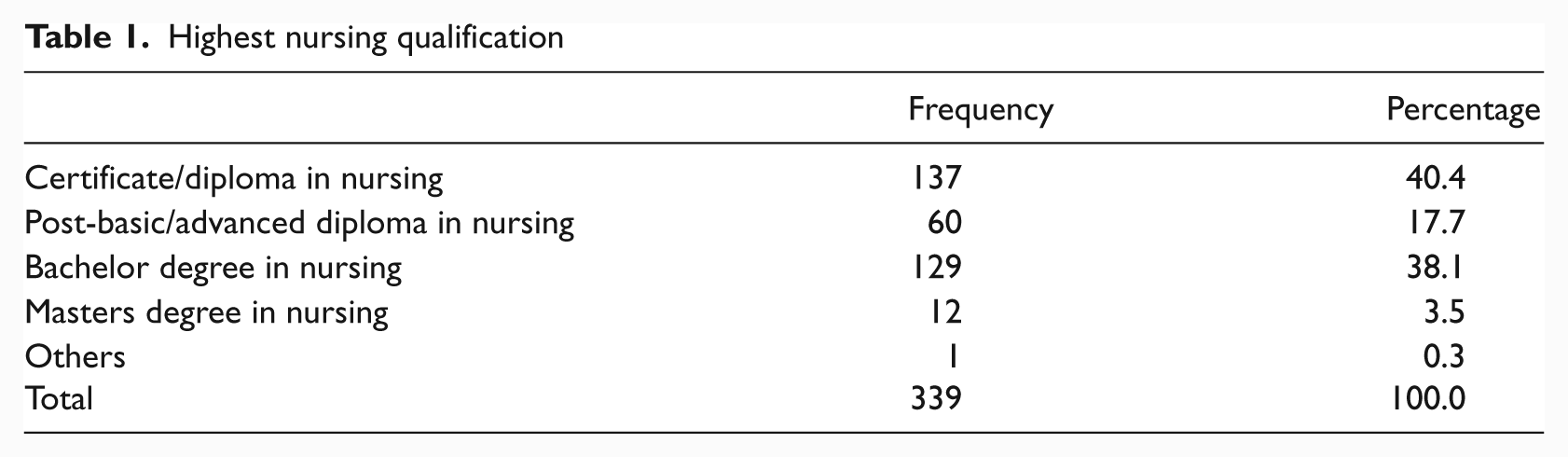
It was seen that the majority (40.4%) of the nurses who took part in the study had either a certificate or diploma in nursing. The next largest group was made up of the degree qualified nurses (38.1%).
The nurses were also asked to state the number of years that they have been in the profession (Table 2).
Years as a nurse
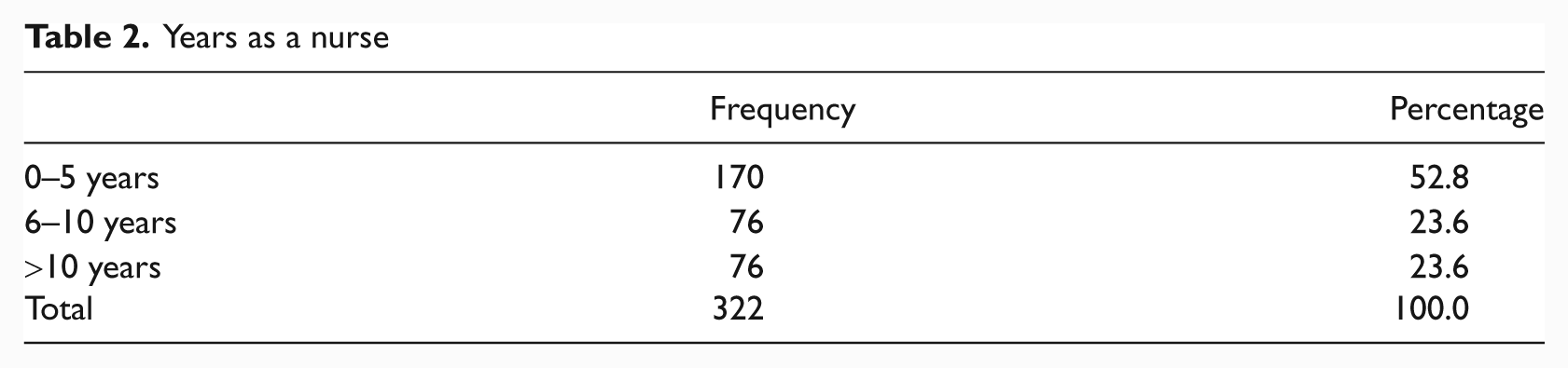
From Table 2, it is seen that about half (52.8%) of the nurses polled were relatively new in the profession (i.e. with five years or less of experience).
They were then asked if they had attended any training courses on EBP (Table 3).
Have attended training course on evidence-based practice
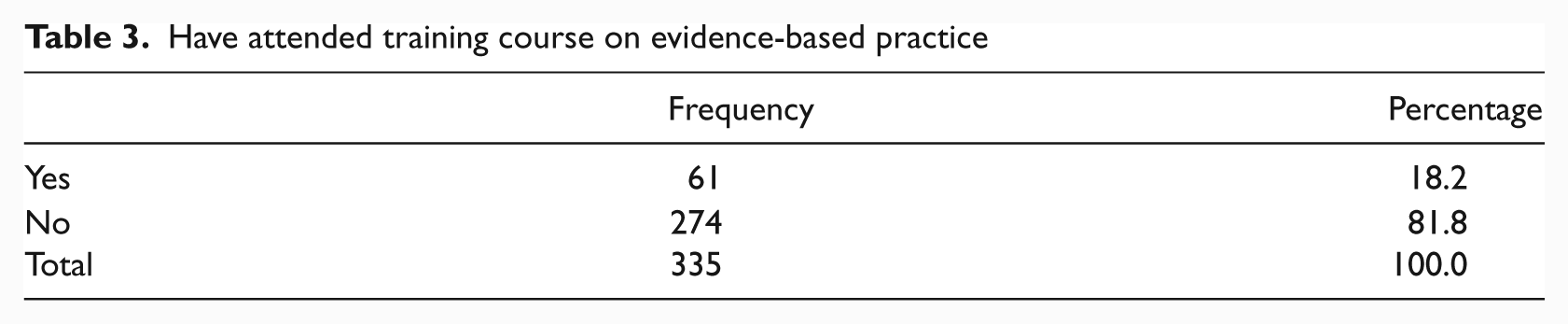
An overwhelming majority (81.8%) responded that they had not attended any training courses on EBP. Although it can be expected that the newer nurses may not have had the opportunity to undergo EBP training, it can also be inferred that a substantial proportion of the nurses with more than five years of experience probably did not have any in-service EBP training
Perception of EBP
In order to determine what nurses understood regarding EBP, a set of statements were given to investigate their perceptions of EBP. A substantial proportion (42.3%) felt that EBP involved making clinical decisions based on (i) patients’ subjective and objective data; (ii) previous experiences of healthcare professionals, such as doctors and nurses; (iii) medical or healthcare research findings; and (iv) patients’ values and preferences. Another substantial proportion (34.2%) agreed with statements (i), (ii) and (iii) but, in addition, they felt that (iv) information from textbooks is also important in EBP.
Information literacy-related variables
Identification of information need
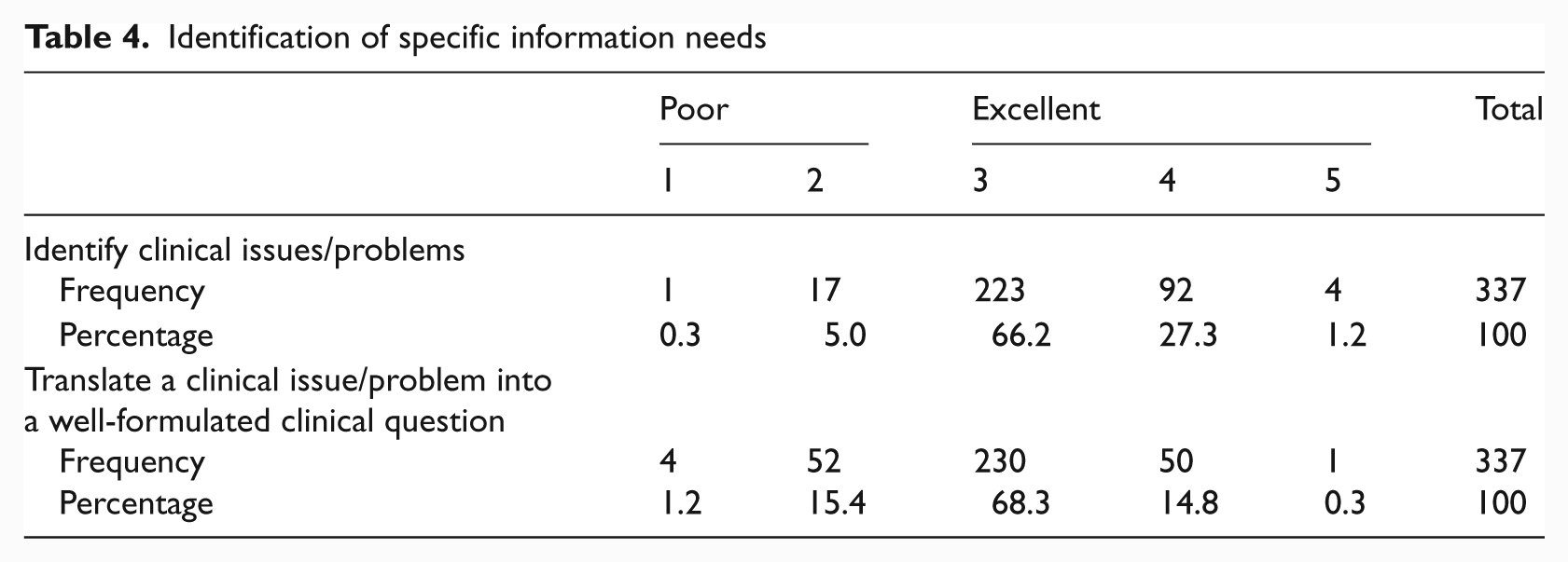
The nurses were asked if they were able to identify clinical issues or problems in their work, and whether they were able to translate a clinical issue or problem into a well-formulated clinical question (Table 4). Generally, 66.2% of nurses felt that they were able to identify clinical issues or problems rather moderately, while 68.2% of them felt that they were also able to translate a clinical issue of problem into a well-formulated clinical question rather moderately.
Identification of specific information needs
Information sources
The nurses were asked about the information sources that they used; in particular, how often they referred to three different types of information sources—print, electronic and human (Table 5).
Use frequency of information sources
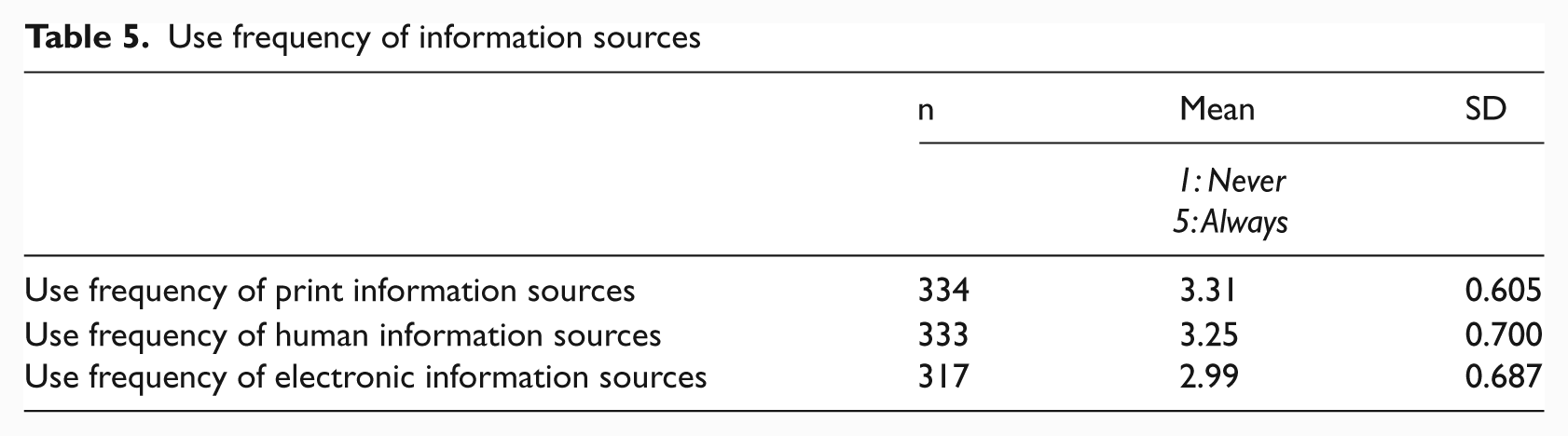
It can be seen that the most frequently used (mean = 3.31) information source for these nurses were print information sources, followed by human information sources (mean = 3.25). Hence, it can be inferred that these nurses had a tendency to refer to more traditional sources of information (i.e. print) and rely more on getting information from colleagues or other medical professionals they work with.
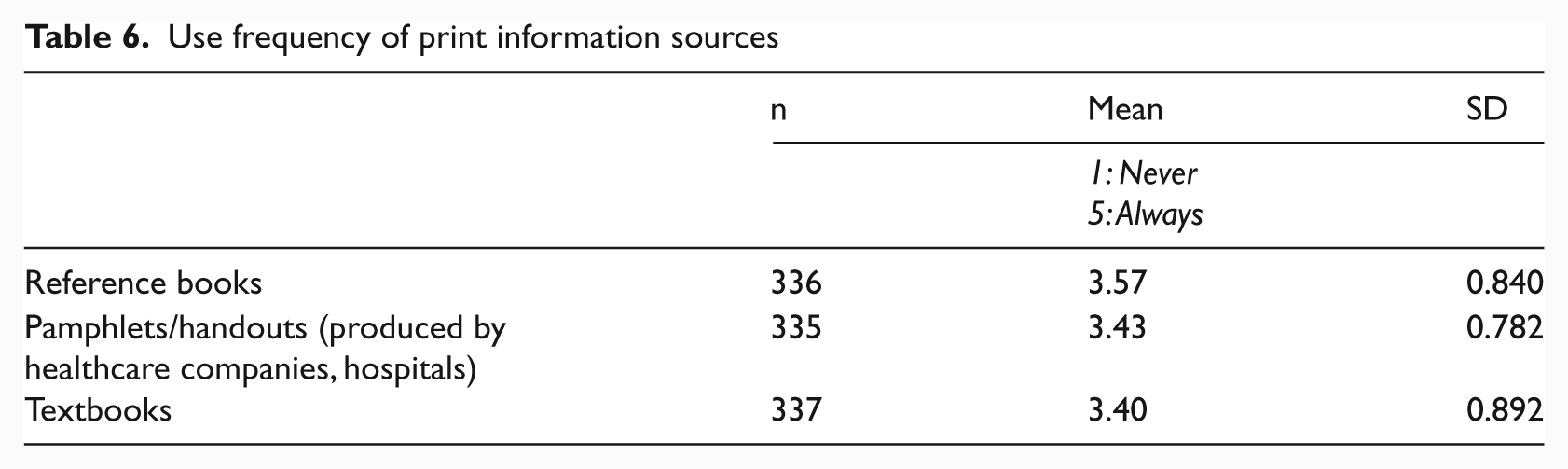
Probing further, it was found that for print information sources (Table 6), these nurses frequently consulted reference books (mean = 3.57), followed by pamphlets or handouts produced by healthcare companies or hospitals (mean = 3.43), and textbooks (mean = 3.40).
Use frequency of print information sources
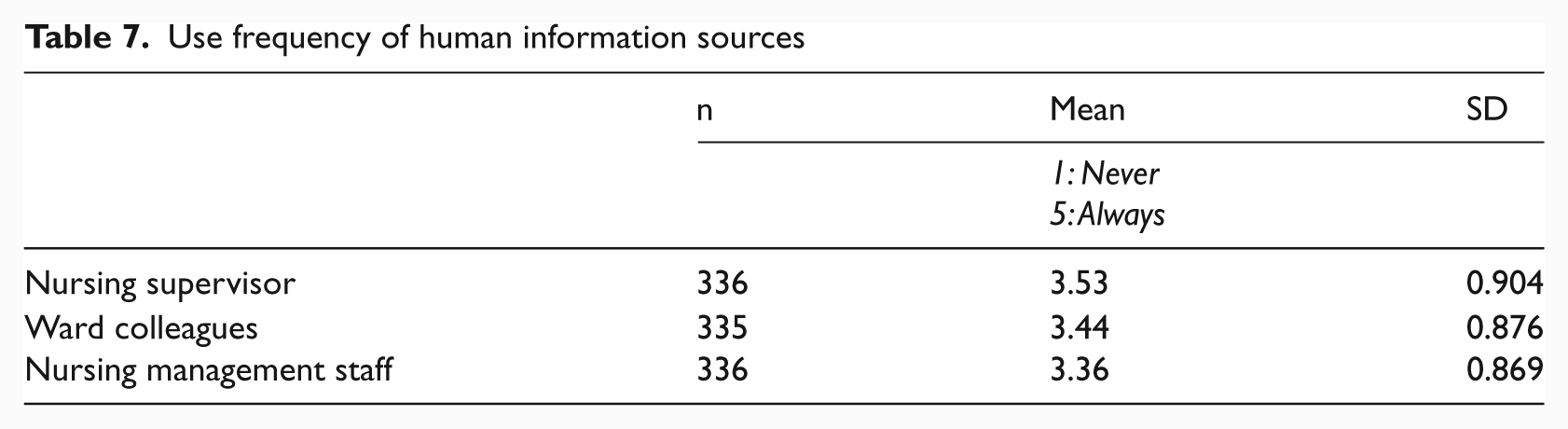
For human information sources (Table 7), the participating nurses frequently consulted their nursing supervisors (mean = 3.53), ward colleagues (mean = 3.44) and nursing management staff (mean = 3.36).
Use frequency of human information sources
Searching capabilities
Search capabilities are considered critical for searching relevant research articles or documents that can be used as reliable evidence to support or inform practice. The participating nurses were asked how frequently they used several search features, such as subject headings and search operators.
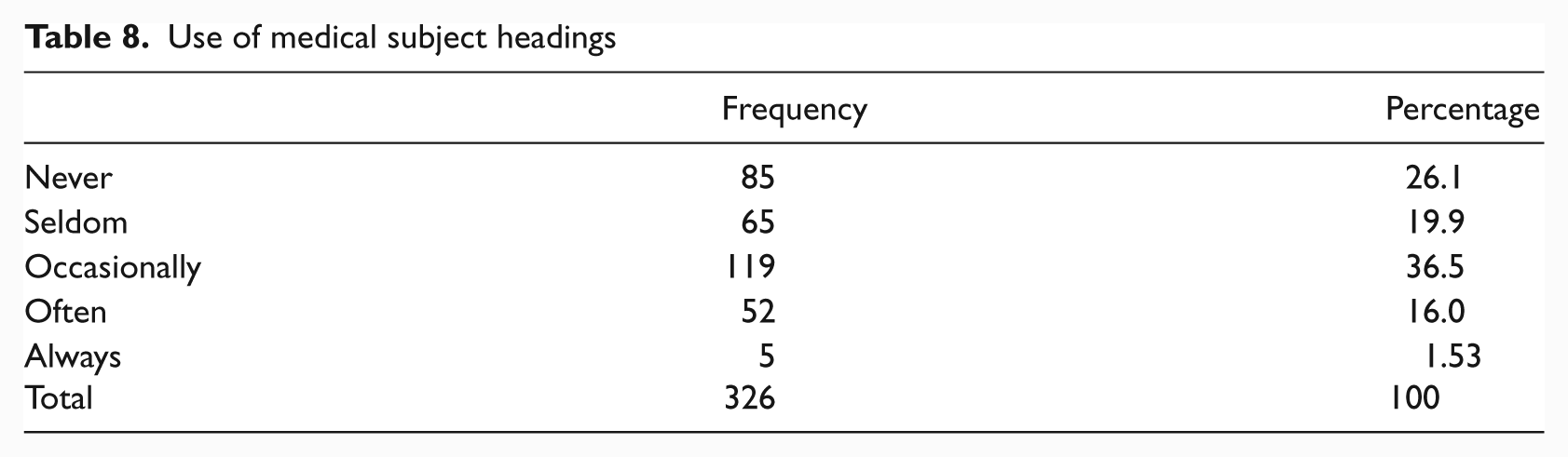
In terms of using subject headings, in particular medical subject headings (MeSH), it was found that the majority (36.5%) of the nurses only occasionally used MeSH, while a substantial proportion (26.1%) had never used MeSH (Table 8). This finding is interesting because it points to the lack of use of MeSH by healthcare and medical staff, which, in turn, may imply that there is a lack of awareness or knowledge regarding the purpose and utility of such specialized subject headings in this sector.
Use of medical subject headings
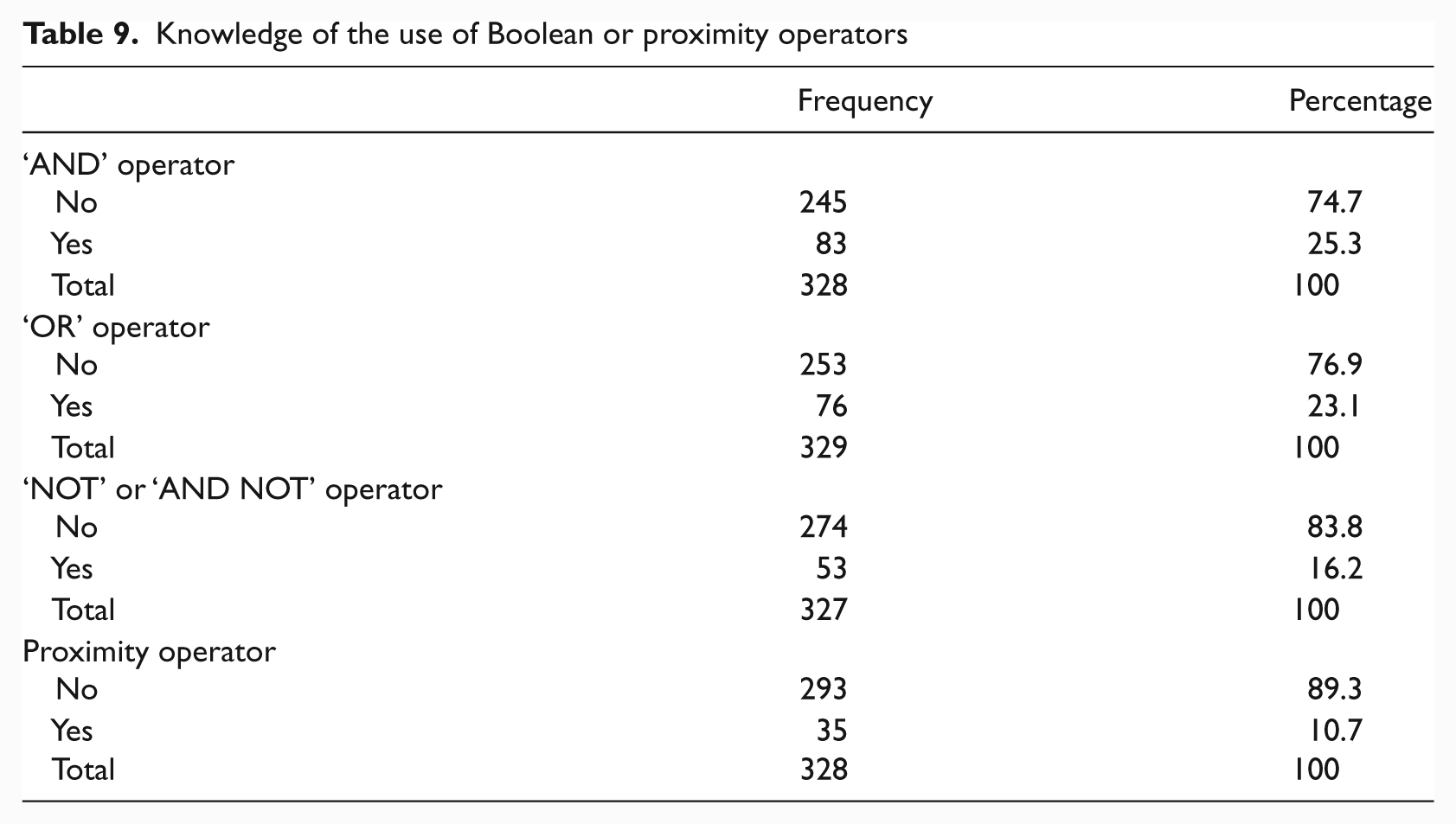
In terms of using specific search operators (such as Boolean and proximity operators) to look for documents in the online environment, it was found that the majority of nurses did not know how the use of such operators can change the search results that they obtain through online search engines or databases (Table 9). It can thus be inferred that as at least 70% of nurses were generally not aware of the purpose or function of search operators such as Boolean or proximity, they may not be able to conduct efficient or effective searches when using robotic search engines or online databases and may, instead, rely more on popular keywords that may be generated by robotic search engines and which may not necessarily be able to retrieve the most authoritative, scholarly, accurate or up-to-date documents.
Knowledge of the use of Boolean or proximity operators
Evaluation of information
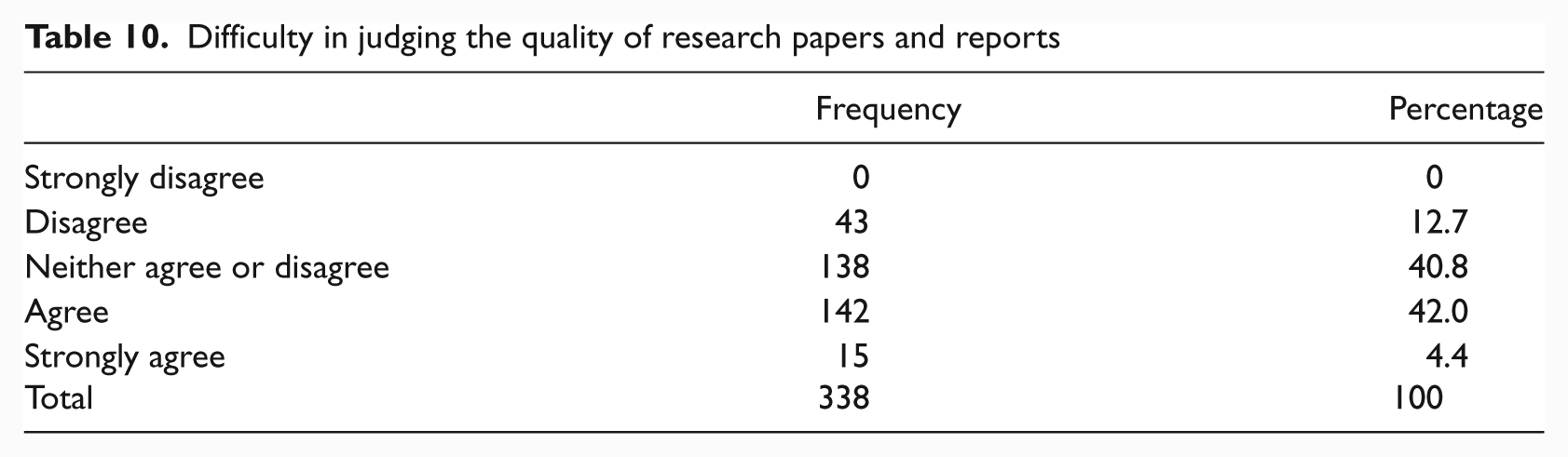
The nurses were asked to determine whether they had any difficulty in judging the quality of research papers and reports that they need to read to seek evidence to support or inform their practice. It was found that a substantial of them (42.0%) agreed that they had difficulty in doing so (Table 10), while 40.8% were not too sure if they had such difficulty. It can be inferred that the substantial proportions could probably be because they had not been adequately exposed to the criteria used for assessing the quality of research papers or reports.
Difficulty in judging the quality of research papers and reports
Training needs
Appraisal of research papers and reports
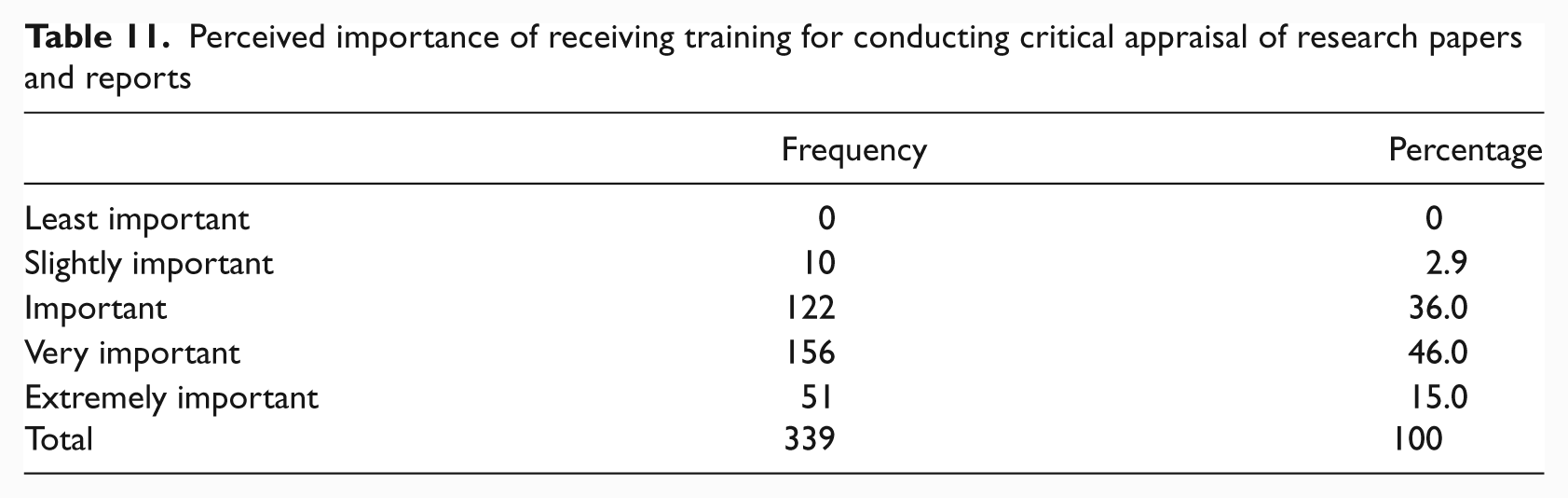
When asked if they felt that receiving training in the critical appraisal of research papers and reports was important, 46.0% felt that it was ‘very important’, while 36.0% felt that it was ‘important’ (Table 11). It can then be inferred that the majority of the nurses were not sure how to critically appraise research papers and reports and read through them objectively as opposed to accepting what has been read at face value. This finding highlights the importance of dedicated training to expose nurses to different elements of EBP.
Perceived importance of receiving training for conducting critical appraisal of research papers and reports
Information synthesis
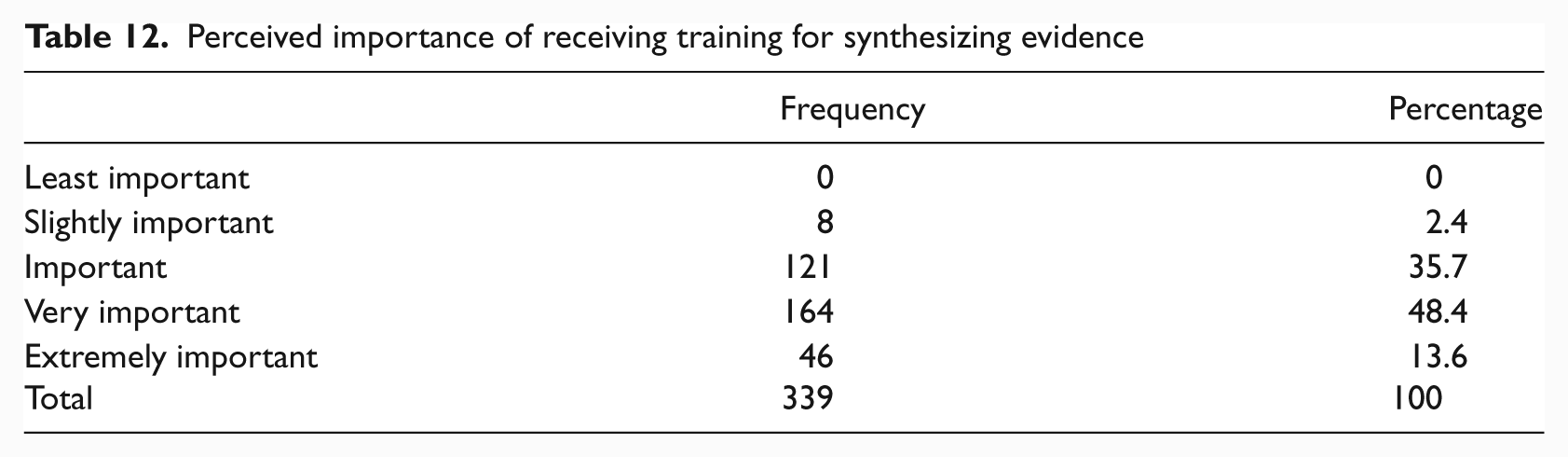
The nurses were asked for their opinion on how important it was for them to receive training in synthesizing evidence from their clinical practice and sharing with other colleagues or those in the profession. A substantial proportion (48.4%) felt that it was ‘very important’ while 35.7% felt it was ‘important’ (Table 12). Hence, it can be inferred that the majority of them had not received training in this area and were probably unable to synthesize information from practice and using it to further support or inform EBP.
Perceived importance of receiving training for synthesizing evidence
Application of evidence
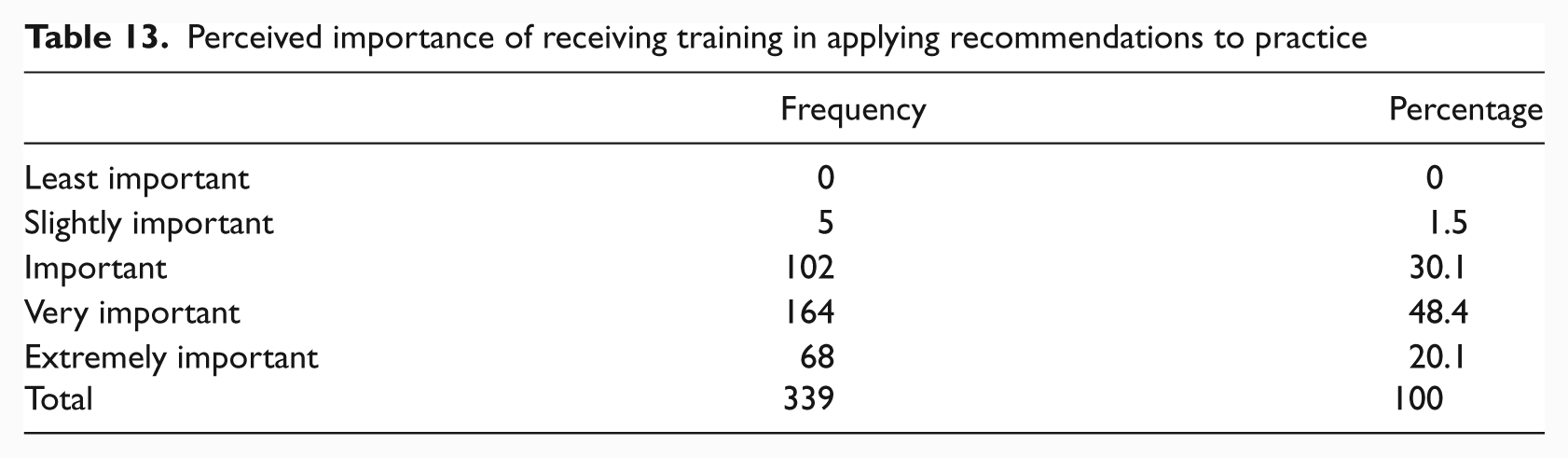
The nurses were asked for their opinion on how important it was for them to receive training in applying evidence to clinical practice. A substantial proportion (48.4%) felt that it was ‘very important’ while 30.1% felt it was ‘important’ (Table 13). It can be inferred that a rather large proportion of them did not know how to apply the findings or recommendations of research or other documented EBPs that they had read about to their own clinical practice.
Perceived importance of receiving training in applying recommendations to practice
Evidence-based practice
In cross-tabulating the highest professional qualifications of the nurses and information literacy-related variables that demonstrate EBP readiness, it was found that nurses with a degree in nursing were more likely (overall mean = 3.18, significance = 0.000) to demonstrate higher information literacy-related self-efficacy (Table 14), compared with those with only a certificate or diploma in nursing (overall mean = 2.91), or those with a post-basic or advanced diploma in nursing (overall mean = 3.00).
Highest nursing qualification and information literacy-related variables
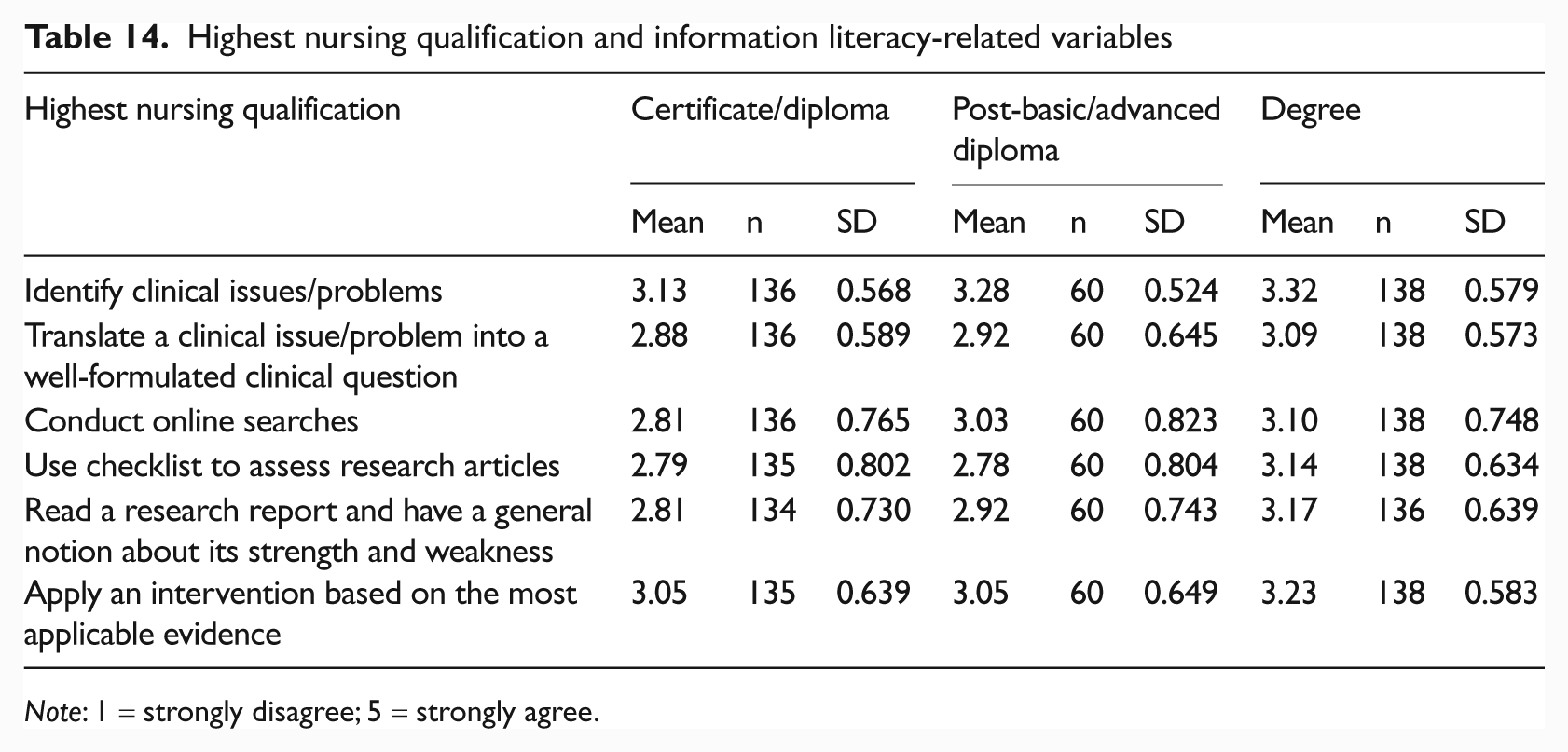
Note: 1 = strongly disagree; 5 = strongly agree.
Similarly, it was found that nurses with higher professional qualifications were more likely to demonstrate less difficulty (overall mean = 3.20, significance = 0.008) in applying evidence-based activities to their clinical practice (Table 15) compared with those with only a certificate or diploma in nursing (overall mean = 3.24), or those with a post-basic or advanced diploma in nursing (overall mean = 3.45).
Highest nursing qualification and difficulty in applying evidence-based activities
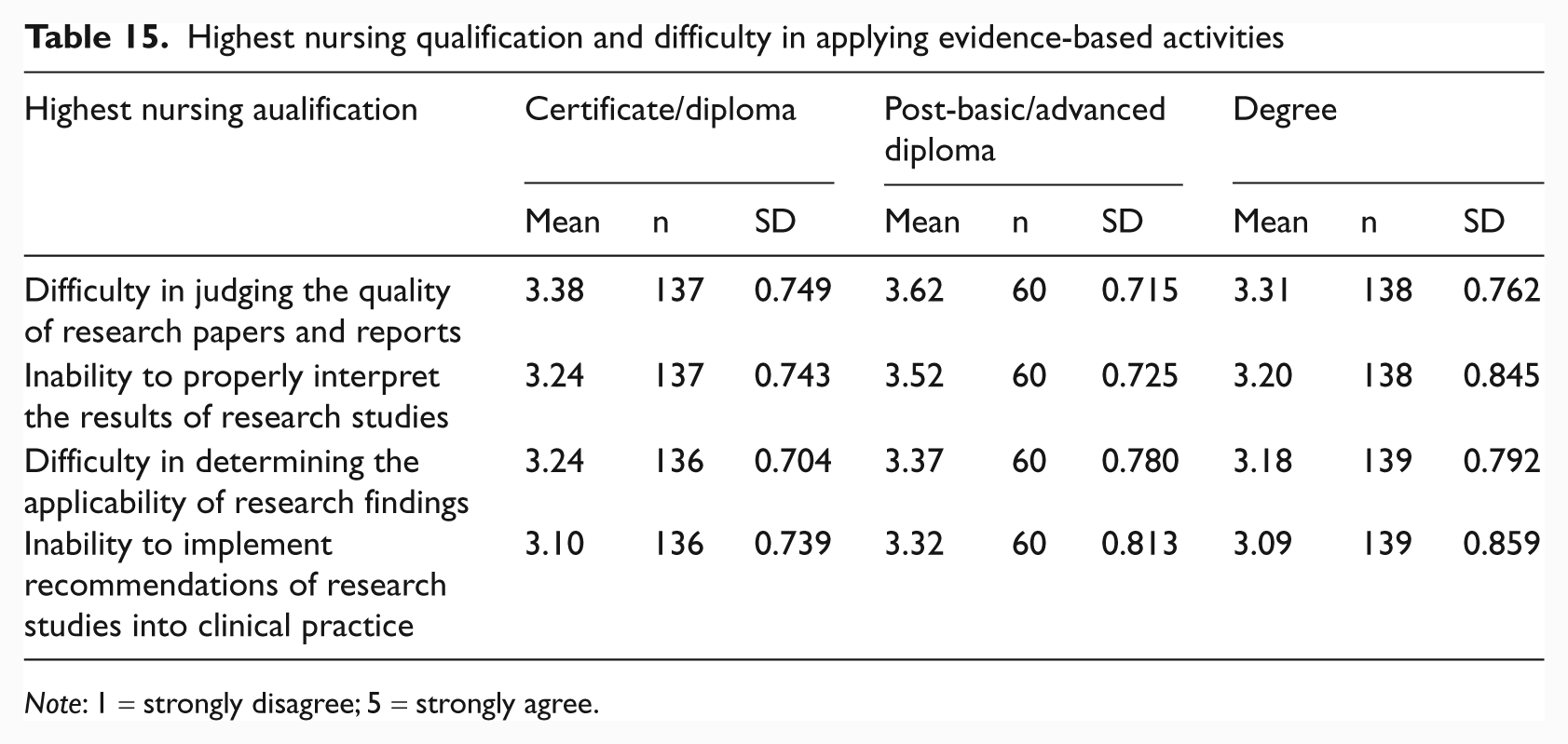
Note: 1 = strongly disagree; 5 = strongly agree.
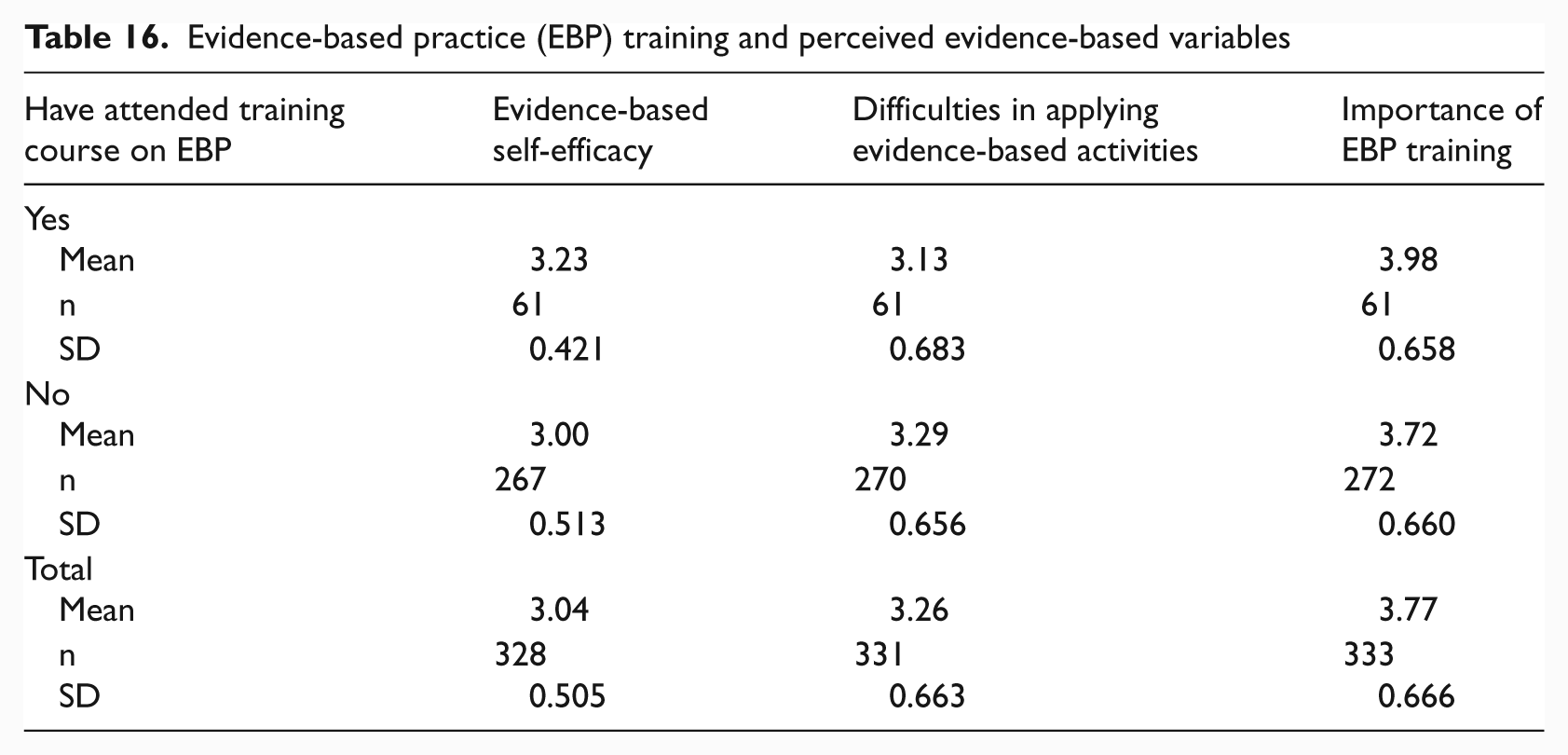
In cross-tabulating whether the nurses had attended EBP training and their perceptions of (i) evidence-based self-efficacy and (ii) the importance of EBP training, it was found that nurses who had attended EBP training were perceived (i) to have higher evidence-based self-efficacy (mean = 3.23, significance = 0.001) and (ii) to have greater importance attached to EBP training (mean = 3.98, significance = 0.002) (Table 16). Although it was found that nurses who had attended EBP training perceived that they faced less difficulty in applying evidence-based activities to practice (mean = 3.13), the significance level was rather low (α = 0.163).
Evidence-based practice (EBP) training and perceived evidence-based variables
Finally, in cross-tabulating the number of years of work experience as a nurse against the same three information literacy-related variables as shown in Table 16, it was found that (i) nurses with 6–10 years of work experience were perceived to have higher evidence-based self-efficacy (mean = 3.13, significance = 0.074) and face less difficulty in applying evidence-based activities to practice (mean = 3.20, significance = 0.328), and (ii) nurses with more than 10 years of work experience were perceived to attach greater importance to EBP training (mean = 3.91, significance = 0.092) (Table 17). Even then, it is seen that these factors are significant only at α = 0.1, while the effect of number of years as a nurse and perceived difficulty in applying evidence-based activities to practice is not significant.
Number of years as a nurse and perceived evidence-based variables
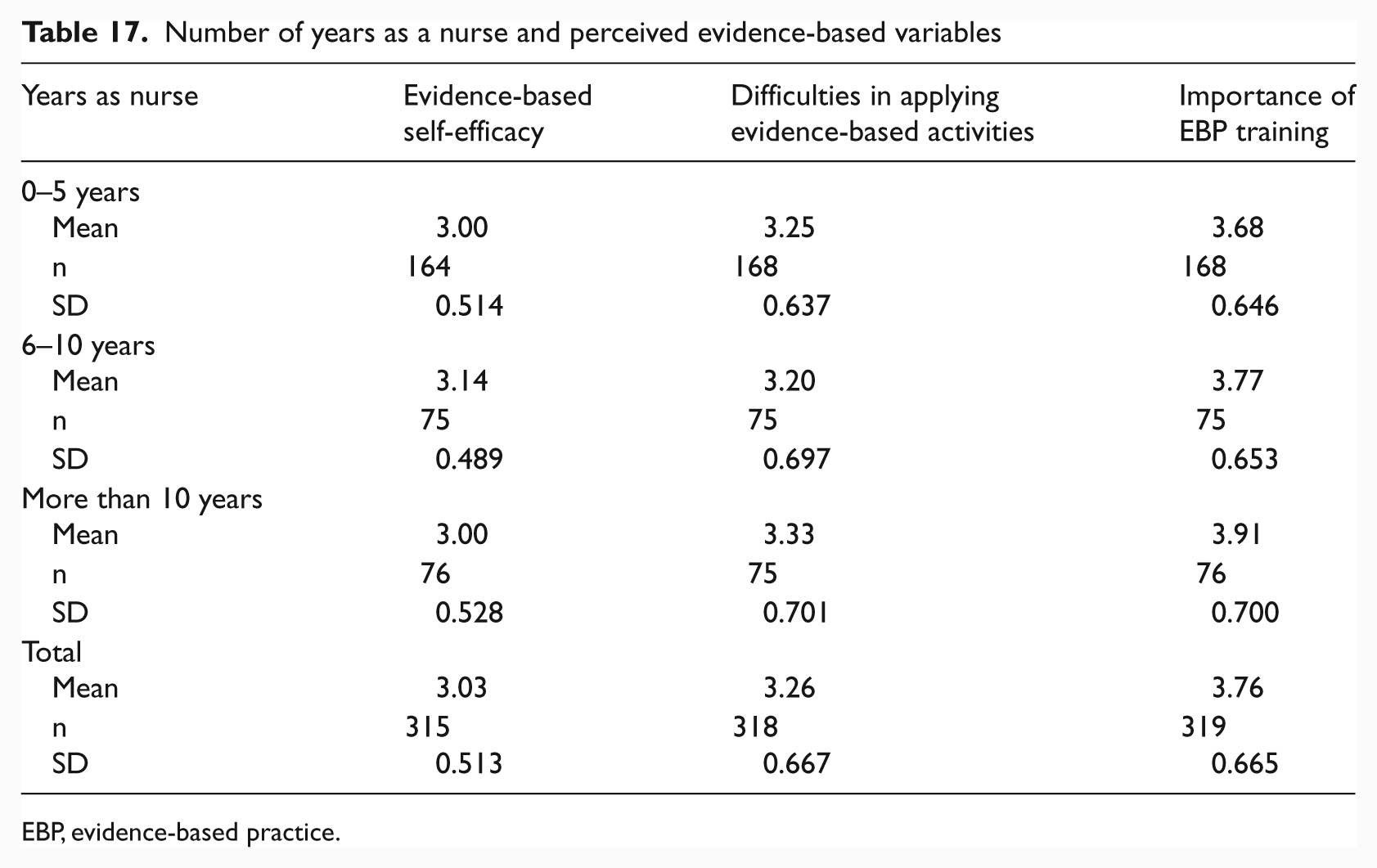
EBP, evidence-based practice.
Discussion
From the data that have been analyzed above, several recommendations can be made. First, it seems that the nurses in this particular government hospital in Singapore preferred to use traditional print and human information sources (Tables 6 and 7). The hospital could set up a medical library or several medical mini-libraries in each department in the hospital. These libraries could provide reference books, as well as periodicals on medicine, healthcare and nursing practice. In addition, more contact sessions or staff sharing sessions, either formally or informally, for both nurses and other medical professionals can be set up once a fortnight or once a month, for example. This will allow them to share relevant research findings with, and learn from, one another. They can also share research articles that they have read on specific clinical problems faced in the local context or situation. Alternatively, nurse educators or research nurses could carry out training sessions either fortnightly or monthly to share significant and relevant research findings with the nurse practitioners and carry out discussions among themselves to learn from the research and apply to their own clinical practice. As McCaughan et al. 16 argued, nurses perceived inaccessibility of research information sources as a barrier to using them, and were unlikely to want to go to the library to look up information. Instead, they preferred such information to be fed to them or be made available to them on their desk. 17 Carrying out such collaborative learning activities may alleviate the problem of understanding and evaluating research papers, as the nurses in this particular hospital have alluded to (Tables 10 and 11), as they would instead have the opportunity to discuss and share their opinions and perceptions related to research or their respective clinical practice with one another. On top of that, the other problems of information synthesis and application as identified by these nurses may also be alleviated (Tables 12 and 13). Again, through sharing, they would able to discuss what they read or learnt with others, and also apply what others have shared with them to their own practice by exchanging ideas.
Second, it can be inferred from the findings that the nurses in this hospital may require EBP training rather urgently, especially for nurses with more than 5 years of nursing experience, and more so for those with more than 10 years of experience. EBP training may alleviate the nurses’ general lack of ability to evaluate research papers (Table 10), use search operators to effectively search electronic information (Table 9) and use MeSH (Table 8) when searching for medical or healthcare documents. These competencies may help to bolster the nurses’ confidence in using relevant research information, in addition to sharing information with colleagues or more experienced nurse educators, research nurses or doctors. Although EBP training is considered an ideal for ensuring that nursing practice is current and effective, it has been found to be an individual’s professional responsibility and not necessarily supported by the employing institution. 3 This lack of commitment by the hospitals in which the nurses are employed adds to the shortage of up-to-date print-based information resources, as well as internet connections to facilitate search of electronic information sources. Hence, it is strongly recommended that the hospital in question sets up an organizational strategy to impart EBP training to nurses, whether through subsidizing the training costs or allocating block training hours for them.
Finally, it was found that information literacy-related competencies that demonstrate EBP readiness may already be integrated in college or university level nursing training of the nurses involved, but not in pre-college or university nursing training (Tables 14 and 15). Hence, on a broader scale, it can be recommended that information literacy-related components be included in certificate, diploma or post-basic/advanced diploma nursing programs that are being conducted in the local polytechnics or Institutes of Technical Education. This may help bridge the gap between information literacy-related competencies and the EBP skills of university graduate and non-university graduate nurses.
Conclusion
Although this study was conducted in only one government hospital in Singapore, the sample population was quite large (n = 342). The findings of this quantitative exploratory case study may be lacking in generalizability, but are rather significant in providing an insight into the situation concerning information literacy-related competencies and, hence, EBP skills of trained nurses in a developed country such as Singapore. The findings have revealed that nurses still preferred traditional print, as well as human information sources. However, the majority was not able to apply research findings or what others had shared with them to their own practice. At the same time, the nurses did not have relevant EBP training and generally did not know how to, or may not be confident in, using or searching for relevant electronic information. Finally, the findings have shown that college graduate nurses tend to have more information literacy-related knowledge and thus better EBP skills compared to non-college graduate nurses. It is hoped that the findings from this case study will be able to pave the way for more extensive and comprehensive studies on IL-related competencies and EBP skills of nurses, both locally and internationally.
Footnotes
This research received no specific grant from any funding agency in the public, commercial, or not-for-profit sectors.