




Abstract
This study develops a model to raise public awareness about the consequences of burning rice straw after harvest, including environmental pollution, soil degradation, and increased CO2 emissions that contribute to the greenhouse effect. The distinctive feature of the research is the introduction of a post-harvest rice straw treatment process using microbial products capable of secreting cellulase enzymes, which can break down the cellulose in the straw. This process shortens the decomposition time and produces natural organic fertilizer, thus reducing cultivation costs by 60% and increasing crop yields by 20%. The experimental model was carried out in Cam My district, Dong Nai province, Vietnam, including 4 models: no microbial products; using Bio Decomposer; using NTT-01; and using NTT-02. Each experimental field had an area of 650 m². The results showed a significant reduction in straw decomposition time after 14 days of use of the products, with a decomposition rate of up to 80%, nearly twice as fast as without the products. This helps save time, produce natural organic fertilizers, reduce care costs, and increase rice yields, resulting in more income for local residents. These findings demonstrate the effectiveness of microbial treatments in sustainable agriculture and their potential for a broader application in the management of agricultural waste.
Keywords
Introduction
Vietnam is one of the countries with a highly developed agricultural sector, particularly in rice cultivation. 1 However, a significant issue faced by farmers after each harvest season is the management of rice straw, the remaining part of the rice plant after harvest. Most of this straw is burnt directly in fields, causing severe problems such as environmental pollution, soil degradation, and increased greenhouse gas emissions, particularly CO2.2,3 In the context of ongoing climate change at an alarming rate, countries around the world are making relentless efforts to find effective solutions.4 -7 Vietnam, heavily impacted by the consequences of climate change, is actively participating in the fight to protect the environment and address these challenges. One of the urgent issues is the practice of burning rice straw after harvest, a traditional method that leads to severe air pollution and increased greenhouse gas emissions, especially CO2.7,8 Recognizing the importance of mitigating negative environmental impacts, these research models are often implemented with the goal of raising awareness and encouraging people to limit field burning.9,10 Instead, microbial products are used to treat straw, which not only reduces environmental pollution, but also effectively uses this agricultural by-product.11 -13 The project not only provides a sustainable solution for rice straw management, but also contributes to improving air quality and diversifying income sources for farmers. 11 The microbial management of straw involves the use of specific microorganisms that secrete enzymes such as cellulase to break down the cellulose in the rice straw. This process accelerates decomposition, turning straw into a valuable organic fertilizer. Studies, such as those by Htoo et al 12 and Chauhan et al, 13 have shown the effectiveness of microbial treatments in enhancing the value of agricultural waste and promoting sustainable biorefinery production.12,13 These microbial treatments offer the dual benefit of reducing environmental pollution from straw burning and providing a rich source of nutrients for soil enhancement. This process helps soils retain water better, increases beneficial microbial activity, and reduces the need for chemical fertilizers, thus protecting and improving soil quality because microbes play a crucial role in replacing chemical fertilizers through direct and indirect mechanisms. 14 Direct mechanisms include nitrogen fixation, phosphate solubilization, and the production of hormones that promote plant growth. Indirect mechanisms involve the suppression of plant pathogens, the enhancement of soil structure, and the increase in the availability of nutrients. Chauhan et al 13 have shown that rhizospheric microbes can significantly improve plant growth performance under drought stress, indicating their potential to replace traditional chemical fertilizers and promote sustainable agriculture. 13
Currently, some alternative methods are being explored to manage rice straw sustainably. These include elements of mechanical incorporation into the soil, their use as animal feed, and their conversion to bioenergy. Although these methods have their advantages, they often come with limitations, such as high costs, logistical challenges, and limited adoption by farmers. Recent studies have shown that microbial treatments can effectively decompose rice straw, improving soil quality and providing a more sustainable solution. For example, the application of microalgae-isolated plant growth bacteria in wastewater has shown promising results in improving soil mineralization and organic carbon content in paddy soils. 13 The handling of rice straw after rice harvest is an important issue for farmers and the agricultural sector in Vietnam. The current ongoing solution, an advanced solution that is currently being researched and implemented, is the use of biological products.15 -19 Although this solution offers numerous benefits, it also has some limitations that must be carefully considered. The primary advantage of biological products is their environmental protection and contribution to sustainable agricultural development. One of the greatest benefits is the reduction of environmental pollution. The direct burning of rice straw releases large amounts of CO2 and other harmful substances, contributing to the greenhouse effect and air pollution.20 -22 Biological products facilitate the natural decomposition of rice straw without releasing harmful emissions, thus protecting the environment.23,24 Furthermore, biological product models improve soil quality by improving the presence of beneficial microorganisms and minerals in the natural soil environment.23,25 The rice straw decomposition process using biological products generates organic fertilizer, which improves soil structure and fertility. This process helps the soil retain water better, increases beneficial microbial activity, and reduces the need for chemical fertilizers, thus protecting and improving soil quality.26,27 Moreover, this model is cost-effective.20,28 Although the initial cost of purchasing biological products may be higher than that of traditional methods, farmers can achieve significant savings in the long run. The use of organic fertilizers from the decomposition process reduces the cost of chemical fertilizers and improves crop yields, increasing farmer income. 29 Research in this field is to improve crop productivity. Using biological products helps rice straw to decompose quickly, freeing up land for the next planting season. This not only saves farmers time, but also increases crop yields to meet the growing demand for food. However, there are notable drawbacks to this model during its implementation. The initial investment cost for biological products is relatively high, which can be a significant obstacle for farmers, particularly those with low incomes or small-scale operations. This financial barrier may hinder widespread adoption of the model, despite its potential long-term benefits. 30 Furthermore, the use of biological products requires that farmers have specific knowledge and techniques for proper application. This requires the training and support of relevant agencies and experts to achieve the desired effectiveness. In some rural areas, access to biological products is limited due to poor transportation and infrastructure conditions. This requires an extensive distribution network and support policies from the government and related organizations.
This study developed a model aimed at changing public awareness and providing a solution for postharvest rice straw management using microbial products. The highlight of the research is the use of cellulase enzyme, an enzyme capable of breaking down cellulose in rice straw, which significantly reduces the decomposition time and produces natural organic fertilizer. 31 The study was carried out in Cam My district, Dong Nai province, with each experimental field covering an area of 650 m². The microbial products tested included Bio Decomposer, NTT-01, and NTT-02. The procedure involved comparing the levels of rice straw treated with each microbial product with a control model that did not use any product. The results showed that the application of microbial products accelerated the decomposition process by up to 80% in 14 days, compared to the untreated fields. This rapid decomposition produces nutrient-rich organic fertilizer that enhances soil fertility and structure. Economically, farmers can save money on chemical fertilizer costs due to natural fertilizer produced from decomposed rice straw, leading to a 60% reduction in cultivation costs. Improved soil quality also contributes to a 20% increase in crop yields, increasing farmers’ income. Environmentally, this method helps reduce air pollution from straw burning, protect soil health, and reduce greenhouse gas emissions, contributing to a more sustainable farming practice. The study recommends expanding the application of microbial products in rice straw management throughout the country. This requires the support of relevant authorities to promote and train farmers about the benefits of this method. In addition, policies that encourage and provide financial support are needed to help farmers access and adopt this new technology easily. By addressing these needs, the widespread use of microbial enzyme treatments can revolutionize rice straw management, improving both economic viability and environmental sustainability in agriculture.
In this study, we propose the use of microbial enzyme treatments to accelerate the decomposition of rice straw. Specifically, we evaluated the effectiveness of 3 microbial products: products. Bio Decomposer, NTT-01, and NTT-02. These products contain beneficial microbial strains that produce cellulase enzymes, which break down the cellulose in rice straw more efficiently. This process not only reduces the environmental impact of burning but also produces natural organic fertilizer, improves soil fertility, and enhances soil structure. The novelty of this research lies in the application of microbial enzyme treatments for rice straw management, a strategy that has not been extensively studied in the context of Vietnam’s agricultural practices. Our study aims to assess the effectiveness of Bio Decomposer, NTT-01, and NTT-02 in decomposing rice straw and to assess the impact of these treatments on soil quality, including nutrient content and microbial activity. Furthermore, our objective is to determine the effect of these treatments on rice crop yields and overall agricultural productivity, analyze the economic benefits and cost savings associated with the use of microbial treatments, and explore potential environmental benefits, such as reduced greenhouse gas emissions and improved air quality. By addressing these objectives, this study aims to provide a comprehensive solution to sustainable rice straw management, contributing to environmental protection and improving agricultural sustainability.
Experiment
Experimental models of microbial products
In this study, three different microbial products were used to evaluate their effectiveness in decomposing rice straw in the field. The goal was to identify the most suitable product for each region in which the research was conducted. The microbial products used in the project included:
Biodecomposer straw decomposition product
The SOFa Sustainable Organic Agriculture Joint Stock Company developed a unique biological product to treat rice straw and other agricultural by-products. The main component of this product is Bacillus Subtilis bacteria with a concentration of 1 × 10⁶ CFU/ml. Additionally, it contains 11 other decomposing microorganisms such as Aspergillus oryzae, Aspergillus terreus, Emericella nidulans, Pseudo eurotium zonatum, Mucor plumbeus, Penicillium variabile, Trichoderma hamatum, Trichoderma harzianum, Bacillus sp, and Steptomyses sp.
The primary advantage of this biological product is its ability to rapidly decompose rice straw in the field. The SOFa biological product can quickly break down rice straw, significantly reducing waiting time before planting the next crop, and thus improving farming efficiency. Additionally, this biological product prevents organic poisoning in humans and livestock if it is ingested. It also reduces the risk of organic poisoning in the soil, protecting crops from harmful substances produced during organic decomposition. Using this biological product also helps to save chemical fertilizer costs, as the decomposition process generates nutrient-rich organic fertilizer for plants. 32 Another advantage is its superior ability to increase crop yields and reduce pests. Using this product not only increases crop yields, but also minimizes pest occurrence, thanks to improved soil conditions and healthier plants. Environmentally, this product can decompose various organic materials such as rice straw, husks, sawdust, leaves, agricultural by-products, animal carcasses, and manure. This process helps create high-nutrient organic fertilizer on-site or during composting.
However, the biological product also has some disadvantages, including a relatively high initial investment cost. The price of this product is quite high compared to the general investment level of Vietnamese farmers. Although the biological product has many benefits, the initial cost to purchase it may be higher than traditional treatment methods, which can reduce its appeal to low-income farmers. Additionally, the product requires that farmers have specific knowledge and skills for proper use. If not applied correctly, the desired effectiveness may not be achieved. In some remote rural areas, access to biological products is limited due to underdeveloped transportation and infrastructure. This can hinder the widespread use of the product.
In conclusion, the biological product developed by SOFa Sustainable Organic Agriculture Joint Stock Company offers significant benefits in the management of rice straw and agricultural by-products. However, to optimize its effectiveness, technical support and incentivizing policies from relevant authorities are necessary. This support will help make the product a sustainable and widespread solution in Vietnamese agriculture.
NTT-01 straw decomposition product
Research conducted at Nguyen Tat Thanh University has developed an advanced biological product for treating rice straw and improving soil quality, known as the strain decomposition product. The main components of this product include beneficial microbial strains such as Trichoderma hamatum (1 × 10⁸ CFU/ml), Trichoderma harzianum (1× × 108 CFU/ml), Trichoderma asperellum (1 × 10⁸ CFU/ml), and Trichoderma viride (1 × 10⁸ CFU/ml). Trichoderma is a genus of fungi known for its plant growth-promoting attributes and biocontrol properties. This support will help make the product sustainable and widespread.
To accurately estimate colony-forming units (CFU) of Trichoderma strains, we used the standard serial dilution and plate count method outlined by Jett et al. 33 The methodology is described as follows:
- Samplepreparation: A 1 ml aliquot of the microbial product was diluted in 9 ml of sterile water to create a series of 10-fold dilutions up to 10−6.
- Plating: From each dilution, 100 µl was evenly spread on potatoes’ dextrose agar plates (PDA).
- Incubation: The inoculated plates were incubated at 28°C for 5 to 7 days.
- Counting: After incubation, colonies were counted and counted and the CFU per ml was calculated using the formula:

The incubation and growth conditions for Trichoderma were based on the protocols described by Siddiquee. 34 This detailed approach ensures accurate CFU estimation, thereby verifying the concentration and viability of the microbial strains used in the study.
The outstanding advantage of NTT-01 is its ability to rapidly decompose rice straw and organic matter. This biological product quickly breaks down organic materials such as rice straw and humus, effectively releasing nutrients and improving soil quality. It also improves the structure of the soil, making it more friable and enhancing its water retention and drainage capabilities. This creates ideal conditions for the growth of plants and beneficial soil microorganisms. Using the biological product improves the absorption of inorganic fertilizers by plants, optimizes the use of fertilizers, and reduces chemical fertilizer costsoptimizing. Unlike the biological product of SOFa Sustainable Organic Agriculture Joint Stock Company, NTT-01 contains not only Trichoderma fungal strains but also phosphorus-solubilizing bacteria, Bacillus, actinomycetes, and Azotobacter. These bacteria improve soil nutrition, fix nitrogen, and protect crops from diseases.35 -37 This shows the antibiotic properties, helping to protect crops from bacterial and fungal diseases, and thereby reducing reliance on chemical pesticides.
Despite its many advantages, NTT-01 also has some drawbacks worth discussing, including a higher initial investment cost compared to traditional methods. Although the cost is much lower than that of the SOFa product, it is still relatively high for farmers in developing countries such as Vietnam. This can reduce its appeal to low-income farmers. The use of biological products requires that farmers have knowledge and techniques for their proper application. If not used correctly, the desired effectiveness may not be achieved. Although the decomposition process is faster than natural decomposition, it still requires a certain amount of time to see clear results. This requires farmers to be patient and trust the process.
In conclusion, the biological product developed by Nguyen Tat Thanh University offers significant advantages in the treatment of rice straw and improving soil quality compared to the SOFa product. However, to maximize its effectiveness, it is essential to have technical support and incentivizing policies from relevant authorities. This support will help make the product a sustainable and widespread solution in Vietnamese agriculture.9,12
NTT-02 straw decomposition product
NTT-02 is a product researched at Nguyen Tat Thanh University, improved from the NTT-01 straw decomposition microbial model. The NTT-02 product has been upgraded with beneficial microbial components, including Trichoderma (1 × 10⁸ CFU/ml) and Bacillus Subtilis (1 × 10⁶ CFU/ml). This enhancement not only improves efficiency, but also brings numerous benefits to soil and crops.
The primary advantage of the NTT-02 biological product is its ability to supplement beneficial microorganisms for the soil. NTT-02 provides a large number of beneficial microorganisms, such as Trichoderma and Bacillus Subtilis, which improve the soil’s microbial ecosystem. This not only improves the decomposition of rice straw, but also increases soil quality, leading to higher crop yields. The product improves soil nutrition, enhances root development, and improves crop productivity.38,39 Beneficial microorganisms help plants absorb nutrients more effectively, improving the yield and quality of agricultural products. Additionally, NTT-02 loosens the soil, improving its structure and fertility. This helps the soil retain water better and improves drainage, creating an ideal environment for plant growth. 40 In particular, compared to NTT-01, NTT-02 is more affordable and easier to use. This helps farmers save money and time in the application process.
However, the NTT-02 biological product also has some drawbacks. The use of biological products requires that farmers have knowledge and techniques for their proper application. If not used correctly, the expected effectiveness may not be achieved. In some remote rural areas, access to biological products is limited due to underdeveloped transportation and infrastructure. This can hinder the widespread use of the product. Moreover, the organic decomposition process, although faster than natural decomposition, still requires a certain amount of time to see clear results. This requires farmers to be patient and trust the process.
In conclusion, the NTT-02 biological product from Nguyen Tat Thanh University offers significant benefits for the management of rice straw and improving soil quality. With the addition of beneficial microbial strains, NTT-02 not only increases crop yields, but also improves soil quality. However, to optimize its effectiveness, technical support and incentivizing policies from relevant authorities are necessary. This support will help make the product a sustainable and widespread solution in Vietnamese agriculture.
Quantification and analysis methods
To comprehensively assess the effectiveness of microbial enzyme treatments on rice straw decomposition and their impact on soil quality and crop yields, the following quantification and analysis methods were used:
Experimental design
The study was carried out in Cam My district, Dong Nai province, with each experimental field covering an area of 650 m². Four treatment groups were established: Control (without microbial product), Bio Decomposer, NTT-01, NTT-01, and NTT-02. Each treatment was repeated three times to ensure statistical validity. The experimental setup was designed as a complete complete randomized block design (RCBD) to minimize variability and ensure reliable results. Each block contained all treatments to account for potential environmental variations in the field.
Measurement of the decomposition rate
- Sampling: Rice straw samples were collected 0, 7, 14, and 30 days after application. Samples were taken from multiple locations within each plot to ensure representativeness. This involved randomly selecting 5 sampling points within each plot and taking composite samples.
- Dry weight loss: The samples were dried at 105°C for 24 hours to determine the initial dry weight. The remaining dry weight after each sampling interval was measured to calculate the decomposition rate. This method helps to understand the rate at which rice straw is broken down into simpler organic compounds.
- Formula: The decomposition rate was calculated using the formula:

Soil nutrient analysis
- Soil sampling: Soil samples were collected from each treatment plot at 0, 15, and 30 days after treatment. The samples were taken from a depth of 0 to 15 cm, where most of the root activity occurs. Each soil sample was a composite of 5 subsamples collected at different points within the plot to ensure a representative sample.
- Nutrient content: Soil samples were analyzed for nitrogen (N), phosphorus (P), and potassium (K) content using standard soil testing methods.
➢ Nitrogen (N): Determined using the Kjeldahl method, which involves digesting the soil sample in sulfuric acid, distillation, and titration. This method measures both the organic and inorganic forms of nitrogen.
➢ Phosphorus (P): Measured using the Olsen method, where soil is extracted with sodium bicarbonate and the extract is colorimetrically analyzed. This method is suitable for soils with neutral to alkaline pH.
➢ Potassium (K): Determined by flame photometry, a technique that measures the concentration of potassium by detecting the emission of light at a specific wavelength.
- Microbialactivity: Soil microbial activity was assessed by measuring soil respiration rates using a CO2 evolution method. This involves incubating soil samples in sealed containers and measuring the amount of CO2 produced over time, indicating microbial respiration and activity. Furthermore, the enzyme activity of dehydrogenase was measured to further assess microbial activity. Dehydrogenase activity is an indicator of overall microbial oxidative activity in the soil.
Crop yield measurement
- Yieldcomponents: The number of tillers, the length of the panicle, and the grain weight per panicle were recorded to assess the effect of the treatments on various aspects of plant growth. Data were collected from randomly selected plants within each plot to ensure representativeness.
- Harvest: The total grain yield per plot was measured at harvest time using a standard procedure to ensure consistency between all plots. This involved harvesting a defined area within each plot, threshing rice, and weighing the grain.
- Yield increase: The increase in yield was calculated by comparing the treated plots with the control plot, expressed as a percentage increase. Yield data were also analyzed for grain quality, including parameters such as the 1000-grain weight and grain protein content analyzed.
Economic analysis
- Costanalysis: The expenses for microbial products, chemical fertilizers, and labor were recorded for each treatment. This included the purchase price of the products, application costs, and any additional labor required. The costs were classified into variable and fixed costs for a detailed economic analysis.
- Income calculation: Additional income was calculated based on the increase in crop yield and the prevailing market prices for rice. This involved estimating the total revenue generated from the sale of the additional yield, taking into account market fluctuations and quality premiums.
- Costsavings: The reduction in cultivation costs was calculated by comparing the costs associated with traditional methods and microbial treatments. Savings were identified in terms of reduced fertilizer costs, lower labor expenses, and a decreased need for other soil amendments.
- Net economic benefit: The net economic benefit was calculated by subtracting the total costs from the total income for each treatment, providing a clear picture of the financial advantages of each method. A sensitivity analysis was conducted to assess the impact of different market prices and input costs on the net economic benefit.
Environmental impact assessment
- CO2 emissions: The reduction in CO2 emissions was estimated based on the amount of rice straw decomposed using microbial treatments versus burning. Emission factors for rice straw burning were used to calculate the avoided emissions. Furthermore, the carbon sequestration potential of the resulting organic matter was assessed.
- Air quality improvement: The reduction in particulate matter (PM) emissions from avoiding straw burning was estimated using established emission factors. This assessment included the potential health benefits and environmental improvements associated with reduced air pollution. Air quality monitoring was conducted to measure changes in PM2.5 and PM10 levels in the vicinity of the experimental fields.
Statistical analysis
- Dataanalysis: All data were subjected to statistical analysis using ANOVA to determine the significance of the differences between treatments. This method helps identify whether the observed differences are statistically significant. The normality and homogeneity of the variances were checked before performing ANOVA.
- Mean comparisons: Mean comparisons were made using Tukey’s HSD test at a significance level to determine which treatments differed significantly from each other. This post hoc analysis helps identify specific treatment effects.
- Software: Statistical analyses were performed using SPSS, a robust statistical software package that ensures accurate and reliable data analysis. Additionally, a regression analysis was performed to explore the relationships between decomposition rates, soil nutrient levels, and crop yields.
These detailed quantification and analysis methods provide a comprehensive approach to evaluating the effectiveness and benefits of microbial enzyme treatments for rice straw management. They ensure accurate measurement of decomposition rates, soil nutrients, crop yields, economic impacts, and environmental benefits, contributing to a complete understanding of the potential of these treatments in sustainable agriculture.
Experimental setup
The study was carried out during the fall season in Song Ray commune, Cam My district, Dong Nai province, Vietnam. The experiment was arranged in a completely randomized block design with 3 replications: plowing in straw without using any biological products and plowing in straw using 3 different biological products as shown in Figure 1:
• Treatment A: Straw the sand was extracted and removed from the soil of the microbial product and sprayed with the Bio Decomposer.
• Treatment B: Sand was taken and removed from the soil and sprayed with the microbial product.
• Treatment C: Sand was taken and removed from the soil and sprayed with the NTT-02 microbial product.
• Treatment D: Straws were taken from the soil and no biological product was sprayed.
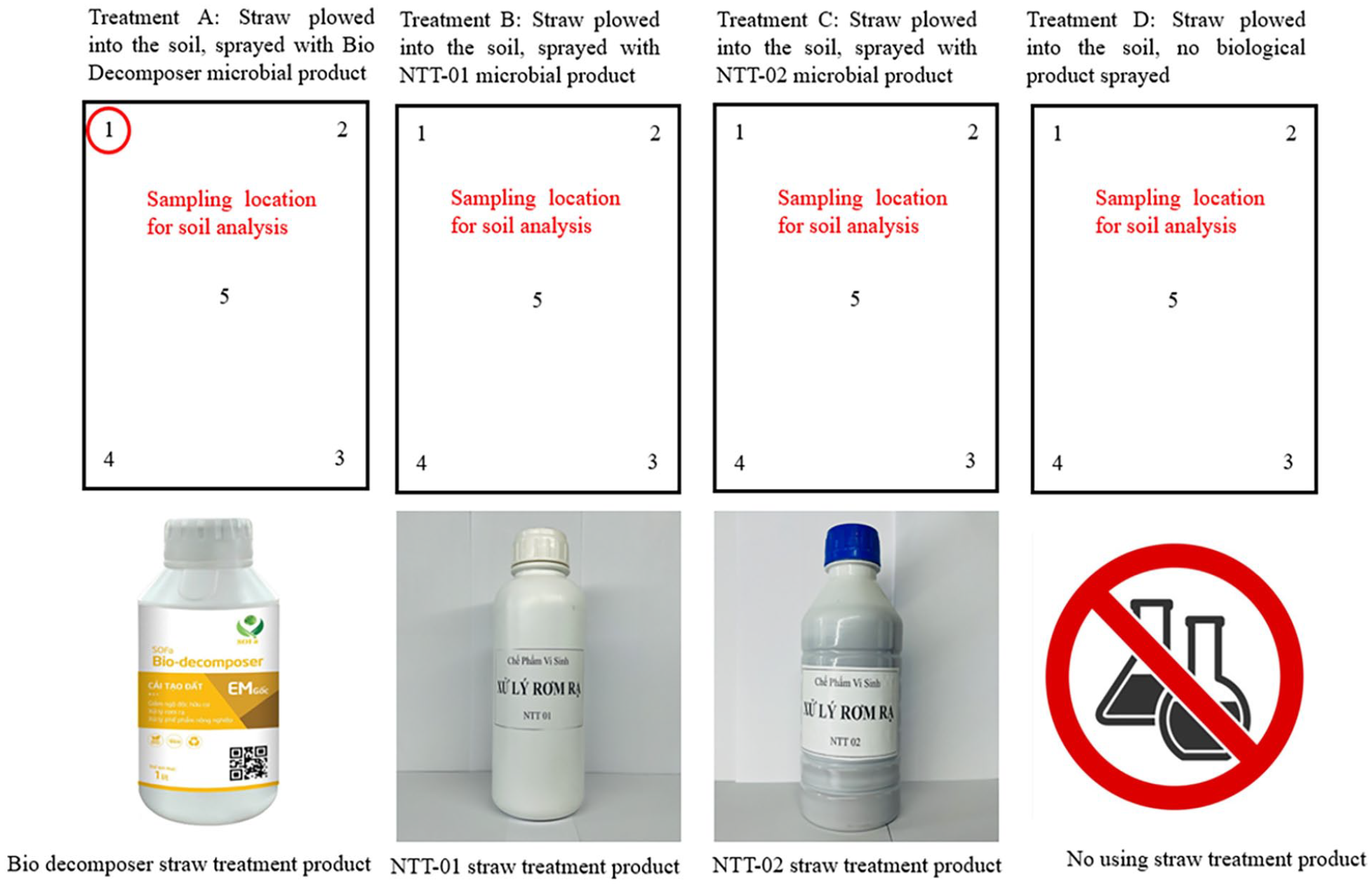
Experimental model.
The schematic diagram of the straw treatment process using biological products is shown in Figure 2.

Diagram of the rice straw treatment process using biological products.
Rice straw, the residue left after rice harvest, is often considered agricultural waste. However, efficiently managing rice straw not only helps reduce environmental pollution, but also improves soil quality and increases crop yields. Researchers at Nguyen Tat Thanh University have developed the biological product, an improvement over NTT-01, to treat rice straw sustainably and effectively. This treatment process is detailed through the following steps:
➢ Step 1: Soaking rice straw
After harvesting the rice, the field needs to be flooded to soak the rice straw for 1 to 2 days. This process softens the straw and initiates its natural decomposition. After being soaked, the water is drained and phosphate or lime is evenly spread over the field to improve soil and support organic decomposition.
➢ Step 2: Mixing and first application of the bioactive product
The biological product includes beneficial microbial strains such as Trichoderma (1 × 10⁸ CFU/ml) and Bacillus Subtilis (1 × 10⁶ CFU/ml). Dissolving this product in water and spraying it evenly over the rice straw helps introduce beneficial microorganisms into the soil, enhancing decomposition. During the experiment, 3 types of biological products (Bio Decomposer, NTT-01, NTT-02) were sprayed on test plots, each with an area of 650 m², along with a control plot without any product. Detailed models of mixing biological products during the experiment are presented in Table 1.
Mixing formulas for biological products during the experiment.

➢ Step 3: Rice straw
After spraying the product, the field is flooded with water to a depth of 4 to 6 cm above the field surface. Using a plow to turn the straw over and incorporate it into the soil increases the effectiveness of straw decomposition. This process is carried out for 7 days, after which the water is drained to prepare for the next step.
➢ Step 4: Second application of the biochemical product
The second application of the biological product is conducted in a way similar to the first. The mixture of biological products is dissolved in water and sprayed over the entire field surface. This helps to add more beneficial microorganisms and ensures a continuous and effective decomposition of rice straw.
➢ Step 5: Soil tilling
After the second application, the field is flooded with water to a depth of 4 to 6 cm and soaked for 7 days. Subsequently, the soil is tilled to loosen it, flatten the field surface, and drain excess water to dry the soil, preparing for sowing or transplanting rice.
➢ Step 6: Completing the process
After completing the above steps, the field is dried for 6 to 8 days to kill any remaining pathogens and stabilize the soil. Finally, the field is flooded and plucked before sowing or transplanting rice according to standard farming practices.
In summary, the post-harvest rice straw treatment process using the NTT-02 biological product from Nguyen Tat Thanh University not only rapidly and effectively decomposes rice straw but also improves soil quality and increases crop yields. With its lower cost and ease of use compared to previous products, NTT-02 promises to be a popular and sustainable solution in Vietnamese agriculture. The total treatment time is less than 3 weeks, helping farmers save time and costs while protecting the environment.
Compare the effectiveness of using microorganisms in rice-growing soil
This study demonstrates the significant benefits of using microbial enzyme treatments to manage rice straw and its positive impact on rice paddy soil compared to traditional methods. The application of microbial products, specifically Bio Decomposer, NTT-01, and NTT-02, showed marked improvements in soil quality and crop yields as shown in Table 2.
Experimental data on the effectiveness of microbial enzyme treatments on rice straw decomposition and soil quality.

Soil fertility and structure
- Traditionalmethods: Traditional methods, such as burning rice straw, lead to the loss of organic matter and essential nutrients from the soil. This practice depletes soil fertility over time, leading to compacted soil and reduced water retention capabilities, which in turn adversely affects plant growth.
- Microbialtreatments: The use of microbial enzyme treatments significantly enhances soil fertility by accelerating the decomposition of rice straw into natural organic fertilizer. This process enriches the soil with essential nutrients such as nitrogen, phosphorus, and potassium. Furthermore, the organic matter from decomposed straw enhances soil structure, increases water retention, and improves soil aeration, creating a more favorable environment for root development and microbial activity favorable.
Decomposition rate
- Traditionalmethods: Burning rice straw results in immediate removal of the straw, but causes air pollution and loss of potential organic matter. It also releases a large amount of CO2 and other harmful gases into the atmosphere, contributing to global warming and local air quality issues.
- Microbialtreatments: The microbial products increased the decomposition rate of rice straw by up to 80% in 14 days. This rapid decomposition converts straw into nutrient-rich compost. The presence of cellulase enzymes in the microbial products breaks down the cellulose in the straw more efficiently, resulting in faster turnover into valuable organic matter.
Crop yields
- Traditionalmethods: Relying solely on chemical fertilizers after burning rice straw can result in diminishing returns over time due to soil degradation. Overuse of chemical fertilizers may also cause soil acidification, reduced microbial diversity, and increased dependence on external inputs.
- Microbialtreatments: Improved soil quality from microbial treatments leads to a 20% increase in rice crop yields. Improved nutrient availability and better soil structure support healthier plant growth and higher productivity. Natural organic fertilizers produced from decomposed straw provide a slow-release source of nutrients that ensure sustained plant growth throughout the growing season.
Economic impact
- Traditionalmethods: The cost of chemical fertilizers and the labor involved in burning and clearing straw can be high. Additionally, long-term soil degradation can lead to increased costs for soil remediation and decreased land productivity.
- Microbialtreatments: Farmers can save up to 60% on cultivation costs by reducing the need for chemical fertilizers and using the natural compost produced. This cost savings results in higher profits and economic benefits for farmers. The improved crop yields also contribute to increased revenue. Furthermore, the use of microbial treatments can reduce the need to purchase expensive chemical inputs and reduce the costs associated with soil health management.
Environmental impact
- Traditionalmethods: Burning rice straw contributes to air pollution, greenhouse gas emissions, and soil degradation. The release of particulate matter and other pollutants can have adverse health effects in local communities and contribute to climate change.
- Microbialtreatments: The use of microbial enzyme treatments mitigates these environmental problems by preventing air pollution, protecting soil health, and reducing greenhouse gas emissions. This method supports sustainable farming practices and environmental conservation. By promoting organic matter, microbial treatments help sequester carbon in the soil and reduce the carbon footprint of agricultural practices.
In summary, the application of microbial enzyme treatments in rice straw management offers superior benefits for soil health, crop yields, economic savings, and environmental protection compared to traditional methods. This sustainable approach not only enhances agricultural productivity but also contributes to long-term soil health and environmental sustainability. The integration of microbial treatments into rice farming practices can provide a holistic solution to the challenges of rice straw management, promoting a greener and more sustainable agricultural future.
Comparison of economic returns in the use of preparations and traditional farming
This study highlights the significant economic benefits of using microbial enzyme treatments for rice straw management compared to traditional straw burning methods. Traditional cultivation methods, which involve burning rice straw, have low initial costs, but incur high expenses for chemical fertilizers and labor. The burning process does not return nutrients to the soil, necessitating significant chemical fertilizer inputs to maintain soil fertility. Furthermore, the labor costs associated with burning and clearing straw are high. Consequently, these traditional methods do not lead to any significant increase in crop yields or additional income for farmers. The environmental impact is also negative, contributing to air pollution and greenhouse gas emissions, which further degrade soil quality over time, as shown in Table 3.
Comparative economic benefits of using microbial products versus traditional cultivation methods.

In contrast, the use of microbial products such as Bio Decomposer, NTT-01, and NTT-02 offers a more sustainable and economically beneficial approach. Although the initial cost of microbial treatments is moderate due to the purchase of the products, these treatments result in significant long-term savings. The microbial products accelerate the decomposition of rice straw, transforming it into a nutrient-rich organic fertilizer that improves soil fertility and structure. This natural fertilizer reduces the need for chemical fertilizers, leading to a significant reduction in fertilizer costs.
The labor costs associated with microbial treatments are also lower as the process of applying microbial products and allowing natural decomposition is less labor intensive than burning and clearing straw residues. Improved soil quality from decomposed straw leads to substantial increases in crop yields, with Bio Decomposer resulting in a 20% increase, and NTT-01 and NTT-02 leading to 18% and 17% increases, respectively. These higher yields translate into higher income for farmers. Overall, the total cost savings for farmers using microbial treatments are substantial, with reductions of up to 60% in cultivation costs due to decreased fertilizer and labor needs. Increased crop yields provide an additional income boost, further enhancing the economic viability of this sustainable practice. Environmentally, the use of microbial treatments offers significant advantages by reducing air pollution, lowering greenhouse gas emissions, and improving soil health, contributing to more sustainable farming practices.
In summary, the application of microbial enzyme treatments for rice straw management not only provides economic benefits by reducing costs and increasing income, but also supports environmental sustainability. This approach offers a comprehensive solution that improves agricultural productivity, protects soil health, and promotes eco-friendly farming practices.
Results
Study and evaluation of soil quality before using microbial products
Rice straw, the residue of rice plants after harvest, is an important agricultural resource but is often not used effectively. Before using microbial products for treatment, rice straw typically exhibits specific characteristics depending on the local farmers’ cultivation practices, such as:
The color and height of the straw stubble in the fields are shown in Figure 3. After harvest, rice straw usually forms a thin layer on the ground. The straw can be bright yellow or light green, depending on the stage of growth and rice variety. The height of this straw layer usually ranges from 10 to 15 cm. Variations in color and height also depend on environmental conditions such as humidity, light, and temperature.

Straw stump before decomposition with microbial products.
The scent and texture of the straw stubble in the fields. Untreated rice straw has a distinctive stink resulting from the natural decomposition of organic matter. The texture of the straw remains hard and firm, retaining the characteristics of the original rice plant. This is one of the main reasons why treating rice straw is challenging; naturally undecomposed straw is difficult to incorporate into the soil and can hinder subsequent cultivation processes. Variations by rice variety and actual environmental conditions show that the characteristics of color, height, smell, and texture of rice straw can vary significantly depending on the rice variety and specific environmental conditions, as shown in Figure 4. Some varieties of rice have softer and more easily decomposable straw, while others have harder and more challenging stems to manage. Environmental conditions such as rainfall, humidity, and temperature also greatly affect the natural decomposition process of rice straw.

Rice straw after burying with microorganisms.
Therefore, understanding the current state of rice straw before using microbial products is crucial. These characteristics not only affect the efficiency of the decomposition process but also determine the appropriate treatment methods, as shown in Figure 5. The use of microbial products not only helps to address the stink and hard texture of rice straw, but also accelerates decomposition, improves soil quality, and improves cultivation efficiency.

Straw stump after burying with microbial products: (A) field with straw using Biodecomposer treatment, (B) field with straw using NTT-01 treatment, (C) field with straw using the NTT-02 treatment, and (D) field with straw without treatment.
After evenly spraying the microbial treatment on the field surface, the next step is to plow the straw into the soil to create favorable conditions for the microbial activity. Among the microbial treatments used in the experiments, some types of microorganisms have the ability to secrete cellulase, an enzyme that breaks down the cellulose found in straw. This process turns straw into a natural organic fertilizer for crops, as shown in Figure 6. The study also assessed soil quality after straw decomposition after microbial treatment over a period of 7 days.
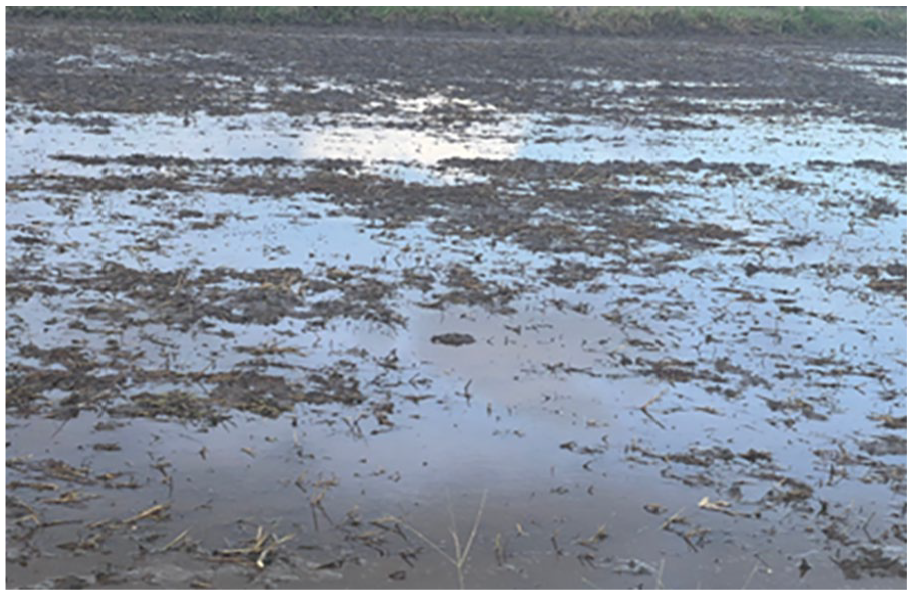
Straw decomposed by microbial treatment after 7 days.
After 7 days of using microbial treatments to decompose straw residues, the experiments showed noticeable changes in the color, stink, color, stink, and texture of the straw, as illustrated in Figure 7:

Straw residues after 7 days of decomposition using microbial treatments: (A) field with straw using Biodecomposer treatment, (B) field with straw using NTT-01 treatment, (C) field with straw using the NTT-02 treatment, and (D) field with straw without treatment.
The color change of the straw residues shifted from bright yellow to brown and became uniformly colored throughout the field. This color transformation is an important indicator that the microorganisms have been effectively active, breaking down the organic matter in the straw. The even brown color suggests that the decomposition process was successful, with no areas left untreated.
The change in stink is noticeable, as the smell of the straw residues shifted from an initially foul and unpleasant stink to a more natural, humus-like scent after 7 days of microbial treatment stink. This transformation is a positive sign, indicating that the organic matter has effectively decomposed, reducing the presence of unpleasant-smelling compounds. A mild and pleasant stink is a good indicator of the decomposition process.
The texture of the straw after being treated with microbial products for 7 days became softer and significantly reduced in mass. The decomposition of the organic matter within the straw produced finer and smaller particles. The straw no longer retained its original loose clumps, but became soft and fine, showing that the microorganisms effectively broke down the straw residues.
Thus, in general, after 7 days of using microbial treatments, we can observe the clear effectiveness of the straw decomposition process. The color, stink, and texture of the straw were significantly improved, indicating that the straw was transformed into a high-quality organic fertilizer. This organic fertilizer not only increases the nutrient content of the soil, but also improves soil structure, creating better conditions for crop growth. This is a sustainable and effective solution for post-harvest straw management, with great benefits for agriculture.
The straw residues after 7 days of microbial treatment, as shown in Figure 7, reveal that in the field with the straw not treated (D), the straw remains intact with no signs of decomposition, retaining its bright yellow color and foul stink. On the plots, A, B, and C show better results, with the straw beginning to turn brownish in color and becoming softer compared to the control sample. Among these, plot B yields the best results, with the straw becoming very soft and showing signs of decomposition, turning dark brown and losing its foul stink. This is attributed to the presence of stink-treating microorganisms and straw-decomposing microorganisms in the NTT-02 microbial treatment applied earlier. However, for a more accurate evaluation, specific measurements and comparisons with reference or standard samples are necessary. The study also evaluates soil quality after 14 days of straw residue decomposition using microbial treatments.
After 14 days of treatment with microbial decomposition, the straw and residues exhibited significant changes in color, stink, and texture, as shown in Figure 8.

Straw residues after 14 days of decomposition using microbial treatments: (A) field with straw using Biodecomposer treatment, (B) field with straw using NTT-01 treatment, (C) field with straw using the NTT-02 treatment, and (D) field with straw without treatment.
In the field experiment (D), where no microbial treatments were used and only natural decomposition was applied, the results were the least effective. The straw and residues turned yellow brown, remained intact, and started to show signs of decomposition accompanied by a foul stink. On the contrary, studies in fields A and C showed relatively good results with stable decomposition; the straw had become soft, dark brown, and had reduced the foul stink.
In particular, in plot B, the results were the best. The straw and residues had completely decomposed, leaving no trace in the field, and having no unpleasant stink. The texture had also improved significantly, becoming finely ground and substantially reduced in mass. The decomposition of organic matter in the straw produced ultrafine particles. The straw was thoroughly ground, with no initial fibers or clumps remaining, which is an excellent indicator of the decomposition process.
In summary, after 14 days of using microbial treatments, the straw and residues underwent significant perceptible changes. Their color, stink, and texture improved maximally, resulting in a high-quality organic fertilizer that increases the nutrient content of the soil, as shown in Figure 9. This method is cost-effective and environmentally friendly for post-harvest straw management. However, for a more accurate evaluation, specific measurements and comparisons with reference or standard samples are necessary.

Straw residues after 28 days of decomposition using microbial treatments: (A) Field with straw using Biodecomposer treatment, (B) field with straw using NTT-01 treatment, (C) field with straw using the NTT-02 treatment, and (D) field with straw without treatment.
Evaluation of rice crop stages during the vegetative period
Seedling stage
Before sowing, farmers must ensure that the field surface is dry, as shown in Figure 8. This helps create favorable conditions for sowing and allows the rice seeds to make good contact with the soil, increasing the germination and growth potential of the rice plants. Specifically:
➢ Germination stage: After sowing, when rice plants start to germinate, farmers should maintain a water level of about 1 to 3 cm on the field surface. Keeping this water level provides a stable moist environment for root development and improves plants’ resistance to harsh weather conditions.
➢ Tiller stage: When the rice plants begin to till, continue to maintain the water level at 1 to 3 cm. This level of water helps rice plants grow uniformly and strengthens the growth of new tillers.
Maintaining an appropriate water level during the early stages of rice plant development not only increases germination and tilling, but also creates favorable conditions for the overall growth of rice plants. These are crucial steps to ensure the yield and quality of the crop, contributing to greater economic efficiency for farmers.
Studying and monitoring the growth of rice plants in the early stages is crucial to evaluate the effectiveness of farming practices and the application of biological treatments. Below is a summary of the growth characteristics of rice plants during the initial period after sowing, together with the differences observed using various biological treatments, as shown in Figure 10.

Growth of young rice seedlings using biological treatment.
During the vegetative growth period, the number of tillers and the leaf area of rice plants increase maximally and peak at the end of the stage, known as the maximum tiller stage. Temperature and daylight duration are 2 significant factors that greatly affect the timing of this stage. Each rice variety has a different vegetative growth period; long-duration varieties have a longer vegetative growth period. Furthermore, in addition, cultivation techniques and the amount of fertilizer significantly impact the rice plant during this stage.
Based on growth characteristics, the seedling period of rice plants can be divided into 2 substages: the young seedling stage and the healthy seedling stage.
➢ Young seedling stage: From sowing to when the plants have 3 true leaves, the seedlings have poor resilience.
➢ Healthy seedling stage: Starting when the seedlings have 4 true leaves until transplantation, the plants enter a period of independent growth, with a significant increase in height and the potential to produce 4 to 5 sets of roots. During this stage, resilience also increases substantially.
The duration of the seedling stage depends on the rice variety, season, and nursery techniques. The seedling stage is crucial in the overall growth process of rice plants; good and healthy seedlings are important for successful tilling and subsequent growth stages.
After 7 days of sowing, the experimental observations noted differences in germination and seedling development between the treatments. In field A (using Bio decomposer), field B (using NTT-01 treatment) and field C (using NTT-02 treatment), the seedling germination and density were higher compared to the control field (field D) that did not use biological treatments, as shown in Figure 11.

Status of fields 7 days after sowing: (A) field with straw using Biodecomposer treatment, (B) field with straw using NTT-01 treatment, (C) field with straw using the NTT-02 treatment, and (D) field with straw without treatment.
Specifically, fields A, B, and C showed stronger seedling growth, with an even distribution and higher germination rates. This indicates that biological treatments positively impact the initial development of rice plants.
In summary, the use of biological treatments in the early stages after sowing has a significant impact on the development of rice plants. Positive changes in straw color, stink, and texture after 14 days of microbial treatment, as well as robust growth of seedlings after 7 days of sowing, demonstrate the great potential of these treatments to improve crop yield and quality. This method is cost-effective and environmentally friendly, promising to bring numerous benefits to farmers and the agricultural sector. However, for more accurate evaluations, specific measurements and comparisons with reference or standard samples are necessary.
Tiller stage of rice plants
Typically, 15 to 20 days after sowing, rice plants begin to tiller as shown in Figure 12. During this period, until the rice starts to elongate and form panicles, farmers should use the “alternating wet and dry” irrigation method. This means letting water into the field to a depth of about 5 cm, then allowing the water to dry out until the field surface cracks slightly before adding water again. This process is repeated throughout the tillering stage.

Experimental plots 20 days after sowing: (A) field with straw using Biodecomposer treatment, (B) field with straw using NTT-01 treatment, (C) field with straw using the NTT-02 treatment, and (D) field with straw without treatment.
Studying the growth of rice plants in the early stages after sowing is crucial to evaluate the effectiveness of agricultural practices, especially the use of biological treatments. Below is a detailed analysis of rice plant growth and tillering 20 days after sowing in experimental fields using different biological treatments. The experiment was conducted in 4 fields, including:
➢ Field A: Using Bio Decomposer, the growth and tilling of rice plants in field A were significantly higher than in the control field D. The average stem length in field A ranged from 15 to 20 cm, with each rice clump having 2 to 4 tillers.
➢ Field B: Using NTT-01 biological treatment showed growth levels to field A, with superior growth and tillering compared to the control field. The average stem length in field B was also 15 to 20 cm, and each rice clump had 2 to 4 tillers.
➢ Field C: Using NTT-02 the biological treatment, the growth and tilling in field C were higher than in the control field, but lower than in fields A and B. The average stem length in field C was 15 to 20 cm, with each clump having 2 to 4 tillers, although not as robust as in fields A and B.
➢ Control field D: Without any biological treatments, field D showed the lowest growth and tillering among the experimental plots. The stem length and number of tillers were significantly lower than in the other fields.
After 20 days of observation, the results showed that biological treatments positively affected growth and mowing. Fields A and B, using Bio Decomposer and NTT-01, showed outstanding growth with greater stem length and more tillers compared to the control field. Field C, using NTT-02, also had good results but was not as effective as fields A and B. This indicates that using the use of biological treatments such as Bio Decomposer and NTT-01 can promote strong growth of rice plants in the early stages after sowing. These treatments help rice plants produce more tillers and grow taller, creating favorable conditions for subsequent growth stages.
The experimental results affirm the important role of biological treatments in improving crop yield and quality. The application of Bio Decomposer and NTT-01 not only improves rice plant growth, but also has the potential to reduce negative environmental impacts, lower fertilizer costs, and improve agricultural agricultural efficiency. To optimize results, farmers should consider applying biological treatments suitable for their specific farming conditions. Furthermore, more research and evaluation of the impacts of these treatments in the later stages of stages of rice plants are needed to develop more effective farming methods in the future.
The use of biological treatments has shown clear effectiveness in improving rice plant growth and tillering of rice plants 20 days after sowing. These results open significant prospects for the widespread application of biological treatments in agriculture, contributing to increased crop yield and quality, while protecting the environment and reducing production costs, as shown in Table 4.
Cost table for caring for 2600 m² of rice (between the 2022 crop using traditional farming and the 2023 crop using a combination of microorganisms).

Abbreviation: VND, currency unit circulating in Vietnam.
From the above cost table, it is evident that fertilizer costs have decreased significantly after using microbial treatments to decompose straw in the field. Decomposed straw provides a large amount of natural organic fertilizer to the soil, which helps rice plants grow robustly, thereby reducing the need for additional fertilizers during cultivation and increasing farmers’ profits. Previously, without using microbial treatments to decompose straw in the field, the total care cost for 2600 m2 of rice cultivation was nearly 6 million VND. However, after using microbial treatments, the cost decreased to 2.5 million VND for 2600 m², representing a nearly 60% reduction in cultivation costs compared to before. The rice yield after harvest from each experimental plot corresponding to an area of 650 m2 is shown in Table 5.
Rice yield from 4 experimental plots.

In the table of rice yield statistics after using microbial treatments, the yield of rice from fields using microbial treatments (A, B, C) increased significantly compared to the field without microbial treatments (D). Among them, field B, which used NTT-01 treatment, achieved the highest yield with 504 kg, a 20% increase compared to the control field (D), which had a yield of 420 kg. Next, field C, using the NTT-02 treatment, produced 480 kg, an increase of 14% compared to the control field. Finally, field A, using Bio Decomposer microbial treatment, yielded 462 kg, a 10% increase compared to field D.
These results show that the use of microbial treatments to decompose straw residues in the field not only reduces care efforts but also increases rice yields, as illustrated in Figure 13. Additionally, during the decomposition process, microbial treatments also eliminate wild rice seeds in the field, reducing the presence of wild rice by up to 80%.

Rice yield after harvest for each treatment (650 m²): (A) field with straw using Biodecomposer treatment, (B) field with straw using NTT-01 treatment, (C) field with straw using the NTT-02 treatment, and (D) field with straw without treatment.
The results of the study using microbial treatments to decompose straw residues in Cam My district, Dong Nai province, show the very strong activity of cellulose-decomposing microorganisms, reducing the decomposition time to just 14 days, while it takes more than a month without using the treatments. This is a good sign that indicates the adaptability and development of microorganisms in the area, helping to supplement beneficial microorganisms in the soil, increase the amount of natural organic fertilizer, reduce care costs by 60%, increase rice yield by 20% and reduce the presence of wild rice by 80%.
Crop yield measurement
To accurately quantify the impact of microbial enzyme treatments on rice crop yields as shown in Table 6, the following detailed methodology was used:
Effectiveness of microbial enzyme treatments on rice crop yield and soil quality.

- Yield components measurement
➢ Number of tillers: The number of tillers per plant was counted from randomly selected plants within each plot. Typically, 10 plants per plot were randomly selected for this measurement. Tillers are an important yield component, as they directly contribute to the number of panicles produced. The average number of tillers per plant was then calculated for each plot.
➢ Panicle length: The length of the panicles of the selected plants was measured using a ruler or measuring tape. The length can influence the number of grains produced per panicle. Measurements were taken from the base to the tip of the panicle and the average panicle length for each plot.
➢ Grain weight per panicle: The total grain weight of the individual panicles was recorded. Each selected panicle was harvested and the grains were threshed and weighed. This metric helps to determine the productivity of each panicle and the overall grain yield. The average grain weight per panicle was then calculated for each plot.
- Harvest procedure
➢ Defined harvest area: A specific area within each plot, typically 1 m², was marked for harvesting to ensure consistency and accuracy in yield measurement. This area was randomly selected within each plot to avoid any bias.
➢ Harvesting: All plants within the defined area were harvested at maturity. Harvesting was done manually using sickles to cut the plants close to the ground. The harvested plants were carefully handled to prevent any loss of grains during the process.
➢ Threshing: The harvested rice was threshed using a mechanical thresher to separate the grains from the straw. The grains were then cleaned to remove any debris or empty grains. Care was taken to ensure that all grains were collected and that there was no loss during threshing.
- Yield calculation
➢ Grain weighing: Clean grains from the defined harvest area were weighed using a precision balance. The weight was recorded in kilograms. To ensure accuracy, the weighing was repeated 3 times and the average weight was taken.
➢ Moisture content adjustment: The grain yield was adjusted for moisture content to standardize the yield measurements. The standard moisture content for rice is typically 14%. Moisture meter were used to measure the actual moisture content of the grains at harvest. If the actual moisture content was different from the standard, the yield was adjusted using the following formula.

This adjustment ensures that all yield measurements are comparable regardless of the moisture content at the time of weighing.
➢ Extrapolation to a per-hectare basis: The adjusted grain yield from the defined harvest area was extrapolated per hectare basis using the following formula.

This extrapolation allows for comparison between different plots and treatments on a standardized scale.
- Yield increase calculation
➢ Comparison to control: The increase in yield for each treatment was calculated by comparing the yield of the treated plots with the yield of the control plot (which received no microbial treatment). This comparison helps to understand the effectiveness of each treatment.
➢ Percentage increase: The percentage increase in yield was calculated using the formula:

This calculation provides a clear indication of the relative improvement in yield due to the treatments.
- Grain quality analysis
➢ 1000-Grain weight: A sample of 1000 grains was weighed from each plot to determine the average grain weight, which is an indicator of grain quality. The grains were counted manually and weighed using a precision balance. The average weight was calculated and recorded.
➢ Grain protein content: The grain protein content was analyzed using a near-infrared reflectance (NIR) spectrometer to assess the nutritional quality of the harvested rice. This non-destructive method involves scanning the grains with infrared light and measuring the absorption spectra, which are then used to estimate the protein content.
Using these detailed procedures, the study ensures accurate and reliable measurement of rice crop yields, allowing a thorough evaluation of the effectiveness of microbial enzyme treatments in improving agricultural productivity. The combination of yield component measurements, standardized harvesting procedures, and grain quality analysis provides a comprehensive assessment of overall impact of the treatments.
Discussion
The impact of burning fields on sustainable agriculture
The findings of this study demonstrate the significant benefits of using microbial enzyme treatments for the sustainable management of post-harvest rice straw. The application of Bio Decomposer, NTT-01, and NTT-02 microbial products resulted in a substantial reduction in straw decomposition time, improved soil quality, and increased rice yields. Specifically, the decomposition rate increased by up to 80% within 14 days, compared to fields where no microbial products were used. This accelerated decomposition process produces natural organic fertilizer, which improves soil fertility and structure. 41 The increased soil fertility is attributed to the increased availability of nutrients, such as nitrogen, phosphorus, and potassium, which are released during the microbial decomposition of rice straw. Furthermore, microbial treatments promote the growth of beneficial soil microorganisms, further improving soil health and plant growth.42,43 These improvements in soil quality contribute to a 20% increase in rice crop yields, since plants have better access to essential nutrients and improved soil structure for root development. Furthermore, the use of microbial treatments resulted in a 60% reduction in cultivation costs, as listed in Table 2. This significant cost savings is mainly due to the decreased reliance on chemical fertilizers, as the natural organic fertilizer produced from decomposed straw provides sufficient nutrients for crops.19,20 Furthermore, the reduction in labor required for straw management, such as straw collection and burning, also contributes to lower overall cultivation expenses. In summary, the application of microbial enzyme treatments not only offers an environmentally friendly solution to the management of rice straw but also provides substantial economic benefits to farmers. By improving soil quality and increasing crop yields, these treatments support sustainable agricultural practices and improve the profitability of rice farming.
The positive impact on soil quality was evident through the increase in nutrient content and microbial activity. Specifically, microbial treatments increased the levels of essential nutrients such as nitrogen, phosphorus, and potassium in the soil.44,45 These nutrients are critical for plant growth and were made more available through the decomposition of rice straw by microbial enzymes. Furthermore, the treatments stimulated the proliferation of beneficial soil microorganisms, including bacteria and fungi, which play a vital role in cycling and soil health.46,47 These improvements contribute to healthier and more productive soils, which is crucial for sustainable agricultural practices. Healthier soil with higher nutrient content and active microbial communities supports robust plant growth, leading to increased crop yields. 48 Microbial treatments also help to improve soil structure by increasing organic matter content, improving water retention, aeration, and root penetration. Furthermore, microbial treatments reduce the need for chemical fertilizers, which are often associated with environmental pollution and high costs. By providing a natural source of nutrients through the decomposition of rice straw, these treatments reduce the environmental impact of farming practices. 19 This reduction in chemical fertilizer use not only decreases the potential for nutrient runoff into water bodies, but also reduces the carbon footprint associated with the production and application of synthetic fertilizers. In general, the use of microbial enzyme treatments promotes a more eco-friendly approach to farming. It improves soil health, reduces dependence on chemical inputs, and supports sustainable agricultural practices that are beneficial both for the environment and the economic viability of agricultural operations.
However, the study also highlights several limitations. The initial cost of microbial products may be higher than that of traditional methods, posing a financial barrier for some farmers. This higher cost could deter adoption, particularly among small farmers with limited financial resources. Furthermore, the successful application of these treatments requires specific knowledge and techniques, underscoring the need for comprehensive training and support from agricultural agencies and experts. Farmers must be educated on the correct application methods, optimal conditions for microbial activity, and how to integrate these treatments into their existing farming practices. Furthermore, the long-term effects of repeated use of microbial treatments on soil health and crop productivity remain uncertain and warrant further investigation.49 -51 Although the short-term benefits are clear, it is essential to understand how continuous application influences soil microbial diversity, nutrient cycling, and the potential buildup of any by-products. Long-term studies are needed to assess whether there are negative impacts on soil structure or fertility over time and to determine the sustainability of these practices. Future research should focus on addressing these limitations by exploring cost-effective production methods for microbial products to make them more accessible to farmers. Developing and implementing training programs for farmers is crucial to ensure proper use of these treatments. Additionally, long-term field studies must be performed to evaluate the lasting effects of microbial treatments on soil health, crop productivity, and overall sustainability of the farm ecosystem.49,52 Research should also investigate the potential of these treatments to be adapted for different types of crops and varying agricultural conditions, thus broadening their applicability and benefits. In conclusion, while microbial enzyme treatments offer significant advantages for sustainable rice straw management and agricultural productivity, addressing long-term financial, educational, and long-term sustainability challenges is essential for widespread adoption and sustained benefits. By overcoming these hurdles, microbial treatments can become a cornerstone of sustainable agricultural practices, providing environmental and economic benefits to farmers around the world.
Future research should focus on addressing these limitations by exploring ways to reduce the cost of microbial products and by developing effective training programs for farmers programs. This could involve optimizing production processes to make microbial products more affordable and investigating alternative, locally available microbial strains that may be less costly to produce. Developing effective training programs is crucial to ensure that farmers have the necessary knowledge and skills to apply these treatments correctly and maximize their benefits. Investigating the long-term impact of microbial treatments on soil ecosystems and crop yields will provide valuable information on their sustainable use. Long-term field studies should be conducted to monitor changes in soil health, microbial diversity, and nutrient cycling over multiple growing seasons. Understanding these impacts will help determine the sustainability of microbial treatments and their potential effects on soil fertility and structure over time. Additionally, exploring the scalability and applicability of these treatments to other types of agricultural waste can broaden their potential benefits. Research should investigate how microbial enzyme treatments can be adapted for use with different crops and agricultural residues, such as wheat straw, corn stalks, and other organic waste materials. This could expand the utility of microbial treatments beyond rice straw management, providing a versatile solution for sustainable waste management in various agricultural systems. By addressing these research areas, we can develop more cost-effective, scalable, and sustainable microbial treatments that improve soil health, increase crop yields, and reduce the environmental impact of agricultural practices. These advancements will contribute to the broader adoption of eco-friendly farming practices, promoting environmental sustainability and economic viability for farmers.
In conclusion, this study demonstrates the potential of microbial enzyme treatments to revolutionize rice straw management by offering a sustainable and environmentally friendly alternative to traditional burning practices. By addressing current limitations and expanding research efforts, these treatments can contribute significantly to sustainable agriculture and environmental protection.
People’s awareness through the copper burning model
This study provides a compelling case for the adoption of microbial enzyme treatments over traditional rice straw burning methods, presenting several key benefits that can significantly enhance community awareness and change perceptions about rice straw management.
- Environmental impact: The study demonstrates that microbial treatments can significantly reduce CO2 emissions and PM associated with burning. By showcasing data on improved air quality and reduced levels of pollution, community members can better understand the direct impact of burning practices on their health and the environment. Public health campaigns can use these data to highlight the risks of burning straw and promote cleaner air as a community benefit. Furthermore, the quantification of greenhouse gas emissions reduction achieved through microbial treatments highlights the role of sustainable practices in combating climate change.53,54 Educating the community about how these treatments contribute to reducing their carbon footprint can foster a greater sense of environmental responsibility and encourage collective action to mitigate climate change.
- Economic benefits: Economic analysis shows substantial cost savings from reduced use of chemical fertilizers and lower labor costs, in addition to increased income from higher crop yields. Sharing these economic benefits with the farming community through workshops and information sessions can incentivize the adoption of sustainable practices by demonstrating the financial advantages. Detailed case studies and testimonials from farmers who have successfully adopted microbial treatments can further reinforce these points.55 -57 Highlighting the long-term economic sustainability of using microbial treatments over traditional methods can help farmers see the value of investing in these technologies. Training programs and workshops can further elucidate how these savings translate into long-term financial stability. Providing financial planning tools and resources can help farmers understand the long-term economic benefits and make informed decisions about adopting new practices.
- Soil health and agricultural productivity: The study shows significant improvements in soil nutrient content and structure, leading to better crop yields. Educating farmers about the benefits of soil health for sustained agricultural productivity can encourage them to adopt microbial treatments. Demonstration plots can be established to show the direct benefits of improved soil quality and higher yields, allowing farmers to see the results first-hand. By promoting the use of microbial treatments, the study advocates for sustainable farming practices that improve soil fertility and reduce dependence on chemical inputs. 57 Community outreach programs can demonstrate these practices through field days and demonstrations. Providing access to technical support and resources can help farmers transition to these sustainable practices more easily.
- Public health and safety: The study can inform the community about the health risks associated with straw burning, such as respiratory problems and other health problems. Raising awareness of these risks can drive community support for alternative methods. Public health campaigns can focus on educating community members about the long-term health benefits of reducing air pollution from burning straw. By reducing the need for burning, the study promotes a safer work environment for farmers, reducing exposure to smoke and fire hazards. Safety education campaigns can highlight these benefits, highlighting the reduction of accidents and health issues related to burning straw.
- Community engagement and education: Implementing workshops and training sessions for farmers and community members to educate them on the benefits and application of microbial treatments is crucial.58,59 These programs can also address common concerns and misconceptions about the adoption of new technologies. Providing hands-on training and demonstrations can help build confidence in the new methods. Setting up demonstration plots in various community areas to showcase the effectiveness of microbial treatments in real-world settings can provide tangible evidence of the benefits and encourage broader adoption. Local leaders and successful farmers can be involved as champions to promote the new practices. The use of social media from local networks and community meetings to promote the study’s findings and educate the general public on the importance of sustainable rice straw management practices is also important. Engaging local leaders and influencers can help amplify the message. Creating informative brochures, videos, and infographics can make the information more accessible and engaging.
Conclusion and Development Orientation
This study has developed a model to change the perception of farmers and propose solutions to handle straw residues after harvest through the use of microbial treatments. A highlight of the study is the application of cellulase enzyme, an enzyme capable of breaking down cellulose in straw through the NTT-01 microbial treatment model developed by the research team, which shortens the decomposition time and creates natural organic fertilizer. The key findings of this study show:
- Biological treatments such as NTT-01 and NTT-02 have demonstrated their ability to significantly promote growth and tilling in the early stages after sowing. Specifically, fields B and C showed superior growth in terms of stem length and number of tillers compared to fields without microbial treatments or those using the Bio Decomposer product.
- The application of biological treatments not only improves the growth of rice plants but also minimizes negative environmental impacts. Using these treatments can reduce the need for chemical fertilizers, thus reducing pollution and protecting the ecosystem. The study confirms the potential for widespread application of biological treatments in agriculture. The use of NTT-01 can help farmers improve production efficiency, reduce costs, and increase profits. This is particularly important in the context of developing sustainable and environmentally friendly agriculture.
However, there are some limitations to the present findings. The initial cost of microbial products may be higher than that of traditional methods, which could be a barrier for low-income farmers. Additionally, the application of these products requires specific knowledge and techniques that require training and support from the relevant agencies. Furthermore, the long-term effects of repeated use of microbial treatments on soil health and crop productivity need to be studied in more detail.
Future research should focus on addressing these limitations by exploring cost-effective production methods for microbial products and developing comprehensive training programs for farmers. Investigating the scalability of these treatments and their applicability to different types of agricultural waste will also be crucial. Additionally, long-term studies on the impact of microbial treatments on soil ecosystems and crop yields will provide valuable information on their sustainable use.
In summary, the findings underscore the effectiveness of microbial treatments in improving rice plant growth, reducing care costs, and increasing yields while offering significant environmental benefits. These results support the continued research and development of biological treatments for broader agricultural use.
Footnotes
Funding:
The author(s) received no financial support for the research, authorship, and/or publication of this article.
Declaration of Conflicting Interests:
The author(s) declared no potential conflicts of interest with respect to the research, authorship, and/or publication of this article.
Author Contributions
Ethical and Informed Consent for the Data Used
Data usage should not cause harm to individuals or communities. Clear and open communication about data collection, storage, and usage practices is essential to establish trust and accountability.
Data Accessibility and Access
Data available in the article or its supplementary materials. The authors confirm that the data supporting the findings of this study are available in the article and its supplementary materials.