




Abstract
Heavy fuel oil (HFO) category substances are used to manufacture HFO, a product used in industrial boilers and marine diesel engines. Commercial HFOs and blending stream components are substances of complex and variable composition, composed of C20 to >C50 hydrocarbons, although lower molecular weight material may be added to reduce viscosity and improve flow characteristics. An HFO blending stream (catalytically cracked clarified oil [CCCO]) was tested for target organ and developmental toxicity in rats following repeated dermal administration at doses of 5, 25, or 50 mg/kg/d. In the repeated dose study, there was evidence of increased liver weights, reduced thymus weights, and reductions in hematological parameters with an overall no observed adverse effect level (NOAEL) of 5 mg/kg/d. In the developmental toxicity test, there were significant reductions in fetal survival, significant increases in resorption frequency, and significantly reduced fetal weights with an overall NOAEL of 5 mg/kg/d. These target organ and developmental effects are associated with the types and levels of aromatic constituents in these substances. Among HFO blending streams, CCCOs have the highest levels of aromatics and, because they produce the characteristic toxicological effects at the lowest levels, are considered as “reasonable worst-case examples” for this group of substances. Other HFO category members with lower levels of aromatics produce similar effects but have higher NOAELs. The potential for target organ and developmental effects of other HFO category members can be predicted from information on the types and levels of the aromatic constituents present in these substances.
Keywords
Introduction
The United States Environmental Protection Agency (USEPA) announced a voluntary chemical data collection effort in 1998 called the High Production Volume (HPV) Challenge Program. The HPV chemicals are those produced or imported into the United States in aggregate quantities of at least 1 million pounds per year. 1 Approximately 400 petroleum substances, sponsored in the US EPA’s Challenge Program by companies belonging to the Petroleum HPV Testing Group (PHPVTG), were organized into 13 categories to facilitate data sharing and to avoid redundant testing. The categories included crude oil, gases, gasoline, kerosene/jet fuel, gas oils, heavy fuel oils (HFOs), lubricating oils, waxes, aromatic extracts, asphalts, grease thickeners, petroleum coke, and refinery wastes. This article addresses the toxicological hazards of HFO category substances as evaluated in studies performed over more than 20 years of US and European research and in the context of new data on catalytically cracked clarified oil (CCCO; Chemical Abstract Service Registry Number [CAS RN] 64741-62-4), a “worst-case substance.” In addition, an approach to predicting effects of untested HFO substances based on the analytical profile of polycyclic aromatic compounds (PACs) is utilized. 2
The HFO category substances are materials that remain after the higher quality hydrocarbons have been removed from petroleum feedstocks, primarily residua from vacuum distillation as well as catalytic and thermal cracking processes and are best described as substances of Unknown or Variable composition, Complex reaction products or Biological materials (UVCBs). Feedstocks derived from distillation are identified as straight run, while cracked feedstocks result from a process that breaks (“cracks”) the heavier, higher boiling petroleum streams produced by distillation into lighter molecular weight materials. This can be done in the presence of a catalyst (catalytic cracking) or high temperature (thermal cracking or coking). The HFO category substances are blended into HFO used in industrial boilers and other direct source heating applications (eg, blast furnaces) and in marine diesel engines. The constituents of HFO blending streams are diverse with carbon numbers ranging from approximately C20 to >C50 depending on the manufacturing processes used and the technical requirements of the final products, although lower carbon number, less viscous material may be added to improve flow characteristics of commercial fuels. The HFO category members are complex substances comprising paraffins, cycloparaffins, aromatics, olefins, and asphaltenes as well as molecules containing sulfur, oxygen, nitrogen and/or organometals. The HFO category members are not defined by detailed compositional information but rather by process history, physical properties, and end use specifications. 3 Since viscosity, pour point, and flash point as well as vanadium and sulfur levels in the final products are often the controlling specifications for the end use applications, with other limiting requirements—notably boiling point ranges—left unspecified, there is wide variation in the chemical compositions of the resulting commercial HFOs. 4
The HFO category members have acute oral toxicity (median lethal dose [LD50]) values ≥5000 mg/kg and acute dermal toxicity (LD50) values >2000 mg/kg. 5,6 They may produce skin irritation, particularly if tested under occlusive patch conditions and for extended periods of time, but they are not ocular irritants and do not induce allergic contact sensitization. Of particular toxicological concern is the potential to produce dermal cancer since HFO category members may contain relatively high levels of PACs, which have carcinogenic properties. Polycyclic aromatic hydrocarbons (PAHs) are compounds with 2 or more fused-aromatic rings consisting of carbon and hydrogen only. “Polycyclic aromatic compound” is a more inclusive term than PAH since, in addition to the PAHs, PACs also include compounds in which one or more atoms of nitrogen, oxygen, or sulfur replaces one or more of the carbon atoms in a fused ring system and more importantly includes alkylated (methyl, ethyl, etc) rings. 7 In fact, 1 HFO category member, CCCO (CAS RN 64741-62-4, also known as clarified slurry oil, decant oil, and/or carbon black oil), a relatively high boiling, highly aromatic stream produced during catalytic cracking, is considered by the petroleum industry to be “worst case” with respect to carcinogenic hazards. Samples of CCCO are very active in dermal carcinogenesis assays; in fact, CCCO has often been used as a positive control material in chronic dermal application studies in mice. 4,8 The HFO category members are also mutagenic in appropriately modified Salmonella tests, providing supporting information that the carcinogenic constituents are PACs. 9 –11
Noncarcinogenic effects of substances in the HFO category have been evaluated primarily in repeated dose and developmental/reproductive toxicity studies utilizing dermal routes of test material administration, resulting in a range of lowest observed adverse effect levels (LOAELs) and no observed adverse effect levels (NOAELs; Table 1) depending on composition and processing steps. 5,6,12 Of the HFO category substances, those derived from catalytic or thermal cracking processes (eg, CAS RN 64741-62-4 and CAS RN 64741-81-7, respectively) demonstrated a greater level of toxicity compared to straight run substances.
Summary of Repeated Dose and Developmental Toxicity Studies of Heavy Fuel Oil Category Substances by the Dermal Route of Exposure.
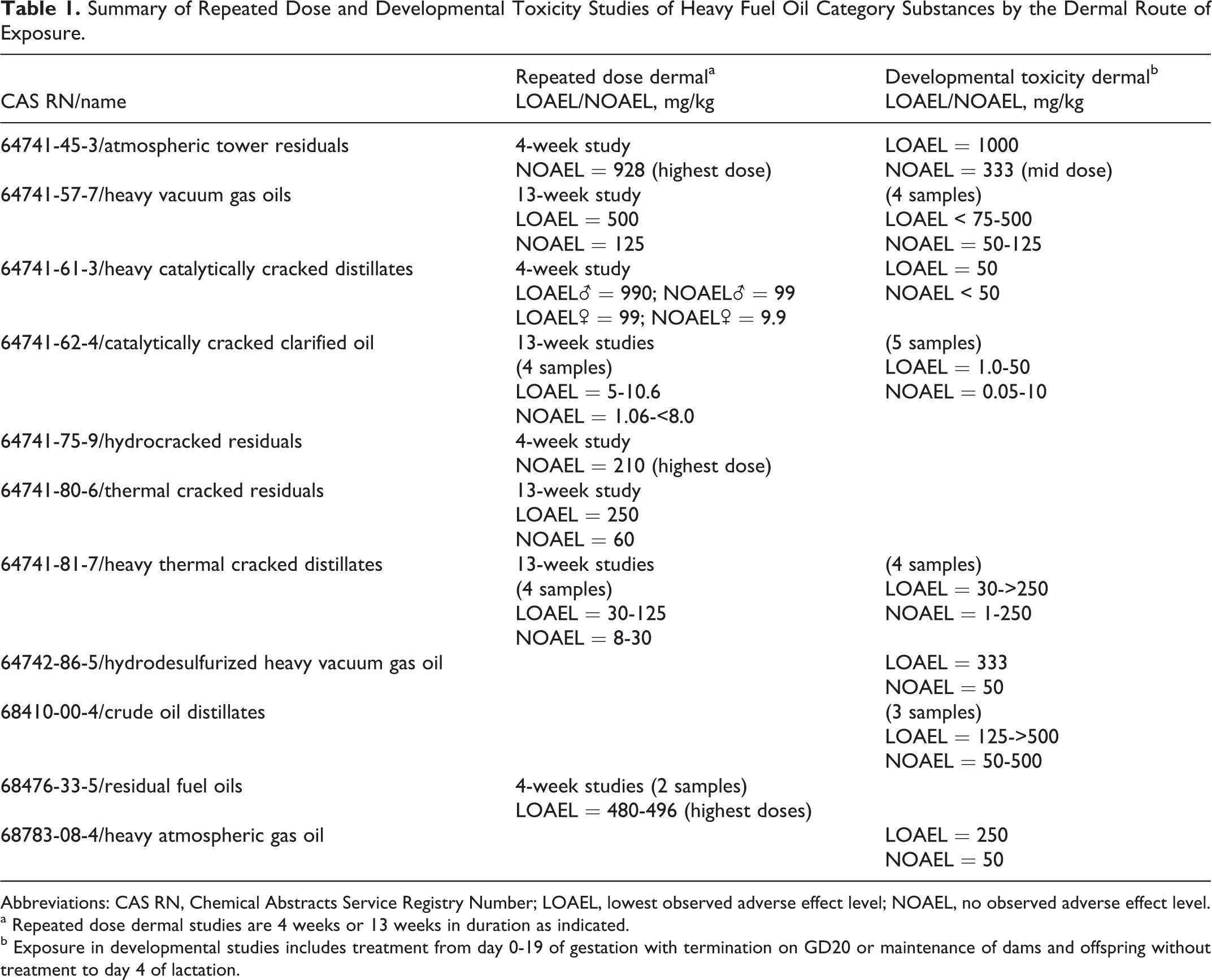
Abbreviations: CAS RN, Chemical Abstracts Service Registry Number; LOAEL, lowest observed adverse effect level; NOAEL, no observed adverse effect level.
a Repeated dose dermal studies are 4 weeks or 13 weeks in duration as indicated.
b Exposure in developmental studies includes treatment from day 0-19 of gestation with termination on GD20 or maintenance of dams and offspring without treatment to day 4 of lactation.
Thus, to characterize the toxicological hazards of HFO category members on a “worst-case” basis, research has focused on high boiling or residual material from cracking processes. Cruzan et al 13 reported that CCCO (identified as catalytically cracked clarified slurry oil, CAS RN 64741-62-4) was lethal when repeatedly applied to rats by dermal application at doses of 125 mg/kg/d and higher. At lower doses, there were reductions in body weight gain, increased liver weights, histological changes in the liver, thymic atrophy, and reductions in hematological parameters. Based on histological changes in the bile ducts of rats in the lowest dose group tested (8 mg/kg/d), the authors concluded that a no effect level had not been identified.
Feuston et al 14 reported that dermal application of CCCO at levels of 30 mg/kg/d and higher resulted in increased resorption frequencies and reduced fetal body weights. Delayed ossification, suggesting delayed development, consistent with the reduction in fetal body weight was also reported. Other anomalous developmental findings which were suggestive of the potential for malformation were noted, but the differences were not statistically significant. The authors hypothesized that CCCO could produce malformations, but, because few relatively highly exposed fetuses survived to scheduled termination, the opportunities to observe malformations were limited. To test this hypothesis, additional studies were conducted in which rats were exposed to CCCO by either oral 15 or dermal 16 administration for limited periods of time to avoid excessive toxicity. Data from these more targeted studies provided evidence that exposure to CCCO resulted in a pattern of fetal malformations including cleft palate, diaphragmatic hernia, and paw and tail defects, but statistical significance was achieved only at doses of 1000 to 2000 mg/kg/d.
Cruzan et al 13 hypothesized that the effects on liver, thymus, and hematological parameters were due to the presence of carbazoles which were present at relatively high levels in the sample they tested and were better absorbed than the aliphatic or aromatic constituents. Feuston et al 12 compared the results of systemic and developmental toxicity studies of 13 refinery streams to compositional parameters and concluded that the severity of effects was dependent on the levels of 3- to 7-ring PACs and PACs containing nonbasic nitrogen or sulfur heteroatoms. Based on a statistical evaluation of an even larger data set, it was shown that there are relationships between the outcomes of repeated dose and developmental toxicity tests and the PAC profiles based on an analytical method involving dimethyl sulfoxide (DMSO) extraction followed by separation using gas chromatography. The DMSO extraction technique is selective for condensed ring aromatic constituents, which, for purposes of this analysis, were assumed to be PACs. (The method of preparing and separating the DMSO extracts was referred to as Method II in Feuston et al. 12 For more details see the studies of Gray et al. 2 ) Based on these relationships, a set of statistical models was developed to predict outcomes of repeated dose and developmental toxicity tests of petroleum-derived substances with final boiling points >650°F (343°C). 17 –19 It should be noted, however, that the models are empirical and not defined in terms of specific constituents. 17 –19
Hoberman et al 20 reported that dermal application of another sample of CCCO resulted in significantly reduced uterine weights and offspring body weights and increased frequencies of dead or resorbed conceptuses at levels as low as 1 mg/kg/d. However, the same test substance had no effects on reproductive parameters when tested at levels as high as 250 mg/kg/d. 21 Taken together, the Feuston and Hoberman data as well as evidence from a number of other studies (summarized in Murray et al 17 ) indicate that CCCO has profound effects on fetal survival but a much more limited potential to influence fertility or to affect reproductive organs in studies in which test material was administered by dermal application. Accordingly, the developmental effects along with the potential for dermal carcinogenicity provide a good basis for characterizing the toxicological hazards of HFO category members and for developing risk reduction measures.
The present studies were conducted to further define the levels of CCCO at which the target organ and developmental effects were produced, present the new data in detail, and compare results with those of other HFO category members. These studies were conducted using dermal application as the route of test material administration. One reason for conducting the studies by dermal application is that this represents the most likely route of human exposure. These substances are high-molecular weight and low-volatility materials with an asphalt-like consistency. Because HFOs are produced, stored, transported, and used in closed systems, worker exposures are most likely to occur during activities associated with transfer between systems or during plant maintenance. 22 The dermal route was also used to relate these data to results of previous dermal application tests in which the toxicological properties of these substances were established. 12 –21 The results of present studies confirmed the types of toxicological effects produced by these oils and demonstrated that CCCO is a reasonable worst-case example for HFO category members.
Materials and Methods
Materials
The test substance was identified as “clarified oil, catalytically cracked (CAS RN 64741-62-4),” and described as a dark brown, opaque, viscous liquid. It had a boiling range of approximately 330 to 500°C. Approximately 52% of the sample was extractable in DMSO, and the aromatic ring distribution (following the method summarized in Gray et al 2 ) was 2 ring—1.0%, 3 ring—15.6%, 4 ring—15.6%, 5 ring—10%, 6 ring—5.2%, and 7 ring—2.6%. The sample of clarified oil was suspended in acetone (Spectrum Chemical Manufacturing Company, New Brunswick, New Jersey) to prepare dosing solutions. In the context of the previous work by Feuston et al, substances of this type contain ≥50% of PAHs and ≥10% of carbazoles (nitrogen-containing aromatic ring compounds).
Methods
Guidelines
The repeated dose studies followed the guidelines for Organisation for Economic Cooperation and Development (OECD) 411 and were also compliant with the USEPA guidelines for repeated dose testing (OCSPP 870.3250). The developmental toxicity studies followed the guidelines for OECD 414 (Prenatal Developmental Toxicity Study) and were also compliant with the corresponding US EPA guidelines (Prenatal Developmental Toxicity Test Guidelines, OCSPP 870.3700).
Animal husbandry
For the repeated dose test, Sprague-Dawley rats [(CrL:CD (SD)] were obtained from Charles River Laboratories, Inc (Raleigh, North Carolina) and were approximately 45 days of age at the time of receipt. For the developmental toxicity test, sexually mature virgin female Sprague Dawley rats [Crl:CD(SD)], approximately 79 days old at receipt, were obtained from Charles River Laboratories (Portage, Michigan). All of the animals were examined for good health, weighed, and uniquely identified by ear tag. They were then held for 12 or 13 days while being acclimated to Elizabethan-style collars. The rats were individually housed in stainless steel, wire mesh cages with temperatures maintained at 22°C ± 3°C, humidity at 50% ± 20% and fluorescent lighting on a 12-hour on/off schedule. The rats were given ad libitum access to food (LLC Certified Rodent LabDiet 5002; PMI Nutrition International, St. Louis, Missouri) and water. Other details of animal husbandry were in accordance with the guidelines of the National Research Council. 23
On the day prior to first treatment, the dermal surface of the back and sides of each rat was clipped to remove the hair and to allow the dose to be applied to an area of approximately 10% of the body surface. The test material was applied in dermal doses of 1.5 mL/kg. After 6 hours, the application areas were patted with paper towels to remove any remaining liquid. The animals wore Elizabethan-style collars on dosing days to prevent test material ingestion. The sham control animals were treated in the same way as other animals on test but were not exposed to test material or vehicle. In the repeated dose study, the rats were treated 5 days/week for 90 days. In the developmental toxicity study, the rats were treated daily from gestational day (GD) 0 to GD19, and then euthanized on GD20.
Repeated dose toxicity study
Four days prior to the initiation of dosing, the rats were weighed and examined. The rats (10/gender/dose group) that were judged to be in good health were assigned to study groups using a computerized randomization procedure based on body weight stratification in a block design as shown in Table 2. Each study consisted of 5 groups, 2 controls (sham and vehicle), and 3 treatment groups (5 mg/kg/d, 25 mg/kg/d, and 50 mg/kg/d). Note that the doses were based on preliminary range-finding studies that were conducted to assess the potential for dermal irritation and systemic toxicity. No dermal irritation was observed at the doses used in this study.
Study Design for Repeated Dose Toxicity Testing of Catalytically Cracked Clarified Oil.

All animals were checked twice daily for general condition. Detailed physical examinations, body weight measurements, and food consumption measurements were done on a weekly basis. The sites of dose application were examined for dermal effects and were scored following the method of Draize et al. 24
Samples for clinical pathology (hematology, coagulation, and serum chemistry) were taken from all surviving animals. The animals were fasted overnight and then euthanized by inhalation of isoflurane. The blood samples were taken from the vena cava as part of the gross necropsy. Parameters evaluated for hematology and coagulation included total white blood cell (WBC) count, red blood cell (RBC) count, hemoglobin (HGB), hematocrit (HCT), mean corpuscular volume, mean corpuscular HGB (MCH), mean corpuscular HGB concentration (MCHC), platelet count, prothrombin time, activated partial thromboplastin time, reticulocyte count (percent and absolute), differential leukocyte count (percent and absolute: neutrophils, lymphocytes, monocytes, eosinophils, and basophils), large unstained cells, red cell distribution width, HGB distribution width, platelet estimate, and red blood cell morphology. The serum chemistry measurements included albumin, total protein, globulin (by calculation), albumin–globulin ratio, total bilirubin, urea nitrogen, creatinine, alkaline phosphatase, alanine aminotransferase, aspartate aminotransferase, γ-glutamyltransferase (GGT), glucose, total cholesterol, calcium, chloride, phosphorus, potassium, sodium, triglycerides, and sorbitol dehydrogenase.
After sacrifice, organs taken for weight and/or histological examination included adrenal glands, aorta, bone with marrow (femur with joint and sternum), bone marrow smear (femur and sternum), brain (3 sections), cervix, epididymides, eyes with optic nerve, gastrointestinal tract (esophagus, stomach, duodenum, jejunum, ileum, cecum, colon, and rectum), heart, kidneys, lacrimal gland, liver (sections of 2 lobes), lungs (including bronchi), lymph nodes (axillary, mandibular, and mesenteric), ovaries with oviducts, pancreas, peripheral nerve (sciatic), pituitary, prostate, salivary glands, seminal vesicles, skeletal muscle, skin (with mammary gland), skin (treated and untreated skin from areas of dose application), spinal cord (cervical, thoracic, and lumbar), spleen, testes, thymus, thyroid (with parathyroid), trachea, urinary bladder, uterus, vagina, and gross lesions. Weights were taken for the following organs: adrenal glands, brain, epididymides, heart, kidneys, liver, ovaries with oviducts, pituitary, prostate, spleen, testes, thymus, thyroid with parathyroid, and uterus.
Developmental toxicity studies
At the end of the acclimation period, all female rats judged to be in good health were weighed and then cohoused with untreated, sexually mature male rats. Once successful mating was confirmed by the presence of a vaginal copulatory plug or the presence of sperm in the vaginal lavage, the mated females were assigned to treatment groups (25 groups) by a computer program which randomized the rats based on stratification of the gestation day (GD) 0 body weights in a block design. The study consisted of 5 groups, 2 controls (sham and vehicle) and 3 treatment groups (5 mg/kg/d, 25 mg/kg/d, and 50 mg/kg/d). The doses were based on preliminary range-finding studies that were conducted to assess the potential for dermal irritation and systemic toxicity.
All animals were checked twice daily, and all observations were recorded. The application sites of all animals were evaluated on a daily basis, prior to dose administration, for signs of dermal irritation and graded for dermal effects following the scoring system Draize et al. 24 Body weights were taken on GD 0, 3, 6, 9, 12, 15, 18, and 20. Food consumption was recorded on the same days that the body weights were measured.
Rats were euthanized by carbon dioxide inhalation and subjected to a gross examination which included the cranial, thoracic, abdominal, and pelvic cavities. Tissues taken to be weighed were liver, brain, and thymus. Tissues taken for histological evaluation included sections of treated and untreated skin, liver, brain, thymus, and any gross lesions. The uterus and ovaries were then exposed and excised, and the numbers of corpora lutea were recorded. Each uterus was weighed and then opened, and the numbers and locations of all fetuses, early and late resorptions, and the total number of implantation sites were recorded. Uteri with no macroscopic evidence of implantation were opened and subsequently placed in 10% ammonium sulfide solution for detection of early implantation loss. 25
Each viable fetus was examined externally, individually weighed, sexed, and then, after euthanasia, was tagged for identification. The detailed external examination included an assessment of the eyes, palate, and external orifices. Nonviable fetuses were examined to the extent possible to assess weight, crown-rump length, and sex. The internal examinations of the viable fetuses followed the methods of Stuckhardt and Poppe 26 and included fresh dissection to assess the heart and major blood vessels. The sex of each fetus was confirmed by internal examination. Fetal kidneys were examined and graded for development of renal papillae. 27 Heads from approximately one-half of the fetuses in each litter were placed in Bouin’s fixative for subsequent soft-tissue examination by the Wilson sectioning technique. 28 The heads from the remaining fetuses were examined by mid-coronal slice. All carcasses were eviscerated and fixed in 100% ethyl alcohol.
Following fixation, each fetus was macerated in potassium hydroxide and stained with Alizarin Red S 29 and Alcian Blue. 30 Fetuses were then examined for skeletal malformations and developmental variations. External, visceral, and skeletal findings were recorded as either malformations or variations.
Statistical analysis
Parameters including body weight, body weight change, clinical pathology data (except GGT values), and food consumption data from the repeated dose study as well as mean maternal body weights, organ weights, gravid uterine weights, numbers of corpora lutea, implantation sites, viable fetuses, and fetal body weights (separately by sex and combined) from the developmental toxicity study were evaluated using a parametric analysis of variance (ANOVA) 31 to determine intergroup differences. If the ANOVA revealed significant (P < 0.05) intergroup variance, the Dunnett test 32 or a 2-sample t test 31 was used, as appropriate, to compare the test substance-treated groups to the vehicle control group and the vehicle control group to the sham control group. Mean litter proportions (percentage per litter) of prenatal data (viable and nonviable fetuses, early and late resorptions, total resorptions, pre- and post-implantation loss, and fetal sex distribution), total malformations, developmental variations (external, visceral, skeletal, and combined), and each particular external, visceral, and/or skeletal malformation or variation and maternal clinical pathology GGT values were evaluated using the Kruskal-Wallis nonparametric ANOVA test 33 to determine intergroup differences. If the Levine test revealed significant (P < 0.05) intergroup differences in means, the Dunn test 34 was used to compare the test substance-treated groups to the vehicle control group and the vehicle control group to the sham control group.
Results
The 90-Day Repeated Dermal Toxicity Study
Nine rats died or were sacrificed in a moribund condition prior to scheduled sacrifice. Of 9 rats, 8 (5 males and 3 females) were from the 50 mg/kg/d groups and 1 was a female from the 25 mg/kg/d group. These deaths were considered to have been treatment related; all 9 had bone marrow depression and centrilobular hepatocellular atrophy and 5 had thrombosis in the heart and renal tubular necrosis. There was also evidence of reduced body weights (Table 3). Terminal body weights of males in the 50 mg/kg/d group were approximately 18% below control values (P < 0.01). The body weights of males in the 25 mg/kg/d group were approximately 6% below control values, but the differences were not statistically significant. Terminal body weights of females from the 25 and 50 mg/kg/d groups were about 5% below control values, but in both the groups the differences were statistically significant. There was little evidence of dermal effects.
Summarized Results of Terminal Body Weights and Weights of Target Organs Following Repeated Dermal Application of Catalytically Cracked Clarified Oil.a
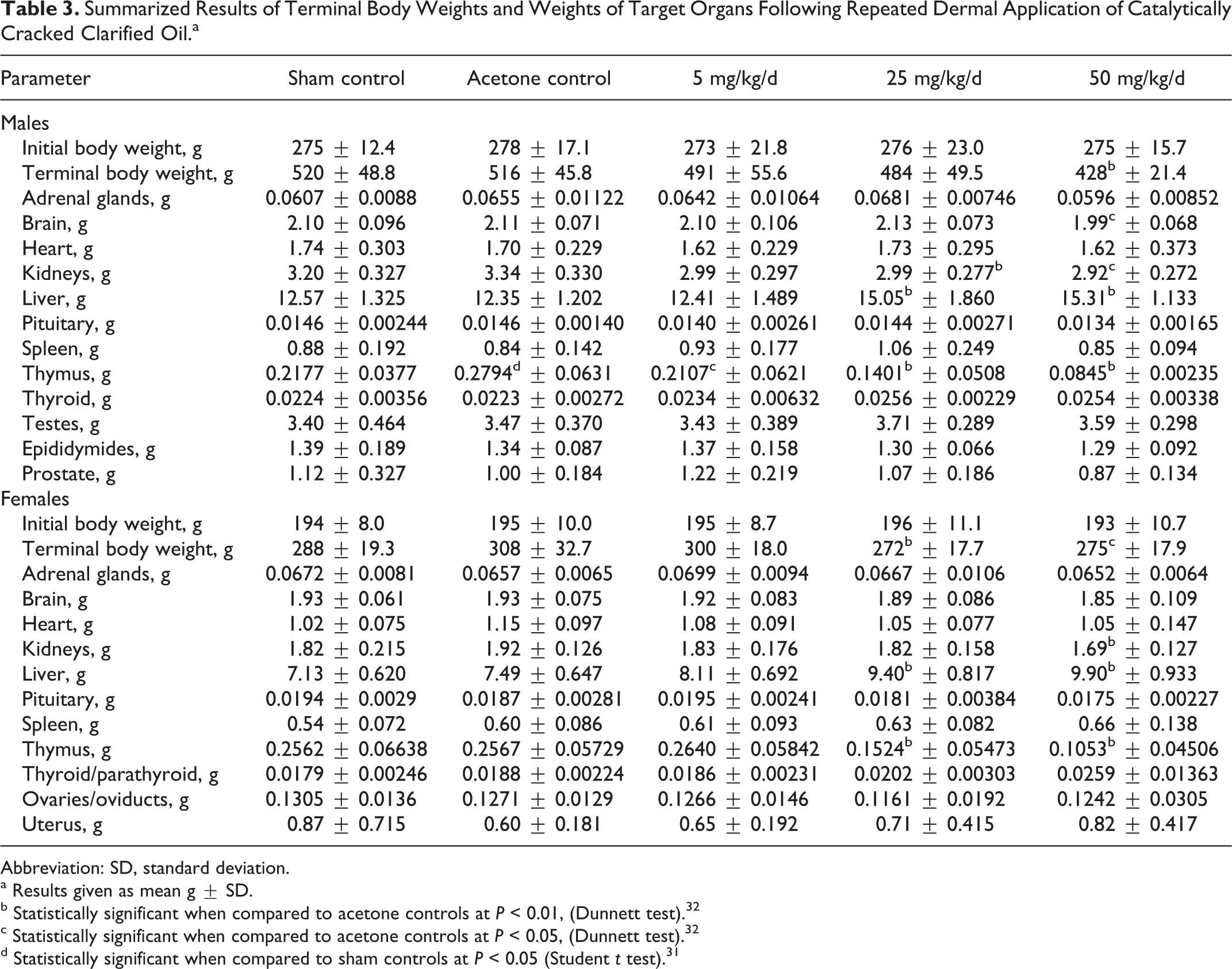
Abbreviation: SD, standard deviation.
a Results given as mean g ± SD.
b Statistically significant when compared to acetone controls at P < 0.01, (Dunnett test). 32
c Statistically significant when compared to acetone controls at P < 0.05, (Dunnett test). 32
d Statistically significant when compared to sham controls at P < 0.05 (Student t test). 31
Treatment-related hematological effects included lower absolute RBC counts, HGB, HCT, absolute and relative eosinophil counts, and platelet counts. These differences were significant at both the 25 and the 50 mg/kg/d levels and were considered to have been treatment related (Table 4). The reductions in eosinophil counts were also significant at the 5 mg/kg/d level. Other observations included small but statistically significant reductions in WBC counts (males), MCH (females), percentage of monocytes (females), and basophils (males, 25 and 50mg/kg/d). These other observations as well as the reductions in eosinophil counts were small, generally within historical control ranges and, as there were inconsistencies in response between genders, were considered as less likely to have been due to treatment than the effects on RBCs.
Results of Hematological Findings From Rats Treated for 90 Days With Catalytically Cracked Clarified Oil.a
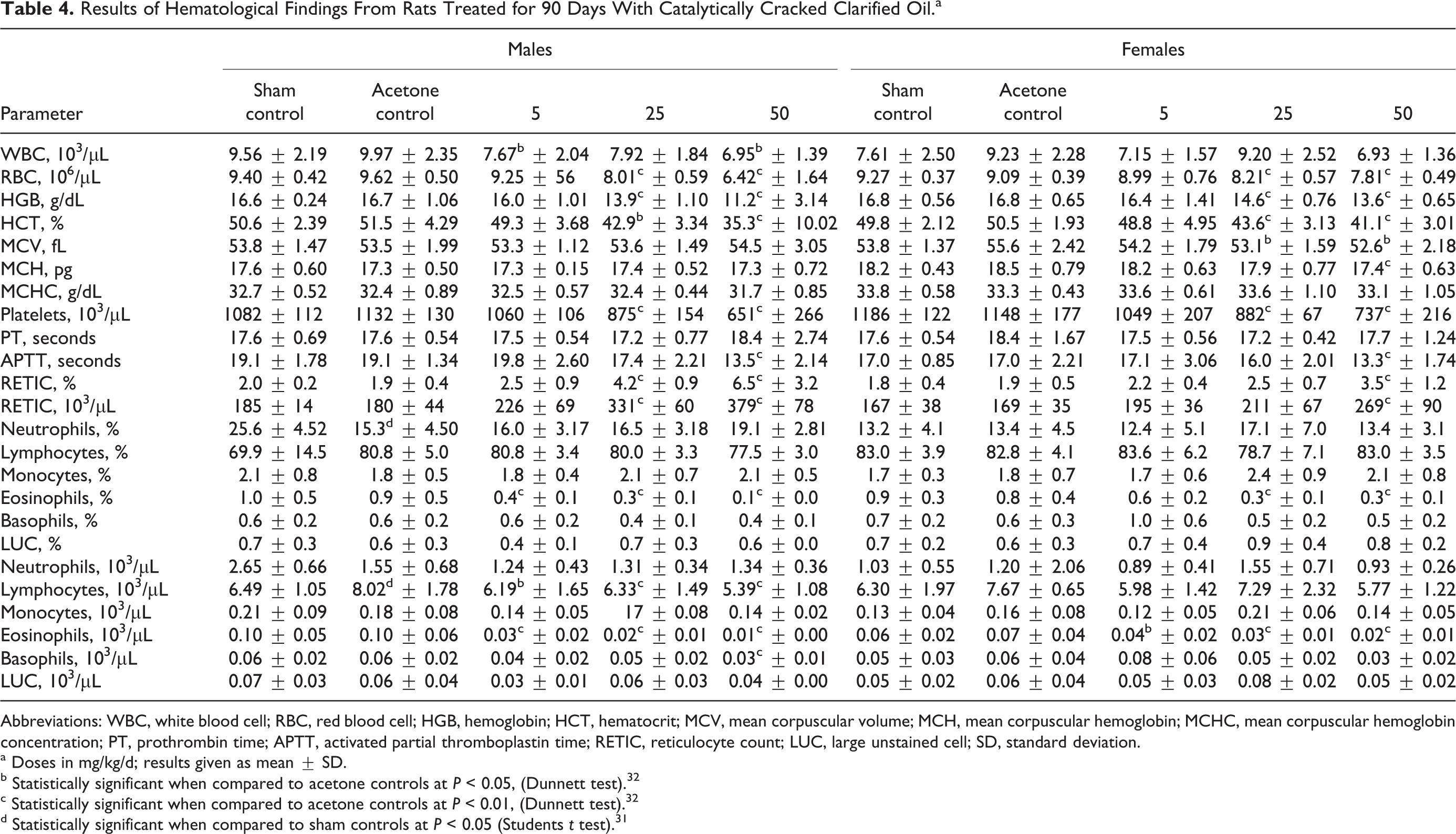
Abbreviations: WBC, white blood cell; RBC, red blood cell; HGB, hemoglobin; HCT, hematocrit; MCV, mean corpuscular volume; MCH, mean corpuscular hemoglobin; MCHC, mean corpuscular hemoglobin concentration; PT, prothrombin time; APTT, activated partial thromboplastin time; RETIC, reticulocyte count; LUC, large unstained cell; SD, standard deviation.
a Doses in mg/kg/d; results given as mean ± SD.
b Statistically significant when compared to acetone controls at P < 0.05, (Dunnett test). 32
c Statistically significant when compared to acetone controls at P < 0.01, (Dunnett test). 32
d Statistically significant when compared to sham controls at P < 0.05 (Students t test). 31
The results of the serum chemistry assessment provided little information that was toxicologically important. There were higher urea nitrogen levels in all test substance-treated groups with statistical significance achieved in the 50 mg/kg/d males. However, as the serum creatinine levels were within normal limits, the higher urea nitrogen levels were considered to have been an indication of dehydration. Other statistically significant findings included higher GGT levels in the 50 mg/kg/d males; higher mean cholesterol levels in the 50 mg/kg/d males and 25 and 50 mg/kg/d females, and lower triglyceride levels in the 50 mg/kg/d females.
The gross examination identified changes in liver and thymus. The thymus weights were significantly reduced in both male and female rats from the 25 mg/kg/d and 50 mg/kg/d groups (Table 2). Liver weights were increased and were significantly different in the 25 and 50 mg/kg/d females. Also noted were significant reductions in absolute brain weights in the 50 mg/kg/d males and absolute kidney weights in the 50 mg/kg/d females. But, the differences in absolute organ weights may have been due to the significant reductions in body weight gains in these groups, as the differences were not significant when compared on a “relative to body weight” basis.
Microscopic changes associated with CCCO administration were observed in a number of tissues, in particular bone (femur and sternum) marrow and thymus (Table 5). In the bone marrow, there was multifocal to coalescing, minimal to severe depletion of hematopoietic cells characterized by decreased cellularity in all erythrocyte, leukocyte, and megakaryocyte cell lines and increased prominence of bone marrow stromal cells. The bone marrow depletion was often associated with histologic changes including mild to moderate centrilobular hepatocellular atrophy characterized by loss of centrilobular hepatocytes, lobular collapse, occasional necrosis of scattered individual hepatocytes, and minimal inflammation. These liver changes were consistent with ischemic injury secondary to bone marrow depletion and anemia. One male in the 50 mg/kg/d group had atrophy and evidence of active injury with centrilobular hepatocellular necrosis characterized by small clusters of necrotic hepatocytes with hemorrhage. Vacuolation of hepatocytes in random areas was also noted in CCCO-treated males and females. Acute tubular necrosis was also consistent with ischemic damage secondary to bone marrow depletion and anemia.
Incidence of Pathological Findings in Male and Female Rats Following Repeated Dermal Treatment With Catalytically Cracked Clarified Oil.
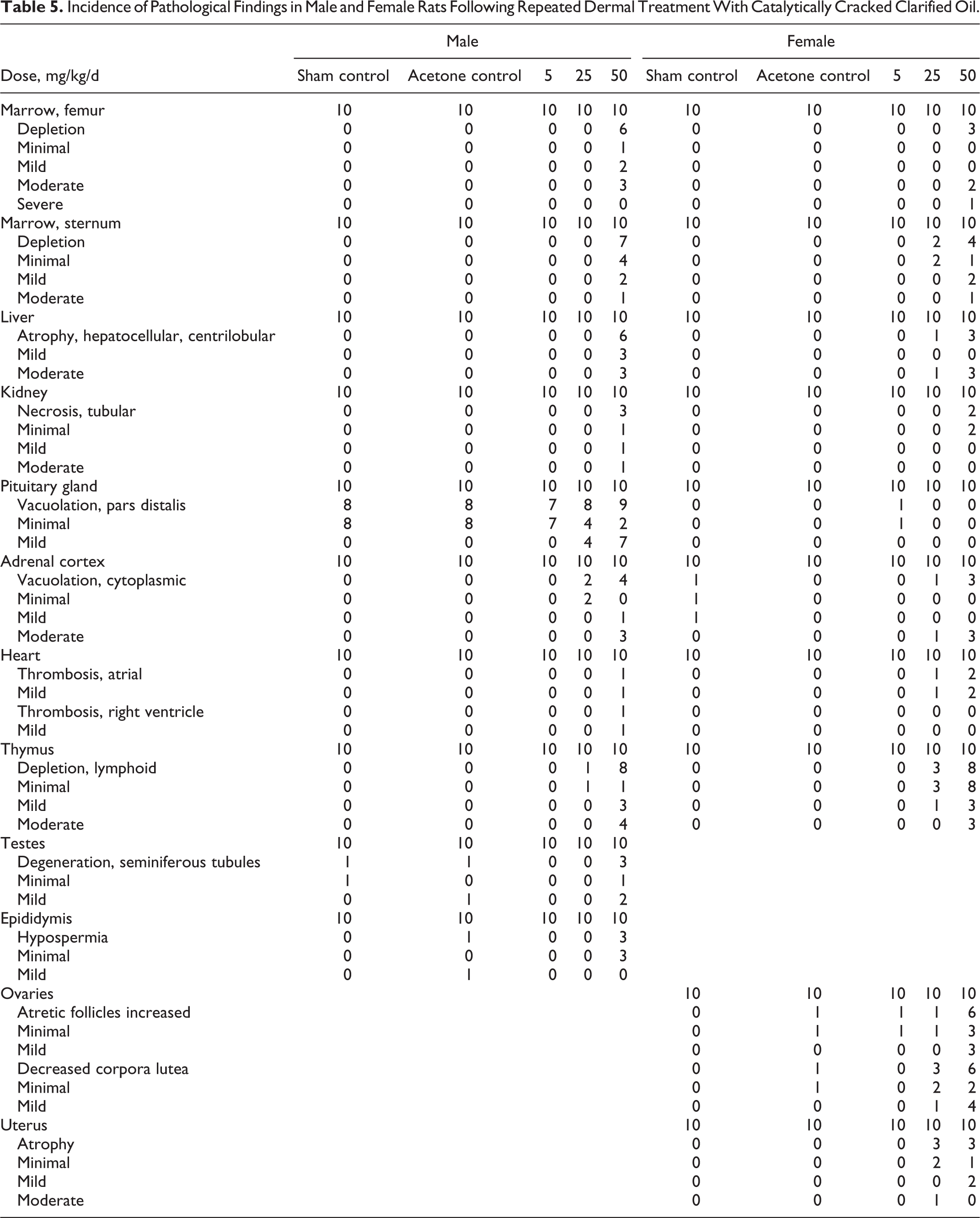
Lymphoid depletion was noted in the thymus, spleen, and lymph nodes in males and females from the 25 and 50 mg/kg/d groups. This change was characterized by smaller lymphoid follicles of decreased prominence and scattered necrotic/apoptotic lymphocytes. Lymphoid depletion was also noted in the Peyer patches in 2 of the 50 mg/kg/d females.
Other histological observations that were made less frequently included thrombi in the right atrium or ventricle of the heart; increased severity of vacuolation of pars distalis of the pituitary gland; and vacuolation of adrenal cortical cells. There were also lesions in male and female reproductive organs in animals surviving in the 50 mg/kg/d group until the scheduled necropsy. These included increased incidence of seminiferous tubular degeneration in the testis and hypospermia and luminal cellular debris in the epididymis of 3 of 10 males in the 50 mg/kg/d group. Scattered individual to small numbers of seminiferous tubules contained degenerated spermatogonia, spermatocytes, and/or spermatids with mild disorganization of maturation. One male from the vehicle control group also had seminiferous tubular degeneration and hypospermia; however, the changes were diffuse and unilateral, unlike those in the treated animals. Decreased corpora lutea, increased atretic follicles, and atrophy of the uterus with increased prominence of stromal cells were noted in 6 of 10 females of the 50 mg/kg/d group.
Developmental Toxicity Study
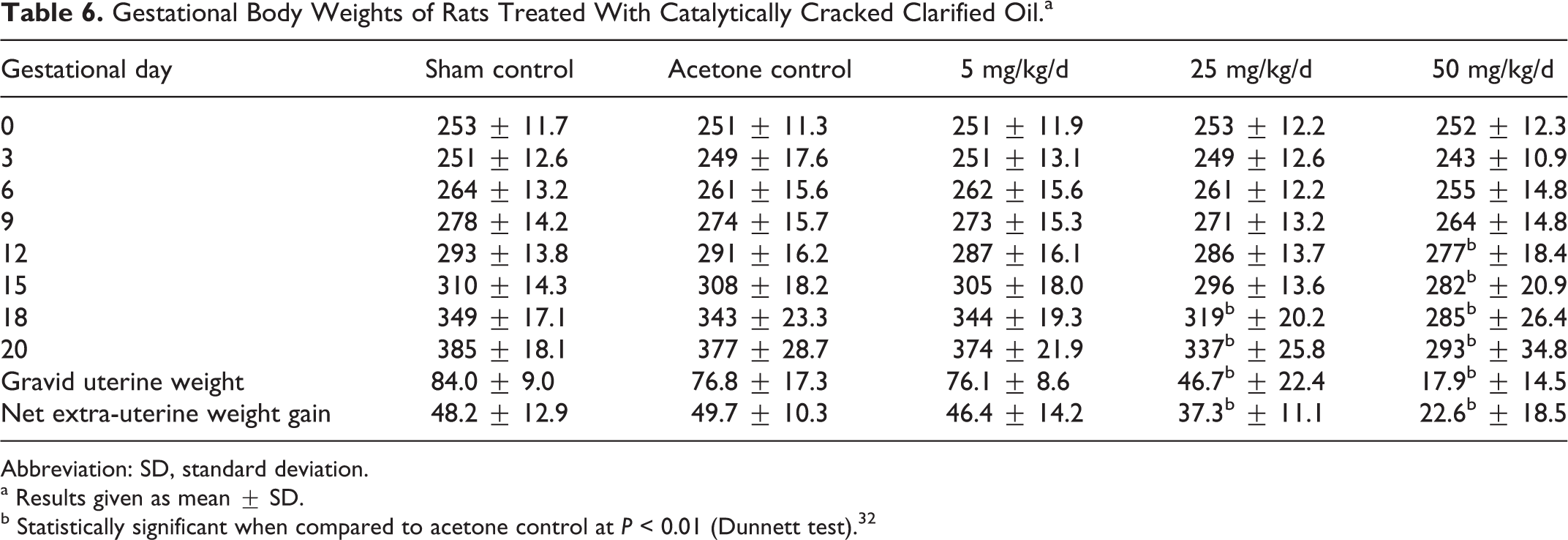
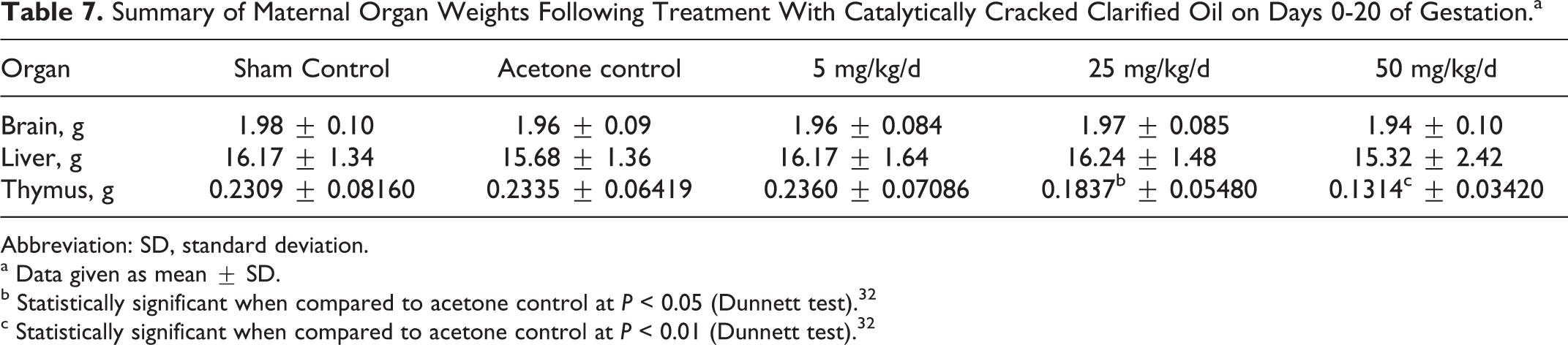
In the 50 mg/kg/d group, 2 females died prior to termination, 1 on GD18 and the other on GD19. These deaths were assumed to have been treatment related but the causes of death were not determined. Significant reductions in body weight were noted in the 25 mg/kg/d group, starting on GD 18 and in the 50 mg/kg/d group starting on GD12 (Table 6). A substantial fraction of the body weight differences was associated with the reductions in uterine weights, but the extrauterine body weight differences in the 25 and 50 mg/kg/d groups were also different by statistical criteria. An examination of the maternal organ weight data provided evidence of thymic atrophy, but there were no significant differences in brain or liver weights (Table 7). There were no remarkable dermal observations.
Gestational Body Weights of Rats Treated With Catalytically Cracked Clarified Oil.a
Abbreviation: SD, standard deviation.
a Results given as mean ± SD.
b Statistically significant when compared to acetone control at P < 0.01 (Dunnett test). 32
Summary of Maternal Organ Weights Following Treatment With Catalytically Cracked Clarified Oil on Days 0-20 of Gestation.a
Abbreviation: SD, standard deviation.
a Data given as mean ± SD.
b Statistically significant when compared to acetone control at P < 0.05 (Dunnett test). 32
c Statistically significant when compared to acetone control at P < 0.01 (Dunnett test). 32
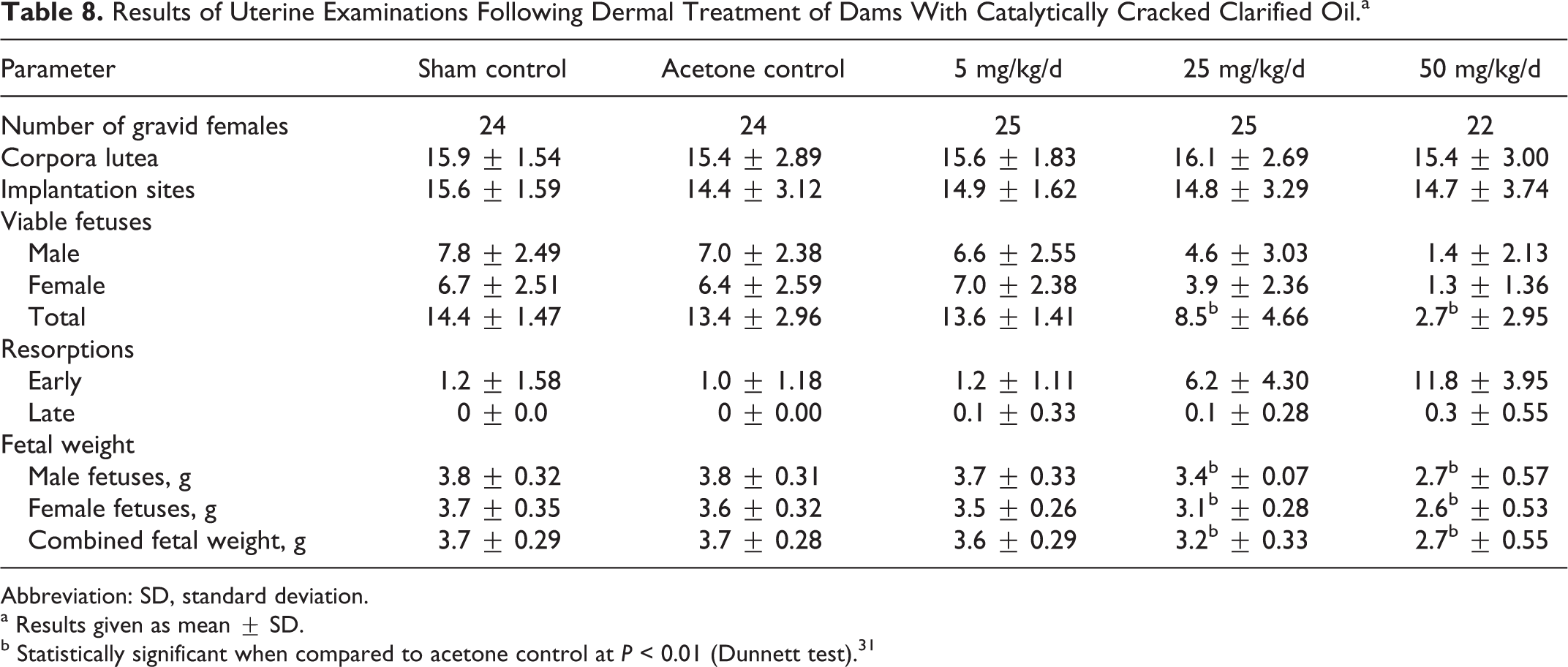
The number of pregnant females delivering litters (22 of 25) in the 50 mg/kg/d group was below but not significantly different from the control value (24 of 25). There were no differences in numbers of corpora lutea or implantation sites (Table 8). However, the numbers of viable fetuses and fetal body weights were significantly reduced in the 25 mg/kg/d and 50 mg/kg/d groups. The reduction in viable fetuses was paralleled by an increase in early resorptions in the 25 mg/kg/d and 50 mg/kg/d groups.
Results of Uterine Examinations Following Dermal Treatment of Dams With Catalytically Cracked Clarified Oil.a
Abbreviation: SD, standard deviation.
a Results given as mean ± SD.
b Statistically significant when compared to acetone control at P < 0.01 (Dunnett test). 31
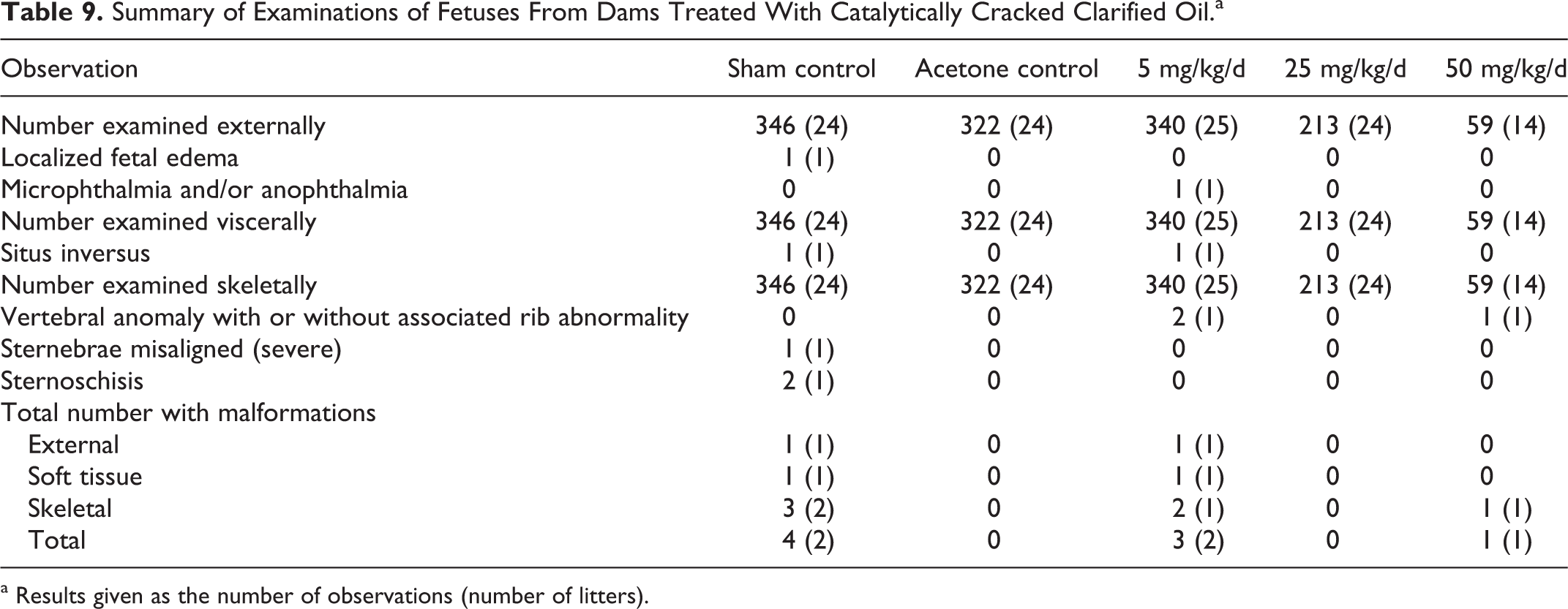
The malformation frequency was not significantly increased (Table 9), but few fetuses were available for examination in the 50 mg/kg/d group. However, the incidence of skeletal variations (Table 10), particularly unossified sternebrae numbers 5 and 6 and reduced ossification of the vertebral arches, were increased as a percentage of the number of fetuses available for examination, although to the extent this could be determined, the frequencies of variations were within their historical control ranges.
Summary of Examinations of Fetuses From Dams Treated With Catalytically Cracked Clarified Oil.a
a Results given as the number of observations (number of litters).
Visceral and Skeletal Variations in Offspring From Dams Treated With Catalytically Cracked Clarified Oil.a
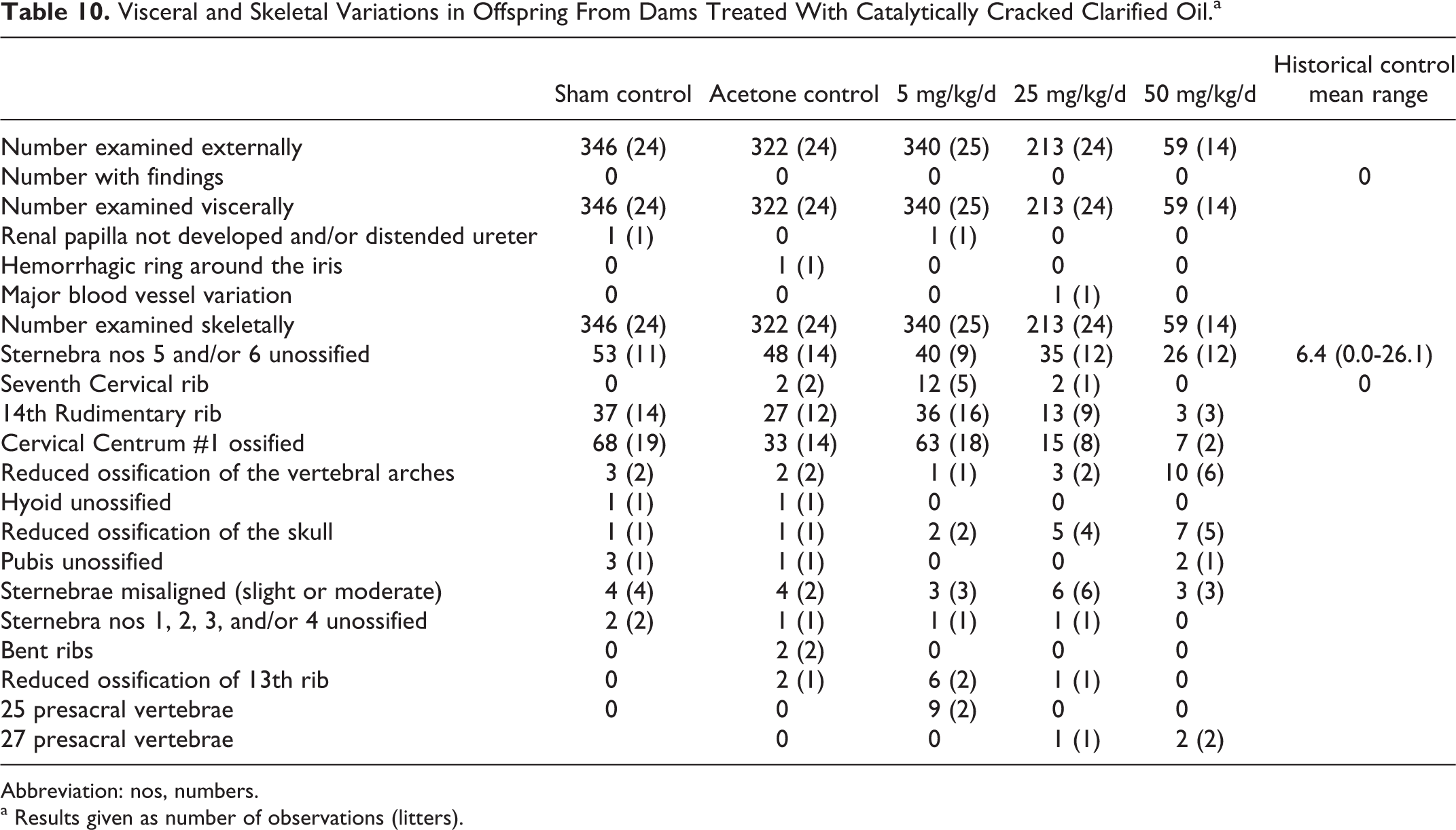
Abbreviation: nos, numbers.
a Results given as number of observations (litters).
Discussion
The results of these toxicity studies further characterize the potential for target organ and/or developmental toxicity of CCCO administered by dermal application in rats. The target organ studies provided evidence of liver enlargement, thymic atrophy, and reductions in hematological parameters in the absence of dermal irritation. The hematological and thymic effects were statistically different from control values in the 25 mg/kg/d and 50 mg/kg/d groups of both male and female rats. Liver weights were significantly increased in female rats from the 25 mg/kg/d and 50 mg/kg/d groups, but the differences in male rats were not different by statistical criteria. There were histological changes in other organs including reproductive organs, but when observed, these changes were usually found in animals from the high-dose groups and graded as minimal to mild. The overall NOAEL for all target organ effects was 5 mg/kg/d. In the developmental toxicity assessment, the principal findings were significant reductions in fetal survival and fetal weight and an increased incidence in early resorptions. Developmental delays were also observed, but the frequency of malformations was not increased. The overall no effect level for all developmental effects was 5 mg/kg/d.
When the results of the present study were compared to previously published 13,14,20 and other information on HFO category substances, 5,6 it was apparent that the effects identified in the present study were similar to results of other CCCO studies. More specifically, the most sensitive target end points for CCCO and other HFO toxicity were liver weight increases, thymic atrophy, and reduced hematological parameters. The CCCO caused target organ effects at lower doses in these target systems than other HFO category substances. The one apparent difference between the present and previous studies was the evidence for reproductive organ effects in the surviving high-dose group (50 mg/kg/d) animals. In the present CCCO studies, the testicular and epididymal changes involved a small number of rats and were graded as minimal, and the principal effect found in the female rats was a minimal to mild reduction in corpora lutea. No statistically significant weight changes in reproductive organs were observed. In contrast, Hoberman et al 21 reported no testicular or epididymal changes or reductions in corpora lutea in animals treated at levels up to 250 mg/kg/d. Cruzan et al 13 reported that “ovaries and accessory sex organs were small” but did not provide any details. At any event, these changes seem less important than the profound effects on fetal development for which statistical significance was found in all CCCO studies at doses ≤25 mg/kg/d.
When the results of the CCCO studies were compared to results of other HFO category substances, it was apparent that although these other substances produced similar effects, higher application doses were required. In all, 2 samples of heavy coker gas oils (CAS RN 64741-81-7) and 1 sample of heavy vacuum gas oil (CAS RN 64741-57-7) also caused thymic atrophy (Figures 1A and 1B) and reduced the numbers of live fetuses per litter (Figure 2) but only at higher dermal doses than were required in the CCCO studies.
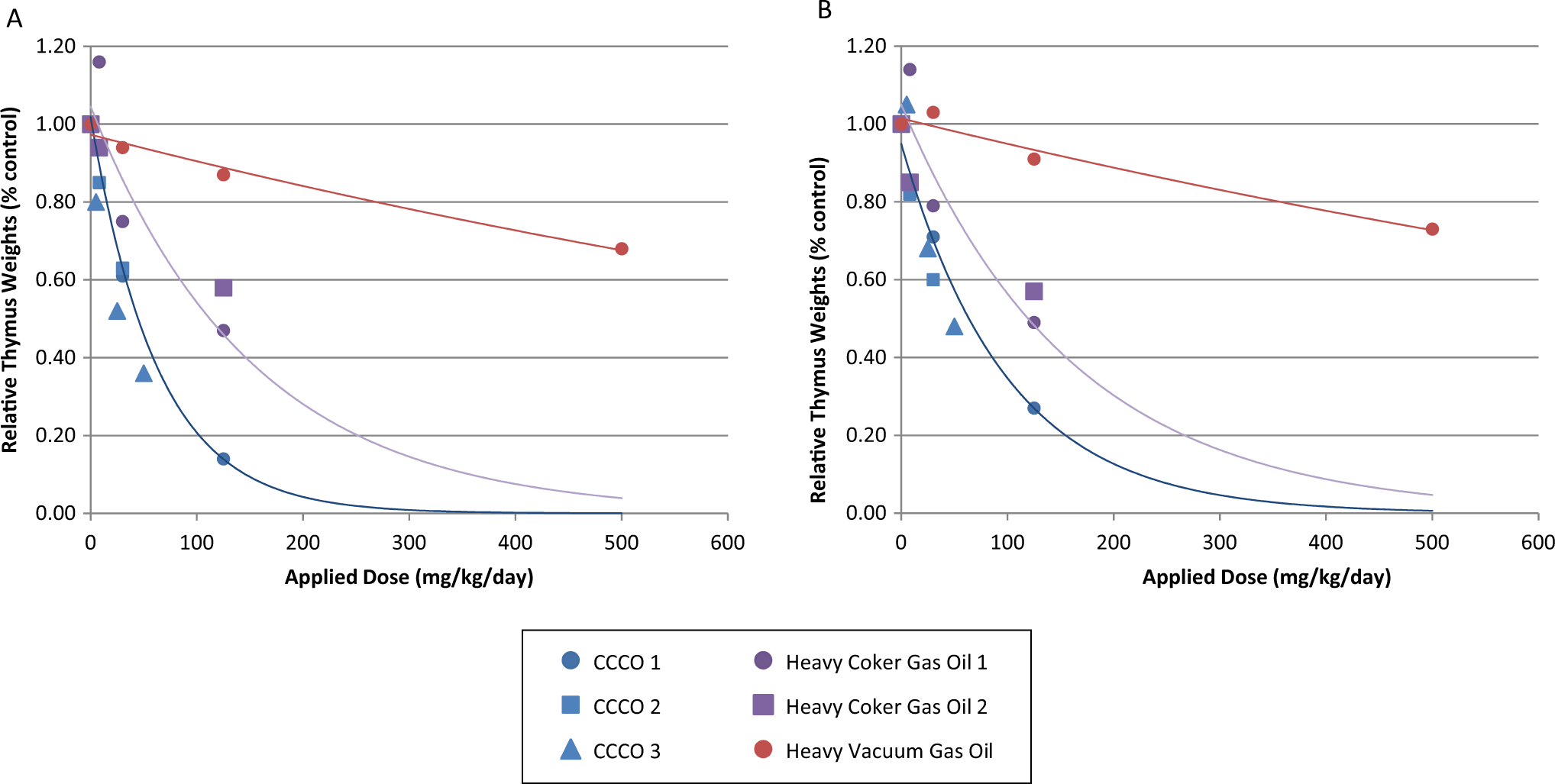
A, Effects of repeated dermal treatment with catalytically cracked clarified oils (CCCO), coker gas oils, and vacuum gas oil on relative thymus weights in male rats. B, Effects of repeated dermal treatment with catalytically cracked clarified oils (CCCO), coker gas oils, and vacuum gas oil on relative thymus weights in female rats.
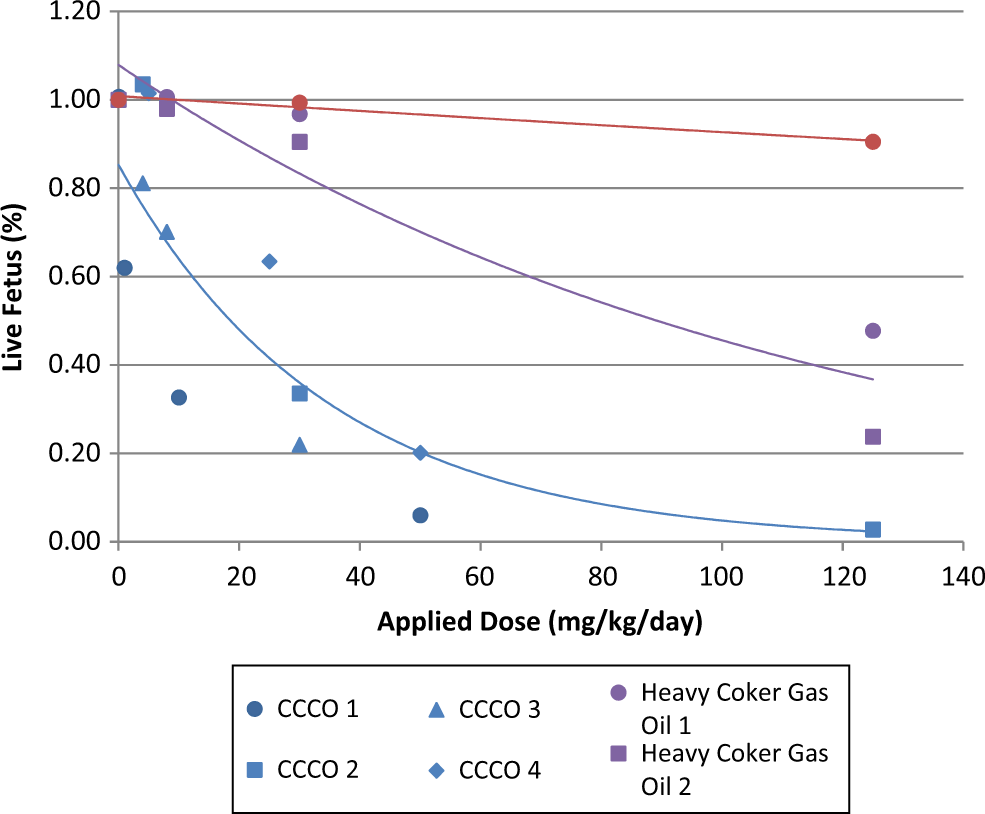
Effects of repeated dermal dosing of heavy fuel oil components on fetal survival.
Recently developed statistical models provide a means of predicting the outcomes of repeated dose and developmental toxicity tests from the distribution of aromatic constituents in these substances. 17 –19 Samples of HFO substances and other high-boiling materials were supplied by petroleum companies for chemical analysis of polycyclic aromatic content by ring distribution. Statistical models were developed using toxicology data from a wide range of high-boiling petroleum substances to predict doses at which there is a 10% change in response (predicted dose response [PDR] 10) for sensitive end points. The toxicity end points identified as most sensitive by modeling were consistent with the target organ effects most commonly observed in toxicity studies of HFO category substances. Tables 11 and 12 summarize the lowest PDR10s for the sensitive end points of thymus weight in repeat dose studies (Table 11) and live fetuses/litter in developmental toxicity studies for 23 of 32 HFO category substances and provide a general ranking of HFO substances for repeated dose and developmental toxicity in relation to aromatic content. Among these, it is apparent that the substances predicted to have the lowest PDR10 values were the substances with the highest levels of 3 to 7 ring PACs, principally catalytically cracked and heavy thermally cracked oils, heavy coker gas oils, and vacuum gas oils. Other HFO category substances were predicted to be less toxic, and some which contained very low levels of high-boiling aromatic constituents were predicted to be essentially nontoxic (PDR10 = 2000 mg/kg) when modeled.
Ranking of PDR10 Values for Reduced Thymus Weights in Repeat Dose Studies with Heavy Fuel Oil Category Substances Based on PAC Content.a
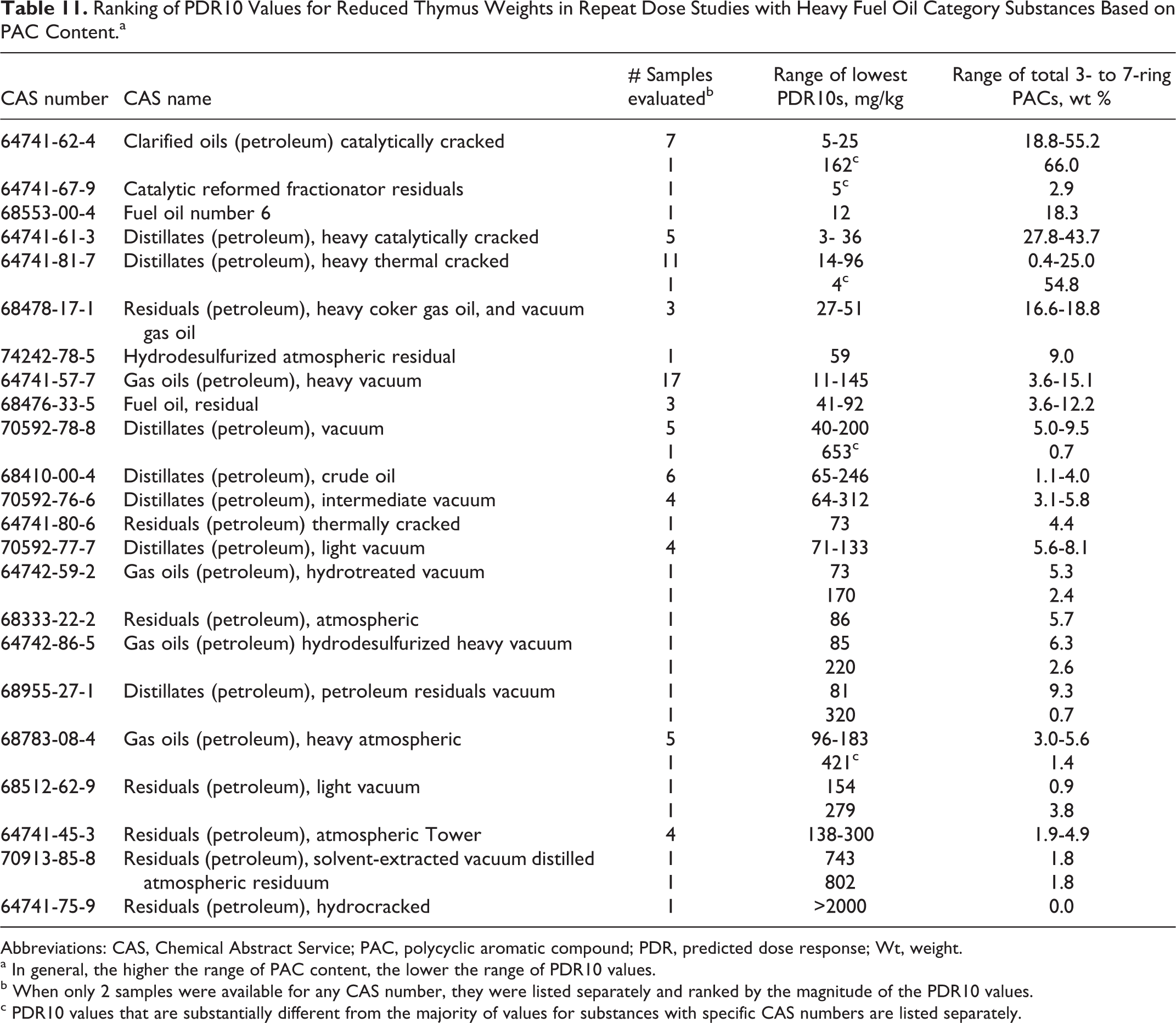
Abbreviations: CAS, Chemical Abstract Service; PAC, polycyclic aromatic compound; PDR, predicted dose response; Wt, weight.
a In general, the higher the range of PAC content, the lower the range of PDR10 values.
b When only 2 samples were available for any CAS number, they were listed separately and ranked by the magnitude of the PDR10 values.
c PDR10 values that are substantially different from the majority of values for substances with specific CAS numbers are listed separately.
Ranking of PDR10 Values for Live Fetuses/Litter in Developmental Toxicity Studies of Substances With Differing Amounts of PACs.a
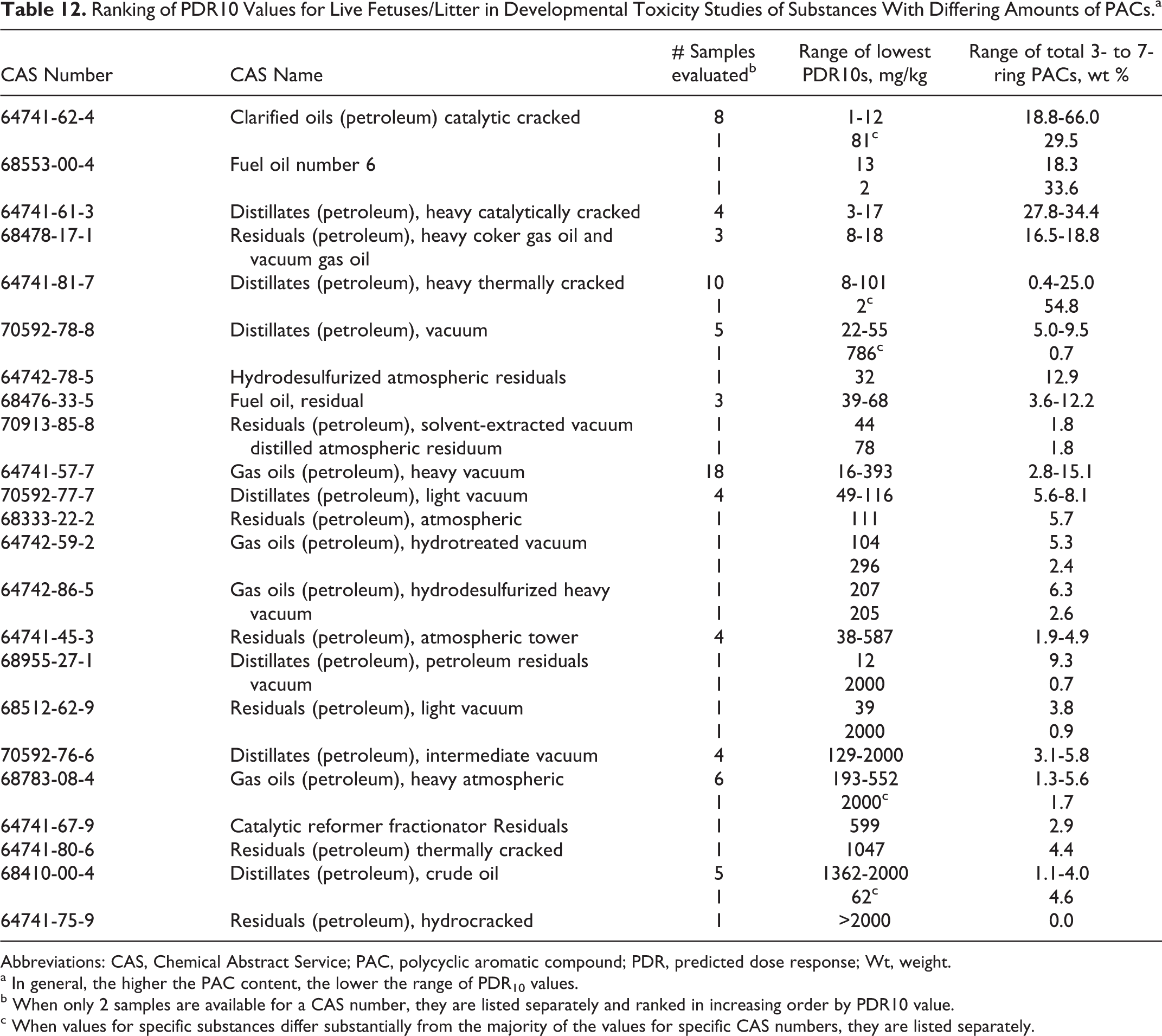
Abbreviations: CAS, Chemical Abstract Service; PAC, polycyclic aromatic compound; PDR, predicted dose response; Wt, weight.
a In general, the higher the PAC content, the lower the range of PDR10 values.
b When only 2 samples are available for a CAS number, they are listed separately and ranked in increasing order by PDR10 value.
c When values for specific substances differ substantially from the majority of the values for specific CAS numbers, they are listed separately.
In summary, CCCO was tested in repeated dose and developmental toxicity tests to characterize the potential for this type of material to produce target organ and/or developmental effects. It was shown that the target organ effects were principally liver weight increases, reductions in hematological parameters, and thymic atrophy. In the developmental toxicity test, the principal findings included fetal death, increased resorption, and reduced fetal weight gain. These target organ and developmental effects are characteristic of this type of material and have been associated with the levels of aromatic constituents in these substances. Other HFO category substances which have lower levels of aromatic constituents produced similar effects but required greater amounts of test material as demonstrated in animal studies and modeling. For European Union global hazard communication purposes under the 2008 Classification, Labeling and Packaging (CLP) regulation, 35 all CAS RNs in the HFO components category carry the same hazard classifications, but these classifications were based on results of CCCO studies as a “worst-case” and do not indicate toxic potency. Effect levels predicted from aromatic profiles of related materials provided further evidence that CCCO could be used as a reasonable worst-case substance by which to assess the potential noncancer hazards of HFO category substances.
Footnotes
Acknowledgments
The authors would like to thank Chris Sexsmith for quality assurance support and Lynn Bennett for assistance in manuscript preparation.
Declaration of Conflicting Interests
The author(s) declared the following potential conflicts of interest with respect to the research, authorship, and/or publication of this article: The authors of this article are employed by companies that manufacture petroleum products and contractors working on behalf of the petroleum industry HPV program.
Funding
The author(s) disclosed receipt of the following financial support for the research, authorship, and/or publication of this article: This project was sponsored and funded by the Petroleum HPV Testing Group (PHPVTG), an unincorporated group of manufacturers affiliated by contractual obligation to fund a voluntary data disclosure and toxicity testing program on certain petroleum-related chemical substances in response to EPA’s HPV Challenge Program. The American Petroleum Institute (API) manages the PHPVTG’s activities.