




Abstract
Green petroleum coke is primarily inorganic carbon with some entrained volatile hydrocarbon material. As part of the petroleum industry response to the high production volume challenge program, the potential for reproductive effects was assessed in a subchronic toxicity/reproductive toxicity screening test in rats (OECD 421). The repeated-dose portion of the study provided evidence for dust accumulation and inflammatory responses in rats exposed to 100 and 300 mg/m3 but there were no effects at 30 mg/m3. In the reproductive toxicity screen, the frequency of successful matings was reduced in the high exposure group (300 mg/m3) and was not significantly different from control values but was outside the historical experience of the laboratory. The postnatal observations (external macroscopic examination, body weight, and survival) did not indicate any treatment-related differences. Additional tests conducted to assess the potential hazards to aquatic (fish, invertebrates, and algae) and soil dwelling organisms (earthworms and vascular plants) showed few effects at the maximum loading rates of 1000 mg coke/L in aquatic studies and 1000 mg coke/kg soil in terrestrial studies. The only statistically significant finding was an inhibition of algal growth measured as either biomass or growth rate.
Introduction
The United States Environmental Protection Agency (US EPA) announced a voluntary chemical data collection effort in 1998 called the high production volume (HPV) Challenge Program. 1 HPV chemicals are those produced or imported into the United States in aggregate quantities of at least 1 million pounds per year. Approximately 400 petroleum substances were sponsored in the EPA Challenge Program by companies belonging to the Petroleum HPV Testing Group (PHPVTG). The various substances were organized into 13 categories to facilitate data-sharing and to avoid redundant testing. These categories included crude oil, gases, gasoline, kerosene/jet fuel, gas oils, heavy fuel oils, lubricating oils, waxes, aromatic extracts, asphalts, grease thickeners, petroleum coke, and hydrocarbon wastes. This article reports an investigation of the toxicological hazards of petroleum coke, the substance which is the material remaining after thermal decomposition of petroleum process streams and residues. The high temperature and pressure process conditions used (485-505°C and 400 kPa, respectively) remove the hydrogen, resulting in elemental carbon. 2 However, the carbon exists in a porous polycrystalline matrix and typically contains some residual hydrocarbon material. Coke of this type, referred to as green coke (CAS# 64741-79-3) typically contains 4% to 15% volatile material (water and high molecular weight hydrocarbons) but could contain up to 21%. 3,4 Green coke can be used as a fuel or as a feedstock to produce calcined coke (CAS# 64743-05-1), used to make electrodes for the aluminum industry. During the calcining process, the coke is heated to temperatures in the range of 1200°C to 1350°C, and any residual hydrocarbon material is removed. 2
From a mammalian toxicological perspective, petroleum coke is considered to be, for all practical purposes, an inert dust, and the human health hazards are assumed to be limited to those associated with dust inhalation at high levels. Following this line of reasoning, the toxicological studies on coke which have been conducted have tended to address primarily the potential effects of repeated inhalation exposure, and, although there have been some studies of calcined coke, green coke has more commonly been used in toxicological tests on a “worst case” basis because it contains residual hydrocarbon material.
The most extensive toxicology study was a 2-year inhalation test in rats and monkeys. 5 Animals were exposed for 6 h/d, 5 d/w for 2 years at concentrations of 10.2 or 30.7 mg/m3. At the end of the scheduled treatment period, the animals were killed, underwent gross necropsy, and selected tissues were taken for histological analysis. The rats exhibited chronic pulmonary inflammation and test article phagocytosis, but there was no other evidence of toxicologic effects. The animals survived the exposure period, and there were no significant effects on body weights or in the ophthalmological, hematological, and serum biochemistry examinations. There were increased lung weights and histological changes consistent with pulmonary inflammation in the rats. There was evidence of petroleum coke dust in the lungs of the monkeys but, unlike the rats, there were no pathological effects. The overall conclusion was that the chronic inhalation exposure to petroleum coke dust resulted in dust accumulation in the lungs of monkeys and rats and caused inflammatory changes in the lungs of rats but did not produce systemic effects or tumors.
In other toxicology studies, petroleum coke was reported to be inactive in dermal carcinogenesis tests 6 and did not produce chromosomal effects in bone marrow. 5 Initial tests for mutagenic potential using the Ames test gave negative results, 7 but in subsequent tests of green coke which involved extraction into solvents, positive results were reported. 8,9 These results suggested that biologically active constituents might be present in the hydrocarbon material entrained in the petroleum coke matrix. These constituents could be extracted using methodology developed for that purpose, but might be much less bioavailable under normal physiological conditions.
In the environment, it has been assumed that petroleum coke is inert 10 and at one time had been considered as an agglomeration agent for remediation of petroleum contaminated soils. 11 Because of its physical and chemical properties, petroleum coke partitions to soil and sediment compartments, and harmful effects, if any, would be associated with either entrained hydrocarbons or other nonhydrocarbon constituents, primarily metals that might leach from the particles over time. However, recent studies described below have shown that coke is not inert and that effects have been seen in terrestrial plants, aquatic animals, and microbial consortia.
In a study to assess the effects of coke derived from oil sands bitumen on plant growth, Nakata et al 12 sowed plant seeds directly in coke and coke that had been capped with a peat-mineral mix soil. The test plants were able to grow in 100% coke, but exhibited stress symptoms of reduced transpiration, stomatal conductance, biomass, photosynthetic pigments, and proline concentrations. Potentially phytotoxic concentrations of nickel and vanadium were measured in plant tissues, while molybdenum accumulated in one plant species at a level potentially toxic to ruminants. Capping the coke with the peat-mineral mix limited these stress symptoms. Changes in metal concentrations in plant root and shoot fractions with or without capping tended to have been related to specific metal, tissue, and coke combinations. However, no broad trends were apparent.
In aquatic studies, aqueous leachates from oil sands coke were acutely toxic to Ceriodaphnia dubia. 13 Analyses of the leachate suggested that vanadium or vanadium together with nickel could be responsible for the toxicity. Effects on anaerobic microbial activity included reduced methanogenic activity with higher coke dosages. 10 Pure strains of bacteria known to extract organic sulfur from coal were able to extract sulfur from the oil sands coke. 10
During the evaluation of the potential health hazards of petroleum substances, the published and unpublished data on petroleum coke were assembled and evaluated. This assessment revealed that some hazard properties had not been fully assessed. From a toxicological perspective, it was determined that the potential for the developmental and the reproductive toxicity of petroleum coke had not been characterized. Accordingly, a reproductive/developmental toxicity test (OECD 421) was conducted. From an environmental perspective, the potential hazards to soil- and sediment-dwelling organisms had not been previously characterized. Accordingly, several studies were conducted to assess toxicity to aquatic organisms, soil-dwelling organisms, and plants. There were, in addition, analytical studies to quantify levels of potentially harmful constituents which might leach from the coke. The conclusions from these studies and other unpublished information on petroleum coke are presented as a means of making the hazard information on these substances available to the general public.
Materials and Methods
Materials
Green petroleum coke is a complex substance with a variable composition, which is dependent on the original crude oil, the feedstocks to the thermal decomposition process, and the process conditions used in the coking operations. It was reasoned that the constituents that were of most concern from toxicological and ecotoxicological perspectives were those associated with the entrained volatile hydrocarbon constituents, but certain other nonhydrocarbon constituents including heavy metals were also identified as being of interest. Several refineries were asked to provide samples of green coke from delayed coker units to an independent third party that selected the sample based on an assessment of the key constituents as shown in Table 1. After precision milling, the green petroleum coke was supplied to the testing laboratories as a black powder with an average aerodynamic diameter of 3.3 μm and as pellets with an average diameter of 2 mm.
Properties of Green Coke Samples Considered for and Selected as the Test Material.
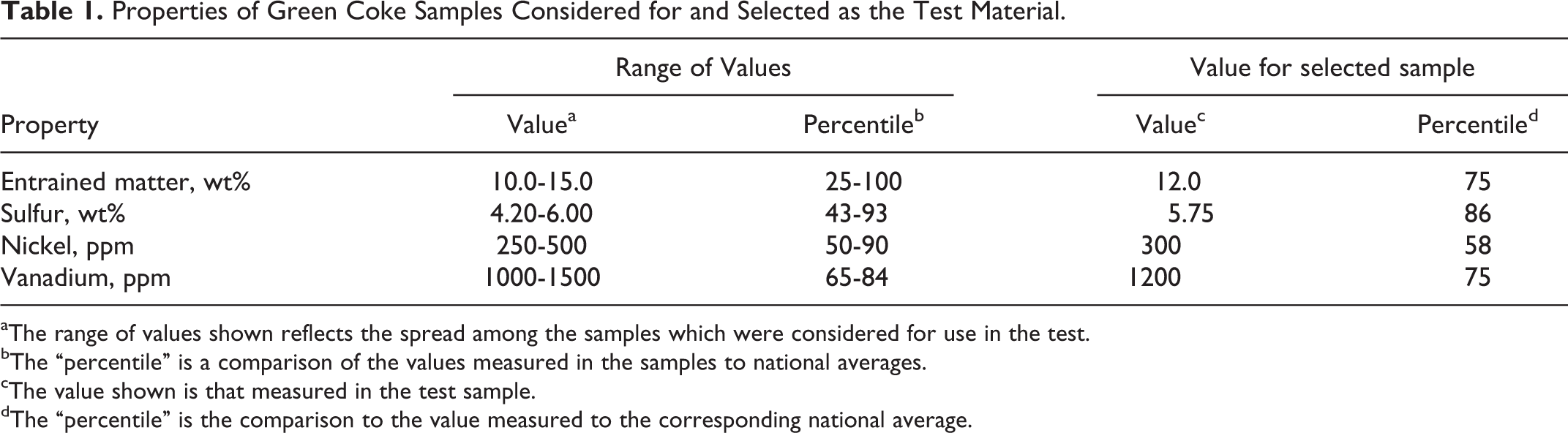
aThe range of values shown reflects the spread among the samples which were considered for use in the test.
bThe “percentile” is a comparison of the values measured in the samples to national averages.
cThe value shown is that measured in the test sample.
dThe “percentile” is the comparison to the value measured to the corresponding national average.
Methods
Toxicology Testing
The toxicology study was a combined reproductive/developmental toxicity test (OECD 421) via nose only inhalation exposures, conducted in accordance with the US EPA Good Laboratory Practices Standard (40 CFR 792). The study was conducted on male and female Sprague-Dawley derived (CD) CRL: CD(SD) IGS BR, purchased from Charles River Laboratories (Kingston, New York). The rats were 6 weeks of age at receipt and 8 weeks of age at the start of the study.
The rats were singly housed with ad libitum access to food (Certified Rodent Diet, No. 5002. PMI Nutrition International, St Louis, Missouri) and water. They were maintained on a 12:12 hours light/dark cycle, and the facility conditions were maintained within a temperature range of 20°C to 23°C and 34% to 81% relative humidity. The rats were randomly assigned by sex and weight using a randomized computer sort program in an attempt to equalize mean group body weights.
The rats were exposed to petroleum coke dust via a nose-only apparatus at the levels of 30, 100, or 300 mg/m3, 6 h/d, 7 d/w. A control group was treated in the same way but exposed to air only. The exposure levels were selected based on a preliminary 2 week study in which exposure to 200 mg/m3 resulted in discolored lungs, increased lung weights, and alveolar and/or bronchiolar epithelial hyperplasia. However, as there were no mortalities or evidence of systemic effects, it was judged that the rats could be repeatedly exposed to even higher levels without significant adverse effects.
During the exposure periods, the rats were individually placed in polycarbonate tubes attached to a cast aluminum and alloy 40 L nose-only exposure chambers. The placement of the tubes was rotated at each exposure to assure uniform exposure of the animals. The test substance was administered as a dust in the breathing air of the animals. The test atmosphere was generated using a Wright dust feeder with a cyclone precollector. The method was optimized based on trials conducted to select the optimal set of test conditions to generate a stable and uniform atmosphere at the target exposure levels with a mass median aerodynamic diameter of 1.0 to 3.0 μm.
The chambers were operated dynamically under slight positive pressure at a flow rate of 25.0 L/min for all groups. The final airflow rate was calculated to provide one complete air change every 1.6 minutes and a T 99 equilibrium time of approximately 8 minutes. At the end of each exposure, the animals were maintained in contact with the chamber for at least 8 minutes. Recordings of chamber air flow rate and static pressure were made at the initiation of each exposure period and every half hour during exposure.
The test material was passed through a stainless steel sieve and then packed to 800 psi in dust feeder cups. The cups were mounted onto a dust feeder that was controlled with a speed selector. House line air was delivered from a regulator and a back pressure gauge into the inlet of a gas drying unit to a “Y” tube which split the airflow into the generation and dilution systems. The generation air (20.0 L/min) was directed through a flowmeter, regulated by a metering valve, then in to a backpressure gauge connected to a Wright dust feeder. The test substance was then directed into the top of the exposure chamber. Nominal concentrations were calculated daily by dividing the amount of test material consumed by the volume of air which passed through the chamber.
Samples for the determination of the exposure levels were withdrawn from the breathing zone in the exposure chambers through glass fiber filters. Samples were withdrawn at least 4 times/exposure. The preweighed filter papers were weighed, and the gravimetric concentration in milligram per cubed meter was calculated by dividing the weight difference by the volume of air sampled. Particle size distributions were assessed weekly using a Delron Cascade Impactor.
Exposure was initiated 2 weeks prior to mating and continued throughout the mating and gestational periods to gestational day (GD) 19. Euthanization was on postnatal day (PND) 4. Female rats which did not show evidence of having mated were exposed for up to 19 days from the end of the mating period and then held for an additional 7 days without treatment before termination. The experimental design is shown in Table 2.
Experimental Design for the Repeated Dose/Reproductive Toxicity Screening Test of Green Petroleum Coke.

Male and female rats were cohoused (1:1) until evidence of mating (vaginal plug or evidence of sperm in the vaginal smear) was obtained, or for 14 consecutive days. The day of confirmed mating was defined as GD 0. Once mated, females were removed from the males’ cages and individually housed for the remainder of the study.
The rats were assessed each day for viability and general condition. Male rats were given a detailed physical examination including body weight measurements prior to study initiation and at weekly intervals thereafter. Female rats were weighed and given physical examinations weekly during the premating period and then on GD 0, 7, 14, and 20, and lactation days (LD) 0, 1, and 4. Female rats without evidence of mating were examined on a weekly basis. Final body weights were taken at termination. Food consumption was measured weekly for male rats and for female rats on GDs 0 to 7, 7 to 14, and 14 to 20 and on LDs 1 to 4. Food consumption was then calculated as:
On GD 18, female rats were transferred to solid plastic cages with bedding articles provided, and examination for parturition was made twice a day. The duration of gestation was calculated, and any apparent difficulties in parturition were recorded. The day on which parturition initiated was defined as LD 0 for the dam. Litters were examined as soon as possible after parturition, and littering data, total number of offspring, live and dead offspring, runts and offspring with abnormalities, and sex of offspring were recorded. Weights of offspring were taken on PND 1 and 4.
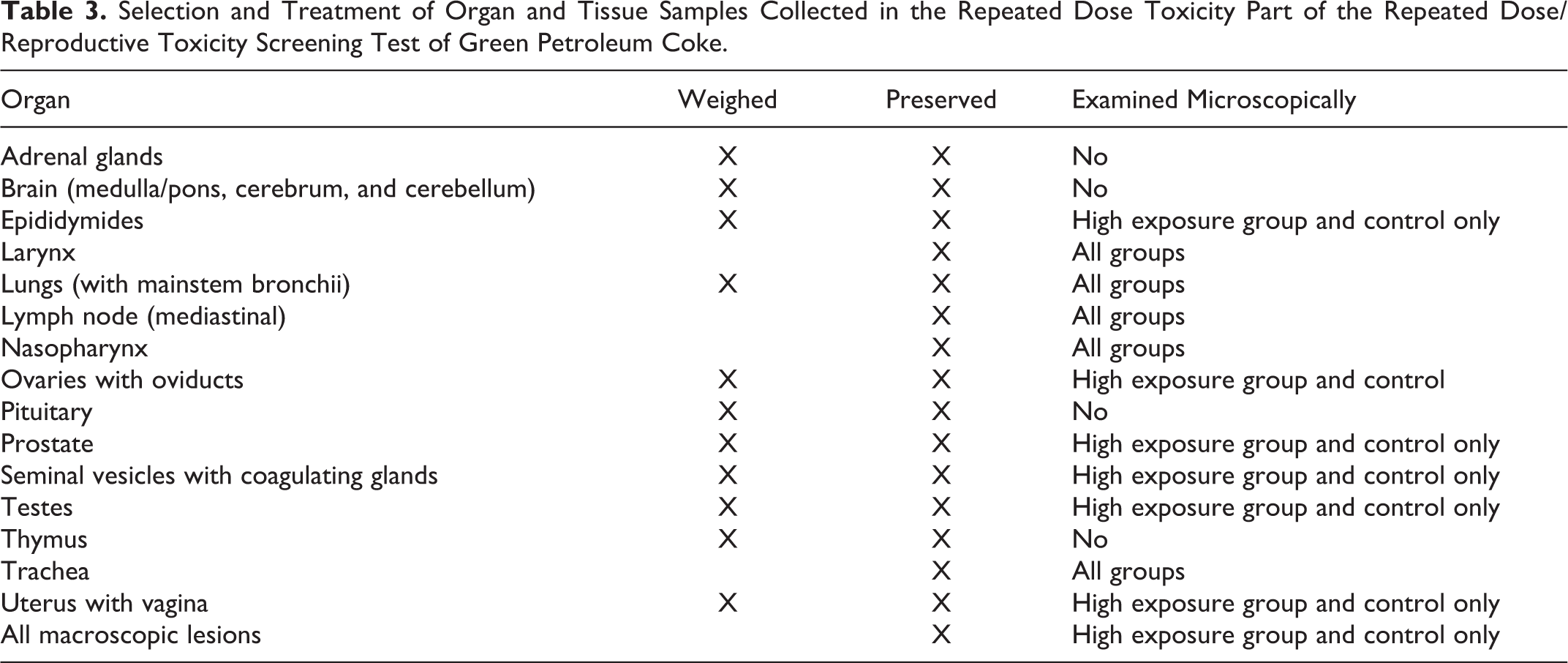
On LD 4, all animals were euthanized and given macroscopic postmortem examinations with special attention being given to the reproductive organs. The male rats were weighed, and selected organs were removed, weighed and preserved in 10% neutral buffered formalin for pathologic examination. All grossly identified lesions were also preserved and examined microscopically. During the microscopic examination of the testes, special emphasis was placed on the stages of spermatogenesis and the interstitial testicular structure. The female rats were handled in a similar way, but the numbers of implantation sites and corpora lutea were recorded. The uteri of any apparently nonpregnant females were stained with ammonium sulphide 14 to confirm nonpregnant status. Other organs taken, preserved, and examined microscopically are shown in Table 3.
Selection and Treatment of Organ and Tissue Samples Collected in the Repeated Dose Toxicity Part of the Repeated Dose/Reproductive Toxicity Screening Test of Green Petroleum Coke.
Macroscopic examinations (internal and external) were performed on all offspring, either when found dead during lactation or following sacrifice at LD 4. The day of death was recorded, and all gross abnormalities were noted.
Statistical Analysis
The following parameters were analyzed statistically: body weights, body weight changes, feed consumption values, gestational length, number of implantation sites and corpora lutea, pre- and post-implantation loss, weights of offspring (each weighing during lactation), number of offspring/litter, number of male and female pups, pup weight by sex and total using litter as the experimental unit, absolute organ weights, organ weight to body ratios, and organ weight to brain weight ratios.
Mean values of all exposure group parameters were compared with the mean value for the control group for each time interval. Evaluation of equality of group means was made by the appropriate statistical test. For all parameters except organ weights the standard 1-way analysis of variance (ANOVA) using the F ratio to assess significance was used. 15,16 If significant differences among the groups were indicated, additional testing was performed using Dunnett t test to determine which means were significantly different from control. 17 Organ weight data were analyzed by parametric methods. Bartlett test was performed to determine whether groups had equal variances. 18,19 The standard 1-way ANOVA using the F ratio to assess significance was used. 15 If significant differences among the means were indicated, additional tests were used to determine which means were significantly different from control: Dunnett t test for homogeneous data 17,20,21 or Cochran and Cox modified t test 22 for nonhomogeneous data. Bartlett test for equality of variance was conducted at the 1% significance level; all other statistical tests were conducted at the 5% and 1% significance levels.
Incidence data including mortality rate, indices of mating, pregnancy and fertility, survival indices, gestational indices, and pup survival indices were analyzed by the Fisher exact test with Bonferonni correction to identify differences between the control and treatment groups. 23 These statistical tests were conducted at the 5% and 1%, 2-sided risk levels.
Environmental Studies
The assessment of the potential environmental hazards consisted of a series of tests using freshwater aquatic and terrestrial species (OECD 201, 202, 203, 207, and 208). Aquatic tests included algae (Pseudokirchneriella subcapitata), invertebrates (Daphnia magna), and fish (Pimephales promelas). Toxicity tests on terrestrial species were run on the earthworm (Eisenia foetida) and 3 species of vascular plants (corn, Zea mays; radish, Raphanus sativus; and soybean, Glycine max).
Aquatic Tests
Exposure solutions used in the aquatic tests were created with the 2-mm pelleted form of green petroleum coke following the water accommodated fraction (WAF) preparation method. 24,25 For each test, a single exposure solution was made at a loading rate of 1000 mg petroleum coke/L dilution water. The petroleum coke/dilution water mixtures were stirred for 24 hours and then allowed to settle for 1 hour. Following the settling period, the WAF solutions were decanted from the bulk mixture, taking care to avoid carry-over of petroleum coke particles. The resulting WAFs were then used to initiate each aquatic test. Dilution water controls accompanied each test, which were treated identically to the WAF solutions except the addition of green petroleum coke.
Dilution water used for the algae test was culture medium. 26 The medium was adjusted to a pH of 7.5 ± 0.1 and sterilized by filtration (0.22 µm) prior to use in preparing the WAF solutions. Test chambers were sterilized 300 mL glass Biological Oxygen Demand (BOD) bottles containing 2 glass marbles and closed with glass stoppers. The control and petroleum coke WAF treatment each had 24 replicate chambers. Each chamber was completely filled with the WAF or control medium, inoculated with algal cells to achieve a density of approximately 5000 cells/mL, stoppered to void the headspace, and placed on a shaker table set to a speed of 100 rpm. Test chambers were thus incubated for 4 days under continuous lighting (4300 ± 430 lux) at a temperature of 24 ± 2°C. At 24-hour intervals, 6 replicate test chambers from each treatment were killed for the evaluation of cell densities. Cell counts were made using a hemacytometer and microscope. At the end of the test, algal cells were evaluated for atypical cell morphology, aggregations, flocculence, or adherence of cells to the chamber wall.
Dilution water used for the invertebrate test was well water with the following characteristics: total hardness of 130 mg/L as CaCO3, total alkalinity of 180 mg/L as CaCO3, specific conductance of 310 µmhos/cm, and total organic carbon <1 mg/L. Prior to use, the well water was aerated, filtered (0.45 µm), and passed through an ultraviolet (UV) sterilizer. Test chambers were 500-mL glass French square bottles with Teflon lined lids. At the beginning of the test, triplicate test chambers per treatment were filled with the appropriate WAF or control water. Ten neonate daphnids (<24 hours old) were impartially distributed to each replicate chamber giving 30 neonates per experimental group. Each chamber was capped with a lid to minimize headspace and placed in an environmental chamber having a photoperiods of 16 hours light/8 hours dark with a 30-minute transition period between dawn and dusk. Daylight light intensity was 413 lux and the room temperature was set to maintain a range of 20 ± 2°C. The test duration was 48 hours. At approximately 24 hours, test solutions were replaced with freshly prepared WAFs. Observations for immobility and clinical signs of toxicity were made at 2, 24, and 48 hours.
Dilution water used for the fish test was well water as described for the invertebrate test. Test chambers used to house fish were 1-gal glass jars having Teflon lined lids. At the beginning of the test, triplicate test chambers per treatment were completely filled with test solution. Ten fish were impartially placed into each chamber and capped to seal the chamber and minimize headspace. Fish were from the same year class and the length of the longest fish was no more than twice the length of the shortest fish. The average of 10 control fish measured at the end of the test was 2.9 cm total length (range 2.6-3.2 cm) and 0.20 g wet weight (range 0.14-0.30 g). Biomass loading in the chambers was 0.50 g fish/L test solution. Once all fish had been introduced into their respective test chambers, all chambers were placed in an environmental room having a photoperiod of 16 hours light/8 hours dark with a 30-minutes transition period between dawn and dusk. Daylight light intensity was 299 lux and the room temperature was set to maintain a range of 22 ± 2°C. The test duration was 96 hours, and fish were not fed during the test period. At approximately 24, 48, and 72 hours, test solutions were replaced with freshly prepared WAFs. Observations of mortality and clinical signs of toxicity were made at approximately 3, 24, 48, and 72 hours.
Terrestrial Tests
Artificial soil used in the earthworm test was prepared by blending 70% sand, 20% kaolin clay, and 10% sphagnum peat. The pH of the dry bulk soil prior to hydration was adjusted to 5.5 using calcium carbonate. On the day of test initiation, dry test soil was apportioned into 4 replicate containers and dosed with an appropriate amount of powdered green petroleum coke (3.3 μm) at 1000 mg petroleum coke/kg soil (dry weight basis). Four negative control replicates were prepared in a similar fashion without the addition of test substance. The 8 containers were placed on a rotary mixer for approximately 1 hour. The mixed soil from each container was transferred to 1 L glass beakers, and deionized water was added to each beaker to achieve a moisture content of approximately 33% by weight. The soil was stirred manually until the moisture was evenly distributed. Each replicate vessel held 750 g moistened soil.
Adult earthworms were indiscriminately divided into 8 groups, each containing 10 worms. Each group was briefly rinsed with deionized water, blotted dry, and the total weight per group was recorded. The earthworms were assigned to a test vessel and placed on the surface of the soil. All vessels were covered with perforated plastic wrap and placed in an environmental chamber at 20 ± 2°C under continuous light at a mean intensity of 619 lux (range 533-680 lux). Approximately 20 minutes after placing the earthworms on the soil, the earthworms were observed for burrowing behavior. On days 7 and 14 of the test, the contents of each vessel were removed to determine the number of surviving earthworms. Surviving earthworms were observed for behavioral and structural abnormalities. On day 7 following the observations, the test soil was returned to its vessel, and worms were placed on the soil surface and again observed for burrowing behavior. On day 14, group weights were measured as had been done at the beginning of the test. The average individual body weights were calculated for days 0 and 14, and the change in body weights between days 0 and 14 was calculated.
Soil temperature, moisture content, and pH were measured by at the beginning and end of the test. Counts of surviving earthworms were made to determine whether the lethal concentration 50 (LC50) was greater than or less than the exposure concentration. Body weights and change in body weights were statistically compared by Dunnett 2-tailed t test (α = 0.05) using SAS V8. 27 The soil used in the plant test was identical to that used in the earthworm test with the exception of the addition of a slow-release fertilizer to provide nutrients for plant growth. The test for each plant species consisted of 4 replicate pots holding soil-incorporated petroleum coke at 1000 mg petroleum coke/kg soil (dry weight) and 4 replicate negative control pots of undosed soil. Each of the 4 replicates holding the treated soil was prepared by mixing 1.87 g powdered (3.3 μm diameter) green petroleum coke with 1.87 kg of soil (dry weight ). The dosed soil was placed in a plastic pot (16 cm diameter and 12 cm deep) and gently compacted with a planting template to produce 10 uniformly deep holes specific for the species of seed. One seed was planted in each hole, for a total of 10 seeds per pot. Holes were closed by slightly depressing the soil surface. Seeds were selected from a single lot and were not treated with fungicides, insecticides, or repellents prior to the test. The species tested, the seed source and the planting depth are listed below:
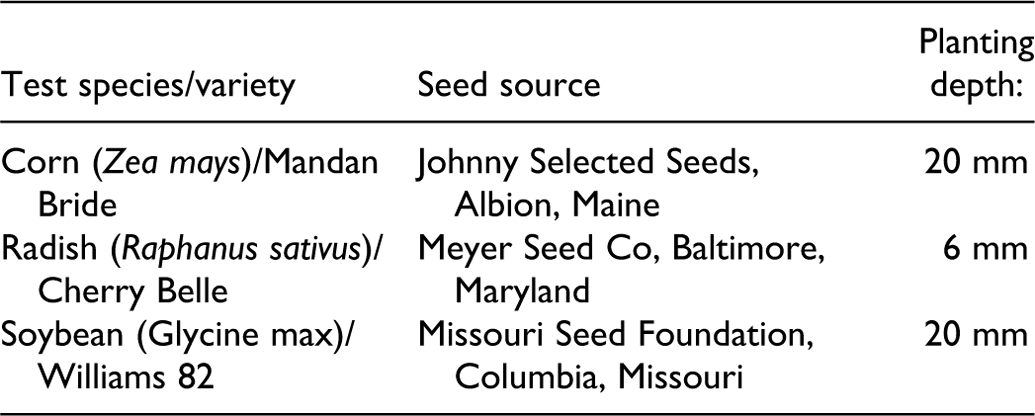
Pots were placed in a randomized block design on a greenhouse table after planting. The temperature in the greenhouse during the test was controlled with a Wadsworth MicroStep S/A Environmental Control System. Artificial lighting (high pressure sodium lamps) was used to supplement natural sunlight in order to provide a minimum 14-hour photoperiod. The temperature and relative humidity within the greenhouse were continuously monitored during the test with the Wadsworth control system. Water lost through transpiration and evaporation was replaced by subirrigation with well water from the greenhouse facility. Seedlings were subirrigated to minimize the potential for leaching of constituents in the petroleum coke from the soil.
Observations of emergence and general assessments of seedling condition were made on days 7, 14, and 21. At day 21, a record of plant height and plant condition scores were made, then plants were clipped at soil level and the above ground portion was dried for the determination of dry weights.
Statistical Analysis
Because all of the tests for potential environmental hazards were run at single limit exposure concentrations or loading rates, the toxicological end points lethal concentration (LC)/lethal level 50 (LL50) and effect concentration (EC)/effect level 50 (EL50) values were judged to lie above or below the limit exposure depending on observations of lethality or immobility in the treatment group. For the algae test, the single treatment group was compared with the control response for the inhibition of growth rate and algae biomass (area under the growth curve). Percentage inhibition of growth rate and biomass was used to determine whether the EL50 value was greater than or less than the 1000 mg/L loading rate. Statistical differences between the treatment and control groups were evaluated using Dunnett test to determine the no observed effect loading rate relative to each parameter at 72 and 96 hours. Dunnett test also was used to evaluate statistical significance between the control and treatment groups for mean seedling emergence, survival, weight, and height of terrestrial plants and for mean body weight and body weight gain in earthworms. The level of significance used in Dunnett test was set at 5%.
Analytical Measurements
Samples of the exposure WAF and control water were taken during each aquatic test and analyzed for 19 polycyclic aromatic hydrocarbons (PAHs) and 7 metals. The PAH compounds were analyzed by high performance liquid chromatography with either UV detection at 220 nm or fluorescence detection at 340 to 425 nm. Concentrations of each PAH compound were determined using an Agilent Model 1100 High Performance Liquid Chromatograph, equipped with either an Agilent Series 1100 variable wavelength detector or a Jasco Model FP-1520 fluorescence detector. Chromatographic separations were achieved using a YMC Pack ODS-AM column (150 × 4.6 mm, 3 μm particle size). The method of limit of quantitation (LOQ) for the organic compounds was 5.00 µg/L.
Concentrations of inorganic elements in the exposure water were determined using inductively coupled plasma atomic emission spectrometry (ICP-AES). Water samples were acidified with concentrated nitric acid and directly injected into a Perkin-Elmer Optima 3000 DV ICP-AES configured in axial view mode and equipped with a Cetac U 5000AT+ Ultrasonic Nebulizer. Method of LOQs for the inorganic elements varied with the specific constituents.
A list of the PAH compounds and inorganic elements analyzed in exposure and control water during the aquatic toxicity tests is shown in Table 4.
No analysis was attempted for the constituents of interest in the dosed soils used in the terrestrial toxicity tests. The contribution of the inorganic elements originating from petroleum coke was determined to be insignificant when compared with soil background concentrations. The contribution of PAH compounds originating petroleum coke was calculated to be below the detection limits of the method.
Results
Toxicology Studies
Exposure monitoring
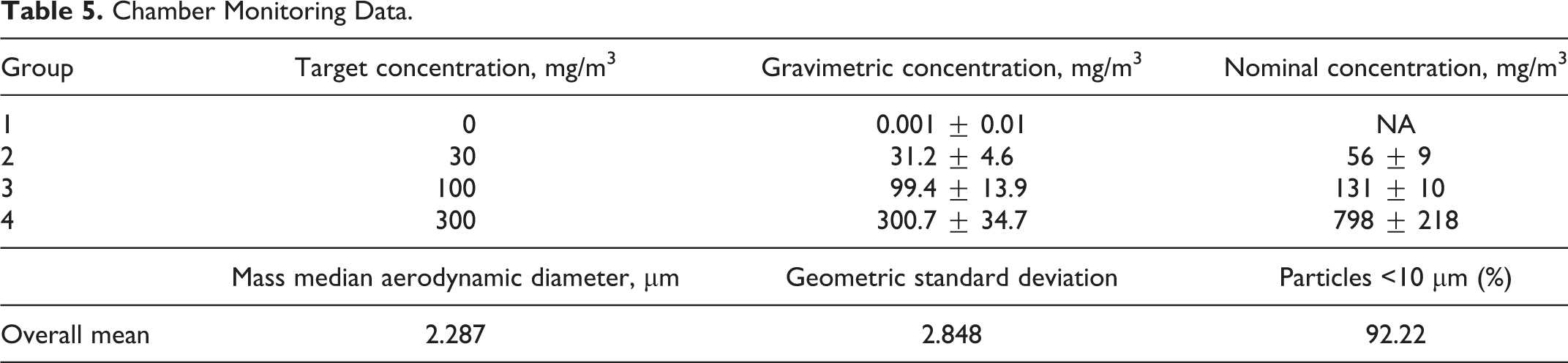
The exposure monitoring data (Table 5) confirmed that the daily exposures were close to the target concentrations.
In life observations
All animals survived to scheduled termination and there were no remarkable observations. There were no significant differences in absolute body weight or body weight gain between treated groups and controls at any point in the study with one exception, at study termination females in the 30 mg/m3 group had body weights that were significantly above control values. However, this was not judged to have been treatment related as it was not an exposure level-related response (data not shown). There were also no significant differences in food consumption (data not shown).
Mating and fertility
In the control, 30, and 100 mg/m3 groups, there were no apparent differences; in most of the pairings, mating occurred at the first opportunity, and most of the females became pregnant. However, there were some differences in the 300 mg/m3 group which, while not significantly different from control, seemed unusual in comparison with the historical experience in the testing laboratory. Three females in the 300 mg/m3 group did not become pregnant although 2 had copulatory plugs indicating that mating had occurred. Additionally, one of the pregnant females in the 300 mg/m3 did not give birth. Uterine examination indicated that this female had only 2 corpora lutea, two implantation sites, and no live fetuses. These reductions in successful matings, implantations, and pregnancies were considered to have been treatment-related as they were outside the historical experience of the laboratory.
The offspring data (Tables 6 and 7) suggested that the exposure to green petroleum coke dust had little effect on in utero development or survival. There were no significant differences in offspring size, live offspring/litter, pup survival to PND 4, or pup body weights. In those instances in which the offspring data were below control values, the differences were within the range of historical experience and not considered toxicologically important.
Polycyclic Aromatic Hydrocarbons and Metals Selected for Quantitation as Part of the Studies of the Potential Environmental Hazards of Green Petroleum Cokea.
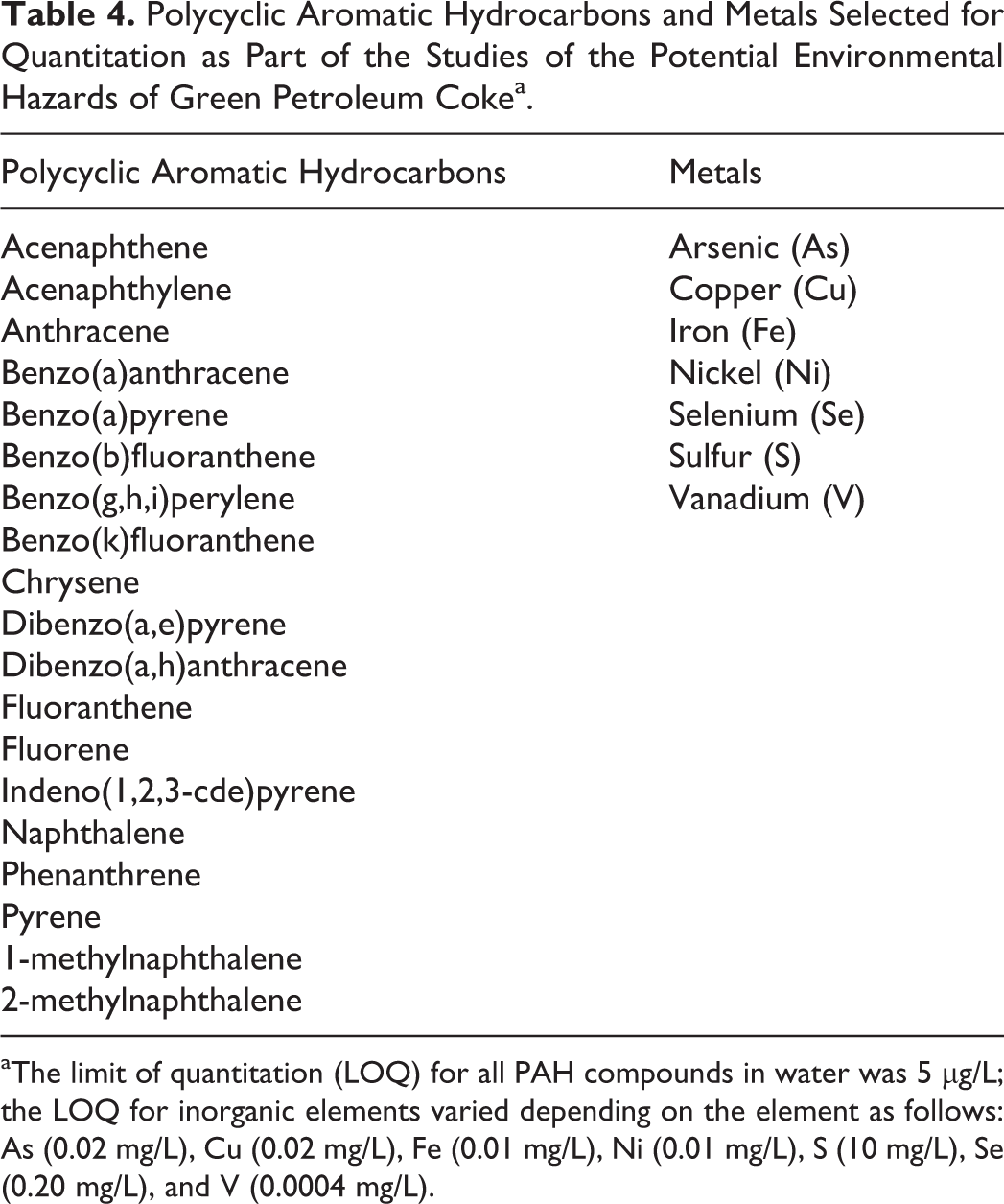
aThe limit of quantitation (LOQ) for all PAH compounds in water was 5 µg/L; the LOQ for inorganic elements varied depending on the element as follows: As (0.02 mg/L), Cu (0.02 mg/L), Fe (0.01 mg/L), Ni (0.01 mg/L), S (10 mg/L), Se (0.20 mg/L), and V (0.0004 mg/L).
Chamber Monitoring Data.
Summary of Mating, Delivery, and Litter Data from Dams Exposed by Inhalation During Gestation to Green Petroleum Coke.
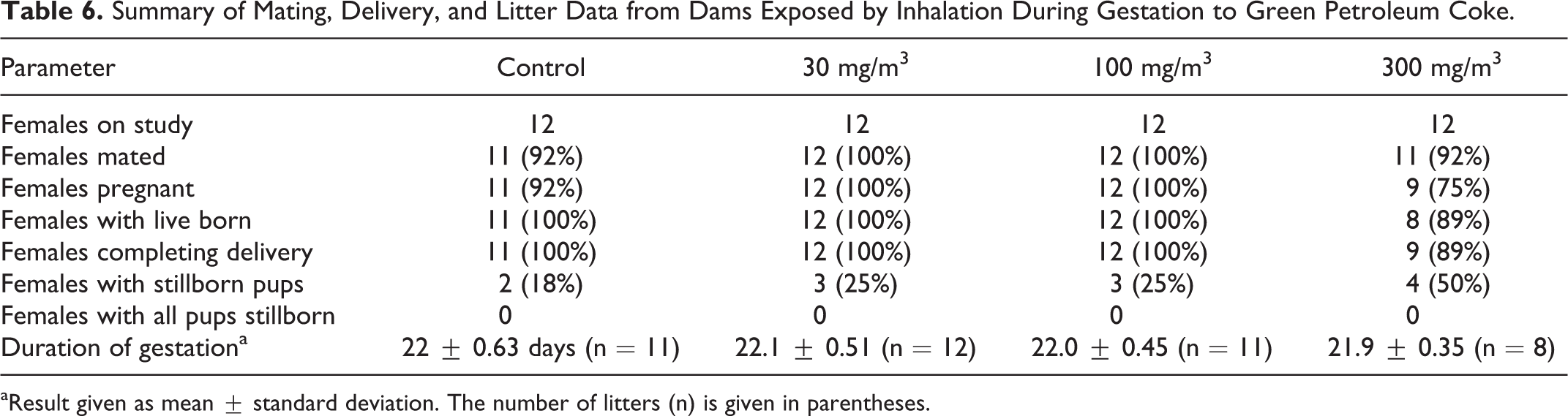
aResult given as mean ± standard deviation. The number of litters (n) is given in parentheses.
Results of Investigations of Offspring from Dams Exposed by Inhalation During Gestation to Green Petroleum Coke.
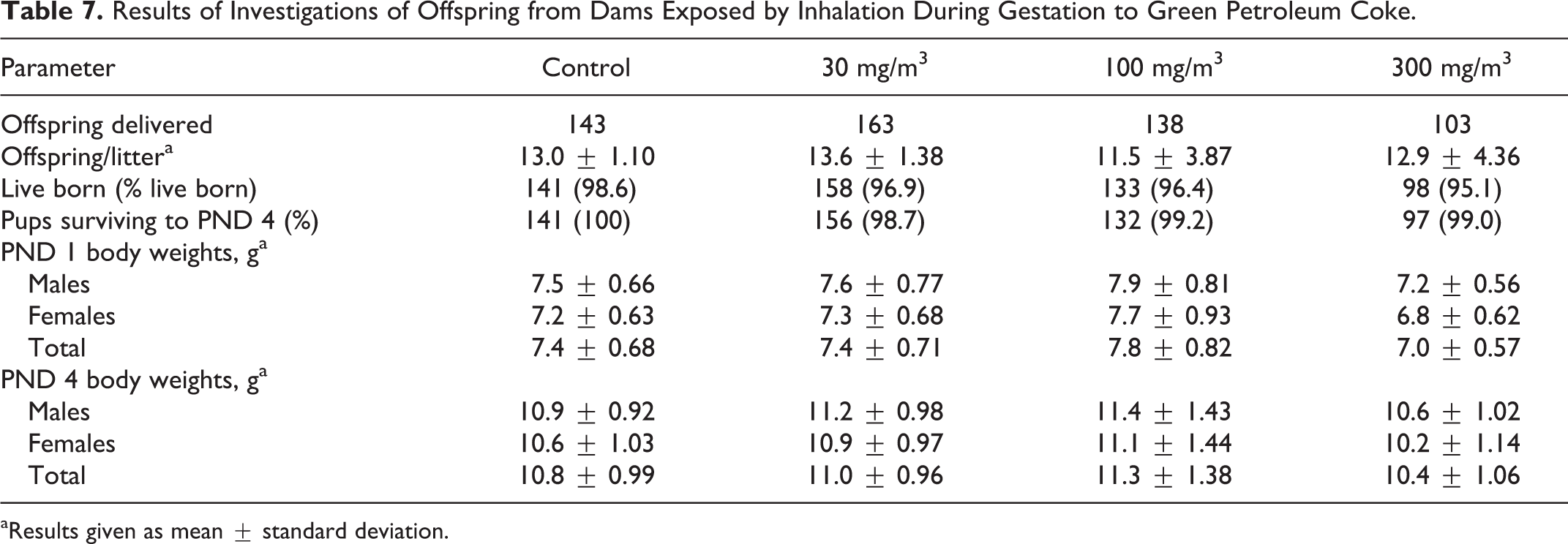
aResults given as mean ± standard deviation.
Body and organ weight data
There were no differences in terminal body weights between groups of treated males. The only significant differences in terminal organ weights were significant increases in lung weights in the 100 and 300 mg/m3 groups (Table 8). This is consistent with evidence of dust accumulation in the lungs as described in the next section. Among the females, the terminal body weights were significantly elevated in the 30 mg/m3 group, but this was judged to have not been treatment-related as the body weights in the 100 and 300 mg/m3 groups were not different from control values. The only other significant difference was an elevation in the right (but not left) ovarian weights in females from the 300 mg/m3 group.
Results of gross and microscopic examinations
There were no test article related gross or microscopic findings in any organs other than the respiratory tract of the adult rats. During the gross examination, the lungs appeared discolored (black), and there was also discoloration and enlargement of the mediastinal lymph nodes. The microscopic examination revealed that the lungs of all of the exposed rats contained pigment deposits in the alveolar macrophages and in the prominent bronchiolar associated lymphoid tissue. In the 30 mg/m3 group, the pigment was localized to those areas most likely to have been directly impacted by inhaled material, but at higher levels was distributed equally in all lung lobes. Hyperplasia/hypertrophy of the bronchiole-alveolar epithelium was present in most exposed animals, with an exposure-related severity ranging from minimal to moderate. In the 30 mg/m3 group, the epithelial response was minimal and generally associated with the lung areas in which there were pigment deposits. Compared with controls, there was an exposure-related increase in the severity of subacute/chronic (perivascular and/or interstitial) inflammation in exposed animals. The inflammatory reaction was often associated with the proliferative changes.
In the larynx, there was minimal squamous epithelial metaplasia of the pseudo-stratified columnar epithelium (overlying the ventral serous mucous glands). However, as this finding was only of minimal severity and did not seem to have been exposure-related, it was judged to have been an adaptive rather than an adverse effect. In the nasal turbinates, there was evidence of pigment in exposed animals from all groups, with incidence increasing with exposure level. These findings were not associated with any alteration in the cellular epithelium, but there was an increase in minimal to slight respiratory mucosal epithelial-goblet cell hypertrophy/hyperplasia in animals from the 100 and 300 mg/m3 exposure groups. Finally, there was also evidence of pigment deposits in the mediastinal lymph nodes. This was associated with increased size and cellularity of the paracortical area containing T lymphocytes. Compared with controls, there was an exposure-related increase in the incidence and severity of this finding in animals from all of the exposed groups.
Body Weight and Organ Weight Data From Rats Exposed by Inhalation to Green Petroleum Cokea.
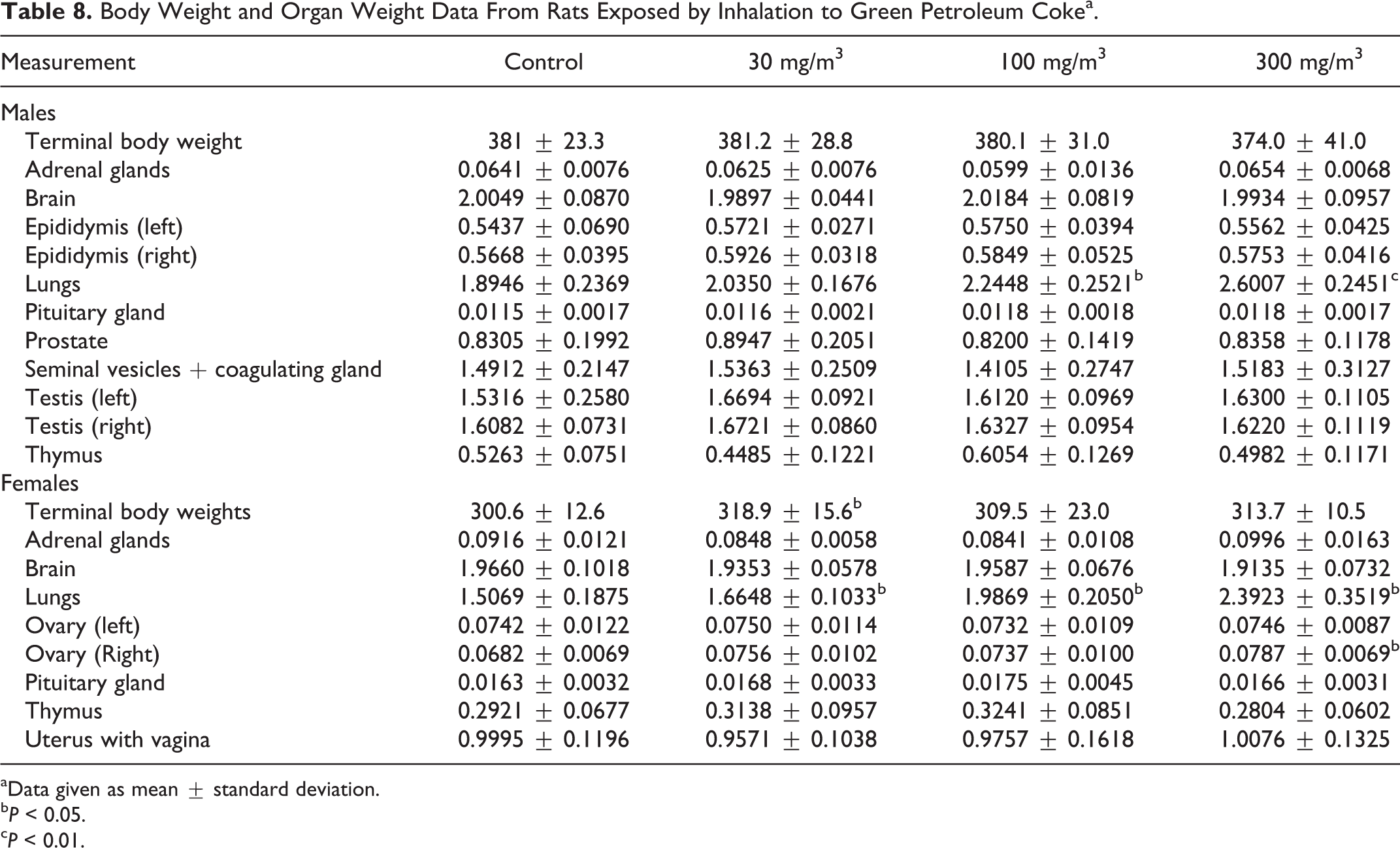
aData given as mean ± standard deviation.
b P < 0.05.
c P < 0.01.
Ecotoxicological Studies
Exposure analyses
Independent WAF solutions were made for each aquatic toxicity test from the neat test sample. These were analyzed for the constituents of interest and presented in the following table. Values for the neat test substance indicate that green petroleum coke contains residues of some PAH compounds and inorganic elements. However, none of the aqueous WAFs showed these constituents above the LOQ for the analyses (Table 9).
Aquatic toxicity tests
For aquatic invertebrates (Daphnia magna) and fish (Pimephales promelas), no adverse effects on survival were seen at the 1000 mg/L WAF treatment. Therefore, the acute end point was considered greater than 1000 mg/L (Table 10). Additionally, there were no abnormal effects or clinical signs of toxicity observed in the test animals. Growth of algae (Pseudokirchneriella subcapitata) exposed to the 1000 mg/L WAF was inhibited by 28% based on algal biomass or 7.1% based on growth rate. The extent of inhibition was significantly different from control values (P < .05) and was considered an effect of treatment. However, because the extent of inhibition overall did not reach 50%, it was concluded that the EL50 values for biomass increase and growth rate were greater than 1000 mg/L (maximum treatment level).
Terrestrial toxicity tests
In the earthworm test, there were no mortalities in the control or the treatment group (Table 11). No adverse effects were apparent when earthworms were exposed to 1000 mg/kg soil-incorporated petroleum coke. Worms in the treatment group were normal in appearance and showed no aversion to the soil during observations of burrowing behavior. Loss of body weight in earthworms is normal during the 14-day test period owing to the lack of any food supplements to the soil. Loss over the test period was not statistically different between the control and treatment group (P > .05)
For corn, radish, and soybean, the number of emerged and surviving seedlings at the end of the test was not affected by the petroleum coke treatment. These species also showed a slight but not statistically significant (P > 0.05) increase in mean plant height and mean shoot dry weight when compared with the control group (Table 12).
Concentrations of PAH and Metals Measured in Green Petroleum Coke and 1000 mg/L Water Accommodated Fraction.
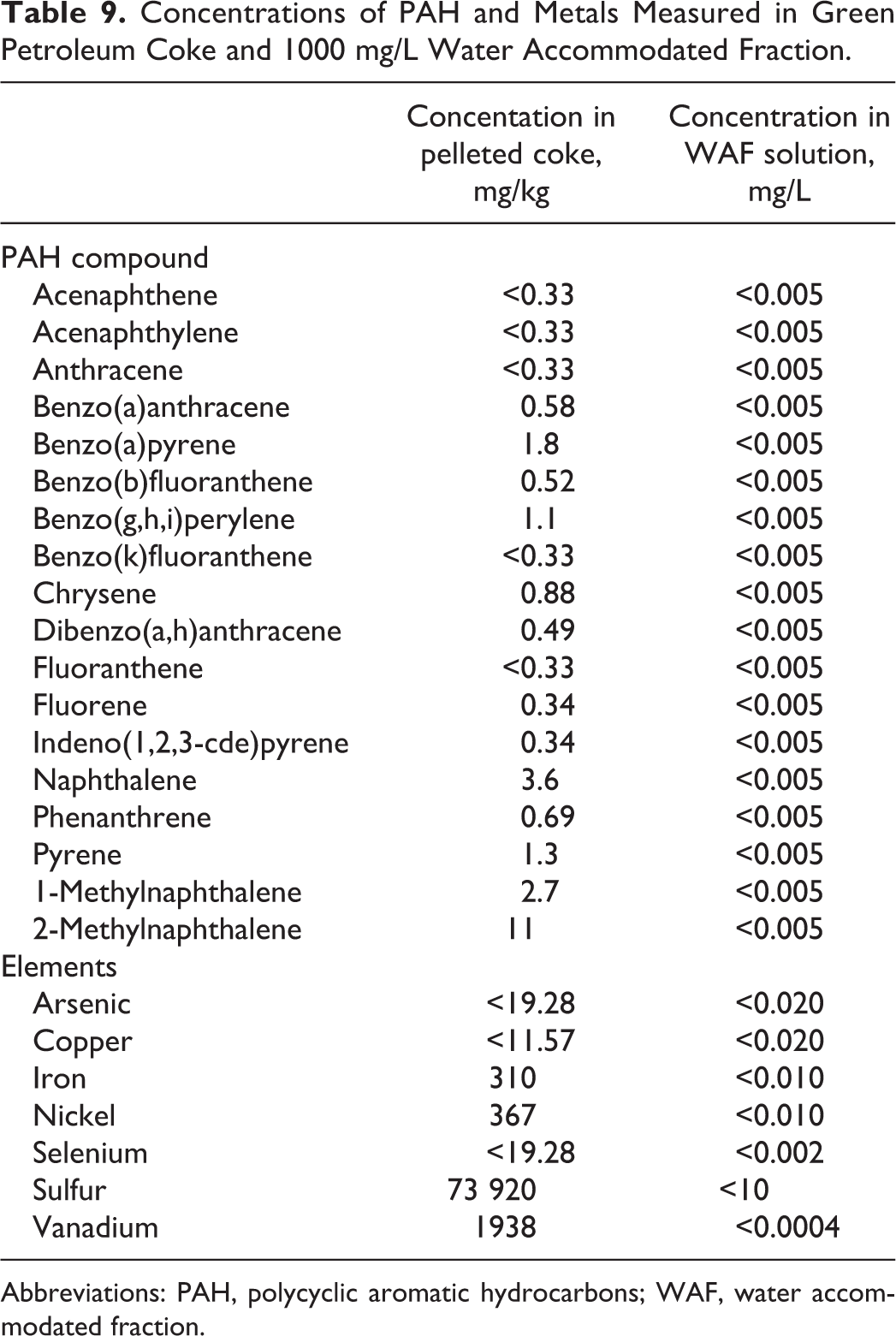
Abbreviations: PAH, polycyclic aromatic hydrocarbons; WAF, water accommodated fraction.
Discussion
The objective of the current work was to assess the potential human and environmental health hazards of petroleum coke and to develop data to address areas of uncertainty. The strategy was to use green coke, which contains entrained hydrocarbon material, as a basis for worst case assessment. In previous assessments, it was reported that chronic exposure to dust, at levels of up to 30 mg/m3 was not carcinogenic and did not produce systemic toxicity in rats or monkeys. 5 The only identified effect, observed primarily in the rats, was the evidence of dust accumulation in the lungs, which was associated with increased lung weights and concurrent inflammatory and metaplastic changes in the lung.
The current studies explored the potential for reproductive toxicity and environmental toxicity of petroleum coke. Rats were exposed by inhalation for periods ranging from 5 to 7 weeks (2 weeks precohabitation, up to 2 weeks cohabitation, 3 weeks of gestation and 4 days of lactation) to petroleum coke dust at levels of 30, 100, or 300 mg/m3. Consistent with previous studies, inhalation exposure resulted in dust accumulation in the lungs with inflammatory responses which increased in severity with increasing treatment level, but did not produce other evidence of systemic toxicity.
The reproductive/developmental toxicity assessment indicated that, at most, petroleum coke had only minor effects at the highest exposure level with 100 mg/m3 as the no effect level for all effects other than the pulmonary effects described above. The principal finding was that one of the female rats in the 300 mg/m3 group did not mate, 2 mated but did not become pregnant, and a fourth mated and became pregnant but had no live offspring. Although these differences were not statistically significant, they were unexpected based on the historical control information from the laboratory. Accordingly, this effect was judged to have been treatment related. However, there were no developmental effects observed in the limited assessment conducted as part of this study. More specifically, there was no difference in litter size among dams that had litters, and there were no significant differences in survival or body weights of offspring.
The basis for the effect on fertility is not clear. The test sample contained approximately 12% entrained water and hydrocarbons. Chemical analysis of the test material showed that some polycyclic aromatic constituents (PAC) and heavy metals were present at parts per million levels (Table 9). It has been shown that petroleum substances containing high levels of PAC are toxic to developing fetuses and can cause fetal death, 28 and the results of Salmonella tests suggest that these constituents are present in the entrained volatile material. 8,9 Thus, an argument could be made that a cause–effect relationship is plausible. On the other hand, the Salmonella data also suggest that the entrained volatile material might not be bioavailable under normal physiological conditions, 7 but rather requires vigorous extraction procedures in order for its activity to be expressed.8,9 It should also be noted that PAC-containing substances also produce systemic effects including liver enlargement, reduced spleen weights, and changes in hematological parameters. 29 None of these organs were affected in the present studies or have been reported in previous studies, suggesting that in fact the presence in PACs in the entrained volatiles does not explain the reduced fertility. Some of the heavy metals present in the coke sample have been associated with reproductive effects, but the exposure levels are low by comparison to reported levels of effect. For example, aside from sulfur, the metal present in the highest concentrations (∼2000 ppm) was vanadium. Summarized information 30 indicates that vanadium can cause reproductive and/or developmental effects depending on the form of vanadium and the route of exposure. However, from the information provided, it appears that effects on offspring are associated with exposure levels >10 mg/kg per day and often involve maternal toxicity. Using an inhalation volume of 0.24 L/min, 31 an exposure period of 6 h/day and a body weight of 250 g, the inhaled dose would be approximately 1 mg/kg per day. Further, maternal toxicity was not observed. Accordingly, the presence of heavy metals in the test samples does not provide a satisfactory explanation for the results either. Another possibility is that the reduction in fertility could have been secondary to the inflammatory responses in the lung, perhaps as an effect of stress, or perhaps this was a spontaneous outcome which appeared in the high dose group.
The environmental toxicity studies showed, in general, a low potential to cause adverse effects. More specifically, in the aquatic tests, the 96-hour or 48-hour LL/EL50 values were all greater than the maximum WAF loading rate of 1000 mg coke/L. Only in algae was a slight but statistically significant reduction in the production of algal biomass and growth rate revealed in the petroleum coke treatment. In the terrestrial studies, there were no apparent effects in earthworms in a 14 day toxicity study at a concentration of 1000 mg coke/kg soil. Similarly, there were no apparent effects on the survival or growth of corn (Zea mays), radish (Raphanus sativus), and soybean (Glycine max) in soil containing 1000 mg coke/kg soil.
In summary, in the reproductive toxicity studies, the frequency of successful matings was reduced in the high exposure group (300 mg/m3). While this difference was not significantly different from control values, it was considered biologically significant based on historical control information. The postnatal observations did not indicate any treatment-related differences. These screening test data do not contradict current occupational control measures, which are set to prevent dust accumulation in the lungs and to avoid inflammatory effects in the respiratory system. The environmental studies suggested that potentially hazardous constituents do not leach from petroleum coke into water at harmful levels, and this was shown empirically by the lack of detectable PAHs and inorganic elements in WAF solutions at the 1000 mg/L loading rate. No effects were seen in fish or invertebrates, but a slight inhibition in algal growth was observed. No effects associated with soils containing petroleum coke at 1000 mg/kg were evident for the terrestrial organisms.
Results of Investigations of the Effects of Exposure to Green Petroleum Coke on Invertebrates, Fish, and Algae.
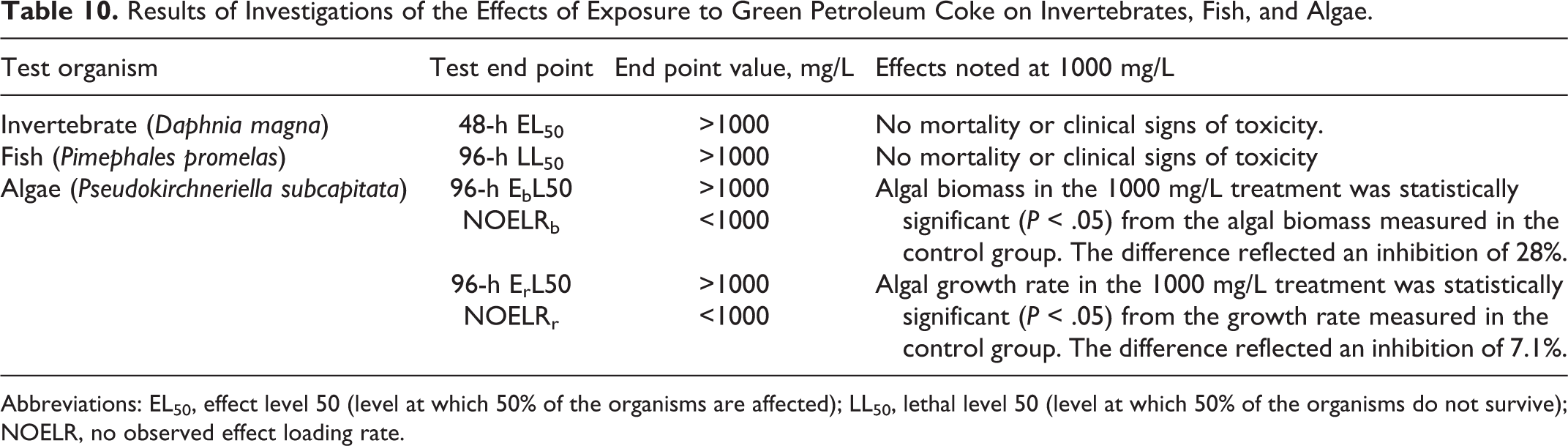
Abbreviations: EL50, effect level 50 (level at which 50% of the organisms are affected); LL50, lethal level 50 (level at which 50% of the organisms do not survive); NOELR, no observed effect loading rate.
Earthworm Survival and Observations.

aTest group body weight change was not statistically significant (P > .05) when compared with the control group.
Terrestrial Plant Emergence, Survival, and Growtha.
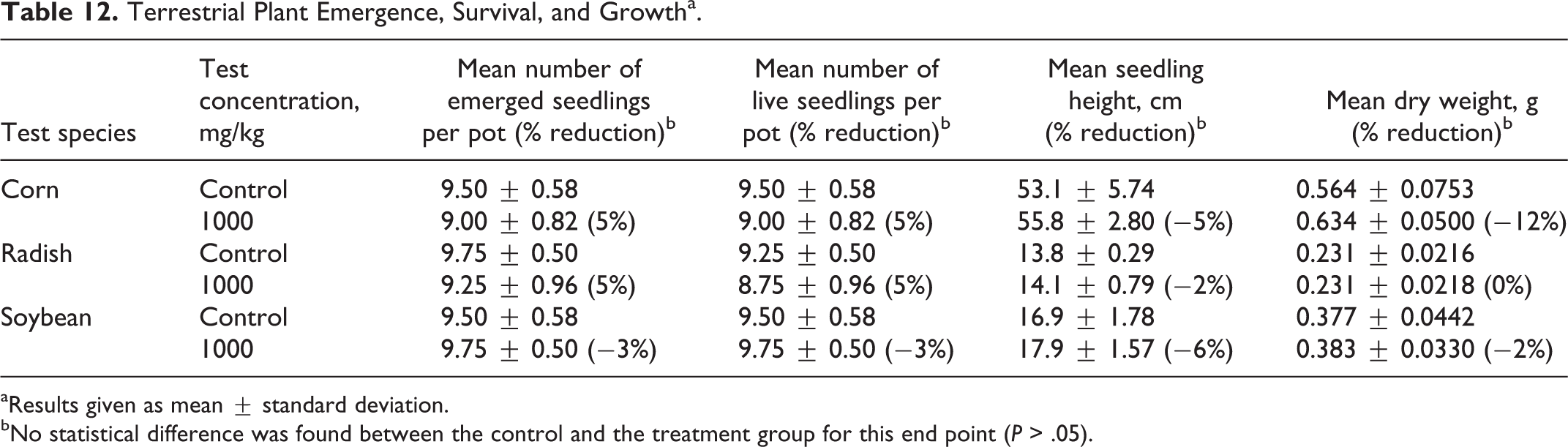
aResults given as mean ± standard deviation.
bNo statistical difference was found between the control and the treatment group for this end point (P > .05).
Footnotes
Acknowledgments
The authors thank Chris Sexsmith for quality assurance support and Lynn Bennett for assistance in manuscript preparation.
Declaration of Conflicting Interests
The author(s) declared the following potential conflicts of interest with respect to the research, authorship, and/or publication of this article: The authors of this manuscript are employed by companies that manufacture petroleum products and contractors working on behalf of the petroleum industry HPV program.
Funding
The author(s) disclosed receipt of the following financial support for the research, authorship, and/or publication of this article: this project was sponsored and funded by the PHPVTG, an unincorporated group of manufacturers affiliated by contractual obligation to fund a voluntary data disclosure and toxicity testing program on certain petroleum-related chemical substances in response to EPA HPV Challenge Program. The American Petroleum Institute (API) manages the PHPVTG activities.