



Abstract
The discussion on whether the Sprague Dawley (SD), the Fischer F344, or the Hannover Wistar rat is the most appropriate model for toxicity studies in rodents is ongoing. A substantial quantity of data on these strains concerning their source, diet, and housing conditions have been published. Generally, before starting a toxicology program in rodents, it should be taken into account that oncogenicity studies will be required for the majority of compounds successfully completing development. Survival, body weight development, incidence, type, time of onset of age-dependent lesions and neoplasms, as well as some special considerations of the rat model selected may be decisive. Therefore, an understanding of the historical background data is essential. These aspects demonstrate why the use of a specific rat model should be carefully considered at the beginning of the toxicology program.
Keywords
The RccHan:WIST Hannover Wistar rat is an extremely well-characterized strain worldwide, showing stable control data in oncogenicity studies over the last 25 years. This is in addition to the longest survival rate, lower body weight compared to SD rats, and lower tumor incidence compared to SD and F344 rats. There are numerous publications regarding spontaneous incidences of neoplasms in several rat strains, 1,–3 but these may be restricted to specific organ systems. 4 In contrast, surveys on nonneoplastic lesions are rare, 5 or restricted to selected organ systems. 6 For most animal stocks and strains, suppliers are inclined to publish only selected control data on their Web pages. For the present article, these data were used to compare RccHan:WIST with Crl:WI(Han) and Wistar Hannover GALAS rats. 7 ,–10 In addition, institutions as well as companies collect control data (mostly unpublished) but some of which may be accessed and used for comparisons, for example, NTP data from F344 and Crl:CD(SD) rats. 11
The only comprehensive compilation of historical control data in the rat is available for the RccHan:WIST Hannover Wistar rat. This includes data on P450 isoenzymes; micronucleus-assay, unscheduled DNA synthesis assay (UDS), and comet-assay data in vivo; body weight development; food and water consumption; clinical signs (acute to oncogenicity studies); hematology, clinical chemistry, urinalysis (ages: <7->71 weeks); ophthalmoscopy (acute to oncogenicity studies); functional observation battery and neurotoxicity study data; organ weights (absolute and relative weights: from acute to oncogenicity); gross lesions (from acute to oncogenicity); sperm staging and follicle counting (ovary staging) data; bone marrow differentiation data; histopathology from 1- and 2-generation study data as well as segment II studies; reprotoxicity data on segment II and III studies; sperm analysis data; and histopathology data on all study types including nonneoplastic and neoplastic lesions. 12
Breeding Scheme
The RccHan:WIST is maintained as an outbred rat model. Outbred breeding systems are maintained to maximize heterogeneity within a given population. The preservation of genetic variability within an outbred colony can be affected by population size, sequence of generations, future breeder selection, and breeding scheme. 13 Managing these production variables is paramount to maintaining the genetic integrity of the stock.
To establish genetic variation within a population, it is suggested starting the colony with as many breeder pairs as possible, though a minimum breeding unit of 25 pairs is recommended. 14 Subsequently, once an outbred colony has been established, efficient colony management necessitates utilizing the entire breeding life span of each generation to minimize loss of alleles within the gene pool. Additionally, preferential selection for specific phenotypes when choosing breeders should be avoided to manage genetic drift. While various observed traits may be desirable, this practice will force selection pressure and ultimately precipitate genetic drift. Genetic drift cannot be prevented; however, breeding strategies such as randomization of breeder selection can aid in delaying this inescapable event. Moreover, to ensure that the variable genetic profile of an outbred model is sustained, the breeding scheme of an outbred colony should be optimized to avoid inbreeding by mating unrelated animals only. To prevent sibling mating, sectional mating schemes allocate new offspring into specific groups intended to be bred to a corresponding cohort. All of these production variables have been considered in the breeding maintenance of the RccHan:WIST rat model.
In addition to exceeding the recommended breeding unit guidelines to establish and maintain an outbred rat colony, the RccHan:WIST breeding program dictates predetermined retirement schedules for breeders and designated rotational mating protocols to ensure organized randomization in future breeder selection. The breeding program for the RccHan:WIST also includes routine exchange of genetic material between global colonies and cryopreservation at scheduled intervals to manage genetic drift. Furthermore, the Poiley system is utilized to breed the RccHan:WIST 15 in which the colony is divided in 12 sections and male and female offspring are assigned to specific breeding cohorts for future matings.
Body Weight and Food Consumption
Generally, Hannover Wistar rats fall between SD and F344 rats in terms of their mean body weights. The terminal body weight of RccHan:WIST males in oncogenicity studies is approximately 650 g (ranging from 472 to 987 g) and 355 g (ranging from 179 to 533 g) in females, with individual outliers among males achieving maximal body weights of up to 1095 g. A comparison of body weight development data for different rat strains obtained from studies performed at Harlan Laboratories Ltd, Switzerland revealed a similar weight of RccHan:WIST and F344 females, whereas RccHan:WIST males were slightly heavier than F344 males. In contrast, Ico:OFA-SD rats are significantly heavier than RccHan:WIST rats, with males reaching body weights of up to 1600 g. A reduced body weight growth (plateau) was found in RccHan:WIST and F344 rats at 13 to 16 weeks, whereas for SD rats it takes approximately 8 additional weeks (Table 1 ). This may have a significant impact on the quantity of test material needed for studies, especially in feeding studies, where the diet mix needs to be adapted frequently to the body weight of the animals. Low body weights and rapid achievement of a more or less stable plateau of growth curves help avoid excessive waste and loss of test material. In addition, it is notable that food consumption in RccHan:WIST rats (males: 20-22 g/animal per d; females: 14.5-16.5 g/animal per d) does not vary greatly from the age of approximately 16 weeks onward. Unfortunately, body weight data in other rat strains, for example Crl:WI(Han) or Crl:CD(SD), are published by the provider only up to 15 weeks of age and hence cannot be compared in detail for older animals. Furthermore, no data regarding food and water consumption are published for these strains. 8,9 For this reason, some comparisons are achieved using data obtained at Harlan Laboratories Ltd, Switzerland, in related strains.
Comparison of Maximal Body Weight Ranges in Control Ico:OFA-SD, RccHan:WIST, and F344 Rats Used in Oncogenicity Studies Performed During 1991-2006 at Harlan Laboratories Ltd, Switzerland
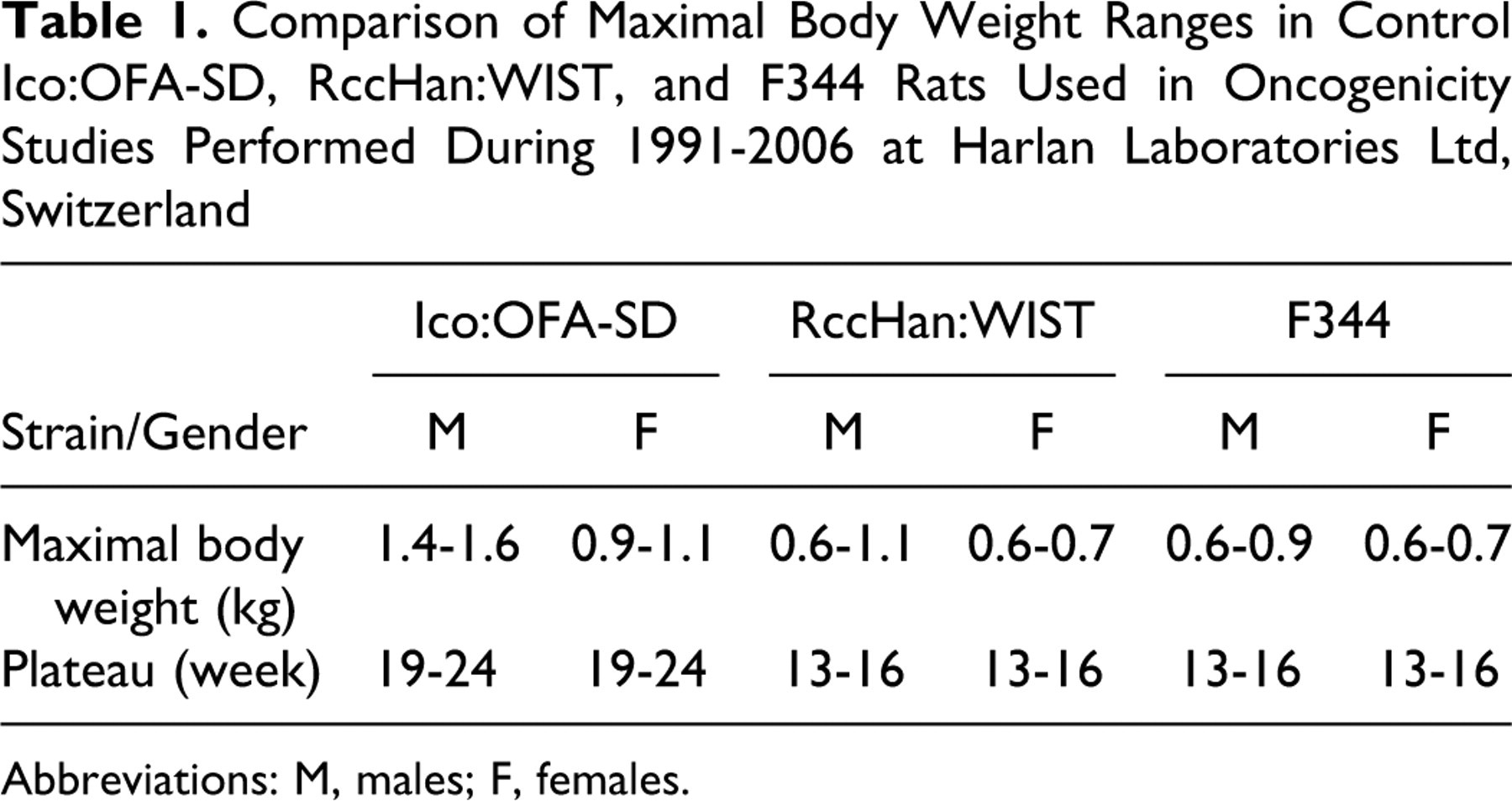
Abbreviations: M, males; F, females.
Clinical Signs, Ophthalmoscopy, and Functional Observation Battery
Little or no literature is available describing data on any rat strain regarding clinical signs, ophthalmoscopy, or functional observation battery data. However, such data may support interpretation of studies during the in-life phase. Under certain circumstances, knowledge of such data may even cause the early termination of the study. This was experienced by Harlan Laboratories, Switzerland, when using Crl:CD(SD) rats exhibiting TAIEP (Tremor, Ataxia, Immobility episodes, Epilepsy, Paralysis) signs 16 that became transient in an oncogenicity study after approximately 6 months. Based on ophthalmology findings and histological examination (see below), the RccHan:WIST rat is a very consistent and healthy animal with regard to the visual system. In the competitive rat stocks, Crl: WI(Han) or Wistar Hannover GALAS, there are no such data published. However, there is a very detailed ophthalmoscopy data compilation available for the Crl:CD(SD) rat, compiled from studies from several US contract research laboratories and industrial toxicology facilities. 9
Hematology and Clinical Biochemistry
Hematology, clinical biochemistry, and urinalysis on stocks related to the RccHan:WIST rat are provided by suppliers, but are restricted to particular parameters or consist of low individual sample numbers. For example, in GALAS rats, only data obtained from 3 to 10 animals per gender/time point, recorded between 2003 and 2004, are provided. 10 Data prior to this were derived from the original Hannover strain collected by the former RCC Ltd, Switzerland. Data on the Crl:WI(Han) includes samples of 135 to 181 animals per gender/time point, although urinalysis data were not published. For the Crl:CD(SD) rat, there are hematology and clinical biochemistry data given for different ages (3-150 weeks of age) from 65 studies. Again, the data were compiled from studies from several US contract research laboratories and industrial toxicology facilities and data on urinalysis were not given. 9
Organ Weights and Gross Lesions
Published data on organ weights and gross lesions are rarely available. 17 These data however are useful for understanding differences between animal stocks and strains. Data obtained from RccHan:WIST rats precisely reflect the pathological conditions of aged animals as confirmed by histopathology. These important data are not available for other strains.
Mortality
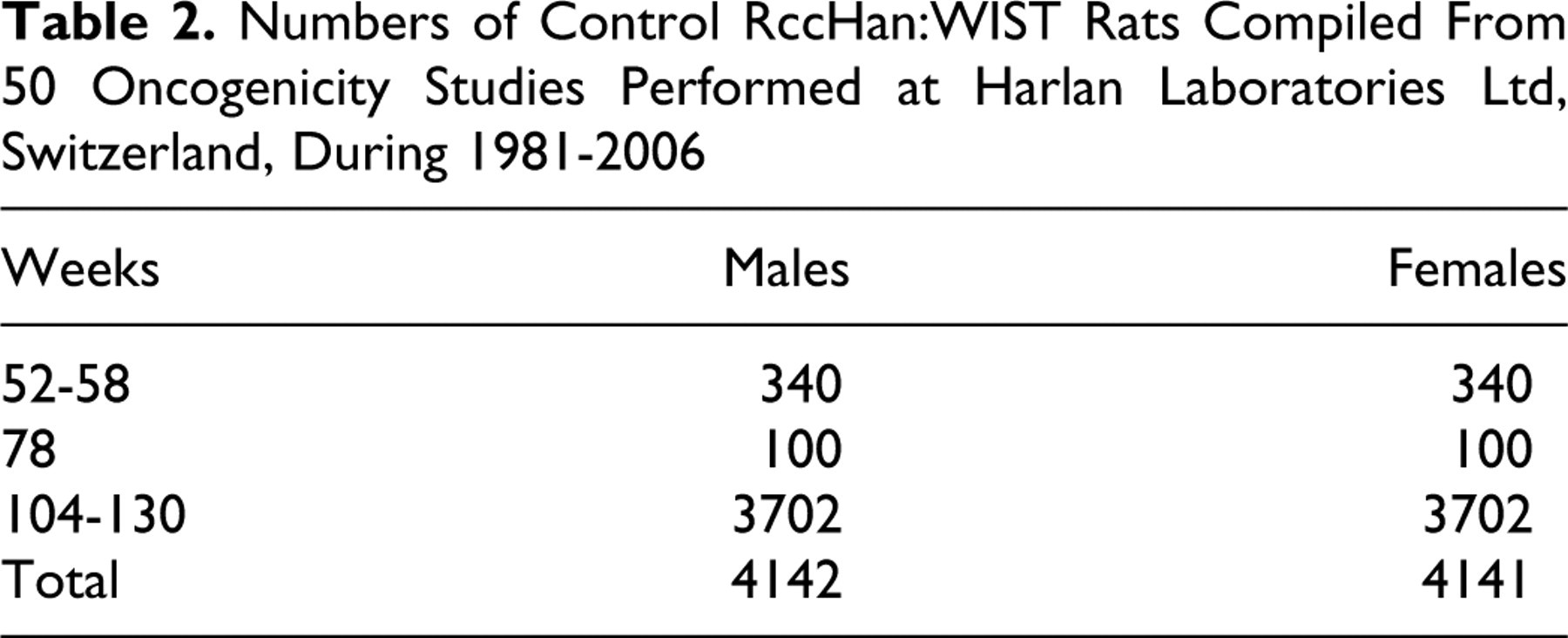
The RccHan:WIST rat has a low mortality rate. The Harlan Laboratories control data from 50 oncogenicity studies, running between 1980 and 2006, for study periods of 104 to 130 weeks, with a total of 4142 males and 4141 females, were evaluated. From these animals, 340 rats per gender were scheduled for 52 to 58 week interim sacrifices, and 100 rats per gender were scheduled for a 78 weeks’ study period (Table 2 ).
Numbers of Control RccHan:WIST Rats Compiled From 50 Oncogenicity Studies Performed at Harlan Laboratories Ltd, Switzerland, During 1981-2006
Approximately 73% of the animals from both genders survived until 104 weeks (Table 3 ). Occasionally, higher mortalities were recorded (up to 56% of males, 66% of females), but this was related to the subcutaneous mode of application. Conversely, even in 24 studies performed with scheduled study periods of 110 to 130 weeks, the mean survival was above 65% for both genders. These data are consistent with published values. 3 Mortality data obtained for oncogenicity studies in Ico:OFA-SD rats performed at Harlan Laboratories Ltd, Switzerland, are presented in Table 4 . At 78 weeks, there are already distinct differences, with a minimal mortality rate of approximately 27%. At the scheduled 104-week sacrifices, the maximum survival rate was below 40%.
Number of Decedent Control RccHan:WIST Rats Compiled From 50 Oncogenicity Studies Performed at Harlan Laboratories Ltd, Switzerland, During 1981-2006 a
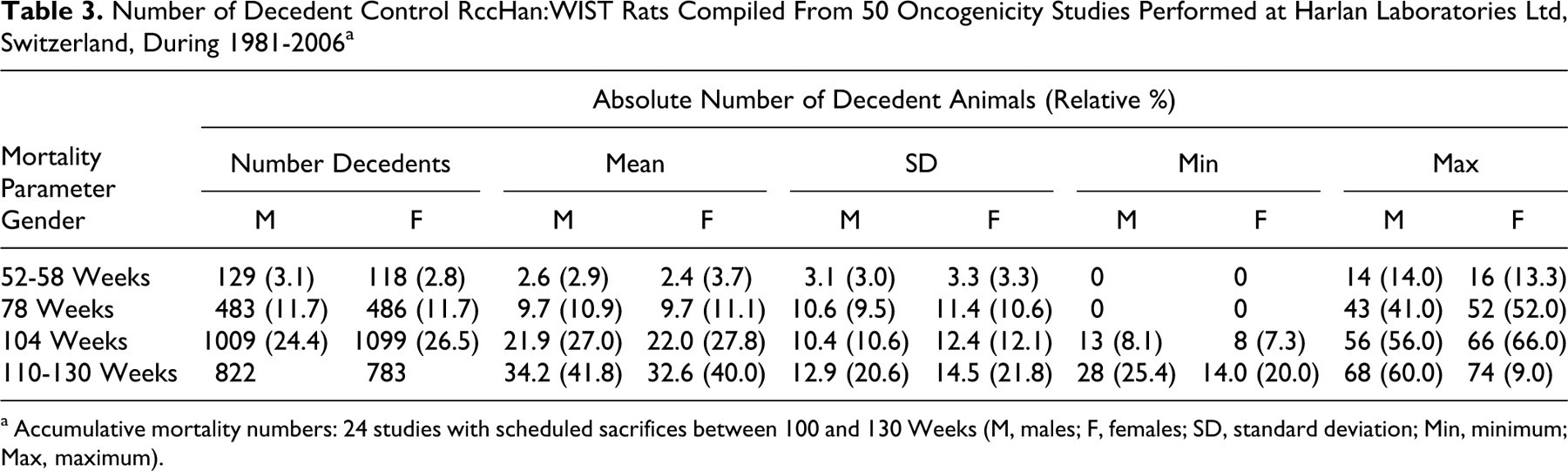
a Accumulative mortality numbers: 24 studies with scheduled sacrifices between 100 and 130 Weeks (M, males; F, females; SD, standard deviation; Min, minimum; Max, maximum).
Relative Number (%) of Decedent Control Ico:OFA-SD Rats Compiled From 3 Oncogenicity Studies Performed at Harlan Laboratories Ltd, Switzerland, During 1991-1995 a
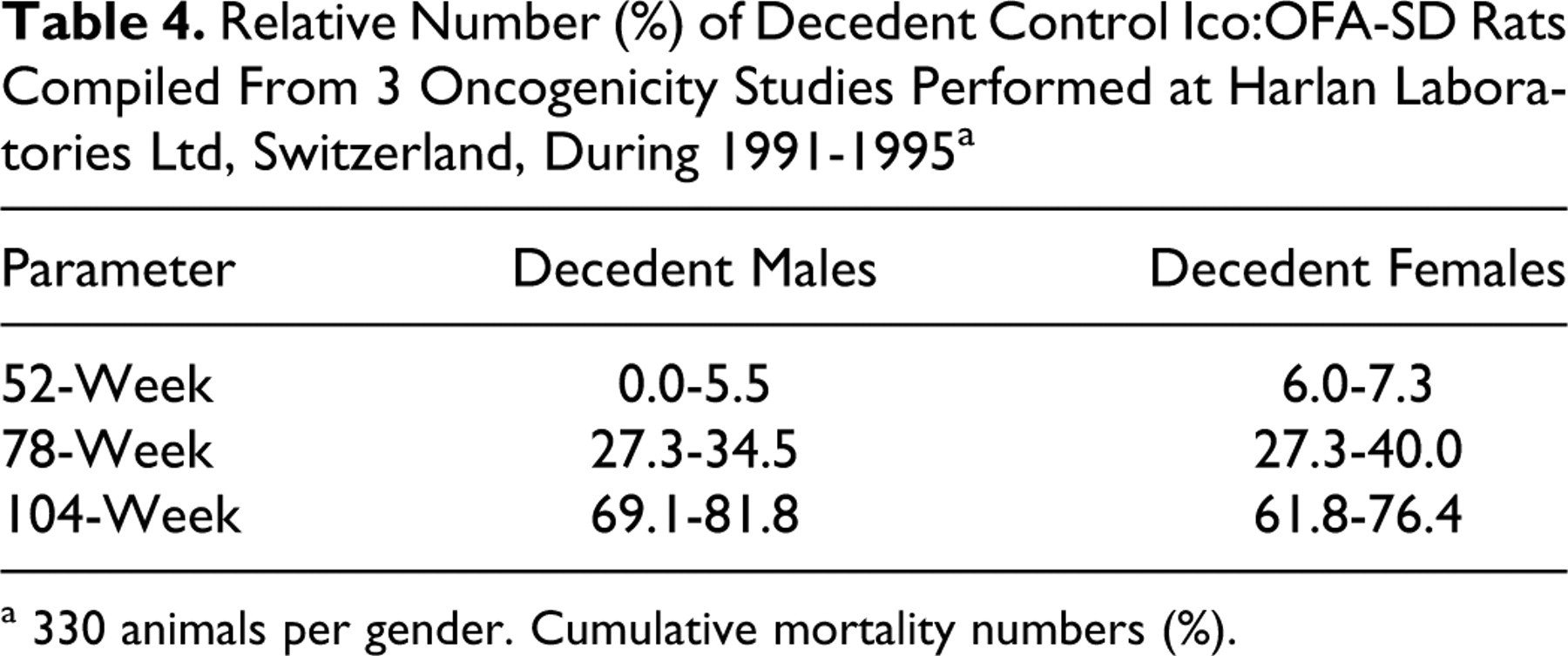
a 330 animals per gender. Cumulative mortality numbers (%).
A comparison with oncogenicity studies performed with RccHan:WIST Hannover Wistar rats at Harlan Laboratories Ltd, Switzerland, revealed the reasons for the higher mortality in SD rats (Table 5 ). Higher incidences and severities of chronic progressive nephropathy (CPN) and related alterations as well as a higher tumor rate were deemed responsible for mortality.
Comparison of Established Main Causes of Morbidity/Death (%) on Decedent Control Ico:OFA-SD (3 Oncogenicity Studies Performed During 1991-1995) and RccHan:WIST Rats (8 Oncogenicity Studies Performed During 1992-2006) From Studies Performed at Harlan Laboratories Ltd, Switzerland
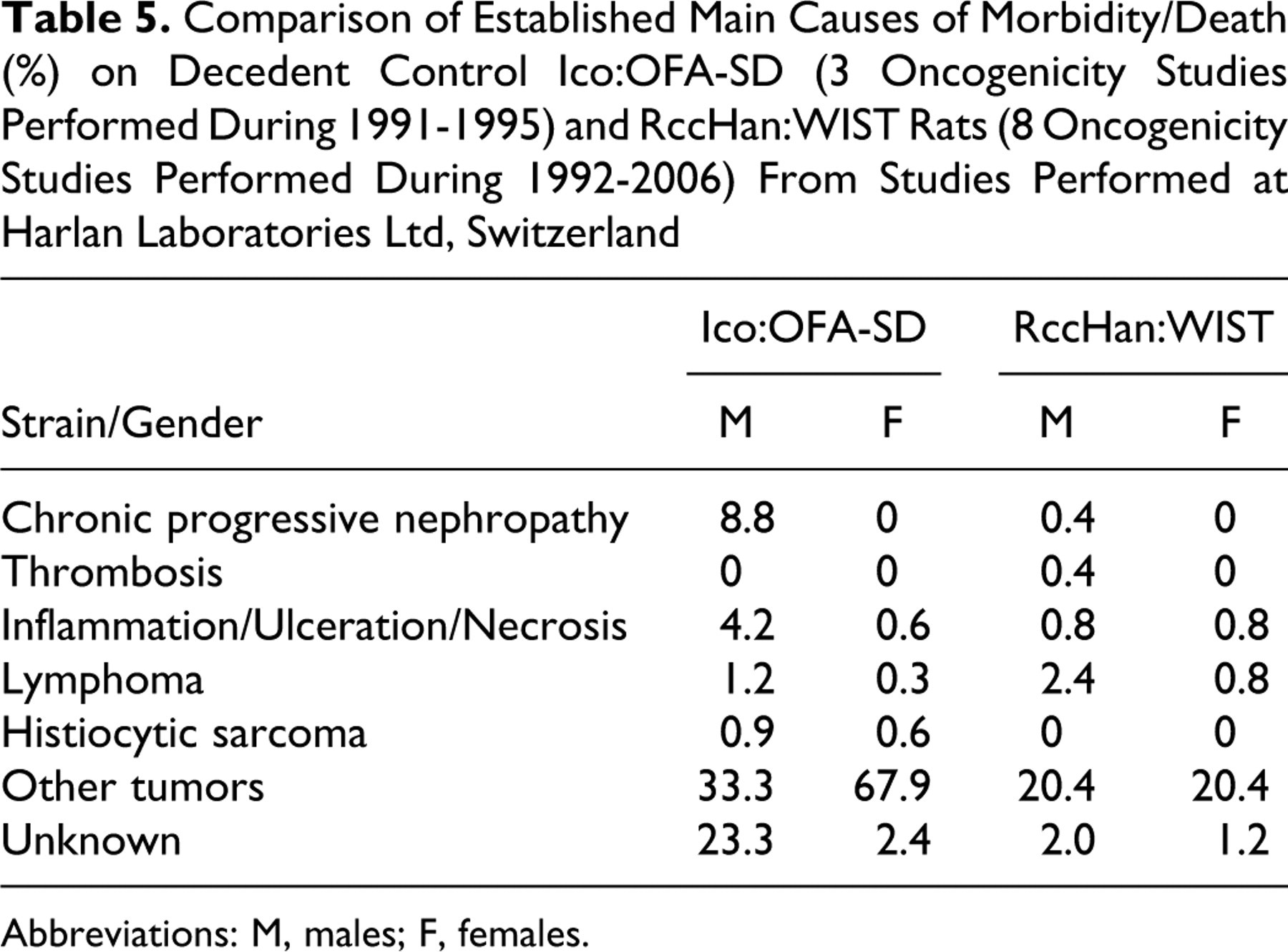
Abbreviations: M, males; F, females.
As aforementioned, limited data can be found in the information released by animal suppliers. For example, there is no publication available on the cause of morbidity/death in relevant rat stocks (Crl:WI[Han], Wistar Hannover GALAS, or Crl:CD[SD]). Charles River 9 published mortality data for the Crl:CD(SD) rat from 30 oncogenicity studies in males and 31 oncogenicity studies in females performed by contract research organizations and research institutions in the United States, Europe, Canada, and Japan between 1991 and 2002. 9 The survival in males was between 17.1% and 62.9% and in females between 20.0% and 62.2%. 9 The cause of this high variation cannot be easily interpreted from these data as it is unknown if studies with caloric reductions were included. Therefore, even when the survival is much lower than in RccHan:WIST rats, exact conclusions cannot be drawn.
Major Nonneoplastic Lesions
Little is published regarding nonneoplastic lesions. Published control data for most rat strains do not include most nonneoplastic lesions except for selected lesions such as hepatocellular foci of alteration or CPN. There is limited literature available on special organ systems or organs sourced from research projects, making it difficult to compare data on nonneoplastic lesions between different rat strains.
Chronic Progressive Nephropathy
Chronic Progressive Nephropathy is a spontaneous, age-related disease with a male predisposition. However, CPN is not simply an age-related change. Diet is among the most important contributing factors, and it was found that restricted caloric intake is the most effective inhibition factor. The precise etiology and pathogenesis remain unknown, but it is related to glomerular dysfunction. Chronic progressive nephropathy is accompanied by a high cell proliferative rate in affected tubules, which some authors suggest caused an increased risk of tubular neoplasia. 18 Due to the fact that there is no strict human counterpart, an increase in renal tubular tumors along with exacerbation of CPN could be regarded as having no relevance for human risk assessment. 19 For the data presented, CPN was defined as a concomitant appearance of changes consisting of tubular basophilia (regeneration/degeneration), mononuclear cell infiltration, hyaline tubular casts, and occasional glomerusclerosis. Although a higher incidence of CPN in control female RccHan:WIST rats was recorded, the severity was moderately lower than in males. Nevertheless, the approximately 10% higher incidence of CPN as well as the moderately higher severity of CPN in control SD rats was one of the major causes of morbidity/death. In some rat strains, CPN may be recorded at early ages. Junker-Walker et al 20 reported an incidence of severe spontaneous chronic progressive nephrosis of up to 4% in young Crl:WI(Han) rats at 12 weeks of age. 20 Similarly, the onset of CPN was described in young SD rats at 3 months of age at an incidence of 55% in males and 15% in females, whereas another SD strain showed CPN in only 5% of the males and females at 8 months of age. 6 As mentioned above, diet restriction may reduce the incidence and severity of CPN (Table 6 ).
Incidences and Mean Severities of Chronic Progressive Nephropathy Recorded in Oncogenicity Studies Performed With Ico:OFA-SD and RccHan:WIST Rats at Harlan Laboratories Ltd, Switzerland a
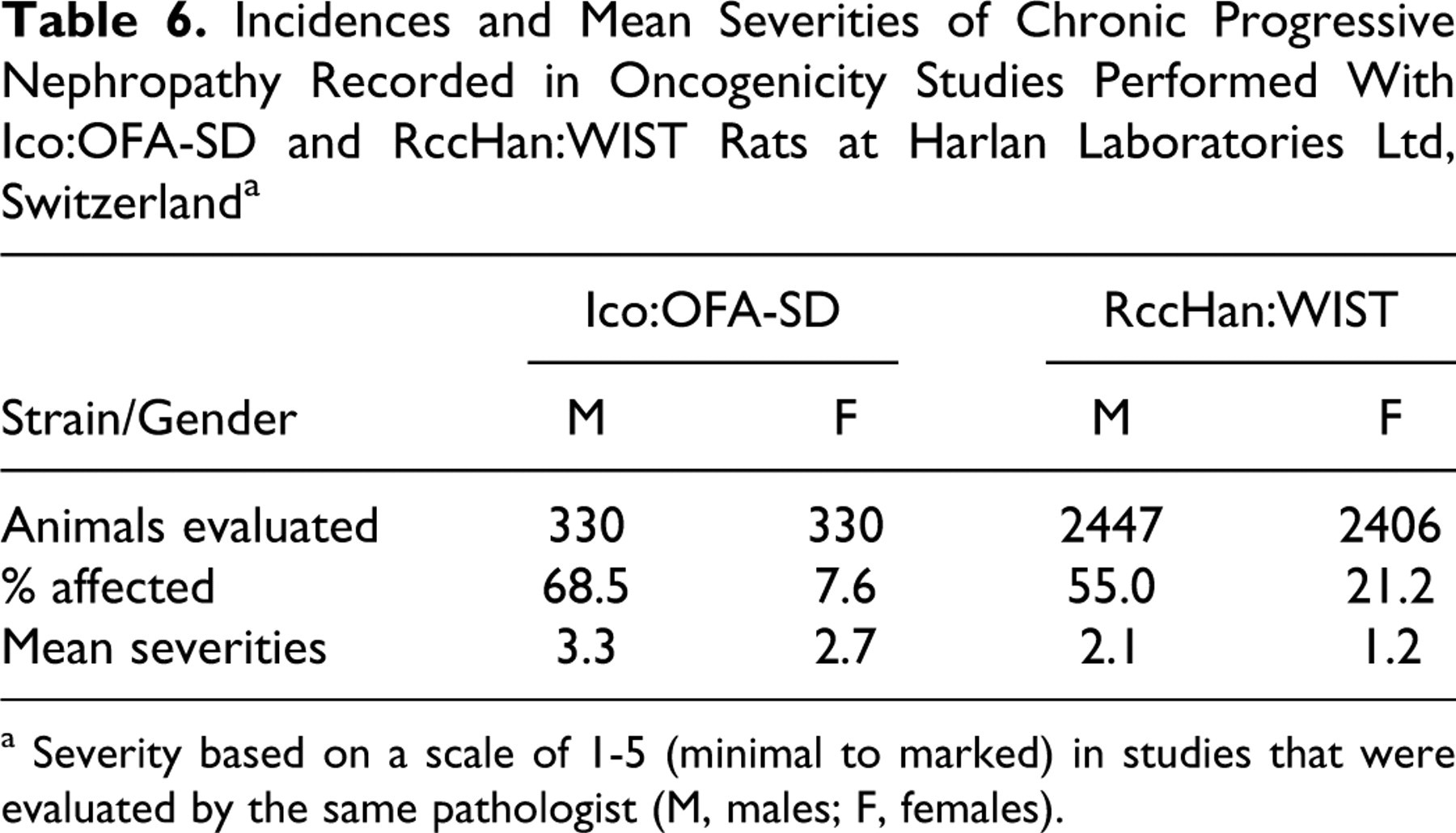
a Severity based on a scale of 1-5 (minimal to marked) in studies that were evaluated by the same pathologist (M, males; F, females).
Mineralization and Peri-/Vasculitis
When comparing the organs of different Ico:OFA-SD and RccHan:WIST rats, SD rats were much more severely affected, mainly in the aorta and blood vessels of the tongue, which may be a consequence of the higher incidence and severity of CPN (supported by the fact that higher incidences were seen in males than in females). Along with this mineralization, higher incidences of peri-/vasculitis were recorded in several organs (Table 7 ). In some cases, these inflammations were considered the cause of morbidity/death (Table 5), namely in cases of severe ulcerations, arterial ruptures, or inflammations in the tongue, leading to refusal of food intake or dysphagia.
Relative Incidences (%) of Mineralization and Peri-/Vasculitis in Selected Organs Recorded in Oncogenicity Studies Performed With Ico:OFA-SD and RccHan:WIST Rats at Harlan Laboratories Ltd, Switzerland
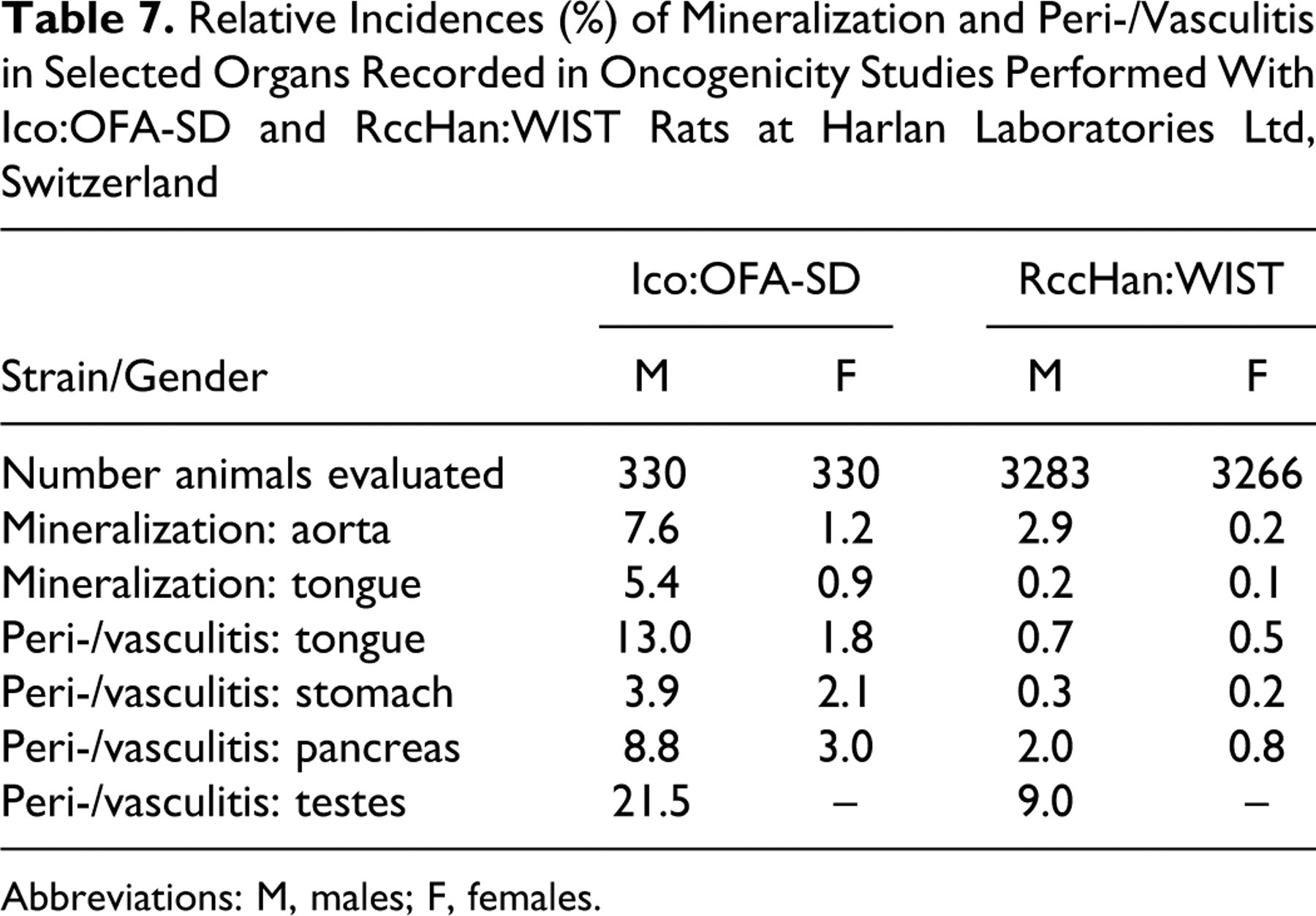
Abbreviations: M, males; F, females.
Chronic Cardiomyopathy
Chronic cardiomyopathy (CMP) is also a common, age-related degenerative disease. The lesions consist of a combination of myocardial fiber degeneration, mononuclear cell infiltration, and interstitial fibrosis. The pathogenesis is not fully understood but involves indicators for oxidative stress (ROS with related lipid peroxidation). 21 Although this disease was not established among the causes of death/morbidity (Table 5), CMP may contribute to morbidity particularly in males (multimorbid individuals). Harlan Laboratories Ltd, Switzerland, recorded more than 4- to 7- fold higher incidence of CMP in Ico:OFA-SD rats compared to RccHan:WIST rats (Table 8 ).
Incidences of Chronic Cardiomyopathy Recorded in Oncogenicity Studies Performed With Ico:OFA-SD and RccHan:WIST Rats at Harlan Laboratories Ltd, Switzerland a
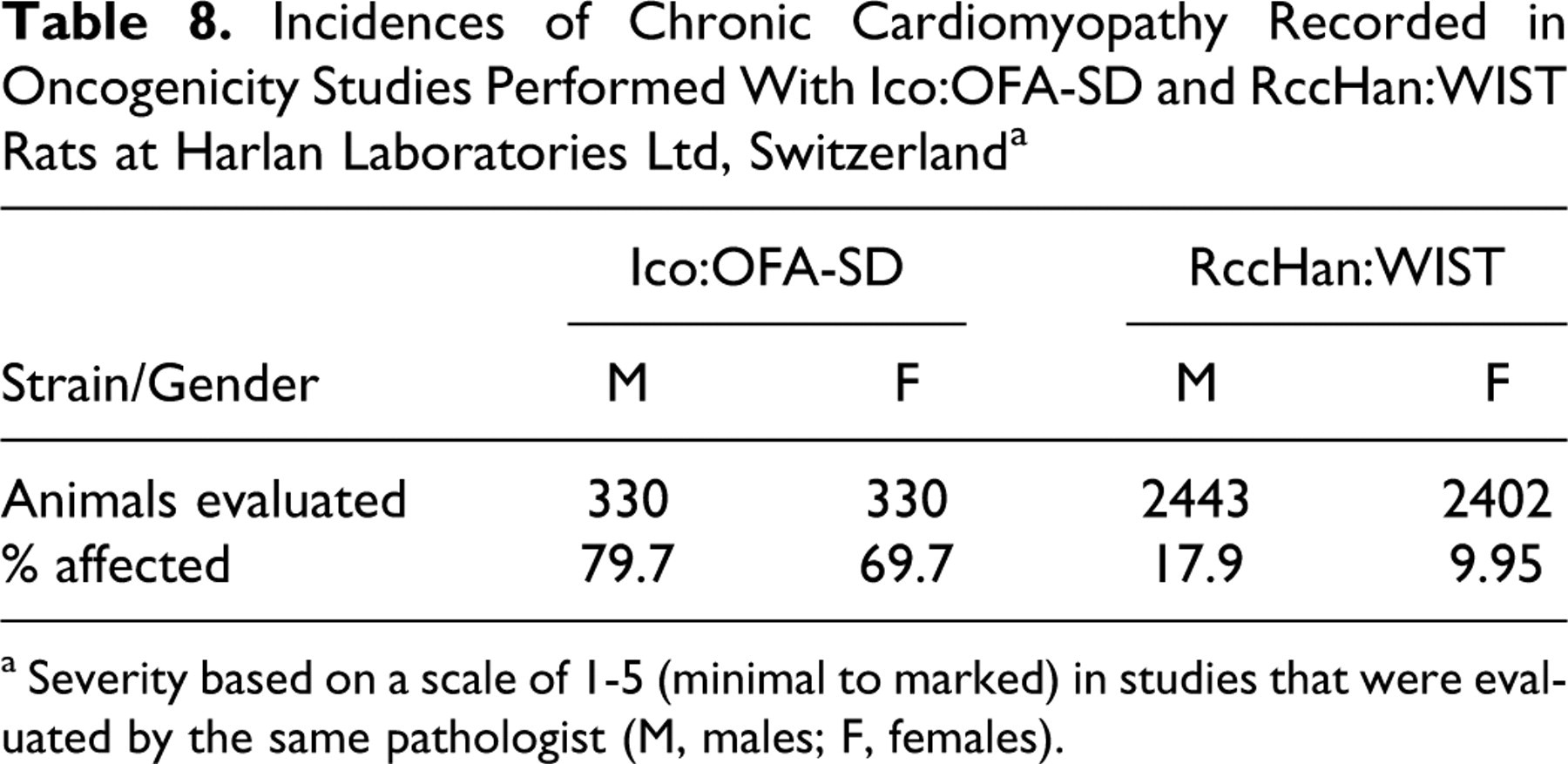
a Severity based on a scale of 1-5 (minimal to marked) in studies that were evaluated by the same pathologist (M, males; F, females).
Eye Lesions
Eye lesions are a particularly important concern in F344 rats. Published data reveal corneal mineralization without correlation to any other change, frequently observed in rats from 3 months of age onward. Moreover, there was osseous metaplasia of the sclera (up to 50% of females, more than 80% of males). It was found that the incidence of corneal dystrophy (between 20% and 70% in 2-year studies) seemed to be colony-specific. In addition, there was an incidence of corneal scleral microgranuloma between 0% and 20% in rats up to 6 months of age. 22 Such incidences were not found in Ico:OFA-SD or RccHan:WIST at Harlan Laboratories Ltd, Switzerland. However, a comparison revealed incidences for corneal mineralization of 24.8% and 18.5% in male and female SD rats, respectively versus 2.0% and 1.4% in male and female RccHan:WIST rats, respectively. It may be postulated that the high incidence of corneal mineralization in SD rats may be due to disturbed mineral homeostasis consistent with the higher incidences and severities of CPN. However, it is known that even young rats without CPN may show corneal mineralization similar to corneal dystrophy. 23
Liver Lesions
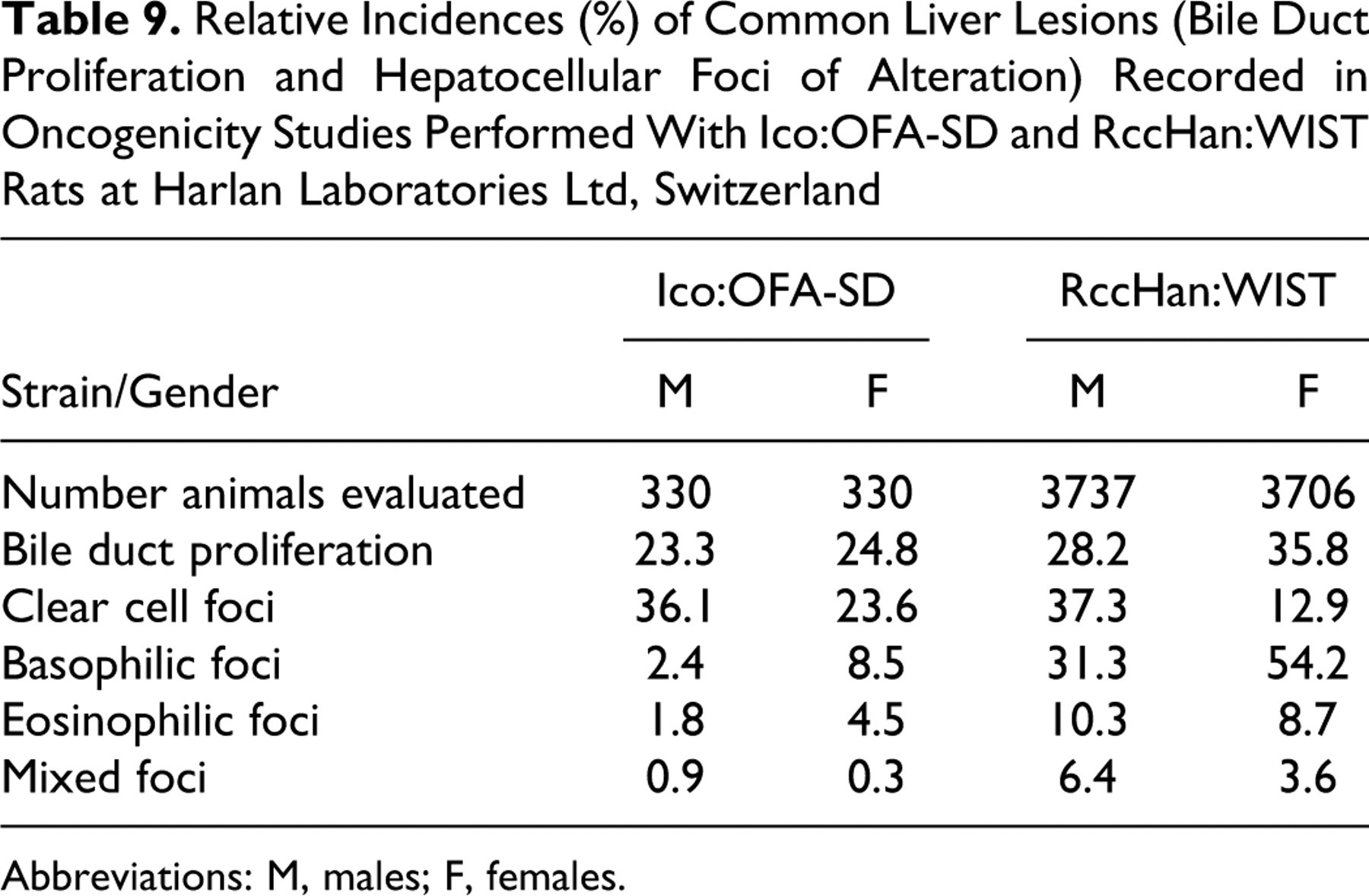
Foci of altered hepatocytes (FAH) are common in 2-year bioassays; almost all F344 rats are affected, with approximately 50% of the animals exhibiting foci at 6 months of age and the incidence reaching nearly 100% at 15 months of age in both genders. 24 Both spontaneous and induced lesions include tigroid basophilic, eosinophilic, and clear cell foci. In contrast, homogenous basophilic foci and amphophilic foci are less frequent or only recorded in specific studies. 25 Foci of altered hepatocytes are considered by some authors as preneoplastic lesions preceding both hepatocellular adenomas and carcinomas. 26 This is based on experiments with known heptocarcinogens. Under such conditions, FAH may be located in specific areas. Furthermore, exposure to hepatocarcinogenic agents may induce unique types of FAH, which should be distinguished from those that occur more commonly. 27 Eosinophilic 28,29 or basophilic foci 30 were reported to be increased under different treatment schedules. In contrast, compounds have been reported to induce FAH (even basophilic and eosinophilic cell foci, ie, lovastatin) but do not induce hepatocellular neoplasia. 31 Despite these facts, it may be concluded that there is no relationship between spontaneously occurring FAH and neoplasias, as the high incidences of spontaneously occurring FAH are coupled with low spontaneous rates of hepatocellular neoplasia. Similar to the reported data from F344 rats, Hannover Wistar rats have very high spontaneous incidences of FAH albeit lower than F344 rats. Approximately 80% of RccHan:WIST rats are affected at the completion of an oncogenicity study. The first occurrence of basophilic foci was found in the latter rat strain in control females of 13-week studies (main test: 0.11%, recovery period: 0.71%). During scheduled periods of 52- and 78-week sacrifices, the incidences increased. Males were more severely affected than females, whereby clear cell foci at 19.8% was the main finding in males, followed by basophilic and eosinophilic foci in both genders at approximately 9.3% and 6.9%, respectively. The data obtained from control animals performed at Harlan Laboratories Ltd, Switzerland, in RccHan:WIST and Ico:OFA-SD rats are presented in Table 9 . Basophilic, eosinophilic, and mixed foci were recorded at lower incidences in Ico:OFA-SD rats, whereas clear cell foci were noted at nearly twice the frequency of the RccHan:WIST females but not males. In contrast to these data, Brix et al 1 reported for female Harlan SD rats mixed cell foci as the most common FAH (52.3%). 1 Basophilic foci and eosinophilic foci were also common, with incidences of 32.4% and 24.0%, but clear cell foci were the least common type of focus recorded, occurring in 11.1% of the animals. Foci of altered hepatocytes were recorded as early as 31 weeks.
Relative Incidences (%) of Common Liver Lesions (Bile Duct Proliferation and Hepatocellular Foci of Alteration) Recorded in Oncogenicity Studies Performed With Ico:OFA-SD and RccHan:WIST Rats at Harlan Laboratories Ltd, Switzerland
Abbreviations: M, males; F, females.
Another nonneoplastic lesion of interest is bile duct hyperplasia that was recorded at higher incidences in female RccHan:WIST than in Ico:OFA-SD rats (Table 9) but was reported at much lower incidences for female Harlan SD rats (only 7.8%). 1 Even lower incidence may be assumed for F344 rats as Johnson et al reported only 2.0% for males and 1.3% for females in control animals. 32 Although this lesion is proliferative in nature, it cannot be considered preneoplastic unless it is present with other abnormalities, for example, dysplasia, oval cell proliferation, and so on. Bile duct proliferation is a regenerative process indicating normal turnover of liver tissue. 33
Testicular Lesions
The early onset of interstitial (Leydig) cell hyperplasia in F344 rats leading to neoplasia in almost all males of this rat strain is deemed critical in assessing the inducing properties of some test items, such as 5-α-reductase, type 2 inhibitors as reported for mice 34 and recorded in studies at Harlan Laboratories Ltd, Switzerland, and in studies with several azo dye compounds. In contrast to the F344 rat, other rat stocks and strains are not affected by significant incidences of interstitial cell hyperplasia, for example, 2.7% in 330 Ico:OFA-SD and 3.22% in 3617 RccHan:WIST rats scheduled for the sacrifices at ≥104 weeks.
Uterine Lesions
Uterine squamous metaplasia was reported at a high incidence in Harlan SD rats with control values reported between 32.0% and 44.2%. 1,35,36 It was shown that SD strains show higher incidences of uterine squamous metaplasia 1 in contrast to Wistar rats. 12 The incidence of this lesion in RccHan:WIST rats was established at 0.08% among 3613 rats scheduled for sacrifice at ≥104 weeks. The importance of this finding is due to possible interferences by test articles with estrogenic activity inducing uterine squamous metaplasia. Critical thresholds are likely masked by the high incidence of the background alteration.
Thyroid Glands
In 1998, a lesion was detected in the thyroid glands of a substrain of RccHan:WIST rats at the former RCC Ltd, Switzerland. These were utilized to initiate the GALAS program, which RCC Ltd contributed to until 2000. The alteration consisted of a mainly diffuse lesion (rarely focal or multifocal), formed by enlarged follicle cells with atypically placed apical nuclei located on a subcellular structure (colloid-containing vesicle by dilation of the endoplasmic reticulum). A congenital lesion was established, termed “Thyroid dysplasia,” that is concomitant with a high incidence of dwarfism. 37 –40 This lesion is still present in Wistar Hannover GALAS rats.
Major Neoplastic Lesions
The incidences of neoplastic lesions are important parameters when selecting the most suitable rat strain for the preclinical development of pharmaceuticals and safety studies for chemicals/agrochemicals. Under certain conditions, decisions regarding rat selection may even be affected by the route of test item administration. For example, SD rats may not be the most appropriate rat strain for the performance of oncogenicity studies by inhalation due to their high body weights and the high incidence of mammary tumors. Often, those animals that cannot tolerate further confinement in inhalation tubes must be sacrificed early.
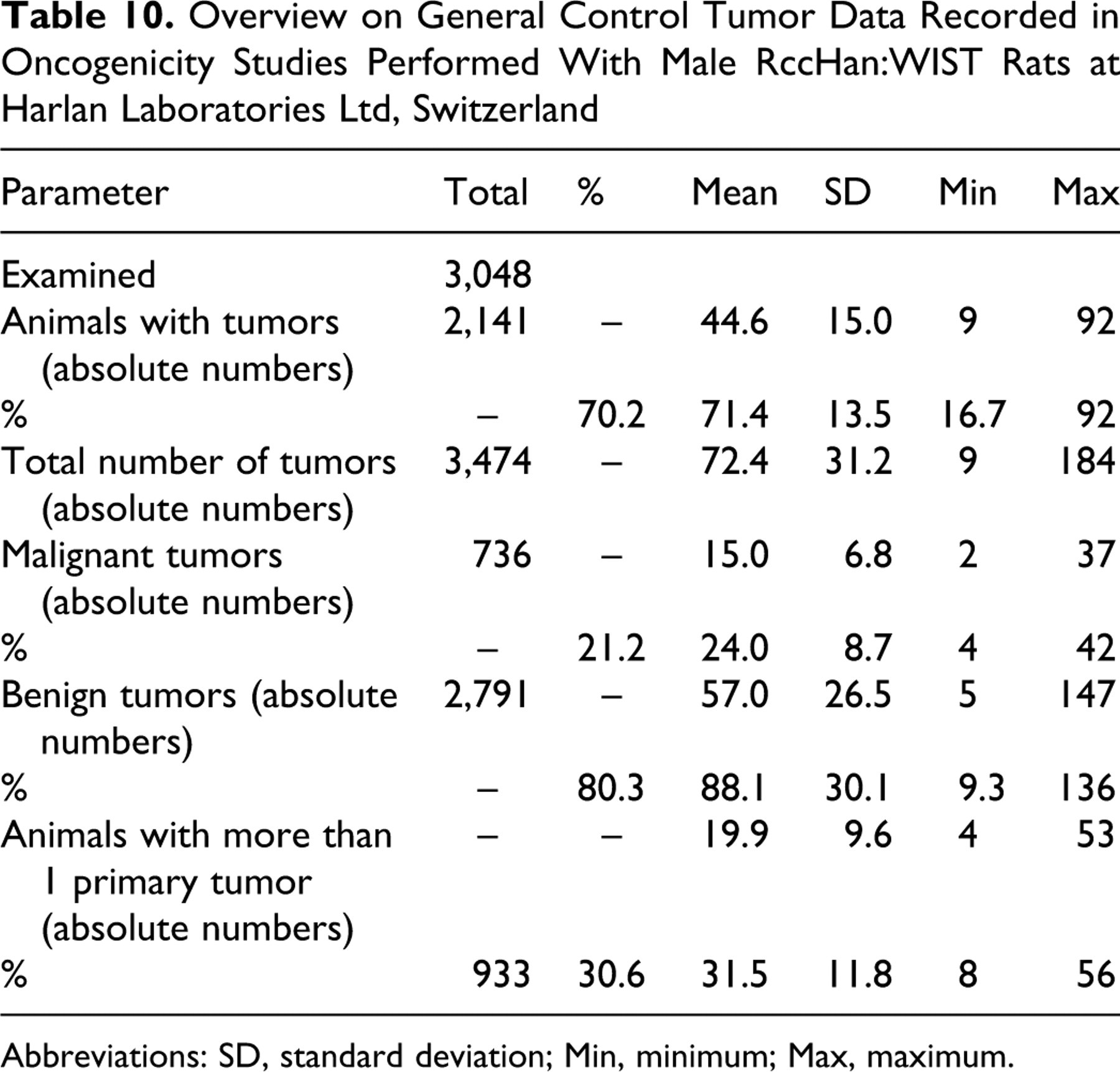
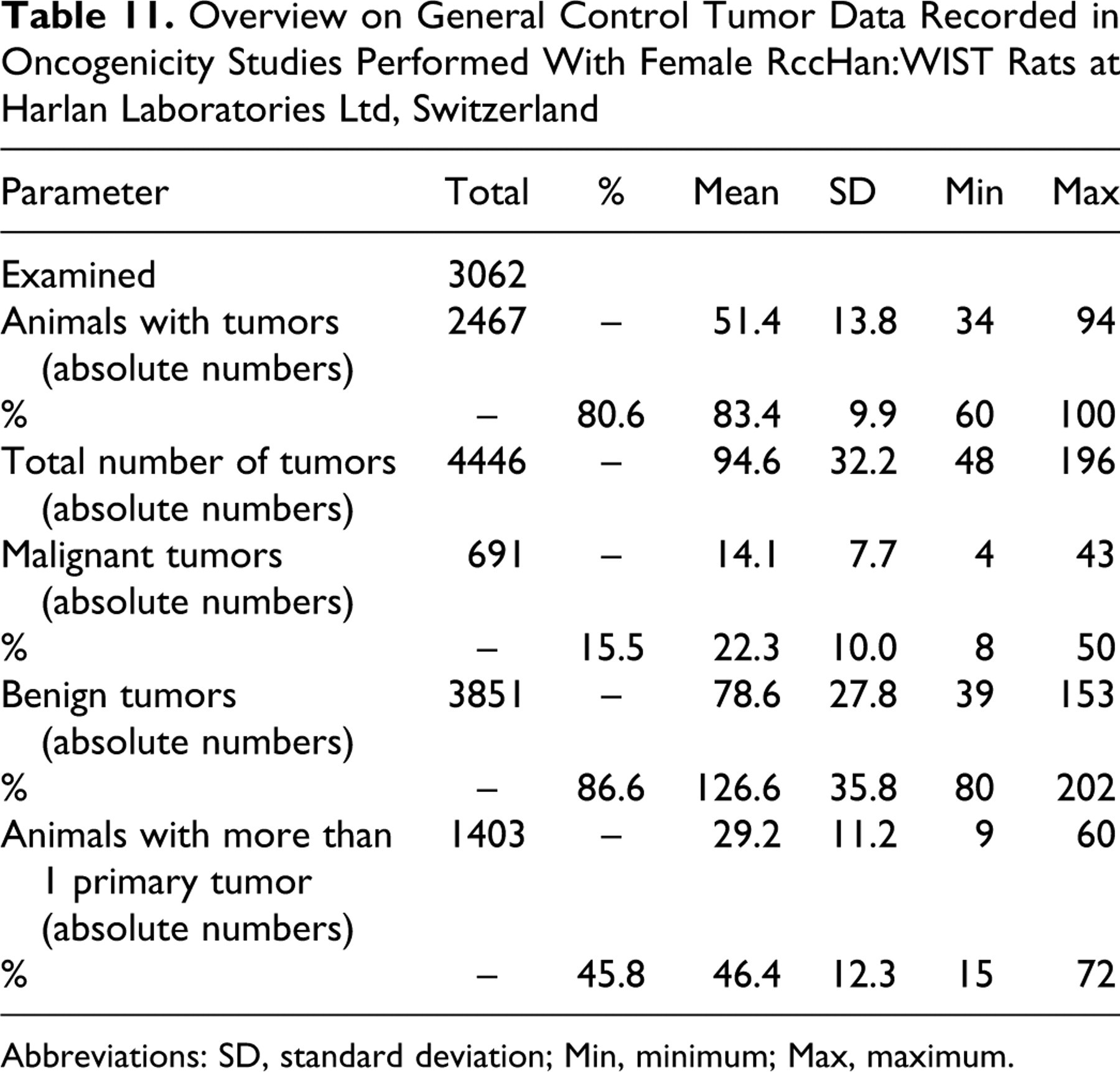
A number of parameters are used to determine the oncogenic potential of a test item. In addition to changes in the tumor incidences of single organs, other indicators may include the number of tumor-bearing animals, the numbers of benign and malignant tumors, as well as the number of animals with more than 1 primary neoplasm. Other than the overall number of tumor-bearing animals, these parameters cannot be obtained from published data. For the RccHan:Wist, they are summarized in Tables 10 and 11 .
Overview on General Control Tumor Data Recorded in Oncogenicity Studies Performed With Male RccHan:WIST Rats at Harlan Laboratories Ltd, Switzerland
Abbreviations: SD, standard deviation; Min, minimum; Max, maximum.
Overview on General Control Tumor Data Recorded in Oncogenicity Studies Performed With Female RccHan:WIST Rats at Harlan Laboratories Ltd, Switzerland
Abbreviations: SD, standard deviation; Min, minimum; Max, maximum.
The onset of neoplasia is another important factor in selecting an animal stock or strain for the conduct of regulatory studies. Early-onset tumors are very rare in RccHan:WIST rats, including examples of nephroblastoma and medulloblastoma tumors, which are expected in young animals. In contrast, SD rats are known to express an early onset of neoplasia such as pituitary gland and mammary neoplasms. 41
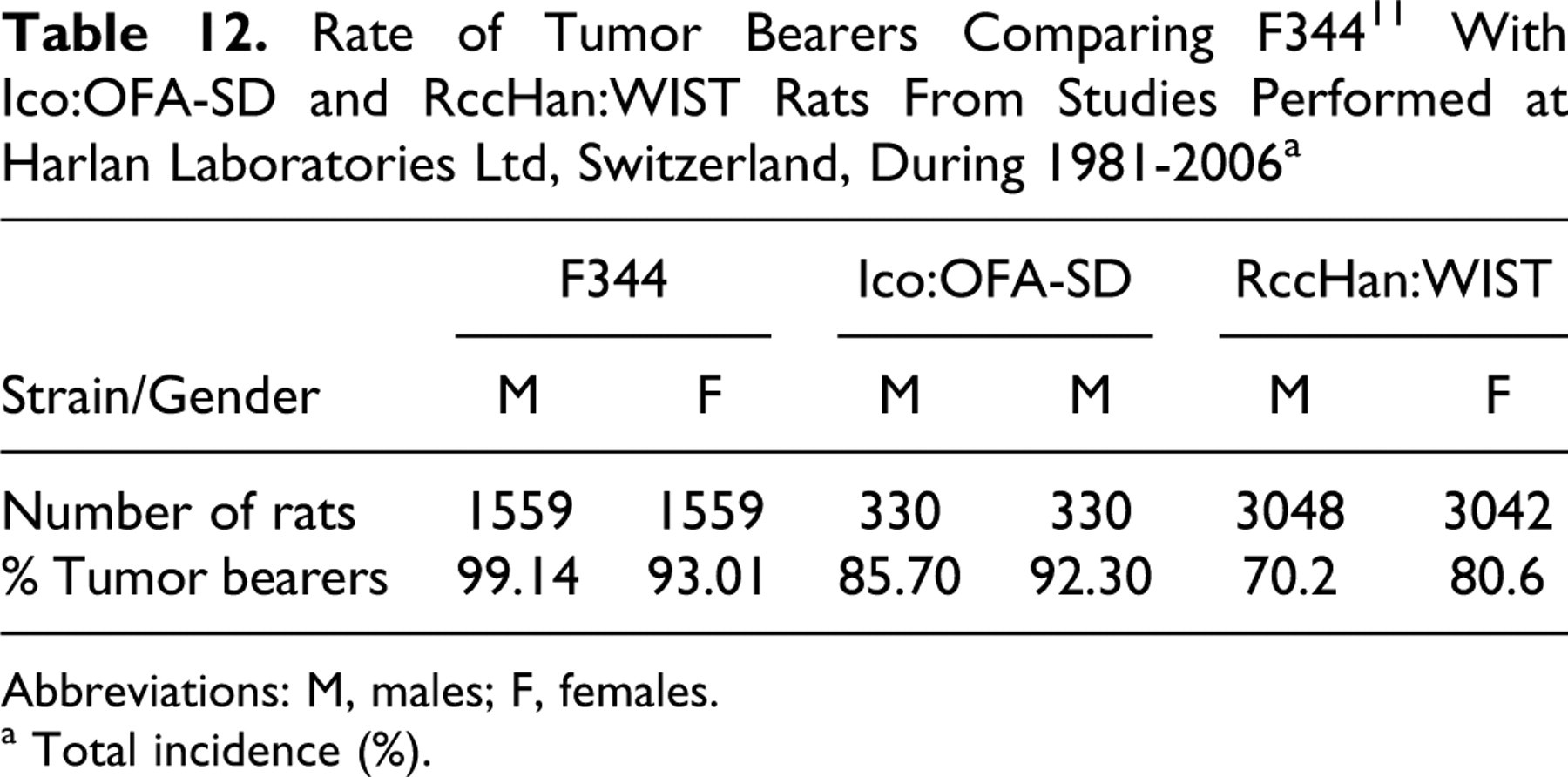
A number of publications indicate spontaneous incidences in different rat strains by different laboratories. Generally, F344 and SD rats may be considered models that are affected by the highest general tumor incidences exceeding those of Hannover Wistar rats. In addition, commonly used Wistar strains show lower incidences of tumor-bearing animals. 3 A representative overview is given in Table 12 . Some Wistar strains exhibit high tumor incidences in single, specific organ systems, for example, uterine adenocarcinoma in Wistar Donryu. 42
Abbreviations: M, males; F, females.
a Total incidence (%).
Liver
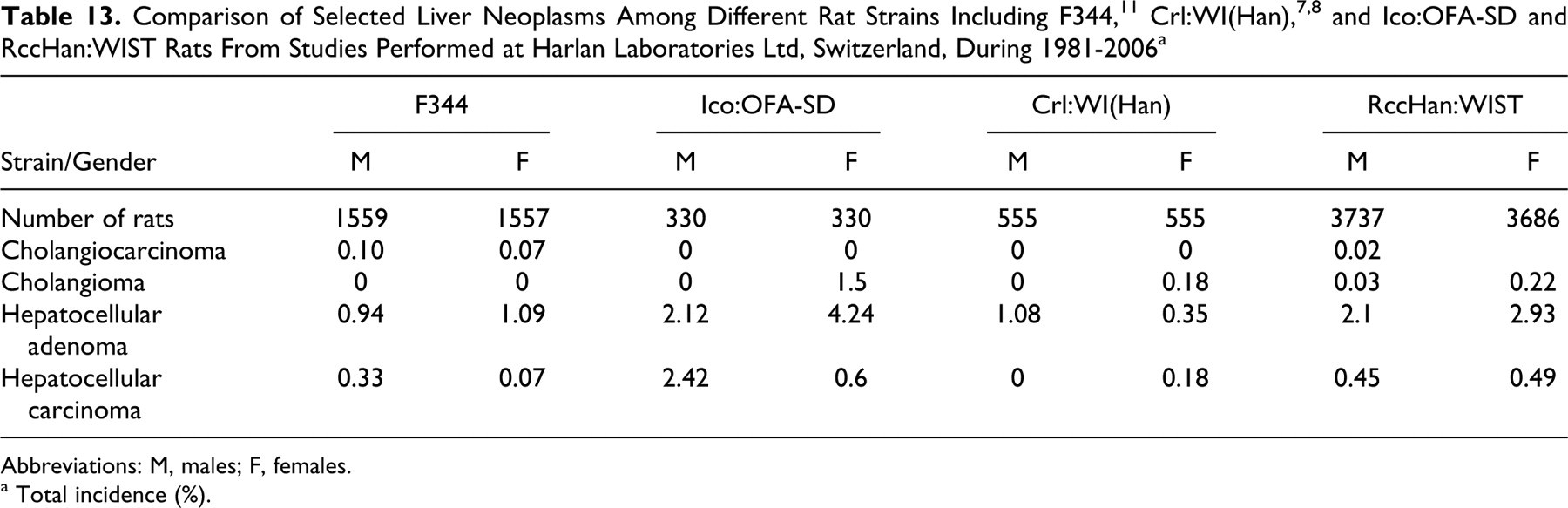
Although a high incidence of FAH are reported in all rat strains, as mentioned above, liver neoplasms are rarely encountered in any rat strain and the most commonly used strains are very comparable (Table 13 ).
Abbreviations: M, males; F, females.
a Total incidence (%).
Mammary Gland
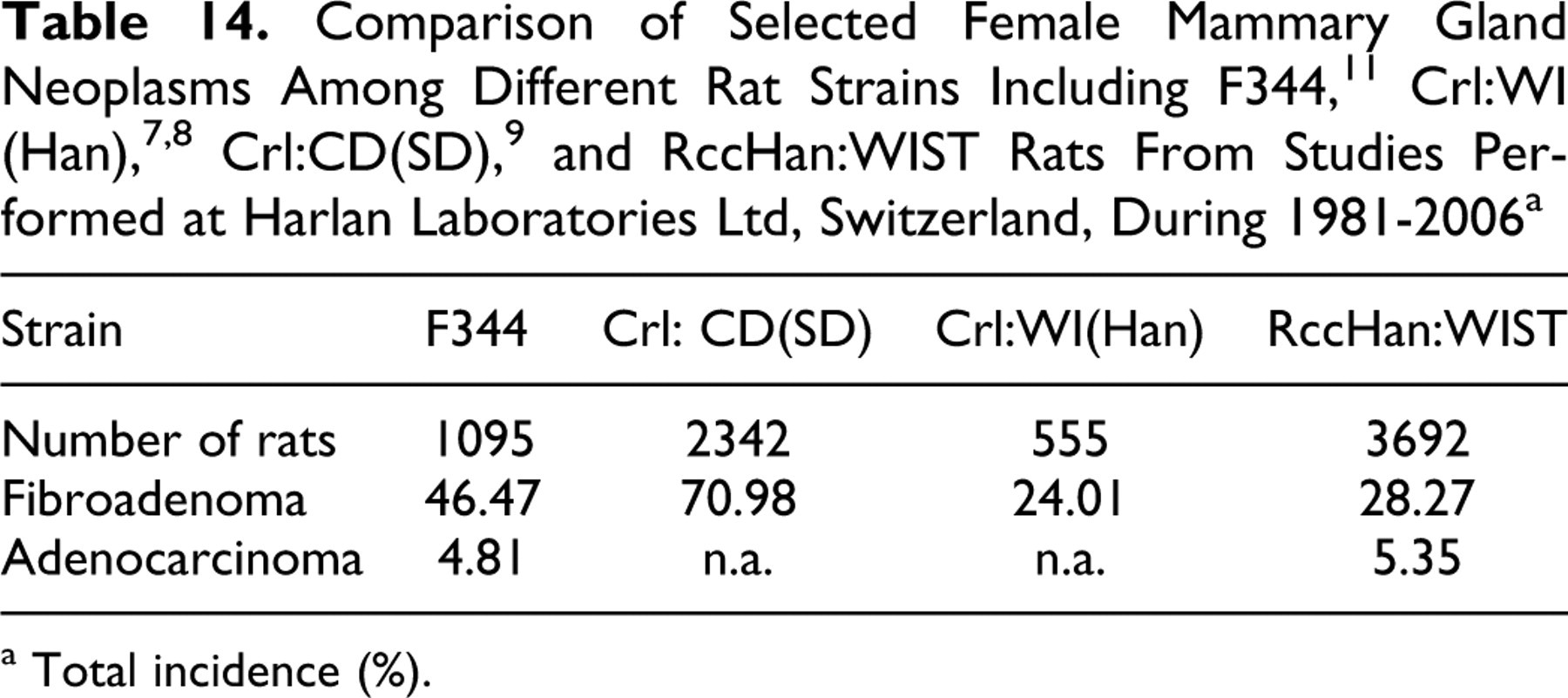
As mentioned above, mammary gland tumors may result in early sacrifice due to size even though the tumor may not be malignant. This may be a problem in inhalation studies with SD rats. Generally, however, Hannover Wistar rats show much lower mammary gland tumor incidences than other widely used rat strains (Table 14 ).
a Total incidence (%).
Pituitary
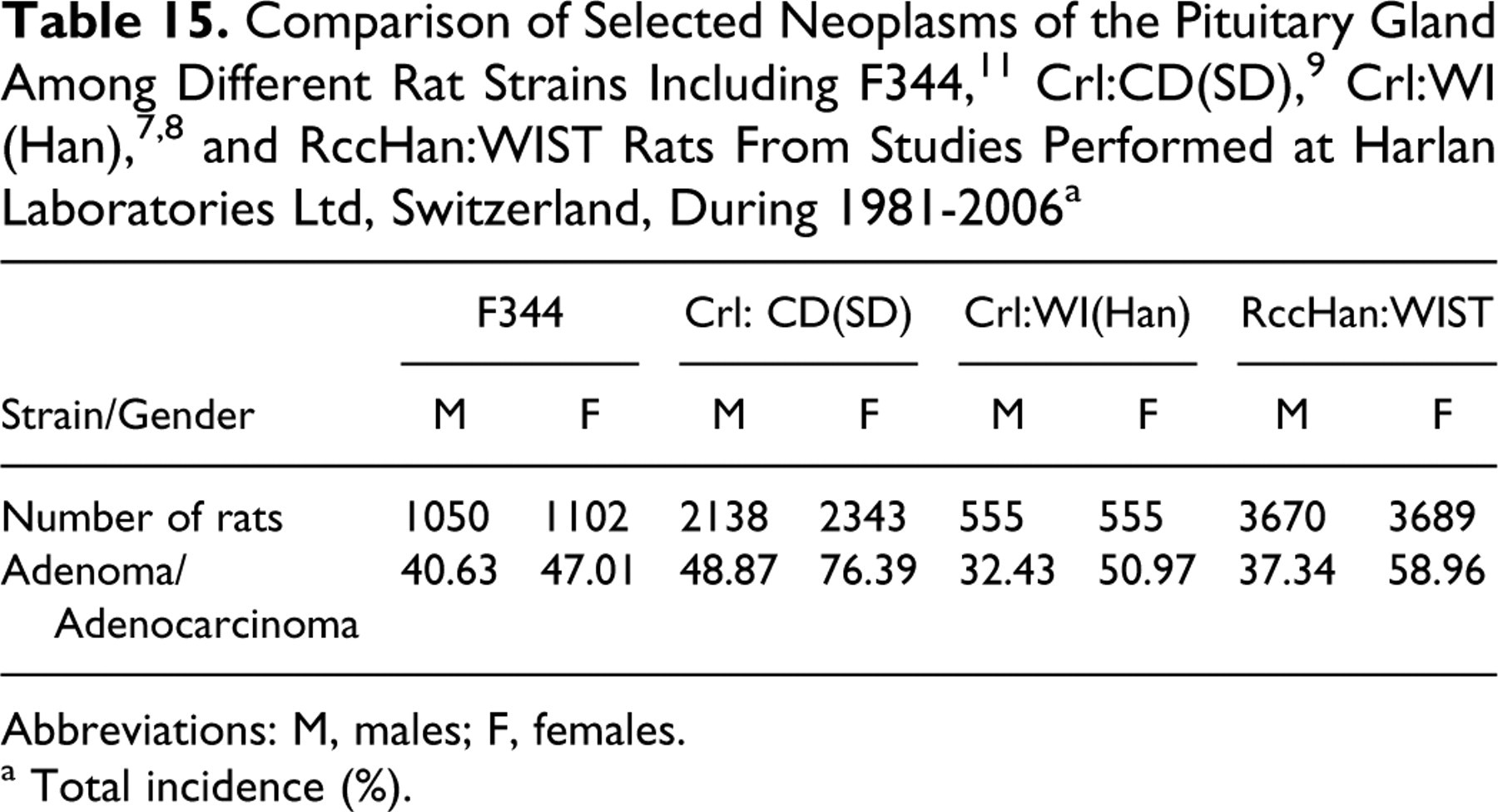
The data obtained from most commonly used rat strains reveal the highest incidences of pituitary gland tumors in Crl:CD(SD) rats. Additionally, male F344 rats also show higher incidences than RccHan:WIST rats (Table 15 ).
Abbreviations: M, males; F, females.
a Total incidence (%).
Adrenal Glands
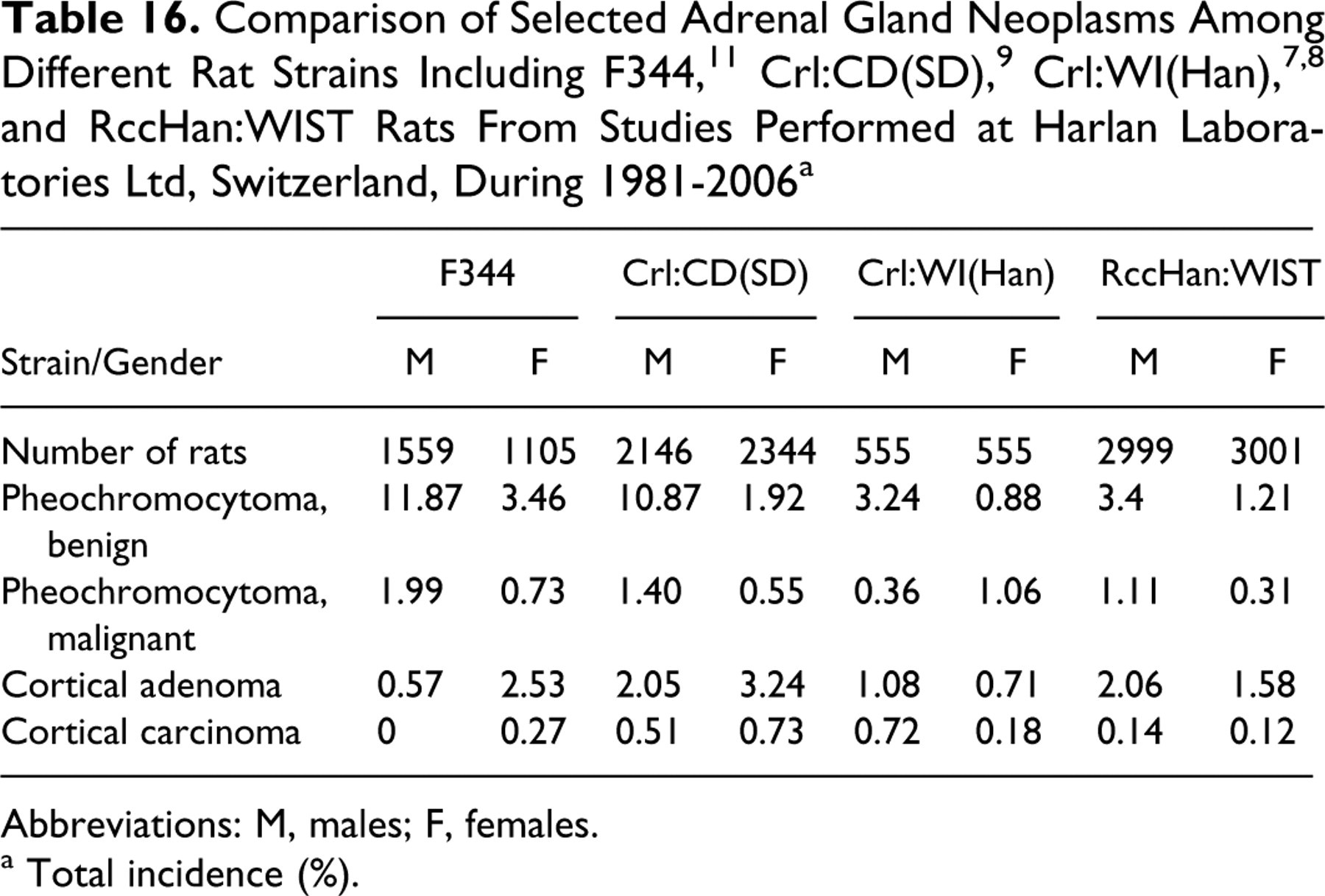
In the adrenal medulla, the most common tumors are benign pheochromocytomas. Highest incidences are recorded in the F344 animals and male SD rats. Among the cortical tumors, adenoma is at highest incidences in Crl:CD(SD) rats (Table 16 ). Other tumors are rare.
Abbreviations: M, males; F, females.
a Total incidence (%).
Thyroid Glands
The thyroid gland is of interest due to the inducibility of follicular tumors secondary to liver changes, 43 as well as the above-mentioned occurrence of thyroid dysplasia in the GALAS strain. Hannover Wistar rats may be regarded to have slightly higher incidences of follicular tumors than other rat strains, however, recorded incidences will not influence the study outcome. C-cell tumors are generally of lower incidences in Crl:CD(SD) rats but highest in F344 animals (Table 17 ).
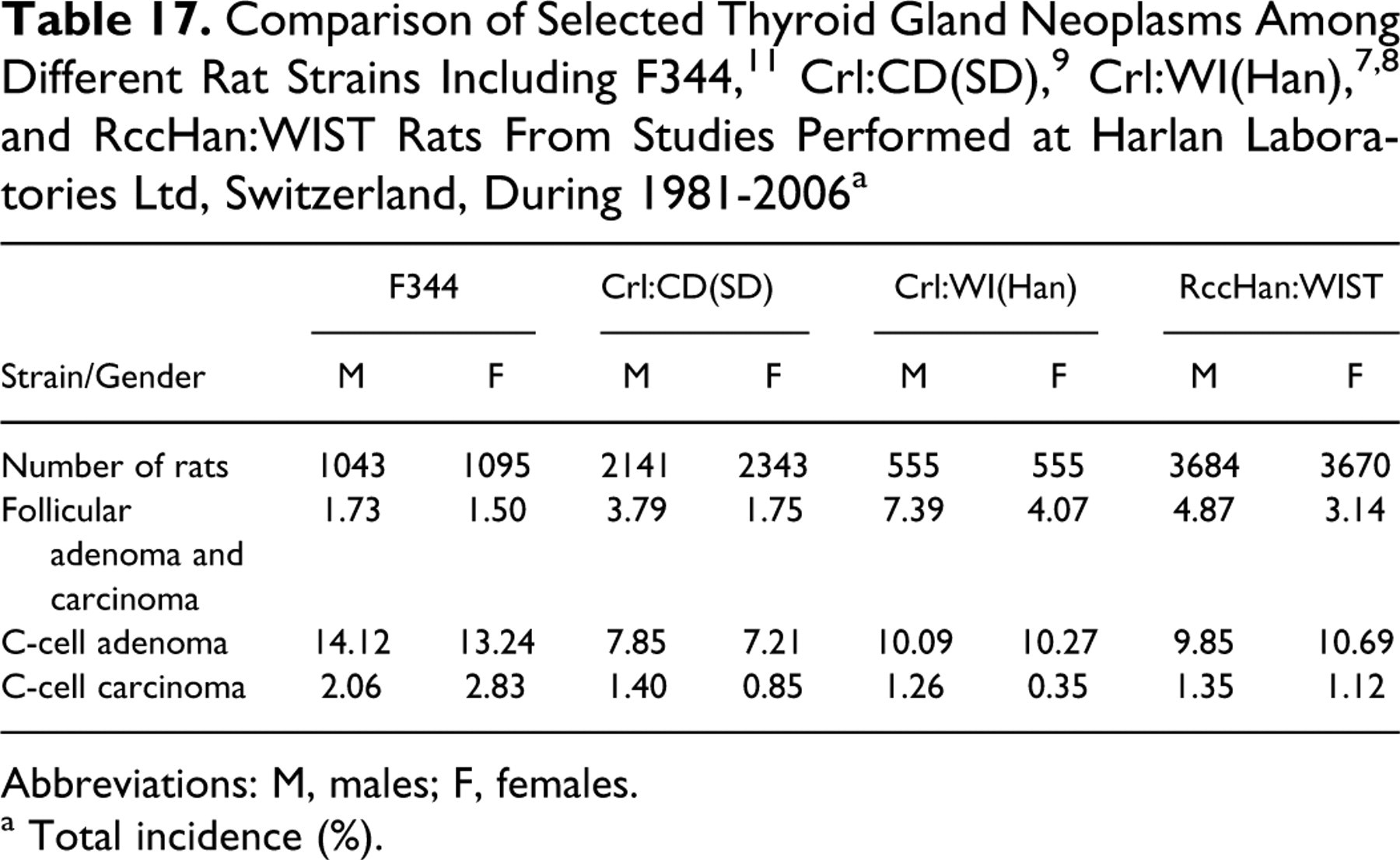
Abbreviations: M, males; F, females.
a Total incidence (%).
Testes
The only tumor of interest in the testes is the interstitial (Leydig) cell tumor, as all other tumors are extremely rare. 44 Whereas the mean incidence ranges from 1.90 to 3.89 in other commonly used rat strains, the F344 males are affected by a mean incidence of 92.35%. Usually the tumor is benign but may achieve large size (8 cm and more in diameter), leading to early sacrifice of the animals (Table 18 ). Moreover, the analysis of study results by interstitial cell hyperplasia-inducing compounds may lead to misinterpretation or overreading of induced lesions due to the high background incidence of interstitial cell hyperplasia. 45
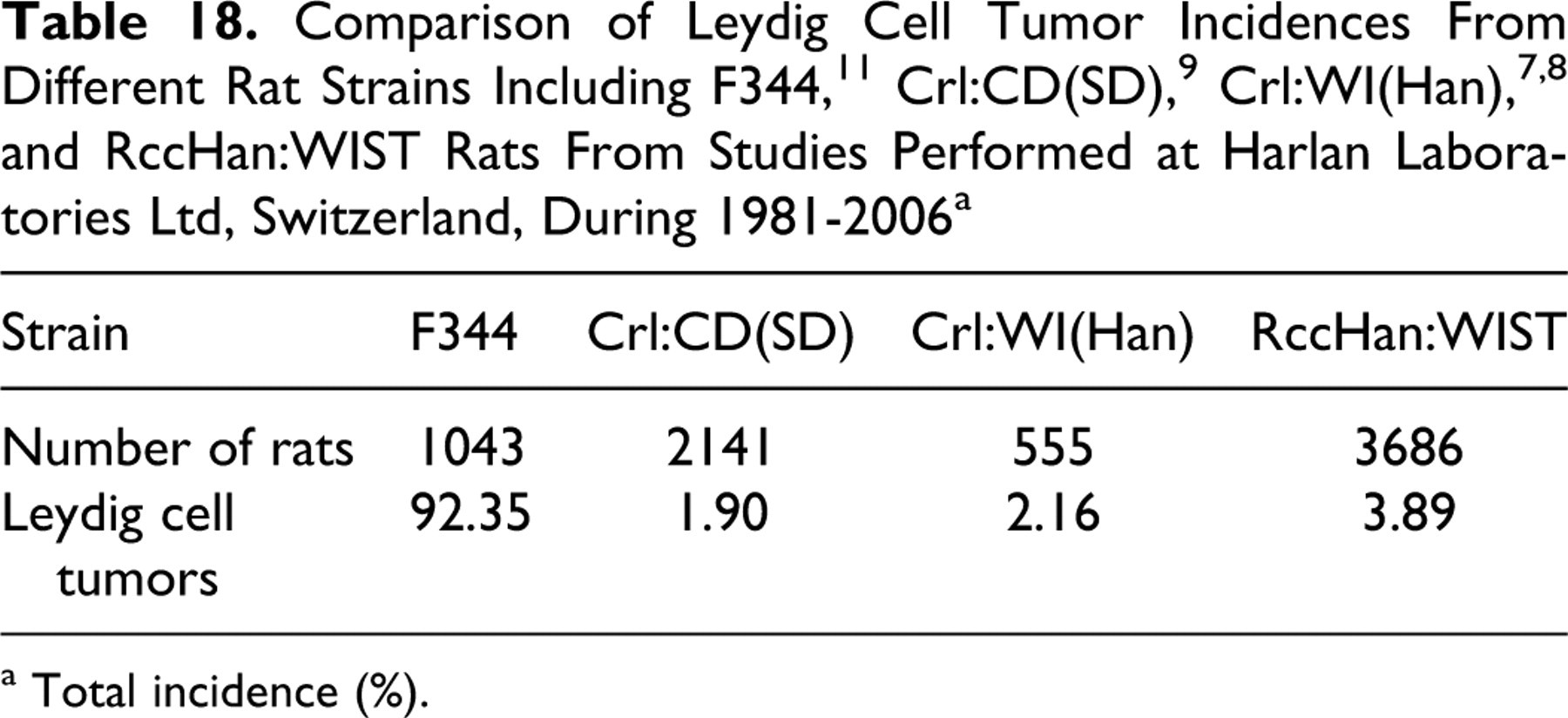
a Total incidence (%).
Mesenteric Lymph Nodes
The mesenteric lymph nodes of SD and Hannover Wistar rats are typically affected by vascular tumors. Hemangioma and hemangiosarcoma are observed at mean incidences of up to approximately 8% and males are more severely affected than females. In contrast to the data presented in Table 19, some SD strains may be affected by lower incidences, 46 and these lesions are extremely rare in F344 rats.
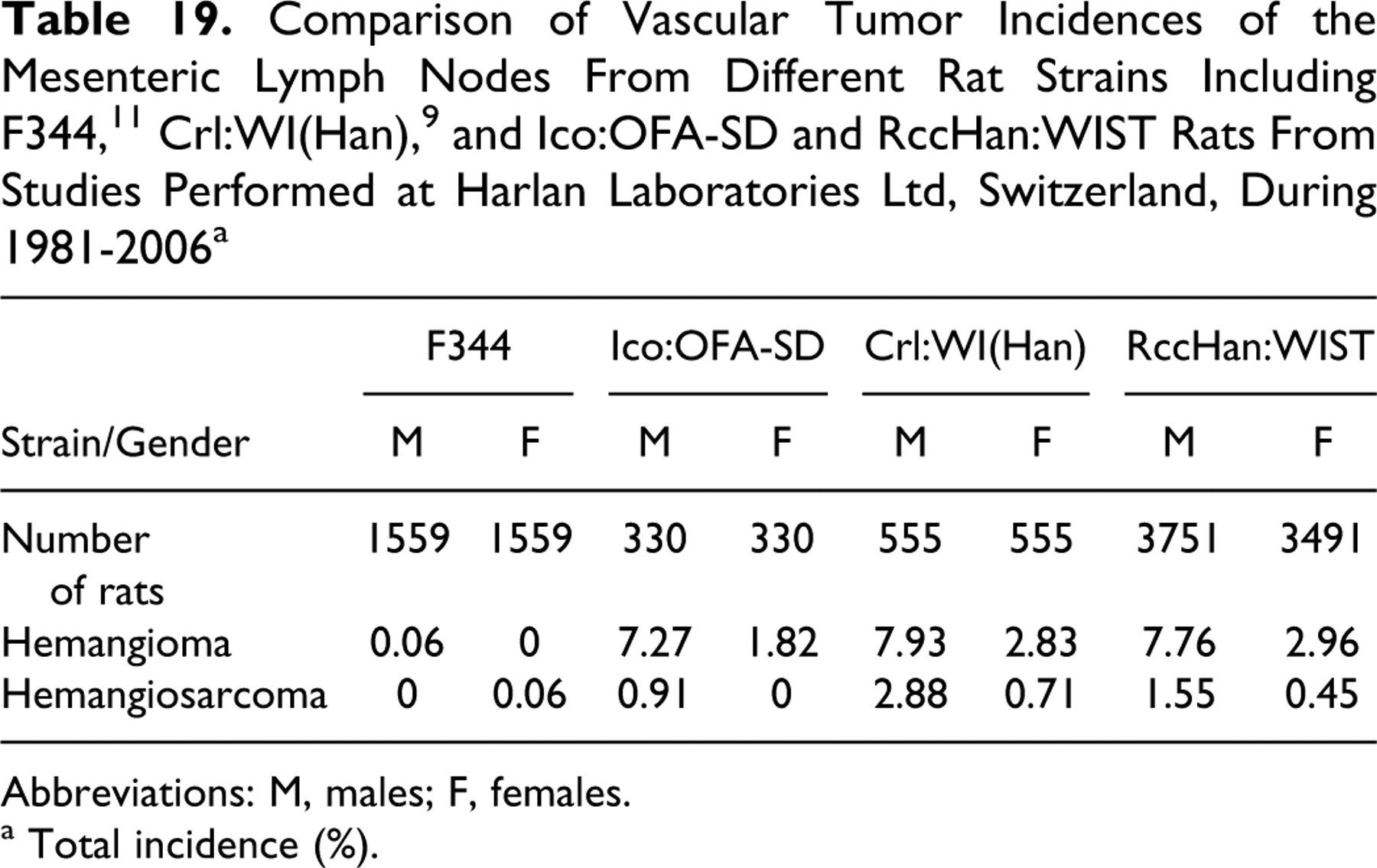
Abbreviations: M, males; F, females.
a Total incidence (%).
Systemic Neoplasia
Systemic neoplasia is very important among neoplastic lesions due to the involvement of many, if not all, organs of an animal. Hence, high incidences of systemic neoplasia with accompanying infiltration of the organs may lead to early loss of animals, and moreover, limit the interpretation of subtle changes. The most important systemic neoplasia in rats is chronic myeloid leukemia (LGL leukemia) 47 which has been recorded at mean incidences of over 40 % in male and over 25% in female F344 rats. Other systemic neoplasms are recorded below 4% in any rat strain (Table 20 ).
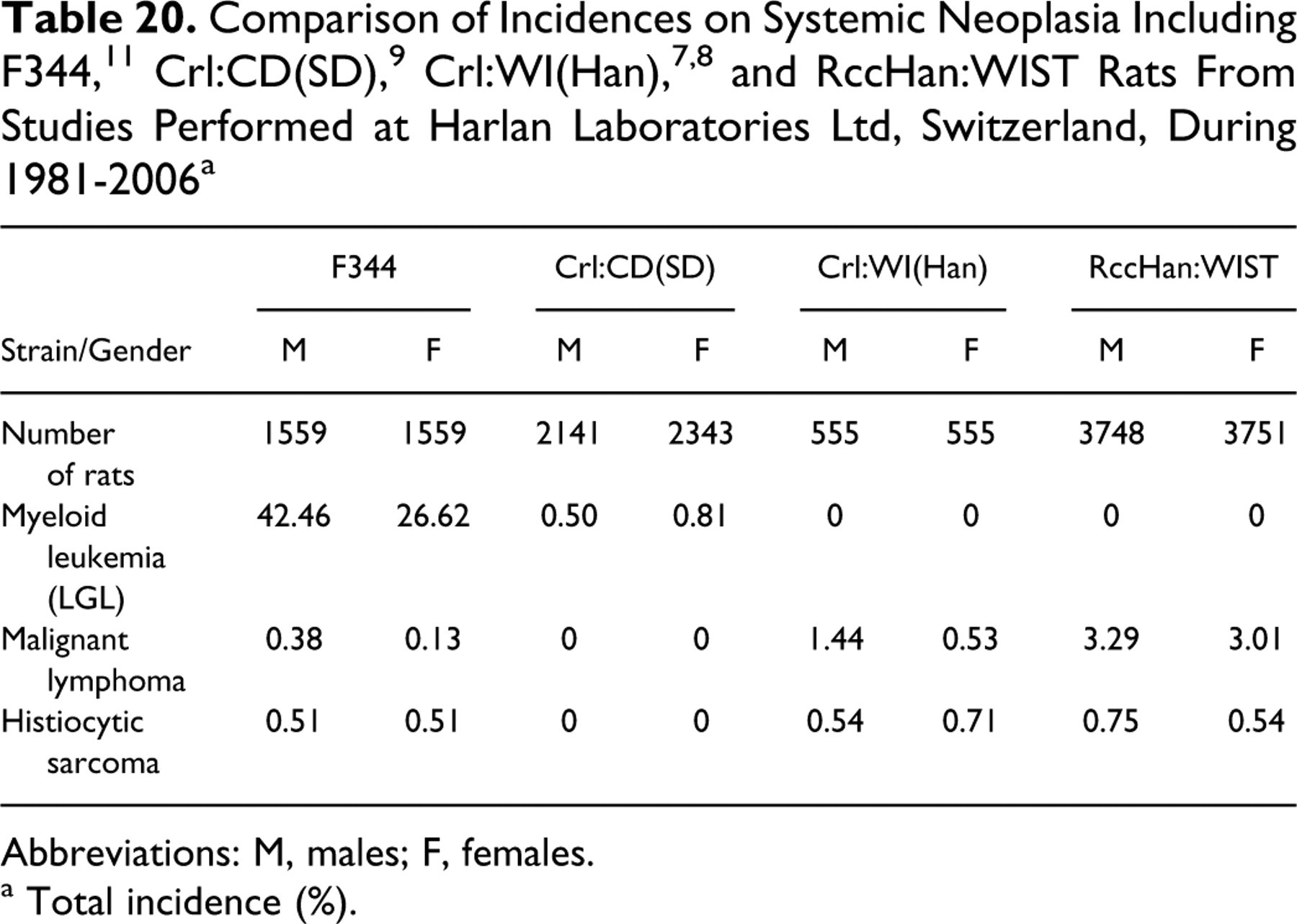
Abbreviations: M, males; F, females.
a Total incidence (%).
Thymus
Thymoma is deemed a typical Wistar rat tumor, recorded at an incidence of between 2% and 5% in different stocks and strains. It is mainly of the lymphocytic type and a benign tumor. However, malignant tumors may occur, as well as tumors composed mainly of epithelial cells (Table 21 ).
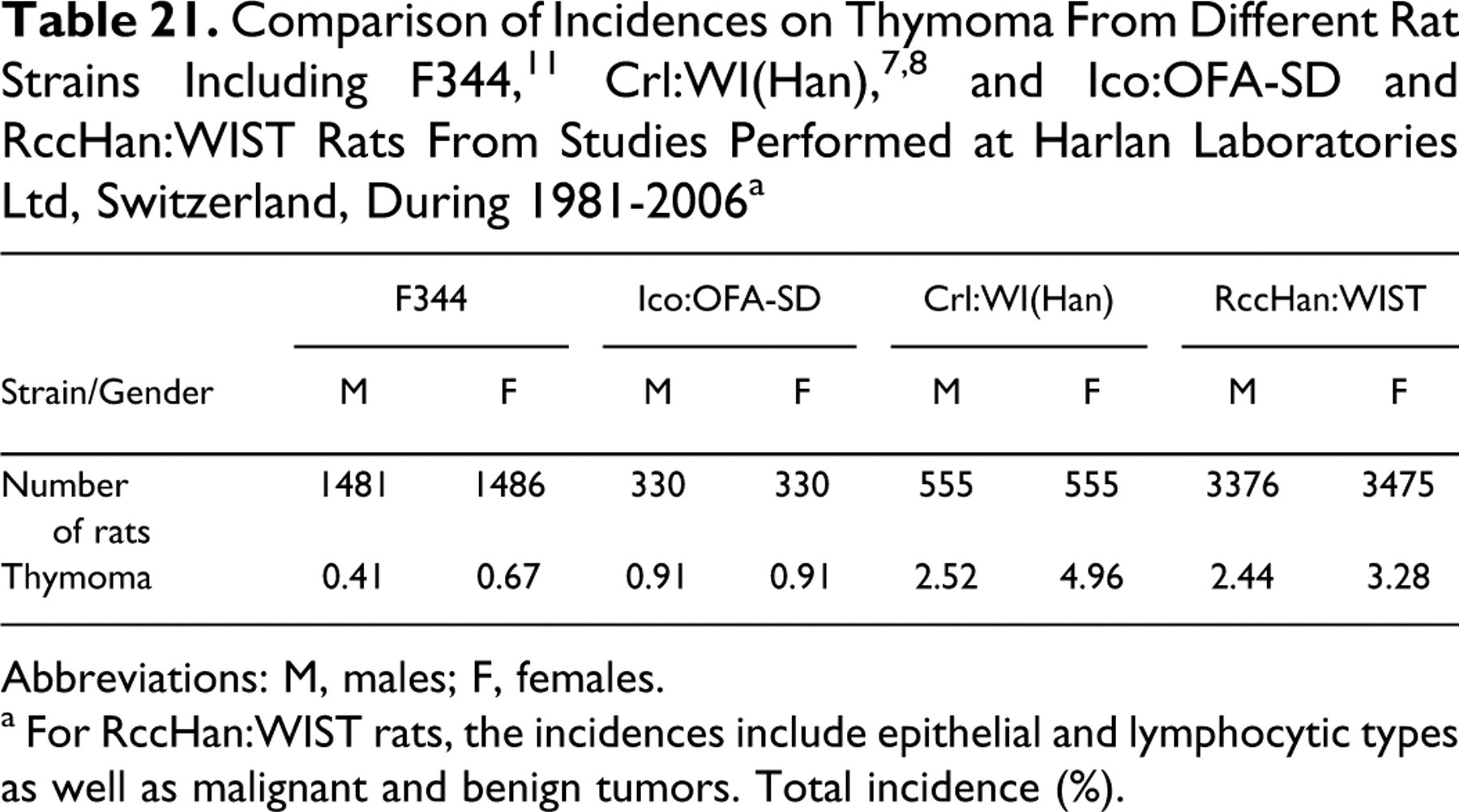
Abbreviations: M, males; F, females.
a For RccHan:WIST rats, the incidences include epithelial and lymphocytic types as well as malignant and benign tumors. Total incidence (%).
Other Tumors
Occasionally, there are reports of rare tumors in other rat stocks and strains, which do not occur in the RccHan:WIST rat. For example, incidences on spontaneous hibernoma up to 12% in Crl:WI (Han), 48 low occurrence of atriocaval mesothelioma in SD and F344 rats (J. F. Hardisty, personal communication, 2008), 49 and a high incidence of ganglioneuroma in the thyroid gland of SD rats 50 have been reported.
Reprotoxicology Data
As for other control data, published data on reprotoxicology are rare and reports are limited to selected parameters. 51 In contrast, the complete set of data on different study types for the RccHan:WIST rat is available. 12 This rat stock has a high fecundity (11-14 pups per litter) and little variation in reproductive success between the generations. The gender ratio is close to a 50%:50% distribution. Abnormalities are rare, which makes this stock well suited for reproductive toxicity studies. The only data available from other competitive rat stocks and strains exist for the Crl:CD(SD) rat and were compiled by Middle Atlantic Reproduction and Teratology Association (MARTA). This compilation was obtained from data from a total of 21 companies. 9 The most important data for the RccHan:WIST rat are presented in Tables 22 and 23.
Litter-Based Reproductive Toxicology Data Obtained From Studies Performed With RccHan:WIST Rats at Harlan Laboratories Ltd, Switzerland, During 2000-2006 a
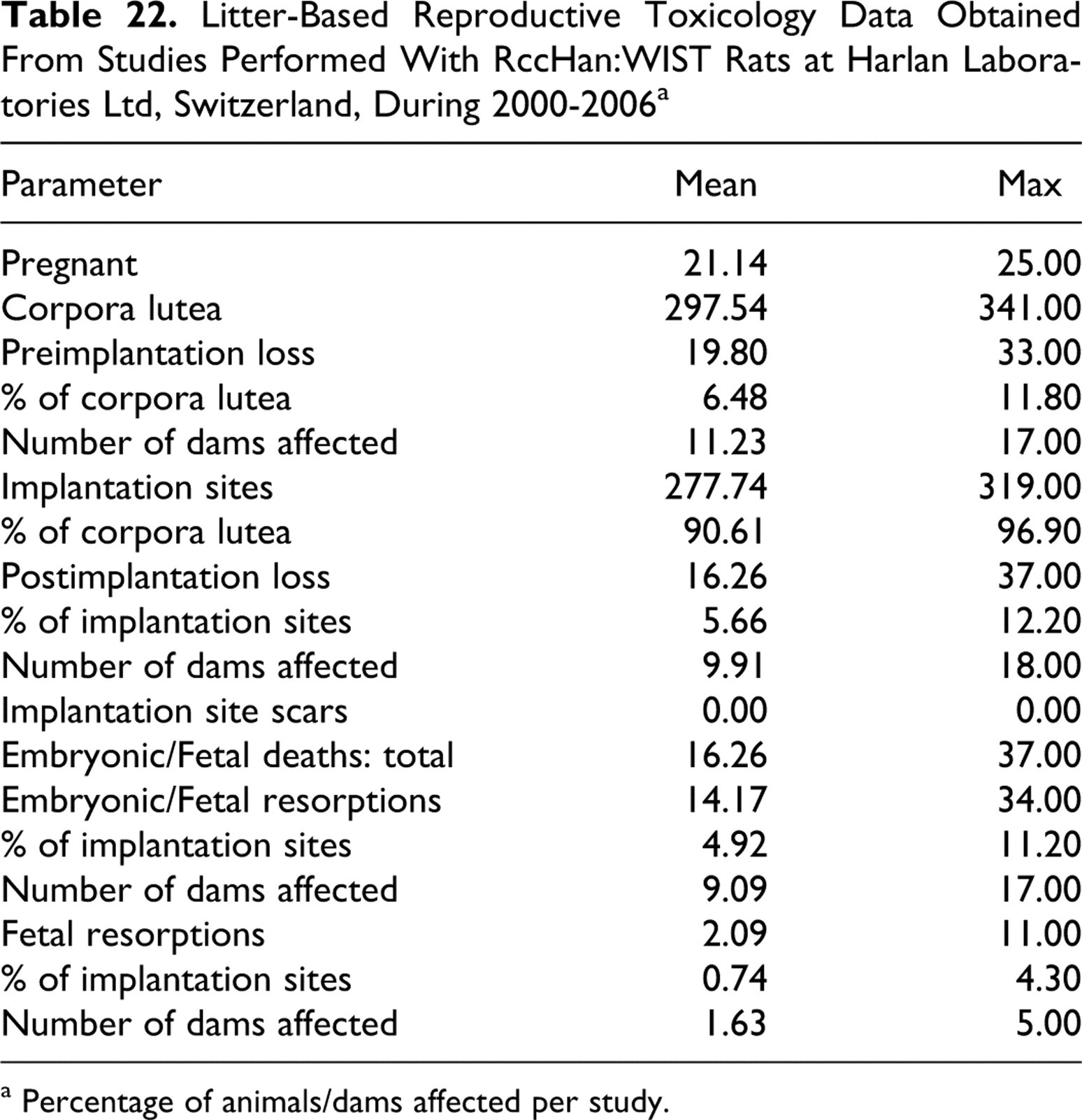
a Percentage of animals/dams affected per study.
Fetus-Based Reproductive Toxicology Data Obtained From Studies Performed With RccHan:WIST Rats at Harlan Laboratories Ltd, Switzerland, During 2000-2006 a
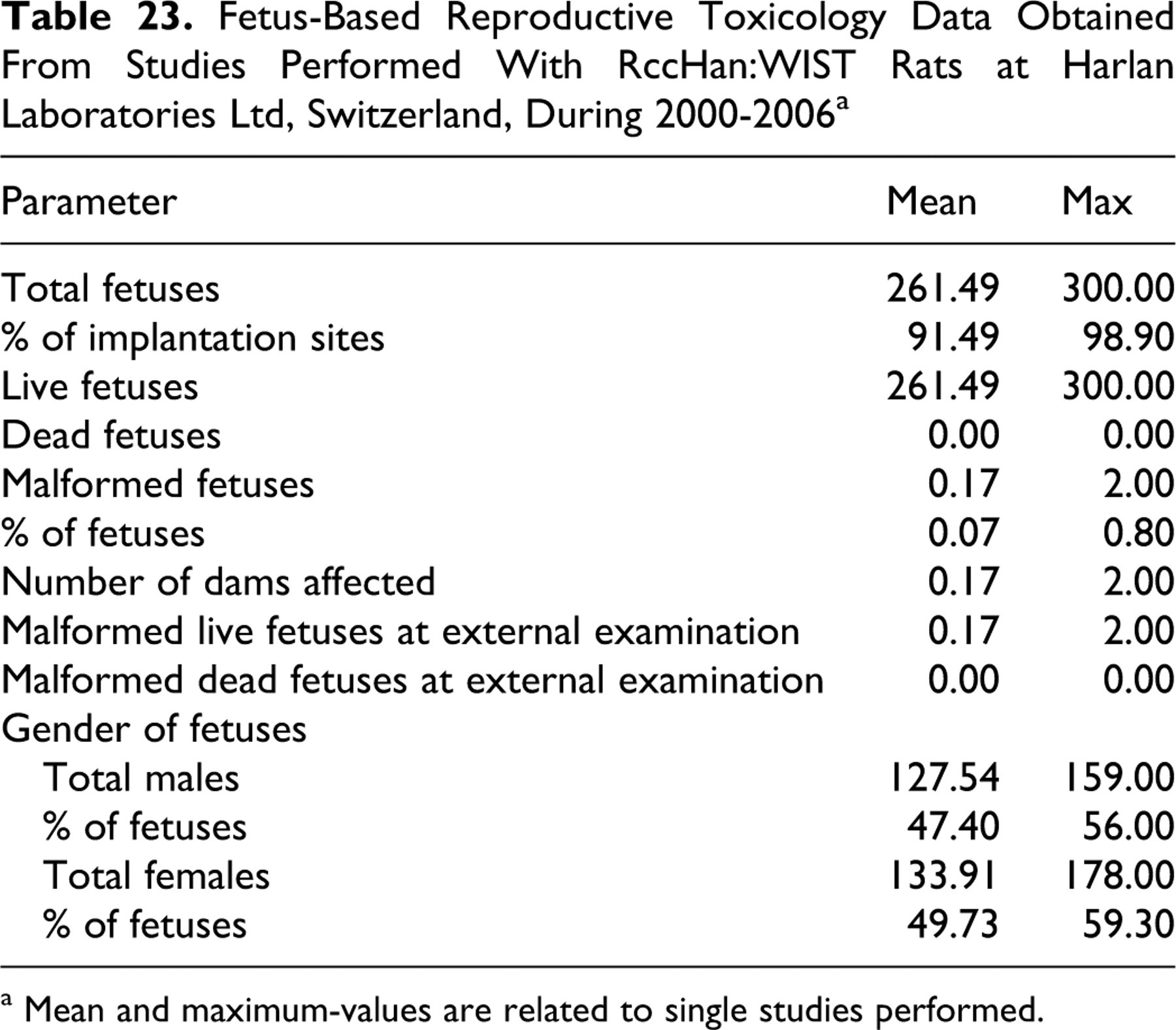
a Mean and maximum-values are related to single studies performed.
Conclusions
Many aspects of alternative rat stocks and strains regarding historical control data are available. However, the next best overview on another rat model is provided by Charles River 9 for the Crl:CD(SD) rat. Unfortunately, most data were compiled from different contract research organizations or pharmaceutical toxicology facilities within different countries and details that may influence the results such as survival or diet are not described in entirety. Furthermore, many parameters are not reported (eg, organ weights, clinical signs, gross lesions, sperm analysis, bone marrow, etc). Additionally, the well-known and serious condition of TAIEP (Tremor, Ataxia, Immobility episodes, Epilepsy, Paralysis) in Crl:CD(SD) rats, which have been reported in studies performed in Europe, are not discussed and explained by the provider. Furthermore, with sufficient evidence that the Wistar Hannover GALAS is not robust and reports of kidney alterations in the Crl:WI(Han), the suitability of such models for toxicological studies must be questioned.
Currently, the RccHan:WIST Hannover Wistar rat is the best characterized and most widely used commercial rat model. When comparing available data from alternative rat models, including other Hannover Wistar rats, the experimental superiority of RccHan:WIST rat is clear. Although this article only includes selected data, a vast amount of information, which also includes but is not limited to sperm staging, neuropathology, and bone marrow differentiation, exists for the RccHan:WIST rat. Due to space limitations, all of the data cannot be presented here. The complete set of data, which demonstrates the phenotypic stability of the RccHan:WIST rat, and has been compiled from over 25 years of studies, may be accessed by visiting the Harlan Laboratories' Web site (www.harlan.com). Nevertheless, the most important differences and features of the RccHan:WIST have been presented in this article. From these data, the RccHan:WIST has been established as an exceptional animal model that will overcome the difficulties of excessive test item waste, survival, rare alterations, neoplasia, and interpretation of study data. For these reasons, the RccHan:WIST should be carefully considered when choosing an appropriate rat model for toxicology research applications.
Footnotes
Acknowledgment
The data compilation has taken more than 12 years. Without the help in data collection by many coworkers and colleagues, the writing of this article would have been impossible. Special thanks to the assistants, technicians, and former students in alphabetical order: Angelo Baldo, Sabina Erny, Florian Erny, Simone Forer, Susan Gaehler, Fabian Häfelfinger, Werner Heusner, Leo Hutter, Susanne Paepke, Claudia Pohler, Sandra Reichel, Maria Reinhardt, Simona Schmid, Stefanie Selhausen, Alexandra Weise, Kirsten Weise, and Jana Winkler, and all other colleagues of Harlan Laboratories Ltd, Switzerland.
The author(s) declared no potential conflicts of interests with respect to the authorship and/or publication of this article.
The author(s) received no financial support for the research and/or authorship of this article.