




Abstract
Microscopic observation data collected from approximately 1800 male and female Sprague Dawley (SD) control rats used on 104-week carcinogenicity studies performed at North American Labcorp Early Development, Inc, Madison, WI, were retrospectively evaluated for spontaneous nonneoplastic findings. This study provides incidence of the most common spontaneous nonneoplastic microscopic findings in each organ system of SD rats encountered during 104-week carcinogenicity studies. Some of the most common spontaneous background findings were cardiomyopathy; chronic progressive nephropathy; uterine cystic endometrial hyperplasia; prostate inflammation; pulmonary alveolar macrophage infiltrates; hepatocyte vacuolation, bile duct hyperplasia, and basophilic foci in the liver; pancreatic fibrosis; splenic extramedullary hematopoiesis and pigment; decreased lymphocytes and epithelial hyperplasia in the thymus; ventral brain compression; cystic degeneration and hyperplasia of the adrenal cortex; and mammary gland hyperplasia. The most common nonneoplastic findings in male SD rats were chronic progressive nephropathy (80.9%) and rodent progressive cardiomyopathy (73.2%). The most common nonnenoplastic findings in female SD rats were cystic degeneration of the adrenal cortex (64.7%) and ventral compression of the brain due to pituitary neoplasms (62.7%).
Keywords
Introduction
Historical control data are important tools used in toxicologic pathology for the evaluation and interpretation of neoplastic and nonneoplastic findings reported during rodent carcinogenicity studies. Historical control data can provide useful information on the range and incidence of spontaneously occurring background findings in the species and strain of the test animal used in different types of toxicity studies, including differing length of study, delivery of test article, and test animal. The aim of this article was to provide the range and incidences of spontaneous nonneoplastic lesions reported in control rats from the 104-week carcinogenicity studies conducted at North American Labcorp Early Development Laboratories site, Madison, WI from 2015 to 2021.
Methods
A retrospective evaluation of the historical control data was performed on the recorded nonneoplastic findings of Sprague Dawley (SD) rats collected and stored in the Labcorp historical control database. Sprague Dawley rats used in the 104-week studies completed between 2015 and 2021 at North American Labcorp Early Development Laboratories site, Madison, WI, comprising approximately 1800 male and 1800 female rats treated with a vehicle control and housed under similar conditions (group-housed up to 3 animals/sex/cage, polycarbonate cage with hardwood chip bedding) at the Madison, WI study facility, were included in the retrospective evaluation. However, the animals were individually housed in stainless steel or polycarbonate cages for study-related procedures or due to cage mate death. The body weight in different studies ranged from 118 to 240 g and 115 to 228 g for male and female rats, respectively, at 5 to 7 weeks of initiation, whereas it ranged from 190 to 331 g and 139 to 265 g for male and female rats, respectively, at 7 to 8 weeks of initiation of the study. The SD rats were obtained from an approved supplier and were approximately 6 weeks of age at the start of a study (Charles River [Portage, Michigan or Raleigh, North Carolina]). These studies were conducted in compliance with the U.S. Food and Drug Administration Good Laboratory Practice Regulations, and the Office of Animal Welfare Act and the Guide for the Care and Use of Laboratory Animals in an American Association for Accreditation of Laboratory Animal Care (AAALAC)-accredited animal program. All studies were approved by the local Institutional Animal Care and Use Committee. Data from approximately 1800 SD rats of each sex were tabulated for the most common nonneoplastic findings (>1% incidence rate). Diagnoses of various nonneoplastic lesions were categorized in a manner to provide a range of reported incidences of similar types of lesions that occurred in different organs. The most frequently used vehicle control article was a varying percentage of methylcellulose in reverse osmosis (RO) water. Other, not as commonly used, vehicle control articles included hydroxypropyl methylcellulose in RO water, sterile saline, carboxymethyl cellulose, and Tween 80 in RO water.
Results and Discussion
Mortality
A most likely cause of death (including the cause of moribund condition) was recorded for all decedent animals. In male rats, the most common determined nonneoplastic cause of death was inflammation in the skin/subcutis, and/or foot/footpad (7.2%), followed by lipidosis in the liver (4.9%) and urogenital inflammation (3.0%). In female rats, the most common determined nonneoplastic cause of death was lipidosis in the liver (2.3%) followed by inflammation in the skin/subcutis and/or foot/footpad (1.8%). The cause of death was undetermined in 16.4% male and 2.9% female rats in the studies evaluated (Table 1).
Incidence of selected nonneoplastic causes of death in SD rats (% of decedents).
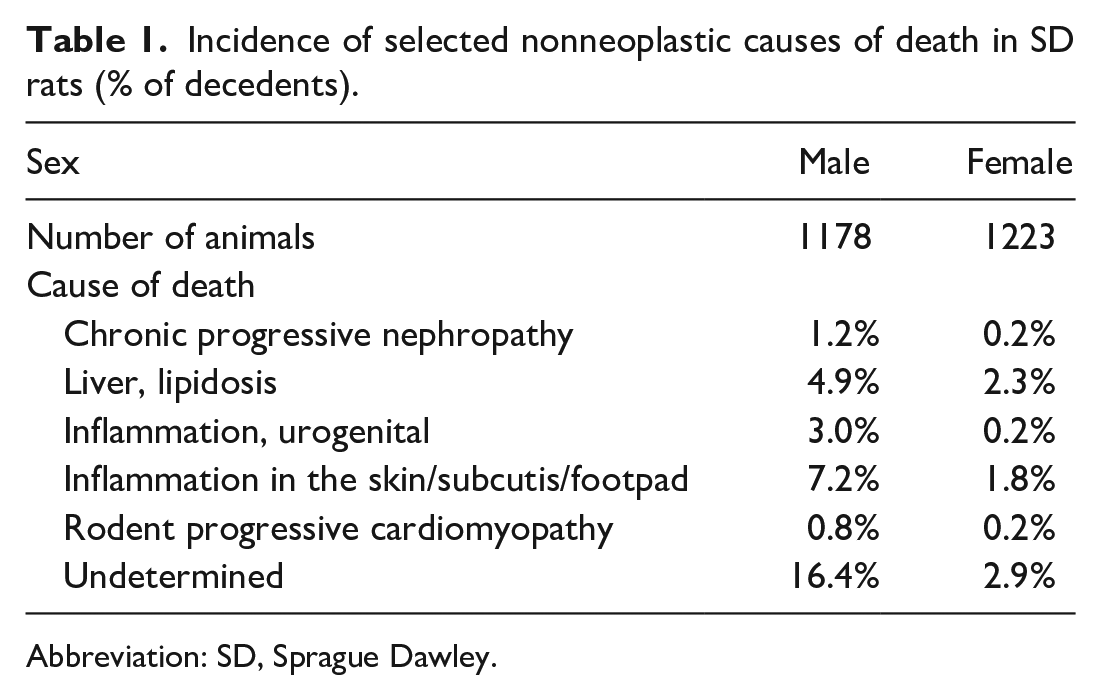
Abbreviation: SD, Sprague Dawley.
Cardiovascular System
Rodent progressive cardiomyopathy (RPCM) was the most common nonneoplastic microscopic finding in the heart (73.2% male and 44.9% female rats). The diagnosis of RPCM has typically been used by pathologists in subchronic and chronic studies greater than 3 months in duration and comprising a collection of findings that may include cardiomyocyte degeneration/necrosis, inflammatory cell infiltrate, and/or fibrosis (Figure 1). These lesions represent a temporal continuum that can be associated with RPCM in older animals. 1 The diagnosis of the individual finding(s), or the aggregate term of cardiomyopathy varies by study and pathologist. This highlights the importance of using International Harmonization of Nomenclature and Diagnostic Criteria (INHAND) terminology and the standardization of nomenclature on carcinogenicity studies. The current recommendation from the INHAND is that the lesions associated with RPCM in young animals on short duration studies (<3 months duration) be captured by their descriptive terminology, whereas the more collective RPCM is best reserved for older animals in longer duration studies (≥3 months duration). 1 Furthermore, RPCM is a spontaneous, chronic, and progressive disease that occurs in many different strains of rats and mice and is typically more prominent in male animals. Other common nonneoplastic findings in the heart were mineralization (1.2% male and 0.9% female animals) and inflammation (1.1% male and 0.7% female animals; Table 2).
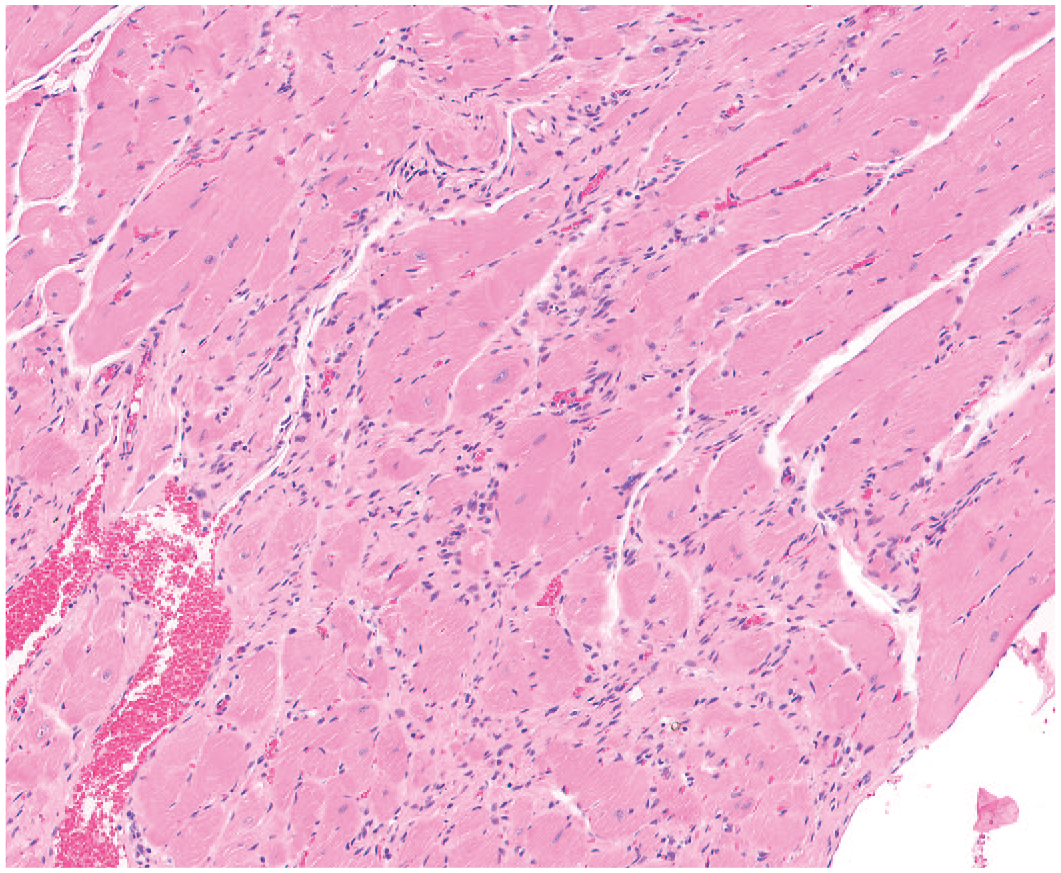
Heart, rodent progressive cardiomyopathy (original objective 10X; mononuclear cell infiltrate, cardiomyocyte degeneration, and fibrosis).
Incidence of microscopic findings of the cardiovascular system of SD rats in 104-week studies.
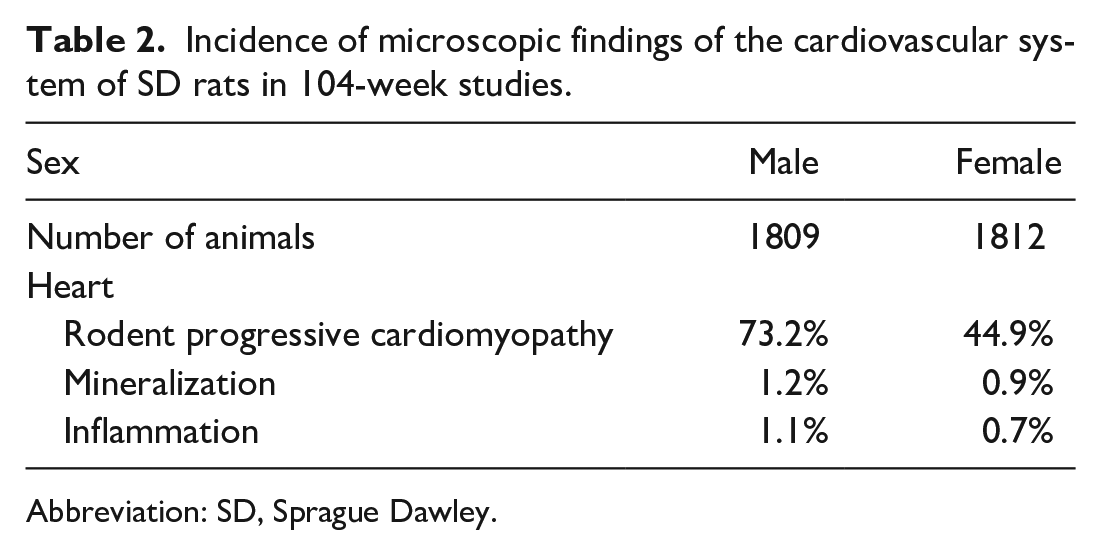
Abbreviation: SD, Sprague Dawley.
Urogenital System
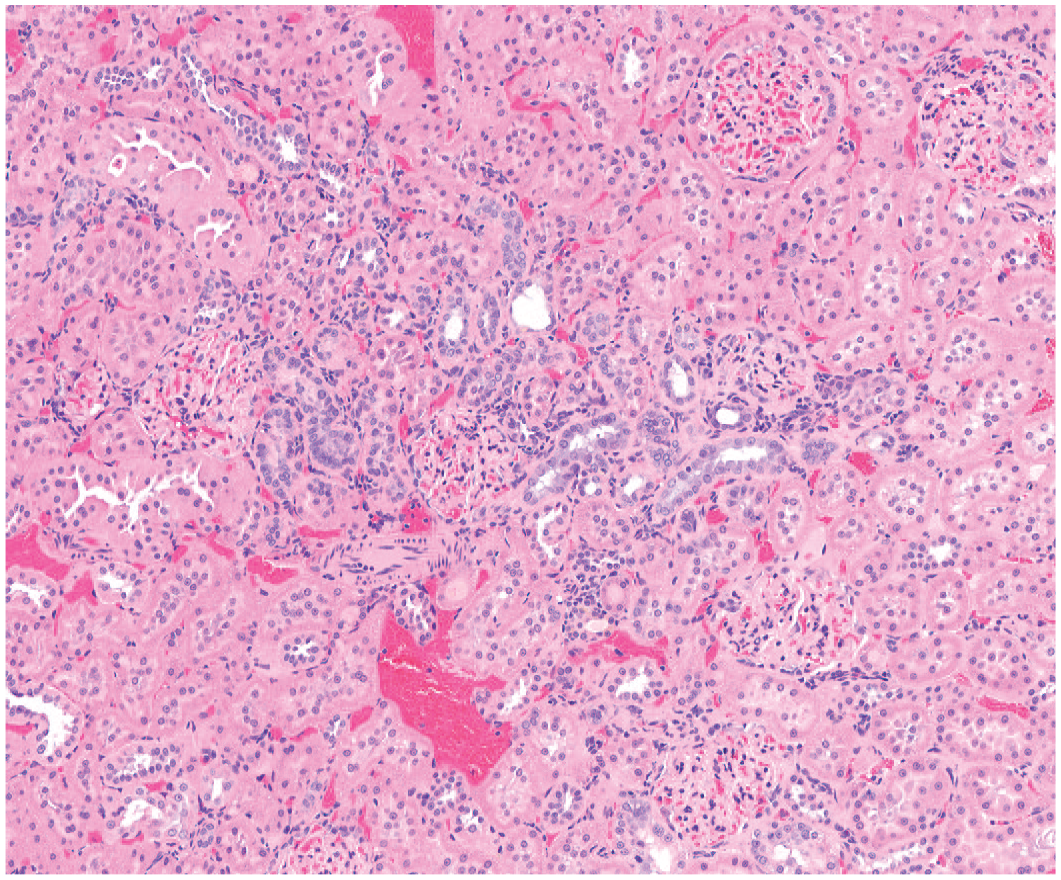
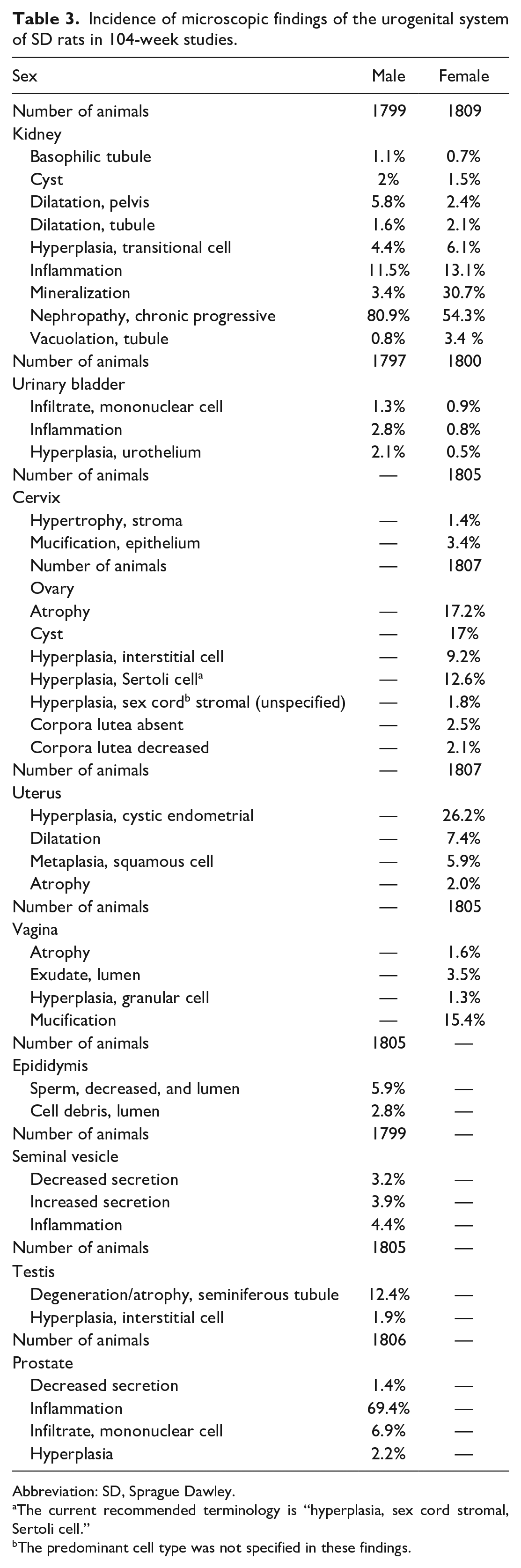
Chronic progressive nephropathy (CPN) was the most common nonneoplastic microscopic finding in the kidney of male (80.9%) and female (54.3%) SD rats used in the 104-week studies (Figure 2). This diagnosis typically comprises the collection of findings that could also be diagnosed individually, including basophilic tubules (Figure 3), mononuclear cell infiltrates (Figure 4), tubule dilatation (Figure 5), hyaline casts, and/or mineralization. Chronic progressive nephropathy is a term generally used only on subchronic or chronic studies greater than 3 months in duration. 6 In short-term toxicity studies, pathologists generally use individual diagnoses of the processes involved in CPN. Advanced CPN in the rat can be associated with parathyroid gland hyperplasia and metastatic mineralization. 6
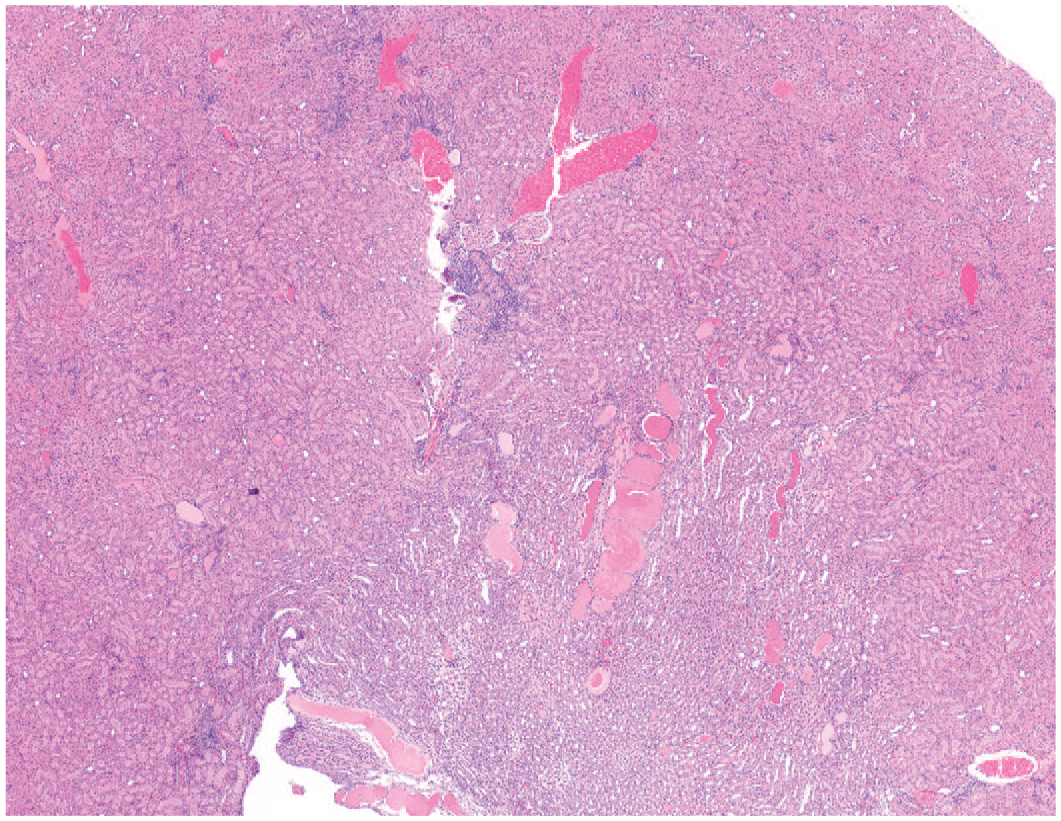
Kidney, chronic progressive nephropathy in rats (original objective 2X; mononuclear cell infiltrate, tubule dilation, and hyaline casts).
Kidney, basophilic tubules (original objective 10X).
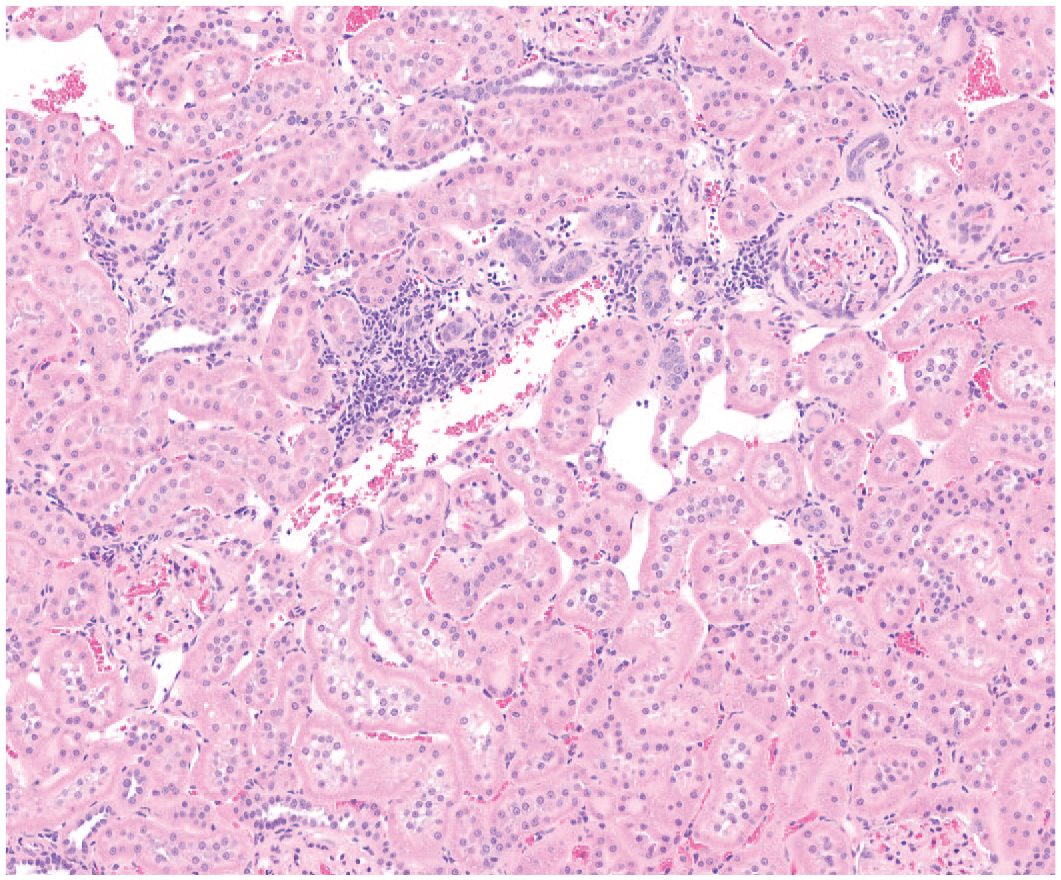
Kidney, mononuclear cell infiltrates (original objective 10X).
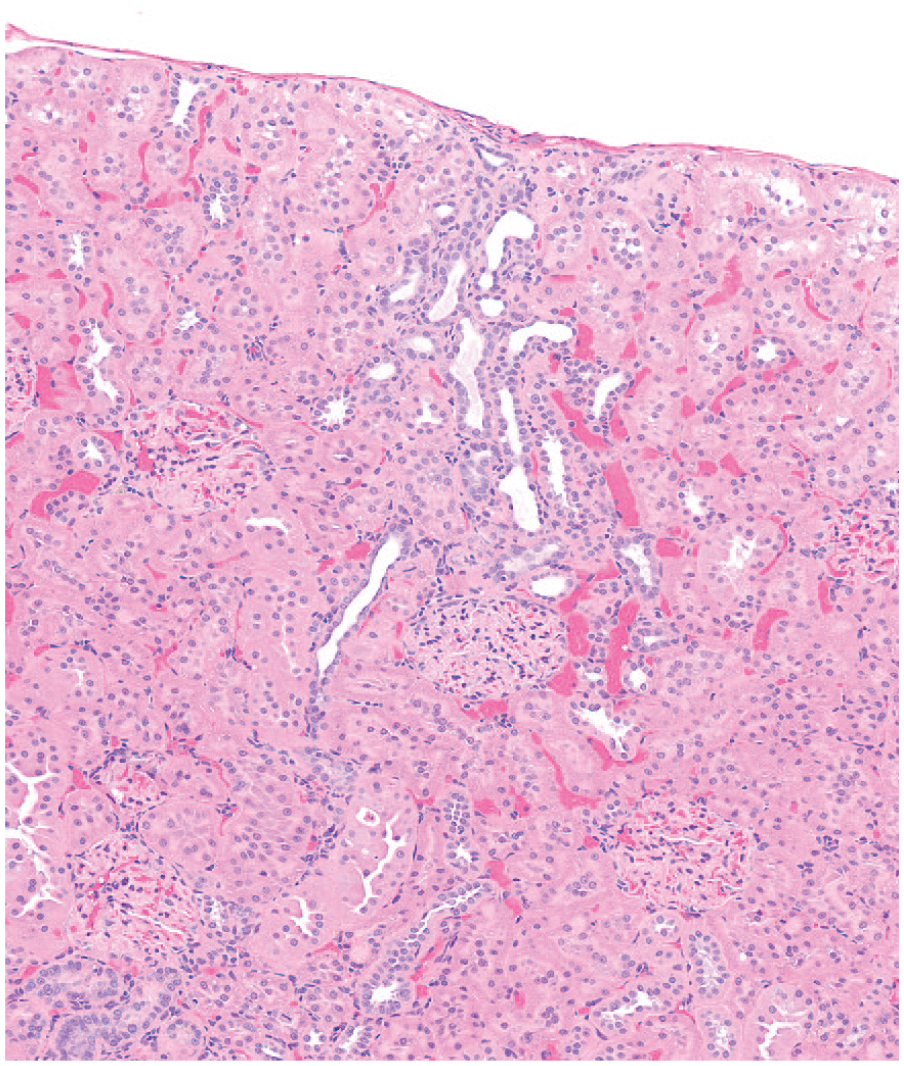
Kidney, dilation, cortical tubules (original objective 10X).
Other nonneoplastic findings in the kidney included cyst, dilation pelvis (Figure 6), hyperplasia transitional cell (Figure 7), inflammation, and mineralization.
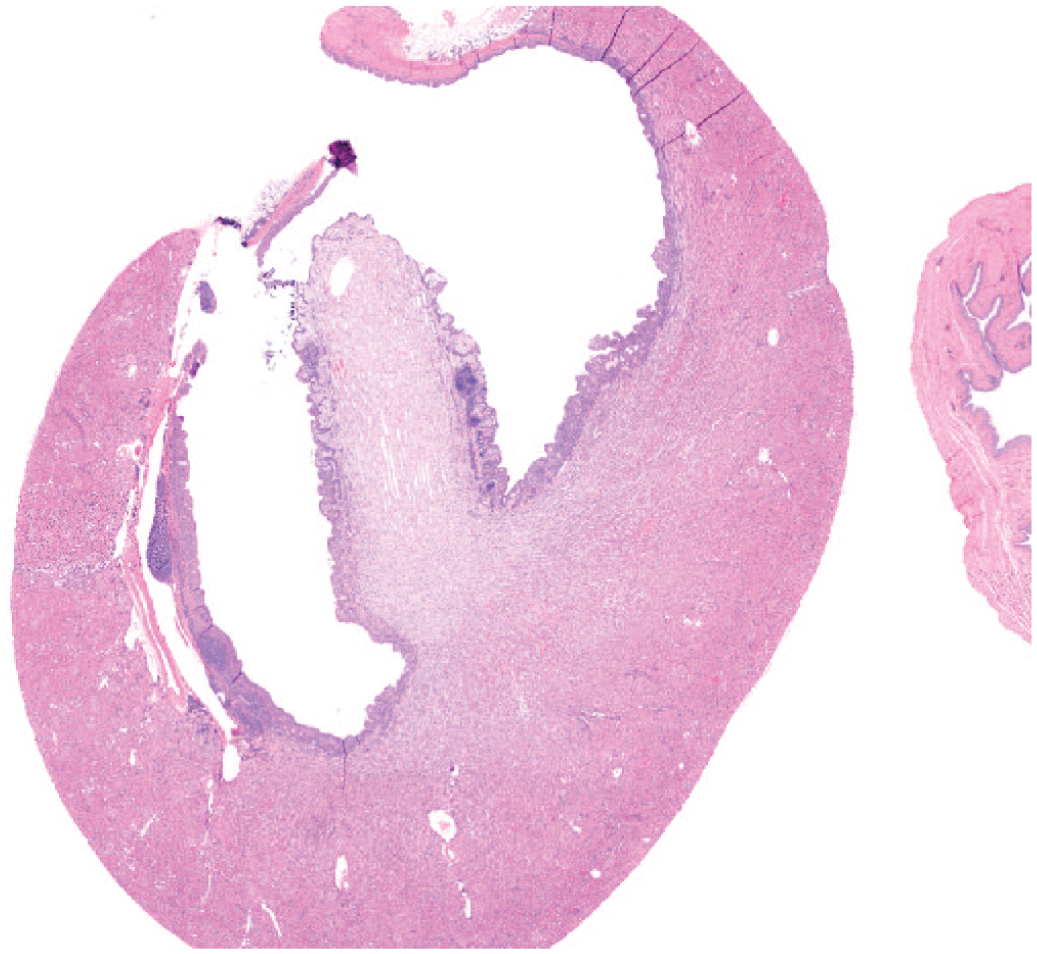
Kidney, dilation, pelvis; hyperplasia urothelium (original objective 2X).
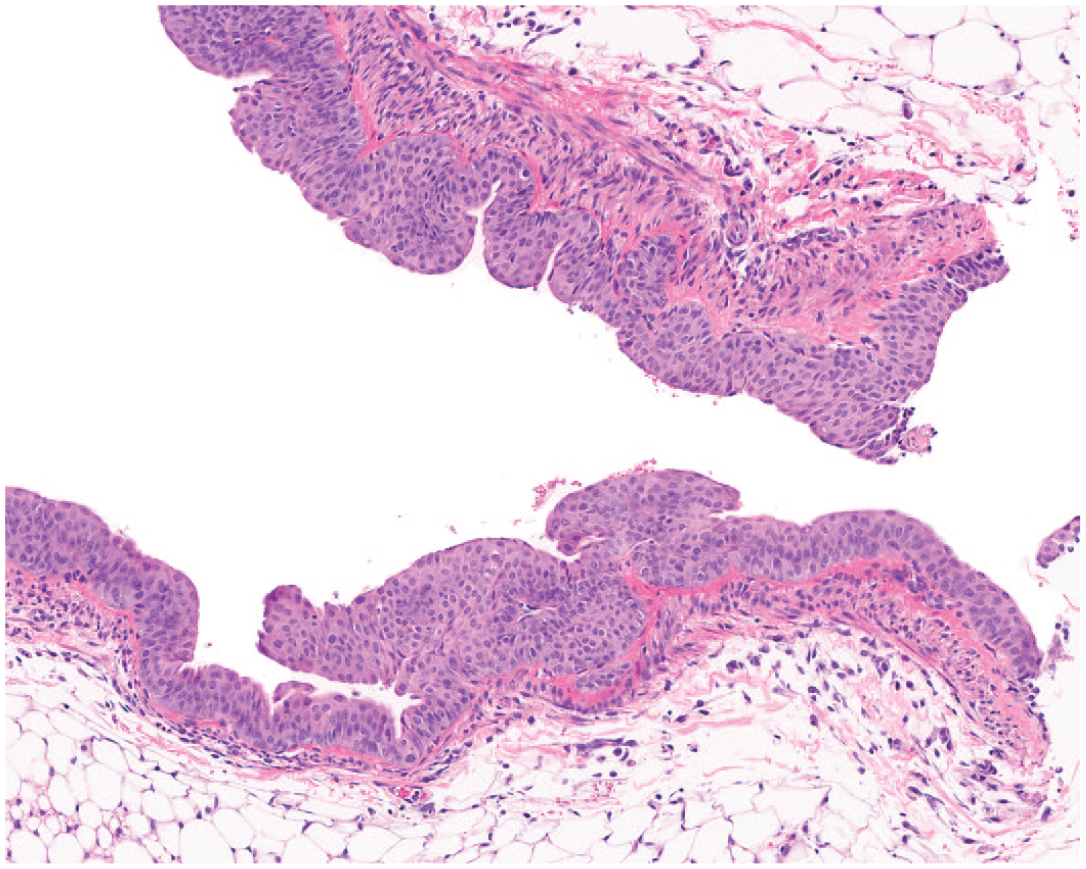
Kidney, pelvis, hyperplasia, urothelium (original objective 10X).
The most common nonneoplastic microscopic findings in the urinary bladder were hyperplasia of the urothelium (2.1% in male and 0.5% in female rats), inflammation (2.8% in male and 0.8% in female rats), and mononuclear cell infiltrates (1.3% in male and 0.9% in female rats).
The most common nonneoplastic finding in the female rat reproductive system was cystic endometrial hyperplasia of the uterus (Figure 8), which occurred in 26.2% of female rats on 104-week studies. Other findings in the female rat reproductive system included mucification of the vagina (15.4%), atrophy of the ovaries (17.2%), hyperplasia of Sertoli cells (12.6%), and/or interstitial cells (9.2%) in the ovary, and dilatation of the uterus (7.4%; Figure 9). The updated terminology for hyperplasia of Sertoli cells is now hyperplasia, sex cord stromal, and Sertoli cell. 4 Age-related ovarian atrophy is often not diagnosed in carcinogenicity studies and its incidence in aged animals is likely underappreciated. Animals with prominent corpus lutea sometimes have vaginal mucification, indicating persistent diestrus. Glandular hyperplasia of the uterus, or cystic endometrial hyperplasia, is common in older rats that can enter a stage of persistent estrus. 4
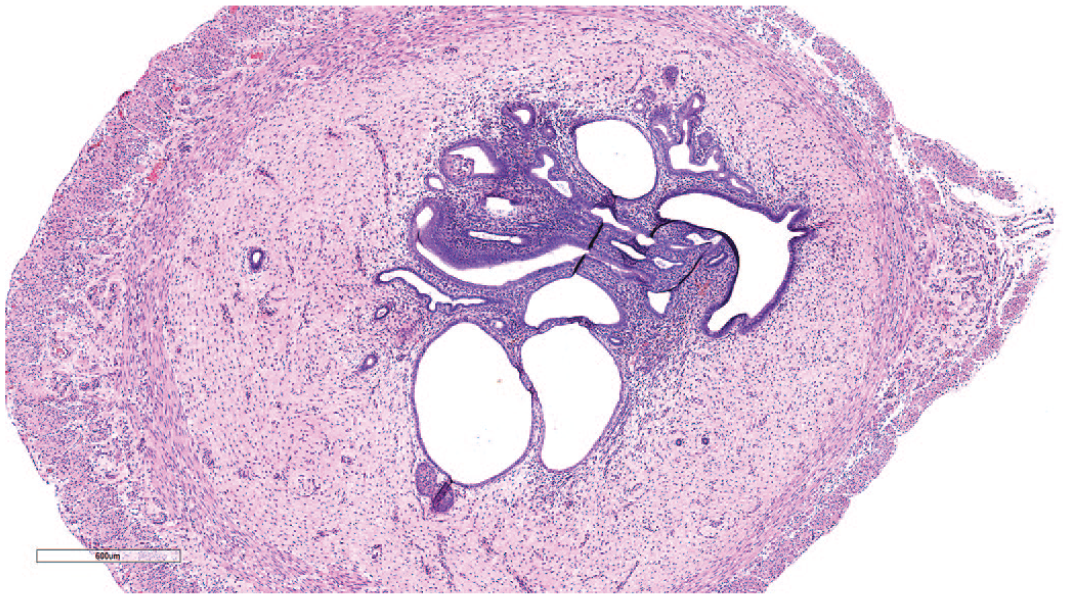
Uterus, cystic endometrial hyperplasia and stromal hypertrophy (original objective 10X).
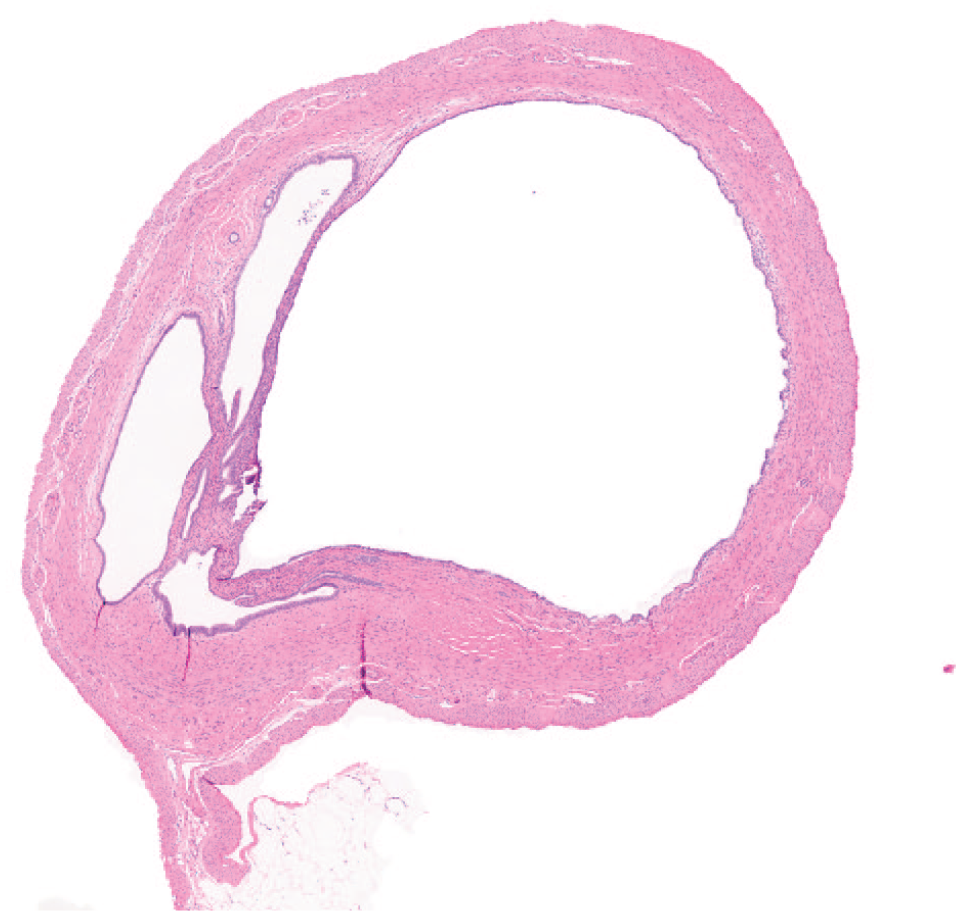
Dilatation, uterus (original objective 2X).
The most common nonneoplastic findings in the male rat reproductive system were inflammation in the prostate (69.4%) and degeneration/atrophy of the seminiferous tubules of the testes (12.4%; Figures 10-12). Mononuclear cell infiltrates in the prostate were noted in 6.9% of male rats. Inflammation is distinguishable from inflammatory infiltrates when there is evidence of tissue injury. 3 Inflammation of the secondary sex organs is a common background finding in aged male rats. Prostatic inflammation is influenced by hormonal perturbations, and an association has been made between pituitary gland tumors and prostatic inflammation 3 (Table 3).
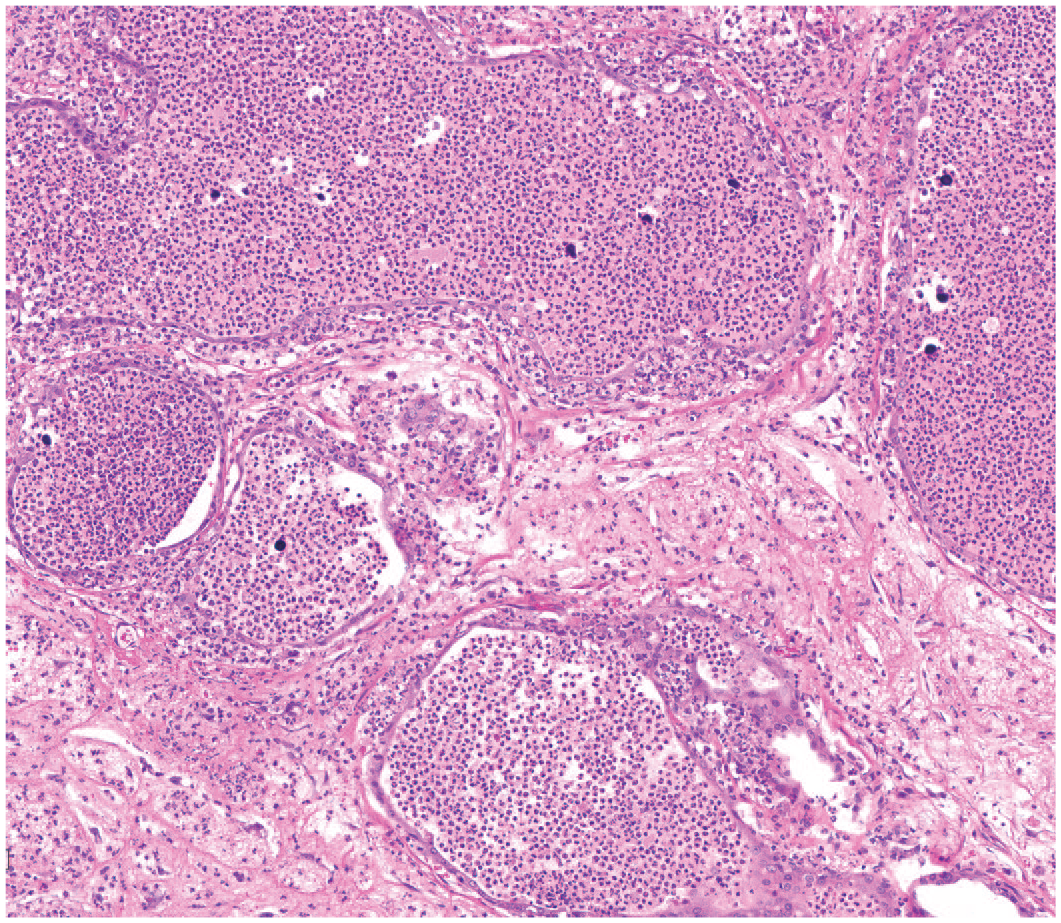
Prostate, inflammation, neutrophil (original objective 10X).
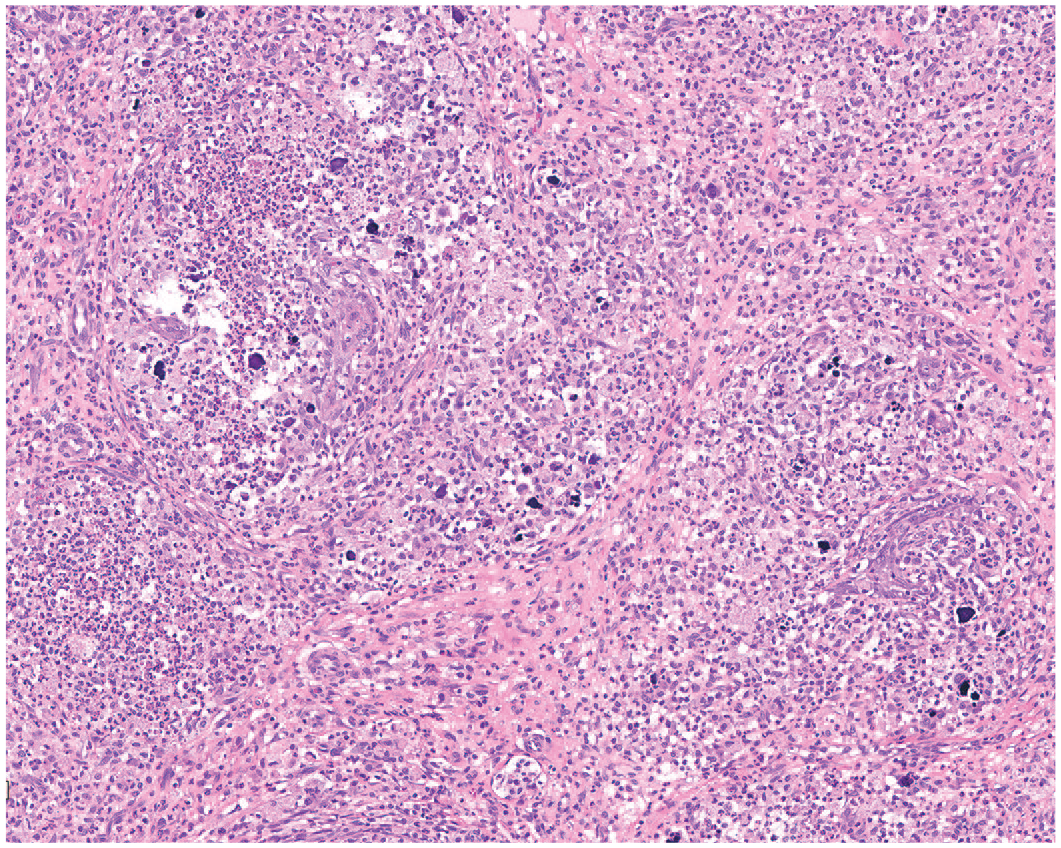
Prostate, inflammation, mixed cell (original objective 10X).
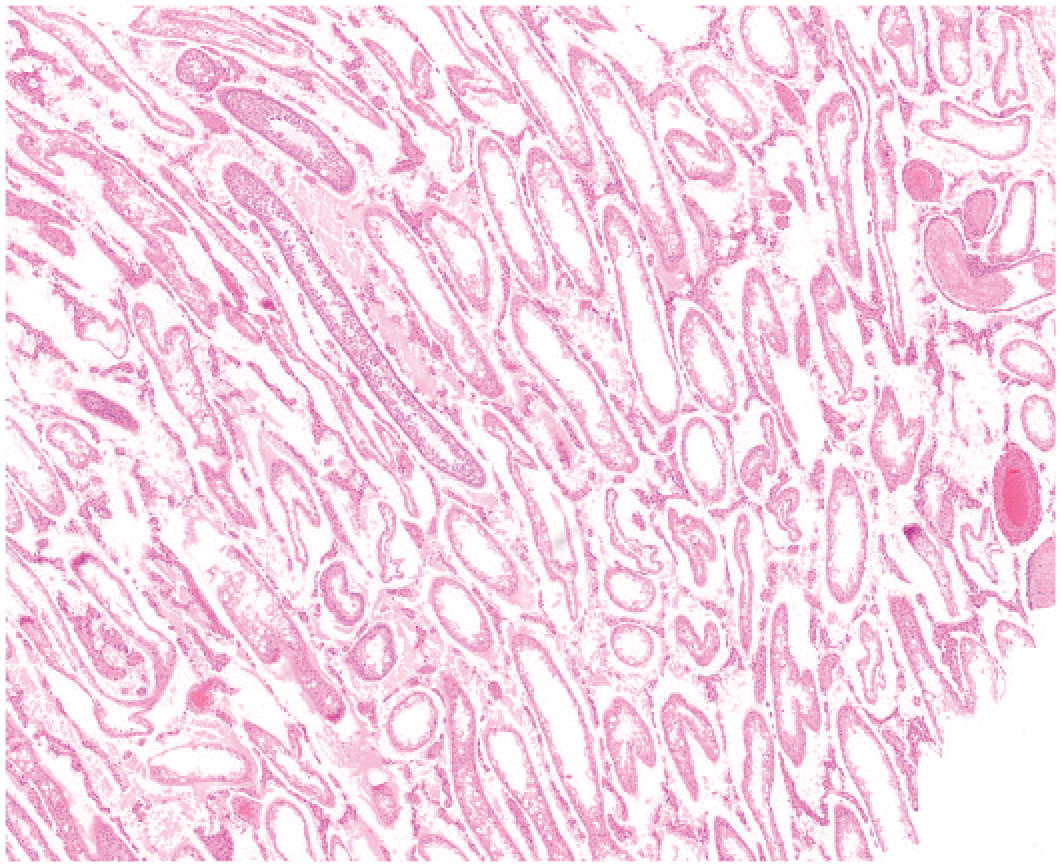
Testis, degeneration/atrophy, seminiferous tubule (original objective 2X).
Incidence of microscopic findings of the urogenital system of SD rats in 104-week studies.
Abbreviation: SD, Sprague Dawley.
The current recommended terminology is “hyperplasia, sex cord stromal, Sertoli cell.”
The predominant cell type was not specified in these findings.
Respiratory System
The most common nonneoplastic finding in the respiratory system was alveolar macrophage infiltration of the lung (Figure 13). This finding is characterized by aggregations of macrophages containing foamy cytoplasm and is frequently observed in the subpleural areas of aged animals with or without hemosiderin within macrophages 10 (Table 4).
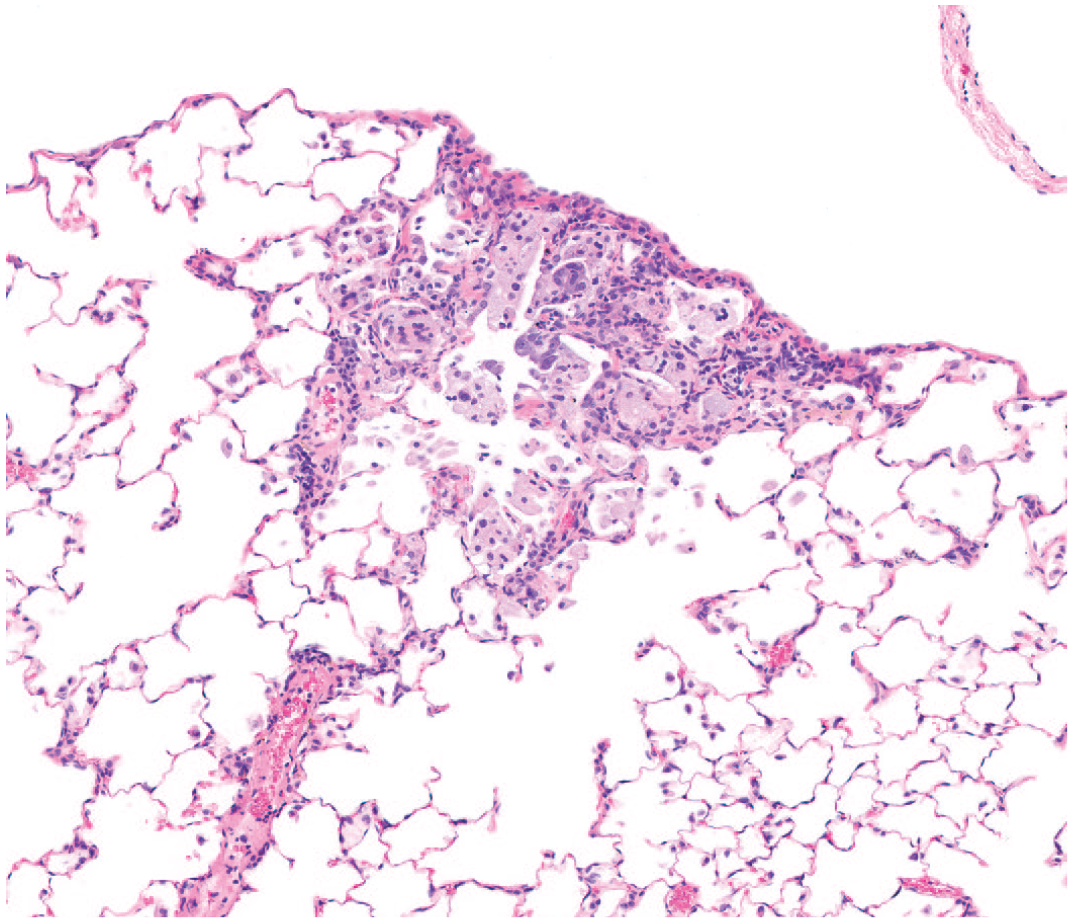
Lung, subpleural, infiltrate, macrophage (original objective 10X).
Incidence of microscopic findings of the respiratory system of SD rats in 104-week studies.
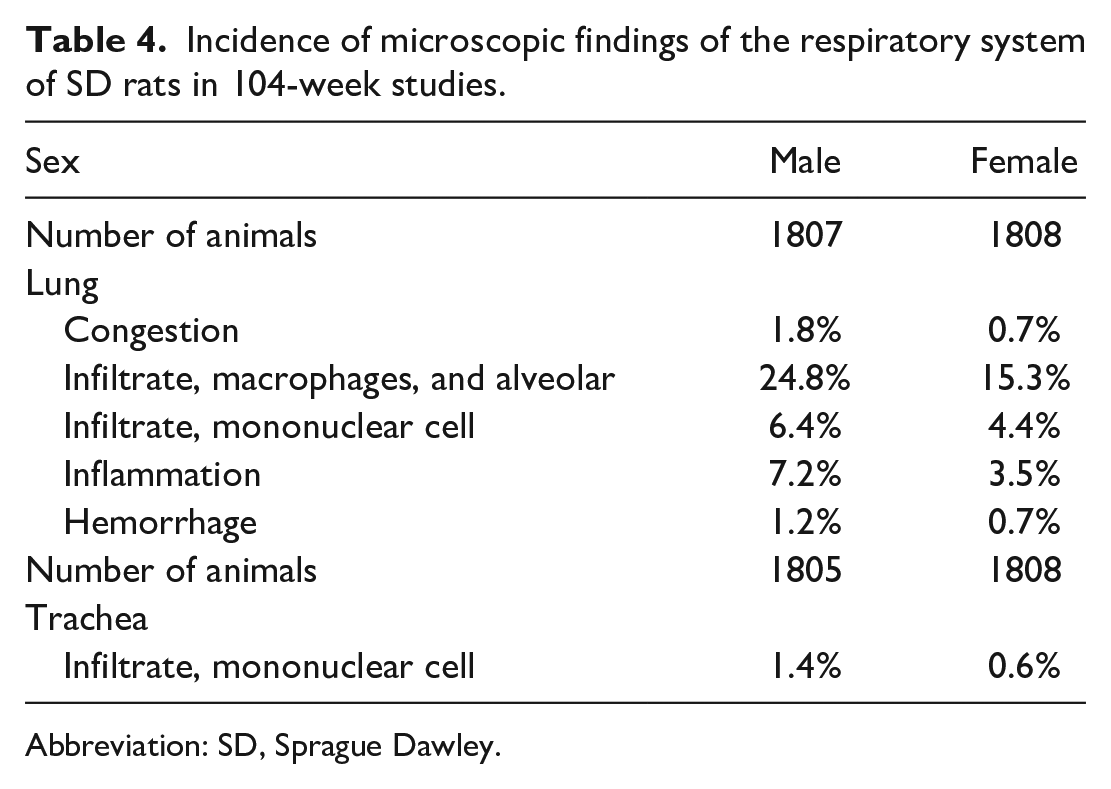
Abbreviation: SD, Sprague Dawley.
Digestive System
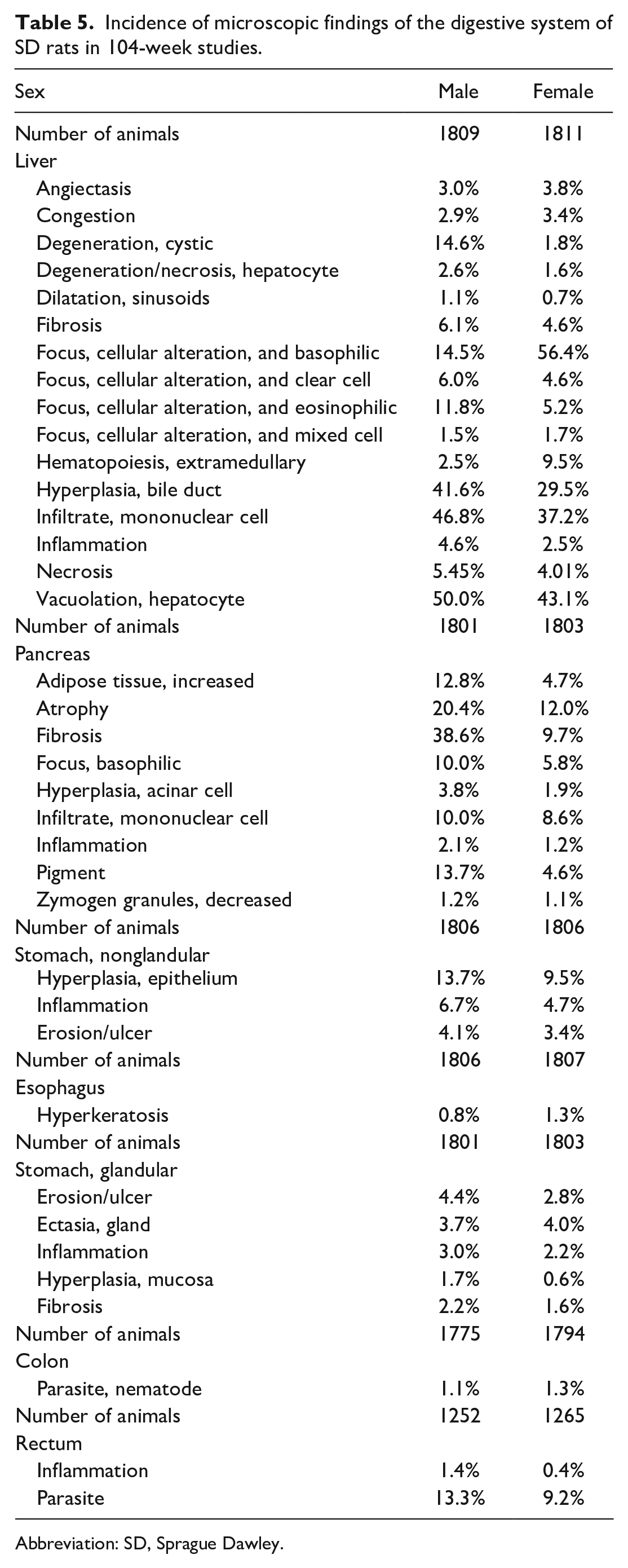
The liver is a major target organ in carcinogenicity studies due to its substantial involvement in metabolism, including by cytochrome P450 enzymes. It is important to document the level of spontaneous and incidental findings that can occur in this tissue. The most common nonneoplastic microscopic findings in the liver of SD rats on 104-week studies were basophilic focus of cellular alteration in male (14.5%) and females (56.4%; Figure 14), clear cell focus of cellular alteration in male (6%) and female rats (4.6%; Figure 15), bile duct hyperplasia in male (41.6%) and female rats (29.5%; Figure 16), and hepatocyte vacuolation in male (50%) and female rats (43.1%) and cystic degeneration of hepatocytes (Figure 17). Hepatocyte vacuolation can occur following perturbations in lipid metabolism and disposition and may occur as microvesicular (numerous, small lipid vacuoles) or macrovesicular (large, well-defined single-rounded vacuole) vacuoles. 12 Foci of cellular alteration can occur spontaneously in aged rats and can be induced by chemical treatment although they are not necessarily preneoplastic. 12
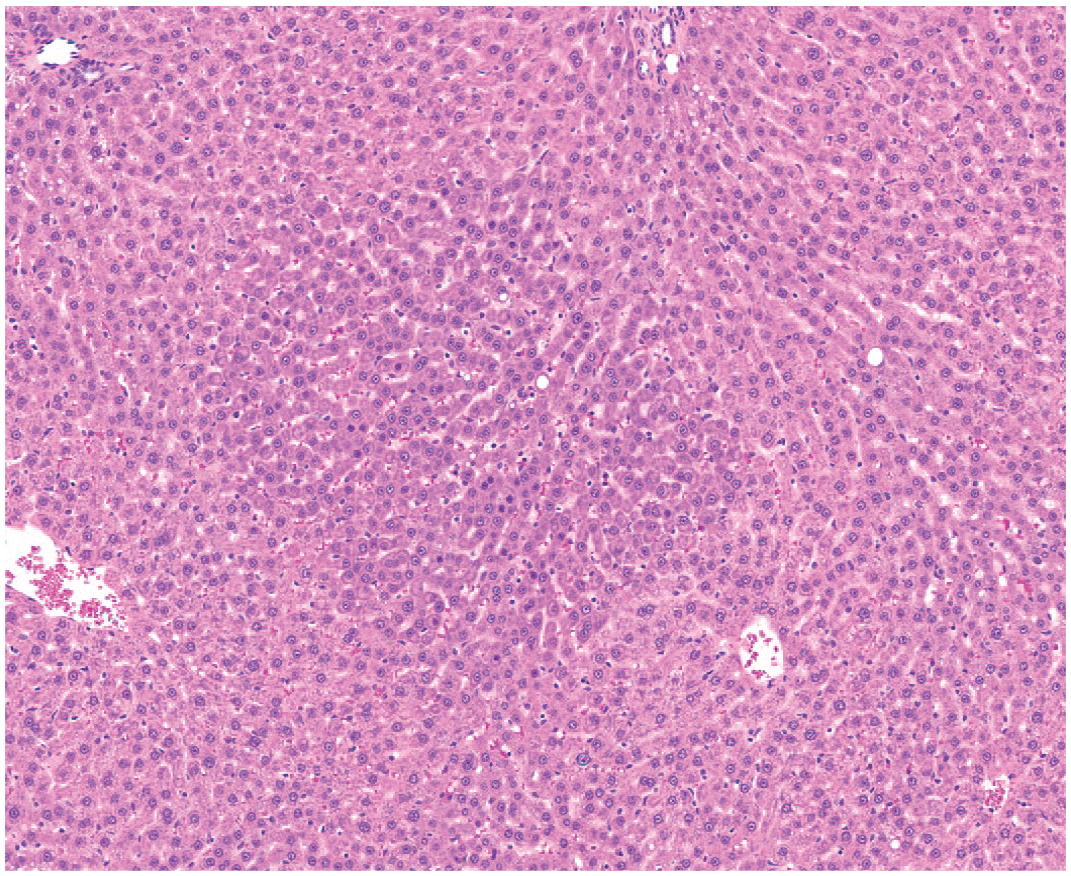
Liver, Focus, cellular alteration, basophilic (original objective 10X).
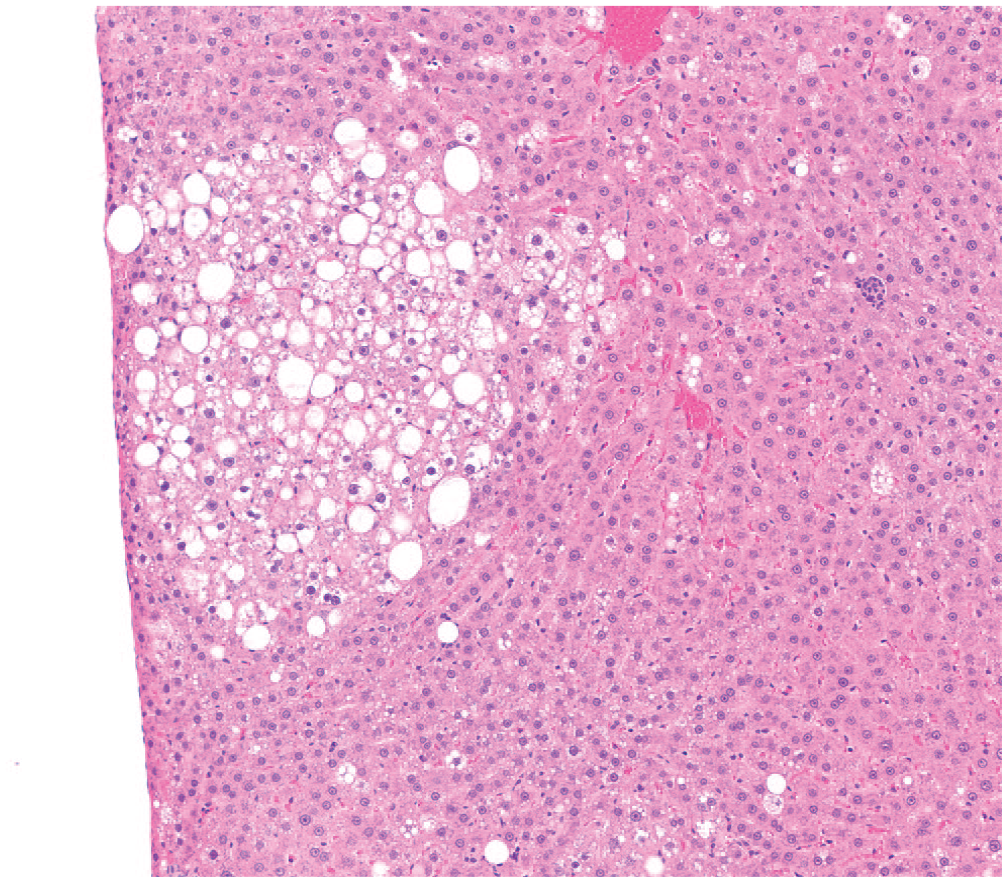
Liver, Focus, cellular alteration, clear cell (original objective 20X).
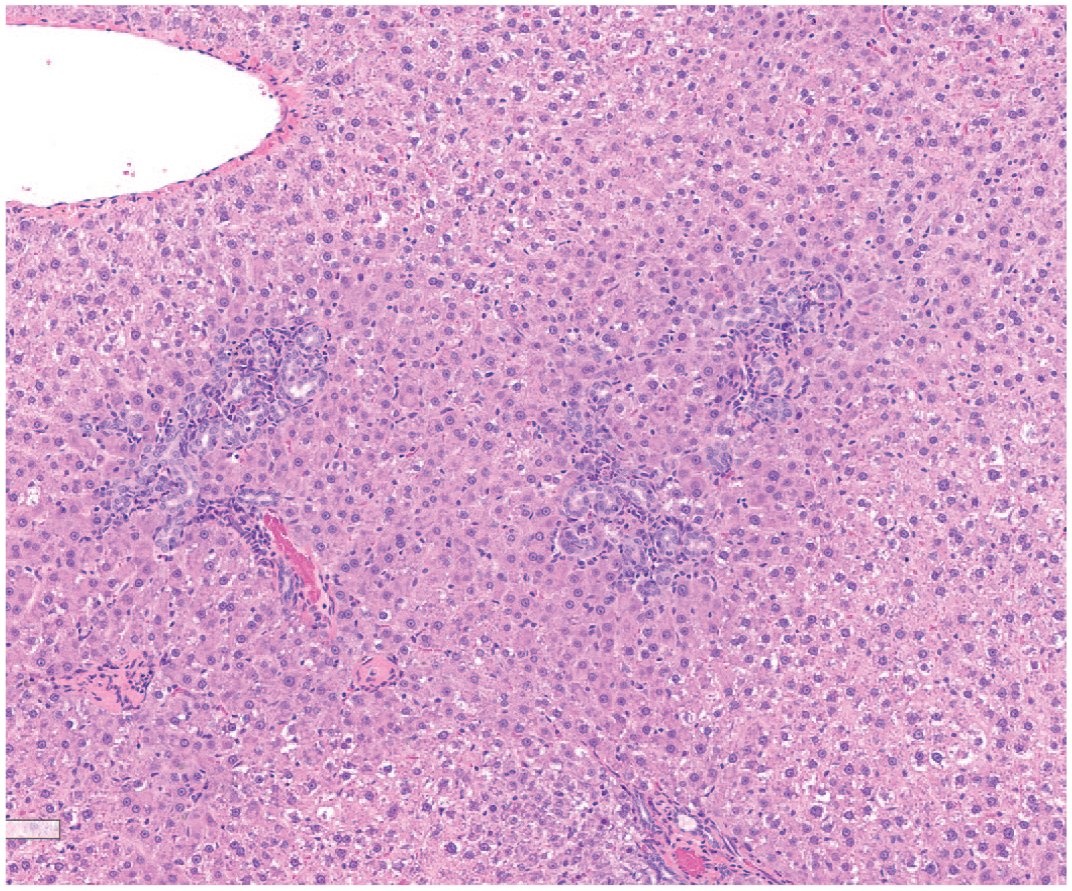
Liver, bile duct hyperplasia (original objective 20X).
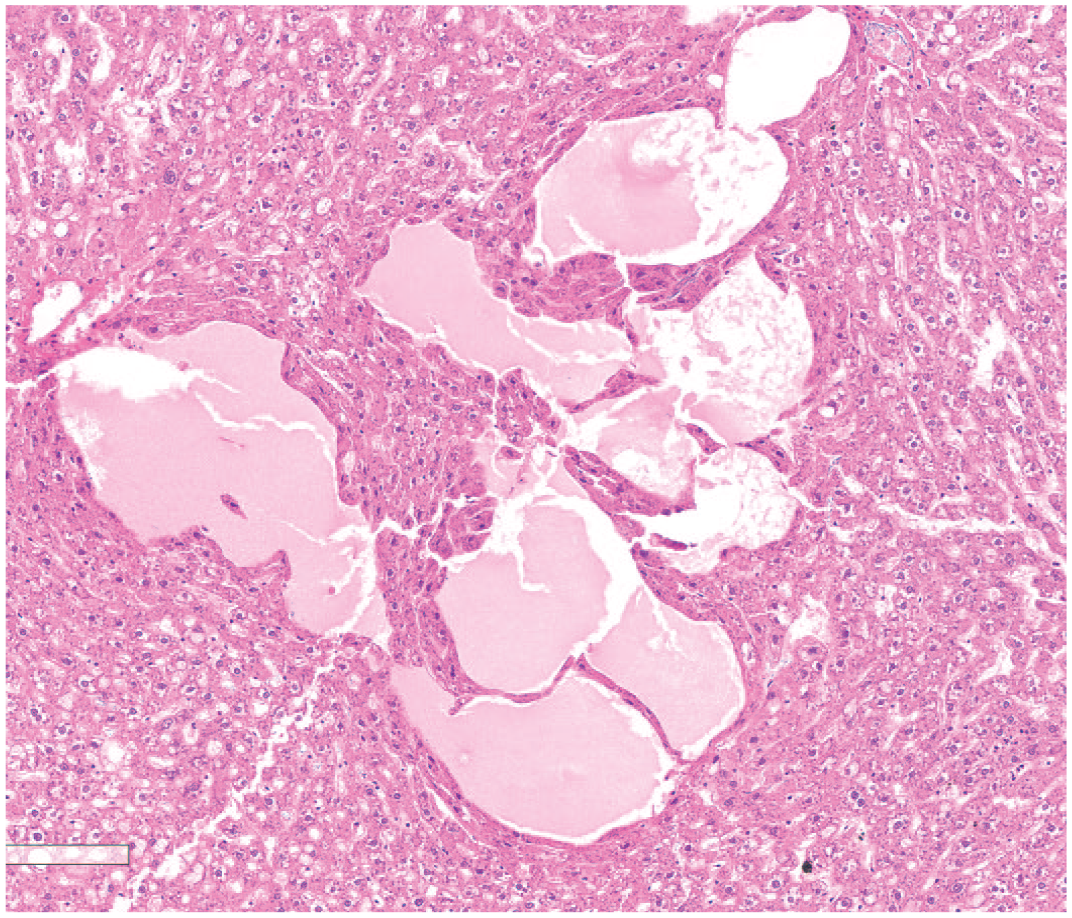
Liver, degeneration, cystic (original objective 20X).
The pancreas in both sexes also had many spontaneous nonneoplastic findings that occurred at a rate greater than 1%, including increased adipose tissue, atrophy, fibrosis, basophilic foci of the acini, and hyperplasia of acinar and/or islet cells. Spontaneous nonneoplastic findings of inflammation and erosion/ulcer of the glandular and nonglandular stomach (Figure 18) and epithelial hyperplasia of the nonglandular stomach were reported commonly. Basophilic foci in the pancreas are neither hyperplastic nor preneoplastic 8 (Table 5).
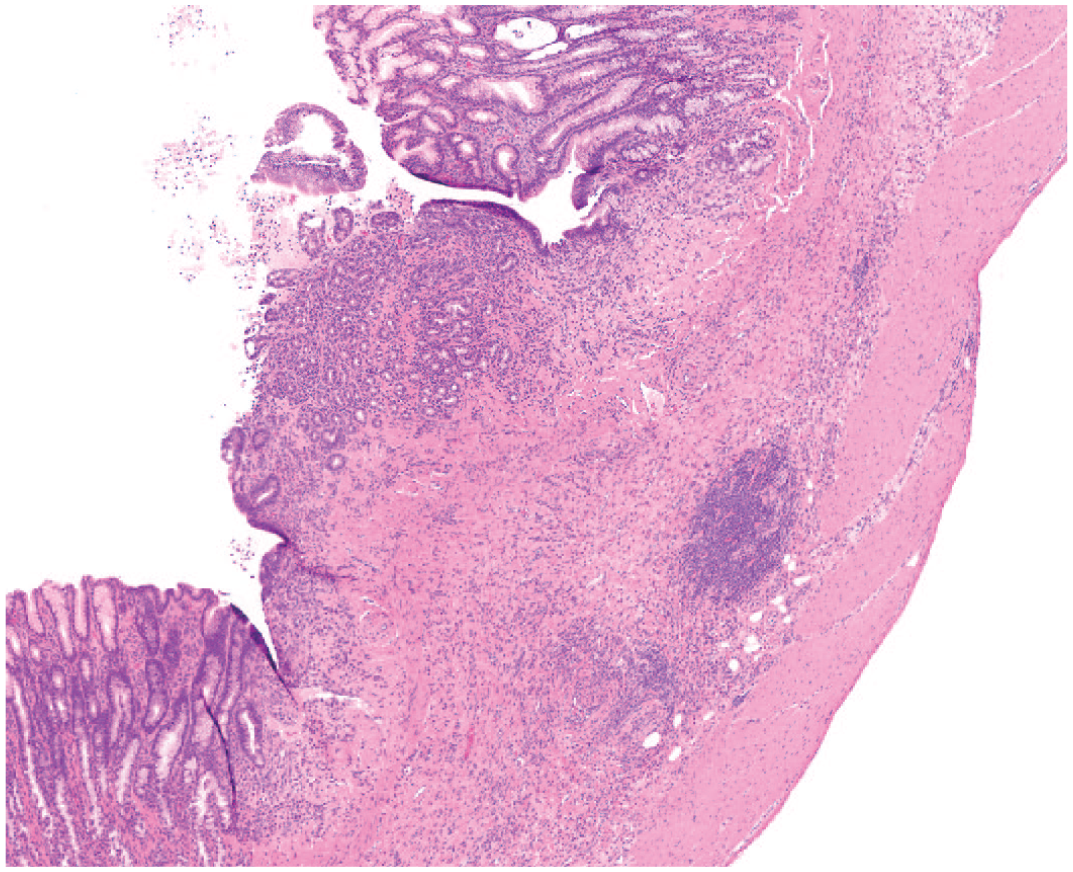
Stomach, erosion/ulcer (original objective 4X).
Incidence of microscopic findings of the digestive system of SD rats in 104-week studies.
Abbreviation: SD, Sprague Dawley.
Hematopoietic/Lymphoid System
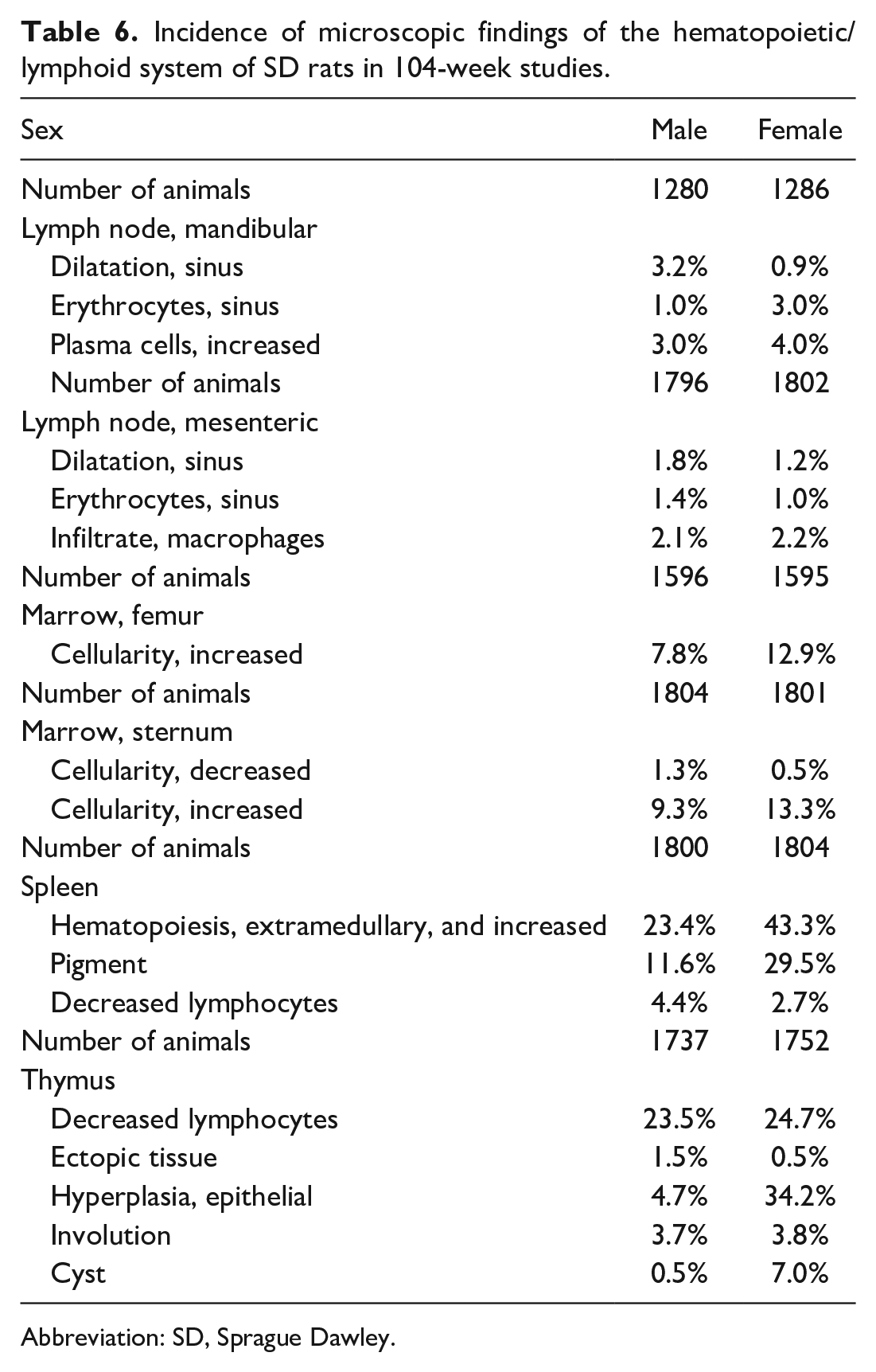
The most common nonneoplastic findings in the spleen were increased extramedullary hematopoiesis (Figure 19), pigment, and decreased lymphocytes. Other common nonneoplastic findings in the lymphoid system included dilatation of the sinus in the mandibular lymph node and decreased lymphocytes and epithelial hyperplasia in the thymus (Figure 20). The decreased lymphocytes in the spleen and thymus are age-related as decreased splenic lymphocytes in rats greater than 20 months of age and involution of the thymus progresses to almost complete replacement of lymphocytes with adipose tissue and remnants of connective tissue and lymphoepithelial rests 5 (Figure 21). Another common nonneoplastic finding in the hematopoietic system included increased cellularity of the marrow in the sternum and femur (likely a secondary effect following an inflammatory reaction; Table 6)
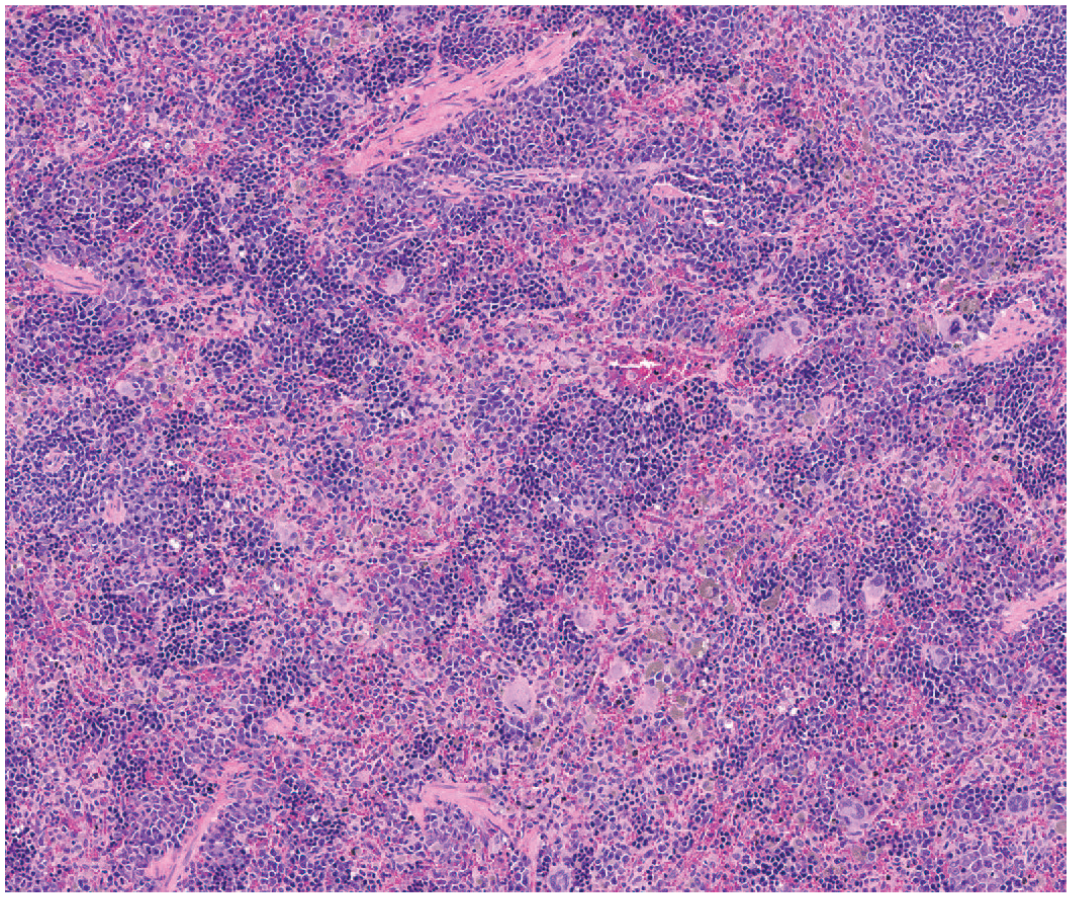
Spleen extramedullary hematopoiesis (original objective 10X).
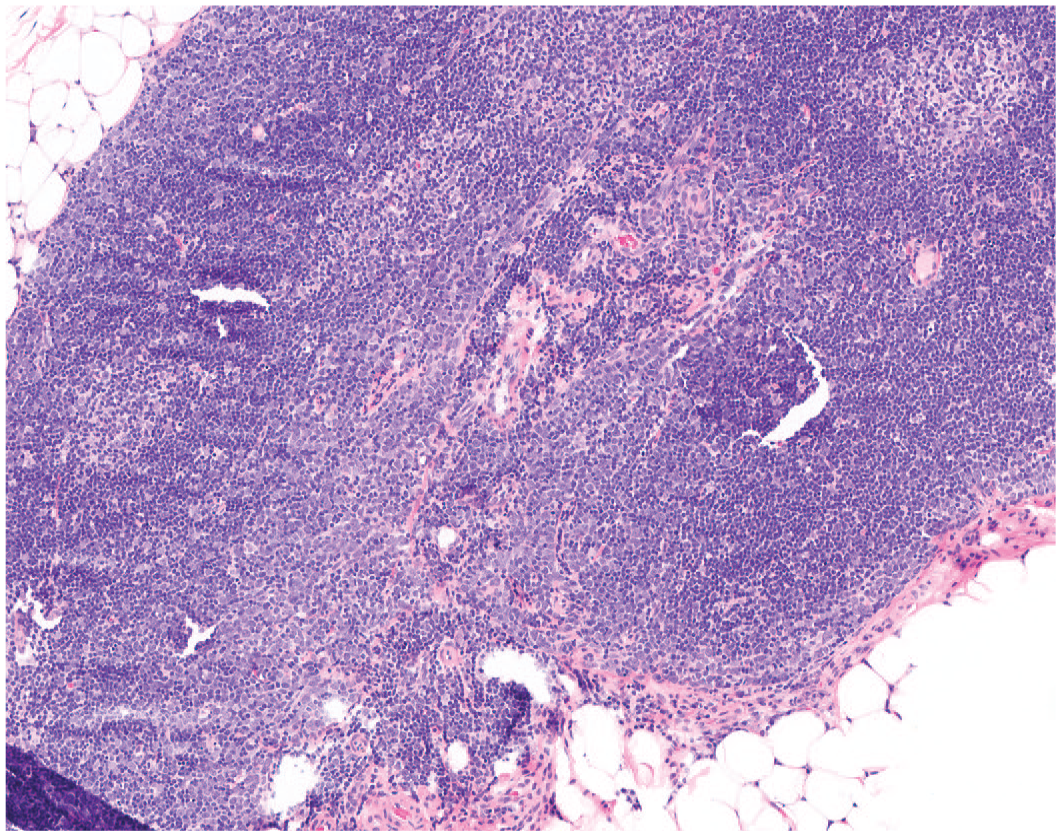
Thymus, hyperplasia, epithelial cells (original objective 10X).
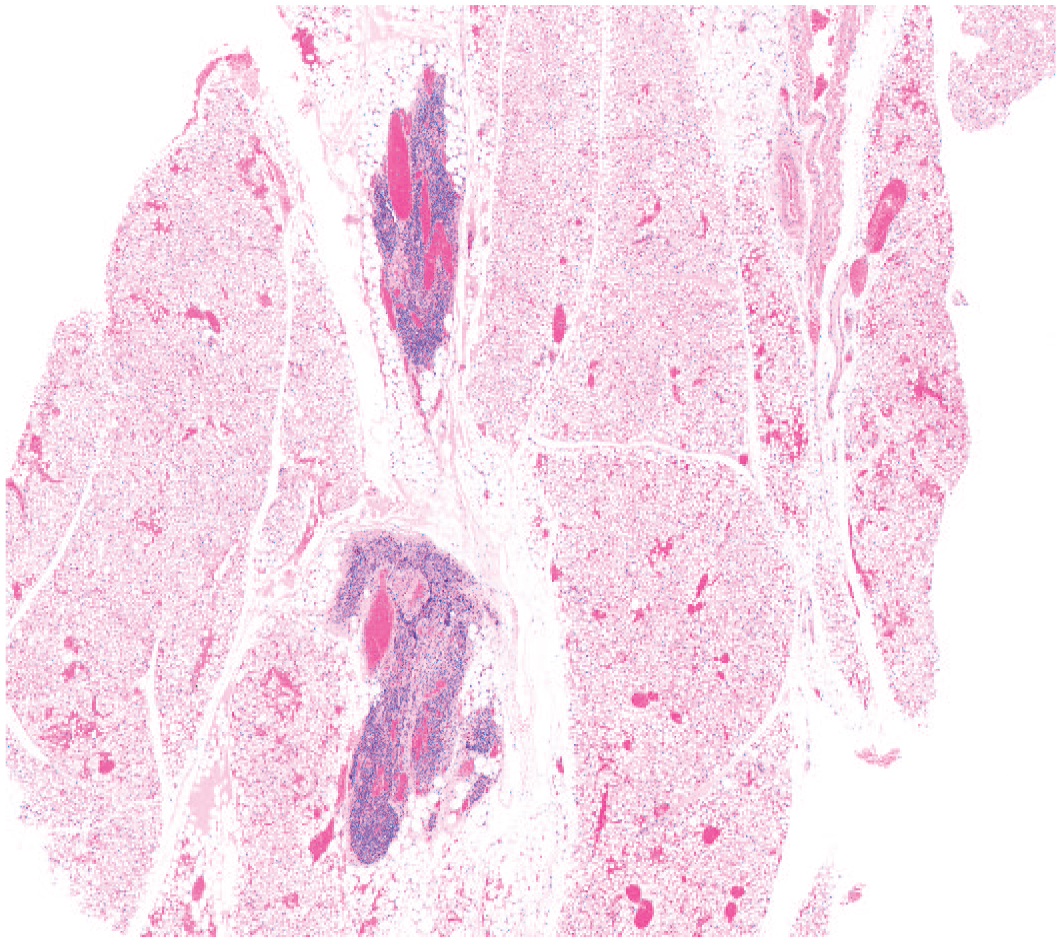
Thymus, involution (original objective 2X).
Incidence of microscopic findings of the hematopoietic/lymphoid system of SD rats in 104-week studies.
Abbreviation: SD, Sprague Dawley.
Nervous System
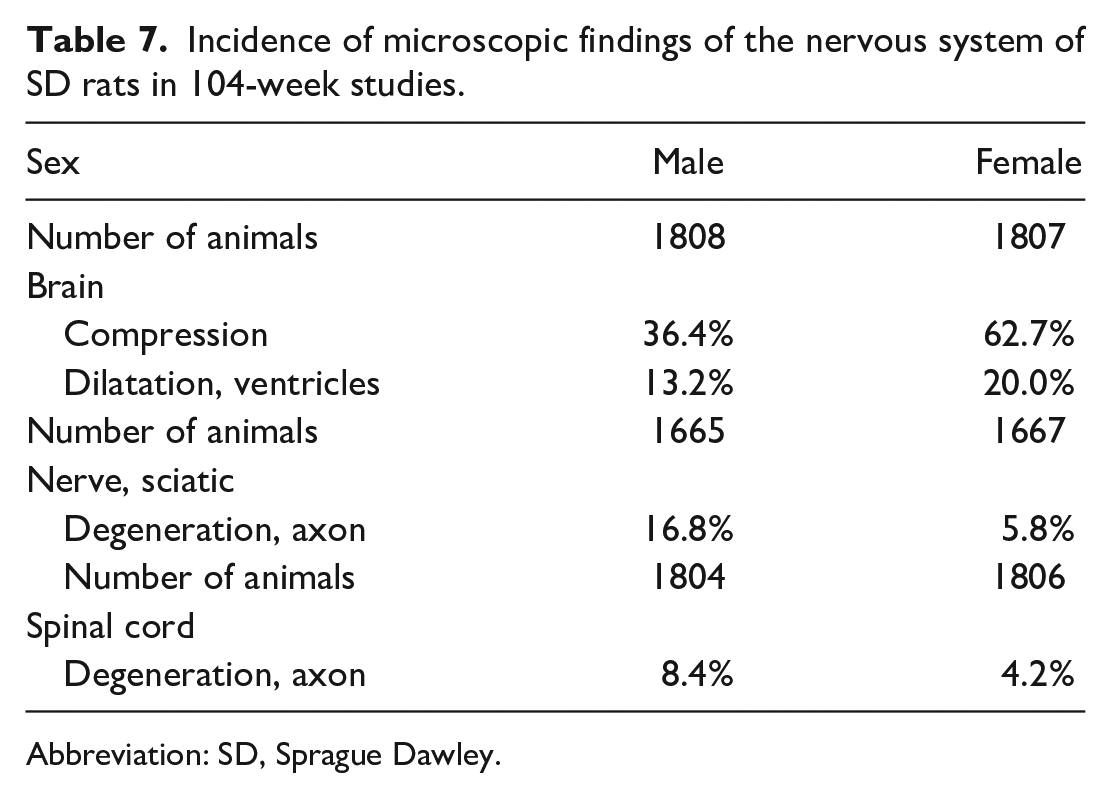
The most common nonneoplastic findings in the nervous system were compression of the ventral brain (36.4% male and 62.7% female rats) and dilatation of the ventricles of the brain (13.2% male and 20.0% female rats; Figure 22), both secondary to pituitary neoplasms. The other common spontaneous finding was degeneration of axons in the spinal cord (8.4% male and 4.2% female rats) and sciatic nerve (16.8% male and 5.8% female rats; Figure 23; Table 7).
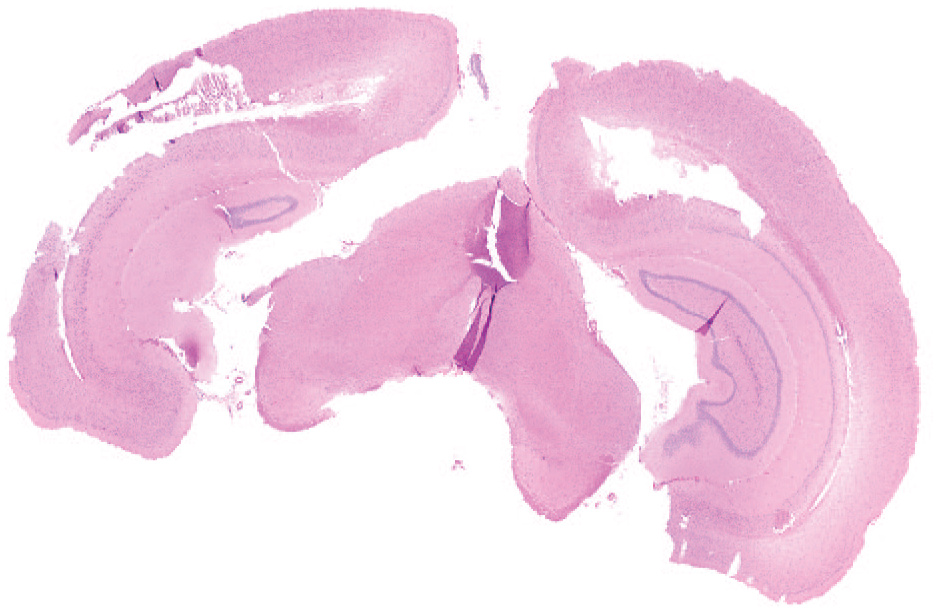
Brain, ventral compression (thalamus/hypothalamus) (original objective 2X).
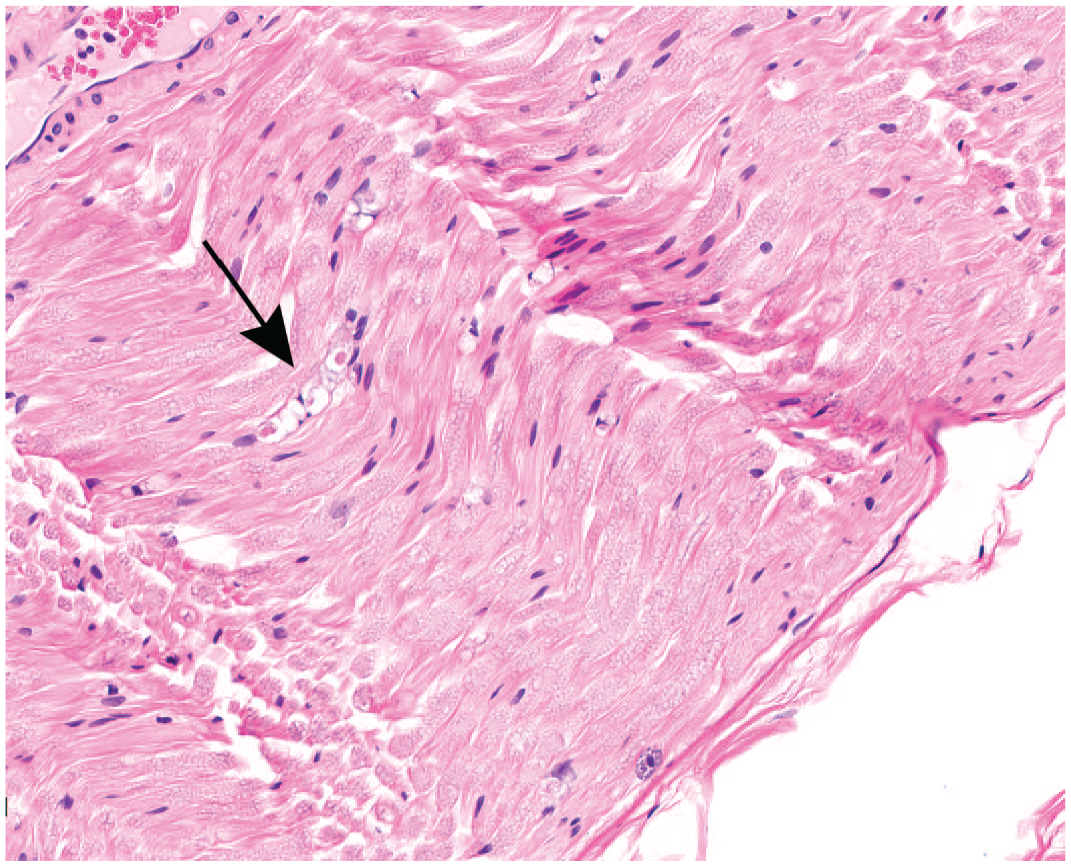
Sciatic nerve, degeneration, axon (original objective 20X).
Incidence of microscopic findings of the nervous system of SD rats in 104-week studies.
Abbreviation: SD, Sprague Dawley.
Endocrine System
The most common nonneoplastic findings in the endocrine system are findings in the adrenal cortex, including cystic degeneration (16% male and 64.7% female rats; Figures 24 and 25), hypertrophy/hyperplasia (44.7% male and 47.2% female rats; Figure 26), angiectasis (1.3% male and 7.0% female rats), increased vacuolation (15.4% male and 4.0% female rats), and subcapsular cell hyperplasia (5.1% male and 5.5% female rats). Hypertrophy and hyperplasia are separate diagnoses that can often be seen concurrently, and pathologists often choose to diagnose both terms as hypertrophy/hyperplasia. Due to their frequent combination in our historical control data, we chose not to separate for this report. Cystic degeneration was more commonly observed in female rats (64.7%) than male rats (16%) and was characterized by a loss of cortical cells with the formation of cystic spaces that may be filled with blood or proteinaceous fluid. This finding can appear similar to angiectasis and increased vacuolation, distinguished by the presence of endothelial cells and the lack of the loss of cortical cells, respectively. 2 Cystic degeneration is considered to be a continuum of severe focal cortical vacuolation and occurs predominantly in aging female SD rats. These lesions should be examined carefully as tissues adjacent to the cystic degeneration can contain hyperplastic and neoplastic lesions. 2 Subcapsular cell hyperplasia was reported in our historical control data at approximately 5%; however, INHAND does not describe this as a distinct finding in rats, only as a finding in mice (Table 8).
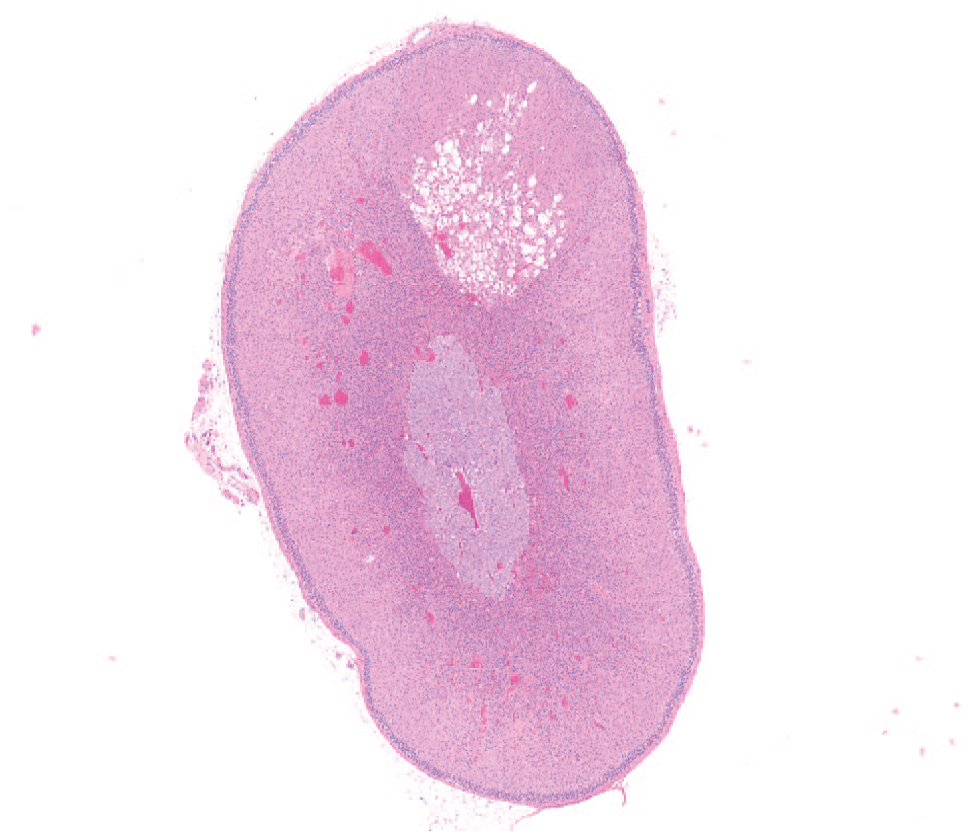
Adrenal gland, cystic degeneration (original objective 2X).
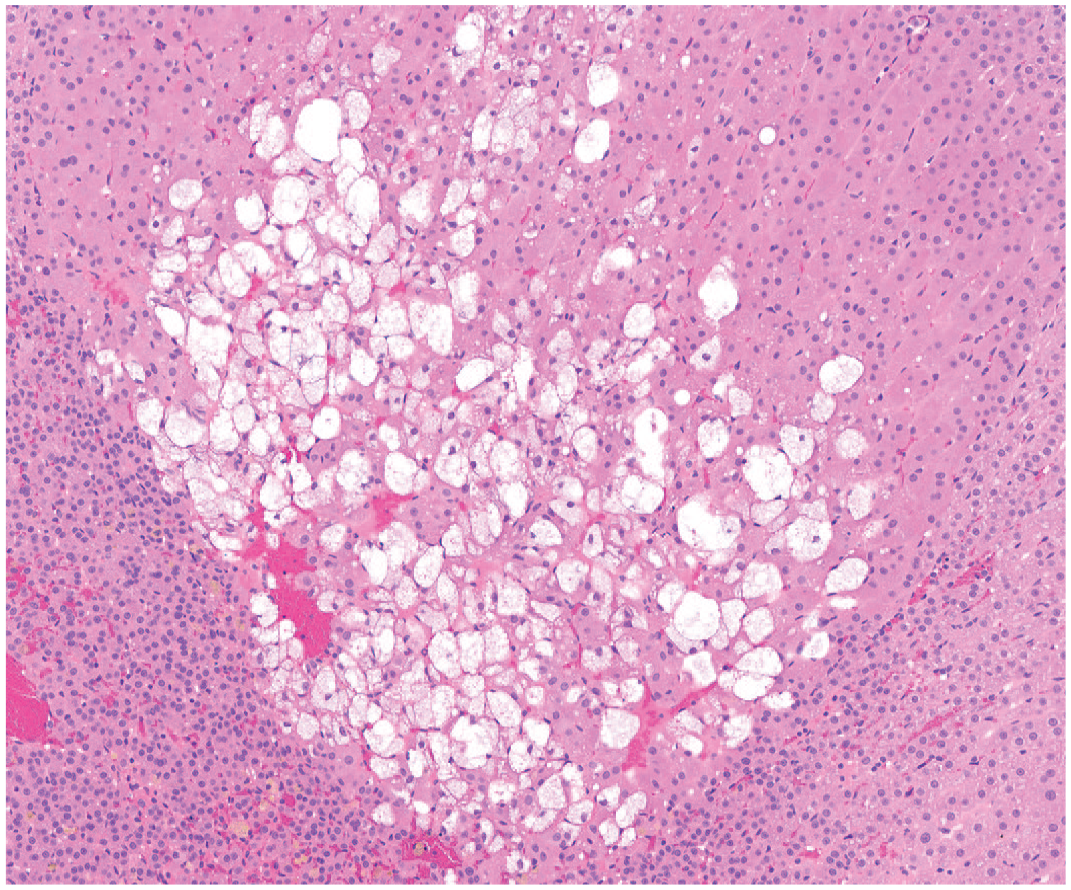
Adrenal gland, cystic degeneration (original objective 10X).
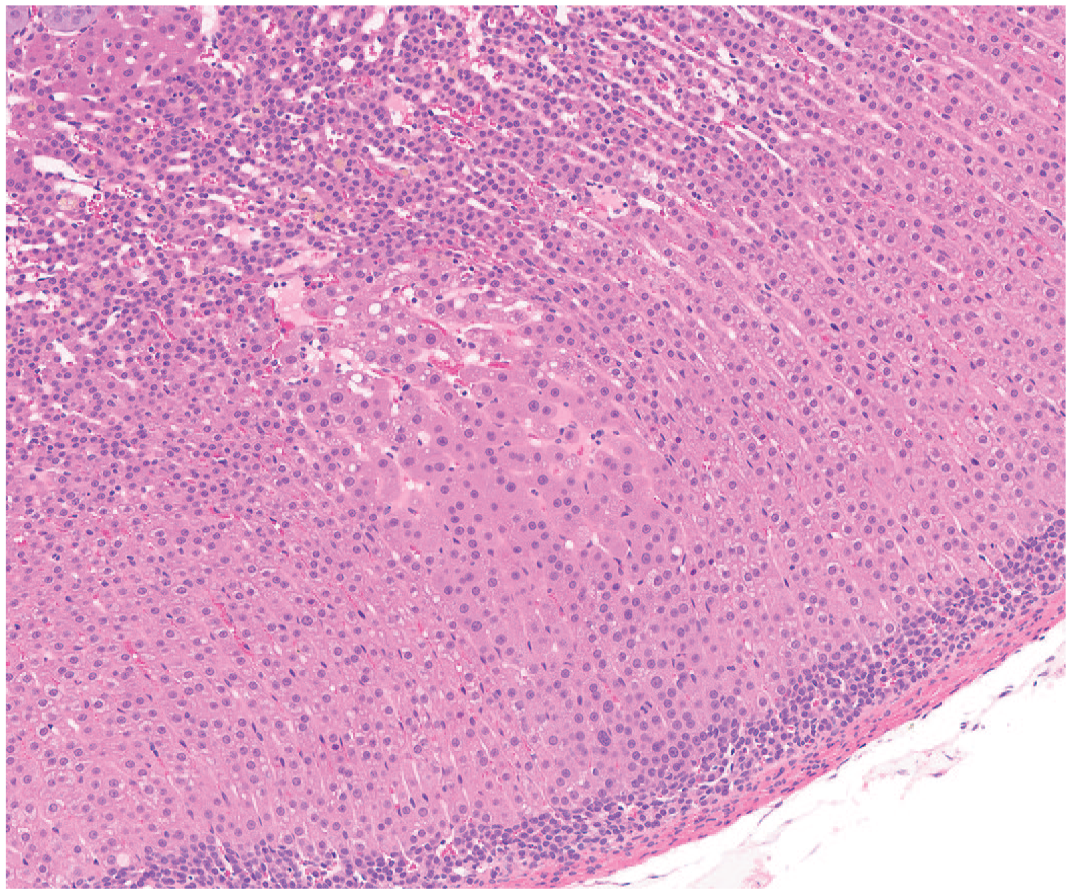
Adrenal gland, cortex, zona fasciculata, hypertrophy, focal (original objective 10X).
Incidence of microscopic findings of the endocrine system of SD rats in 104-week studies.
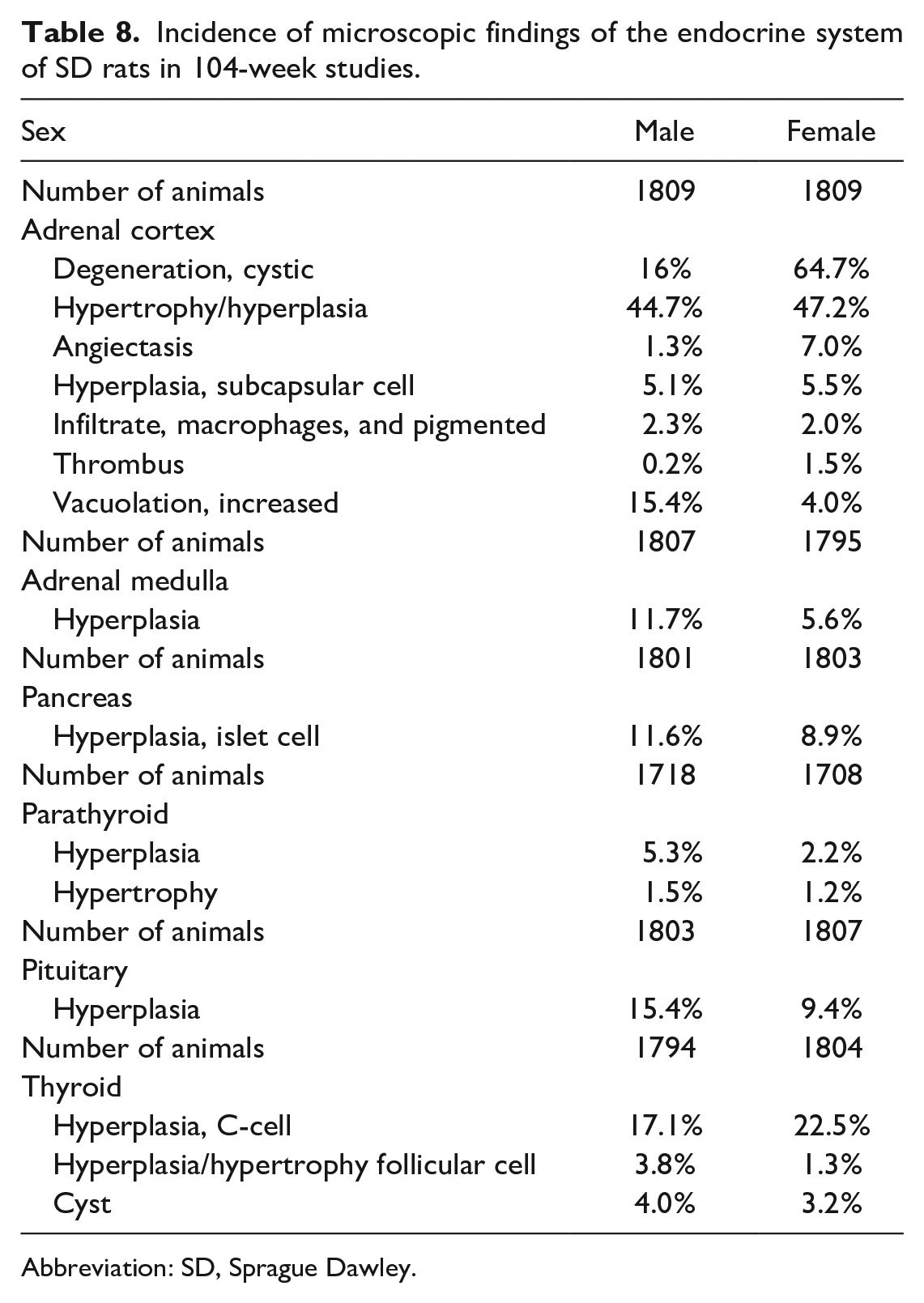
Abbreviation: SD, Sprague Dawley.
Other common nonneoplastic findings were hyperplasia of the pituitary (15.4% male and 9.4% female rats; Figure 27), hyperplasia of the parathyroid (5.3% male and 2.2% female rats), and C-cell hyperplasia in the thyroid (17.1% male and 22.5% female rats; Figure 28). Although the area of C-cell proliferation shown in this figure appeared larger than five average thyroid follicles, it was considered hyperplastic due to the lack of compression of adjacent tissues, no capsule present, and stromal septa were not present. Diffuse parathyroid hyperplasia can occur secondary to CPN, whereas focal parathyroid hyperplasia is generally considered preneoplastic.
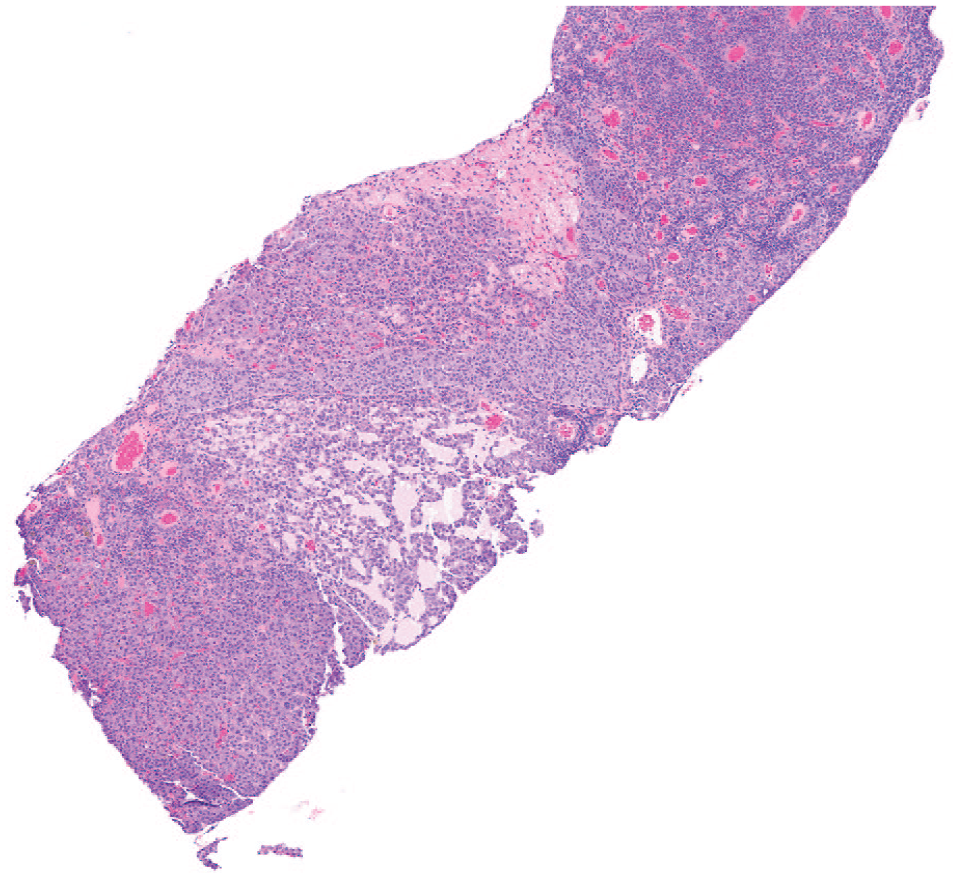
Pituitary gland, hyperplasia, pars distalis (original objective 4X).
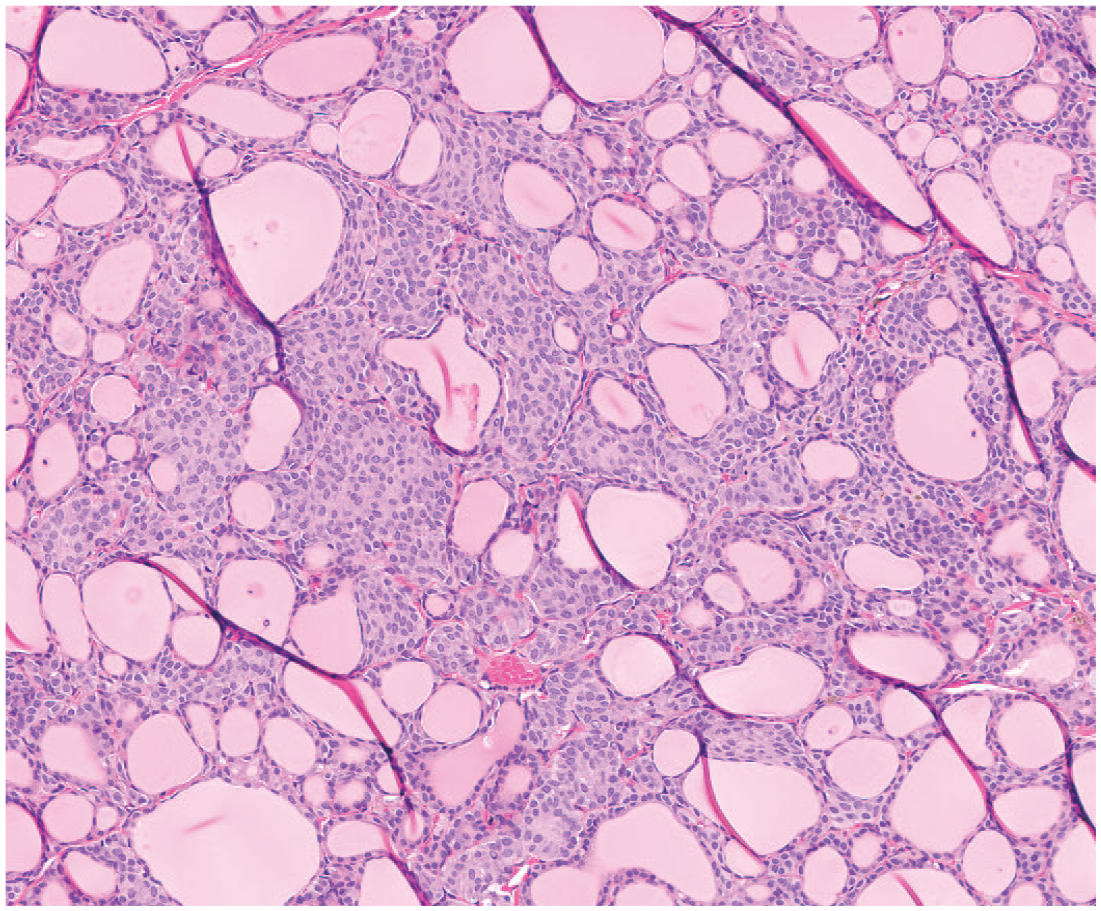
Thyroid, C-cell hyperplasia (original objective 10X).
Miscellaneous Tissues
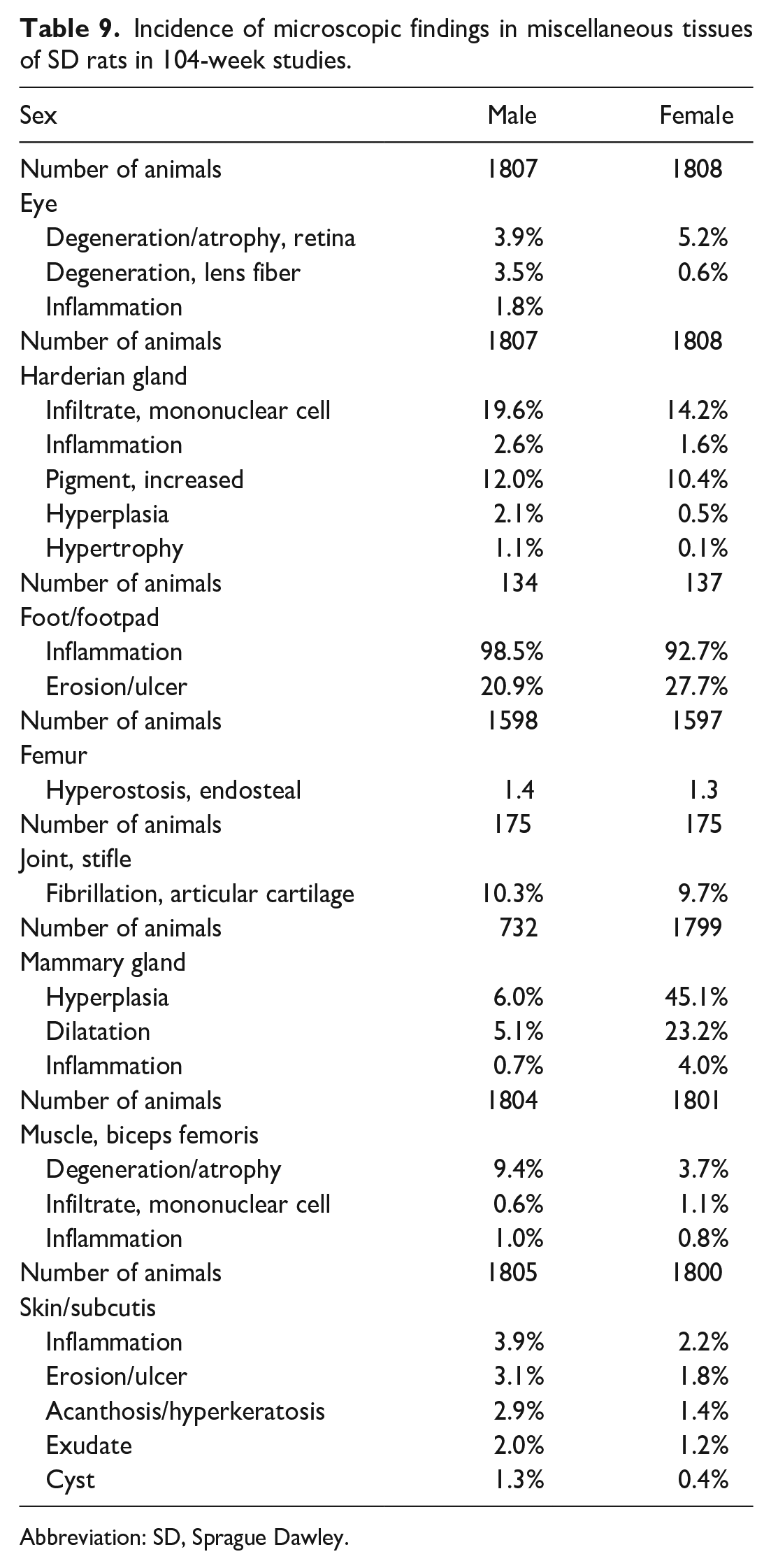
In the eye, nonneoplastic microscopic findings of degeneration/atrophy of the retina (Figure 29) and degeneration of the lens fiber were noted in 3.9% male and 5.2% female, and in 3.5% male and 0.6% female rats, respectively. Cataracts are a clinical diagnosis used to describe opacities visualized on ophthalmic examinations and should not be used as a microscopic observation. 9
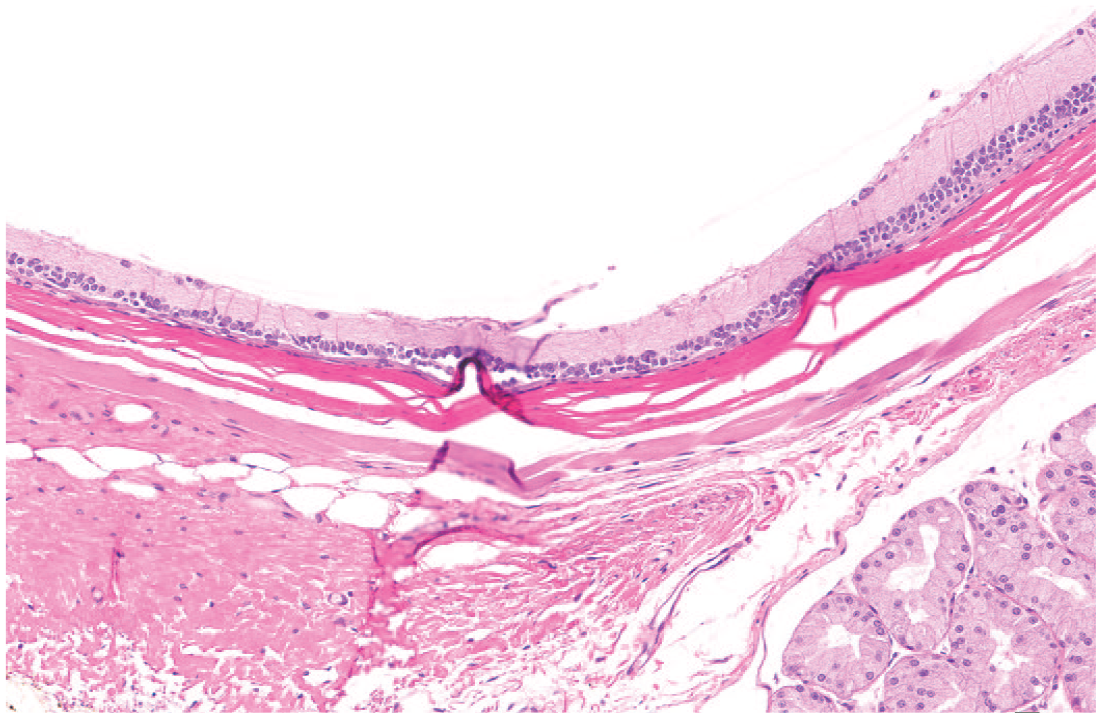
Eye, retinal degeneration/atrophy (original objective 10X).
In the Harderian gland, nonneoplastic microscopic findings of increased pigment (Figure 30), hypertrophy (1.1% male and 0.1% female rats), hyperplasia (2.1% male and 0.5% female rats), and/or mononuclear cell infiltrates (19.6% male and 14.2% female rats) were common spontaneous findings.
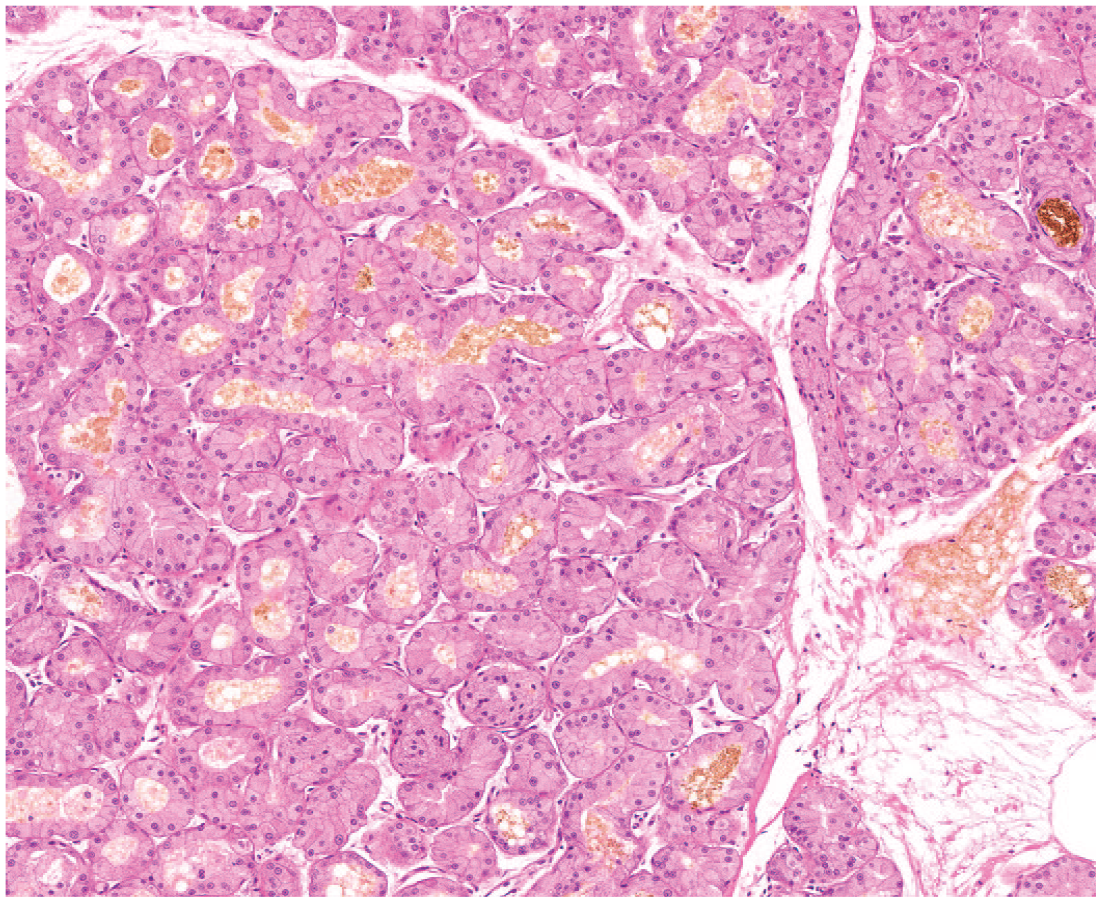
Harderian gland, increased pigment (original objective 10X).
Nonneoplastic microscopic findings of inflammation and/or erosion/ulcer have been observed in the foot/footpad, (Figure 31). This tissue is not routinely sampled on regular toxicity studies although it is collected when gross lesions are observed. Ulcerative pododermatitis can occur frequently in rats housed in wire cages or in rats with higher body weights, which may explain why it can commonly occur in older rats on 104-week studies.
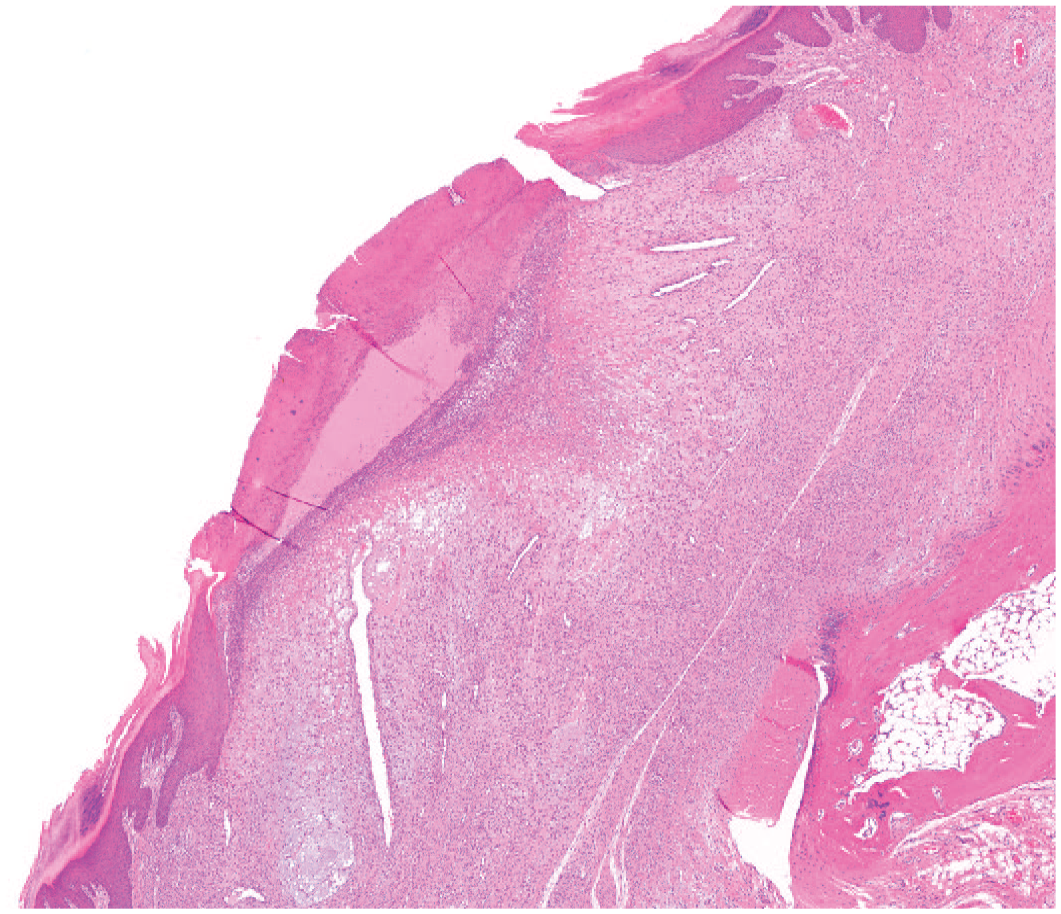
Foot, ulcer (pododermatitis; original objective 2X).
Focal or diffuse nonneoplastic findings occurred commonly in the mammary gland of male and female rats, including hyperplasia and dilatation of ducts and/or glands (Figure 32). These spontaneous findings are generally thought to occur secondary to normal reproductive senescence and the increasing levels of prolactin secretion that contribute to these spontaneous changes by inducing increased secretion and alveolar and tubular epithelial hyperplasia, as well as periductal fibrosis 11 (Table 9).
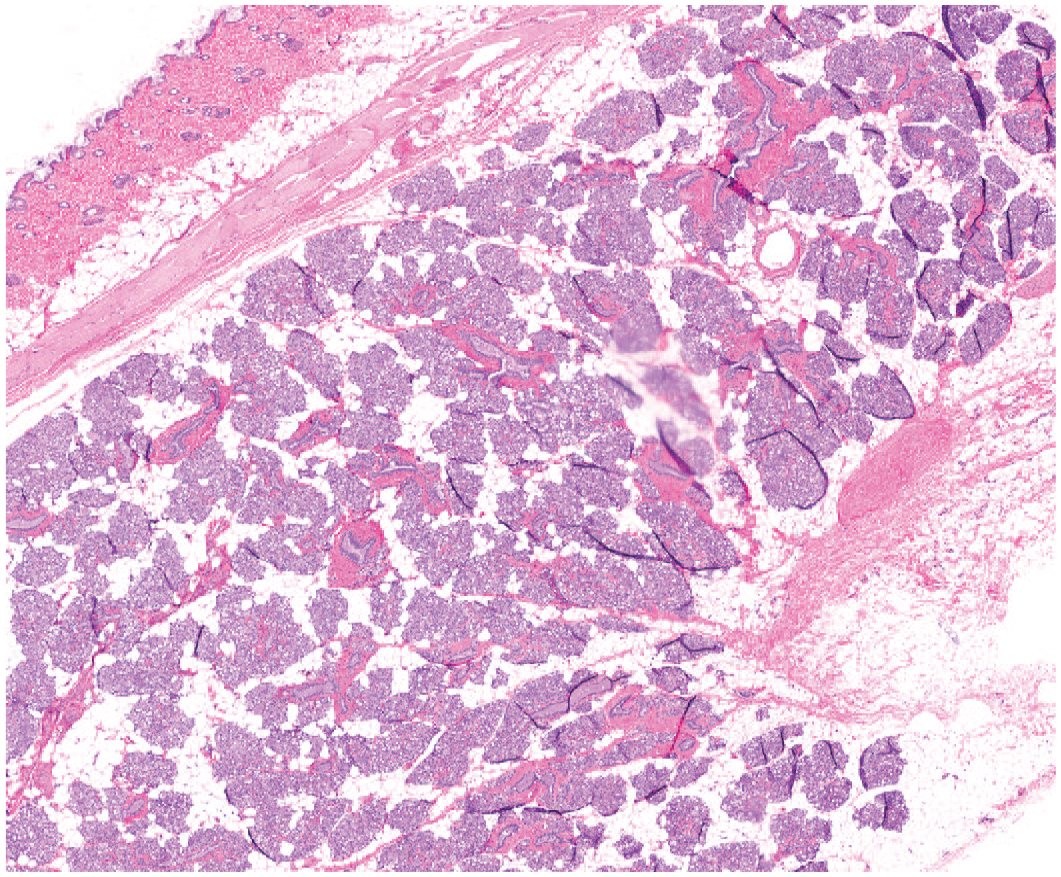
Mammary gland, female, hyperplasia, diffuse (original objective 2X).
Incidence of microscopic findings in miscellaneous tissues of SD rats in 104-week studies.
Abbreviation: SD, Sprague Dawley.
Conclusions
The most common reported nonneoplastic spontaneous background lesions in SD rats on 104-week studies were CPN in the kidney (81% male and 54% female rats), RPCM of the heart (73% male and 45% female rats), inflammation of the prostate (69% male rats), compression in the brain (36% male and 63% female rats), hepatocyte vacuolation (50% male and 43% female rats), bile duct hyperplasia (42% male and 30% female rats) in the liver, and alveolar macrophage infiltration in the lung (25% male and 16% female rats).
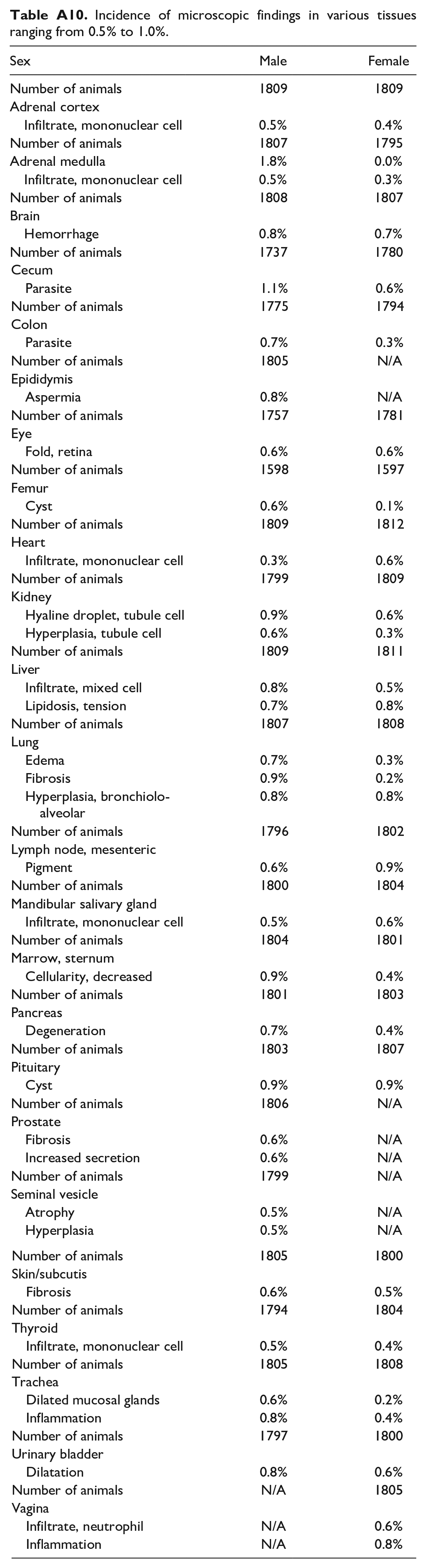
Other less common nonneoplastic findings were cystic degeneration of the adrenal cortex (16% male and 65% female rats), foci of alteration in the liver (basophilic: 15% male and 56% female rats; clear: 6% male and 5% female rats; and mixed: 2% male and 2% female rats), hyperplasia of the pituitary gland (15% male and 9% female rats), epithelial hyperplasia in the thymus (5% male and 34% female rats), thyroid hyperplasia (C-cell: 17% male and 34% female rats; follicular cell: 4% male and 1% female rats), degeneration/atrophy, seminiferous tubule of the testis (12% male rats), and cystic endometrial hyperplasia of the uterus (17% female rats). Lesions of incidence between 0.5% and 1.0% are furthermore provided in a table in the appendix (Table A10).
The incidence of nonneoplastic microscopic findings reported during 104-week carcinogenicity studies in SD rats are not commonly reported but can provide support for the interpretation of findings reported during 104-week carcinogenicity studies. The compilation of these data also highlights the importance of the use of INHAND terminologies and the standardization of nomenclature used on carcinogenicity studies.
This also highlights the importance of including important descriptors when using INHAND terminologies, such as a distribution. A focal versus diffuse descriptor is very important in the differentiation between focal and diffuse hyperplasia, where one maybe a reactive response, whereas focal hyperplasia is generally considered preneoplastic. The data in our historical control often did not include a distribution descriptor, which can make some interpretations more difficult.
This is also especially important as the industry is ever evolving and new strategies are theorized to best implement the 3 Rs (replacement, reduction, and refinement) in animal toxicology studies. Standardization of diagnostic criteria is considered essential for the consistent and appropriate interpretation of a study and can ensure consistency across different pathologists and laboratories. 7 This is important for the 3 Rs by refining useful historical control databases by aligning terms and removing synonymous diagnostic terminologies.
Footnotes
Appendix
Incidence of microscopic findings in various tissues ranging from 0.5% to 1.0%.
| Sex | Male | Female |
|---|---|---|
| Number of animals | 1809 | 1809 |
| Adrenal cortex | ||
| Infiltrate, mononuclear cell | 0.5% | 0.4% |
| Number of animals | 1807 | 1795 |
| Adrenal medulla | 1.8% | 0.0% |
| Infiltrate, mononuclear cell | 0.5% | 0.3% |
| Number of animals | 1808 | 1807 |
| Brain | ||
| Hemorrhage | 0.8% | 0.7% |
| Number of animals | 1737 | 1780 |
| Cecum | ||
| Parasite | 1.1% | 0.6% |
| Number of animals | 1775 | 1794 |
| Colon | ||
| Parasite | 0.7% | 0.3% |
| Number of animals | 1805 | N/A |
| Epididymis | ||
| Aspermia | 0.8% | N/A |
| Number of animals | 1757 | 1781 |
| Eye | ||
| Fold, retina | 0.6% | 0.6% |
| Number of animals | 1598 | 1597 |
| Femur | ||
| Cyst | 0.6% | 0.1% |
| Number of animals | 1809 | 1812 |
| Heart | ||
| Infiltrate, mononuclear cell | 0.3% | 0.6% |
| Number of animals | 1799 | 1809 |
| Kidney | ||
| Hyaline droplet, tubule cell | 0.9% | 0.6% |
| Hyperplasia, tubule cell | 0.6% | 0.3% |
| Number of animals | 1809 | 1811 |
| Liver | ||
| Infiltrate, mixed cell | 0.8% | 0.5% |
| Lipidosis, tension | 0.7% | 0.8% |
| Number of animals | 1807 | 1808 |
| Lung | ||
| Edema | 0.7% | 0.3% |
| Fibrosis | 0.9% | 0.2% |
| Hyperplasia, bronchiolo- alveolar | 0.8% | 0.8% |
| Number of animals | 1796 | 1802 |
| Lymph node, mesenteric | ||
| Pigment | 0.6% | 0.9% |
| Number of animals | 1800 | 1804 |
| Mandibular salivary gland | ||
| Infiltrate, mononuclear cell | 0.5% | 0.6% |
| Number of animals | 1804 | 1801 |
| Marrow, sternum | ||
| Cellularity, decreased | 0.9% | 0.4% |
| Number of animals | 1801 | 1803 |
| Pancreas | ||
| Degeneration | 0.7% | 0.4% |
| Number of animals | 1803 | 1807 |
| Pituitary | ||
| Cyst | 0.9% | 0.9% |
| Number of animals | 1806 | N/A |
| Prostate | ||
| Fibrosis | 0.6% | N/A |
| Increased secretion | 0.6% | N/A |
| Number of animals | 1799 | N/A |
| Seminal vesicle | ||
| Atrophy | 0.5% | N/A |
| Hyperplasia | 0.5% | N/A |
| Number of animals | 1805 | 1800 |
| Skin/subcutis | ||
| Fibrosis | 0.6% | 0.5% |
| Number of animals | 1794 | 1804 |
| Thyroid | ||
| Infiltrate, mononuclear cell | 0.5% | 0.4% |
| Number of animals | 1805 | 1808 |
| Trachea | ||
| Dilated mucosal glands | 0.6% | 0.2% |
| Inflammation | 0.8% | 0.4% |
| Number of animals | 1797 | 1800 |
| Urinary bladder | ||
| Dilatation | 0.8% | 0.6% |
| Number of animals | N/A | 1805 |
| Vagina | ||
| Infiltrate, neutrophil | N/A | 0.6% |
| Inflammation | N/A | 0.8% |
Acknowledgements
The authors would like to thank Julie Turner for her assistance with the historical control background data and Steve Van Adestine for scanning and preparing the images. The authors would also like to acknowledge Dr Duane Belote, Dr Marcia Perreria Bacaras, and Dr Sasmita Mishra for providing the carcinogenicity study data.
Correction (December 2024):
Article updated to correct the figure legends for figures 5, 6, 7, 10, 11, 12, 13, 14, 15, 17, 22, and 27.
Declaration of Conflicting Interests
The author(s) declared no potential conflicts of interest with respect to the research, authorship, and/or publication of this article.
Funding
The author(s) received no financial support for the research, authorship, and/or publication of this article.
