




Abstract
This study served to conceptualize neurodisability (ND) navigation-building. Capacity-building toward wide-reaching ND navigation or help-seeking service lacks empirical evidence. Researchers widely agree that a system-wide framework is absent. While research emphasizes service-level findings, other jurisdiction- and policy-level insights are lacking. Using Collective Community Impact and Participatory Action Research, government and nongovernment organizations in three Canadian regions implemented novel cross-jurisdictional initiatives to improve navigation capacity. Family-partners and other stakeholders systematically engaged in discussions. Grounded in qualitative thematic design, we sought to unveil connections between emerging themes. These themes led to stakeholders co-constructing an intersectoral navigation-building conceptualization. A framework was essential for highlighting change-levers and potential replication in other jurisdictions/landscapes. Finally, practice and policy implications compatible with an ecosystem model are presented.
Keywords
Introduction
This article presents the co-construction of a navigation-building framework to facilitate help-seeking and access to supports for children/youth with neurodisability (ND) and their families. Caregivers of children and youth with ND face numerous challenges related to help-seeking (Glidden, 2018), and they do so while facing concurrent challenges related to heightened stress, mental health needs, reduced quality of life, and significant financial and social burden (Lach et al., 2009; Miodrag & Hodapp, 2010; Rothwell et al., 2020). Help-seeking entails the role that caregivers play in initiating, accessing, and maintaining relationships that provide for and meet the needs of their child and family (Glidden, 2018). However, help-seeking by caregivers does not occur in a vacuum, and the extent to which help-seeking is successful is highly contingent on the environment within which help-seeking takes place. Importantly, help-seeking for these families is complex, spanning across health care, social, educational, housing, employment, financial, legal, recreational, and community-based sectors. Moreover, as one of the 82 signatories to the United Nations Convention on the Rights of Persons with Disabilities (2006), Canada is committed to reduce barriers to participation in society for children and youth with ND and their families. Canada thus offers varying degrees of support through federal and provincial/territorial government and nongovernment organization (NGO) programs and services, to help meet their lifelong needs. Despite this commitment, researchers identified a disconnect between jurisdictions and between authorities in health, social services, education, justice, child, and youth protection (Prince, 2019; Salvino et al., 2022). The ambiguity and complexity of government disability benefits may additionally contribute to these access challenges (Prince, 2019). During a visit to Canada, the United Nations Rapporteur highlighted roadblocks in accessing supports and also disjointed quality care over time, who recommended the implementation of an integrated framework for children/youth with ND “ . . . to ensure a collaborative team-based, client-oriented approach” (Office of the United Nations High Commissioner for Human Rights, 2019). Also, the layering of constitutionally determined provincial/federal division of powers further challenges any coordinated approach to care. The political discourse commits to meeting citizen’s needs from birth to end of life and align with national and international charters of rights to health and equity for all citizens. While such promises have evolved or changed (to some degree) over the past several decades, they often misalign with the everyday experiences of ND families, calling for broad cross-regional, jurisdictional and national change.
“Navigation” is a term that has appeared in practice and scholarship in the past three decades. Navigation or navigator-delivered service is broadly defined as a barrier-reduction intervention to facilitate access to health and social services that are provided by trained navigators—professional providers, lay persons, and peers with shared lived experience (Kelly et al., 2019). Doucet and colleagues (2019) also found that navigation fosters coordination and integration across disparate services and sectors. Navigation emerged in the 1990s, primarily focusing on adherence to treatment and access to health care in patients with cancer (Freeman & Rodriguez, 2011; Paskett et al., 2011). While navigation has traditionally concentrated on improving care processes for adults and children with chronic illness (Luke et al., 2018; McBrien et al., 2018), navigation programs specific to children with ND and families are not universally available (Luke et al., 2018). Empirical evidence on the benefits of navigation in ND child populations is recently emerging (Doucet et al., 2019; Feinberg et al.,2016, 2021; Hadland & Long, 2014; Luke et al., 2020; Reid et al., 2020). Navigators support families ultimately for the social inclusion of people with ND (Gardiner et al., 2021). Much of the ND literature in children and families is conceptual (Antonelli et al., 2009; Doucet et al., 2017; Gardiner et al., 2021; Kokorelias et al., 2019; Luke et al., 2018; Rollins et al., 2019). Navigation frameworks to date mainly depict care processes, “navigator” roles and attributes—whether professional, lay, or peer navigators—and health care–related outcomes (Parker & Lemak, 2015). The vast majority of the evidence highlights a central focus on personal and interactional factors such as the importance of collaboration between the client and the care-provider, and inner organizational policy. To date, research on navigation for children with ND and their families reveals a very limited focus on other system-level factors. This individual- and practice-level focus conceals the importance that societal or legislative factors play in navigation. Knowledge and understanding about these larger system factors may be vital to improving broad support and access for this population. Until now, little attention has been paid to the socio-jurisdictional context within which navigation takes place. Finally, the literature concentrates primarily on understanding navigation within a health care framework. Thus, understanding a broader multisectoral framework beyond health care is also vital to guiding and improving initiatives to accessing support for this population.
ND is a group of congenital or acquired long-term conditions that are attributed to impairment of the brain and/or neuromuscular system . . . Conditions may vary over time, occur alone or in combination, and include a broad range of severity and complexity. (Morris et al., 2013, p. 1103)
This consensus-based definition of ND highlights a heterogeneous group of possibly lifelong conditions, characterized by impairments in motor, cognitive, hearing/vision, communication, emotional, and/or behavioral performance (Morris et al., 2013). The estimated prevalence of ND in Canada ranges from 8.3% to 13.7% (Arim et al., 2017; Sentenac et al., 2019; Statistics Canada, 2019). Prevalence rates vary based on the data set and methods used, and the age group referred to.
To address these navigational gaps, an interdisciplinary and intersectoral group of stakeholders from diverse regions launched a cross-jurisdictional project that led to the conceptualization of a cross-regional navigation-building framework through shared co-construction. The ultimate purpose of this project is thus to describe the framework to support help-seeking and access to supports for children and youth with ND and their families.
Literature Review: Theoretical Foundations
In a recent review of social determinants of health frameworks by Filipe and colleagues (2020), an ecosocial conceptualization was developed that depicted determinants and processes associated with living a life of quality for children with ND and their families. The “action” side of the framework articulated the multiple systems involved in creating social change for these families as well as a process to follow to generate social change (Filipe et al., 2020). The framework is not specific to navigation as the social issue that is being addressed. Thus, in the spirit of adapting and furthering the conceptualization of that portion of the framework, and to generate a more in-depth understanding of navigation-building, we propose to draw on the literature and results from a participatory and community-based navigation project that took place in three regions in Canada.
Cross-Regional Navigation Support Initiative
This article is based on findings from a Cross-Regional Navigation Support Initiative. This project was implemented in three distinct jurisdictions in western Canada. The purpose of the overarching initiative was to improve the interconnections and regional-responsiveness of navigation support services and systems within and across jurisdictions, with a focus on improving ND navigation and related family support services for children/youth with ND and families. In Year 1 of the initiative, regional partners and researchers began preliminary groundwork on understanding navigation in terms of both ND and regional priorities. In Year 2, on-the-ground actions were implemented addressing respective regional priorities that were identified in the first year. Our article draws on findings from these regions, each of which contributed to the co-construction of a new ND navigation capacity-building framework.
Research Objective
The specific aim of this action research project was to conceptualize a framework for service delivery and policy-making that are specific to ND navigation capacity-building. We drew on activities located in three regions in Canada, each of which was partners in a participatory action research (PAR) project dedicated to improving navigation capacity.
Method
Navigation capacity-building activities in the three regions were as follows. In Region 1, the regional group concentrated on three initiatives: (1) service improvements within a tertiary care facility responsible for developmental assessments, diagnosis, and postdiagnosis follow-up to improve hospital-to-community transition experiences; (2) capacity-building among those providing navigation support to families of children with ND across the province; and (3) evaluation of existing parent-peer mentor supports. In Region 2, the focus was to generate priorities through a comprehensive process to learn about stakeholder understandings and experiences of navigating and accessing services and supports across different ND conditions in urban, rural, and remote communities that would improve navigation capacity in those regions. This focus included developing training modules for navigators and piloting a parent-peer mentor program. In Region 3 that was located in a rural and remote community, efforts were focused largely on inserting a navigator into the community to address the navigational experiences of those living in that community.
Research Methodology and Design
To achieve our objective of developing a framework, we grounded our study on a qualitative reflective thematic design (Braun & Clarke, 2021) and used Collective Community Impact and PAR approaches. Kania and Kramer (2011) describe Collective Community Impact as a novel approach to co-create needed change by multiple organizations, through ongoing feedback loops and learning, and the immediate action that comes from a united and synchronous response among all participants (p. 40). Five collective impact conditions were used as the structure for discussions and work in this project: (1) backbone support (administrative supports), (2) a common agenda, (3) continuous communication, (4) mutually reinforcing activities, and (5) shared measurement. Regions provided regular progress reports on how navigation improvements were unfolding in their respective region. PAR entails transparency with participants and with a wider audience of stakeholders about continual choices made toward goal achievement and outcomes (Reason & Bradbury, 2008). Three key practice principles are integrated by PAR practitioners: participation as in life in society and democracy, taking action through engagement with those who have lived experience, and research to contribute and share scientific knowledge for social change (Chevalier & Buckles, 2013). Indeed, regional groups, researchers, and stakeholders partnered to define the problem, design a path forward, and ongoingly report goal achievement. Hence, PAR enables relational accountability pertaining to the project aim. Reflexive analysis enabled our understanding of ND navigation capacity-building, and PAR was central to the framework co-construction.
Sampling and Participants
At the inception of the project, 38 organizational representatives from across the three regions came together. After that, each region brought together an initial group of stakeholders to address navigation in their jurisdiction. These stakeholders included parents, grandparents, family and self-advocates, and representative leaders from government and NGOs. Government organization stakeholders represented health, social and community care, child and family, education, housing, justice, income support, and navigation programs. Nongovernment sector stakeholders were leaders from disability-specific organizations—autism, cerebral palsy, fetal alcohol spectrum disorders (FASD), and the like—or pan-disability organizations. Sector representation varied from jurisdiction to jurisdiction and over time. Input was gathered over the course of the project to address information needs as they arose. This engagement was accomplished through surveys and focus groups that were conducted on an as-needed basis. In this way, the initial involvement of the 38 representatives snowballed exponentially (see Figure 1). More than 700 stakeholders participated in one or several community engagement activities.
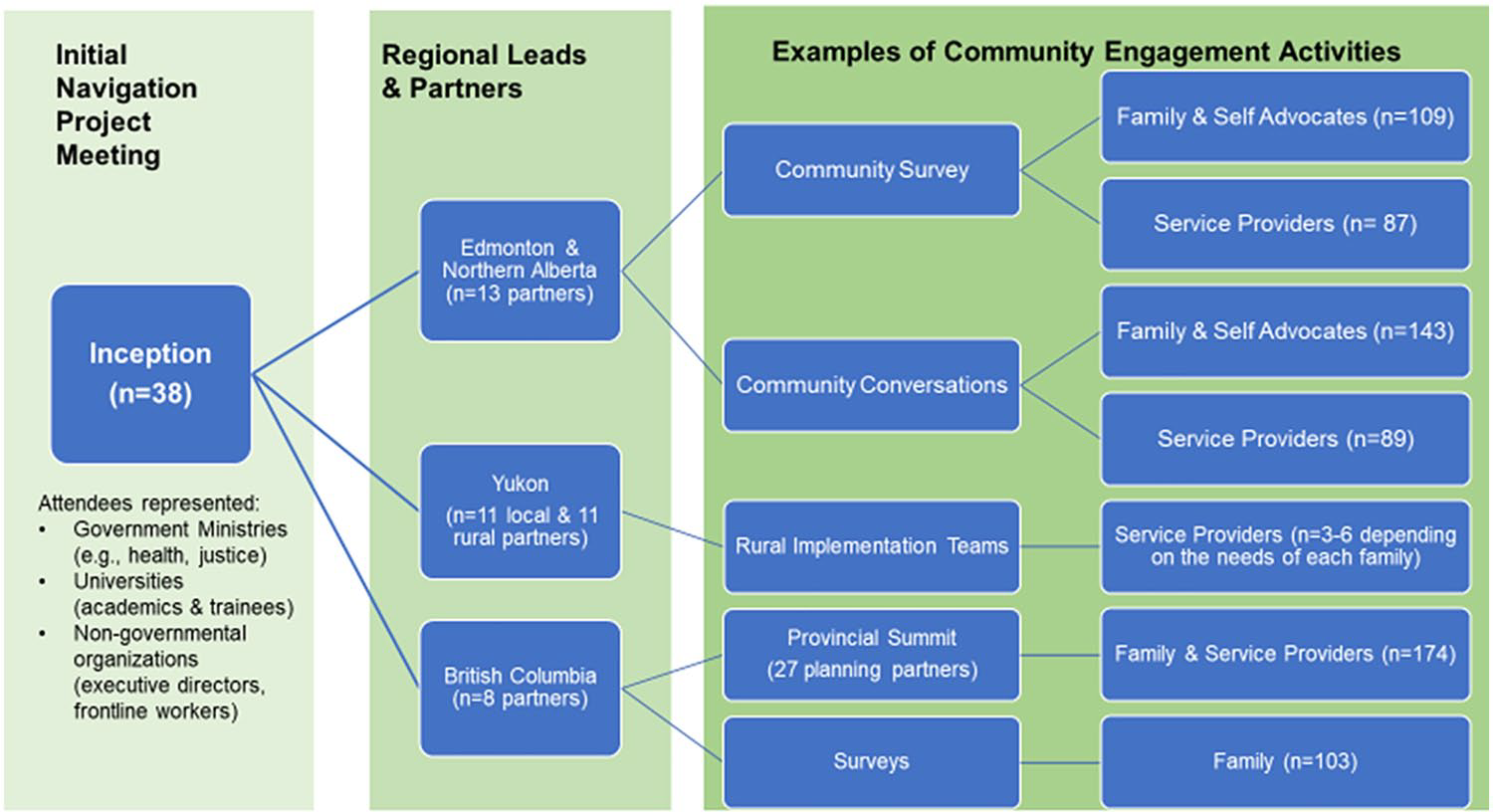
Regional partner and stakeholder representation: Snowball effect.
Data Collection, Analysis, and Interpretation
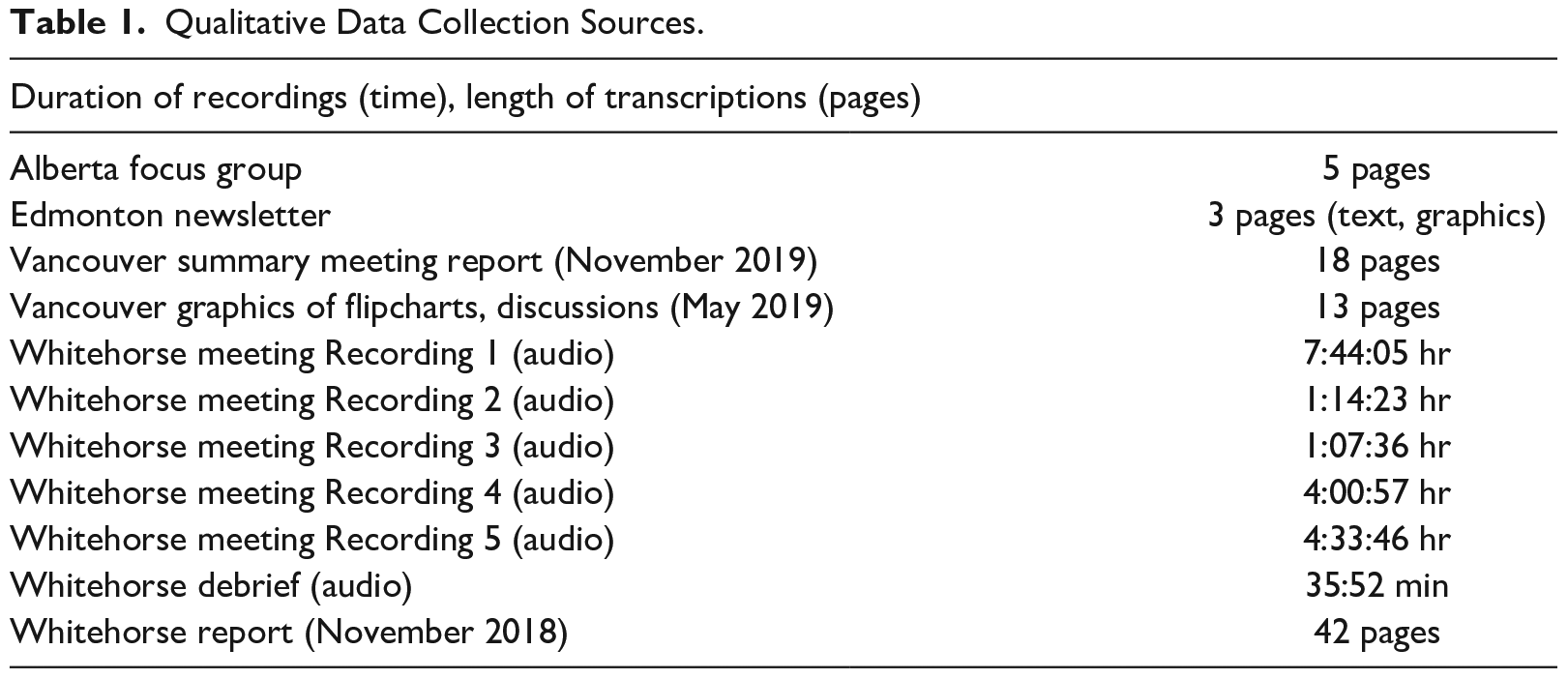
Family members, self-advocates, and ND-centered navigation providers played a critical role in informing data collection, analyses, and interpretation from the very outset and throughout all stages of this initiative. Specifically, data analysis followed a triangulation of data sources approach that informed the interpretation of findings (Jonsen & Jehn, 2009). Using the collective impact approach described earlier, regions shared their core needs, challenges, and hopes in illustrating how navigation has been unfolding and what is needed in their region. The data that were thus used to construct the navigation capacity-building conceptualization included a literature review of models—ND, children and families, interprofessionality, health; an in-depth synthesis of the literature on ND navigation; minutes from individual and cross-regional monthly team meetings; summary reports and documents; progress reports provided to funders; proceedings from annual meetings; graphic artists’ depictions of stakeholder discussions drawn during cross-regional meetings; memos; and field notes and recordings of individual and group interviews or discussions. Table 1 summarizes data sources used in the triangulation approach.
Qualitative Data Collection Sources.
As data were revealed and understood, we had an opportunity to conceptualize regional, multilayered work, actions, and findings. Of note, recordings were originally intended for knowledge translation efforts and provided us the opportunity to deepen our understanding of navigation capacity-building. This engagement process and collective reflections led to this study and data analysis. Also, surveys from community conversations generated limited cross-regional data, so this study analysis concentrated on qualitative data alone.
The data analysis aligned with a theoretical conceptual design template (Jaakkola, 2020). This model template includes the synthesis of data collected to explain relationships between concepts or constructs. The main concept is the phenomenon studied—ND navigation capacity-building—and its relationship with other concepts—themes that emerged from this study. We sought to unveil connections between thematic concepts revealed. All data were analyzed to examine the theoretical framework alignment in the following ways. We applied and adapted the ecosystem theory over time. Namely, multisystems thinking embedded forum discussions. Also, lead researchers encouraged regional partners to engage with broad and varied stakeholders at different system levels. The triangulation of data sources entailed three broad steps. First, findings drew on many existing theoretical models and on navigation-related literature for children with ND and their families. However, Bronfenbrenner’s (2009) six-level conceptual model of six social-context systems was particularly helpful when interpreting findings. Table 2 presents the definition of systems and other terms used in this article.
Definition of Terms.
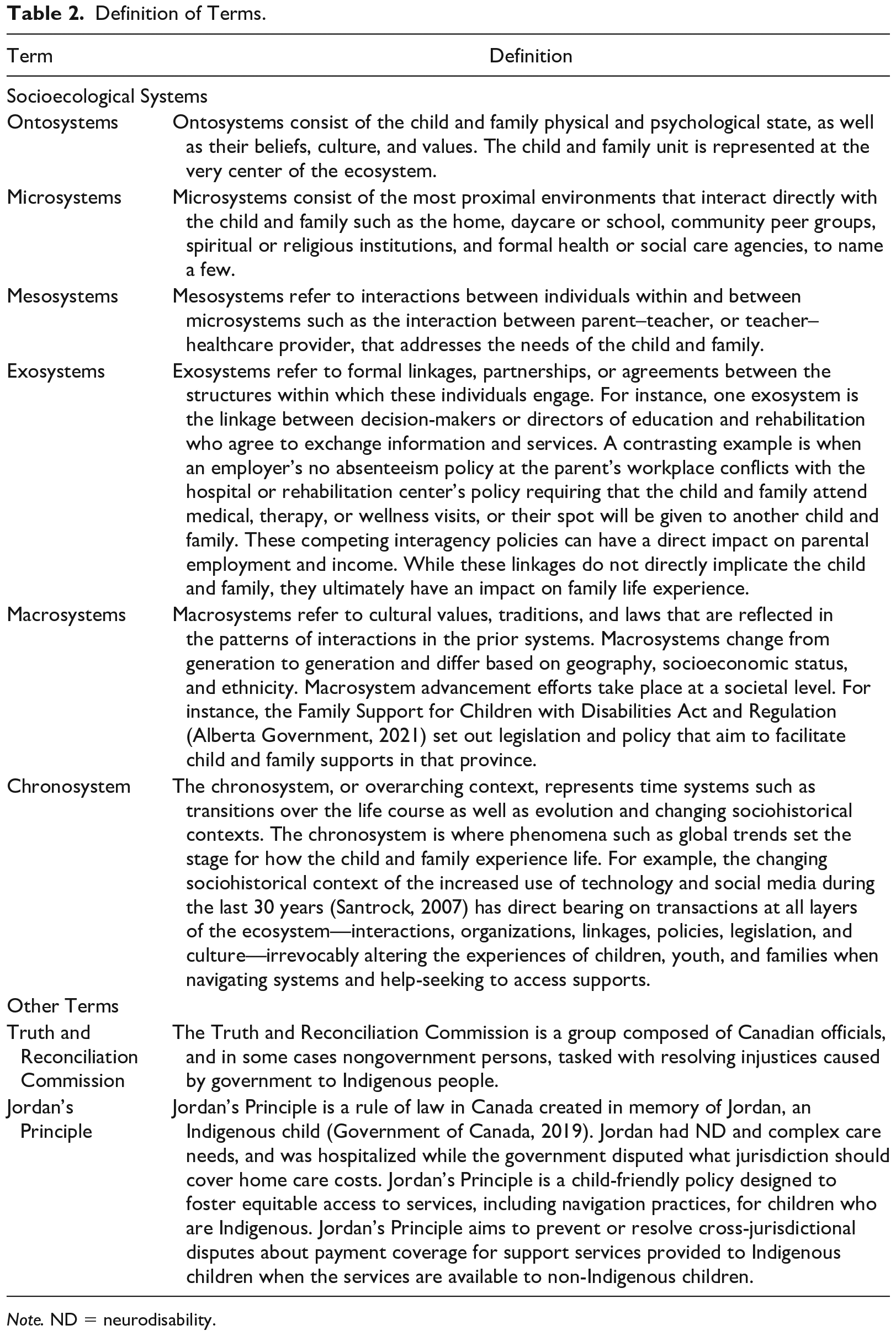
Note. ND = neurodisability.
First, a Microsoft Excel spreadsheet was used to categorize and contextualize data into themes. Second, the data and our own lived experience of the processes were reviewed and reflected upon to arrive at a preliminary conceptual framework. This initial sketch (on a napkin!) was then iterated with the literature and the data. Third, drafts of the framework were presented to regional team leaders for consultation and refinement. Consultation with regional partners served to co-construct multiple framework iterations.
Ensuring Rigor
In this study, we incorporated several key steps to ensure rigor. First, all authors and participants have experience in clinical, research, community navigation, or a combination of the three, in the area of children or youth with ND. This permitted ongoing peer debriefing via frequent review of emerging findings. Our analysis incorporated a process such that emerging themes were checked against corroborating data as well as the potential for disconfirming data and “expert” experience (Booth et al., 2013). Member checking was conducted by presenting emergent findings to teams. An audit trail of recordings, summaries, transcripts, queries, and models considered was collated and saved. A review of the findings represented validation of the emergent content, themes, and the ND navigational framework. Finally, the findings were informed by the data analysis triangulation approach previously described. The blending of different methods and regional stakeholder groups in capacity-building, and reflective learning groups, ultimately enhanced depth and applicability of findings by considering broad lived experience and perspectives across varied contexts. Research ethics board approval (REB18-0189) was received by the University of Calgary. Participant confidentiality has been honored in reporting only aggregate findings.
Results
Our cross-regional findings led to the conceptualization of the Lifespan Neurodisability Navigation-Building Integrated Framework (see Figure 2).
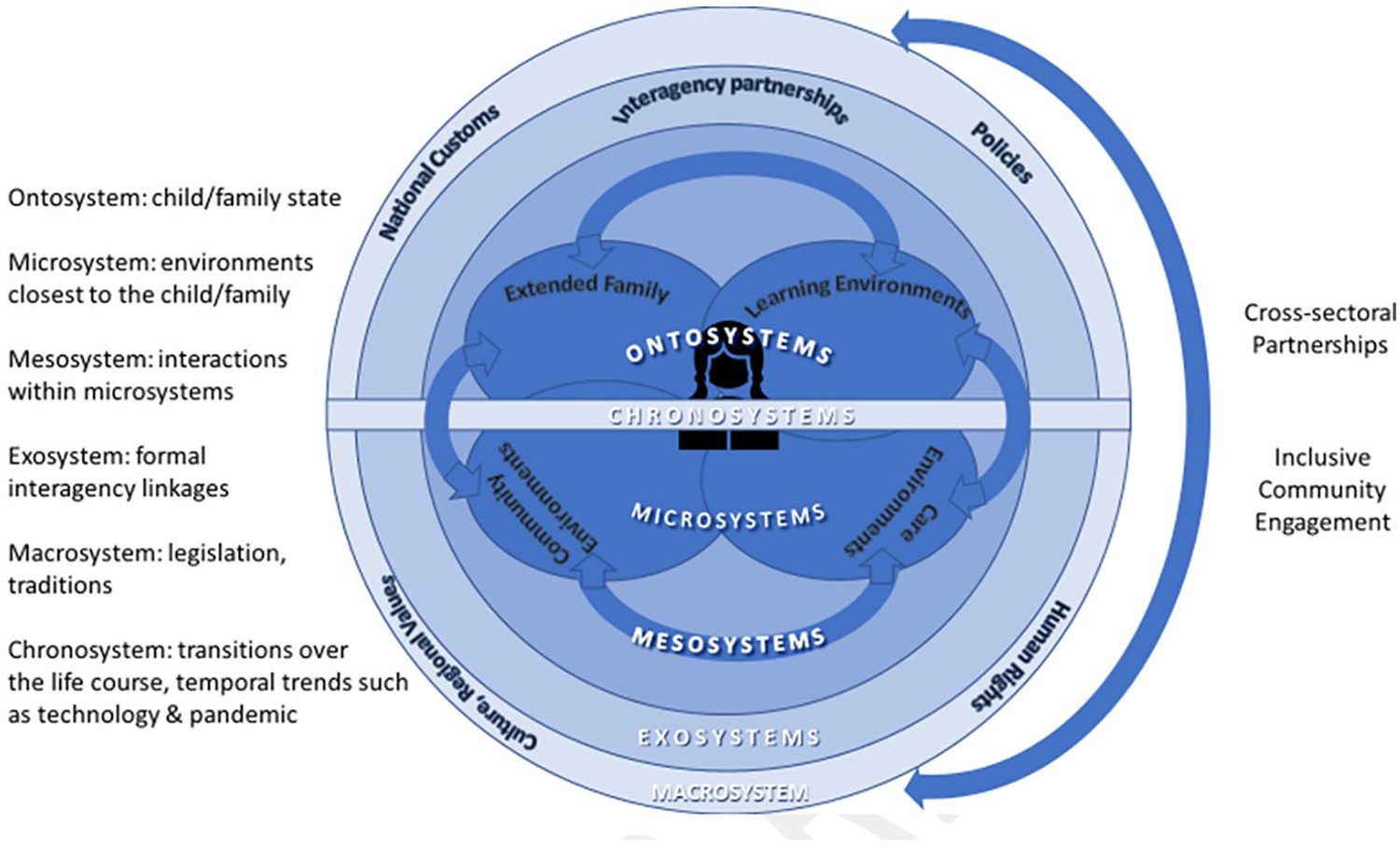
Lifespan Neurodisability Navigation-Building Integrated Framework.
This interconnected framework that emerged from the two-year initiative reflects consistency across communities in amplifying systemic, multisectoral, and interagency ND navigation processes, presented in ecosystem themes. Importantly, this conceptualization was not an academic exercise. The conceptualization went through 10 iterations to arrive at the version presented here. Furthermore, when interpreting the data, jointly with regional partners, we realized that an adaptation and application of Bronfenbrenner’s (2009) six-system social-context model best represented navigation capacity-building for this population. Teams also identified relevant regional characteristics and areas for development, discovering agreement on the vitalness of inclusive cross-systemic community engagement and “cross-sectoral partnership” across regions and across disabilities.
Emerging Themes: ND Navigation Ecosystems
Regional navigation capacity-building activities happened in each social-context system, depending on the idiosyncrasies of how services were designed and where gaps were identified. The themes that emerged are presented next and are structured in the six socioecological systems.
Focus on the Individual Child and Family: Ontosystem Theme
At the center of the navigation-building framework are the child and family. The essence of navigation-building in ND is to support both. The central role of the family cannot be disentangled from the well-being of the child. In this way, families have a dual role insofar as they are navigators on behalf of their child and family and the recipients of navigation support. In some cases, they had a third role, which was to provide navigation support for their peers. In doing so, their own capacity to fulfill the first two roles was strengthened. This suggests the need to build their capacity to navigate and to build navigation capacity to support them. In all regions, emphasis was greater on the latter than on the former. During a regional meeting discussion, one parent from Alberta voiced, “We need support and every day is a struggle for us. But until you (nonfamily stakeholders) take our issues, what we’re working on in our home you possibly won’t understand.”
Child and Family Interactions and Immediate Environments: Microsystem-Mesosystem Theme
Findings highlighted individual child and family environments (microsystems) and interactions (mesosystems) as they live their everyday lives with ND. Environments across regions included the home, extended family settings, daycares, schools and other learning settings, health and social service facilities, and community groups such as peers, neighbors, and spiritual and religious settings. Child and family interactions with people in their environments happen in all regions especially because of ND families chronically and universally facing barriers and dead-ends when help-seeking and trying to access help. Regions also reflected that interactions with personnel in hospitals, rehabilitation centers, educational institutions, schools, and NGOs, to name a few, revealed occasional misaligned organizational or institutional mandates with child and family priorities and experience. Communication modes, language used, goals, visions, and beliefs sometimes contrasted between the organizational environments and children and families. In one focus group, a participant expressed, often when we talk to families they equate this to, “Oh yeah I want quicker, better services” or whatever. And we kind of established that what this is about is that there’s a problem of the pathways in the interstitial spaces between services.
As one example of child and family interaction and immediate environment findings, the Region 1 team developed a service improvement initiative at a tertiary care developmental assessment and diagnostic facility’s autism program. Through an evaluation using online and phone-based surveys of 103 families, this center learned that the majority of families (84%) had outstanding questions for providers, and many strongly desired some form of follow-up by providers. Researchers also learned that families wait to initiate service referrals. Knowledge of this dysfunctional interaction between the child and family and intended community support workers prompted a reflection on what could be done differently to ameliorate this delay in service provision. In Region 2, community conversations were held between researchers, families, and service providers revealing both common and distinct child and family system challenges and experiences. Family voices were echoed by provider experiences, reflecting universal help-seeking challenges. One nonfamily member stakeholder described, “By leading families around a broken system, we take the impotence away from fixing the system itself . . . Hearing service providers say, ‘I’m navigating, but I’m also pushing the edges of the system’.” This region implemented child and family system-level solutions, including, for instance, to increase capacity of an existing online and phone-in platform to support ND families and to implement a parent-to-parent pilot program adapted from a parent-to-parent service in Region 1. Region 3’s project was grounded on a community service collaborative coordination program developed by an NGO, in partnership with Indigenous community services. This group aimed to build local navigation capacity for families living in a remote community. Namely, this region facilitated effective navigational pathways for families and individuals with ND from a remote region to be connected to needed urban services not available in their home community.
Formal Interagency Linkages: Exosystem Theme
Broader navigation mapping and community outreach occurred between agencies. All three regions engaged in partnership initiatives toward improving rural or community ND navigational capacity. One provider shared the potential organizational breakdown when passion is reserved to a single provider: “ . . . it is hard to think it always will depend on one person. When that person left, families really struggle to regain . . . how do you shift the policy and procedures?” Building on the earlier examples of family–organizational interactions, organization-to-organization linkages entailed determining formal interagency agreements to improve and sustain broad regional navigation and access to ND services. In response to findings from interactions with families in Region 1, the tertiary care facility developed a formal agreement with a distinct but complementary community-based agency that provides information, support, and, in the broadest sense, community “navigational” services. The two agencies partnered to ensure that families were linked to navigation help immediately following diagnosis for autism spectrum disorder. This region addressed privacy issues across organizations in a way that upholds ethical standards but simultaneously ensures seamless service access for families–an agreement that necessarily crosses organizational lines. This linkage eased child and family transitioning from the diagnostic center to the community navigation agency. The novel privacy agreement reduced burden on families and increased the likelihood that postdiagnosis support was transferred to the community navigation agency and would be made in a timely way. This formal linkage exemplifies the potential for interagency ND navigation-building.
The Region 2 group found that service access challenges stemmed from organizations and agencies working in silos. One stakeholder highlighted the need for preventive regional approaches stating, “Kids and families fitting into the “crisis” category have some interesting and promising systems in place. (There is need for) looking at prevention, not just being there for crisis.” A partnership was created between a rehabilitation facility, cross-sector community and service-provision organizations, and a group of university-based researchers. These regional partners proactively addressed help-seeking and access gaps by improving ND information and service integration through the online and phone platform referred to earlier.
Region 3 launched a rural capacity-building pilot initiative. Community members and service providers came together to map navigation supports, and, in doing so, implemented navigation-building training. The training focused on collaborative service coordination to increase navigation knowledge in rural and remote regions, and ultimately overcome geographical and situational challenges in service access. This initiative helped to re-engage old connections, put in place new interagency agreements, and create formal regional linkages, to help build rural navigation capacity. Such broad engagement strategies led to novel or strengthened interagency partnerships. These formal linkages or exosystems depended on two or more agency leaders developing an agreement that indirectly implicates children and families.
Culture, Regional Customs, Legislation, and Policy: Macrosystem Theme
Jurisdictional culture, customs, law, and policy were also revealed in all regional navigation initiatives to lesser or greater degrees. One example was the co-creation of a regional group culture comprising a shared vision and aims, and a plan to work together across sectors and ND conditions to inform local or regional public policy. In Region 1, while there was involvement of government throughout the process, their role was perhaps more observational and advisory, given Region 1’s focus entailed bringing together existing navigational resources and providers. Macrosystem findings emerged especially in the other two regions, through shared principles and interministerial, cross-sectoral, and cross-systems engagement with individuals in government and NGOs. Shared principles and beliefs that emerged from Region 2 comprised inclusion, equity, transparency, person- and family-centeredness, jurisdictional comprehensiveness and efficiency, and timely and seamless service access. Region 3 created a shared regional culture that reflected navigational challenges to be overcome by community while also acknowledging community strengths. In a discussion held at a cross-regional meeting, participants brought up the need to shift organizational policy to prevent inadvertent cultural inequity: . . . if we are trying to build capacity . . . that’s at the ground but then we also have to be working at the manager level because we can build a lot of capacity, one on the policy part . . . like with the First Nations that ‘Well if your policy said a person can’t come in to talk to you. . . more than once, how much do they get funded and how are we (to) know that given that funding is not even going to work for them’ . . . what level do we need to be talking to . . . (for) that system change?
A focus group participant echoed a similar observation in stating, “. . . (a mentorship program) can really create a systematic inequity that might not have been envisioned with the policy around how that process was going to work . . . .” Strategies that led to improved macrosystems included partnerships with family and caregivers; key decision-makers in government departments such as health, social, education, and justice; and NGOs. In Regions 2 and 3, policy submissions were made to provincial, territorial, or federal policymakers. The intent was to receive government support for multisector partnership and engagement to advance ND navigation and inform government of needed jurisdictional policy change. Jordan’s Principle is an example of a macrosystem (Table 2). This child-first government policy was viewed as a facilitator by all regions. As one regional group discussed, we have a youth justice program where every single youth on probation in (this region) is screened for FASD um, and if they meet the screening criteria then they are referred to (organization) for follow-up. . . . So from that perspective, we see youth from all over . . . then this past year we’ve been taking on a lot more work with Jordan’s Principle . . . a lot of those families are coming from across the (region), so we’ve taken on one particularly large project with one specific First Nation. . . . So that’s been a wonderful learning curve.
Findings on Sociohistorical Trends and Changes Over Decades: Chronosystem Theme
The processes presented in this section reflect sociohistorical contexts and changes over time. While our study was completed in about two years, temporal shifts emerged in our findings. To begin, sociohistorical contexts emerged in parenting, such as higher incidences of both parents working full-time, along with prevalent divorced, separated, or blended families who share custody of children—all topics highlighted by stakeholders in various regions. The economic pressures that may require two incomes can add financial strain on families. Furthermore, moving to a new geographic area is at times imposed on families when natural supports are not within their community, placing an additional navigational burden on families. These varying family compositions in a contemporary society have led to trends such as single parenthood and growing demands on grandparents. Another changing sociohistorical context that was discussed in all regions was the historic inequities and intergenerational trauma within many Indigenous communities that led to the creation of the Truth and Reconciliation Commission aiming for equity (Table 2). One of the cross-regional discussions centered on being culturally informed and aware of this sociohistoric change. Last, of prominent relevance today is the pandemic that emerged in 2019 due to COVID-19. This trend emerged toward the conclusion of this study. The help-seeking burden on children and families has been exacerbated by COVID-19 with the recent macrosystem policies and legislation that reduced or altogether removed support structures, due to physical distancing directives—deleteriously influencing ND navigation. One region needed to shift from navigation-centered service and regional focus to basic community needs. This shift was referred to as a necessary “pivot.” Such chronosystem background contexts influence the world in which children and their families live and develop, and directly impact the degree to which their navigation is facilitated or impeded.
Discussion
Understanding the complexities of implementing community-based, widespread navigation has been advanced by application in three distinct jurisdictions that has resulted in transformative regional ND navigation capacity-building—all with territorial cross-sectoral applications across health care, social services, education, justice, and child welfare systems. While these regional projects are unique and emerging, they demonstrate the feasibility of transforming landscapes for social and health change. Articulating a framework also was essential for highlighting change-levers and potential replication in other jurisdictions and landscapes. Three main points add to the literature on navigation.
First, ND navigation-building requires multisector and multisystems participation, as represented within the emerging framework, which builds on current literature. As reflected in the results, Bronfenbrenner’s (2009) ecosystems were upheld with our project findings. Until now, navigational support services lacked broad regional and cross-sectoral reach. A recent national environmental scan showed promise in navigational support programs, locating 23 pediatric navigational support programs across Canada (Luke et al., 2018). Of these, a little over one third (39%) included help-seeking support for families of children with ND, but none were solely or specifically dedicated to these families. Although preliminary, this review provides evidence that although services exist in helping with access to ND supports, they are not yet universal or wide-reaching. Thus, through this multifaceted initiative, important insights into the phenomenon of regional ND navigation-building were discovered. Three distinct regions exemplify various means of advancing and building cross-sectoral and cross-systemic ND navigation. In all regions, emphasis was greater on building navigation-capacity to support children, youth, and families than on building family navigational capacity.
Our child- and family-related findings are consistent with main navigational facilitators and barriers that are well documented in the literature as these relate to social determinants, health, well-being, quality of life, and financial perspectives (Barlow et al., 2016; Bennett & Dukes, 2013; Canadian Association of Paediatric Health Centres, 2016; Clark et al., 2009; Hodgetts et al., 2015; Joshi et al., 2012; Lach et al., 2009; Moreno & Zasler, 2017; Russell et al., 2020). Our review of the literature indeed highlighted a lack interorganizational or jurisdictional navigation considerations in favor of a focus on help-seeking strategies for individuals and families. Our child, family, and agency findings are also consistent with literature on relational and organizational navigation in other pediatric populations (Hadland & Long, 2014; Reid et al., 2020), and further contribute to our understanding of ND navigation in cross-regional, multicultural landscapes. The impact of ND navigation services or lack thereof is substantial. Also, given that the focus in the literature on navigation typically has centered on dynamics within family units, child and family natural environments, and interactions with children and families in these natural environments, our findings on interagency linkages, regional cultures and policies, and broader global trend context are new. Collective Community Impact and PAR underlie ND navigation-building as especially evidenced by progress observed in the innovative regional interagency linkage findings. While cultural, custom, legislative, and policy findings were variable in each region, child- and family-friendly policies and rules of law such as Jordan’s Principle facilitate ND navigational mechanisms and transactions across regions. Furthermore, unique to our times today, the COVID-19 pandemic shaped new and sudden directives, legislation, and public health policies related to physical distancing and vaccinations. These directives would vary from jurisdiction to jurisdiction, mainly depending on public policies pertaining to timing of and access to vaccinations. Considering influences from trends over time, rare are moments when society experiences firsthand sociohistorical change such as the COVID-19 pandemic—a unique opportunity that boldly influenced our learnings later in the project.
Second, an innovative “mega” or two-tiered Collective Community Impact–PAR was applied. Using a complementary Collective Community Impact and PAR design, a community-based lifespan ND navigation-building integrated framework was co-created. The regional and cross-regional work of family members, service providers, navigators, researchers, and other stakeholders in each jurisdiction led to the development, testing, and validation of a roadmap toward capacity-building. The regional groups worked collectively both in intraregional collaboration and in capacity-building, as well as in the broad cross-regional meetings. Stakeholders participated in a two-tiered or “mega” Collective Community Impact–PAR approach, highlighting the multilayered scope of their work. The jurisdictional groups generally used this approach to capacity-build, in turn amplifying capability and strength within communities. This approach elevated areas in which further ND navigation-building was needed, but built on existing momentum and assets. The inclusive community engagement and cross-sectoral partnership are core Collective Community Impact concepts (Kania & Kramer, 2011). Ensuring participatory principles in advancing capacity has required careful attention and commitment to service provision priorities of local partners as well as amplifying the voice of, and relational accountability to, the respective communities. ND navigation-building requires principle-based action. Consistent with PAR, outcomes have been iterative through reflective cycles of learning and action. Our work together highlights collective impact processes in reflecting conditions, learning about engaging with communities, and collectively considering solutions. This approach, and its application herein, calls for meaningful, authentic solutions that address core challenges and truly ease family responsibility as the default source of relied upon care for children and youth with ND. Unquestionably, families consistently want to move beyond sharing needs and ideas to advancing with proactive action, ultimately to improve child and family health and well-being.
Third, the power of on the ground partnership to improve ND navigation was demonstrated cross-regionally. The new framework is based on mixed stakeholder experiences, and multisector engagement and partnership as well as theoretical considerations, with family experiences at the forefront. This system-wide capacity-building initiative is novel, through the development of collaborative regional networks of partners to decrease access barriers to essential services for children with ND and their families. By both working on the ground to implement interagency practices and collectively working together for improved ND navigation, the researchers balanced implementation science with systems thinking (Kroelinger et al., 2014), two inherently distinct yet complementary fields that interpret the world differently. Implementation science is a more defined and replicable approach, taking a product or service and moving it onto other regions. Systems thinking is amorphous and is not so much about precision but about relational development. In all three regions, building opportunity for agencies and sectors to work together has been integral to achieving joint aims and maintaining engagement. Project leaders used intentional and diverse communication structures on a regular basis to mutually share progress. These structures were instrumental for leaders to be accountable to all partnership levels and to the public. Family members, self-advocates, and providers of navigational services in ND played a critical role in supporting this research project. Essentially, their partner role was vital in linking the initiative to lived expertise—a commitment that is integral to this initiative. Our findings highlight that multisectoral, inclusive engagement and multisystemic partnership might help minimize competing beliefs and chasms in service access while promoting learning and action for shared societal change—an element for further evaluation. In due course, it is hoped that such social change will be experienced by children and youth with ND and families; elements, as we have described, seem integral to this desired systemic change. Finally, through partnership, we developed a theoretical understanding of the interrelationships of ND navigation. Both forward-thinking for at-risk families and multisystemic family-partners facilitate navigation capacity-building, and make sure ND navigation meets child and family needs and not what might be believed to be their needs.
In conclusion, this investigation is a first step in capacity-building toward wide-reaching, cross-sectoral navigation for persons with ND and families. Collectively, regions co-constructed a novel integrated framework through thoughtful community engagement and broad cross-regional partnerships, including families as partners from the very beginning. This new framework directly echoes and responds to the United Nations Rapporteur report highlighting the need for an integrated multisystems framework and action-driven approach for children and families (Office of the United Nations High Commissioner for Human Rights, 2019). New understanding of cross-regional ND navigational services is provided. Articulating a conceptual integrated framework of ND navigation is essential for mapping out processes for proactive change with potential for replication in other jurisdictions. To that end, the theoretical underpinning of an ecosystem was revealed as compelling in potentially fostering regional implementation and ND navigation system advancement. Our study offers important knowledge given the novel navigation-building focus and its multiple region application.
Limitations
This project is not without limitations. While heterogeneity of ND populations is found across regions, one region primarily concentrated on children with one type of ND, FASD. Second, methodological challenges reflect a lack of investigative precision. While commonalities emerged across regions, an openness to locational distinction and priority dissuaded tight precision in common outcomes across regions and dissuaded the articulation of evaluation outcomes and metrics. An inherent challenge to collective impact projects is implementing metrics, which remains an area to continue to co-develop, test, and document. Last, these findings are admittedly exploratory. Further examination and theory testing are invited. To do so, community and longitudinal studies are suggested with robust research designs.
Notwithstanding these limitations, shared outcomes and observable system advancement outcomes were achieved, noting the step-by-step integration of learning for capacity-building from this initiative. These regional projects thus exemplify how widespread advancement on the ground is possible while acknowledging that ND navigation-building indeed is not a cookie-cutter or categorical approach that nicely fits into a box.
Next research steps are now being informed by this project. For instance, efforts to strengthen the administration of community-based organizations are underway to build capacity through training and to incrementally advance and evaluate systemic shifts in ND navigation.
Implications for Practice
This study demonstrates how families, youth, and children; health and social services providers; researchers; and decision-makers can partner in research. Importantly, this investigation has engaged with families as partners throughout the research initiative and demonstrated multisystems implications for navigator-delivered service and policy compatible with the six-system ecological model. More specifically, when an organization or agency is rethinking a practice policy, looking beyond organizational boundaries is encouraged by considering the regional priorities, co-creating interagency and community agreements to secure broad backbone support, in an effort to collectively work together toward broader social change. Such considerations are central to developing public policy that positively impacts the lives of our communities.
Going into the project with a shared vision, yet without an overly narrow view of what the project will end up looking like, may be advisable. Co-creation is dynamic and can lead to new discovery and outcomes unique to respective regions—not validation of a fixed initial idea or outcome. Also, regional projects are ideally shaped within the boundaries and climate of respective organizational mandates and policies, and the broader public policy values and mindset. Mapping an ecosystem plan when designing a regional ND navigation-building initiative is advised in advancing systems. Our conceptualization applies to the real-lived experiences of children and youth with ND and their families, and can be used as a framework to potentially benefit families, especially when rethinking regional navigation implementation initiatives. Of significant value, this study shows how we cannot have only one system operating.
Conclusion
The Lifespan Neurodisability Navigation-Building Integrated Framework has emerged as a multisystemic, inclusive community engagement and partnership approach. Our research offers recommendations for interagency ND navigation capacity-building practices and helps situate ND navigation within an socio-ecological framework of strategic, integrated, and authentic relationships. Implementation of regional ND navigation-building thus requires multisectoral partnership to bring about change efforts, and ultimately improve child and family navigation outcomes. Emergent findings offer consistency with and expansion on other frameworks while providing a practical, system-wide, cross-regional roadmap for those living with ND or those serving people with ND and their families. This framework can be instructive in other jurisdictions, regions, and sectors beyond health care.
In closing, this research reveals real-life intersectionality of six ecosystems, bringing to light interagency linkages and regional culture and policy impact on children and youth with ND and families. Cross-sectoral partnership and community engagement that includes family-partners is needed to co-create an action plan and jointly build ND navigation—a collective system-wide responsibility. Multisystemic, organizational, and family advancement in an integrated approach seems needed and worthy of further inquiry and evaluation.
Footnotes
Disposition editor: Sondra J. Fogel
Declaration of Conflicting Interests
The author(s) declared no potential conflicts of interest with respect to the research, authorship, and/or publication of this article.
Funding
The author(s) disclose receipt of the following financial support for the research, authorship, and/or publication of this article: The authors wish to acknowledge and the Kids Brain Health Network, the Azrieli Foundation, and an Anonymous Donor. This study was also supported by the University of Calgary, Faculty of Social Work and School of Public Policy projects funding, and the Eyes High Postdoctoral Scholarship, that provided additional support (M.L.H.). We would like to thank members of regional groups for their assistance with advancing and applying the concepts as presented in this paper and for partner in-kind donations. We are especially grateful to the participants and stakeholders for their participation and ongoing engagement, including sharing personal and professional experiences and perspectives of navigation. The navigation-building framework was presented at the Kids Brain Health Network Conference 2020 on November 10, 2020.
