




Abstract
Traditionally, analysis of blood cortisol alone has been used to evaluate adrenal function. Currently, multisteroid analyses are considered more informative than analysis of a single hormone to assess adrenal function. The objective of the present research was to create a database for steroid reference values for domestic Mongolian horses. Seven adrenal steroid levels were determined in the blood of 18 colts, 34 stallions, 25 geldings, 17 fillies, and 29 mares. Results were as follows (lowest and highest group median, in nanograms per milliliter): progesterone: <0.030 (fillies), 4.30 (mares), and 0.070 (all horses); 17-OH-progesterone: 0.070 (colts), 0.520 (mares), and 0.110 (all horses); androstenedione: 0.101 (colts), 0.256 (stallions), and 0.181 (all horses); testosterone: <0.040 (mares, stallions, and fillies), 0.040 (geldings and colts), and <0.40 (all horses); estradiol: 0.066 (stallions), 0.093 (fillies), and 0.085 (all horses); cortisol: 23.040 (colts), 70.210 (geldings), and 50.770 (all horses); and aldosterone: 0.018 (colts), 0.297 (geldings), and 0.191 (all horses). Overall medians indicate that cortisol (98.70%) is the predominant steroid, followed by aldosterone (0.37%), androstenedione (0.35%), 17-OH-progesterone (0.21%), estradiol (0.17%), progesterone (0.14%), and testosterone (0.06%). This information provides adrenal and gonadal steroid reference concentrations to assist in physiological characterization and diagnosis of endocrine disorders in domestic Mongolian horses.
Introduction
It is well known that the adrenal glands produce glucocorticoids, mineralocorticoids, and sex steroids; however, determination of blood cortisol levels alone traditionally has been used to evaluate adrenal function in dogs 4 and horses. 20 More recently, determination of cortisol plus several adrenal sex steroids is gaining acceptance among clinicians for evaluation of adrenal function in dogs, cats, and ferrets. Dogs with atypical Cushing's syndrome often have cortisol concentrations within the reference interval; however, adrenal sex steroids (progesterone, 17-hydroxyprogesterone, androstenedione, and estradiol) can be increased and may contribute to clinical signs normally attributed to elevated cortisol. 11 Similarly, ferrets with hyperadrenocorticism do not have excessive cortisol production, but may have elevated concentrations of estradiol, 17-OH-progesterone, or androstenedione, which contribute to clinical signs. 16 It is suspected that adrenal sex steroids may also be elevated in equine Cushing's disease, as cortisol concentrations are often within the reference interval. 2,6 Knowledge of blood concentrations of steroids other than cortisol may help in the evaluation of adrenal function in horses, and aid in understanding disease processes and pathophysiological mechanisms.
A preliminary database of adrenal steroid concentrations has been initiated for domestic horses in Tennessee 3 ; however, no such information exists for domestic Mongolian horses, which are perceived by Mongolians as a unique breed. 9 The domestic Mongolian horse differs from the Mongolian wild horse (Equus caballus przewalskii) in chromosome number. 12,15 However, Mongolian horses may be genetically related to northern European horse populations. 1 The domestic Mongolian horse is a pony-sized hardy breed that is subjected to extreme physical demands by native Mongolians, and viewed as very important to the Mongolian culture. 9 Knowledge of blood steroid concentrations may contribute to the physiological characterization of Mongolian horses and aid in establishing reference intervals for the development of evidence-based methods for the diagnosis and treatment of adrenal diseases in Mongolian horses. Therefore, the objective of the present research was to determine the concentrations of cortisol, aldosterone, progesterone, 17-OH-progesterone, androstenedione, testosterone, and estradiol in the blood of domestic Mongolian horses of different sex and age status.
Materials and methods
Horses were available for study through a collaborative agreement among 3 privately owned farms around the capital city, Ulaanbaatar, Mongolia, during the month of August 2007. Environmental temperature fluctuated between 10°C and 21°C with occasional rain at the time of blood sample procurement. Blood samples were collected from 123 horses that appeared clinically healthy. Determination of the health of the horses was based on medical history and clinical examination. During the health assessment, it would have been desirable to include a complete blood count and biochemical panel for each horse; however, this was not feasible due to lack of diagnostic laboratory facilities in the area. The horses were grouped as follows: 18 colts foaled in 2007 (average age 3.3 months, range: 2–5 months); 17 fillies foaled in 2007 (average age 2.9 months, range: 1–5 months); 25 mature geldings (average age 7.0 years, range: 3–12 years); 29 mares (average age 6.4 years, range: 1–14 years); and 34 stallions (average age 3.1 years, range: 1–17 years).
Adult horses were on pasture all of the time. For blood collection, horses were run into a pen, lassoed, manually restrained for bleeding, and then released. Foals were removed from tethers and held for sampling. Traditionally, foals are kept on a tether all day and are taken to the mares, which are close by, throughout the day and allowed to nurse briefly. This process stimulates the milk ejection reflex in mares that are subsequently milked for human consumption. The foals are released in the evening and caught again each morning. Blood collections were performed on 3 consecutive days between 10 AM and 2 PM. Experiments were conducted in compliance with regulations in Mongolia as well as with the consent of herd owners.
A blood sample was taken from the jugular vein and placed into a red top vacuum clot tube. The blood was allowed to clot, the sample was centrifuged, and the serum was transferred into plastic tubes. The serum was stored at 20°C with the exception of being put on ice for air transport from Mongolia to the United States. Steroid analyses were performed within 4 weeks after sample collection by The University of Tennessee Clinical Endocrinology Service (Knoxville, Tennessee). Serum samples were analyzed for progesterone, a 17-OH-progesterone, b androstenedione, b testosterone, a estradiol, b aldosterone,a and cortisol a concentrations (these steroids comprise an adrenal panel that is currently offered for dogs and cats by the Clinical Endocrinology Service). These steroid concentrations also provide information about glucocorticoid, mineralocorticoid, and sex hormone production by the adrenal glands. Analyses were performed using validated radioimmunoassay procedures for horses. These assays were routine procedures periodically subjected to standard quality control analysis as part of good laboratory practices.
Statistical analyses
Data was analyzed using statistical software. c Tests for normality of all variables were performed using the D'Agostino–Pearson test. Since most of the variables were not normally distributed, the 95% interfractile reference intervals were computed using the nonparametric percentile rank method according to the guidelines of the Clinical and Laboratory Standards Institute. Using this method, the rank number (r) of the desired percentile was calculated as r = p(n + 1), where p was the percentile (i.e., 95%), and n was the total number of observations. The reference limit was then the value that corresponded to the computed rank number. This method was valid regardless of the distribution of the variables. However, it was sensitive to small sample sizes. Therefore, reference intervals were computed for all horses in the study (n = 123) but could not be computed for the subgroups (colts, fillies, geldings, mares, and stallions) due to their small samples sizes. Results were reported as mean, SD (for normally distributed variables), median, lowest and highest values, and type of skewing observed. The 95% interfractile intervals were also presented where appropriate.
Results
Relative concentration of steroids in serum
The overall medians for all equine samples indicated that cortisol (50.770 ng/ml, 98.70%) was the predominant steroid followed by aldosterone (0.191 ng/ml, 0.37%), androstenedione (0.181 ng/ml, 0.35%), 17-OH-progesterone (0.110 ng/ml, 0.21%), estradiol (0.085 ng/ml, 0.17%), progesterone (0.070 ng/ ml, 0.14%), and testosterone (0.030 ng/ml, 0.06%).
Serum steroid concentrations
Median progesterone concentrations (Table. 1) were highest in mares followed by stallions, geldings, colts, and fillies. Median 17-OH-progesterone concentrations (Table. 2) were highest in mares followed by stallions, geldings, fillies, and colts. This distribution among groups was close to that observed for progesterone. Median androstenedione concentrations (Table. 3) were highest in stallions followed by mares, geldings, fillies, and colts. Median testosterone concentrations (Table. 4) for mares, stallions, and fillies were below the assay's level of detection and were reported as <0.040 ng/ml. Median testosterone concentrations were higher in geldings and colts compared with mares, stallions, and fillies. Median concentrations of estradiol (Table. 5) were highest in fillies followed by colts, mares, geldings, and stallions. Median cortisol concentrations (Table. 6) were higher in adult horses (geldings, mares and stallions) compared with fillies and colts. Median concentrations of aldosterone (Table. 7) were higher in adult horses (geldings, mares, and stallions) compared with fillies and colts. Relative distribution of aldosterone among groups was similar to that observed for cortisol.
Progesterone concentrations (ng/ml) in the serum of domestic Mongolian horses
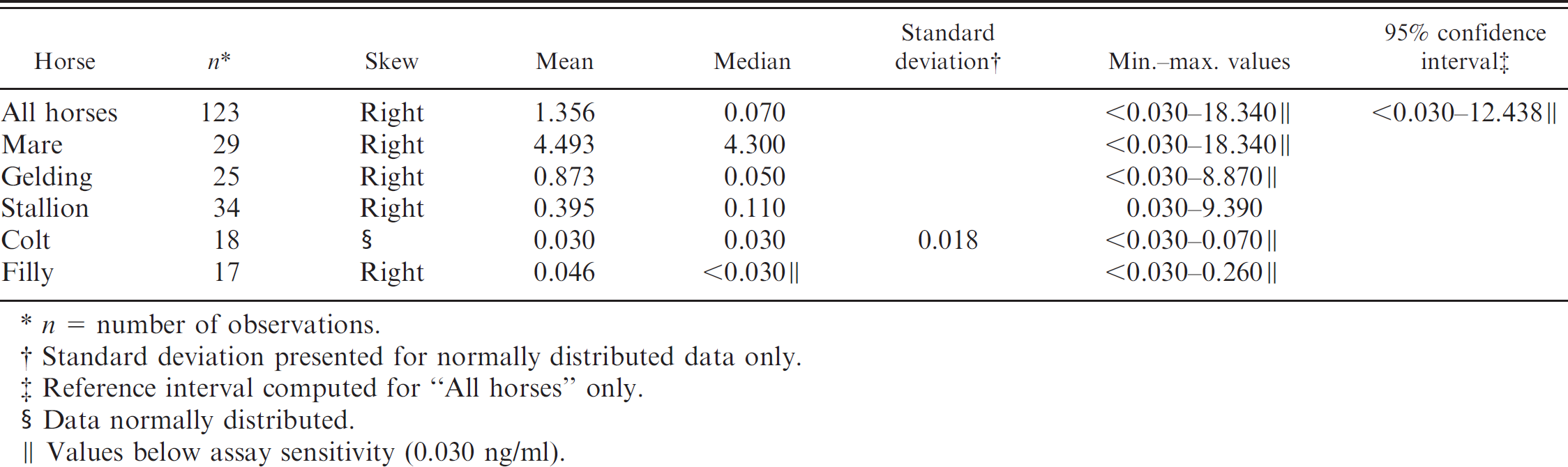
n = number of observations.
Standard deviation presented for normally distributed data only.
Reference interval computed for “All horses” only.
Data normally distributed.
Values below assay sensitivity (0.030 ng/ml).
Discussion
The current study provides comprehensive data about the concentrations of various steroids in the blood of male and female, intact and neutered, adult and juvenile domestic Mongolian horses. Comparable information in other breeds of domestic horses is not readily available. Of the 7 steroids analyzed, cortisol (98.70%) is the predominant steroid in domestic Mongolian horses followed by aldosterone (0.37%), androstenedione (0.35%), 17-OH-progesterone (0.21%), estradiol (0.17%), progesterone (0.14%), and testosterone (0.06%). Progesterone is a substrate for the synthesis of most other steroids including cortisol 13 (Fig. 1); however, it is not the most abundant steroid.
Adrenal glands have 3 main secretory pathways for glucocorticoid, mineralocorticoid, and sex steroid production; cholesterol is the substrate for all 3 pathways (Fig. 1). In healthy individuals, a discrete degree of physiological similarity exists among selected steroids that may become significant in certain diseases. For example, in humans, deoxycorticosterone is a mineralocorticoid secreted in about the same amount as aldosterone 5 but has only 3% of the mineralocorticoid activity of aldosterone. The effect of deoxycorticosterone on mineral metabolism is usually negligible, but the mineralocorticoid effect can be appreciable with increased secretion in disease. In the investigators' experience, a comprehensive evaluation of concentrations of multiple adrenal steroids in blood is far more informative than singular steroid determinations for diagnosis of adrenal disease in dogs. 11 It is emphasized that adrenal disease can be selective for a given metabolic pathway. For example, dogs with atypical Cushing's disease have a normal cortisol concentration, whereas concentrations of other steroids, especially sex steroids, are elevated and capable of producing clinical signs mimicking typical Cushing's disease. 11 Diagnosis of atypical Cushing's disease is facilitated by performing a comprehensive adrenal steroid panel; however, the disease could be missed if only cortisol concentrations were determined. In horses with Cushing's disease, cortisol concentrations are within the reference interval and are suppressed or stimulated normally by dexamethasone and adrenocorticotropic hormone, respectively. 2,6 Because cortisol concentration is within the reference interval in horses with Cushing's disease, the use of an adrenal steroid panel may help to identify adrenal dysfunction in individual horses. In addition, information about patency of the biosynthetic pathways may assist clinicians in treatment selection.
Whether reference intervals established in the current work are compatible with those in domestic horses in the United States cannot be answered because adrenal panels have been determined for a small number of mares and geldings in the United States. 3 However, based on available information, overall serum steroid concentrations in mares and geldings were relatively similar in domestic Mongolian horses and domestic horses in the United States. Some possible discrepancies include the relatively high aldosterone concentrations found in Mongolian mares and geldings and the low testosterone concentrations in Mongolian stallions compared with stallions in the United States. The median concentration of aldosterone in Mongolian mares (274.50 pg/ml) was 7.0-fold higher than in mares in Tennessee (39.00 pg/ml). 3 Aldosterone concentration in serum may be affected by sodium and potassium concentrations, water balance, and diet. 7 Median concentrations of aldosterone in serum were highest in adult horses compared with fillies and colts, but in humans aldosterone concentrations tend to be higher in children than in adults. 5 The relative concentration of aldosterone among different equine groups was similar to that observed for cortisol; however, the overall median concentration of cortisol was 266-fold higher than that for aldosterone. Again the reason (genetic or environmental) for this difference is not known.
17-OH-progesterone concentrations (ng/ml) in the serum of domestic Mongolian horses.
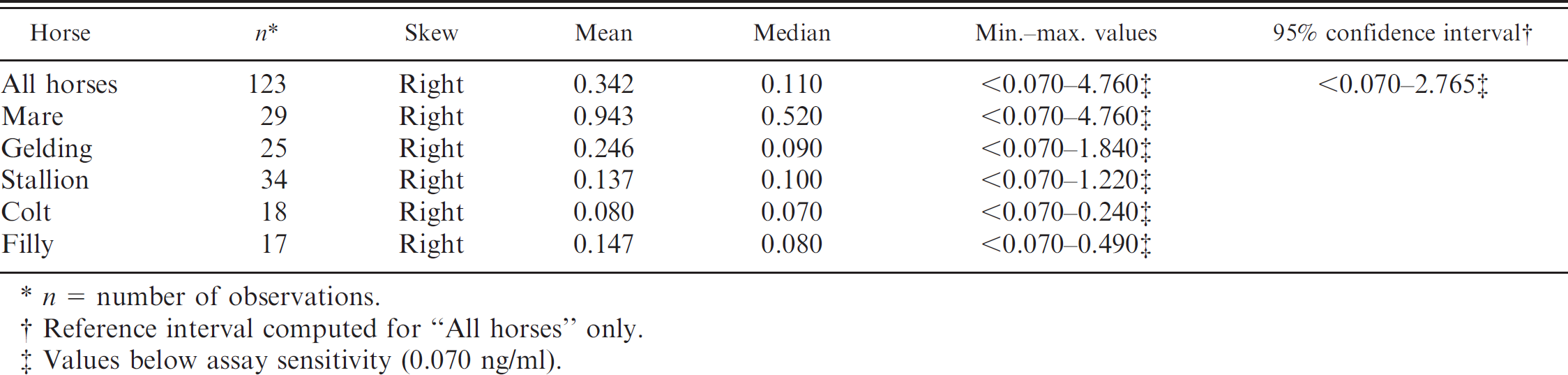
n = number of observations.
Reference interval computed for “All horses” only.
Values below assay sensitivity (0.070 ng/ml).
Androstenedione concentrations (ng/ml) in the serum of domestic Mongolian horses
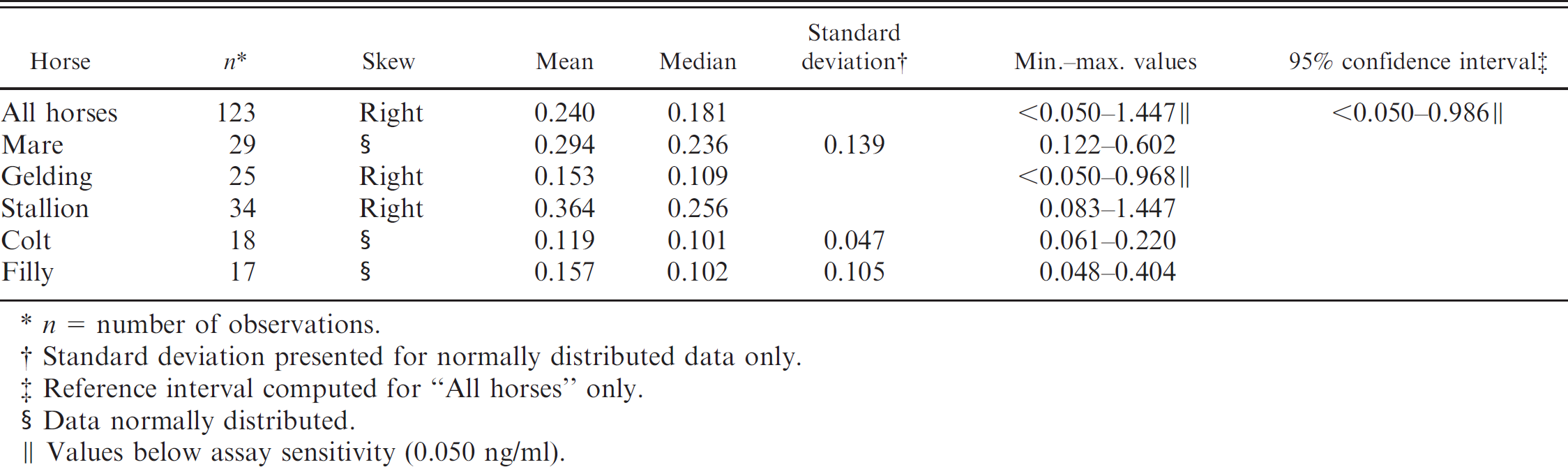
n = number of observations.
Standard deviation presented for normally distributed data only.
Reference interval computed for “All horses” only.
Data normally distributed.
Values below assay sensitivity (0.050 ng/ml).
Testosterone concentrations (ng/ml) in the serum of domestic Mongolian horses
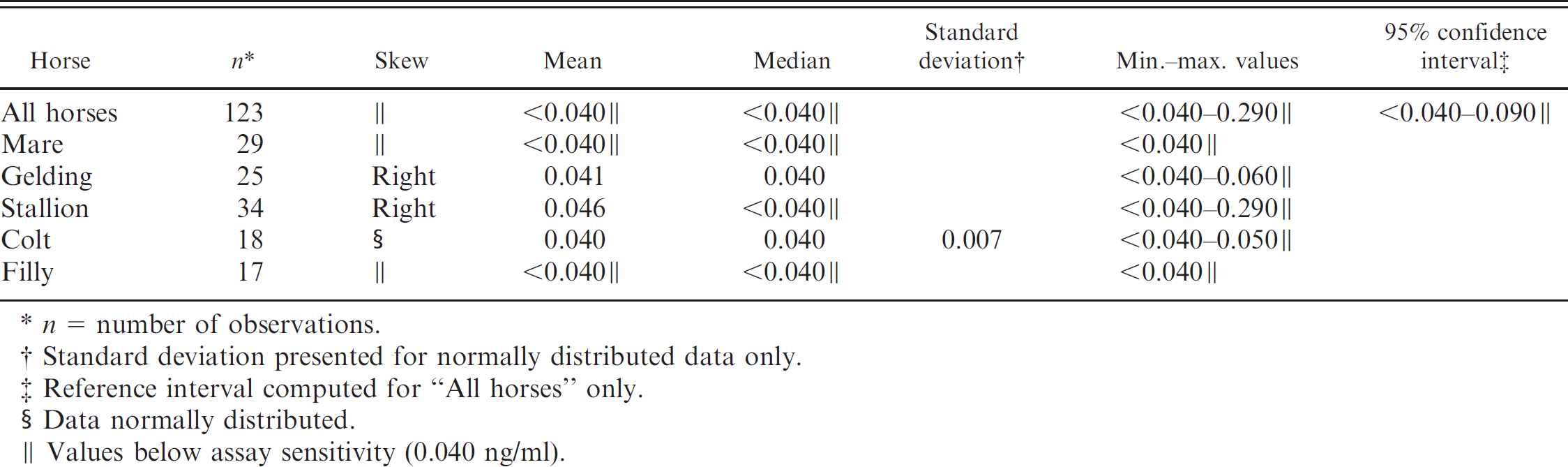
n = number of observations.
Standard deviation presented for normally distributed data only.
Reference interval computed for “All horses” only.
Data normally distributed.
Values below assay sensitivity (0.040 ng/ml).
Estradiol concentrations (ng/ml) in the serum of domestic Mongolian horses
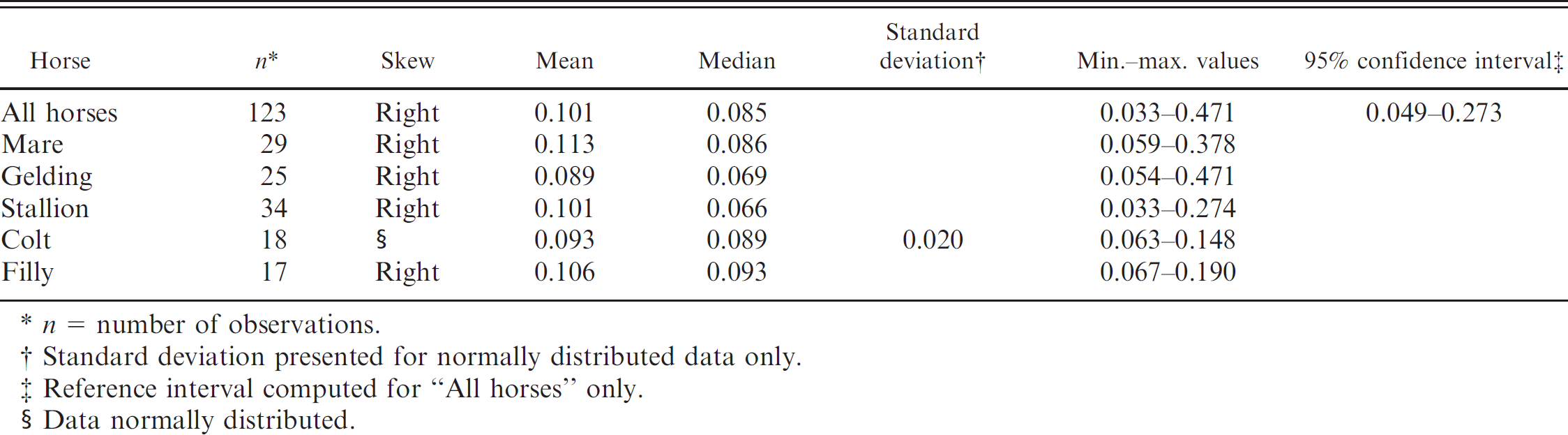
n – number of observations.
Standard deviation presented for normally distributed data only.
Reference interval computed for “All horses” only.
Data normally distributed.
Cortisol concentrations (ng/ml) in the serum of domestic Mongolian horses
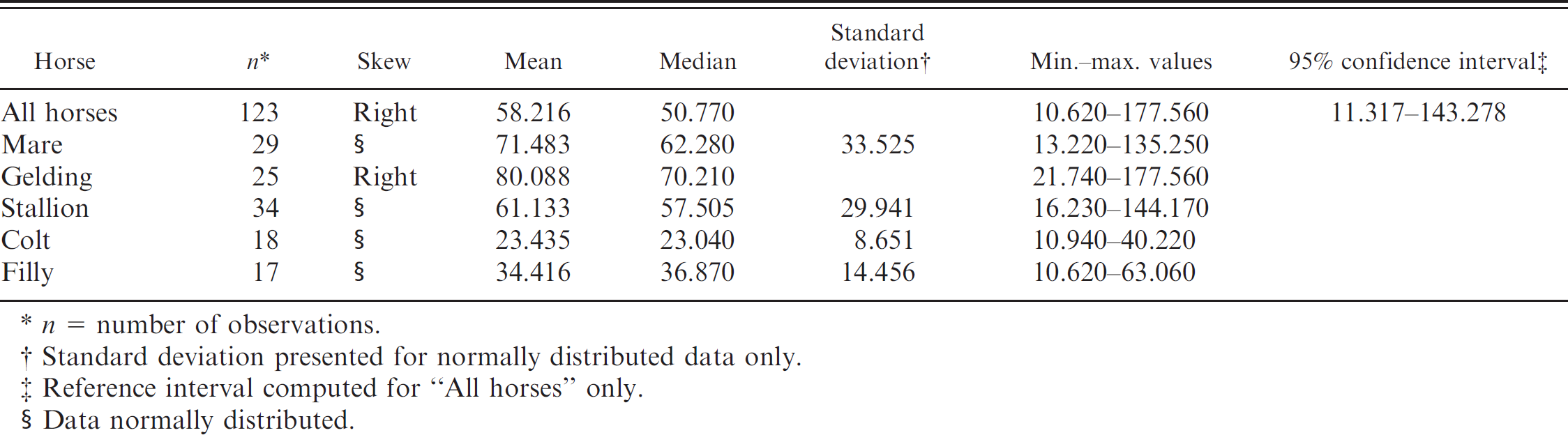
n = number of observations.
Standard deviation presented for normally distributed data only.
Reference interval computed for “All horses” only.
Data normally distributed.
Within androgens, overall median concentrations of androstenedione were estimated to be approximately 4.0-fold greater than that of testosterone. Median serum concentration of testosterone in Mongolian stallions was <0.040 ng/ml. A possible explanation for the relatively low concentrations of testosterone in stallions was that most stallions in the herd may have been in bachelor status. Bachelor stallions are heterosexually inactive males that do not have a harem of mares. It has been reported that bachelor stallions exhibit low testosterone concentrations compared with harem stallions. When stallions move from bachelor status to harem status, there is a sharp increase in testosterone concentration (from approximately 0.9 ng/ml to 2.5 ng/ml), which is reversed when they are displaced back to bachelor status. 14 In the present study, the stallion status was not known and deserved further investigation.
For the purpose of reproductive management, the interpretation of progesterone and 17-OH-progester-one concentrations reported in the current work is difficult as mares were not evaluated for pregnancy. Median progestin concentrations were highest in mares compared with other groups in the present study. Concentrations of progestins for the Mongolian domestic mares was similar to those reported for horses in the United States. 8 In the current work, the mares were kept in free-range harems with stallions always present. Mongolian mares were not routinely subjected to rectal palpation for pregnancy determination. For this reason, along with the fact that mares were fractious and small, pregnancy was not determined by rectal palpation.
Some of the physiological reasons to explain differences in hormone concentration within the various groups in the current work may be related to differing functional stages of the pituitary gland. In fact, a sex difference exists in adenohypophyseal cells of adult Mongolian horses. 18 Somatotrophs, growth hormone-secreting cells, are more abundant in stallions, whereas gonadotrophs, follicle-stimulating hormone and luteinizing hormone-secreting cells, and lactotrophs, prolactin-secreting cells, are more abundant in mares. 18 The function of equine testes during postnatal life may be associated with development of growth hormone-secreting cells while suppressing development of cells producing follicle-stimulating hormone, luteinizing hormone, and prolactin. 19 These changes in pituitary cells of Mongolian horses are age dependent. 18
Aldosterone concentrations (ng/ml) in the serum of domestic Mongolian horses
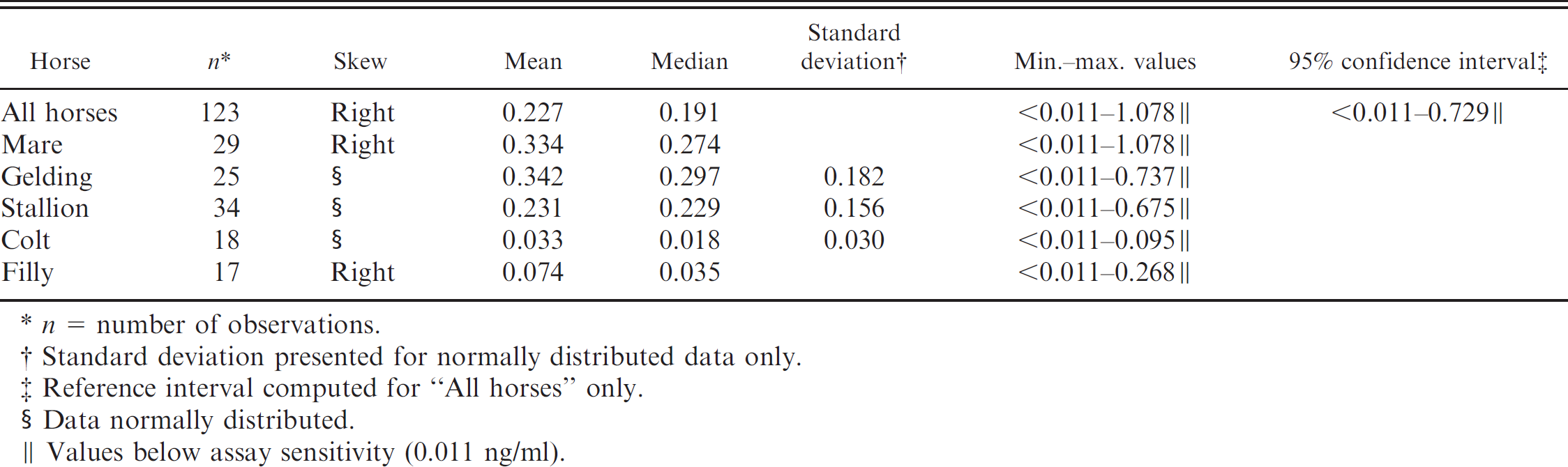
n = number of observations.
Standard deviation presented for normally distributed data only.
Reference interval computed for “All horses” only.
Data normally distributed.
Values below assay sensitivity (0.011 ng/ml).
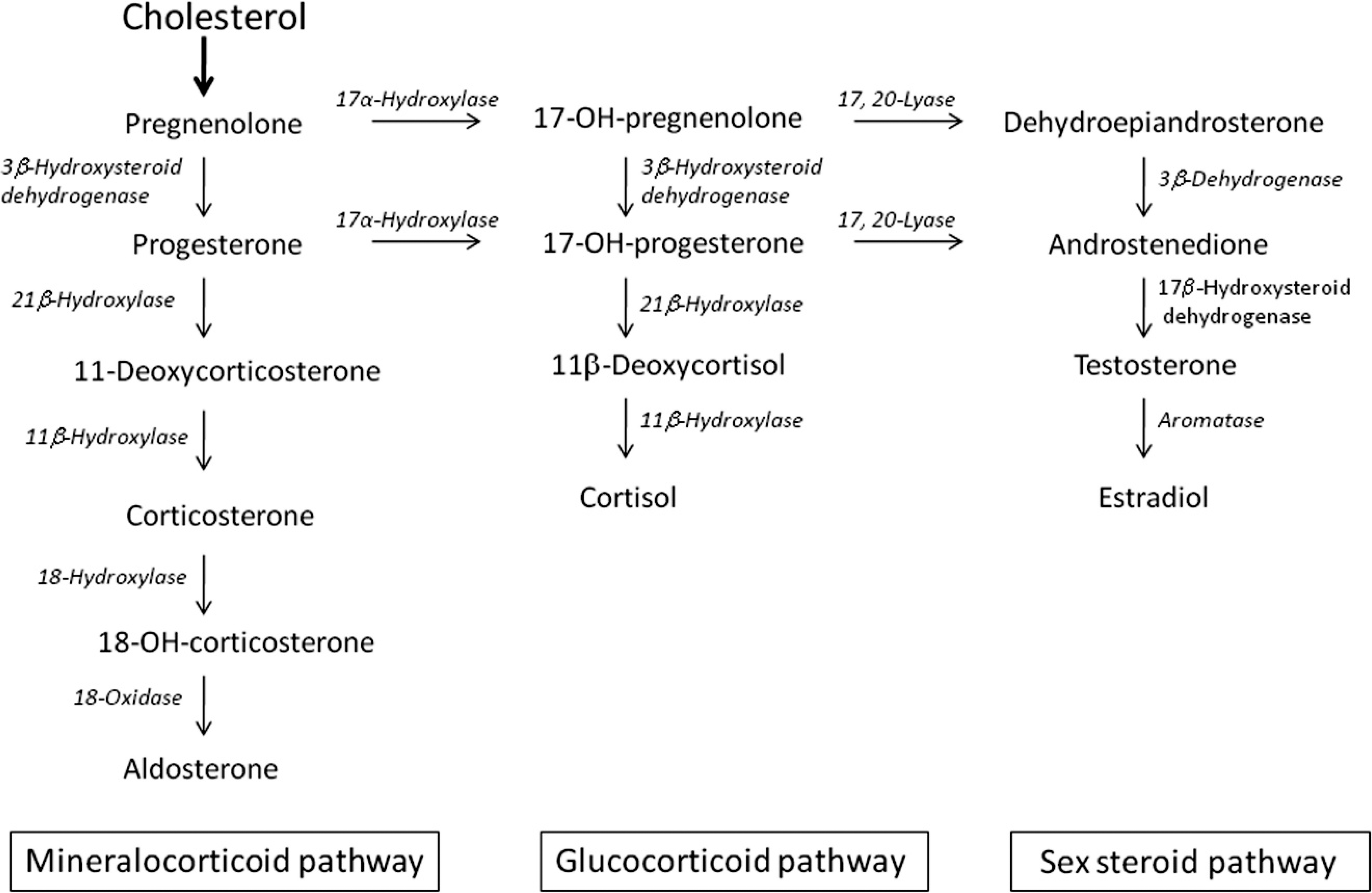
General diagram of steroidogenic pathways in the adrenal cortex. Enzymes are denoted in italics
The possible effect of sampling stress on steroid concentrations, especially cortisol concentration, also must be considered as a potential source of variability in hormone concentrations. This effect cannot be answered from the present study; however, it is interesting to note that cortisol concentrations in domestic Mongolian horses that were run into a pen for blood collection (this work) are similar to horses in the United States that had blood collected in a veterinary hospital, which is perceived as potentially less stressful. 2
As mentioned previously, domestic Mongolian horses are credited by natives as an exceptionally strong breed with distinct physiological and medical needs. 9 Hematological studies conducted on domestic Mongolian horses from the same region as in the present study indicated that Mongolian horses were not significantly different from horses in the United States. 10 Whether adrenal steroid regulation in Mongolian horses is different from that in other horses in the world cannot be answered by this work. However, the current study does provide information on concentrations of adrenal and gonadal steroids that can be used by veterinarians for the diagnosis of endocrine disorders and for the physiological characterization of domestic Mongolian horses.
Acknowledgements
The authors thank Dr. Agricola Odoi for assistance with data analysis and Ms. DeAnne Gibbs for technical assistance.
Footnotes
a.
Coat-a-Count®, Siemens Medical Solutions Diagnostics, Los Angeles, CA.
b.
ImmunChem Double Antibody, MP Biomedicals, Solon, OH.
c.
MedCalc® version 11.1.1.0, MedCalc Software, Mariakerke, Belgium.