




Abstract
Background and Aims:
This bibliometric study investigates high-impact publications (HCPs) in Diabetes and Sarcopenia research from 2003 to 2024. The primary aim is to map the scholarly landscape by identifying influential works, key authors, institutions, and emerging trends in the literature, highlighting the interrelationships between diabetes and sarcopenia.
Methods:
A systematic search was conducted in the Scopus database in October 2024 using a combination of keywords related to diabetes and sarcopenia. An initial 2,499 publications were screened, resulting in 151 papers with 100 or more citations. Key bibliographic details, citation counts, author information, and thematic focus areas were extracted and analysed. VOSviewer software was employed for network analysis and visualisation of relationships among authors, institutions and keywords.
Results:
The analysis revealed that the 151 highly cited papers collectively garnered over 15,000 citations, indicating a strong scholarly impact. Key contributors included prominent authors and institutions primarily from the United States and Europe. Major themes identified encompassed the pathophysiological connections between diabetes and sarcopenia, alongside interventions for muscle preservation in people with diabetes. The network analysis highlighted significant collaborations, emphasising the interdisciplinary nature of this research. The study identifies overarching trends and highlights the need for collaborative efforts to address the complexities of diabetes and sarcopenia.
Conclusions:
This research provides a comprehensive overview of influential works and their contributions to the understanding of diabetes and sarcopenia. It establishes a foundation for future research and underscores the critical need for ongoing investigation in this area to improve patient management and outcomes.
Introduction
Diabetes and sarcopenia research are critical areas of study focusing on the relationship between diabetes and the degenerative loss of skeletal muscle mass, that is, sarcopenia.[1-3] With the global rise in diabetes and musculoskeletal disorders,[4-6] mapping high-impact publications (HCPs) in these fields is essential for advancing research and clinical practice.[7]
This study employs bibliometric analysis using the Scopus database from 2003 to 2024 to identify influential works, key authors, and significant collaborations in diabetes and sarcopenia research. Over the past two decades, advancements in this field have been marked by numerous scholarly contributions. By examining the most cited papers, this study aims to highlight trends, research gaps, and areas of impact in diabetes and musculoskeletal health.[8-12] Tools like VOSviewer facilitate the visualisation of networks among authors, institutions, and keywords, providing insights into collaborations that drive HCPs.
Previous reviews have covered the diabetes–sarcopenia connection, noting trends and future directions.[13-19] Recent bibliometric studies examined related topics, revealing the maturation of established subjects such as ‘resistance exercise’ and promising growth in areas like ‘cancer’. However, these studies often lacked comprehensive coverage, primarily using the Web of Science instead of the broader Scopus database.[20]
Consequently, this study aims to provide a complete analysis of literature and citations over the last two decades, investigating productivity and impact among key contributors in this vital research area.
Material and Methods
Search Strategy
In conducting this study, a systematic search was executed on Scopus, Elsevier’s abstract and citation database, in October 2024, to retrieve relevant data from the period spanning 2003 to 2024. The research strategy employed a combination of keywords related to diabetes including terms such as (diabet* OR ‘Type 1 diabet*’ OR ‘Type 2 diabet*’) and sarcopenia involving phrases like (‘sarcopenia’ OR ‘Skeletal muscle mass’ OR ‘patients with Sarcopenia’). The search query was designed to retrieve publications with publication years between 2003 and 2024, resulting in 2,499 initial search results which were then sorted by the number of citations in ascending order. From these results, a total of 151 documents that garnered 100 or more citations were selected for further analysis, encompassing details such as citation count, title, author information (including name, authorship position, and country), publication year, journal title, study design, and thematic focus areas.
Data Analysis
The subsequent analysis involved extracting keywords from the identified 151 HCPs, followed by a statistical examination of the collected data. This in-depth evaluation of highly cited papers served as a critical step in identifying and understanding the most influential articles that contribute significantly to decision-making processes within the field. To facilitate the exploration of connections among authors, institutions, keywords, and publications, specialised software for bibliometric network analysis and visualisation, VOSviewer 1.6.20 was utilised.[21]
Statistical Methods
Through this comprehensive analysis, productive authors were identified based on their output exceeding the average productivity of all authors, while impactful organisations were distinguished by a higher citation per paper (CPP) compared to the average CPP of all organisations. Countries with substantial publication output, high CPP, and Relative Citation Index were recognised as the most productive in terms of citation impact. Leveraging the capabilities of the Scopus database and the functionalities of VOSviewer 1.6.20,[22] a detailed network analysis was conducted, exploring co-authorship, co-occurrence, citation, and co-citation patterns within the realm of non-union fracture research. By constructing networks for authors, institutions, countries, journals (co-citation), and keywords (co-occurrence), VOSviewer is a software tool for constructing and visualising bibliometric networks and provides insights into the intricate relationships among authors, affiliations, geographic regions, publications, and thematic content areas.
Results
Overall Publications
The analysis of HCPs in diabetes and sarcopenia research from 2003 to 2024 reveals significant insights into scholarly impact and collaboration trends [Table 1]. A total of 151 papers published during this period received 57,696 citations, resulting in a CPP of 382.09. The average number of authors per paper is 8.31, indicating a strong emphasis on collaborative research. Funding played a role, with 83 of the papers receiving financial support, and a 54.97% International Collaborative Papers (ICP) rate highlighting the importance of global partnerships. Citation metrics showed substantial growth from 2014 to 2024, with notable variations across the years.
Yearly growth of highly cited papers and citations in diabetes and sarcopenia from 2003 to 2024
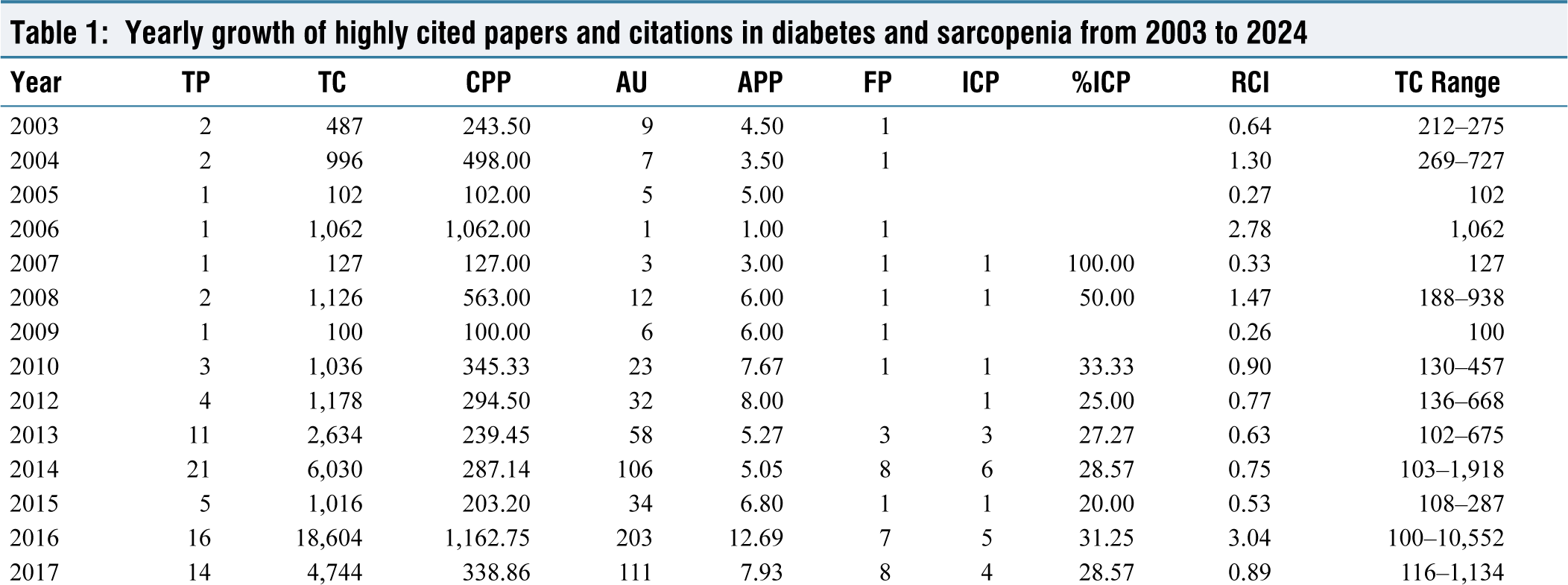
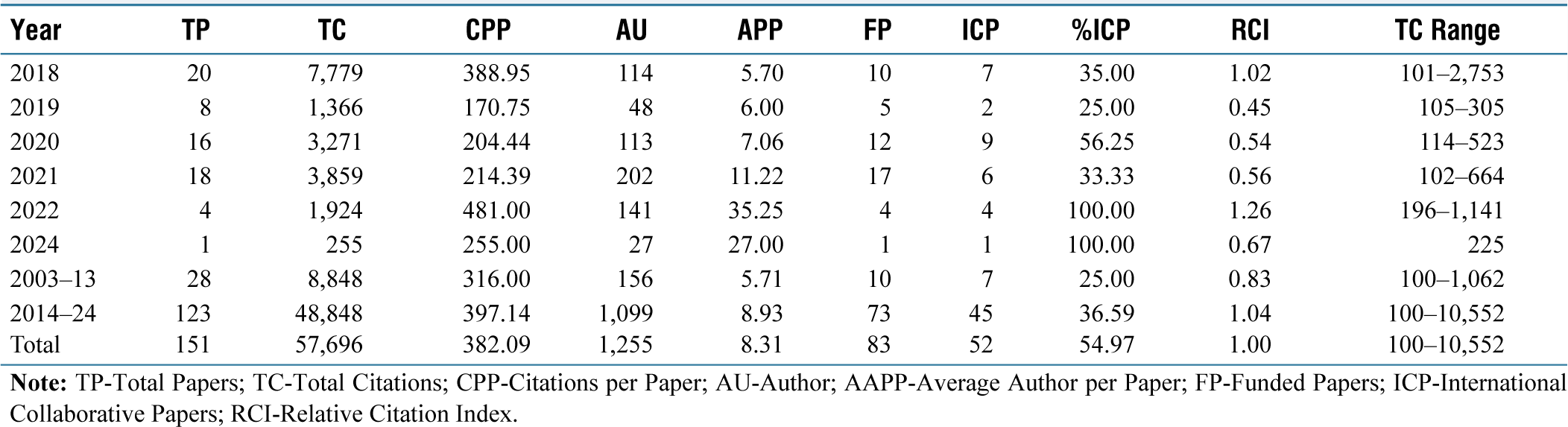
Most HCPs were reviews (81) and original research articles (61), with the majority (94%) authored by multiple institutions. Of the 151 HCPs, 83 (55%) had external funding, accumulating 25,810 citations, averaging 310.96 CPP. Major funding agencies, such as the National Institutes of Health (NIA) and the U.S. Department of Health and Human Services, demonstrated significant contributions to the field, shaping the scientific landscape and advancing research efforts.
Top Most Publishing Countries
Authors from 67 countries contributed to publications, with distribution skewed across different countries. Fifty countries had authors publishing 1-5 papers, while seven countries saw 6-9 papers from their authors. Another nine countries contributed 10-25 papers, with one country standing out with over 66 papers. The United States led in publications, followed by Italy and the UK, representing 18.08%, 6.85%, and 6.30% of the total publication share, respectively [Table 2]. Four of the top 10 countries had CPP and RCI values exceeding global averages of 1,218.84 and 1.43, respectively. Researchers from all the top 10 countries had one-to-one collaborative linkages among themselves and these linkages varied from 18 to 59.
Top 10 most productive countries on diabetes and sarcopenia research
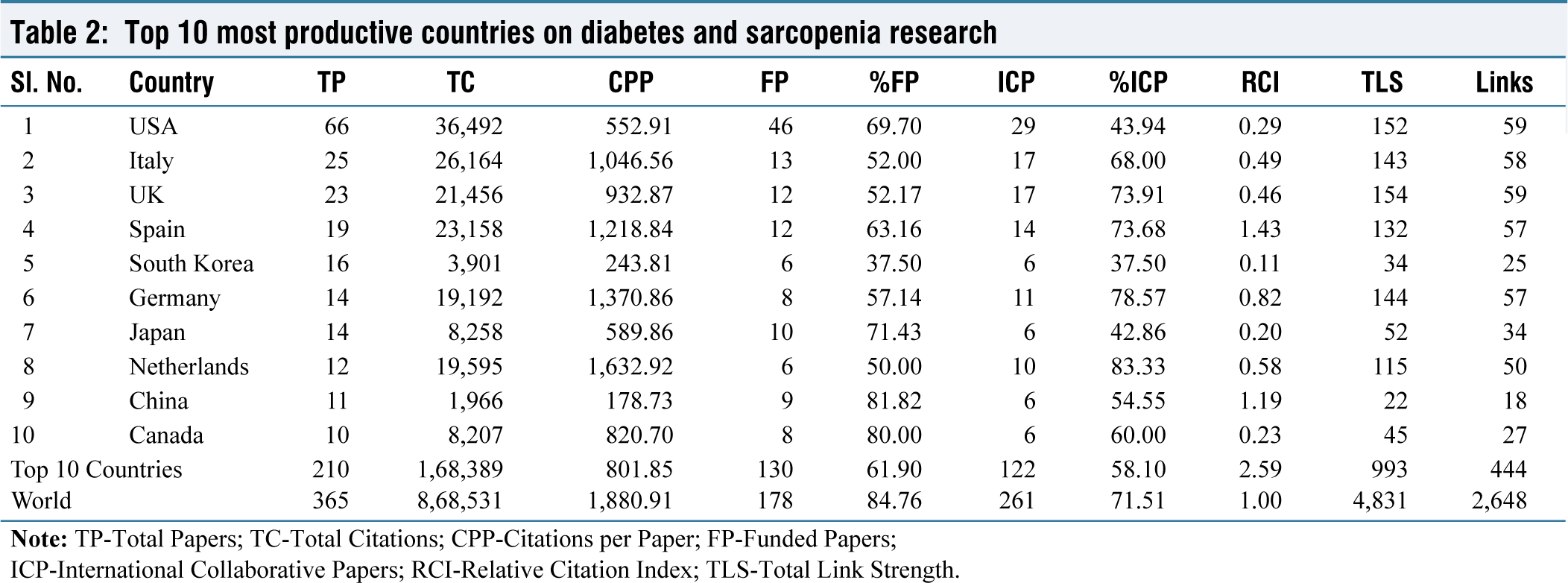
ICP-International Collaborative Papers; RCI-Relative Citation Index; TLS-Total Link Strength.
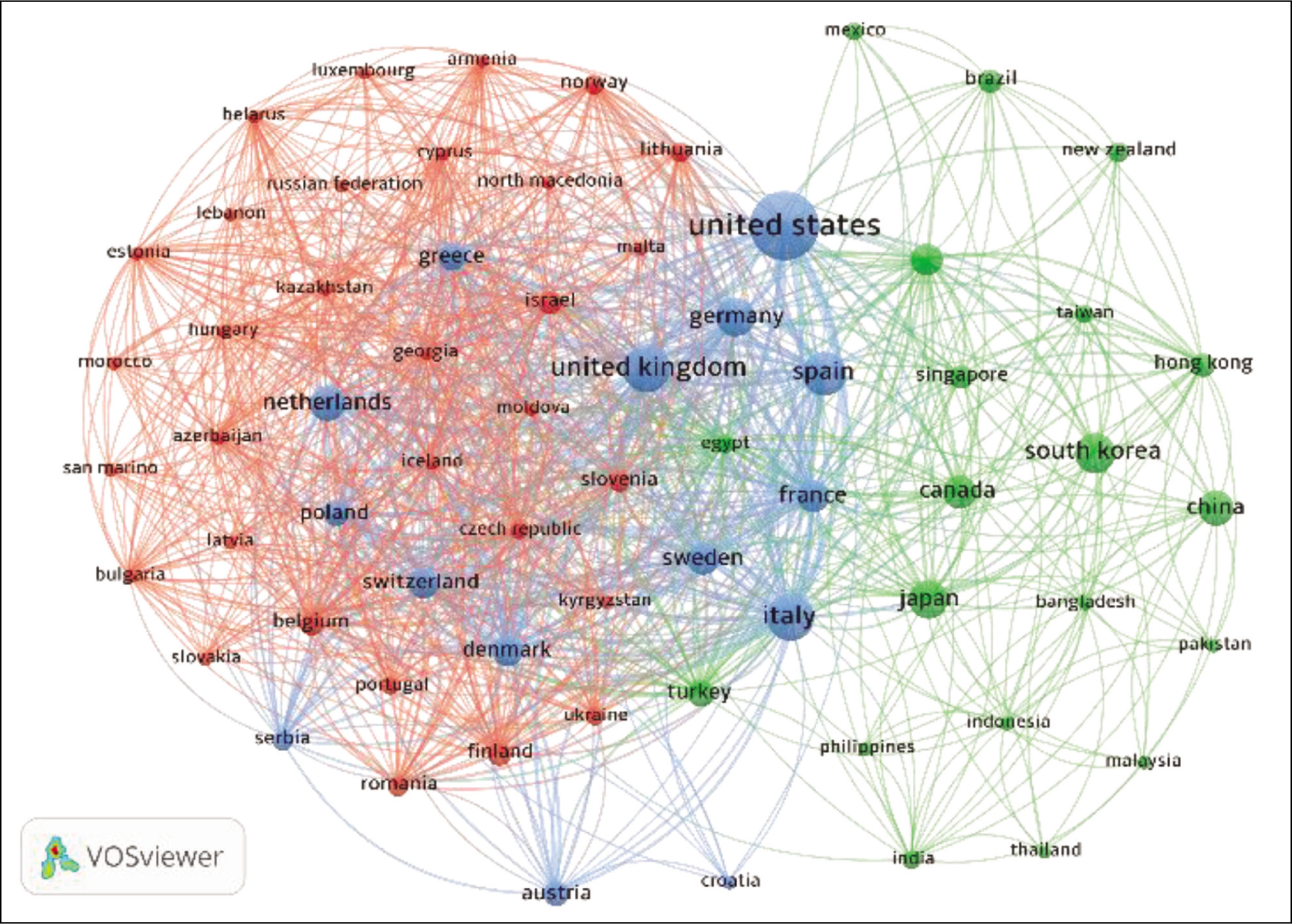
The largest number of collaborative linkages were between researchers from the USA and Italy, followed by the USA and Spain with 12 papers each, the USA and the UK, and the UK and Spain with 10 papers each, highlighting the dominance of developed nations in fostering international collaboration through the co-authorship network. A VOSviewer analysis showcased four distinct collaboration clusters among authors and countries. With 1,324 co-authorship links and a total link strength of 1,919, Cluster 1, marked in red, comprised authors from 31 countries, followed by 20 countries in Cluster 2 (blue), 15 countries in Cluster 3 (green), and a single country, Ireland, in Cluster 4 (yellow). This analysis unveils intricate patterns in collaborative networks within the academic realm of the research field under scrutiny as illustrated in Figure 1.
Visualisation of co-authorship networks and clusters among 67 countries
Top Most Productive Authors
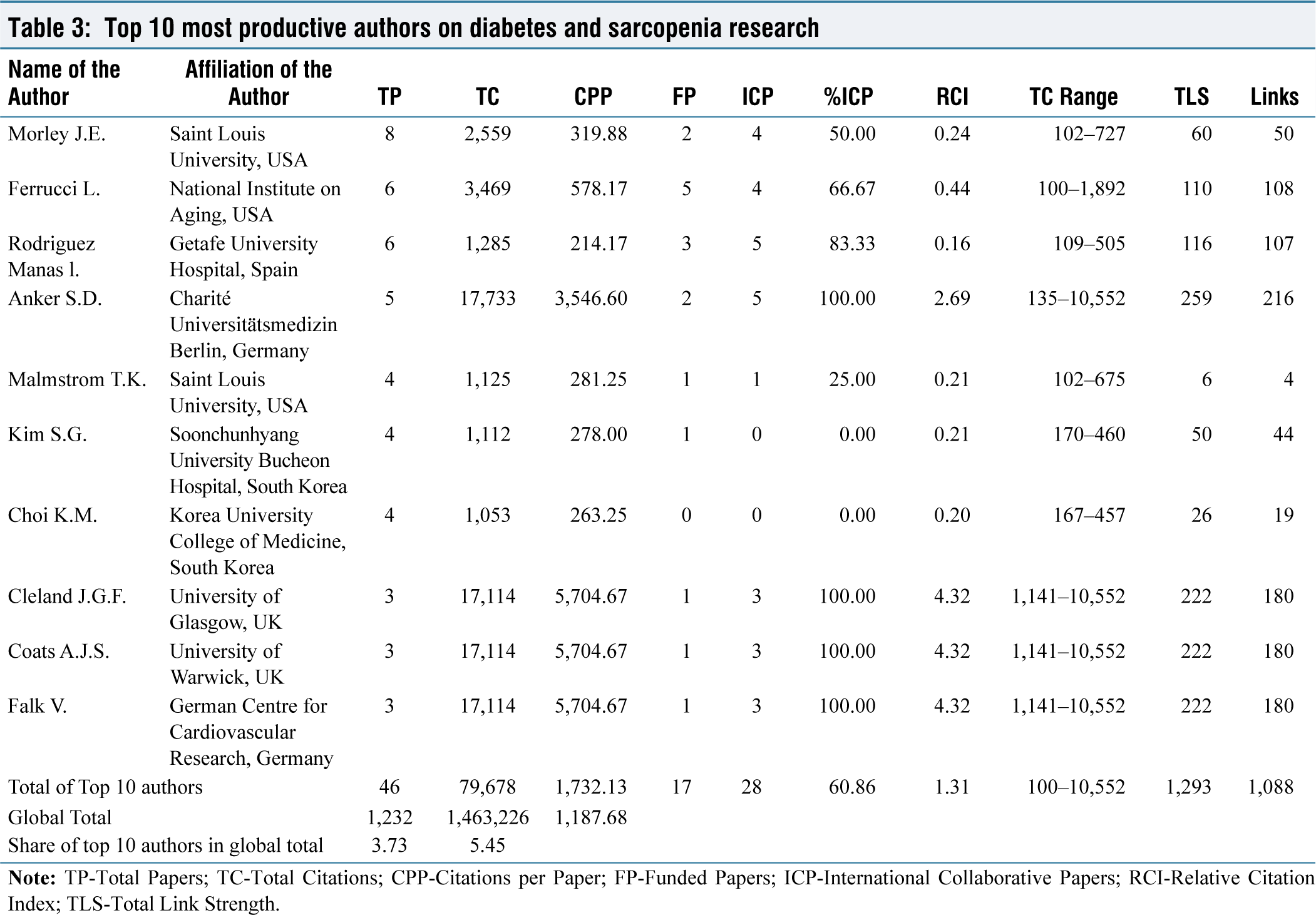
Out of 1108 authors who participated in 151 HCPs on Diabetes and Sarcopenia research, the majority of authors, accounting for 1,022, published one paper. Moreover, 64 authors contributed to two papers, while 15 authors produced three papers. Furthermore, seven authors were responsible for four or more publications. The research productivity of the top 10 most prolific authors ranged from 3 to 8 articles. Collectively, these 10 authors, who account for 3.73% (n = 46) of the publications, made significant contributions to the field [Table 3].
Top 10 most productive authors on diabetes and sarcopenia research
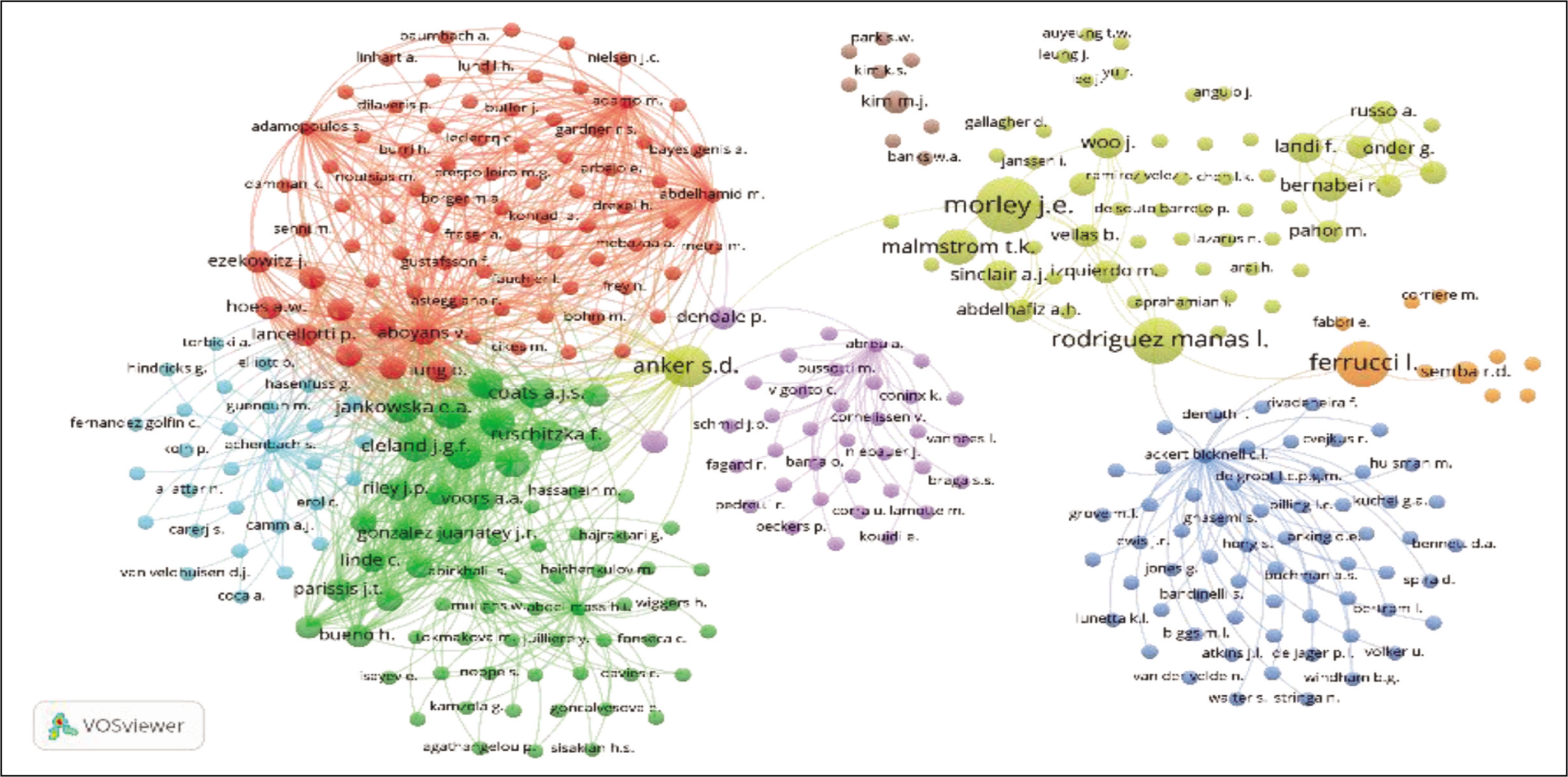
VOSviewer analysis was conducted to examine collaborations between authors through co-authorship analysis, identifying eight distinct clusters of authors. These clusters are represented by links totalling 11,742, with a TLS of 12,230. Out of the 1,108 authors studied, all 1,108 met the specified thresholds, and significantly, 357 authors exhibited the most extensive connections within the network map. The size of each circle in the visualisation is determined by the number of documents authored by the respective author. At the same time, the thickness of the connecting lines indicates the strength of collaborations between them as shown in Figure 2.
Visualisation of 357 author’s collaborations in the co-authorship analysis using VOSviewer
Top 10 Most Productive Institutions
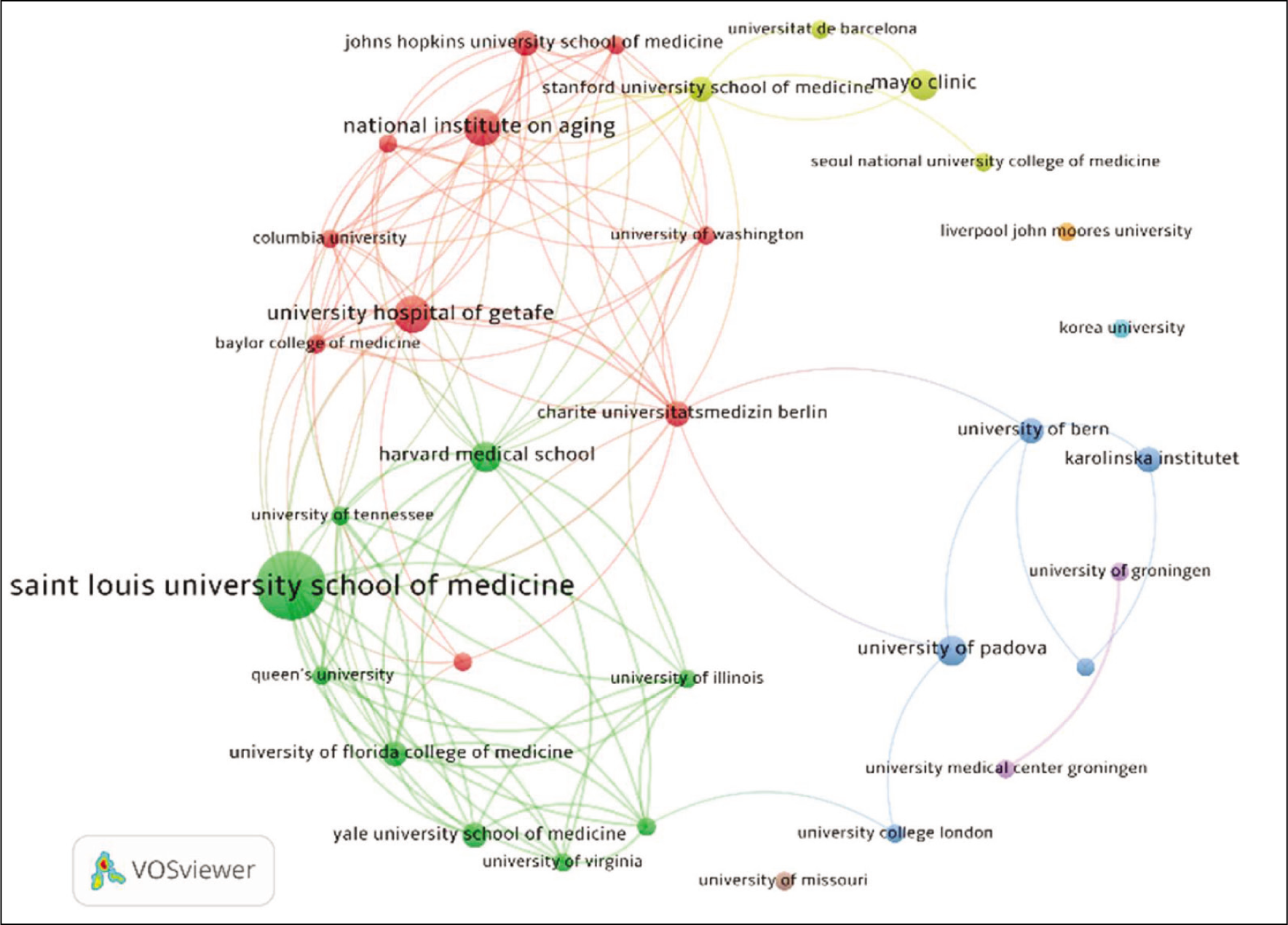
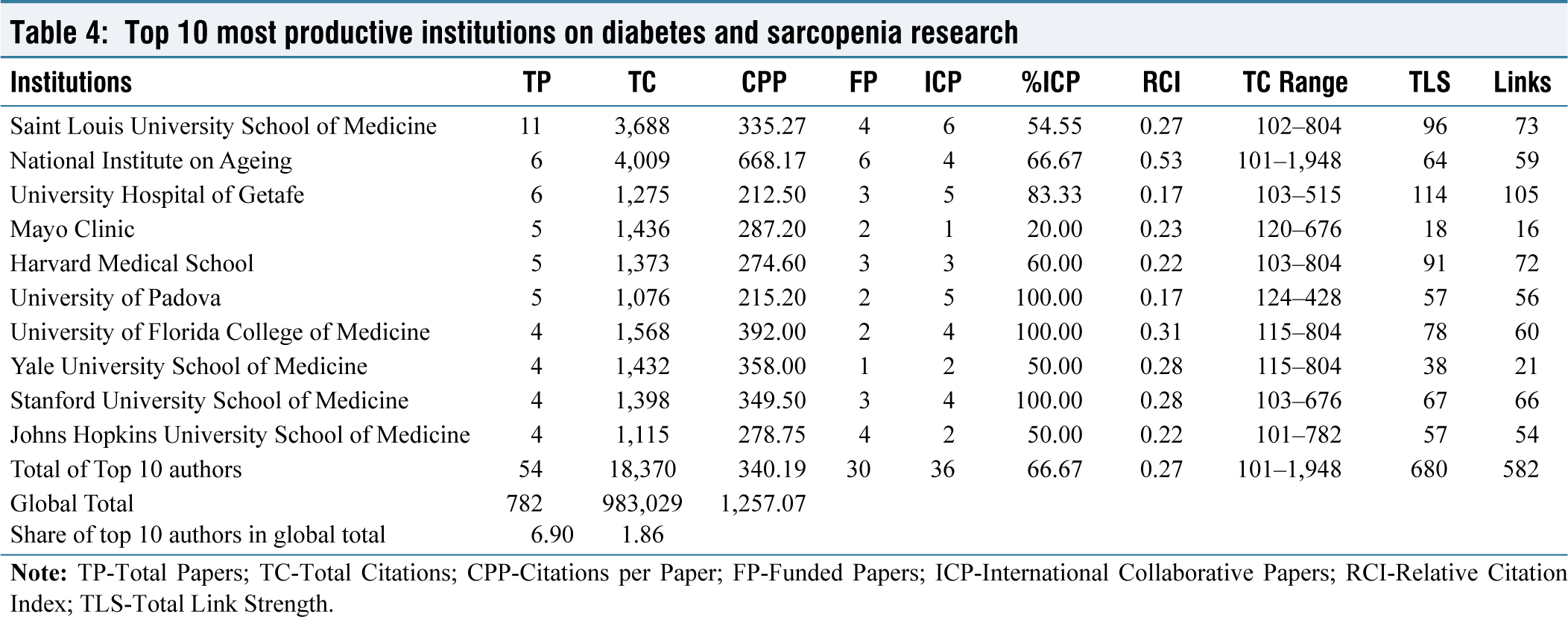
Out of 580 institutions that participated in 151 HCPs on Diabetes and Sarcopenia research, the majority of institutions, accounting for 438, published one paper. Moreover, 109 institutions contributed to two papers, while 20 institutions produced three papers. Furthermore, 13 institutions were responsible for four or more publications. The research productivity of the top 10 most prolific institutions ranged from 4 to 11 articles. Collectively, these 10 institutions, which account for 6.90% (n = 54) of the publications, made significant contributions to the field. These institutions, among the 580 examined, stand out for their noteworthy contributions to the field of research. Figure 3 presents the visualisation of collaborations among the top 33 organisations, each having at least three papers, generated through the VOSviewer tool. In the figure, colours are utilised to differentiate various clusters, with Cluster 8 being specifically highlighted, comprising 120 links and a total link strength of 171. The size of each node corresponds to the number of publications, with larger nodes indicating a higher publication count. Furthermore, the top 10 most productive organisations collaborating in the realm of HCPs demonstrate one-to-one collaborative linkages, as illustrated in Table 4.
Visualisation of the representation of the highlighted institutions in cluster 8, showcasing their contributions to scholarly research
Top 10 most productive institutions on diabetes and sarcopenia research
Significant Keywords
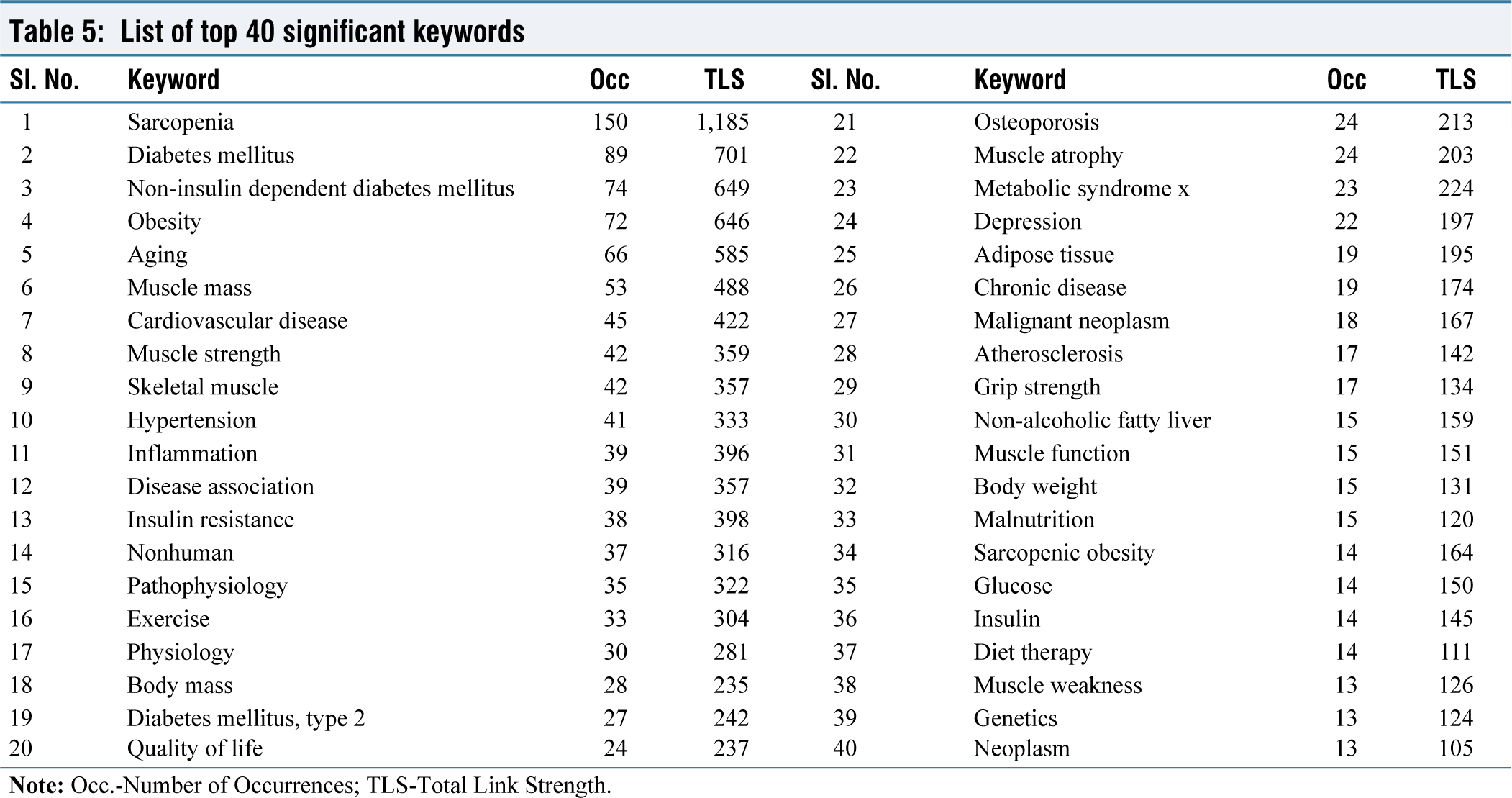
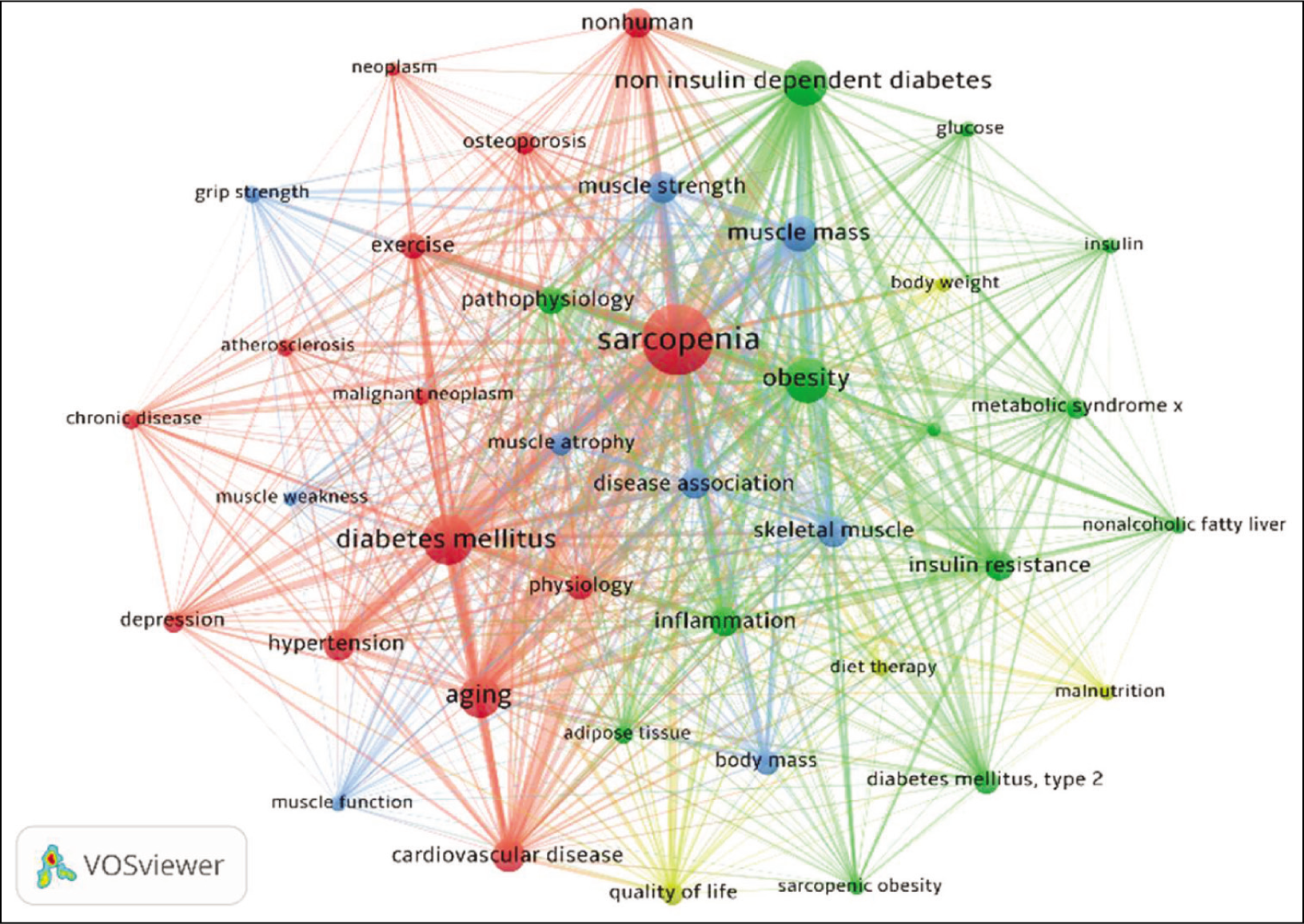
Out of the 890 keywords analysed, these terms are highlighted as pivotal areas of interest and investigation in the research domain, clustering into four distinct clusters with 730 links and a total link strength of 5,974, as illustrated in Table 5 and Figure 4. Among the top keywords in the study, ‘Sarcopenia’ emerges as the most frequently occurring term, mentioned 150 times, indicating its significant importance in the research landscape. Following closely is ‘Diabetes Mellitus’ with 89 mentions and ‘Non-Insulin Dependent Diabetes Mellitus’ with 74 mentions, Suggesting a focus on the relationship between these medical conditions. The keywords ‘Obesity’ and ‘Aging’ are also prominent, appearing 72 and 66 times, respectively, in the scholarly literature. Additionally, ‘Muscle Mass’ is referenced 53 times, emphasising its relevance to the study.
List of top 40 significant keywords
Visualisation of the four distinct clusters of keywords in the study
Top Most Medium of Research Communication
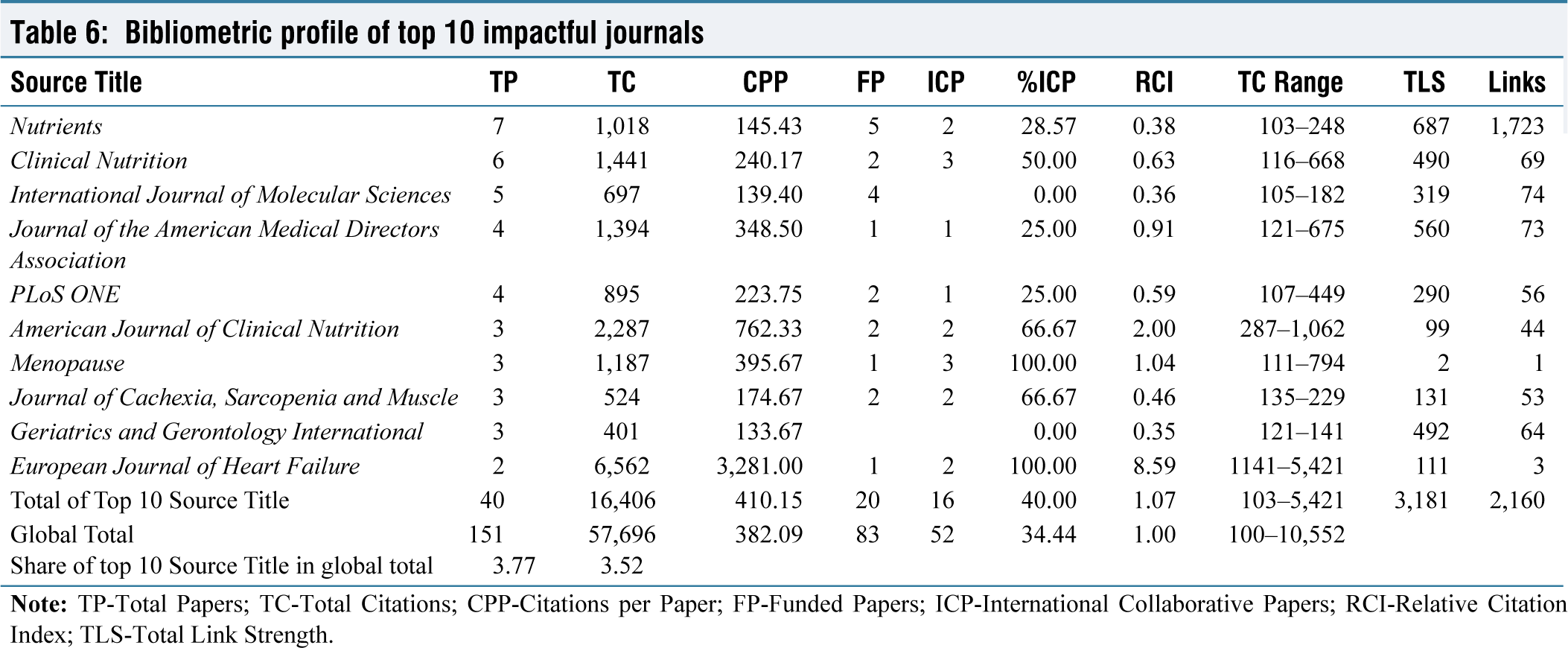
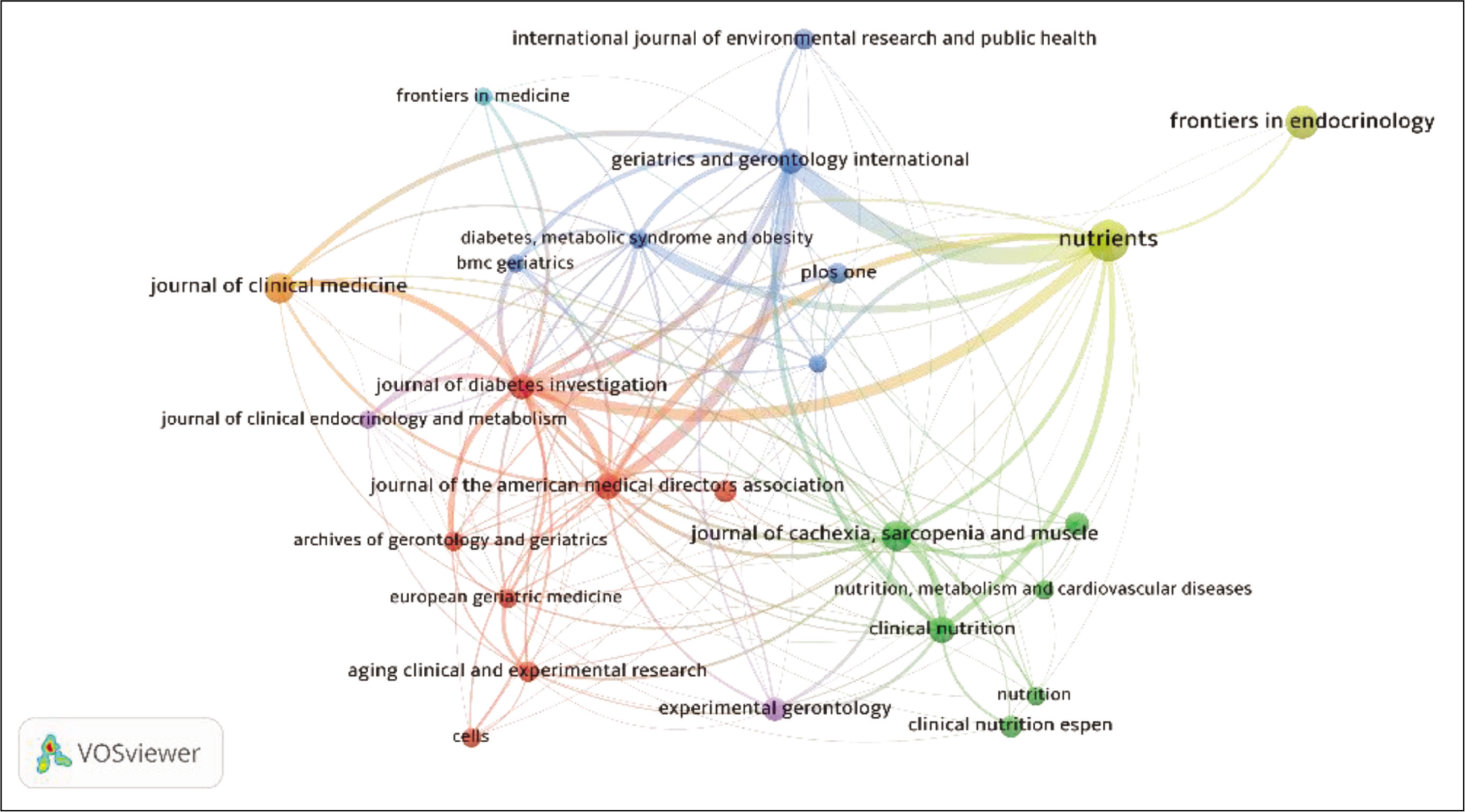
Through an examination of 106 sources, these 151 publications have played a pivotal role in shaping the research landscape within the domains of Diabetes and Sarcopenia. These top 15 journals are dispersed across six distinct coloured clusters, with 15 links and 20 total link strengths, as illustrated in Table 6 and Figure 5. The top 10 impactful journals collectively contributed 40 papers with a total citation count of 16,406, showcasing a CPP average of 410.15. Among these journals, there were 20 funded papers and 16 ICPs, indicating a significant global impact within the research community. Journals such as ‘Nutrients’, with seven publications and 1018 citations, and ‘Clinical Nutrition’, with six publications and 1441 citations, have demonstrated their impact on scholarly discourse. ‘The International Journal of Molecular Sciences’ and the ‘Journal of the American Medical Directors Association’, each contributing five publications and accumulating 697 and 1,394 citations, respectively, have also shown significant influence in academic discussions of Diabetes and Sarcopenia.
Bibliometric profile of top 10 impactful journals
Visualisation of the distribution of the top 15 journals across coloured clusters in the analysis of scholarly discourse
Top 10 Highly Cited Papers
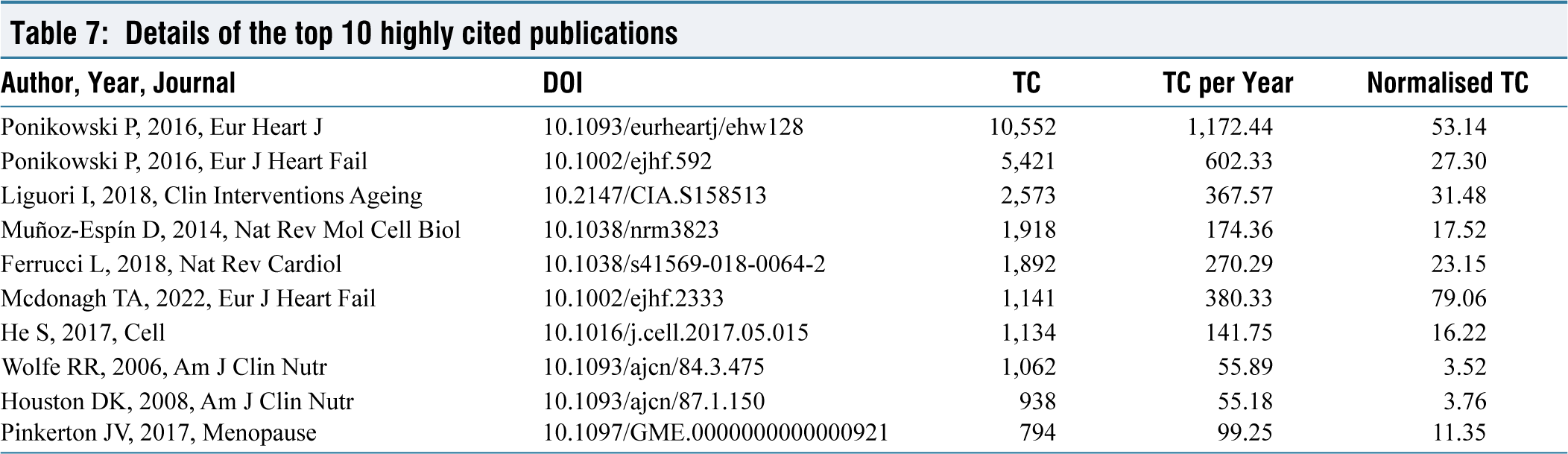
The most focused areas of research in Diabetes and Sarcopenia encompass various key themes as shown in Table 7. Ponikowski (2016), Ponikowski (2016a), and McDonagh (2022) contributed significantly to the field with their papers on the diagnosis and treatment of acute and chronic heart failure, accumulating citations of 10,554, 5,421, and 1,141, respectively, thereby establishing foundational concepts. Further studies by Liguori (2018), Ferrucci (2018), Houston (2008), and Kalyani (2014) emphasised the association between Diabetes and Sarcopenia with ageing and its related implications, garnering citations ranging from 2,573 to 764. Furthermore, the exploration of senescence studies by Muñoz-Espín (2014), He (2017), and McHugh (2018) shed light on the physiological, pathological, and therapeutic aspects of senescence in health, disease, and ageing, with citations reflecting their impact. Lastly, Baumgartner (2004), Malmstrom (2013), and Landi (2012) investigated the adverse outcomes of Sarcopenia in the elderly, particularly concerning disability in daily activities and the heightened risk of falls, each paper receiving citations within the academic community.
Details of the top 10 highly cited publications
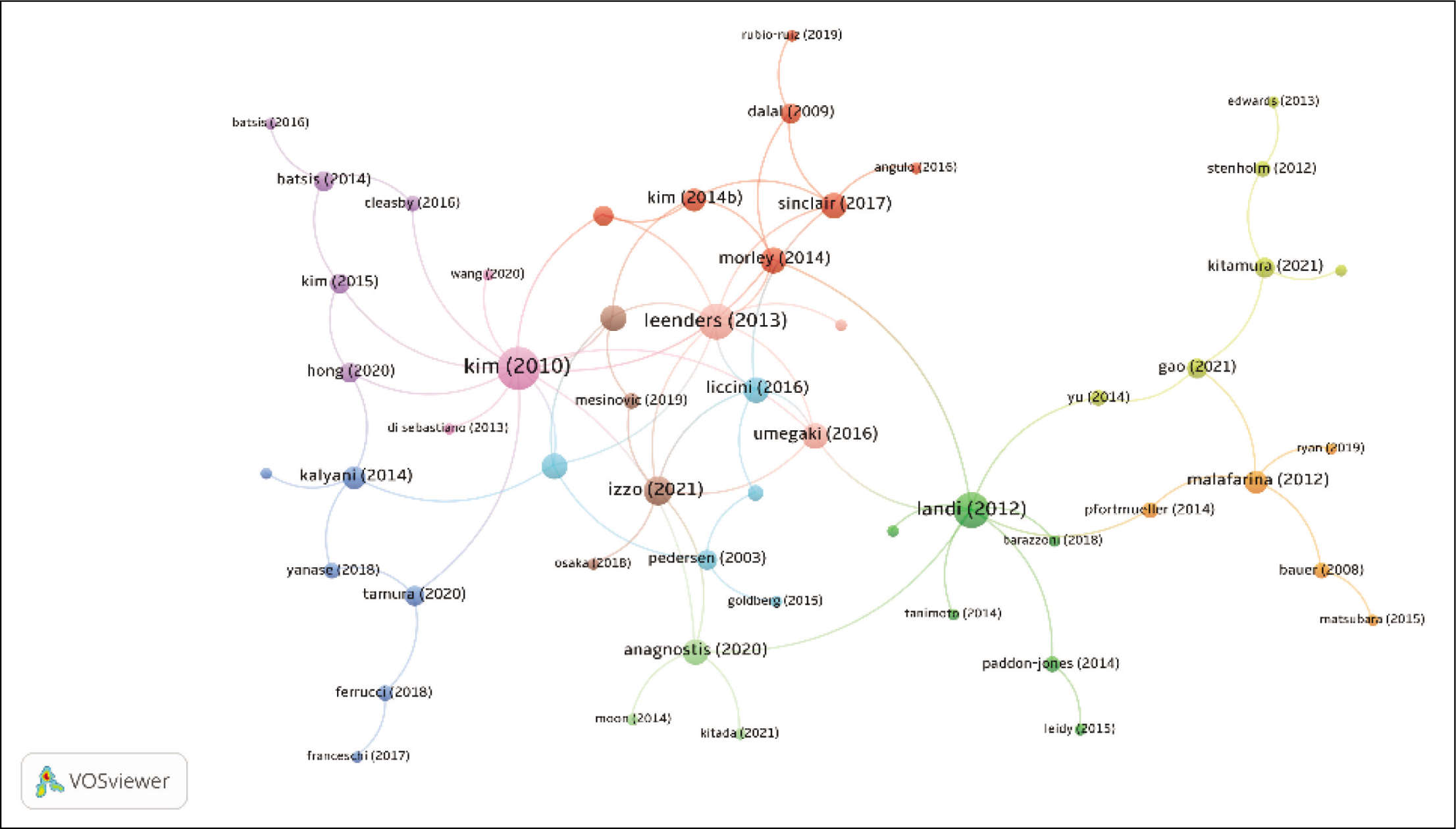
An analysis of the 151 HCPs was conducted to calculate the citation links and determine their interconnections. It was noted that among these HCPs, 98 papers (65%) remained unconnected to one another. Further analysis revealed a subset of 53 (35%) connected HCPs forming 11 distinct clusters with a total of 75 links. The clustering pattern indicated that Cluster 1 comprised 7 HCPs, Clusters 2 to 4 each contained 6 HCPs, followed by Clusters 5 to 7 with 5 HCPs each. Additionally, Cluster 8 included 4 HCPs, and Clusters 9 to 11 consisted of 3 HCPs each, as illustrated in Figure 6. This clustering analysis sheds light on the varying degrees of interconnectivity among the HCPs, highlighting the presence of cohesive clusters within the network of highly cited documents.
Visualisation of the 11 distinct clusters of connected hcps in the analysis of citation links
Discussion
The results of this bibliometric study illuminate the evolving landscape of research at the intersection of diabetes and sarcopenia, highlighting the significant contributions of various scholars and institutions over the years from 2003 to 2024. The focus on HCPs allows us to identify key trends and themes that have emerged within the literature and to assess the scholarly impact of these contributions.
The finding of 151 HCPs among the initial 2,499 search results underlines the concentration of academic interest and discourse surrounding the interplay between diabetes and sarcopenia. This selection criteria based on citation counts emphasises the relevance and influence of these works on the academic community and underscores the growing recognition of the complications associated with diabetes, particularly in elderly populations and those with musculoskeletal deterioration.
Through the keyword analysis and VOSviewer network visualisation, we were able to discern patterns in research focus and collaboration. The common keywords identified reveal an increasing emphasis on diagnostics, treatment modalities, and the pathophysiological mechanisms connecting diabetes and sarcopenia.[5,23-25] This aligns with the clinical understanding of how insulin resistance and metabolic dysfunction in diabetes may exacerbate muscle wasting,[26,27] suggesting a burgeoning area for future research and interdisciplinary collaboration that integrates endocrinology, geriatrics, and rehabilitation medicine.[28-30]
The statistical metrics acquired not only highlight prolific authors and leading institutions but also reflect a broader international effort in examining these interrelated conditions. Countries with high publication output often correlate with advanced healthcare systems and funding opportunities, enhancing research quality and scope. The identification of these countries sheds light on global disparities in funding, resources, and research infrastructure that may affect scholarly impact in less affluent regions.
Additionally, the study spotlights the importance of interdisciplinary research, as a significant number of publications intertwine aspects of endocrinology, gerontology, nutrition, and exercise science. Future studies could potentially benefit from collaborative frameworks that leverage insights from these diverse fields to develop holistic interventions aimed at mitigating the adverse effects of diabetes on muscle health.[31-33]
The synthesis of findings from this bibliometric review provides a foundational understanding of current trends, yet also points toward areas that warrant further exploration. There is a clear need for ongoing research to delve deeper into the causal relationships between diabetes and sarcopenia, including the role of lifestyle interventions and pharmacological therapies. Furthermore, as the global population ages and the incidence of diabetes continues to rise, strategies aimed at preventing or managing sarcopenia in people with diabetes will be crucial.
Strengths and Limitations of the Study
The study utilises the Scopus database, one of the largest and most comprehensive citation resources, ensuring extensive coverage of literature on diabetes and sarcopenia research. By focusing on HCPs, the study aims to highlight influential research that can inform future studies and funding priorities.
However, relying solely on Scopus may overlook significant contributions from other databases like PubMed, potentially missing relevant studies. Additionally, using citation counts as a measure of impact may not fully reflect the quality or applicability of research, as some valuable studies may have low citation counts due to niche topics or their novelty. The study does not evaluate the quality of the publications, which can vary significantly, and high citation counts do not necessarily imply methodological rigour or validity of findings.[34-37]
Major Contribution of the Study and Future Scope of Work
The study offers significant insights into diabetes and sarcopenia research by mapping HCPs and identifying key authors, institutions, and countries that influence the field. It highlights major research trends, particularly the connections between diabetes and muscle health, which can guide future research agendas.
Future research could benefit from including additional databases like PubMed or Web of Science for a more comprehensive dataset.[38,39] Qualitative analyses of highly cited papers could uncover specific findings and methodologies, while longitudinal studies might track the evolving landscape of the field. Interdisciplinary approaches could yield innovative solutions for managing diabetes and sarcopenia. Additionally, examining the influence of HCPs on clinical guidelines and healthcare policies could demonstrate how research informs practice. Investigating global disparities in research output and funding may highlight areas needing support, encouraging contributions from underrepresented regions. Overall, these avenues aim to build on the study’s foundation to enhance knowledge and improve patient care outcomes.
Conclusion
This bibliometric study highlights the significant contributions and evolving landscape of research at the intersection of diabetes and sarcopenia from 2003 to 2024. A total of 151 highly cited publications were identified, revealing critical trends and thematic focuses within the literature, particularly regarding the relationship between metabolic dysfunction and muscle deterioration. The analysis demonstrates the collaborative efforts of key authors and institutions, showcasing the global nature of this research domain. Utilising VOSviewer for network analysis provided valuable insights into the connections among researchers and the thematic areas of focus. This study not only informs current understanding but also outlines future research directions essential for addressing the complexities of managing diabetes and sarcopenia. Ultimately, the findings serve as a foundation for advancing knowledge and improving patient care in this critical area of healthcare.
Footnotes
Declaration of conflicting interests
The authors declared no potential conflicts of interest with respect to the research, authorship and/or publication of this article.
Funding
The authors received no financial support for the research, authorship and/or publication of this article.
Institutional Ethical Committee Approval Number
Not required for such bibliometric study.
Informed consent
No informed consent is needed for this bibliometric study since it does not involve any human data or intervention and is based solely on the published literature.
Credit author statement
GMNM: Data Curation and Analysis, Literature Search, Manuscript writing, editing, and final approval.
BMG: Conceptualization, Data Analysis, Literature Search, Manuscript writing, editing and final approval.
MNA: Data Curation and Analysis, Literature Search, Manuscript writing, editing, and final approval.
AKS: Literature search, Data analysis, Manuscript writing, editing, and final approval.
AV: Literature search, Data analysis, Manuscript writing, editing, and final approval.
RV: Conceptualization, Literature search, Data analysis, Manuscript writing, editing, and final approval.
Data availability
The raw data is available with the corresponding author.
Use of artificial intelligence
The manuscript’s English and readability were enhanced with the assistance of Grammarly. However, it is important to note that all content, including figures and tables, is original and has not been derived from external sources. The authors have diligently reviewed the manuscript in its entirety and assume full responsibility for its contents.
Key highlights
The study highlights 151 highly cited papers in diabetes and sarcopenia research, collectively amassing over 15,000 citations, demonstrating significant scholarly influence in the field. Major themes identified include the pathophysiological links between diabetes and sarcopenia, and the analysis emphasises significant interdisciplinary collaborations among leading authors and institutions primarily from the United States and Europe. The findings establish a comprehensive overview of influential works, underscoring the critical need for continued investigation in diabetes and sarcopenia to enhance patient management and treatment outcomes.