




Abstract
Despite growing evidence for a relation between individuals’ time use practices, their wellbeing, and potential negative outcomes regarding the vision of a sustainable future, knowledge on time-related learning outcomes and how to foster them remains scarce in Environmental and Sustainability Education scholarship and practice. In this explorative study, we aimed to find out how time use competence can be fostered within the framework of a school intervention based on the pedagogy of self-inquiry-based learning. We delivered the intervention to 156 students aged between 14 and 21. Applying Action Research, we inquired into students’ subjectively experienced, time-related learning experiences resulting from participating in the intervention. We collected a series of qualitative data (e.g. reflexive journals, time use documentations, or semistructured interviews), which we analyzed using template analysis. The overall contribution of our study is twofold: First, we provide a novel pedagogical approach allowing learners to experientially access the complex and fluid topic of time within Environmental and Sustainability Education. Second, we show that this approach can enable students to organize their time in a more self-determined and needs-oriented manner. Most students experienced the intervention as positive and acquired abilities helping them to address daily struggles with their time use, often resulting in less resource-intensive time use. However, the experiential format of the intervention also posed challenges to some students. Finally, we identified broader limitations of intending to foster time use competence through isolated learning activities. We discuss our results regarding the broader potential of educational interventions to contribute to the vision of sustainability through time-related learning. We emphasize that a whole-school approach might be particularly promising to foster time-related learning outcomes while also transforming the prevalent time-related structures of schooling. However, schools’ systemic embeddedness and subordination to political educational authorities also make such an approach challenging.
Keywords
Introduction
Within the broader discourse on the temporality of sustainability (e.g. Held, 2001; Seghezzo, 2009; Weiser et al., 2017), the relationship between individuals’ time use practices and sustainability has gained growing attention over the past decade (Druckman and Gatersleben, 2019; Geiger et al., 2021; Southerton, 2020; Wiedenhofer et al., 2018). This body of research suggests that experiencing one's time as scarce can enact a vicious circle of reduced wellbeing and unsustainable behavior. Thus, altering the quality of one's time experience might constitute a leverage point for fostering more sustainable behaviors while increasing individuals’ quality of life (Grauer et al., 2023).
Environmental and Sustainability Education (ESE) has been described as a “key enabler” for achieving sustainable development (United Nations [UN], 2017). It aims to shape young people productively in a sustainable manner and equip them with the competencies needed to address current unsustainability challenges (Barth et al., 2015). Against this background, developing the competence to experience and use time to meet one's own needs without jeopardizing the needs of others, both now and in the future, is an important ESE goal (Grauer et al., 2022). Although the pedagogical relevance of time and the intention to foster “temporal reflexivity” (Young, 2023) has recently gained some attention (Bastian and Facer, 2023; Birth, 2023; Mikulan and Sinclair, 2023; Schmidt-Lauff, 2023), time as a topic of education and its related learning outcomes remain largely neglected within ESE scholarship and practice (Görtler, 2016; Grauer et al., 2022, 2023; Reheis, 2007). Most of the scarce resources are of conceptual nature, with few exceptions looking at pedagogical approaches to stimulate time-related learning (Pacini-Ketchabaw and Kummen, 2016; Young, 2023). In fact, the relation between time and sustainability is not part of most school curricula (Grauer et al., 2022) and hence barely foreseen as an aspect of formal school education either.
In this qualitative study, we explore the potential of a school intervention based on the pedagogy of self-inquiry-based learning (Frank, 2023; Frank and Stanszus, 2019) to foster time use competence. Applying action research methodology, we look at how school students experience participating in the intervention and time-related learning processes resulting from this participation.
Theoretical background
Time and sustainability-oriented behavior
Sustainability-related behaviors can unfold in at least two ways: first, individuals can pursue principles of sustainability in their personal behavioral decisions, manifested, for example, in their consumer behavior. Second, individuals can engage in collective action. The individuals’ perception of and relation to time influences both spheres of sustainability-related behavior, as we will point out in this section.
Individual consumption has been described as a main contributor to the current environmental and socio-economic threats faced by human society (Merz et al., 2023; Wiedmann et al., 2020). Understanding the drivers leading to and identifying leverage points to change individual unsustainable consumption is complex, comprises the analysis of socio-economic conditions, cultural contexts, and institutional frameworks, and is hence subject of interdisciplinary research (Verplanken and Orbell, 2022; White et al., 2019). A recent approach in analyzing individual consumption stems from a time-lens perspective. From such a perspective, for example Rosa (2011a) describes modern societies as acceleration societies, defining acceleration as “an increase in quantity per unit of time” (Rosa, 2011a: 65). As a result, synchronizing one's time across a variety of domains of everyday life (e.g. family and care, domestic duties, and work) and catering for one's time-related needs becomes increasingly challenging (Southerton, 2020), leading to an experience of “time scarcity” (Kaufman-Scarborough and Lindquist, 2003: 349, see also Jouzi et al., 2021) and feelings of stress (Geiger et al., 2021). Although the intensity of this experience varies depending on factors such as socio-economic status, gender, or regional differences (Druckman et al., 2012; Wiedenhofer et al., 2018), time scarcity is arguably not confined to specific individuals or groups but has evolved into a pervasive societal experience (Rosa, 2011b; Southerton, 2020).
Modern society's response to time scarcity involves using time-efficient technologies and practices, which often involve consumptive acts (Adam, 2002; Rosa, 2011b). In addition to increasing energy consumption (Brencic and Young, 2009; Sorrell et al., 2020), paradoxically, applying these “timesaving” technologies and practices risks intensifying the perceived lack of time and can exert negative impacts on individuals’ health and wellbeing (Gärling et al., 2014; Reisch, 2001). Likewise, compensatory consumption, that is, “the acquisition and use of products in response to a deficit triggered by perceived needs and desires that cannot be fulfilled directly” (Koles et al., 2017: 97), has been described as a way to cope with everyday stress (Rosa, 2011b). Correspondingly, for example Røpke and Godskesen (2007) show that time devoted to leisure activities causes significant greenhouse gas emissions (Røpke and Godskesen, 2007). Galak et al. (2011, 2013) have provided evidence that a too rapid sequence of individual consumption acts reduces the intensity of the satisfaction stimulus. Accordingly, they hypothesize that more conscious consumption, that is, slower and fewer acts of consumption, might lead to an increase in wellbeing because levels of satisfaction stimuli are maintained over the longer term.
Against this background, scholars argue that enhancing individuals’ understanding of time-related needs and time use can benefit both individuals and the environment (Druckman and Gatersleben, 2019; Jouzi et al., 2021). For instance, Buhl and Acosta (2016) highlight the “co-benefits” of increased subjective wellbeing from greater time wealth (p. 275). Other research suggests that achieving “subjective time wealth” (Geiger et al., 2021) or “time affluence” (Kasser and Sheldon, 2009) enables individuals to use their time in ways that positively impact wellbeing while reducing unsustainable consumer choices.
Indeed, self-care is increasingly recognized within activism circles as a prerequisite for effective sustainability-oriented behavior too. Environmental activists often suffer from emotional distress and burnout due to self-sacrifice (Chen and Gorski, 2015), which impedes their ability to engage in sustainability-related actions. Therefore, researchers consider self-care an important complement to other-care and planet-care within activism (Corral-Verdugo et al., 2021; Westwell and Bunting, 2020). Time use and perception are crucial factors in one's ability to take care of oneself and personal needs.
Time use competence
This aligns with previous scholarly work on time use competence. Initially conceptualized outside of the sustainability discourse, time use competence was often seen as a time management and performance-related skill (e.g. Britton and Tesser, 1991; Claessens et al., 2007). In contrast, some scholars reoriented time use competence toward fulfilling individuals’ needs and life's meanings (e.g. DGfZP, 2005; Herrmann, 2009). According to this perspective, time use competence aims to enable people to use their time consciously, allowing them to “competently analyze their needs and the conditions of their realization […]” (DGfZP, p. 19).
Educational scholars and practitioners suggest that time use competence involves a complex interplay of cognitive, bodily, emotional, and volitional skills and abilities (Buddrus, 1995; Freericks, 1996; Hatzelmann and Held, 2015; Held, 2001). It requires awareness of one's bodily rhythms and emotions (Freericks, 1996; Hatzelmann and Held, 2015), the temporal needs of others (Hatzelmann and Held, 2015), and existing temporal structures and processes, including historical periods and biological cycles (Buddrus, 1995; Held, 2001; Herrmann, 2009).
Furthermore, the authors identify specific abilities that are required to exert time use competence. These include an ability to engage with the present (Buddrus, 1995; Hatzelmann and Held, 2015), self-control and self-regulation (Galak et al., 2011; Reisch, 2015), an ability to structure and plan one's time (Freericks, 1996; Hatzelmann and Held, 2015), a feeling for the “right” moment (Hatzelmann and Held, 2015), and time empathy (Hatzelmann and Held, 2015).
Time use competence also presupposes certain volitional dispositions or a mindset, defined as self-perception or self-theory (Dweck, 1999, 2006). Proponents emphasize that socio-institutional frameworks and temporal structures constrain personal time use. However, they also note that these constraints often serve as “alibis for the predominance of habits and biographical imprints formed in early childhood” (Buddrus, 1995: 89). Freericks underscores that time use competence is characterized by “the ability and willingness of individuals to shape their time of life in a self-determined and self-responsible way” (p. 15).
Several researchers suggested that time use competence in the described sense has direct implications for people's sustainability-related behavior. Galak et al. (2011, 2013) and Reisch (2015) link the concept to sustainable consumption. They define “temporal consumption competence” as the ability to harmonize consumption with one's needs (Reisch, 2015: 39). Empirical evidence from Galak et al. (2013) shows that frequent engagement in satisfying activities (e.g. eating and shopping) decreases their attractiveness and satisfaction. Instead, longer breaks between consumption experiences lead to greater satisfaction. The authors conclude that learning time competence can help people spend less time on consumption-oriented activities and increase their overall satisfaction.
The concept implies the ability to synchronize one's time use with others and their needs, and participate in shaping collective temporal structures sensitive to people's needs (Buddrus, 1995; Hatzelmann and Held, 2015; Herrmann, 2009). Reheis (2007) holds that time use competence includes “ecological time shaping,” which considers the temporal needs for regeneration of oneself, other living beings, and ecosystems. This connection links individual time use competence with broader reflections on intergenerational needs. Growing awareness of the material implications of one's own time use enables learners to consider the impacts of these choices on the living conditions and wellbeing of future generations.
In an attempt to synthesize existing approaches toward time use competence and explicitly link the concept to questions of sustainability, Frank et al. (2020) defined the term as “the ability and willingness of the individual to spend their lifetime in a self-determined and self-responsible manner and to participate in shaping the social organization of time in such a way that their own need satisfaction and the need satisfaction of others living today and in the future are not jeopardized” (p.10).
Time use competence in this sense comprises three dimensions (see Figure 1):
a personal dimension, understood as the individual's ability and willingness to spend their lifetime in a self-determined and self-responsible manner in such a way as to ensure the quality of their personal life, an interpersonal dimension, which is the ability and willingness to consider the needs of one's immediate social environment in one's conduct of life, and a transpersonal dimension, defined as the ability and willingness to consider the collective needs of present and future generations in one's own use of time.
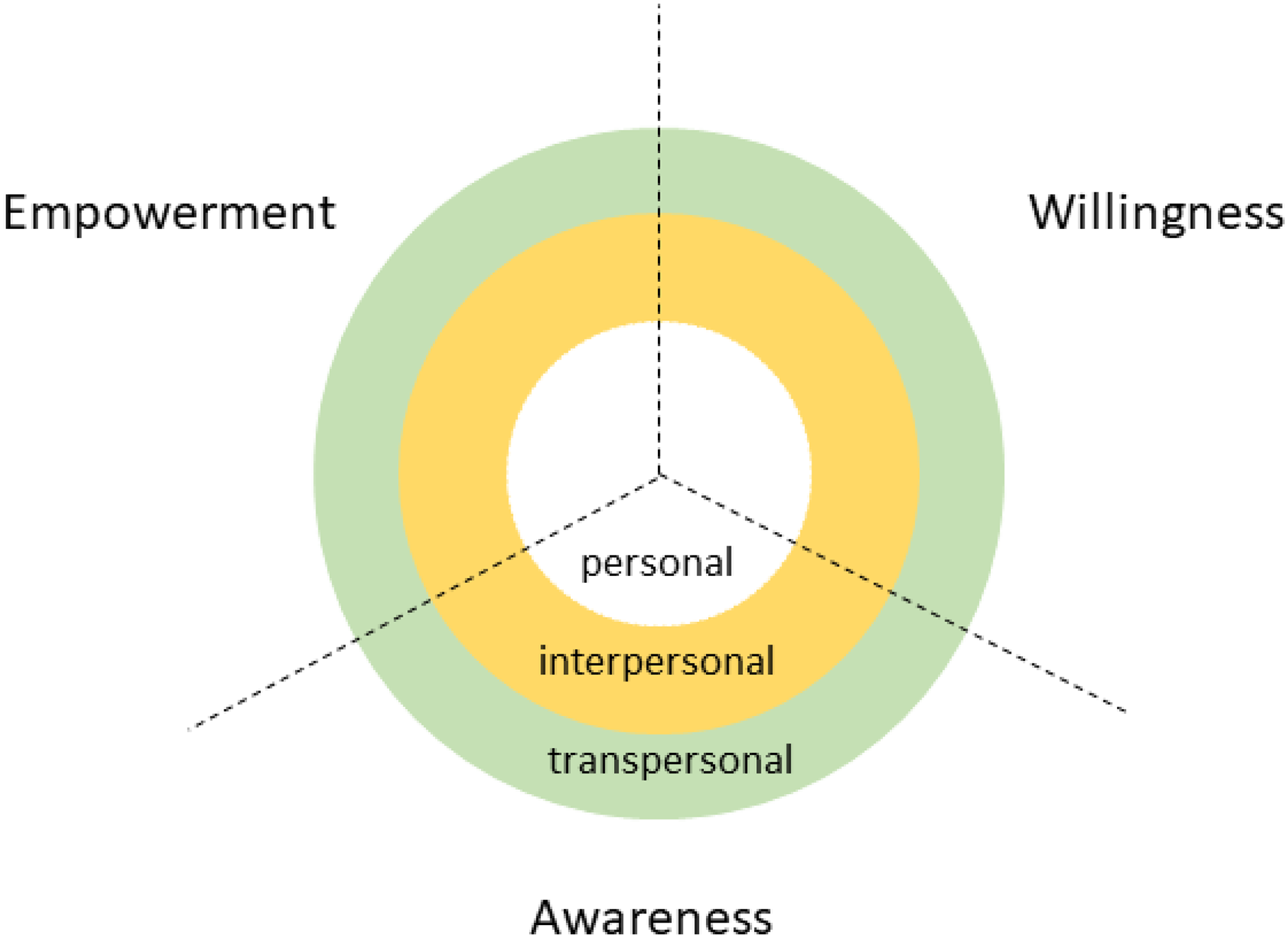
Components and dimensions of time use competence.
In sum, time use competence provides individuals with an embodied understanding of their time-related needs and their satisfaction. Therefore, it is supposed to carry a potential for decelerating individuals’ subjective experience of time and use it in such a way that it is more contributive to a good quality of life of oneself and others (Reheis, 2007).
Time use competence in ESE
Educational settings are believed to carry the potential to stimulate time use competence (Birth, 2023; Grauer et al., 2022; Shahjahan, 2015). There are a few studies from ESE examining pedagogical approaches to time that challenge the dominant view of time as a scarce resource. These studies sought to foster an understanding of different rhythms, such as individual, circadian, group, and natural rhythms among children (Pacini-Ketchabaw and Kummen, 2016; Wooltorton et al., 2020) and university students (Birth, 2023; Campbell and Timmerman, 2007). These studies contrast with the linear, efficiency-focused time perspective of contemporary society. For example, Pacini-Ketchabaw and Kummen (2016) describe how a forest provides manifold opportunities to discuss time in terms of the natural rhythms of plants and trees versus the clock time children become familiar with through their time being governed by the school timetable. Birth (2023) developed a university course aimed at “disrupting the connection between cognitive tools used to represent time (clocks and calendars) and experiences of time” (p. 247) and enabling students to reevaluate their relationship with these time representations.
These studies notwithstanding, empirical studies explicitly addressing time-related learning outcomes remain strongly neglected within ESE scholarship and practice (Görtler, 2016; Grauer et al., 2023; Reheis, 2007). Specifically, for time use competence, empirical research on pedagogical approaches aiming to stimulate its facets is absent (Grauer et al., 2022, 2023). The current educational system often exacerbates time scarcity: Nonmanagerial approaches to time remain neglected in formal education (Bastian and Facer, 2023; Compton-Lilly, 2016), and time efficiency is deeply embedded in educational institutions (Franch and de Souza, 2015). Researchers note that learners’ lack of autonomy over their time and accelerated learning may negatively impact their wellbeing and academic performance, failing to teach them how to use time according to their individual needs (Biller et al., 2022; Buddeberg and Hornberg, 2017). Consequently, it remains an open question how pedagogical approaches need to be designed to address the (self-)reflexive characteristics of time use and stimulate time-related competence development.
The ReZeitKon project (German acronym for Time Rebound, Time Wealth, and Sustainable Consumption), set out to address these gaps. The overall interest of our study was to explore the potential of a school-based intervention (hereinafter called ReZeitKon intervention) to enable students to become aware of and address their time-related struggles and needs in a more conscious, self-determined way. For this purpose, we studied school students’ subjective experiences with participating in our intervention. We explicitly made sure to also investigate the limitations of the intervention and the extracurricular factors influencing its delivery. These considerations led to the following four research questions (RQs): (RQ1) How do school students experience their time (use) and related struggles? (RQ2) How do school students experience participation in and time-related learning processes through the ReZeitKon intervention? (RQ3) What are the (perceived) limitations of such an intervention regarding its aim to stimulate time use competence? (RQ4) What are extracurricular factors influencing/challenging the conduct of the intervention?
Materials and methods
Overall research design
Action research methodology guided the conduct of our study. Tripp (2005) describes action research as “a form of action inquiry that employs recognized research techniques to inform the action taken to improve practice” (p. 4). It involves continuous cycles of action, data collection and analysis, and action adaptations. Action research is also an emancipatory approach, empowering participants to initiate changes they envision for themselves and their environment (Salite, 2008).
Our study consisted of four phases (Figure 2): a preparatory phase, two implementation phases, and a final assessment phase. In the preparatory phase, we selected partner schools to implement the intervention, focusing on secondary schools for their students’ higher autonomy in time use. We also included vocational training schools to explore potential tensions between work and study times. Schools were contacted through existing networks before the grant application. Selection criteria included available time slots and the decision to implement the intervention in compulsory courses rather than extracurricular activities. Eventually, two Gymnasiums and one vocational school agreed to participate in our study. The schools were not representative of general or specific student populations, which was intentional given the exploratory nature of our study.
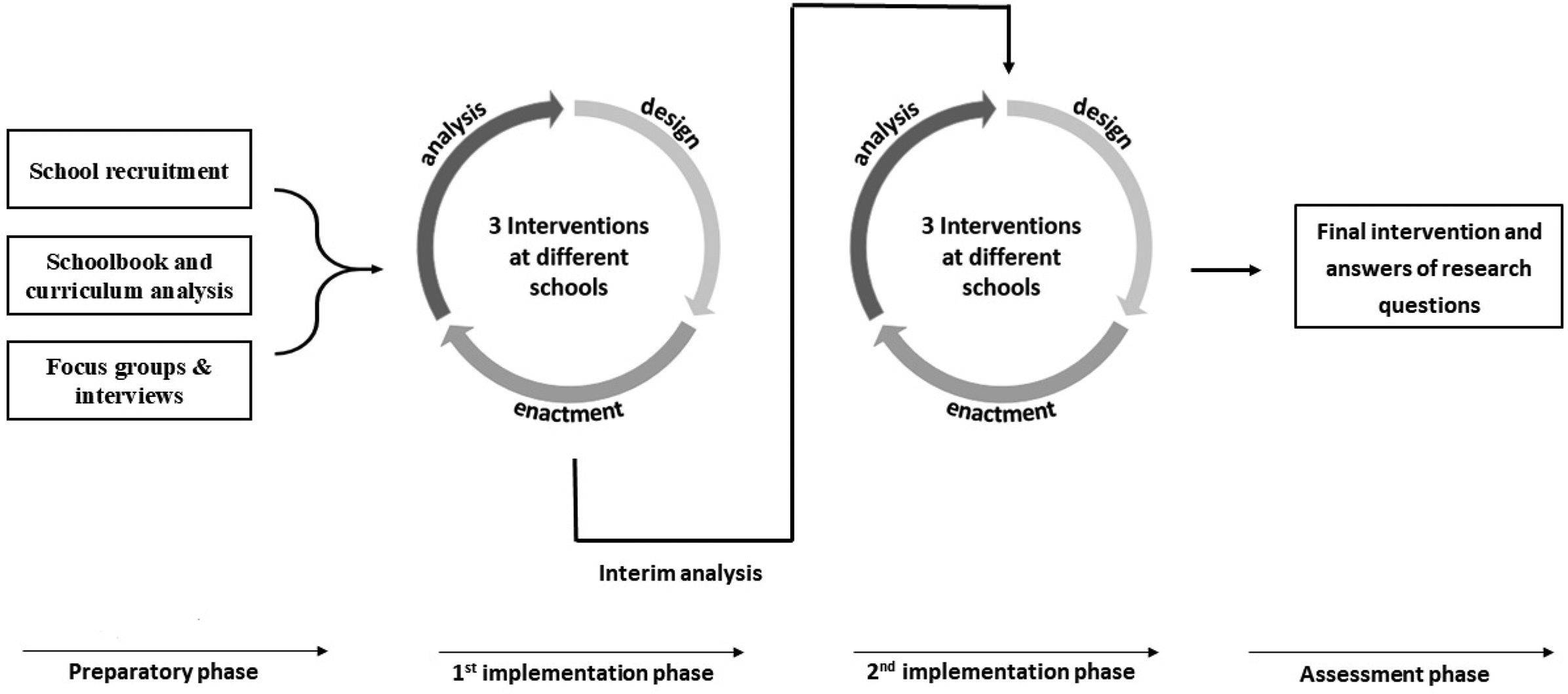
Action research design of our study.
In cooperation with administrators and teachers, we identified potential cohorts and time slots. The interventions were offered to 9th graders in philosophy and social sciences courses at secondary schools, and to 11th graders in economics courses at the vocational school. Each school provided 24 hours per semester. Prior to the implementation of the intervention, we obtained both ethics approval of the respective school authorities as well as the ethics committee of Leuphana University Lüneburg, Germany.
The final intervention was informed by a schoolbook and curriculum analysis on existing pedagogical approaches to promote time-related learning in schools (Grauer et al., 2021). In addition, we conducted focus groups and interviews with teachers and school students from each of the three partner schools to find out about their time-related needs to tailor the intervention more closely to our target group.
In total, we ran three interventions in the first implementation phase, addressing students aged 14 to 19. The structures of the interventions were adapted to each school's circumstances (see Table 1). The first and second author of the article conducted the school interventions, while all authors contributed to its design and research activities. School teachers were present during the individual sessions, without actively intervening in the teaching process. Participation was mandatory as it was a regular school event. Implementation included data collection, analysis, and design adaptations as needed. For the latter purpose, we the first implementation phase with an interim analysis and a workshop to discuss preliminary results with educators, researchers, and students, leading to an adapted curriculum.
Overview of interventions.
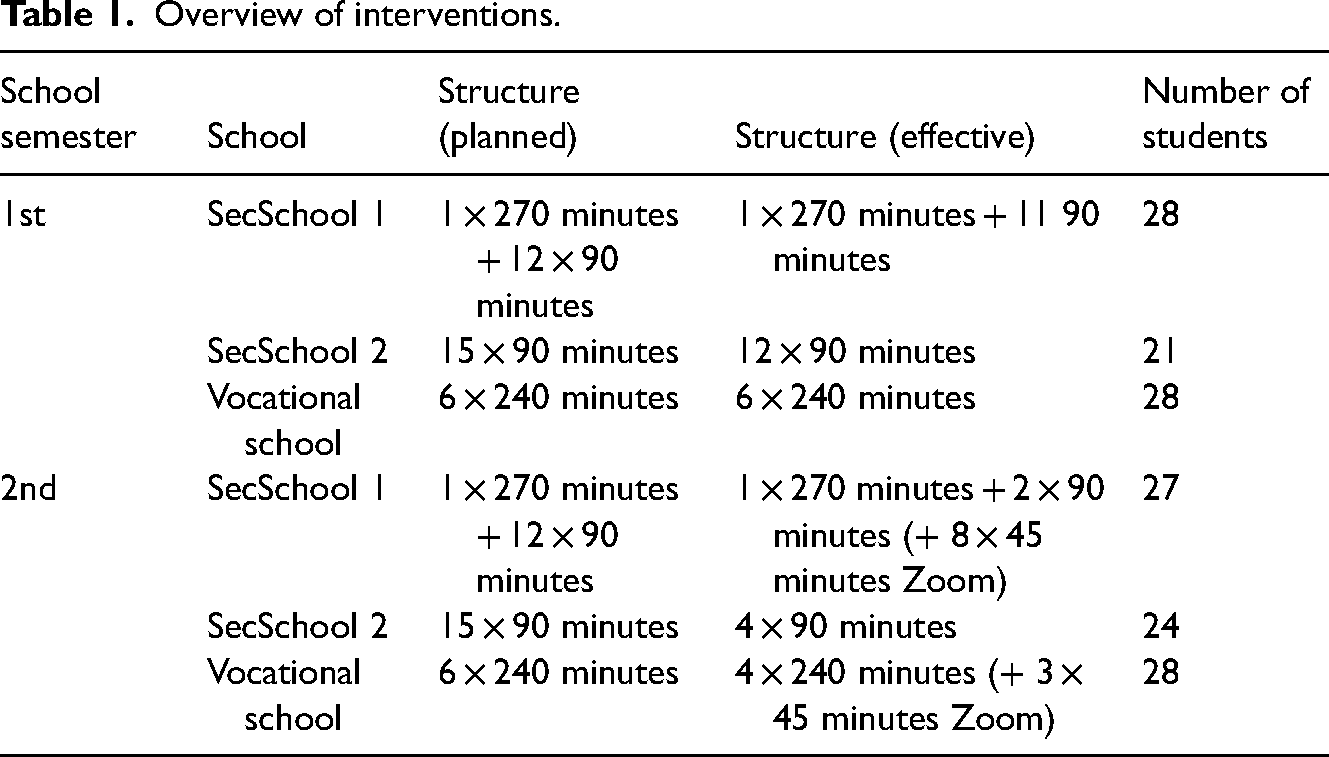
In the second phase, we continued with the same schools and cohorts but different groups. Implementation was interrupted due to COVID-related school closures and curriculum shifts. We attempted to continue via Zoom with fewer participants and limited meetings (Table 1). Consequently, most data for this research stems from the first phase.
Intervention
The ReZeitKon intervention was based on self-inquiry-based learning (SIBL). This pedagogical approach allows learners to systematically inquire into their subjective experiences occurring during specific actions (Frank and Stanszus, 2019; Frank, 2023). The roots of SIBL lie in phenomenological education (Aoki, 2004; Tymieniecka, 2008), which assumes all knowledge is derived from personal experience. Phenomenological education investigates phenomena consciously experienced, “without theories about their causal explanation and as free as possible from unexamined preconceptions and presuppositions” (Aoki, 2004: 90). Unlike the traditional focus on content knowledge and intellectual processes, phenomenological education values learners’ sensory, somatic, and emotional experiences equally. Exploring these experiences is a key aspect of SIBL.
SIBL combines principles of experiential learning (Kolb, 1984) and inquiry-based learning (Huber, 2009). It is experiential learning in the sense that the repeated immersion in a specific type of action (e.g. a change in one's time use) is a constituent element of SIBL and represents the experience that is subject to further inquiry. Moreover, SIBL aims to reflect on this experience to reach a more abstract, intersubjectively shared understanding.
SIBL connects the iterative process of acting and reflecting characterizing experiential learning to the inquiry-based learning method, leading to a four-step learning process (Frank, 2023):
Identifying a specific, personally relevant research question (e.g. “What are the challenges of changing my time use?”). Repeatedly engaging in the specific action related to the research question and systematically documenting personal experiences (e.g. writing reflexive diaries; see Lyon, 2023). Analyzing the collected data in groups to reach an intersubjective understanding. Presenting the results in written assignments or presentations.
A final characteristic of SIBL is the integration of introspective training activities. Research has repeatedly emphasized that much of what constitutes a subjective experience remains pre-reflexive (Norretranders, 1998; Vermersch, 2009; Wilson, 2004). Without training, individuals tend to reproduce representations of, and confabulate explanations for, their experiences instead of engaging with them directly (Johansson et al., 2005; Petitmengin, 2006; Wilson, 2004). However, practices such as mindfulness meditation (Kabat-Zinn, 2005), focusing (Gendlin, 1969), or microphenomenological interviewing (Petitmengin, 2006; Petitmengin et al., 2013) can enable individuals to become aware of their felt experiences. SIBL draws upon such practices to systematically broaden and deepen the awareness and reflection of learners’ subjective experiences related to specific actions.
Translating these principles into the ReZeitKon intervention, a transformational project on the students’ time use lay at the heart of the intervention. Students could freely choose their projects (e.g. more sleep, reduced use of electronic devices). The success of the project was not the focus; instead, it was the experience of attempting to change one's time use that pedagogically mattered. This experience served as the basis for students to explore what hinders and supports changes in time use that better respond to one's needs. To facilitate reflection and research, students documented their experiences through time use logs, diaries, and peer interviews. In line with experiential learning principles, we assumed that by actively engaging with and reflecting on the experience of attempting to change their time use, students would develop time use competencies.
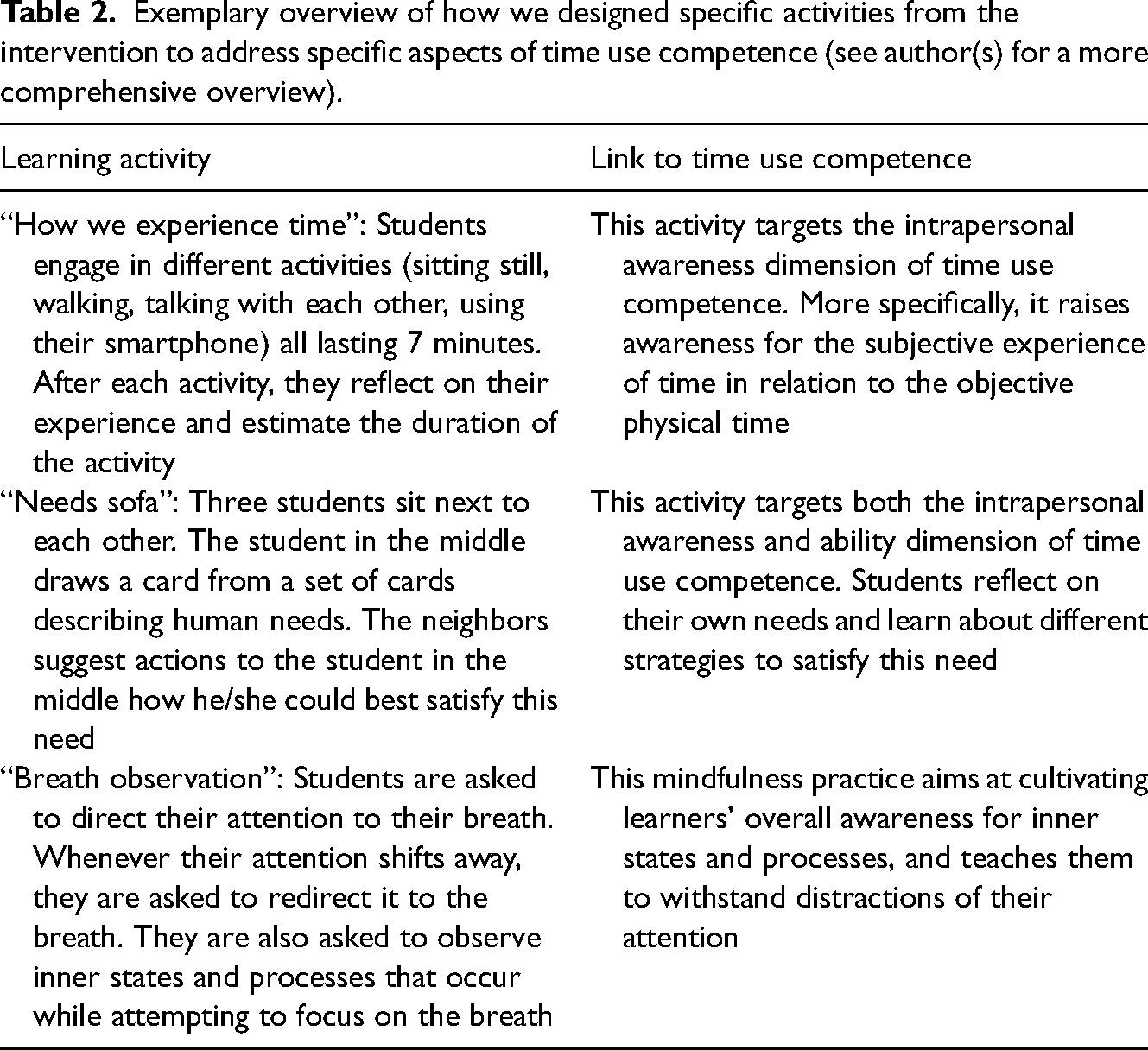
The project was embedded into an integral curriculum aimed at systematically building students’ time use competence (Supplemental Appendix 1). Initially, students attended introductory sessions to familiarize themselves with the concept of time (e.g. group reflections on the meaning of time, exercises exploring different experiences of activities in terms of duration; see Table 2). Each session began with brief mindfulness practices (e.g. breath observation, Yoga) to help students get aware of their embodied subjective experience. Moreover, students received theoretical input followed by discussions on topics such as needs and values, and participated in practical exercises to enhance specific facets of their time use competence in support of their projects (see, e.g. Table 2). Each session included opportunities for students to exchange experiences about their change projects. These exchanges served the purposes to (a) sensitize students to the time-related needs of their peers and common struggles in meeting these needs and (b) to provide an opportunity to learn strategies for overcoming such struggles.
Exemplary overview of how we designed specific activities from the intervention to address specific aspects of time use competence (see author(s) for a more comprehensive overview).
At the end of the intervention, students wrote individual reflections on their experiences with changing their time use. Additionally, they gathered in groups to analyze their experiences regarding the challenges and supporting factors of changing one's time use, and presented their findings. These final reflections aimed to deepen the students’ personal comprehension of their experiences while developing an intersubjective understanding of what it can mean to change one's time and align one's time use to the time-related needs of oneself and others (Figure 3).
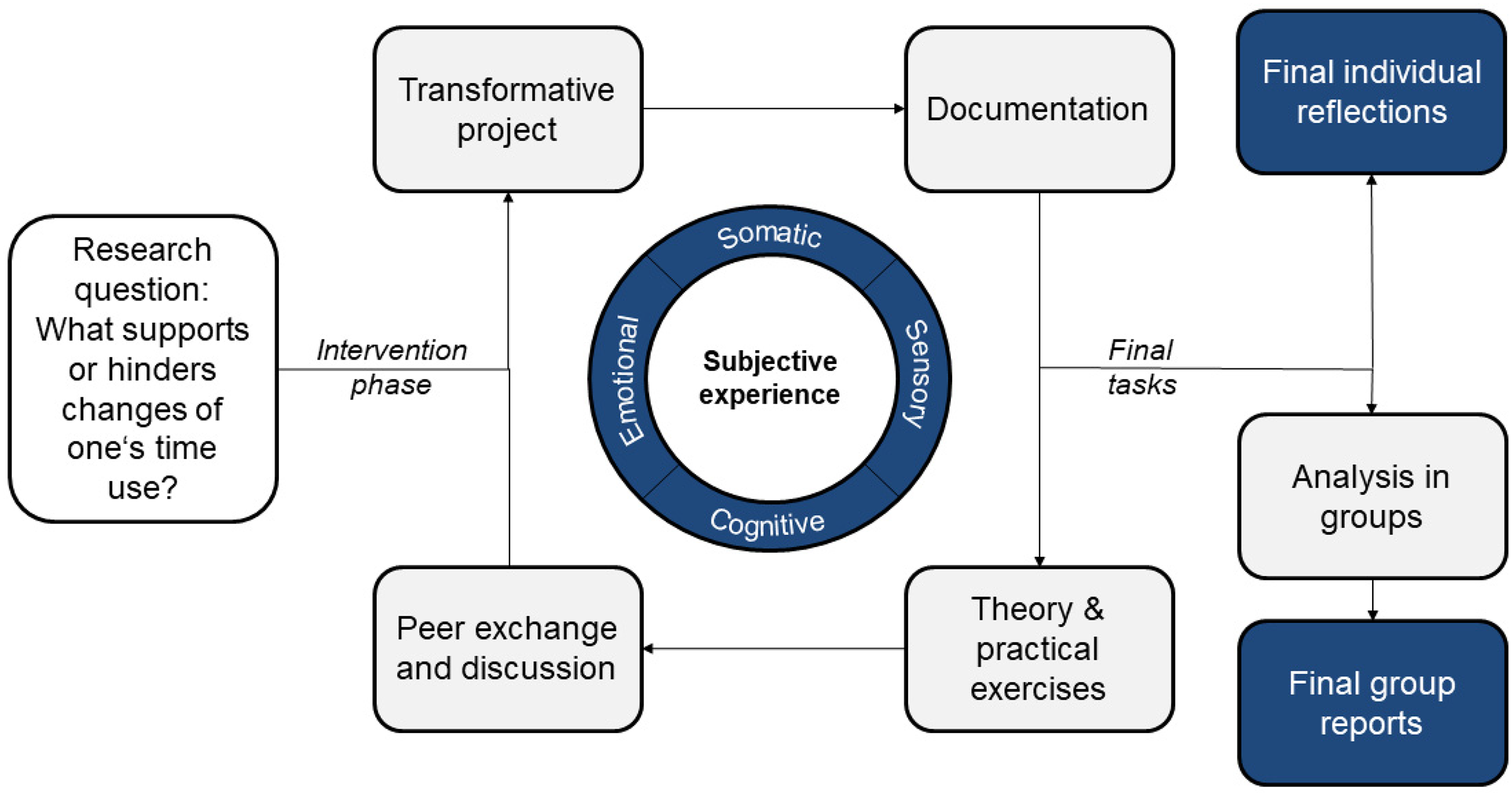
Illustration of the ReZeitKon intervention based on self-inquiry-based learning.
Data collection
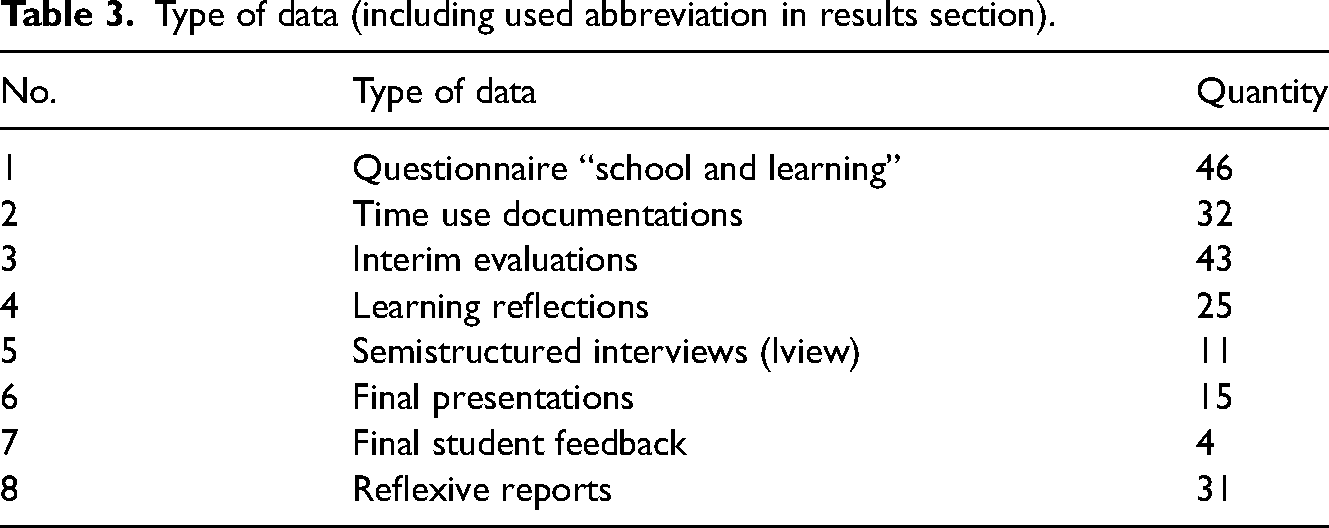
We triangulated different types of data collected at various stages of the intervention (Table 3 provides an overview and total quantity of data and sorts them chronologically):
At the beginning, we handed out a form asking about students’ understanding of school and responsibility for learning processes to understand their perception of school and formal learning time (especially whether they experienced their school time as more self-determined or other-determined (Supplemental Appendix 4). Students wrote time use logs to track their personal time use (Supplemental Appendix 2). We conducted interim evaluations after half of the program (Supplemental Appendix 5). In one school, a homeroom teacher integrated an interim reflection on students’ intervention experiences into a written assignment and made anonymized reflections available for analysis. In the final quarter of the program, we conducted semistructured interviews with students on their intervention experiences, randomly selecting participants to avoid reciprocal influence (Supplemental Appendix 6). For the last session, students prepared final poster presentations in groups, sharing insights from their transformational projects. Students also provided final feedback on their intervention experiences as group posters. Finally, students drafted reflexive reports detailing their intervention experiences and learnings from their transformational projects (Supplemental Appendix 3).
Type of data (including used abbreviation in results section).
We had obtained forms of consent from caretakers of all students whose data we used for our study prior to the implementation.
Data analysis
Given our intervention's purpose of creating experiential spaces for students to develop time use competence through hands-on experience and self-inquiry, and considering the explorative nature of our study, a data analysis based on phenomenological epistemology was most suitable (Smith et al., 2009; Frank et al., 2024). The phenomenological approach allowed us to reconstruct and comprehend students’ subjective reports about their experiences with the intervention. Conversely, we embraced the discourse-analytical perspective that how students thought and spoke about the intervention's content also influenced their interpretation of their experiences. Overall, this positions our study within a hermeneutic-interpretive research paradigm (Wals and Dillon, 2013).
We used template analysis (Brooks et al., 2015) to analyze our data. This form of thematic analysis allows researchers to structure data in a nuanced and differentiated manner using both inductive and deductive themes while maintaining a descriptive attitude. We found this approach particularly useful for our study.
We applied inductive coding to capture the explorative nature of our research, reconstructing students’ subjective experiences and learning processes as closely to the data as possible. This method allowed the multifaceted manifestations of time use competence to emerge from students’ reports without predefined notions.
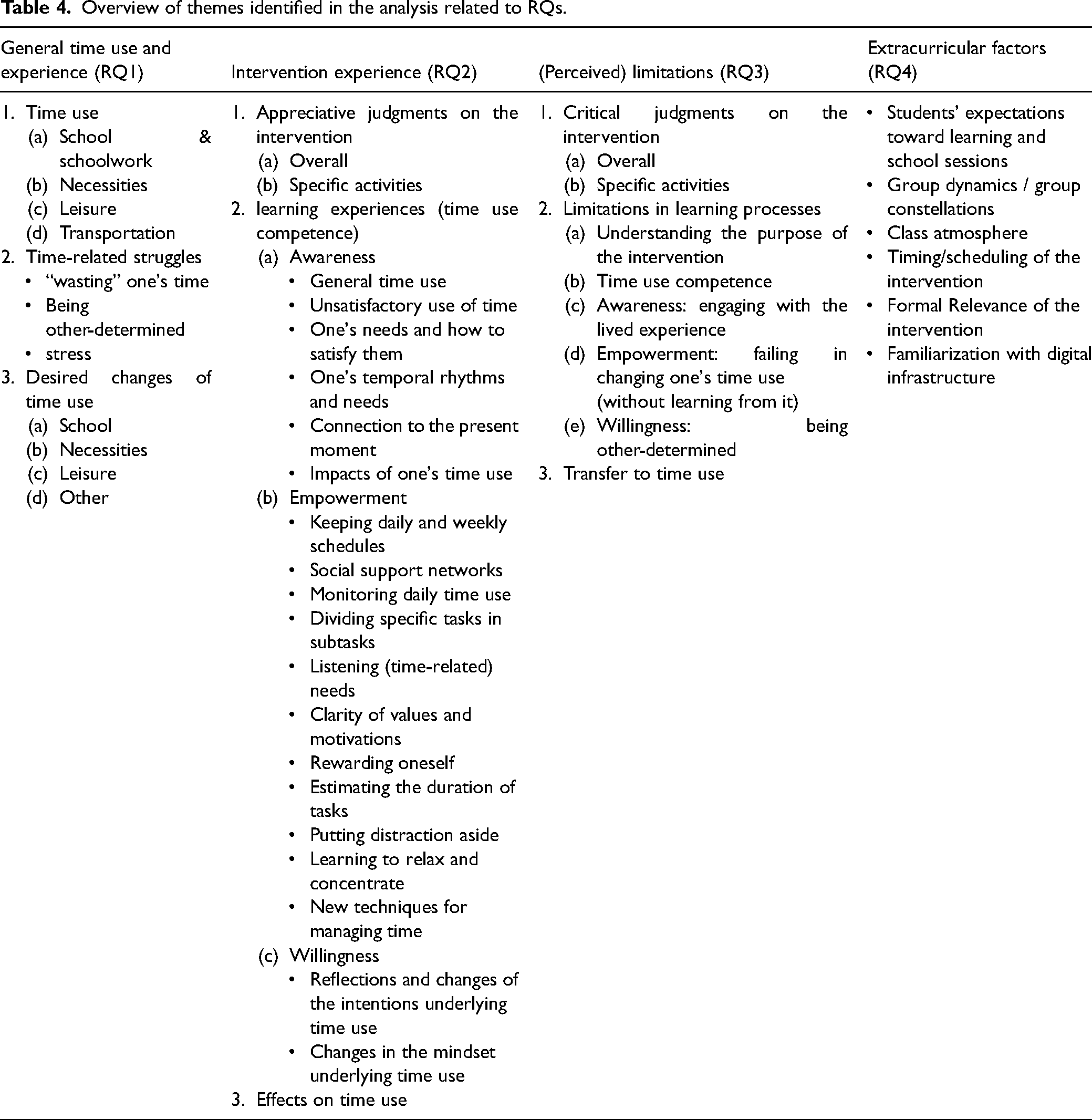
Conversely, our deductive analysis grouped and coded data according to our research questions. Regarding students’ time use (RQ1), we followed Giurge et al. (2021), differentiating time use into categories: “school & schoolwork,” “necessities,” and “overall leisure,” plus a category for transportation (Table 4). We used the concept of time use competence to structure and interpret data for students’ learning experiences (RQ2) and the limitations (RQ3) of our intervention. We also distinguished students’ overall experiences with the intervention from specific learning activities designed to foster time use competence. The template analysis allowed us to neatly organize these different levels of experience, categorize the data, and link our findings directly to our research questions.
Overview of themes identified in the analysis related to RQs.
Our analysis primarily focused on the identification of recurrent patterns and schemes. Therefore, most of the applied codes and categories follow a semantic logic, meaning that they are meant to describe and systematize the obtained data as close as possible to the students’ statements and interests of this study (Braun and Clarke, 2006). We also generated latent codes—interpretations of students’ statements that go beyond their own words (Braun and Clarke, 2006)—primarily for the purpose of interpreting students’ learning processes or limitations in students’ learnings. Therefore, our analysis also included principles of discourse analysis (Schreier, 2014).
Quantifications were limited to standardized data that was either already quantitative (time use logs) or representative (final presentations). This data allowed us to add quantifiable descriptions and indicators (e.g. frequent and often) to our findings where appropriate. However, due to our explorative research interests and the minimally structured data, most of the obtained data was not suitable for quantification.
Our procedure followed a collaborative coding approach (Cascio et al., 2019). The core coding team consisted of two research assistants experienced in thematic analyses, and a research fellow with over 6 years of qualitative methods experience. The team began by familiarizing themselves with the data and selecting relevant passages according to the research questions, which formed the main coding categories. We then applied an open and axial coding process, discussing codes in weekly meetings attended by a second research fellow for peer debriefing (Flick, 2007). We discussed codes until reaching mutual consensus, leading to a preliminary codebook. Each team member individually coded the entire data material, with weekly meetings ensuring consensus throughout. We also presented interim findings to teachers (partly present during the interventions) for member checks and external validation (Flick, 2007).
Results
In accordance with our research questions, the data material was grouped in four main codes, namely (I) school students’ general time use and experience (RQ1), (II) school students’ intervention (including learning) experiences (RQ2), (III) the perceived limitations of the intervention (RQ3), and (IV) extracurricular factors influencing the intervention (RQ4). Table 4 provides an overview of our final template.
School students’ general time use and experience
We differentiated the students’ general time use and experience in (1) their time use, (2) their time-related struggles, and (3) their desired changes of time use as reflected in their chosen time use transformation projects (see Table 4).
Time use
In the first step, we analyzed data on school students’ time use. School and schoolwork occupy a large part of their daily time (Table 5), with students spending almost 6 hours a day attending school and an additional 2 hours on homework and studying. Necessities like sleeping, eating, and daily hygiene also take up a significant portion of their time. In line with a representative survey studying German school students’ time use (Medienpädagogischer Forschungsverbund Südwest [MPFS], 2019), the most frequent leisure activities include sports/physical exercise, watching TV, and smartphone use, followed by video games and meeting friends. Twelve students reported spending almost an hour daily in transportation. The overview also indicates students spend much time on energy-intensive activities.
Time-related struggles
Students’ average time use per day.
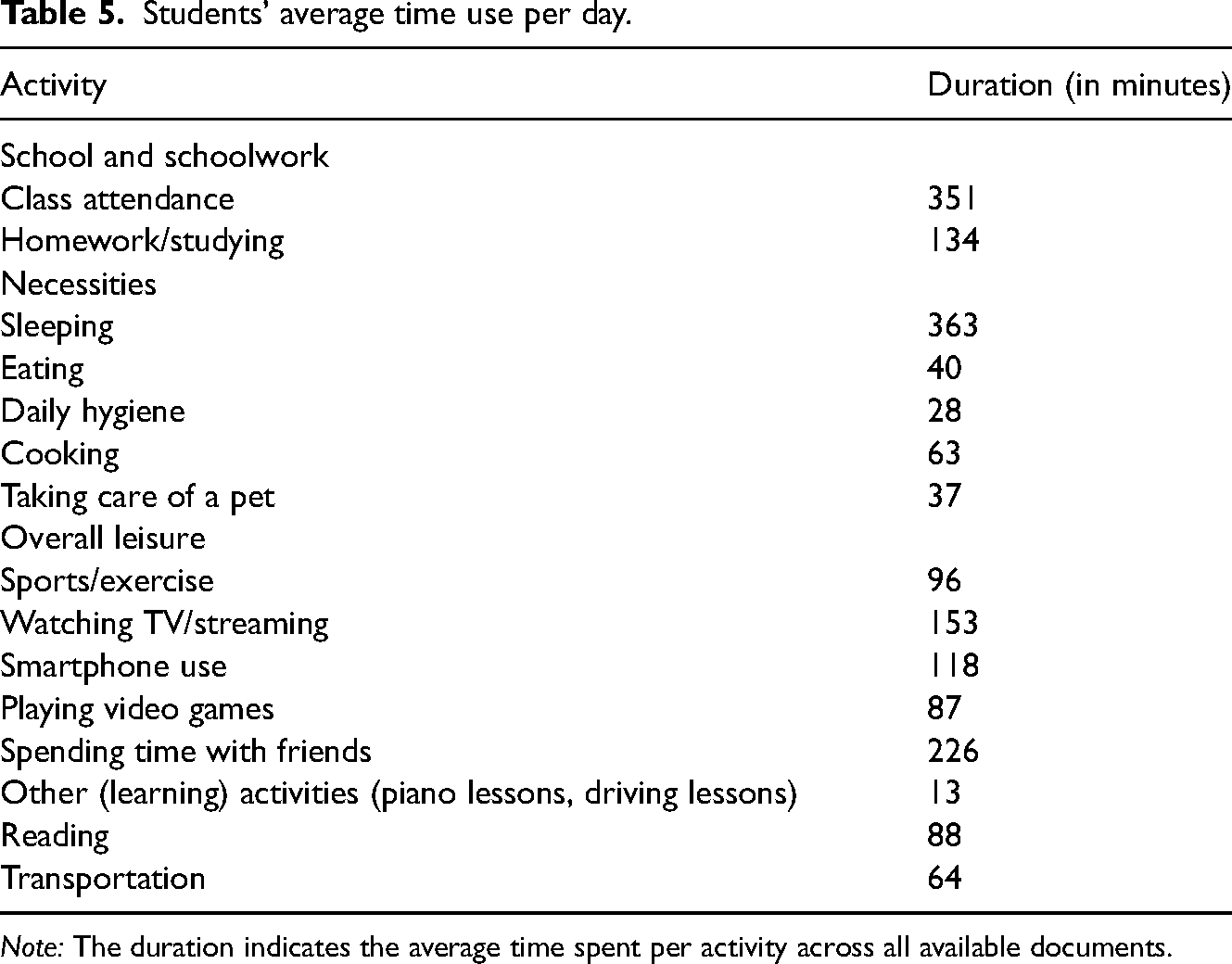
Note: The duration indicates the average time spent per activity across all available documents.
In the second step, we examined students’ time-related struggles. Nearly all students reported some form of struggle with their experience of time. We identified three forms of struggles: (i) a feeling of “wasting” their time, (ii) the impression that one's time use was determined by others, and (iii) a feeling of stress.
Regarding the first (i), students often felt they spent time on activities they didn't find meaningful, such as watching TV or using mobile phones, instead of on activities they considered important: “I often notice that time could be used much more meaningfully for other things. You unintentionally spend a lot of time on your cell phone, even though you wonder what you were doing during that time.” RR_S1_13
Students also frequently reported occasions where they perceived their time as determined by others (ii). They mentioned various activities they didn't engage in voluntarily (cleaning, caring for siblings, and sports training), with school-related activities particularly perceived as other-determined: “You basically have no choice but just sit there and have to do what the teacher says.” Iview_S1_1
This perspective was reflected in responses to the questionnaire on “school and learning.” On a scale from 1 (fully other-determined) to 10 (fully self-determined), the average perceived self-determination for school-related time use was M = 5.65 (SD = 2.7, N = 43), with nearly half (20) of the students scoring 5 or below.
The experience of stress (iii) was the third most frequently mentioned struggle, with school-related tasks being the main source of stress. Some students’ daily lives appeared busy overall, leading them to state they often lack time for other valuable activities, including basic needs. In the following quote, for example, a student explains why she doesn't get enough sleep: “I don’t have a lot of leeway in organizing my time. My day is usually very well planned. I play field hockey as a competitive sport and that takes up a lot of time. Because it is a competitive sport, I cannot simply skip the training […]. And that's my biggest stress factor right now.” RR_S2_5 Desired changes of time use
In the third step, we examined students’ desired changes in their time use, reflected in their chosen change projects under the categories: school, necessities, leisure, and other (Table 6). These projects illustrate the common forms of time-related struggles. For school, the most chosen topics were establishing a homework routine and reducing procrastination. Necessities were addressed through projects aiming to get more sleep, follow a healthier diet, or dedicate time to tidying up. Regarding leisure, students experimented with reducing screen time, intending to spend the additional “free” time on hobbies. Some students also aimed to exercise more. One student aimed to increase productivity, and another sought ways to overcome anxiety. As reported in their reflexive reports, many projects reflected an interest in finding out whether regular time use patterns could reduce stress and lead to a more self-determined time use.
Overview of change projects.
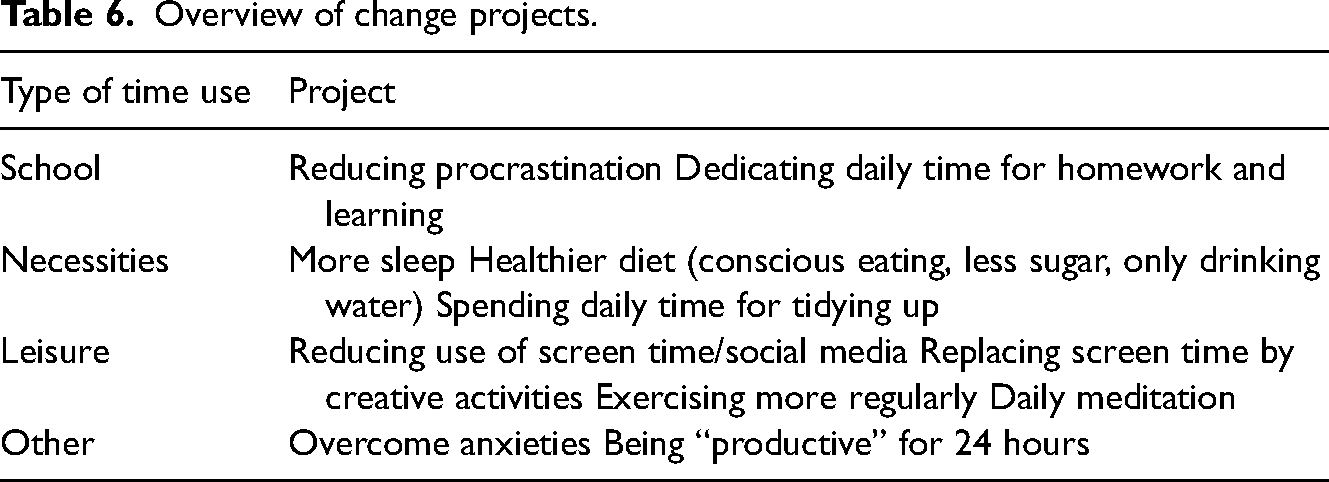
In summary, our findings confirm the relevance of a time-focused intervention for school students. They expressed explicit struggles with time experience, either directly affecting their perceived quality of life or indirectly restricting their ability to care for themselves (i.e. addressing their needs).
(II) Experiencing the intervention
Regarding how participants experienced the intervention and its (reported) effect on their time use, we distinguished between: (1) students’ appreciative judgments on the intervention (critical judgments were subsumed under perceived limitations), (2) their subjectively experienced learnings related to time use competence, and (3) the (perceived) impact of the intervention on students’ time use.
Appreciative judgments on the intervention
Concerning the appreciative judgments, we distinguished between (a) statements about the overall intervention and (b) statements about specific learning activities.
For the first category (a), most students expressed positive sentiments about the ReZeitKon intervention. Most described the intervention as positively different from usual school lectures and were satisfied with their overall experience. They found the intervention interesting and wished for more offers like this in school: “I: Do you think it makes sense in general for such offers to be made in schools? S: I find it useful. […] Because then you learn something else apart from doing school assignments, practical things for life. time is valuable. […] What good is biology now? Or health sciences when I play around with a heart and I’ll never do that again in my life anyway? So I actually really liked it.” Iview_S3_1
Students also commended the relaxing atmosphere and appreciated the experiential learning activities in the seminar: “So [the] activations … I really liked that you could sometimes feel that they had a meaning. Sometimes you didn’t understand the meaning at first, but afterwards you understood the meaning more and more often and how things affect you. And I liked the psychological things, for example, that if you move or and don’t speak or sit around and do nothing that you always perceive time differently.” Iview_S1_2
Concerning the second category (b), among the specific learning activities offered throughout the intervention, some were repeatedly highlighted by students in their feedback. Most often, these were short introductory meditations and yoga exercises: “The meditation makes you relaxed and for a short moment you forget the stress that will follow for the rest of the day. When we did yoga I felt a little uncomfortable, but that would go away with regular repetition and I would be able to fully engage with the exercises and the here and now.” RR_S1_7
Students also appreciated the contents related to personal needs and their satisfaction, such as the needs couch, and experiencing how time seems to pass at different speeds depending on the activities (see Table 2): “What stuck out to me was […] that we could just see how quickly time can go by and how slowly time can also go by and that's why I actually found that the best thing overall.” Iview_S3_4 Subjectively experienced learnings
Students reported several learning experiences from the intervention related to the concept of time use competence and the three dimensions of awareness, empowerment, and willingness (see also Figure 1).
At the awareness dimension, reported learnings included (i) an overall improved awareness of one's time use, (ii) an awareness of one's unsatisfactory use of time (“wasting time”) and the importance to consider time as a valuable resource, (iii) a better understanding of one's needs and how to satisfy them, (iv) a better feeling for one's temporal rhythms and needs (e.g. the best time to accomplish school tasks, how long one needs to accomplish a task), (v) a better connection to the present moment, including one's own bodily sensations, and (vi) an increased awareness of the subjectively experienced impacts of one's time use.
Students also developed practical abilities enabling them to spend their time in a more satisfactory way. More specifically, students (i) developed daily and weekly schedules to organize their time, (ii) built a social support network (e.g. pursuing projects in groups, asking people to remind them of their projects), (iii) monitored their daily time use, (iv) divided specific tasks in manageable subtasks, (v) listened to their momentary and temporal needs and structured their days accordingly, (vi) reminded themselves of their motivations underlying specific activities and set priorities based on their values, (vii) offered themselves rewards when accomplishing difficult tasks, (viii) could better estimate the duration of tasks and hence organize their day accordingly, (ix) put distractions (e.g. smartphones) aside helping them to concentrate on specific tasks they wanted to accomplish, and (x) and learned relaxation and concentration techniques they could integrate in their daily lives. Finally, (xi) one student developed his own technique called the “five minutes method”:
During my project I discovered a trick that will help me a lot in the future. I like playing video games very much. every time I want to stop playing, I tell myself: five more minutes. […] My biggest problem with my homework or studying was always that I couldn’t start […]. Now I always said to myself before I started, “I’m going to do this for five minutes and then just stop, regardless of whether I’m done or not.” This little trick meant that five minutes easily turned into an hour, and I even did three hours of chemistry in one day (which is also reflected in my chemistry grade). RR_S2_2
Students experienced several changes on the willingness dimension too. We distinguished two types of changes: (i) reflections and changes of the intentions underlying time use and (ii) changes in the mindset underlying time use.
Regarding the first type, students expressed that the intervention made them aware of their unsatisfactory time use and fueled their intention to avoid wasting time in the future. This intention didn't necessarily mean they wanted to be more efficient (although sometimes they did; see next subsection). Instead, students began to see their time as a valuable resource, which they attempted to spend more meaningfully and satisfactorily. While this might include the determined completion of a task, it could also mean, as one student stated
“not to use my time efficiently, but rather to be content with my time.” Iview_S1_2
Concerning the second type of change, students developed a heightened sense of self-confidence and self-determination related to their time use. These changes offered insights into the possibility of choice, enabling students to develop a sense of agency over their time use:
“I also realized how many things I do involuntarily, just because it's ‘mandatory’.” RR_S1_6
“During my project I noticed that I am much more willing to work if I do something voluntarily and of my own free will. So learning didn’t feel like work, but more like a video game that you really want to play.” RR_S2_2
Both because of this insight and the acquired abilities, students also felt more confident to master difficult times:
“My use of time has definitely changed in some situations. When I have to study for an exam, like I did recently, and the subjects seem to be overwhelming, I know that I’m able to get a lot done in a day if I really have to.” RR_S2_7
Effects on time use
Finally, students reported direct effects of the intervention on their time use. They described their current time use as more conscious, meaningful, and satisfying, and reflected more on how they want to spend their time. They also reported being able to organize their daily tasks more efficiently to find time for desired activities, such as spending time with friends or dedicating quality time to themselves:
“During weekends I no longer worry that I won’t be able to do all my homework, but I can also take a little more time for myself. I hence experience the time much more intensively and can devote myself more to the now.” RR_S1_5
Moreover, based on the final reports, 24 out of 31 students successfully completed their change projects and planned to maintain the changes beyond the intervention. Interestingly, students intrinsically moved toward a more sustainable form of time use. Where relevant, they pursued projects that reduced the negative environmental impact of their actions (e.g. only drinking water, less meat, and reducing electronic device use) while aiming to increase personal health benefits (more sleep, healthier food choices, eating less sugary products).
(III) Perceived limitations of the intervention
Albeit overall positive feedback and manifold reported learning experiences, we also identified limitations of the intervention. We distinguished between (1) students’ critical judgments on the intervention and (2) limitations with regards to the envisaged learning processes.
Critical judgments on the intervention
Concerning the critical judgments on the intervention, we also distinguished between (a) statements referring to the overall intervention and (b) statements referring to specific learning activities.
With regards to the first subcategory (a), we identified students in each cohort who stated they did not learn anything from participating in the ReZeitKon intervention. While the lack of experienced learnings can often be explained by noncurricula factors (see below), some students explicitly expressed (partial) dissatisfaction with the intervention. The first cohort, in particular, complained that the purpose of the intervention and individual learning activities were not always clear, partly due to the experiential approach chosen:
“It wasn’t that bad[.][… but sometimes I wished for more clarity, yes.” Iview_S3_3
“I imagined the course […] to be something like this, but some tasks surprised me a lot, because I either didn’t understand the meaning at this point or it was very strange.” (RR_S3_7)
Concerning the second subcategory (b), a few students found parts of the intervention boring, especially the documentation of their time use. Aside from having to complete this at home and complaining about additional homework, some students found the task exhausting and didn't understand the value of closely monitoring and reflecting on how they spent their time. One student did not see any value in the intervention, complaining that “they lost content of the other subjects” (Iview I_2) and preferred to use that time for preparing these subjects.
Students particularly struggled with regularly documenting their time use. Apart from having to fill these out at home and complaining about additional homework, some students experienced this task as exhausting and did not understand the value of closely monitoring how they spent their time and reflecting on the needs underlying their time use.
Limitations regarding the envisaged learning processes
Students’ reports also directly or indirectly revealed important limitations in terms of the envisaged learning outcomes of the intervention. These limitations concern students’ understanding of the intervention's purpose, the stimulation of time use competence, and their ability to transfer learnings to actual time use. Regarding the understanding of the purpose, we found that the pedagogical approach underlying the intervention was not fully comprehensible to some students. They expected theoretical lectures or specific instructions on improving their time use. In line with these expectations, they viewed their change project as a performance (in the sense of “other-determined” time use) rather than an opportunity for reflection. “If I didn’t carry out my project [of sleeping 10 hours a day), it's mostly due to insomnia or stress. […] I also had to completely change my schedule […]. I’m usually used to working until 9 pm some days, eating afterwards and going to bed around 9:30 or 10 pm. Because of my project, I couldn’t finish many things and had to postpone them to the next day, which was sometimes annoying and exhausting. For these reasons alone, it became clear to me at the beginning of the project that the project had no place in the normal everyday stress of school.” RR_S1_3
Regarding the awareness dimension, students’ time use documentation particularly demonstrates difficulties in engaging with the momentary lived experience. Instead of identifying specific motivations for acting and observing how specific actions affected their moods, students provided generic responses to the questions that lacked information on the specific lived situation (Table 7).
Examples of generic descriptions of drivers and impacts of specific activities.
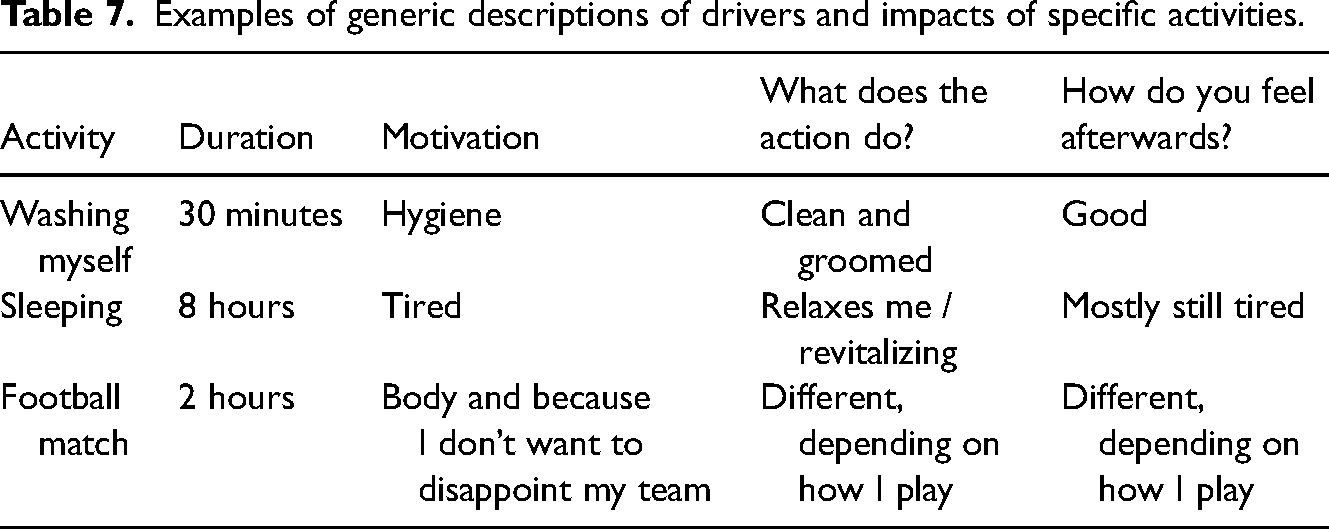
Similarly, students sometimes evaluated specific learning activities based on the sensation it prompted (particularly boredom), even though the purpose was to observe and recognize such sensations.
Regarding the ability dimension, learning limitations became evident throughout the execution of students’ change projects. As the quote above highlights, not all students succeeded in pursuing their time change projects, often surrendering to the very challenges the project aimed to address (e.g. dealing with stress). While success in the transformative projects wasn't necessary, not all students deepened their reflection and understanding of the challenges preventing them from pursuing the intended change. For example, one student cited not pursuing her project of sleeping more regularly as a reason:
“I’m often distracted and in general time was too short to put this into practice.” Iview_S2_2
A repeatedly occurring obstacle identified in the data was students feeling other-determined in their time use and thus unable to change it, despite understanding how their daily schedule caused stress in their lives:
“Unfortunately, doing more sports didn’t work. I didn’t have time for it because I had to study a lot and lots of other things to do.” RR_S3_4
These quotes underline limitations of the intervention regarding its intention to stimulate volitional dispositions for a self-determined time use. Another manifestation of this limitation is reflected in some students’ aim to increase their efficiency and productivity throughout their change projects. For example, one student pursued the goal of “being productive for 24 hours” (RR_S2_7). While the search for productivity is not undesirable per se, students expressing this motivation did not show signs of reflecting or questioning this goal concerning their underlying needs and wellbeing, let alone larger societal forces propelling such a goal.
Regarding the third subcategory, the final limitation concerns the transfer of the contents and practices of the intervention to the students’ actual time use, even though they generally acknowledged the importance of such a learning offer:
“I know it's necessary [to learn about one's time use], but I still don’t really realize that it's necessary for me. Although I think that it is (laughs)” Iview_S3_3
(IV) Extracurricular factors influencing the intervention
Six extracurricular factors particularly influenced the intervention and posed challenges to achieving the envisaged learning objectives.
First, students held ideas about learning and school lessons, as well as resulting expectations toward the intervention that co-determined their degree of engagement and evaluation. For example, some students thought it was the teachers’ responsibility to “explain how to implement plans and find the motivation to do so” (IE_S3_3). The experiential approach chosen for the intervention did not provide these explanations, which could lead to dissatisfaction. More generally, students commonly saw themselves as mere recipients of existing knowledge and contents of specific intervention sessions. When asked about their opportunity to actively co-shape lessons and decide on their learning contents, 30 out of 48 students responded they had no such possibility and considered the teacher exclusively responsible for the classes.
Second, the specific group constellations influenced the intervention experience. While two interventions took place within regular class groups, the third involved participants from different classes who only met once a week during the intervention. Additionally, the gender ratio in this group was highly unbalanced, with 5 females and 23 males, which might have influenced the social dynamics and the actual learning process. Another factor affecting the implementation was the presence of a teacher from the respective school during most sessions. According to participants, the teacher's presence influenced class dynamics, partly because not all students in the newly formed class group were equally familiar with the teacher. This affected the willingness of some students to participate:
“No [additional] teachers should be present, or it should at least be the class teacher or liaison teacher” (IE_S3_3).
Students unequivocally described the personal relation to the two facilitators as positive.
Third, and partly because of the class constellation, the working atmosphere was a central factor determining the overall course and learning experiences. This turned out to be an important challenge for the first cohort:
“The sessions went pretty chaotic because we had many disturbing factors.” RR_S2_5
“There were many good ideas and approaches in the course, which unfortunately often could not be implemented (due to class behavior).” RR_S2_1
Fourth, the overall schedule of the intervention directly impacted the working atmosphere and conduct of the intervention. This was especially problematic for the first cohort, where the intervention took place in the afternoon after 6 hours of schooling. The schedule also complicated the implementation of the intervention in the vocational school. Here, the intervention was offered in six blocks of four hours, with several weeks between each block. Consequently, some students lost sight of the intervention and its associated learning activities, often hindering the preparatory work for the upcoming session.
“It was a bit confusing whether we had normal school or not. Sometimes it really happened that we were meant to have this [the intervention] but then we didn’t have it.” Iview_S3_3
Fifth, the intervention held differing importance across schools. In one school, a teacher who was present during the intervention graded the students’ final reports at the end of the semester. However, no evaluation took place for the other interventions. While some students appreciated the absence of pressure, this lack of extrinsic motivation led some to not engage in learning activities regularly, especially those suggested as homework such as documenting their time use. Additionally, the intervention partially replaced regular subjects, lowering its priority during exam phases and causing occasional frustration as students feared missing curricular content relevant for exams.
Sixth, students were less familiar with their schools’ digital infrastructure than expected. The infrastructure (e.g. cloud systems) was meant to facilitate the learning process by uploading material, sharing exercises, and communicating with students. However, although each school had a different learning platform, many students had barely used these platforms previously and were not familiar with them. As a result, many students missed relevant information about tasks or materials necessary for completion.
Discussion
In modern societies, time scarcity creates stress and impedes wellbeing (Rosa, 2011a, Southerton, 2020). Efforts to mitigate time scarcity with time-saving practices and increased consumption only seem to exacerbate this problem while simultaneously exacerbating unsustainable social and environmental impacts (Gärling et al., 2014; Sorrell et al., 2020). Although educational settings are sought to carry the potential to counteract the vicious circle by fostering time use competence (as the ability to satisfy one's own needs effectively while considering the needs satisfaction of others living today and in the future), empirical research on pedagogical approaches to foster this competence remains limited (Bastian and Facer, 2023; Grauer et al., 2023; Schmidt-Lauff, 2023).
In this study, we explored the potential of a SIBL school intervention to foster time use competence among students, analyzing their subjective experiences with the intervention. Like other approaches stimulating time-related learning outcomes (e.g. Young, 2023), our SIBL approach proposes a pedagogy of time experience through which learners can gain insights into their time-related needs and how these correspond with sustainability-related behavior. Our findings suggest that the SIBL approach can foster time use competence. Specifically, students reported increased awareness of their time perception, use, and needs; developed skills to spend their time satisfactorily; and felt more self-determined in their time use. Consequently, students experienced several direct and lasting effects on their time use, feeling better able to respond to (some of) their time-related struggles and experiencing their time as more conscious, meaningful, and satisfying. Notably, students used their acquired competence to manage school tasks more efficiently and engage in activities catering to their needs (e.g. sleeping, eating better, and spending time with friends). At the same time, they reduced activities associated with goods and services (e.g. television and smartphone) in favor of low- or no-consumption activities (e.g. drinking only tap water, spending time in nature).
Our findings support the idea that fostering (personal) time use competence can indeed reconcile personal wellbeing and need satisfaction with more sustainable consumption choices (Galak et al., 2011, 2013; Reheis, 2007; Reisch, 2015). The results also show that the abilities and willingness for sustainable time use, partially stimulated through the intervention, go well beyond what is currently taught on “time” in German formal education curricula (Grauer et al., 2022). Since there are no existing ESE pedagogies that integrate time, consumption, and individual wellbeing in a single approach, we consider our approach novel. It seeks to merge existing research with a new pedagogical curriculum. While our intervention did not influence students’ participation in collective action toward sustainability, their improved ability to reconcile professional tasks and personal wellbeing suggests that focusing on time-related needs might also support such action by promoting learners’ abilities to take (better) care of themselves (Corral-Verdugo et al., 2021; Westwell and Bunting, 2020).
We believe that many of the observed learning limitations and extracurricular factors influencing the intervention can be mitigated in future iterations. For example, students’ difficulties in understanding the intervention's overall purpose might be addressed by more thoroughly introducing the program and its pedagogy at the start. Specific learning activities, such as the time logging exercises, could benefit from closer guidance and step-by-step explanations. Additionally, activities like mindfulness practice could be more closely adapted to the target group (Emerson et al., 2019), taking into account different ages and socio-economic contexts of students. For instance, vocational school students reported having to work in jobs during evenings or weekends, and some older students already had children of their own, facing different time-related constraints. We recommend that educators experiment with and adapt the suggested activities to their specific learning environments.
Despite these potentials and possible improvements, our study highlights a fundamental limitation of fostering time use competence through such an intervention. Our efforts to empower students occurred within the established time regime of formal schooling. Un-learning and re-learning time use in school involves questioning existing behavior patterns, reflecting on individual and others’ needs, and experimenting with new practices. Such processes require flexible use of space and time and high degrees of learner autonomy (Davies et al., 2013). Except for one school where students had an hour of self-organized time, however, our schools followed conventional timetables. For most students, our intervention was hence their first occasion to reflect on individual time-related needs and experiment with time autonomy within formal schooling. Teaching time use competence under these conditions risks contradiction, as Immanuel Kant (1803) asked: “How do I cultivate freedom in the face of coercion?” Fostering time use competence in formal schooling becomes both an oxymoron and a paradox: an oxymoron because it simultaneously encourages autonomy (needs-based time use) and conformity (institutional rules), and a paradox because it aims for its own abolition when students mature to use time independently (Schluß, 2007).
How can the harmful effects of the tensions between micro-level teaching-learning processes, which aim to enable needs-oriented time use, and the prescriptive time structures of educational institutions be mitigated or even used productively? One approach for teachers could be to raise awareness of these contradictions and incorporate them into teaching-learning processes by discussing them with students (Vare, 2020). The insights gained can provide a closer look at how time is used and managed in school settings, generating impulses for school development processes aimed at making educational organizations more sustainable (Rauch, 2002; Wals and Benavot, 2017). Understanding time use not only as the institutional pace of teaching but as a resource for sustainable need fulfillment reveals additional areas of school culture, such as how time use is addressed in different subjects, managed in participation and communication processes, or its significance in school functions like grading and assessment (Grauer et al., 2023). Examining school time culture highlights tensions at multiple levels: the individual school (meso level) as an environment for time-related teaching-learning (micro level) and schools’ responses to external specifications (macro level) translated into educational practice. Such tensions are well documented in the ESE literature for other areas as well and have given rise to more comprehensive strategies to transform learning settings, especially whole institution approaches (Holst, 2023). Our findings show that students notice these time-related contradictions and challenge these tensions. We recommend that educators address time—a largely neglected topic in ESE—more explicitly as an action area in whole school transformation processes.
Limitations
We distinguish limitations concerning the pedagogical approach from method(olog)ical aspects of our study.
Concerning the pedagogical approach, our intervention did not involve broader school structures. One of the reasons is that German public schools are bound to the broader federal school system that foresees mandatory schooling and prescribes specific contents schools must cover. More fundamental changes, as for example envisaged in a whole institution approach, must also be approved by school authorities, making them difficult to implement within a time-restricted research project. As such, this limitation might reflect a more general challenge to conducting time-related action research within formal school systems. The coronavirus pandemic resulted in a further restriction in this regard. Initially, we planned to present the results at each participating school to discuss integration into school development processes. However, due to school closures and their consequences, it was not possible to realize these plans within the project period.
It might also be argued that focusing on individual behaviors may be ineffective given the broader cultural, socio-economic, and political factors that co-determine individuals’ time use and perceptions, and thus, their behaviors (Kranz et al., 2022; Soneryd and Uggla, 2015). However, individual capacity building does not conflict with acknowledging these broader deficiencies. In fact, research increasingly shows that systems change requires individual-level changes (Madva et al., 2023). Reconciling other-care and planet-care with self-care is crucial, as catering to one's own needs is essential for engaging in collective action for systems change (Corral-Verdugo et al., 2021; Westwell and Bunting, 2020). Therefore, it is important to make learners aware of their own time use, underlying needs, and values, and to develop a sense of self-efficacy and self-determination regarding their time. An embodied understanding of values and needs, along with knowledge on satisfying these needs, enables individuals to develop alternative ways of spending time and co-shape social structures that allow others to respond to their needs (Rooney et al., 2021). Emphasizing civic actions offers a perspective for developing the intervention in the sense of critical consumer education (McGregor, 2005).
Methodically, a major limitation of our study is its reliance on students’ self-reports. Although these reports are important for understanding their subjective experience of the intervention, their authenticity is questionable, as many were mandatory class tasks and reviewed by schoolteachers, making them prone to fulfilling anticipated expectations. Interviews also have inherent limitations for understanding motivations (Small and Cook, 2021), so they must be interpreted with caution. Future studies could complement self-reports with perspectives from teachers and parents to evaluate students’ time-related learning and changes. In our study, these perspectives were included only via member check for validation. Additionally, we did not conduct follow-up data collection to assess the development of reported learning experiences and behavioral changes. Future studies could include longitudinal dimensions. Due to its focus on students’ subjective experiences, our study does not allow comparisons to conventional educational interventions. However, our findings can inform future quantitative research on time-related learning through similar interventions.
Supplemental Material
sj-pdf-1-tas-10.1177_0961463X251343830 - Supplemental material for (Re-)learning time use and perception for sustainable development in schools—Qualitative results from a self-inquiry-based learning intervention
Supplemental material, sj-pdf-1-tas-10.1177_0961463X251343830 for (Re-)learning time use and perception for sustainable development in schools—Qualitative results from a self-inquiry-based learning intervention by Pascal Frank, Claire Grauer and Daniel Fischer in Time & Society
Supplemental Material
sj-pdf-2-tas-10.1177_0961463X251343830 - Supplemental material for (Re-)learning time use and perception for sustainable development in schools—Qualitative results from a self-inquiry-based learning intervention
Supplemental material, sj-pdf-2-tas-10.1177_0961463X251343830 for (Re-)learning time use and perception for sustainable development in schools—Qualitative results from a self-inquiry-based learning intervention by Pascal Frank, Claire Grauer and Daniel Fischer in Time & Society
Supplemental Material
sj-pdf-3-tas-10.1177_0961463X251343830 - Supplemental material for (Re-)learning time use and perception for sustainable development in schools—Qualitative results from a self-inquiry-based learning intervention
Supplemental material, sj-pdf-3-tas-10.1177_0961463X251343830 for (Re-)learning time use and perception for sustainable development in schools—Qualitative results from a self-inquiry-based learning intervention by Pascal Frank, Claire Grauer and Daniel Fischer in Time & Society
Supplemental Material
sj-docx-4-tas-10.1177_0961463X251343830 - Supplemental material for (Re-)learning time use and perception for sustainable development in schools—Qualitative results from a self-inquiry-based learning intervention
Supplemental material, sj-docx-4-tas-10.1177_0961463X251343830 for (Re-)learning time use and perception for sustainable development in schools—Qualitative results from a self-inquiry-based learning intervention by Pascal Frank, Claire Grauer and Daniel Fischer in Time & Society
Supplemental Material
sj-pdf-5-tas-10.1177_0961463X251343830 - Supplemental material for (Re-)learning time use and perception for sustainable development in schools—Qualitative results from a self-inquiry-based learning intervention
Supplemental material, sj-pdf-5-tas-10.1177_0961463X251343830 for (Re-)learning time use and perception for sustainable development in schools—Qualitative results from a self-inquiry-based learning intervention by Pascal Frank, Claire Grauer and Daniel Fischer in Time & Society
Supplemental Material
sj-pdf-6-tas-10.1177_0961463X251343830 - Supplemental material for (Re-)learning time use and perception for sustainable development in schools—Qualitative results from a self-inquiry-based learning intervention
Supplemental material, sj-pdf-6-tas-10.1177_0961463X251343830 for (Re-)learning time use and perception for sustainable development in schools—Qualitative results from a self-inquiry-based learning intervention by Pascal Frank, Claire Grauer and Daniel Fischer in Time & Society
Supplemental Material
sj-pdf-7-tas-10.1177_0961463X251343830 - Supplemental material for (Re-)learning time use and perception for sustainable development in schools—Qualitative results from a self-inquiry-based learning intervention
Supplemental material, sj-pdf-7-tas-10.1177_0961463X251343830 for (Re-)learning time use and perception for sustainable development in schools—Qualitative results from a self-inquiry-based learning intervention by Pascal Frank, Claire Grauer and Daniel Fischer in Time & Society
Footnotes
Declaration of conflicting interests
The authors declared no potential conflicts of interest with respect to the research, authorship, and/or publication of this article.
Funding
The authors disclosed receipt of the following financial support for the research, authorship, and/or publication of this article: Research and writing were conducted as part of the project Time Rebound, Time Wealth and Sustainable Consumption (ReZeitKon), funded by the German Federal Ministry of Education and Research (BMBF) under grant number 01UT1708C.

Supplemental material
Supplemental material for this article is available online.
References
Supplementary Material
Please find the following supplemental material available below.
For Open Access articles published under a Creative Commons License, all supplemental material carries the same license as the article it is associated with.
For non-Open Access articles published, all supplemental material carries a non-exclusive license, and permission requests for re-use of supplemental material or any part of supplemental material shall be sent directly to the copyright owner as specified in the copyright notice associated with the article.
