




Abstract
Socio-technical assistance projects advancing the use of urban nature-based solutions (NbS) are gaining currency in the global South, but many gaps exist in our understanding of how they can lead to more just outcomes. We examine the literature of informal settlement upgrading and climate adaptation in the global South to conceptualize contemporary socio-technical assistance projects using NbS. Building upon selected case studies in small island developing states (SIDS) in the Asia Pacific region, we draw lessons on how initiatives can address challenges such as power dynamics, limited funding and competing priorities. We examine these projects using justice as a lens that accounts for procedural, recognition and distributional dimensions. The findings reveal that, despite persistent barriers, there are mechanisms through which socio-technical assistance can contribute to justice in the implementation of NbS by creating new platforms for decision-making processes and relationships between residents, funders, local governments and academia.
Keywords
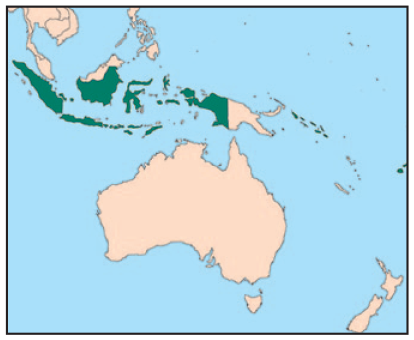
I. Introduction
Climate adaptation projects are gaining currency globally as key components of strategies to make cities more resilient and sustainable. Often drawing on experiences with climate adaptation in the global North, these projects have been testing new ways to achieve adaptation goals in informal settlements in the global South, including urban nature-based solutions (NbS). Understood by the United Nations Environment Assembly (UNEA) as actions contributing to the protection, sustainable management and restoration of natural or modified ecosystems,(1) these solutions are expected to address societal challenges, such as reducing the risk of disasters, improving water quality and providing food, while supporting human well-being and providing biodiversity gains.(2) Recent research shows that NbS can support climate adaptation in the global South,(3) but many questions remain unanswered regarding how their implementation can be more sensitive to specific needs and how their outcomes can be more just, particularly in the context of historically marginalized communities.(4) To answer these questions, we argue that it is essential to adopt a ‘socio-technical assistance’ approach, championing integration, community leadership and co-designed initiatives, to inform the implementation of new projects.(5)
Socio-technical assistance projects are understood as initiatives that offer technical support both locally and internationally, such as expertise in planning, ecology or architecture, while fostering a deep engagement and sensitivity to social aspects. Developing NbS through a socio-technical approach means that new projects are guided not only by ecological and economic imperatives, but also by the social, cultural and political dimensions of the interventions.(6) While successful examples demonstrate the importance of these approaches, more research is necessary to understand the mechanisms through which socio-technical assistance can make NbS more just in contexts of informal urbanization (such as those represented in Figure 1).(7) This research responds to key debates in the field about the role of NbS in improving living conditions in the context of informal settlements over the last decade.(8) Examining how ongoing projects have conducted socio-technical practices is critical to inform future initiatives and reduce the likelihood that NbS will lead to undesired outcomes such as gentrification and unequal distribution of benefits.(9)
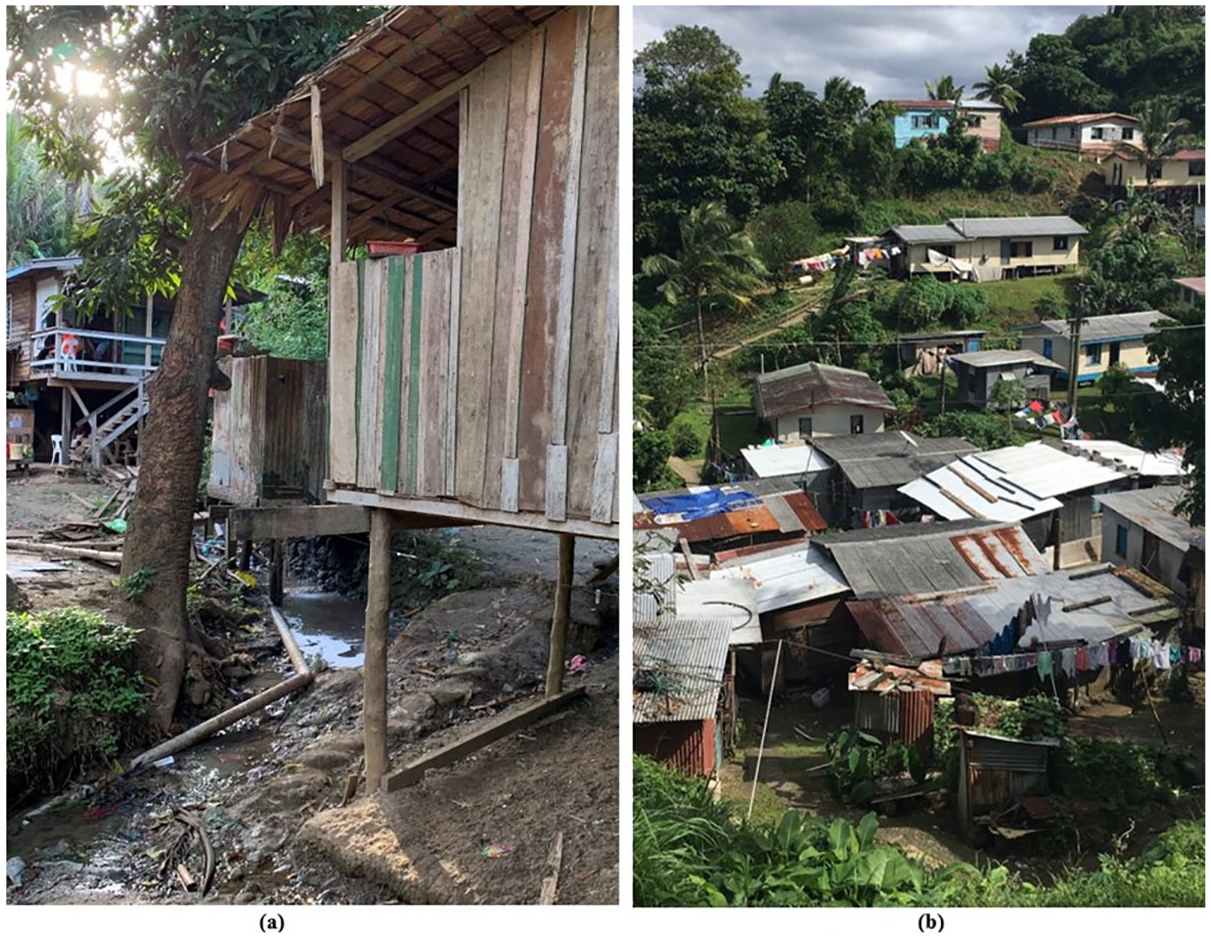
Informal settlements in the case study locations: Honiara, Solomon Islands (a) and Suva, Fiji (b)
a. Socio-technical assistance for just nature-based solutions
The concept of socio-technical assistance reflects efforts to recognize and account for the social and cultural aspects of everyday life in the provision of technical support to those in need. In the context of housing programmes and disaster recovery initiatives, according to UN-Habitat, socio-technical approaches “emphasize the importance of people as well as technology in assistance activities”.(10) This emphasis on people, their priorities, intentions and ways of knowing inherently links socio-technical approaches to the need to account for different voices in society and to ensure that all members of society have access to decision-making mechanisms and can benefit from the support provided. These elements are usually described in the literature in terms of the three different dimensions of justice: recognition, procedural and distributional.(11)
Those implementing NbS projects through socio-technical approaches must be acutely aware of how hierarchies, barriers to representation and power dynamics can undermine these justice dimensions. Procedural justice concerns who gets to participate in discussions and to what extent procedural processes allow their inputs, while recognition justice is premised on a consideration of different priorities and value systems, particularly those of historically marginalized groups.(12) Both dimensions differ significantly from distributional justice, which concerns how people benefit from the availability of NbS and how equitably they bear the brunt of their costs and trade-offs. While a completely equal distribution of costs is unlikely in most projects,(13) distributional justice implies a fair distribution of the burden in the process of implementing NbS.(14)
In this paper, we draw on field experiences in the Pacific region to provide insights into how socio-technical approaches can address challenges and promote justice in the implementation of NbS. We identify more fair and equitable forms of urban nature, and outline pitfalls that can undermine just outcomes, often significantly limiting the long-term potential of the projects.
II. Research Question and Methods
a. Implementing just nature-based solutions for climate adaptation in the context of informal urbanization
Informal settlements are defined by the United Nations Human Settlements Programme (UN-Habitat) as areas with uncertain land tenure and limited access to basic public services, whose buildings are considered substandard according to building codes and regulations.(15) Allowing access to housing for all citizens is central to achieving sustainable development, particularly in the global South.(16) This goal is represented within UN-Habitat’s New Urban Agenda and the Sustainable Development Goals (SDGs), which promote efforts to make human settlements more inclusive, resilient and sustainable in a context where rapid urbanization outpaces the construction of appropriate housing options.(17) While adequate housing is expected to continue being a priority globally, there is a growing consensus that integrating NbS and housing policies can lead to substantial improvements in living conditions, ensuring settlements are more adaptive and resilient to the effects of climate change.(18)
Experiences from different contexts indicate that housing policies have too often focused narrowly on the ‘house’ without sufficient consideration of the broader urban planning, environment and ecosystem conditions shaping access to adequate housing.(19) Historically, policies and investments in social housing have neglected beneficial connections between residents and their environments and have considered access to nature a secondary priority.(20) Meanwhile, the housing sector presents key opportunities for advancing economic development alongside environmental protection and strengthening climate resilience, including upgrading existing informal settlements and building environmentally sustainable new housing stock that is adapted to local ecosystems and climatic conditions.(21)
With 1 billion people currently living in informal settlements in the global South, in situ upgrading is urgently needed, in line with SDG11 targets.(22) It is critical to investigate how these upgrading projects can ensure better living conditions in growing cities,(23) particularly in the context of informal urbanization.(24) Increasing access to nature and ecosystem services (such as recreational green spaces, temperature regulation, flood risk reduction and clean water) has significant implications for the health and well-being of communities(25) and, as such, must be treated as relevant to social and environmental justice. To leverage these benefits, however, there is growing consensus that socio-technical approaches are necessary to ensure that these solutions are both technically effective and socially sensitive.(26) Our questions then are: How are NbS being implemented in the context of socio-technical assistance projects? How are socio-technical approaches contributing to justice in the implementation of NbS?
b. Approach: reviewing the literature and positioning experiences
Our investigation of relevant approaches in the Pacific had two stages: we first reviewed the relevant literature globally and in the region and then reflected, within this context, on our own first-hand experiences working in the region over the last two decades. The resulting case studies illustrate how local priorities and needs have driven the creation of socio-technical practices within the implementation of NbS.
Our exploratory literature review (outlining the key debates in the broader field and their unique expression in the Pacific region) was an important step, because knowledge on the implementation of NbS in the context of informal settlements is still nascent. This review allowed us to connect the fields of socio-technical assistance, NbS and climate adaptation in the global South and to better position our contribution within ongoing debates,(27) with particular reference to literature on the Pacific region.
The second part of our analysis (reflection on our own collective experiences) employs an ethnographic approach, favouring iterative and collective research methods that acknowledge other ways of knowing(28) and the value of the knowledge generated from interactions with others.(29) This reflexive practice, championed in the social sciences as a way to reflect on collective experiences, as well as one’s professional practices and positionality,(30) is also intended, in the words of Schneider and Cross, to make “the knowledge that research through design generates during the design process transferrable, negotiable and communicable”.(31) The authors led and were involved in multiple activities within both projects over several years including workshops, government meetings, site visits, co-design sessions, interviews, training initiatives, citizen science campaigns and celebratory events. Recognizing the legitimacy of experience-based knowledge and reflexive research, this paper builds upon collective experiences and presents reflections of the authors’ lived experiences and interactions with others while participating, managing, conceptualizing, observing, visiting and working within the projects.(32)
The case studies provide us the opportunity to situate well-established frameworks used to evaluate justice and inclusivity in the context of the Pacific.(33) The different aspects of the case studies are presented as they relate to the dimensions of recognition, procedural and distributional justice(34) to reveal how specificities of each context have demanded unique socio-technical approaches. This way of conducting research is aligned with calls from several authors in the field of NbS and environmental management who argue that documenting the process of ‘learning by doing’ can at times provide more insights than the description of final outcomes.(35) The case studies are examined using an approach typical of research through design(36) as they document insights derived from our work being involved in the field: coordinating projects, conducting research, designing NbS and managing evaluation efforts in the Asia Pacific region. Building upon the review and our collective experiences, we reflect on the case study projects using the dimensions of recognition, procedural and distributional justice, to interrogate how these practices have ensured that NbS are implemented in a just way. In the next section, we preface the literature review by conceptualizing justice and the ways it can be interpreted in the context of socio-technical assistance.
The discussions are informed by our positionality, experiences and interactions with others over the years working as practitioners, researchers, project managers and observers, involved in these and other projects in the Pacific. Our different disciplinary backgrounds include the social sciences, geography, engineering, urban planning, community engagement and other fields. While most of us are currently affiliated with academic institutions, our professional trajectories also include roles across the private sector, government, international development institutions and NGOs operating both in the Pacific region and in other countries in the global South. All team members have between five and 20 years of professional experience in the Pacific, and those not currently based in the region have worked for substantial periods in Fiji or the Solomon Islands, the case study sites. While we intended to examine the case studies with sensitivity and respect to the cultural, ethnic and geographic diversity of the Pacific, we recognize that our team cannot represent the multiple values, visions, experiences and ways of knowing in the Pacific region. We are committed to increasing the representation of Pacific case studies in the literature of socio-technical approaches, NbS and informal urbanization and have made all efforts to be inclusive and verify the accuracy and cultural sensitivity of the information discussed in this paper.
III. Literature Review
a. Conceptualizing just socio-technical assistance in the context of informal urbanization
The contemporary practice of socio-technical assistance builds upon decades of experiences and critical iterations of ‘informal settlement upgrading’ projects.(37) These experiences build upon a legacy of projects that gradually abandoned the notion that people are ‘beneficiaries’ of upgrading programmes, instead repositioning them as central actors with agency, shaping the very production and maintenance of their neighbourhoods through socio-technical practices.(38) Socio-technical coalitions in informal settlements are shaped by residents engaged in the production of just outcomes that fulfil their needs and respond to local specificities. While this understanding underpins most socio-technical assistance initiatives, it is critical to examine the mechanisms through which they operate in the context of NbS initiatives.
The concept of justice is inherently debated, and its interpretation varies significantly within the different disciplinary fields and applications of urban studies and NbS. Researchers critically examining urban NbS argue that greening initiatives are political projects, often justified through technocratic discourses that assume fair outcomes for all.(39) These outcomes, however, are shaped by historic inequalities and can reproduce legacies of domination and colonialism embedded within the built environment.(40) Debates about the production of the built environment and the right to the city have been central topics in critical urban theory for decades,(41) dominating discussions about informal settlement upgrading approaches even before NbS were defined and established as a key strategy in urban climate adaptation efforts. The argument that the city is not neutral, but rather a result of competing forces and power dynamics is perhaps best articulated through the concept of “spatial justice”, as described by Edward Soja.(42)
Examining NbS through the lens of spatial justice should be premised on the understanding that urban greening projects are tied to power relations and can be used to subjugate and segregate, or to empower and emancipate. This understanding allows us to reflect on important debates, such as the potential of NbS to generate green gentrification and forced displacement(43) or, on the other hand, to improve access to health and well-being.(44) Critical researchers in the field of urban greening have also argued for a deeper consideration of other forms of injustice within NbS projects, such as the potential of technocratic approaches to subordinate people, limit agency and prevent emancipatory practices from taking root.(45)
Many researchers studying NbS have used the dimensions of recognition, procedural and distributive justice (represented in Figure 2) as a starting point to examine how greening projects consider the distribution of benefits and costs, create opportunities for wide participation and recognize different world views.(46) While these dimensions are not universally representative of the challenges of implementing greening practices globally, they have been used to discuss just NbS outcomes in different contexts.(47) As such, they capture multiple dimensions of justice that are relevant for informal settlements, such as power dynamics and representative mechanisms, while accounting for other complementary aspects such as gentrification and spatial exclusion. These dimensions of justice are also appropriate to examine how projects can be more just by promoting social cohesion and championing diversity.(48) The consideration of other ways of knowing and procedural practices makes these dimensions relevant theoretical lenses through which to investigate socio-technical approaches.
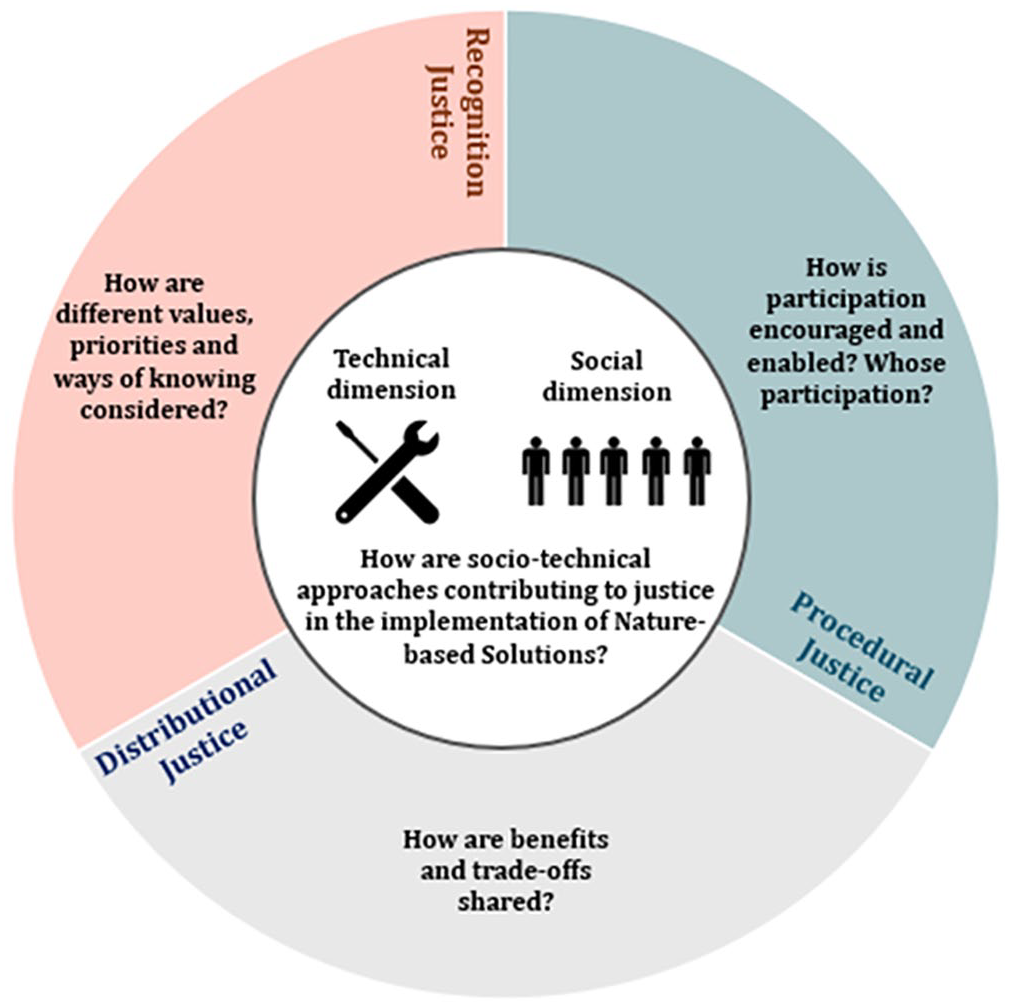
Recognition, procedural and distributional justice as a theoretical framework for examining socio-technical assistance
b. Nature-based solutions using socio-technical assistance in the Pacific
Recent academic and grey literature demonstrates that NbS are growing in number and visibility in the Asia Pacific region, and gaining traction in socio-technical assistance projects.(49) Systematic literature reviews revealed that Fiji has been leading the implementation of NbS among the Pacific Island nations, and currently houses several socio-technical assistance projects aiming to improve living conditions in informal settlements.(50) This interest is also somewhat evident in governmental actions and future climate adaptation plans(51) in other countries in the region, such as Vanuatu and the Solomon Islands.(52)
This new generation of socio-technical assistance initiatives using NbS in Pacific countries(53) reflects the challenges of climate adaptation in the region represented in international landmark documents.(54) Concerns with the vulnerability of Pacific countries and the accelerated pace of informal urbanization are represented in the New Urban Agenda(55) and the reports of the Intergovernmental Panel on Climate Change.(56) The Sendai Framework for Disaster Risk Reduction, similarly, outlines the need for additional investments in disaster preparedness and response on small island developing states (SIDS), capturing most countries in the Pacific region.(57) The United Nations Environment Programme (UNEP) report on NbS in fast-growing cities also describes SIDS as “being at the forefront of land erosion and loss of critical infrastructure”.(58) These concerns are also outlined in local strategies and national policies in many countries in the region.
Several studies, as well as national and international policies in the Pacific,(59) recognize the role of nature in promoting human well-being. The goal of improving environmental conditions, treating water and preventing ecosystem contamination is outlined, for instance, within Fijian health authorities’ strategies.(60) More investment, however, is necessary to realize the potential of raingardens, urban trees and other context-specific NbS in the context of housing developments in supporting biodiversity and combating environmental hazards.(61) This shows that the potential of NbS is not yet fully realized and could benefit from socio-technical approaches and greater integration with other urban planning policies such as housing programmes.(62) Experiences in the Pacific and other global South contexts show that, while these solutions are gaining visibility globally, their absence from debates about socio-technical assistance for housing projects demonstrate that they are not yet ‘business as usual’ practices.
c. Expanding socio-technical assistance for just nature-based solutions in the Pacific
Informal settlements in the Pacific are not merely the result of contemporary planning failures or service deficits, but are deeply shaped by historical processes, including the enduring legacies of colonialism.(63) Colonial administrations in the region often disrupted traditional systems of land tenure and imposed rigid boundaries between urban and rural spaces.(64) This not only displaced communities but also undermined Indigenous governance systems and created long-term patterns of exclusion from formal urban development. Many Pacific Island states have continued to grapple with these planning and governance regimes that have not been able to meet the challenges of rapid changes in the rural–urban interface and population growth. Colonial legacies intersect with more recent governance failures, such as underinvestment in basic services, weak urban policy frameworks and limited platforms for community participation.
Pacific informal settlements are frequently built on marginal or hazard-prone lands – areas excluded from formal planning processes or deemed unsuitable for development under colonial-era logics (i.e. minimum plot sizes). In this context, climate vulnerability is not a neutral or technocratic condition, but one that reflects and reinforces deeper injustices, including the historical marginalization of Indigenous, migrant and socioeconomically vulnerable populations, insecure land tenure and socio-spatial segregation. Still today, geopolitical and geoeconomic factors significantly influence the urbanization process and urban planning policies that shape Pacific nations’ cities,(65) including ‘informal settlement upgrading’ approaches.
The history of informal settlement upgrading approaches in the Pacific and in the global South more broadly is one of unfair top-down measures and pushback from communities fighting for their right to the city.(66) There is a consensus among scholars and practitioners with experience in informal settlements that successful socio-technical assistance initiatives can break cycles of injustice and exclusion when they are premised on a continuous and meaningful involvement of residents in the process of designing, implementing, maintaining and continuing to build upon the projects.(67) While there is little doubt as to the benefits of affordable housing and improved living conditions,(68) there are still open debates on which mechanisms within NbS projects using socio-technical assistance can best achieve just and sustainable outcomes. In the Pacific, a recognition of the benefits of a social focus in the management of climate adaptation is not new,(69) nor is the need for funding sources and project implementation strategies that are genuinely sensitive to local contexts. While the literature suggests that socio-technical assistance can contribute to just NbS, many projects are still designed in response to calls whose terms were set outside of the context where the effects of the projects are going to be felt.(70)
Studies from other contexts in the global South have established the importance of socio-technical assistance initiatives that encourage collective open debates about the management of nature and climate adaptation plans.(71) Experiences in similar contexts show that successful climate adaptation efforts depend not only on funding and resources but also on public participation.(72) Researchers investigating the social and cultural outcomes of NbS suggest that they can significantly contribute to a community sense of identity when implemented in an inclusive and just way.(73)
IV. Description of Key Case Studies
The Revitalising Informal Settlements and their Environments (RISE) programme(74) is a public health-oriented action-research initiative in Indonesia and Fiji that has been addressing environmental contamination through the design and implementation of wetland systems (Figure 3).(75) Installed alongside septic tanks, the constructed wetlands are NbS that operate as decentralized water treatment systems by employing plants and a filter material to retain sediments, capture excess nutrients and combat pathogens. Focusing on water, sanitation and hygiene challenges in informal settlements, the project adopted a socio-technical assistance model using a co-design strategy.(76) The project’s consortium was led by Monash University (Melbourne, Australia) and involved partner universities in both countries as well as practitioners and NGOs to assess the public health, environmental and well-being effects of the interventions. Through a long-term process of relationship-building with the communities and their leaders, local team members mediated all design, construction, research activities and operations. The project is premised on a socio-technical-ecological understanding of environmental health that considers that human well-being and health cannot be detached from its environmental context.(77)
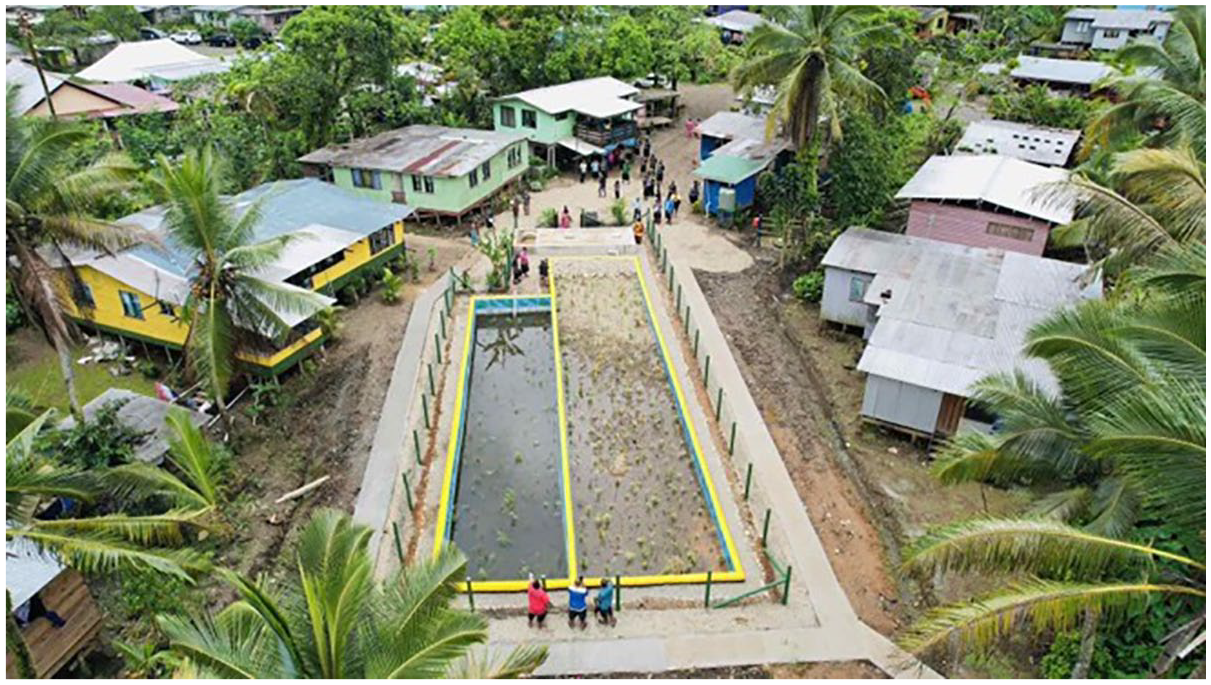
Constructed wetlands implemented by the RISE programme in Suva, Fiji
The Climate Resilient Honiara Project (Solomon Islands) is a programme composed of several initiatives that address the impacts of climate change in Honiara’s informal settlements. It builds on several studies conducted over a decade on the vulnerability of informal settlements surrounding the capital of the Solomon Islands and the expected climate change effects in the city.(78) Activities conducted between 2019 and 2024 included a socio-technical assistance project implementing NbS, inspired by local needs and by successful approaches in other areas of the Pacific and of the Solomon Islands. In particular, an aligned project funded by SIDA in 2022(79) conducted a series of workshops using a socio-technical approach to understand local needs and promote the use of vetiver grass alongside the Mataniko river area (Figure 4) and bamboo as erosion and landslide prevention strategies.(80) Responding to local needs, the project also championed the use of community gardens to generate additional income and prevent housing from encroaching on particularly hazardous areas such as steep slopes prone to landslides and floodplains prone to flash floods. The commitment to implement NbS in partnership with communities also meant that the project had to allocate funds to other resident priorities, including basic sanitation infrastructure and access to the settlement’s most vulnerable isolated areas.(81)
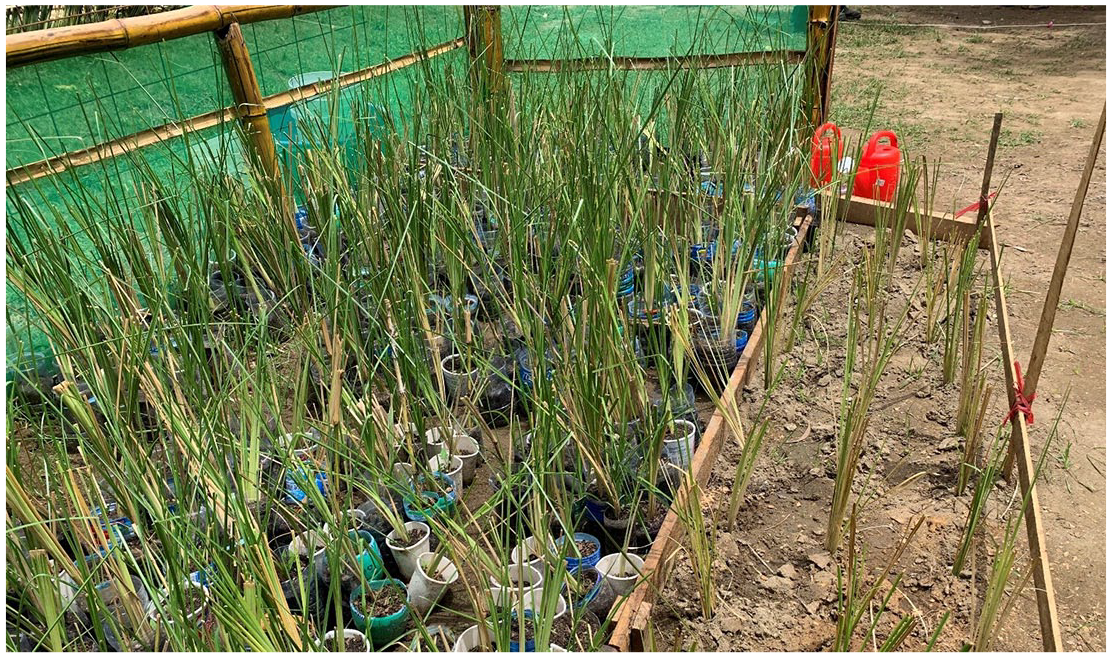
Vetiver grass nursery installed in an informal settlement in Honiara, Solomon Islands, by the Climate Resilient Honiara Project as part of the effort to propagate plants to control riverbank erosion in the Mataniko river watershed
The socio-technical assistance nature of the two case study initiatives is also reflected in their funding sources and accountability mechanisms. Both projects are led by universities, have been made possible through the support of multilateral and international development banks and are intended to offer lessons that can be used by local governments. The RISE programme’s funding sources have been diverse and representative of a regionally relevant project with ambitions to provide knowledge to the wider Asia Pacific region. Through different stages of the programme, RISE received support from the Wellcome Trust, the Asia Development Bank and foreign aid funds from Australia and New Zealand.(82) The Climate Resilient Honiara activities were supported by the Swedish International Development Cooperation Agency (SIDA).(83) These funding sources are typical of those used in many NbS projects in the region and, to some extent, in the global South more generally in terms of the restrictions they impose on the interventions that can be funded and the socio-technical approaches that can be used.
Despite these funding limitations and restrictions, both projects illustrate the direct implications for justice of socio-technical practices in the implementation of NbS. This socio-technical aspect was observed primarily within the work of professionals who mediated between project funders, practitioners and residents. These mediators created opportunities for conventionally technical discussions to be made accessible to residents through socio-technical mechanisms, such as those discussed in the next section. These mechanisms served as platforms for communities to mobilize and collectively make decisions that influenced the construction of spaces for urban nature.
V. Results and Discussion
The experiences documented in both case studies show that socio-technical assistance practices build upon the work of professionals who operate by navigating the interests of different stakeholders within the projects, reconciling the technical, economic and social pressures from decision makers, funders and residents. These professionals, usually fieldworkers and project officers, are often qualified residents who have varied backgrounds and training in social sciences or design, including fields such as architecture, community engagement and anthropology.(84) The findings discussed in this section will not refer individually to any of these professionals to preserve their anonymity and allow for the articulation of arguments that might not fully align with official narratives presented by the projects.
While both projects made efforts to provide communities with a socio-technical assistance model to maintain the NbS after completion, the co-design efforts undertaken in both cases have inevitably been bound, as noted, by the terms outlined by the project funders. The RISE programme was initially designed to evaluate the performance of constructed wetland systems in improving environmental and human health.(85) Although the co-design approach allowed Fiji residents to be meaningfully engaged with the project, it is important to highlight that the use of constructed wetlands was predetermined at the project proposal stage by the consortium members, which included primarily researchers and practitioners.(86) Both projects also demonstrate that, even when co-design practices are employed, unforeseen technical difficulties or budget constraints can have a significant influence on design choices and, eventually, on the built outcomes. In the Climate Resilient Honiara Project, this means an expectation that long-term maintenance and monitoring of the NbS will be undertaken by the community, an aspect that was discussed during the workshop meetings. In the RISE programme, technical constraints and unforeseen challenges during the implementation meant that agreements previously made with the residents sometimes had to be revised at a later stage.
a. Socio-technical assistance expands access to benefits (distributional justice)
Both projects have demonstrated that socio-technical assistance can lead to distributional justice through partnerships established between communities, NGOs and government officials,(87) as power dynamics are navigated to ensure that both benefits and costs are fairly distributed among society. Our experiences indicate that the fieldworkers and community groups involved in both projects played an important role orchestrating the work of multiple stakeholders, but this work is not over. While the implementation teams helped to ensure an equitable distribution of benefits at the early stages of the design, this approach needs to be followed up later by socio-technical coalitions, composed of residents, members of local NGOs and government officials, capable of navigating power dynamics and the everyday uses and needs of different residents.
A key consideration for distributional justice is whether projects have gained autonomy and strengthened local resilience after the implementation of NbS or whether they remain dependent on external funding. In the aftermath of the initial Climate Resilient Honiara project, both residents and government officers have demonstrated a continued interest in scaling up the use of vetiver grass for erosion prevention. While it is important to follow up on this interest to ensure the long-term sustainability of the intervention, the upkeep of the nursery and the adoption of the plants suggests that a socio-technical coalition grounded in the use of vetiver has been formed with potential benefits for the mainstreaming of the NbS beyond the initial sites. Continuous engagement and additional research on the socio-technical assistance practices will be key to ensure that these nascent coalitions can develop and achieve their full potential.
The RISE programme in Fiji has also made strides in strengthening local autonomy and resilience, but some dependence on external support remains. Local groups have taken ownership of the NbS, ensuring regular upkeep of wetlands, drainage systems, and sanitation facilities, while the local water and sanitation committees have played a key role in monitoring and maintaining these systems. The RISE programme has also trained residents as well as water authority officials and health inspectors in technical skills necessary for the upkeep of the initiatives. These training activities were intended to disseminate knowledge about the system with residents and train government officers on the technical skills needed to manage NbS systems independently, reducing reliance on external experts. Similarly, the Climate Resilient Honiara Project partnered with the Kastom Garden Association, a non-governmental organization focused on food security in the Solomon Islands, to deliver workshops and install demonstration gardens to build capacity locally.
Leveraging the mobilization potential of socio-technical coalitions formed during the implementation of NbS can be critical in ensuring that residents can benefit equally from long-term sustainable solutions.(88) In the RISE programme, the need for communities to negotiate and agree on the location of key components of the wetland systems (shown in Figure 5) resulted in important debates about who would benefit, and what trade-offs would be needed.(89) The increased sense of ownership and identity resulting from involvement in these discussions also made residents more willing to negotiate and adapt to the trade-offs of NbS, such as space requirements and maintenance costs.(90)
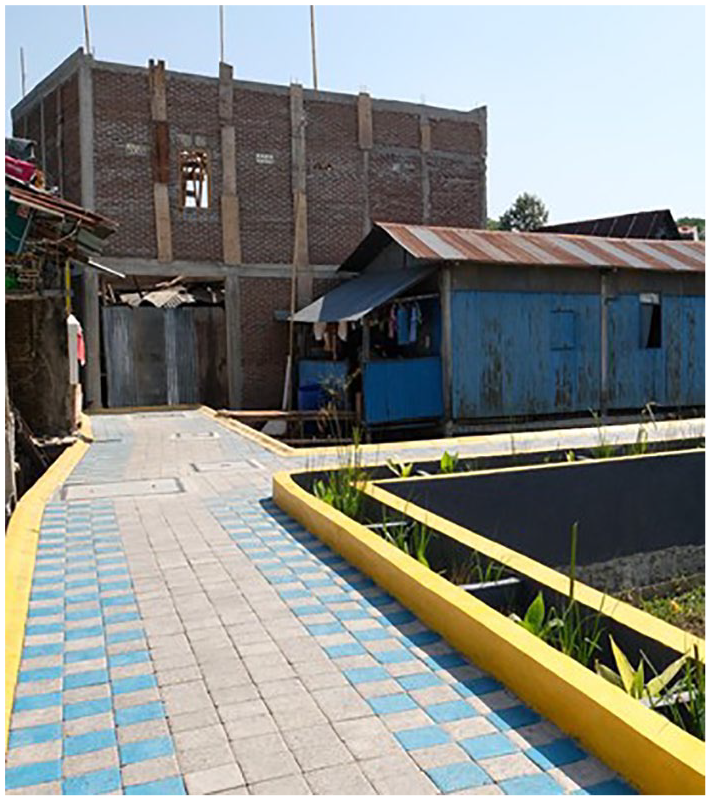
The installation of constructed wetlands and paved roads as part of the RISE programme required the discussion and agreement of residents on where the infrastructure would be located
Socio-technical assistance (in the form of the activities conducted by the teams in collaboration with the communities) has created a space where public discussions about NbS are welcome and where residents feel that they collectively benefit from negotiating benefits and costs. This finding aligns with studies elsewhere that have shown the importance of greening practices, such as urban farming and tree planting, for strengthening communities and building a shared sense of ownership.(91) In the case study projects, this process allowed for clear articulation of the implications of the infrastructure, therefore contributing to distributional justice.
Socio-technical approaches have also provided a unique contribution to the mainstreaming of NbS by allowing professionals to serve as translators and communicators of knowledge.(92) Sharing experiences and disseminating lessons from one site to another, as observed in the 12 different sites in Fiji and Indonesia participating in the RISE programme, is critical for supporting replication and allowing more people to access the benefits of NbS over time.(93) Lessons from one site, when carefully translated to another context through a socio-technical approach, can allow benefits to be shared more widely.(94) Translating knowledge and amplifying projects is aligned with well-established practices for implementing NbS in cities in other contexts, both in the global North and South.(95)
b. Socio-technical assistance recognizes other ways of knowing (recognition justice)
The case studies provide examples of how socio-technical assistance can contribute to recognition justice in the implementation of NbS by engaging with local practices and ways of knowing. Achieving recognition justice depends on acknowledging and accounting for the power imbalances and decision-making processes that shape the city. Implementing and maintaining NbS in informal settlements, in this sense, is not merely a technical decision but a political process that must be framed as a negotiation of power that depends on specific ways of knowing.(96)
In the Climate Resilient Honiara Project, local practitioners working for the contractor PacSol have been central in making NbS accessible and creating democratic spaces for debating the future of urban nature in the settlement through an approach grounded in locally developed solutions and preferences. The long-term engagement of the PacSol team with residents and representative leaders has built trust and ensured that all voices were heard across age groups, gender, ethnicity and positions of power. This process led to the choice of using bamboo in addition to vetiver grass to control riverbank erosion, since bamboo use (Figure 6) was already familiar to residents. This solution was workshopped in separate meetings with different community members because of unspoken rules and power dynamics that restricted participation of certain groups in the presence of others. Recognition justice requires an equitable decision-making process like the one observed in Honiara, reflecting local realities and allowing participation regardless of ethnicity, income or gender, as documented in other studies.(97)
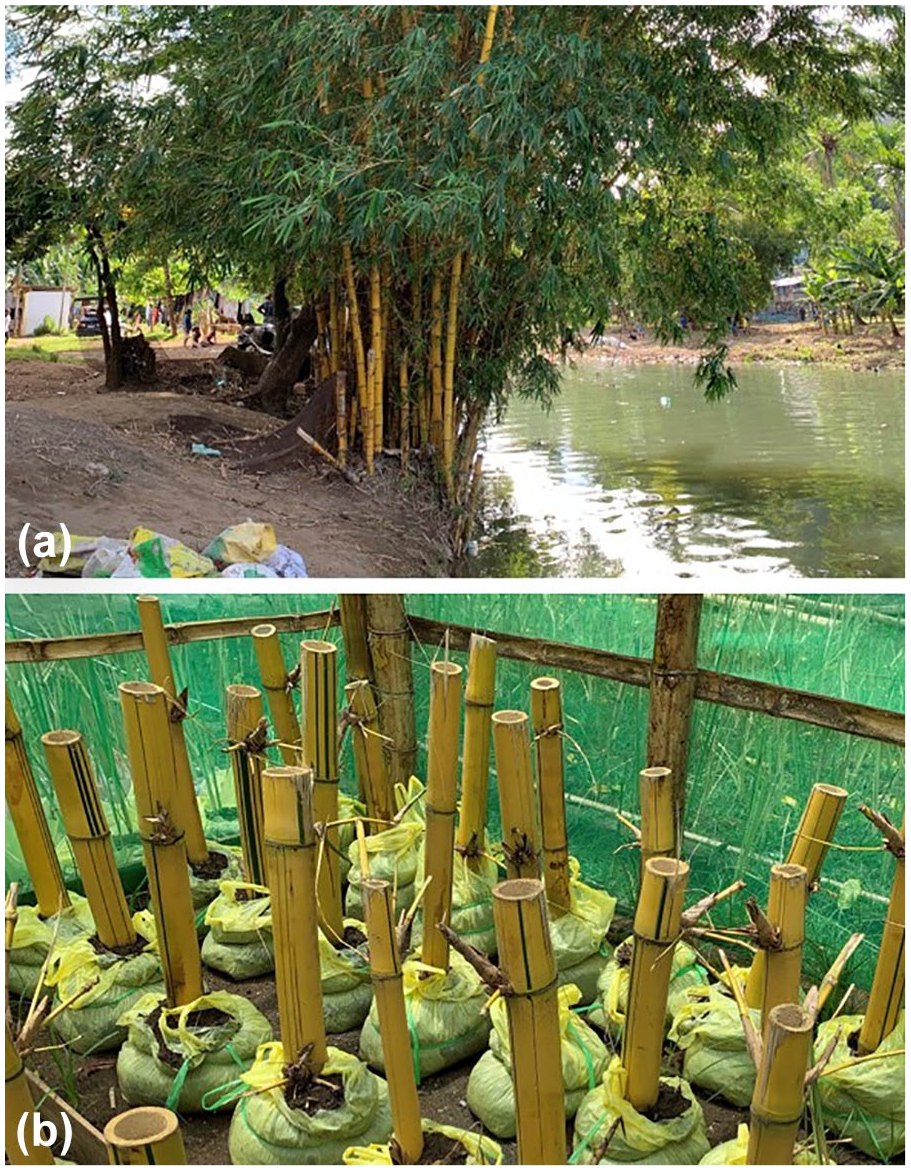
Fast-growing bamboo trees have been widely used for controlling the erosion of the Mataniko valley riverbanks in Honiara (a). This strategy was adopted as part of the Climate Resilient Honiara Project through the construction of bamboo nurseries in the settlements (b)
In the RISE programme, the socio-technical assistance team aimed to balance community-driven priorities with technical feasibility and funder expectations. Their ability to connect with residents in a personal way was critical to navigate tensions that emerged at the interface of community preferences with the technical constraints of the wetland systems. Most notably, drainage and sanitation system designs had to meet environmental and health standards adopted by the funders and engineers, even when communities preferred alternative designs. Certain components had to align with sustainability or affordability metrics defined by funders, restricting the use of materials and locally available components. While these limitations were carefully negotiated with the communities, it is important to acknowledge their implications for the long-term operation of the constructed wetlands. The tensions were mitigated by other initiatives, as communities were given opportunities and funds to complement the wetland benefits by using locally developed planting techniques to support erosion control and coastal protection efforts.
In terms of bridging the technical barriers between engineers, designers, funders and residents, the RISE programme developed a citizen science project to monitor floods that illustrates how socio-technical assistance can create spaces for recognition justice.(98) This project allowed residents, engineering professionals and researchers to develop trust and a shared language, which resulted in more open discussion about flooding and its local effects.(99) Upgrading programmes in other contexts have also shown that recognition justice depends on a deeper knowledge and integration of the site-specific factors that guide informal urban expansion.(100) Considering the ways of knowing that shape how people describe nature is key for socio-technical assistance, as conflicts in the management of urban agriculture are a well-known challenge in the Asia Pacific region.(101) As in other contexts in the global South, navigating these politics to ensure all residents can voice their needs is a critical contribution to recognition justice.(102)
These results are comparable to the findings of other research investigating the legacy of informal settlement upgrading programmes in the Pacific.(103) The experiences highlight the importance of careful consideration of local factors, such as complex land tenure arrangements and deeply rooted connections with nature in Indigenous and traditional ways of knowing.(104) By accounting for these specificities, socio-technical assistance can provide an important service to residents, creating a platform for acknowledging local knowledge systems and continuing to form connections between different stakeholders involved in the implementation of NbS.(105)
c. Socio-technical assistance creates opportunities for local voices to be part of decisions (procedural justice)
The case studies provide insights into how residents in partnership with local NGOs and professionals can access decision-making processes that would previously have been unreachable. The mechanisms in both projects through which socio-technical assistance allowed citizens to connect with other stakeholders and take part in decisions have been central to achieving procedural justice. The loss of livelihoods and the threats posed by environmental change and rapid urbanization are well known to the residents of informal settlements in the Pacific,(106) but few projects offer residents the opportunity to voice their needs.
The technical nature of many debates about sanitation infrastructure within the RISE programme had implications for procedural justice. Open discussions about NbS parameters, requiring an understanding of the system and its technical properties, were central to RISE’s co-design approach, which explained the system to residents in special sessions. Some community members, however, still felt unable to fully understand the project’s technical details and to participate in technical decisions, with consequences for procedural justice. Considering the barriers to communication and decision-making created by the lack of technical expertise among the community is critical for reflecting on the system’s long-term sustainability and for achieving procedural justice in various activities, ranging from preliminary data collection through citizen science(107) to the final co-design of the NbS.(108)
The citizen science and co-design activities conducted within RISE documented environmental aspects of the settlements (such as flood levels and local water sources) using a socio-technical approach that centred these discussions on the communities. These datasets now serve as an information source accessible to the community and other stakeholders involved in climate adaptation efforts in these neighbourhoods. Community leaders and other residents demonstrated their awareness of the results of the citizen science project and indicated their interest in using this information to support their arguments for additional funds for future adaptation.(109) RISE researchers argue that collective action enabled through the socio-technical approach helped empower the residents.(110)
The work of mediators within the RISE programme allowed the communities to collectively envision a future for the settlement, with shared goals that could be taken formally to authorities and funders. This type of contribution has been documented in other studies and demonstrates the contribution to procedural justice of methods that, according to Combrinck and Bennett, allow for “a shared understanding beyond the apparent constraints” that contributes to empowering communities “in their spatial negotiations with urban authorities”.(111) Community members who participated in RISE reported enhanced leadership skills and increased capacity to mobilize other residents in communicating their needs to authorities and others.(112)
This is an important process in the context of the Pacific, because participation in formal decision-making in the region can be restricted by land tenure and legal understandings of property.(113) Empowering and supporting the emergence of local leadership through socio-technical assistance can substantially contribute to making space for procedural justice. NbS projects in other contexts have reported similar findings regarding the importance of community bonding and leadership to empower marginalized voices within socio-technical assistance initiatives.(114)
The Climate Resilient Honiara Project contributed to procedural justice by hosting joint training sessions with residents and government officers to create a base of shared knowledge. Led by Kastom Garden Association, the workshops were key for gaining the support of local government officers, a critical step for procedural justice in the context of informal settlements.(115) This workshop allowed government representatives to experience the specific challenges in the area, particularly the risk of landslides and floods, and to get to know promising disaster risk reduction options using NbS for slope stabilization and riverbank protection.(116) The bonds created between representatives of the local NGO, government officials and residents are expected to result in long-term opportunities for engagement and community participation in future decisions pertaining to the settlement and the surrounding Mataniko river valley.
VI. Conclusions
The experiences in the Pacific show that NbS implementation, particularly when supported by socio-technical assistance, provides a new avenue for improving living conditions and increasing climate resilience in informal settlements. We identified in the case studies several ways through which socio-technical assistance has led to the formation of new relationships and platforms, which in turn mediate project goals, local ways of knowing, existing power dynamics and relationships with nature. Figure 7 summarizes some of the mechanisms through which this process contributes to recognition, procedural and distributional justice by accounting for other ways of knowing, creating opportunities for local voices to be heard and expanding access to the benefits of nature. The socio-technical assistance approach is uniquely positioned to facilitate conversations between residents, governmental officers and external stakeholders, such as funders and technical professionals. RISE activities, for instance, including co-design, focus group activities and citizen science,(117) indicate that participatory practices can serve as platforms for recognition and procedural justice.
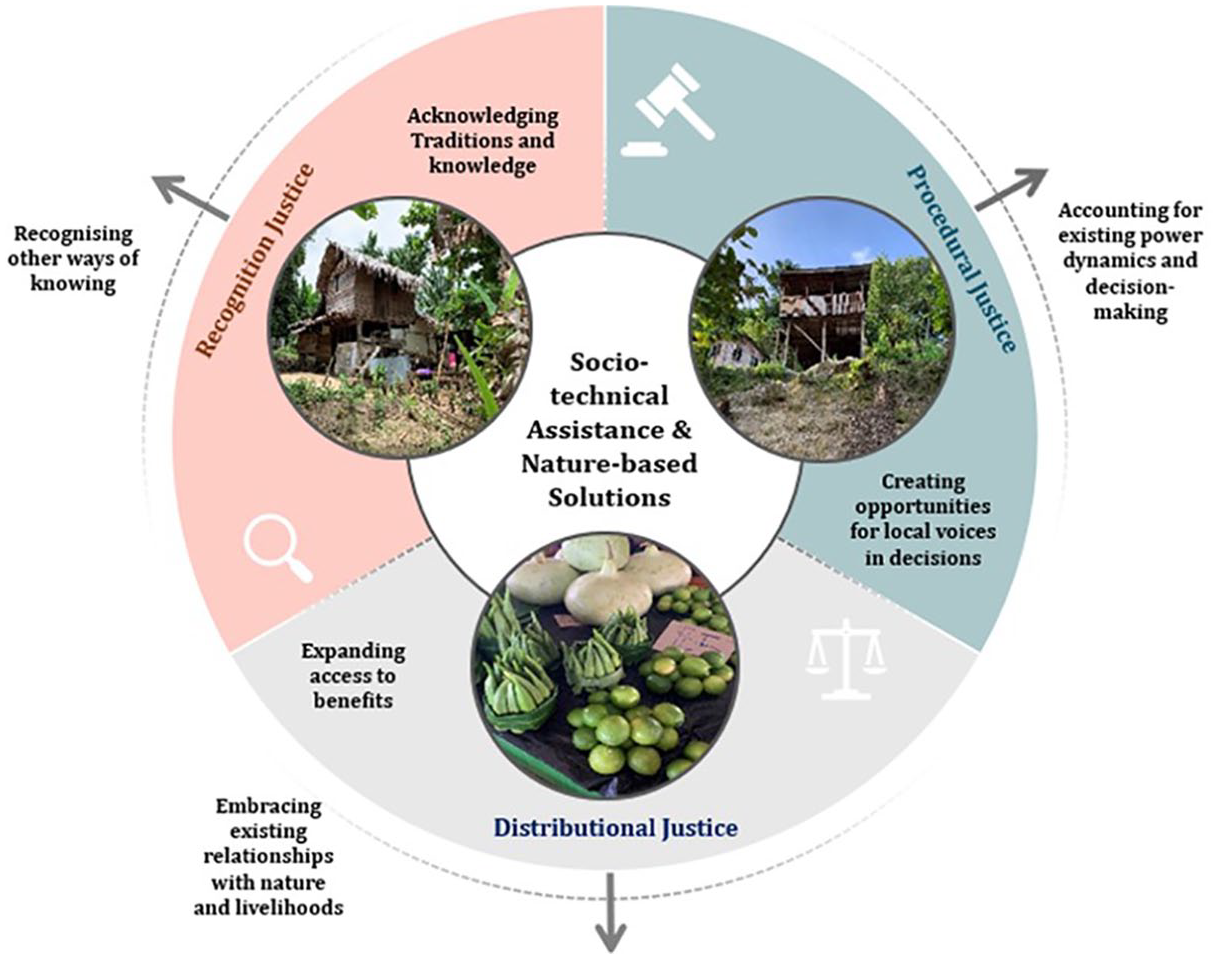
Socio-technical assistance with NbS projects can contribute to recognition, procedural and distributional justice
This type of research project points to the potential of engaging residents in novel ways with the mediation of fieldworkers and professionals, here understood as the first agents responsible for fostering the seeds for future socio-technical coalitions. While the lessons on the mechanisms through which the projects contribute to just NbS can be applied to the same or similar contexts in other small island developing states (SIDS),(118) some challenges remain for achieving the full potential of the NbS in terms of just outcomes.
The Pacific experiences show there is still space to improve recognition, distributional and procedural justice within socio-technical assistance for NbS in the region. Defunding or subjecting socio-technical approaches to excessive requirements might prevent NbS projects from answering directly to local priorities and ways of knowing. This can be observed in both Pacific and international literature, with case studies showing that external funders often use reporting frameworks that might constrain project freedom,(119) and consequently the ability of residents to participate in decision-making. Multilateral banks often use reporting mechanisms and metrics that might not align with the values of people on the ground.(120) This has been discussed, for instance, in the Ocean Cities: Delivering Resilient Solutions in Pacific Island Settlements report, which states that “it may not always be possible or appropriate to place financial value on nature-based solutions”.(121) As stated in the report, this type of evaluation can lead to a disconnect between residents and other stakeholders as it “alone can omit or misinterpret socio-cultural values or environmental benefits”.(122) Having these concerns in mind, socio-technical assistance can represent and advocate for other metrics of success, such as well-being and perceived reconnection with nature, among funders and other key stakeholders sponsoring NbS projects.
While the case studies presented here provide insights into how similar projects could involve residents in different stages of NbS implementation through a socio-technical approach, it is critical to continue examining other dimensions of justice not yet well documented. For example, acknowledging different metrics of success and their relationship to the framing of NbS in the Pacific is key for future research in the region. Accounting for different values and ways of knowing can lead to new avenues for examining different epistemological perspectives and dimensions of justice beyond the lenses of recognition, distributional and procedural justice.(123) More research is necessary, for instance, to examine how NbS could account for anti-subordination and intersectional justice, critical to addressing systemic inequalities and empowering the multiple ways of knowing in the Pacific.(124) Further investigation is also called for on debates around multispecies justice,(125) critical to champion projects recognizing that fauna and flora have a right to exist beyond the benefits they offer to humans.
Socio-technical approaches that champion citizen participation are premised on the understanding that co-creation and collaboration between different stakeholders (such as residents, NGOs and governments) can strengthen local agency and lead to more just and sustainable outcomes. Socio-technical assistance projects that create lasting relationships can contribute to building what Cousins refers to as “capacity and resources that sustain new institutional relationships and support future collaborations, including not only decision tools, technical knowledge, and dedicated funds but also cultural recognition and venues to consider how power dynamics influence the process”.(126) In this context, the lessons learned from the experiences highlight how socio-technical assistance can contribute to justice in NbS and, in doing so, have long-lasting social and environmental benefits for communities in the Pacific region.
Footnotes
Acknowledgements
The authors acknowledge the contributions of colleagues within the Climate Resilient Honiara Project and the RISE consortium, without which the projects here discussed would not have been possible. We would also like to acknowledge the enthusiasm and time of the people of Honiara, Makassar and Suva who contributed to planning and delivering the NbS actions here discussed. Erich Wolff would like to acknowledge the mentorship of Assistant Professor Perrine Hamel and the team at Nanyang Technological University (NTU) Singapore, whose generous support allowed him to visit Honiara.
Data Availability Statement
This research was based on a literature review and on the reflections of the authors, therefore no comprehensive dataset was used. Any additional anonymized and de-identified data used for this research can be made available upon request.
Funding
The Climate Resilient Honiara Project was funded by SIDA through the ‘Integration of nature-based solutions (NbS) in country-level operations of the Resilient Settlements of the Urban Poor (RISE UP)’ programme and administered by UN-Habitat. The RISE programme is funded by the Wellcome Trust [OPOH grant 205222/Z/16/Z], the Asian Development Bank, the New Zealand Ministry of Foreign Affairs and Trade, the Government of Fiji, the City of Makassar and Monash University, and involves partnerships and in-kind contributions from the Cooperative Research Centre for Water Sensitive Cities, Fiji National University, Hasanuddin University (Indonesia), Southeast Water, Melbourne Water, Live and Learn Environmental Education, UN-Habitat, UNU-IIGH, WaterAid International and Oxfam. The funders of the study had no role in data collection, data analysis, data interpretation, or writing of the report.
Ethical Approval and Informed Consent Statements
This research was based on a literature review and on the reflections of the authors, therefore not involving human participants nor requiring approval from an institutional review board. The broader RISE programme (including several activities beyond the scope of this article) underwent ethics review, and approval was secured by the Monash University Human Research Ethics Committee (Melbourne, Australia; protocol 9396), Monash University Animal Ethics Committee (protocol ID16351) and the Ministry of Research, Technology and Higher Education Ethics Committee of Medical Research at Universitas Hasanuddin (Makassar, South Sulawesi, Indonesia; protocols UH18020110 and UH18080446). The RISE trial is registered on the Australian New Zealand Clinical Trials Registry (ANZCTR) (Trial ID: ACTRN12618000633280). All study settlements, households and caregivers/respondents provided informed consent.
7.
11.
24.
33.
37.
47.
51.
52.
53.
ADB (2018);  .
.
62.
71.
72.
84.
The whole group of RISE fieldworkers can be found online in the programme’s website, while the team working on the Climate Resilient Honiara Project is listed in the publications of the project: https://www.rise-program.org/ and .
97.
98.
The citizen science project developed within RISE compiled more than 5,000 photos taken by 26 residents of Fiji and Indonesia between 2018 and 2020. The photos helped researchers model floods, informed the design of the constructed wetlands and served as an opportunity to reshape the relationship between the programme and the communities. For additional information on the lessons learnt and challenges encountered while conducting citizen science in the RISE programme see Wolff (2021) and .