



Abstract
What grassroots networks are (re)activated during disasters in urban poor communities? How do their dynamic patterns diversify resilience outcomes? Using an interdisciplinary theoretical framework, this study analyses resilience initiatives undertaken by grassroots organizations (GROs) affiliated with Slum Dwellers International in Sierra Leone, Kenya and India. The findings demonstrate formation of polymorphic networks, characterized by a multilevel architecture and diverse linkages that adapt dynamically to navigate disasters. The GROs leverage old and new ties, which exhibit patterns of institutional learning, redundancy, reliance on street-level bureaucracy and isomorphism. Their networks are diverse, but mimetic isomorphism and hierarchical ties can affect their dynamism. The study reveals that old linkages and established practices are more effective in emergency response, but insufficient to drive innovation, scale existing interventions and potentially cause reforms. New linkages, active learning within and outside affiliated linkages, and proactive engagement of local governments are more likely to enhance adaptation and create pathways for transformation.
Keywords
I. Introduction
Communities across the world face escalating risk from disasters. Between 2000 and 2019, over 7,348 disasters were reported, nearly double the number recorded between 1980 and 1999.(1) The immediate impact of disasters is felt by local communities, albeit at different intensities.(2) In the global South, the brunt of the impacts is borne by the over 1.034 billion urban poor residents living in areas with limited infrastructure, volatile incomes, sociopolitical conflicts and minimal state support. The structural exclusion of these neighbourhoods from essential services and formal risk management exacerbates the susceptibility of residents to disaster-related hazards.(3) These neighbourhoods, often labelled slums or informal settlements, face additional marginalization due to the negative connotations associated with these terms. Departing from this historically marginalizing nomenclature, and to avoid perpetuating stereotypes, this study adopts the term ‘popular settlements’, a term that has been used in previous global South studies.(4)
In popular settlements, disasters can serve as catalysts that alter, adapt and potentially transform how actors and institutions interact across sectors and governance layers.(5) The typology of multi-actor interactions and their implications for disaster resilience has received limited attention in existing scholarship. This paper explores this knowledge gap by examining the architecture of networks (re)activated by grassroots organizations (hereinafter GROs) during disasters in popular settlements. The significant role of GROs in creating value for urban poor communities is sufficiently documented in the literature.(6) They mobilize and distribute emergency relief,(7) engage in legal contestations,(8) coordinate advocacy initiatives,(9) organize collective power,(10) share information and create linkages to other stakeholders.(11) GROs are privileged due to their close ties with the community, situated knowledge and self-organizing capacities. However, they must operate within intertwined networks to bridge their limited financial, technical and political means.(12) The connection of popular settlements to wider city, national and global systems adds complexity to the roles of GROs. This paper addresses the gap in the literature regarding GRO interactions, asking two questions: how are networks of GROs in popular settlements structured during disasters, and in what ways do their dynamic mechanisms shape disaster resilience?
Two main arguments underpin the theoretical and empirical orientation of this paper. First, the resilience discourse is positioned as a useful framework to study networks in complex systems. This approach suggests that interactions in complex yet interconnected systems, such as popular settlements, are dynamic and self-organizing rather than static or sequential.(13) Secondly, while existing debates generally characterize GROs as locally embedded groups, this paper adds nuance by positioning GROs as extremely diverse and far from homogeneous. The scholarly works of Mitlin, Fransen, Archer among others, already demonstrate that GROs in popular settlements vary widely.(14)
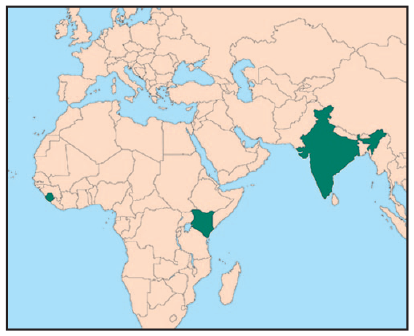
In this study, the term GRO refers to all non-profit groups formed by civilians, often on a voluntary basis, to advocate for social change within their communities. GROs can be (inter)nationally affiliated or local. (Inter)nationally affiliated GROs are structured as grassroots branches of nationally, regionally or internationally connected apex organizations. In contrast, local GROs maintain a local core structure and are independent of affiliation ties. Drawing from Mintzberg’s organizational theories,(15) this paper defines apex organizations as larger, overarching entities responsible for the overall strategic direction of their affiliates. Apexes may take the form of alliances, associations, societies, cooperatives, among others. The paper examines the forms of networks created by (inter)nationally affiliated GROs, which, by virtue of their organizational structure, are inherently networked. Findings are drawn from an examination of GROs affiliated with Slum Dwellers International (SDI) and their resilience initiatives during the COVID-19 pandemic. SDI is the largest alliance of popular settlement-based organizations in Eastern-Southern Asia and sub-Saharan Africa, regions that are home to over three-quarters of the global urban poor population. The alliance comprises local GRO networks in over 20 countries across these regions.(16) The study examines networking behaviours across space, while keeping the disaster (COVID-19), time (2020–2023) and apex (SDI) constant. Data fragments were collated from reports on the COVID-19 resilience initiatives of the Federation of the Urban and Rural Poor in Sierra Leone (FEDURP-SL), Mahila Milan in India and Muungano wa Wanavijiji (Muungano) in Kenya. While their shared affiliation to SDI constrains empirical generalization, findings from the three cases may offer insights relevant to other (inter)nationally affiliated GROs.
The paper makes a two-pronged contribution. First, it advances theory by characterizing the forms of GRO networks during crises, examining underlying patterns that diversify network architectures, and evaluating the resilience implications these GROs have for popular settlements. Second, by meshing social network and resilience theories, the paper bridges disciplines to situate grassroots networks as living entities that require continual learning and innovation with both old and new networks to shape resilience outcomes. The findings offer insights that may inspire (inter)nationally affiliated GROs and their apexes to (re)assess the value and constraints of diverse and dynamic networking in their role as agents of resilience and urban reforms.(17)
II. Literature
a. Theoretical foundations of grassroots networks
GROs form linkages among themselves(18) or with other community and non-community actors, creating grassroots networks. These networks can be theorized through various lenses. Social capital theories have explored the value possibilities of grassroots bonding ties; adaptive governance scholarship has characterized grassroots networks as flexible tools for adaptation and transformation in complex systems;(19) while organizational theories highlight the experimentations of grassroots networks with different structural solutions.(20) GRO linkages emerge from both localized and globalized processes; thus such linkages, according to Seixas and Berkes, “can be better characterized as networks rather than as simple horizontal and vertical connections”.(21) Social network theory offers a means through which the structural and operational attributes of GRO networks can be understood. The theory identifies and analyses actors (nodes), the positioning and grouping of actors (clusters), and the relational ties among actors (edges). Nodes, clusters and edges are identified as the fundamental components of network architecture, which can be represented statistically or visually in maps.(22) This theory is embedded within the broader framework of social capital theories, but rather than studying the significance of capital, it focuses on the network structure and the flow of material and non-material resources.(23) These theoretical frontiers, however, offer a limited understanding of how ties vary across GROs, their dynamic patterns over time and space, and the implications of these networking behaviours, especially during crises.
Empirical studies of inter-organizational networks are still dominated by quantitative measures, but emerging discourse since the late 1990s emphasizes enriching the social network theory through qualitative studies.(24) The exclusive application of quantitative measures such as density, centrality, betweenness and cluster coefficients has, according to Sommer and Gamper, traditionally “suffered from ‘structural determinism’ . . . by only taking into consideration relational characteristics and actor’s structural position” while overlooking cultural dynamics, shared norms, reciprocity, beliefs and politics which cannot be easily quantified.(25) Considering these dimensions is crucial in popular settlements, where connections are often brokered through fluid, intricate arrangements. (26) The nuances of grassroots networks cannot therefore be understood without incorporating qualitative measures in social network theory.
Qualitative approaches broaden this theory from ‘a theory of networks’ into a ‘a theory of networking’, enabling the analysis of network architectures alongside their social, cultural, political and historical landscapes.(27) Networking positions nodes within active social circles where relational ties exist not only between pairs of actors but also within subsets of actor groups. The latter points to aggregation,(28) particularly relevant for (inter)nationally affiliated GROs, which by design are members of larger collectives characterized by overlapping subgroups across space. The qualitative turn creates a theoretical and empirical relevance for grassroots networks.
b. How grassroots networking becomes dynamic: a resilience framing
Grassroots networks represent a form of self-organization that emerges from both confrontational politics and coalitional politics. The networks marshal civic support to challenge the exclusion of local communities from formal governing systems which are often dominated by state entities.(29) Conversely, within what Jones et al. referred to as a “neoliberal global order”, power and responsibility are redistributed to actors operating outside the sphere of the state.(30) This redistribution creates new spaces for grassroots networks to feature in coalitions, adaptive governance, participatory governance and other collaborative arenas.(31) Governance discourses document the transitions from state-centric models to state-facilitated models that enable multi-actor engagement.(32) However, neoliberalism often leads to hollowing out of the state and imposition of an unrealistic assignment on community actors, as responsibility tends to be transferred to rather than shared with citizens.(33)
Emergent patterns in grassroots networking tend to be explicit in disaster contests.(34) Smith argues that due to their versatility and flexibility, grassroots networks can be easily activated in times of crises, adapted and dissolved.(35) The resilience framing offers a strategic framework to understand dynamic networking behaviours at the grassroots level.(36) Conceptually, resilience is a highly contested term, but its malleability enables its widespread application across disciplines.(37) This study adopts the IPCC(38) definition, which takes account of social dimensions and defines community resilience as “[t]he ability of a [community] system and its component parts to anticipate, absorb, accommodate, or recover from the effects of a hazardous event in a timely and efficient manner, including through ensuring the preservation, restoration, or improvement of its essential basic structures and functions”.(39) In this broad framework, resilience in popular settlements can be operationalized as the capacity to foresee, learn and prepare against disruption (anticipation); resist and withstand disturbances while preserving essential functionalities (persistence); make adjustments and incremental changes (adaptation); and fundamentally reconfigure systems to address underlying vulnerabilities (transformation).(40)
The role of grassroots networks in enabling resilience is debated in the literature. One stream argues that grassroots networks are reactive, with short-term interventions aimed at survival. Yet what is needed for long-term resilience is, according to Archer, “cumulative contribution of multiple interventions and actions over time”.(41) Other streams argue that survival through quick response to emerging needs after a disaster is the essence of resilience. Grassroots networks are essential for these immediate actions.(42) Furthermore, immediate coping strategies that are accompanied by iterative learning may foster adaptation and transformation.(43) Grassroots networks continually experiment with interventions, but there are limited time-series data tracking their learning and application of lessons to inform future actions.(44)
Grassroots networks, like the communities they represent, often face marginalization and must strategically oscillate between contestation and coalition-building.(45) Local interactions emerge to resist injustices such as forced evictions, and to negotiate grassroots initiatives. These micro-level interactions are unpredictable and can lead to larger-scale patterns of resilience. This is theorized as emergence, a phenomenon that manifests when micro-level actions trigger broader systemic changes.(46) An example of this is provided in the account of a grassroots mobilizer from Kenya’s popular settlements, as documented by Lines and Makau:
“We fought until the government heard our voice. We knew that one person cannot be heard, but if we join and make noise and disturb them every day, they’d say, ‘Let’s hear them’.”(47)
Political activism was only effective in the short term as policymakers issued temporary moratoriums on evictions. In contrast, collaboration aimed at long-term adaptation and transformation:
“With the new devolved system of government . . .We had mapped our settlement and enumerated ourselves, and the data helped us advocate for land tenure.”(48)
Grassroots networks may engage peer GROs, civil society and the state. Linkages with peers enable substitution of roles, creating redundancy that maintains functionality.(49) Linkages with civil society amass collective power for advocacy.(50) Linkages with state actors create a bridge to policymaking and may foster short- and long-term resilience.(51) These linkages are not immune to competing vested interests, power inequities, distrust, risk of cooptation and manipulation.(52)
c. Conceptual framework
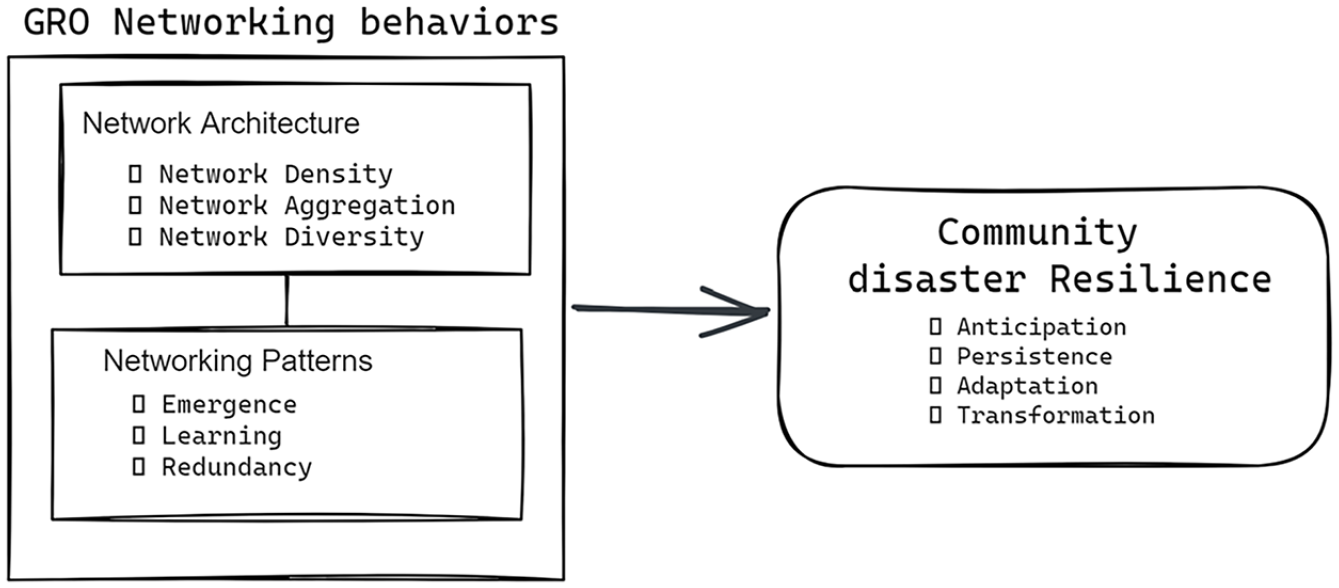
This paper integrates an interdisciplinary framework to advance these debates in relation to (inter)nationally affiliated GROs. The framework meshes social network and resilience theories to bring a nuanced perspective to grassroots networking behaviours and explore resilience pathways in popular settlements. Using the framework, the paper examines the dynamism and fluidity of networking behaviours (independent variable) and their resilience implications (dependent variable) within the context of the COVID-19 pandemic. Networking behaviours embedded in resilience initiatives established by GROs and their partners are unpacked structurally and operationally. The structural prism investigates the architecture of GRO networks by exploring the typology and variety of nodes (network density), the ability of these nodes to cluster (network aggregation) and the characteristics and structure of edges (network diversity).(53) These measures are assessed qualitatively.
Social network theory has established that a structural analysis only offers a partial understanding.(54) To address this limitation, this paper integrates resilience theory to explore dynamic patterns and their influence on anticipatory, persistence, adaptive and transformative capacities of popular settlements during the pandemic. This theory is applied to unpack operational dynamics by examining emergent patterns, redundancy and learning. In the context of global disruptions like COVID-19, resilience is intertwined with global practices and policies external to GRO networks. Thus, grassroots networking is positioned as a contributor to community resilience among other factors (which are beyond the scope of this study). Analysing (inter)nationally affiliated GROs through this interdisciplinary framework expands the understanding of grassroots networks in their local and supra-local complexity without losing situated nuances. Furthermore, integrating structural and operational dynamics through qualitative measures pushes the boundaries of how networking for resilience in underserved areas is theorized.
The conceptual framework is summarized in Figure 1.
Conceptual framework
III. Research Methods
The study applied a qualitative multiple case study approach,(55) drawing from secondary sources. It analysed GROs affiliated with Slum Dwellers International (SDI) in Kenya, Sierra Leone and India during the COVID-19 pandemic. The operationalization framework outlined in Table 1 was followed.
Operationalization table.

Data were collected between December 2022 and April 2023 from online (social) media and digital written sources supplemented by peer-reviewed academic journals. The data were published from as early as 2020. The use of freely accessible online data, which may have been produced for non-research purposes, is acknowledged as a legitimate method for conducting ‘unobtrusive’ research, especially in studies targeting patterns and behaviour.(56)
a. Process of data collection and analysis
Geographical limiting and case selection
SDI has 18 GRO affiliates in sub-Saharan Africa and two in Eastern-Southern Asia.(57) Initially, a broad search of COVID-19 interventions by the 20 affiliates was conducted on social media platforms (Twitter, YouTube, Facebook), non-academic search engines (Google), academic search engines (Scopus, Web of Science, EBSCOhost) and the SDI web page. The search words “COVID-19 response” OR “pandemic” AND “informal settlements” OR “slums” OR “popular settlements” AND “SDI” OR “respective affiliate names” AND the “respective country names” were used. The search identified 27 resilience initiatives engaging SDI affiliates in 15 countries, with India, Kenya, Uganda, Zimbabwe, Sierra Leone and Ghana having the highest number of initiatives, respectively.
In the second iteration, an in/exclusion criterion based on variability of information was applied. The 27 initiatives were searched in detail and screened for diversity of information. Often, the initiatives were reported solely by GROs and SDI while in other cases additional information was published by non-affiliated entities. Only resilience initiatives with information from sources secondary to the affiliate–apex tie, complemented by at least one scholarly publication, were considered. The final list consisted of three resilience initiatives engaging GROs from India, Kenya and Sierra Leone (Mahila Milan, Muungano and FEDURP-SL, described in Table 2). While self-reporting by these GROs dominated the findings, the variability of sources corroborated the published information. Data were sourced from multiple social media platforms of the GROs and their apex organizations, and cross-referenced with publications from research hubs such as IIED, urban-KNOW, ACRC,(58) reports by government ministries and academic articles, as well as anecdotal evidence derived from my first-hand involvement with the SDI alliance. Between 2017 and 2020, I served as a technical expert at SDI-Kenya, which enhanced an immersive understanding of organizational dynamics that might otherwise be ambiguous or unclear in published information. While anecdotal insights offered validity checks, I acknowledge it introduces some risks that are discussed later as a limitation.
GROs selected for study.

Data extraction and coding process
Data were systematically extracted and organized in an Excel database by source type (social media or academic), typology (blog post, newsletter, video clips, reports, journal articles) and save format (documents or links). A total of 25 reports and peer-reviewed papers were downloaded, narrative clips were saved as linked videos, and web pages downloaded for compatibility with the analysis software. Reports and social media provided descriptive information of the nature and scale of COVID-19 interventions, partners engaged, target groups, resource mobilization and implementation details. Social media posts were aggregated over time to construct comprehensive narratives. All data were transferred to ATLAS.ti for coding and analysis. Coding was primarily deductive, guided by a predefined codebook developed from Table 1. Relevant codes representing indicators of network architecture, networking patterns and disaster resilience were systematically assigned to the data fragments. Notably, emergence was coded inductively with initial open codes assigned to unique patterns that were grounded in the data. The open codes were assessed and axially coded into broader themes.
Data analysis
Analysis began with visualization of GRO networks and descriptive analysis. Inter-organizational ties of FEDURP, Mahila Milan and Muungano (43, 21 and 50 respectively) were mapped and transferred to an Excel inventory, then imported into the online network building and visualization platform called KUMU. Subsequently, resource flows and interactions in the networks were analysed and axial codes developed as patterns emerged, supported by co-occurrence tables in ATLAS.ti. Finally, networking behaviours were linked to the resilience quadruple (see section IIb), analysed individually and comparatively across the three cases. Social media narratives in written and audiovisual formats were analysed critically through discourse analysis. This involved extending the interpretation of data fragments beyond preidentified themes, and teasing out the linguistic choices of GROs, the tone used and symbolisms adopted. For example, in a transcribed interview, a Mahila Milan official continually used ‘we’ to describe interventions endorsed by different GRO members but switched to ‘us’ versus ‘them’, in alluding to intra-organizational contestations. Similarly, in a webinar, a Muungano official differentiated their interventions as “Muungano decided” and “Initiated by Muungano . . . and supported by . . .”, which was interpreted here as differential power positions in different initiatives.(59)
This study has several limitations. First, it relied on published information which potentially can mean the overrepresentation, underrepresentation or omission of initiatives that were not sufficiently digitized. Related to this, while data from non-affiliated entities were used to cross-verify interventions that were primarily self-reported by GROs, this still leaves room for bias as these entities were contributors to, or supporters of, the resilience initiatives. A member check to further validate the findings was desirable but not feasible within the scope of this research. Secondly, my close association with one of the GROs meant that the depth of my insights could not be standardized across cases. Furthermore, it was not possible or desirable to dissociate my experiential knowledge from this work, but analytical review by peers and documentation of subjectivities were adopted as safeguards. Third, despite challenging the stereotypical lexicon of ‘informal settlements’, the paper uses it as a keyword to enhance the work’s findability. This highlights the broader challenge of reversing entrenched oppressive nomenclature in academia.
IV. Resilience initiatives during Covid-19
The study mapped 12 resilience initiatives from the GROs, with most actions aimed at coping with the pandemic and mitigating its impacts (persistence and adaptation) as illustrated in Table 3. The surge in emergency response may be attributed to heightened reporting in the early days of the pandemic. Actions aimed at boosting preparedness (anticipation) from potential vulnerabilities of the pandemic were few. Initiatives that targeted underlying risks and compounded vulnerabilities (transformation) were also few.
Resilience initiatives by GROs.

SOURCE: Author, 2024.
a. Anticipatory initiatives
FEDURP-SL initiated action even before Sierra Leone reported its first COVID-19 case. They applied hybrid methods to manage COVID-19 information and counter a potential infodemic. According to SDI:
“In early April 2020, FEDURP-SL and CODOHSAPA . . . put together a COVID-19 response plan as the pandemic was close to getting its way into Sierra Leone from the two neighboring countries of Liberia and Guinea. This plan constituted the following thematic pillars: . . . Leverage existing partnerships with local authorities; . . . Adapt and deliver initiatives formulated within the national policy framework; . . . Monitoring of community dynamics; . . . Enhancing contact tracing . . . .”(60))
The federation curated COVID-19 information from the World Health Organization (WHO) and the Ministry of Health and Sanitation, contextualized it with visuals and the use of local dialects, and initiated digital sensitization campaigns through social and mainstream media, complemented by print media (posters and flyers). Murals, popular during the Ebola virus disease outbreak in 2014–2015, were also adopted. Linkages with respected traditional leaders, religious leaders and elected representatives were leveraged to legitimize the awareness messages and as points of authority to influence behavioural change among the urban poor. Ties with community and city learning platforms, a pre-existing auxiliary initiative of FEDURP-SL and the Sierra Leone Urban Research Centre, were leveraged as channels for information dissemination.
b. Persistence and mitigation initiatives
All the GROs established actions to protect the communities from the immediate impacts of the pandemic such as the risk of infection and disrupted supply chains. To mobilize and distribute emergency relief, Mahila Milan formed a virtual group where they uploaded priority lists and negotiated support from local politicians and their federation support, the National Slum Dwellers Federation. Over 4,716 families were beneficiaries.(61) Mahila Milan augmented these efforts through an online fundraiser. Mitigating the pandemic in major Indian cities like Mumbai was significantly challenged by widespread societal misconceptions about COVID-19 vaccines. The technical arm, SPARC, mobilized resources from ARISE, an initiative supported by the UK government through UK Research and Innovation to promote health and well-being in popular settlements. With the resources, SPARC supported Mahila Milan’s vulnerability mapping activities and neighbourhood-level vaccination drives to boost vaccine uptake in popular settlements. Such targeted efforts are documented as a major contributor to a successful vaccination roll out in Mumbai.(62)
To address food scarcity triggered by partial lockdowns, FEDURP-SL established women-run community kitchens in four large popular settlements. They also collected data and compiled priority lists which were used for aid targeting. Donor funding for emergency response in Sierra Leone had increased, but with complex processes unpalatable to loose GRO structures. CODOHSAPA (FEDURP-SL’s technical support organization) provided a formal platform for the GRO to access aid from donor and state agencies.
To track infection rates, Muungano and its technical support organization, SDI-Kenya, developed a digital situation tracker to monitor infection, and death rates, testing rates, emerging vulnerabilities and deficits in relief services. Real-time data were provided by community leaders and community health volunteers. The data were used to optimize the government’s emergency cash transfer programme and target humanitarian support to the most vulnerable households.
c. Adaptive initiatives
These were resilience initiatives that applied flexible adjustments to enable communities to cope better with the undesirable implications of lockdown measures. FEDURP-SL partnered with Local Police Partnership Boards to enforce lockdowns and counter punitive measures. FEDURP-SL manned entry and exit points in popular settlements and undertook community patrols with the police. This hybrid policing strategy reversed the militarization of containment measures, which ultimately violates human rights and increases mistrust in governments.(63)
In Nairobi, Muungano (through SDI-Kenya) joined the national COVID-19 taskforce under the Ministry of Health to contextualize home-based isolation and care guidelines to popular settlements. Using their community data, Muungano identified isolation centres in six popular settlements. Muungano also mapped community health care gaps and initiated policy advocacy for decent working conditions for community health volunteers. This was facilitated by a pre-existing partnership with ARISE, which supported Muungano and SDI-Kenya in translation of profiling data into a bill, later passed by the Nairobi City County Government as the Community Health Services Act in June 2021. Among other things, the Act introduced monthly remuneration for community health volunteers.(64)
Mahila Milan adapted a community data generation model from SDI and SPARC for vulnerability mapping in settlements across 10 cities to document the impact of the pandemic on livelihoods, housing and WASH (water, sanitation and hygiene sector). This work was supported by ARISE. A prominent sanitation gap emerged. Through evidence-based advocacy, Mahila Milan successfully pushed local authorities to install a drainage system within eight days, despite the agenda having being stalled for five months. As resources became scarcer during the pandemic, crucial programmes like ARISE faced potential budget cuts. Mahila Milan and other SDI affiliates challenged these budget cuts through letters to UK Research and Innovation advocating for continued support to popular settlements.
d. Transformative initiatives
These interventions buffered communities from the knock-on effects of the pandemic while confronting ingrained vulnerabilities. FEDURP-SL and CODOHSAPA developed a dashboard(65) to generate and publish data on COVID-19 infections. The innovation was later advanced to create alerts regarding security incidents and gender-based violence and to monitor government responses. While community-led data generation has been trialled for years, digitizing this process, and connecting it to service providers in real time, was innovative.
Muungano applied a ‘Views from the Frontline’ approach developed in 2019 by the Global Network of Civil Society Organizations for Disaster Reduction to unmask compounded risks of the pandemic. The approach defined a polycrisis as including psychological stress, deepened livelihood precarity, food insecurity, water scarcity, forced evictions, fire disasters, flooding and unsafety or police brutality intersecting with the pandemic.(66) Muungano organized anti-brutality dialogues in collaboration with politicians, community health volunteers and the Officer Commanding Station (OCS).
Muungano further positioned itself in new research alliances such as the Covid Collective, which was funded by the UK government to investigate pandemic impacts across regions.(67) The Covid Collective research pointed to a growing burden of mental ill-health among youth in popular settlements. To translate this knowledge into action, Muungano and SDI-Kenya applied art-based methods to promote psychological and mental well-being.(68) The therapy sessions engaged a range of young people, including those with young families, and community health volunteers. Muungano further framed the severity of the pandemic as an outcome of failure to plan popular settlements. Together with GROs in Mathare popular settlement and local NGOs, the MSPARC(69) coalition was formed to advocate for inclusive, risk-sensitive slum upgrading.(70)A concept note championing the declaration of Mathare as a special planning area was submitted to local authorities.
V. The dynamic, multilevel architecture of GRO networks
Findings revealed that while the three GROs are connected to an apex organization, each has a unique affiliation structure. The apex, SDI, remained the overarching entity, but the GROs were complemented by technical support organizations (for FEDURP-SL and Muungano) or by both federation and technical support organizations (in the case of Mahila Milan). Additionally, auxiliary groups supplementing the GROs’ works emerged.
The relational ties of the GROs and other actors demonstrated a multilevel structure that became dynamic in response to COVID-19 (see Figure 2). The three GROs collaborated with cross-sectoral actors across at least two governance levels. Muungano partnered with eight cross-sectoral actors, FEDURP-SL with seven, and Mahila Milan with five.
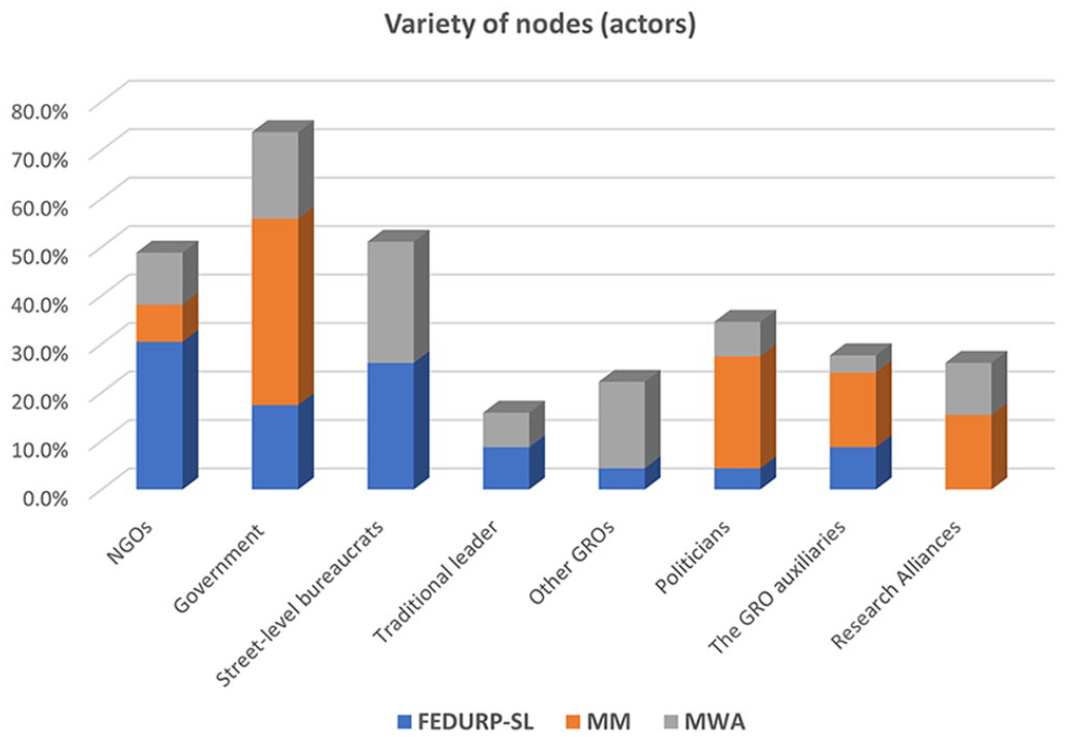
Nodal variety in COVID-19 resilience initiatives
FEDURP-SL collaborated vertically with the Ministry of Health and Sanitation to adapt COVID-19 information, the Office of the National Security to enforce non-punitive COVID-19 measures and distribute humanitarian aid, and the Freetown City Council through the mayor to spread awareness and organize humanitarian support. FEDURP-SL also mobilized relief from Y Care International, albeit through its support organization, CODOHSAPA. CODOHSAPA also curated information from WHO, which was then customized by FEDURP-SL for local consumption.
Horizontally, FEDURP-SL liaised with different sets of street-level bureaucrats as knowledge brokers (chiefs, community health volunteers and community disaster management committees), and as policing partners to enforce lockdown measures (local police partnership boards). Aligning to Michael Lipsky’s scholarship, this study considers street-level bureaucrats as frontline public service workers who interact directly with citizens and day-to-day community dynamics in their daily work.(71) Respected traditional leaders (community elders and parochial leaders) were engaged to influence behavioural change and target humanitarian relief. Ties with community disaster management committees are traced to the Ebola outbreak, while ties with community health volunteers were long-established after their decentralization by the national government in 2012. Engagements with the auxiliary community learning platforms were crucial in championing a community-led pandemic management strategy.
FEDURP-SL largely utilized linkages with street-level bureaucrats. Partnership with government units, both decentralized and centralized, was fostered by relational ties developed during the Ebola outbreak which had likely boosted trust.(72) The vertical ties of the GRO are largely unmediated, save for a few that involve new international NGOs. The technical support, CODOHSAPA, mainly served as an intermediary in immediate resilience initiatives, while in the intermediate initiatives, the GRO negotiated directly with NGOs as shown on Figure 3. The apex (SDI) played a distant secondary role as a conduit through which the GRO accessed resources.
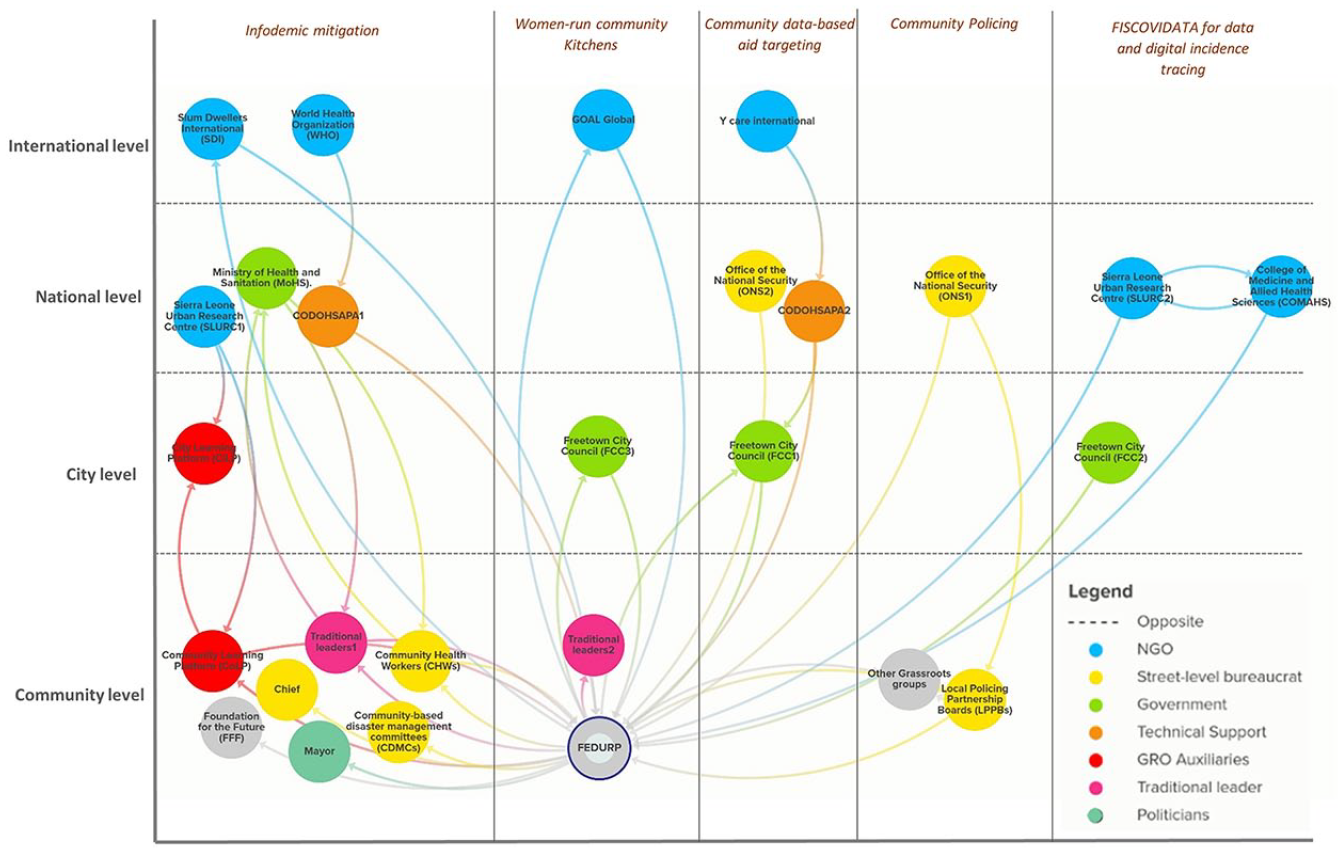
Actor map showing structure of FEDURP-SL linkages
Mahila Milan’s network was dominated by state actors, i.e., government ministries, municipal corporations and associated politicians. This architecture was likely influenced by the severity of the pandemic in India. The country was at an acute state of emergency, recording some of the highest infection rates and most stringent lockdown measures. Indian cities experienced severe COVID-19 impacts, with Mumbai being the worst affected. Mahila Milan thus concentrated its interventions on localizing government-led containment and mitigation policies. Unlike FEDURP-SL’s dense and community-focused network, Mahila Milan’s networks were sparse and primarily between the grassroots and national levels, as illustrated in Figure 4.
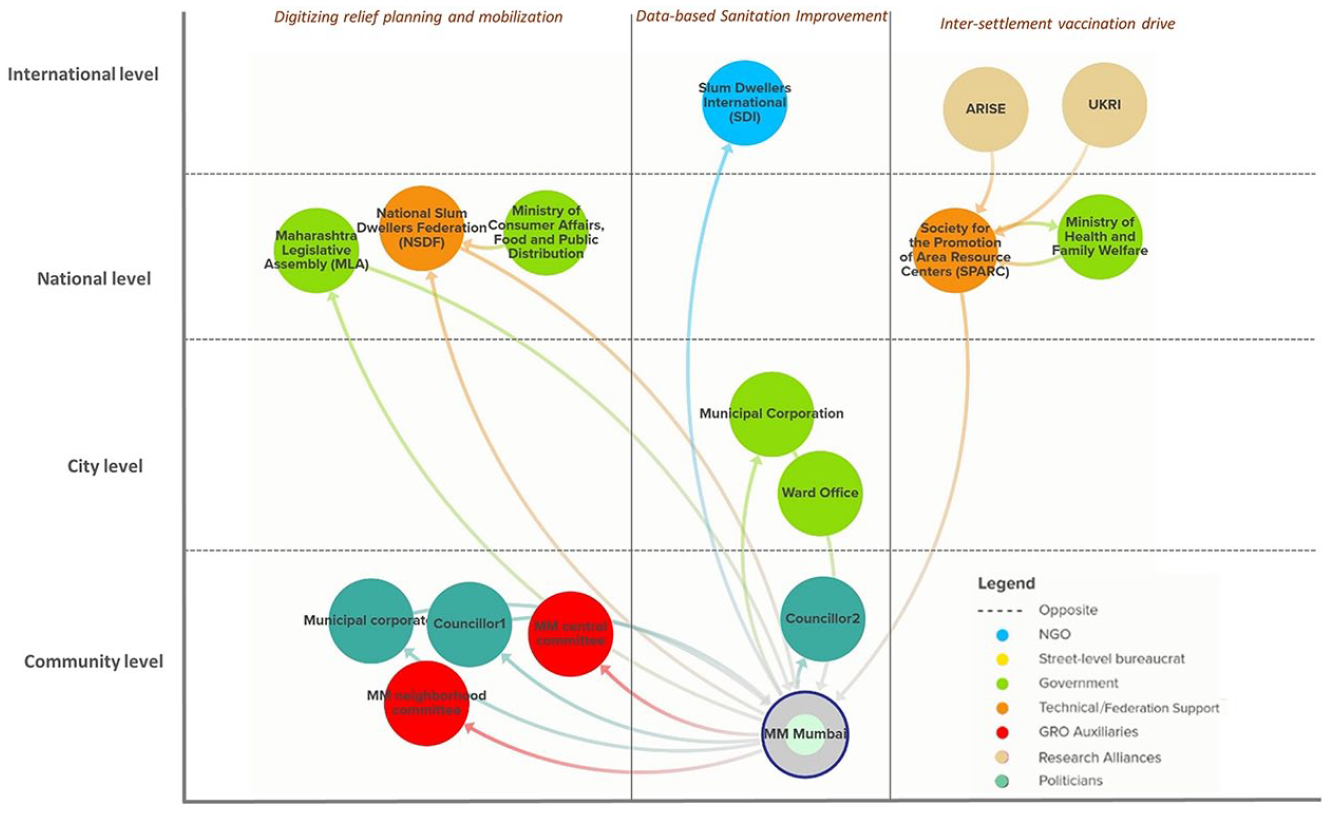
Actor map showing structure of Mahila Milan linkages
Mahila Milan sourced food packages from the Ministry of Consumer Affairs, Food and Public Distribution through their federation support, National Slum Dwellers Federation and directly from the Maharashtra Legislative Assembly. Mahila Milan worked with its auxiliaries, central and neighbourhood committees, to distribute food rations. The role of politicians was prominent as Mahila Milan’s ties with the municipal corporator(73) and councillors helped them to lobby sanitation services and mobilize humanitarian assistance. Mahila Milan’s vertical linkage was mediated by its federation and technical supports (NSDF and SPARC). The apex (SDI) mobilized resources from international research alliances such as ARISE and the government-domiciled UK Research and Innovation. Published materials had limited data substantiating the role of street-level bureaucrats, traditional leaders and other GROs.
Like FEDURP-SL, Muungano’s networks were community-grounded but were distinct for their consistent interaction with national and local governments across all initiatives. Muungano also engaged street-level bureaucrats as essential points of authority and influence. Furthermore, Muungano appeared to thrive in knowledge-based alliances, evidenced by the density of networks in action research initiatives, proactive solidarity with peer groups to address underlying risks, and emergence of action programmes such as anti-brutality dialogues and art-based therapy. Knowledge alliances advanced the GROs’ emergency responses into more comprehensive solutions. To substantiate, Muungano mapped community health gaps and with the support of ARISE and the Covid Collective, the data were used to accelerate enactment of a policy that negotiated space and place for community health volunteers. Figure 5 illustrates that the technical support, SDI-Kenya, mediated most linkages in all the initiatives. As such, the role of the apex, SDI international, was not prominent.
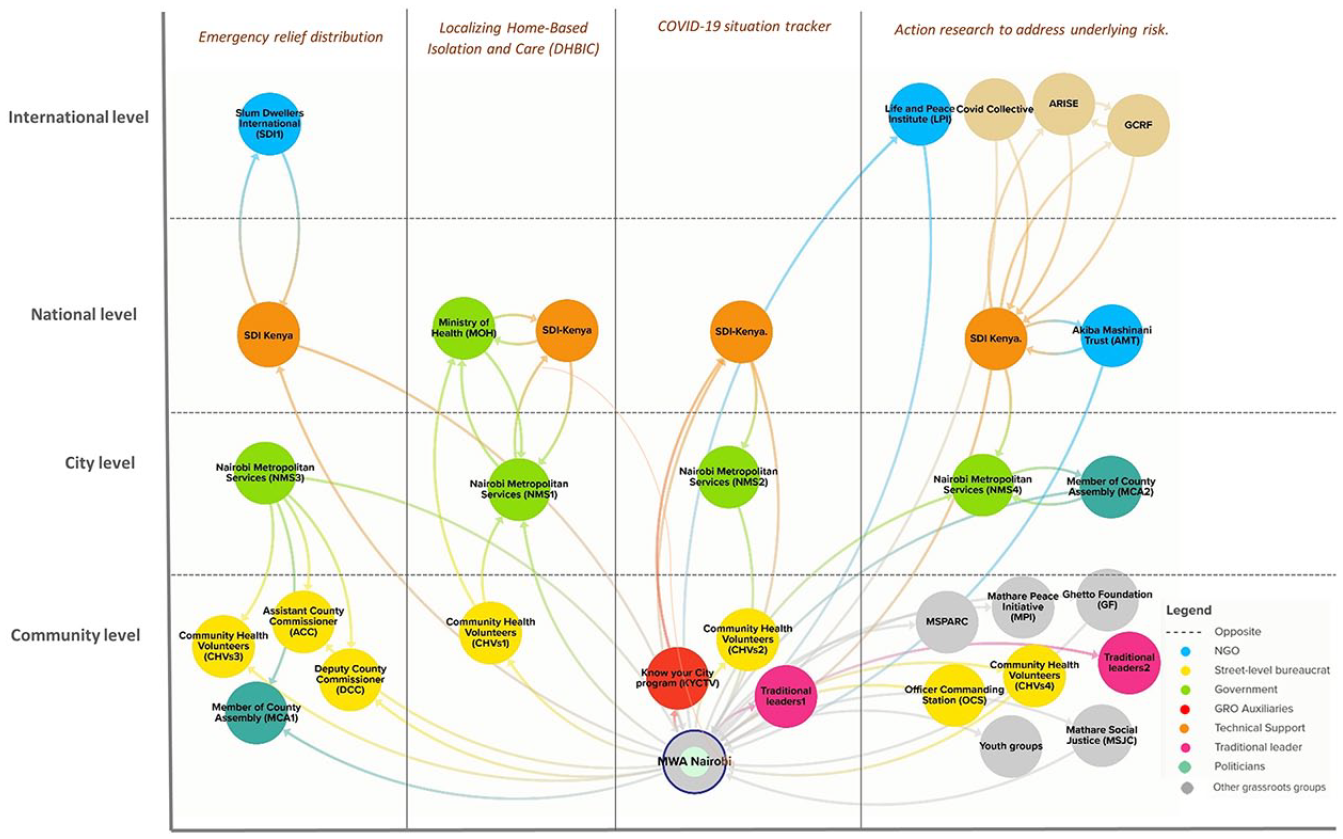
Actor map showing structure of Muungano linkages
Notably, Muungano’s linkages were (re)activated during a period of political contestation against city-level governance reforms. Crucial urban management and service delivery functions, which had been constitutionally devolved to the Nairobi City County Government since 2010, were undemocratically transferred to a newly formed national government taskforce, the Nairobi Metropolitan Services. This transfer was premised on the rhetoric of effectiveness.(74) The institutionalization of the taskforce in March 2020 coincided with the onset of the pandemic in Kenya.
Muungano’s pivotal role in facilitating the “ground-breaking” 2017–2019 Mukuru special planning area had tightened its working relationships with the local government.(75) This people-led initiative aimed at co-producing an integrated strategic urban development plan for Mukuru, the third-largest popular settlement in Kenya. Although the political transfer to Nairobi Metropolitan Services taskforce was disruptive, Muungano’s model of mass mobilization for action was attractive to the taskforce, which was managerial and results-oriented. New links with the taskforce were mediated by the NGO Akiba Mashinani Trust, leading to the development of crucial basic infrastructure in Mukuru within the Nairobi Metropolitan Services tenure.(76) Under this partnership, other large popular settlements like Mathare and Kibera were also declared special planning areas. This decision was, however, reversed upon reinstatement of the county government in 2022, as policies passed by the taskforce were deemed unconstitutional.
The role of street-level bureaucrats is significant in Muungano’s network. The Officer Commanding Station and community health workers had convened anti-brutality dialogues between local youth and the police with the support of Muungano and other GROs (such as Mathare Peace Initiative), MSPARC and iNGOs. Further, the deputy and assistant county commissioners supported distribution of humanitarian aid. These commissioners in Kenyan law are non-elected government officials tasked with delivering quality services to citizens, hence their classification as street-level bureaucrats.
Politicians were observed to politicize humanitarian action. Community members highlighted partiality in relief distribution due to the involvement of the Member of County Assembly (MCA). According to a local resident cited by Sverdlik et al.: “Only those who knew the MCA personally benefited greatly. Those who have no contact with him, on the other hand, have received no assistance.”(77)
VI. Networking behaviours in GRO networks
The intricate backgrounds of past epidemics as well as ongoing governance contestations shaped dynamic networking patterns. Additionally, the association of the pandemic with food insecurity, reinforced segregation, insecurity and violence, militarization and infodemics created multiple framings of the COVID-19 pandemic beyond that of a mere health disaster. These framings further influenced networking dynamics. In line with theoretical expectations, the findings demonstrate dynamics such as experiential learning and redundancy.
Learning was particularly prominent, with interventions drawing insights from prior experiences during the Ebola outbreak (in Sierra Leone) and building on SDI’s history of community-led data collection across the cases. FEDURP-SL exemplified network learning, drawing two key lessons from the Ebola experience: the cost of misinformation, and the value of collaboration across formal and loose governance structures. Disinformation and misinformation about the Ebola contagion had fragmented and weakened collective action.(78) FEDURP-SL and its networks thus proactively rationalized the pandemic’s information management measures even before the first case was reported in Sierra Leone to prevent an infodemic. It also reactivated ties with traditional leaders and its auxiliary community and city learning platforms. In India, Mahila Milan capitalized on experiences of using profiling data for advocacy.(79) In Kenya, Muungano’s experience from centrally facilitating the Mukuru special planning area shaped the architecture of its COVID-19 networks.
While redundancy did not emerge as explicitly as did learning, it is implied by the formation of grassroots solidarity networks. This was observable as follows: Muungano established solidarity linkages with peers to form the MSPARC coalition; Mahila Milan joined forces with other GROs to contest UK Research and Innovation funding cuts; and FEDURP-SL bonded with its auxiliaries to bolster social capital. Such networking of actors with overlapping functions is described by AbouAssi, Wang and Huang as a “snuggle-for-survival”.(80) The snuggle was theorized here as aggregation, which potentially triggers longer-term resilience initiatives beyond emergency actions of individual GROs. For example, while GROs in Mathare had individual COVID-19 interventions, their collaboration in MSPARC elevated Mathare into a critical case for upgrading and attracted resources for action research from the Covid Collective, ARISE and the Global Challenges Research Fund.
Inductive exploration of emergent patterns revealed the influence of street-level bureaucracy and isomorphic patterns on resilience initiatives. Street-level bureaucracy manifested as public service workers such as community health volunteers, community disaster management committee chair persons, county commissioners, chiefs, the Officer Commanding Station and the police engaged in information dissemination (anticipation), relief distribution (persistence) and localizing lockdown measures (adaptation). Street-level bureaucrats emerged as crucial but biased actors as reported by Sverdlik et al.:
“Respondents in Mathare [Kenya] often criticized local officials [referring to deputy and assistant county commissioners] for not proactively supporting residents . . . Some local officials were even perceived to only assist their own families or supporters.”(81)
The role of street-level bureaucrats is paradoxical. Their work is expected to be apolitical and unbiased, yet service delivery is inherently political, and their daily choices are intertwined with their subjectivities. Street-level bureaucrats cannot operate in what Maynard-Moody and Portillo term as a “bureaucratic ideal of impersonal detachment”. Rather, they exercise street-level discretion, which is often (if not always) subjective.(82) The complexity of street-level bureaucracy is compounded by political interference. Politicians (mayors, councillors and members of county assembly) played a contested role in the mobilization and distribution of humanitarian aid, installation of sanitation infrastructure and political advocacy for comprehensive planning. They were seen as negligent and delayed resilience efforts. In India, for instance, Cities Alliance and SDI reported that:
“They [Mahila Milan] have been approaching the local councillor for the last five months but there was no relief . . . They then got in touch with the health department in the ward office, did site visits, and within eight days they had laid down new drainage pipes.”(83)
In Sierra Leone, Koroma et al. observed that:
“Some elected leaders, such as members of parliament and councillors, did not seem to be as trusted as the chiefs because of their limited contribution to development.”(84)
Isomorphic patterns also emerged, characterized by similarity of resilience interventions adopted by GROs. Isomorphism emerges when organizations are externally influenced and start to resemble others in the structure, functions, philosophies, norms and practices over time.(85) AbouAssi and Bies specify the phenomenon of organizations imitating and replicating strategies deemed successful as mimetic isomorphism, often resulting in “standard responses”.( 86 ) With the onset of the pandemic, all the GROs quickly reverted to the familiar practices (enumeration and profiling) ingrained in the history of SDI. To facilitate this immediate action, resources were drawn from or through the apex organization, SDI. Reliance on the apex organization enhances the GROs’ competitive advantage. However, this limits innovation and leaves the GRO vulnerable to disruptions, as seen with the implications of UK Research and Innovation budget cuts in Kenya and India. FEDURP-SL leveraged old linkages made during the Ebola outbreak, such as those with the Sierra Leone Urban Research Centre, to access material and non-material resources from partners beyond SDI.
VII. Polymorphic grassroots networks: implications for disaster resilience
The findings reveal that the three (inter)nationally affiliated GROs formed polymorphic networks, characterized by a multilevel architecture and diverse linkages that adapted dynamically to shape disaster resilience in popular settlements. The GROs leveraged old ties but also adapted by forming new connections. While the three countries faced a similar shock, the past experiences with the Ebola outbreak in Freetown, the political turns in Nairobi through the Nairobi Metropolitan Services, and the severity of the shock in Mumbai shaped how multi-actor linkages were adapted for resilience. Established ties, including those with the apex organization, laid an important foundation for emergency response. FEDURP-SL relied on linkages established from the Ebola outbreak for anticipatory actions, Muungano engaged the apex (SDI) for emergency relief, and Mahila Milan turned to its federation support (National Slum Dwellers Federation) for relief. Furthermore, all three GROs reverted to familiar practices, such as settlement profiling. This indicates that the daily actions of GROs, outside of disaster situations, critically determine the extent to which they become and remain relevant during crises. As the need to address underlying risks grew, these GROs initiated actions beyond old networks.(87) To exemplify, Muungano expanded their settlement profiling tools to undertake more targeted profiling of community health volunteers. This positioned them in the Ministry of Health and Sanitation’s COVID-19 taskforce where the home-based isolation policy was adapted and a new legislation for community health volunteers enacted. Similarly, the settlement profiling practices at FEDURP-SL were scaled up for multi-crises tracking and response through their new linkage to national NGOs. These examples demonstrate that, while old linkages are crucial for emergency response, new linkages are more likely to drive innovation, scale existing practices and potentially cause reforms.
Network architecture and networking patterns overlapped, demonstrating that GRO networks are not only multilevel, but also become dynamic when confronted by crisis. Dense networks showed significant functional overlaps in knowledge-sharing and policy advocacy, especially within solidarity subgroups.(88) Established ties of FEDURP-SL with community and city learning platforms, and Muungano with MSPARC exemplify solidarity subgroups. Solidarity on shared struggles within dense networks can initiate transformative alliances and create meaningful buffers as peers with redundant roles can replace one another during disruption.(89) Furthermore, GROs engaged with five to eight cross-sectoral partners. This network diversity fosters creativity and learning, although cooperation and navigating political entanglements can be challenging.(90) For example, dense grassroots networks characterized by street-level bureaucracy had to also balance risks caused by political interference. As a case in point, while established links with community health volunteers and county commissioners were valuable resources in Muungano’s network, governance transitions from the county government to Nairobi Metropolitan Services posed risks for resilience due to potential cooptation and ousting of ‘familiar’ government officials.(91)
(Inter)nationally affiliated GROs exhibit mimetic isomorphism which the findings suggest can inhibit innovations for transformative resilience. Interventions of the three GROs mirrored standardized norms and interventions of the SDI alliance, such as settlement profiling, data-based solutions and written petitions. Innovations were limited and only emerged when new partners were brought on board, as in the case of FISCOVIDATA, the Community Health Services Act and art-based therapy. This paper considers the hierarchical structure of (inter)nationally affiliated GROs limiting for active learning and flexible experimentation. The GROs are vertically tied to their apex and horizontally to their technical and federation support entities. This structure is likely motivated by their paradoxical positioning, as the GROs need local embeddedness but desire to remain (inter)nationally relevant. The structural innovations offer a survival strategy for loose GRO structures to access resources, but they reproduce extant systems of hegemony highlighted in the resilience discourses.(92) Networks that drive transformative resilience require learning within and outside affiliated linkages, and the flexibility of GROs to experiment with new linkages.(93)
Furthermore, effective grassroots resilience networks require proactive engagement of local governments. Local authorities were responsible for providing basic infrastructure and services as in the case of Mahila Milan, regulating resilience innovations, as in the case of FEDURP-SL, and enacting local development policies and long-term planning of popular settlements, as in the case of Muungano. This supports the findings of past studies championing the synergy of self-organized initiatives and the government.(94) The extent to which the local or federal governments are given responsibility depends on the contextual decentralization of functions.
Finally, the findings correlate learning in grassroots networks to anticipatory and persistent resilience initiatives. Absorptive capacity determines the extent to which an organization leverages learning opportunities.(95) FEDURP-SL’s experience with the Ebola outbreak demonstrates this, as they reactivated necessary ties and applied new lessons for timely preparedness in Freetown. Isomorphism is also a typology of learning.(96) (Inter)nationally affiliated GROs imitate the organizing patterns they learn from their affiliation networks. As discussed above, learning in old networks may not lead to transformative change. It is crucial for (inter)nationally affiliated GROs to seek learning opportunities outside their affiliated network. While peer-to-peer learning exchanges are popular among SDI affiliates,(97) learning within the network is insufficient to trigger reforms. Transformative action requires apex organizations to facilitate structures for affiliates to learn outside the established network.
VIII. Conclusion
Drawing on three examples, this paper examined how (inter)nationally affiliated grassroots organizations structure and adapt networks during disasters in popular settlements. An interdisciplinary theoretical framework that integrates social network and resilience theories was applied. The resilience initiatives of three GROs affiliated with the SDI alliance in Sierra Leone, Kenya and India were analysed, focusing on their network architecture, networking patterns and resilience outcomes during the COVID-19 pandemic.
The three GROs formed polymorphic networks which engaged old and new multilevel linkages of diverse community, city, national and international actors. The networks exhibited actor diversity, but their mimetic isomorphism and hierarchical ties affected their dynamism. Grassroots networking demonstrated iterative institutional learning, functional overlaps and links to street-level bureaucracy, which contributed to both short-term and transformative resilience. It is observed, among these three organizations, that while old linkages are more effective in emergency response, new linkages are essential for driving innovation, scaling existing grassroots practices and potentially causing reforms. Furthermore, effective grassroots resilience networks require active learning within and outside affiliated linkages, and proactive engagement with local governments. Future empirical work could support broader generalization by comparing networking behaviours among affiliated GROs with varying apexes, as well as by contrasting the networking behaviours of (inter)nationally affiliated and local GROs. Moreover, deeper empirical investigations are needed to further qualify the emerging patterns within polymorphic grassroots networks.
Footnotes
Funding
While there was no specific sponsorship for the research, authorship and publication of this article, the author wishes to acknowledge and thank the Vital Cities and Citizens initiative (VCC) of Erasmus University Rotterdam for the financial support of the larger PhD programme upon which this work hinges.

10.
12.
13.
16.
19.
24.
31.
38.
The Intergovernmental Panel on Climate Change.
42.
45.
54.
58.
International Institute for Environment and Development (IIED); Knowledge in Action for Urban Equality (urban-KNOW); African Cities Research Consortium (ACRC).
59.
65.
The Freetown Informal Settlement COVID-19 Data dashboard – FISCOVIDATA.
69.
Mathare Special Planning Area Research Collective (MSPARC).
73.
An elected member of a municipal corporation.
80.
AbouAssi, Wang and Huang (2021), page 148.