



Abstract
This study seeks to understand the working dynamics through which Greater Amman Municipality (GAM) responds to the challenges of protracted displacement in the city, focusing particularly on the concept of “tactical urbanism” (TU) as a tool and framework. This could be broadly useful to key actors in reconsidering response strategies, strengthening the role of local administrations. The research adopted a qualitative data collection and analysis framework via participatory forums and key informant interviews, steered by guiding research questions. Findings reveal the presence of interconnected multi-scale limitations, opportunities and roles that determine GAM’s response towards displacement and constrain its ability to act within a comprehensive planning rationale. Instead, GAM is driven towards TU as an alternative approach that mitigates these determinants and offers a means for more responsive, constructive action. It is argued that TU affords a more agile response towards displacement, enhancing community engagement, innovation, resilience and identity.
I. Introduction
With the majority of refugees living nowadays in urban areas, cities have grown in importance as an imperative level of governance, and municipal authorities have become key policy actors in the global refugee regime.(1) It is well-noted that refugee politics is subject to multi-level governance primarily at the global and regional levels, incorporated at the national level, and implemented locally. However, the interaction between levels of governance, particularly at the municipal level, is a controversial topic yet to be aptly incorporated into work on protracted displacement and refugee politics.(2) Global trends in asylum management have largely ignored the city’s role in multi-level analysis, despite its ability to exert autonomous influence on displacement politics.(3) Ljungkvist(4) acknowledges the need for further work to elucidate the conditions under which this autonomous influence arises and to understand the settings where municipal authorities matter for shaping outcomes in global displacement issues.
Local administrations mediate the implementation of national policies related to urban asylum. Whether they perceive refugees as an opportunity or a threat, they have obligations as the provider of daily services for city residents. Irrespective of national legislation, sub-national politics and procedures, particularly on the local level, influence the practical determination of refugees’ right to work, housing and mobility. Even with a unified national policy framework, there is frequently sub-national variation in practice and implementation, reflecting the space within which local authorities operate.(5) Policy literature recognizes several experiences in which local policies have significantly enhanced the ability of cities to respond to urban displacement and even build positively on it, sometimes adopting more “progressive”, sometimes more “restrictive” policies compared to the national level.(6) In view of these measures, tactical or temporary urbanism (TU) appears as a promising strategy for addressing the implications of displacement and initiating needed improvements at the local levels.(7)
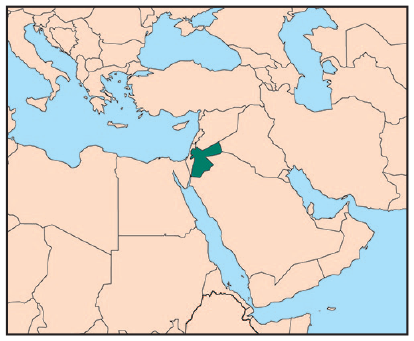
The Syrian refugee crisis is among the cases that strongly represent the diversity in host country responses towards protracted displacement. The crisis has been the largest mass displacement of the twenty-first century, with over 12 million people displaced. The central host states have varied significantly in their responses on national and local levels, many of which are affected by the political frameworks of these countries. Jordan presents a case worth studying. The country is considered the second-largest refugee host per capita worldwide, with 89 refugees per 1,000 inhabitants.(8) Since its independence in 1946, Jordan has undergone massive influxes of refugees from neighbouring war-torn countries, primarily Palestine, Syria and Iraq, which count for 2.4 million, 1.4 million and over 130,000 people respectively.(9) These migration waves played a crucial role in shaping the country’s politics, economy, society and urban characteristics. They helped generate a cumulative experience in responding to urban asylum with procedures ranging between closure and openness, ultimately driven by global, regional and national level policies. The vast and sudden arrival of Syrian refugees, however, was extremely influential.(10) This flood of refugees has significantly impacted Jordan in almost all aspects, placing immense pressure on its public systems and exacerbating pre-existing challenges, particularly within municipalities hosting the largest share of Syrian refugees, with Amman, the capital city of Jordan, at the top.
Despite the Jordanian government’s proactive role in the crisis response, municipalities and local actors were not adequately engaged in either implementation or coordination.(11) Yet, local governments and municipalities bore the highest burdens of asylum, obliged to provide for needs that exceeded their capacities. This prompted these local administrations to find effective means to overcome the challenges in line with their capabilities while being coherent within the national political framework. Greater Amman Municipality (GAM) is a worthy case to consider. GAM forged its response towards urban displacement emphasizing adaptive capacity, public participation, learning, good governance, tailored and temporary interventions and a healthy urban environment. The focus was on context-appropriate interventions, leveraging existing infrastructure and service delivery channels to empower city residents and improve their living conditions. A partnership approach was key to maximizing benefits to both displaced and receiving communities.(12)
This case study seeks to understand the working dynamics through which GAM responded to the challenges of protracted displacement in the city, providing insights into practical responses at the local municipal level. These could be more widely useful to key actors in reconsidering response strategies and appropriate levels of intervention by local administrations. The study focuses particularly on the concept of “tactical urbanism” as a tool and framework adopted by the municipality to develop the city in light of the presence of refugees. In doing so, the study addresses the following questions:
How do local administrations balance their responsibilities towards city residents, including refugees, with the determinants of national policies towards asylum?
What are the frameworks and mechanisms through which GAM responds to protracted displacement in the city?
How did GAM employ tactical urbanism in responding to protracted displacement and promoting effective integration of refugees?
II. Literature Review
a. Response to Syrian refugees in Jordan
Jordan has historically been hospitable to refugees, providing them a sanctuary as an integral part of the kingdom’s population and social fabric.(13) The rapid influx of refugees has contributed to accelerating urbanization and growth rates, putting immense pressure on the country’s over-stretched resources. Jordan is currently the third largest regional host of Syrian refugees.(14) As of 2023, it hosts 660,822 officially registered Syrian refugees, of whom 20.5 per cent live in camps and 79.5 per cent in urban, peri-urban and rural areas. The three biggest host cities are Amman with 196,655, Irbid with 129,484 and Mafraq with 85,591,(15) though the actual numbers are likely far higher. The Syrian refugee presence has affected the quality and availability of public services, causing a decline particularly in the host municipalities’ governorates, making it more likely that refugees are seen as competing with locals for resources and opportunities. This impact is caused not only by the large number of refugees but also by their geographic dispersion.(16)
Jordan’s national response to the arrival of Syrian refugees shifted several times from an open-door policy to the encampment and vigorous control of refugees’ flow, ending with the establishment of a national framework via a National Resilience Plan and the issuance of the “Jordan Compact”. This framework brought together humanitarian and development actors under host country leadership for a more effective response to protracted displacement, providing for more legal routes for Syrian integration into society.(17) It is argued, however, that Jordan’s response was reactive and needed a more strategic outlook to mitigate the sharp increase in population.(18) Moreover, the formal procedures lacked active local administrative involvement regarding the spatial and urban implications of the refugee presence. This absence of meaningful local engagement undermined the utility and efficiency of efforts to maximize the benefits for refugees and local communities alike, placing large burdens on local administrations.(19)
Amman presents such a case. The city is home to a significant number of Syrian refugees, hosting 28 per cent of non-camp refugees in Jordan. It is described as a multi-layered city of immigrants from different locations, signifying a social and spatial “coming together” of difference and diversity.(20) Amman has grown from a city to a metropolis, with an urban area of 630 km2. Its annual increase rate of 2 per cent puts more pressure on the municipality to provide services. Amman is characterized by a strong disparity tied to morphological differences between eastern parts of the city encompassing poor, highly populated informal housing communities near the Palestinian refugee camps, and better organized grander western parts where people are more likely to be employed, educational level is better and buildings and infrastructure are more developed.(21)
Amman represents the administrative, financial and economic centre and the heart of attraction for human activities in Jordan. Its population is currently over 4.5 million.(22) More than 1.4 million refugees live in densely populated areas in central and eastern neighbourhoods and urban camps, which are provided with all services and offer a relatively lower cost of living, in addition to mutual economic and social support. They include a significant share of the Palestinians in the city, in addition to a large number of Syrian refugees registered with UNHCR.(23)
The sharp rise in the city’s population, driven by the latest arrival of Syrians, has placed a huge strain on the city’s resources and infrastructure networks, particularly in the deprived and informal areas where the majority of Syrians live.(24) This in turn has affected the life quality of Syrian refugees, facing them with challenges related to basic needs and services, including access to housing, transport, health care, education and employment.(25) The response to Syrian refugees in Amman has been multi-faceted, involving stakeholders at local, national and international levels. GAM’s initiatives, actions and programmes have been crucial. Some critical responses include humanitarian aid, health care and education services, livelihood support, community engagement and legal and policy frameworks. These responses have been instrumental in addressing the immediate and long-term needs of Syrian refugees in Amman.(26) However, some challenges and gaps still need to be addressed more concretely, including access to sustainable livelihoods, social integration and long-term solutions for displacement.
b. Tactical urbanism: definitions and applications
Forms of response in the city have included strategies of “tactical urbanism”, or TU, which refers to the global phenomenon of informal interventions in the urban fabric – both cultural and physical. It is commonly described as a minimal intervention, broadly accessible and adaptable to rapidly producing new types of urban spaces that function as a temporary solution with long-term impact.(27) TU encompasses a wide range of actions varying according to the form it takes, the function it assumes, the alignment of actors and the assemblage of time–space it creates, the effects it delivers, and its relationship with the planning system and development model.(28) Actions are typically short-term and low-cost but with a vision aiming at deeper and much more significant changes than the more immediate physical and tangible outcome of the project, with possibilities for long-term transformation in cities.(29) The most common examples of TU activities include the introduction of more accessible public transport, the creation of networks of small gardens and pocket parks, the transformation of dangerous zones, and the organization of markets and fairs and small public spaces for leisure in unoccupied places.(30)
TU promotes a human-centred approach to urban planning, with a participatory vision of urban restructuring implying active community engagement and locally anchored activities aligned with people’s needs and aspirations.(31) It helps empower communities to take part in and control their surroundings, developing social capital by bringing people together, and entailing more robust and more durable connections between people and places.(32) This innovative concept serves as a dynamic testing ground for fresh ideas and creative solutions to urban challenges, allowing careful assessment of the potential impact of actions before significant resources are committed.(33)
The approach gains strength in the context of a crisis in urban areas. Its actions are usually associated with responses to critical urban issues and urgent everyday problems, including urban displacement, which governments have trouble coping with using conventional long-term planning techniques.(34) Many public authorities have adopted TU as a strategic planning tool to overcome gaps in planning, with a variety of activities and actors involved.(35) This “formal” move has not yet received much research attention, especially in countries with large urban refugee populations. Further investigation is needed to fill this knowledge gap. Understanding how TU operates within formal channels is undoubtedly vital in strengthening it as an accepted planning strategy in response to displacement. This entails recognizing the legislative and executive frameworks and working tools needed to employ the typically (informal) TU actions within (formal) and systematic procedures aligned with specified working structures. It also requires addressing the dynamics of actors’ engagement, particularly the displaced, to achieve these activities’ aims and success. It is important not to overlook the enduring concerns about the coordinated city-wide response to TU actions and the difficulty of achieving structural policy changes in the urban realm.(36) Cases from Colombia, Venezuela and Jordan, among others in the global South, provide valuable insights. Despite their different circumstances, these cases converge in rationale, scope and procedures. Each of them has engaged in wide-scale interventions with tactical actions over multiple locations, targeting refugees and displaced people with the common aim of supporting their integration with host communities by implementing green infrastructure and interventions in public spaces and neighbourhoods while producing social benefits. Additionally, they have adopted a participatory design approach with active engagement of local authorities and a strong involvement of multiple sectors at city, neighbourhood and community levels.(37) This research sheds light on the Jordanian case, learning from GAM’s experience in employing TU as a formal tool in responding to the challenges of urban displacement.
c. Situating tactical urbanism in Amman
Amman is divided administratively into 22 districts, each overseen by a local council delivering municipal services. GAM manages and regulates the city’s urban and suburban areas, including zoning and official planning of land use designations, infrastructure, transportation and public services.(38) The Greater Amman Municipality Law (18) of 2021 has additionally granted GAM broader authority regarding planning tasks, providing for autonomy from the Ministry of Local Administration and more flexibility in addressing the city’s urban issues. GAM is financially independent, with a large percentage of its revenues self-generated through service taxes, fees and investment projects.(39)
Temporariness has always been part of Amman’s urbanization. As such, tactical urbanism interventions are prevalent in the city’s public realm, even perceived as norms within its urban culture, especially in the eastern parts of the city.(40) Such interventions frequently reflect the sociopolitical, economic and regulatory context to respond to challenging events in the city, including urban displacement, on various scales and within different locations. These activities have generally been carried out informally by individuals and community groups or through associations and civil organizations to address their needs and aspirations around a certain issue.(41) Examples have included support for street vending, temporary daily markets, urban gardening and children’s play areas, among others. Yet, there has been no clear input on TU mechanisms and how they may support or fit into traditional municipal planning.(42)
The link between tactical interventions and the official planning and institutional frameworks in Amman remains controversial, reflecting a relative tension between formal planning work and institutional frameworks and the opportunity for short-term tactical interventions to respond to people’s needs. Zeadat,(43) Al-Nammari(44) and Parker(45) argue that GAM has traditionally been inflexible towards temporary solutions and has encouraged forms of governance that do not correspond to people’s needs. This inflexibility has been faced with budgetary problems, maintenance difficulties and a fragmented institutional and organizational framework and it reflects a strong belief in normative standards and long-term master plans, resulting in a disjuncture between the formal structure and practices on the ground. Kamal,(46) on the other hand, has reported a more flexible shift, reflecting greater GAM receptivity towards TU. This has resulted perhaps from the cumulative experience of substantial urban challenges, particularly informality and displacement that has clarified the need to widen the administration’s imaginative capacity, particularly to create alternative approaches for times of crisis and beyond. Perhaps the most prominent example that has recently supported this more flexible trend was the COVID-19 pandemic. Instances have emerged illustrating GAM’s embrace of TU as a versatile tool for urban regeneration, responding to the altered dynamics of citizen interaction with public spaces during the pandemic.(47) This disparity of opinions regarding GAM perspectives on temporary solutions reflects the complex structure within which GAM operates, on the one hand, and, on the other, its remarkable shift to accept and even adopt TU strategies as part of its planning agenda. The need to explore TU was addressed in the Amman Resilience Strategy, an official document developed by GAM as part of the 100 Resilient Cities project, which explored the concept of tactical urbanism under the pillar “towards an integrated and smart city”. Since then, there have been widespread calls by academics to explore TU expressions in the city.(48)
III. Methodology
This paper attempts to describe and comprehend GAM’s response frameworks to protracted displacement, particularly regarding Syrian refugees. It explores the roles, obstacles and cumulative experiences gained, focusing primarily on TU strategies. Qualitative data collection and analysis allowed for broad, in-depth insights into the city’s response to refugees.
The paper has emerged from a wider study addressing protracted displacement in the urban world (PDUW). The study extended over four years (2020–2023) and covered four countries including Jordan, exploring the well-being, livelihoods and productive economics of refugees and internally displaced persons (IDPs) in camps and urban areas. A central component was to promote interaction between urban refugees/IDPs, municipal authorities and local actors. Using participatory forums and key informant interviews, special attention was given to the role of governance actors in generating innovative, inclusive solutions to protracted displacement while benefiting host communities. The study engaged with GAM to reach a shared understanding of the challenges and opportunities of hosting refugees.
a. Participatory forums
Four participatory forums, each with a theme, were conducted over three years, concluding with a closing workshop. The themes were: (1) Exploring the state of Syrian refugees in Jordan – understanding the context and current situation; (2) Insights on challenges and opportunities – services and roles in place; (3) GAM’s response framework – agendas and limitations; and (4) Strategies, key actions and working themes – channels for better response. Six months between each forum provided sufficient time to analyse the outcomes from each and build a targeted discussion agenda for the subsequent forum. An average of 22 people participated in each forum. Participants were selected and the agenda set to reflect the theme in each case. Discussions delved into GAM’s key actions, roles and responsibilities, political and legislative frameworks, working channels and agendas, key actors, response capacity, levels of support and engagement, limitations, success stories and insights into the future of the city. Discussions exposed municipal actors to alternative viewpoints and broadened their understanding of barriers to self-reliance and well-being among marginalized groups in the city, particularly refugees.
The criteria for selecting participants helped ensure accurate, diverse and productive viewpoints. Sufficient members were recruited to enable deep group discussions. Representatives included national and local government officials, with an emphasis on GAM; UN agencies, INGOs and donors; community-based organizations working with refugees; the private sectors; and academic and other experts in refugee studies. Among the participants 15–20 per cent were from the Syrian refugee community. There was a wide spectrum of ages, specializations, experiences and educational levels. This broad involvement of diverse public and private actors expanded the prospect for discussions and the range of data collected.
The forums endorsed four guiding principles: dialogue between municipal stakeholders; the city at the centre, keeping the outcomes in mind; support for setting up processes for greater inclusion of the displaced; and mapping strategic change-making processes. Each forum included two working sessions: the first addressed reflections about the project and previous forums, while the second aimed to answer questions related to GAM’s response to Syrian asylum within the themes raised in each forum.
To better guide discussions and grasp contributions, the outputs were facilitated under four consequential levels adopted from Righettini:(49)
Exploration: the topics identified by participants at the start of the process and the extent to which different actors acted upon those topics.
Prioritization: the degree of importance/relevance participants attributed to the defined issues based on their different viewpoints.
Embedding: participants’ attention according to local needs and real-life experiences. This dimension reveals to what extent local communities differ from each other or converge in conceptualizing problems and solutions.
Integration: relationships participants establish in discussing the various topics and across the main subject of interest, allowing an understanding of how displacement issues and targets are understood and connected.
b. Key informant interviews
In parallel with the participatory forums, six qualitative semi-structured interviews were conducted with senior and middle-level GAM officials in the planning and executive departments, and with representatives of the Syrian refugee community. Each interview lasted about an hour and included two groups of guiding questions. The first included fixed general questions about challenges facing the city and the frameworks through which GAM responds to protracted displacement in the city. The second focused on specified issues aligned with the occupation of each interviewee. The aim was twofold: verifying the validity of the forum outcomes and digging deeper into details about noteworthy issues raised there.
c. Data recording and analysis
To ensure the greatest accuracy and comprehensiveness in recording data obtained from forums and interviews, notes were taken by more than one person, and collected and compiled into comprehensive transcripts. Data were systematically examined through thematic content analysis, involving the coding of data and categorization into key themes and sub-themes. Connections were demonstrated between variables to build a credible and reasonable set of indicators. This deductive approach enabled the identification of common themes, patterns and relationships across the study.
d. Case study analysis
The paper uses three case studies frequently highlighted in the discussions as examples of innovative responses to supporting refugees in the context of broader urban development agendas. Their selection was further based on the degree to which they explored issues and challenges facing people and local administration, promoted principles of TU to overcome the negative aspects and issues, and demonstrated effective collaboration between official and informal actors, including the active engagement of refugees. The use of case studies provided more granular detail on the nature of TU projects, their domains, targeted groups, implementation procedures and the extent of their compatibility with the strategic plans of the GAM. They also made it possible, through local examples, to derive lessons from inspiring TU practices that can be further developed and followed.
IV. Findings
a. Response frameworks: limitations, potentials, roles
Participants affirmed that the city’s response to the Syrian refugee matter is highly driven by the national strategic plan, which lacks a spatial perspective, leaving relatively limited room for GAM to act significantly. As an executive body, GAM’s obligation towards refugees is not setting policies and legislation but providing services for the city’s residents regardless of their status. Hence, a local strategic vision towards refugees is absent.
Findings revealed a set of determinants that seem pivotal in formulating the city’s response to Syrian asylum, and these are associated with data, funds and resources. Lack of detailed, spatially oriented data, together with the absence of effective strategies for exchanging information constitute an obstacle to building an integrated working plan to deal with displacement. The capacity to secure sufficient resources and funds to address population growth, hastened by refugee influx, presents another key matter. Some crucial insights focused on the ability to sustain international funds and adapt these to serve local agendas and needs. Research outcomes also highlighted a set of potentials the city can build upon for a more effective response, including making better use of refugees via active communication and engagement, and facilitating better livelihoods and working environments. This involves activating and strengthening valuable partnerships between local administrations, NGOs, community and refugees. Another challenge involves enriching the city’s identity and urban image by recognizing refugees as part of its distinctive character. Managing displaced talent and capabilities, and the opportunities that refugees can represent and the investments they can drive are additional assets to make use of. Experiences and success stories from other countries and societies can be a source of inspiration.
The limitations facing GAM and the opportunities available to it relate to its roles with regard to three central matters: service provision, inner-city planning and community empowerment. Participants raised many aspects that GAM needs to engage with, including: working on proactive strategic planning; engaging refugees in projects and development programmes; building capacity and supporting equal opportunities among people; embracing a green city action plan and resilient strategy; organizing the informal economy; and improving living conditions to allow for better acceptance of refugees.
The interconnected multi-scale limitations, opportunities and roles that define GAM’s response to the Syrian refugees in the city probably mean that expectations regarding its capacity to act within a comprehensive planning rationale are much exaggerated. In view of that, GAM acts instead based upon its actual capabilities and resources, part of which have involved embracing alternative means to respond effectively to the presence of refugees through the adoption of TU strategies.
b. Tactical urbanism as an alternative tool
TU has been utilized as a creative, responsive approach to addressing the challenges of protracted displacement in Amman, particularly in response to Syrian refugees. In light of the limitations imposed by the National Response Plan and the lack of local resources, TU has offered a dynamic, affordable and adaptive alternative aligned with GAM resources and the capacity of local administration. By leveraging community resources and innovation, TU has offered a flexible, inclusive way to engage refugees in the co-creation of their urban environment while fostering social cohesion and resilience. Applying a series of small-scale, low-cost and community-led interventions seemed to be efficient. Numerous success stories have been documented, involving the active integration of refugees into the design of urban spaces and the improvement of neighbourhood living conditions. Citizens and refugees alike have been involved in the design, setting and implementation of projects. TU has also served as a dynamic testing ground for new ideas, allowing for careful assessment of feasibility and potential impact before substantial resources are committed. Activities are carried out in collaboration with individuals, community groups or associations and civil organizations.
Results reveal that GAM’s TU response has revolved around both service and empowerment as means to improve people’s living conditions and strengthen the integration of Syrian refugees. The majority of initiatives have taken place in the underprivileged neighbourhoods where most Syrian refugees reside, and have enhanced individuals’ self-confidence, stimulated their integration into society and surroundings and provided them with capabilities and skills. Examples include urban agriculture, production kitchens, community gardens, capacity-building programmes and home-based careers. It is notable that GAM’s response to refugees is rooted in its more general responsibility to provide services to all the city’s residents. Most TU projects can be viewed as aiming at the development of the city and improvement of its living conditions.
Incorporating TU projects into broader urban planning frameworks has been strongly emphasized by higher-level GAM personnel responsible for developing strategies for the city’s growth, and by employees in the executive departments directly related to managing the city’s services and implementing its projects. This integration is achieved through aligning TU initiatives and projects with the city’s comprehensive strategic vision and growth plans. By combining creative, bottom-up approaches with strategic planning and coordination, TU offers a versatile, rapid, focused framework for responding to the complexities of protracted displacement in Amman. Through inclusive, innovative strategies, TU helps address immediate challenges, empower displaced communities and build more resilient and sustainable urban environments for all residents. TU activities can also help the city to draw on the knowledge and experiences of its displaced population. This information can be leveraged to inform decision-making and improve service delivery for this same population. In that sense, TU not only contributes to addressing problems of urban growth and refuge but can also help tackle a wide range of obstacles to more comprehensive strategic planning that maintains better city growth opportunities.
c. Aligning with bigger agendas
Cumulative experiences have proven that one of the successful strategies in dealing locally with critical urban matters such as displacement is addressing them within broader dimensions, linking local problems to the national and global level. This effectively generates support and secures financial and technical aid that, in turn, according to many participants, helps strengthen local capabilities in facing challenges and provides the desired impetus to act. As presented in Figure 1, GAM has established different strategies and action plans that correspond to national and global development programmes, at the top of which are the Sustainable Development Goals (SDGs). In its commitment to this agenda, GAM has made considerable efforts to establish policy coherence by harmonizing local policies, strategies, plans, projects and programmes with the SDGs, and with national policy frameworks.(50)
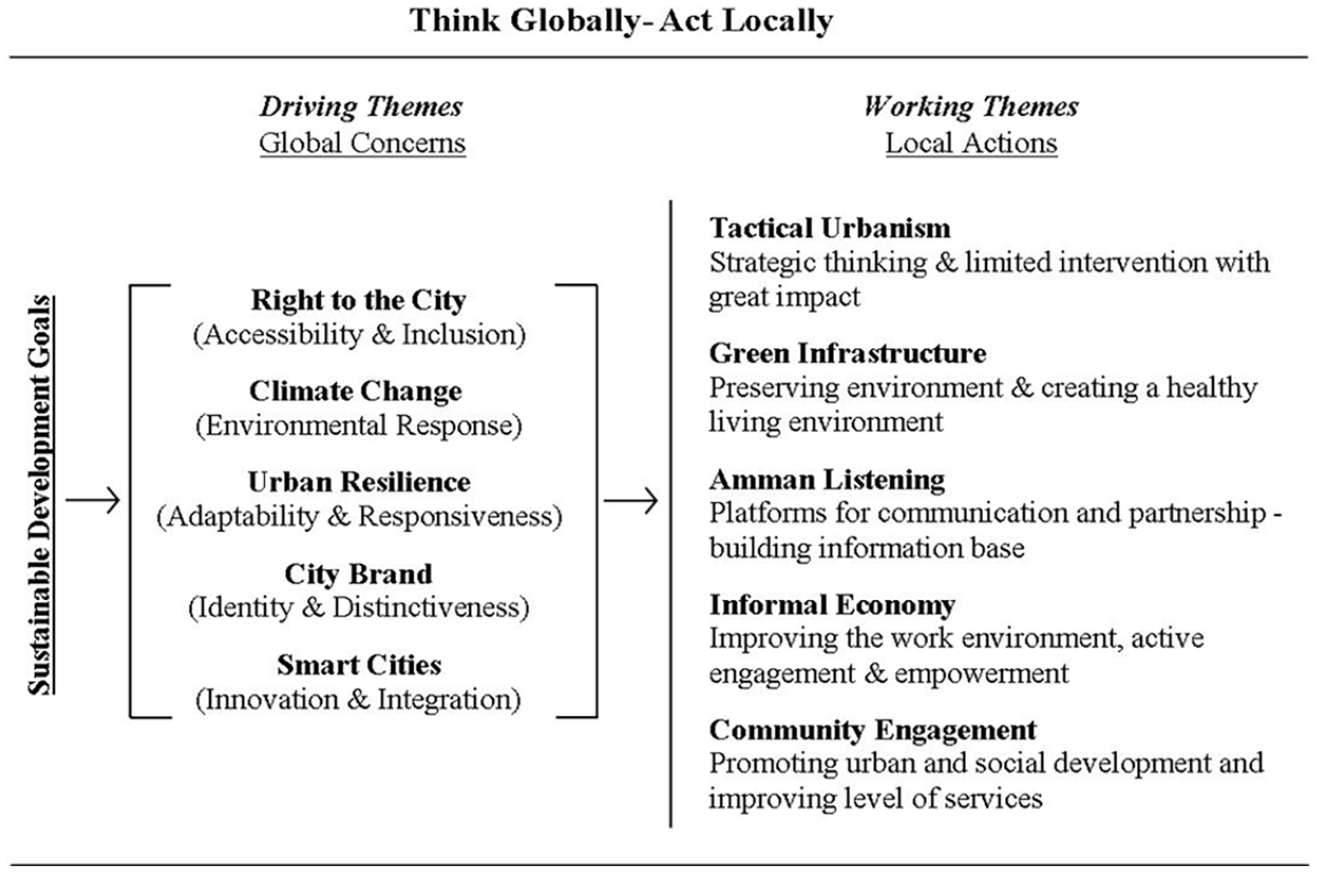
Integrating local actions with global concerns
Other programmes include the National Resilience Plan, the Amman Resilience Strategy, the Amman Green City Action Plan and the GAM Strategic Plan. These help safeguard Amman’s presence in the international arena and establish relations with a network of countries, cities and organizations, providing opportunities for financial support and the exchange of knowledge and good practices on a multiplicity of fronts, including transport, climate change, migration, green infrastructure and the circular economy. This has been reflected in the GAM approaches for TU, as many projects have been aligned with broader national and global agendas to secure the needed impetus for launching and operation.
d. Case studies
The scope of GAM’s TU strategies affecting Syrian refugees has included: activating underutilized public spaces and community gardening; promoting environmental sustainability via green infrastructure projects; facilitating social integration and cultural exchange between Syrian refugees and hosts; encouraging community-led initiatives that empower residents and refugees; supporting micro-enterprises and small businesses; and improving access to information and communication. These categories have included a multiplicity of interventions that highlight various roles and engagement levels from GAM, reflecting a high level of flexibility in managing the city and responding to its needs. Three projects in particular emerged from the discussions and have been chosen for further investigation in this study as part of GAM’s official response towards protracted displacement. These cases were selected based on several factors: a solid engagement and leading role on the part of GAM; active involvement of refugees and hosts; strong collaboration between official and informal contributors; and alignment with GAM’s strategic plans, achieving the deliberate vision of TU being part of the wider planning system.
Improving living conditions in disadvantaged areas/green infrastructure
This pilot project was undertaken in partnership with GAM and the Ministry of the Environment and was commissioned by the German Federal Ministry for Economic Cooperation and Development (BMZ), which covered its budget of EUR 5 million. The project was set up to develop green infrastructure at selected sites in densely populated and disadvantaged urban neighbourhoods in East Amman with large refugee populations. The project improves residents’ quality of life by facilitating access to open spaces, services and public transport, increasing walkability and preserving biodiversity. It also helps create a milieu for more harmonious rapport between citizens and refugees. The project was intended to raise awareness of the potential of green infrastructure to mitigate climate change and to support Jordan in achieving its commitments to global and national agendas. It contributes to SDGs 11 and 13(51) and is locally integrated into GAM’s strategy to develop walkability and access to public transport and to address the effects of climate change.(52)
The project promoted community ownership through a participatory approach that welcomed all residents, regardless of nationality, in the design, planning and management of the newly created or revived public open spaces. It gave particular attention to the specific needs of women, girls and the elderly through increased access to public space. The project also supported the capacity development of residents and GAM staff in order to replicate and adapt the approach to other urban areas. The project combined technical consultancy with a learning-by-doing approach. Participants received training throughout the project’s phases to develop strategies for the development of green infrastructure. Training covered such topics as public open space (POS) typologies and neighbourhood planning in Amman, participatory community-based research and analysis, and participatory community-based co-design for public open space.
The project’s first phase took place between 2018 and 2021, during which three pilot sites were selected to implement practical networks of sustainable urban design with different elements of green infrastructure. More than 300 people participated in the various activities, while beneficiaries exceeded this number many times over. Each of these projects focused on greening and rehabilitating the local environment, creating the nucleus of a public open space network:
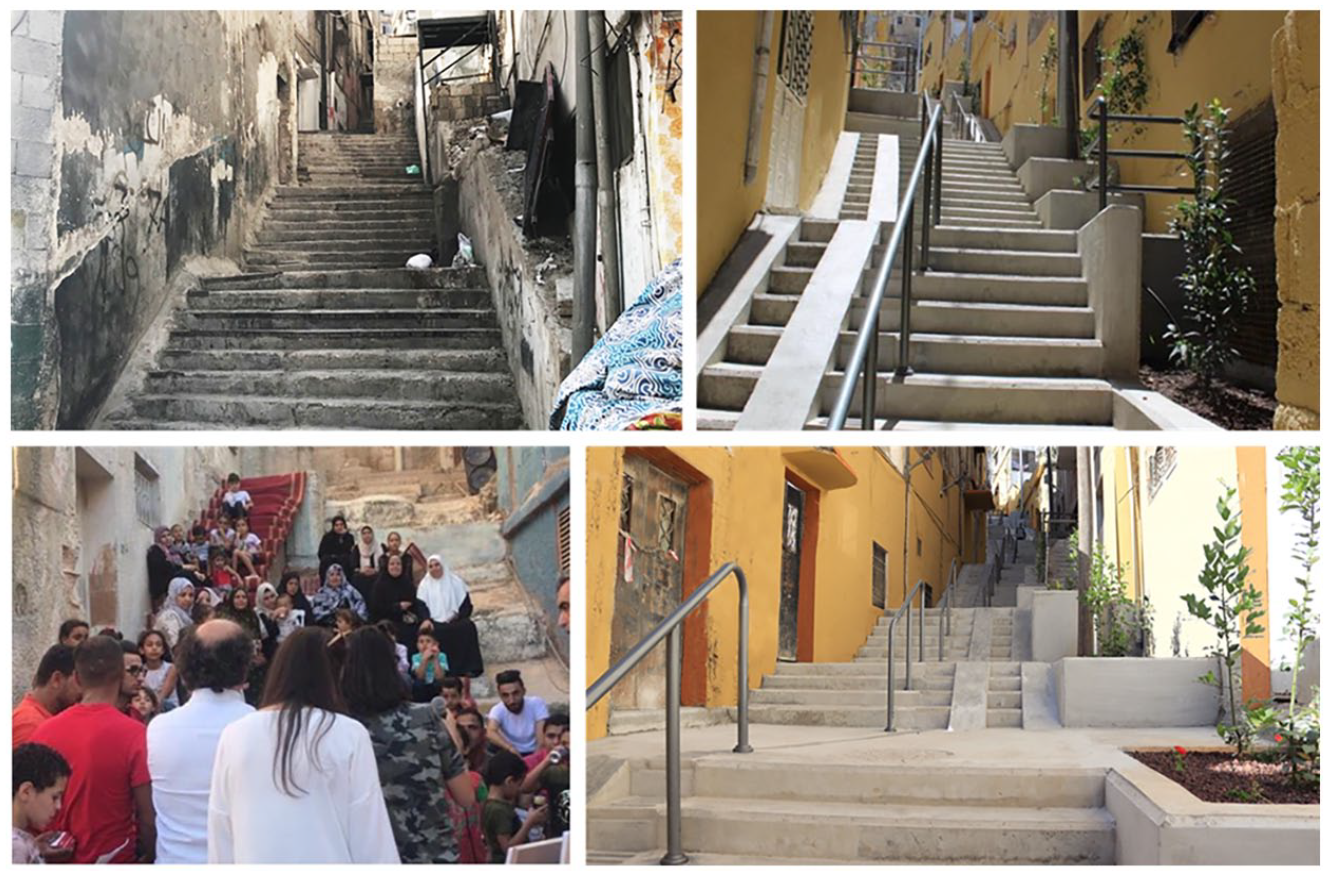
Seventh Staircase – Al Quds Street, Bader Area
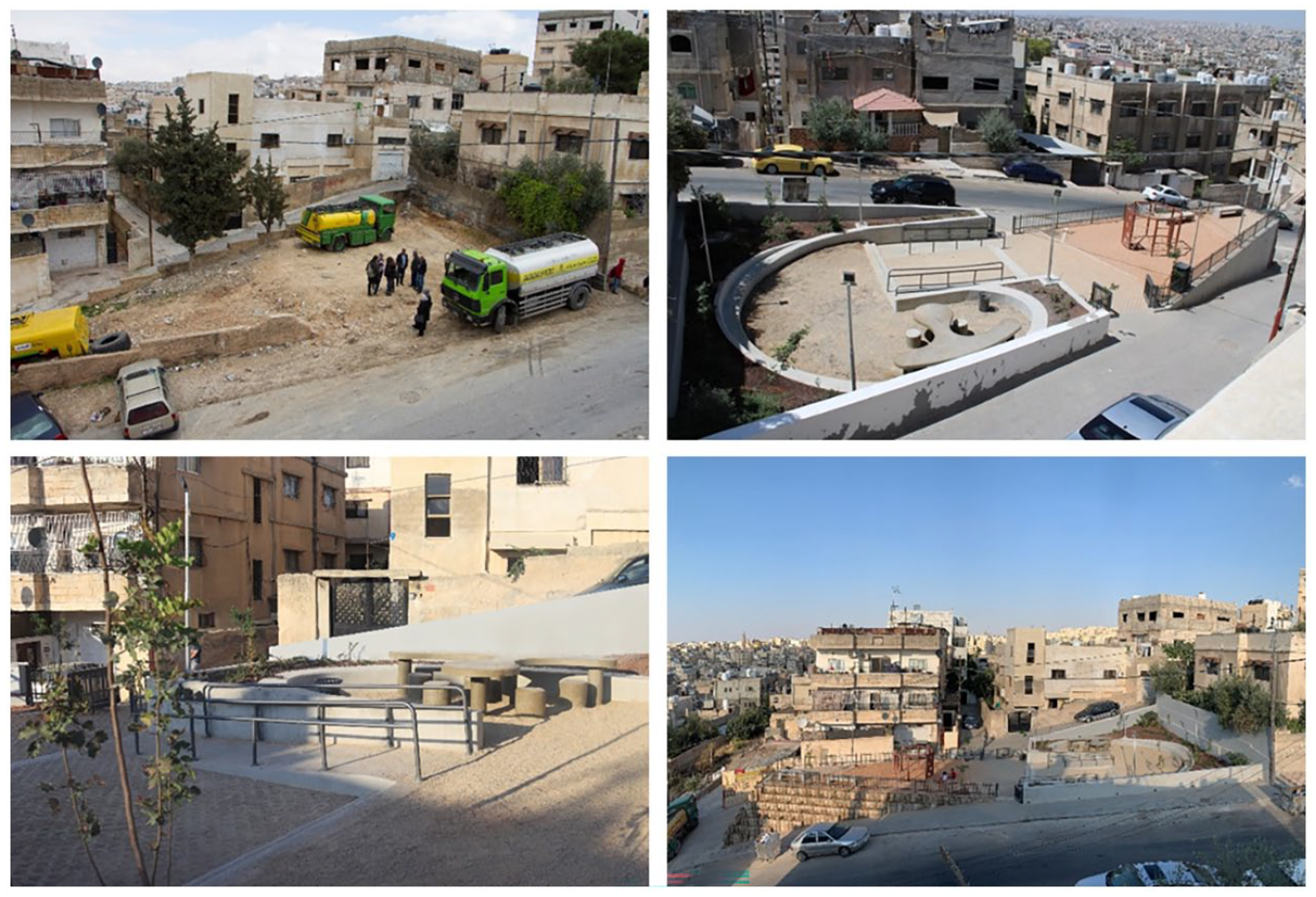
Al-Forsa location, Al-Nasr Area after rehabilitation
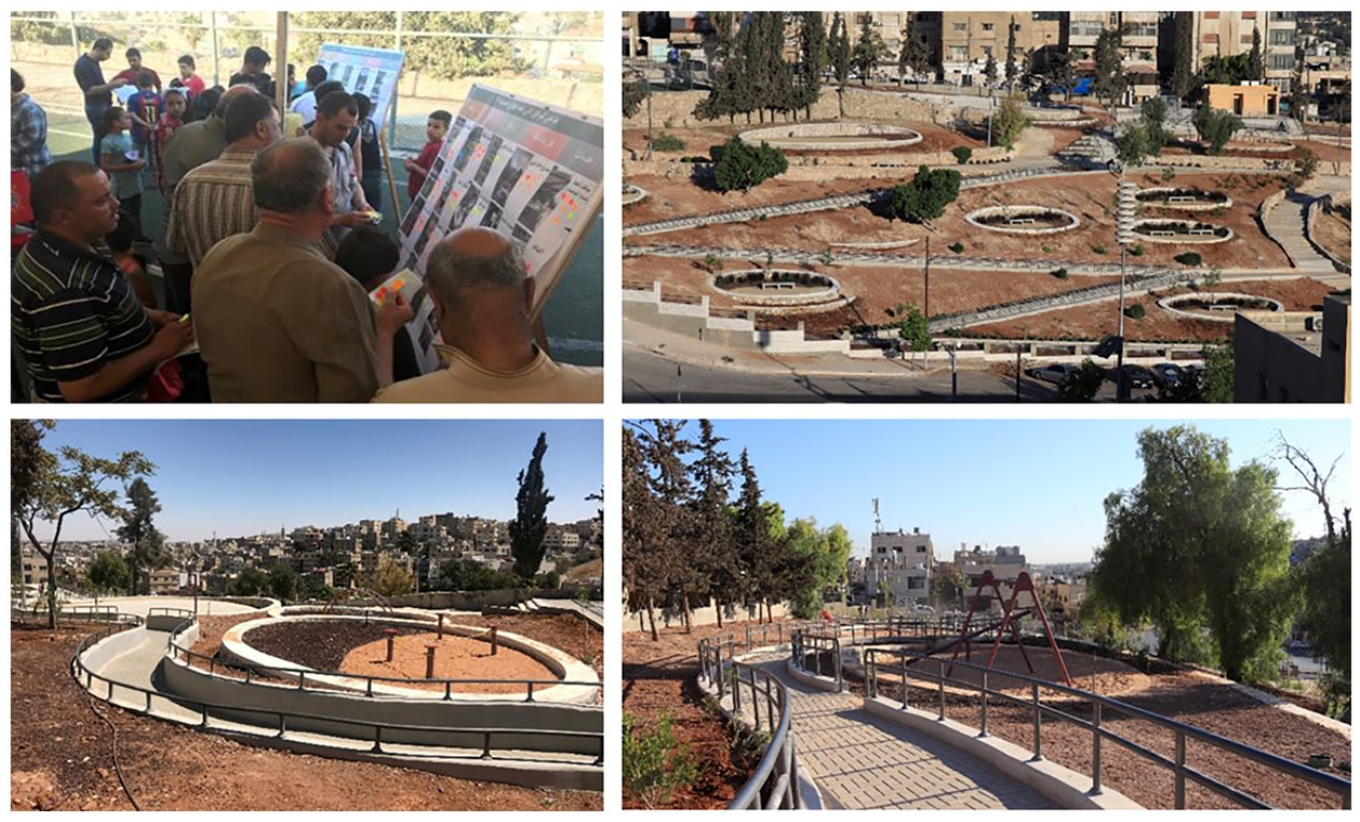
Mahmoud Al-Qudah Park in Al-Nasr district
Urban Micro-Lungs initiative
The Urban Micro-Lungs initiative is a green infrastructure intervention executed by the project “Improving Living Conditions in Disadvantaged Areas in Amman”, funded by the BMZ and implemented by GIZ (German Development Cooperation) in partnership with the Jordanian Ministry of Environment and GAM, and with the technical expertise of a private design and research studio. The intention was to establish two pilot urban micro-forests in the densely populated Marka and Al-Nasr areas of East Amman (Figure 5). The project aimed to enhance urban greening strategies, restore healthy urban ecosystems, improve inhabitants’ quality of life and promote climate resilience and urban justice. The project adopted the Miyawaki method(53) to create ultra-dense, multi-layered, highly biodiverse, self-sustained, native urban forests to gradually improve air quality, support biodiversity and improve people’s health and well-being. Each selected site has an area of only 100 to 250 m2 activated as living green tissue amidst the dead concrete jungle. They act as acupuncture-like interventions, triggering the restoration of essential ecosystem functions in their localities.
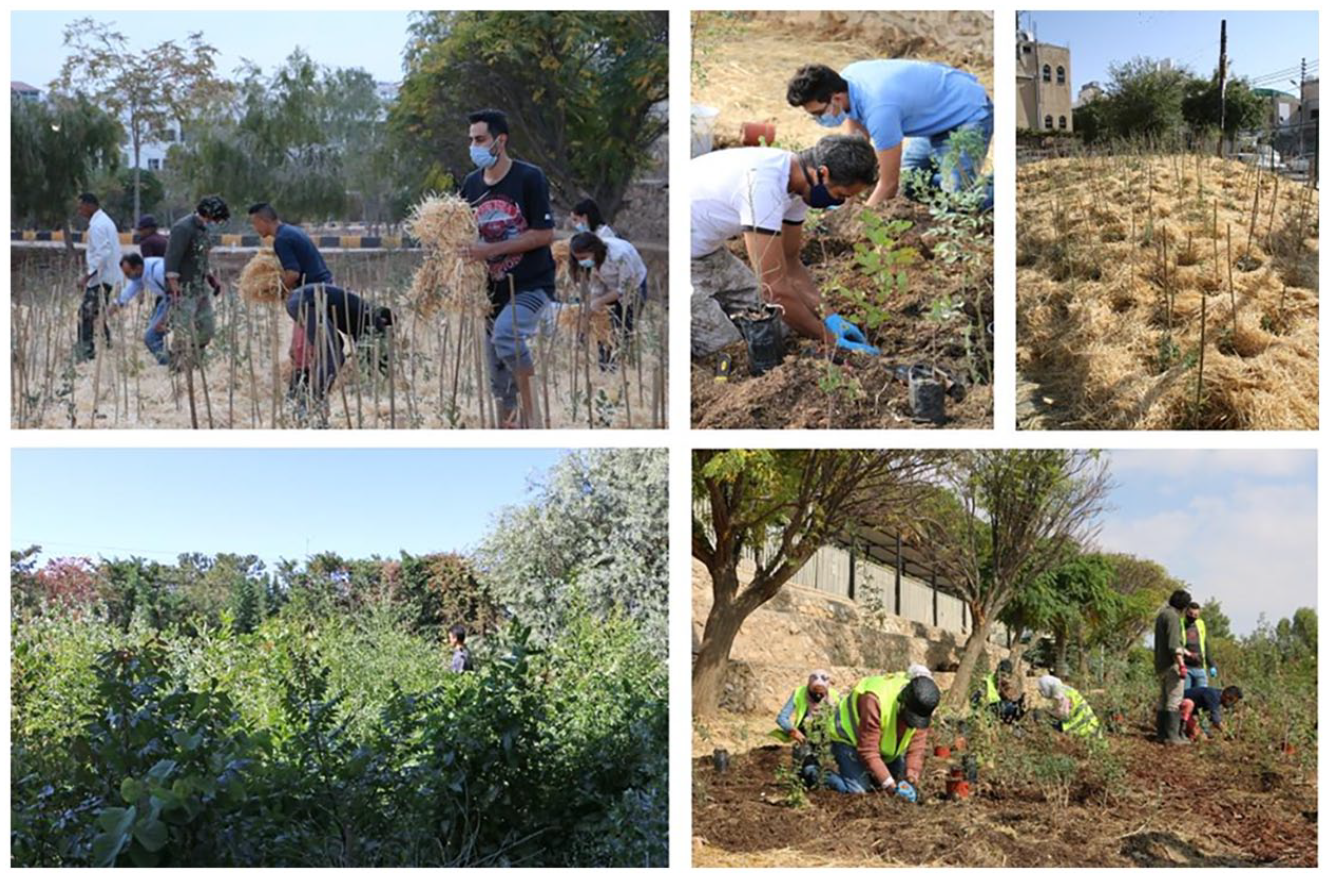
Forest planting at Marka and Al-Nasr sites
The project’s participatory approach involved community members of all groups and ages. A series of workshops, training and community activation sessions helped build the capacities of municipal staff and participants from community groups. The process raised awareness of the environmental benefits of native plants and better care of public spaces. The project provides GAM with a replicable model to develop urban green spaces adapted to the ecological context of the country.
This project is not solely about physical intervention. It revolves round the community living and working around the forest sites and attempts to establish a sense of ownership and responsibility towards the new-born public space, to be looked after by people. The involvement of community members, including men, women, children, youth and elderly residents, in planting native trees and shrubs has helped enhance community cohesion and created opportunities for acquaintance and cooperation, supporting positive communication and healthy integration between local community members and refugees. It is also an example of a group of projects focused on agriculture, which, to a certain extent, aligns with the experiences of many Syrian refugees and provides the chance to foster their abilities to work in the agricultural sector – one of the employment sectors identified by the National Response Plan for Syrian refugees.(54)
Amman Children’s Climate Academy and Park
This pioneering initiative was awarded a grant of US$200,000 from the Global Cities Fund for Migrants and Refugees (GCF). It focuses on establishing and enforcing social guidelines and justice for all residents, promoting refugee social inclusion and community partnership among all city residents, especially children and youth. It aligns with GAM’s intention of linking urban interventions to municipal strategies focused on the city’s resilience, climate change and sustainable development goals. This project represents perhaps the highest level of the municipality’s involvement in TU. GAM initiated, owns and takes the lead in securing financing, organizing and managing the various project activities.
The project has involved rehabilitating an open space in Al-Abdali with a total area of 4,000 m2 near the Al-Hussein refugee camp, one of Amman’s most densely populated areas. It aims to create an accessible, climate-resilient and age-responsive park where refugee and Jordanian children can play, interact and learn. The park will incorporate shade structures, vegetation, permeable surfaces to reduce water run-off, and flood prevention mechanisms. In addition to a children’s playground, reading area, sports pitches and walking paths, the park will feature shaded areas where caregivers can rest and relax. It will also include the city’s first Children’s Climate Academy to educate the next generation of Amman residents on environmental stewardship and climate change through hands-on workshops. Topics of instruction will include sustainable development goals, the greenhouse effect, rising sea levels and air pollution. The academy and park will provide a safe, welcoming space where refugee and Jordanian children can play, interact and learn.
V. Discussion
Cities are increasingly recognized as important global actors, engaging with issues conventionally understood as “international”.(55) This engagement imposes several roles and obligations on cities in order to preserve their ability to grow and develop. Findings from this case study highlight the importance of refugee policymakers working with city governments to shape the implementation of national government policies, promote more progressive outcomes and alleviate the effects of locally restrictive policies. The Syrian refugee crisis has imposed severe burdens on Amman and challenged the ability of the local government to overcome its implications. This ability is substantially shaped by a bundle of interconnected limitations, potentials and roles, driven by legislative, administrative, financial, social and knowledge-based factors that are difficult to deal with solely within long-term planning measures. TU provides an alternative tool that mitigates the challenges and offers a means to act more responsively and constructively.
Figure 6 presents a framework, extracted from the outcomes of participatory forums and case studies analysis, illustrating how TU can effectively operate in more agile ways than conventional long-term and large-scale planning schemes. This framework clarifies three key subjects for understanding the privilege of TU: the limitations it overcomes, the potentials it emphasizes and builds upon, and the roles it operates within. TU helps address the determinants that can hinder the application of long-term actions. Typically, a TU intervention works on a small scale that is lower in its data demand, and easier to align with legislation and national frameworks. These interventions also have higher funding possibilities. Regarding the potentials, TU facilitates better integration of refugees via active communication and an enhanced sense of belonging. It supports valuable partnerships, strengthens the city’s character and promotes investment while being easier to implement, engage and assess. TU operates within small-scale and short-term schemes, enabling actions to be more focused, better oriented and closer to people. Overall, TU provides positive cumulative changes within affordable budgets that can easily align with strategic plans. In other words, TU limits the potential negative consequences and maximizes the gains towards more innovative, inclusive, affordable and fast solutions.
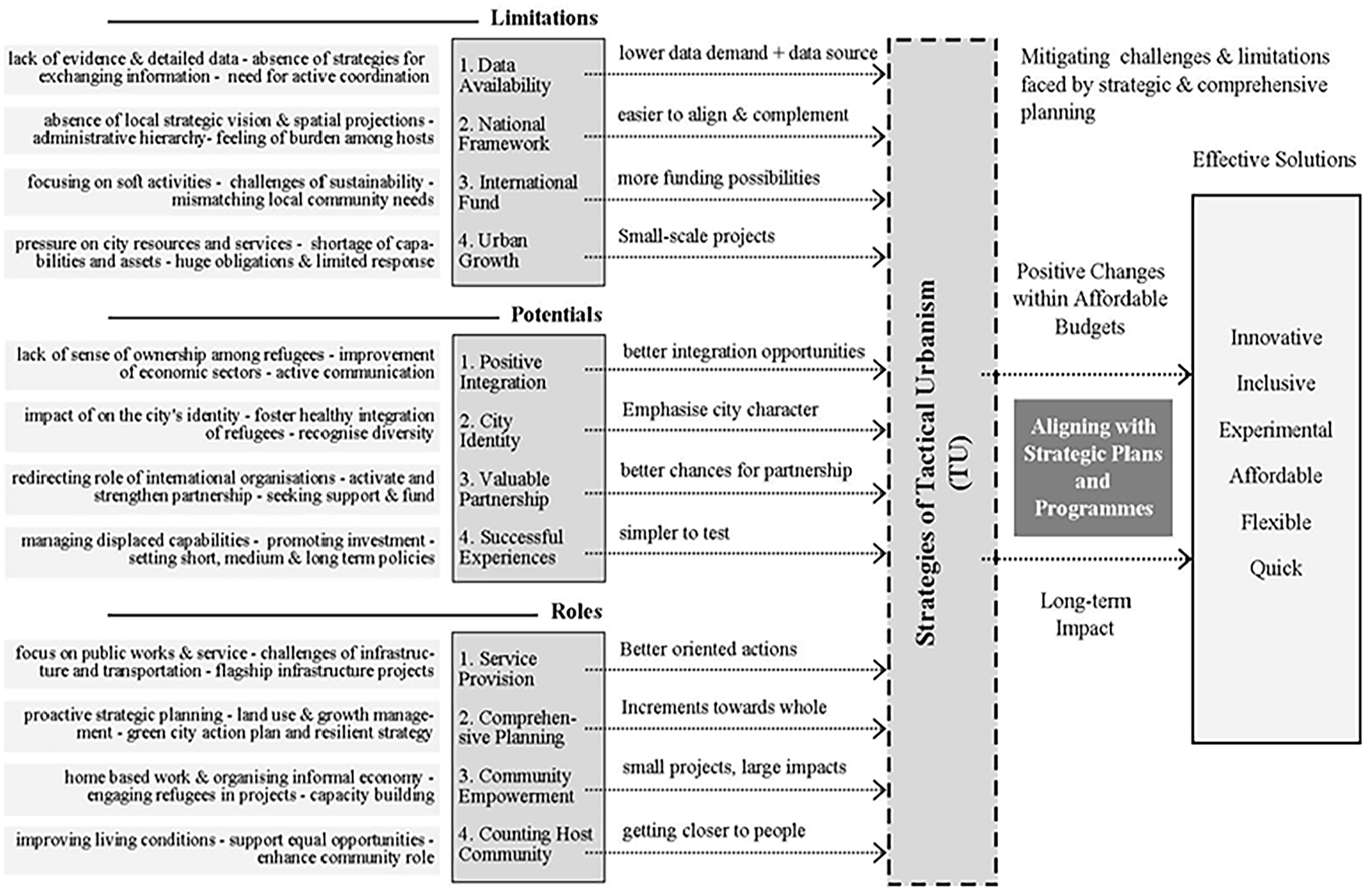
Tactical urbanism framework
TU has always played an important role in improving the liveability of Amman and overcoming the challenges of urban displacement. An incalculable number of interventions fall under the TU umbrella and have contributed to shaping the urban and social fabric of the city in domains that include public space and children’s play activities, economic activities, urban gardening and urban art.(56) Happening spontaneously, led by activist groups and community members, TU has always been an effective tool, albeit at a minimal level, to alleviate the urban problems facing the city and its residents. What is striking in the case of GAM is the shift from applying TU as an informal practice driven by people to an “institutionalised TU”, as Herman and Rodgers describe it,(57) that is formal, sanctioned and directed by city officials within the formal planning process. This indicates an evolution in GAM’s role from allowing tactical interventions to initiating, supporting and probably formalizing them.
The need to align TU actions to a long-term strategy, where temporary experimental interventions anticipate permanent transformations, is increasingly being realized.(58) The GAM case yields interesting insights about the compatibility of strategic planning and TU, despite the conventional view that they operate at different scales, assume opposite levels of control and favour different implementation pathways. This finding corresponds to those of Skytt-Larsen et al.,(59) Vallance and Edwards(60) and Puttkamer(61) on how strategic spatial planning can become more tactical, recognizing that when planning operates more tactically, and accepts different forms of evidence, a fluid range of opportunities will be evident, potentially leading to better planning outcomes. The result is a more communicative urban response that, according to Faludi,(62) includes diverse stakeholder interests, reframing urban planning practice into a “soft” process of mutual learning, and interaction between a multitude of actors. Each of the addressed projects unpacks a different dynamic of governance and stakeholder involvement and probably different levels of agency for refugees but shares a spirit of initiative and willingness to commit, collaborate and follow through. For instance, the green infrastructure project is a case of collaboration between different parties in which GAM was owner and facilitator, while the Amman Children’s Climate Academy and Park case presents a higher level of engagement for GAM as initiator, fund raiser, owner and operator. Given the opportunities, minor small-scale interventions with inclusive programming can stimulate momentum for more persistent change, progressively leading to more substantial actions and collective large-scale transformations.(63) Overall, this calls, according to Bishop and Williams,(64) for the inclusion of the time dimension leading to what can be described as tactical master planning, or evolutionary planning that includes scenarios for different futures rather than one end-state vision for developments.
The advantages of TU are evident in its greater community engagement, fast testing and policy influence. In many deteriorating cities of the world, TU projects have proved to be an effective process for overcoming pressing challenges.(65) Nevertheless, the method is not without its drawbacks, which include sustainability, size and the possibility for improvement. Considering the nature and intensity of projects undertaken within GAM’s TU framework, questions arise about their feasibility, their sustainability and the extent to which they contribute in responding to the effects of protracted displacement in the city. It can also be noted that many of the adopted projects are oriented towards specific interests that may not always align with people’s needs more generally. This, in turn, raises another question about the likelihood of reconciling TU projects with both the visions of the national and global agendas, on the one hand, and with the actual social and material wants of local people, on the other, to end up with adequate outcomes. The broad desirability of strategic ambitions like sustainability, identity, liveability or resilience is hardly debated. Yet, GAM needs to build a broader understanding of people’s desires, re-think the priorities of TU that can mitigate the negative effects of the protracted displacement, and expand its projects’ spectrum to attain a broader geographical and sectoral coverage. Delivering on such ambitions via conventional strategic planning is usually compromised by limitations enforced by long timeframes, loss of control, gaps between ideals and concrete realities, and the interference between actors. TU is seen as a complementary approach that can address the weaknesses of formal planning.(66)
So far, the aspirations and conceptual frameworks endorsed by GAM officials regarding TU seem much broader than the extent of the actual implementation. It might be argued that GAM’s approach to TU has not yet evolved into an independent strategy, but is rather a prominent part of the broader strategies and frameworks adopted by GAM. This incorporation constitutes a significant shift in GAM’s planning rationale and is perhaps an essential step towards providing more room for formal and more coordinated TU activities. This breadth in the official discourse indicates an important turn in the mindset of the city’s governance towards generating livelier, more inclusive and more people-centred urban environments.(67) This probably indicates a degree of flexibility on the part of GAM that has contributed to achieving diversity in the implemented projects. This flexibility, as explained by Kamal,(68) means that GAM changes its rules occasionally and shifts its arrangements according to local conditions.
VI. Conclusions
In the face of protracted urban displacement, the interaction between levels of governance, including the local municipal level, is vital to ensure an effective and resilient response to refugee influxes. Considering the case of Amman, research findings reveal operative dynamics within which Greater Amman Municipality (GAM) acts in response to the concerns surrounding protracted displacement. These dynamics are governed by roles and obligations that fall on GAM in line with the national strategies and frameworks, contributing to build a cumulative experience that drives the administration towards a more responsive planning rationale, which includes TU as a reliable alternative. This rationale emphasizes the importance of spatial interventions where local authorities are key implementing agencies. Such a shift opens up the opportunity to introduce new methodologies of state–society collaboration and new actors in the calculus of protracted displacement and refugees. This study highlights GAM’s experience in formalizing TU, moving it from a scattergun approach involving an amalgam of small projects to a more coordinated working scheme aligned with an official strategic framework. It adds to the body of literature addressing TU as a systematic planning tool in responding to protracted displacement, providing insights into how TU can operate within formal channels.
TU has the potential to create immediate, tangible improvements in refugees’ lives while fostering social cohesion and integration within urban contexts. Linking TU projects to urban plans and strategic visions for cities is fundamental for a coordinated, robust city-wide response. TU actions that are not tied to political movements will have difficulty achieving structural policy changes in the urban realm. Compatibility with urban global agendas enhances the opportunities for better support and more serious consideration of TU as a pivotal part of the global and national protracted displacement response policies. At the top of such agendas, sustainability, urban greening and neighbourhood development provide solid foundations for energetic TU interventions. It is argued here that TU affords a more agile response towards displacement, enhancing community engagement, liveability, innovation, resilience and local identity, while providing tangible benefits to its residents, including refugees.
Although GAM’s experience in adopting TU as a formal and sanctioned planning tool in responding to urban asylum is still in its infancy, it frames a notable move in the city’s management of urban growth towards a more open, flexible and responsive ethos. Exploring this move provides useful insights into understanding the dynamics of TU within official frameworks, representing a model to follow and learn from. Yet, there remains a set of questions that need further investigation and study.
To what extent have these actions responded positively to the challenges of urban displacement in Amman, leading to a substantive impact for the city’s benefit? How can we ensure the projects’ sustainability and their continued usefulness? How can such experiences be expanded to include different sectors and targeted groups, and be framed in line with the dynamics of GAM’s administrative structure and its connections with local organizations? These questions deserve greater attention and can possibly lead to further investigations into the active role of TU in responding to protracted displacement in cities.
Footnotes
Acknowledgements
The author would like to express his utmost thanks and appreciation to all those who took part and helped in the research during its different phases and activities, starting with the team working on the broader research project “Protracted Displacement in an Urban World (PDUW)”, of which this research paper is an outcome. Special thanks to the Urban Observatory team, Greater Amman Municipality, for their active engagement and support in the preparation and facilitation of the participatory forums, and conducting the key informant interviews. Thanks to the big team at Greater Amman Municipality for their valuable contribution to the participatory forums. Appreciation also goes to the local and international bodies and individuals who shared information and contacts with the author and provided their opinions and viewpoints during the interviews and participatory forums.
Funding
The author(s) disclosed receipt of the following financial support for the research, authorship, and/or publication of this article: The author disclosed receipt of the following financial support for the research, authorship, and/or publication of this article: Global Challenges Research Fund ES/T004525/1.
