




Abstract
What happens once people have electricity has received far less analytical and policy attention than the provision of the infrastructure itself. For low-income settlements that have gained a connection to the grid, energy access challenges can still prevail, keeping many inhabitants in energy poverty. This paper analyses energy practices in three low-income neighbourhoods in Lima, Peru, with particular attention to inhabitants’ responses in the face of the COVID-19 pandemic. In doing so, it seeks to draw lessons for energy policy and planning to enhance energy resilience in the transition towards more just and sustainable futures. Building on energy resilience scholarship and drawing links with justice debates, this paper discusses three community coping strategies: (1) fuel stacking; (2) collective practices and the shared economy; and (3) material and spatial changes. It analyses how these strategies relate to dominant policy directions, as well as their implications for energy resilience and justice more broadly.
Keywords
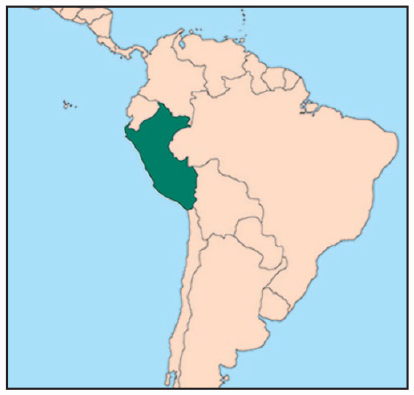
I. Introduction
Low-income and marginalized urban areas are facing increasing energy challenges. Policies and programmes to promote energy access have tended to focus on rural areas, where the majority of those without service reside, and access tends not to be considered an urban or peri-urban issue.(1) Moreover, rapid urbanization is placing unprecedented pressure on electricity supply. Much of this urbanization is in the global South and occurs through auto-construction,(2) a slow and incremental process whereby low-income inhabitants build their own homes and infrastructure, consolidating entire neighbourhoods through their own resources and efforts. In this context, energy poverty and vulnerabilities are an everyday reality for the majority. These challenges are unlikely to be resolved through centralized energy systems. Indeed, as argued by Singh et al.,(3) the focus on centralized grid infrastructure further contributes to the marginalization of low-income settlements, failing to recognise the particular energy needs of impoverished urban dwellers. People living in such settlements face specific energy challenges including unreliable, inadequate and unaffordable services, a lack of access to financial services, insecurity of tenure and exclusion from planning processes.(4) In these contexts, alternative modes of energy provision are key if inhabitants are to meet their needs. This includes using different energy sources and also gaining access to electricity networks via informal connections, a process formally referred to as “non-technical electricity losses”. Many informal residents also meet some of their different energy needs outside the home, in spaces related to work, schools and public places. This paper describes the findings of research aimed at better understanding energy practices in low-income settlements for coping with energy poverty.
To date, the provision of electricity has been focused on large-scale centralized infrastructure. While this is changing in some parts of the global South through the use of, for example, solar home systems and mini-grids, governments and providers remain focused on the delivery of the physical infrastructure itself rather than the processes by which energy can deliver wider development benefits. In part, this fixation is driven by targets, such as those set by SDG7, which establish a binary “has/has not” measure of access; indeed, the indicator of access to electricity – SDG7.1.1 – is simply the “proportion of population with access to electricity”.(5) While such indicators are useful for tracking progress, they take a broad-brush approach that obscures not only the performance of the supply, but also the capacity of households and communities to use the energy provided. What happens once people have electricity has received far less analytical and policy attention than the provision of the infrastructure itself. The shortcomings of some indicators reflect a more general lack of interest in evaluating what issues households face after being connected. Indeed, whether the ostensible benefits of electricity access are delivered, and under what conditions, is poorly understood. This neglect has implications for multiple stakeholders. For the provider, it may mean that the investment in the infrastructure is not recovered, placing the utility or business in financial difficulty. For consumers, it may result in unnecessarily high energy bills and, for low-income consumers in particular, it may mean that the benefits of electricity access are not realised – or worse, that paying for electricity can place an additional burden on already vulnerable households and communities, undermining their resilience.
Finding new ways of meeting these urban energy access challenges without increasing vulnerabilities is a critical research gap. It is particularly important to examine energy resilience in times of unforeseen stress, such as the COVID-19 pandemic and disasters exacerbated by the climate crisis. The notion of energy resilience has gained prominence in academic and practitioner discourse,(6) in part driven by the need to understand how our energy systems respond to shocks, such as those caused by climate change.
A focus on the recent COVID-19 pandemic makes visible community and government responses in the face of disruptions to energy supply chains, energy price volatility, increased household energy demand related to countrywide lockdowns, and lower disposable incomes, which together have contributed to worsening energy poverty. COVID-19 revealed weaknesses in public systems and exposed the unjust structures that differentially affect certain communities, increasing their vulnerability. At a time when many governments were not responding satisfactorily to people’s needs, civil society organizations were vital for survival. In low-income settlements, where uncertainty is an everyday reality, creative solutions often emerged more effectively than in other parts of the city,(7) enabling communities to cope. Placing the spotlight on the strategies adopted can provide an important entry point to understanding how energy policy and planning can support community energy resilience as a fundamental pathway to more just energy systems. Attention to justice enables a more critical approach to resilience, highlighting overlooked aspects that might undermine resilience in the long term. This paper pays attention to community energy practices, identifying those aspects that should be adequately supported, and draws lessons for better policy and planning. In particular, this paper asks:
What strategies were adopted in low-income settlements in the global South to reduce energy poverty in the face of disruptions caused by the pandemic?
How do these strategies relate to dominant policy directions?
What are the implications for energy resilience and justice more broadly?
To address these questions, the paper takes the case of low-income settlements in Lima, Peru. It draws on the research project “Grounded Energy Modelling for Equitable Urban Development in the Global South” (GEMDev)(8) on which all the authors are co-investigators, and which ran from 2020 to 2023. GEMDev focused on the nexus between energy and housing. One strand of the project aimed to understand the access to and use of energy in the day-to-day lives of inhabitants, how their practices have changed over time, and how they have been impacted by different policies and processes related to low-income housing. The inception of GEMDev during the COVID-19 pandemic enabled the research team to examine the impacts of the crisis on energy practices and evidenced the coping strategies in selected low-income settlements in Lima.
The paper is structured as follows: in Section II, we discuss how energy resilience debates have developed and why it is important to relate these to justice. The methodology is set out in Section III, which also includes a short description of the settlements where the study took place. Section IV is organized according to three main community strategies adopted to reduce energy poverty: (1) fuel stacking; (2) collective practices and the shared economy; and (3) material and spatial changes at household and neighbourhood scales. Each section discusses what we might learn about energy resilience from these community strategies, whilst highlighting how these strategies impact resilience and justice over time. In the conclusion, Section V, we summarize the findings and highlight some areas of intervention for policymakers and planners to reduce energy poverty and enhance energy resilience in the transition towards more just and sustainable futures.
II. Energy Resilience, Justice and Sustainability
Research on energy resilience has grown rapidly over the past decade or so, building on notions of resilience from the field of ecology, which began with C S Holling’s seminal work in the 1970s.(9) With regard to energy systems, resilience has been broadly defined by the International Energy Agency as “the adaptive capacity of improving performance, as a result of learning and adaptation, informed by continuous change”.(10) The concept of resilience appears in multiple Sustainable Development Goals (SDGs), including those on poverty, agriculture, infrastructure, climate action and ecosystems, highlighting the use and importance of this term across multiple domains.
Despite differences in the system(s) they analyse, varied studies of energy resilience place emphasis on a handful of key issues. First, they acknowledge that the environments in which energy systems operate are complex, uncertain and dynamic.(11) It is also acknowledged that energy systems operate across multiple timescales and are constantly undergoing change. Roege et al.(12) highlight that perturbations to the system are routine, with small changes more common than large disruptive ones and, as a result, a system needs to be able to absorb constant change. Second, energy resilience studies highlight the ability of systems to learn from and adapt to change. It is argued that this coping capacity provides opportunities for improvement. For example, Sharifi and Yamagata(13) argue that resilient energy systems are characterized by the capacity to: (1)
While much of the effort to achieve energy resilience has focused on large-scale systems and infrastructures, there is an emerging literature on community responses to perturbations in energy systems. To and Subedi(18) developed a framework for understanding community energy resilience which embeds energy infrastructure within energy resilience, community resilience and governance structures. They argue that energy resilience requires not only technical innovations, but also strong linkages between energy infrastructure and community resilience, and adequate governance mechanisms. Achieving energy resilience therefore requires planning approaches that go beyond a narrow focus on energy infrastructure towards more holistic strategies that strengthen community capacity and facilitate more inclusive access to services.(19)
To(20) argues that communities play an active role in contributing to energy resilient systems, and that community energy resilience will be central to just transitions and climate action. Community-based strategies include demand-side management, efficient use of energy, distributed renewable energy generation and collective purchase and distribution of energy. Such strategies offer opportunities for participation and for local income generation, helping communities to address disparities in resources and risk. This emphasis on community structures to facilitate resilience is in stark contrast to the current push for centralized, on-grid infrastructure witnessed in many parts of the world. However, it is important to note that communities and social systems have different properties that enable them to function well, and these are highly context-specific.(21) Those living in low-income settlements may be less able than others to deal with shocks and stresses in energy systems due to a lack of infrastructure, poor quality buildings and low and variable incomes. Therefore, an understanding of community structures(22) and a recognition of coping strategies are crucial for all actors involved in building adaptive capacities to enhance energy resilience.
The literature on energy resilience has to date largely focused on energy systems,(23) regions(24) and cities,(25) and there has been little examination of the household and community practices that help us capture what it means to be energy resilient at these scales. Furthermore, energy policy and planning may have a blind spot around the lived experiences of the poor and the practices they adopt to cope with energy poverty. From a resilience perspective, it is important to understand how energy policies and planning might support or undermine such strategies. Moreover, for an energy system to be resilient it must be just – that is, it must consider equitable access to energy, as well as meaningful participation in decision-making in energy planning for those who have been made vulnerable.
Debates on justice and resilience are nascent, but present. For example, an edited collection by Allen et al. explored the connections between environmental justice and urban resilience aspirations,(26) which showed that the relationship between the two concepts is not always positive. Governance of urban territories and efforts to realise resilience can create or reproduce injustices. Moreover, without justice, resilience cannot be attained. Surprisingly, few studies have looked at the complex relationship between resilience and justice in relation to energy. This paper contributes to this lacuna in order to inform energy policies and planning that support just and sustainable cities.
Here, a relational exploration is necessary through both temporal and scalar analyses. A temporal analysis enables an evaluation of how some energy practices, which might seem to enhance resilience at a given moment, can in effect undermine long-term resilience and create future injustices, thus displacing the impacts in time. A scalar analysis directs attention to how energy practices to enhance resilience at a given scale may or may not translate into resilience or justice at another scale.(27) Important here is to examine how energy policies framed in the name of progress and “the public good” interact with specific spaces and communities to shape experiences of energy poverty and vulnerability.(28) At the same time, it is important to move away from romanticizing community responses in order to critically evaluate how community strategies to enhance energy resilience themselves can compromise the possibilities for justice.
III. Methodology
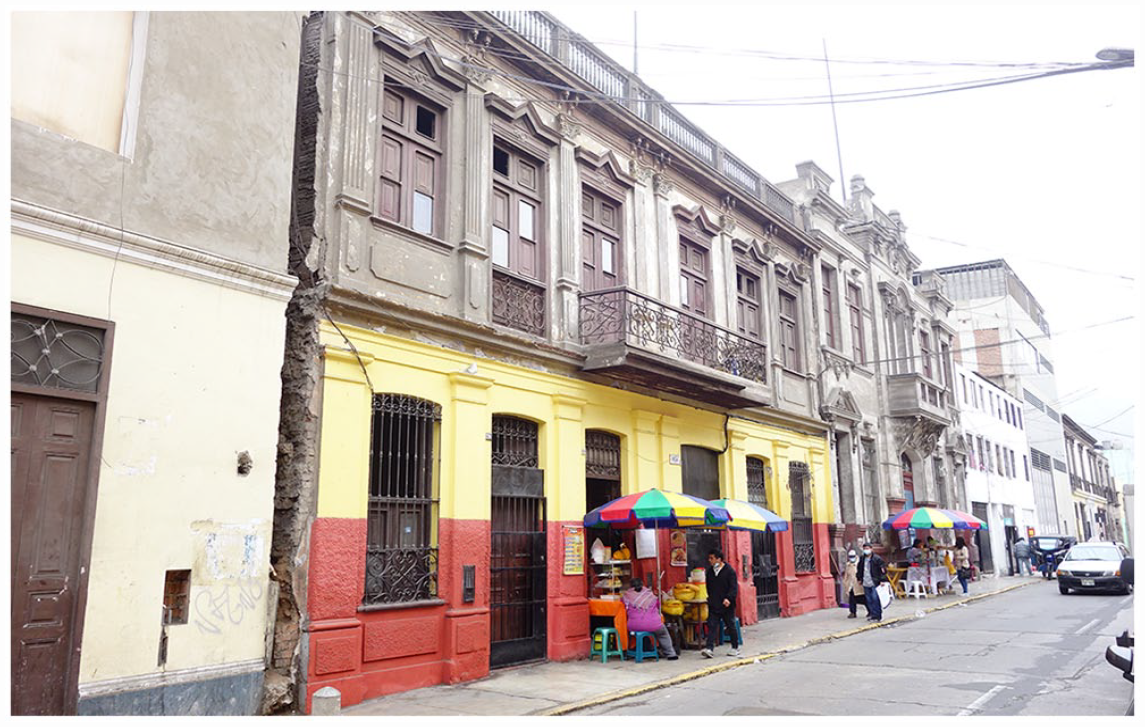
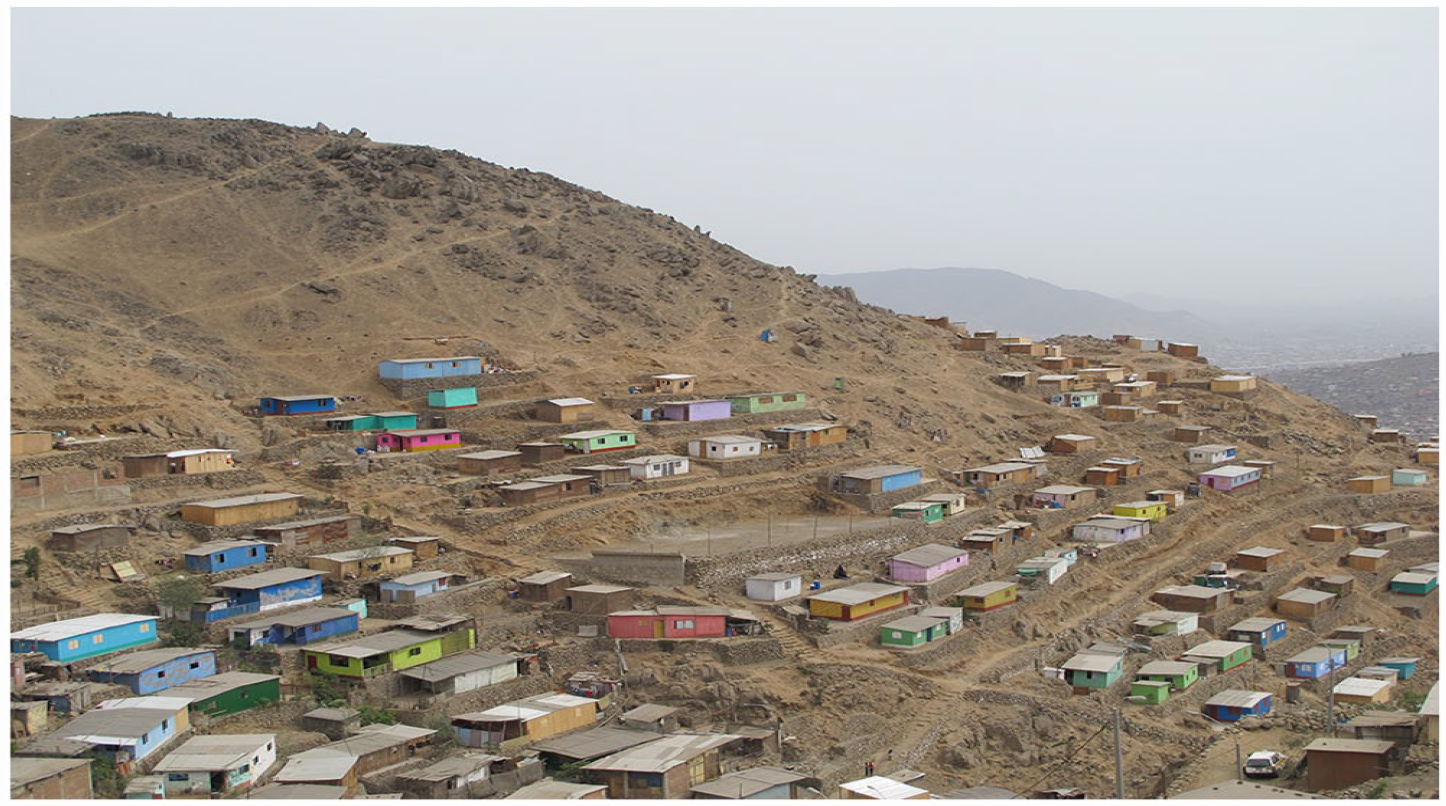
Three Lima settlements – Barrios Altos, El Agustino and José Carlos Mariátegui – were selected for the research for two reasons: first, because of the GEMDev project team’s strong links and networks in the settlements; second, because they were representative of the dominant housing processes through which the urban poor access housing in Lima. Barrios Altos, which was established in the 1500s, and El Agustino, which was established in the 1950s, are in the centre of Lima, whilst José Carlos Mariátegui, a much younger settlement established in the late 1990s, is located in the periphery of the metropolitan area (see Map 1). Since the three settlements are at different stages of development and located in different parts of the city, with diverse topography, they provide a means to understand a range of energy and housing conditions. Older settlements, such as Barrios Altos and El Agustino, have consolidated housing and energy infrastructures when compared with those of more recently established settlements, such as José Carlos Mariátegui.
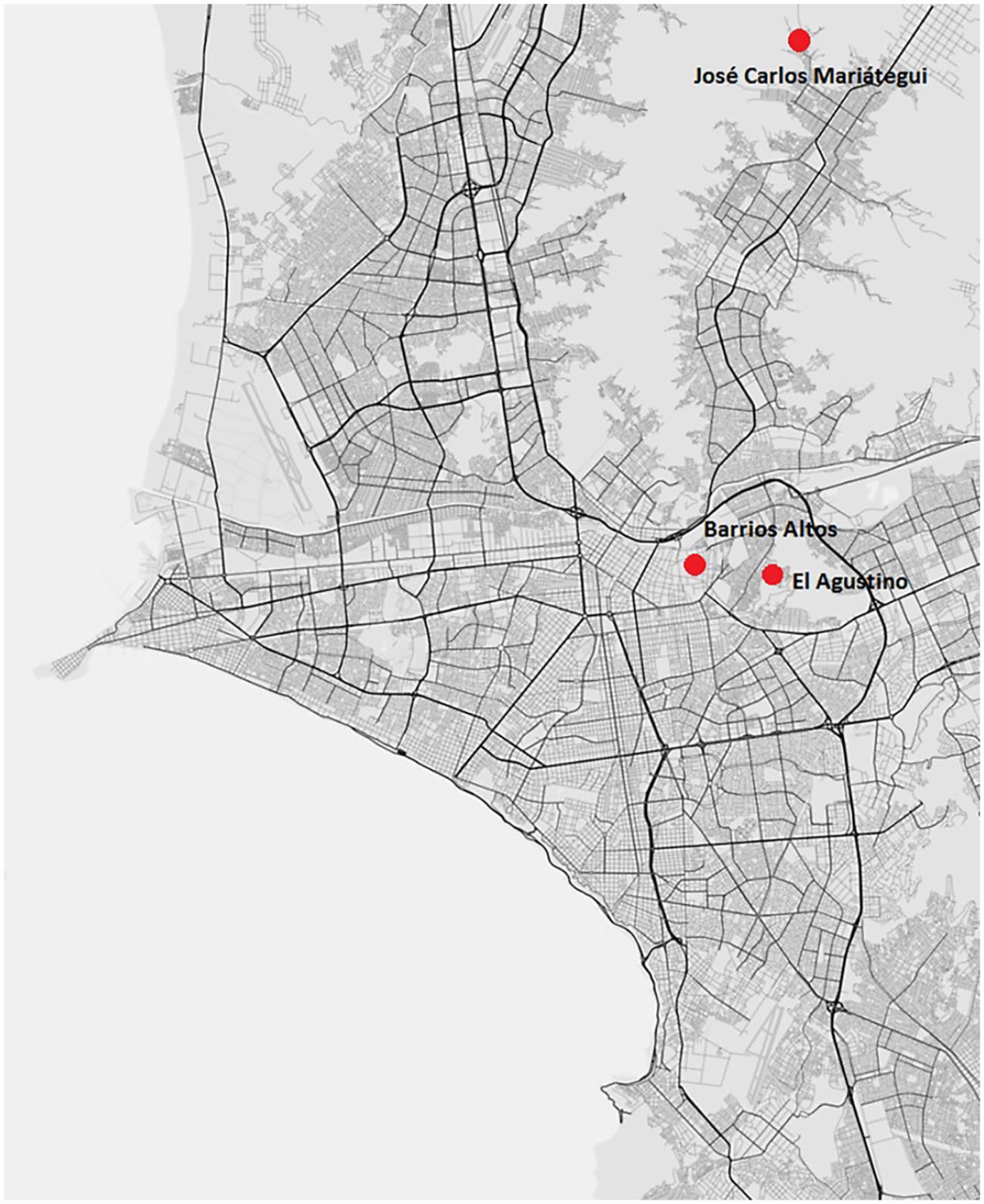
Map of metropolitan Lima showing the location of Barrios Altos, El Agustino and José Carlos Mariátegui
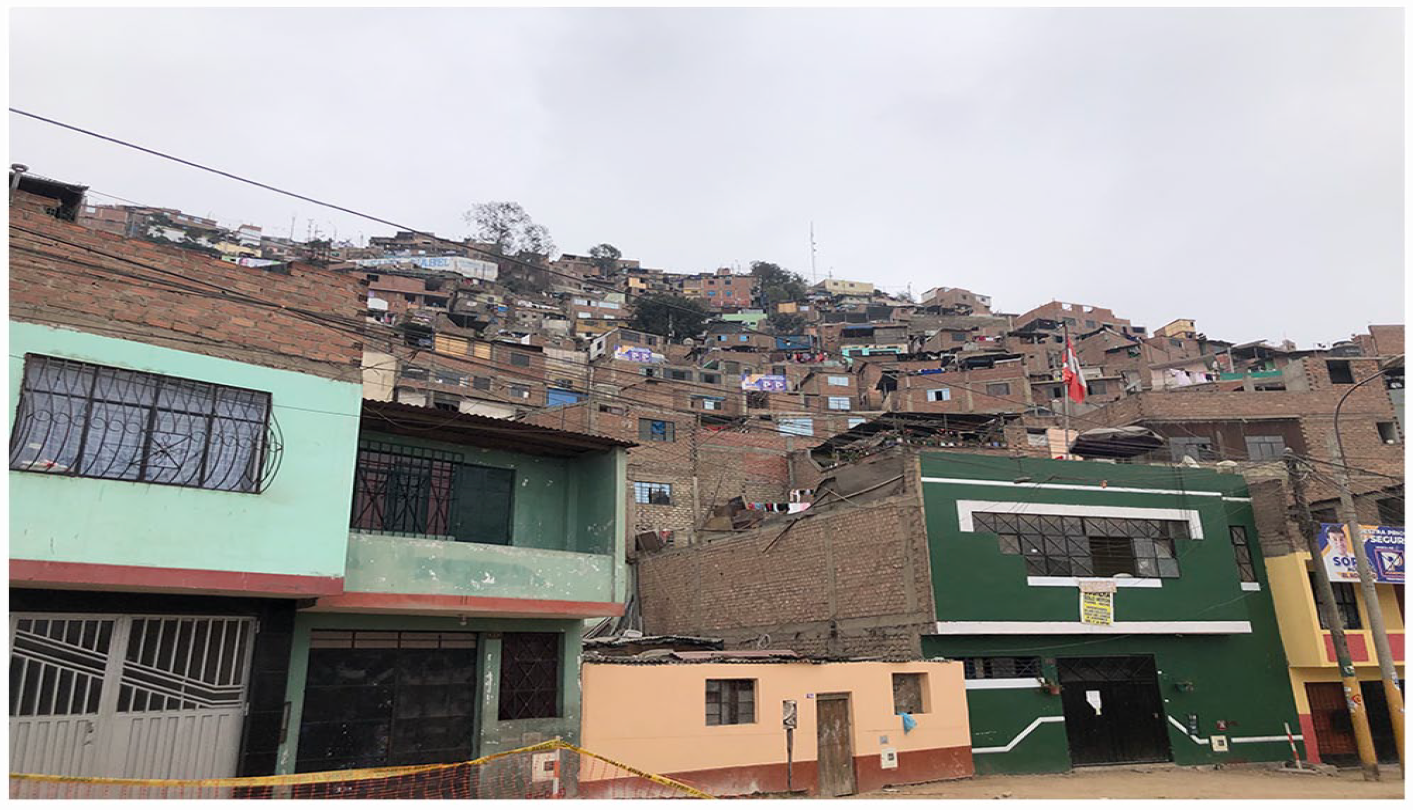
While Barrios Altos exemplifies the process of subdivision of what used to be large purpose-built family villas of the elite in the now overcrowded and dilapidated historic centre, El Agustino and José Carlos Mariátegui have consolidated through auto-construction on the city’s steep slopes. Since these last two settlements have emerged through a similar process of incremental urbanism, but with a 40-year gap between them, taken together, they shed light on the trajectory of the auto-construction process and how energy practices, risks and comfort in the homes evolve. Moreover, the fact that both are located on steep slopes allows a better understanding of the housing and energy conditions in which 2.8 million inhabitants, or 30 per cent of the current urban population, live.(29) Focusing on urbanization on steep slopes, and the challenges inhabitants face, is of paramount importance because it characterizes the way the city continues to grow.
Data collection was carried out between June and September 2021, i.e. at the height of the COVID-19 pandemic. As a result, it required a high level of flexibility throughout the entire research process to adapt the data collection methods and protocols to the reality and restrictions on the ground. The research team worked remotely with the support of partnering non-governmental institutions based in Lima – Instituto de Desarrollo Urbano (CENCA), Centro de Investigación, Documentación y Asesoría Poblacional (CIDAP) and Servicios Educativos El Agustino (SEA) – which have long-standing relationships of trust with residents in the selected low-income settlements.
To understand inhabitants’ energy practices and how these intersect with housing, the team analysed energy access and use, how it relates to the energy risks to which inhabitants are exposed, as well as thermal comfort in the home. The data collection was carried out through household surveys, oral histories, focus groups and participatory visual methods. Due to lockdown and travel restrictions, all these processes were carried out remotely through Zoom and mobile phone interviews. The household surveys and oral histories provided individual and household level data, while focus group discussions captured communal practices. Since direct ethnographic observations were not possible, these methods were supplemented by participatory video making and photography. Participants were trained remotely by the team in London, but also received some face-to-face training in Lima (once lockdown restrictions had eased) on the technical aspects of mobile phone filming and photography, as well as narrative construction. This method enabled participants to document the energy challenges they faced at the household and community level, as well as any strategies to overcome them. A total of 45 community members were involved in the research, 15 per settlement and an equal number of men and women. Qualitative data were coded according to the thematic categories of energy injustices, energy risks, individual and collective capacity for action, and thermal comfort in the dwellings.
In parallel, data loggers measuring temperature and humidity were installed in each of the 45 participants’ homes over a full year from March 2022, to cover the different seasons. These devices recorded the thermal performance of the buildings and were accompanied by surveys to assess occupants’ thermal, light and acoustic comfort levels. A weather station was also installed in the settlements to facilitate comparison and analysis of the exterior and interior conditions of homes. The data were analysed using both quantitative and qualitative techniques. The data loggers’ readings were plotted in a graph to understand the changes in temperature and humidity over the year, and they were also cross-referenced with the thermal comfort surveys responses.
a. Contextualisation of case study settlements
Barrios Altos
El Agustino
Investments in energy infrastructure, such as electrical connections, internal wiring, sockets and lights, have been made incrementally by inhabitants themselves. Older residents recall borrowing electricity from residents living in lower, flatter areas of El Agustino, while the younger generation moved into homes that already had connections. Although community organizations work to improve infrastructure, it takes many years to get service connections, which means that many people continue to rely on clandestine electricity connections. For cooking, gas is used, but before it was widely available residents relied on wood and kerosene. More recently, gas companies have started installing piped gas infrastructure in the flatter areas of El Agustino, a solution that has yet to reach the middle and upper areas of the settlement.
José Carlos Mariátegui
IV. Practices For Community Energy Resilience
This section describes three practices used by these low-income communities in Lima to tackle energy poverty. These include fuel stacking, collective practices and the sharing economy, and material and spatial changes.
a. Fuel stacking
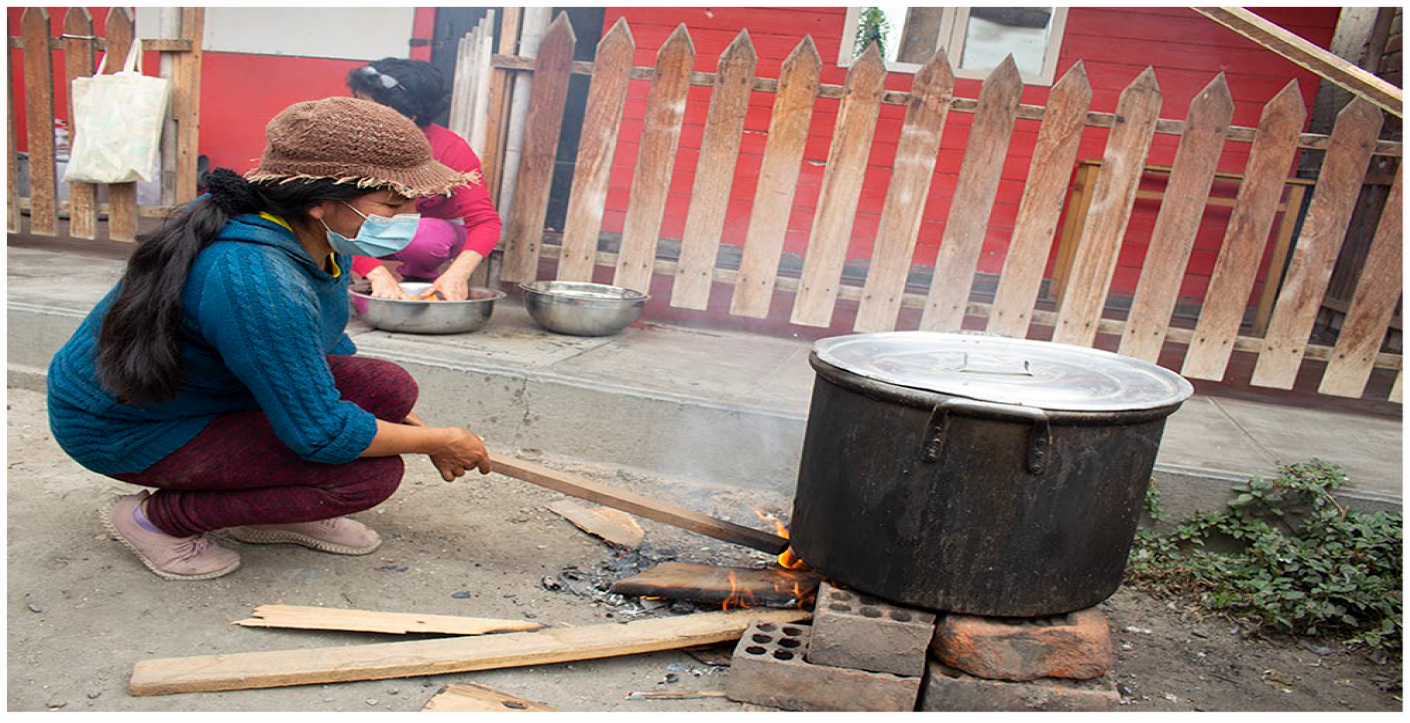
For many settlements that are not fully connected to the grid, or that lack reliable and affordable access to energy, fuel stacking (i.e. the use of multiple fuels and technologies simultaneously) of both traditional biomass and more “modern” fuels, such as electricity and liquefied petroleum gas (LPG), is an everyday reality. Participants noted that electricity and gas prices were too high, and their ability to pay had worsened during the pandemic. Indeed, many households experienced drastically reduced incomes. Energy bills increased, not only because residents had to stay at home and thus consumed more, but also because penalties for late payments accumulated when residents were unable to travel to pay their bills. Furthermore, electricity providers could not physically check meter readings, leading to higher estimated charges which participants struggled to pay. As a result of increased expenditure on electricity and gas, many resorted to using wood and wood-based products as a complementary cooking fuel, both at the individual and collective level. One-third of the 45 research participants interviewed used wood and charcoal when LPG became more expensive and difficult to obtain (see Figure 2). The use of wood was an unexpected finding since Lima is located in a desert and wood is not readily available. However, as one interlocutor recounted, people organized through their networks and were able to obtain wood from demolition sites, donated offcuts from small workshops or discarded material from industries, including wood that had been stained, painted or treated with preservative as well as composite board impregnated with glue.
Woman cooking with wood in the communal kitchen
Such coping strategies come with risks. While the use of wood enabled people to cook and feed their families and communities, the use of wood contaminated by toxic substances can have negative impacts for health. Although wood is primarily burned outside the home (see Figure 2), smoke from cooking, even with untreated biomass, can pose significant health concerns.(32) Participants also noted that fire and embers presented risks of burns for children and adults and increased the potential for structures to catch fire. These risks lay bare the tension between enhancing resilience in the face of energy poverty and the unintended consequences of such strategies for human and environmental health.
In recognition of these risks, the dominant approach in policy is to eliminate the use of biomass fuels for cooking. Alternatives, such as improved cookstoves, have mainly been aimed at rural households in Peru’s mountain and jungle regions and are considered unsuitable for low-income urban households given both the dearth of fuelwood and the health impacts of cooking with biomass indoors. However, an overreliance on “modern” energy sources, such as LPG and electricity, and the removal of alternatives, can have the effect of reducing energy resilience. If people no longer have the option to reduce expenditure in the face of rising prices or limited fuel availability, their vulnerability may be further accentuated. Policies to enhance the safety and resilience of the energy system may paradoxically undermine community strategies to cope with energy poverty, thus (re)producing injustices.
b. Collective practices and the shared economy
Collective practices are a social strategy of lower-income populations to reduce poverty. For auto-constructed settlements, such as El Agustino and José Carlos Mariátegui, the slow and incremental process of consolidation means that access to electricity (and other services) can take many years to obtain. Moreover, not all households access electricity in the same way – some households have their own electricity connections, while others rely on neighbours through networks of informal cables. Although the sharing of electricity (also referred to as non-technical losses, illegal connections or electricity/power theft) in this way is a known reality in many low-income settlements around the world,(33) the sharing of other types of energy is largely overlooked. For example, participants in the three settlements recounted how they shared LPG cylinders for cooking and organized to buy LPG in bulk to reduce transport costs. Many women discussed the sharing of home appliances, such as blenders and fridges, given that very few households can afford them alone.
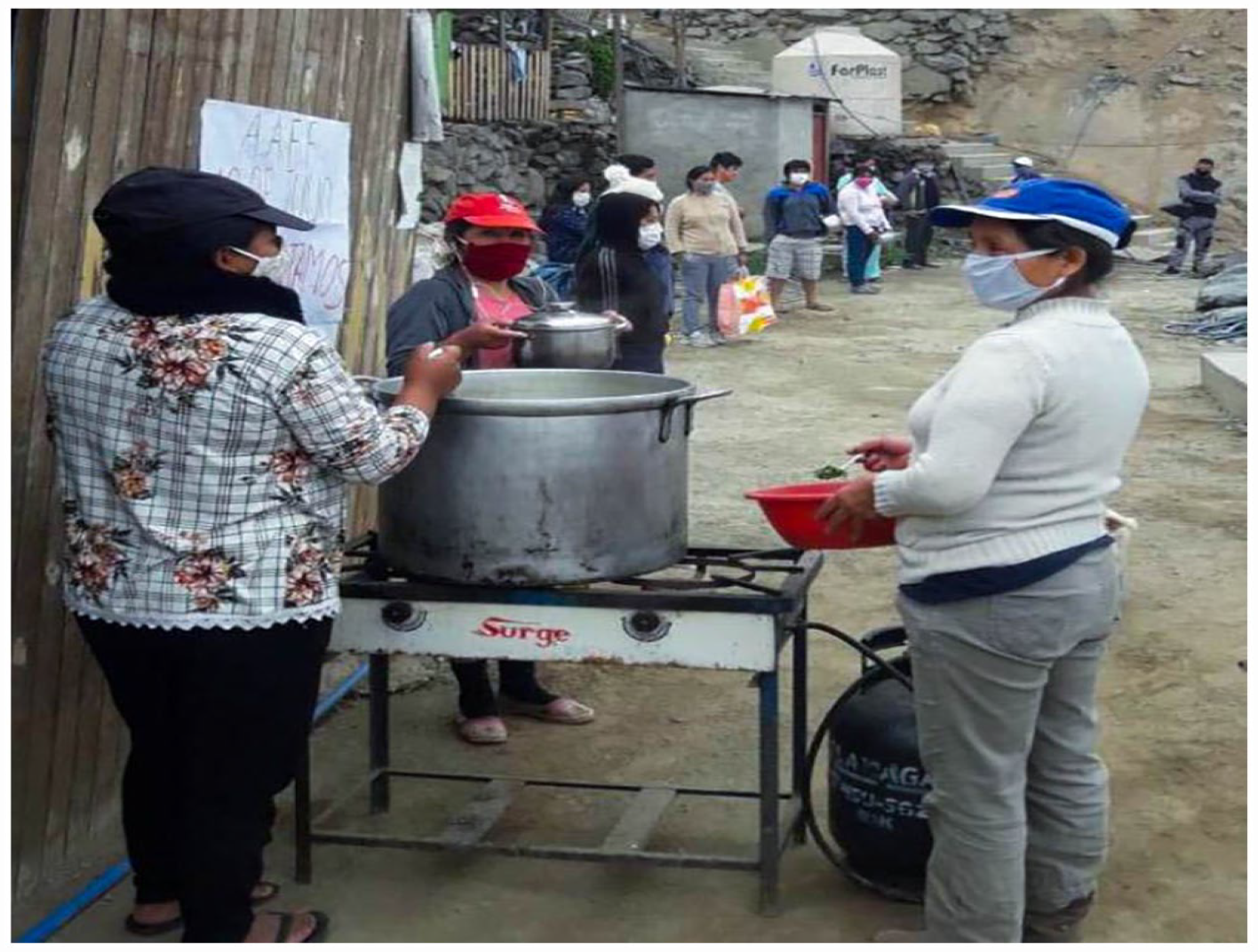
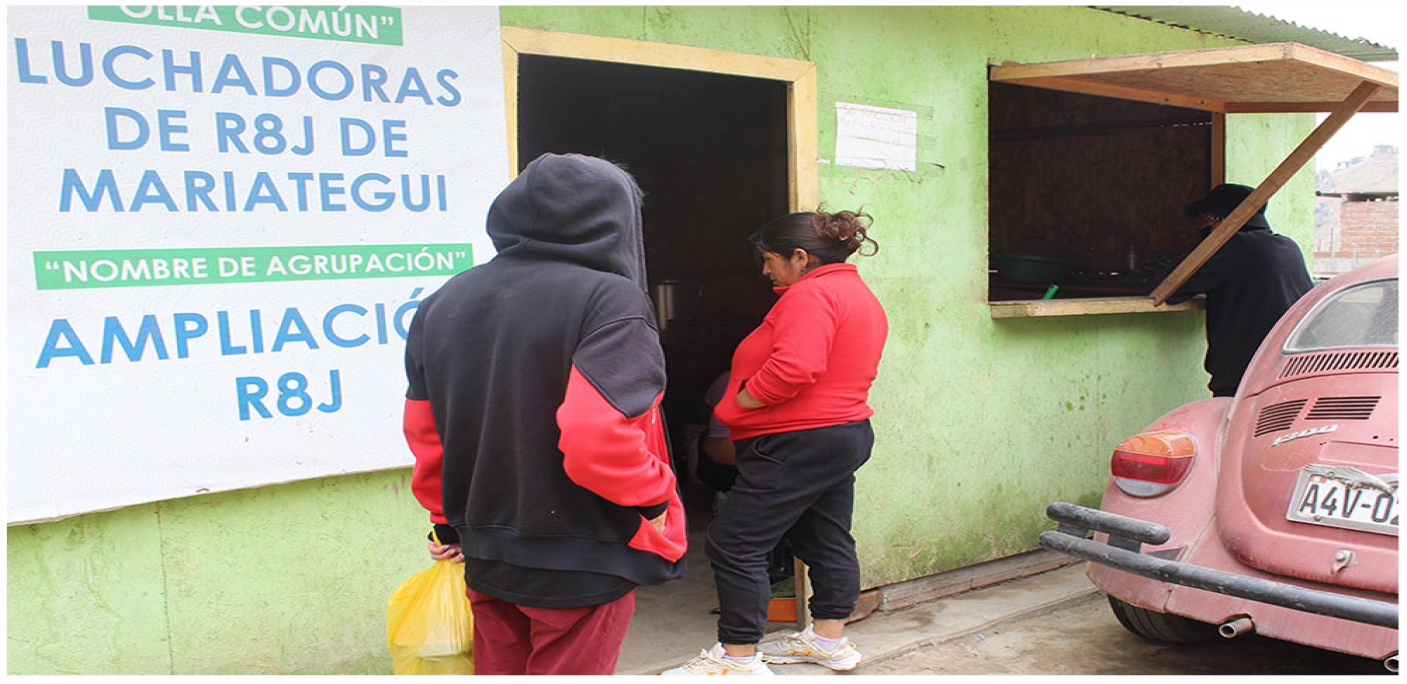
The pandemic increased dependence on collective practices. While in “normal” times, purchase and preparation of food is a household activity, community kitchens emerged during the pandemic to share the burdens of reduced incomes and increased costs of energy and food (see Figures 3 and 4). Although food and energy insecurity are structural issues in low-income settlements, the acute crisis caused by lockdowns deepened reliance on collective and solidarity practices. Inhabitants suffered from falling purchasing power due to a loss in daily income and remittances, exacerbated by rising food and energy prices. Moreover, restrictions on human mobility and market closures severely curtailed their ability to access food and LPG. In this context, community-driven responses played a pivotal role in tackling the crisis, both for their capacity to perform efficiently at the local level and for strengthening community resilience. Women in particular were key in the organization of community kitchens. In many cases, households that collaborated economically in the purchase of LPG also had the possibility of borrowing the cylinders for household cooking.
People queuing to receive a meal from the community kitchen
Community kitchen and school established in José Carlos Mariátegui
Current policy and practice prioritises individual connections and may overlook collective practices that have developed to reduce energy vulnerabilities. The ideals of modern centralized systems that dominate infrastructure development and investment decisions do not necessarily enhance resilience at the community scale and may even undermine it.(34) Low-income residents may rely on various “off the grid” arrangements, such as informal or illegal connections, fuel stacking and energy sharing to meet their energy needs. Without understanding the strategies that households and communities use to cope with energy poverty, it is highly likely that efforts by utilities to formalize the informal (e.g. by reducing energy theft) will only undermine energy resilience.
However, it is also important to highlight the reality that these collective practices may themselves carry risks and sustain inequalities. While the communities responded to the crisis caused by the pandemic by including the most vulnerable inhabitants, an examination of practices around sharing of electricity revealed long-standing structural energy injustices. Those who live higher up the slopes are least likely to have access to formal electricity networks and often enter into agreements with neighbours lower down who have metered connections, as noted earlier. In José Carlos Mariátegui, for example, one household might give electricity to five others through a system of networked cables. As a consequence, the most vulnerable households often pay disproportionately higher prices for electricity and can enter into abusive relationships because of this dependence. At the same time, the entire neighbourhood is exposed to increased energy risks due to unsafe electricity connections that can lead to electrocution and fires. While serving as an example of an “inclusive” practice – one that enables everybody to access electricity in the absence of legal alternatives – it also increases vulnerability and risk, thereby perpetuating inequalities. In Barrios Altos, faulty electrical wiring, worn out sockets and overloaded connections, combined with a lack of public investment, leads to numerous fires every year and the loss of irreplaceable historic buildings.(35)
Policymakers and planners must recognise, support and ideally improve such decentralized and collective arrangements, rather than solely focusing on individual households’ energy supply, which may undermine the collective practices so important for addressing vulnerabilities. This requires going beyond a focus on technical solutions, and also paying attention to the social and institutional governance arrangements that underpin any community and its coping strategies. At the same time, making visible the injustices that exist within communities, and the exploitative relations that can result, requires a more critical approach as well as actions to tackle them, both at the community and governmental scale.
c. Material and spatial change at household and neighbourhood scale
Environmental conditions within the home, including access to natural light, ventilation and thermal comfort, are related to the building fabric and the configuration of internal and external space. As the development of settlements in Lima is characterized by a slow and incremental process of change, a family can live for many years in a house made of lightweight and poor insulating materials before they can afford to upgrade them. The data loggers installed in selected homes showed the extremes in temperatures experienced by many households which, combined with high levels of humidity, can have a profound impact on the physical and mental health of adults and children. To improve thermal comfort and reduce heat stress, inhabitants progressively upgrade their homes to bricks and mortar. As families grow, they also expand their homes, building up to the street line and enclosing any outdoor space they had within their plot. Although in the medium term living conditions improve, in the long term, and at the scale of a whole settlement, the unplanned consolidation of single-storey dwellings into multi-storey buildings and the concurrent loss of outdoor space can have negative impacts and can undermine community (and energy) resilience.
José Carlos Mariátegui and El Agustino illustrate what happens at different points in the trajectory of auto-constructed settlements. In El Agustino, which is 40 years ahead of José Carlos Mariátegui in this regard, densification, without planning or control, has meant the loss of open space and the development of closely built houses that are four to five storeys high (see Figures 5 and 6). Consequently, the windows of many homes look out onto walls, resulting in dark, humid and poorly ventilated spaces. Those who can afford it use electric fans in summer and electric heaters in winter, spending a larger proportion of their incomes on electricity. The majority, however, make do with such conditions. Injustices are thus reproduced over time, with the urban poor made further vulnerable to energy poverty and heat stress.
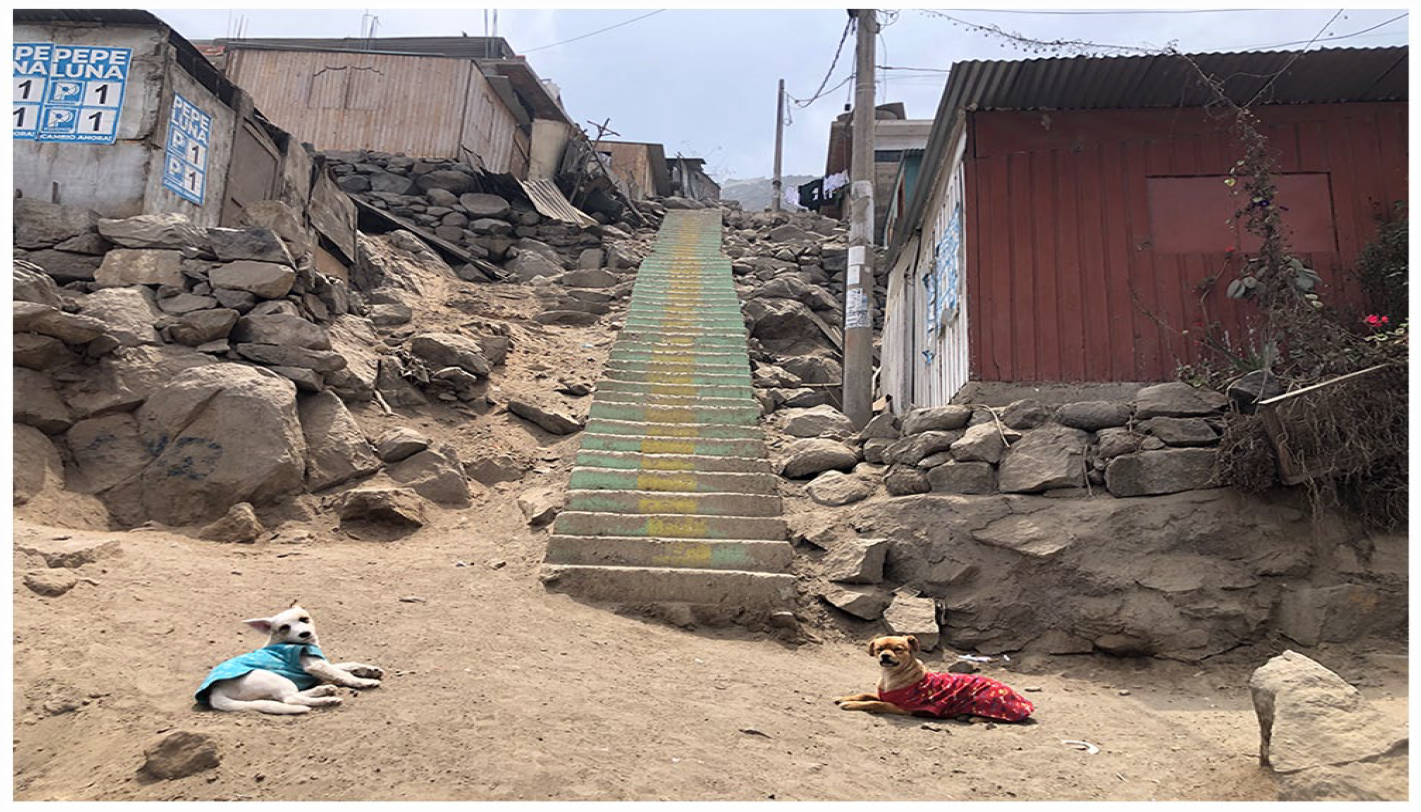
A view of a steep staircase in José Carlos Mariátegui
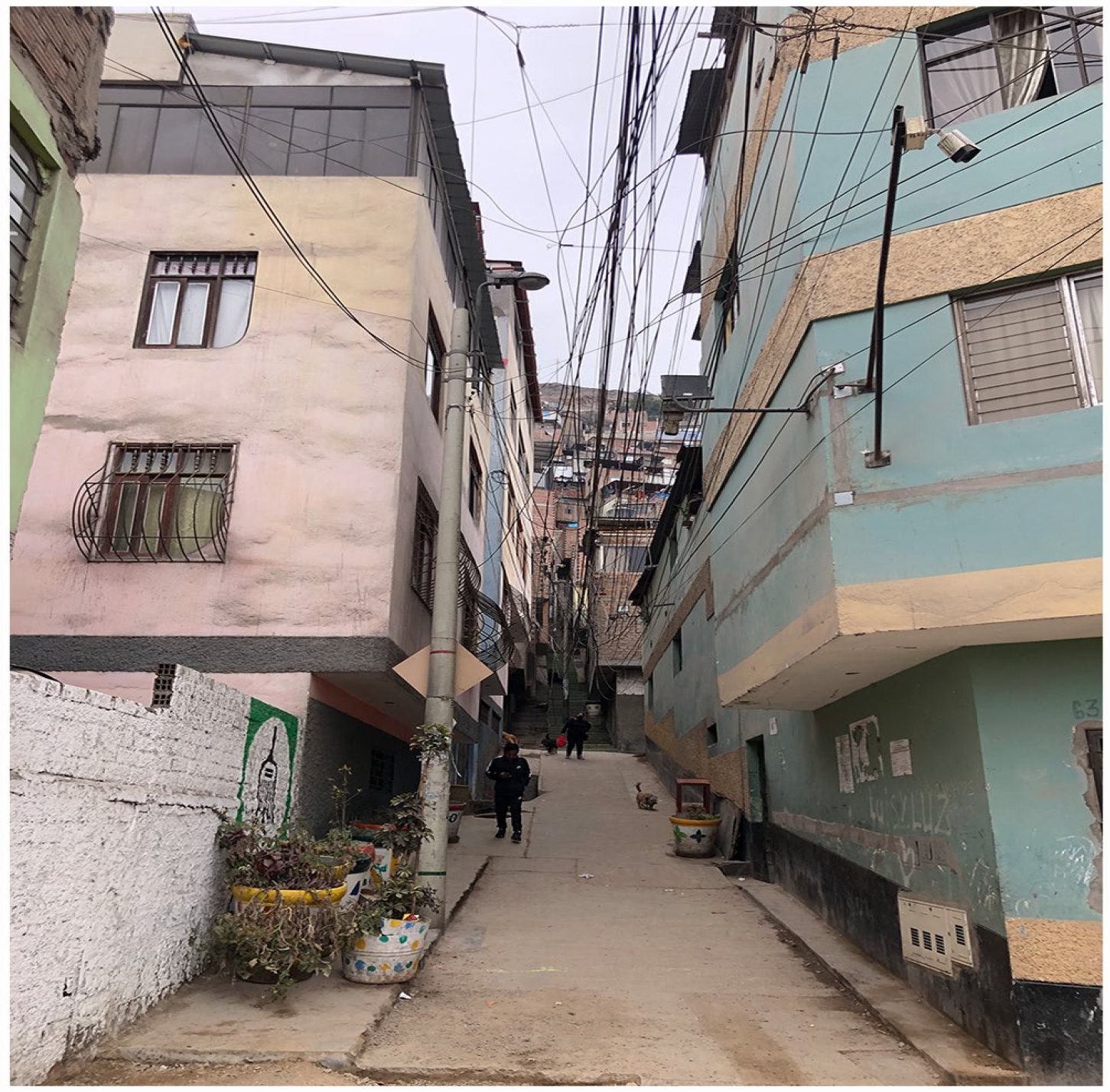
Narrow passage in El Agustino
In addition to impacting the environmental conditions inside the home, the loss of communal and outdoor space has consequences for people’s capacity to cope with energy poverty as they are less able to collectivize their energy needs. For many people, outdoor spaces serve as an extension of the home, fostering social exchange and acting as spaces that support the most vulnerable. In José Carlos Mariátegui, for example, the community hall and sports pitches are used for community assemblies and other activities that bring people together. Similarly, in Barrios Altos, the different housing typologies, such as quintas and corralónes, are based on individual units clustered around shared open spaces, such as patios and corridors. During the pandemic, these communal spaces played a vital role in enabling effective emergency responses related to the distribution of food and the provision of medical assistance. Furthermore, collective energy practices depended on the existence of these shared spaces. For example, community kitchens were established in outdoor open spaces, and schools were set up in communal meeting spaces. Peru’s Ministry of Education mandated that all classes should be delivered online, but many households faced challenges in accessing reliable electricity, lacked individual internet connections and could not afford to pay for internet data to access remote classes. Collectivized teaching in communal spaces meant that the burdens and costs were shared and thus more affordable.
These collective and solidarity-based practices contribute to enhanced energy justice, especially for low-income households. Although communities need to pay particular attention to safeguarding such spaces, policymakers and planners could also do more for their protection. Working effectively with communities, providing technical assistance and guiding the way settlements grow and consolidate could help prevent lock-in scenarios that depend on energy-intensive practices. This research highlights the critical linkages between vulnerability to energy poverty and the built environment. Energy policy and urban planning are typically disassociated, with few explicit or implicit linkages between them. Once energy infrastructure is delivered, little – if any – consideration is given to the mutually constitutive relationship between households, community energy practices and the built environment. The institutional silos from which energy and urban planning are conventionally approached need rethinking to deliver sustainable cities.
V. Discussion and Conclusions
This paper has highlighted the tensions that exist between community energy practices and policy directions, discussing what these mean for energy resilience and justice. Without a commitment to understanding and supporting the strategies that households and communities use to cope with energy poverty, it is highly likely that energy policies and planning miss out on the possibility of achieving resilience and can themselves (re)produce injustices that further impact low-income urban dwellers. Just as policies can undermine community resilience, communities in turn adopt coping strategies that in the short term might tackle energy poverty, but that may undermine resilience in the long term. Our findings also show how the drive for community resilience in the face of energy poverty can perpetuate unjust discrepancies between inhabitants within the same neighbourhood.
For low-income families, the possibility to draw on different energy sources and networks means having options for meeting their energy needs. This is vital when their circumstances change – often for reasons outside of their control. Such decentralized and informal arrangements may be better able to serve people’s immediate needs and, in times of crisis, can provide the necessary adaptability for survival. Hence, resilient energy systems should comprise hybrid service delivery solutions that allow residents to maintain independence and control costs. These solutions are not only a better reflection of reality for the majority in cities in the global South, but are also generally more flexible, responsive and often better suited to supporting the shift towards more sustainable solutions.(36)
This paper has also shown the importance of energy sharing and collective and solidarity-based practices for community energy resilience. In the context of urban inequality, this highlights the importance of remaining critical of individualistic models, with their emphasis on “self-sufficiency”. The lives and livelihoods of the majority of poor urban dwellers are conditioned by the everyday reality of “dependence and vulnerability”. By prioritizing individual over collective energy solutions, the modern centralized systems that dominate infrastructure development and investment decisions(37) can undermine resilience at the community scale. Identifying the individualized perspectives that structure and support dominant energy policies and understanding how these increase vulnerability is vital. Moreover, because these ideals are based on technocratic solutions, with a focus on economic efficiency and physical infrastructure, they overlook the importance of solidarity networks(38) and of people as infrastructure.(39) Devising policies that fundamentally strive to strengthen collective life as part of physical infrastructure delivery remains imperative. Alongside this shift in policy focus, it will be necessary to give greater recognition to local-level actors, such as communities and municipalities, and to find a better balance between different levels of governance.
We acknowledge that some of the coping strategies adopted by communities – while sharing the benefits of access – may also (re)produce risks and injustice. Until governments and energy providers guarantee access to affordable, reliable, sustainable and clean energy, these practices must be recognized and supported in ways that minimize risks and address injustices. At the same time, urgent efforts should be directed to learning from global initiatives that are based on non-conventional renewable sources in line with social and environmental justice, thus tackling unintended negative impacts at various scales. Finally, the built environment ought to be considered as an inextricable part of resilient energy systems. In the context of low-income housing trajectories, progress does not necessarily mean moving out of energy poverty. Maintaining flexibility through the configuration of private and public space, and explicitly linking energy and housing policies are essential for a resilient and sustainable future.
Footnotes
Acknowledgements and Funding
We are grateful to the women and men in Barrios Altos, El Agustino and José Carlos Mariátegui for sharing their experiences, time and knowledge. We also thank the Economic and Social Research Council (ESRC) as this research was made possible through a UKRI collective fund as part of the GEMDev project, GEMDev: Grounded Energy Modelling for equitable urban planning development in the global South [ES/T007605/1]. We are indebted to the anonymous reviewers and editors of this journal for their helpful comments on this paper.

2.
This process is based on reversed urbanism, where occupation of the land and housing occurs prior to the paving of roads and the connection to basic infrastructure and services like water, sewerage and electricity.
8.
GEMDev is a partnership between the Bartlett School of Environment, Energy & Resources, and the Bartlett Development Planning Unit, at University College London (UCL), and partners in Ahmedabad, India: CEPT University and Mahila Housing Sewa Trust; as well as partners in Lima, Peru: Cities for Life Forum, Centro de Investigación, Documentación y Asesoría Poblacional (CIDAP), Instituto de Desarrollo Urbano (CENCA), Servicios Educativos El Agustino (SEA), Pontificia Universidad Católica del Perú. GEMDev is funded by UK Research and Innovation (UKRI) through the Global Challenges Research Fund (GCRF).
11.
14.
Choularton et al. (2015). In the context of development, “shocks” are defined as “external short-term deviations from long-term trends, deviations that have substantial negative effects on people’s current state of well-being, level of assets, livelihoods, or safety, or their ability to withstand future shocks” (Choularton et al., 2015, page 6). “In contrast, stressors are long-term pressures (e.g., degradation of natural resources, urbanization, political instability or diminishing social capital) that undermine the stability of a system (i.e., political, security, economic, social or environmental) and increase vulnerability within it” (page 6).