



Abstract
While advances in participatory planning have led in many cases to the more inclusive rebuilding of informal settlements, the debate regarding participatory planning has focused largely on the improvement of current informal settlements without asking “what next”. Declining living conditions following settlement consolidation, however, provide evidence of the potential shortfalls of temporary participatory approaches. Drawing on an ethnographic case study of a former informal settlement in Iztapalapa, Mexico City, this paper analyses the erosion of resident participation in neighbourhood development over 40 years. Comparisons between residents’ accounts of neighbourhood formation, mostly in the 1980s, and contemporary experiences show a gradual decrease in resident engagement. The data collected in 2016–2017 highlight this diminishing local participation and suggest that the disappearance of earlier local practices of engagement is linked in various ways to the failure of formally supported practices of citizen participation. The paper shows what can be learnt from residents’ memories of transforming informal settlements.
Keywords
I. Introduction
As the world becomes increasingly urban, urbanization processes in the global South, formal and informal, continue to be led by both official actors and local populations.(1) The management of urban sprawl and the provision of housing in expanding informal settlements(2) receive the attention of practitioners and researchers, who are informing the current push to improve settlements as well as participatory practices. Yet the potential to learn from neighbourhoods that were formed informally(3) and have become consolidated as part of the formal city is largely left unexplored.(4) What limited longitudinal research there is, and specifically the work of Moser in Ecuador and of Perlman in Brazil, has shown that development initiatives and consolidation, rather than resolving the challenges relating to informal settlements, can simply change the nature of these challenges. Participatory development initiatives that are unexpectedly terminated can contribute to the erosion of local participation(5) and social cohesion(6) over time, even as they address the need for basic services or infrastructure. Changes in policy, from settlement removal to upgrading and vice versa, have also been shown to maintain a cycle of insecurity.(7) The challenges faced in informal settlements are likely to continue beyond settlement consolidation because urban settings are dynamic and ever changing. This suggests that resident involvement should also continue, forming the basis for local development beyond the delivery of basic services or land titling to strengthen inclusive urban development.
Informal urbanization was a prominent characteristic of cities in the global South decades before the emergence of formal participatory processes in urban governance. In Mexico City, for example, which grew rapidly during the second half of the 20th century, informal self-built settlements were present as early as the 1920s, although they developed most notably in the 1970s and 1980s.(8) Informal urbanization continues to be a strategy for acquiring a place to live in other parts of Mexico,(9) across Latin America,(10) and elsewhere in the global South, including sub-Saharan Africa and Asia.(11) Alongside this process, formal participatory planning approaches have been implemented in recent decades in over 50 countries across five continents.(12) Yet the levels of formal participation vary from city to city, let alone from country to country, and the application of participatory approaches in large-scale urban development continues to be a challenge.(13) Clientelism(14) and the dismissal of resident-led initiatives by the experts who shape participatory programmes(15) continue to hinder the spread of participatory planning that involves those inhabiting informal settings.
Latin America, with its long history of informal urbanization and its range of participatory approaches,(16) is well placed to inform research on the challenges that remain in the context of former informal settlements. Mexico City is one example of an urban area where new practices of citizen involvement and formal participatory planning have been established to replace the informal practices that accompanied resident-led informal urbanization.
Drawing on an ethnographic neighbourhood study in Iztapalapa, Mexico City, this paper shows that the consolidation of a self-built settlement can be accompanied by the erosion of earlier informal practices of vested resident participation. The analysis of neighbourhood transformation over a period of 40 years shows how participatory processes evolved alongside neighbourhood development, moving from lively informal resident involvement to a growing disengagement. This paper contributes to broader debates regarding participation in urban settings, showing how local participation diminished over the long term in one informally formed neighbourhood despite the introduction of new formal structures of participation. This account, which draws on past experiences, emphasizes the relevance of residents’ changing needs and resident-led practices in the decline of participatory processes in Mexico City.
The following section provides, first, a brief review of participatory practice in urban development, and then focuses on changing citizen participation and collective forms of neighbourhood formation in Mexico City in particular. This is followed by an overview of the research context and the methods employed. The findings of the case study are discussed in the subsequent section. Its first subsection relates to neighbourhood formation in Consejo Agrarista Mexicano (CAM), its second to neighbourhood consolidation and transformation. The discussion section relates these findings to the broader debate regarding participation and urban governance, and the paper concludes with a reflection on the implications of this article.
II. Participation in Urban Settings
Participation can be conceptualized in several ways, reflecting the diversity of participatory approaches and how they involve people. In this paper I refer primarily to “citizen participation” and “resident participation” as a way of distinguishing between formal and informal processes. “Citizen participation”, the term used by the city government in Mexico City, refers to the redistribution of power through the enabling of citizen involvement in decision making alongside the involvement of experts and professional actors.(17) The legislative changes made in Mexico City to implement this kind of formal citizen participation and participatory planning are discussed in part b of this section.
“Resident participation”, by contrast, is the term I use here for informal resident-led processes. In the case study locality, these resident-led processes took place largely in past decades through small neighbour groups that contributed in a connected way to neighbourhood improvement. Resident participation highlights the relational aspects of participation as a process that residents take part in through a variety of approaches, reflecting their individual and group circumstances.
a. From participatory action to participatory planning in the context of informal urbanization
The drive to involve local people in shaping matters that are relevant to them has generated the complex challenge of determining how formal participation can be achieved in practice. While the aims to expand inclusion have led to a diversity of participatory practices,(18) how these initiatives incorporate participatory action and the ways people take part in local processes beyond formal contexts can be problematic.(19) The context of informal urbanization accentuates these challenges. Local residents have tended in this context to have ample experience in active collaboration in constructing their neighbourhoods, and they may be impatient with more top-down formal processes. Approaches to participation, as noted, have been diverse(20) – ranging from informing and consulting, to co-production as a tool for grassroots organizing,(21) building housing stock(22) and service delivery.(23) Yet one of the main criticisms of these types of formal initiatives continues to be their top-down implementation, which can limit opportunities for real collaboration. For example, in Bolivia, mandatory citizen participation enforces local involvement and decentralization of power(24) through changes in legislative structures, with mixed results.
The rise of participatory governance in urban development has generally involved the spread of institutionalized participation models.(25) Even though these models of participatory governance aim to create opportunities for inclusion by expanding collaborations among local people, government actors and NGOs, participatory planning and budgeting continue to follow institutionalized frameworks. Participatory budgeting, for example, originated in Porto Alegre, Brazil, as an initiative directed towards selected participants only.(26) Tools such as action planning matrixes do in fact place disadvantaged communities at the centre of participatory planning models.(27) However, it continues to be a challenge to scale these initiatives to include a wide range of people throughout projects,(28) and to address the imbalances in the roles residents are given in project design and the roles they play in project delivery.(29)
Limited budgets and pressures to meet development goals whilst dealing with expanding urban sprawl can also hinder the participatory potential of a programme in the context of informal urbanization.(30) “Formal–informal dichotomies” and the general rejection of the premise of informal urbanization(31) stand in the way of partnership approaches that could extend beyond the immediate material improvement of informal settlements. The waning support for self-built housing in Latin America is one example of how political and economic changes can undo previous progress made in participatory innovations.(32) Partnership-based hybrid approaches(33) have been shown in some cases to effectively expand the involvement of local residents in settlement upgrading by involving both residents and authorities in the co-production of service delivery.(34) To avoid instances in which participatory programmes result in conflict rather than collaboration,(35) however, further efforts are needed to ensure that formal structures to participate consider both local circumstances and pre-existing local practices of participation.(36)
b. The formalization of citizen participation in Mexico City
Formal citizen participation practices emerged in Mexico City in the 1990s following a series of laws on participation.(37) The move to embrace formal participation was one of many structural changes aimed at decentralizing power and democratizing representation in the city.(38) The changes included the process by which both the head of the government (jefe del gobierno) and the borough representatives were initially chosen and eventually elected.(39) The focus of the 1995 Citizen Participation Law (Ley de Participación Ciudadana) was to forge links between citizens and the new political structures. The reinstated borough councils (consejos delegacionales) started acting as channels through which residents could negotiate their demands directly with their local authorities.(40) A 1998 change to the 1995 law placed elected neighbourhood committees (comités vecinales) at the core of citizen participation, replacing such previously familiar structures as block representatives (jefes de manzana) and residents’ associations.(41)
While these systematic formal changes were related to broader political changes, there is also the notable history of resident-led collectivism that is related to the formation of self-built neighbourhoods in the megacity.(42) The many forms of collective grassroots action – from large urban social movements(43) to less organized resident groups(44) – as a response to a lack of adequate housing have been analysed by a number of scholars.(45) Driven by the absence of political dialogue during the rule of the Institutional Revolutionary Party (PRI) in 1929–2000, residents began to turn to collective action in the 1970s to take forward the construction of, especially, peripheral parts of Mexico City.(46) The many potential forms of collective action were an opportunity for low-income households to make their voices heard regarding the need for adequate housing across the city.(47) The experience of participation in Mexico City has been defined in terms of the space – whether the neighbourhood or the wider borough – in which it has taken place.(48)
Studies on formal structures of participation in Mexico City have identified shortfalls in how local residents were engaged, both before and after the Citizen Participation Laws of the 1990s. Analysing the uptake of formal channels of participation in transforming a self-built settlement in the Tlalpan borough in the southwest of Mexico City in the 1980s, Aguilar identified a divide between residents’ neighbourhood improvement processes and the neighbourhood committees established by the formal channels.(49) The formal channels of participation were limited to consultative functions, leading to a weaker expression of participation than that experienced through the informal processes.(50) Accustomed to making their own arrangements to demand land titling and basic services, the residents continued to prefer alternative channels over the newly introduced local representatives.(51)
Similar shortfalls to those highlighted by Aguilar have also been identified in Tlalpan in relation to the governance structures that were formalized between 1997 and 2003, which included the election of local representatives. The residents’ dismissal of these new channels of participation was evident in their low turnout to elect their local representatives.(52) Evidence shows, furthermore, that elections did not even take place in all neighbourhood-level units as planned, partly as a result of the apathy expressed by locals in the Tlalpan borough specifically.(53) Voter turnout in the first election following the new Citizen Participation Law was less than 10 per cent of registered voters across Mexico City,(54) showing how poorly received the changes were overall.
The citizen participation reforms were accompanied by the development of decentralized governance structures within the city. The boroughs were given the power to set up their own participatory programmes in 2003 – an opportunity taken up by Tlalpan and Cuauhtémoc, two of the 16 boroughs.(55) Furthermore, 2007 saw the introduction of the Programa Comunitario de Mejoramiento Barrial (Community Neighbourhood Improvement Programme). The programme aimed to drive social development in disadvantaged neighbourhoods by investing city funds in public space improvements that were delivered by local residents.(56) Citizen participation was built into the programme through the establishment of local committees, in the expectation that resident members could organize project delivery.(57) Aimed only at neighbourhoods that were experiencing medium to very high levels of marginalization, the programme’s funds were available to former informal settlements, colonias populares (working-class self-built neighbourhoods). A city-wide expansion of local involvement was subsequently introduced in 2010 in the form of participatory budgeting and the resident proposals that this involved.(58) Three per cent of the city budget was divided among the 16 boroughs, which allocated the funds to projects selected by the citizen council (consejo ciudadano) in each borough.(59) Citizen participation structures continue to evolve in Mexico City, forming an increasingly complex setting for local residents to navigate and participate in.
III. The Research Study: Setting and Methods
a. Research setting
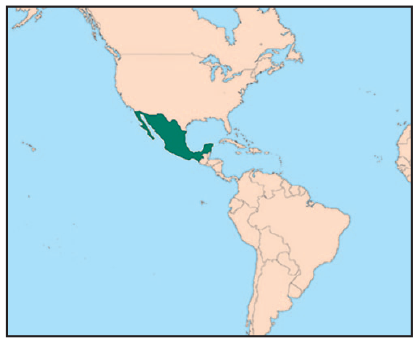
Iztapalapa is the most heavily and densely populated borough in Mexico City, with 1.8 million residents, 20.5 per cent of the total population of Mexico City.(60) Located to the east of the city and bordering the city of Nezahualcóytl, Iztapalapa has had a history of irregular settlements(61) and self-built housing.(62) These factors – combined with its lower-income and predominantly working-class socioeconomic profile – guided the choice of the borough. The selected research locality was the neighbourhood of Consejo Agrarista Mexicano (CAM), located in the southeastern part of Iztapalapa. CAM is a colonia popular with a high population density, which made it a suitable location for researching the role of local residents in urban development. CAM has historically experienced medium to high levels of marginalization.(63) Also of interest here was the combination in this neighbourhood of the original self-build households with a later group of residents who moved into formal housing estates constructed there in the 1990s.
The population of Iztapalapa started to increase substantially in the 1940s as settlements were formed through a combination of unlawful and lawful land sales(64) as well as land invasions.(65) These three practices were also characteristic of CAM, where residents arrived mostly from other parts of Mexico City to build homes in the 1980s. The population of Mexico City grew at a rapid pace especially during the 1940s–1970s, with the more peripheral parts of Iztapalapa such as CAM being among the last to become urbanized.(66)
b. Methods
The doctoral research project this paper draws on involved over six months of fieldwork, completed in three stages between 2016 and 2017. The objective was to study informal social networks and the exchange of social support in the context of urban development, and to gain insights into residents’ participatory practices. The case study neighbourhood was selected following visits to Iztapalapa during a scoping study to consider access issues and suitability, based on a review of local statistics and previous research.(67)
In addition to this preliminary scoping study, the first month of the first stage of fieldwork was spent completing non-participant observation in the research locality. This included spending time in CAM in the two local community centres especially, and doing walking tours to make general observations of local issues and lifestyles. Because the initial findings suggested that reciprocal solidarity among neighbours had been diminishing, it became apparent that the study should include a historical perspective in order to clarify the evolving relationship between local social ties and urban development over time.
The original plan had been to conduct only interviews after this observation phase. But it was clear that focus groups specifically oriented to neighbourhood formation and the history of the neighbourhood would be a useful addition. The final study methods, then, included focus groups in addition to observation and the use of semi-structured interviews. Topic guides for both interviews and focus groups ensured that the same key questions were discussed each time.
Adults who had lived or worked in the research locality for at least three years were invited to take part in the research. In total, 73 residents took part in the study, 19 men and 54 women. Participants were aged 20–81, the majority being over the age of 60, due to the historical aspect of the study. Some respondents were interviewed individually in addition to attending a focus group, but each participant was only interviewed once. In all there were 56 semi-structured interviews and four focus groups. In most cases, rapport with prospective participants was built by spending time at the two local community centres.
Most participants had lived in CAM since the early 1980s. Seven participants had moved to the area between 1990 and 2000, once some of the housing estates had been completed, and a further four participants had moved to the area more recently, between 2010 and 2012. Twenty-seven of the participants were self-builders and eight lived in housing estates, three of them in the social housing estate. Only participants who had lived in the neighbourhood since neighbourhood formation and who were self-builders were invited to attend a focus group. Focus groups were held at the community centre, which offered several recreational activities for older adults.
All interviewees were asked about their history in the neighbourhood and their experiences there over time. Nearly all participants aged 55 and over had arrived in the area during the initial neighbourhood formation in the early 1980s to build their own houses. Those aged between 20 and 35 had for the most part been born in the research locality. Speaking to people of different ages made it possible to piece together the history of the neighbourhood through questions about historical events such as the 1985 earthquake or family events, such as children starting school. During interviews we also discussed participants’ current social ties, the exchange of social support and their personal experiences in the contemporary neighbourhood.
The focus groups, completed during the final stage of fieldwork, made it possible to triangulate the data from the one-on-one interviews. The comparison of information from the focus groups and from the interviews supported the analysis of changes in residents’ interactions alongside events in the neighbourhood’s transformation. Focus groups were particularly suitable for discussing past experiences, allowing the participants to compare memories and remind each other of events that had taken place over the years. This was especially useful for reconstructing their experiences in the 1980s, when they arrived in the neighbourhood, and recalling what services – if any – had already been achieved on their home streets. Attention to previous research that discussed the contemporary history of Iztapalapa and Mexico City facilitated the discussions with the participants, by providing a broader context of events and developments between the 1970s and 1990s especially.(68)
Returning to CAM in September 2018 after the completion of the research project allowed me to discuss the findings of the study with some of the participants. These conversations often concluded with the participants critiquing recent political changes in Mexico City and the country more broadly.
IV. Shifting Patterns of Participation in The Consejo Agrarista Mexicano Neighbourhood
This section discusses the research findings in two parts. The first part analyses the formation of resident participation through neighbourly collaborations over the course of the neighbourhood’s formation and development; the second part focuses on the decline of residents’ participation following the introduction of formal channels of participation.
a. The formation of resident participation
The gradual urbanization of CAM began in the 1970s, although most people arrived in the neighbourhood between 1982 and 1985, with the aim of building houses for their young families. Several participants stated that there were no empty plots of land left in CAM after 1986, indicating how rapidly the landscape changed from the early 1980s, when the area was still dominated by vast fields. Those who arrived in CAM in the 1970s lived there for years without running water or drainage. The delivery of basic services – led by local residents – began street-by-street only after the arrival of more residents. One participant recalled arriving in CAM in 1983, and building a house across from a family that had arrived in 1975. It was only following their arrival that neighbours on that street started to collaborate, requesting help from the borough and building basic services.
In the process of inhabiting CAM, collaboration among neighbours was required to make the surrounding neighbourhood liveable. Once there were more people, collaboration became more frequent and the development of the area was driven forward collectively. Inhabitants who arrived in CAM often knowing only the members of their household quickly became acquainted with their neighbours in the course of discussing how to gain access to water, drainage and electricity. The gradual peopling of the area meant that different parts of the neighbourhood received basic services at different times. Residents only started to approach the borough with requests to improve their home streets once more people had arrived to inhabit their street, as it was necessary to demonstrate to the authorities that there were several people and not only individual households who required basic infrastructure.
The approaches to achieving and building basic services, and the level of borough support received with this, varied depending on the part of the neighbourhood in question and when residents made their requests. The varying level of support from the borough over time is evident in the testimony from participants below. Regardless of these differences, the collaborative element and resident-led approach figured in all the participants’ recollections. “People got together to ask for basic services and cooperated in terms of money to build it all. The only thing that the government gave us was the legal paperwork. Everything else we had to build ourselves”, explained Ricardo, who arrived in the area in 1978.(69) Another participant highlighted that the way to ask for services was based on agreement among the neighbours living on her street: “in the meeting [with all the neighbours] we agreed to go to the borough and ask for services . . . For drainage, they formed a committee that went to speak to the borough. . .Later they [the borough] sent the materials for the pavement and then for the sidewalks.”(70)
Several participants described the resident-led approaches to the delivery of basic services, explaining how the residents would carry out and complete some of the work, using materials they received from the borough. They first collected signatures to request support from the borough, and then completed groundwork to support the delivery of water and drainage networks, as well as carrying out the work involved in installing sidewalks.
“We had to ask for everything separately. . . We had to borrow a truck to get the materials here and then the borough helped with the work. The sidewalks we had to install ourselves. . .water and drainage was different. They [the borough] gave us everything but we had to prepare the ground so they could come and just install it.”(71)
Focus group participants recalled how occasional collaborations were gradually extended to involve continuous collective projects with neighbours living on the same street. “Someone would say there is a meeting, and everyone went. . . You had to go, because we were the homeowners.”(72) The gatherings led to arranging for one person to approach the borough – decided collectively depending on who had time to do so, often taking turns to share the responsibility. Neighbours were required to participate constantly as several visits were required to gain each service. The neighbour groups also overlapped, as many residents were also involved in the development of neighbourhood-wide services such as a new primary school and a communal sports ground.(73) This was all before block representatives (jefes de manzana) were formally established.(74) The final stage of urbanization was marked by the completion of the three major housing estates between 1990 and 2003.
b. Neighbourhood transformation and citizen participation
The transformation of CAM from agricultural land to an irregular settlement in the 1970s–1980s and to a densely populated neighbourhood in the 1990s was accompanied by shifting levels of resident participation. The events that most contributed to this change were the achievement of basic infrastructure, the arrival of externally supported developments in the form of housing estates, and the formalization of participatory processes that followed wider political restructuring in the megacity.
As CAM became more urbanized, the relevance of neighbourly collaborations diminished. The neighbour groups had achieved basic services by the end of the 1980s, along with a local school and a sports ground that was established in the mid-1990s.(75) It was no longer necessary for neighbours to meet regularly to plan and carry out these basic improvement works. As one participant said, “it was more important to participate when we were organizing things like drainage”.(76) Some participants felt that there was a general lack of willingness among many residents to take part in shared activities in the contemporary neighbourhood.
The decline in the extent of the collaborative projects among neighbours coincided with the arrival of major housing estates and an increase in population. “Many things changed when more people started to arrive. Some things also got better because there were more services, but they built too many housing blocks.”(77) The two major housing estates that were built opposite each other changed the landscape of the northern edge of CAM. The first housing estate consisted of a series of three groupings of three-storey buildings to provide social housing for those displaced by the 1985 earthquake. The second housing estate was built privately, taking up the last major plot of land in CAM and comprising nine five-storey buildings.(78)
Those participants who had lived in the neighbourhood since its formation phase were unhappy with the arrival of the housing estates because they thought the increase in population had contributed to crime and insecurity, leading to apathy, even though the built environment appeared more developed. “Problems started when they started to build the housing blocks. . . Now people don’t care. . . They don’t want to participate in anything.”(79)
Interviews and focus groups revealed that the residents who had arrived in CAM to build their own homes felt that those living in the housing estates – especially in social housing – had no interest in improving the neighbourhood. Part of the explanation proposed by the participants was that those living in social housing had been given apartments and had not chosen to live there.(80) Those participants who lived in the social housing estate completed at the turn of the 1990s now owned their apartments or lived there with a family member who owned one. A distinctive difference between the original residents and these relative newcomers was the time and effort they invested into requesting basic services and building the neighbourhood.(81) As one focus group participant stated, referring to residents living in the housing estates: “Everything was ready for them and they just moved here.”(82) This statement echoed those of many other participants, reflecting their discontent with how little support they, the original residents, had received from the authorities during neighbourhood formation, despite living for years without running water or drainage.
The further urbanization of CAM was also accompanied by the introduction of the more formal system of block representatives, jefes de manzana, to neighbourhood committees.(83) Initially some of the participants (or their family members) who had been involved in the initial delivery of basic services took up the representational duties for the block where they lived. They indicated that the changes in participation were gradual and that the earlier informal neighbourly collaborations acted as a springboard for those who wanted to continue being involved in the more formal neighbourhood committees, comités vecinales. While jefes de manzana were initially chosen from among the neighbours themselves, legislative changes in citizen participation within Mexico City brought in an electoral system that saw a reduction in the number of representatives. Jefes de manzana became representantes de manzana or neighbourhood presidents, as the participants called them. “There are no longer many links left [of neighbourly collaborations], now there is only a neighbourhood president. She is more involved in political parties. . . She is part of PRD [Party of the Democratic Revolution].”(84) While PRD was the party driving the expansion of citizen participation in Mexico City, many of the participants had negative views of the party, indicating that the changes brought in by the party were not well received. “People used to organize between themselves more. . . There are still some connections between these people [neighbours who took part in neighbourhood formation] but Iztapalapa has changed a lot since PRD came into power.”(85)
Participants described a substantial difference in residents’ involvement in neighbourhood matters in the contemporary neighbourhood compared to that during the period of neighbourhood formation. One participant whose husband used to be involved in the neighbourhood committee said that she no longer paid attention to the formal representatives’ activities, as the neighbourhood committees and structures changed frequently.(86) There was also general confusion as to who the “president” of the neighbourhood was and whether there were still block-level jefes de manzana.(87) As well, the participants expressed general discontentment with the way these representatives worked, stating that they would only help in exchange for something. This implied the presence of clientelist practices, which is why many were unwilling to be involved. For example, many participants noted that any improvements relating to shared infrastructure, such as mending sidewalks, often occurred preceding elections.
There were also differences in how the housing estates were organized. Residents in the privately owned housing estate with trade union links had a representative for each building, with the responsibility often rotating between households. The privately owned housing estate also benefitted from 24-hour police surveillance at both of its gates. The social housing estate located across the street, however, had no security despite persistent issues with crime. When asked if the residents had tried to address the issues, one resident explained: “we don’t have any [jefe de manzana, block representative]. I know other estates have them, but we don’t. There is a mesa directiva [general committee] that is for the housing estate but that is to deal with the support that the government gives to us who live in the buildings. That is why they have to have it.”(88) The socioeconomic differences between the housing estates were reflected in the level of participation among the residents. The more affluent housing estate with a trade union background was more organized. The social housing estate, however, appeared to be more socially fragmented and was unable to address ongoing issues.
Even though the original informal neighbourhood had acquired basic services and houseowners had received confirmation of land tenure, the participants perceived their relationship with the local authorities as one characterized by a lack of support. This related to longstanding issues with water quality and with increasing crime and insecurity – matters raised frequently by participants in interviews and focus groups. Those participants who had lived in CAM since the turn of the 1980s noted that water quality had been poor since the 1985 earthquake, while others frequently referred to the yellow colour of tap water in CAM. Despite the neighbourhood becoming consolidated as part of the megacity, many participants continued to feel that it was not receiving the support it needed. Whereas previously residents would organize among themselves to drive the development of the area, this was no longer the case, and the data highlight the general reduction in collaboration between neighbours. Focus group discussions revealed that some were disappointed in their expectation that the younger generation would continue the work of those who were now retired and no longer able to do physical work.
In the context of this disintegration of local practices of participation, there was one city government initiative that aimed to support local involvement – the Community Neighbourhood Improvement Programme, Programa Comunitario de Mejoramiento Barrial, which funded the construction of a cultural centre in 2007–2010 on the premises of a previously established community sports ground in CAM. The aim was to increase local participation whilst improving the services provided by the community organization. While the programme did provide another place for cultural activities in an area where public space was extremely limited, only one of the study participants mentioned this programme, indicating its limited impact in the neighbourhood. The organizing committee leading the initiative in CAM involved only a select few local residents, whereas many younger residents preferred to take their children to the newer park up the road because it was better maintained and had a regular police presence. The temporary nature of the support involved also meant that any change this centre might have generated in local participation was short-lived.
As the neighbourhood became a more densely populated and fully developed urban area, then, its previous participatory practices were abandoned without the formal citizen participation channels filling the gap. This was evident in the lack of interest in the neighbourhood committees, as well as the elected block representatives, representantes de manzana. While the neighbourhood formation stage was characterized by resident participation that combined social and political aims, the contemporary neighbourhood was characterized by disengagement. The rejection of the formal channels of participation also reflected residents’ experiences of increasing crime and violence along with unwelcome changes in the built environment and their pre-existing sense of neglect from years of heightened need. When compared to the improvements residents had previously achieved by themselves, the contemporary neighbourhood appeared to be in decline as longstanding issues, including poor water quality and increasing insecurity, were left unresolved.
V. Discussion
The findings discussed above indicate a shift in levels of local participation in CAM over the 40-year period, from resident-led neighbourhood formation to the densely populated contemporary urban neighbourhood. The processes of resident participation that peaked in the 1980s in the form of small neighbour groups gradually became less active as the neighbourhood became consolidated and urbanization advanced. The construction of major housing estates was accompanied by the more general formalization of participation processes. Local residents, however, did not engage with these formal processes of citizen participation to the extent they once did in the informal practices – partly due to the lessened need to do so after basic needs had been fulfilled. Other factors, such as general discontent with the actions of the local authorities and concerns about clientelist practices, also played a role. Although residents’ involvement was not as essential as previously, moving away from block-level shared responsibilities to more hierarchical forms of participation and representation was also a move away from the kind of familiar, personal local involvement that could potentially have mitigated gradual resident disengagement.
Other changes that took place in CAM between 1990 and 2010 also indirectly affected the residents’ level of participation in local matters. Once basic needs were fulfilled, the further development of CAM involved the externally led construction of housing estates. The increasing population and the changing landscape bothered residents. The unwanted changes, alongside such longstanding issues as poor water quality and the increasing insecurity, contributed to the residents’ hesitant views of the authorities. Earlier research, specifically that of Moser and of Perlman, shows that negative experiences, such as the unexpected termination of development initiatives or the unwanted outcomes of consolidation, can hinder local participation by causing tensions between local residents and creating distrust in authorities.(89) Rising levels of crime in disadvantaged settings have also been linked to declining local participation due to the distrust and divisions they create among locals.(90) In addition, Moser shows that residents’ motivation to participate over the long term can be curbed by increasing household assets, which makes pooling of resources less essential for some.(91) The findings from CAM show that residents’ views regarding the relevance of citizen participation were affected by the broader transformations in the neighbourhood in addition to the changed needs following the achievement of basic infrastructure.
The finding that resident participation diminishes once self-built informal settlements receive basic services, as observed in the case of CAM, is in line with previous research.(92) Previous studies in Mexico City, for instance, focusing mostly on community organizing through social movements or associations, note the disintegration of participatory processes once neighbourhood formation has been completed, following which organized collective action is no longer required.(93) However, Mexico City research that analyses the development of participatory practices beyond the stage of neighbourhood construction is scarce. Considering the prominence and long history of self-build housing and informal settlements in Mexico City, this is surprising. Ariza and Ramírez(94) argue that declining participation was related to the arrival of party politics, whereas Moctezuma(95) considers the decline of local collective processes to be part of “organizational decay”, which can be expected over time. Considering patterns of citizen participation, Flores(96) states that it is common for “someone with very specific political interests” to take the lead in transforming working-class neighbourhoods, opening the way to clientelist practices. However, it remains broadly unclear how resident-led local processes evolve following neighbourhood formation and how these processes can be successfully incorporated into formal representation.
In CAM, certainly, there were shortfalls in resident engagement during the transition to new processes of participation. The way local representatives were disregarded indicates that the arrival of institutionalized citizen participation structures failed to build on previously active local participatory processes. This suggests that the implementation of the changes was not appropriate for the local setting, a context that was not unique to CAM. The political and legislative changes that occurred in Mexico City – from the redistribution of power to local authorities in the 1970s, to local elections and laws on citizen participation in the 1990s and beyond – were driven by political interests to open up the political dialogue in the city.(97) While the introduction of elected local representatives might work in theory to create a formal link between political representatives and residents’ local practices, in practice, it has not been shown to support local participatory processes.(98) In fact, the restructuring of citizen participation in the 1980s and 1990s may well have been a factor in the erosion of resident-led “demand-making” processes,(99) such as those in CAM that were driven by local residents based on their immediate needs.
The inactivity of local residents following the shift away from block-based collectivism points to problems within the broader processes of representation. The rejection of formal participation processes in CAM was based in part on the previously experienced failure of the local authorities to respond to their needs, and in part on the sentiment that local representatives would not provide support without expecting something in return. During the period of neighbourhood formation, while neighbour groups had to attend several borough meetings, making requests for each service separately, the shared responsibility for doing so increased resident participation, and rotating the responsibility kept clientelism at bay. This is in contrast with the observation by some scholars that informal settlements tend to rely on clientelism,(100) and on findings that residents often have positive views towards clientelism due to the responsiveness of such channels.(101) In Mexico City, experts in local politics expected the expansion of citizen participation to encourage a move away from clientelism,(102) as has been the case in many Mexican cities with the expansion of democratic processes, especially in relation to the provision of water services.(103) In the case of CAM, however, the introduction of formal citizen participation and the shifting of power to formal representatives meant a step away from block-level participation. This led to disengagement with the new participatory structures. This was further complicated by the fragmented combination of local participatory channels that differed in various parts of the neighbourhood and provided an unclear basis for further participation. It is also worth noting that Iztapalapa, one of 16 boroughs, holds a key position in the political power struggles in the city as it is home to a fifth of the population of Mexico City.(104) This concentration of people, which also applies to CAM, makes Iztapalapa an area where clientelism may be difficult to eliminate due to the competition for votes and public support.
The findings from CAM show that the introduction of new citizen participation structures does not necessarily support the inclusion of local residents in participatory processes, despite the goal of expanding citizens’ opportunities to affect local decision making.(105) Elected block representatives are at the core of citizen participation in Mexico City, one of their key roles being to give voice to local residents.(106) However, the elected representatives now represent a larger part of the neighbourhood, instead of connecting with residents at a block level. In the case of CAM, this has been a step away from local engagement. These findings call for further consideration of how existing practices can be better incorporated into formal structural changes, so that institutional goals, such as the rollout of citizen participation laws in Mexico City, do not take precedence over local practices. Evidence shows that top-down approaches to participation are often limited by technocratic governance,(107) whereas resident-led projects that are driven by local needs foster local participation.(108) Examples of political actors’ resistance to the extension of partnership-based initiatives that support participatory planning(109) suggest that resident-led initiatives can be overshadowed by political and institutional objectives.
CAM has evolved from a neighbourhood distinguished by resident-led local participatory projects to one characterized by disengagement and declining living conditions, despite the introduction of participatory budgeting programmes in the late 2000s. This suggests that previously active practices of resident participation are not easily rekindled by temporary projects despite the intention to increase residents’ involvement in local matters. The launch of participatory budgeting approaches – such as the neighbourhood improvement programme, Programa Comunitario de Mejoramiento Barrial – is a step in the right direction. The programme resulted in major improvement of the local community centre in CAM. But as noted above, the long-term outcome in this case failed to benefit the neighbourhood as a whole – while the community centre is geographically located in the heart of CAM, observations and discussions with local residents showed that the space was used only by a select group of people, whilst others preferred to go elsewhere. The ambitious participatory proposal programmes in Mexico City have more generally been somewhat problematic. While they are a move towards more resident inclusion,(110) the emphasis of participatory proposals in the city continues to be limited to consultation. Meanwhile, approved projects that remain unfulfilled suggest that there are challenges in rolling out the initiatives.(111) Given that participation requires the active involvement of residents in addition to the opportunities created by authorities,(112) its transformative potential is likely to be limited when its design is not tailored to local realities.
VI. Conclusions
Although the debate regarding participation in development and planning has been ongoing for over 50 years, residents’ participation in urban development continues to be a challenge.(113) Numerous studies suggest that there is no such thing as a one-size-fits-all approach. Previous research shows a persistent mismatch between local needs and agencies’ participatory frameworks, despite advances in participatory governance and participatory budgeting.(114) It is evident that further dialogue between residents and local agencies is needed for inclusion in urban development to be expanded in a manner that is meaningful to residents as well as experts. To address the frequent failure of urban planning to engage with informal urbanization, partnerships that are resident-led or that draw on local knowledge should be pursued.(115)
This paper contributes to the debate on participation in urban development by showing how local needs and previous practices of participation in an informally formed neighbourhood might affect the transition to formally introduced practices of participation. Benefitting from a historical perspective, the findings of this study indicate that the introduction of new structures of participation does not necessarily improve local levels of participation if these new structures do not align with local practices and changing local needs. Residents’ needs may change following neighbourhood transformation, but the challenges in disadvantaged urban settings also continue to evolve beyond the fulfilment of basic infrastructure. This suggests that long-term collaboration between residents and local authorities is needed to support local development.
Overall, the findings suggest that the design and implementation of participation reforms should consider local needs and circumstances before these reforms are introduced to ensure that the new processes can reach their participatory potential. In the case of CAM, block-level representation and engagement were highly participatory processes that were appropriate during neighbourhood formation. How these practices could be better supported to ensure dialogue between residents and borough authorities in the current setting of citizen participation requires further investigation. This paper highlights the implications of the gap between local and formal practices of participation over the long term, calling for further consideration of participatory approaches that incorporate local practices and extend resident-led partnerships beyond settlement upgrading.
