




Abstract
Based on the experiences of the socio-urban integration of Villa 20, this article suggests that upgrading processes are inherently complex and challenge traditional public policy implementation practices. The case presented demonstrates that, when complex urban problems are addressed through citizen participation, they contribute to improving urban governance, providing comprehensive responses, and may ensure the long-term sustainability of the introduced changes. Incorporating a climate resilience lens into the upgrading processes of informal settlements has not been a priority in government-led programmes to date. However, when these processes have at their core a deep participatory and collaborative approach, they offer a window of opportunity not only to transform government practices and policies, but also to influence urban designs, bring technological innovation, support alternative construction practices, and adopt a more sustainable and inclusive urban development pathway.
Keywords
I. Introduction
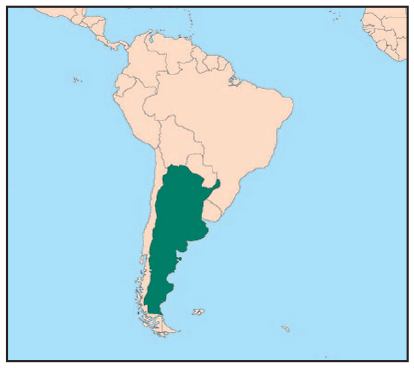
This article has two objectives. It aims to describe the progress made in the upgrading process underway in Villa 20 (V20)(1) and derive lessons from the participatory process at its core. And it points to some missing elements, particularly in terms of a resilience lens that could be incorporated to co-create more climate-resilient intervention options. As climate change brings greater risks to those already living in inadequate conditions, addressing these could be an opportunity to leapfrog to a more sustainable development pathway while addressing development needs.(2) It can also contribute to a city’s goals for climate and sustainable development.
This article continues the discussion initiated in previous publications describing the socio-urban intervention process-project in V20.(3) Authors of those articles were initiators of the urban intervention process-project and work as coordinators of the V20 upgrading process. This new article looks into what has been achieved, especially in terms of co-creating and building the participatory process that is key in all that has been achieved, but it also looks critically at upgrading elements that are missing.
The environmental and climate resilience lens is usually missing from upgrading processes. In the case of Villa 20, environmental components and a climate resilience lens were not incorporated into initial planning and implementation, even though the city government has been working in recent years to make Buenos Aires a “greener” city, adopt low-emission options, reduce energy demand, increase low-carbon mobility, etc. The city government has also been committed to creating a resilient, inclusive and carbon-neutral city by 2050. In this article we explain how the climate resilience and sustainability lens, initially missing in the case of V20, has been incorporated and transformed through the upgrading process as different demands and perspectives of governmental and non-governmental stakeholders have been brought together, and possible interventions discussed and reframed to better respond to future climate impacts.
A strong participatory process cuts across and structures all decisions and interventions in V20. Depending on its structure and operation, participation offers an opportunity to deepen urban governance and transform the ongoing upgrading process. It is a chance to incorporate a climate resilience and sustainable development lens into the evaluation of options and decisions on green infrastructure, open space design and spatial layout, technical and social innovations in housing, infrastructure and service provision, and environmental services, while enhancing local capacities to deliver, maintain, monitor and learn through the process.
In Section II, we introduce the context of the problem, explaining how a resilience approach tends to be missing in urban upgrading processes and why it is a good opportunity for a city such as Buenos Aires. In Sections III and IV, we discuss the upgrading process initiated in 2016, focusing on the participatory and socio-urban integration process coordinated by the Instituto de Vivienda de la Ciudad (Institute of Housing of the City of Buenos Aires – IVC)(4) in Villa 20. Section V deals with the challenges and the missing elements of the upgrading process that, if addressed, would improve living conditions in V20 as well as contributing to setting Buenos Aires on a more sustainable development pathway.
II. Background: Urban Upgrading Processes in the Region
a. Challenges
Latin America, the most urbanized region in the developing world, has a high concentration of people living in large cities.(5) As in other developing regions, cities are challenged to address skewed urbanization patterns, rapid urban growth, and high physical exposure to risk, often exacerbated by climate change. These are compounded by a lack of economic development, high levels of inequality (in both income and access to opportunities),(6) precarity of both infrastructure and the quality of construction, high levels of informality (in housing and employment, especially among young people and women), weak governance, and territorial development patterns that lead to increasingly segmented and less compact cities. These hinder service provision and economic, social and environmental sustainability.(7)
The chapter on urban areas in the Fifth Assessment Report of the Intergovernmental Panel on Climate Change notes that climate risks “are amplified for those who live in informal settlements and in hazardous areas and either lack essential infrastructure and services or where there is inadequate provision for adaptation”.(8) Many households in the region’s cities live in precarious neighbourhoods with insufficient infrastructure and substandard housing.(9) Between 21 and 25 per cent of the urban population lives in slums.(10) The uneven urbanization process has intensified the demand for affordable housing, as well as for infrastructure and basic services, well-connected transit systems, and employment, particularly for those living in informal settlements so that they can be closer to opportunities.(11)
The integration of informal settlements and the need for effective policies on this front are key challenges for the region’s cities. Studies by the Inter-American Development Bank reveal that only 6 per cent of the housing deficit in urban areas is quantitative, while inadequate living conditions in informal settlements (the qualitative aspect) represents the remaining 94 per cent. This includes problems with a) access to improved water sources; b) access to improved sanitation facilities; c) sufficient living area; d) housing durability; and e) security of tenure.(12)
b. The environmental dimension in urban upgrading processes in the region
The Latin American region has been a lab for experimenting on urban upgrading programmes since the 1970s. The environmental component of these programmes has only been incorporated since the 1980s,(13) focusing mostly on mitigating environmental risks, such as landslides and floods, and ensuring access to water and sanitation. It has been pushed mainly by international agencies funding these programmes and the demands of social organizations.
Over the years upgrading programmes have evolved, seeking to consolidate management between different government levels and developing hybrid, flexible, integrated and holistic responses. In this context, the environmental component gained space and today most programmes have specific environmental goals and targets, always as a complement to the ongoing physical transformation. This approach is characteristic of urban upgrading programmes funded by the World Bank, Inter-American Development Bank and Development Bank of Latin America, amongst others, and by national or locally funded programmes.
The most significant urban upgrading programmes in the region, though with variations, are primarily government programmes developed in partnership with other actors (community-based organizations, civil society, private sector). They cover infrastructure and basic service deficits, housing needs, tenure, and improvement of certain environmental conditions (e.g. waste collection and basic open spaces). And when possible, they work on the integration of these neighbourhoods into the city. Most adopt a holistic approach to urban transformation, including the environmental dimension and disaster risk reduction. Essential elements in the programme planning process tend to include such aspects as ensuring the area is safe from landslides or floods and that all basic infrastructure is installed.
However, as mentioned, other environmental dimensions usually take a backseat to the construction work and physical transformation, and tend to be narrowed down to improving solid waste collection, pest control, common spaces, and awareness campaigns, among other activities. Table S1 (in the online supplementary information) summarizes some regional programmes, identifying their main environmental components. Many fail to develop a participatory process, which would incorporate visions of climate resilience and sustainable development that can translate into technical innovation in housing, infrastructure and service provision, as well as in spatial use, environmental services, social organization and capacity building. This is important if individual and collective neighbourhood improvements are to continue to perform and deliver in the future, ensuring urban sustainability, social inclusion and better distribution of urban benefits.
c. Opportunities to address climate risk and inclusion in Buenos Aires
Cities need to combine the “traditional development” agenda (access to infrastructure, services, housing, safe tenure on land outside risk zones, etc.) with other agendas, such as disaster risk reduction (DRR) and climate change adaptation and mitigation.(14) There is a general consensus that advancing international development agendas(15) requires work on the sustainability of urban development and, to that end, cities and their governments, organizations and citizens play key roles.(16)
In a recent report, the Mayor of the City of Buenos Aires highlighted the Sustainable Development Goals that are the roadmap to a more sustainable and inclusive city.(17) The city has developed a strategy to localize the 2030 Agenda, including the review of all city-led initiatives, projects, policies and works to assess their contribution to the Sustainable Development Goals (SDGs), and the development of mechanisms for stakeholder engagement, and metrics and monitoring mechanisms. In addition, the city is committed to becoming resilient, inclusive and carbon-neutral by 2050. Since 2009, the city has had a Climate Change Action Plan 2010–2030 that has been periodically updated. Measures implemented include sustainable mobility (bike and pedestrian lanes and expansion of the bus rapid transit system, for example), installation of LED lighting in public buildings, street and traffic lights, and improved and expanded green spaces. Recent updates to the Climate Change Action Plan include a greater focus on social inclusion, structural urban interventions, health, social vulnerability and sustainable habitat.(18) The city is also a member of several international networks, including C40, and was one of the Rockefeller Foundation’s 100 Resilient Cities until the programme ended in 2019. From 2017, as part of the city’s goals on social integration and sustainable development, the city government has implemented pilot projects using solar heaters in new social housing and community buildings.
In order to move forward, the city of Buenos Aires, like other cities, needs to integrate sectoral agendas, articulate actions and programmes, improve institutions and governance mechanisms, and achieve long-term support from different sectors and actors working at different levels.(19) Ongoing and future urban upgrading processes cannot sidestep these challenges. Special care should be given to further integrating sectoral approaches and creating desirable collective futures based on sustainable development and strong participatory processes.
III. The Comprehensive and Participatory Urban Upgrading Process-Project of Villa 20
a. Socio-urban context of Villa 20
In Argentina, the National Registry of Informal Neighbourhoods (RENABAP) has recorded 4,400 informal neighbourhoods in the country,(20) with more than 4 million inhabitants living in informal conditions and without basic services.(21) The population living in slums and informal settlements in the Autonomous City of Buenos Aires (CABA) grew by 50 per cent between 2001 and 2010, and at present totals around 200,000 people.(22) For the most part, this population is located in the southern part of the city, concentrated in Communes(23) 8, 7, and 4.
Since 2016 the city government has been committed to an ambitious and ongoing urban and social integration plan for informal settlements. However, this plan has not, from its inception, embraced such practices as energy efficiency, housing retrofitting, public space intervention and mobility, which would allow low-income neighbourhoods to leapfrog and avoid less efficient development trajectories while delivering all essential city benefits. On the other hand, the city of Buenos Aires has committed to the Sustainable Development Goals. In this sense, there are positive synergies that are likely to emerge as the city implements new policies and initiatives.
Villa 20 is located in the Villa Lugano neighbourhood in Commune 8 in the southern part of CABA. It is the city’s fourth most populous slum, with approximately 27,990 inhabitants,(24) almost 20 per cent of the city’s total slum population.(25) Its 48 hectares are divided into three sectors (Figure 1): a consolidated sector (12 ha/30 per cent of the population) that went through various redevelopment projects up to the mid-2000s; a sector with no prior intervention (24 ha/70 per cent of the population) that developed informally through residents’ efforts; and a border sector (12 ha), called Pope Francis, formerly used as a car graveyard and later reserved for new housing as part of the integrated urban intervention process in the neighbourhood (1,665 new homes are being built by the government for the relocation of 20 per cent of the population living in the other two sectors). Until urban upgrading work started, V20 had, like most informal settlements, poor quality or informal provision of water, sanitation, electricity and drainage. Roads were in poor condition and there were minimal solid waste collection, health and education services, and maintenance of communal areas. Overcrowding led to buildings of three or four storeys with very poor ventilation and natural light, subpar safety standards, and a complete lack of green open space.
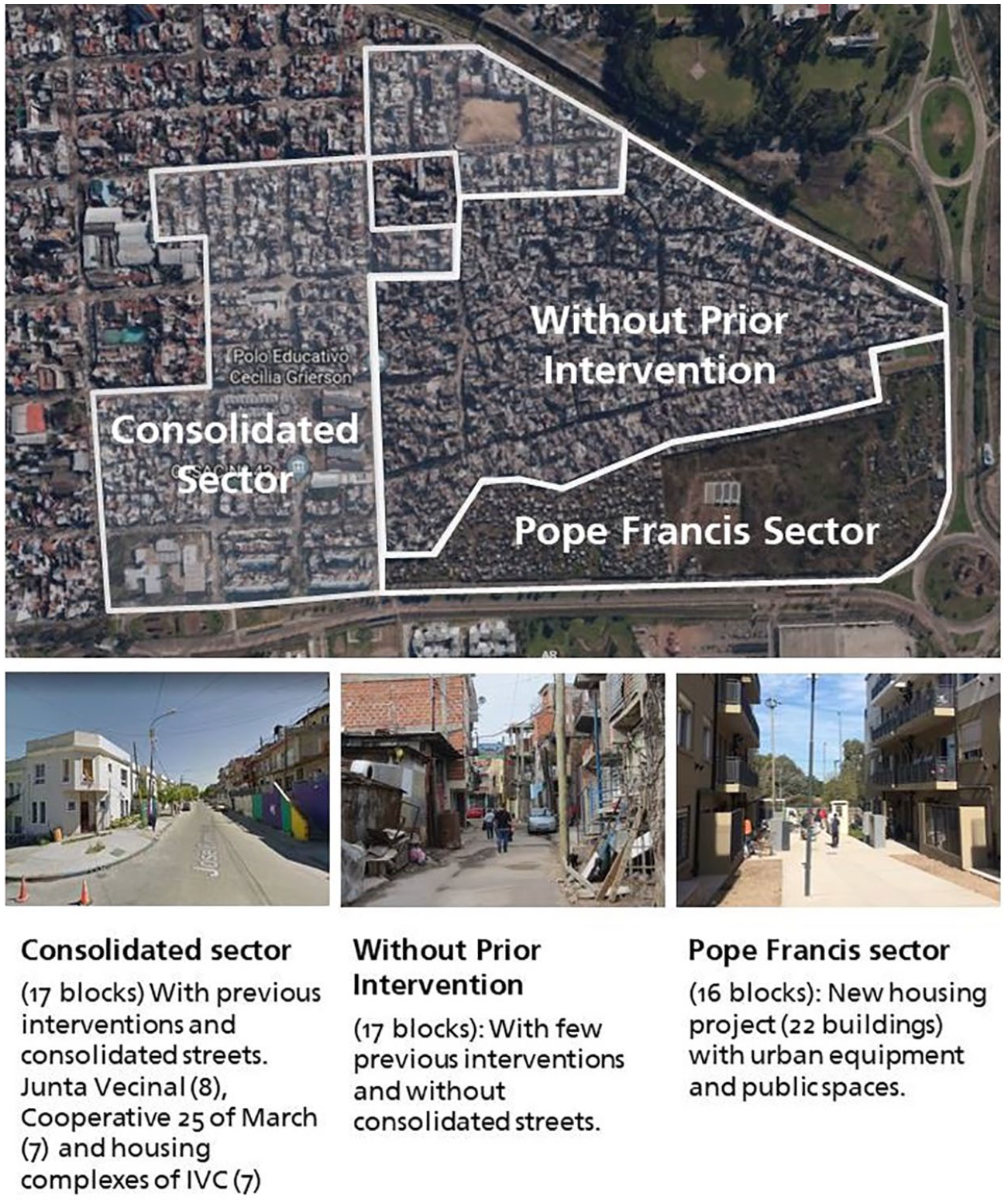
Neighbourhood sectors
The land in this neighbourhood began to be occupied in 1948.(26) In 1976, the population decreased drastically due to slum eradication programmes carried out by the military dictatorship, but since the 1990s there has been further growth and densification. In 2000, an intervention plan involving new housing and the widening of alleys began in a very small area within the consolidated sector. This was completed, after several interruptions, in 2006 (Photos 1A and 1B).
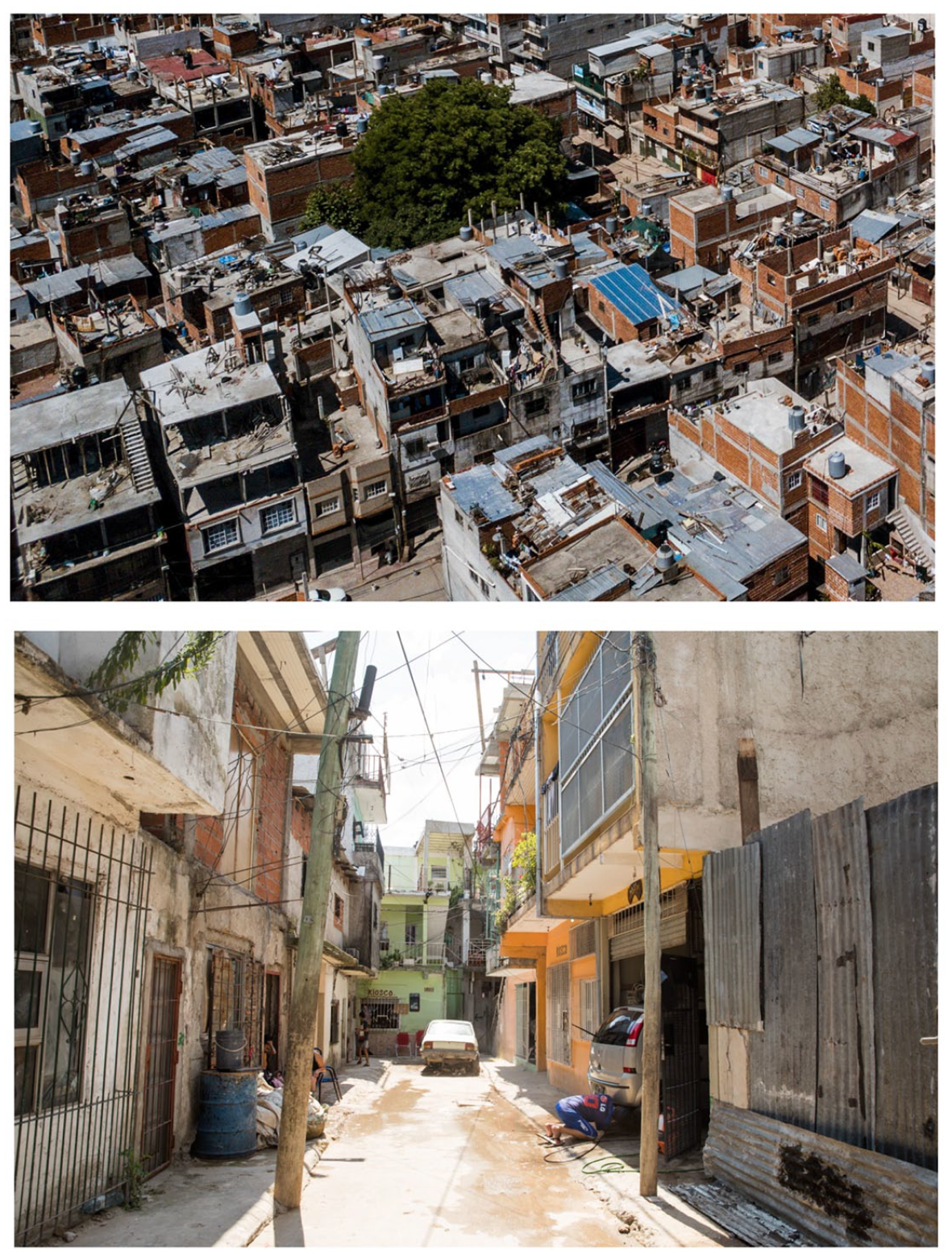
Views of Villa 20
The relationship between the neighbourhood and state institutions was re-established in 2016, marked however by a history of mistrust and conflict. Two factors played a central role. First, a set of laws was signed but never implemented, namely the Urbanization of V20 Law (No. 1,770 of 2005), and the Environmental, Health and Infrastructure Emergency Law (No. 2,054 of 2008), both aiming to bring about long-expected improvements for residents in V20. Second, there was a collective takeover of vacant land adjacent to V20 that had formerly been used as a car graveyard and the immediate eviction in August 2014.(27) These factors together triggered greater social organization and aligned social demands.
According to census data collected by the IVC in August 2016,(28) at the beginning of the participatory process of socio-urban integration, approximately 27,990 people lived in V20, with 9,116 families and 4,559 dwellings.(29) Twenty-four per cent of these families were renters, 63 per cent of the population was young (under 29), 59 per cent was employed, 70 per cent of homes had two floors, 90 per cent had informal access to basic services, and most homes were made from good building materials.(30)
b. The concept of the process-project
Due to the characteristics of the area, its dimensions and its background, the urban upgrading of V20 is a complex intervention to be executed in stages. It also serves as a blueprint for other upgrading projects in the city. This requires a high degree of communication between the agencies involved, and requires that they all adopt the methods designed and agreed upon by local actors.
The strategy developed for V20 is based on a
A project is normally related to the creation or modification of something new and innovative, while a process is related to something intended to create value through the repeated performance of a task. The idea of a ”process-project” brings together both concepts and produces a new, articulated, complex and holistic process.
The historical context of the process has been the departure point for organizing a working framework that generates synergies between actors in order to create a specific project. At this point the project joins with the process to generate a complex, non-vertical structure that depends on participation to design, manage and implement actions in the future. Future actions take advantage of the potential each situation offers(31) and the facilitating factors that the process itself generates. Also, while the process begins in a historical context, at the same time it is a new starting point that feeds back into the process, resulting in a non-linear structure that expands and grows, and keeps adding complexity as it evolves.
This working approach makes the processes developed under a process-project planning model intrinsically resilient, since it is the result of positive adaptations in adverse urban settings. This resilient characteristic of the process makes it possible to “surf”(32) different instances and to achieve a common goal, taking advantage of the context.
Four main guidelines are related to the process-project concept in urban settlement upgrading:
The intervention strategy also includes the following aspects:
A multi-scale territorial approach including the commune, neighbourhood, block and household
• A multi-stage approach, as implementation is adapted to embrace the complexity of the process, the number and type of solutions required, and/or the availability of resources
• Constant coordination of actions between scales as new work fronts develop
• Anticipation of how the process will evolve in the medium and long term (even if it exceeds the specific government’s term in office)
• Sustainability and continuity of public investment to match the evolution of the process and ensure progressive implementation of actions and the inclusion of various sources of funding
• Intergovernmental communication in order to promote an integrated approach to habitat and housing
c. The beginnings of the process-project
Between December 2015 and December 2019, the city administration was aligned with that of the national state,(33) leading to coordinated interventions in the informal settlements in the city. This political initiative responded to both social and economic factors. On the one hand, there was a felt need to address living conditions in informal settlements, a need that had been ignored by past administrations. On the other hand, there was a desire to promote the development of the south of the city, in particular Commune 8, which had the city’s worst indicators in terms of habitat and housing. In addition, the city of Buenos Aires was to host the 2018 Youth Olympic Games, and the Olympic village and park were built in Commune 8, a few blocks away from V20. These involved important investments directly linked to the Olympic event, but which also affected urban renovation in the area, including the upgrading process of V20 and the construction of new housing in Barrio Papa Francisco.
The Institute of Housing of the City of Buenos Aires (Instituto de Vivienda de la Ciudad – IVC) was placed in charge of both the upgrading process and the housing construction. Traditionally, housing institutes in Argentina, established in the late 1960s, were created to build housing as part of public work policies. Today, their institutional structure still responds to that original mandate. This was one of the first barriers to overcome in developing a participatory process for V20’s upgrading, as participation in the design phase conflicted with deep-rooted notions of technical designs and master plans as being developed from a desk in a government office. In addition, residents were used to public programmes that delivered finished houses (keys in hand – llave en mano), where they had nothing to say. Changing this was also a challenge.
When the intervention process was approved, the first step was to re-engage with social actors in V20, define intervention goals and involve relevant local actors in the decision-making process (Figure S1 in the online supplement).
The main issues raised by the neighbours in V20 at the beginning of the upgrading process were: a) a strong scepticism and distrust related to the precarious condition of the neighbourhood and the lack of response from the state in the past; b) a demand for more participation and greater involvement in the decision-making process and the participatory spaces generated; c) a demand for co-definition of the criteria used to award new houses and other benefits arising from the process; d) incorporation of the right to housing for renters; and e) the need to conduct a census.
Considering those initial concerns, over the course of 2016 a multi-actor decision-making space called the Participatory Management Table (MGP) was consolidated. This included members of the Neighbourhood Board, social actors, block leaders or association leaders, independent neighbours, civil society organizations and non-governmental organizations.(34) The process of shaping this space was initiated by the IVC and included the generation of agreements with each of the actors involved in any way in the upgrading and socio-urban integration process, and their inclusion in decision-making.
The first action of the MGP was to arrange for the following:
1) The participatory design and the presentation of the urban and architectural projects for new homes, urban furnishings and public space to be developed in the Pope Francis sector (the works began in October 2016)
2) A public hearing, in compliance with Law No. 1,770, where the strategy for the Integral Upgrading Process (PIRU) was presented
3) Participatory design of the census, to be carried out by IVC along with social actors and organizations between August and September 2016
4) The draft law on upgrading, zoning and integration of Villa 20 (Law No. 5,705, approved in November 2016), allowing the consolidation and legitimization of the process-project and the participation strategy(35)
5) The participatory design of the Socio-Spatial Survey (RELSE), which complements the census information
Law No. 5,705, a milestone in the initial stages, regulated three fundamental aspects of the PIRU:
1) A participatory working methodology for defining all the steps of the process and institutionalizing the MGP as both a co-guarantor and the space for the active participation of the neighbourhood dwellers(36)
2) PIRU’s scope regarding the construction of new housing, the improvement of existing housing, the opening and consolidation of public roads, the provision of urban amenities, the improvement and consolidation of public space, and the provision of urban services infrastructure (drinking water, electricity, sewage, and stormwater drainage networks)
3) The establishment of urban regulations guaranteeing the same habitability conditions for all neighbourhood sectors with regard to impacts, street opening, building standards, etc.
As the socio-urban integration process started to take shape, the initial political goal of building 1,600 housing units gave way to a more integrated upgrading process. This redefinition captured the agreements reached by the social organizations, and together with the institutional transformation of IVC, defined the three main intervention axes: urban integration, housing integration and socioeconomic integration (Table 1).
Social and urban integration components in Villa 20
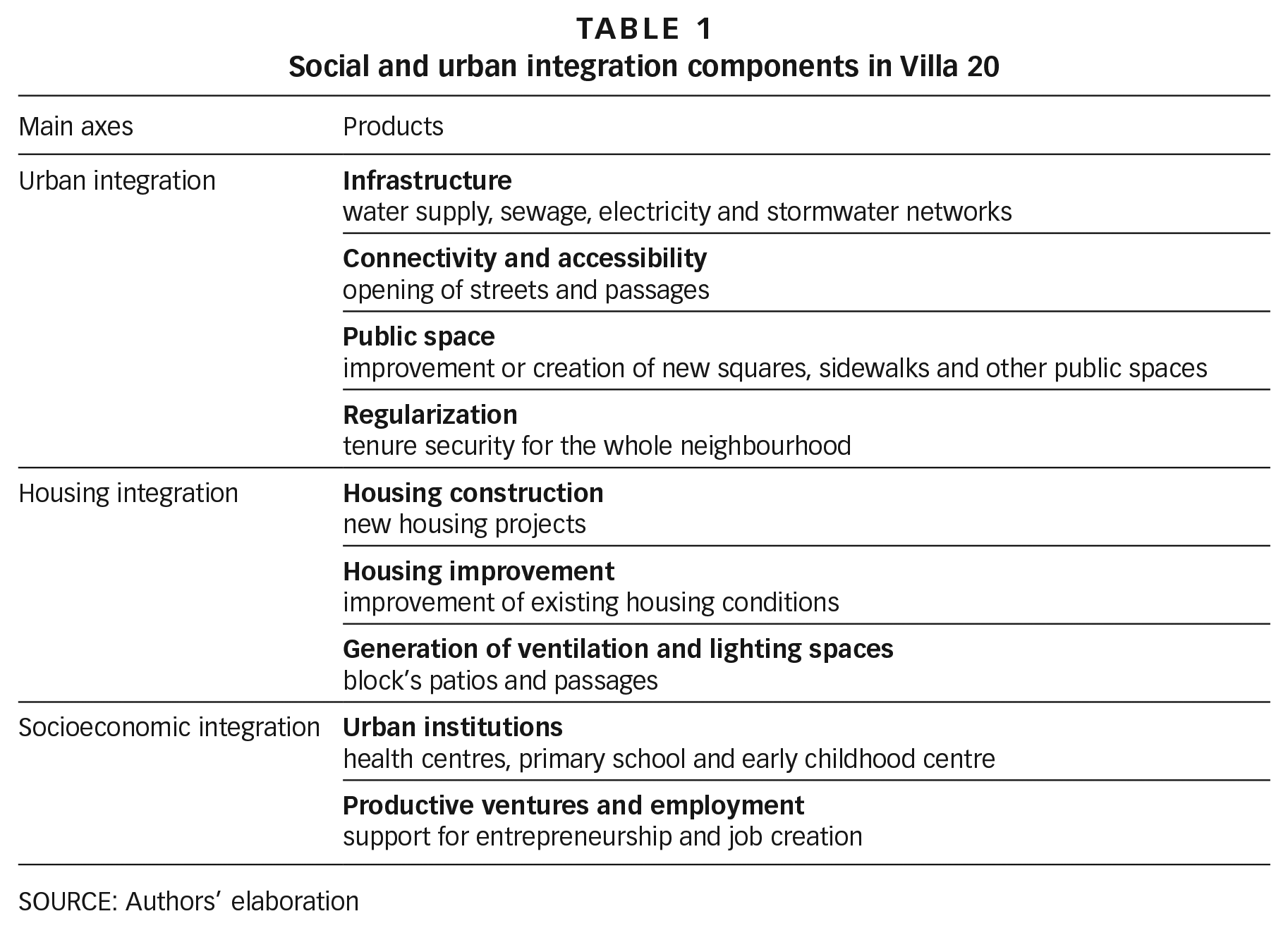
SOURCE: Authors’ elaboration
A climate-resilient and sustainable development dimension was not explicitly incorporated into any of these three axes, although some components were relevant to these concerns. Although the city administration has an Environmental Protection Agency (APRA) responsible for developing environmental policies, programmes and plans, including the Climate Change Action Plan, and a City Resilience Office responsible for inclusion of a resilience lens in city programmes and plans, these government agencies did not get involved in the initial stages of the process.
The participatory process, outlined in the next few sections, allows for the incorporation of alternative visions in the urban transformation process of V20 and for attention to sustainability, including energy efficiency, housing retrofitting, public space intervention and mobility.
d. Participatory spaces and tools used in V20
Participation, an autonomous dimension of the intervention strategy, cuts across the entire process and implies changes in both the conception of public policy and the role of informal neighbourhood residents. This concept implies the need to define objectives and instruments that structure a territorial approach on different scales and involve multiple participation spaces.(37) It also requires, as mentioned, an institutional change within IVC away from the technical approach usually used in upgrading and housing projects.
To implement participation, spaces and tools were designed to strengthen inter-actor communication networks at different scales. Their main objectives were to generate a dialogue and joint decision-making processes involving all of the participating actors and to ensure the legality, transparency and sustainability of the processes implemented in the short, medium and long term.
The participatory spaces are flexible and horizontal, designed to adapt to the process-project and operate non-hierarchically. The purpose is to promote different types of participation, according to the nature of the issues discussed and the actors involved, and to include information sharing, decision-making and co-management. Different spaces and tools adapt to the different stages of the PIRU at its different scales.
There are four groups of participatory spaces, each incorporating a series of tools connected by a communications device, aimed at enabling transparency and access to information throughout the process.
• The Participatory Management Table (MGP), open to all organizations and neighbourhood residents to communicate on the PIRU’s progress and approve all issues related to the process-project. This space generates information briefs that are shared with all attendees so that the approval process is as transparent as possible (Photo S1 in the online supplement).
• The Participatory Management Technical Table (MTGP), a technical space made up of the IVC, the neighbours, and the neighbourhood’s social organizations, in which the entire process is planned and the steps and actions are consensually approved. Minutes for each meeting are sent to all table members. Decisions are forwarded to the MGP for discussion and approval. All actions implemented in the IVC originate from the debate facilitated by this table and enriched by the MGP.(38)
• The Workshops by Blocks are key in defining criteria, the type of intervention, and the expected impact in each block through consensus building (Photo 2 and Map 1). They include all residents in a block and are carried out in three stages:
a) Defining the PIRU for each block (the openings of streets, passages and courtyards as part of the redevelopment), and seeking consensus among residents
b) Presenting relocation agreements and informing people of the progress reached with the families affected by each project
c) Monitoring and technical advice workshops to report on and evaluate the progress of construction and the reconfiguration of plots and free spaces (patios, passages and streets) in each block (Photo S2 in the online supplement)
• The spaces to support the families that have been awarded new homes in their visits to construction sites, in pre- and post-move workshops related to the establishment of co-owner associations, and in all spaces aimed at strengthening the management and maintenance arrangements of the new homes awarded
• The space to communicate with institutions and territorial organizations, organized around two levels of action:
a) Coordination of activities and actions within each competent entity in that territory
b) Coordination around issues that lack defined protocols or tools for action
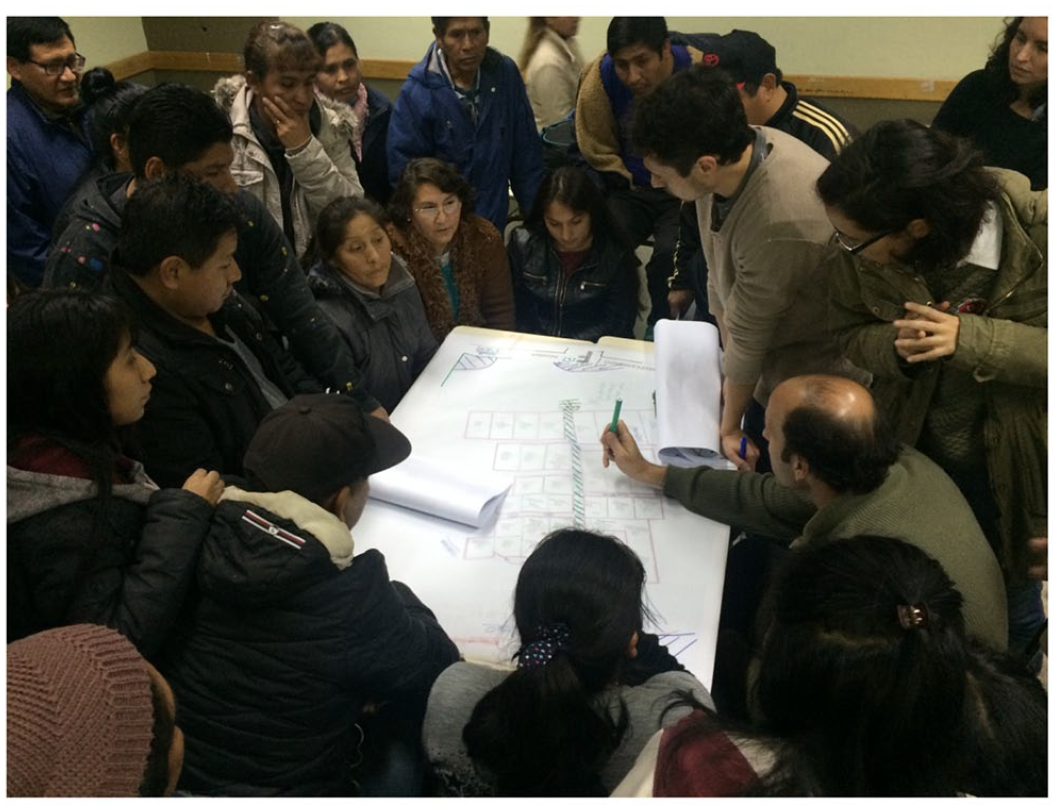
PIRU’s Workshops by Blocks
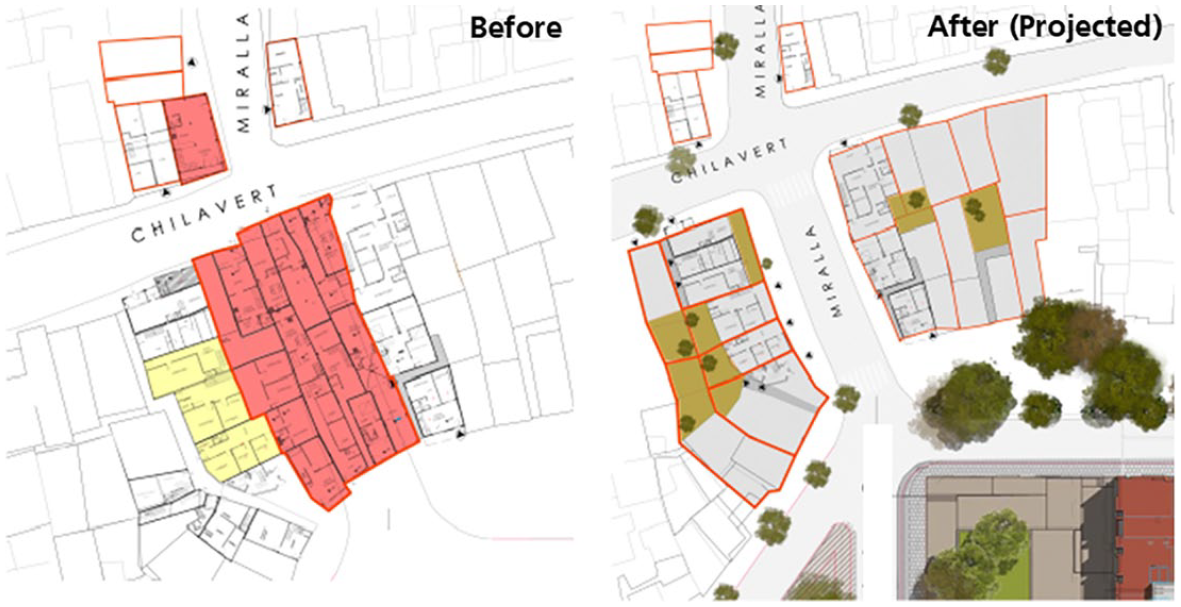
Block project
In addition, we highlight the Environmental Awareness Table as an emerging participation space, involving local neighbourhood representatives, an ombudsman, public utilities (water and sanitation, electricity) and government agencies. Climate resilience and sustainable development concerns emerge throughout the upgrading process, mostly when development deficits start to be addressed. As the neighbourhood layout is transformed (opening of streets and passages, demolition of houses), old and new problems emerge. Waste collection services need to adjust but can be slow to do so. In the meantime, there are problems with accumulating waste, rodents, stagnant water, mosquito breeding grounds (associated with a risk of dengue fever), etc. Also, block reconfigurations open up communal spaces and raise the need to discuss tree planting, water absorption, improved air circulation, mobility and connectivity with the rest of the city.
Slowly, these “new” neighbourhood concerns stimulate the engagement of government offices in co-designing solutions, including those associated with a changing climate. As part of defining the city’s resilience strategy, different city offices have worked together to consider the following problems: extreme weather events (heat islands and flooding from torrential storms), infrastructure and service deficits, difficulty accessing housing, and the challenge of regenerating urban space.(40) In line with this, APRA began to monitor heatwaves in V20 and together with IVC and the Resilience Office has defined the baseline to monitor changes as re-urbanization progresses.
The Environmental Awareness Table has become central to generating intra-government coordination, as well as encouraging consolidation of a network of community members committed to a sustainable and healthy environment. Periodically this table informs MGTP and MGP on actions undertaken and reaches consensus over future activities, so that all actions are aligned.
IV. Results and Analysis of the Participatory Process-Project and its Incorporation of Climate Resilience
a. Results of the first stage of the participatory process-project in Villa 20 (2016–2019)
Four years after the beginning of the intervention, the main results are:
1. All projects for the blocks were voted on. Over 24 months, agreements were reached among approximately 4,200 families, supported by 80 technical advisors (Maps 2A, 2B and 2C).
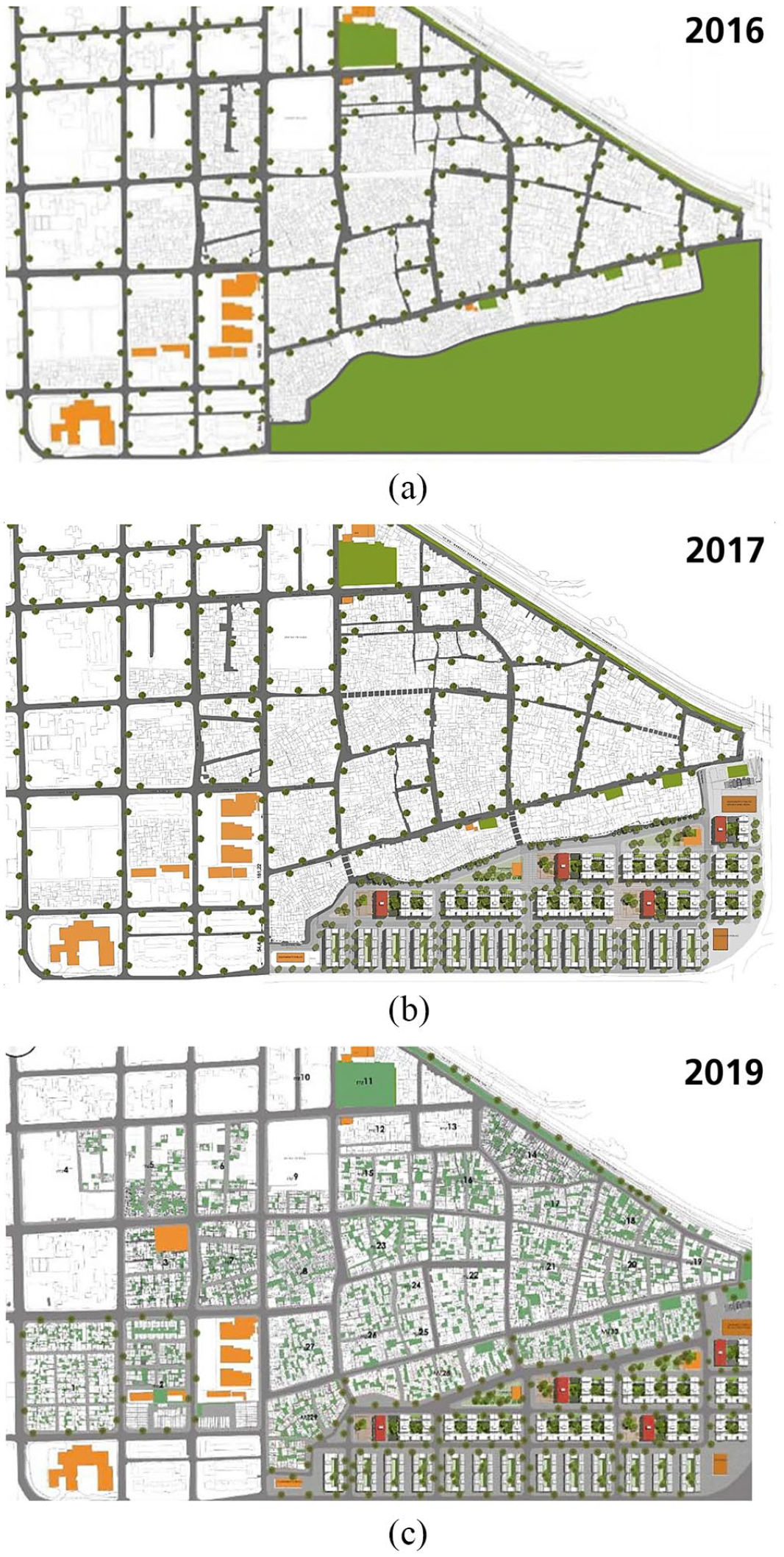
PIRU evolution, 2016–2019
2. The first 830 families (40 per cent of those expected to move) have moved into their new homes and completed the 10-step upgrading process (Photo 3).
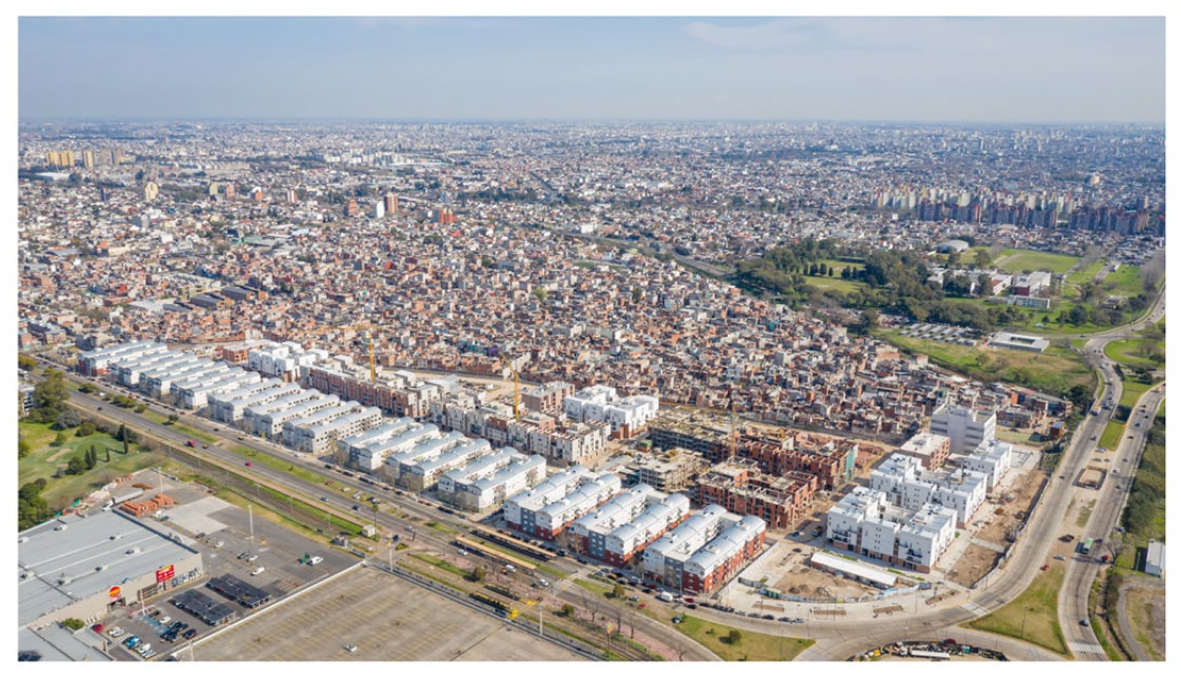
Pope Francis new housing project
3. In the process of moving people and freeing up spaces, there has been:
• No invasion of cleared land and streets
• 97.6 per cent acceptance and compliance with relocation
• Demolition of 335 homes to open streets and insert the new layout
• The opening of 400 linear metres of streets
• The freeing up of 140 metres of alleys
• The construction of 834 homes (Maps S1 and S2 in the online supplement)
• 153 emergency repairs on highly precarious homes
• The official establishment of 50 per cent of the resident associations for new buildings in Pope Francis
4. The water, sewage, electricity, and drainage infrastructure in the sector without previous interventions is being established.
5. City health and education departments were incorporated into the participatory process to build a new health centre, refurbish another, and build a new primary school for 700 children.
6. Neighbours are more confident and knowledgeable regarding the participatory process:
• 12,400 residents participated in the MGP.
• 126 technical tables were held with neighbours and technical advisors.
• 4,200 residents participated in the block definition projects.
• 2,900 dwellers visited their homes under construction.
• 54 community organizations participated in the process and 3,100 residents attended the consultation table.
b. Impact of the participatory process on the development of a climate resilience line of work within V20
The participatory strategy in V20 has had a significant impact.(41) Its inclusion as the central axis of intervention and a tool of democratic governance has enhanced the impact of local actions by guaranteeing decision-making spaces for the population, and ensuring the sustainability over time of new agreements in complex and often contradictory negotiation processes around the distribution of benefits.(42)
The participation spaces each allow for resident involvement (informational, consultative or decision-making), and together they form a system for co-management of the upgrading process, playing a crucial role in decision-making during the planning, implementation and monitoring stages.
These permanent participation exercises have allowed for quick adaptation and openness to changes during the process. For example, in response to the COVID-19 pandemic, stakeholders quickly agreed on lines of actions and reorganized activities to guarantee health assistance, distribute food, assist the elderly and those with special health needs, and provide emergency support.
The participatory strategy for V20 as a whole is a tool both for state action and for monitoring of this action during the intervention process. It is important to clarify that the impact of participation in V20 has depended primarily on a pre-existing neighbourhood network and the experiences of its social representatives, who have developed the organizational capacity for deliberation and consensus building in the new participatory spaces of the project-process (e.g. MGP/MGTP).(43)
The participatory strategy meant fundamental changes to the V20 process, opening the way to adopting a climate resilience and sustainability lens in local upgrading policies, which will remain long after the neighbourhood is physically transformed. Four changes can be highlighted:
It facilitates conflict management at different levels, promoting resolution by consensus or voting (participatory democracy).
It encourages residents to own the process and the transformations, thus guaranteeing their sustainability.
It encourages, and in some cases forces, government agencies to carry out the institutional readjustments necessary for more efficient and flexible responses.(44)
It pulls in other government agencies that become engaged as new demands emerge, and that have to adjust and redefine their programmatic actions to meet the needs of the neighbourhood.
Upgrading projects address issues that are complex by nature and constantly challenge traditional public policy practices. Demonstrating that these complex problems can be more efficiently and sustainably addressed through citizen participation contributes to urban governance.
V. Challenges Ahead
The socio-urban integration process-project in V20 built a solid, comprehensive participatory process that enhances urban governance and participatory democracy, as well as promoting a new coalition of actors to safeguard the physical and social gains and ensure the long-term sustainability of the transformations. The participatory approach permeated the executing agency (IVC) and was strengthened by integrating other areas of government into the process at the territorial and institutional levels. This transformation offers a path to building a solid platform for urban governance in the long term.
In these initial years most of V20’s habitat-related problems are being addressed. An immediate challenge is completing work on basic infrastructure and intra-household connections, guaranteeing service provision, finishing all new housing and relocation, renovating public spaces, regularizing tenure and titling, and, in areas opened as part of the reconfiguration, ensuring that there is more light, air circulation, and internal block circulation. All this goes hand in hand with social and economic transformations and the introduction of participatory mechanisms for reaching consensus and sustaining all activities.
In this paper we have focused especially on the details of the participatory process because we believe it is an essential component, along with cross-cutting activities and an interdisciplinary focus, for promoting changes in local policies and practices, and addressing problems in low-income neighbourhoods in a context where cities need to be more inclusive and resilient. The participatory process in V20 is a platform for working on new challenges, including a deeper holistic approach for including environmental goals and climate resilience and avoiding less efficient urban development pathways.
We feel that three dimensions still need adjustment or the development of new strategies.
The first focuses on strengthening, extending and sustaining the participatory process. Different experiences have demonstrated that, as individual goals are achieved, resident participation in decision-making processes declines. The process calls for the constant use of the existing approaches, including greater involvement of other state agencies (e.g., environmental agency, health agency, office responsible for public spaces and urban design, etc.) to continue work on issues that still need tackling. This can be hampered by the persistence of traditional fragmented intervention practices in which the territorial approach is still not considered.
A second dimension requiring further effort at this stage is the integration of the neighbourhood with the immediate surrounding area – that is, with the rest of Commune 8 and the city. Partly in response to this challenge, from mid-2018 to the end of 2019 different city departments have worked together on the resilience strategy for Commune 8, and identified several lines of action.(45) This exercise has enhanced horizontal coordination and set the stage for creating resilient public policies for the commune.
The third and new dimension relates to the use of green infrastructure, low-carbon energy sources and energy efficiency, and housing retrofitting, among others. These measures translate into improved indoor living conditions (better air circulation, improved thermal insulation, and full basic service provision) and outdoor environments with improved absorption capacity, better connection and circulation within the neighbourhood and with the commune, and better air quality and overall environmental conditions. These types of measures translate into economic benefits (reduced energy use, the generation of employment opportunities), as well as direct health benefits (fewer cases of respiratory and skin diseases, and less risk of dengue fever for example). Incorporating these types of practices, which are increasingly being discussed in the Environmental Awareness Table, will also contribute to the long-term economic, social and environmental sustainability of V20. The possibility of generating a baseline and monitoring the heat island effect, as proposed by APRA, will help generate greater awareness and make it possible to adjust actions.
It is essential that participatory and climate-resilient practices become institutionally incorporated and integrated within socio-urban integration processes and public policies in general. In many cases, moving forward requires the reformulation of master plans, building codes and standards, along with faster adoption of green and blue infrastructure and low-carbon energy sources. The public and private sectors will have to be prepared to incorporate innovative social and technical solutions. Special funding mechanisms will be needed. To date, climate resilience has not been a priority in upgrading processes, even when it has the potential to reduce risks and improve overall living conditions in informal settlements, as well as reducing costs associated with formal services.
The process developed in V20, together with its participatory strategy and the interest generated among different government agencies and committed stakeholders, allows us to anticipate the possibility of thinking beyond the provision of very basic needs and incorporating decarbonization and alternative development pathways. This means working simultaneously on the three dimensions mentioned above: strengthening the participatory process, fostering urban integration, and building climate resilience to realize wider social and environmental benefits. V20 has become a blueprint for other socio-urban integration process-projects, both in Buenos Aires and other parts of Argentina. Despite the enormous challenges, there is a window of opportunity to influence the transformation of government practices, programmes and processes both in Villa 20 and beyond. This would involve generating the necessary mindset shifts and moving towards more efficient development trajectories, taking advantage of the solid participatory structure and the social and physical changes initiated. It is possible to work consistently on the “traditional” urban agenda along with the disaster risk and climate adaptation and mitigation agendas and to move to more integrated responses.
Supplemental Material
almansi-supplement – Supplemental material for Incorporating a resilience lens into the social and urban transformation of informal settlements: the participatory upgrading process in Villa 20, Buenos Aires (2016–2020)
Supplemental material, almansi-supplement for Incorporating a resilience lens into the social and urban transformation of informal settlements: the participatory upgrading process in Villa 20, Buenos Aires (2016–2020) by Florencia Almansi, Jorge Martín Motta and Jorgelina Hardoy in Environment & Urbanization
Footnotes
Supplemental Material
Supplemental material for this article is available online.
1.
Villa 20 is an informal settlement located in the southern part of the city of Buenos Aires, the capital of Argentina.
2.
3.
Motta, J M and F Almansi (2017), “Gestión y planificación por proceso-proyecto para el mejoramiento de villas y asentamientos de gran escala: el caso de la Re-Urbanización de Villa 20 en la CABA”, Medio Ambiente y Urbanización Vol 86, No 1, pages 145–168; also Motta, J M, F Almansi, M E Rocca, A E Acerbo, B Figueredo, P Ramos Mejía, N Encina Tutuy and R Olveira (2018), “La planificación y gestión participativa holística en el ejercicio del derecho a la ciudad: proceso participativo en el marco del Proyecto Integral de Re-Urbanización de Villa 20. Lugano, CABA”, Cuestión Urbana No 3, available at  . The first article, “Proceso-proyecto de mejoramiento de villas y asentamientos de gran escala: el caso de la Re-Urbanización de Villa 20 en la CABA” (“Improvement process-project of large-scale slums and settlements: the case of the upgrading of Villa 20 in the CABA”) focuses on the initial methodological approach and the institutional and territorial strategy. It discusses the challenges that long periods of interventions pose to incremental improvements in the living conditions of families. It highlights the dilemmas that the redevelopment process faces vis-à-vis urban planning and traditional social participation. The second article, “La planificación y gestión participativa holística en el ejercicio del derecho a la ciudad: proceso participativo en el marco del Proyecto Integral de Re-Urbanización de Villa 20. Lugano, CABA” (“Holistic participatory planning and management in the exercise of the right to the city: participatory process within the framework of the Integral Upgrading Project of Villa 20. Lugano, CABA”), looks into the first three years of implementation, focusing particularly on the participatory process. It highlights the holistic vision of the participatory process and stresses the need for its constant revision to be able to address complex upgrading challenges.
4.
This institute is an entity of the Government of the Autonomous City of Buenos Aires (created by Law 1251 of 2003), with administrative and financial autonomy, whose role is to implement housing policies in the city.
5.
Jaitman, L (2015) “Urban infrastructure in Latin America and the Caribbean: public policy priorities”, Latin American Economic Review Vol 24, Art 13.
6.
The region remains very unequal. Inequality is a historical and structural feature of the region’s societies, and has persevered and been reproduced even in conditions of economic growth and prosperity. Analysis of trends in inequality, income poverty and social spending show that living conditions have improved, and social expectations and demands of a significant proportion of the population have been met, although not to the extent hoped for or sufficiently to do away with a number of vulnerabilities. [ECLAC (2019), Social Panorama of Latin America, United Nations Economic Commission for Latin America and the Caribbean, Santiago, available at .]
7.
Romero-Lankao, P, S Hughes, H Qin, J Hardoy, A Rosas-Huerta, R Borquez and A Lampis (2014), “Scale, urban risk and adaptation capacity in neighborhoods of Latin American cities”, Habitat International Vol 42, pages 224–235.
8.
Revi, A, D Satterthwaite, F Aragón-Durand, J Corfee-Morlot, R B R Kiunsi, M Pelling, D C Roberts and W Solecki (2014), “Urban areas”, in C B Field, V R Barros, D J Dokken, K J Mach, M D Mastrandrea, T E Bilir, M Chatterjee, K L Ebi, Y O Estrada, R C Genova, B Girma, E S Kissel, A N Levy, S MacCracken, P R Mastrandrea and L L White (editors), Climate Change 2014: Impacts, Adaptation, and Vulnerability. Part A: Global and Sectoral Aspects, Contribution of Working Group II to the Fifth Assessment Report of the Intergovernmental Panel on Climate Change, Cambridge University Press, pages 535–612, page 538.
9.
Rojas, E (2019), “No time to waste in applying the lessons from Latin America’s 50 years of housing policies”, Environment and Urbanization Vol 31, No 1, pages 177–192.
10.
See references 5 and 9; also UN-Habitat (2015), Informal Settlements, HABITAT III Issue Paper 22, United Nations Human Settlements Programme, available at http://habitat3.org/wp-content/uploads/Habitat-III-Issue-Paper-22_Informal-Settlements-2.0.pdf. The term “slum” usually has derogatory connotations and can suggest that a settlement needs replacement or can legitimate the eviction of its residents. However, it is a difficult term to avoid for at least three reasons. First, some networks of neighbourhood organizations choose to identify themselves with a positive use of the term, partly to neutralize these negative connotations; one of the most successful is the National Slum Dwellers Federation in India. Second, the only global estimates for housing deficiencies, collected by the United Nations, are for what they term “slums”. And third, in some nations, there are advantages for residents of informal settlements if their settlement is recognized officially as a “slum”; indeed, the residents may lobby to get their settlement classified as a “notified slum”. Where the term is used in this journal, it refers to settlements characterized by at least some of the following features: a lack of formal recognition on the part of local government of the settlement and its residents; the absence of secure tenure for residents; inadequacies in provision for infrastructure and services; overcrowded and substandard dwellings; and location on land less than suitable for occupation. For a discussion of more precise ways to classify the range of housing sub-markets through which those with limited incomes buy, rent or build accommodation, see Environment and Urbanization Vol 1, No 2 (1989), available at .
11.
World Bank (2018), Year in Review: 2018 in 14 Charts, available at .
12.
According to IDB data, 21 per cent of the qualitative housing deficit is due to the lack of access to infrastructure (4 per cent to electricity, 15 per cent to sanitation, and 9 per cent to running water); 12 per cent to housing quality (3 per cent to bad ceilings, 6 per cent to dirt floors, and 2 per cent to deficient walls); 11 per cent to lack of security of tenure; and 6 per cent to overcrowding. Adler, V and F Vera (2018), Vivienda ¿Qué Viene? De Pensar la Unidad a Construir la Ciudad,Inter-American Development Bank, pages 52–53, available at .
13.
Motta, J M (2017), Proceso: Participación – Vivienda: Procesos de Participación de la Población en Situación de Pobreza en el Mejoramiento del Hábitat y la Vivienda. Evaluación del Programa Federal de Mejoramiento de Viviendas “Mejor Vivir” en Chaco y Tucumán (2003-2011), PhD dissertation, Facultad de Arquitectura, Diseño y Urbanismo de la Universidad de Buenos Aires.
14.
Satterthwaite, D, D Archer, S Colenbrander, D Dodman, J Hardoy and S Patel (2018), “Responding to climate change in cities and in their informal settlements and economies”, paper prepared for the IPCC International Scientific Conference on Cities and Climate Change in Edmonton, March, International Institute for Environment and Development (IIED) and IIED-América Latina, available at .
15.
International development agendas include the Sendai Framework for Disaster Risk Reduction, Paris Agreement, Agenda 2030 and New Urban Agenda [UN DESA (2017), New Urban Agenda, United Nations Department of Economic and Social Affairs, available at ].
16.
WBGU (2016), Humanity on the Move: Unlocking the Transformative Power of Cities, summary, German Advisory Council on Global Change, Berlin, available at https://www.wbgu.de/fileadmin/user_upload/wbgu/publikationen/hauptgutachten/hg2016/pdf/wbgu_hg2016_z_en.pdf; also UN-Habitat (2017), World Cities Report 2016, Urbanization and Development: Emerging Futures, United Nations Human Settlements Programme, available at https://unhabitat.org/world-cities-report; ECLAC, UN-Habitat and MINURVI (2018), Plan de Acción Regional para la Implementación de la Nueva Agenda Urbana en América Latina y el Caribe (2016-2036), United Nations Economic Commission for Latin America and the Caribbean, United Nations Human Settlements Programme and Forum of Ministers and High Authorities on Housing and Urban Planning of Latin America and the Caribbean, Santiago, available at https://repositorio.cepal.org/bitstream/handle/11362/42144/S1800033_es.pdf?sequence=2&isAllowed=y; and Hallegatte, S, A Vogt-Schilb, M Bangalore and J Rozenberg (2017), Indestructibles: Construyendo la Resiliencia de los Más Pobres frente a Desastres Naturales, World Bank, Washington, DC.
17.
City of Buenos Aires (2019), Voluntary Local Review: Building a Sustainable and Inclusive Buenos Aires, Buenos Aires, available at .
18.
City of Buenos Aires (2015), Plan de Acción frente al Cambio Climático 2020, Buenos Aires, available at .
19.
Anguelovski, I, E Chu and J Carmin (2014), “Variations in approaches to urban climate adaptation: experiences and experimentation from the global South”, Global Environmental Change Vol 27, pages 156–167.
20.
The Registry indicates how old the neighbourhoods are, with 68 per cent of them formed before 2000, 21 per cent during the 2000s, 9 per cent between 2010 and 2013, and the remaining 2 per cent between 2014 and 2016. [MSDS (2019), Integración Socio Urbana de Barrios Populares: Génesis, Recorrido y Futuro de una Nueva Política de Estado en la Argentina, Ministry of Health and Social Development, page 23, available at ].
21.
22.
Dirección General de Estadística y Censos (DGEC), Ministerio de Hacienda del Gobierno de la Ciudad de Buenos Aires sobre la base de datos censales. It should be noted that the total population of the city has remained constant (even with years of decline) over the last 70 years.
23.
The city of Buenos Aires is divided into 15 communes under Law 1.777 (2005). They are decentralized political and administrative management units.
24.
IVC (2016a), Informe Final Censo 2016 Villa 20, Departamento de Estadísticas y Censos, Gerencia Operativa de Intervención Social y Hábitat, Gerencia de Desarrollo Habitacional, Instituto de Vivienda de la Ciudad, Buenos Aires, available at .
25.
Cosacov, N, M M Di Virgilio, A Gil, M L Gil y de Anso, T Guevara, M Imori, M L Menazzi, F Ostuni, C M Perea, M D Perelman, J M Ramos, M F Rodríguez, M Paschkes Ronis and P Vitale (2011), Barrios al Sur: Villa Lugano, Villa Riachuelo, Mataderos, Parque Patricios y Villa Soldati a través del Diempo, Working Paper 56, Instituto de Investigaciones Gino Germani-Universidad de Buenos Aires (IIGG-UBA), Buenos Aires.
26.
27.
After the land invasions in the Pope Francis sector, the Active Round Table for the Urbanization of the Neighbourhood was consolidated, made up of a group of social actors who worked on re-urbanization proposals for the neighbourhood. In recent years another stakeholder group was consolidated, the Territorial Unity Team, involved in the redevelopment process.
28.
See reference 24.
29.
To complement these data, the following should be taken into account: in 606 homes, the dwellers were absent; in 101 homes, they refused to respond; there were 284 uninhabited homes and 38 under construction. See reference 24.
30.
See reference 24.
31.
Jullien, F (2007), Conferencia sobre la Eficacia, Katz, Buenos Aires.
32.
See reference 31.
33.
In 2015, Cambiemos (Let’s Change), a coalition of political parties, won the elections at the national level, as well as in the Province of Buenos Aires and in the Autonomous City of Buenos Aires. This enabled an alignment of action programmes for the three jurisdictions and provided access to a significantly larger portion of national resources for the city and the province.
34.
Two large groups of social actors were actively involved in this stage of the process: (a) supporters of the ruling party; and b) supporters or members of the opposition parties that were grouped together in the Active Table for the Urbanization Neighbourhood (formed after the invasion of the Pope Francis sector in 2014). After the initial meetings within the participatory process, the members of the first group formed the Territorial Unity Team (EUT). This led to the formation of two groups of main actors to reach a consensus. The groups had advisory support from technical specialists and academics from universities and NGOs.
35.
The law was unanimously approved by the city legislature of Buenos Aires.
36.
The MGP is made up of representatives from the competent governmental urbanization agencies in the City of Buenos Aires, the neighbourhood delegates and dwellers, as well as representatives from social, religious and neighbourhood organizations, from other state agencies, and from public service providers.
38.
The following entities are invited to permanently participate in all MTGP and MGP meetings: the General Defender’s Office of the Autonomous City of Buenos Aires, the Ombudsman’s Office of the Autonomous City of Buenos Aires, and the Office for the Public Guardian, among others. These actors ensure the transparency of the process and the generation of a general consensus.
39.
The housing exchange is an operation aimed to allow residents in the area that had no prior intervention and in houses not affected by the block reconfiguration process to exchange houses with a family that is affected and has to be relocated.
40.
41.
Arqueros Mejica, M S, M F Rodríguez, M C Rodríguez and M C Zapata (2019), “Gobernanza neoliberal: una lectura crítica de la política de villas (2015 – 2018)”, Revista Pensum Vol 5, pages 13–26; also Roitman, A (2019), “Urban policies, innovation and inclusion: Comuna 8 of the city of Buenos Aires”, in N H D Geraghty and A L Massidda (editors), Creative Spaces: Urban Culture and Marginality in Latin America, pages 155-180, Institute of Latin American Studies, London; and Zapata, C (2020), “La participación social en la reurbanización de villas: ¿Prácticas habilitantes del derecho a la ciudad?”, Bitácora Urbano Territorial Vol 30, No 1, pages 91–102, available at .
42.
Clemente, A (2017), “La participación social en las políticas sociales: una necesaria revisión”, Medio Ambiente y Urbanización Vol 86, No 1, pages 191–204, available at .
43.
IVC (2017), “Las Mesas de Gestión Participativa (MGP) en los procesos de re-urbanización e integración socio-urbana”, Instituto de Vivienda de la Ciudad, available at .
44.
“The Observatory on Latin America (OLA) at the New School, in charge of the evaluation of the results of the participatory process in V20, emphasizes that the participatory process functions as a tool for conflict management and resolution minimizing obstacles throughout the process, favours the ownership by neighbors, promotes changes at the institutional level of the IVC in order to respond to the demands of the neighborhoods; yet, while it is a necessary condition to ensure the sustainability of the project, it is not enough.” (The quotation comes from an unpublished report.) , Monitoring Processes and Outcomes in Slum Upgrading in Buenos Aires, technical evaluation report submitted to the Instituto de la Vivienda de Buenos Aires (Institute of Housing of Buenos Aires), Observatory on Latin America at the New School.
45.
See reference 40.
References
Supplementary Material
Please find the following supplemental material available below.
For Open Access articles published under a Creative Commons License, all supplemental material carries the same license as the article it is associated with.
For non-Open Access articles published, all supplemental material carries a non-exclusive license, and permission requests for re-use of supplemental material or any part of supplemental material shall be sent directly to the copyright owner as specified in the copyright notice associated with the article.
