




Abstract
While upgrading approaches have evolved over the years, and often include a focus on improving the livelihoods of people living in informal settlements, there remains little attention or understanding in the literature of how upgrading can influence the livelihoods of residents in informal settlements. This paper examines the extent to which upgrading can contribute to improvement in economic activities, looking specifically at the case of the Chaisa settlement in Zambia, where various upgrading projects were conducted in recent years. It investigates the extent to which this upgrading has contributed to the establishment and expansion of such home-based enterprises as shops, kiosks, saloons and barbershops, as well as its impact on room renting and on livelihoods generally, and discusses the dynamics underlying these improvements.
I. Introduction
Informal settlements have become a major feature of the urban landscape in most low-income countries, reflecting the urban dynamics that result when development lags behind rapid urbanization. United Nations (UN) statistics indicate that without significant interventions to improve economic conditions of depressed regions, more than 1.5 billion people will live in slums by 2020.(1) To address the growing challenge of slum formation, many national and city governments, as well as international financial institutions, have had ongoing programmes and interventions aimed at reducing the rate of future slum formation and improving the lives of existing slum dwellers.
One such intervention has been slum upgrading. By 2001 the World Bank, for instance, had disbursed over US$ 14.3 billion in shelter lending and upgrading, spread over 278 projects with an average budget of almost US$ 50 million.(2) In addition, such global agendas as the UN Millennium Development Goals (MDGs), the subsequent Sustainable Development Goals (SDGs) and most recently the New Urban Agenda (NUA) have seen the formulation of targets focused on addressing the conditions of slum dwellers. The MDGs specifically call for significant improvement in the lives of at least 100 million slum dwellers by the year 2020. The SDGs focus more generally on inclusive, safe, resilient environments for all urban dwellers, as does the NUA, which calls for integrated approaches to “improving the living conditions of the urban poor, including those living in slums and informal settlements”. Slum upgrading is central to all of these commitments.
Approaches by governments of developing countries to addressing the challenges of slums have varied over time depending on the prevailing development paradigm and political ideology. According to the Centre for Urban Research and Innovations (CURI), for instance, the main state approach to informal or illegal settlements under a modernization ideology was eradication through slum demolition. However, the resettlement housing that was produced in most countries that adopted this approach, such as Kenya, turned out for the most part to be inadequate and unaffordable to the affected families in these settlements.(3)
Over time, many governments have changed their focus to in-situ upgrading, site and service schemes, and self-help housing, generally facilitated with the assistance of various international development agencies, among them USAID and the World Bank.(4) These more recent schemes provide the possibility of upgrading a settlement with minimum disruption to the residents’ lives. The provision of service infrastructure has been the focus of most of these schemes, governments and cooperating partners having realized that informal settlements, like any other human settlements, require services to support their residents’ day-to-day activities. Roads, water and sanitation have been particularly crucial for those engaged in informal sector activities in informal settlements.
Home-based enterprises (HBEs) are a critical means of livelihood for a large proportion of the households in these settlements, and any upgrading intervention has potential to affect their viability. As the prospect of formal employment continues to diminish in many cities, the use of the home as a place for production as well as reproduction rises in importance, and homes in these settlements are often used for a wide range of income-generating activities such as the running of kiosks and taverns, room renting, food production, and other business activities that are home-based.(5)
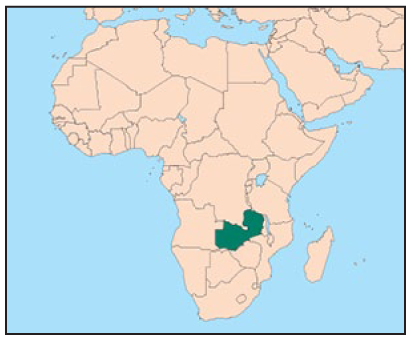
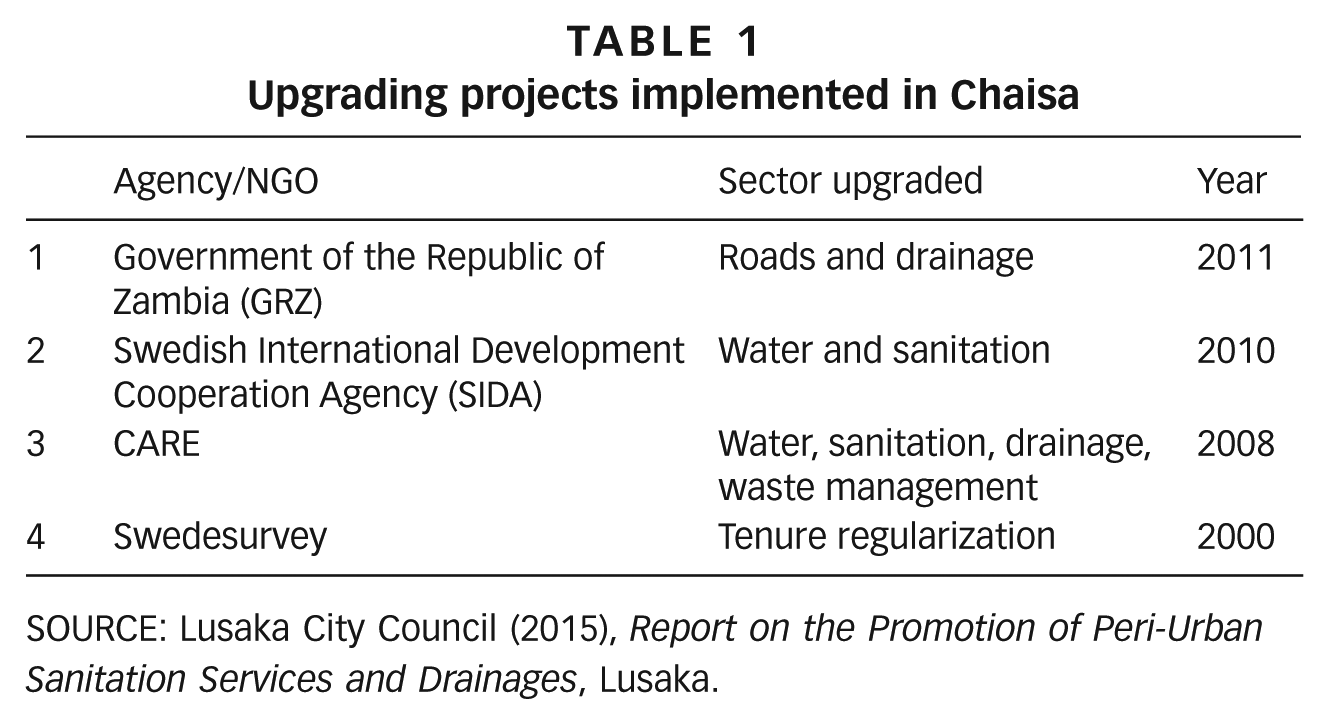
This paper focuses on HBEs in the Chaisa settlement in Lusaka, the capital city of Zambia. Like most informal settlements in Zambia, Chaisa has experienced rather cost-effective sector-based upgrading, which has emphasized the provision of services within a specific sector. This sector-based model begins by addressing only one or two sectors (such as water) in some detail, with the remaining sectors to follow incrementally. Table 1 summarizes upgrading projects that have taken place in Chaisa, the sector upgraded, and the agency or NGO involved.
Upgrading projects implemented in Chaisa
SOURCE: Lusaka City Council (2015), Report on the Promotion of Peri-Urban Sanitation Services and Drainages, Lusaka.
Upgrading projects under the sector-based model in Chaisa have ranged from provision of water and sanitation and other infrastructure to land tenure and ownership projects. For instance, in 2010, the Swedish International Development Cooperation Agency (SIDA) and CARE undertook a sanitation project in Chaisa that focused on the provision of ecological sanitation (ecosan) facilities in the area.(6) In 2000, the Lusaka City Council (LCC), in collaboration with SIDA and Swedesurvey, carried out a project to improve the security of tenure of residents in Chaisa settlement, with SIDA funding. In order to formalize land tenure for the owners of the structures in Chaisa, information about these owners and the status of their tenure was collected, and GIS was used to come up with a cadastral map for the area.(7) The project was based on the premise that if house owners (landlords) were provided with tenure through occupancy licences, each owner would make investments in improving their housing infrastructure and also use their properties as collateral, since they would have legal documents. As for the case of electricity, although it was not one of the planned activities since it is a service individuals pay for, it was generally cited by most households as one of the most critical services in Chaisa Settlement. Similarly, Tipple notes that an important aspect of any upgrading effort in an informal settlement is the access that occupants have to essential services such as electricity.(8)
This paper, however, focuses on a more recent upgrading project. The project involved the provision of roads and drainage infrastructure and the improvement of sanitation services within Chaisa settlement by the Government of Zambia in 2011 following the release of funds by the European Union. This paper looks specifically at how this project influenced the viability of HBEs.
II. Location and History of Chaisa
Chaisa Settlement is located in the city of Lusaka, approximately 6 kilometres north of the Central Business District, on the right-hand side of the Great North Road towards Kabwe. It is surrounded by the following settlements: Emmasdale to the west and south, Garden Compound to the east and Mandevu Compound to the north, as shown in Map 1. It has a total area of close to one square kilometre of flat land,(9) and in 2010 had an estimated population of almost 20,000, with over 4,000 households and an average household size of 5.3.(10)
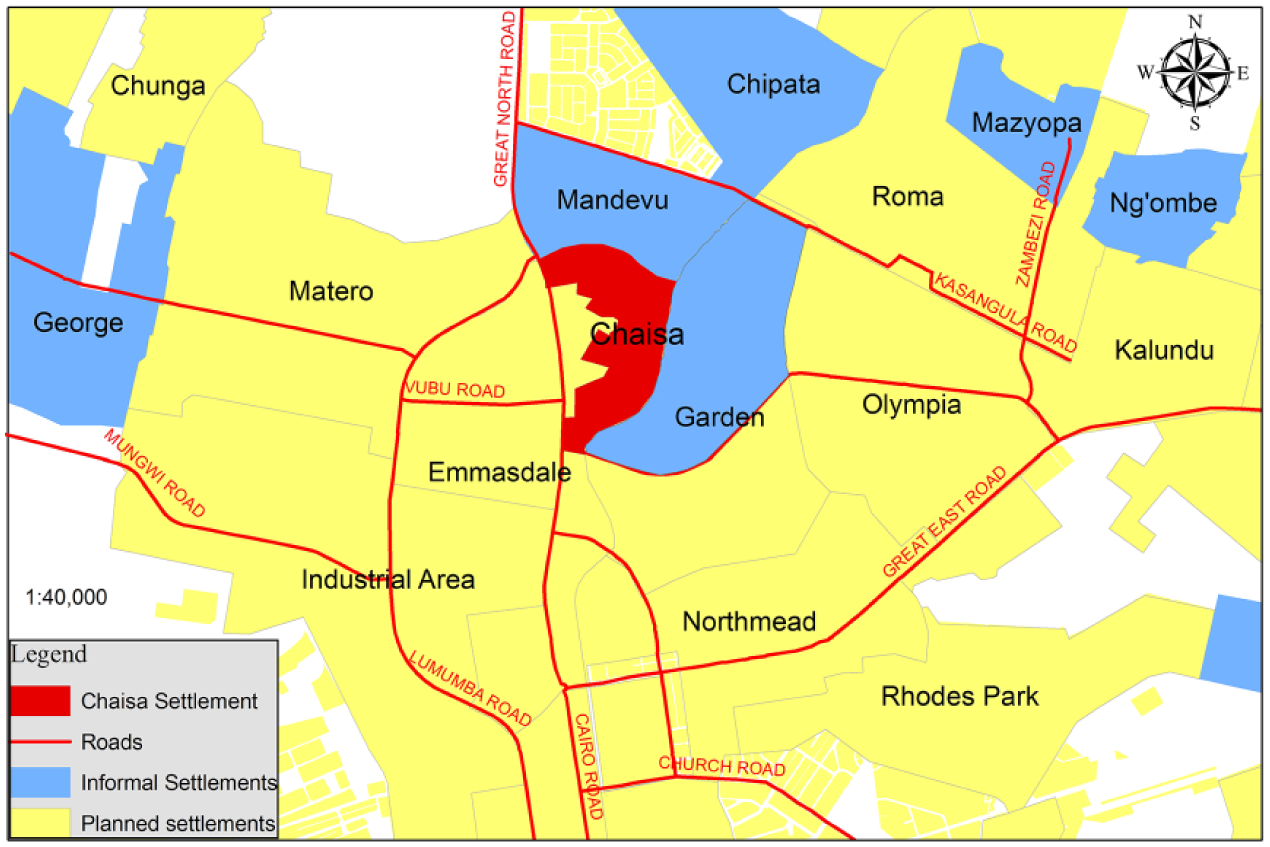
Location of Chaisa
Chaisa is a Bemba word that means “it is coming”. The name refers to the coming of the council grader to demolish houses where squatters resided. The settlement originated in 1960 on land owned by two white farmers, Emma and John Lavel, who allowed their workers to build pole, mud and grass houses there. Between 1961 and 1963, the compound grew as relatives and friends of the farm workers started coming to settle on the farmland. This development prompted the Lavels to request the council to demolish all the grass structures on the farmland, and a grader was dispatched to the area to carry out the demolition. Every time the grader came, the people would run around alerting friends that “chaisa mukututobela amayanda” (the grader has come to demolish our houses). On one occasion when the council went to demolish the houses while the men were at work, the women mobilized themselves and killed the driver of the grader. This incident prompted President Kenneth Kaunda in early 1964 to intervene in the matter, and he stopped the council from continuing the demolition exercise. This spared the settlement from further destruction and the area was named Chaisa Compound. The settlement was attractive to people because it had enough land, had plenty of water from the Ngwerere River and was close to the Great North Road. In subsequent years, it grew rapidly.(11)
III. Home-Based Enterprises
Home-based enterprises (HBEs), a subset of the informal economy, are a common activity in most cities of less developed countries, where people start them as a solution to the unemployment problem and to the lack of sufficient funds to set up enterprises in the formal sector. An HBE is defined as an enterprise that occurs in or very close to the home, rather than in a commercial or industrial building or area.(12) Inhabitants of low-income areas make use of their homes for a range of economic activities. They may sublet some of the rooms, have stores or workshops in part of the home, and produce or sell assorted goods such as food and beverages.(13) Thus HBEs can provide both shelter and income for the poor.(14) The activities have been defined as informal based on the distinguishing features of ease of entry, reliance on indigenous resources, family ownership, the small scale of operation, labour intensiveness, adapted technology, skills acquired outside the formal school system, unregulated and competitive markets, and a lack of legal or government recognition.(15) Gough and Kellet’s categorization of HBEs into five broad activities indicates the breadth of activities they encompass:
Activities related to the plot itself: room renting, poultry rearing solely for sale, beer brewing and consuming, and using a plot for services such as car parking;
Making or repairing things: vehicle, bicycle and electronic repair, shoemakers/menders, carpentry, tailoring, and preparation of food for selling within the home and elsewhere;
Selling: general stores, shops and kiosks, and small-scale sale of drinks, sweets and ice lollies;
Service-type activities: hairdressing, barber services, and medical services such as traditional healing and cleansing;
Activities of a more social/communal nature: schools, nurseries and primary health care.(16)
It is difficult to determine the extent of home-based work, since it is rarely included in national statistics. Micro-level studies suggest, however, that home-based workers comprise a large and growing portion of the workforce in many countries.(17) HBEs provide a source of income generation in contexts where salaried employment opportunities may be limited, and can be especially important for women.(18) For many low-income households, the dwelling is one of their few resources for generating income. Owners of HBEs have been able to consolidate their dwellings (build additional rooms onto existing houses) through the income from these micro-enterprises,(19) as they generate surplus resources beyond what is required for subsistence.(20) Many tenant households would be unable to afford rent for their dwellings without the HBEs. Their establishment improves incomes and access to jobs, goods and services within a settlement. Therefore, the HBEs can themselves be regarded as a form of upgrading. Besides contributing to the economy, HBEs are often environmentally friendly as they tend to be small-scale and non-polluting and do not threaten natural resources. These enterprises also save time and money by eliminating travel to work, and reducing traffic congestion, pressure on public transport and air pollution.
HBEs can also present challenges, however. As noted by Abolade,(21) for instance, the use of certain machinery and generators by HBE operators can be a source of noise in the neighbourhood, especially when the area is strictly zoned for residential use only. These enterprises can also encounter a variety of barriers that prevent them from attaining their full potential. The problems resemble those faced more generally by both the informal sector and squatter settlements. These include issues of finance, competition, theft, availability of space, legality, the uncertainty of tenure, lack of infrastructure, substandard structures, overcrowding, and the threat of demolition.(22)
a. The impact of upgrading on HBEs
Over the years, studies have shown that sector-based upgrading programmes have generated additional income for the urban poor, often by facilitating the establishment and the management of HBEs. For instance, studies conducted in the 1980s in India, the Philippines and Brazil have shown that slum upgrading programmes have a positive impact on income by facilitating the establishment or expansion of home-based enterprises.(23) Other analyses of economic activity in informal settlements have also attributed income gains to the effects of upgrading projects.(24) Upgrading projects have been shown to have a positive impact on incomes by supporting the development of additional rooms for rental purposes. And small-scale rental housing has proved to be a crucial income stream for housing consolidation, loan repayment and general survival.(25) According to Datta,(26) rental income appears to be particularly significant for female-headed households. Homes are used for a wide variety of economic activities, including retail stores, restaurants, small workshops, and beauty salons.(27)
These studies have revealed that settlement upgrading supports HBEs in a variety of ways. For instance, better roads have made HBEs more accessible to a larger clientele; street lighting has provided safety and allowed enterprises to operate during the night; and the availability of piped water has enabled water-dependent enterprises such as beauty salons and restaurants to function with enhanced safety and lowered costs. It is also argued that tenure security in legalized settlements has encouraged business investment, since entrepreneurs no longer need to fear demolition of their premises or confiscation of their stock. The positive relationship between settlement improvement and HBEs is echoed in a study on the impacts of settlement upgrading in Nairobi, Kenya. Based on evidence from the Mathare settlement in Kenya, Kigochie argues that upgrading has positively influenced home enterprise start-ups as well as assisting pre-existing small businesses.(28)
Despite this apparent wealth of evidence, however, some argue that there are gaps in the literature. Bassett,(29) for instance, claims that there is little understanding of the economic impacts of upgrading and in particular of how upgrading influences home-based enterprises in informal settlements. A study by Gulyani and Conners(30) on upgrading programmes also claimed that little has been written on the economic benefits of upgrading initiatives in many developing countries. Literature on this subject matter is certainly scanty in relation to Zambia, and little is known about the economic impact of upgrading initiatives on the recipient communities. For the Chaisa settlement, for instance, there is no available evidence on the economic impact of upgrading projects undertaken by SIDA, CARE International and DFID. This study therefore set out to evaluate how economic activities in Chaisa might have changed as a result of an upgrading initiative that followed a sector-based upgrading approach.
IV. Methodology
The study, a two-stage process, made use of a combination of qualitative and quantitative data collection methods. The first stage consisted of 50 in-depth qualitative interviews and key informant interviews to explore and identify key factors influencing change in HBE activity. The interview participants were purposively selected.
In the second stage, a survey was conducted with the aim of establishing the prevalence of these factors across the wider population of Chaisa. This involved the administration of 150 questionnaires to Chaisa households that were randomly and systematically selected, using as a sampling frame a household register obtained from the Lusaka City Council. Every 38th household listed on the Chaisa household register was selected. The house number and block number for each of the households selected were noted. With the help of the local leadership in Chaisa, and using the map of the Chaisa settlement obtained from the Lusaka City Council, the selected households were located on the ground and questionnaires were administered.
V. Findings and Discussion
a. Types and prevalence of home-based enterprises in Chaisa
Field observations in Chaisa indicated that home-based enterprises are very common, and 63.3 per cent of surveyed households were found to be operating one or more. The main HBEs identified from the sample were salons, grocery shops, barbershops, and food processing and production, along with the sale of such items as scones, samosas, fritters and drinks. Also present were repair shops, second-hand clothing sales, home cinemas and beer brewing. Room renting was also identified as a prominent HBE. The most common enterprise was food processing and production, followed by the sale at makeshift stands of convenient commodities such as sugar, salt, cooking oil, detergents, vegetables, charcoal, etc., which could be sold in smaller quantities. Grocery shops dominated along the major roads, especially along the newly tarred roads. The in-depth interviews with HBE operators suggested that the high prevalence of food processing and production businesses was due to the fact that these enterprises did not require a significant amount of capital to start up as compared, for instance, with the sale of groceries, which required a large capital investment and space to operate from. The other fact was that the types of foods sold in these smaller enterprises could be consumed by the household that was selling them if they were not purchased; hence very little loss was incurred.
Out of the 150 randomly selected households that were surveyed, 95 were operating HBEs. Of these 95 households, 54 were landlords occupying their houses, while the remaining 41 were tenants who were renting either the main house or other structures on the premises developed by the landlord purely for rental purposes. However, landlords dominated as the major HBE operators; of these landlords, 30 had at least one rental structure on their premises, and many had up to six tenants, as shown in Figure 1. In addition, these landlords often had other home-based enterprises, such as makeshift stands, saloons and grocery shops that they operated.
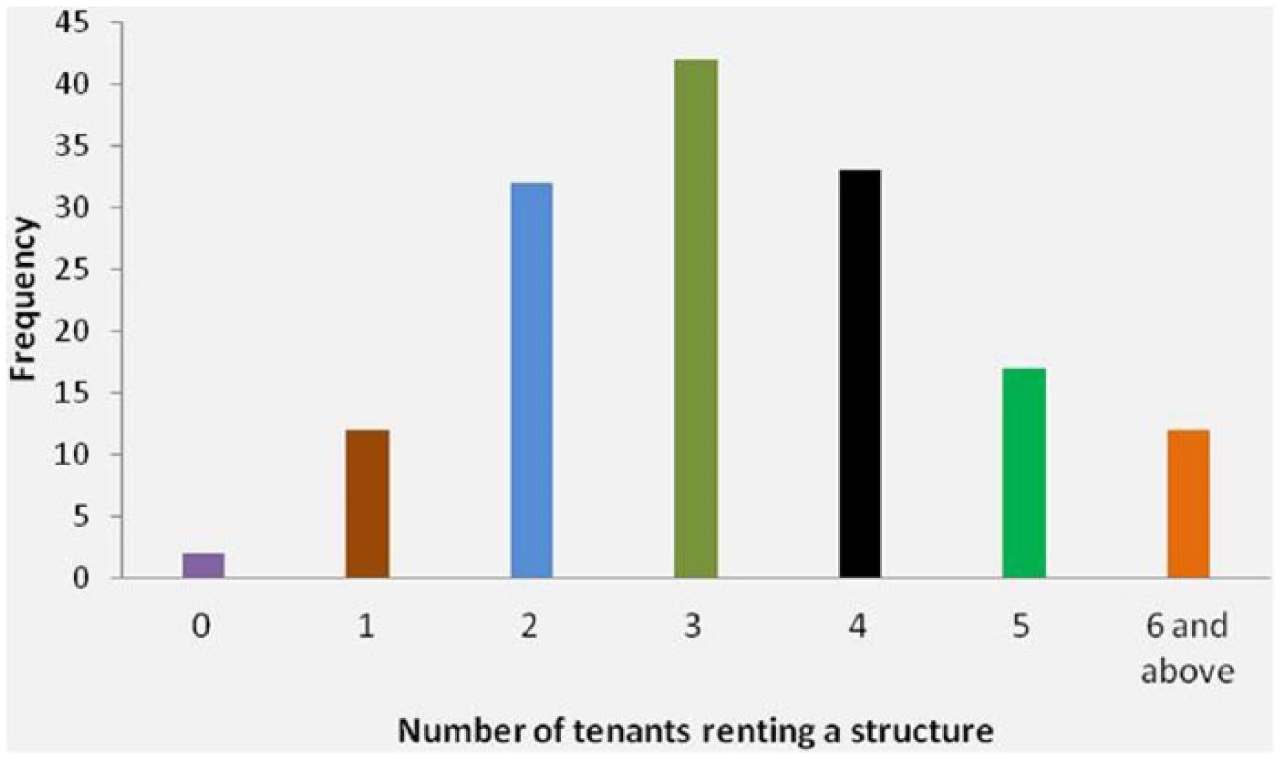
Number of tenants to whom landlords were renting structures
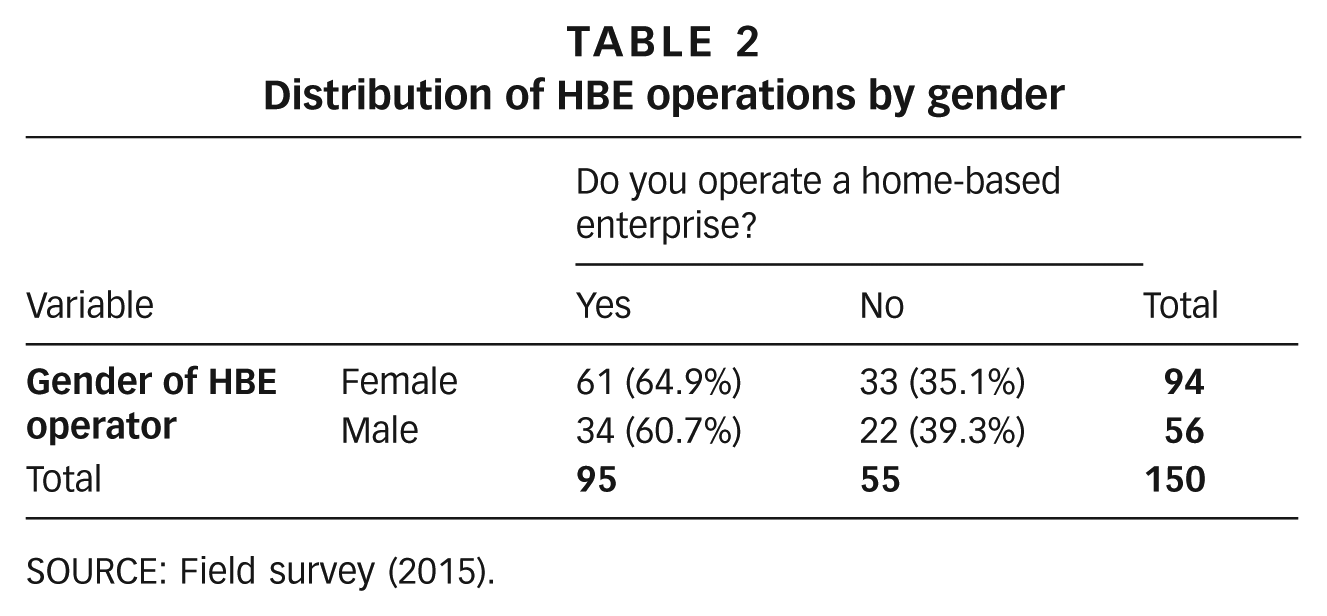
Of the 95 households that were operating HBEs, 61 were run by women and 34 by men, as shown in Table 2. Women particularly dominated in food production and processing businesses as well as in the sale of such items as scones, fritters, samosas, and various convenient and essential commodities used daily in preparing meals, such as cooking oil, charcoal, salt, vegetables, kapenta (sardines), tomatoes and onions, which are usually displayed on makeshift tables or stands along the road frontage of their homes. Commodities such as sugar, salt and cooking oil were repackaged in smaller quantities to allow for their purchase by those households that only wished to purchase enough for a day’s meal. It is only from such HBEs that one is able to buy a teaspoon of sugar or salt. Other businesses dominated by women included hairdressing, beer brewing, the sale of second-hand clothes, and the sale of cold refreshments locally known as “ice blocks” or “freezits”. Other HBEs, such as retail stores or grocery shops, barbershops and repair shops, were male-dominated.
Distribution of HBE operations by gender
SOURCE: Field survey (2015).
Women have generally faced obstacles in participating in the formal sector because of certain limitations such as the lack of education, or responsibilities at home. However, such limitations do not impede their participation in HBEs, which like informal livelihoods more generally are characterized by the ease of entry. Similar studies have shown that more women are generally engaged in informal trading activities, including the production and processing of foodstuffs for sale.(31) This study highlights the significance of HBEs in the livelihoods of women, who are able to combine their enterprises with childcare and domestic activities.(32)
b. Impacts of sector upgrading on HBEs
To find out whether upgrading played any role in the establishment and success of HBEs in Chaisa, HBE operators were asked when they had established their HBE. Of the 95 operators of HBEs, 34 said that they had established them long before the settlement was upgraded, while 54 indicated they established their HBE after the settlement was upgraded with road infrastructure. These 54 were mostly grocers, vegetable traders, and salon and barbershop operators who were mainly concentrated along the major roads of the settlement, which were tarred as part of the upgrading project implemented by the government in 2011. The remaining seven were tenants who had not actually established the business, but were only renting the shops. In-depth interviews with 50 HBE operators revealed a similar pattern – 33 grocery operators interviewed had established their HBE after the settlement was upgraded with road infrastructure in 2011.
c. Infrastructure
The presence of improved infrastructure was identified as a factor that had encouraged the setting up or expansion of HBEs among Chaisa households. Most HBE operators interviewed indicated that electricity and roads were critical to their establishment of HBEs. Others cited the availability of utility services such as water, as in the case of one saloon operator, who had moved her enterprise from the market to her house once it was serviced with water. Grocers had also expanded their businesses because of the availability of electricity; when most of the area was not connected, it was difficult to sell goods that required refrigeration. Availability of electricity also enhanced security and made it possible for the HBEs to operate even at night, as noted by one operator:
“…electricity helps me to operate my shop for many hours such that I am even able to sell at night after 21:00hrs because people are not scared to move at night. But when there is no electricity there is no business in the night because there is no security…” (HBE operator, 13 May 2015)
Another trader revealed that he established his business soon after the road was tarred (Photo 1) because it became a busy route for commuters coming from work who took advantage of the route to do their shopping on their way home. In-depth interviews with other HBE operators also revealed how critical roads had been to the growth of their HBEs.
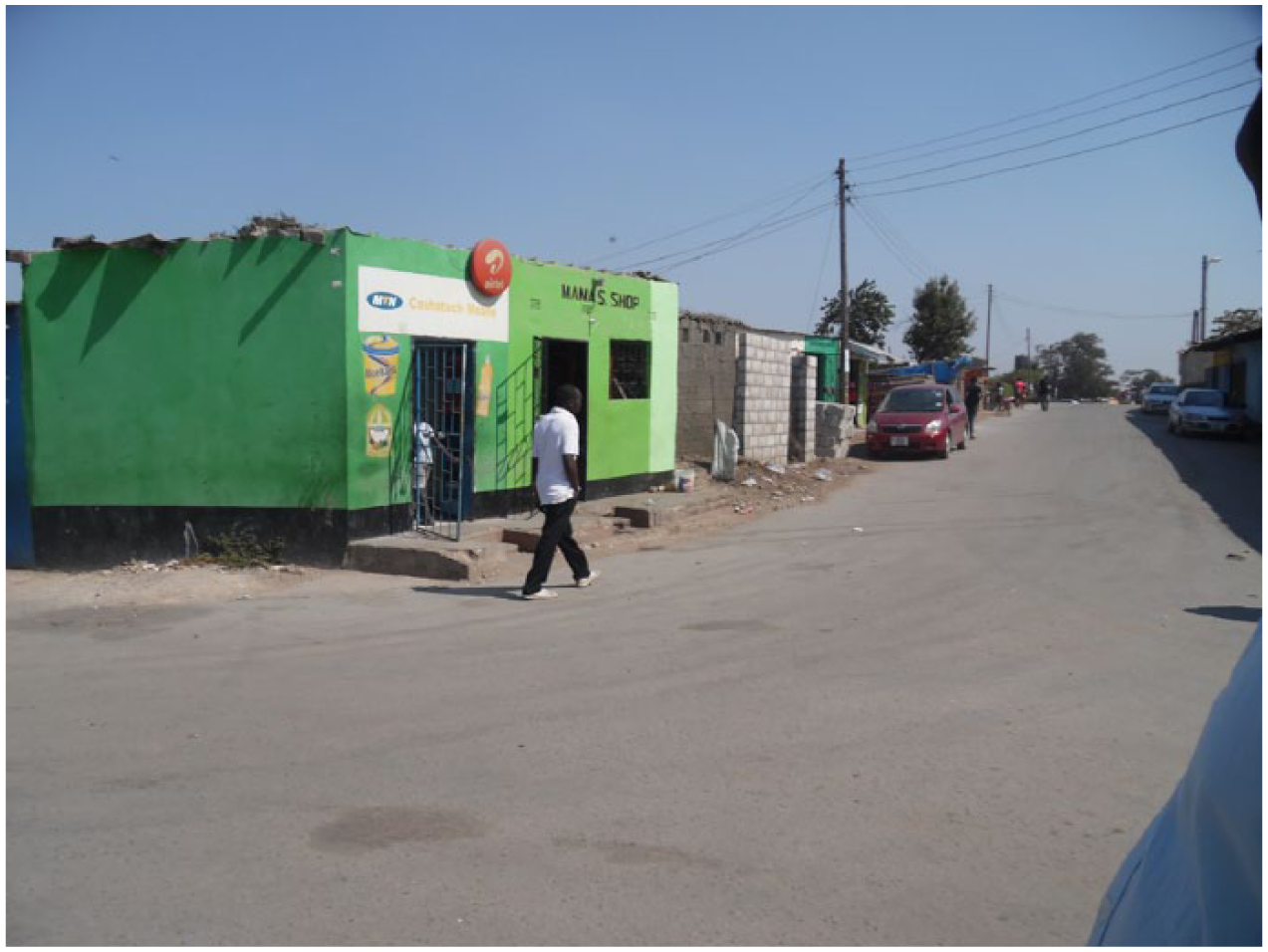
HBEs along the tarred roads in Chaisa
A grocery operator, for instance, described how the provision of a tarred road had affected his business:
“…before this road was tarred, there was so much dust which was entering my shop. My goods were always covered in dust and this affected my sales because customers thought I sold expired goods because they looked dirty due to the dust. But now there is no dust as you can see. Customers always want to buy goods that are looking new…” (HBE operator, 10 May 2015)
In all, 54 of the surveyed households and 33 interviewed HBE operators noted that the tarred roads made roadside trading a more viable business because of the increased volume of pedestrian and motor traffic.
The provision of road infrastructure had also led to the establishment of new types of HBEs, including wholesale grocery shops whose establishment was made viable by improved roads; these enabled formal distributors to deliver large quantities of goods to these HBEs located along the tarred roads. Previously, these HBE operators had had to waste valuable trading time collecting their supplies or had to pay middlemen to deliver them. One mealie meal trader noted:
“…the roads here in Chaisa were so bad, that delivery of goods such as mealie [maize] meal was very difficult and expensive. Even when I bought over 20 bags and met the free delivery requirement, the milling company could still not deliver the mealie meal to my shop because their trucks could not access my area due to the poor state of the roads. Now they can deliver at my door step because the road is tarred…” (HBE operator, 10 May 2015)
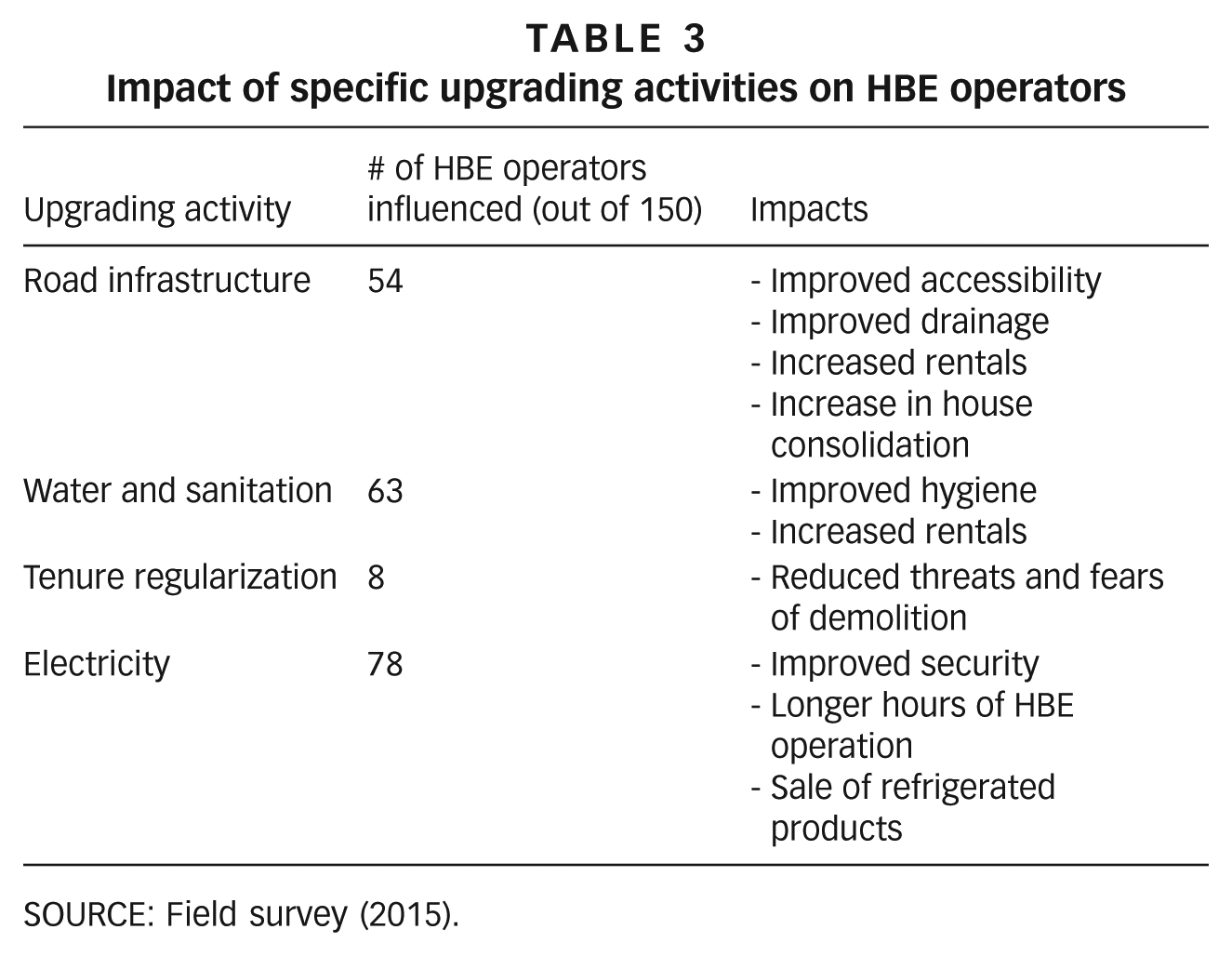
The study makes it clear that some forms of upgrading have had less of an impact than others (Table 3). While the tarring of roads has really encouraged and supported the growth of HBEs along the roads, and water and sanitation have also promoted and facilitated water-dependent enterprises such as saloons and production of beverages such as homemade beer and other drinks,(33) electricity on the other hand enhanced security and encouraged longer hours of operation and the sale of refrigerated products. This is because it was easier for households to make their own individual connections, which were done at different times, unlike a road or water where everyone has to wait for the project to finish and start getting the benefits equally and at the same time. Tenure regularization was in most cases not presented as an important factor for HBEs. In spite of the settlement being legalized, the majority of residents had not obtained their occupancy licences from the local authority. Most residents argued that they would still invest in housing, even without any prospect of formal legalization, since the provision of certain infrastructure by the government and NGOs already provided them with de facto security of tenure.
Impact of specific upgrading activities on HBE operators
SOURCE: Field survey (2015).
d. Impact of HBEs on livelihoods: income and employment benefits
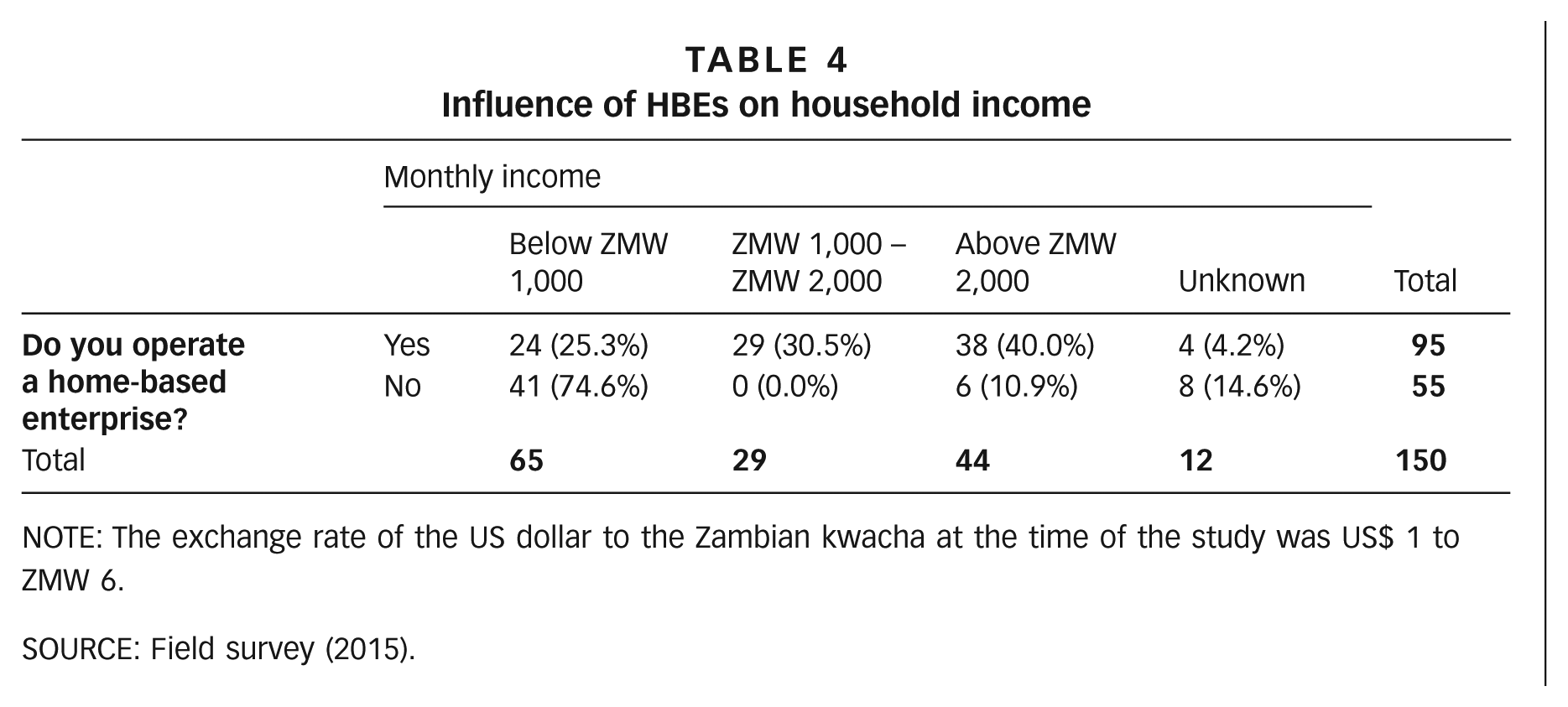
The survey provides evidence that HBE households in the sample tend to have higher monthly incomes than non-HBE households (Table 4). Of the surveyed HBE households, 38 had a monthly income above ZMW 2,000 (approx. US$ 333). Among non-HBE households, only six had incomes this high. Of the non-HBE households, 41 had monthly incomes below ZMW 1,000 (approx. US$ 166); but of the HBE households only 24 had a monthly income below ZMW 1,000. To the extent that upgrading leads to the expansion of HBE activity, it can be considered a factor in these higher incomes.
Influence of HBEs on household income
NOTE: The exchange rate of the US dollar to the Zambian kwacha at the time of the study was US$ 1 to ZMW 6.
SOURCE: Field survey (2015).
The study suggests that HBEs have a positive impact on the livelihoods of respondents in terms of both income and employment opportunities. In HBE households, these enterprises contributed to between 70 and 90 per cent of household incomes, and across HBE households at least 40 per cent more women worked compared to the non-HBE households.
More broadly, it was clear that the increased presence of HBEs had had a number of positive impacts on the livelihoods of all residents of the settlement. Although it is not quantifiable, the presence of many HBEs, as well as the convenience of obtaining work, goods and services in their neighbourhood rather than having to spend resources going outside the settlement for these, was significant for non-HBE households as well. The benefits are as simple as being able to send a small child round the corner or across the street for an urgently needed aspirin or a teaspoon of sugar, probably a vital convenience for a single mother with younger children to tend.(34) If shopping can be done quickly and close by, people who must buy food daily (those too poor to own a refrigerator or in areas where there is no electricity) can save large amounts of time and money. Similarly, with regard to goods and services, if the hairdresser or barber is within easy walking distance, a resident can save the bus fare and time taken to reach the nearest commercial centre. This frees up money in the households and the neighbourhood for spending on other necessities or requirements.
e. Impact of upgrading on rental charges
Outcomes in this regard were not always positive. Upgrading also affected rental charges in many cases. Out of the 150 households interviewed, 87 households, of which 67 were tenants, indicated that there had been a dramatic increase in rental charges, especially after the settlement was provided with water and tarred roads, while 63 indicated that rentals had remained generally the same. In-depth interviews with landlords also revealed that there had been an increase in the usual rental increment. For instance, before the upgrading took place, monthly rentals were normally increased by ZMW 20–30 (approx. US$ 3–5) every two years, but after the upgrading the rentals were increased by ZMW 50–100 (approx. US$ 8–17). When asked why this was the case, landlords pointed to various factors.
One of the landlords mentioned the cost of utilities:
“…after the provision of water in the settlement, my tenants requested an individual tap. So I installed these individual taps but I still have to pay for the water bills because the meter is registered in my name. So I decided to increase the rentals by ZMW 50 for each tenant to cater for these bills…” (Chaisa landlord, 7 May 2015)
Another landlord added:
“…I pay electricity for all my tenants because they have no individual meters. Initially I could manage because I had very few tenants at my house, now they are so many so I decided to increase the rent so that I can manage pay electricity bills which have increased…” (Chaisa landlord, 7 May 2015)
Other landlords cited high demand for accommodation in Chaisa as the reason for increasing rent:
“…after the provision of tarred roads, water and toilets, Chaisa has become an attractive settlement to live in especially that it is also near the town centre. Houses are in demand and this motivated me to increase my rentals by ZMW 50. Others have even increased by ZMW 100…” (Chaisa landlord, 7 May 2015)
In-depth interviews with tenants also revealed that they were spending more on rentals than before the upgrading, and that renting in Chaisa was becoming extremely expensive, resulting in the displacement of poor tenants. One tenant expressed concern over the high number of foreign nationals coming into the settlement, especially from East Africa. He added that their presence had also contributed to the increase in rentals because they had enough money and could pay any amount, thus inflating the rental charges.
“…these Somalians are rich; they have big businesses here in Lusaka and make a lot of money. They are buying off houses from Chaisa residents and demolishing them to put up mansions. One Somalian bought four houses and demolished them all to put up his house…” (Chaisa tenant, 8 May 2015)
While the increase in rental charges was positive for the landlords, it left tenants vulnerable, and those who could not afford the new charges were evicted. Rental income accounted for 80 per cent of income for most landlords, especially for landlords who relied solely on room renting as an HBE.(35) Landlords who do not reside on their property are more likely to be focused on optimizing the income from their land and hence tend to construct as many rooms for rent as possible. It was observed that 72 per cent of the landlords interviewed had at least one structure erected solely for rental purposes, with monthly rent ranging from ZMW 330 to ZMW 400 (approx. US$ 55–67) per month, compared to ZMW 150 (approx. US$ 25) before the settlement was upgraded. The number one priority for most tenants was to find cheaper rooms to increase their savings.(36)
f. Impact of upgrading on assets of HBE households
Another specific objective of the study was to explore the relationship between upgrading and asset consolidation by HBE households. To achieve this objective, landlords were asked to indicate whether or not they had added any rooms or made improvements as a result of the upgrading. Out of the 150 households interviewed, 83 had made improvements to their structures while 67 indicated they had not made any improvements at all. These were mostly the tenants who were renting the structures. However, some tenants indicated that their landlords had made some improvements, especially to the walls and roof structure, as shown in Photo 2. The major improvements by landlords after upgrading included the addition of rooms to their structure for rental purposes. As one landlord indicated:
“…renting has become a lucrative business in Chaisa, I have added extra rooms to my building for rental purposes. As you can see, these are built of concrete blocks and cement unlike the old building which was built of mud bricks…” (Chaisa landlord, 8 May 2015)
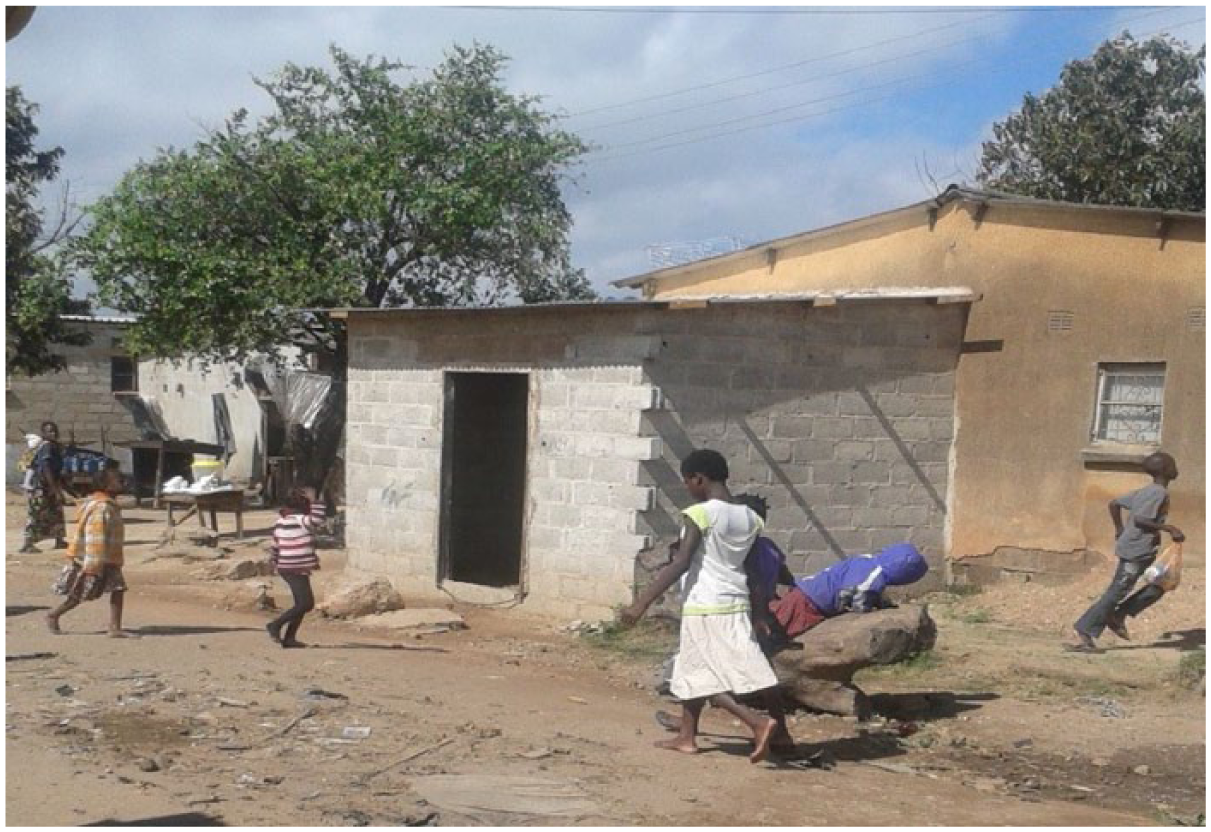
House consolidation and improvements after upgrading
Another landlord indicated that the establishment of his new HBE had provided enough income to make house improvements, including the addition of rooms. He added:
“…my house is just along the newly tarred road, so I decided to build a grocery store in front of my house and the business is very good. I use the profits to invest in more housing structures on my plot since there is demand for rented accommodation in Chaisa…” (Chaisa landlord, 8 May 2015)
During the survey it was also observed that the appearance of the houses and HBEs (such as shops) that were located along the tarred roads was far better than for those located on the mud roads of the inner areas of the settlement, as shown in Photo 1. Structures along the upgraded road were more organized, as noted by one respondent:
“…before the roads were rehabilitated in Chaisa there were very few shops which were sparsely distributed in the settlement and several trips were necessary to shop for various goods, but now you can find many nice shops, salons, barber shops along the same road…”(Chaisa resident, 10 May 2015)
Chaisa households, like most households in other informal settlements, had a number of livelihood assets, including physical assets such as housing or shops, social assets and personal assets, on which upgrading had an impact. The major notable impact on the physical assets was in terms of structure improvement and consolidation. The majority of the landlords interviewed had made improvements and consolidated their structures as a result of the upgrading. Many houses were slowly but steadily being consolidated in an incremental way, with rooms gradually being added as upgrading took place within various sectors such as roads, water and sanitation.
Significantly, it was also observed that the rate of housing improvements and consolidation was higher among HBE households than non-HBE households. This highlights the role of HBE activity in funding or supporting asset consolidation in contexts where finance is limited or non-existent. These findings are supported by Gough and Kellet,(37) who argue that consolidation of dwellings in self-help settlements is directly dependent on the generation of surplus resources beyond those required for subsistence. A significant proportion of households in such settlements are reliant on income generated within the home for household subsistence, as well as to finance the construction of the dwelling itself. During the survey it was observed that improved and consolidated structures such as houses and shops had conventional materials such as brick or concrete block, asbestos or iron sheet roofs, metal door frames, and windows with steel bars. Households living in such structures were considered to be the affluent residents because rent in these structures was the highest.
VI. Conclusions
The many facets of upgrading and the difficulties faced in implementation mean that evaluating its impact is complex. More especially, evaluations of upgrading have tended not to include a consideration of the impact that upgrading has for livelihoods in general and for HBEs in particular. This study was not an attempt to prove anything conclusive about this impact, but simply to explore this connection in one upgraded settlement in order to clarify the need for more systematic explorations of this relationship.
This study provides evidence that upgrading has had a positive impact on HBEs in Chaisa, especially the hard component of upgrading that focused on such infrastructure as the tarring of roads in the settlement. The study suggests that this form of upgrading in particular resulted in the expansion of HBEs in Chaisa, as shown by the number of HBE activities in homes that were along the tarred roads within the settlement.
The study also highlights the importance of HBEs for income generation, especially for women. Their establishment improves incomes and access to jobs, goods and services within a settlement, and can therefore be regarded as a form of upgrading. The improved economic activities provide income that enables housing improvement and consolidation to take place, and in turn the dwellings themselves improve opportunities for income generation, employment prospects and productivity.
On the other hand, regularization of tenure showed little impact, if any, on this front, and was not regarded as upgrading by the majority of the residents. Rather, they saw the provision of infrastructure as sufficient de facto tenure security to encourage their investment in their housing.
While housing improvements benefited landlords, they had a more mixed impact for tenants, for whom improvements were offset by the general increase in rental costs. In this regard, investment of resources in slum upgrading projects should ideally be based on clear evidence of which specific interventions are more effective, and for whom. Similarly, policymakers need to understand which specific interventions are more effective than others. Evidence from this study suggests a strong linkage between upgrading through the provision of infrastructure such as roads and the establishment and expansion of HBEs, which increases the ability to generate income in the home as well as to consolidate dwellings, with greater benefits overall for owners than for tenants.
Footnotes
1.
The term “slum” usually has derogatory connotations and can suggest that a settlement needs replacement or can legitimate the eviction of its residents. However, it is a difficult term to avoid for at least three reasons. First, some networks of neighbourhood organizations choose to identify themselves with a positive use of the term, partly to neutralize these negative connotations; one of the most successful is the National Slum Dwellers Federation in India. Second, the only global estimates for housing deficiencies, collected by the United Nations, are for what they term “slums”. And third, in some nations, there are advantages for residents of informal settlements if their settlement is recognized officially as a “slum”; indeed, the residents may lobby to get their settlement classified as a “notified slum”. Where the term is used in this journal, it refers to settlements characterized by at least some of the following features: a lack of formal recognition on the part of local government of the settlement and its residents; the absence of secure tenure for residents; inadequacies in provision for infrastructure and services; overcrowded and sub-standard dwellings; and location on land less than suitable for occupation. For a discussion of more precise ways to classify the range of housing sub-markets through which those with limited incomes buy, rent or build accommodation, see Environment and Urbanization Vol 1, No 2 (1989), available at  .
.
2.
Buckley, R and J Kalarickal (2006), Thirty Years of World Bank Shelter Lending: What Have We Learned?, World Bank, Washington, DC.
3.
4.
See reference 3.
5.
Gough, K V, G A Tipple and M Napier (2003), “Making a Living in African Cities: The Role of Home-based Enterprises in Accra and Pretoria”, International Planning Studies Vol 8, No 4, pages 253–277.
6.
Nyambe, A (2010), Evaluation of EcoSan Facilities in Chaisa Compound of Lusaka, Water and Sanitation for the Urban Poor, Lusaka.
7.
Nordin, B (2004), “The Development of a GIS for An Informal Settlement”, Expert Group Meeting on secure land tenure: “New legal frameworks and tools”, Nairobi, 10–12 November.
8.
Tipple, G A (2004), “Settlement Upgrading and Home-Based Enterprises: Discussions from Empirical Data”, Cities Vol 21, No 5, pages 371–379.
11.
Yasini, M (2007), The Status of Unplanned Settlements in Lusaka, Lusaka City Council, Lusaka.
12.
Strassmann, W P (1987), “Home-Based Enterprises in Cities of Developing Countries”, Economic Development and Cultural Change Vol 36, No 2, pages 121–144.
13.
Gilbert, A G (1988), “Home Enterprises in Poor Urban Settlements: Constraints, Potentials and Policy Options”, Regional Development Dialogue Vol 9, No 4, pages 21–37; also Sinai, I (1998), “Using the Home for Income-Generation: The Case of Kumasi, Ghana”, Cities Vol 15, No 6, pages 417–427.
14.
Ezeadichie, N (2012), “Home-Based Enterprises in Urban Space: Obligation for Strategic Planning?”, Berkeley Planning Journal Vol 25, No 1, pages 44–63.
16.
Gough, K V and P Kellett (2001), “Housing Consolidation and Home-Based Income Generation: Evidence from Self-Help Settlements in Two Colombian Cities”, Cities Vol 18, No 4, pages 235–247.
17.
Chen, M A and S Sinha (2016), “Home-based workers and cities”, Environment and Urbanization Vol 28, No 2, pages 343–358.
18.
See reference 14.
19.
See reference 5.
20.
See reference 16.
21.
Abolade, Olajoke (2012), “Appraisal of Environmental Effects of Urban Informal Enterprise in Ibadan, Nigeria”, Unpublished PhD thesis, Ladoke Akintola University, Ogbomosho.
22.
23.
Treiger, B and E Faerstein (1990), “The Effects of an Upgrading Project on Income-Generating Activities in a Brazilian Squatter Settlement – The Case of Pavao-Pavaozinho”, Paper presented at the International Seminar on Income and Housing in Third World Urban Development, New Delhi.
24.
Datta, K (1995), “Strategies for Urban Survival? Women Landlords in Gaborone, Botswana”, Habitat International Vol 19, No 1, pages 1–12; also Kigochie, P W (2001), “Squatter Rehabilitation Projects That Support Home-Based Enterprises Create Jobs and Housing: The Case of Mathare, Nairobi”, Cities Vol 18, No 4, pages 223–233.
25.
See reference 24, Datta (1995); also Rakodi, C (1995) “Rental tenure in the cities of developing countries”, Urban Studies Vol 32, Nos 4–5, pages 791–811; and Kumar, S (1996), “Subsistence and Petty Capitalist Landlords: A Theoretical Framework for the Analysis of Landlordism in Third World Urban Low-Income Settlements”, International Journal of Urban and Regional Research Vol 20, No 2, pages 317–329.
29.
Bassett, E M (2002), Africa Regional Urban Upgrading Initiative, Urban and Regional Planning, University of Wisconsin, Madison.
30.
Gulyani, S and G Conners (2002), Urban Upgrading in Africa: A Summary of Rapid Assessments in Ten Countries, World Bank, Washington, DC.
31.
These results are supported by Ezeadichie, who asserts that the vast majority of HBE workers are women, who combine paid and unpaid work within their homes. See reference 14. Benería and Floro also observed that women are disproportionately represented among home-based workers across countries and that this gender disparity has increased in all regions. Benería, L and M Floro (2005), “Distribution, Gender, and Labour Market Informalization: A Conceptual Framework with a Focus on Home Workers in Kudva,” in K Neema and L Benería (editors), Rethinking Informalization: Poverty, Precarious Jobs and Social Protection, Cornell University Open Access Repository.
32.
Kazimbaya-Senkwe, in her study on HBEs in Kitwe, Zambia, also observed that although women were engaged in various income-generating activities, there was gender specificity in terms of the enterprise engaged in. In her survey, for instance, the nursery schools were operated by women, while activities such as carpentry, battery acid manufacture and shoemaking were operated by men. Tailoring and trading were not gender-specific. Kazimbaya-Senkwe, B M (2004), “Home Based Enterprises in a Period of Economic Restructuring in Zambia”, in K T Hansen and M Vaa (editors), Reconsidering Informality – Perspectives from Urban Africa, Nordic Africa Institute, Uppsala, pages 99–119.
33.
Similarly, a study conducted by Tipple in Southern Asia revealed that upgrading that focused on water infrastructure supported HBEs that are engaged particularly in preparing and serving food, brewing, retailing vegetables, and services such as hairdressing, medical and dental practices. See reference 8.
34.
See reference 8.
35.
These findings are in line with Wegelin-Schuringa and Kodo’s observations that absentee landlordism is a significant phenomenon in informal settlements. Wegelin-Schuringa, M J and T Kodo (1997), “Tenancy and sanitation provision in informal settlements in Nairobi: Revisiting the public latrine option”, Environment and Urbanization Vol 9, No 2, pages 181–190.
36.
Similar results of increased rent as a result of upgrading have been recorded by others, such as Precht in the Hananasif settlement of Dar es Salaam. Precht observed that the total income from letting rooms had more than quadrupled since 1994, when the settlement was upgraded. The average monthly rent per room was up from US$ 2.50 to US$ 6.50 and average monthly rental income per landlord household had almost tripled from US$ 9 to US$ 22. According to his survey, 87 per cent of landlords in the Hananasif settlement had increased the rent since the upgrading began; most of them indicated that they did so because they needed more income, since they had improved the quality of the rental rooms and houses. Precht, R (2005), “Informal settlement upgrading and low-income rental housing: impact and untapped potentials of a community-based upgrading project in Dar es Salaam, Tanzania”, Paper presented at the Third World Bank Urban Research Symposium on Land Development, Urban Policy and Poverty Reduction, Brasilia, 4–6 April.
37.
See reference 16.