




Abstract
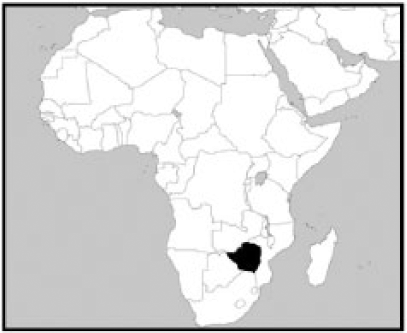
This paper explores how communities in Chinhoyi, Zimbabwe have used community-led mapping and enumerations(1) to build partnerships with local government to support the development and co-production of innovative pro-poor city-wide sanitation strategies as part of the SHARE City-Wide Sanitation Project. This action research project is being conducted in four cities across sub-Saharan Africa: Chinhoyi (Zimbabwe), Kitwe (Zambia), Blantyre (Malawi) and Dar es Salaam (Tanzania). This programme of work responds to the failure of conventional approaches to urban sanitation to meet the needs of low-income urban communities in sub-Saharan Africa. Over three years it has supported Shack/Slum Dwellers International affiliates to develop and test pro-poor sanitation strategies that can be adopted and driven by networks of community organizations and residents’ associations, and supported by public authorities and private providers.
Keywords
I. Introduction
Figures from the World Health Organization (WHO)/UNICEF Joint Monitoring Programme for Water Supply and Sanitation indicate that 37 of the 69 countries that are not on track to meet the Millennium Development Goal targeted at improving access to sanitation are in sub-Saharan Africa.(2) The abysmal national figures often mask even greater deficits in water and sanitation provision in marginalized low-income urban neighbourhoods. In Malawi, for example, national figures show over 50 per cent of people in urban areas have access to improved sanitation; community-gathered data from informal settlements, however, show that only 9 per cent have improved sanitation. Given that at least 70 per cent of the urban population live in such settlements, formal national statistics are clearly an unreliable tool for planning.(3) In Zimbabwe, similarly, 56 per cent of urban households are estimated to have access to improved sanitation. However, community settlement profiles of 72 informal settlements in Harare demonstrate that only 11 per cent have such access.(4)
Many governments and water and sanitation agencies in the global South plan and develop water and sanitation services with limited participation of the urban poor, or none at all. Even where governments attempt to assist the urban poor, their policies, activities and investments have been hampered by the lack of accurate statistics and an inadequate understanding of the needs, perceptions and coping strategies of the urban poor.(5)
This paper considers how communities of the urban poor have worked with local government to co-construct knowledge and information about their sanitation challenges and other needs through the use of maps, profiles and enumerations. As part of the Sanitation and Hygiene Applied Research for Equity (SHARE) City-Wide Project, affiliates of Shack/Slum Dwellers International (SDI) in Malawi, Zambia, Tanzania and Zimbabwe carried out detailed slum enumerations and surveys to document the sanitation needs of each household and to develop or improve local maps as the basis for detailed development plans. Mapping has always proven to be a useful tool for SDI affiliates, not only to gather information and identify local needs, but to leverage strategic relationships between communities and the state.(6)
The strategic benefits of data collected and collated by low-income groups have been well-documented.(7) Co-production has been considered in light of its potential to deliver basic services and to empower marginalized groups.(8) More recently, co-production partnerships have been discussed in light of their scope to shape and democratize urban planning processes and policy.(9) However, there has been limited empirical consideration of how these partnerships are developed and maintained over time. This paper explores some of these themes by drawing on the experiences of low-income communities in Chinhoyi, Zimbabwe, one of the cities involved in the SHARE City-Wide Project process.
II. Understanding The Decline of Urban Sanitation Provision in Zimbabwe
At independence in 1980, the new Zimbabwean government inherited relatively well-developed infrastructure for the delivery of basic services in urban centres. However, there was limited or very poor infrastructure in most of the communal rural areas occupied by blacks, specifically in the form of roads, electricity, and water and sanitation provision. Black urban neighbourhoods, in contrast, had access to water and sanitation, because of their proximity to white residential areas and fears about the health of white residents. The new government prioritized improving provision in the rural communal areas, expecting functioning urban local government processes to manage provision within the urban centres.
Zimbabwe experienced increased urbanization in the mid-1980s to early 1990s. In 1982, 23 per cent of the population lived in urban areas.(10) By 2013, this had increased to almost 40 per cent, the result of rural to urban migration in the first decade after independence and natural increase thereafter. Urban local authorities responded to this increase by providing new greenfield sites for expansion through site and services allocations, mostly funded through loans to central government by such donors as the World Bank and United States Agency for International Development (USAID). Between 1992 and 2001, USAID provided US$ 78 million to urban local authorities in Zimbabwe, matching an equal amount from the private sector and government.(11) This was used to fund the upgrading and development of basic services such as water, sanitation, roads and electricity.
However, from the late 1990s through to the present day, Zimbabwe has experienced political and economic decline, and the capacity of local government to sustain water and sanitation infrastructure provision for growing urban populations has been severely tested. The situation has been exacerbated by increased occupancy levels in the formal high-density residential neighbourhoods, as well as the emergence of informal settlements in the peri-urban environs of most of the larger cities, including Harare and Bulawayo, for the first time during post-independence. Limited financial resources have posed further challenges. The African Ministerial Committee on Water (AMCOW) estimates that Zimbabwe requires an annual capital expenditure of US$ 325 million to meet national targets and to repair and upgrade service infrastructure. However, in 2010 the capital expenditure on WASH infrastructure of US$ 51 million was a mere 16 per cent of that required.(12)
From August 2008 to July 2009, Zimbabwe experienced the worst cholera outbreak recorded in Africa over 15 years. The Ministry of Health and Child Welfare reported a total of 50,815 suspected cases, of which 4,276 were fatal. The outbreak spread to all 10 provinces, affecting all major towns. Up to that time, water and sanitation infrastructure in urban areas was generally considered adequate. The outbreak revealed the hidden and often ignored problems, including regular sewer line bursts, inadequate water supply, frequent water cuts, and perennially “dry neighbourhoods”, the result in part of a shortage of purification chemicals and intermittent electricity supplies as well as ageing pipes that led to acute leakages in places.
The cholera outbreak forced central and local authorities to acknowledge the severity of the challenges, leading the government to seek humanitarian support from the major development donors. Until this point, the national government, as noted, had focused on closing the rural–urban gap in provision. However, WHO estimates of 56 per cent of urban households with improved sanitation (compared to 37 per cent of rural households) failed to account for new realities. Under-resourced local authorities have had limited capacity to maintain existing urban infrastructure, let alone to expand the service grids to cater for the unprecedented growth. The population of Harare, for example, increased from 1.8 million in 2001 to 2.6 million in 2011,(13) while the capacity of the city’s sewers actually deteriorated over the same period. The Harare City water department estimates that it needs a capital injection of US$ 2.95 billion to upgrade water and sanitation facilities so that they are available 24 hours a day, seven days a week, with capacity to cater for the existing population.(14)
Slums and informal settlements in urban and peri-urban areas have severe deficits in water and sanitation services, given the state’s failure to extend or upgrade infrastructure. Over the last decade, as the economic crisis has taken hold of the country, the declining capacity of most urban local authorities to provide services at the required level has also led to deficits in water and sanitation service in formal parts of the city, similar to those observed in the slums and informal settlements. The WHO estimates that in Zimbabwe, 2 per cent of urban and 42 per cent of rural residents practise open defecation.(15) Given cultural norms that discourage open discussion of defecation practices, these estimates can at best be considered intelligent guesses. Because urban sanitation depends on reticulated (piped water and sewer network) systems and because of the current acute water shortages in most cities in the country, open defecation could be far more common than reported.
Zimbabwe’s national five-year strategy (2011–2015) was designed to accelerate access to sanitation and hygiene. Developed in consultation with multi-sector stakeholders, it was written in response to all the challenges. It seeks to promote affordable technologies, partnerships in financing new initiatives, restructuring of the institutional and regulatory framework, and research and development, aiming to address climate change and pricing mechanisms, while promoting behaviour change, health and hygiene education.
This five-year strategy was developed in the aftermath of the 2009 cholera outbreak, which contributed to a national policy environment conducive to more inclusionary and collaborative methods of sanitation delivery. The outbreak highlighted to central government and local authorities alike that urban sanitation delivery methods are entirely dependent on functioning reticulated water systems. In the light of citizens’ decreased capacity to pay for services, alternative forms of financing and sanitation solutions were clearly important to consider. Despite these positive steps, however, there continues to be a contradiction between the now very progressive national policy and the laws that govern the provision of sanitation in cities.
III. The Sanitation Challenge in Chinhoyi
Chinhoyi, a town of 79,368, is the provincial capital of the Mashonaland West province. Made up of 15 wards, Chinhoyi Municipality administers in addition the two adjacent small former mining towns of Alaska and Shackleton (Figure 1). Established in the heart of the maize agricultural region as a market town at the turn of the 20th century, Chinhoyi has grown in the post-independence period, partly due to its provincial capital status. It is home to two universities and a provincial hospital, as well as the provincial government departments. Between 2002 and 2012 the town’s population increased by 41 per cent.
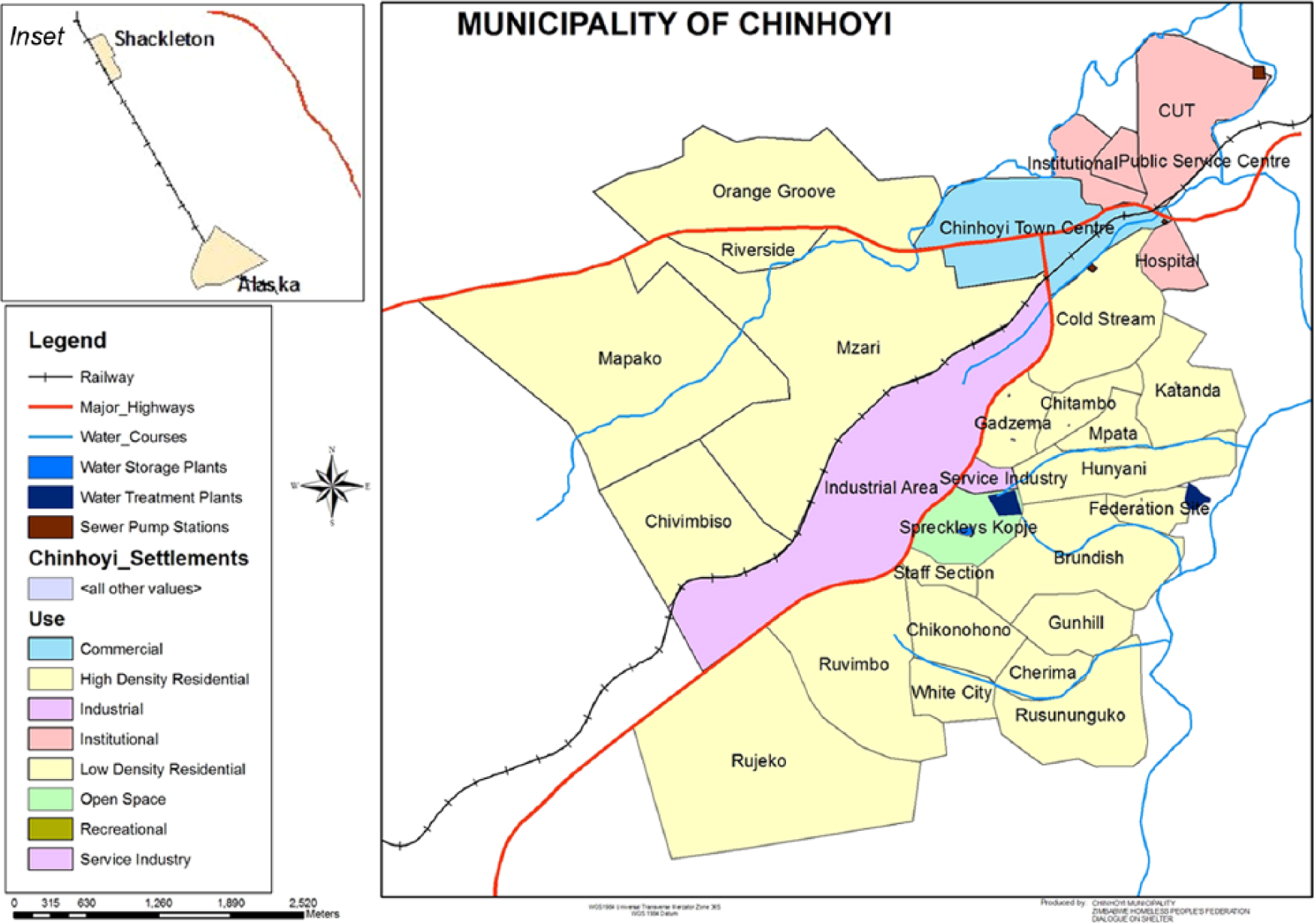
Chinhoyi location map with Shackleton and Alaska inset
The ill-fated government land redistribution programme embarked on in 2000 resulted in land grabs and the closure of most white commercial farming enterprises in the surrounding Mashonaland West region. Most commercial farm workers lost their livelihoods, forcing them to move into Chinhoyi in search of employment. This displacement occurred at a time when the local authority’s capacity to address the water and sanitation challenges was at its lowest. The economic crises post-1998 resulted in the worst hyperinflationary conditions experienced by any country to date. Central government was unable to provide the public sector finance that local authorities depend on to maintain and upgrade infrastructure; low public sector wages resulted in experienced technical personnel leaving for greener pastures; and the capacity of residents to pay for services was severely reduced.
Like other Zimbabwean local authorities, Chinhoyi has struggled to provide adequate water, sanitation and solid waste collection services to residents. More than five settlements, with a quarter of the city’s population, are not on the municipal water and sanitation grid, and there is no clear plan for alternative supply. In the short term, and in an attempt to achieve some parity, the city has had to introduce a 12-hour daily water rationing system. To encourage payment of bills, it has departed from a policy of cutting supplies for non-payment, and now offers incentives for payment. In 2012, for example, the city embarked on a 50 per cent “sale” for payment of all outstanding bills.
The collaboration between Chinhoyi Municipality and the alliance of Dialogue on Shelter and the Zimbabwe Homeless People’s Federation(16) emerged in the context of the progressive national five-year strategy, and the local authority was open to new ideas, including community-driven data collection and planning, partnerships for co-produced basic services, and innovative financing mechanisms. However, the Chinhoyi Municipality by-laws continue to define adequate sanitation in terms of waterborne sewerage. There is, as noted, still a need to harmonize practice with policy at the local level to create an alignment with the national policy.
IV. Learning By Doing: An Emerging Partnership
In 2007, the local federation groups in Chinhoyi were allocated 240 plots of undeveloped land in Brundish on which to develop their houses. In keeping with existing stringent urban planning by-laws, the beneficiaries were expected to title survey the land, install reticulated water and sanitation systems, build roads to subgrade (formation) level and build core houses, before they could even move on-site. This would cost in excess of US$ 5,000 per family and was simply not affordable. In the past, the local authority had been able to pre-finance the cost of the services and then charge beneficiaries over a number of years, but this was no longer an option because the local authority lacked sufficient capital. Federation communities, with support from Dialogue on Shelter, negotiated the by-law requirements so that beneficiaries could move on-site with minimum services. This allowed beneficiaries, many of whom were renting rooms in the low-income settlements, to move on-site and use their rental budgets to begin developing their plots and housing. Water would be organized on the basis of communal facilities, while new forms of non-water based sanitation were developed and piloted.
A team, including technical staff from local government and community members, first visited a number of settlements in both Zimbabwe and Malawi, where it considered alternative sanitation modes developed in diverse contexts. This led to innovation around ecological sanitation, with urine diversion methods being piloted in the settlement at Brundish. The community mobilized to install three boreholes for water supply and, through loans from the federation’s upgrading loan fund Gungano (“gathering”), were able to leverage further loans for the construction of non-water based urine diversion toilets called “skyloos”, based on a design they had seen in Malawi. Beneficiary families were able to move on-site as soon as they built a sanitation unit. By 2011, 62 skyloos had been constructed and all 252 families had moved on-site.
The success of this pilot created an impetus to look more holistically at sanitation issues in the town and extend the lessons of Brundish to other settlements. The local authority and the alliance recognized that sanitation knowledge created collaboratively had a wider application and could present solutions to the water and sanitation challenges faced by the city. A memorandum of understanding (MOU) was signed between the parties, outlining the modalities for a sanitation strategy that could be scaled up across Chinhoyi through the SHARE project.
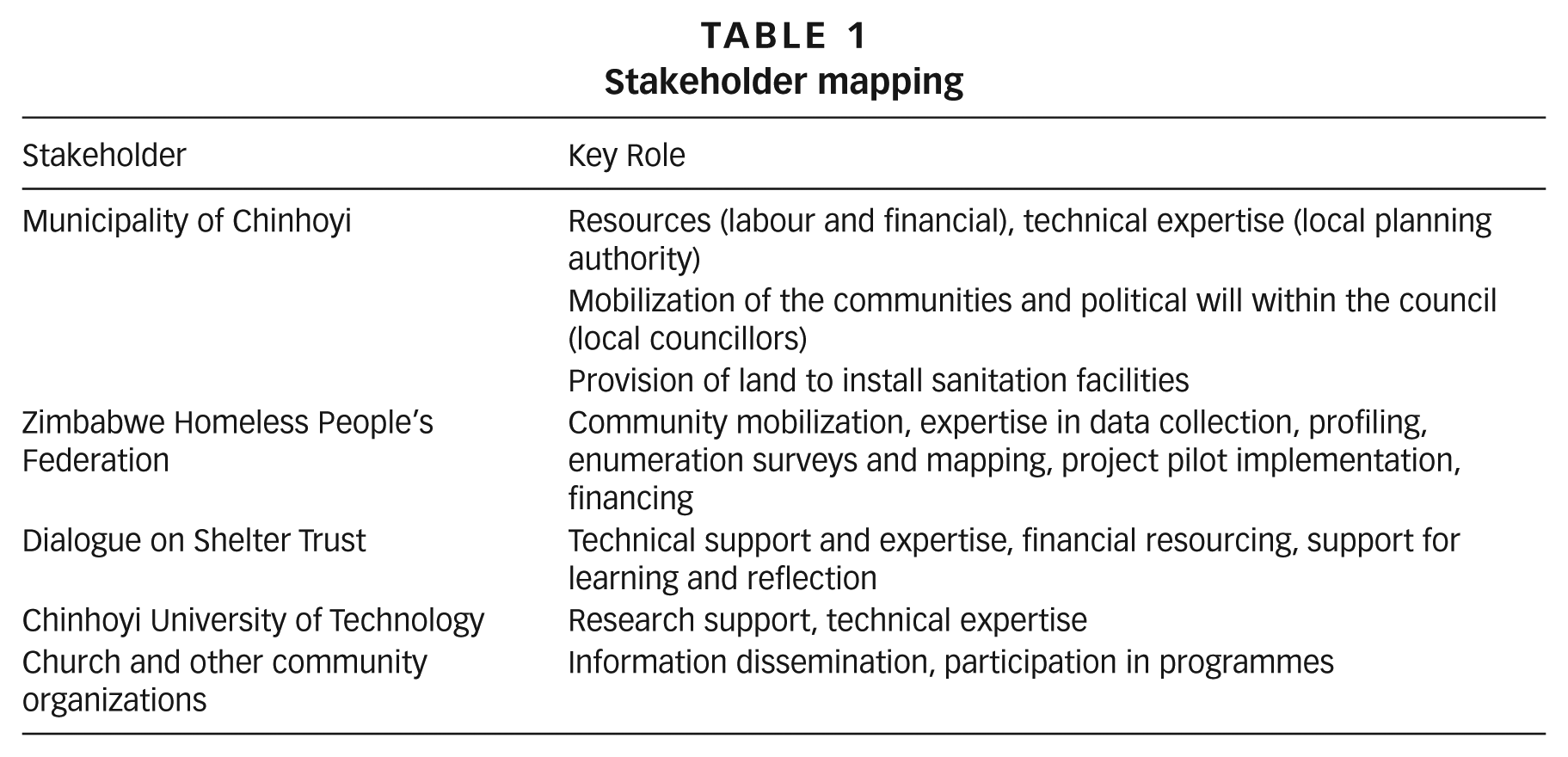
A key activity linked to the MOU was the creation of a steering committee to spearhead the programme, quantifying and identifying the key sanitation challenges and their spatial specificity within Chinhoyi. A good understanding of the challenges would assist in the design and implementation of a scalable sanitation response. The city, federation and Dialogue on Shelter identified critical local stakeholders through a snowball approach, and the steering committees then co-hosted a stakeholder workshop that brought together all the identified groups and provided an opportunity to set the agenda and allocate roles and responsibilities. Table 1 lists the stakeholders identified as well as the roles they would play in the programme. The committee believed that the success of the programme would depend upon the contribution of each of the identified groups.
Stakeholder mapping
V. Concretizing Ties Through Knowledge Co-Production
This team of stakeholders then worked together to develop a plan of activities over a year, identifying the main activities and allocating roles and responsibilities. The Chinhoyi federation community took a lead role in supporting communities in this process, with community meetings to discuss the programme and exchanges between communities. Community members were supported to form savings groups, each of which would then co-opt members to participate in the steering committee. The joint team developed a programme of activities that it would undertake in the first year to enhance understanding of the sanitation challenges in Chinhoyi.
The team felt that it was important to jointly identify the areas that it would focus on by profiling the settlements and documenting the main sanitation challenges experienced in each. This would ensure a process built on consensus from the outset. Factors that influenced the choice of settlements included the perceived magnitude of their sanitation challenge and the nature of the challenge. The programme sought to engage with communities that would provide a fair sample of both the array of sanitation challenges and the different tenure systems across Chinhoyi. In total, 11 settlements were identified. Once a study area was agreed upon, key people from that settlement were identified and encouraged to join the steering committees.
The process of data collection involved three key steps: training, profiling and enumeration, and mapping. All 11 settlements were profiled; three were eventually enumerated and mapped. Local teams were trained by the national federation’s enumeration team with support from Dialogue on Shelter to develop profiling and enumeration tools that would be applied across the settlements, as well as in mapping and geographic information systems (GIS). Representatives from the 11 settlements and professionals from the local authority’s planning and engineering departments participated in both training and tool development. Collaborative development of the profiling and enumeration tools was important to capture the different perspectives of residents and the local authority, and enhance the quality and reach of the information collected.
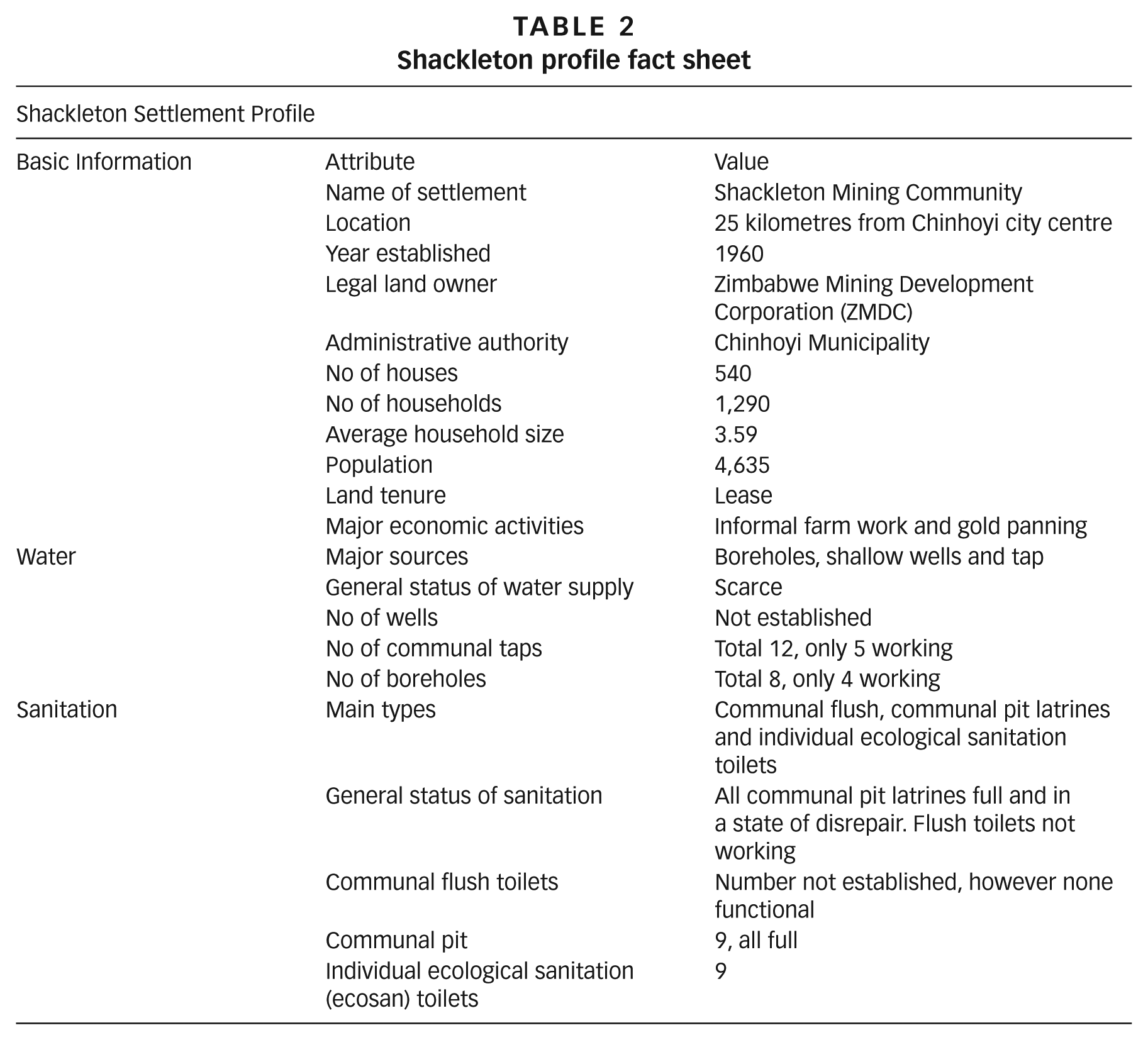
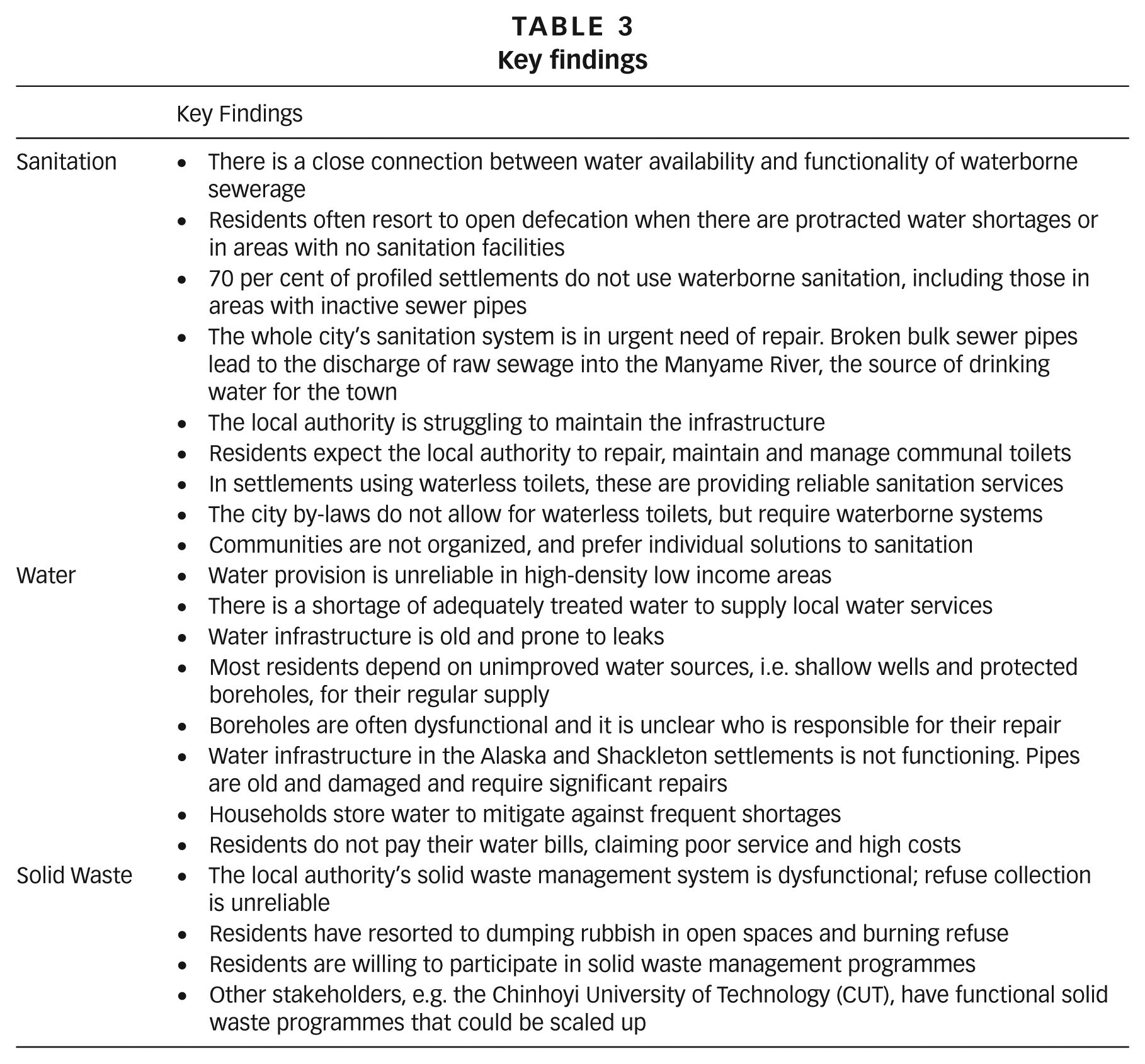
The profiling process involved focus group discussions with key informants in each settlement. Discussions focused on the history of each settlement and the community’s perceptions of its critical sanitation challenges. Communities also provided data on the status of sanitation facilities, including the number of toilets, water points and functionality. Table 2 offers an example of the information collected in one of the settlements. Informants included local political leaders and representatives of specific sanitation user groups such as market traders, children and the elderly. Table 3 outlines the principal conclusions from the exercise.
Shackleton profile fact sheet
Key findings
The third data collection process involved the production of maps showing all available sanitation facilities as well as their conditions. These spatial data allowed the local authority to understand the reality of sanitation coverage in the city and provided a visual depiction of all the “sanitation blind spots” (Figure 2). This information will also be important for future sanitation planning in the city.
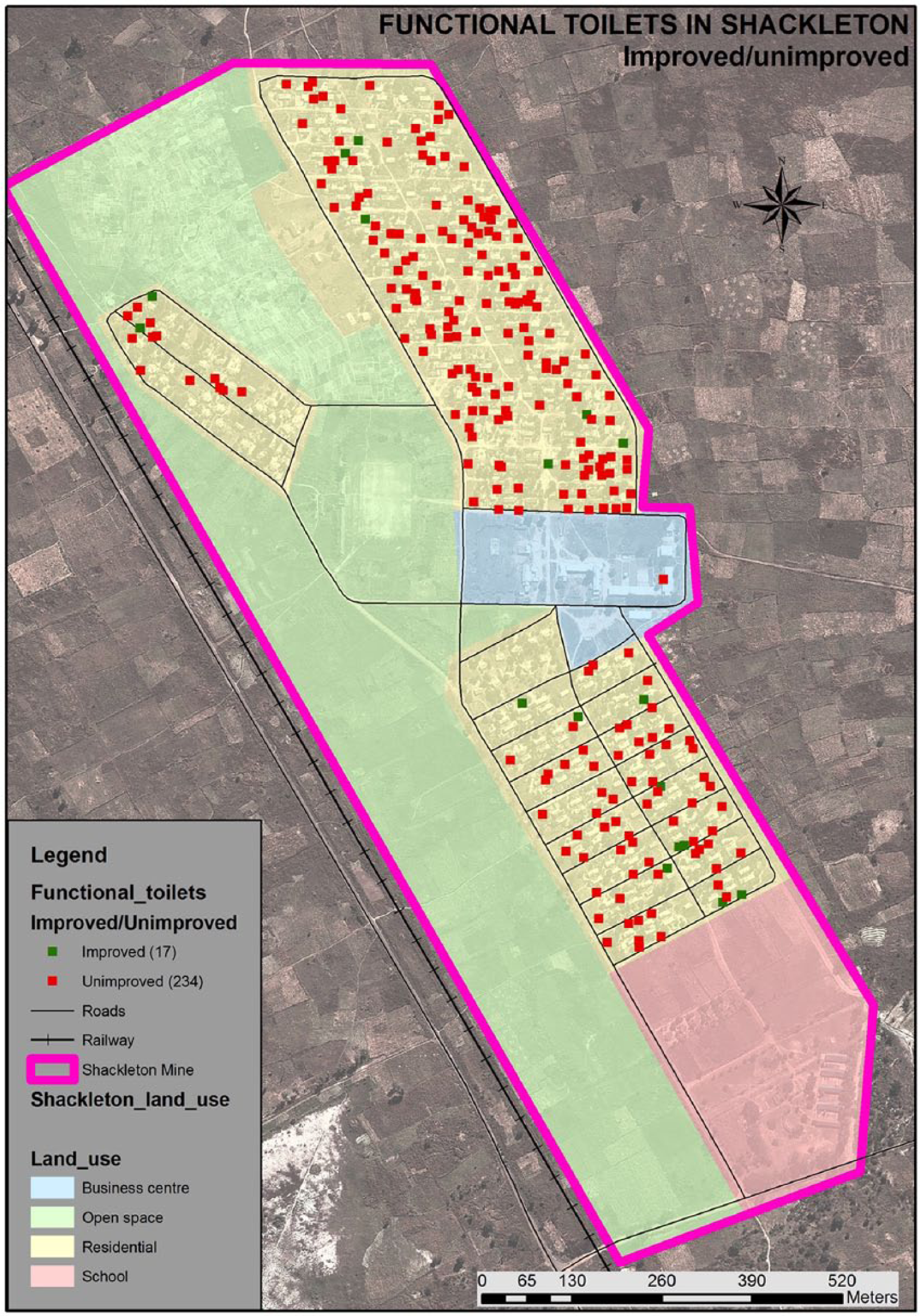
Map of sanitation needs in Shackleton
The information collected was presented back to each settlement. At these feedback meetings, led by teams of community representatives, each community was encouraged to think through how it would address the identified challenges. The community representatives took an active role in these discussions as well as mobilizing others to participate in both discussion and planning. Each community formed a sanitation committee that would work closely with the city departments. The information was also used to identify settlements in which precedents that could be scaled up would be tested to address sanitation challenges.
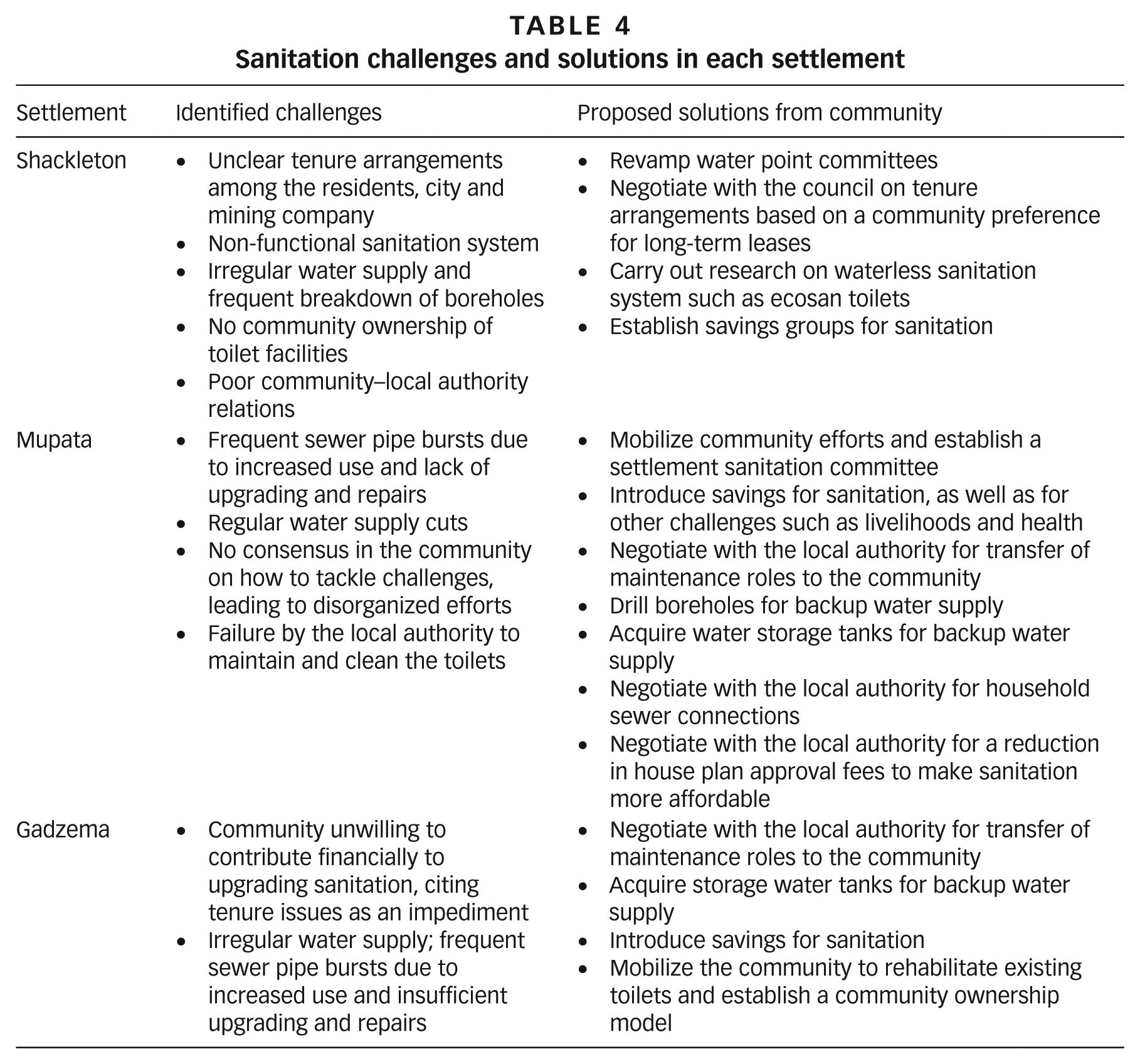
Two critical issues dictated which settlements would develop precedents: first, the extent of deprivation within the particular settlement and second, the potential for the proposed solutions to be scaled up. It was also important to ensure that the particular community had shown interest in participating in the process and would be willing to contribute both financially and in kind. On this basis, the project steering committee chose three of the 11 settlements to pilot the precedents. Table 4 outlines the challenges as well as possible solutions suggested in community meetings in the three settlements that were selected to pilot the precedents. Photo 1A and Photo 1B show the settlement-level community plans.
Sanitation challenges and solutions in each settlement
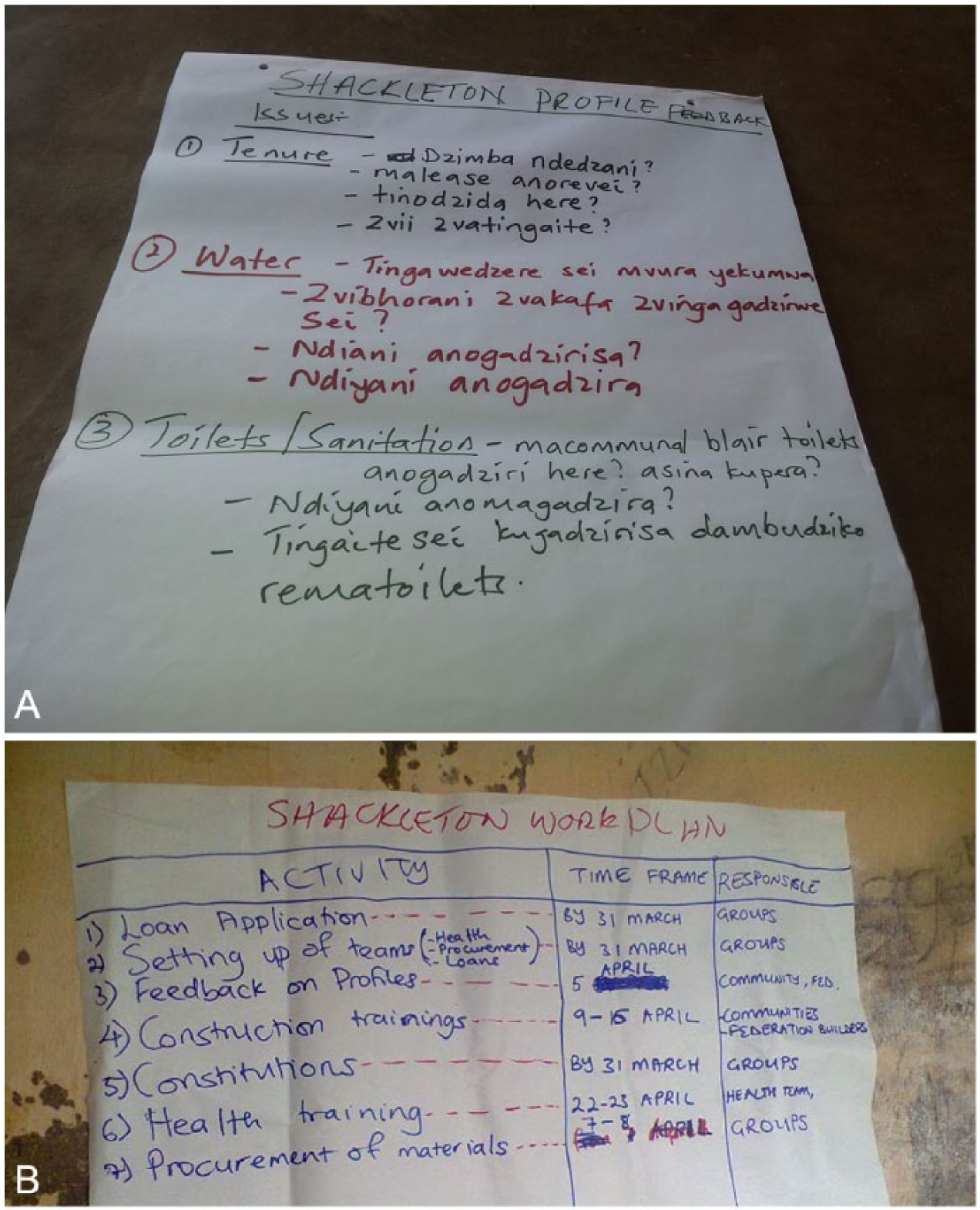
Settlement-level plans
VI. Precedent Setting – Piloting Sanitation Solutions That Can Go To Scale
This section discusses the three precedents, the factors that influenced their selection, work underway in these settlements to address the identified challenges, and progress to date, as well as challenges and the prospects for scaling up to the city level.
a. Shackleton
The settlement of Shackleton, 25 kilometres southwest of Chinhoyi, was established in 1960 after the discovery and subsequent exploration of sedimentary copper mineral deposits in the area. The small mining compound is owned by the Zimbabwe Mining Development Corporation (ZMDC) and administered by Chinhoyi Municipality. The settlement houses an estimated population of 4,600, accommodated in 540 houses, formerly employee living quarters built by the mining company. The mine ceased operating in 1999. Central government moved people into the abandoned housing from three informal settlements in Chinhoyi Town, and from surrounding farms that were affected when government seized white-owned commercial farms in 2000. The national government had been concerned about the threat of a cholera outbreak in the three informal settlements, and it was hoped that Shackleton would provide an alternative for these communities, because it had infrastructure in good condition.
Shackleton residents live with insecurity. Tenure in mining towns has typically been vested in the mining corporation and where mining activities have ceased, complex tenure situations have arisen. In Shackleton, for example, the mining company, ZMDC, has refused for 14 years to transfer tenure rights to either the city or the sitting tenants. As a result, the local authority has done little to improve services in the settlement, and residents have limited scope to improve the settlement, regardless of their resources.
Water and sanitation is a huge challenge in Shackleton; 83 per cent of the households use pit latrines, 11 per cent reported using the bush, 3 per cent use ecosan, and 3 per cent use pour flush systems. In the rainy season, the pit latrines are prone to flooding and present a serious health hazard. There are also some communal flush toilets in the settlement, but they are not counted here. In the context of water shortages and no functional management system, they are often clogged with waste and are basically not usable.
In selecting the type of toilet to pilot in Shackleton, there was a concerted effort to strike a balance between beneficiary choice and affordability. An affordability study carried out by Dialogue on Shelter showed that most people could not afford the individual toilets, which were preferred by most. This preference was due in part to weak community cohesion. Although the Zimbabwe Homeless People’s Federation has established saving schemes in the settlement, they are relatively weak, possibly due to the transient nature of the settlement, where there is no real sense of permanence. Collective sanitation solutions work better in more socially cohesive settlements. In addition, practical issues like the density of the settlement were considered. The non-functional communal toilets are on average about 150 metres from each house, a significant distance for women and children to walk in the dark. Ecosan skyloo toilets were chosen because of the unavailability of water and security considerations. To date 37 units have been constructed, serving 90 families. A loan of US$ 200–US$ 350 is given to two families to construct a shared toilet. The loans are advanced from the federation’s Urban Poor Fund and are payable over a two-year period at an interest rate of 1 per cent per month. The families sharing a toilet can choose to get another loan to construct a second toilet once they have repaid 75 per cent of their first loan. Families receive individual loans although they share the toilets with their neighbours and tenants.
b. Gadzema
Gadzema was one of the first settlements established to accommodate the black workforce in the town of Chinhoyi. The settlement has two types of accommodation, three-room units built for skilled and semi-skilled married workers who worked for the town in the utility company and the railways, and hostel-type single rooms built for bachelors. Tenure was directly linked to one’s employment, with tenure rights ending as soon as employment was terminated. Over time, the local authority and the local employer landlords stopped policing the tenancy of the settlement’s residents. This has resulted in widespread subletting, often making it difficult to trace housing back to the original tenant. Gadzema’s total population is estimated at 2,500 in 700 households. Of these, 25 per cent have individual titles, 20 per cent are local authority tenants on long-term leases, and 55 per cent are subletting.
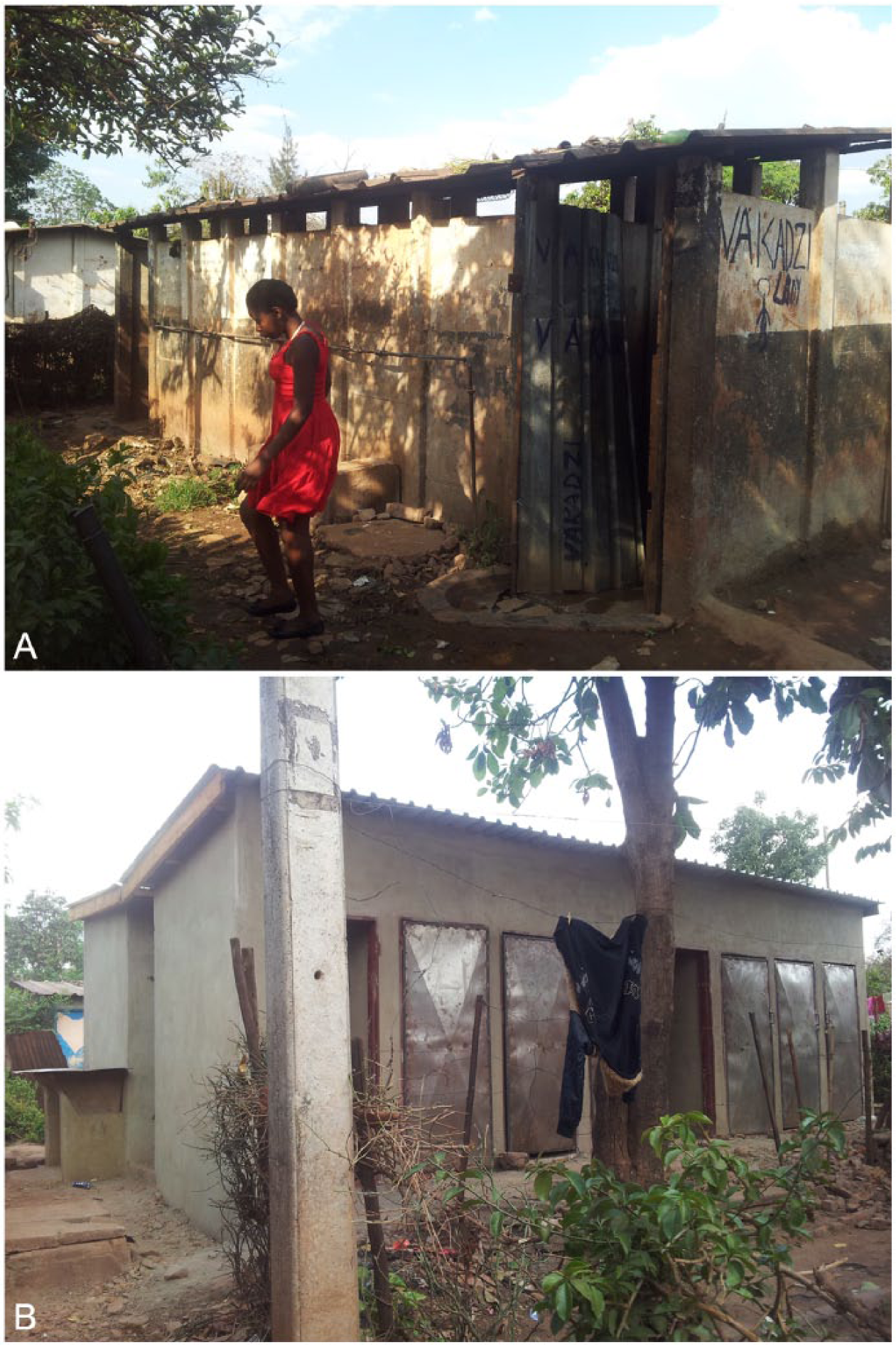
A single hostel consists of seven single-room units on a 250-square metre plot. Each unit is now occupied by a family with an average size of five people. Housing and infrastructure in Gadzema are in a serious state of disrepair. Residents live in unhygienic and life-threatening conditions with non-functional communal toilets, which are often blocked due to excessive use (Photo 2A and Photo 2B). In one block shared by 35 people, only two of the 12 toilets (six for men and six for women) were functional. The flushing system often does not work due to the sporadic water supply. There are no toilets suitable for young children, the elderly and the disabled, which often leads to open defecation in the vicinity of the communal toilet blocks, exacerbating the unsanitary conditions. The enumeration team found that, on average, 40 families use one water tap and water is often only available at night due to rationing by the city as well as pressure issues within the whole grid.
Sanitation block in Gadzema before and during construction
The local authority is responsible for maintenance and each toilet is supposed to be cleaned once a day by a council employee; but this is difficult since water is often unavailable. At the time of the profiling in 2012, the community argued that, since it pays rent for the service to the local authority, it should not be responsible for cleaning or maintenance.
The sanitation precedent for Gadzema was developed to address multiple challenges including the ownership issues, tenure and affordability, as well as development of a functional sanitation system that was sustainable both economically and socially. The first issue was how community ownership could be developed in an environment where residents have felt powerless to make any input. Many felt that they had paid for a woefully inadequate service and could not afford to pay anything more. Average incomes in the settlement are US$ 123 per month and service charges to the local authority are US$ 38, or a third of the average income. On the other hand, the local authority argued that it lacked the resources to upgrade and maintain the communal blocks, as residents were not paying their charges. An additional complication is the nonexistent tenure relationship between the families of local authority employees who were subletting. Families were paying a landlord, with the expectation that this landlord would pay the local authority.
The federation supported the community to set up a toilet committee that opened negotiations with the local authority. As part of the SHARE project, financial resources were available to upgrade the toilets, on condition that the model allowed for more toilets to be constructed. Any plan needed also to address the tenure issues, maintenance and management, affordability, and sustainability. The community agreed on a pilot with two toilet blocks, one for women, one for men, that could serve 60 families. Each block would have eight seats with one reserved for children and one open to the general public on a pay-as-you-use basis. The income from the pay toilet would be used for cleaning and general maintenance by a person employed by the community. The community would continue to pay its user charges to the local authority, which in turn would set aside a proportion of this for the construction of more blocks in the settlements. The funds, advanced by the federation as part of the SHARE programme, would then become the initial seed funds for a sanitation fund in Chinhoyi. The city provided materials and their transport, waived the planning approval fees, and paid for plumbers. The construction of the first block was completed and construction on the second block began in September 2014.
c. Mupata
As with Gadzema, the Mupata settlement was one of the first low-income suburbs developed to house the town’s black workers in the early 1960s. In-migration to the settlement was carefully monitored and maintained, in keeping with the racial segregation laws of the times. The housing, designed as single quarters for male employees who worked in the town’s industries, consisted of four-room units with one room to a worker. With the advent of independence, colonial migration restrictions were lifted and the huge influx of people resulted in each four-room unit housing four households. In the 1990s, the city decided to transfer some families to new settlements, leaving two households to share a unit, with two rooms for each.
Water and sanitation is a challenge in the settlement, exacerbated by ageing infrastructure. The two communal flush toilet blocks, consisting of five squat-holes each, were constructed when Mupata was established in the 1960s. Designed for use by 60 people, the toilet facilities are now being used by over 300 residents. The local authority had urged residents to install individual toilets linked to the existing sanitation grid. However, in 2012, when the settlement profile was done, only 20 out of 60 households had managed to do so over a 12-year period. The low uptake was due in part to the following factors:
Absentee landlords: The local authority transferred tenure to sitting tenants. In the cases where these owners rented out the houses (about 40 per cent), the tenants did not feel they had the power to make decisions on the sanitation issue. For the most part, neither tenants nor landlords were willing to contribute to the upgrading of sanitation.
Affordability: In the 2012 settlement profile, only 30 per cent of working-age Mupata residents reported being employed. The remaining 70 per cent were engaged in a variety of informal economic activities with irregular incomes. Sanitation solutions to address the current challenges would need to be affordable and take this into account.
Community dynamics: Individualized tenure created a situation where households were likely to address sanitation at the household level. This made it difficult to mobilize the community to work collectively.
Community consultation revealed a preference for individual toilets, despite the fact that few families had taken this option over the preceding years. The local authority also supported this option, arguing that it had already invested in developing a waterborne sanitation grid in the settlements. Mupata is less dense than Gadzema (each plot is between 250 and 300 square metres), and the community argued that communal facilities would be too far from many households.
The federation supported the community to set up a sanitation committee and a process through which households could approach the federation’s loan fund, Gungano, in groups of 10. Group members did not necessarily have to be members of the federation; however, they were expected to save and meet regularly to support each other through the upgrading process. With support from the federation and Dialogue on Shelter, the community was able to negotiate for concessions from the local authority for plan approval and building inspection fees. To reduce building costs, toilets were to be built as an extension to each existing housing unit. As the sanitation is waterborne, each family requiring sanitation has to first pay for a water connection of US$ 120. The local authority agreed, however, to collect this amount over a number of payments to make it more affordable for the families. The Gungano loan covered the cost of building materials and plumbing. Over the two-year period the SHARE project has been active, an additional 25 toilets have been constructed.
VII. Reflections and Conclusions
The experiences documented here demonstrate how low-income communities have used mapping, profiling and GIS to document their sanitation needs, and to leverage strategic relationships with local government. By engaging in the co-production of this knowledge, local authorities are pushed to recognize the sanitation needs of urban poor communities. The SHARE programme builds on partnerships that have developed incrementally between slum dwellers and local authorities in Zimbabwe. This has emerged, in part, as a result of the severe financial challenges faced by local authorities, along with the advances made by low-income groups using savings and local data collection methods in relation to housing and upgrading in cities across Zimbabwe.
One of the principal challenges in realizing sanitation provision for low-income settlements is cost and securing of finance. The SHARE programme has provided finance for communities to develop this relationship with local authorities around sanitation solutions, and the approach has built on savings-orientated incremental loans that have been developed by the alliance. This has allowed communities to experiment and come up with reasonably affordable solutions that reflect local needs, and that could, in principle, be taken up by other low-income neighbourhoods across the city. However, even with this financial support, it is apparent that this approach has to be tailored to accommodate certain factors. These include inconsistent levels of social capital, a varying willingness to participate collectively within communities, and changeable relationships between local government and communities.(17)
The alliance considers communal sanitation solutions to be clearly more cost-effective. The toilet block in Gadzema, for instance, costs on average US$ 22 per household compared to US$ 300 for ecosan toilets and US$ 450 for flush toilets. On the whole, however, communities have favoured more costly individual sanitation solutions. This aversion to communal toilets, in fact, is so strong that cost is given less weight in assessing the pros and cons of proposed solutions. Building and maintaining communal systems and collective participation in low-income settlements can be tricky. As is evident from the poor condition of such communal facilities in the city, there are grounds for perceiving communal solutions as problematic, and these perceptions present the greatest impediment to communal provision of sanitation. In communities such as Gadzema, which are adopting a communal model despite its unpopularity, the community management structure that has been put in place will need to be consolidated to change this perception.
In response to these challenges, the alliance has mobilized SDI rituals(18) to build community-wide interventions, even though the project involves non-federation communities and non-SDI community networks are leading the implementation. The communities were encouraged to organize around savings groups and to devise and develop their own community management styles. In doing so, communities have demonstrated the value of collective organizing over individual household endeavours to gain access to sanitation. Indeed, in each instance the local authority has been more inclined to support local processes if there is a community organization in place.
Zimbabwe’s five-year plan promotes the acceptance of “affordable technologies” in addressing the country’s significant sanitation deficits, along with research and development and the restructuring of regulatory frameworks. These policy commitments, however, are not always reflected in the national laws that are incorporated into local by-laws. And even in the context of supportive policy, it can be a challenge to change accepted norms and familiar solutions, as the case studies demonstrate. Despite the local authority’s stated willingness to explore alternative sanitation technologies and management models, the tendency in Chinhoyi was to fall back on more familiar approaches, seeing alternative solutions more as stopgap measures than as permanent solutions with the capacity to be scaled up. In Mupata, for instance, the local authority promoted the installation of individual toilets, linked to the existing grid, despite the fact that ecosan toilets cost two-thirds the amount of waterborne toilets. The community resistance to communal sanitation solutions was thus, in a sense, reinforced by the local authority’s discomfort with new technologies. Thus, the opportunity to capitalize on policy provisions encouraging innovation can be stymied by accepted norms. At the same time, progress was made here in addressing sanitation deprivations on the ground in more affordable ways, with the establishment of ecosan toilets in one community and a communally managed solution in another. These local partnerships have also demonstrated that they can influence continued openness to reform at a national level. Representatives from the National Coordinating Unit and National Action Committee attended the first meetings in Chinhoyi, and they took lessons from the project to the national level.
The strategic potential of co-production partnerships to empower marginalized low-income groups has been well-documented.(19) This paper has explored some of the factors that shape this incremental, iterative process. Co-production partnerships can serve to empower local groups when there are sufficient political commitment from the state, social capital within the community, and adequate resources available. But this is a tricky equilibrium to maintain, and the unequal advance or presence of each of these elements underpins the uneven yet considerable advances that have been documented in Chinhoyi.
Footnotes
Acknowledgements
1.
These are community-led and -executed household surveys documenting and collecting socioeconomic data on all residents in a given slum settlement. The term “slum” usually has derogatory connotations and can suggest that a settlement needs replacement or can legitimate the eviction of its residents. However, it is a difficult term to avoid for at least three reasons. First, some networks of neighbourhood organizations choose to identify themselves with a positive use of the term, partly to neutralize these negative connotations; one of the most successful is the National Slum Dwellers Federation in India. Second, the only global estimates for housing deficiencies, collected by the United Nations, are for what they term “slums”. And third, in some nations, there are advantages for residents of informal settlements if their settlement is recognized officially as a “slum”; indeed, the residents may lobby to get their settlement classified as a “notified slum”. Where the term is used in this journal, it refers to settlements characterized by at least some of the following features: a lack of formal recognition on the part of local government of the settlement and its residents; the absence of secure tenure for residents; inadequacies in provision for infrastructure and services; overcrowded and sub-standard dwellings; and location on land less than suitable for occupation. For a discussion of more precise ways to classify the range of housing sub-markets through which those with limited incomes buy, rent or build accommodation, see Environment and Urbanization Vol 1, No 2 (1989), available at  .
.
2.
WHO/UNICEF, Progress on Drinking Water and Sanitation: 2014 Update, WHO and UNICEF, Geneva and New York, available at .
3.
5.
Patel, S and C Baptist (2012), “Editorial: Documenting by the undocumented”, Environment and Urbanization Vol 24, No 1, pages 3–12.
6.
Karanja, I (2010), “An enumeration and mapping of informal settlements in Kisumu, Kenya, implemented by their inhabitants”, Environment and Urbanization Vol 22, No 1, pages 217–239.
7.
Chambers, R (2006), “Participatory mapping and geographic information systems: whose map? Who is empowered and who disempowered? Who gains and who loses?”, The Electronic Journal of Information Systems in Developing Countries Vol 25, No 2, pages 1–11.
8.
Mitlin, D (2008), “With and beyond the state — co-production as a route to political influence, power and transformation for grassroots organizations”, Environment and Urbanization Vol 20, No 2, pages 339–360; also Allen, A, J D Dávila and P Hofmann (2006), “The peri-urban water poor: citizens or consumers?”, Environment and Urbanization Vol 18, No 2, pages 333–351.
9.
Albrechts, L (2013), “Reframing strategic spatial planning by using a coproduction perspective”, Planning Theory Vol 12, No 1, pages 46–63; also Watson, V (2014), “Co-production and collaboration in planning - The difference”, Planning Theory & Practice Vol 15, No 1, pages 62–76.
11.
USAID (1995), Zimbabwe Private Sector Housing Programme Delivery Plan, available at .
12.
AMCOW (2011), Water Supply and Sanitation in Zimbabwe: Turning Finance into Services for 2015 and Beyond, Water and Sanitation Program, available at .
14.
City of Harare (2014), Status of Harare Water, Harare Water Department, City of Harare, August 2014, available at .
15.
See reference 12.
16.
The alliance of Dialogue on Shelter and the Zimbabwe Homeless People’s Federation is a partnership between a non-governmental organization and a network of community-based organizations whose objective is to address tenure and service delivery challenges in Zimbabwean towns and cities. The alliance is an affiliated member of the global network of slum dwellers Shack/Slum Dwellers International.
17.
McGranahan, G (2013), “Community-driven sanitation improvement in deprived urban neighbourhoods: meeting the challenges of local collective action, co-production, affordability and a trans-sectoral approach”, SHARE working paper, London School of Hygiene and Tropical Medicine, London.
18.
Chitekwe-Biti, Beth (2014), “Brick by brick: Transforming relations between local government and the urban poor in Zimbabwe”, IIED working paper, International Institute for Environment and Development, London, available at http://pubs.iied.org/pdfs/10702IIED.pdf; also Dobson, Skye, Lutwama Muhammed and Frederick Mugisa (2014), “Negotiated Planning: Breaking the Implementation Impasse in Kampala”, Discussion paper prepared for the Annual World Bank Conference on Land and Poverty, April, Washington, DC, available at .
19.
See reference 8, Mitlin (2008); also see reference 9, Albrechts (2013); and Appadurai, A (2001), “Deep democracy: urban governmentality and the horizon of politics”, Environment and Urbanization Vol 13, No 2, pages 23–43.