




Abstract
In order to realize the manufacturing resource sharing and optimal allocation, many advanced manufacturing modes and technologies have been proposed and researched, but few works have been emphasized on resource service and capability transaction and scheduling management. With these conditions, in this article, the concept of cloud manufacturing mode is first briefly introduced, and a general cloud manufacturing resource service scheduling model is established. Then, the comprehensive utility models, which consider energy consumption, cost, and risk for the three sides (i.e. provider, consumer, and operator), are established in the resource service scheduling process in cloud manufacturing system. Four kinds of resource service scheduling modes, which are provider centered, consumer centered, operator centered, and system centered, are studied. These modes are based on the utility models that are investigated, as well as the system-centered cooperative scheduling method that is designed with risk-sharing strategy. The experimental results show that the system-centered scheduling method has the highest potential for realizing the aim of cloud manufacturing, and the system-centered cooperative scheduling method is rational to obtain the higher maximal utilities of the whole system and the three key users at the same time. It promotes the higher efficiency and utility, a higher rate of sharing, green and on-demand use of decentralized manufacturing resources and capability services in cloud manufacturing systems.
Keywords
Introduction
In order to realize the manufacturing resource sharing and optimal allocation, many advanced manufacturing modes and technologies have been proposed, including networked manufacturing (NM),1,2 application service provider (ASP),3–5 manufacturing grid (MGrid),6–13 industrial production-service system (IPS 2 ), 14 crowd sourcing, sustainable manufacturing (SM),15,16 service-oriented manufacturing (SOM),17,18 and similarly related. However, there still exist many bottlenecks to farther and optimally allocate manufacturing resource and to realize the full sharing and circulation of manufacturing resource and capability. 19 At the same time, some new technologies have emerged 6 and have been widely applied in various fields, such as cloud computing,20,22 high-performance computing (HPC), ubiquitous computing, service-oriented technologies (e.g. service-oriented architecture (SOA),23–27 web service, 28 semantic web, and ontology), Internet of thing (IoT), 29,30 and so forth. These technologies are the enabling force for effectively addressing the above-mentioned bottlenecks in manufacturing.
Combining the above-mentioned new technologies and existing theories and technologies of current enterprise informatization, cloud manufacturing (CMfg) as a computing and SOM mode has been proposed. 19 The concept, architecture, core enabling technologies, and typical characteristics of CMfg are discussed, and four typical CMfg service platforms are investigated in the author’s previous works. 19 The basic principle for CMfg model is illustrated in Figure 1. 19 There are primarily three classes of users in CMfg system, resource service providers, consumers, and operator: 19
A provider owns various manufacturing resources and capabilities involved in the whole life cycle of manufacturing. It publishes and registers its idle resource, product, and manufacturing capability to the CMfg platform and provides manufacturing resource and capability service which consumer requires. The provider can be a person, an organization, an enterprise, or a third party.
A consumer is the subscriber of the available resource service and capability in CMfg platform. It searches the optimal manufacturing resource and capability service and purchases the use of service on an operational expense according to their demands.
A operator operates the whole of CMfg platform to deliver services, capabilities, and functions to providers, consumers, and the third parties. They deal with the organization, sale, licensing of manufacturing resource, and capability service and provide, update, and maintain the technologies and services involved in the operations of the platform.
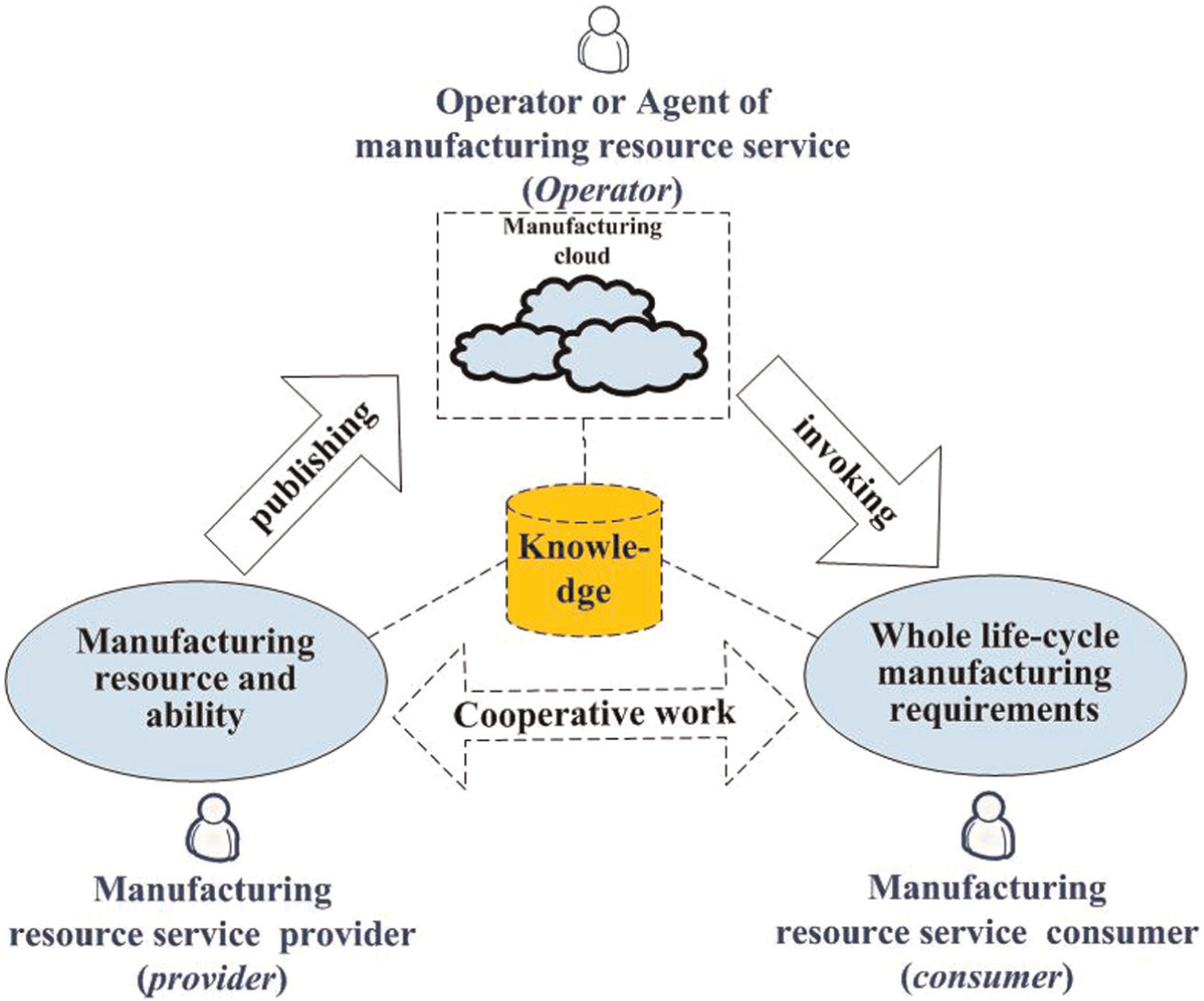
Abstract architecture of cloud manufacturing. 18
With the thought of “the distributed resources are integrated to be managed, and the integrated resources are distributed to be used” and the aim of higher efficiency and utility, higher rate of sharing, green and on-demand use of manufacturing resource and capability service in the operation of CMfg system, providers provide the available manufacturing resources and capabilities, consumers use the available services to execute their manufacturing tasks in the whole life cycle of products, and operator allocates providers’ services and matches them with consumers’ tasks.
Apparently, before the CMfg model or system has been fully accepted and used by users/enterprises and has been successfully and widely applied in manufacturing industry, the profit for each user using the system should be fully considered and guaranteed, especially for the providers and consumers.
However, the existing research emphases of current SOM models or systems (e.g. ASP, NM, and MGrid) are primarily (a) architectures; 7 (b) modeling, service encapsulation, and digital description; 31 and (c) task and workflow management,32–36 service search and match, 37 optimal selection,38,39 and service composition.8,40–46 Few works have been emphasized on the allocation and transaction management of manufacturing resource and capability service, such as (a) manufacturing resource service cost management, (b) method for payments, (c) resource service transaction process monitoring management, (d) benefit guaranteeing mechanisms and optimal allocation methods for providers and consumers, (e) utility adding among consumer, provider, and operator, and so on. Then, it leads to that both provider and consumer lose their interest and enthusiasm to use the system, and the application of the above-mentioned proposed advanced manufacturing modes is hindered. Therefore, resource service optimal allocation and scheduling based on users’ utility evaluation are the key points to solve the above-mentioned problems in CMfg system and to achieve the higher utility of the whole system and improve the profits and positivity of the users.
However, at one time spot of the system’s operation, there are multiple consumers submitting the same functional manufacturing task requirements to the platform. Oriented to the same functional demands of multiple different consumers, there are many services provided by different providers in the virtual resource pool (i.e. manufacturing cloud) satisfying the requirement. Different from the existing advanced manufacturing modes, the large-scale resource service scheduling problem based on utility evaluation in the triple (i.e. providers, consumers, and operator) operation mode is the key point to promote the ratification and application of the CMfg mode and its service platform. This challenge is to figure out the reasonable mapping of large-scale services and requirements considering different and comprehensive scheduling objective (i.e. utility) of the whole system and the triple users. The comprehensive evaluation, utility, is used to present the shorter time, the better quality, the lower cost, the fewer energy consumption, the higher flexibility, the richer knowledge, and other comprehensive evaluation indexes. The higher utility presents the higher efficiency of a CMfg system and the better enterprise competitive power of the users.
Hence, in order to promote the three users’ comprehensive utility in a CMfg system, reduce the whole energy consumption, and make some contributions to the realization of green manufacturing (GM), so as to enable the CMfg system to be accepted and used in practice, resource service allocation and scheduling management with the objective of achieving the higher utility are carried out.
The rest of this article is organized as follows: A brief analysis of the related works is given in section “Related works.” Section “Problem description” presents the description of resource service scheduling problem in CMfg system. Section “Utility models for the provider, consumer, and operator” presents the general utility model and the detailed utility models for providers, consumers, and operator. In section “Resource service scheduling methods and comparisons,” the methods and experiments compared with utilities under the four scheduling methods (i.e. provider centered, consumer centered, operator centered, and system centered) are provided. Based on the above experiments, the next discussions and experiments about the provided models of utility with the system-centered cooperative scheduling method are given in section “System-centered cooperative scheduling method and experiments.” Section “Conclusions and future works” concludes this article and points out some future works.
Related works
The existing researches on manufacturing resource allocation and scheduling management in the advanced manufacturing systems are various, and most of these works can be classified into two categories: scheduling models and scheduling methods. In terms of scheduling models or contents, the existing studies on manufacturing resource allocation and scheduling primarily focus on the following aspects: (a) computing resource scheduling,47–59 (b) supply chain scheduling,60–65 (c) job-shop scheduling,66–70 and (d) other related manufacturing enterprise resource service scheduling and allocation fields.71–76
Furthermore, there are many attributes or criteria, which have been considered in resource allocation and scheduling in different studies. These attributes are primarily classified into the following five categories:
Cost-related indices,48,50–52,60–64,68,75 including material cost, storage cost, transportation cost, inventory holding and delivery cost, operational cost, and so on.
Time-related indices,47,50–52,67,70 including makespan of tasks, tardiness, reaction time, due date, efficiency, delivery time, and so on.
Risk-related indices,51,75 including political stability, task execution risk, operational risk, performance of service or system, and so on.
Quality-related indices,53,54,73–75 including quality of service (QoS), capability level, and so forth.
Other indices, including execution rate of tasks, 53 utilization rate of services,48,49,53 reputation, 75 energy consumption or carbon emission,47,55–57,77 and so on.
Different from the above scheduling models, resource service scheduling problem in a CMfg system includes the scheduling of hardware resource service, software resource service, capability service, product service, and so forth. The evaluation indices of the economic efficiency and performance of those various services are much more complex. However, from the above evaluation index categories, it is obvious that (a) it selects different multiple evaluation indices for different types of resource service scheduling; (b) more the evaluation indexes selected, better the scheduling method; and (c) the target of GM and SM makes the index of energy consumption more and more important.
Besides, in CMfg system, the on-demand use of manufacturing resource service is presented as not only the high-efficient and optimal quantity allocation of services, but also the optimal function and utility allocation of services. Then, the comprehensive utility evaluations based on the multiple indexes (i.e. time, quality, cost, energy, flexibility, and knowledge) for providers, consumers, operator, and system in CMfg are much more concerned by users. Then, the comprehensive evaluation criterion “utility” is attached with more and more importance by decision makers. Therefore, combining the target of multi-objective optimization scheduling, the concept of comprehensive evaluation criterion “utility” considering the key index of “energy” is provided in this article. Then, it is used to characterize the evaluation of multi-objective optimal scheduling and the economic efficiency and system performance of different manufacturing resource services.
In the aspect of scheduling methods, the existing researches concentrate on using intelligent optimization algorithms to solve the self-centered individual optimal scheduling problem, that is, to realize the optimization of evaluation for themselves. For example, the consumer-driven and consumer-centered scheduling is to achieve the maximal evaluation objective of consumer,52,60,61 the provider/supplier-centered scheduling is to obtain the maximal evaluation objective of provider/supplier,63,64,67,68,70 and the operator/distributor-centered scheduling is to pursue the evaluation objective of operator/distributor.62,78 However, different individual optimal scheduling methods are contradictory. Therefore, it needs to obtain the equilibriums among the different individual optimizations and the whole cooperative optimization scheduling of system in CMfg system. As for CMfg system and other SOM systems, few works have been emphasized on how to promote the profit for the three users using these systems. It results in the interest of provider is not effectively guaranteed, and providers do not want to provide and contribute their available manufacturing resource and capability, or they have no positive motivation to provide high-quality and reliable resource services. Consequently, without adequate, available, high-quality, and reliable manufacturing services, consumers’ requirements cannot be satisfied. Therefore, both providers and consumers lose their interest and enthusiasm to use these systems. The deeper development, wider practice, and application of these systems are hindered.
In summary, from the above analysis on scheduling models and scheduling methods, in order to analyze and promote different types of users’ comprehensive utility in CMfg, to map the large-scale resource services with task requirements, and to realize GM and SM with the higher efficiency and utility, there are following four innovative contributions in this article compared to the existing research:
Considering the triple users in the operations of CMfg system (providers, consumers, and operator), the resource service scheduling problem of CMfg system is analyzed, and the general model of this scheduling problem is presented with the thought of “the distributed resources are integrated to be managed, and the integrated resources are distributed to be used.”
The concept of utility and the evaluation index system of comprehensive utility are investigated, as well as the utility models for the system and each user (i.e. providers, consumers, and operator). It can help to realize the objective of GM and SM and reasonably evaluate the different users’ economic efficiency and system performance in the process of different manufacturing services providing, execution and allocation, and so on.
It is found that the system-centered scheduling method meets the system aim of CMfg after comparing it with the other three scheduling methods. It leads the system to obtain the maximal utility value and leads the triple users to obtain the second biggest utility value, which are close to their ideal or expected maximal utility value. Based on the above research, the system-centered cooperative scheduling method with risk-sharing strategy is designed to realize the higher utility and well win-win of the whole system and the triple users in CMfg system.
Experiments are conducted and discussed to verify the above models and methods of resource service scheduling in CMfg system.
Problem description
The resource service scheduling problem in CMfg platform, which is worked out in this article, is the combinational optimization problem to allocate which service of which provider for which manufacturing task of which consumer. This scheduling problem consisting of multiple providers (N providers), one operator, and multiple consumers (M consumers) is studied, as shown in Figure 2. It just considers the same functional manufacturing task and service scheduling problem here, and in the practical industry application, it can be divided into many kinds of the same functional task and service scheduling problems. Facing with the tasks with the same service function requirements submitted by different consumers, there are many services provided by different providers to execute them. At one time spot, let the service requirements submitted by consumer j to the platform be kj (kj = 1, 2, …, Qj), and the services provided by provider i be ki, of which there are ni services can satisfy the functional requirements of kj. The problem of resource service scheduling to be investigated is to find an allocation solution (i.e. a mapping between ki and kj) to maximize the comprehensive utility of the whole system under multiple objectives (e.g. minimization cost, energy consumption and risk, and maximization reliability) and multiple constraints.
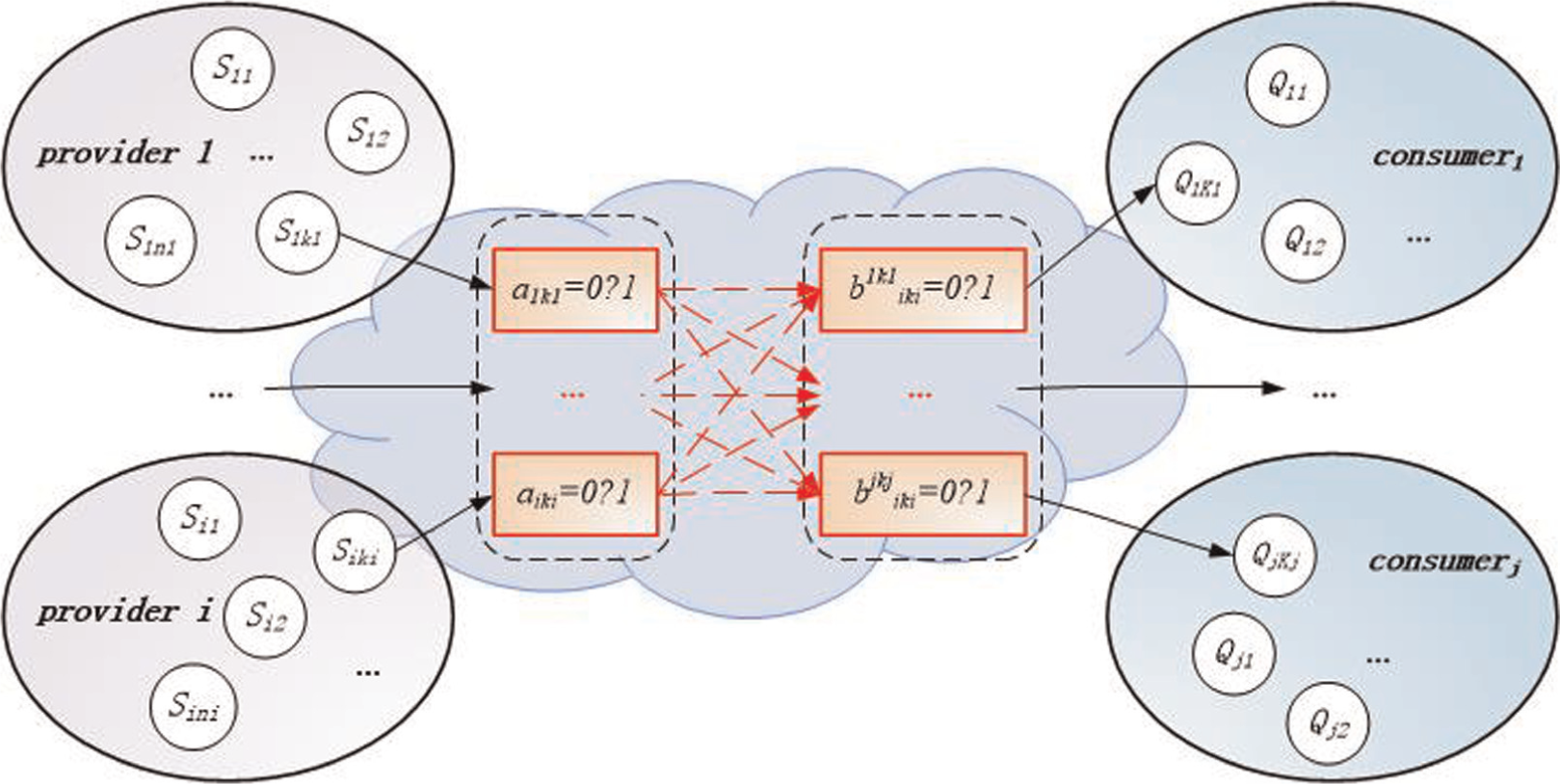
Resource service scheduling abstract model in CMfg.
In order to address the above problem, the concept of utility is introduced. In this article, the utility is defined as the comprehensive evaluation criteria to evaluate the comprehensive benefit for a user (e.g. consumer, operator, and provider) and the system. It is affected and computed by many factors including cost, time, reliability, energy consumption, risk, and so on.
In order to further describe the problem, a general resource service scheduling model for the problem is presented as follows:
Indices
l = 1, 2, …, L: criteria of utility
i = 1, 2, …, N: providers
j = 1, 2, …, M: consumers
ki = 1, 2, …, ni: the services of provider i that meet the functional requirement of consumers
kj = 1, 2, …, Qj: service requirements of consumer j
Parameters
U: utility
Ul: utility of the criterion l
wl: weight of Ul, and
Decision variables
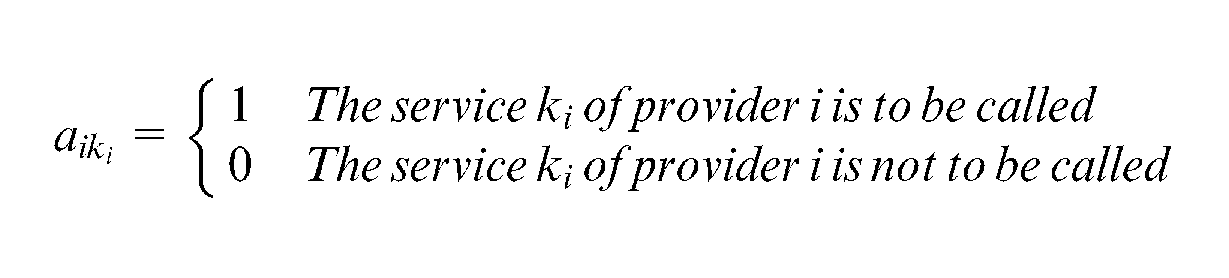
and the service allocation elements
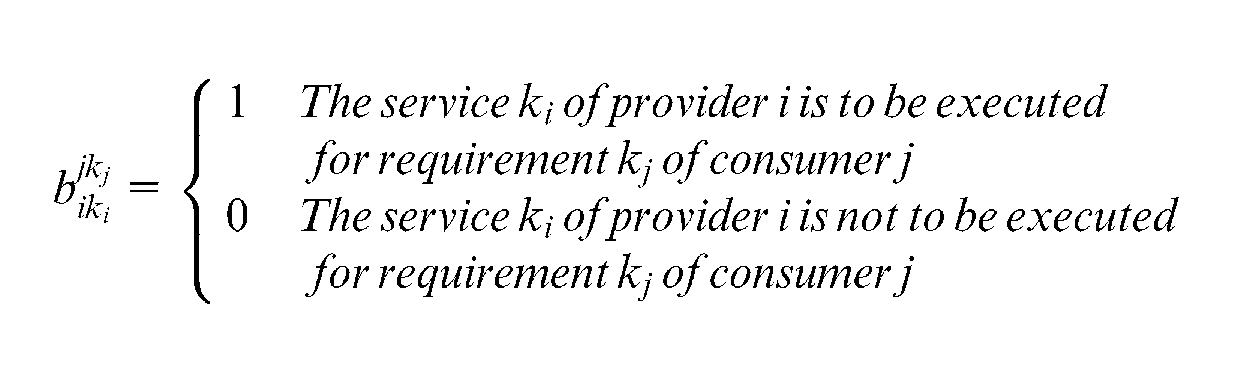
Objective function
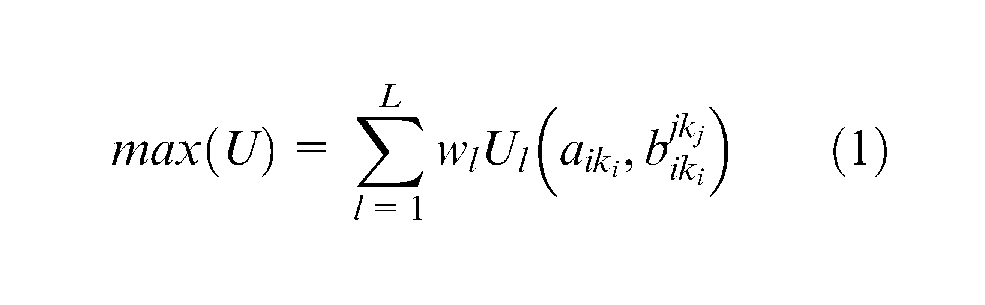
Constraints
Because the whole resource service requirement quantity of consumers is
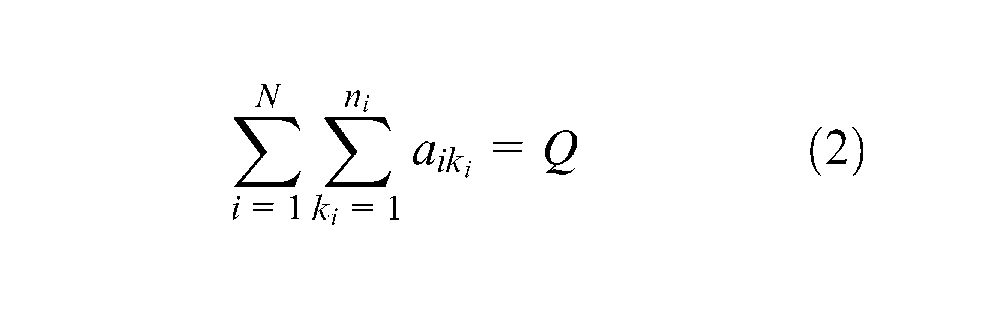
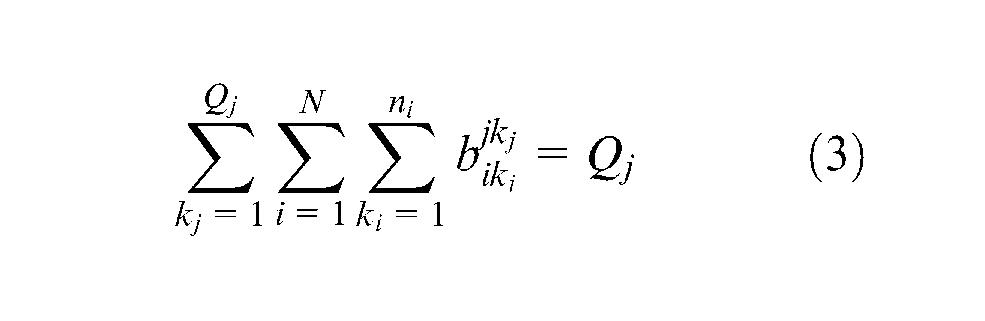
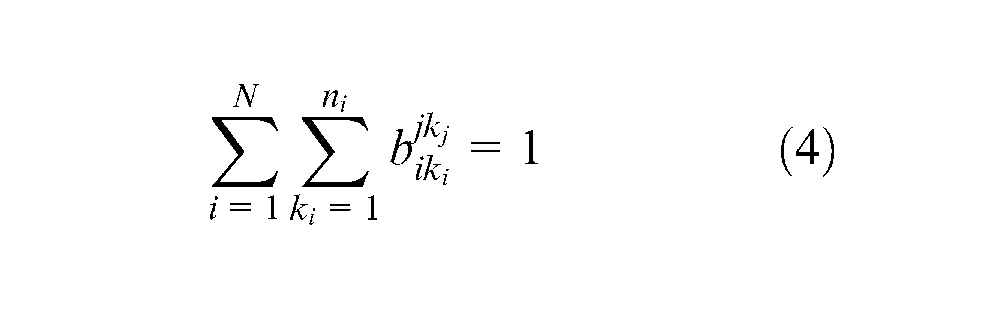
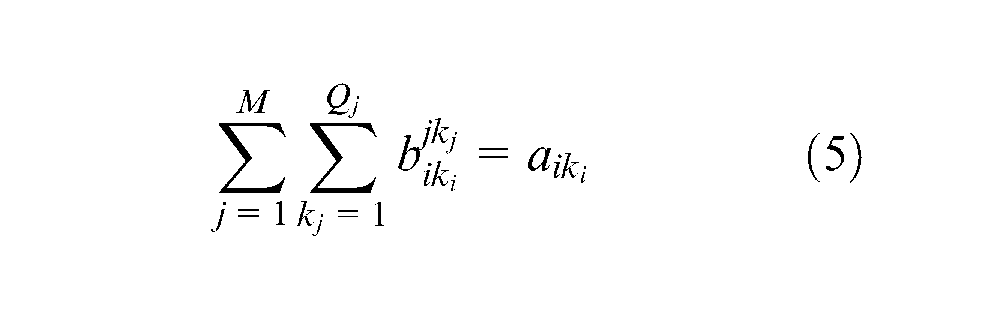

Constraint (2) denotes that the number of the selected services must equal the whole requirements, and constraint (3) means each requirement of consumer j should be allocated a service. Constraint (4) supposes one and only one service is needed for each requirement. Constraint (5) means the service execution matrix of the whole requirements of all consumers is the same as the total service selected matrix. Constraint (6) shows that the specific evaluation criteria l have the presupposed expectation. In this article, it assumes that one service is not permit to be used repeatedly at the same time spot.
Utility models for the provider, consumer, and operator
General model of utility
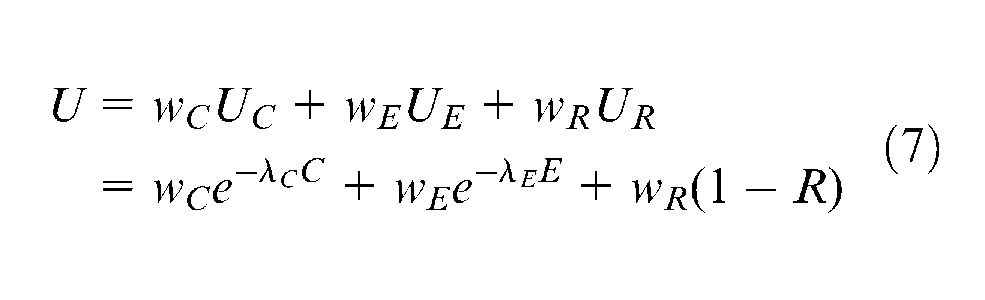
A series of criteria are involved in the utility as introduced in section “Problem description.” Because one of the initial aims of CMfg is to decrease the cost, energy, and risk, therefore, they are considered as the primary criteria in the utility (i.e. U) for each user in this article, and let U = f(Cost, Energy, Risk), which is evaluated using the following formulation
where
UC = f(FC, VC), UE = f(DE, SE), and UR = f(OR, SR) express the utility evaluation functions of the cost, energy, and risk, respectively, which are the functions of parameters
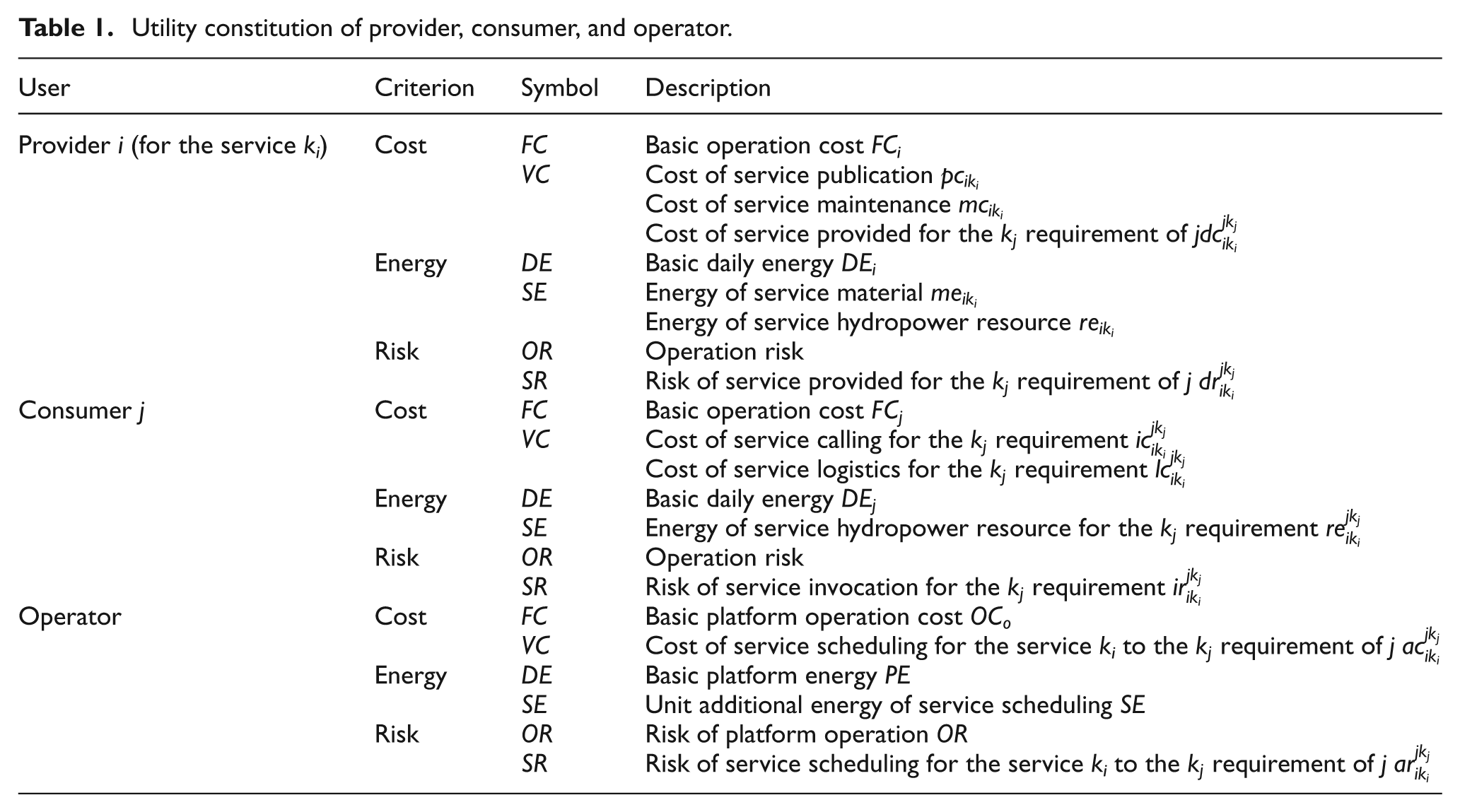
FC and VC denote the fixed cost and variable cost, DE and SE denote the daily energy and service additional energy, and OR and SR denote the operation risk and service-related risk of each kind of user. The detailed utility constitution of each kind of a user (i.e. provider, consumer, and operator) is shown in Table 1.
Utility constitution of provider, consumer, and operator.
System of comprehensive evaluation indices
The comprehensive evaluation index system describes the constitutions of utility. The specific utility constitutions (i.e. cost, energy, and risk) of provider, consumer, and operator and the explanations are described in Table 1. Either as the providers, consumers, and operator, the cost criteria include the basic fixed operation cost and some service-related costs; the energy criteria include the basic daily energy and the service-related energy consumptions; the risk criteria also contain the operation risk and the service-related execution risks. The detailed criteria of the service-related cost, energy, and risk are evaluated, as the criteria shown in Table 1.
According to the general model of utility and the above analyses of specific utility constitutions of the triple users, the specific utility models of provider, consumer, and operator are researched in sections “Utility model for provider,”“Utility model for consumer,” and “Utility model for operator.”
Utility model for provider
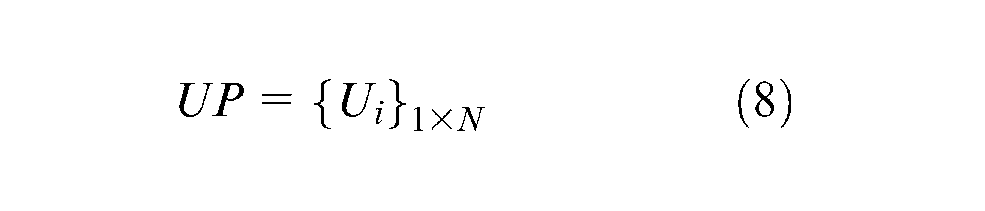
The set of providers’ utilities is formulated as equation (8), the element of the providers’ utility matrix
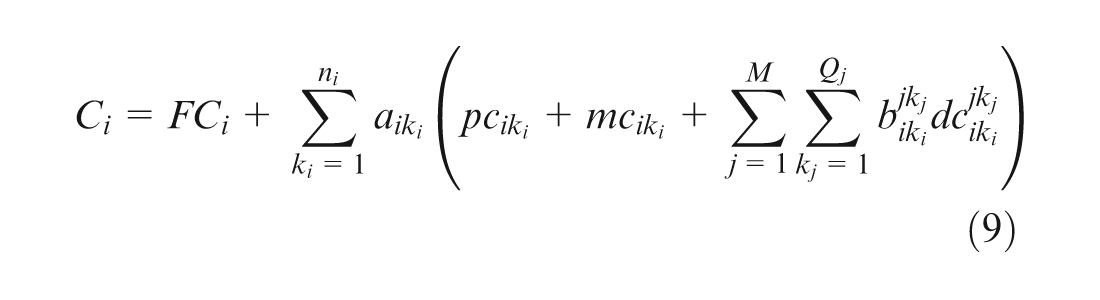
As to the specific provider i, from the above analyses of the specific utility constitutions, the cost of provider consists of the basic operation cost and the related cost of service (i.e. service publication cost, service maintenance cost, and service providing cost). Then, the cost of provider i,
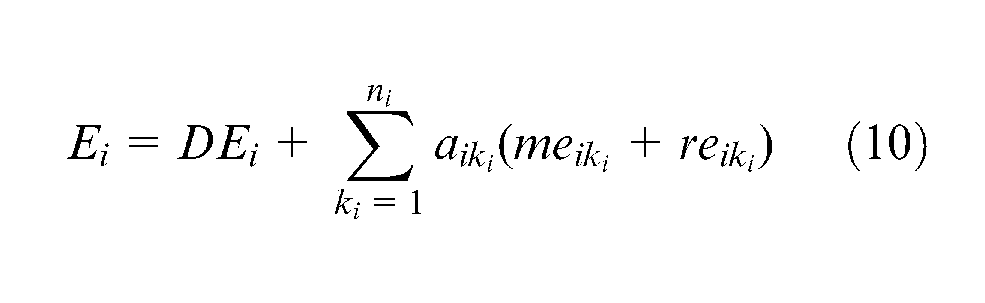
The energy consumption of provider i,
Considering the service-related providing risk, the risk of provider i is
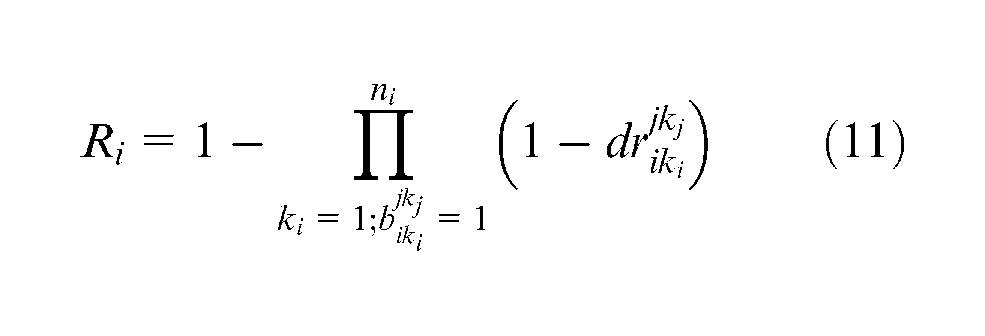
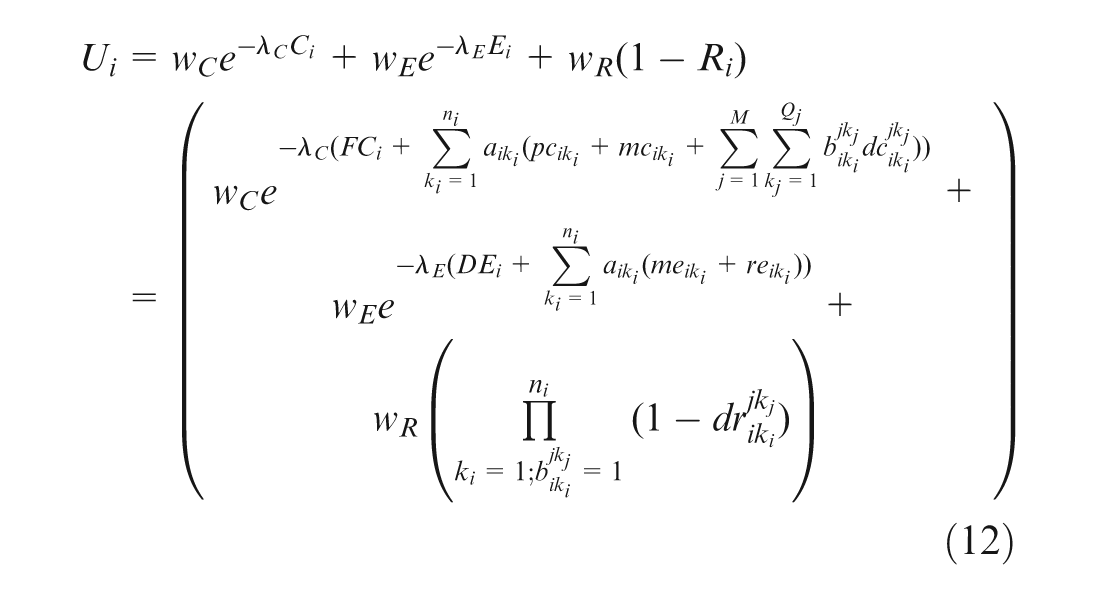
According to the above formulas (9)–(11), the utility of provider i is
Utility model for consumer
The set of consumers’ utilities is formulated as equation (13), and the element of the consumers’ utility matrix

Similarly to the provider, except of the basic operation cost, the cost of consumer still consists of the service invoking cost, service logistics cost, and so forth. Then, the cost of consumer j,
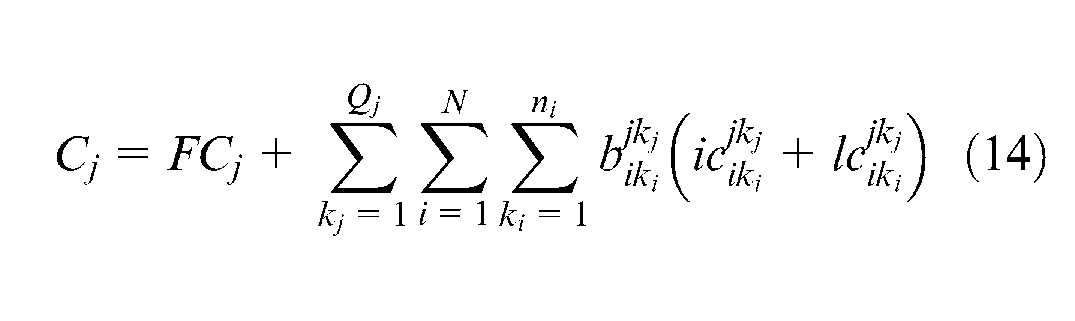
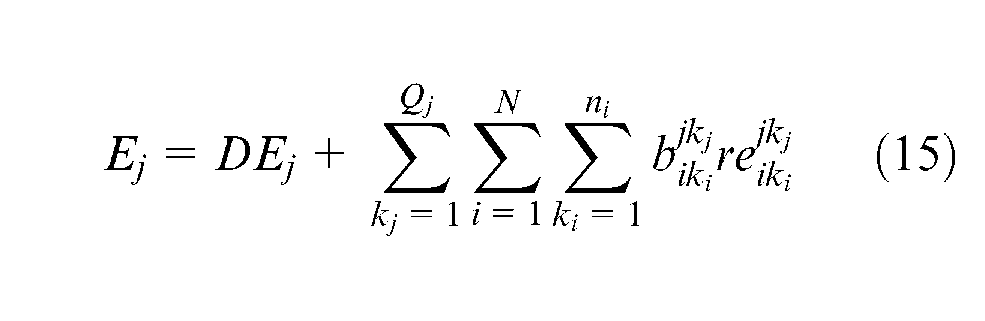
In addition to the energy consumption of provider i, the energy consumption of consumer j,
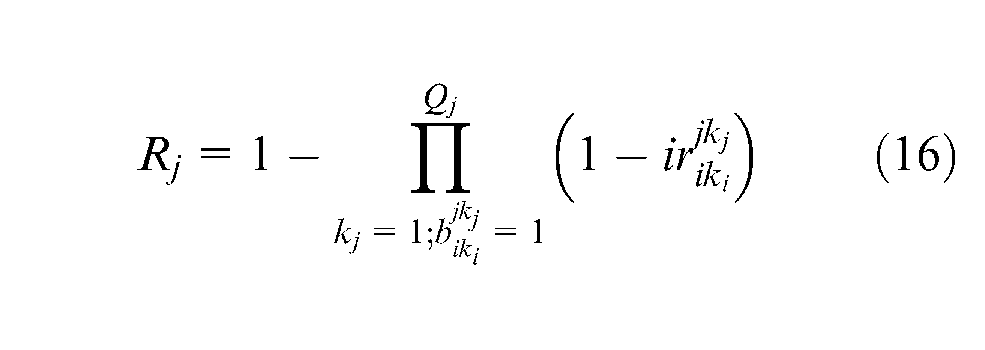
The risk of consumer j,
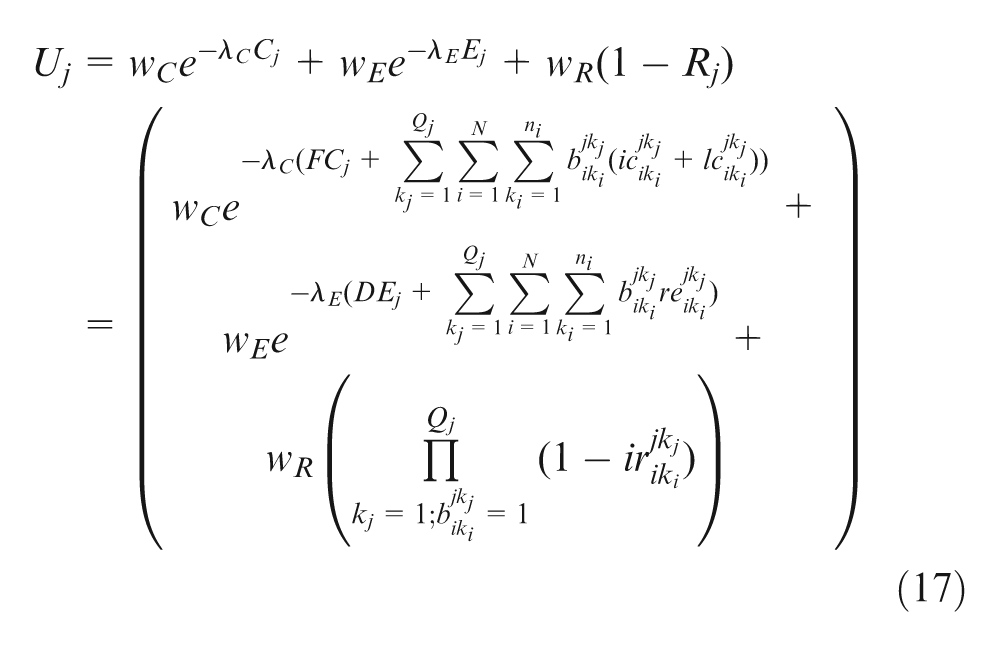
According to the above formulas (14)–(16), the utility of consumer j is
Utility model for operator
Regarding to the operator, the cost constitution contains the basic operation cost of CMfg service platform and the service-related scheduling cost. The cost of operator
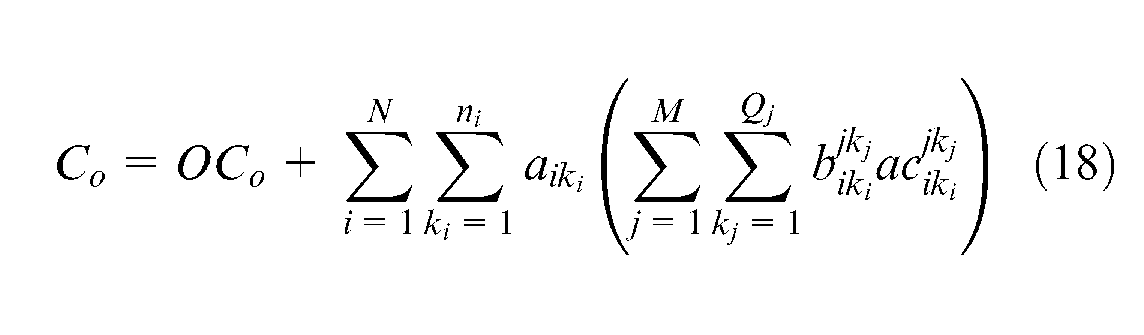
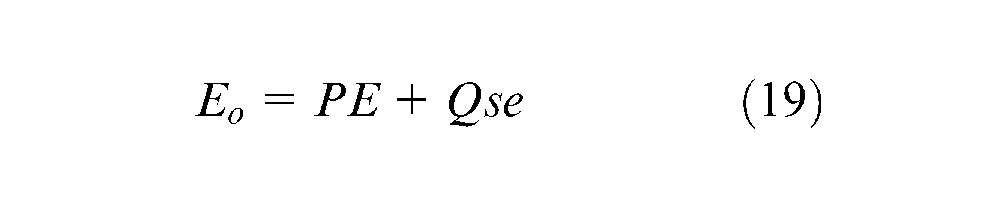
The energy consumption of operator
Different from the risk of provider and consumer, the risk of service platform operation is important for operator; then, the risk of operator
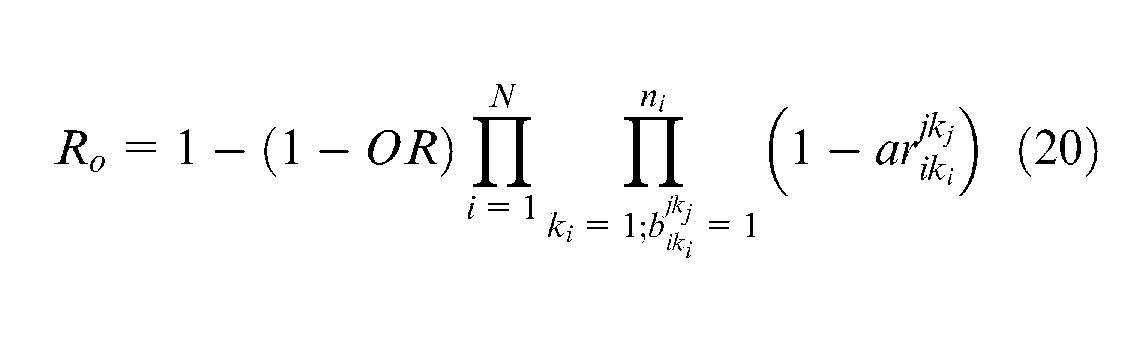
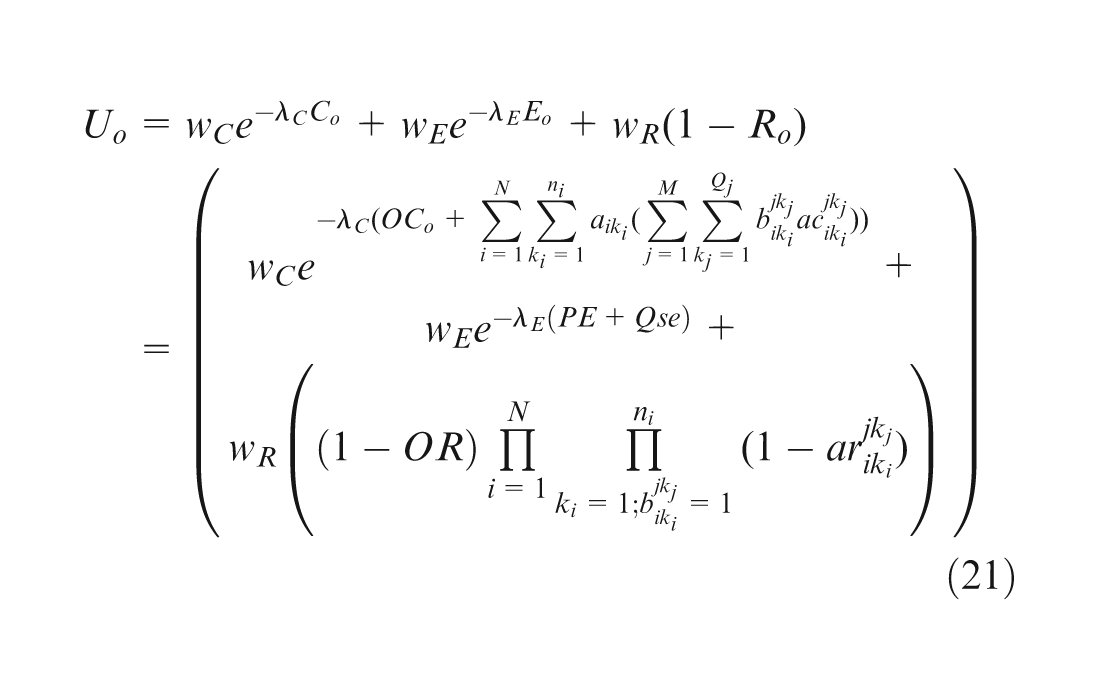
According to the above formulas (18)–(20), the utility of operator is
Resource service scheduling methods and comparisons
Based on the above energy-aware utility evaluation models and the resource service scheduling problem model, the following analysis and comparisons are on the different resource service scheduling methods.
Resource service scheduling methods
In the resource service allocation and scheduling process, the following four types of scheduling modes can be used:
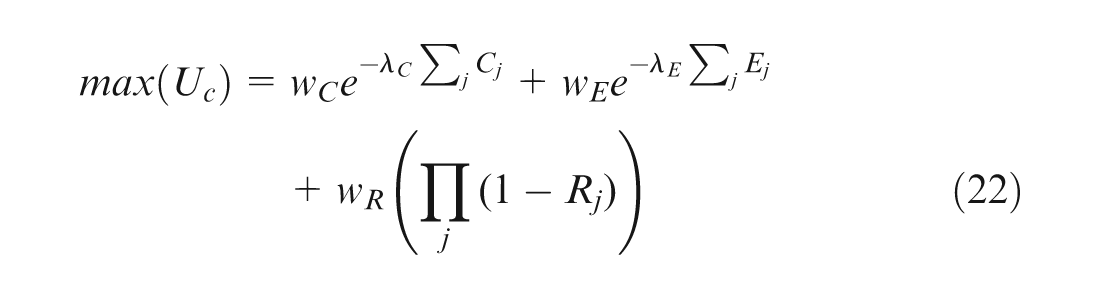
Consumer-centered resource service scheduling mode. It aims to maximize the utilities of the consumers, and its objective function is equation (22) with constraints (2)–(6)
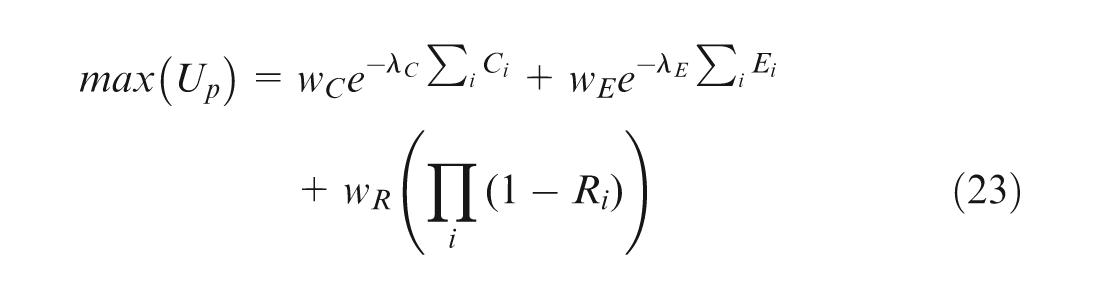
Provider-centered resource service scheduling mode. It aims to maximize the utilities of the providers, and its objective function is equation (23) with constraints (2)–(6)
Operator-centered resource service scheduling mode. It aims to maximize the utility of the operator, and its objective function is the maximization of equation (21) (i.e.
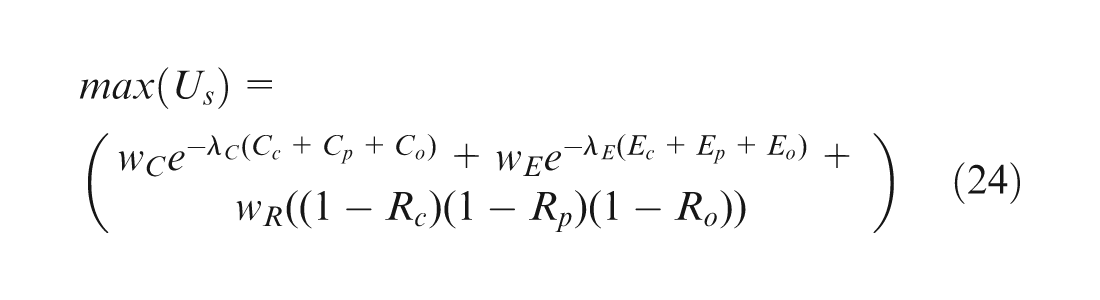
System-centered resource service scheduling mode. It aims to maximize the utility of the whole system (including the providers, consumers, and operator), and its objective function is equation (24) with constraints (2)–(6)
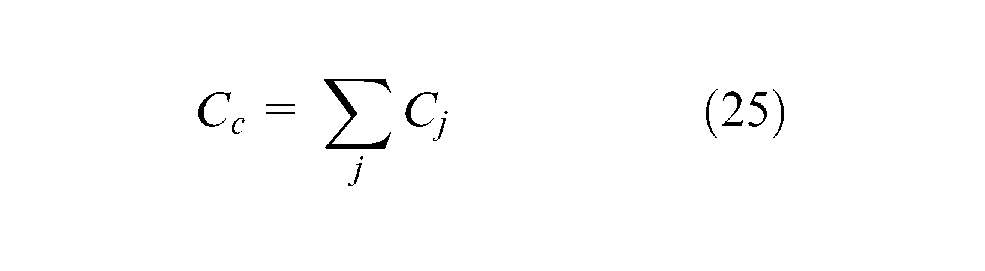
where
Experiments and results
In order to verify the proposed utility models and compare the four resource service scheduling methods, four groups of experiments were conducted. The conditions consisting of two providers-one operator-two consumers were considered in the experiments. The functional requirements of consumers are the rough machining of various different complex surfaces. Therefore, the services of numerical control (NC) milling machines and machine centers can meet it to mill the complex surfaces. The detailed information of requirements and services of the consumers and providers in the experiments are shown in Table 2. The simulation experiments are done in MATLAB 7.1. The detailed parameters in the formulas are generated in random with the appropriate range under these conditions. Additionally, the experimental PC configuration is listed as Intel® Core™ i3-CPU M380 at 2.53 GHz, 2 GB memory, Windows 7 of 32 bits.
Related information of consumers and providers.
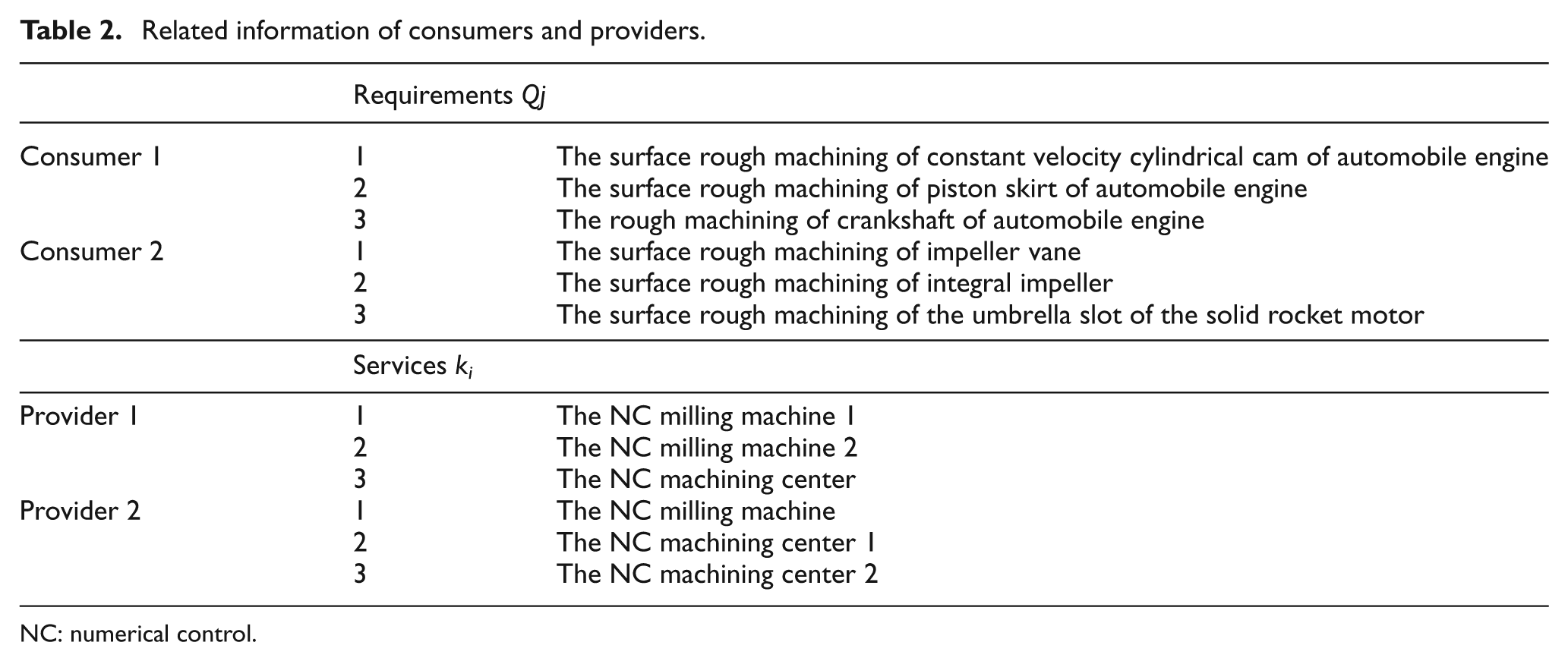
NC: numerical control.
According to the proposed utility models and scheduling modes, the utility of the consumers, providers, operator, and the whole system under these four resource service scheduling methods (i.e. provider centered, consumer centered, operator centered, and system centered) are shown in Figure 3. The abscissa is the different quantity combinations of service requirement of the two consumers, and the ordinate is the comprehensive utility values.
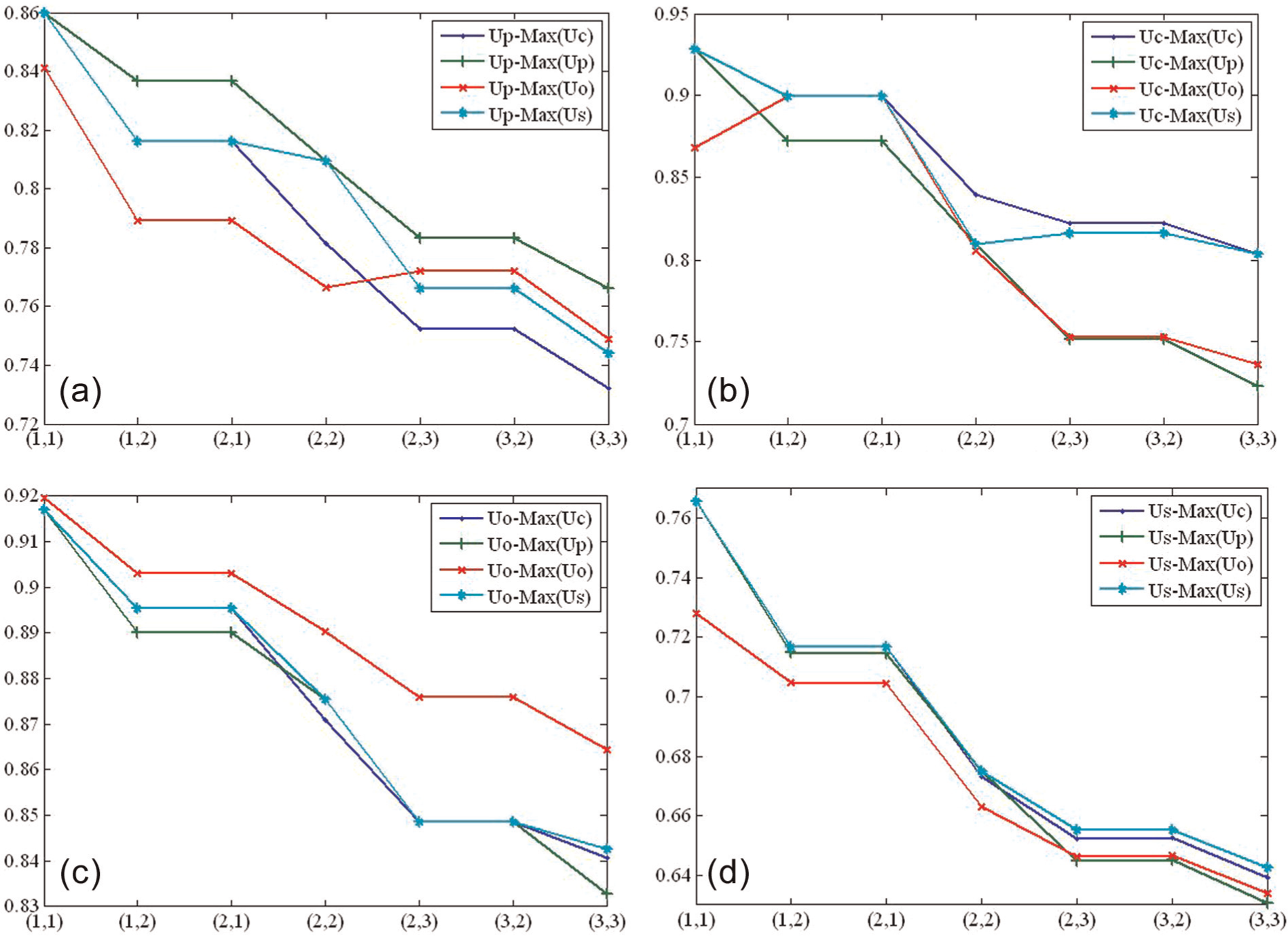
Utility values of (a) providers, (b) consumers, (c) operator, and (d) system.
In Figure 3, the results of comprehensive utility values of consumers, providers, operator, and the whole system are marked with prefixes Uc, Up, Uo, and Us, respectively. The results obtained using provider-centered, consumer-centered, operator-centered, and system-centered resource service scheduling methods are marked with suffixes max(Up), max(Uc), max(Uo), and max(Us), respectively. All of the results in Figure 3 are the average of utility values after experiments running 10 times.
Discussions
As shown in Figure 3, using consumer-centered resource service scheduling method, the utilities of consumers are maximal, but the utilities of providers, operator, and system are not large. Similarly, using provider-centered scheduling method, the providers can obtain the maximal utilities, but others are not. Using operator-centered scheduling method, only operator obtains the maximal utilities.
It means that if each user applies self-centered (e.g. the consumer applies the consumer centered) scheduling method, it can obtain their own ideal or expected maximal utility values. Apparently, it is unrealistic only considering one side’s optimal profit or utility in any allocation and scheduling. Otherwise, the allocation or transaction cannot be happened.
Using system-centered scheduling method, the system can obtain the maximal utility value, which meets the aim of CMfg system that decreases the system’s cost, energy, and risk very well. Although the three types of users (i.e. consumer, provider, and operator) cannot obtain their ideal or expected maximal utilities, they can obtain the second biggest utility value at the same time. In a way, the above scheduling problem models and utility models are reasonable, for that the results with the comprehensive utility evaluation are similar to the economic law, and it is also obvious that centralized decision making is better than decentralized decision making for system.
Therefore, the system-centered resource scheduling method is the best choice for practical application and to realize the initial aim of CMfg system. It can lead to maximal comprehensive utility for the whole system while enabling the three key users (i.e. consumer, provider, and operator) to obtain the utility that approaching to their ideal or expected maximal utility. Actually, the system-centered scheduling method needs to be further studied and improved (i.e. the system-centered cooperative scheduling method) in the subsequent researches to make the three users’ utilities under system-centered scheduling method approach or exceed their expected values under “themselves-centered” scheduling methods.
System-centered cooperative scheduling method and experiments
Resource service cooperative scheduling method
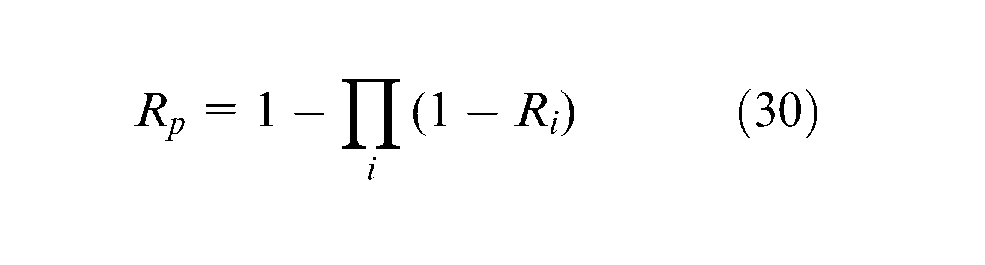
Based on the comparisons with the utilities under the above four resource service scheduling methods (i.e. provider centered, consumer centered, operator centered, and system centered), the system-centered cooperative scheduling method based on the cooperative strategy of risk sharing is provided, that is, no matter provider, consumer, and operator, if they are linked by one service, they must share the corresponding service providing risk, service invocation risk, and service scheduling risk. After introducing the risk-sharing cooperative strategy, the risk of provider i (
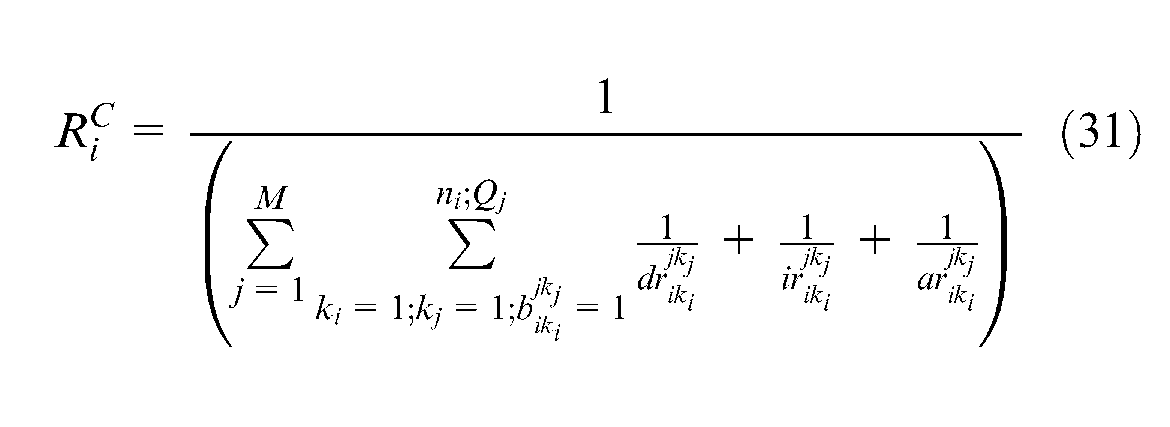
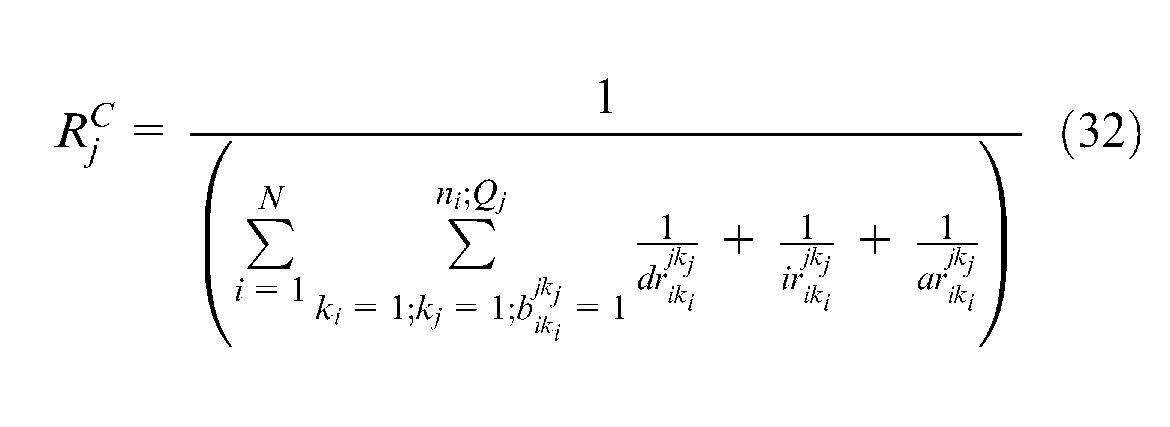
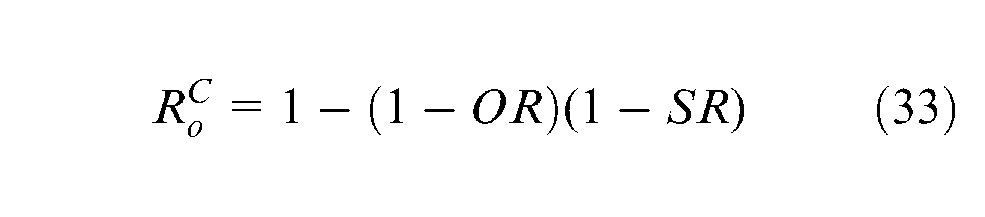
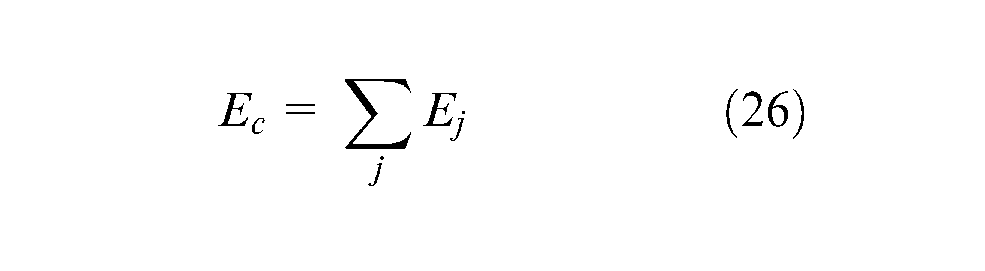
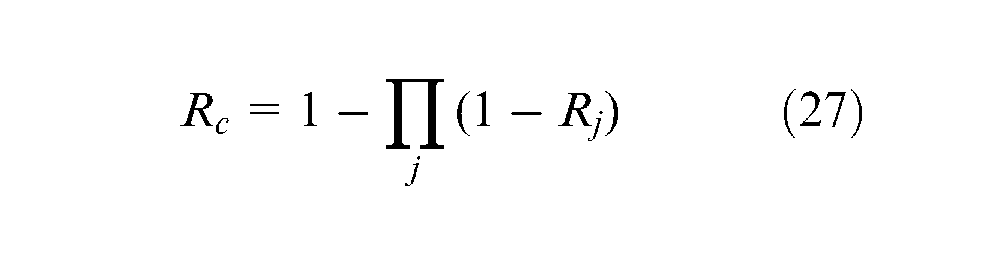
where, except the risk of platform operation
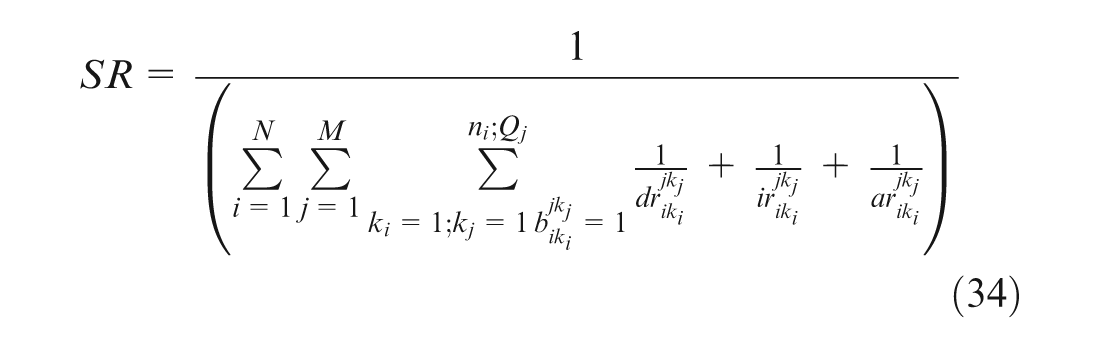
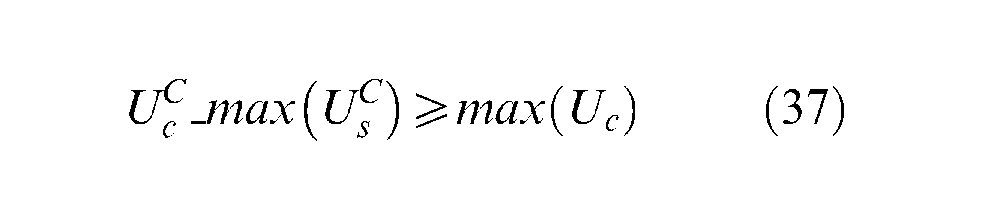
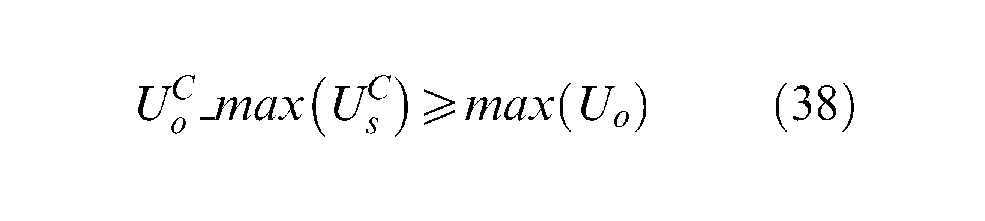
With respect to the system-centered cooperative scheduling method, it aims to maximize the utility of the whole system (including providers, consumers, and operator) and to make the three users’ utilities approach or exceed their expected values under “themselves-centered” scheduling methods at the same time. Therefore, the objective function is equation (35) with the general constraints (2)–(6) and the cooperative constraints (36)–(38)
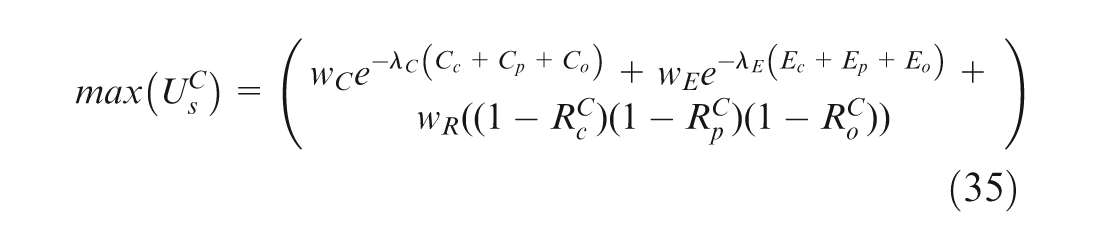

where
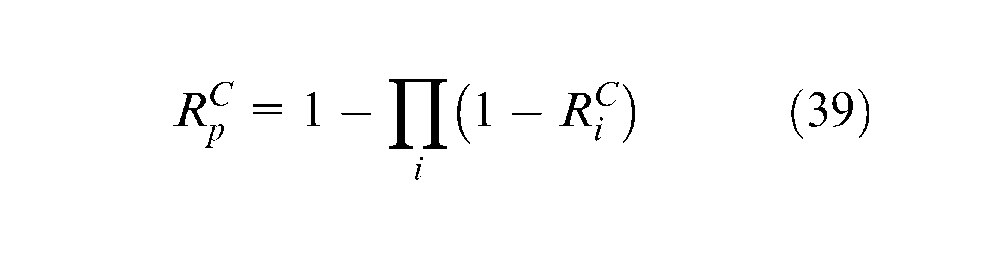
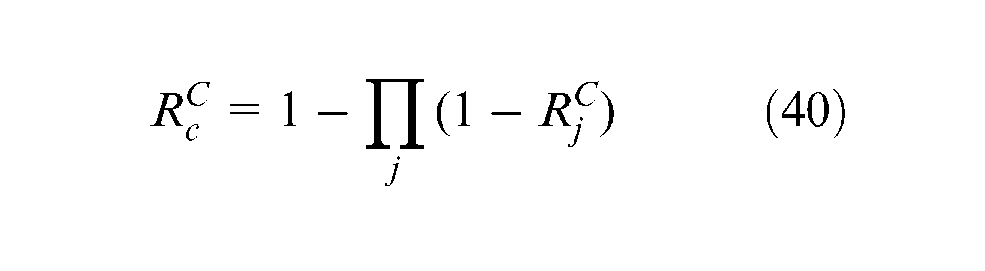
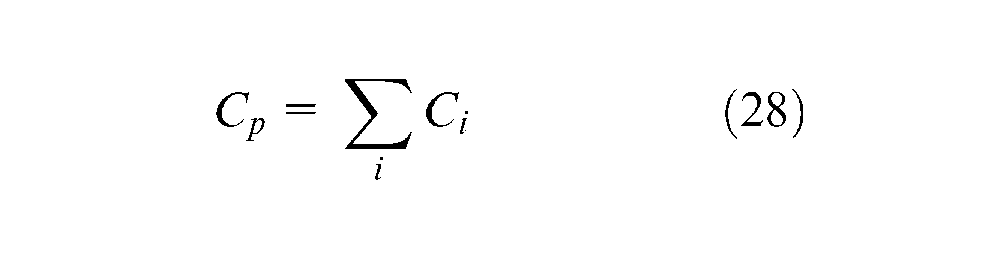
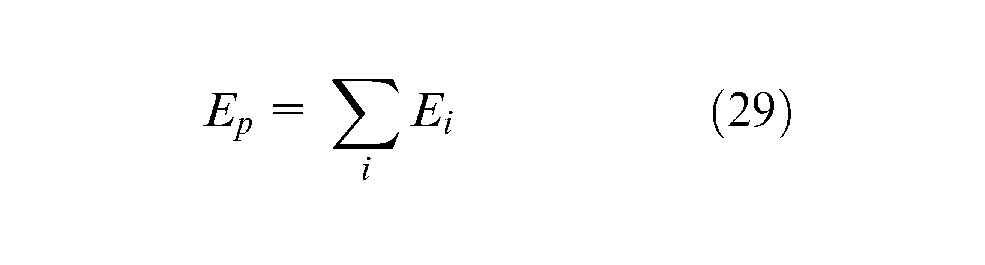
For the above formulas (36)–(38), the symbols
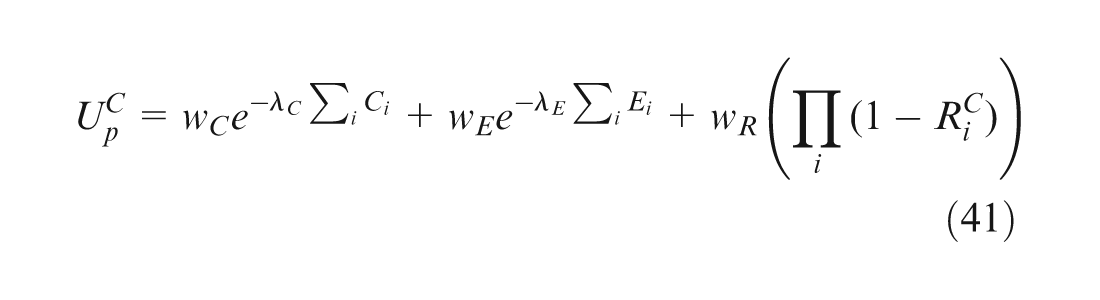
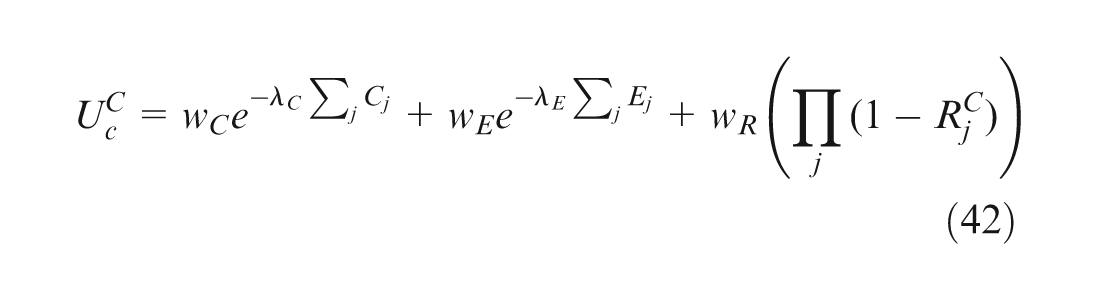
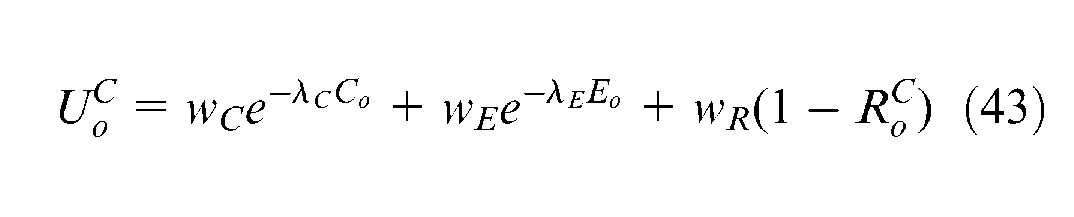
Similarly, the symbols
Experiments and results
According to the proposed system-centered cooperative scheduling method based on risk-sharing strategy, the maximal utilities of the consumers, providers, operator, and the whole system under the system-centered cooperative service scheduling method are shown in Figure 4. Similarly, all of the results in Figure 4 are the average of utility values after experiments running 10 times. They are compared with the maximal utilities of consumers, providers, operator, and the whole system under themselves-centered scheduling method. These comparison experiments are the subsequent testing of the experiments in section “Resource service scheduling methods and comparisons.” The detailed parameters, conditions, and the testing environment are the same with the previous experiments. In Figure 4, similarly to the suffix in the previous experiments, the results obtained using system-centered cooperative resource service scheduling method are marked with suffix max(UsX).
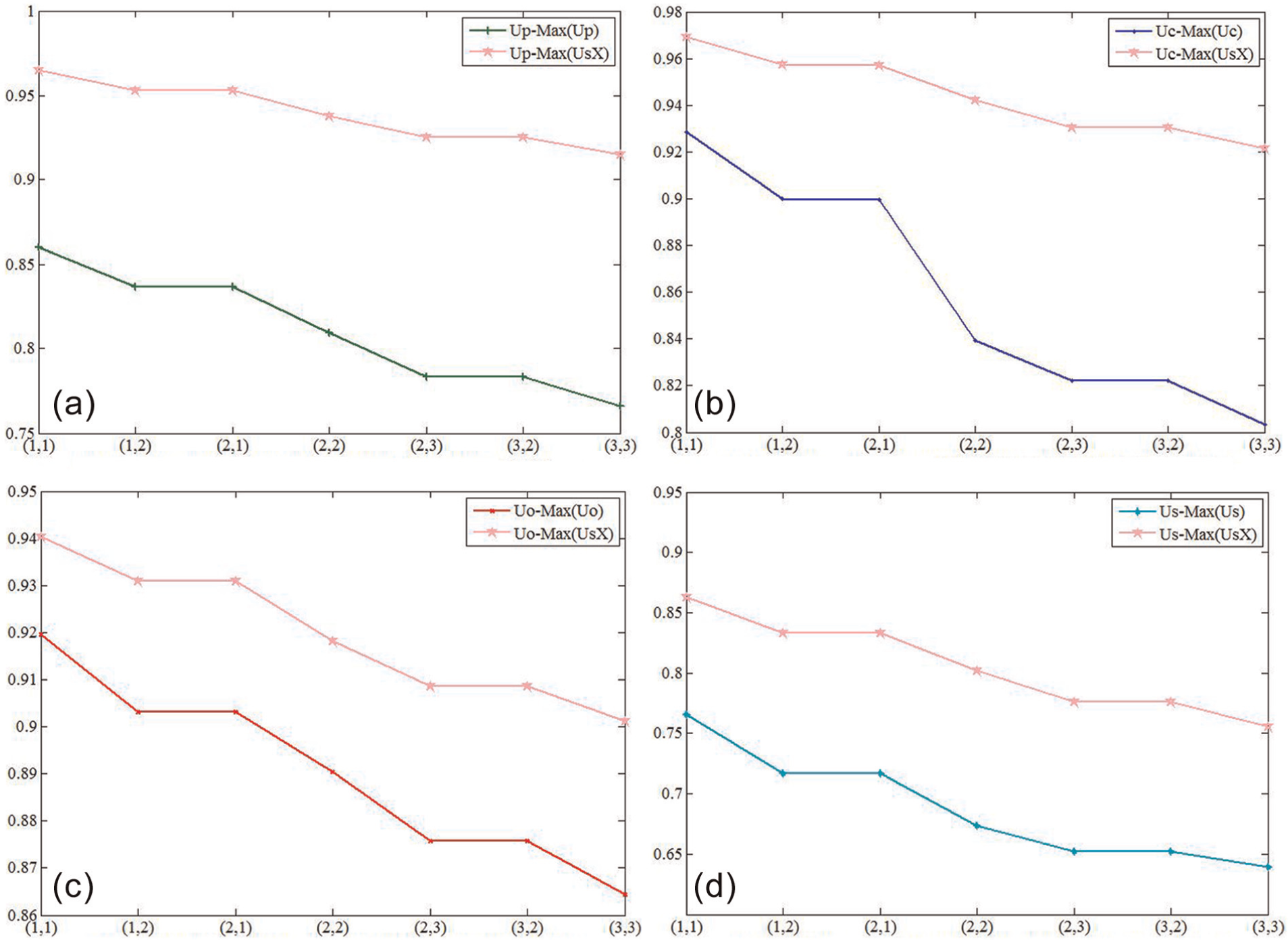
Comparisons of utility values of (a) providers, (b) consumers, (c) operator, and (d) system among self-centered scheduling methods and system-centered cooperative scheduling method under pre-/after cooperative.
In order to further verify the feasibility of the proposed system-centered cooperative scheduling method, the sizes of the above experiments are expanded from “two providers-one operator-two consumers” to “ten providers-one operator-ten consumers.” And the experiments are with the assumption that each consumer has only one service requirement, and each provider provides only one service. Then, the average maximal utilities of providers, consumers, operator, and the whole system under system-centered cooperative service scheduling method with the scheduling problem of “n providers-one operator-n consumers” are shown in Figure 5.
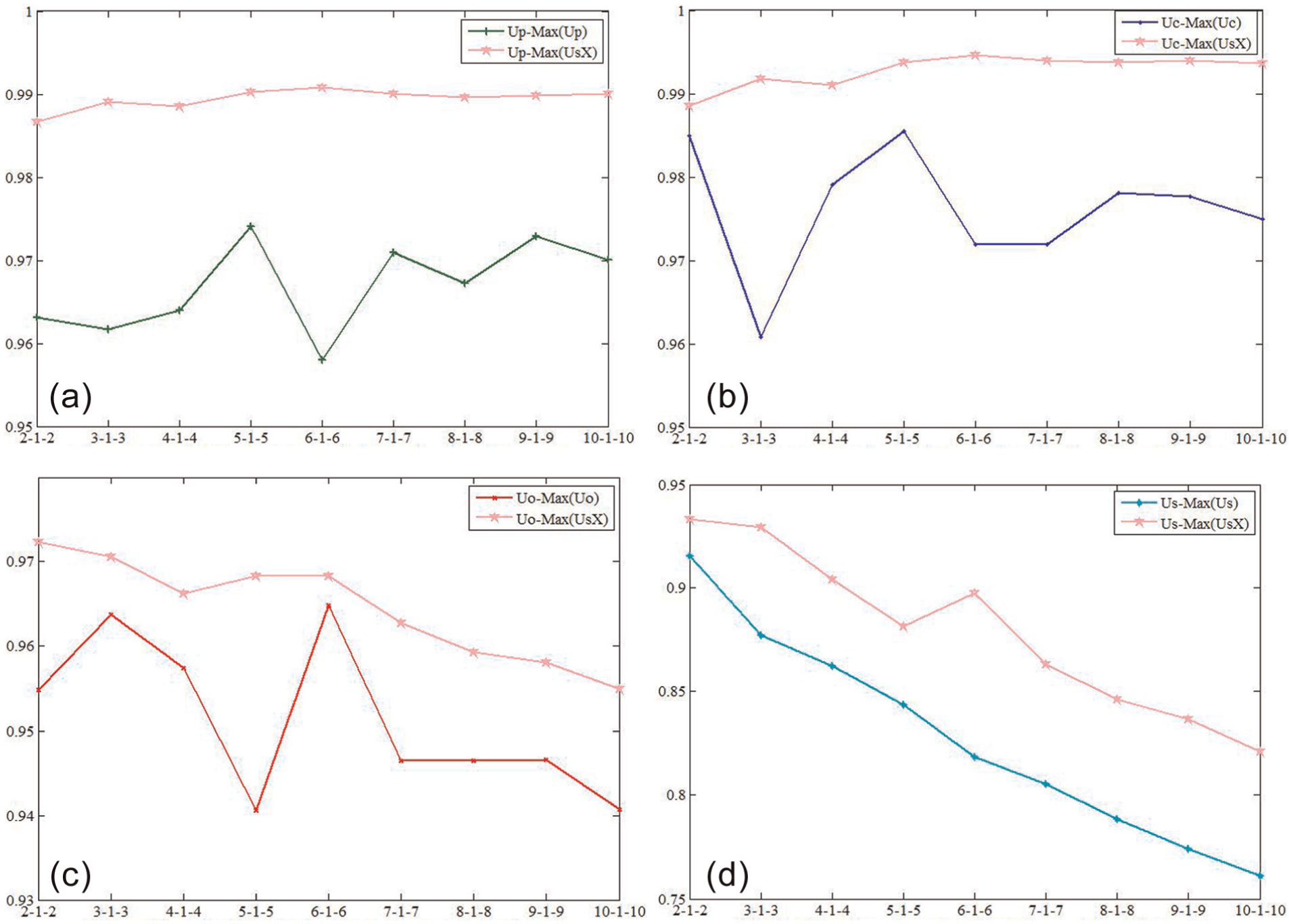
Comparisons of utility values of (a) providers, (b) consumers, (c) operator, and (d) system among self-centered and system-centered cooperative scheduling methods under the “n-1-n” scheduling problem and under pre-/after cooperative.
Discussions
As shown in Figure 4, introducing the strategy of risk sharing, using system-centered cooperative resource service scheduling method, the utilities of system with different combinations of the demanded quantity are improved, and they are better than the utilities of system under the only system-centered scheduling method. Besides, the utilities of consumers, providers, and operator under system-centered cooperative scheduling method are larger than the maximal utilities under themselves-centered scheduling methods.
In addition to the results shown in Figure 5, under system-centered cooperative scheduling method, the lines of the average maximal utilities of n providers and n consumers, and the lines of the maximal utilities of operator and system, are still higher than those lines under themselves-centered scheduling methods.
It means that no matter how many providers and consumers there are in a CMfg system, using system-centered cooperative scheduling method with the strategy of risk sharing, the risks of users and the whole system are reduced that leads the increasing of the utility values. Hence, the whole system and the triple users (i.e. providers, consumers, and operator) can obtain the higher maximal utility values than using the other scheduling methods. That is, the strategy of risk sharing makes the system cake bigger, so that the users in the system can eat more cakes. Moreover, it meets the final aim of CMfg very well and makes various users accept and practice the new manufacturing resource and capability sharing mode, system, and platform of CMfg.
Therefore, system-centered cooperative resource scheduling method with the strategy of risk sharing is the best choice for practical application and to realize the initial aim of CMfg. It can leads to maximal comprehensive utility for the whole system while enabling the three key users (i.e. consumers, providers, and operator) to obtain their ideal or expected maximal utilities, which are better than the maximal values under themselves-centered scheduling methods.
Conclusions and future works
The research on CMfg is just a beginning, and many theories, technologies, and methods for implementing CMfg are not matured yet and need to be further studied. The main aim of CMfg is to realize full sharing and circulating, on-demand use of various manufacturing resources and capabilities, so as to realize GM and SM (e.g. minimize energy consumption and cost). An effective resource service scheduling method that can maximize the utility of the whole CMfg system is very important for realizing that aim. In this article, after compared with the utilities under the different four resource service scheduling methods (i.e. provider centered, consumer centered, operator centered, and system centered), it is found that the system-centered resource service scheduling method is the highest potential method to realize the aim of CMfg. Introducing the strategy of risk sharing into system-centered scheduling (i.e. system-centered cooperative scheduling method), it can lead to maximal comprehensive utility for the whole system while enabling the three key users (i.e. consumers, providers, and operator) to obtain the higher maximal utility they expected. With this scheduling method and strategy, CMfg and its platform will be applied by much more users and be used to realize the higher efficient sharing, green and on-demand use of manufacturing resource and capability. So far as to the other SOM systems with the tripartite users, the cooperative scheduling method and strategy are still adaptive. In future, much more strategies of system-centered scheduling methods will be further studied and improved, and much more indexes will also be added into the utility models to rationalize the comprehensive evaluation of manufacturing resource and capability service in CMfg.
Footnotes
Declaration of conflicting interests
The authors declare that there is no conflict of interest.
Funding
This work was supported in part by NSFC project (nos 51005012 and 61074144), the National Key Technology Research and Development Program (no. 2011BA K16B03), and the Fundamental Research Funds for the Central Universities in China.