




Abstract
Recent studies have focused on developing new materials capable of withstanding diverse environmental or weathering conditions, including sunlight, temperature, moisture, and chemicals, for various outdoor applications. Nowadays, nanotechnological advancements have opened possibilities for the development of polymer nanocomposites, which exhibit superior mechanical and weathering properties over traditional materials. However, there is limited literature available that summarizes the improvements in the mechanical and weathering properties of nanocomposites specifically for FFF. This paper provides a concise review of composite material development through the incorporation of nanofillers (NFs) to enhance product strength and durability. The primary focus is on examining the effect of the inorganic nanofillers, especially metal oxides NFs (TiO2, ZnO, SiO2), on the mechanical and weathering properties of the polymers in different manufacturing processes. Paper also covered the challenges and opportunities along with the applications of metal oxide-based polymer nanocomposites for outdoor use.
Keywords
Introduction
With the continuous increase in demand for customized products or components using advanced manufacturing technologies in the modern world, there is a need to study the impact of the environmental conditions on their performance for better sustainability. The demand for sustainable products or components has necessitated a focus on ensuring reliable performance, high efficiency, and prolonged durability under diverse environmental conditions such as varying temperatures, sunlight exposure, moisture, and exposure to chemicals. The mechanical and surface properties of the materials used in manufacturing directly impact a component’s characteristics in varying environmental conditions. Additionally, the design and manufacturing processes play pivotal roles that influence the reliability of a product or component’s performance in different applications. Thus, the researchers increase interest in developing an effective material that will sustain under different environmental exposures.
Additive manufacturing (AM) and polymer materials
Additive Manufacturing (AM), also known as 3D Printing (3DP), has emerged as an advanced manufacturing technologies capable of fabricating components with complex geometries through the layer-by-layer addition of materials. Nowadays, the implementation of AM processes is rapidly growing due to their flexibility and design freedom. The component manufacturing capabilities of AM, with any complexity, offer significant savings in cost and materials with the shortest production time. Components manufactured using AM are being used in various sectors, such as the automotive, biomedical, electronics, aerospace, robotics, and manufacturing industries.1,2 One major constraint of AM is the limited range of available processable materials and their inadequate properties. Although in the last decade revolutionary changes have occurred in AM, research and development of composite materials is one of the major changes in AM for various manufacturing industries. Consequently, researchers have been focusing on developing novel AM materials such as composites, nanocomposites, functionally graded materials, and multifunctional materials with desirable properties.3,4
A variety of materials have been used in AM, including metals, polymers, ceramics, and their composites. Polymers and their composites are widely used in AM owing to their inherent characteristics, such as lightweight nature, easy processability, viable mechanical, thermal, and electrical properties, as well as wear resistance, flame retardancy, and corrosion resistance (chemicals, moisture). 5 Polymer materials, especially thermoplastic, are some of the most widely used materials for different application fields over other traditional materials. Polymeric products are exposed to different environmental conditions, such as sunlight, moisture, temperature, and chemicals, which can lead to changes in their physical, chemical, and mechanical properties. These environmental exposures can significantly impact microstructure, physical appearance (color change, surface erosion), and mechanical properties (such as strength and modulus), ultimately affecting product durability.6,7 Recently, the growing interest in studying the effect of the environmental or weathering conditions on AM polymeric products has opened the way for researchers to consider product durability alongside with mechanical performance. This shift in focus, aims to extend the service life of polymeric products manufactured using AM. Therefore, it is vital to develop materials that are sustainable under outdoor environmental exposure processed through the AM processes.
Techniques for polymer processing in AM.
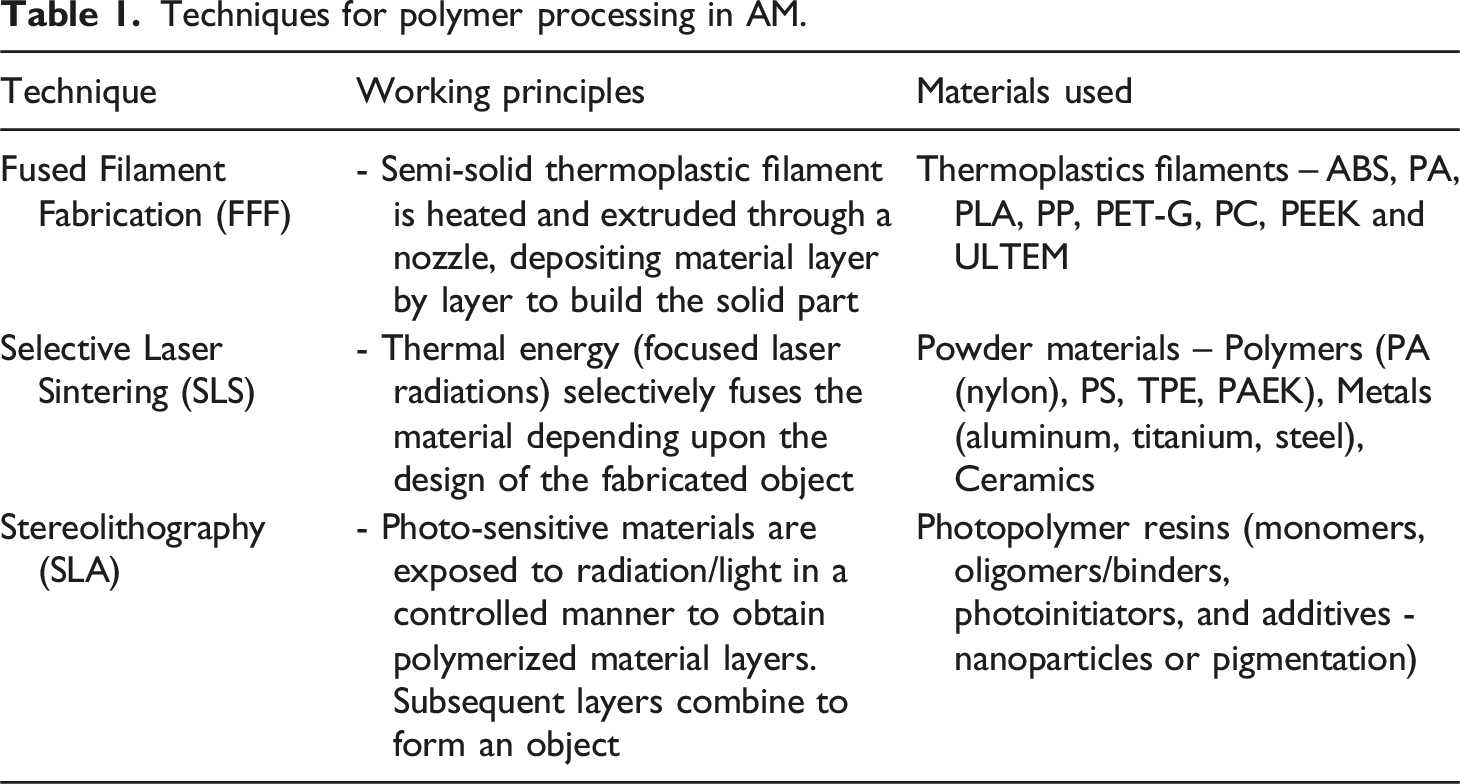
Among these techniques, FFF is the most extensively used; it is also referred to as Fused Deposition Modeling (FDM). In the FFF process, components are built by extruding material in a semi-solid state through a nozzle, depositing it in a successive manner on a platform until the final 3D parts are produced (Figure 1).
9
Thermoplastic polymers are more often used as input materials in the FFF process. Acrylonitrile Butadiene Styrene (ABS), Polyamide (PA), Polylactic Acid (PLA), Polypropylene (PP), Polyethylene Terephthalate Glycol (PET-G), Polyether Ether Ketone (PEEK), and Polycarbonate (PC) are some of the widely used thermoplastic polymers in the FFF process.
10
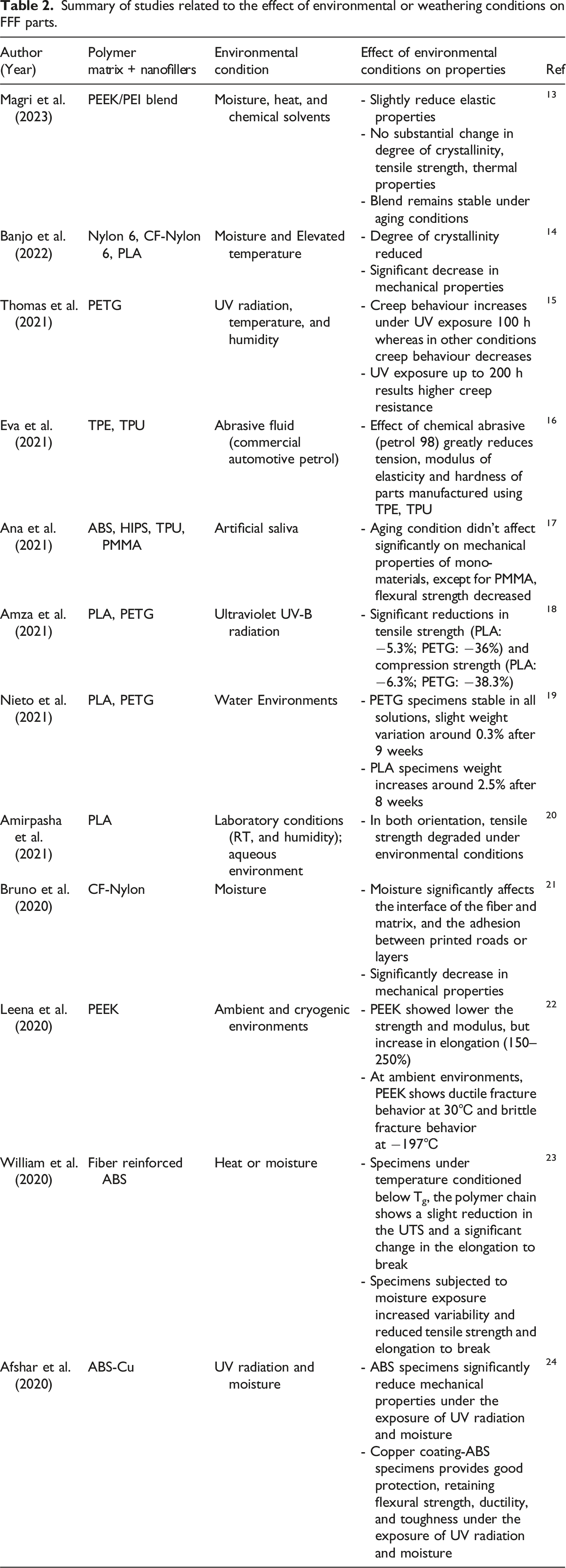
While FFF enables the processing of a wide range of materials, commercially available FFF materials often struggle to perform optimally under different environmental or weathering conditions as shown in Figure 1. There is limited research on the effects of different environmental or weathering conditions, such as sunlight (UV radiation), moisture, elevated temperature, and chemicals, on these polymers in various outdoor application fields (aerospace, biomedical, automotive, and marine).11,12 Table 2 provides a concise overview for readers on how FFF-fabricated parts have performed under different environmental or weathering conditions till date, along with the effects on the properties of FFF parts. The literature studies conclude that different materials such as ABS, PA (Nylon), PLA, HIPS, TPU, except PEEK, PETG significantly reduce the mechanical and surface properties of FFF-manufactured parts under different environmental conditions. The reduction in material properties of the polymer is particularly impactful due to the strong interconnections between different types of degradation (photo-oxidation, thermal, and hydrolysis). The combined effects of environmental exposures significantly impact the microstructure, appearance, and mechanical properties of FFF- fabricated polymeric parts, ultimately influencing their durability. Schematic of FFF process and environmental or weathering conditions.
8
Summary of studies related to the effect of environmental or weathering conditions on FFF parts.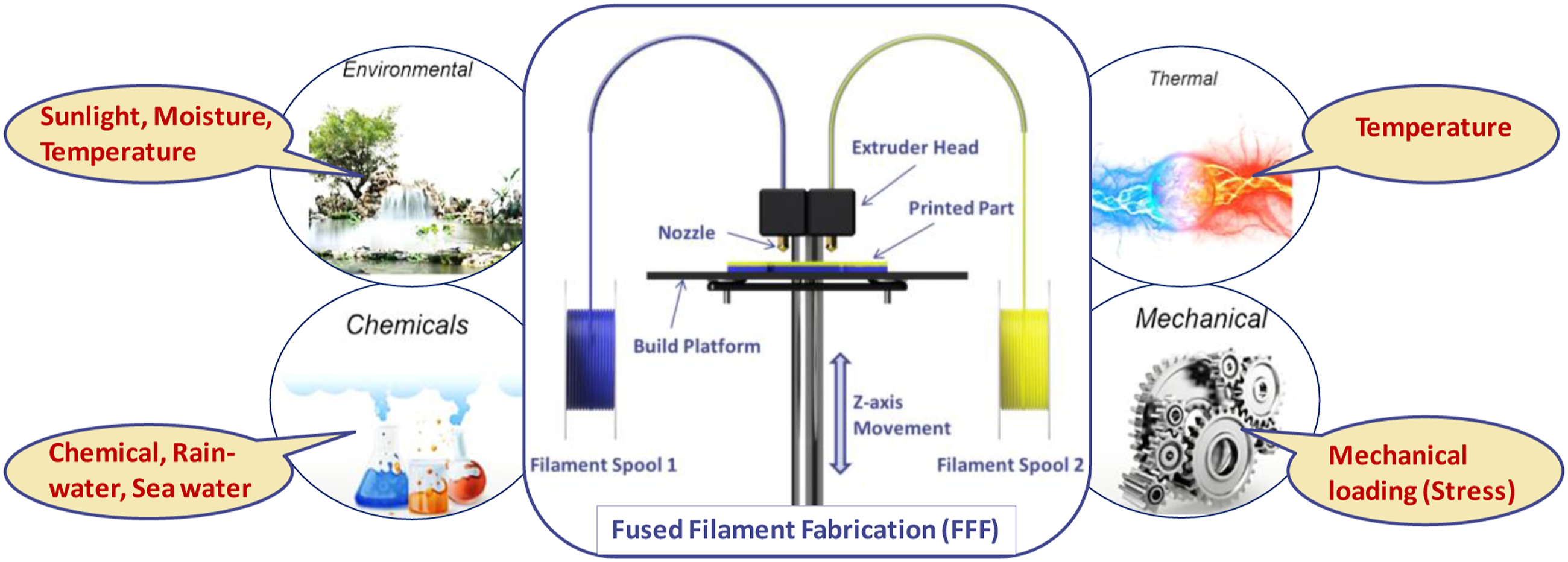
For outdoor applications, polymer materials must be resistant to these environmental or weathering conditions while maintaining high mechanical strength at a cost-effective price.
25
Currently available commercial polymers for FFF may not perform adequately in outdoor applications, but this can be improved by introducing various types of fillers to achieve the desired properties.26,27 The addition of fillers in the polymer matrix imparts desirable properties, as depicted in Figure 2, which increases their use in a various application. Therefore, there is a need to develop composite materials that possess enhanced mechanical and weathering properties (i.e., UV, moisture, chemical and heat resistance) for different environmental or weathering conditions. The incorporation of nanomaterials into the polymer matrix to develop composite materials will be the potential solution to address the effects of different environmental or weathering conditions. Desirable properties of composite materials.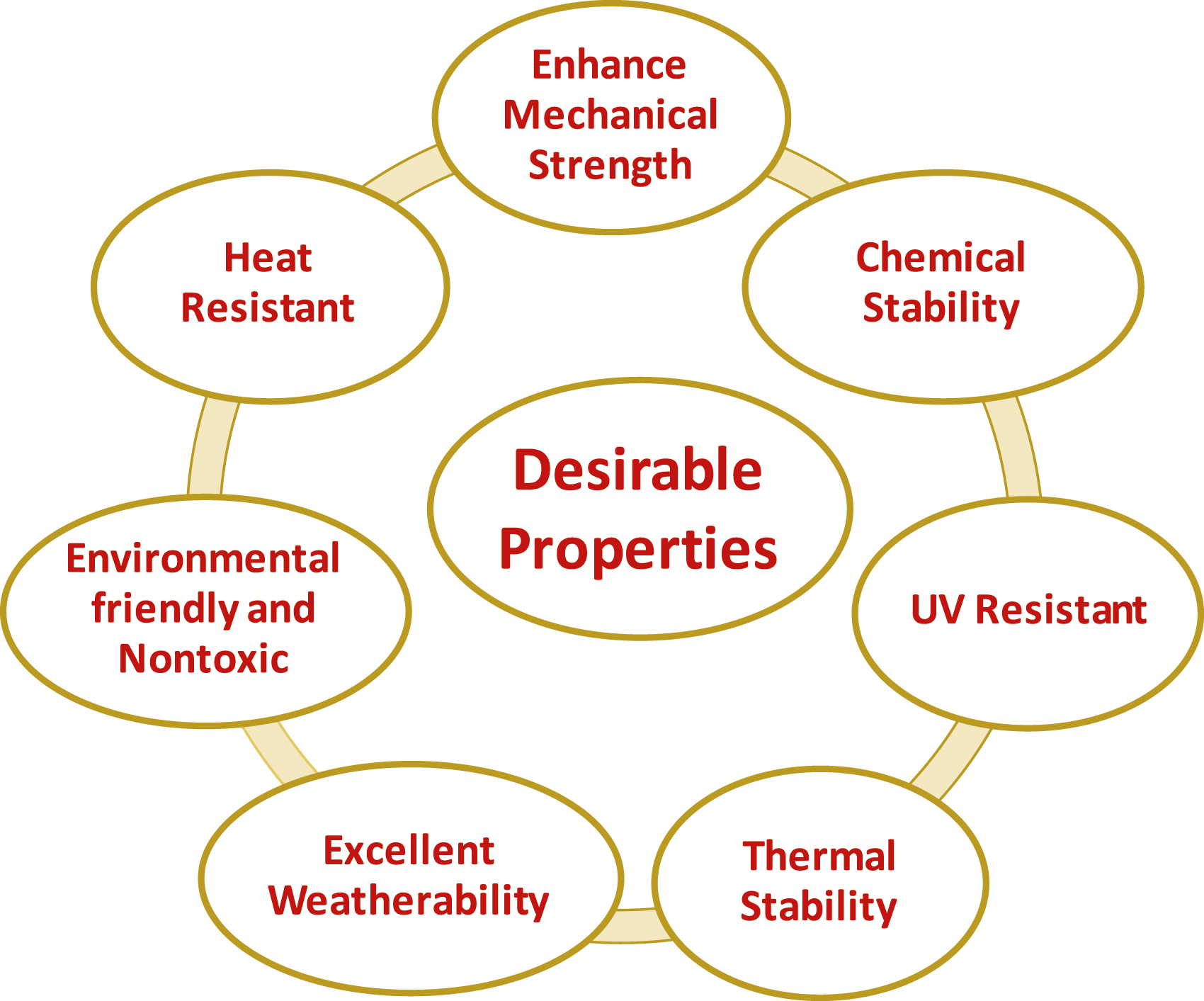
Polymer nanocomposites (PNCs)
Polymer Nanocomposite (PNC) materials have been extensively documented in the scientific literature over the past few decades for their ability to significantly enhance properties, even with a low content of nanomaterials. In the field of nanotechnology, PNCs are characterized as solid materials composed of two or more distinct materials that are separated into phases, with one or more of the dispersed phases being at the nanoscale and a dominant polymeric phase. Materials are in the nanoscale range when at least one of their three external dimensions falls between approximately 1 nm and 100 nm. The addition of nanomaterials into the polymer matrices offers significant improvements in mechanical and other properties without compromising the parent properties and at a relatively low cost. Various organic and inorganic nanoparticles (NPs) have been documented in extensive prior literature as being utilized in the formulation of PNCs. Graphene, nanoclay, carbon nanotubes, carbon nanofibers, and metal oxide nanofillers have been extensively studied as reinforcing agents in PNCs for the FFF process. 28 These nanofillers have unique properties, such as low density, small dimensions, high aspect ratio, and superior mechanical, thermal, and electrical properties, making them suitable for a wide range of applications. However, the use of inorganic materials as fillers in the polymer matrix is gaining popularity due to their exceptional properties. The combination of inorganic materials (metal oxides NPs) properties, such as high hardness, high refractive index, thermal stability, and chemical stability, along with the desirable properties of organic polymers offers significant potential for a diverse range of applications. 29 The applications of these inorganic-organic PNCs span a wide spectrum, ranging from reinforcing in polymers to creating abrasion-resistant coatings, optical devices, flame-retardant materials, automotive components, fuel cells, photocatalysts, electrical insulation in electronics, and many more. The review article presents the research gaps in the AM through literature survey and provides the potential solution. The article summarizes the influence of reinforcing metal oxide NPs in material development, that lead to improve the material properties. Also, this review will discuss the challenges associated with the development of PNCs and provide a solution to improve the mechanical and weathering properties along with highlighting their potential applications.
Metal oxide-based polymer nanocomposites (MO-PNCs)
This section provides a concise review of the studies related to the MO-PNCs that enhance the mechanical and other properties of various polymer matrices across different manufacturing processes. The properties of the polymers used in different manufacturing processes can be improved by adding different metal oxide NPs. Metal oxide nanofillers, such as Titanium dioxide (TiO2), Zinc oxide (ZnO), and Nanosilica (SiO2), are extensively used in the literature in both scientific literature and commercial applications. 30 Those metal oxide nanofillers exhibit different characteristics, including UV resistance, oxygen and water barrier capabilities, chemical and thermal stability, mechanical strength, and customized rheological behavior. They possess excellent dispersion, fine nanoparticle size, high chemical purity, and a high specific surface area. These important characteristics make them a suitable choice for the development of PNCs for outdoor application fields.
Studies on nanocomposite with reinforcement of titanium dioxide in polymer matrix
Titanium dioxide (TiO2) has garnered significant interest due to its non-toxic nature, excellent dispersibility, biocompatibility, and chemical stability, which enhance the properties of polymers. It has been extensively studied for various purposes, such as improving the UV stability and antibacterial properties of polymers. These characteristics have made it a preferred choice in various outdoor applications. The incorporation of TiO2 NPs into polymer matrices has shown significant effects on the material properties and functionalities of various materials processed through different manufacturing techniques, including FFF/FDM, Injection Molding (IM), Extrusion, Coating, and Polymerization processes.
Using the FFF process, Vidakis et al.
31
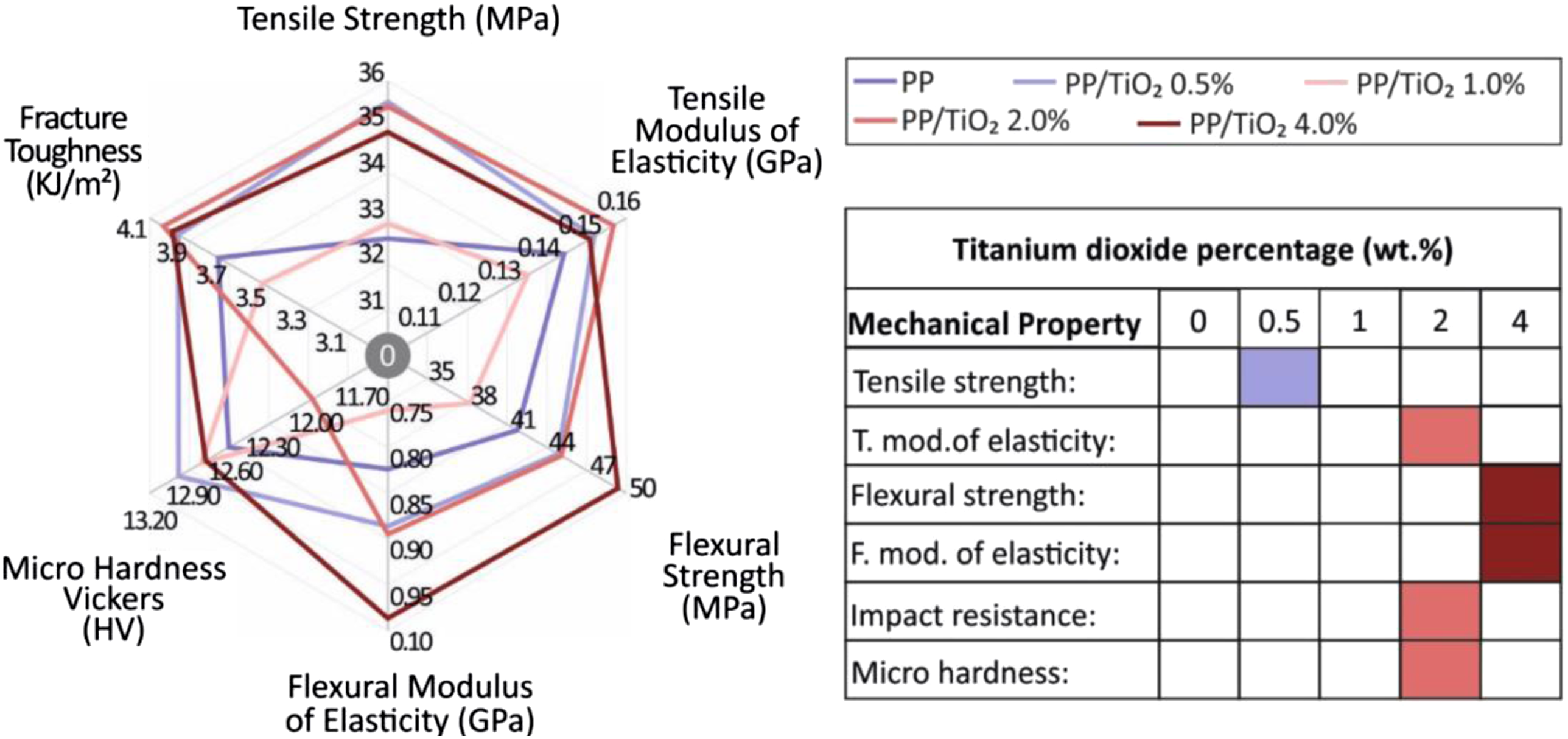
studied the effect of varying TiO2 content (0–4 wt%) on the properties of PP polymer material. The results showed that the lower concentration mainly at 2 wt% of TiO2 filler enhanced the mechanical properties, shown also in Figure 3 that improvement in strengths at different concentrations. The study demonstrated the potential of PP/TiO2 nanocomposites (NCs) for FFF, offering improved mechanical properties without a significant impact on processability. In another study by Vidakis et al.
32
developed a novel NCs filament produced using a melt mixing process by incorporating TiO2 and antimony-doped tin oxide nanoparticles (ATO) into an ABS polymer matrix intended for use in the FFF process. The study found that the addition of TiO2 and ATO fillers led to improvements in the overall tensile strength (9% Summary of the mechanical properties of PP/TiO2 nanocomposite materials.
31
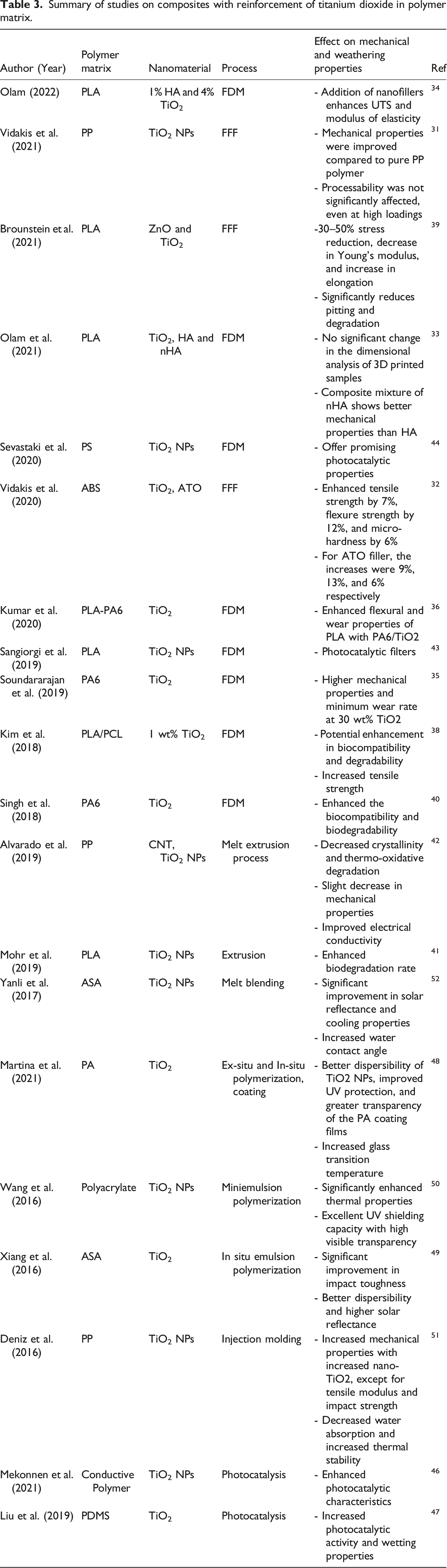
Petousis et al. 37 conducted a study aiming to optimize the mechanical response and antibacterial properties of PA12/TiO2 NCs for AM applications. The addition of filler slightly reduced the mechanical strength but maintained sufficient strength for practical use. Moreover, the filler enhanced the antibacterial properties of the nanocomposites, making them suitable for medical applications. Low filler concentrations (2 wt%) achieved antibacterial performance without significantly increasing processing difficulty or cost. Kim et al. 38 developed 3D-printed structure of artificial cancellous bone of PLA/PCL/TiO2 composite using FDM. The addition of TiO2 NPs in PLA/PCL matrix enhanced the tensile strength up to 23% and in vitro biocompatibility shows that NPs helps in vigorous cell growth and properties enhancement. Brounstein et al. 39 focused on the development of antimicrobial composite filaments for 3D printing, utilizing PLA as the matrix material. The composite filaments incorporated ZnO and TiO2 ceramics up to 30 wt% to confer antimicrobial properties. To adjust the mechanical properties without compromising antimicrobial efficacy, PEG was added as a plasticizer. The inclusion of ceramics enhanced the thermal stability of the filaments, with TiO2 demonstrating superior stability compared to ZnO. The mechanical properties of the filaments could be tailored by adjusting the filler loading and type, as well as incorporating PEG. The ceramic fillers mitigated pitting and degradation caused by microbial activity, thereby providing antimicrobial properties to the PLA filaments. In the study by Singh et al. 40 focuses on controlling process parameters in twin screw extrusion to prepare reinforced PA6-TiO2 hybrid feedstock filament (HFSF) for FDM. The study includes the potential for achieving desired mechanical properties with the recommended TSE process settings, the reduction in tensile properties due to TiO2 aggregation on the PA6 fiber surface (which can be beneficial for biocompatibility and biodegradability in 3D printing), and the identification of the best input parameter settings for optimal mechanical properties of HFSF. In extrusion processes, the addition of TiO2 nanoparticles to PLA not only enhances biodegradation rates, as noted by Mohr et al., 41 but also positively affects the composite’s overall mechanical properties. In melt extrusion processes involving PP studied by Alvardo et al., 42 the addition of TiO2 NPs alongside CNT slightly decreased mechanical properties but improved electrical conductivity and reduced crystallinity and thermo-oxidative degradation, showcasing a trade-off between mechanical and electrical enhancements.
Photoactive TiO2 NPs also been used in the development of the photocatalytic filters, as reported by Sangiorgi et al.
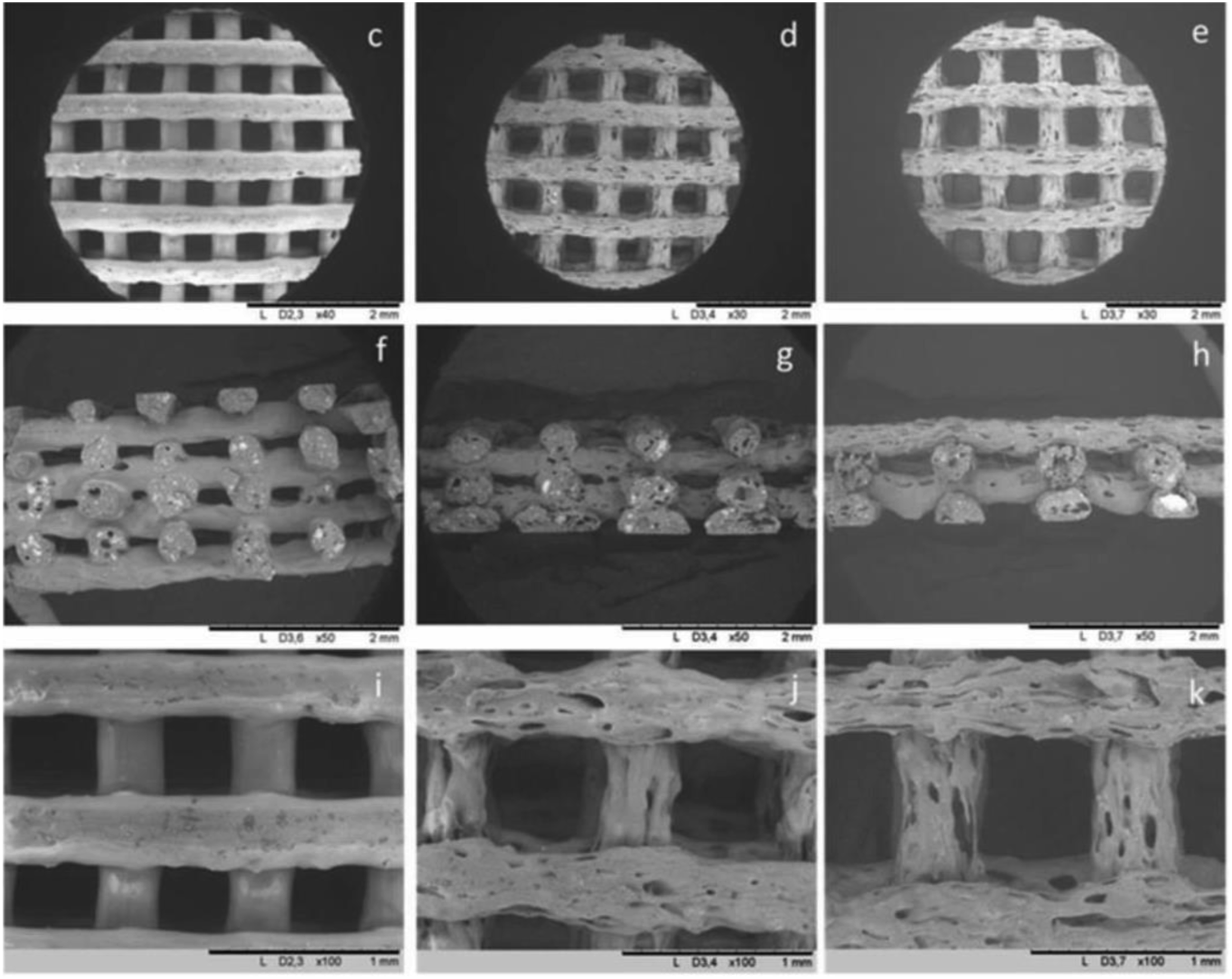
43
This study developed eco-friendly and biopolymer-based composites that is, 3D-printed TiO2/PLA scaffolds using FDM. Surface modified TiO2 NPs (30 wt%) optimized their dispersion and stabilization within the PLA solution, ensuring optimal distribution of the nano-photoactive points in the TiO2/PLA filaments and scaffolds (as shown in Figure 4). This processing approach improved the dispersion of nano-charges compared to traditional methods, avoiding thermal degradation of the polymer, and allowing for customized product manufacturing. The study evaluated the photodegradation efficiency with varying TiO2 content and filter geometry, demonstrating the potential of eco-friendly and biopolymer-based composites for 3D printing of photocatalytic filters with enhanced performance. In another study by Sevastaki et al.
44
built 3D photocatalytic structures using TiO2/PS NCs filaments, containing up to 40%w/w of TiO2 NPs through FDM. Notably, this work marks the first report of 3D-printed photocatalytic devices made entirely from recycled raw materials, with a high loading of TiO2 NPs. The 3D-printed TiO2/PS nanocomposite samples demonstrate excellent photocatalytic performance, achieving nearly 60% efficiency after multiple cycles of reuse. These structures exhibit efficient degradation of acetaminophen (APAP), indicating their potential as photocatalysts. The study showcases the feasibility of using TiO2/PS NCs filaments for 3D-printed functional photocatalytic structures, opening new avenues in the field of photocatalysis. Yang et al.
45
developed a 3D-printed ceramic photocatalytic module through FFF and incorporating Ag/AgCl/TiO2 as the photocatalyst in HDPE. The photocatalytic ability of the module to degrade MB dye and disinfect E. coli under both ultraviolet and visible light irradiation was investigated. The results showed that the module was effective in degrading MB dye and disinfecting E. coli within a short period, ranging from minutes to hours, depending on the specific surface area of the module. Even after undergoing five cycles of repeated use, the module maintained a high degradation efficiency of 95% for both dyes and bacteria. The photocatalytic module offers great potential as a reliable and structurally durable photocatalyst for degrading pollutants, presenting broad application prospects in pollutant treatment. Photocatalytic processes with TiO2 have been particularly effective in improving the properties of various polymer matrices. Mekonnen et al.
46
further reported enhanced photocatalytic characteristics in conductive polymers, and Liu et al.
47
observed increased photocatalytic activity and wetting properties in polydimethylsiloxane (PDMS) composites. TiO2 (30 wt%)/PLA photocatalytic filters 3D printed scaffolds.
43
Summary of studies on composites with reinforcement of titanium dioxide in polymer matrix.
Studies on nanocomposite with reinforcement of zinc oxide in polymer matrix
Zinc oxide (ZnO) is a promising nanocomposite known for its multifunctional properties, including high chemical stability, a high refractive index, thermal conductivity, antibacterial and UV protection capabilities, and environmental friendliness. It serves as an ideal filler for high-performance polymer/inorganic nanocomposites for used in outdoor fields. Additionally, ZnO NPs possess desirable attributes such as biocompatibility, non-toxicity, and cost-effectiveness, making them a preferable option for researchers. Zinc oxide (ZnO) has been widely studied as a reinforcing nanomaterial for various polymer matrices, showing significant effects on material properties across different manufacturing processes.
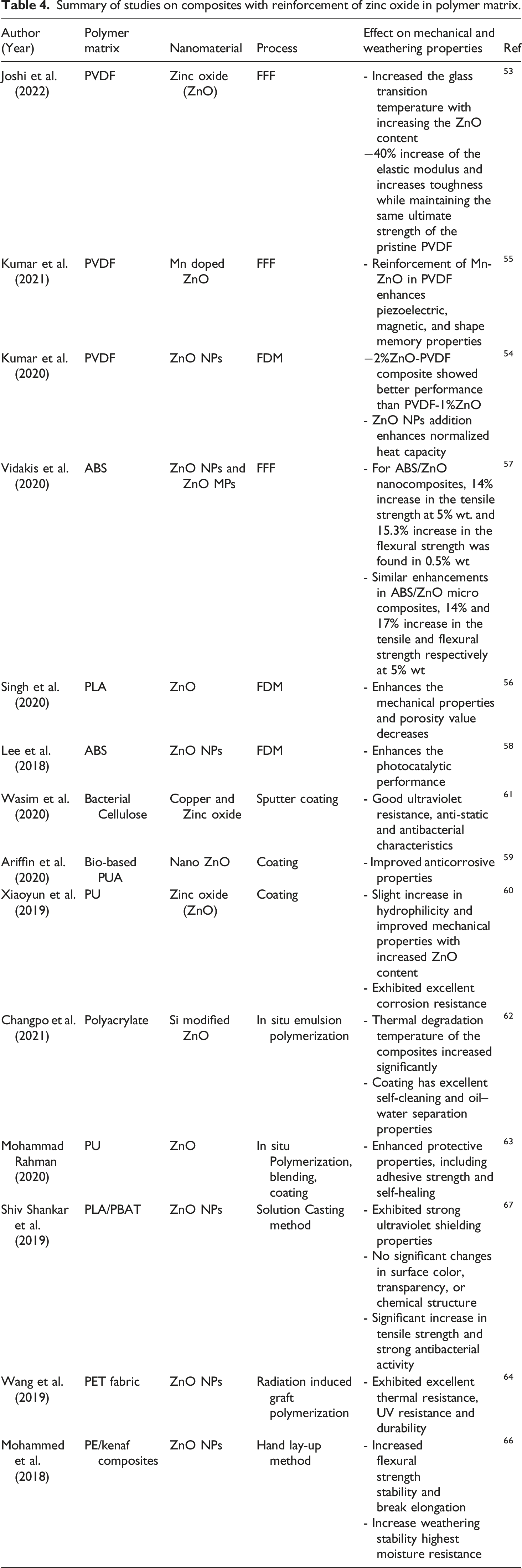
In FFF, Joshi et al. 53 investigated the impact of ZnO NPs and processing conditions on crystallinity, viscosity, and electromechanical properties of PVDF and PVDF/ZnO NCs. The addition of ZnO to the PVDF resulted in improved thermal stability and an increase in the glass transition temperature and decrease shear viscosity. 3D printed samples showed higher elastic modulus and toughness. The strength of printed parts was influenced by the infill direction, and FTIR confirmed the promotion of the β-phase with specific ZnO percentages. High cooling rates combined with 7.5-12.5% ZnO content resulted in up to 80% conversion of PVDF from the α-phase to the β-phase, resulting in a 40% increase in elastic modulus while maintaining ultimate strength. These findings have significant implications for the development of advanced materials to develop piezoelectric biomedical sensor using FFF. Similarly, Kumar et al. 54 developed an ZnO reinforced PVDF composites for biosensor 3D printing. The addition of 1%wt ZnO NPs decreased the mechanical properties, while 2%wt ZnO improved them but remained lower than PVDF without ZnO. Increasing the ZnO percentage improved thermal stability and increased the normalized heat capacity. PVDF-2%ZnO demonstrated a shape memory effect of 98.22% at 25°C. Based on the findings, the study recommended an optimal composition of 1% ZnO, specific forced loading, and torque for achieving maximum mechanical strength. The PVDF-ZnO composites exhibited hydrophobic behavior suitable for biosensor 3D printing. Additionally, the composites showed excellent shape recovery and acceptable printability. In another study of Kumar et al. 55 investigated the manganese-doped ZnO (Mn-ZnO) NPs reinforced to PVDF for improving the composite properties. The pre-heat treatment step improves the mechanical strength of the composites by releasing gases and facilitating particle settlement. Higher barrel temperature, increased particle concentration, and lower screw torque enhance blending and improve the mechanical properties. The feedstock filament with the highest tensile strength exhibits a value of 45.89 MPa. Moreover, the PVDF-3%(Mn-ZnO) composite samples exhibit magnetic, piezoelectric, and shape memory properties, making them suitable for sensor technologies and indicating their potential for 4D printing applications. Singh et al. 56 investigated the two-way programmed shape memory properties of ZnO-reinforced PLA prototypes fabricated using FDM. The results showed that specific combinations of infill density, the number of perimeters, and the pattern significantly influenced the tensile properties of the prototypes. The porosity of the prototypes responded to changes in water temperature, increasing to 70°C and decreasing to 10°C, but returning to the original state at atmospheric temperature. The study also observed shape memory effects on volume and weight at different temperatures. Overall, the findings emphasize the importance of selecting suitable thermoplastic matrices for structural applications exposed to varying water temperatures.
The study conducted by Vidakis et al.
57
focuses on the production of nanocomposite and microcomposite filaments through melt extrusion for 3D printing applications. ZnO NPs (ZnO nano) and ZnO microparticles (ZnO micro) are dispersed in ABS matrices at various concentrations. The results indicate improved tensile and flexural strength in both nanocomposite and microcomposite materials compared to pure ABS. ZnO NPs has been effective in increasing the tensile and flexural strengths in ABS composites, reported that 14% and 15.3% improvement, respectively. Lee et al.
58
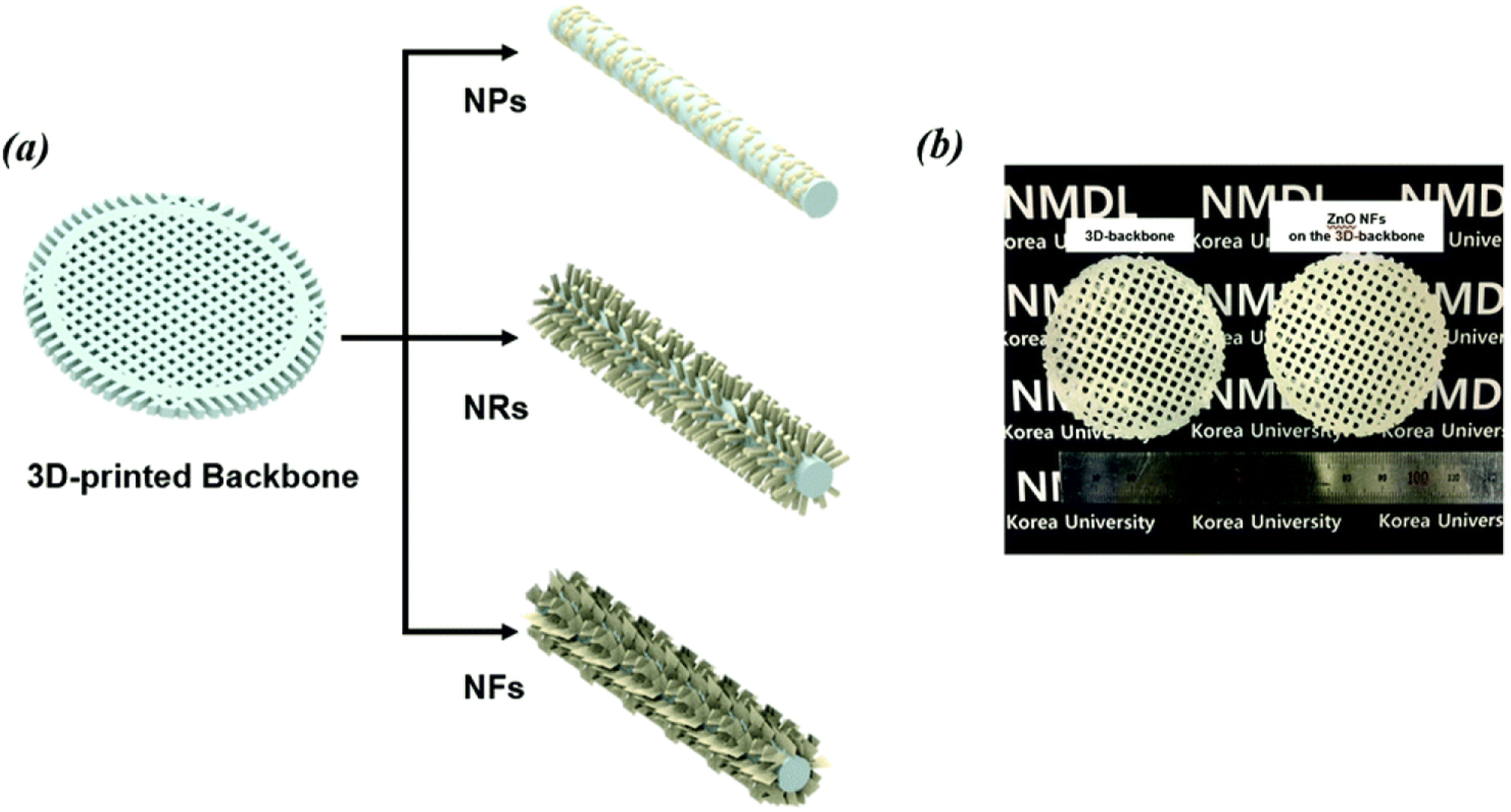
successfully fabricated hierarchical structures of ABS-ZnO NCs on a 3D-printed backbone using FDM and hydrothermal reaction techniques. The photocatalytic performance of these structures was evaluated for the degradation of methylene blue, an organic pollutant. The aim was to provide an effective solution for environmental challenges using photocatalysis. Three hierarchical structures, namely NPs, nanorods (NRs), and nanoflowers (NFs), were created and compared. Among these structures, the ZnO-NFs on the 3D-printed backbone exhibited the highest efficiency in decomposing the organic solvent due to their larger active surface area. The study demonstrated the potential of using ZnO-based hierarchical structures on 3D-printed backbones as sustainable and efficient photocatalysts to address environmental issues (as shown in Figure 5). Schematic of the ZnO-based hierarchical structures on the 3D-backbone. (a) Schematic illustration of ZnO-NPs, NRs, and NFs on the 3D-backbone, and (b) photographs of 3D-backbone (ABS + ZnO) and ZnO-NFs hierarchical structure on the 3D-backbone.
58
Summary of studies on composites with reinforcement of zinc oxide in polymer matrix.
Studies on nanocomposite with reinforcement of nanosilica in polymer matrix
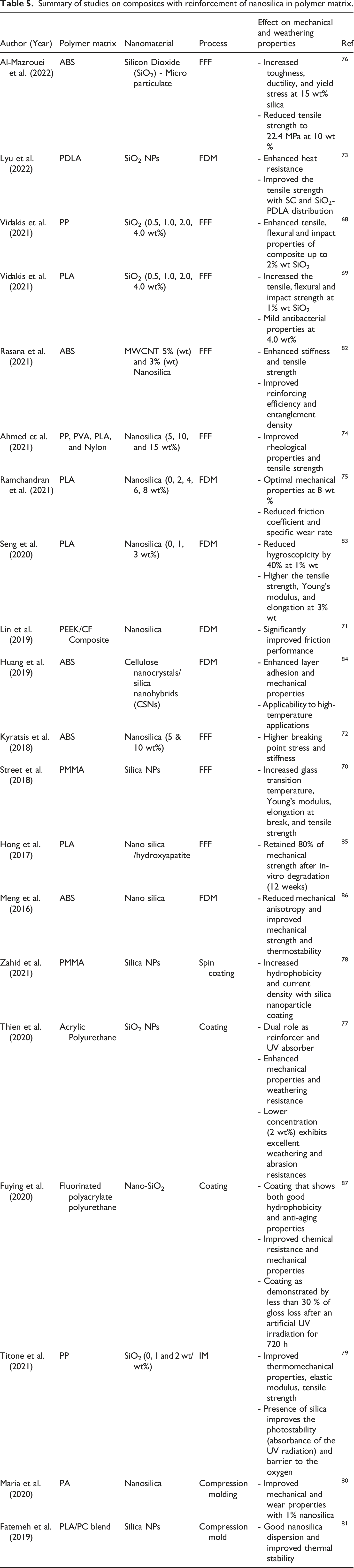
Nanosilica (SiO2) is a highly effective inorganic filler for PNCs, offering several advantages over other NPs, including UV filtration, cost-effectiveness, non-toxicity, biocompatibility, low refractive index, and high thermal and mechanical stability. Its incorporation improves the processability of polymers during various manufacturing methods. This section summarizes studies on the reinforcement of nanosilica in polymer matrices has showed significant enhancements in material properties across different manufacturing processes such as FFF/FDM, injection molding, compression molding, and coating techniques.
Vidakis et al.
68
conducted a study investigating the use of SiO2 NPs as fillers in polypropylene (PP) for FFF 3D printing. The addition of the SiO2 NPs enhanced the mechanical properties of the PP matrix without hindering processability, particularly at 1.0–2.0 wt% loadings. The results demonstrated that the addition of SiO2 NPs improved the mechanical performance of the PP matrix, with the best results achieved at a loading of 1.0 wt%. The impact strength and microhardness were marginally affected. Dynamic mechanical analysis (DMA) revealed a stiffer behavior for PP/SiO2 1.0 wt% nanocomposites, indicating enhanced overall mechanical response. SEM confirmed the quality of the specimens and the manufacturing process but revealed defects and discontinuities in interlayer fusion, which could impact mechanical properties. Fracture surface analysis showed visible gaps between strands in 3D printed specimens, with worsened fusion at higher filler loadings. Overall, incorporating SiO2 in PP shows promise in enhancing mechanical and thermomechanical properties and countering wrapping effects during 3D printing. Vidakis et al.
69
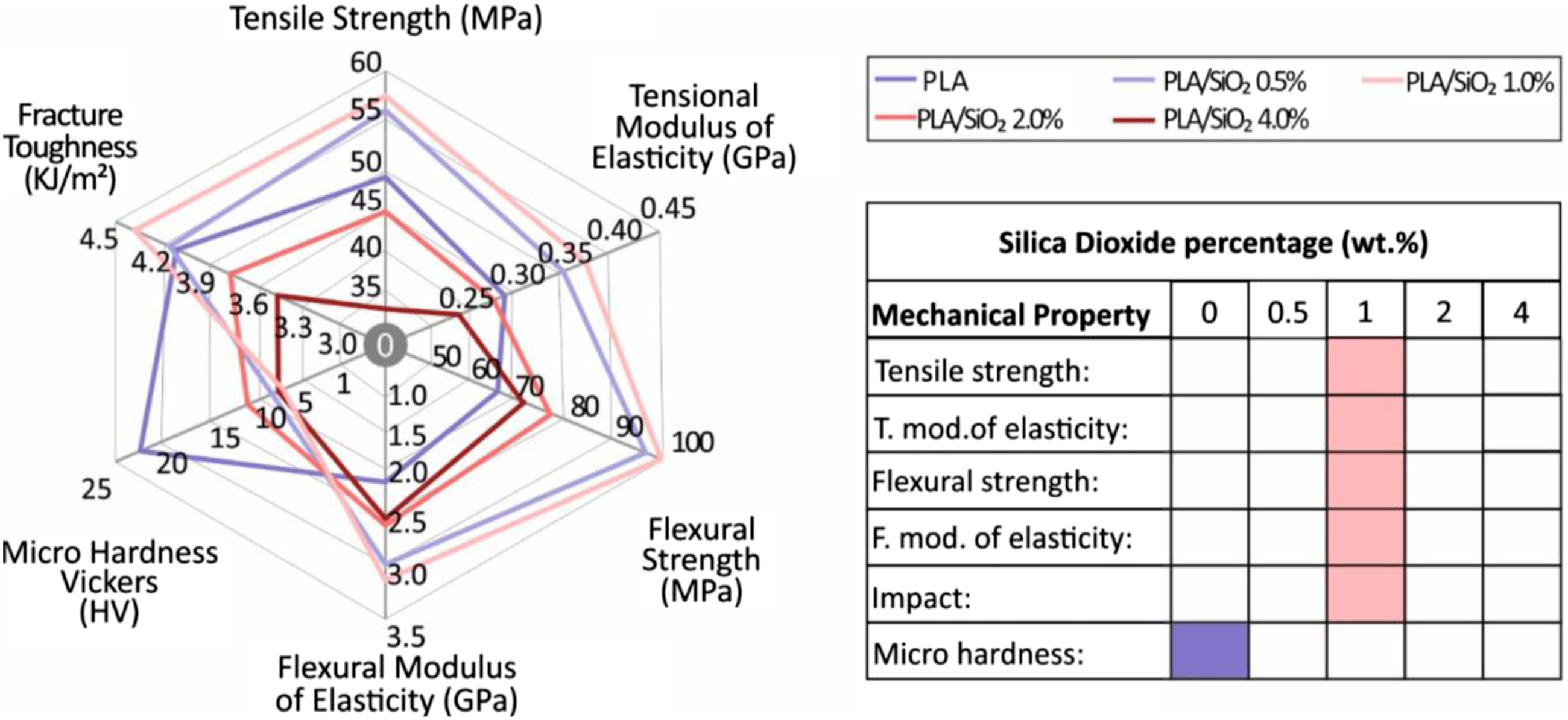
conducted a another study to develop novel nanocomposite filaments for 3D printing using PLA and SiO2 NPs. Different concentrations (0.5, 1.0, 2.0 and 4.0 wt%) of SiO2 were incorporated into the PLA matrix, and the resulting filaments were characterized and tested. Tensile, flexural, and impact tests showed that the addition of SiO2 enhanced the mechanical properties, with the highest improvement at a concentration of 1.0 wt% (Figure 6). However, concentrations above 1.0 wt% resulted in decreased strength, but at 4.0 wt%, the NC exhibited mild antibacterial properties, particularly against S. aureus, suggesting potential for antibacterial applications in 3D printing. Summary of the mechanical properties of PLA/SiO2 nanocomposite materials.
69
The study conducted by Street et al. 70 investigates the utilization of silica NPs to enhance the mechanical properties of FFF-printed PMMA parts. Through the incorporation of silica NPs in PMMA matrix, notable improvements were observed in thermomechanical properties, including glass transition temperature, tensile strength, modulus, and elongation. The presence of Silica NPs led to the development of hierarchical structures and enhanced hydrogen bonding interactions between the PMMA polymer matrix and the surface of the silica NPs. This facilitated stress transfer and restricted chain mobility, resulting in improved material properties. The findings suggest that the incorporation of inorganic NPs into nanocomposite filaments can overcome the limitations of FFF-printed parts and combine the desirable characteristics of both hard and soft matter. Overall study contributes to the utilizing NCs to achieve a wider range of material properties and address the limitations of FFF-printed parts. Lin et al. 71 conducted study that focuses on the preparation of a carbon fiber (CF) reinforced PEEK coating material using FDM. The tribological properties of the coating, with and without nanosilica at the interface, were investigated. The orientation of the sliding direction relative to the CF strongly influenced the friction coefficient and wear rate. The addition of nanosilica at the interface improved the friction performance by reducing adhesion and introducing a rolling effect. The study suggests that external incorporation of NPs at the sliding interface can reduce the friction coefficient, while internal inclusion in the coating material may improve wear resistance. These findings demonstrate the potential for enhancing the tribological performance of PEEK/CF composite coatings in manufacturing high-performance tribo-composites with complex geometries. The study conducted by Kyratsis et al. 72 focuses on enhancing the capabilities of 3D printed structures by incorporating nanosilica particles into ABS polymer. The results indicated that the addition of nanosilica increased the stiffness and hardness of the ABS material, particularly at a concentration of 10%wt. However, 3D printing was found to be unfeasible at this concentration due to material embrittlement. Tensile specimens printed from the 5%wt nanocomposites exhibited higher breaking point stress and stiffness compared to pure ABS. The morphology of the filaments showed roughness and areas of agglomeration attributed to the dispersion of nanosilica.
Lyu et al. 73 presents a green chemical method for coating poly (D-lactic acid) (PDLA) onto SiO2 NPs to modify the performance in polymer composites. The coated nanoparticles enable nano dispersion in a biodegradable blend of poly (L-lactic acid)/poly (butylene adipate terephthalate) (PLLA/PBAT) and uniform distribution of stereocomplex crystallites (SC) in the matrix. The mechanical properties of the composites are influenced by the crystallization behavior, which can be controlled by adjusting the 3D printing nozzle temperature to achieve a “strength-toughness” transition. The modified SiO2 exhibits good dispersion even at high loading, indicating good compatibility and preventing agglomeration. The addition of SiO2-PDLA improves heat resistance due to the presence of SC. At a lower nozzle temperature, the composites show enhanced tensile strength, while at a higher temperature, the SC melts, affecting the mechanical properties. The grafting of PDLA acts as a plasticizer, enhancing toughness. The addition of silica as a filler in polymeric waste from 3D printing processes, and its effect on the tensile strength of polymers such as PLA, PVA, and nylon, has been investigated by Ahmed et al. 74 However, increasing the silica content decreases the toughness and ductility of the materials. The modulus of elasticity and yield strength also decreased, except for PLA. The density of silica/polymer mixtures generally decreases with higher silica percentages, except for PP, which shows a slight increase. Overall, studying the properties of recycled polymeric waste and its incorporation into 3D printing contributes to sustainable practices and the utilization of waste materials. The research conducted by Ramachandran et al. 75 focused on the development of PLA/nano-silica bio-nanocomposite filaments for 3D printing using the FDM process. The addition of nano-silica had a significant positive impact on the mechanical and tribological properties of the printed parts, owing to its uniform dispersion in the PLA matrix. Specifically, the PLA/nano-silica filament with 8 wt% nano-silica exhibited superior performance over 0 to 6 wt% concentrations. The highest values for tensile, compression, flexural, impact strength, and hardness were achieved with an 8 wt% nano-silica concentration. Furthermore, the inclusion of 8 wt% nano-silica led to a reduced friction coefficient and specific wear rate, indicating improved tribological properties. Al-Marzouqi et al. 76 investigate the mechanical properties of ABS matrix composites reinforced with nanosilica particles, which prepared using hot extrusion process. The results show that increasing the nanosilica content reduces the tensile strength but improves the toughness, ductility, and yield stress of the ABS/nanosilica composites. The research suggests further exploration of combining silica with waste ABS for 3D printing and investigating the mechanochemical stability of the final product. Additionally, the combination of silica with biomass could lead to the development of hybrid biodegradable composite materials via 3D printing.
Summary of studies on composites with reinforcement of nanosilica in polymer matrix.
Challenges and opportunities of MO-PNCs
A variety of polymer materials have been processed through FFF and other manufacturing processes, but the limited properties of those materials cause a constraint on their ability to perform optimally under different environmental conditions. FFF relies on highly hygroscopic polymers such as ABS, PP, Polyamide (PA6, PA12), PLA, and HDPE, which exhibit weak durability when exposed to outdoor environmental conditions due to factors like sunlight, moisture, high temperature, and chemicals. Some of the thermoplastic polymers, such as PC, PET-G, PMMA, ASA, and PEEK, have been great alternatives for outdoor applications due to their better resistance to diverse environmental conditions. In recent years, significant research has been conducted on integrating nanofillers with polymers in FFF to enable broader applications of developed nanocomposite materials. The paper summarizes the discussion related to material development by reinforcing metal oxide NPs and their obtained properties. Although metal oxides NPs have exceptional properties, some disadvantages make them incompatible with polymer matrices. The addition of NPs may cause agglomeration formation, heterogeneous nanocomposite formation, non-adhesion, and non-uniform dispersion, which are the key challenges that restrict the ability to enhance the material properties. The agglomeration of NPs will reduce the interfacial area and the interactions with the polymers in nanocomposites, thereby negating the potential benefits of using NPs. In some cases, agglomeration may even result in the deterioration of material properties and act as a defect in the structures. To overcome this issue, a suitable preparation strategy needs to be identified that results in the successful integration of NPs in polymer matrices. PNCs can be prepared using different approaches, such as in-situ polymerization and ex-situ polymerization (solution or melt blending). Regardless of the preparation approach, it is necessary to ensure good compatibility between the NPs and polymer matrix to achieve a homogeneous PNC. Compatibility can be improved by selecting appropriate blending conditions, such as the concentration of polymers and NPs, or by adjusting the temperature range and mixing speed. Also, the reinforcing effect of NPs is attributed to several factors, such as the type of nanofillers, particle aspect ratio, size, orientation, and distribution. To counteract the shortcomings of metal oxide NPs, a suitable preparation approach has been used to produce MO-PNCs with superior material performance.
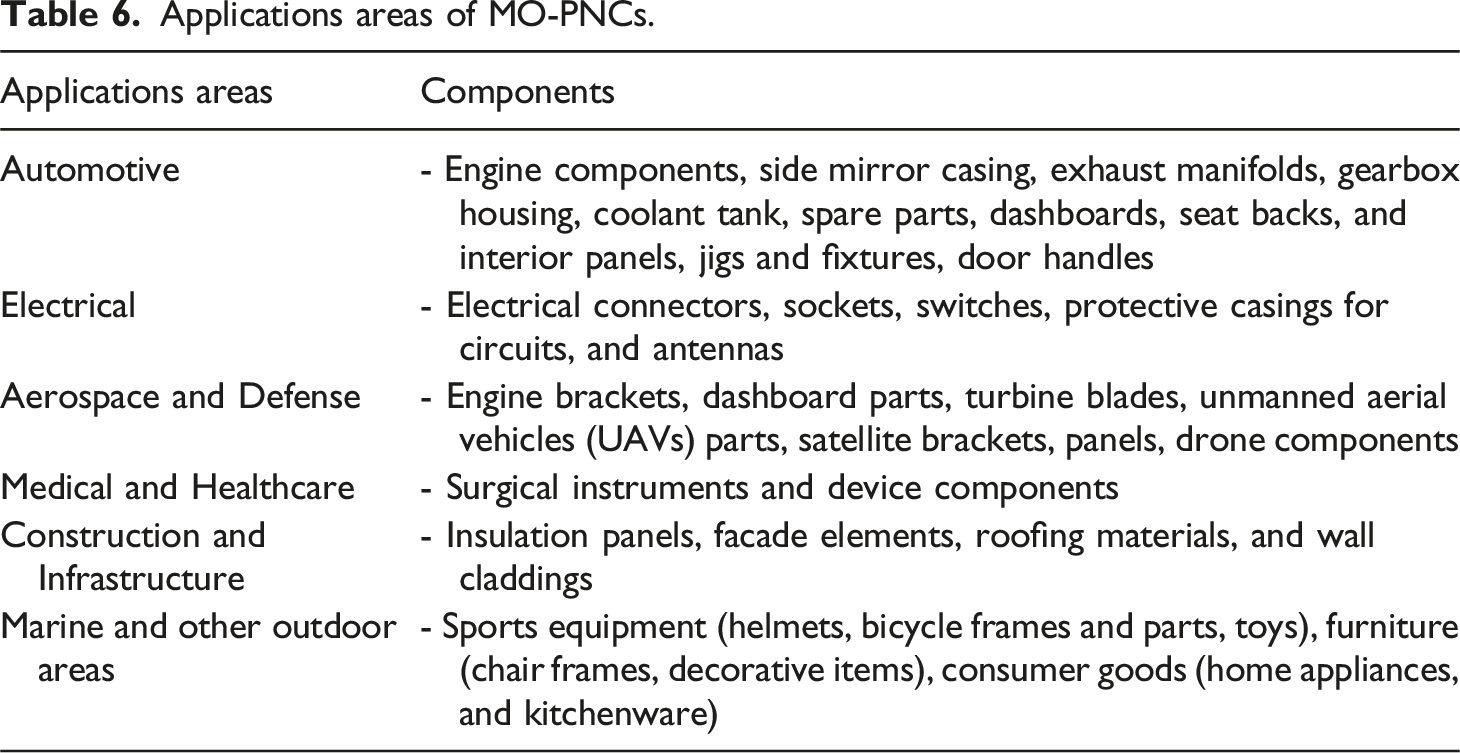
Amidst these challenges, MO-PNCs offer promising avenues for the development of sustainable and weather-resistant 3D printing material. The incorporation of metal oxide NPs, such as titanium dioxide (TiO2), zinc oxide (ZnO), and nano-silica (SiO2), has led to significant enhancements in material processability, as well as mechanical, tribological, thermal, photocatalytic, antibacterial, and biodegradability properties. The present study highlights relevant literature that explores the addition of these metal oxide NPs to polymer matrices to improve mechanical properties and weathering characteristics, including UV stability, thermal stability, chemical resistance, oxygen and water barrier properties, cooling properties, and anticorrosive properties. Therefore, these metal oxides, which have a hydrophobic nature and strong UV absorbance properties, can protect the polymer from the synergistic effects of various environmental conditions in outdoor fields. The diverse characteristics of MO-PNCs make them suitable for industrial applications requiring improved performance, durability, weather resistance, and ushering in a more sustainable and environmentally friendly future. By incorporating MO-PNCs, there is potential to open up new opportunities for creating high-performance FFF components, thereby expanding their suitability for outdoor applications (Figure 7). Opportunities for these MO-PNCs exist in various sectors, including automotive, electrical, aerospace and defense, medical and healthcare, marine, and other outdoor areas mentioned in Table 6. Application areas for the MO-PNCs material. Applications areas of MO-PNCs.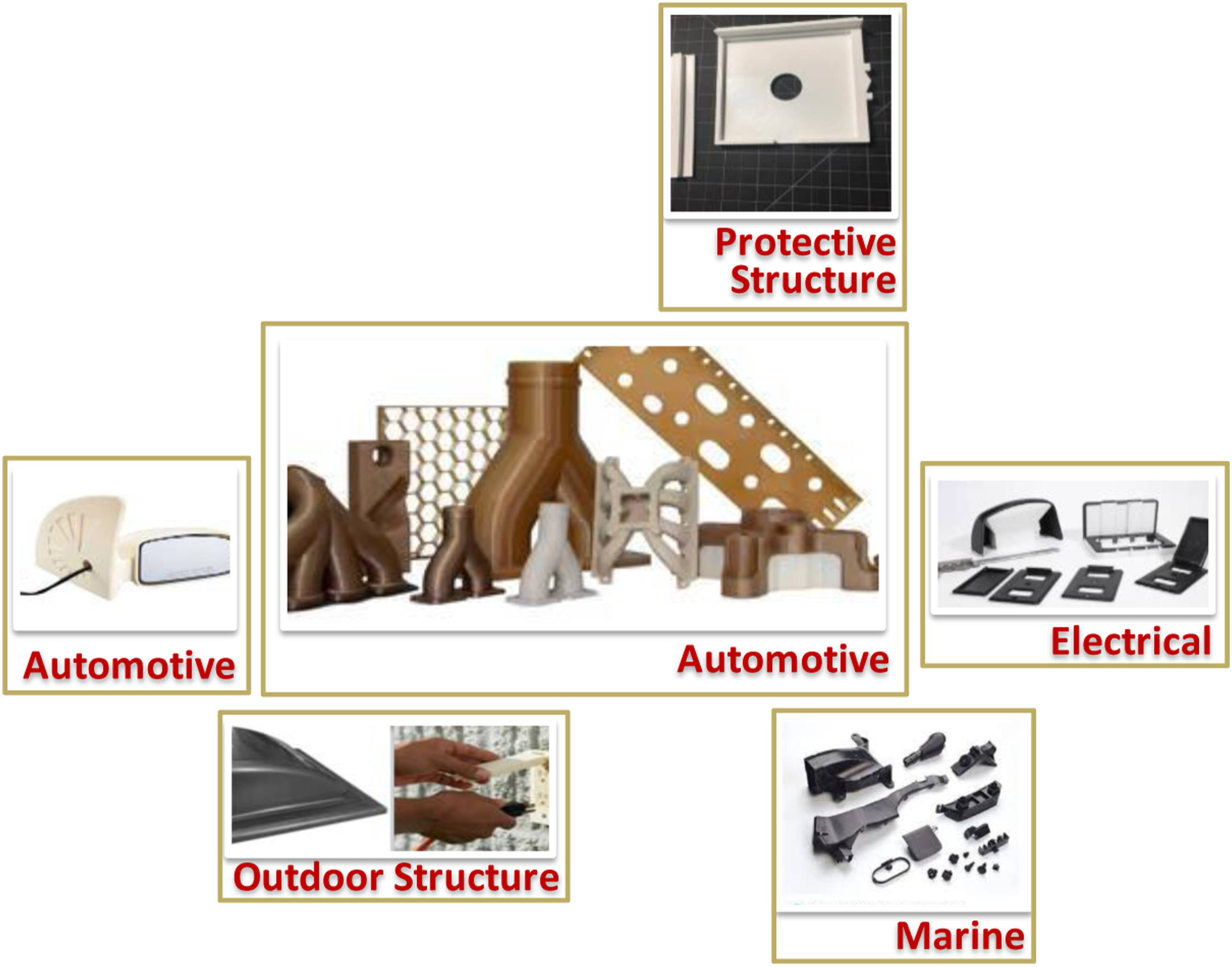
Applications of MO-PNCs
Footnotes
Declaration of conflicting interests
The author(s) declared no potential conflicts of interest with respect to the research, authorship, and/or publication of this article.
Funding
The author(s) received no financial support for the research, authorship, and/or publication of this article.

Data availability statement
The authors confirm that the data supporting the findings of this study are available within the article.