




Abstract
Biopolymers are materials specifically engineered to interact with biological systems. They can be derived from either natural or synthetic sources, depending on the biological resources used or the manufacturing process employed. Over recent decades, these materials have gained significant popularity within the medical field due to their remarkable attributes such as biodegradability, bioactivity, and compatibility with human tissue. One notable application is their use as scaffolds for bone regeneration. Biopolymers, being renewable biomaterials, provide opportunities for continuous manufacturing and technological progress across various industries. These biomaterials have demonstrated great promise in medical sectors, including nerve regeneration and the production of surgical devices. Additionally, their versatility extends to non-biomedical applications, like food packaging. This paper aims to provide a comprehensive overview of different biopolymers, elucidating their properties, showcasing their latest applications, and delving into the state-of-the-art manufacturing technologies used in their production. Special emphasis is placed on their suitability as bone tissue repair and regeneration scaffolds, owing to their unique properties, which render them an ideal choice for this specific application.
Keywords
Introduction
The processing of non-degradable plastics has been a major environmental problem over the last century. This has led to pressure to phase out petroleum-based synthetic plastics and replace them with natural plastics. 1
The concept of the circular economy has evolved into a means of both preserving resources and generating local employment opportunities. This closed-loop system effectively facilitates the cost-effective transformation of materials, whether in their raw form or from recycled sources, into value-added products.2,3
Within the framework of the circular economy, various additional concepts play integral roles, including life-cycle analysis (LCA), sustainability, eco-friendly chemistry, and the production of non-polluting products.4–7
As an alternative to synthetic polymers, there is a growing emphasis on producing biopolymers from sustainable biowaste and biomass feedstocks, attracting increasing attention.8,9 Simultaneously, ongoing research is focused on the development of green composites and nanocomposites derived from natural fibers and biomass, characterized by excellent biodegradability and high biocompatibility.10–12
These biomaterials are under constant investigation for potential applications in various fields, including medicine, marketing, and transportation systems.13–16 They can take the form of edible films, emulsions, packaging materials, and medical implants.17,18 Notably, they have demonstrated their usefulness in critical areas such as organ replacement, wound healing, tissue scaffolding, and pharmaceutical dressings.19–21
In the field of orthopedics, despite notable advancements in scientific research, surgical intervention remains a necessary approach to address bone deficiencies stemming from conditions like tumors, trauma, or developmental abnormalities. The availability of autografts, which involve harvesting tissue from the patient, is limited, and the use of allografts, which involve harvesting tissue from another person, carries potential risks.19,22
To ensure the health and well-being of their patients, orthopedic surgeons and specialized engineers have actively explored innovative methods to tackle bone defects. Among these emerging solutions, scaffolding composites, particularly those combining biopolymers and ceramics, have garnered substantial attention. This interest primarily arises from their favorable properties, notably their capacity to enhance bone tissue conductivity and inductivity.23–25
When it comes to developing innovative treatments for bone defects, several critical factors are meticulously considered. These factors include biodegradability, ensuring that materials naturally break down over time; biocompatibility, ensuring that materials are compatible with the body; and recyclability, highlighting the importance of sustainable materials in these cutting-edge medical solutions.
Biomaterial abbreviations.
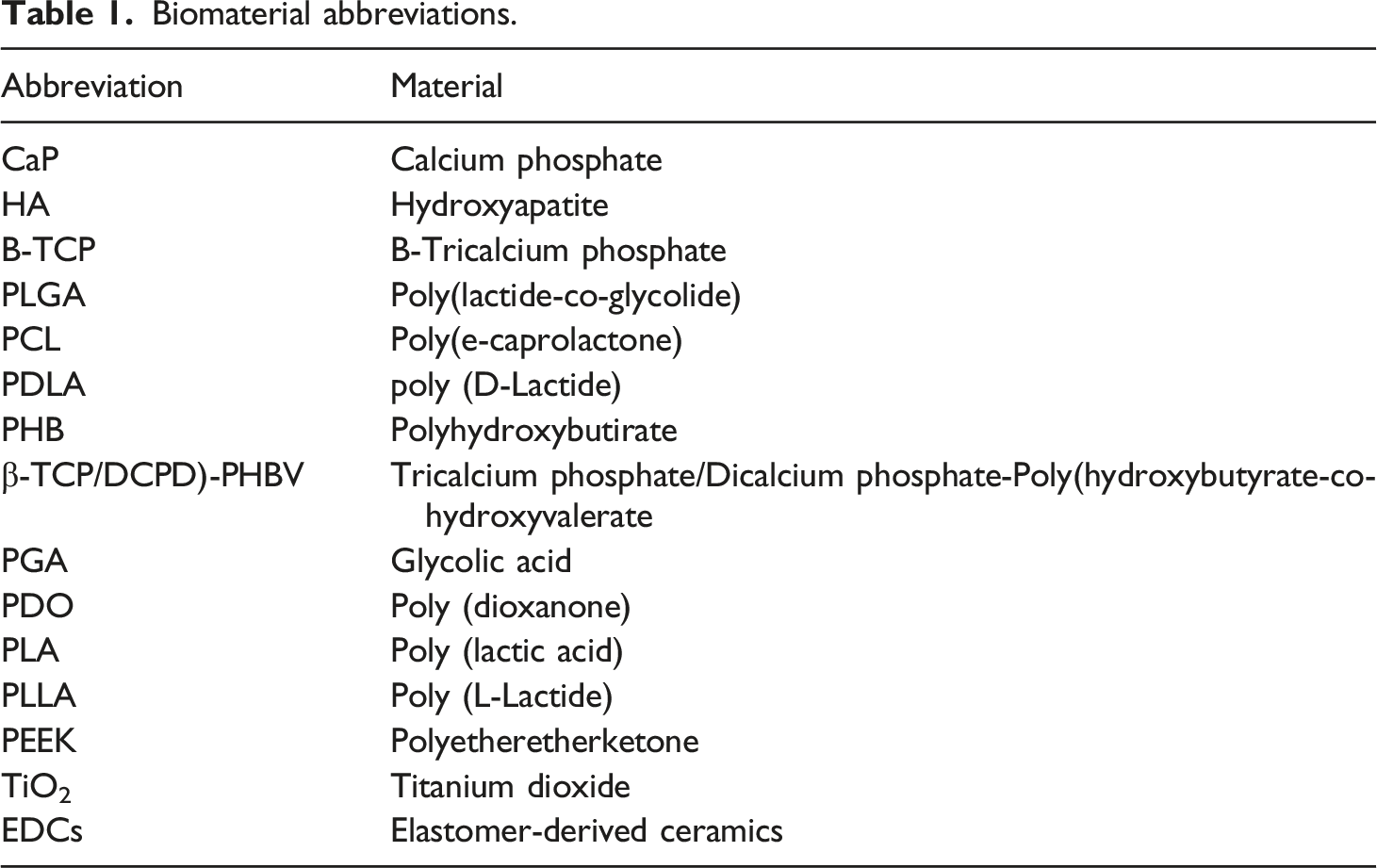
Biopolymers: Transforming drug delivery and tissue engineering in medical advancements
Biopolymers play a crucial role in drug delivery techniques, dramatically improving the efficacy of bioactive compounds in the treatment of disease. 19 These versatile polymers, derived from a variety of sources including plants, animals, bacteria and agricultural waste, exhibit a fascinating range of characteristics. 30 These include high biocompatibility, slow degradation, mechanical flexibility, structural similarity to native tissues, minimal toxicity and inherent bioactivity. Their close resemblance to the extracellular matrix makes them particularly attractive for applications requiring durable, biodegradable solutions, notably in the medical field, where they excel in promoting bone regeneration.31,32
Various biopolymers have been used as reinforcement or matrix materials to enhance composites for bone regeneration. 18 The overall structure, resilience under adverse conditions and durability of biopolymer-based composites are mainly influenced by the matrix, while fibre reinforcements play a crucial role in determining the stiffness and strength of composites.
Biopolymers applied in tissue engineering. 46
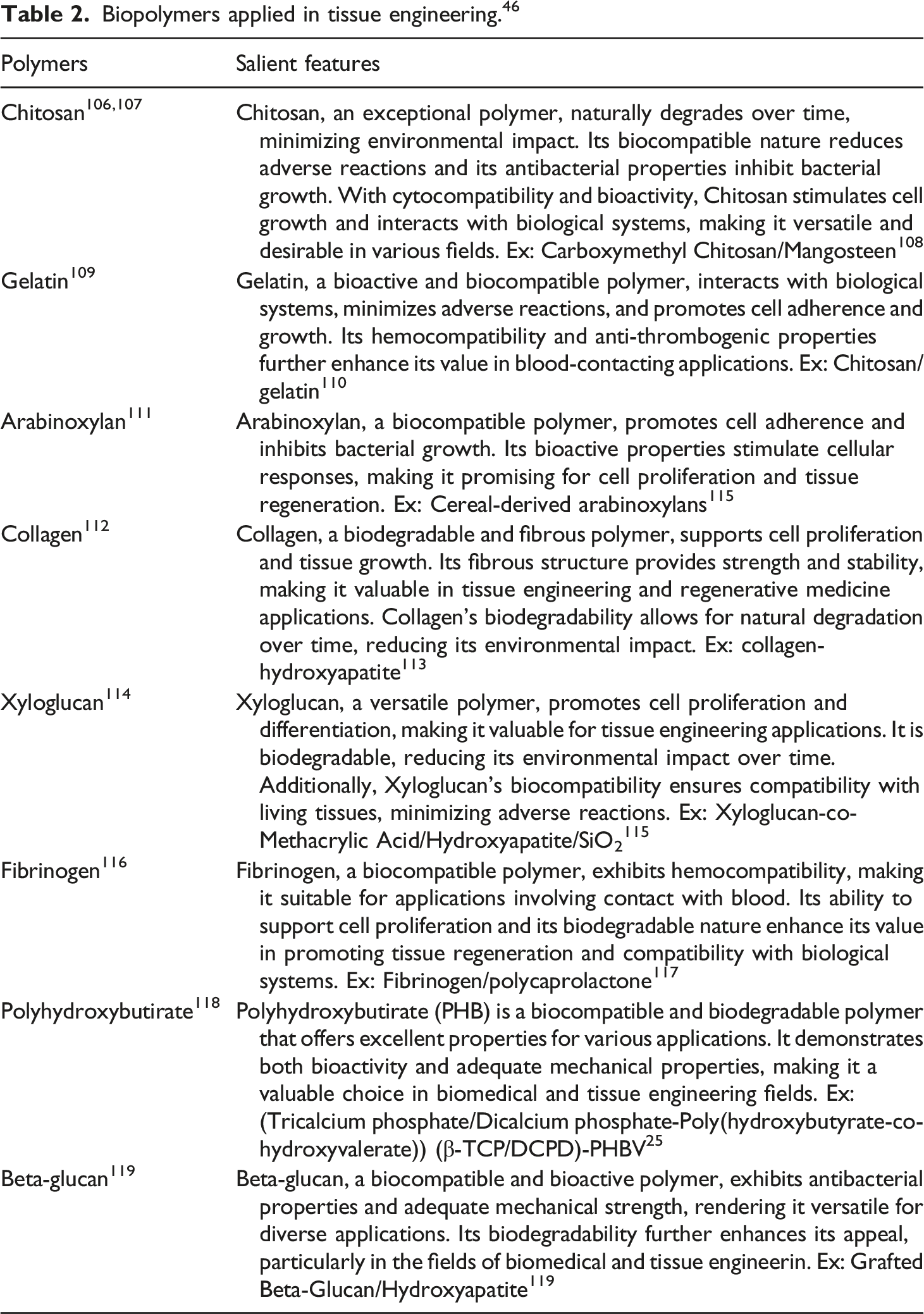
The growing enthusiasm for biocomposites has led to their adoption in various industries, including automotive, packaging, and home care. By replicating the structure of natural fibers and utilizing biopolymers derived from renewable sources, biocomposites are now poised to be incorporated into everyday consumer products.39,40
However, despite the numerous advantages associated with natural fibers, such as their widespread availability, non-toxic nature, combustibility, and biodegradability,41–45 their practical utilization faces challenges arising from variations in quality, the requirement for low processing temperatures, and increased moisture absorption. 46 In response to these limitations, researchers have dedicated significant efforts to the functionalization of natural fibers, with the goal of creating advanced biopolymer composites strengthened by natural fibers.47–50
Biocompatible polymer composites for tissue engineering and implant applications
Composite scaffolds are created by combining the characteristics of multiple materials to meet the mechanical and physiological needs of host tissues, which are organized into 3D structures based on organs. Scaffolds with carefully designed microstructures offer structural support and facilitate mass transfer for tissue regeneration. To function successfully, scaffolds must meet specific requirements, including high porosity, 51 pore interconnectivity, appropriate pore size, non-toxicity, biocompatibility, and promotion of cellular interactions for tissue development. They must also possess suitable mechanical and physical properties.52,53
Poly (α-hydroxy esters), also known as aliphatic polyesters, represent a class of biocompatible and bioresorbable polymers with significant potential for regenerating large tissues. 54 These materials are increasingly being considered as alternatives for implants and have already found applications in sutures. The polymers in this category include poly (lactic acid) (PLA), poly (glycolic acid) (PGA), poly (ε-caprolactone) (PCL), poly (dioxanone) (PDO), and poly (trimethylene carbonate) (PTMC).55–57 Among these, PLA stands out due to its chirality, which allows the mid-chain residues to exist in three enantiomeric states: L-Lactide, D-Lactide, and meso-lactide. 58 The most commonly used polylactides in this group are poly (L-Lactide) (PLLA) and poly (D-Lactide) (PDLA).56,59,60
For example, a recent study conducted by Charles et al. demonstrated the improved mechanical properties of poly (lactic acid) (PLA) composites reinforced with poly (L-Lactide) (PLLA) fibers/hydroxyapatite (HA) manufactured using a compaction technique. The study revealed a linear increase in tensile modulus with increasing HA content, with values of 9.7 GPa for 15% HA compared to 8.3 GPa for 0% HA.60,61
In a similar vein, Chen et al. conducted a study where they utilized braided and multilayered PLA fabric to enhance the mechanical properties of calcium phosphate (CaP) composites, which are prone to brittleness.60,62
Furthermore, incorporating bioactive glass into self-reinforced PLA (SR-PLA) composites was observed to significantly improve their mechanical properties. This enhancement made the composites more suitable for intervertebral ossification an example of an article made from this composite is the screw. 63
Polyetheretherketone (PEEK) composite materials have gained widespread use as implant materials for artificial organs in critical areas of the human body.64,65 Additionally, the adoption of PEKK as an innovative material for dental implants and restorations has gained prominence. 66 The development of novel polymer composites has enabled precise control of their mechanical properties, electrical conductivity, and thermal conductivity, allowing for customized designs tailored to specific applications. The availability today of a wide variety of biopolymers, both natural and synthetic, now available, the opportunities for creative applications and advancements in biomaterials have expanded. What’s more, the technical processes for valorizing their performance have become increasingly practical and efficient. 67
Manufacturing technology of biopolymer composites
The manufacturing technology for polymer composites plays a pivotal role in crafting products with unique attributes, thereby contributing significantly to the advancement of innovative materials. Traditional manufacturing techniques for polymer composites, such as extrusion, injection molding, calendering, and hot-press molding, have earned recognition for their remarkable attributes, including high reproducibility, precise process control, and the capacity to yield top-notch components. These molding techniques have found extensive application in the creation of intricate profiles, 68 intricate structural elements, 69 and plates,70,71 which in turn elevate the performance and longevity of composite materials. Nevertheless, as the complexity of the components escalates, the sustainability of these molding processes presents certain challenges.
To address these challenges, advanced manufacturing technologies for polymer composites have emerged on the scene. Among these innovations are surface coating technology, 72 along with additive and radiative manufacturing methods. These cutting-edge approaches hold promise in meeting the demands associated with the production of intricate composite structures.73,74
Surface coating technology
Surface coating is a fundamental manufacturing technique employed to enhance the performance of a base material by applying a thin film onto its surface. This versatile approach finds utility in treating both polymeric and non-polymeric materials. 28 In paramedical applications, it is common to coat a polymer matrix with various materials to provide essential protection against degradation caused by pathogens or exposure to corrosive environments. 75 Diverse surface coating techniques are available, including plasma spraying, magnetization, electrochemical deposition, and Sol-Gel technology.76–79
Characteristics of various coating technologies. 28
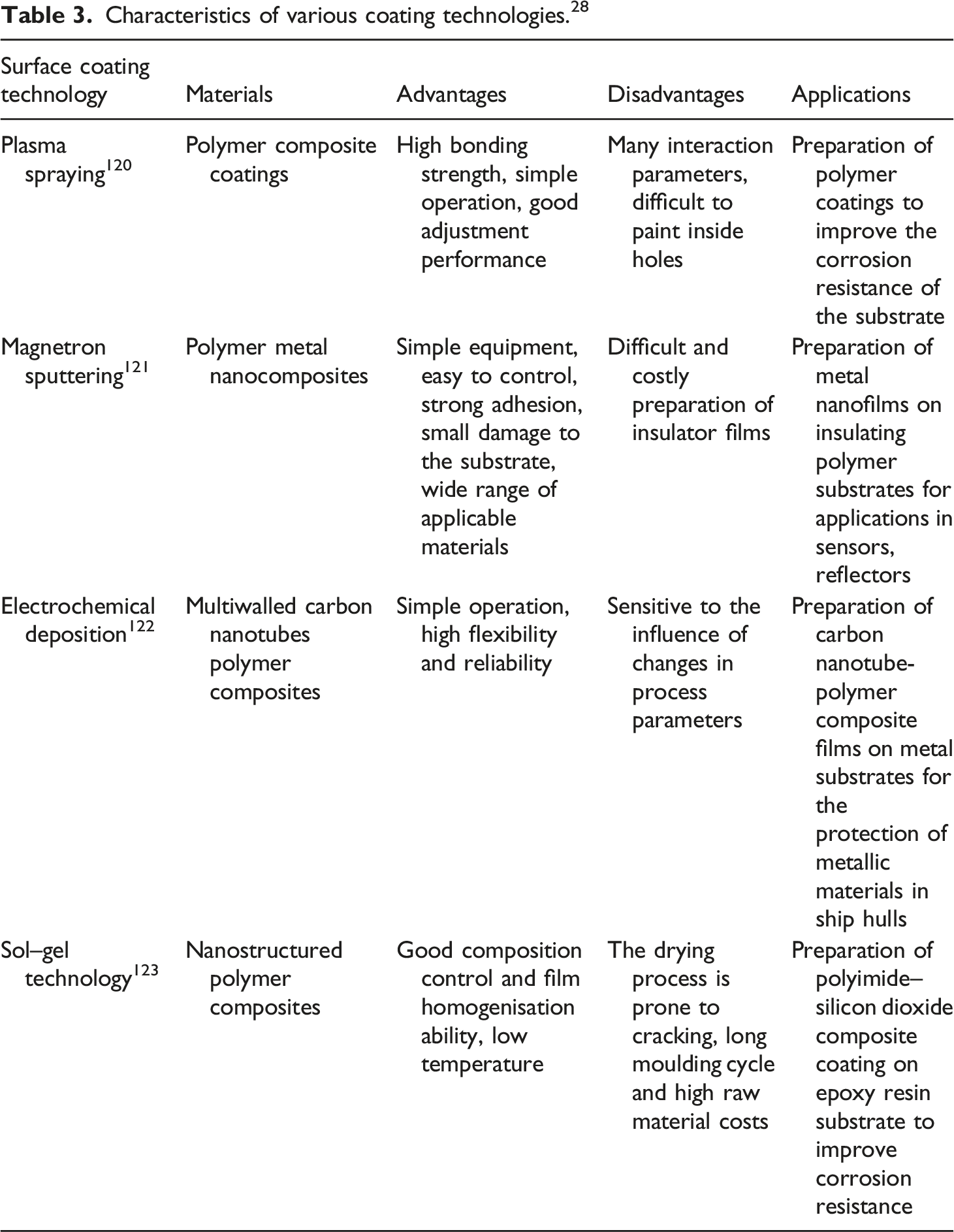
In the field of orthopedic implants, utilizing surface coating technology, Tae-Sik Jang et al. have developed implants that consist of polyether ether ketone (PEEK) filaments reinforced with internal titanium dioxide (TiO2) nanoparticles, achieved through dopamine-induced polymerization and AM via material extrusion (ME). To enhance both strength and biocompatibility, the PEEK/TiO2 composite is coated with hydroxyapatite (HA) using radiofrequency (RF) magnetron sputtering (Figure 1). Interestingly, the bond between the HA coating and the TiO2 nanoparticles embedded in PEEK is stronger than direct coating onto PEEK, indicating the formation of more robust heterogeneous ceramic-polymer interactions. Schematic of fabrication procedure of a PEEK/TiO2/HA 3D-printed implant along with in vivo scaffold implantation in a rabbit.
80
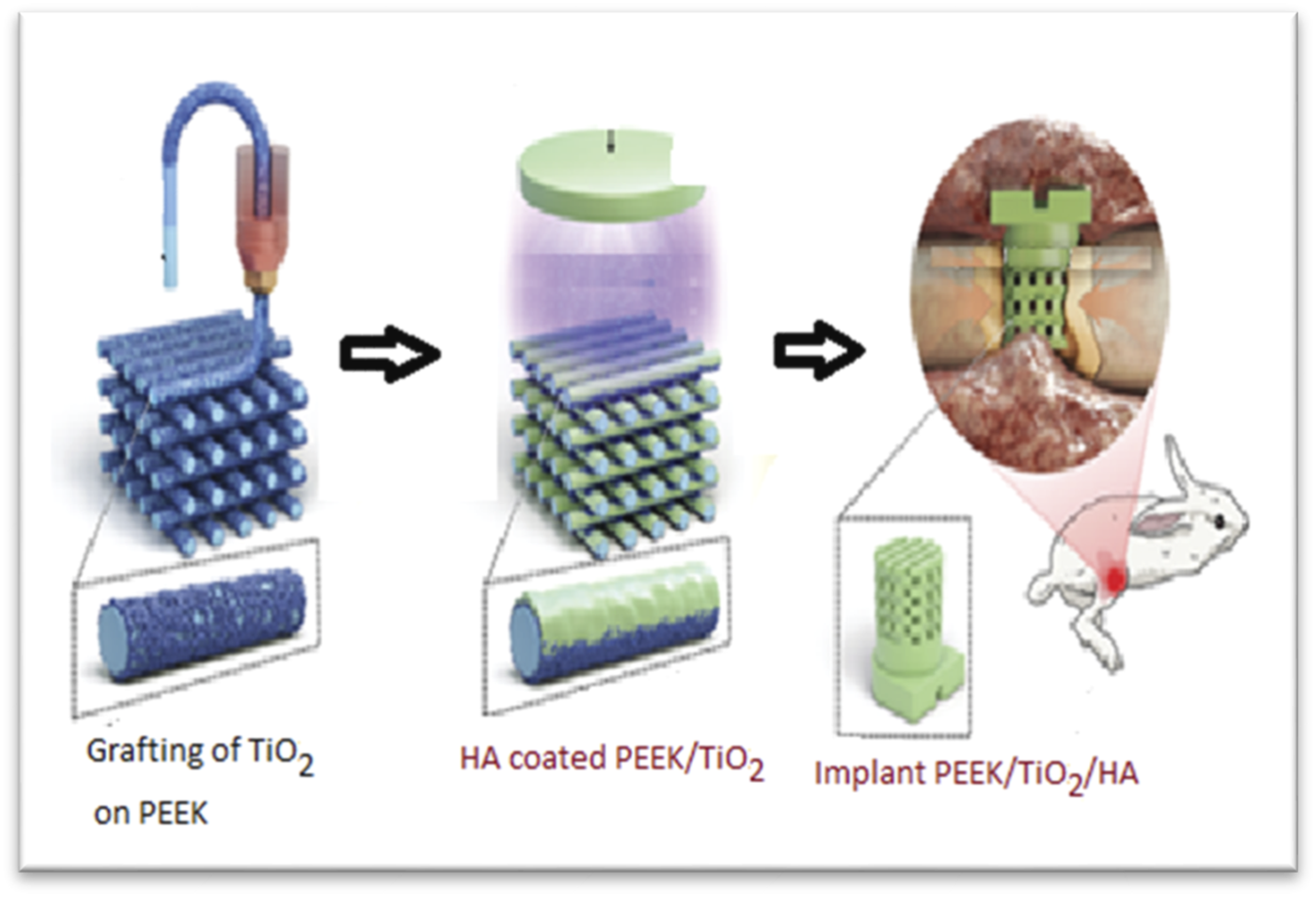
This innovative approach demonstrates the successful application of surface coating technology in the development of orthopedic implants, combining PEEK reinforcement with TiO2 nanoparticles and HA coating to enhance performance and biocompatibility. 80
Radiation synthesis and modification of biopolymers
Radiation treatment of biopolymers, especially when employing gamma irradiation, stands as a widely utilized method for inducing significant biological and chemical transformations within biopolymers and biocomposites that undergo this process.81,82 Remarkably, this method accomplishes these transformations without necessitating the inclusion of toxic additives, marking a clear departure from conventional chemical techniques.83–85 Additionally, analogous processes involving alternative curing or treatment sources like UV, 86 lasers, glow discharge, 87 visible light, and incoherent dielectric excimer lamps share similarities with irradiation treatment but typically result in comparatively milder changes.88,89
Furthermore, these techniques offer the potential to introduce a variety of functional groups onto the surfaces of these emerging polymers. These advancements hold significant promise within the realms of biomedicine and biotechnology. 90
Additive manufacturing
AM is a relatively new digital manufacturing technology that has successfully integrated machines, computers, numerical control, and various materials into advanced manufacturing processes over the past three decades. This technology primarily relies on a layer-by-layer manufacturing approach, predominantly utilizing 3D printing. 91 This transformative technology has reshaped the conventional approach to part design, placing a heightened focus on enhancing performance, thereby revolutionizing today’s manufacturing industry.
While significant strides have been made in the realm of 3D printing, the advent of 4D and 5D printing has ushered in even more innovative possibilities. However, it’s important to note that the practical implementation of 4D and 5D printing technologies is still in its early stages, with current applications primarily limited to high-end customized products. 92
AM technology primarily involves the use of forming equipment and materials. As of now, AM materials mainly include polymers, metals, ceramics, and composites. 93
Three-dimensional printing
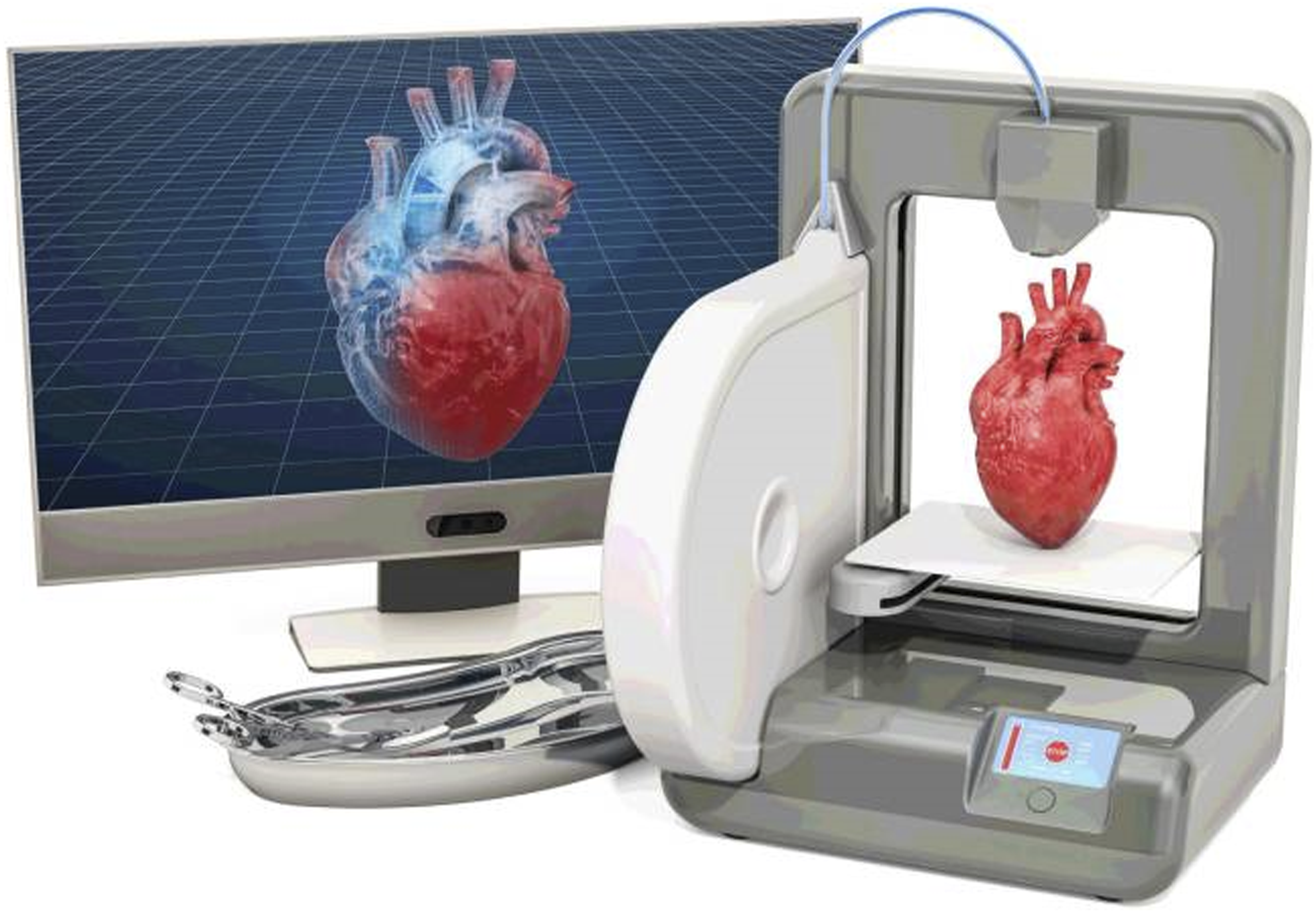
Three-dimensional printing, as shown in Figure 2, is an advanced prototyping technology that constructs objects layer by layer using powdery materials such as metal, plastic, and adhesives, guided by a digital file.
28
It’s not a standalone technology but rather a synergy of computer-aided design, laser technology, printing, and numerical control processing.
94
The continuous evolution of these technologies has led to significant progress in three-dimensional printing, resulting in various methods like fused deposition manufacturing (FDM),
95
selective laser sintering (SLS),
96
powder bed and inkjet head 3D printing (3DP),
97
and stereolithography (SLA).
98
In FDM, thermoplastic-based polymer composite materials are extruded through a heated nozzle, followed by deposition and solidification. 3-D printing and Bioprinting.
104
Four-dimensional printing
In the past decade, there have been remarkable advancements in four-dimensional (4D) printing technology, a breakthrough that enables three-dimensional printed products to autonomously change their shape over time. This innovative approach overcomes the constraints of traditional three-dimensional printing by allowing shape transformations in response to external stimuli such as light, electricity, and temperature. 98
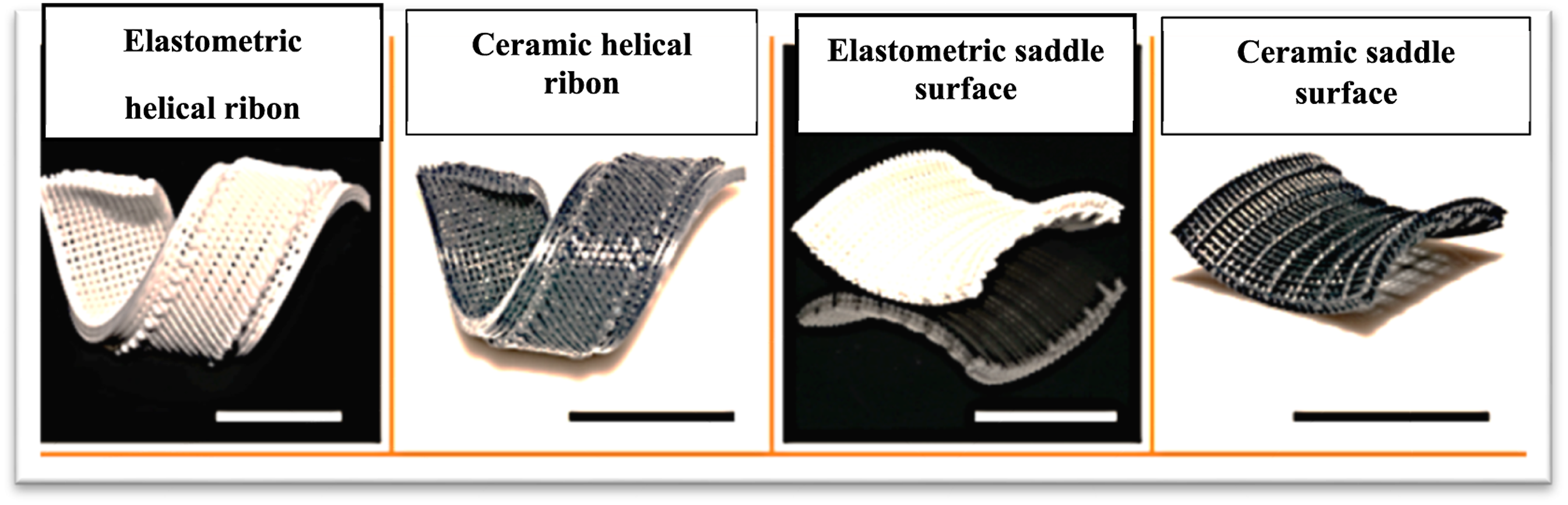
A significant milestone in this field was achieved by Liu et al., who developed the first 4D printing ceramic using nanocomposites (NCs) within an elastomeric poly(dimethylsiloxane) matrix. These NCs can be printed, deformed, and transformed into silicon oxycarbide matrix NCs, thus enabling the creation of intricate ceramic origami and 4D-printed ceramic structures, as shown in Figure 3. This shape-morphing process is achieved by releasing the elastic energy trapped in pre-strained ceramic precursors, which can stretch up to 200% strain.
61
The research on elastomer-derived ceramics (EDCs) opens up new possibilities for creating hybrid soft/rigid structural materials with potential applications in various fields, including bio-implants and bio-inspired structures.
99
Four-dimensional printing of elastomer-derived ceramics (EDCs) and origami. Two typical ceramic 4D printing processes (scale bars: 1 cm).
105
Five-dimensional printing
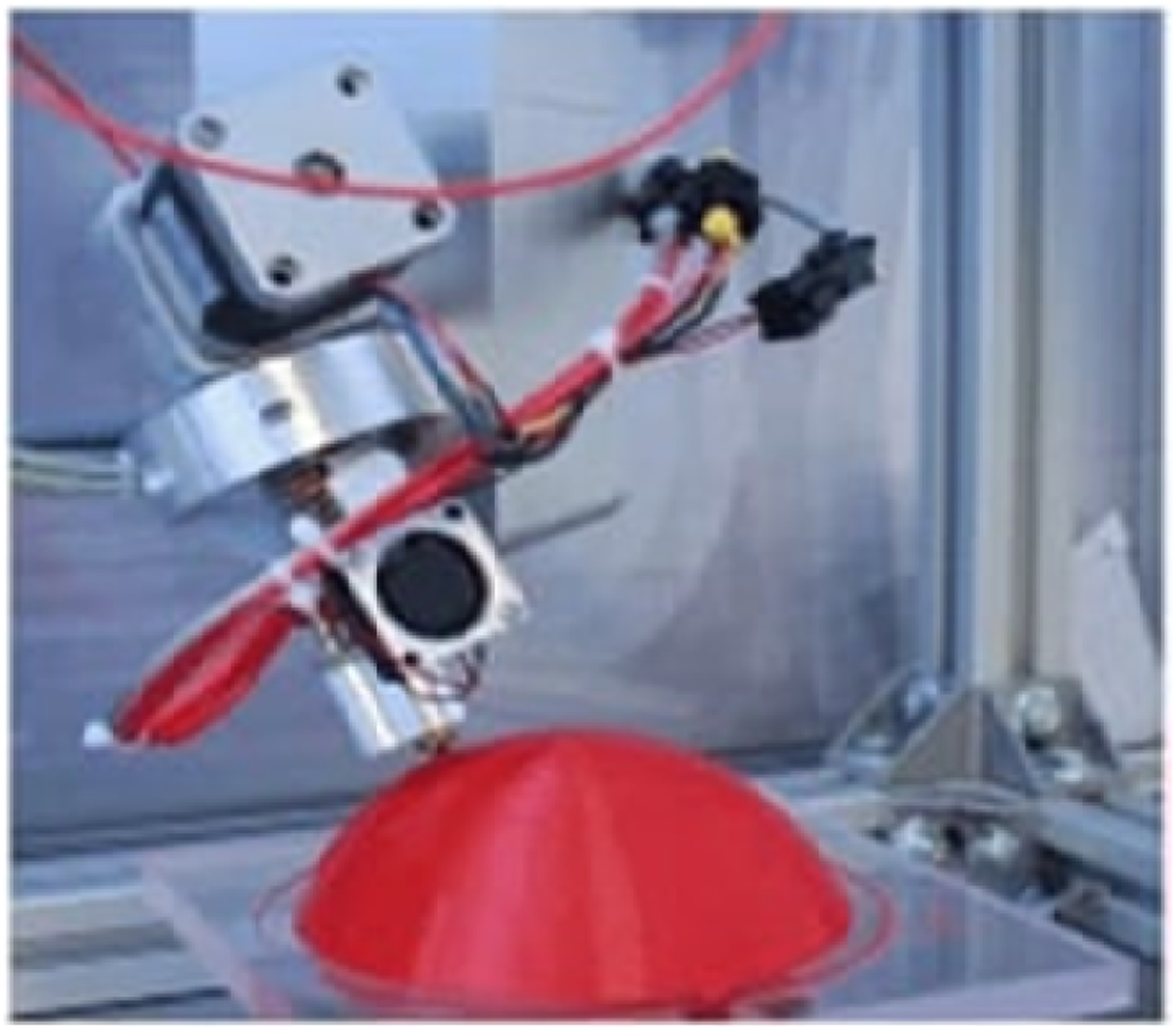
Five-dimensional (5D) printing refers to a printing technology that utilizes five axes to enable printing at any angle. Unlike traditional 3D printing, which is confined to layer-by-layer printing within a plane, 5D printing introduces additional degrees of freedom, expanding its capabilities for more complex and flexible printing, as shown in Figure 4. By incorporating this additional axis, 5D printing opens up new possibilities for manufacturing complex and customized objects.100,101 It offers enhanced precision and versatility, allowing the production of parts with both high strength and intricate geometries. This technology has the potential to revolutionize industries such as aerospace, automotive, healthcare, and architecture, where the demand for complex and functional components with high strength is substantial.102,103 Five-dimensional printed pressure cap.
101
In the latest advancements, the fusion of 4D and 5D printing has given rise to the innovative concept of 6D printing technology. By introducing an extra temporal dimension to the core principles of 5D printing, 6D printing revolutionizes the field by enabling printing from any orientation while concurrently tackling the longstanding challenges associated with sluggish 3D printing. This evolution marks a significant leap in AM, pushing the boundaries of what is achievable in the realm of printing technology.
Conclusion
The adoption of biopolymer composites in diverse applications has ushered in a new era of sustainable materials and significantly impacted the biomedical field, highlighting their pivotal role in advancing healthcare. Biopolymers have emerged as critical components in the development of innovative biomedical applications due to their biocompatibility, biodegradability and versatility. These natural polymers have found applications in drug delivery systems, tissue engineering, wound dressings and even as scaffolds for regenerative medicine, highlighting their importance in improving the quality of life for patients worldwide.
One of the remarkable aspects of biopolymer composites is their compatibility with advanced manufacturing processes, including cutting-edge 5D and 6D AM technologies. These revolutionary methods have expanded the horizons of AM by introducing the dimension of time as a variable, allowing materials to transform or adapt over time in response to external stimuli. This is particularly relevant to biomedical applications, where the ability to create dynamic, self-adapting medical devices and implants can lead to breakthroughs in patient care.
As we look ahead, the perspective in manufacturing processes, particularly in the context of biopolymers, is incredibly promising. The synergy of advanced smart materials and AM technologies opens up a wide array of opportunities in the biomedical field, enabling the fabrication of highly customized, patient-specific medical solutions. These advancements not only have the potential to revolutionize treatment methodologies but also hold promise for the commercial sector, with the creation of consumer products that adapt to users’ needs.
However, it is important to acknowledge that several challenges must be addressed to fully harness the potential of biopolymer-based composites in tissue engineering and the broader biomedical field. These challenges include improving the mechanical properties of biopolymer materials, enhancing their long-term stability, and ensuring their regulatory approval for medical use. Nonetheless, the immense benefits offered by biopolymer composites and their integration into advanced manufacturing processes make it evident that the journey towards realizing these innovative solutions is a worthwhile endeavor with substantial rewards. As we continue to explore and refine these technologies, the future of biomedical applications appears brighter than ever, promising enhanced patient care, improved quality of life, and sustainable healthcare innovations.
Footnotes
Declaration of conflicting interests
The author(s) declared no potential conflicts of interest with respect to the research, authorship, and/or publication of this article.
Funding
The author(s) received no financial support for the research, authorship, and/or publication of this article.
