




Abstract
Natural fibres are biodegradable materials that contribute to the development of a “green” economy due to their numerous merits such as energy efficiency, ease of manufacturing, environmental friendliness, low cost, sustainability, and biodegradability. Natural fibres have lately become more appealing to technology and innovation as substitute materials for synthetic fibre-based composites due to these qualities. Several projects have also been undertaken to reveal the potential applications, economic and environmental benefits of natural fibres sourced from plants for polymer reinforcements. Among the commonly used fibres are banana and sisal fibres which form part of the reasons for their selection in this review. The justification for this is the environmental concerns in the modern days which have increased the demand for natural materials as suitable alternatives for synthetic reinforcements. Hence, this review reveals the impact of banana and sisal fibres as reinforcements in polymers on the environment, the possible future processing pathways, and applications.
Introduction
The need for materials with enhanced properties has encouraged the combination of scientific progress, technological advancements, and environmental consciousness to discover materials that are; lightweight, strong, biodegradable, and resistant to severe environmental conditions. To achieve this, polymer and its composites from synthetic and natural fibres derived from plants and animals have been highly used.
Natural fibres have become increasingly popular as reinforcement in polymers in recent years. Fibres gotten from natural sources are not only strong and light, but they are also inexpensive and biodegradable. Natural fibres basically consist of hemicellulose, cellulose, and lignin with constituents dependent on plant type and geographic region. 1 n recent times, there has been a noteworthy increase in potential applications of natural fibres as reinforcement in polymers due to their low economic cost and biodegradability associated with it. The desire to replace petroleum-based products, as well as greater environmental, social, and economic awareness, and sustainability principles, has fuelled the hunt for environmentally friendly materials. Industries nowadays are attempting to use renewable resources or components with a smaller carbon footprint so as to tackle environmental issues like climate change.2,3
Environmental rules governing eco-friendly materials have brought about the production of composite materials with natural fibres. The low cost of these fibres coupled with their existence in developing nations contributed to the surge in manufacturing of these bio-materials which are also being increasingly utilized in automotive and aerospace sectors.2,3
Bananas (Musa sapientum) are a staple meal for approximately 400 million people worldwide, particularly in developing countries. In 2019, global banana exports were predicted to be 20.2 million tonnes. 4 The majority of banana pseudo-stems are trimmed and discarded at the harvesting site. This waste can serve as a potential source of banana fibres (BF) and can be extracted and used as reinforcement in composites. According to the above-mentioned global production data, pseudo-stems could produce millions of tons of BF per year. Extracted banana fibre currently, is part of the unwanted product of banana cultivation that can be used in several industries at little or no cost. 5
Originating from Mexico, sisal fibres are extracted from leaves of Agave sisalana plant. Majority of sisal are grown in East Africa, Brazil, India, Haiti and Indonesia. Sisal fibre is rough, durable, and classified as a hard fibre. 6 Sisal plant is able to grow in temperate and arid environments that are considered unsuitable for other plants. Sisal plant is able to grow in nearly every type of soil except clay. They are easy to cultivate and possess high resistant to disease. It can produce between 120 and 240 leaves depending on its geographical location. Leaves are made up of water, dry matter, fibre and cuticle with values as; 87.25, 8.0, 4.0 and 0.75%, respectively. Fibres are abundant on leaf surface and are imbedded along leaf’s length. In addition to its typical usage (ropes, carpets, and mats), sisal fibre can be used to reinforce polymer composites needed in aerospace and automotive industries. 2
Previous modifications in natural fibre polymer matrix composites
Development of Natural Fibre Composites (NFCs) is not a new idea, since they have been investigated and utilized in several industries many years ago.
7
However, NFCs have been increasingly popular in automotive industry in recent years, notably for weight reduction which has already conserved up to 34%. Lotus Eco Elise that was produced towards the end of year 2008 was 32 kg lighter than a standard car due to the use of bio-sustainable components. Likewise, Mercedes-Benz is boosting the use of bio-components in its E-class series car manufacture as shown in Figure 1. Modern applications of natural fibre polymer matrix composites.
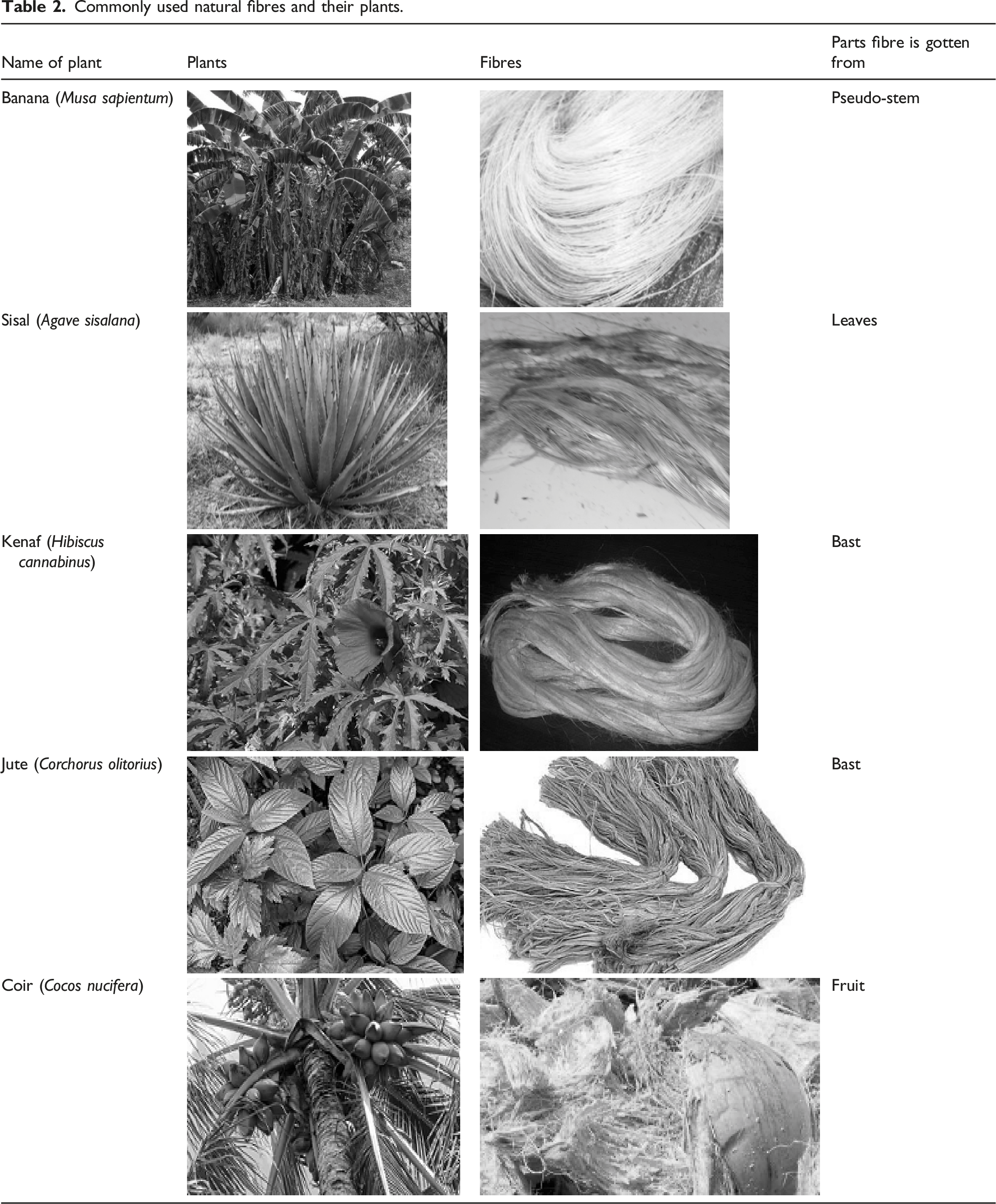
Some commonly used plant fibres and their applications.
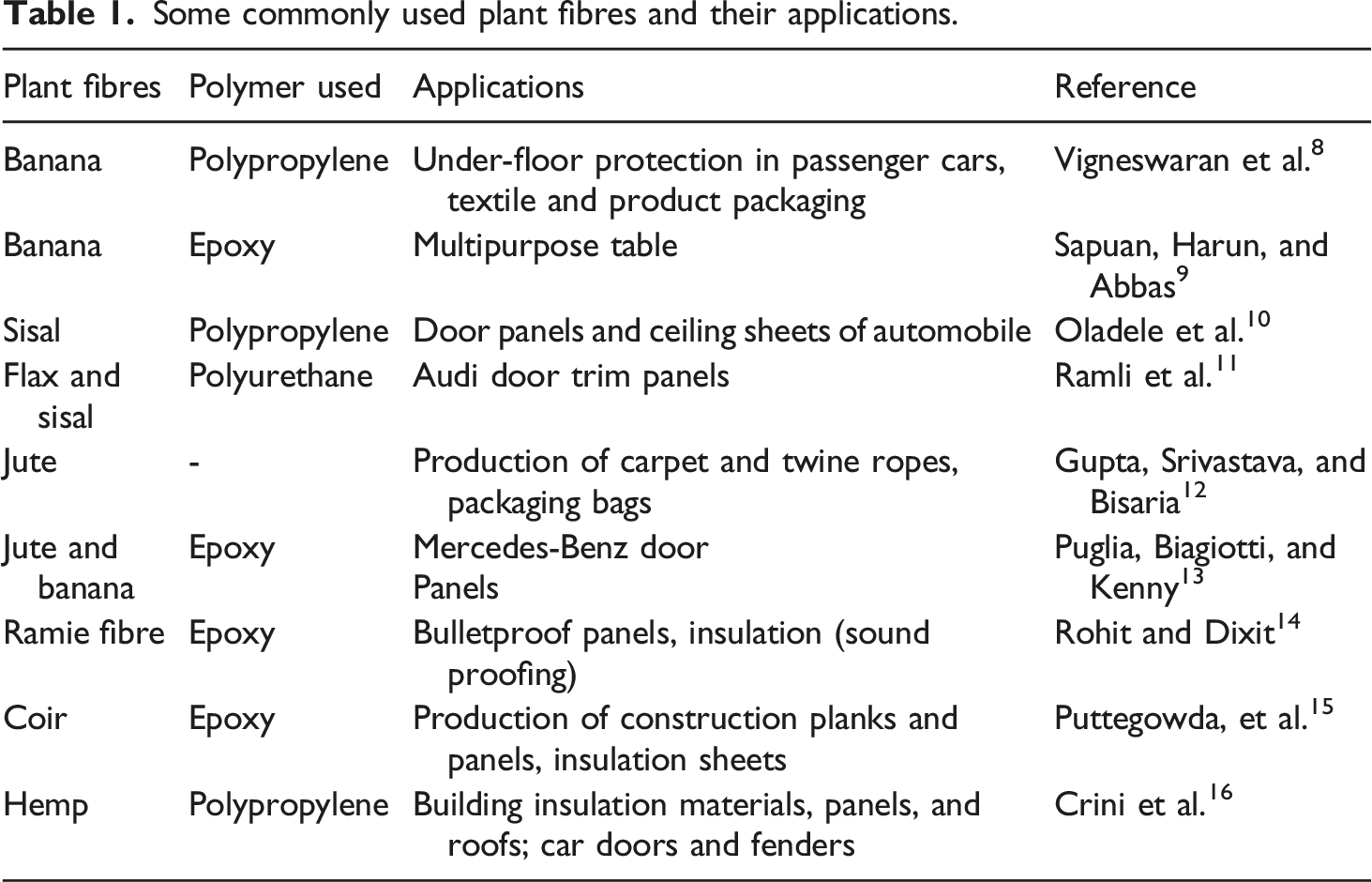
Commonly used natural fibres and their plants.
Structural and chemical composition of banana fibre
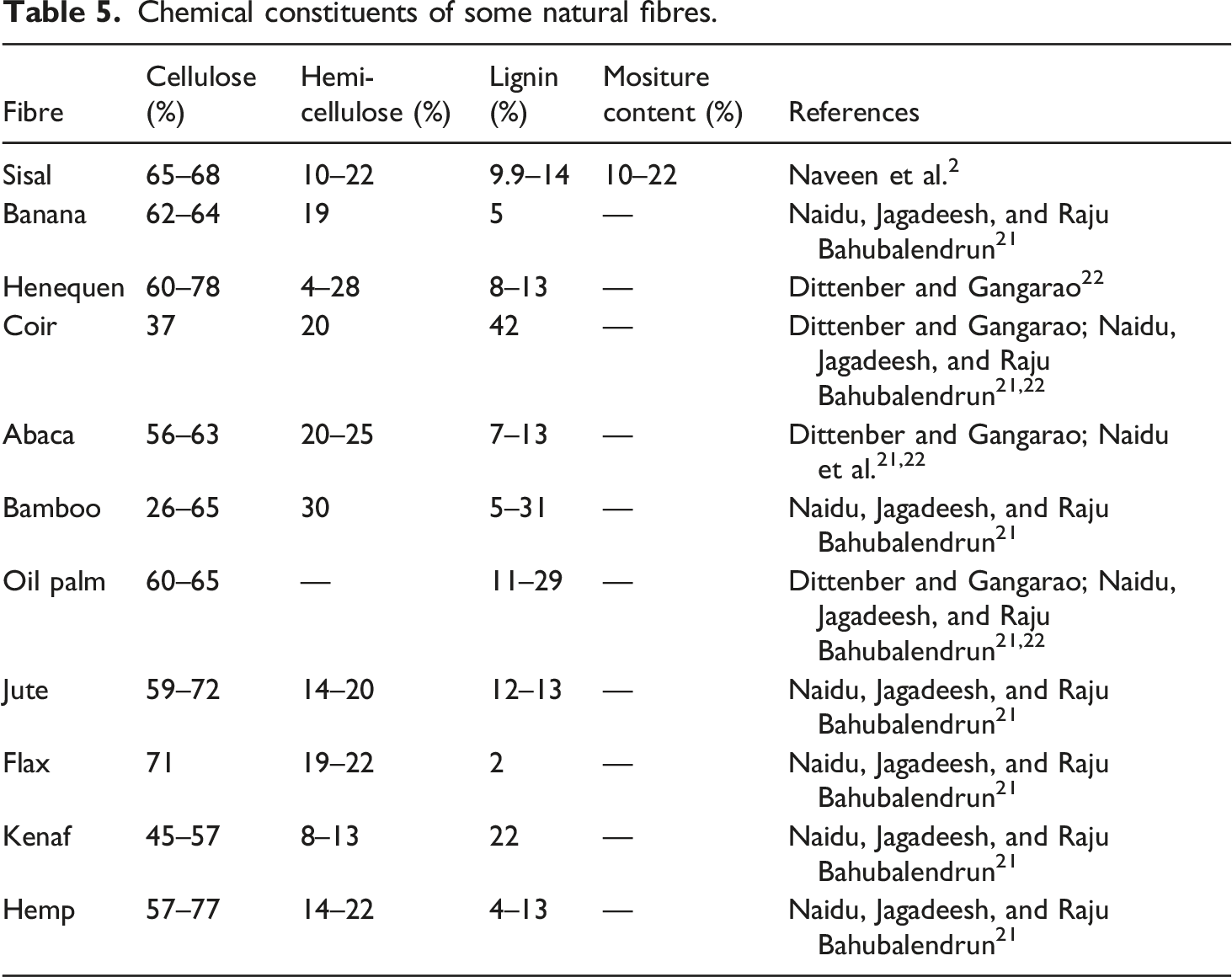
Constituent of Banana fibre. 18

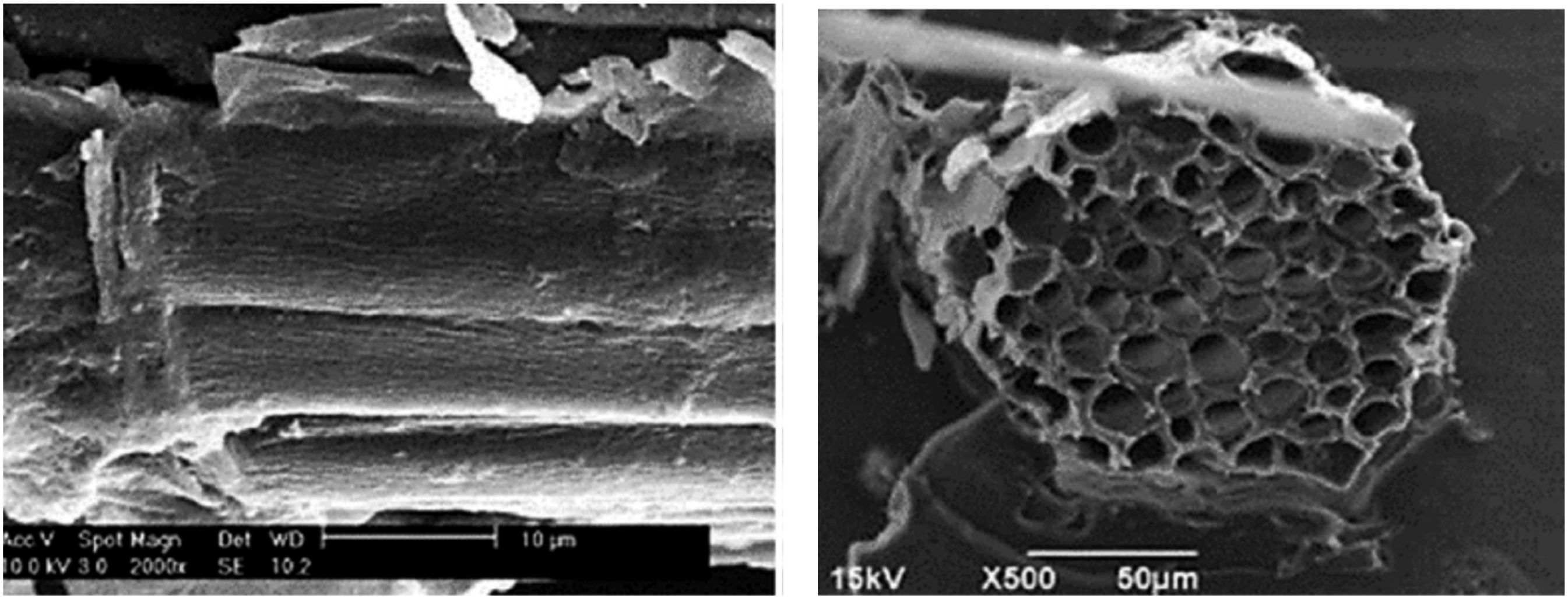
SEM image of Banana fibre. 17
Structural and chemical composition of sisal fibre
Constituent of Sisal fibre. 18

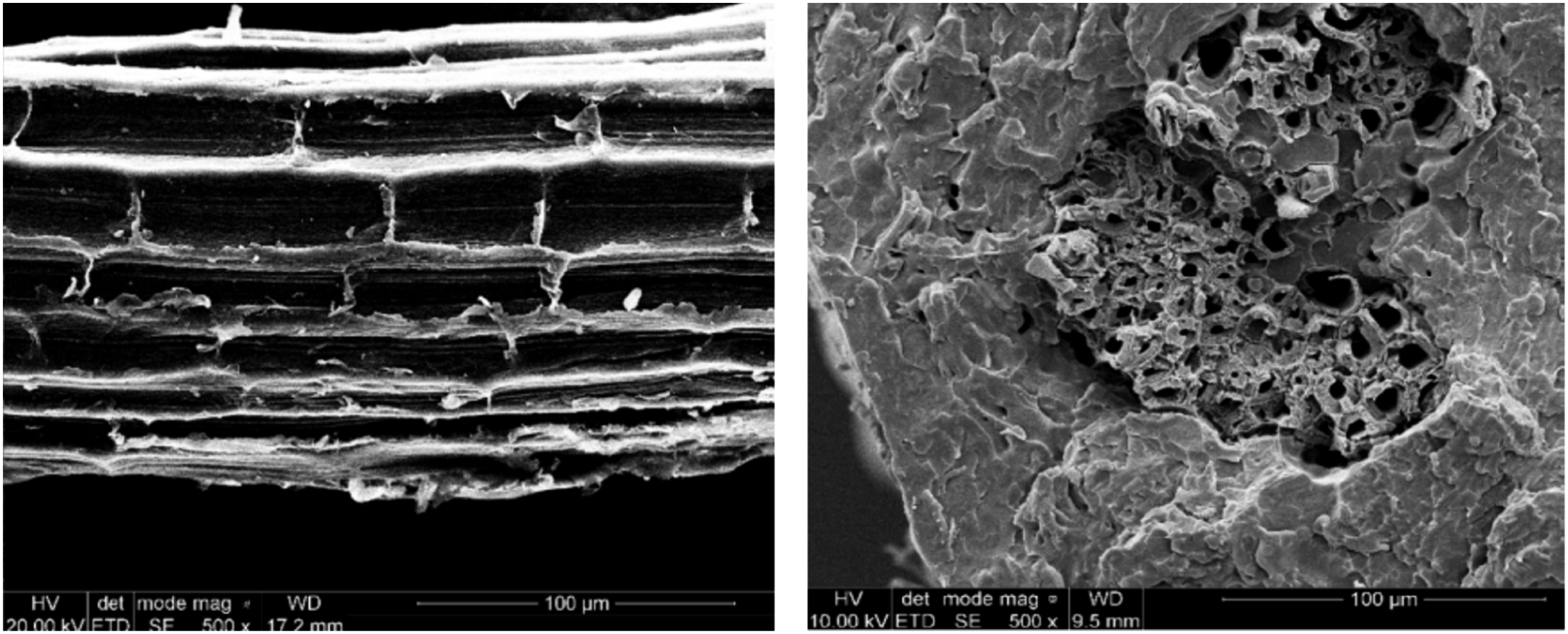
SEM image of Sisal fibre. 20
Chemical constituents of some natural fibres.
Extraction processes for banana and sisal fibres
Numerous processes are used to achieve extraction of plant fibres. Segregation and recovery of fibres are accomplished through mechanical decortication/scorching, crushing and scratching. Fibres can also be extracted through retting processes like soil, water or dew retting. Retting is a well-known procedure involving fibre separation from the stem via available and suitable medium. They can also be further classified as dew (cold water), warm water, chemical, ultrasonic, green and surfactant retting. 19 After extraction, natural fibres are typically long with non-uniform dimensions.
Banana fibre extraction
Chemical, mechanical, or biological procedures can be employed to extract banana fibres. Mechanical extraction involves scraping with blades or the use of a decorticator. The approach is not effective in removing the natural binding material and non-cellulosic constituents (lignin) from interspaces of fibre within fibre bundle. Chemical extraction involves the use of chemicals. Chemical processes used for mining fibres are majorly carried out using dissolved sodium hydroxide, nevertheless, various known chemicals are also applied. These processes may cause contamination of the environment because of the need to treat the residues produced.
23
Metabolic pathways are eco-friendlier and produce more fibre bundles. Ganan et al.
24
reported extraction of banana fibres using natural biological retting. It entails extracting them by hand from stem by cutting them off the trunk and passing them through a mangle to remove all moisture before drying them at room temperature.
25
Figure 4 depicts the stages of banana fibre extraction from its stem. Extraction process of banana fibre.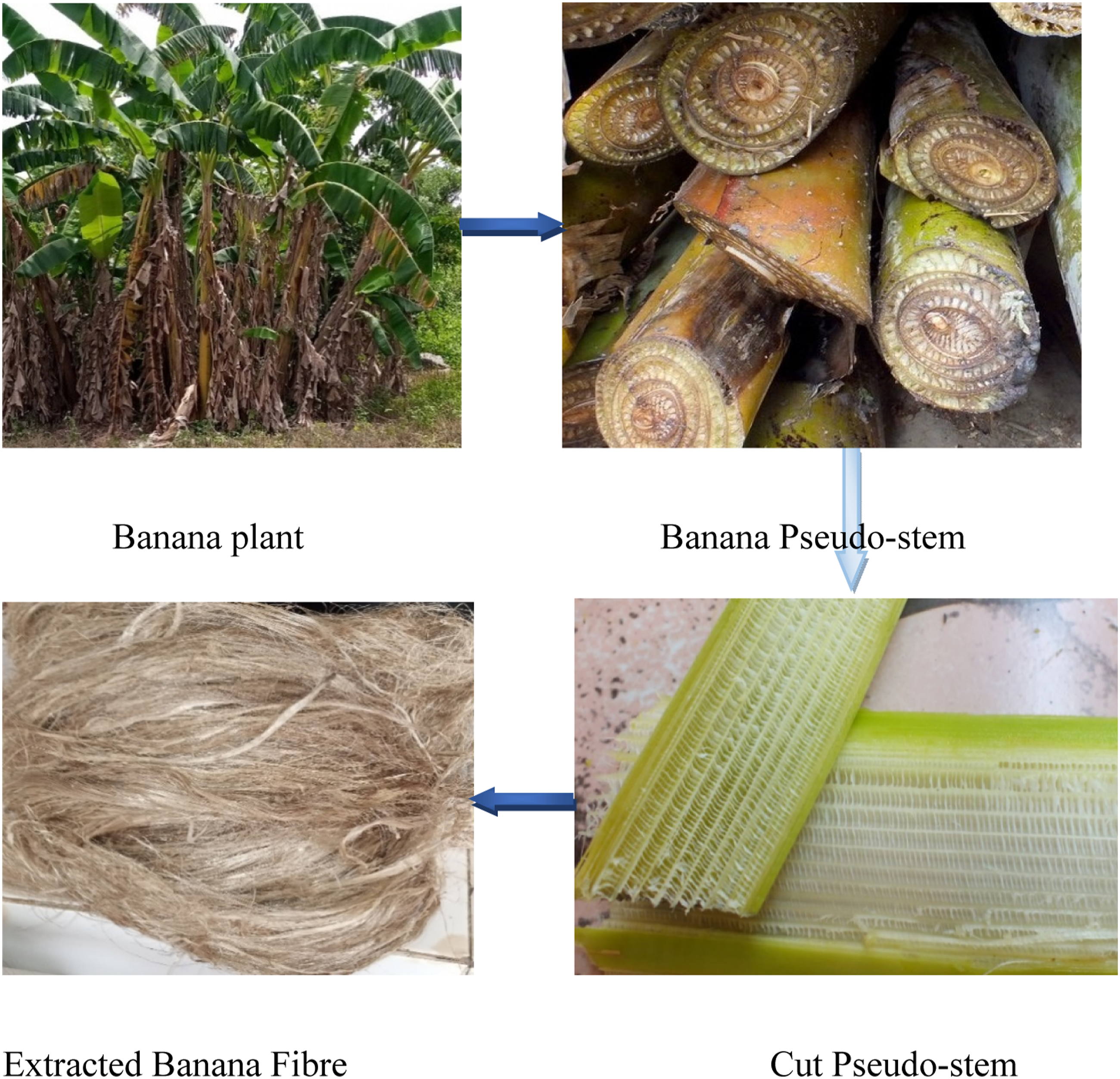
Sisal fibre extraction
Sisal fibre can be extracted from the leaves by retting,
10
scraping, or mechanical decortication. Numerous techniques are utilized to harvest sisal fibres from the plant leaf. Retting is the controlled decomposition of plant stems that enables the extraction of fibres from the woody core. According to a report by Oladele et al.,
6
soil retting is accomplished by burying sisal leaves for an average of 2 weeks, following which they are removed, washed, and dried. The majority of known retting procedures are based on biological activity. Soil microorganisms, such as fungi and bacteria, degrade the polysaccharides, thereby separating the fibre bundles. In order to obtain cellulosic fibres of high-quality from plants, microbial retting is a standard procedure that can be used. This is made possible because induction force emanating from beating in decorticated fibres are absent and it has been demonstrated that this method of extraction produces fibres that are strong.
26
Figure 5 showed sisal plants and extracted fibre. Extraction process of sisal fibres.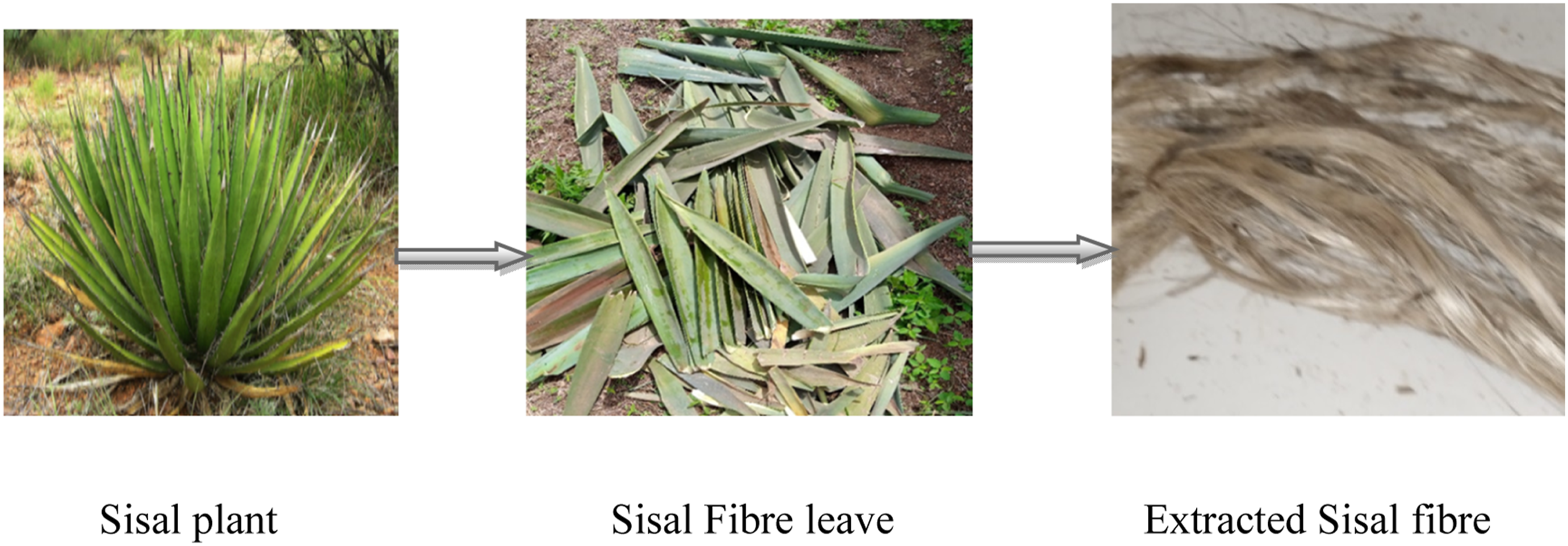
Chemical treatments of natural fibres
Chemically modifying natural fibres largely enhances their microstructure and surface which also affects their surface morphology, chemical groups, wettability and tensile strength.
27
Natural fibre reinforcement must pass-through chemical processing in order to acquire higher mechanical and moisture resistance for usage in composites. By modifying hemicellulose and lignin that are depicted in natural fibre, thermo-chemical modifications improve interfacial adhesion of hydrophilic natural fibre and hydrophobic matrix.
2
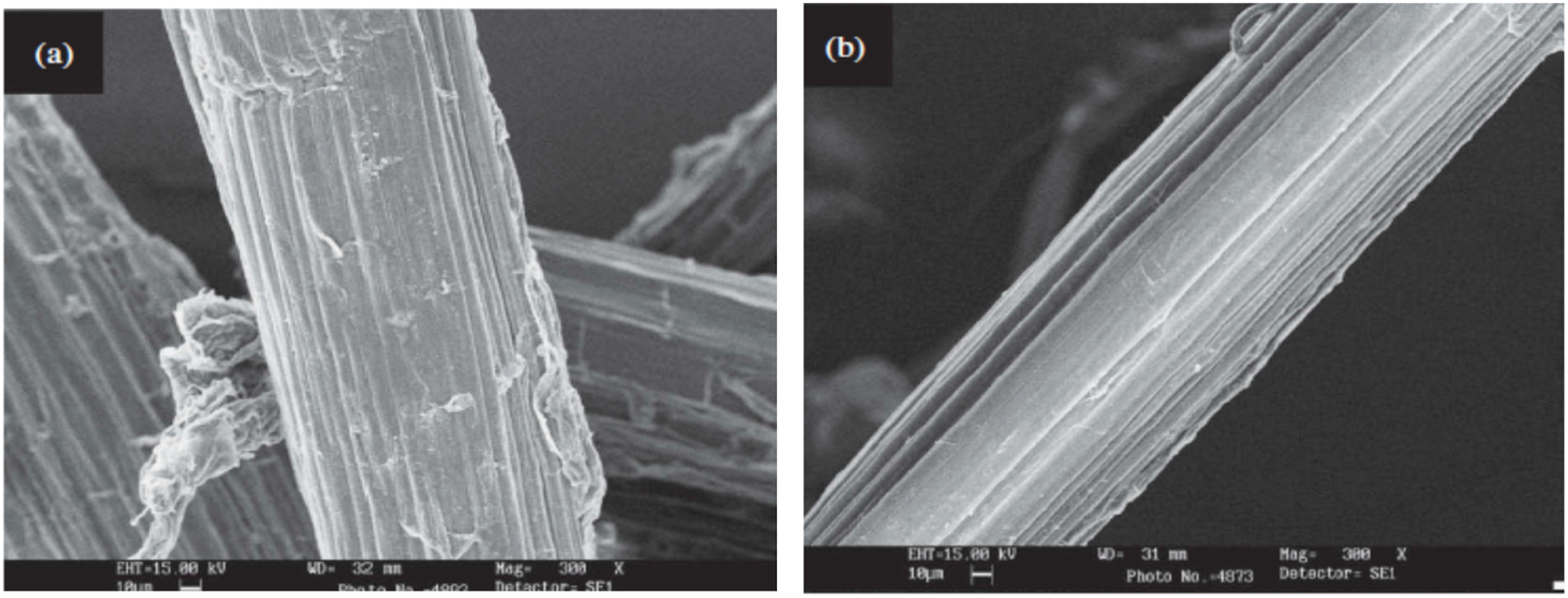
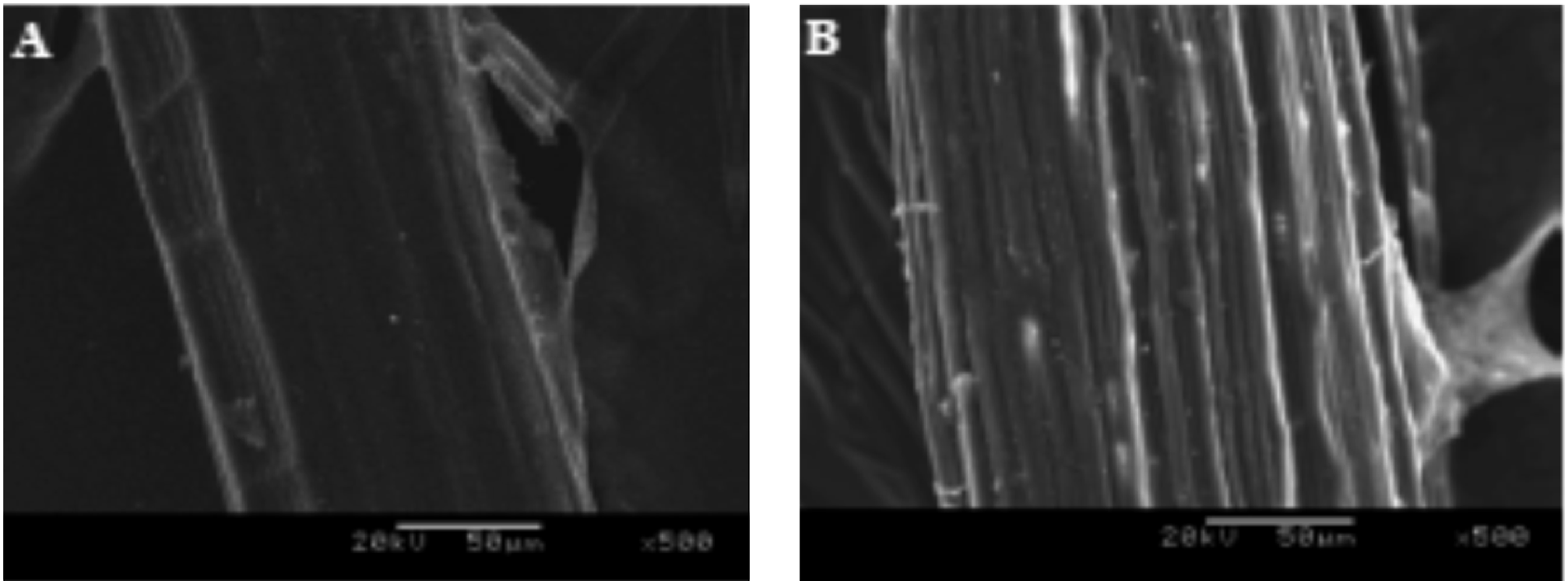
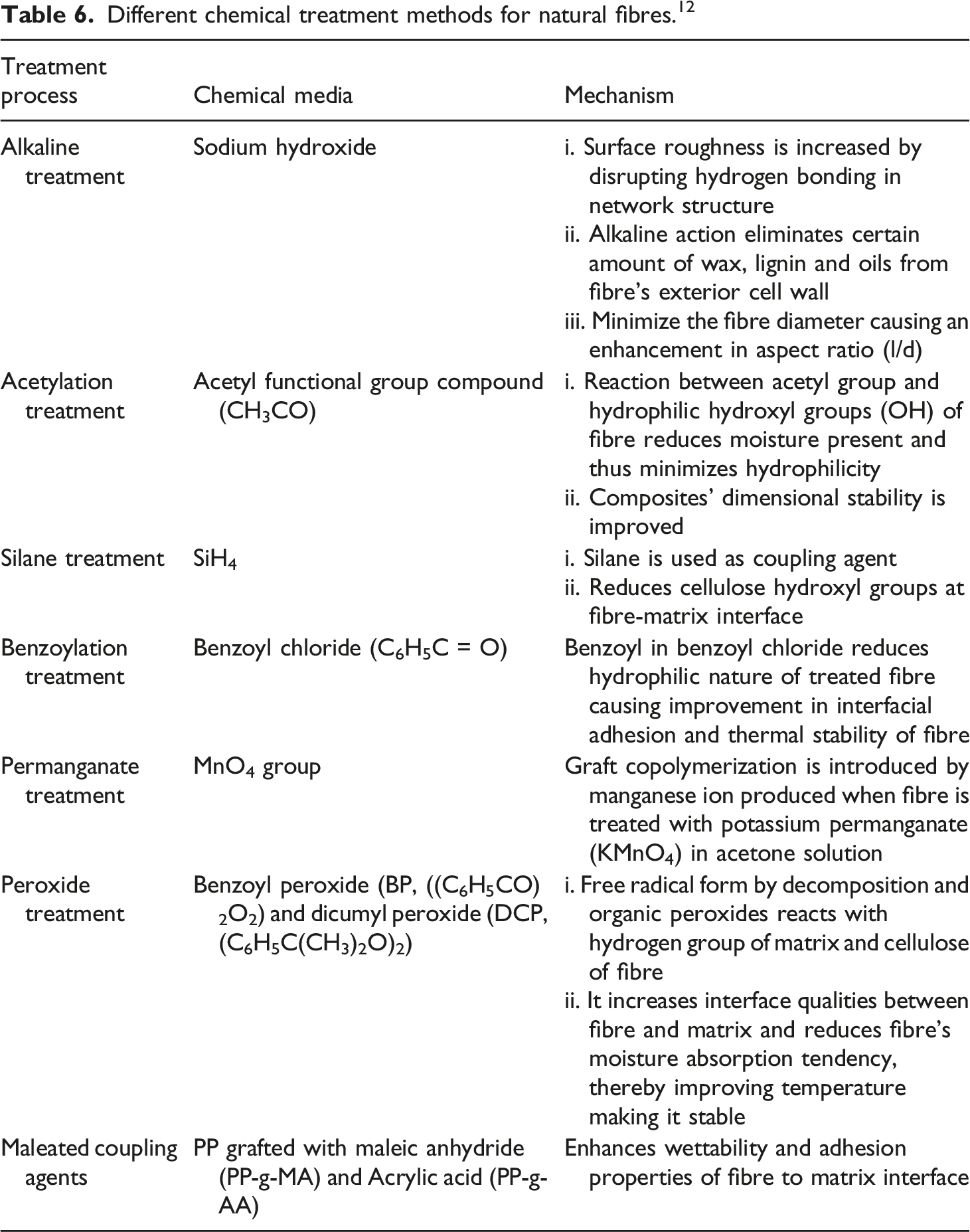
Figures 6 and 7 showed SEM images of treated and untreated banana and sisal fibres, respectively while Table 6 presented chemical treatment processes for natural fibres. Sem of (a) untreated banana fibre and (b) 5% NaOH treated banana fibre.
28
Sem of (a) untreated sisal fibre and (b) 1M KOH treated sisal fibre.
10
Different chemical treatment methods for natural fibres.
12
Effect of degradation on banana and sisal fibre-reinforced composites
The quest to adopt eco-friendly materials in applications without sacrificing the required mechanical properties is currently the main responsibility of businesses and research community. Based on this, material engineers and scientists are working to reach their utmost potential in order to develop novel biomaterials that can replace artificial materials in practical ways. The range of applications for fibre reinforced polymers (FRPs) has greatly expanded in a variety of industries, from aircraft to building construction components. It is crucial to concentrate on creating FRPs which does not only suit the metals’ versatility but are also recyclable and biodegradable as their use is only going to grow. Global environmental issues have led to tight rules and restrictions regarding the materials utilized to manufacture various products. 28
Justifications for the use of natural fibres are inexpensive, simple to handle, biodegradable, widely obtainable in nature, and have high strength-to-weight ratio. 14 Nevertheless, because natural fibres perform poorly when exposed to moisture and environmental temperature fluctuations, designers are hesitant to use them in the majority of load-bearing applications. 29 Heat, UV rays, moisture, and a combination of these elements can all weaken the stiffness and strength of a material. 30 Based on the environmental effects of photodegradation or photocatalysis, exposure to UV radiation can alter surface chemistry of composite materials. 29
Development of natural fibre reinforced composites is driven by the need to make them easily biodegradable when disposed of after use, also mechanically and functionally unwavering over their life cycle. During their useful lives, these materials may be exposed to variety of ecological factors, including sunshine, moisture, acids, and soil. 28
According to research carried out by Bajpai et al., 31 tensile properties of nettle fibre-reinforced polypropylene (PP) composites were affected by all ecological factors (sunlight, diesel, river water, freezing condition and soil burial), with composites exposed to sunlight and river water experiencing the greatest reduction in tensile strength. Alkali-treated banana fibre-reinforced polypropylene composites were made using extrusion-injection molding techniques and subjected to two different settings for 5 weeks: water immersion, and soil burial. Komal et al., 28 studied the deteriorating behaviour of these composites. They noted a decrease in the tensile, flexural, and impact strength of the composites with composites buried in soil showing the greatest mechanical property deterioration which was caused by the presence of bacterial microorganisms in moist soil. Additionally, fibres on sample surfaces absorb moisture from moist soil which causes fibre swelling, fibre-matrix de-bonding and loss in mechanical characteristics. They also observed that fibres on composites’ surfaces absorbed water molecules which were then transported into fibre-matrix interfaces by capillary action causing the composite to lose some of its mechanical properties when submerged in water.
Mechanical properties of the composites
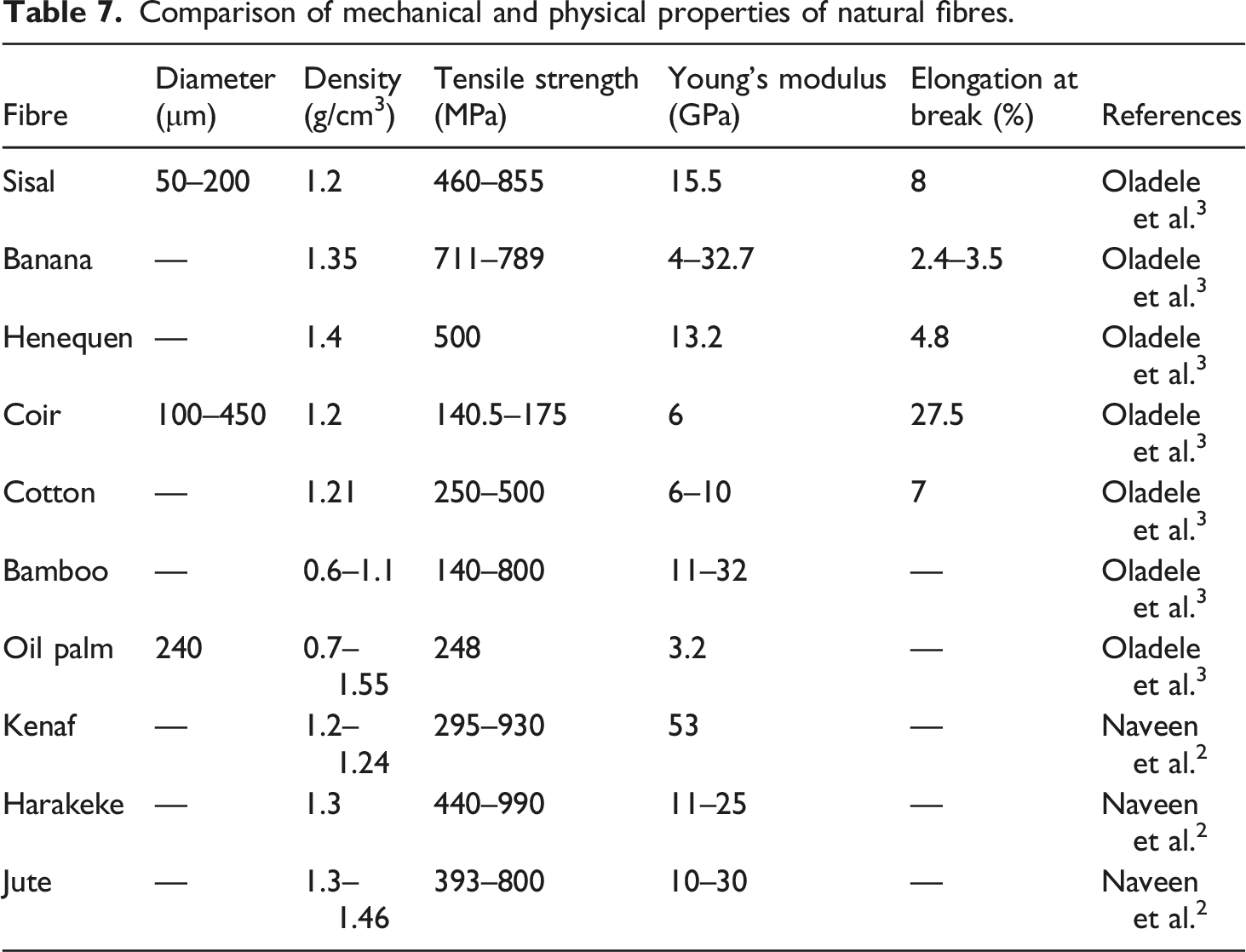
Comparison of mechanical and physical properties of natural fibres.
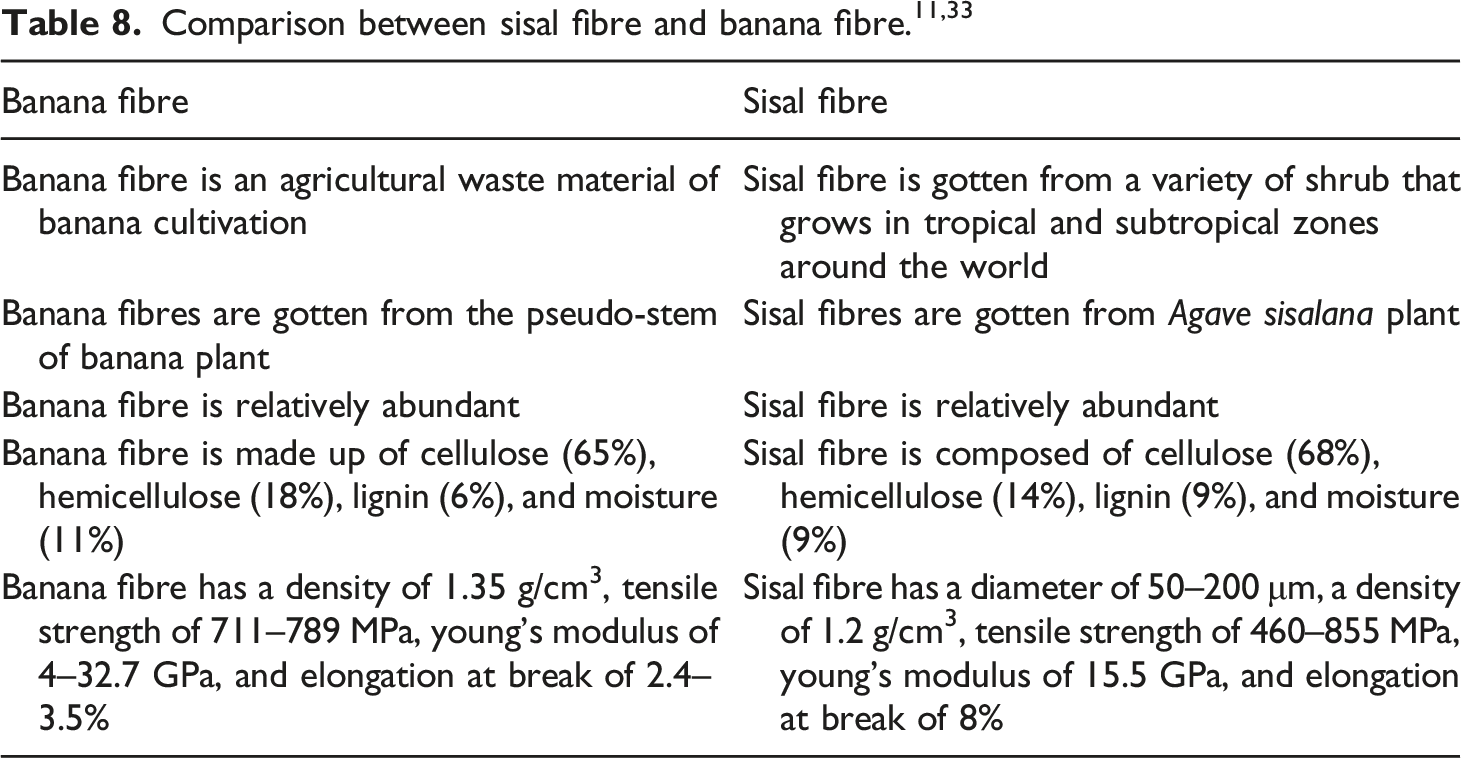
Inter-linkages between sisal fibre and banana fibre
Recent applications of natural fibre-based composites
Several natural fibres in time past and until now are currently being utilized as reinforcements in automotive, construction and other industries. Many natural fibres, such as flax, sisal, jute, and hemp, are used as raw materials in developing composites for automotive, construction, paper, packaging, and furniture industries. 34
Many automotive companies, including German automakers (Audi Group, Ford, BMW, Opel, Daimler Chrysler, Volkswagen, and Mercedes), Proton (Malaysia’s national automaker), and Cambridge (a US automaker) have given natural fibre-reinforced polymer composites significant role in various automotive applications, including, but not limited to, door panels, head restraints, package trays, dashboards, seat backs and seatback linings. 35
As a cost-effective alternative to synthetic fibres, roof sheets made of sisal fibres are being utilized. Rice husk and straw are currently employed in the production of medium-density fibreboard, cement-bonded boards, particle boards, and straw bales. 36 Use of their susceptibility to environmental damage, the majority of civil engineering applications concentrate on non-load bearing indoor components. 37
In addition to vehicle and construction industries, natural fibre-reinforced composites are utilized in marine, aerospace, and sports industries, among others. 38 In the shipping sector, for instance, sisal fibre-based composites are commonly utilized for small-scale mooring and container management. In addition, they are used as fibre for elevator steel cables to promote lubrication and movement. 39
Future prospects of natural fibres-based composites with respect to green materials and the environment
Global motivation towards a circular economy that lay emphasis on sustainability in production processes has increased the application of agro-materials like natural fibres in developing materials and products for applications that have for a long time dependent on inorganic raw materials. 40 In view of end-of-life vehicle rules, natural fibre-based composites are viewed as a replacement for conventional ones and may hold the key to overcoming some of the issues facing automotive and aerospace industries. Today, maybe more than ever before, fibres with enhanced properties and added functionality that can add value to the final fibre-based product are in high demand. Consequently, it is of the utmost importance to do additional research on natural fibres and their potential for reinforcing in light of the future demand for sophisticated materials.
It has been proven that moisture absorption is a fundamental disadvantage of natural fibre polymer composites, limiting its applicability to non-structural and interior applications. Several techniques, including the use of inorganic or bio-based coatings, coupling agents and chemical or physical treatment of fibres have been implemented to counteract this constraint. Interest in the use of natural fibres has ensued into the discovery of many new ones like dombeya and plantain fibres which have not been known in time past.41,42 However, researchers should intensify efforts to reduce water absorption in natural fibre polymer composites in order to increase their application in locations where moisture absorption is prevalent. Durability, environmental sustainability, and degradation must be addressed if natural fibre-reinforced composites are to be more effectively used for outdoor applications. Presently, many natural fibre-reinforced composites are mostly used suitably for interior purposes. Even though natural fibres give unique environmental benefits, a quantitative study is necessary to establish their entire environmental performance. 11
Banana fibre as well as its subsequent composite uses can be expanded if efficient modelling techniques for fibre mining and composite production are developed. 25 Findings in the field of natural fibre and its composites indicate that the aforementioned issues are not new; however, construction of an ideal model that can effectively balance biodegradability, mechanical qualities, and rate of producing hybrids are a future necessity. In order to sustain our ecology, the production of non-biodegradable materials must be reduced, if not eliminated entirely. Reinforced plastics made from natural resources have the potential to be one of the materials revolutions of the 21st century. For instance, Natural fibres with flame-retardant properties can be used to produce furnishings and interior products, providing a safer indoor environment by hindering heat transfer and the spread of combustible gases.43,44 Fiber crops, such as cotton, flax, jute, sisal kenaf, hemp, banana and others, are cultivated for their cellulosic fibers, which have various industrial applications. Breeders have focused on improving agronomic features, including fiber quality and stress resistance, through molecular breeding methods. Next-Generation Sequencing (NGS) tools will facilitate genome and transcriptome sequencing, as well as re-sequencing of fibre crops, enabling the identification of genes of interest and associated markers which will be crucial for genotyping, genetic relatedness analysis, and genetic mapping, facilitating molecular marker-assisted selection to aid the production of genetically engineered crops for natural fiber.45,46 Natural fibers are also finding applications in the defense industry as alternatives to Kevlar fibers. They offer advantages such as high-impact energy absorption, low weight, and efficient capture of splinters, 47 and show promising applications in military equipment due to their excellent strength-to-weight ratio.48,49 The latest trend in natural fibers includes their use in additive manufacturing, enabling the production of complex geometry parts and functionally graded composites. This approach offers design flexibility and the ability to create tailored, non-toxic, renewable, and recyclable parts. Compared to synthetic fibers, natural fibers have the added benefit of being less taxing on printer durability and production costs. However, using natural fibers in additive manufacturing poses challenges like composite filament preparation, porosity/void formation, fiber orientation, and moisture content. These issues can be addressed by modifying process parameters, hardware, and feedstock quality. As the demand for sustainable materials grows worldwide, the combination of these natural fibers and innovative processing techniques like additive manufacturing can drive various industries toward a smart and eco-conscious future. 50
In future research on banana, sisal, and other natural fiber composites, it is important to prioritize standardized methods for fiber extraction, as well as explore approaches to enhance the interfacial properties between fibers and the composite matrix. Efforts should also be directed towards addressing potential failures of biocomposites, considering factors such as moisture absorption, long-term exposure to temperature, humidity, ultraviolet radiation, chemicals, aging, and external stimuli. It is crucial to conduct meticulous research on the biodegradability and life cycle assessment of composite matrices, additives, coupling agents, and natural fibers. Multidisciplinary collaboration between fields such as agriculture, biotechnology, polymer science, and composite manufacturing should be encouraged to drive progress in this area. Additionally, there is a need to industrialize lab-scale composite manufacturing technologies and adapt them to accommodate new bio-based polymers. 51 Exploring the potential of fiber residues from various sources, including agriculture, traditional medicines, and food processing, can provide new candidates for the synthesis of next-generation bio-composites. In line with the growing trend towards nanocomposites, research efforts could be focused on exploring the use of cellulosic-based nanofibers and incorporating inorganic nanofillers. Moreover, hybrid plastic processing technologies and hybrid biocomposites should be implemented to enhance the performance standards of the resulting composites. 52 By addressing these research areas, significant advancements can be made in the development and application of natural fiber composites.
Conclusion
In order to satisfy customer demand, scientists and engineers have continued to prioritize sustainability and environmental challenges in developing new materials. Some of the most promising materials for use as reinforcement materials in polymer composites are splant and animal-based fibres in which banana and sisal fibres have been widely used. From this review, it is clear that composites made from natural fibres are widely used in a wide variety of industries, including transportation, construction, and building industries. Hence, more natural fibres such as those found in bananas and sisal can be used to strengthen polymer composites. Availability and ability to achieve projected performance in service justify their continuing use which has been well documented in this review.
Footnotes
Declaration of conflicting interests
The author(s) declared no potential conflicts of interest with respect to the research, authorship, and/or publication of this article.
Funding
The author(s) received no financial support for the research, authorship, and/or publication of this article.
