




Abstract
In this study, low-velocity impact (LVI) responses for the thermoset and thermoplastic composites were experimentally investigated based on the fibre orientation, thickness and knitting architecture. To analyse dynamic responses such as bending stiffness, contact stiffness, total impulse, peak force, and absorbed/rebound energy, LVI tests at 2 and 3 m/s velocity, which correspond to the 11.2 and 25.2 J were conducted, respectively. Furthermore, impact-induced damages were examined by using Through Transmission Ultrasonic analyses and macro-scale visualizations. Results from the current study show that woven fabric reinforced composites exhibited more bending stiffness, contact stiffness and energy absorption capacity than unidirectional ones thanks to fibre alignments throughout the longitudinal and transverse directions. Moreover, resin material has favourable effects on the damage mechanisms, as expected. It has been concluded that utilization of the thermoplastic resin enabled the composite specimens to exhibit less delamination.
Keywords
Introduction
Thermoset and thermoplastic materials exhibit completely different characteristics depending on their chemical structures. Although thermosets generally show brittle behaviour, thermoplastics exhibit more toughness and ductility thanks to the chain slippage. 1 Due to their distinctive properties, these materials are generally used as a matrix in the composites depending on the desired requirements.2–11 For instance, Ma et al. 2 performed tensile and end-notched flexure tests to examine the failure behaviour and mechanical properties of the thermoset and thermoplastic composites. As a result, the damage was observed in the interfacial fracture mode for the thermoplastic composites with the weak interface but high Mode II interlaminar fracture toughness. On the other hand, the damage was observed in the matrix fracture mode for the thermoset composites with high interface and lower Mode II interlaminar fracture toughness. Apart from that, Schimmer et al. 4 examined the damage mechanisms for the thermoset and thermoplastic composites after LVI loadings. Within this scope, ultrasonic analyses of quasi-isotropic and orthotropic composites were conducted and damage mechanisms were investigated. As a consequence, it was concluded that quasi-isotropic laminates exhibited more damage than cross-ply laminates. In another study conducted by Sun et al., 5 the LVI responses of thermoplastic and thermoset composites were experimentally and numerically investigated. Three different numerical models as standard, continuum damage mechanics and discrete were used, and it was revealed that the continuum damage mechanics model was more consistent with the experimental findings. It was also stated that the delamination size was related to the absorbed energy. Vieille et al. 7 performed compression after impact (CAI) tests to determine the residual compressive strength for the thermoset and thermoplastic composites. It was concluded that local buckling is the primary compression damage mode at high-impact energy. It has also been stated that misaligned weave pattern causes micro buckling. In another study, Meola et al. 10 investigated the impact damage mechanisms of the thermoset and thermoplastic composites using infrared thermography. In this context, composite specimens were subjected to the Charpy impact tests, and the opposite of impacted surface was monitored with the infrared thermal camera. As a result, it was found that thermal monitoring can be used to determine damage initiation and propagation. It was also stated that the maximum temperature variation provides information about the damage size. Kayaaslan et al. 12 conducted experimental vibration and three-point bending tests to determine the dynamic and mechanical responses for the thermoset and thermoplastic composites with various thicknesses, fibre orientations and fabric textiles after LVI loadings. As a consequence of the study, it was found that thermoplastic composites exhibit lower specific damping capacity than thermoplastic ones, and it was interpreted as fibre orientations were found to be more effective than resin material for inherent damping.
Composite materials can be exposed to impact loading during their service life, and thus material properties may change due to the consequent distortion in the structural integrity. For that reason, many scientific studies have been conducted to determine how the mechanical properties will change, and design the composites with optimum parameters to withstand impact loadings.13–20 Tuo et al. 13 numerically and experimentally examined the impact resistance and damage mechanisms for the thin composites subjected to LVI and CAI tests. In addition to the investigation of delamination by using ultrasonic C-scan, thermal dissipation was examined during the experimental studies using infrared thermography. As a result, it has emerged that the finite element models can be used to determine the LVI and CAI responses. Moreover, it was determined that fibre rupture in the composite specimens caused a sudden load drop, and hence increment in the interaction time and absorbed energy. In another study, 15 LVI and CAI tests were performed for the rectangular and circular composite specimens produced according to the two different ASTM standards. Furthermore, the effects of the stacking sequences were examined. As a result, it was observed that smaller circular samples exhibited more delamination than larger rectangular ones. It was also concluded that although the stacking sequence did not have an effect on the results of the circular specimens, it caused differences in the impact response and failure modes of the rectangular specimens depending on the stiffness variation in the outer layers. Moreover, it was stated that impact damage was not effective for the compressive failure in every case.
Gunes and Sahin 16 experimentally investigated the effects of surface crack geometries on the LVI responses of composite materials. As a result, it has been stated that an increment in the crack depth caused a deterioration in the stiffness. It was also reported that the contact time increased with ascending crack width, and the absorbed energy was highly dependent on the crack geometry. Apart from that, Tuo et al. 18 experimentally and numerically examined the LVI and CAI responses for the composite laminates. As a result, it was stated that the increment in the impact energy and multiple impact numbers caused a deterioration in the residual compressive strength. Furthermore, it was concluded that although the maximum impact force decreased, the interaction time and maximum displacement increased in the case of multiple impact loading. In another study, 19 experimental studies were conducted to determine the impacts of ply thickness on the impact and compression after impact strength of the thin laminates. It was found that composites consisting entirely of thin plies exhibited more fibre failure, and thus the CAI strength reduced. Moreover, 40% improvement was observed in the CAI strength for the hybrid composites consisting of thick and thin plies. Rahman et al. 21 experimentally examined the impacts of nanoclay and graphene additives on LVI responses, damage tolerance and resistance to environmental degradation. In this context, LVI tests under 32 J constant impact energy for the Kevlar/Epoxy composites containing up to 10% nanofiller were performed, and then the damaged area was determined using C-Scan analysis. As a consequence, it was found that the nanoclay additive was more effective in impact resistance and absorbed energy than graphene inclusion. Moreover, it was stated that nanoclay and graphene inclusions reduced the damaged area and improved the resistance to UV degradation. In another study conducted by Uddin et al., 22 composite specimens were fabricated using unidirectional, plain weave woven and non-crimp fibres, and subjected to drop-weight tests to determine the effects of different carbon fibre laminates on damage resistance. Moreover, the impacts of UV light and moisture exposure on the same responses were examined. It was concluded that composites fabricated with non-crimp fibres exhibit greater out-of-plane fracture toughness and damage tolerance. It has also been reported that the same composites show exhibit load-carrying capacity and absorbed energy.
In this study, experimental studies were carried out to determine LVI responses of thermoset and thermoplastic composites. Dynamic responses such as contact stiffness, bending stiffness, total impulse, interaction time, maximum force/displacement and absorbed/rebounded energies were evaluated for the composite specimens with various resin materials, thickness, fibre orientations and fabric textile. Furthermore, Through Transmission Ultrasonic analyses were performed to examine the effect of the impact velocity on the damaged area.
Materials and methods
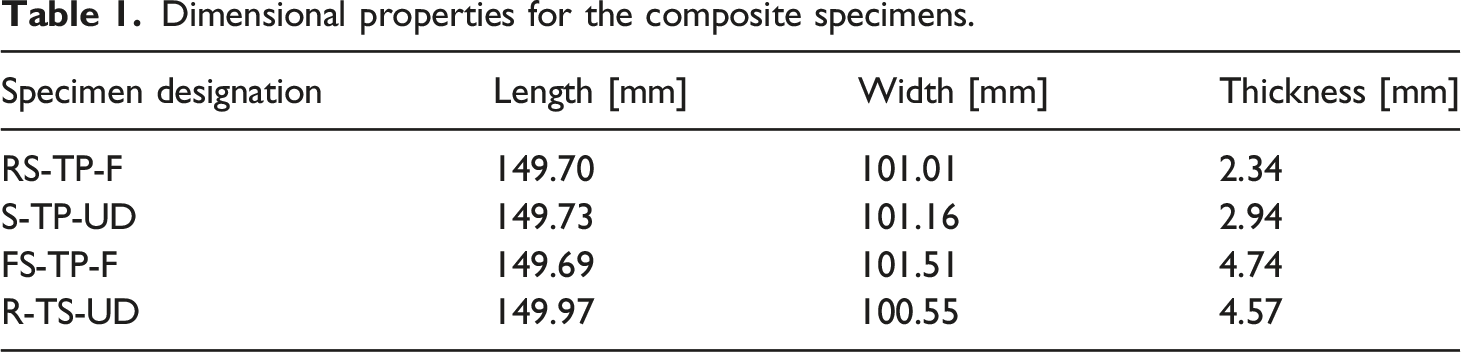
Dimensional properties for the composite specimens.
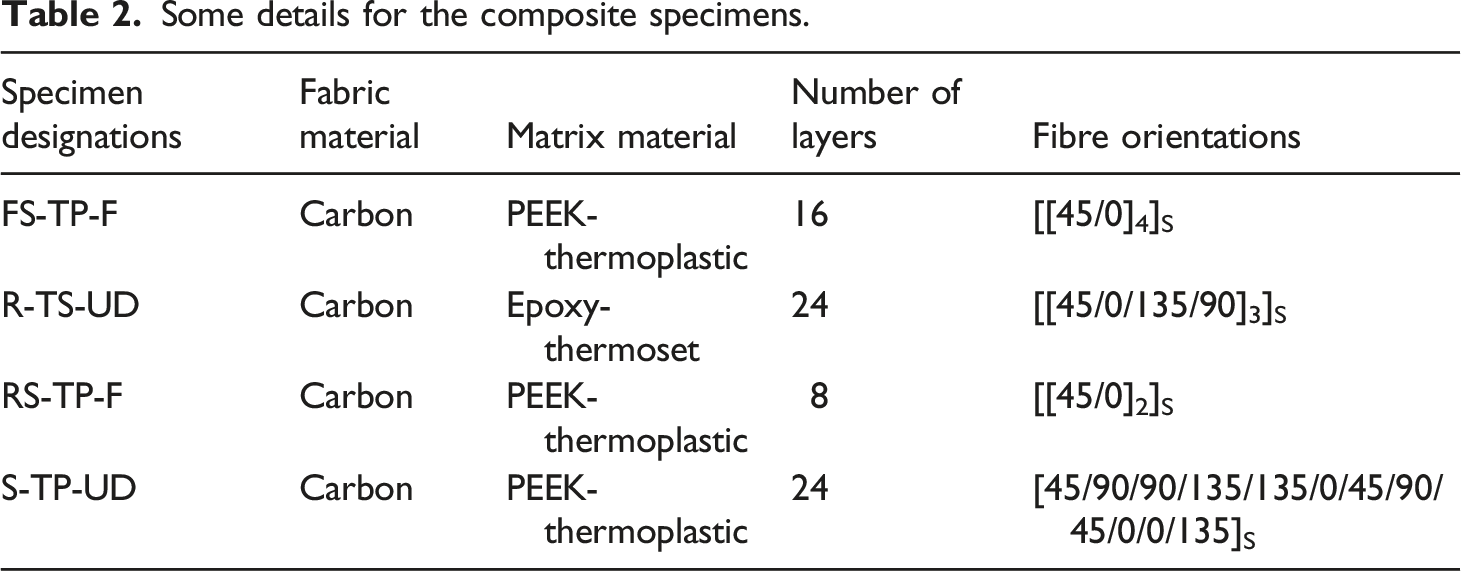
Some details for the composite specimens.
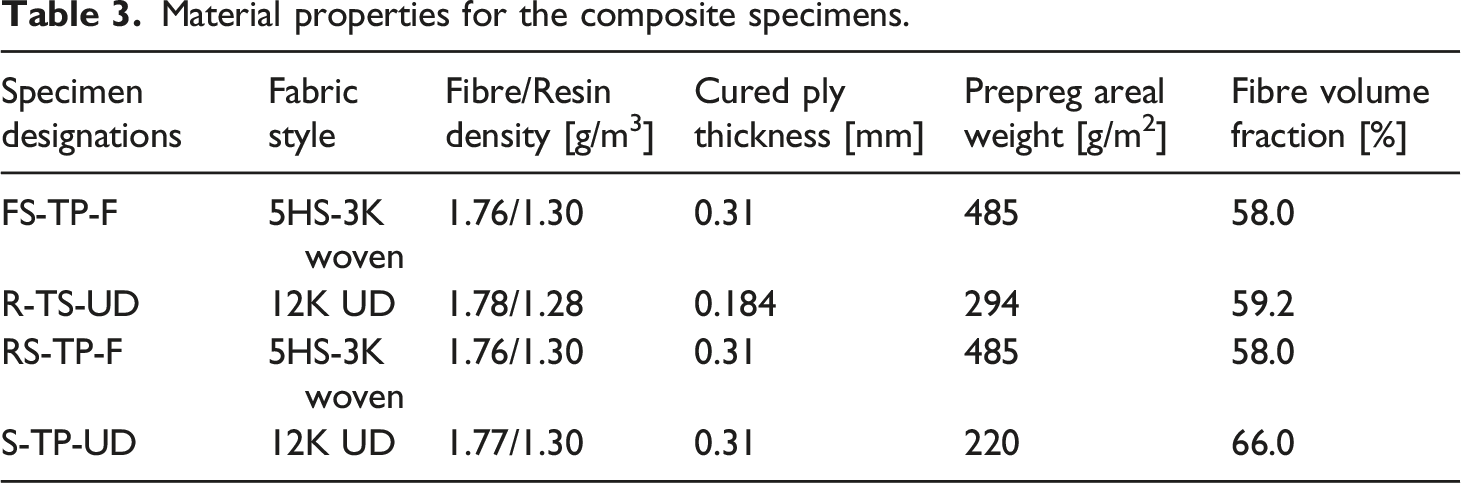
Material properties for the composite specimens.
LVI tests were carried out in accordance with the ASTM D-7136 standard using the experimental set-up shown in Figure 1. Experimental studies were performed at room temperature and 50% relative humidity to avoid environmental effects. At least 3 samples were tested for each type, and the standard deviations were calculated to determine whether the results were reliable and repeatable or not. During the experimental studies, impacts were applied to the composite specimens at 2 and 3 m/s velocities which corresponding to the 11.2 tensand 25.2 J impact energy, respectively. Thus, the impact responses for the composite specimens under various energy levels were investigated. In the experimental works, the 5.6 kg impactor was dropped from 20.39 and 45.87 cm heights to apply an impact with 2 and 3 m/s velocities, respectively. Apart from that, an anti-rebound system is used to avoid multiple impacts in the experimental set-up. Thanks to the anti-rebound system, the sensor detects the impactor movement, and thus the piston rods are opened immediately after the first impact to prevent the residual energy from being transferred to the specimens. Furthermore, force versus time data is acquired by the accelerometer connected to the semi-spherical impactor, and the obtained data is gathered by a data acquisition system with 25 kHz sampling rate. By using force versus time data, dynamic responses such as contact stiffness, bending stiffness, total impulse, interaction time, peak force/displacement, and absorbed/rebounded energies are calculated using Excel subroutine. Experimental set-up for the low-velocity impact tests.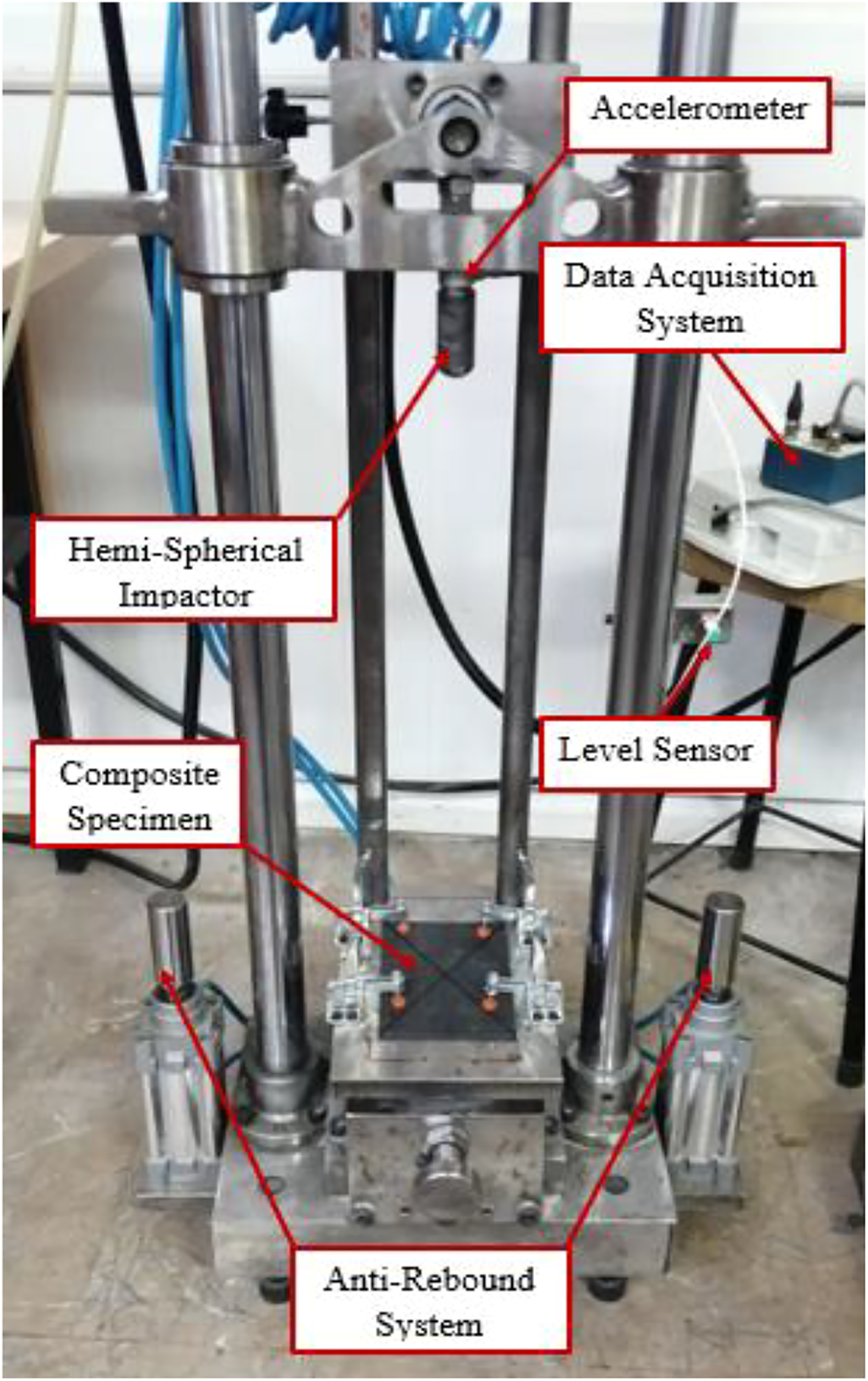
Thermoset and thermoplastic composite specimens were also subjected to the quasi-static tensile tests to obtain stress/strain curves. In this regard, composites were machined in tensile test dimensions, and then experimental studies were conducted in accordance with the ASTM D638 standard using the experimental set-up shown in Figure 2. The cross-head velocity was set as 2 mm/min, and tests were performed for the 2 samples to determine if the findings were repeatable and reliable. For the stress and strain responses, specimen dimensions such as thickness, width and gauge length were measured from various points and averaged dimensional details were determined to avoid measurement-induced deviation in results. Experimental set-up for the quasi-static tensile tests.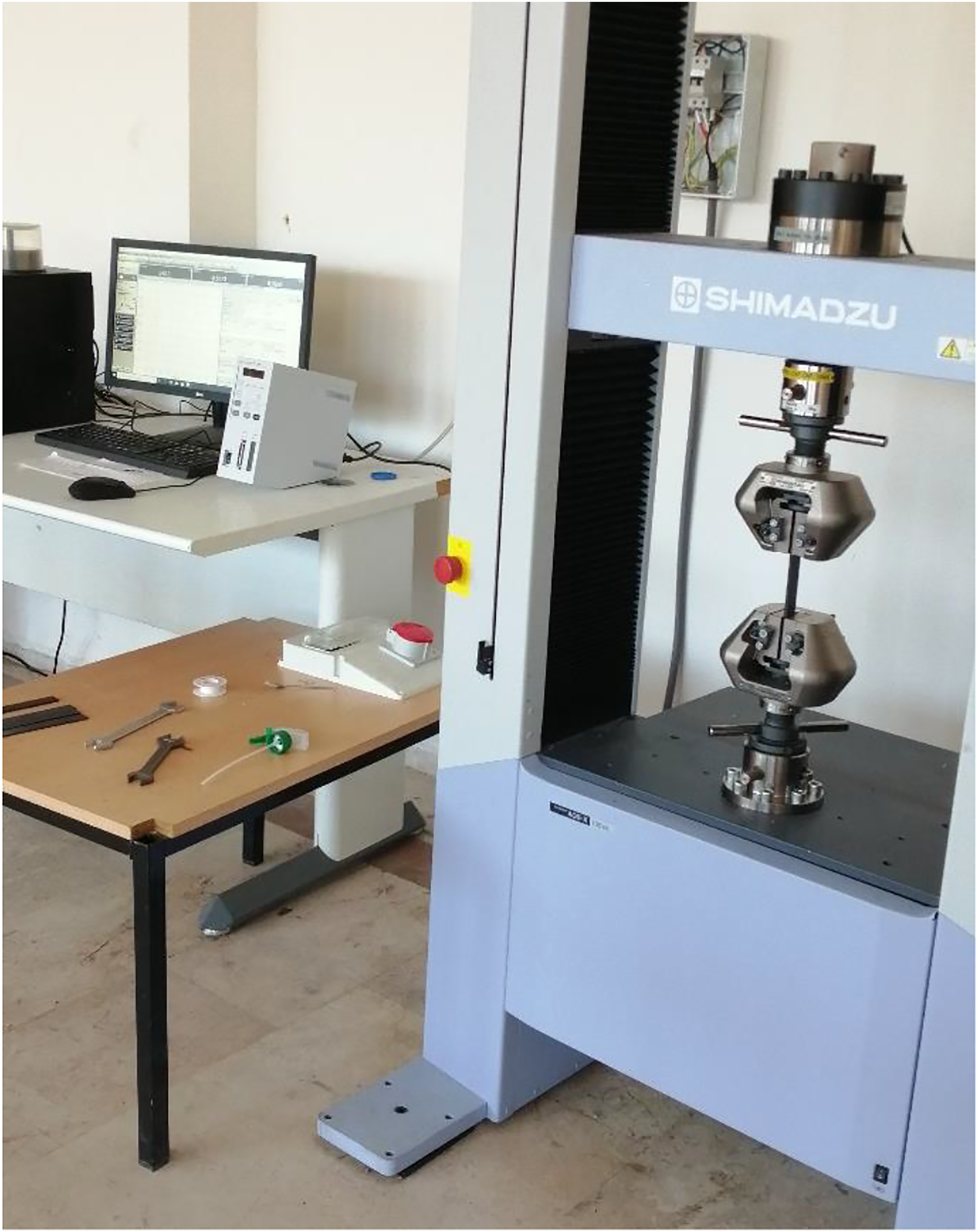
Through Transmission Ultrasonic analyses, which is one of the non-destructive inspection methods, were also conducted to determine the delaminated areas. For the ultrasonic analyses, 23 transmitter and receiver probes are placed on the opposite sides of the specimens. Ultrasonic waves sent from the transmitter probe are detected by the receiver probe. Thus, the flaw zone and intensity for the specimens are determined by taking into consideration the variations in the ultrasonic wave amplitudes. As in the LVI tests, at least two specimens for each type were used in the ultrasonic analyses, and damage mechanisms have been evaluated.
Results and discussions
Force versus time and displacement responses for the composite specimens are demonstrated in Figures 3 and 4, respectively. The figures make it clear that all specimen configurations display entirely distinct LVI responses, particularly in terms of the peak forces and curve slopes. Here, peak forces and curve slopes can be used to interpret the specimen stiffness. From the results, it was revealed that the thickest (R-TS-UD) and thinnest (RS-TP-F) specimens had the greatest and lowest peak forces and curve slopes, respectively. It is well known that the increment in thickness imparts stiffness to the composites, and force versus displacement curves exhibit dependency on laminate thickness.
24
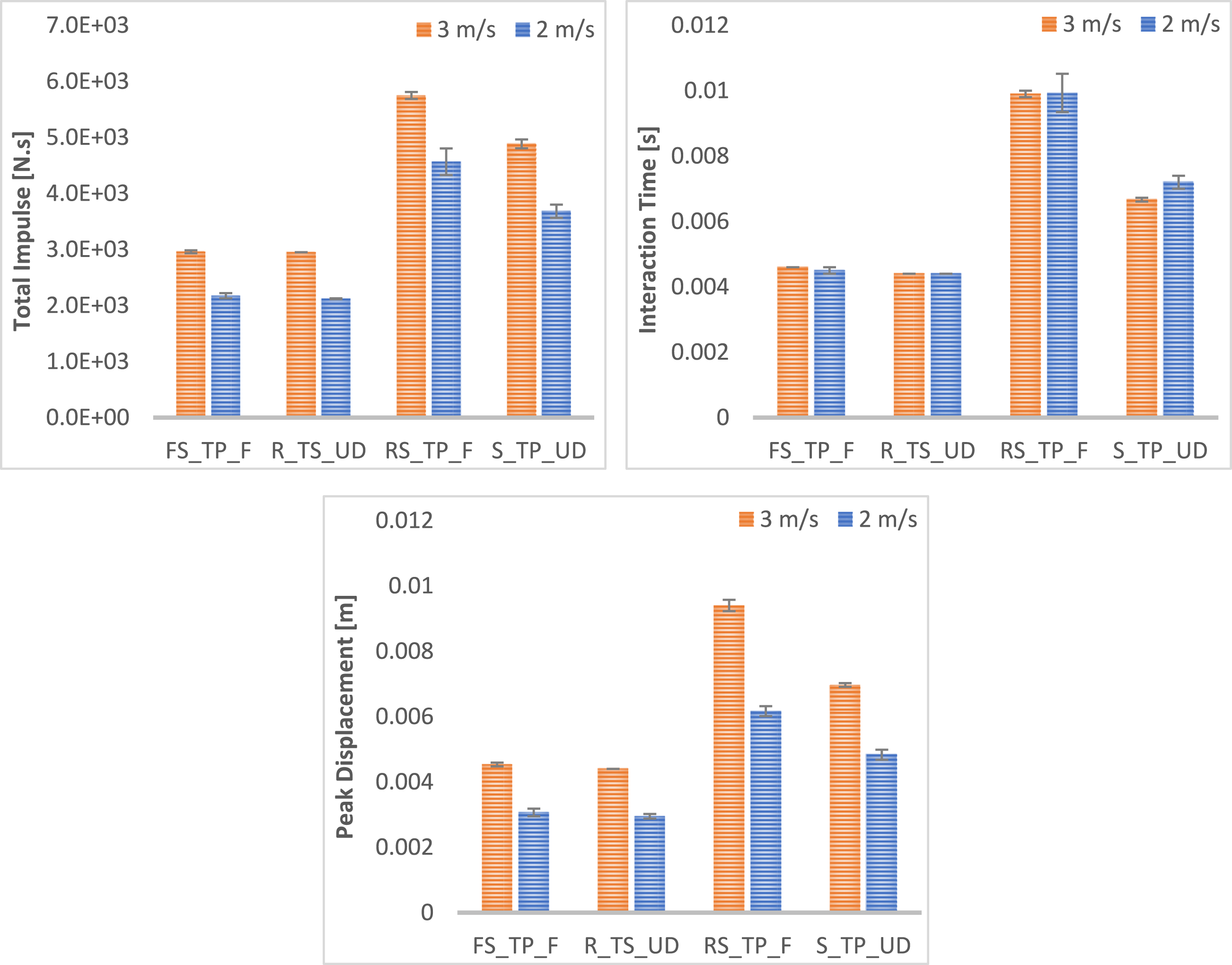
On the other hand, it was found that interaction times exhibit completely discrete tendencies for all configurations. It has also been concluded that although impact velocity was not highly effective on the interaction times, caused considerable variations in the slope of force-times curves and peak forces. During the loading phase, impact energy is stored in the composite specimens until reached maximum contact force. After that time, the impactor rebound depending on the stored energy, and contact force decreases throughout the unloading phase. When the interaction time is considered, it can be defined as the required time to elastic deformation and permanent damage.
16
Since the elastic deformation time is same but permanent damage time can differ due to the damage severity of the composite specimens, ascending interaction time generally indicates the larger damaged areas. In this context, the maximum peak forces and minimum interaction times were observed for the composite specimens designated as R-TS-UD, FS-TP-F, S-TP-UD and RS-TP-F, respectively, and this situation has been interpreted as lower stiffness cause lower peak forces and more bending deformations. Apart from that, it is known that thinner composites show higher permanent damage depending on the lower bending stiffness.
25
Therefore, the impacts of the thickness on the interaction times were investigated, and it was revealed that interaction times decreased as a consequence increment in the number of layers, as expected.
26
Force versus time behaviours for the composite specimens impacted at (a) 3 and (b) 2 m/s velocities. Force versus displacement behaviours for the composite specimens impacted at (a) 3 and (b) 2 m/s velocities.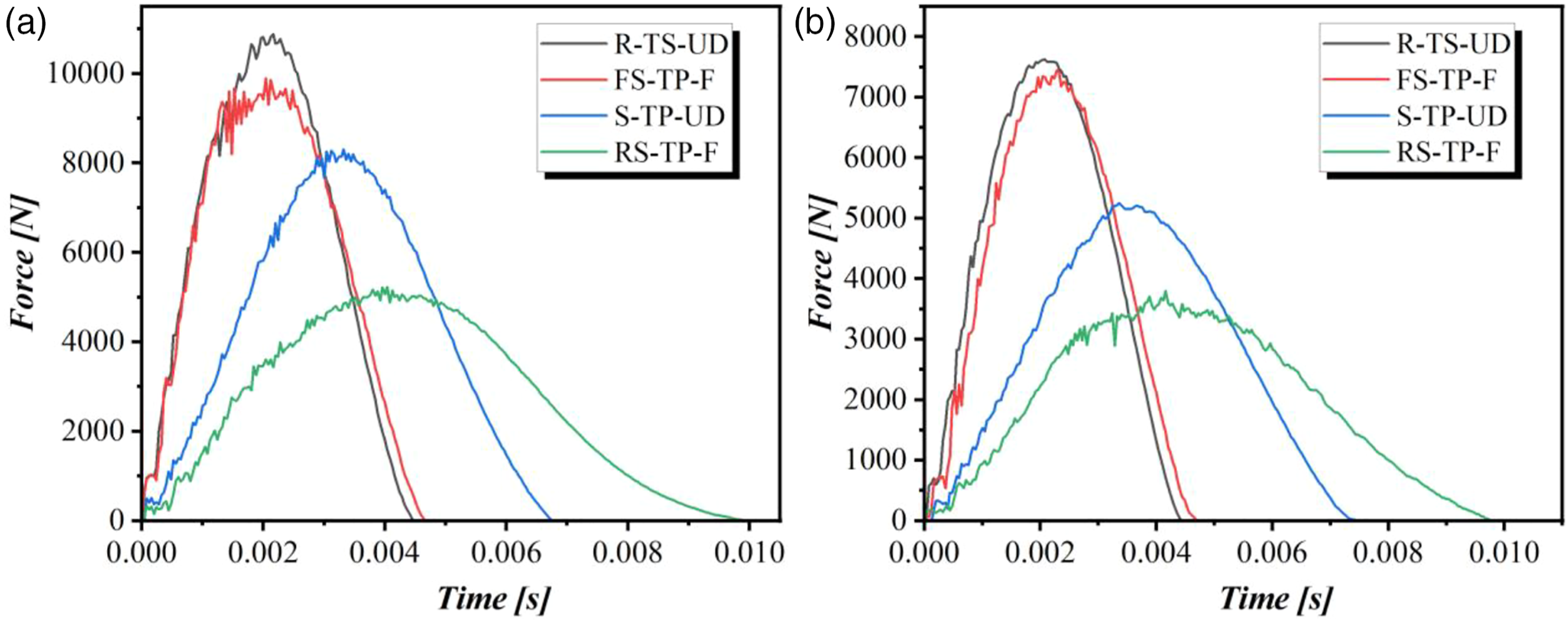
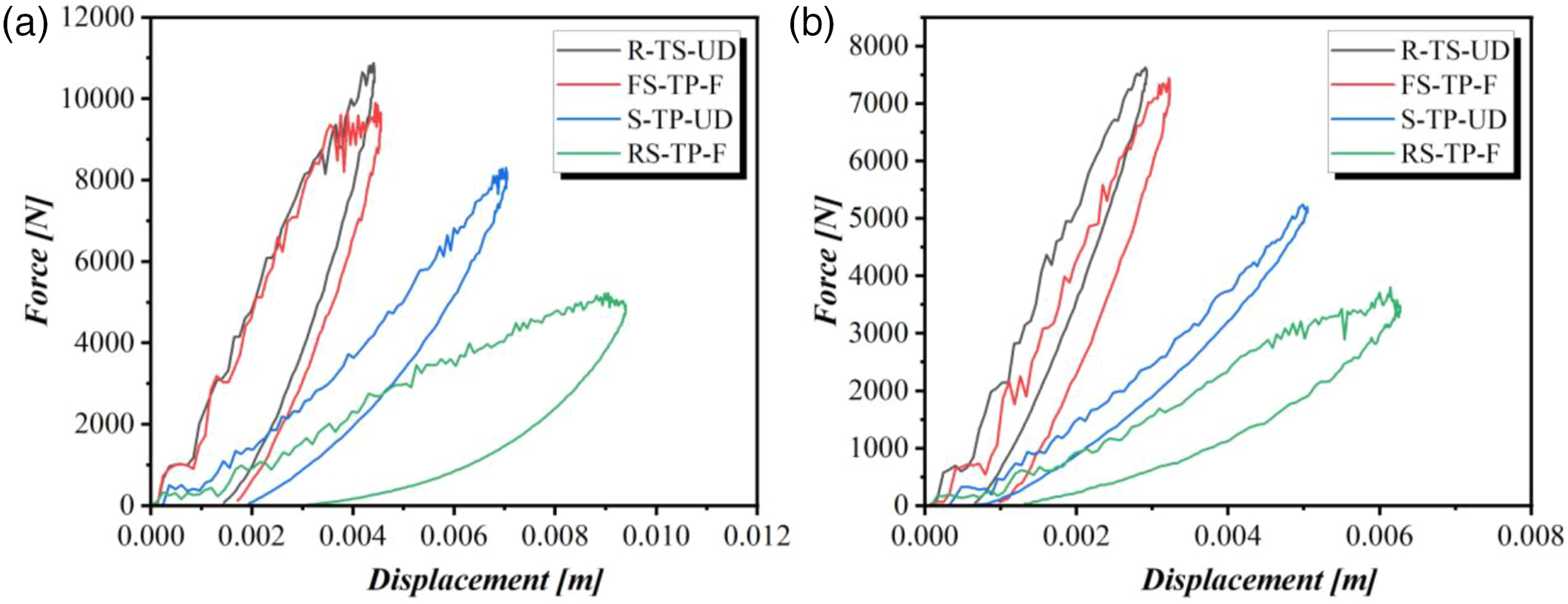
When the effects of the resin materials such as thermoset and thermoplastics on the peak forces were taken into consideration, it can be seen from Figures 3 and 4 that thermoset composites show higher peak forces and hence stiffness than the thermoplastic composites due to their chemical structures. For instance, maximum peak forces for the R-TS-UD and S-TP-UD were found as 10.82 and 8.33 kN respectively, and approximately 23% reduction has been observed due to the utilization of thermoplastic resin. The similar tendency has been seen in quasi-static tensile tests, as illustrated in Figure 5. The results show that thermoset composites exhibit higher strain and peak forces than others. It was also concluded that unidirectional composites had higher peak forces than woven fabric-reinforced composites, which was attributed to the fact that higher fiber intensity along the loading direction of unidirectional composites results in an increment in peak forces and thus load carrying capacity. Apart from that, it is normally expected that thermoplastics exhibited greater strain and energy absorption than thermosets. What is meant here is related to the characteristics of only thermoplastic materials, not fiber-reinforced thermoplastic composites. Because, this situation may differ in composite structures depending on other effective mechanisms such as fiber volume fraction, stacking sequence, fabrication techniques, fiber orientation, fiber/matrix interface, low curing level etc. In this regard, it was found from the tensile responses that thermoset composites exhibited more strain and energy absorption than the thermoplastic ones, and these unexpected results were interpreted as various fiber volume fractions and fiber orientations being more effective in tensile responses than matrix materials. In particular, higher fiber volume fractions are quite effective in stress-strain responses and generally increase final strain.27,28 On the other hand, it was observed that the strain responses were considerably higher than the fiber fail strains of about 1–2% and unexpected strain results were interpreted as the effect of fabrication methods of the thermosets and thermoplastics composites. As mentioned in the materials and methods section, since thermoset and thermoplastic composites were fabricated using autoclave moulding and hot press techniques, their adhesion levels varied and thermosets with weak adhesion exhibited higher final strain. Finally, the higher strain in thermosets has been interpreted as micro cracks occurring in brittle thermoset composites causing more final strain. Tensile responses for the composite specimens.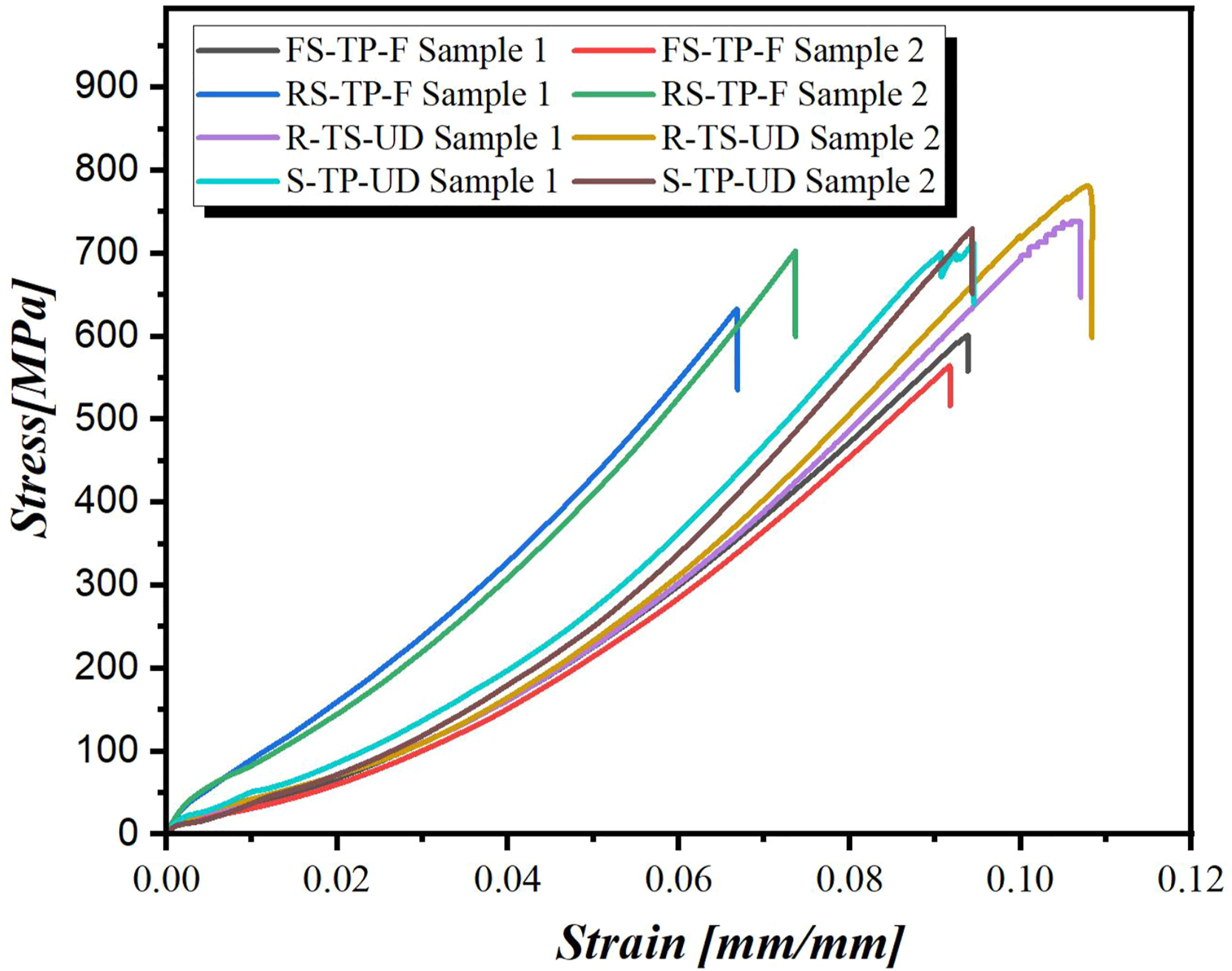
Contact stiffness, bending stiffness and peak force behaviours for the composite specimens are demonstrated in Figure 6. Furthermore, total impulse, interaction time and peak displacement are shown in Figure 7. Standard deviations were calculated for all dynamic properties, and the results were found to be reliable and repeatable. It was clearly seen that contact stiffness, bending stiffness and peak forces exhibit completely different trends with the total impulse, interaction time and peak displacement. The bending stiffness represents the slope of the contact force-displacement curves.
29
On the other hand, contact stiffness can be defined as the slope of the contact force-time curves.
30
In this context, it was expected that composite design parameters which caused specimens to gain stiffness such as thickness, resin material, fabric textile etc. will increase the slope of the force-time curves and hence contact stiffness. The results revealed that utilization of the thermoset resins for the composite specimens have significantly favourable effects on bending and contact stiffness. Furthermore, it was also concluded that woven fabric caused an increment in the bending stiffness thanks to fibre alignment throughout the longitudinal and transverse directions. Contact stiffness, bending stiffness and peak force behaviours for the composite specimens impacted at 2 and 3 m/s velocities. Total impulse, interaction time and peak displacement behaviours for the composite specimens impacted at 2 and 3 m/s velocities.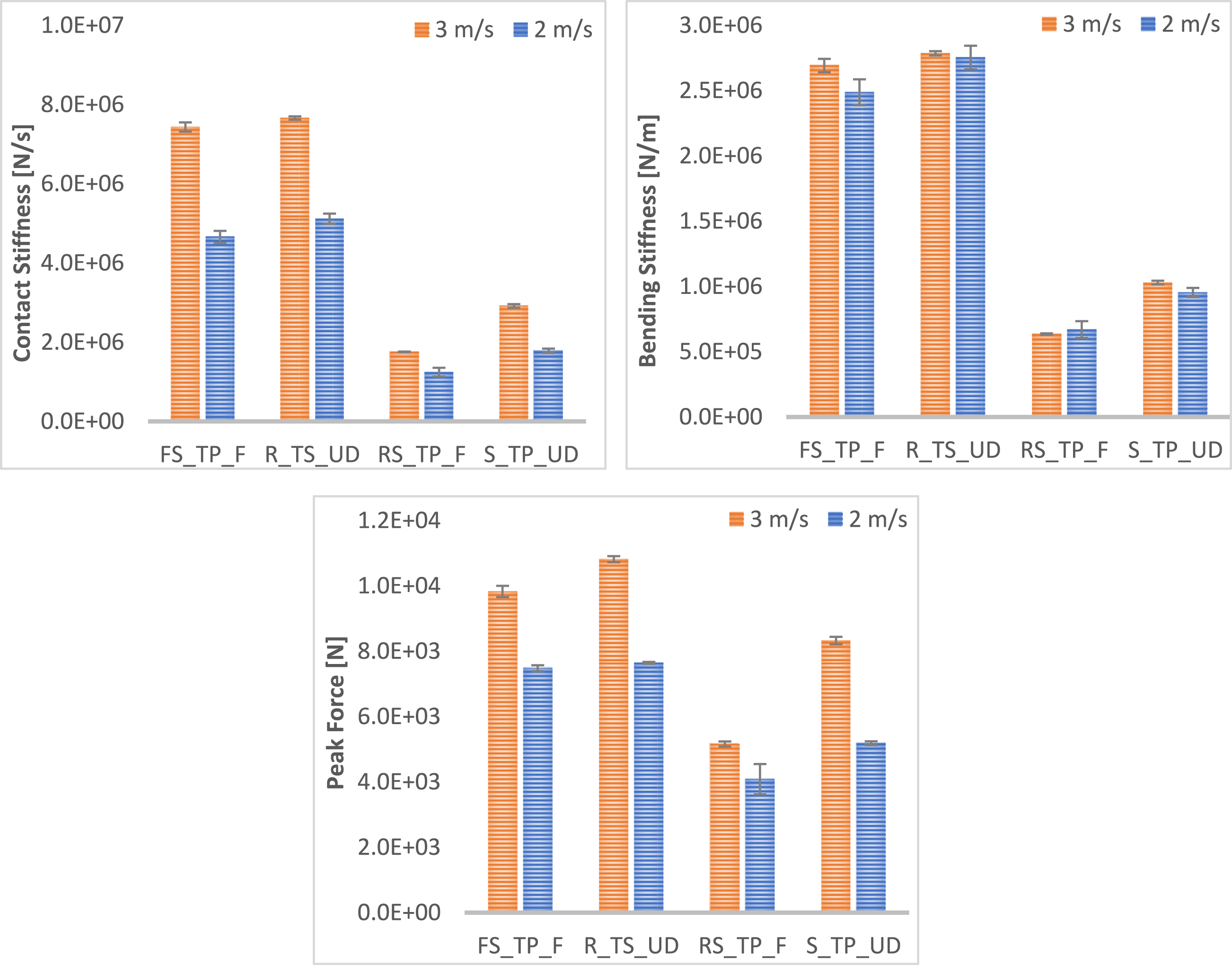
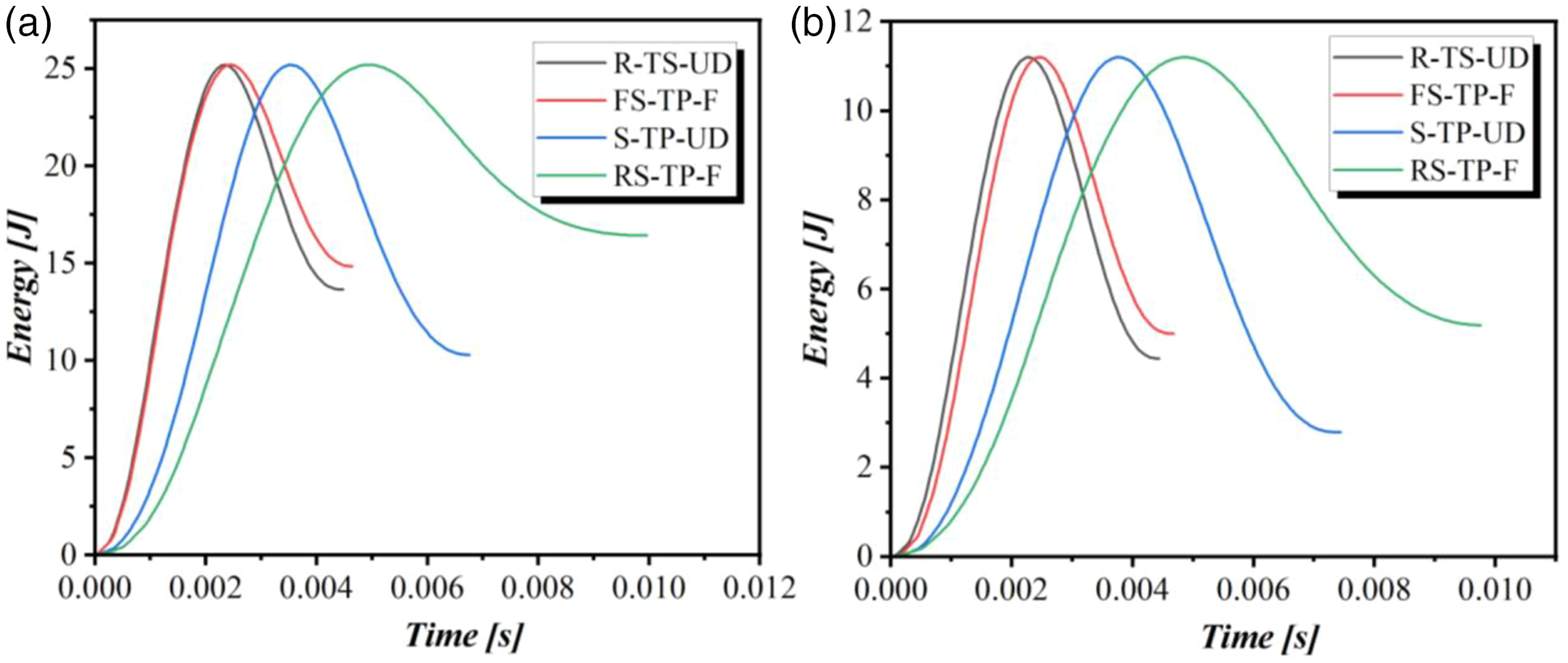
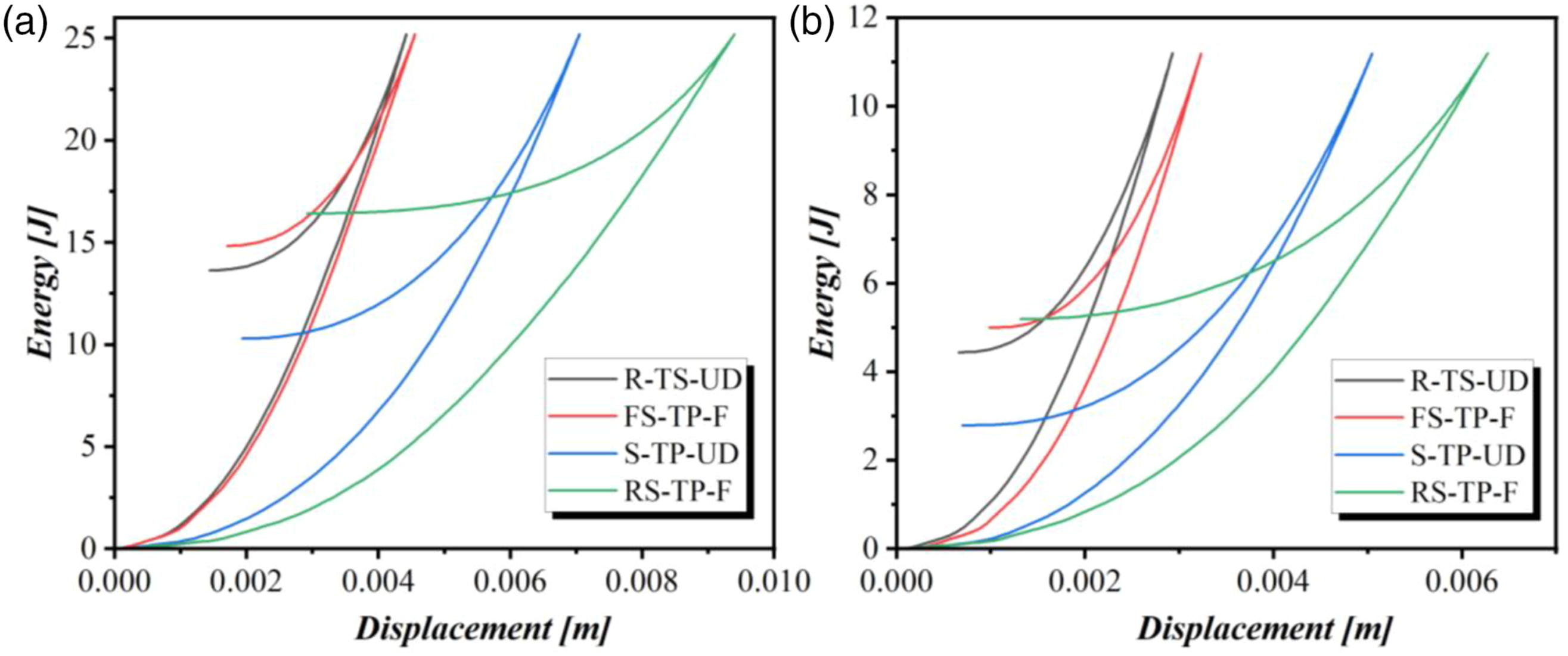
Absorbed and rebounded energies for the composite specimens impacted at 2 and 3 m/s velocities are demonstrated in Figure 8. As can be seen from the results, percentages of the absorbed energies differ according to the impact velocity. For the 3 m/s, the majority of the energy was dissipated within the composite structure, and the remaining energy was used to rebound the impactor. On the other hand, entirely different behaviours have been observed for the composite specimens impacted with 2 m/s velocity, and it was revealed that most of the impact energy was used to rebound. The maximum absorbed energies have been found as approximately 44% and 66.2% for the 2 and 3 m/s velocities, respectively. These results have been interpreted as increment in the impact velocity cause the more absorbed energy as a consequence of the ascending severity of the damage mechanisms such as delamination, debonding, fibre rupture etc. Moreover, energy variations due to time and displacement are shown in Figures 9 and 10, respectively. It is clear from the figures that thicker specimens show lower absorbed energy than thinner ones. For instance, when the absorbed energies for the specimens designated as FS-TP-F and RS-TP-F were compared, it was revealed that the thinner specimen absorbed approximately 10.2% more energy than the thicker ones in greater interaction times. This was an expected result from the previous study,
25
and it was interpreted that thinner specimens showed severe permanent damage due to lower stiffness, which caused them to absorb more energy. Apart from that when the effects of the thermoset and thermoplastic resins were taken into consideration, it was clearly seen that thermoplastic material utilization in composites caused an improvement in absorbed energies under LVI loadings. Additionally, it was concluded that woven fabric utilization has significantly favourable effects on the energy absorption capacities. Thanks to the woven fabric textile, composite fibres encountered frictional forces between fibre surfaces throughout the longitudinal and transverse directions. Moreover, woven fabrics exhibit more resistance against the impact loads thanks to the fibre alignment in both longitudinal and transverse directions. For that reason, it was revealed that woven fabric reinforced composites absorbed more energy than unidirectional composites under impact loading. Absorbed and rebounded energy behaviours for the composite specimens impacted at 2 and 3 m/s velocities. Energy versus time behaviours for the composite specimens impacted at (a) 3 and (b) 2 m/s velocities. Energy versus displacement behaviours for the composite specimens impacted at (a) 3 and (b) 2 m/s velocities.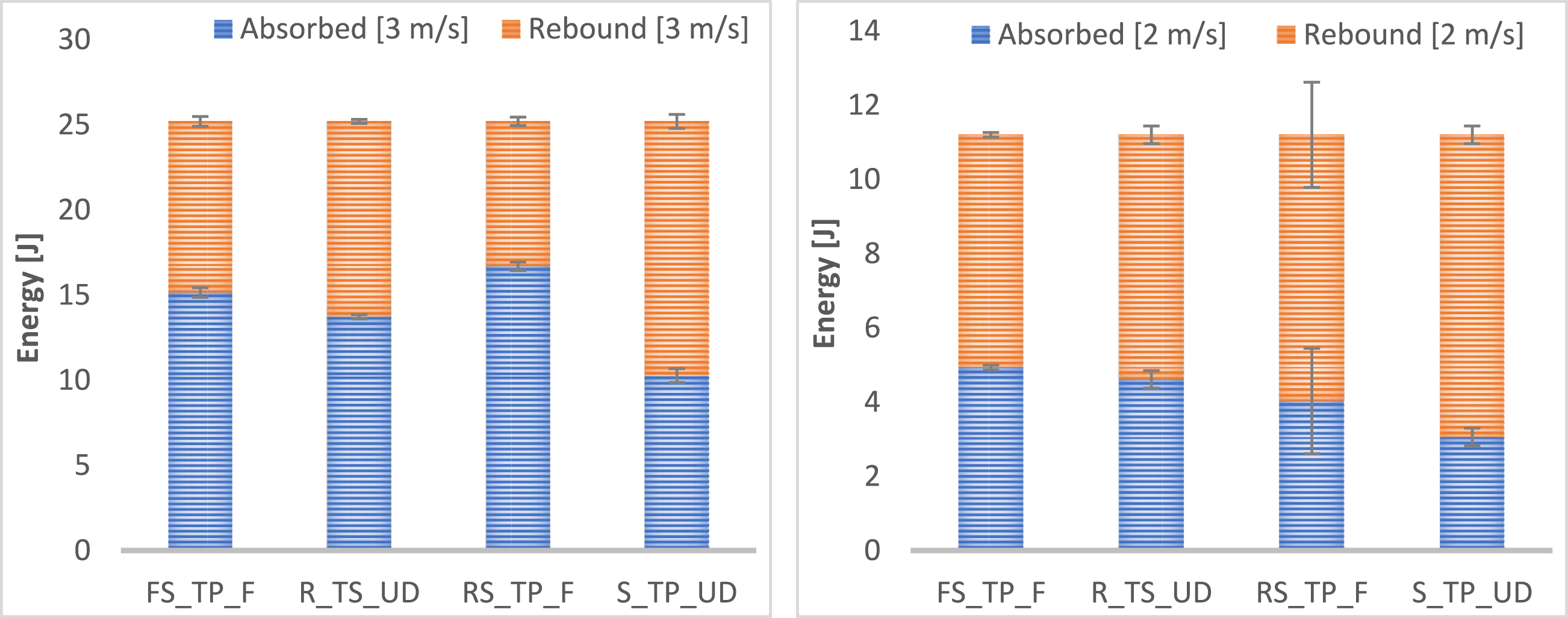
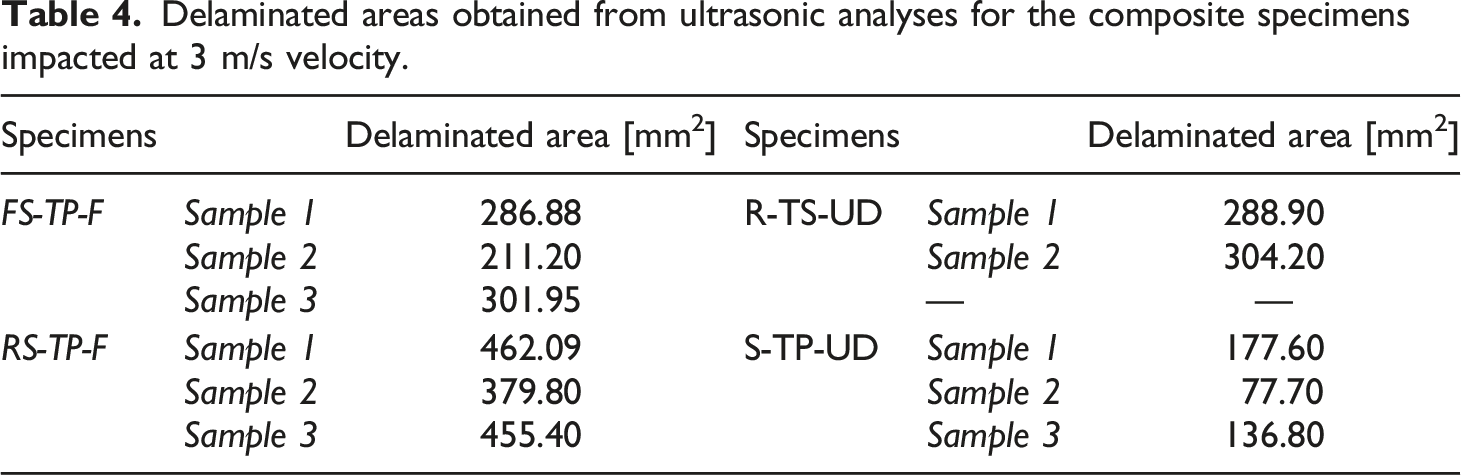
Delaminated areas obtained from ultrasonic analyses for the composite specimens impacted at 3 m/s velocity.
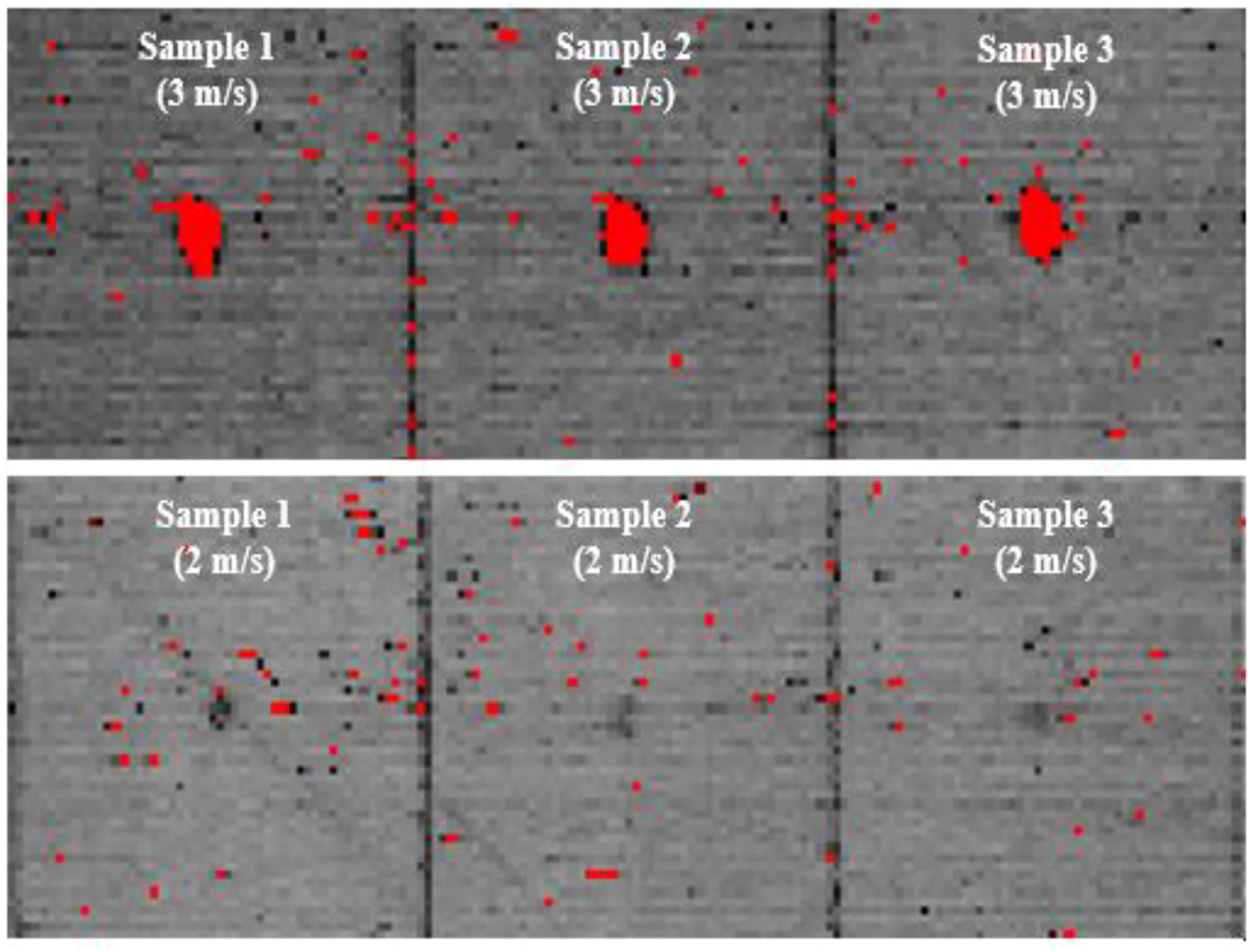
Through transmission ultrasonic inspection results for the FS-TP-F composite specimens impacted at 2 and 3 m/s velocities.
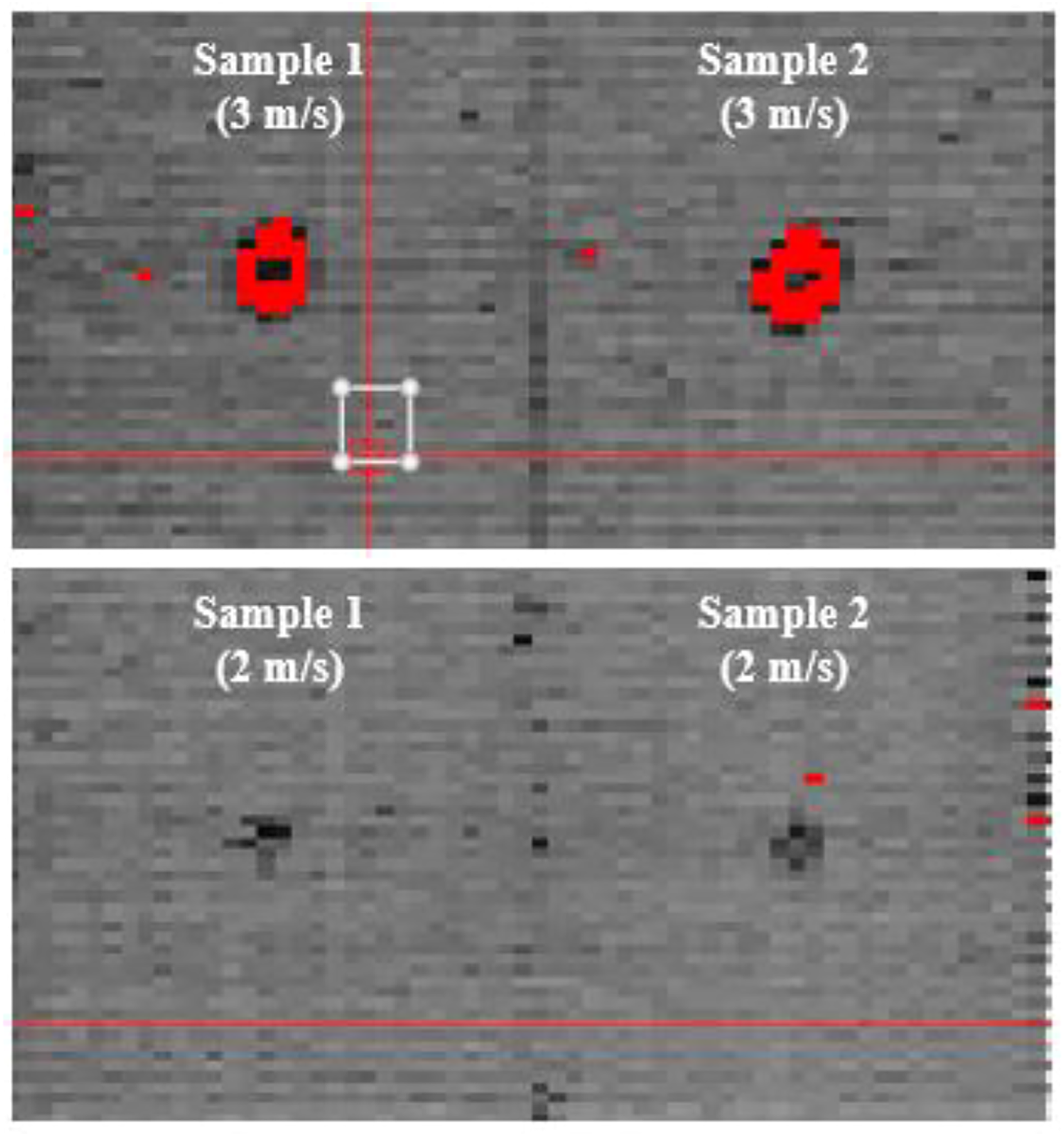
Through transmission ultrasonic inspection results for the R-TS-UD composite specimens impacted at 2 and 3 m/s velocities.
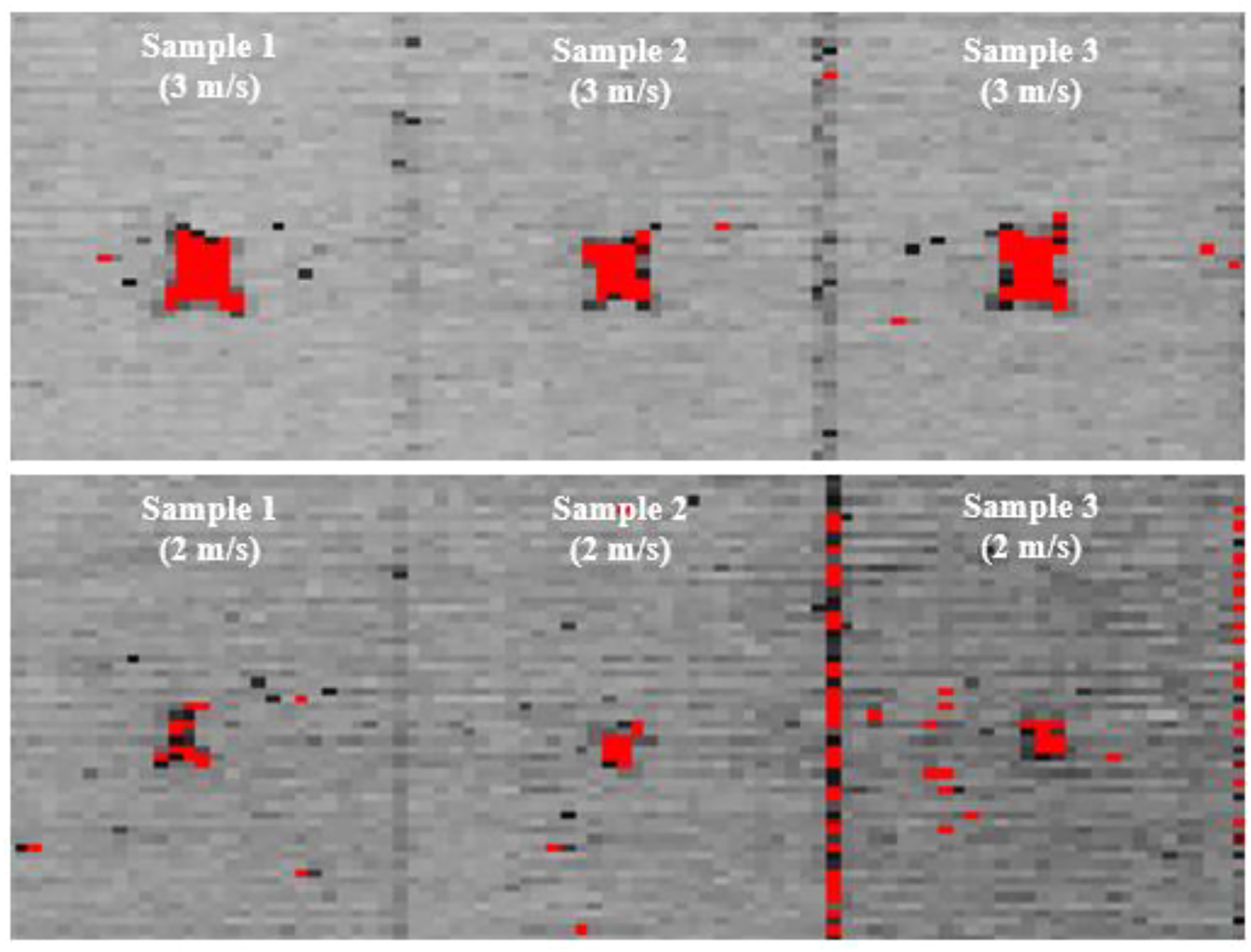
Through transmission ultrasonic inspection results for the RS-TP-F composite specimens impacted at 2 and 3 m/s velocities.
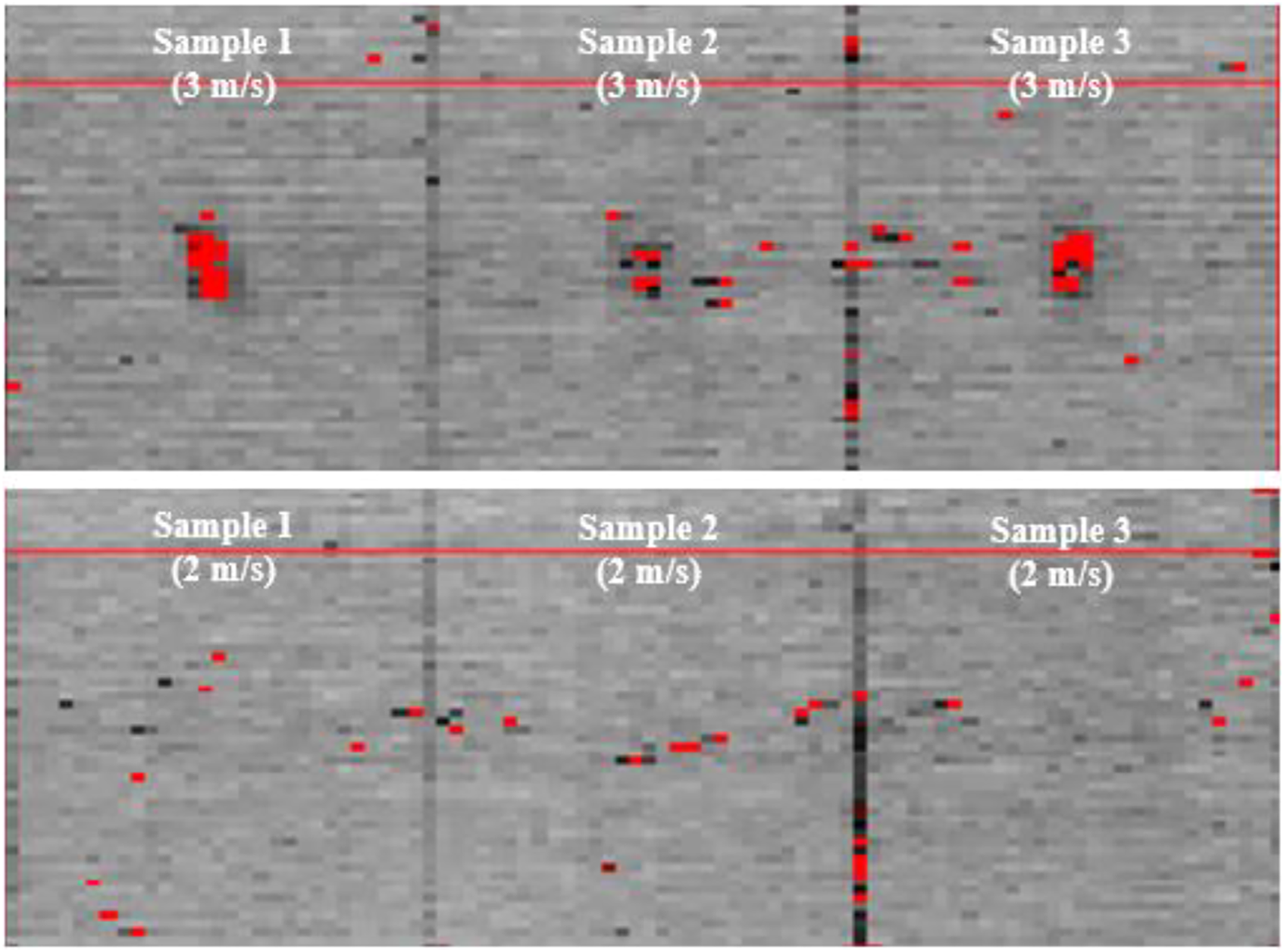
Through transmission ultrasonic inspection results for the S-TP-UD composite specimens impacted at 2 and 3 m/s velocities.
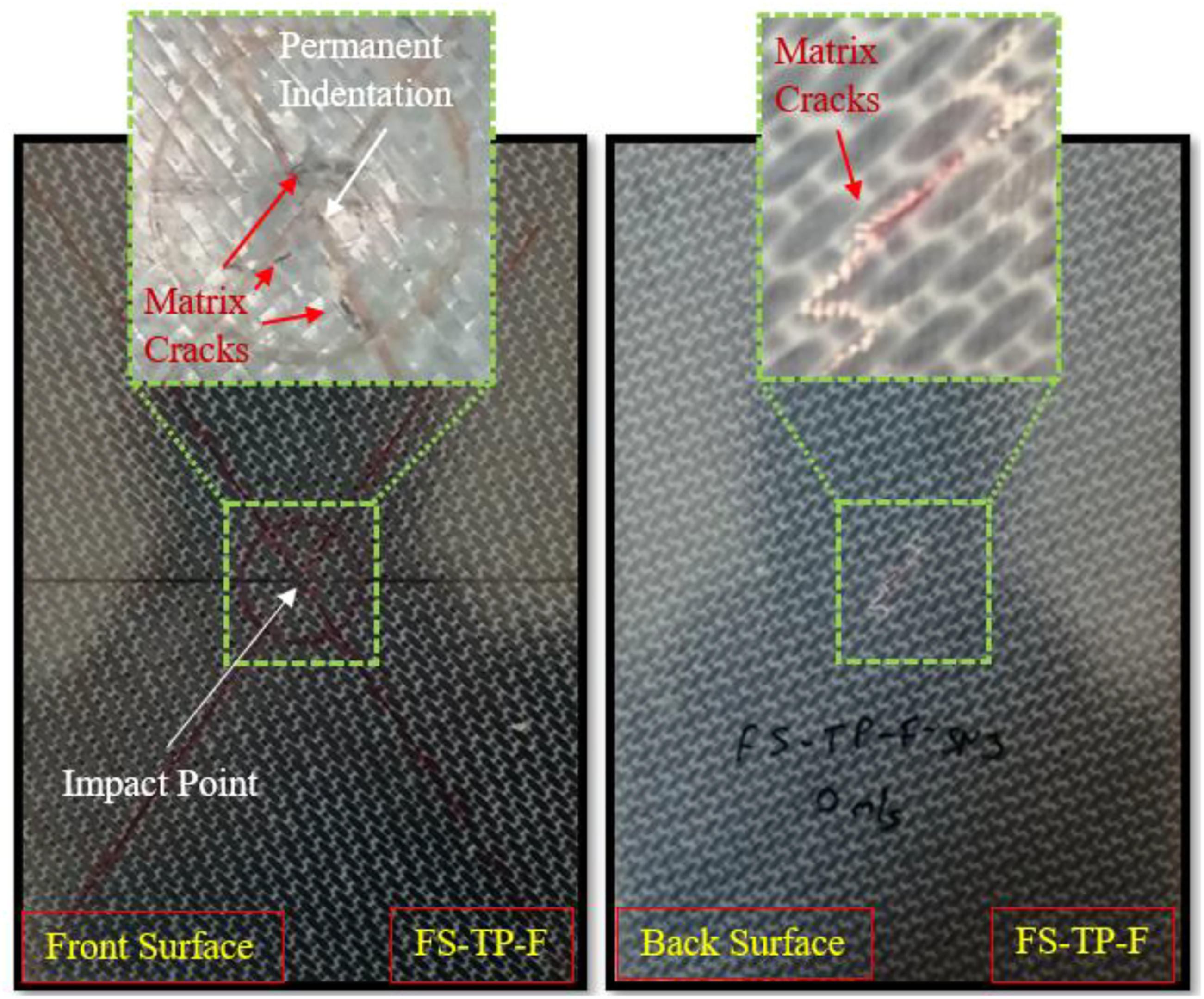
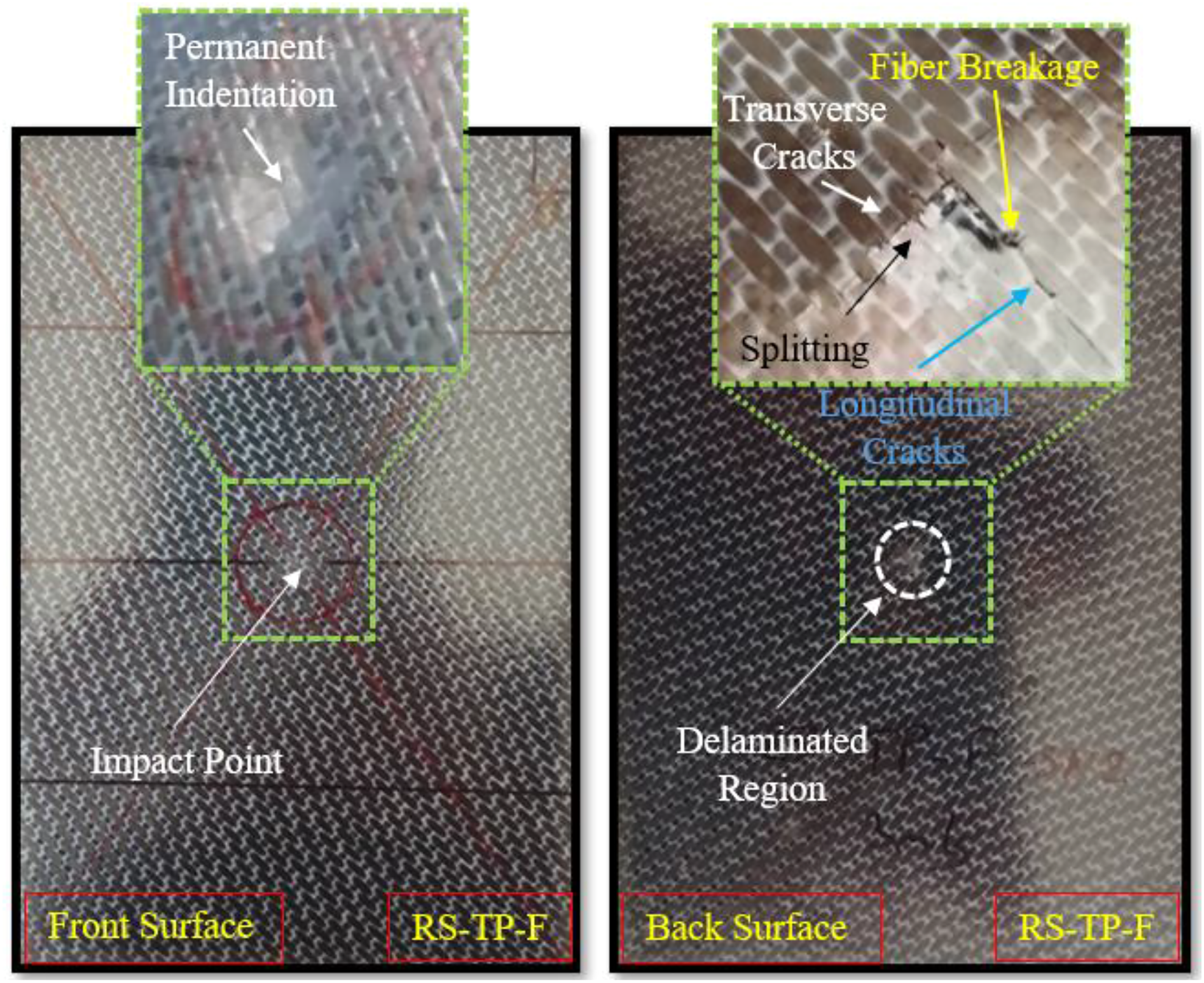
Figures 15–17 show the macro-scale visualizations of the damage mechanisms for the thermoset and thermoplastic composites. Although some damage mechanisms such as permanent indentation and matrix cracks were observed for the S-TP-UD, FS-TP-F and RS-TP-F composites, any damage mechanism could not be detected for the R-TS-UD composites using macro-scale visualizations. From the figures, it is seen that the damaged area in the front surfaces was hemispherical in shape around the impact point, and impact loading caused permanent indentation and matrix cracks for all configurations. On the other hand, more severe damages were observed for the back surfaces, and this was attributed to tensile and shear stresses caused by the bending effect. In particular, serious damages such as fibre breakage and splitting were observed for the thinnest specimen designated as RS-TP-F, resulting in highest absorbed energy. Apart from that, it can be concluded from the findings that thermoset composites exhibit weak damage resistance than thermoplastic ones. For instance, when the damage mechanisms for the thermoset R-TS-UD and thermoplastic S-TP-UD composites were observed, although dominant damage mechanism was found as permanent indentation for the thermoplastic ones, thermoset composites exhibit greater delaminated areas. Macro-scale visualization of damage mechanisms for the S-TP-UD composites. Macro-scale visualization of damage mechanisms for the FS-TP-F composites. Macro-scale visualization of damage mechanisms for the RS-TP-F composites.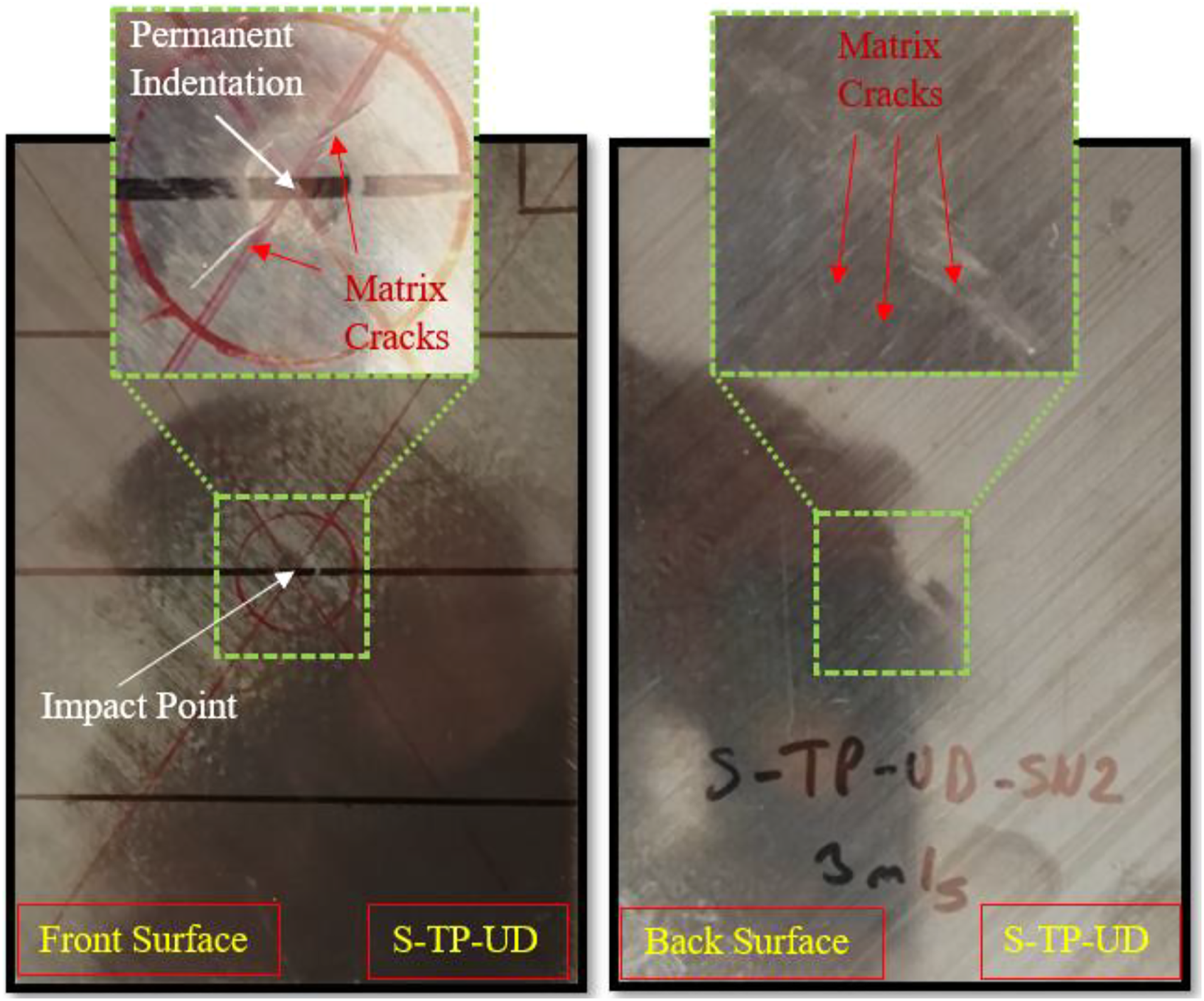
Conclusions
The motivation of the current study was to describe the low-velocity impact behaviours of the composite materials based on the resin materials, thickness, fibre orientations and fabric textile. In this context, experimental low-velocity impact tests were performed at 2 and 3 m/s velocities, and impact responses have been evaluated. Furthermore, Through Transmission Ultrasonic analyses were conducted to determine impact-induced damage mechanisms. The outcomes obtained from the experimental works are as follows: • Experimental results revealed that increment in the impact velocity causes more energy absorption. For instance, the percentages of the absorbed energy for the composite specimens, designated as FS-TP-F which were exposed to the impact at 2 and 3 m/s velocities, have been observed as 44% and 66.2%, respectively. It was interpreted as high impact velocities led to severe damage mechanisms in the composites such as delamination, matrix cracking, debonding, fibre rupture, and therefore more energy is absorbed depending on the severity and type of the damages. • It has been concluded that although the reduction in the impact velocity significantly decreased the peak force and force-time curve slope, but did not have much effect on the interaction time. It was also concluded that ascending laminate thickness has favourable effects on the dynamic and damage behaviours as expected. • Fibre orientations were found significantly effective on the low-velocity impact responses. It was concluded that shear stresses become more influential on the damage mechanism in case of ±45° fibre orientation, and cause more delamination. • Woven fabrics were found to be more resistant against the impact loads that occurred in the longitudinal and transverse directions. Moreover, woven fabric reinforced composites exhibited relatively higher bending stiffness, and therefore debonding was prevented in the transverse directions. Additionally, the ultrasonic analyses results revealed that delaminated areas were significantly reduced thanks to the woven fabric utilization. • It was concluded that thermoplastic composites exhibit less delamination than thermosets even if they absorb the same amount of energy. On the other hand, it was observed that thermoset composites had more contact and bending stiffness thanks to their higher rigidity. • Due to the low bending stiffness, x-shaped delaminated regions have been observed throughout the longitudinal and transverse directions for the RS-TP-F composite specimens. • Ultrasonic inspection results and force versus time plots show that increment in the interaction times generally denotes the more delaminated areas. This is because although elastic deformation time is almost the same for all specimens, permanent damage time can vary depending on the damage severity.
Footnotes
Acknowledgements
We would like to thank the Turkish Aerospace Industry for supporting the current work.
Declaration of conflicting interests
The author(s) declared no potential conflicts of interest with respect to the research, authorship, and/or publication of this article.
Funding
The author(s) received no financial support for the research, authorship, and/or publication of this article.
Data availability
All data included in this work are available from the corresponding author upon request.
