



Abstract
Coconut shell is an agricultural residue, usually disposed of through open burning. Toxic gases have been emitted from the open burning phase and can therefore be detrimental to human health and the environment. Thus, to reduce the risk of pollution, researchers have developed a new technology by using agro-wastes to produce biocomposites. Coconut shell powder (CSP) is a solid nonfood waste, which can be potentially exploited to reduce the usage of synthetic fiber. Coconut shell is also low-cost and low weight material that can be used to reduce the production cost of and fuel consumption for transportation. This review has focused on the research carried out on the CSP loaded into different types of matrices, highlighting the fundamental, mechanical, physical, and thermal properties of CSP composites. This article also provides critical review of the development for CSP composite and the summary of the results presented in the literature, focusing in the properties of CSP with polymeric matrices and the application design for economical products.
Introduction
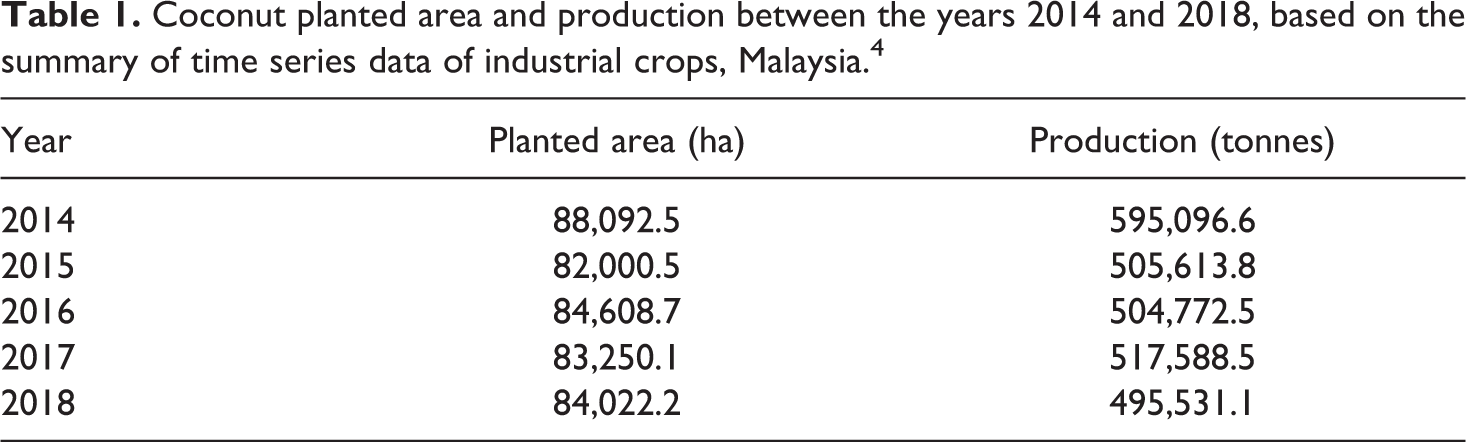
In the 21st century, to fulfill the demand of industry for wood-based feedstock, coconut trees are widely grown. The coconut is planted in more than 93 countries of the world. 1 Over a quarter of the world coconut industry is due to the import/export of the coconut oil and other derived products. 1 Based on the related research, coconut trees naturally grow on narrow sandy coast, but recently they can be found growing on various soils, from purely sandy toward clayey, and from moderately acidic to alkaline. 2 These palm trees live under warm and humid climate conditions and even at temperatures below 21°C for short time periods. 2 Indonesia and Philippines are the largest coconut producers in the world. Also, in the South East of Asia, India is the third largest producer, with coconut tree plantations covering almost 1.78 million hectares. 1 Based on the summary from Table 1 regarding the coconut tree planted area in Malaysia, it may be noted that it is expanding yearly, after a slight drop in 2015–2016.3,4 Based on these data, it can be concluded that the demand for coconut products is constantly increasing on the market.3,4 Also, the demand for coconut fruit is increasing year by year, the consumption per capita being of 17.0 kg per year, as recorded by the Ministry of Agriculture in Malaysia.3,4 This shows that the coconut is one of the most important trees for the economy, as a plant, fruit, or as agricultural waste.
Coconut planted area and production between the years 2014 and 2018, based on the summary of time series data of industrial crops, Malaysia. 4
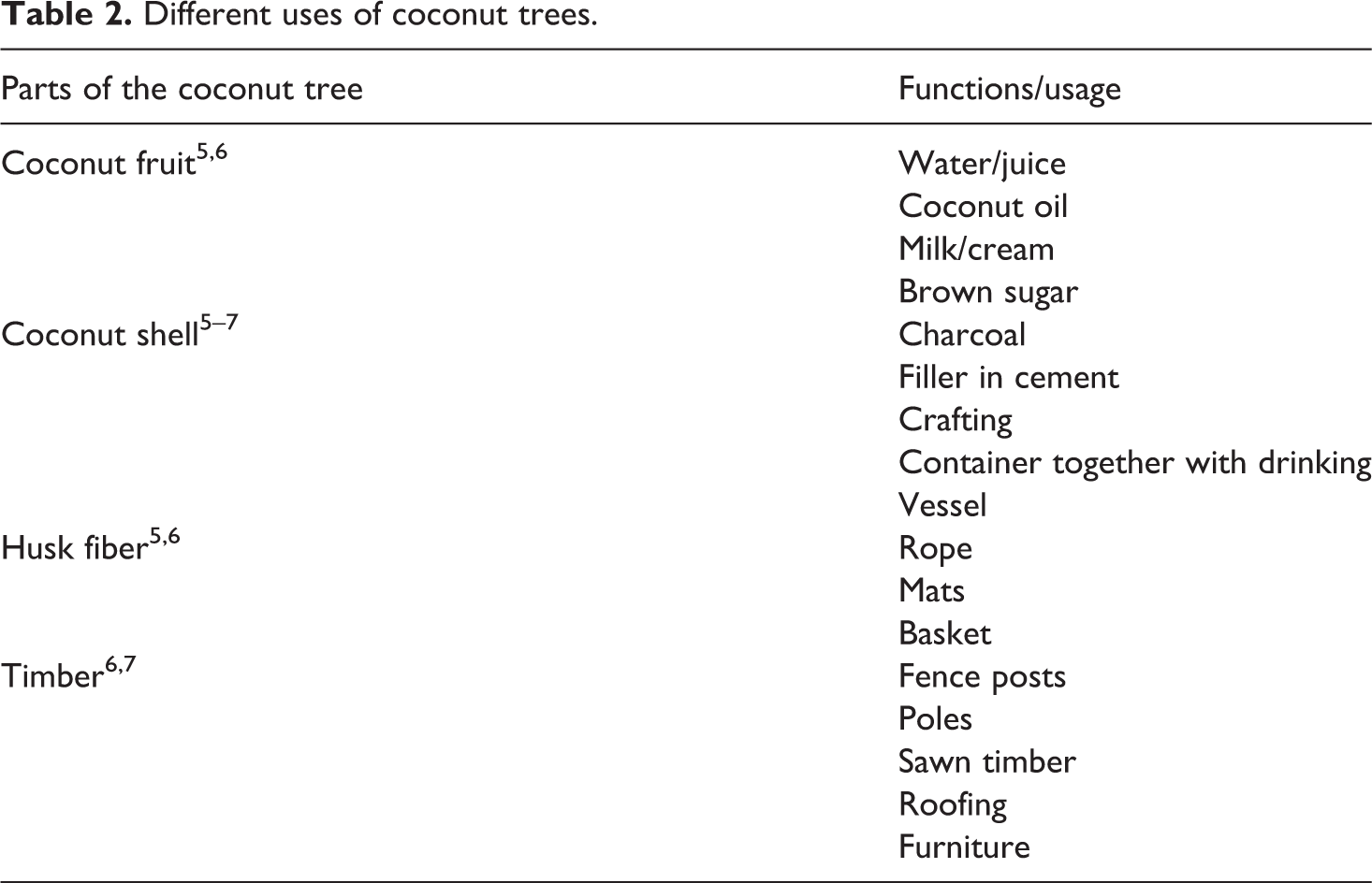
The coconut tree belongs to the palm family and plays an important role in the low islands of the Pacific, where it represents a major natural resource, providing the livelihood for millions of people. 1 Table 2 summarizes the benefits of coconut trees. Coconut trees can be exploited in a variety of ways, providing plenty of benefits for human beings.
Different uses of coconut trees.
Since the coconut tree is widely available, coconut shells become one of the main polluters, contributing to pollution with approximately 3.18% million tonnes annually, which is more than 60% of national waste volume. 8 The coconut fruit consists of three main layers: namely, the outer layer called exocarp, which is smooth and varies in color from green to red brown when mature, the middle layer called mesocarp, which is white in color and when young the texture is rough, while when the fruit matures, it turns into fibrous husk, and the last one is the inner layer, endocarp, the hard shell, which is an unwanted agricultural product and encloses the kernel or endosperm. 9
Coconut shell powder
In this section, further discussion will be on the extraction and chemical composition of coconut (Cocos nucifera) shell.
Extraction of coconut shell powder
Uncrushed coconut shell is collected, cleaned, and then washed. After washing, the coconut shell is dried at room temperature for 48 h. 10 Then, it is ball milled at 200–300 r/min for 5–6 h, and as a result, the coconut shell is crushed to reduce its size. 10 The coconut shell is then ground into fine powder and sieved to achieve a 2 mm mesh particle size. 10
Chemical composition of coconut (C. nucifera) shell
The chemical composition of the powder of the coconut shell is determined based on standard method from Association of Official Analytical Chemist (AOAC) for the moisture content, ash, protein, fat, and so on.10,11 Meanwhile, the micro-Kjeldahl method is used to perform the nitrogen analysis, the result of crude protein was taken based on the formula: N% × 6.25, where N is nitrogen sample per 100 g. 10 Furthermore, phenol-sulfuric acid is used to determine the total carbohydrate. To determine the ash content of the dried sample, the crude protein is dissolved in 10% hydrochloric acid (25 ml), mixed together with 5% of lanthanum chloride (2 ml), in boiling, followed by filtration using distilled water in standard volume. 11 A PFP7 flame photometer model Jenway is used to determine the content of Na and K in coconut shell powder (CSP). 12 The phosphovando molybdate method is used to determine the absence of phosphorus. 12 Meanwhile, edetate disodium (EDTA) is used to find out the amounts of Ca and Mg.13–15 Furthermore, an atomic absorption spectrophotometer is used to determine the presence of heavy metals.13–15
CSP has a low specific gravity of 1.25, thus CSP provides greater performance in reinforcement applications.16–18 This specific powder form provides greater volume in mass. When used as a filler, it has high strength properties, as this strength depends on the size of particles. 19 Meanwhile, the presence of –OH groups in the silica particles of the CSP is an advantage as they promote chemical bonding between the polymer matrix and CSP. 20 This silica represents a coupling agent for the binder and helps to increase the strength properties. The OH groups contribute to the generation of chemical chains to bind with the polymer matrix, increasing the bond strength between the particles. Hemicellulose, cellulose, and lignin are the major components of CSP. In addition, methylol and phenolic are carried by cellulose and lignin, hence increasing the potential strength of the CSP. 20
Thermogravimetric analysis (TGA) was applied on CSP to determine the pyrolysis of hemicellulose and cellulose. The results showed that there are two overlapping pyrolysis peaks, corresponding to hemicellulose and cellulose. 21 In addition, a study on xylan, which is the equivalent of hemicellulose, and pure cellulose showed that the pyrolysis of hemicellulose occurred at a temperature between 220°C and 315°C, leaving around 20% of its mass as residue at 90.0°C—this presented the first peak on the graph in this study. Meanwhile, the pyrolysis of cellulose occurred around 315–400°C, losing almost 93.5% of its mass in this temperature range. 22 When dried, coconut shell has the following composition, as given in Table 3.
Composition of dried coconut shell.

CSP as reinforcement
Coconut shell is known as an agricultural biowaste; however, due to its low density, low cost, eco-friendliness, thermal properties, high toughness, and higher biodegradability, compared to glass and carbon, it can be used as a filler to reinforce composite materials.25,26 Coconut shell as a filler produce higher strength, modulus, good weather resistance, and great restraining capacity, as compared to unreinforced composites.15–17 Coconut shell properties are at the same level as those of metal matrix composites (MMCs), along with fly ash and rice husk.16,17
CSP/epoxy matrix composites
Open burning is a common method used to dispose of coconut shells. This approach is harmful to the environment as it emits toxic gases, such as methane gas and carbon dioxide. However, coconut shells can also be a raw commodity for the development of new technologies for manufacturing, namely the biocomposite industry. The biocomposite industry, which is eco-friendly, exploits this type of biowastes to produce high-quality products, while also fulfilling the demand for environmentally friendly end products.
Thermosets have good mechanical properties, high water resistance, corrosion resistance, and high durability. These features have made thermosets a good choice for combining with natural fiber, such as CSP, kenaf fiber, bamboo fiber, jute fiber, and other natural fibers for developing composite materials.27,28 Thermosets support the properties of natural fiber, increasing them to achieve higher applicability.27,28 Thermosets also improve the mechanical properties of the material, as well as its heat resistance and structural properties; therefore, thermosets are widely used at an industrial level. 28
Epoxy, unsaturated polyester, and vinyl ester are widely used in the manufacturing of composites. They are also normally used as matrix for fabricating CSP thermoset composites, due to their mechanical properties, the fact that they are easy to handle, have high strength, and are suitable to use at high temperature. These thermosets are also inexpensive materials, which is another benefit in manufacturing composites, as it allows reducing the cost of the end materials. Epoxy-based composites are susceptible to breakage under mechanical processing. 29
Some research has been carried out on using the benefit of thermosetting polymers, such as epoxy, to increase the mechanical properties of natural fiber, for example, coconut shell. Table 4 presents the mechanical properties of CSP epoxy matrix composites. 30 Based on these data, the tensile strength of CSP epoxy varies between 18.34 MPa and 51 MPa, showing an increasing strength with rising epoxy content in the composite. 30 The study of the impact behavior of the CSP epoxy composites showed that the composites reached an average absorption energy which is at 0.25 kJ/sg·m, 0.25 J, and 42.57 MPa. This demonstrated that CSP composites are suitable for use in lightweight application. 30
Mechanical properties of CSP epoxy matrix composites. 30
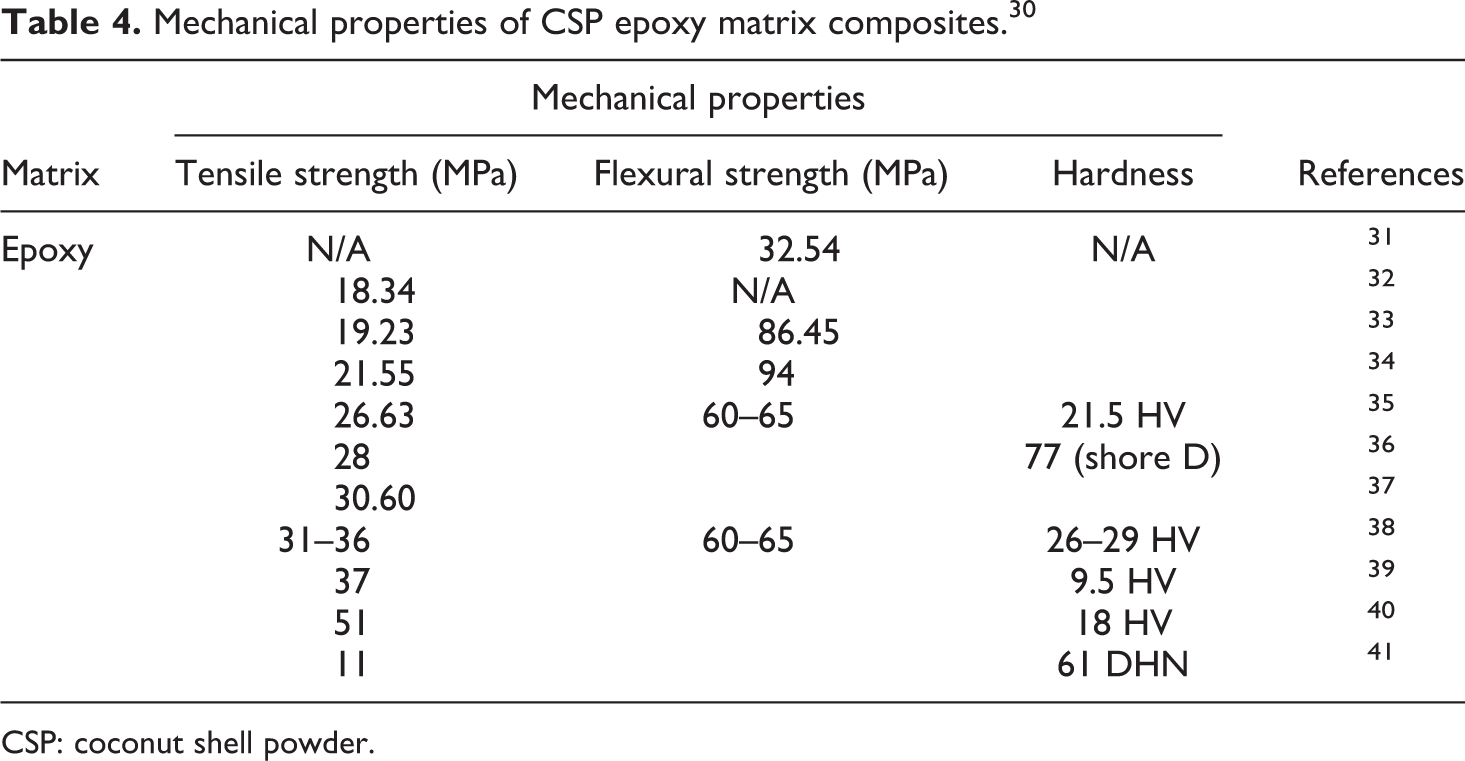
CSP: coconut shell powder.
In a previous study, CSP was blended together with tamarind shell powder (TSP) and epoxy, with different percentage composition, and the results showed that there is an improvement in mechanical properties once the percentage of CSP reinforced TSP and epoxy is increased. 11 Table 5 presents the composition of the developed materials and based on that it can be concluded that the presence of epoxy has improved the properties of natural fiber.
Percentage composition of the composite materials. 11
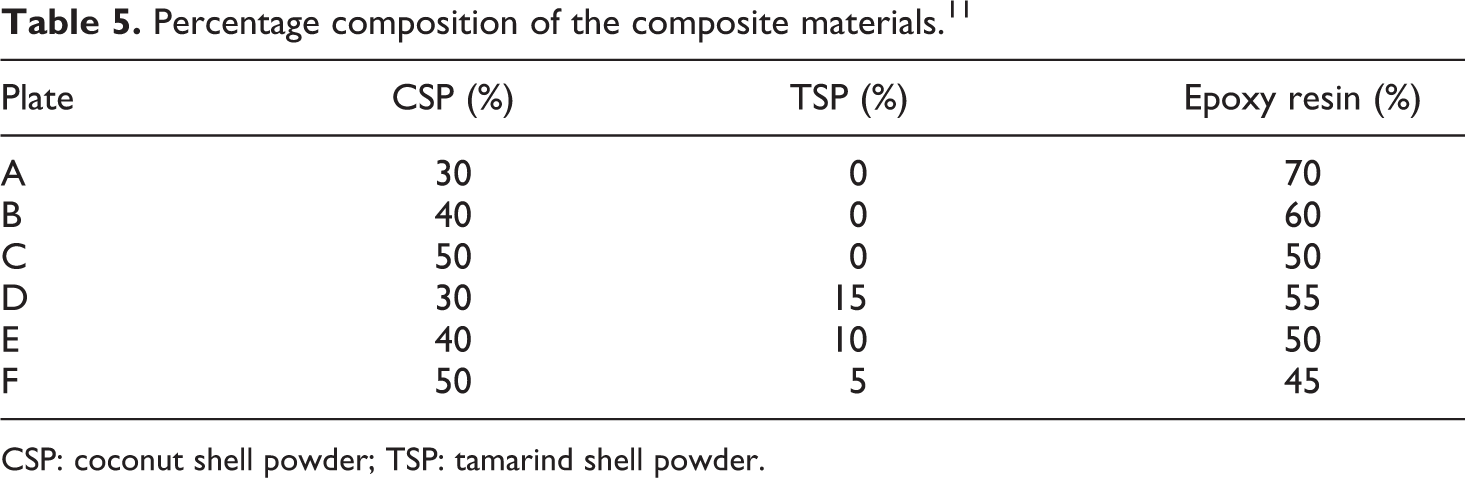
CSP: coconut shell powder; TSP: tamarind shell powder.
Based on Figure 1, it can be concluded that composite made with 50% of CSP, 45% epoxy, and 5% tamarind shell shows the best results in terms of mechanical properties. 11 Considering these properties, the developed material can be used for many applications, such as in the automotive and furniture industries, and so on. The presence of epoxy as matrix also contributes to good water resistance performance.
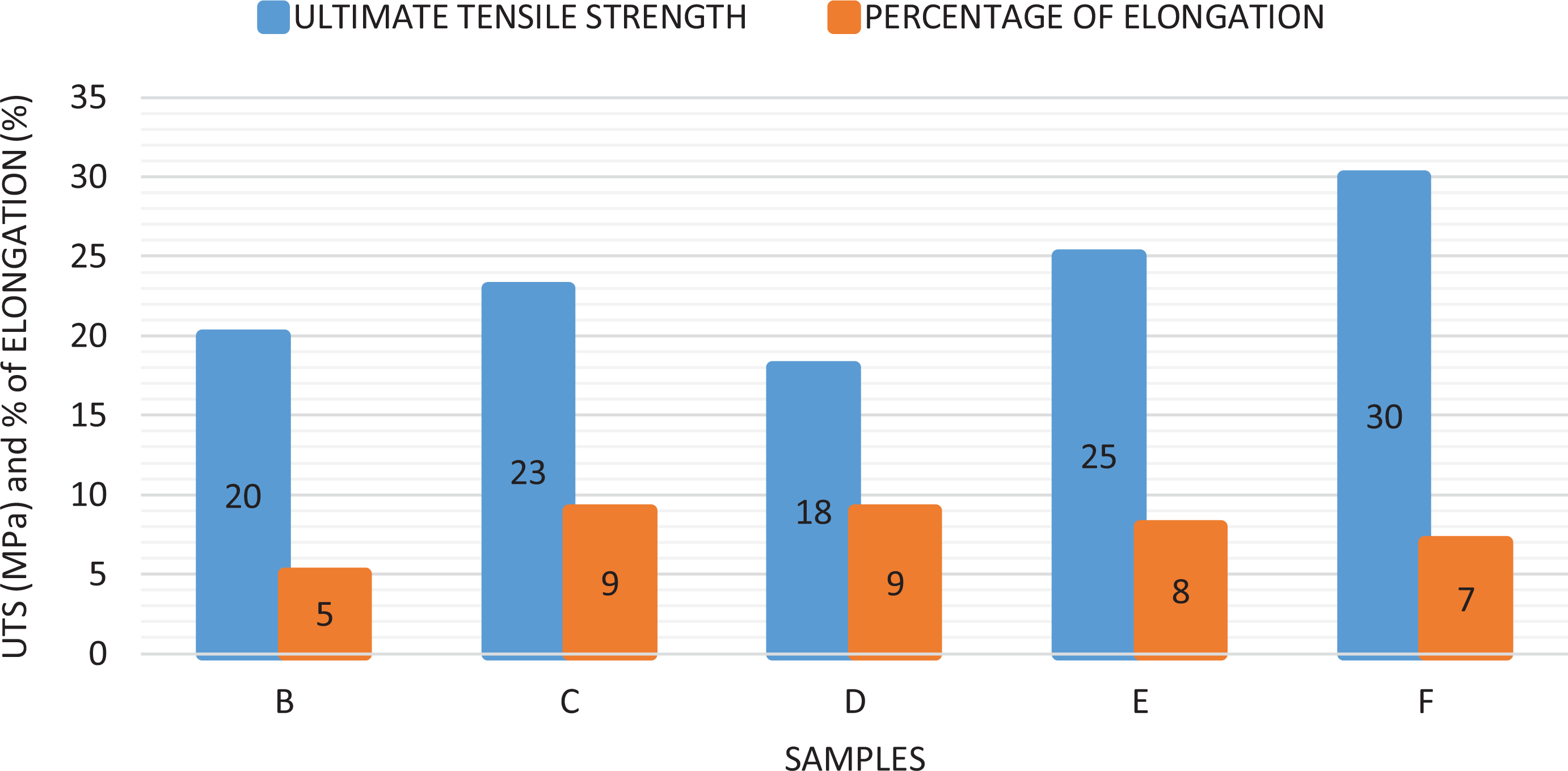
Tensile strength of different formulations of composites. 11
CSP/unsaturated/saturated polyester composites
Even though epoxy is widely used as matrix in composites, other materials, such as unsaturated polyester and polyester, can also use in this application. Based on the characteristics of unsaturated polyester, it is used to improve the fire and electrical resistance of composite materials. 42 Unsaturated polyester modified by acrylic has good cracking resistance and high flexibility. These properties are useful for applications, such as trays, shower stalls, boats, swimming pools, and water tanks. 42
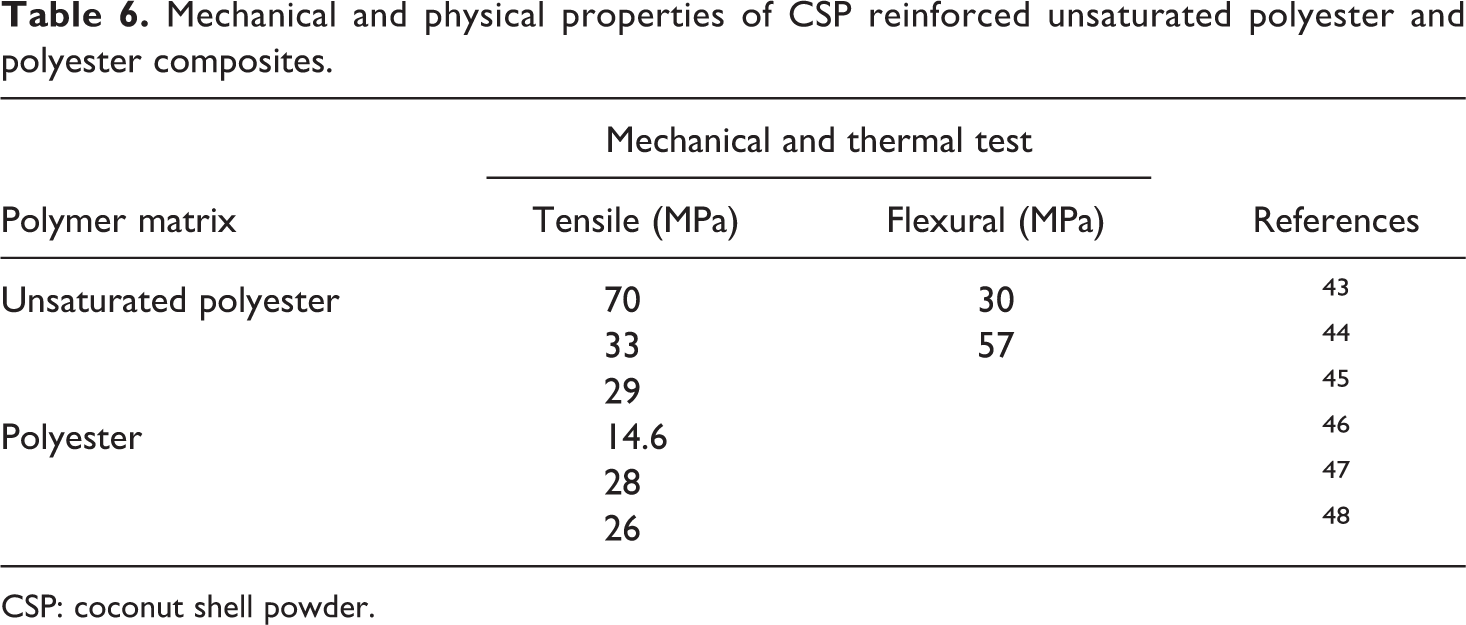
Although the properties of unsaturated polyester and polyester present benefits in manufacturing composites, there are few studies dedicated to the optimization of mechanical and physical properties of unsaturated polyester and polyester-based materials. 42 Table 6 presents the mechanical and physical properties of CSP reinforced unsaturated polyester and polyester composites.
Mechanical and physical properties of CSP reinforced unsaturated polyester and polyester composites.
CSP: coconut shell powder.
According to the data, the tensile strength achieved for CSP reinforced composites is in the range of 26–70 MPa. Thus, adding CSP as filler leads to increased mechanical properties, and such composites may be suitable for producing materials for domestic application. 48
Coconut shell reinforced thermoplastic composites
In addition, thermoplastics, such as high density polyethylene (HDPE), low-density polyethylene (LDPE), recycled low-density polyethylene, poly vinyl chloride (PVC), polylactic acid (PLA), and so on are applied in manufacturing composites, and similarly to thermosets, they improve the mechanical and physical properties of the end materials. PLA-natural fiber biocomposites have been produced to reduce the cost of PLA processing materials through the inclusion of low-cost fibers and also to improve structural strength and moduli due to the reinforcing effect of natural fiber. 49 Since, the composite industry is growing continuously, introducing the benefit of natural fibers in developing materials helps in controlling environmental pollution, while also producing high performance products. In line with this, the possibility to recycle thermoplastics is quite interesting to investigate.
Furthermore, research has been carried out on CSP used as filler in low-density polyethylene composites. The tensile strength of these composites is shown in Figure 2. Different fiber lengths of the filler were used, and the highest strength value reached 7.1 MN/mm2. 50 The addition of 10 mm fiber length filler resulted in a decrease in tensile strength, but when adding the filler with 20 and 30 mm fiber length, the tensile strength increased again.
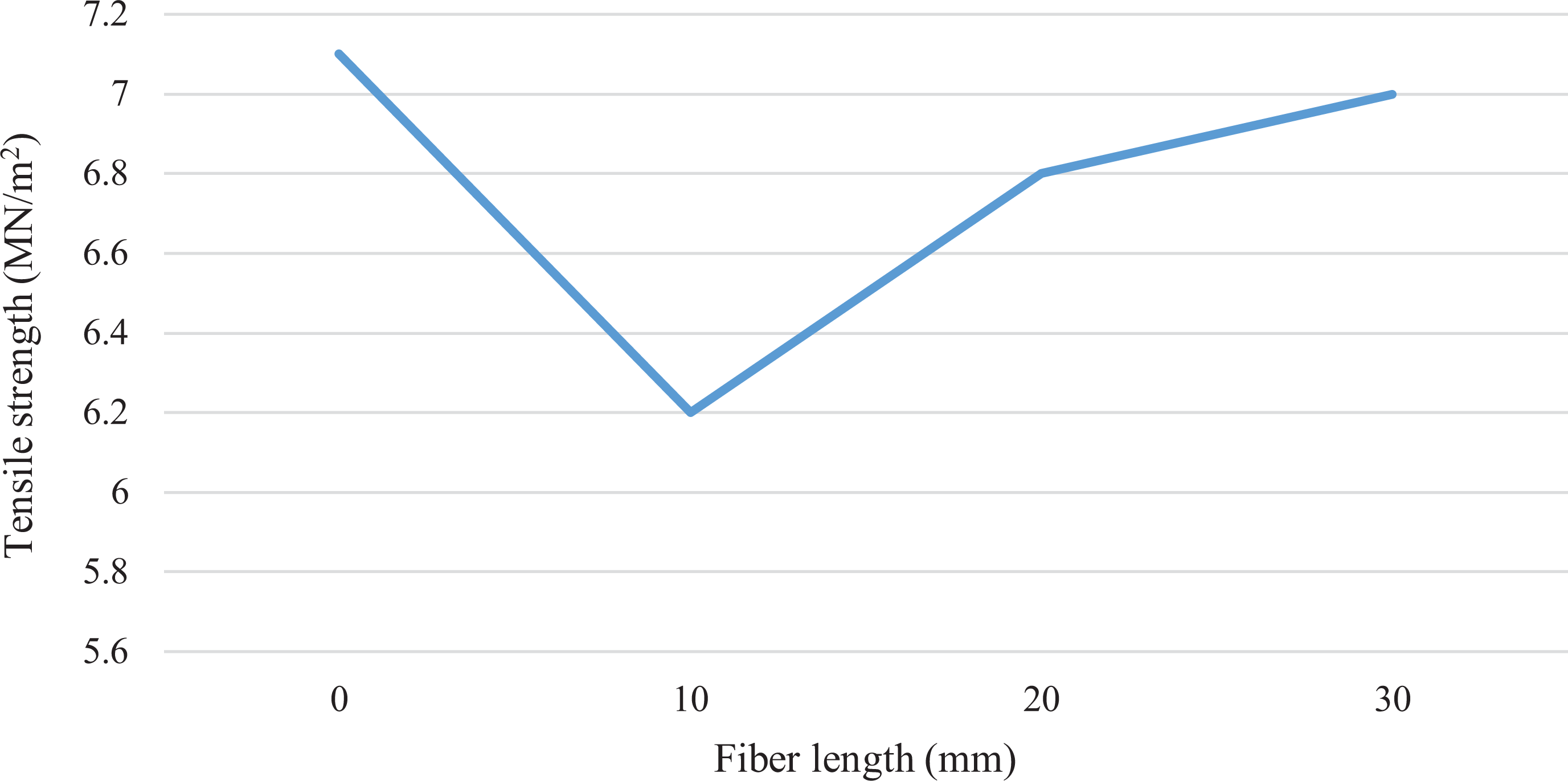
Tensile strength of CSP reinforced low-density polyethylene composite.
In addition, a CSP blend composite was fabricated with polyurethane and natural rubber with silane coupling agents. Studying the mechanical and thermal properties of the composites revealed that higher results in tensile strength and interfacial adhesion with the matrix were achieved with the CSP treated with glycidyloxypropyltrimethoxysilane, compared to the CSP modified with triethoxyvinylsilane. 51 The efficiency of the silane treatment was proved by Fourier transform infrared analysis and by the morphological study. 51 From this study, it can be concluded that the tensile and tear properties increase together with an increasing amount of CSP up to a certain point and then a decreasing trend is noted. 51
CSP reinforced MMCs
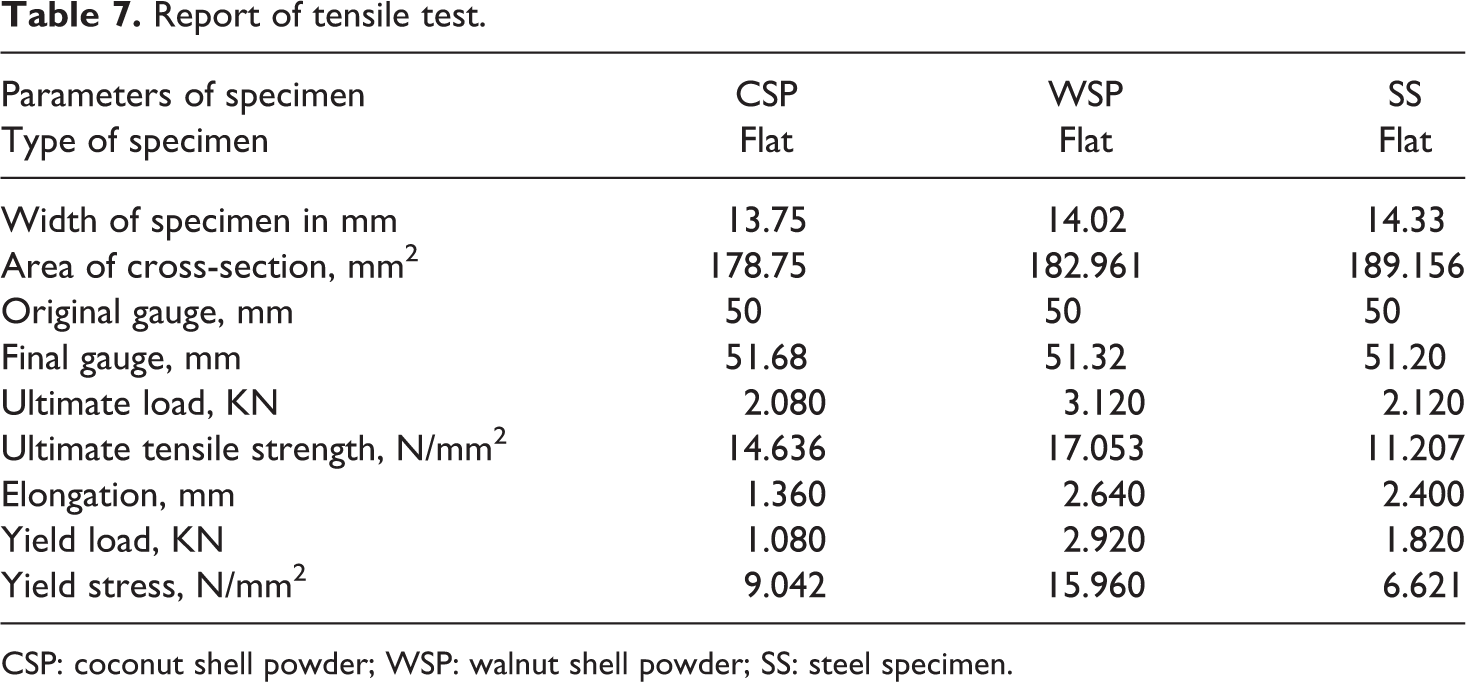
CSP was also used in MMCs. Furthermore, it has been established that the mechanical properties of coconut fiber powder and walnut fiber powder are almost similar to those of steel specimens (SSs). 52 This has been proved by metallography testing, which determined the tensile strength, impact strength, and hardness. Table 7 presents the results for the tensile strength of coconut powder, walnut powder, and SS. 52 These data reveal that coconut powder and walnut powder are almost similar to the SS in terms of tensile strength.
Report of tensile test.
CSP: coconut shell powder; WSP: walnut shell powder; SS: steel specimen.
Tensile testing revealed that the tensile strength of CSP is 23.4% higher and that of walnut shell powder (WSP) is 34.38% higher compared to that of the SS. Meanwhile, the yield stress showed a rapid change in WSP of 58.51% and CSP of 26.77%, compared to the SS. 52 Last but not least, the hardness of CSP was 91 and that of WSP was 94, and the impact test is only 0.5 J.
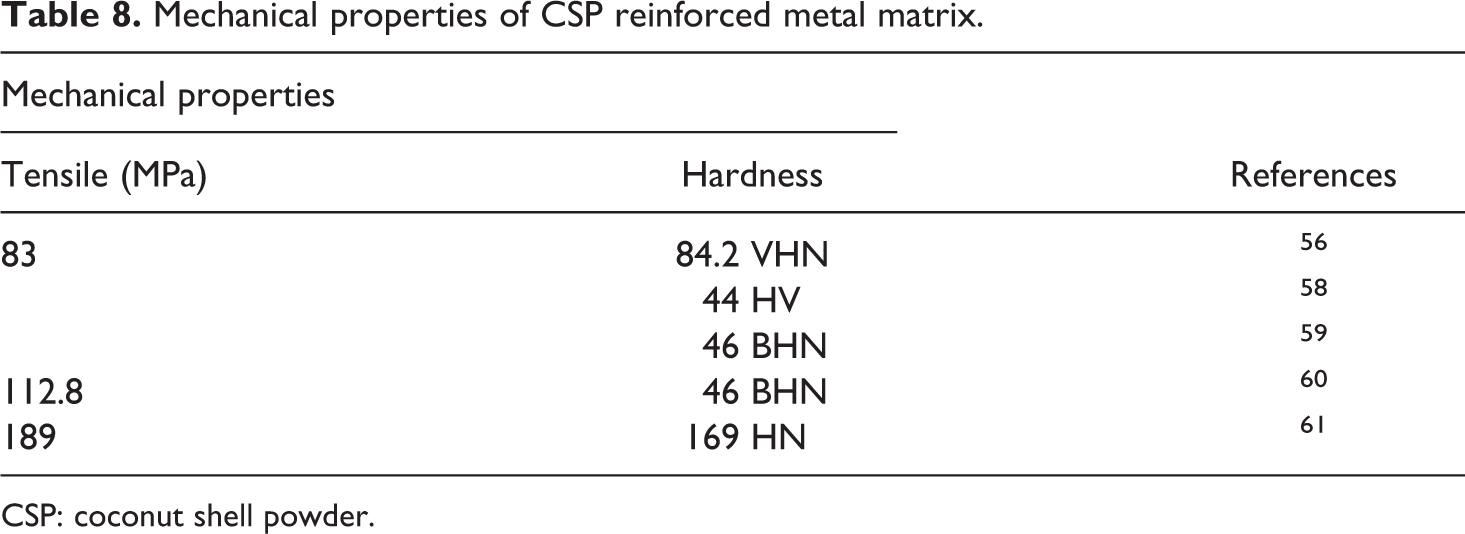
CSP was used as filler in MMCs, due to its similarity to fly ash, rice husk, and bagasse ash, for fabrication of automobile parts 50 Silicon carbide (SiC) and graphite present higher hardness, tensile strength, resistance to wear, and lower friction coefficient, when compared to pure alloys, and therefore are considered as potential materials to hybridize with aluminum alloy. 53 Table 8 presents the mechanical properties of CSP reinforced metal composites. A significant effect of CSP is shown on the tensile properties, compressive strength, and hardness with an increasing weight of CSP.54-57
Mechanical properties of CSP reinforced metal matrix.
CSP: coconut shell powder.
The properties of Al 360 alloy have been determined to find out the effect of CSP reinforcement added during the fabrication. 62 The process involved coconut shell ash and SiC particles, and the hardness and tribological properties were tested to determine the strength of clutch pad. 62 Based on the observation from the experiment, the hardness of the composites fabricated with coconut shell ash is lower compared to that of the base alloy, but with the addition of SiC particles in the manufacturing, the hardness started increasing. 62 Also, the coefficient of friction and wear resistance increased with the increasing SiC content in the composites. 62 Considering these composites, the hardness properties increased together with the increasing percentage of coconut shell ash and aluminum. 58 The mechanical properties, namely, the tensile strength and hardness, increased due to the increasing amount of coconut shell ash in the reinforced composites.59,60 This is also due to the major quantities of SiO2, Al2O3, and Fe2O3 in the composites, which contributed to good bonding between the particles. 60
CSP reinforced ceramic matrix composites
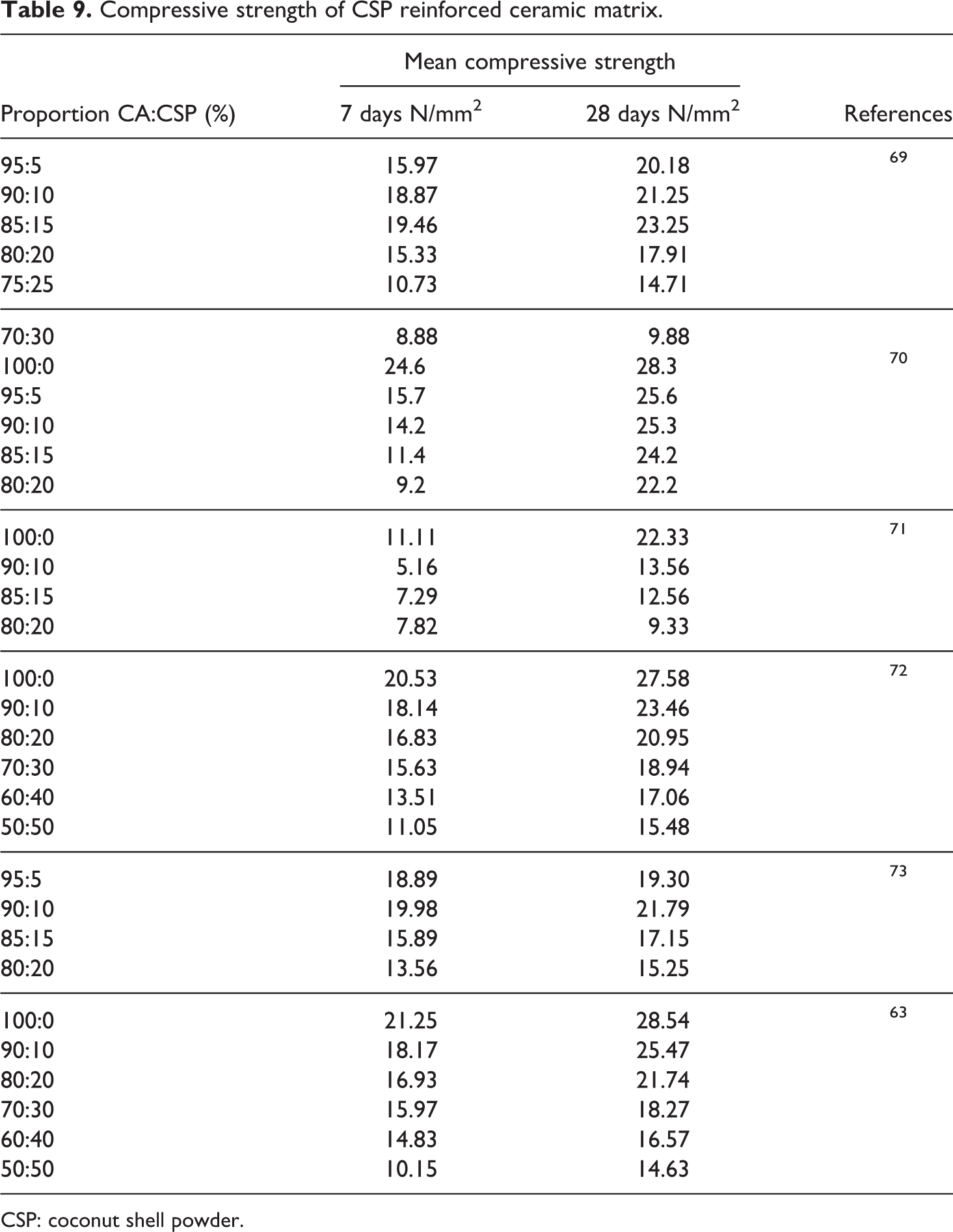
CSP was also used as reinforcement in ceramic matrix composites. Researchers have made a comparison between coarse aggregate (CA) and CSP. Overall, in terms of compressive strength, based on Table 9, the blended CSP with the conventional aggregate gave a result which is almost similar to the 100% coarse aggregate. During the testing period of 28 days, the blended CA and CSP appeared slightly different from the conventional concrete, which demonstrates that the blended CA and CSP can replace the use of the coarse aggregate. A certain increment in compressive strength was noted starting from day 7 toward day 28 for each of the mix proportions. Based on Table 9, the result for the coconut shell cement is slightly different from the 100% coarse aggregate cement concrete. The range of the CSP proportion to replace the coarse aggregate is between 5% and 10%. Moreover, in another study, the replacement of the conventional aggregate of graphite with coconut shell was investigated at different levels of percentage composition, namely, of 2.5%, 5%, 7.5%, and 10%. 63 Based on the results, the compressive strength recorded was 19.71, 19.53, 19.08, and 18.91 N/mm2 within 28 days. M20, M35, and M50 are the three grades used in the study.63,64 In another study, the percentage of coconut shell loading was 0%, 10%, 20%, 30%, and 40%, to partially replace conventional aggregate. From this study, it was found that the formulation with M20 and 30% of aggregate replacement by coconut shell exhibited the strength of 23 MPa for a period of 28 days. 64 Meanwhile, the formulation with M35 grade and 30% of coconut shell showed an increased strength of 42 MPa for 28 days. In addition, M50 grade with replacement coconut shell gave 51 MPa strength within 28 days. Last but not least, by replacing conventional graphite with coconut shell gave better results for compressive strength and density.65–67 Furthermore, the matrix also has an important role in the replacement of coarse aggregate in cement. Actually, the compressive strength depends on the matrix.65,68 This study established that the maximum compressive strength is reached when there is 0% replacement of coarse aggregate, while at 10% replacement the minimum result for compressive strength is achieved.65,67,68
Compressive strength of CSP reinforced ceramic matrix.
CSP: coconut shell powder.
Thermal properties of CSP reinforced composites
Thermal analysis is performed by several testing methods, such as TGA, differential scanning calorimetry, simultaneous thermal analysis, thermal analysis coupled to evolved gas analysis, thermomechanical analysis/dilatometry, dynamic mechanical analysis, dielectric analysis, and laser flash technique (LFA). 74 Research has been carried out on unmodified/modified recycled polypropylene (rPP)/CSP, the modification refers to the use of sodium dodecyl sulfate (SDS) as coupling agent for rPP/CSP. For the TGA of the samples, Pyris Diamond Perkin-Elmer, made from USA TGA apparatus was used, and the samples were subjected to temperatures ranging from 30°C to 700°C. 75 The TGA and derivative thermogravimetry (DTG) curves of unmodified/modified rPP/CSP are shown in Figures 3 and 4, respectively. 75 Based on Figure 4 showing the DTG, the neat rPP was decomposed in a single step in the temperature range of 250–500°C. 75 Meanwhile, unmodified and modified rPP/CSP decomposed in three steps, starting with hemicellulose decomposition at the temperature of 200–350°C,76–78 followed by the decomposition of lignin and cellulose in the range of 350–400°C, and the decomposition of the rPP matrix at 250–500°C. 79
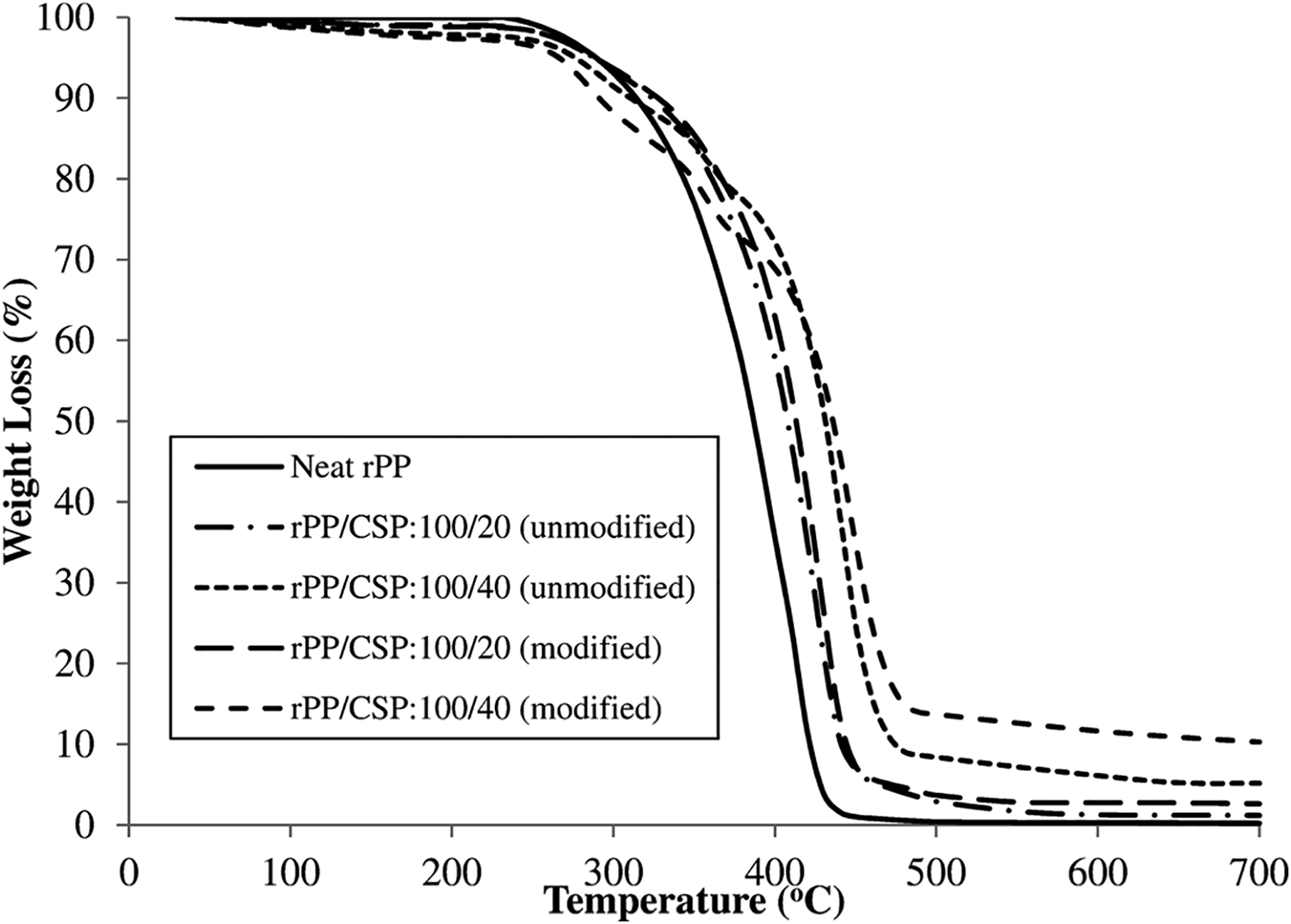
TGA curves of unmodified/modified rPP/CSP and neat rPP. 75
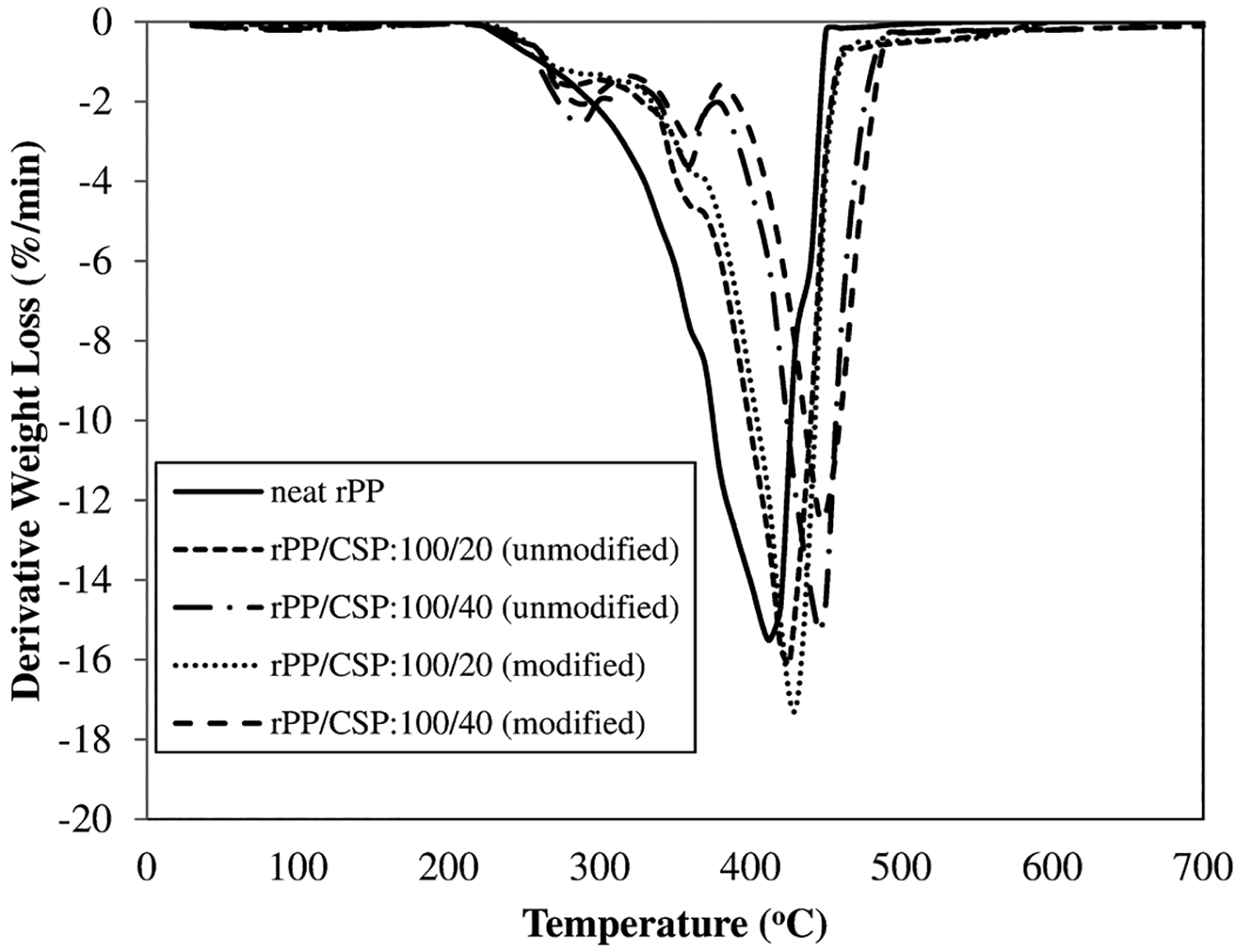
DTG curves of neat rPP and untreated and treated rPP/CSP composite. 75
The TGA results achieved in this study are tabulated in Table 10. The analysis of the data reveals the significant thermal stability of the rPP matrix at high temperatures. 75 Since the amount of CSP was increased, the Tdmax and the residue content at the temperature of 700°C also rise. 75 So that the thermal resistance of the material depends on the content of CSP added to the rPP matrix. 75 This is because CSP enhances the thermal stability of the material by forming pyrolysis products, and due to the rPP matrix, which serves as a thermal protecting layer. 75
TGA results for unmodified and modified rPP/CSP reinforced composites. 75
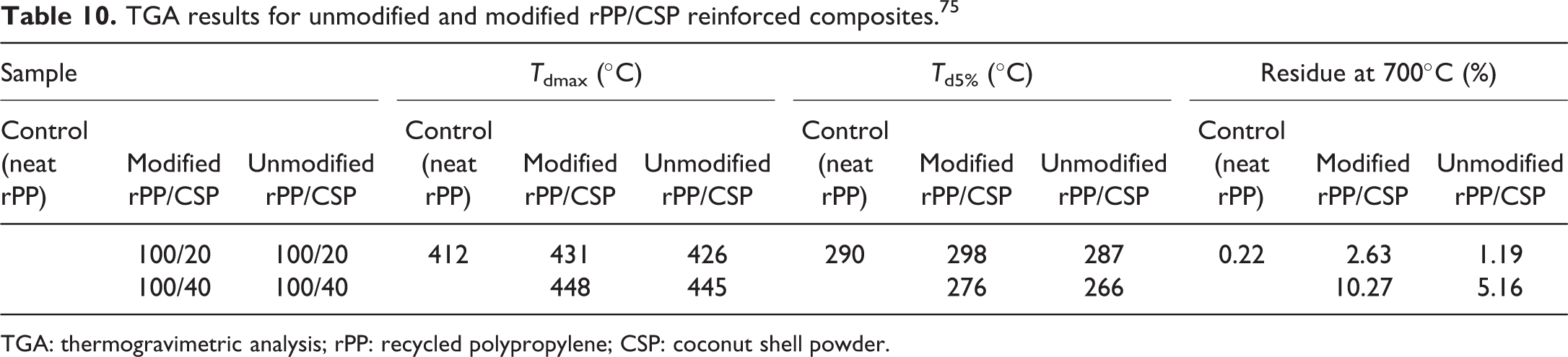
TGA: thermogravimetric analysis; rPP: recycled polypropylene; CSP: coconut shell powder.
Another study also investigated the effect of treatment and CSP filler content on the thermal stability of the materials. Figure 5 shows the TGA curves of untreated and treated unsaturated polyester (USP) -CSP, showing that total weight loss decreases when the CSP filler content is increased.79,80 This reveals that higher content of CSP enhances the thermal stability of the composite.79,80 The treated composite recorded more weight loss. 80 Due to the treatment with 1% sodium hydroxide in, this composite presented increased thermal stability. 80
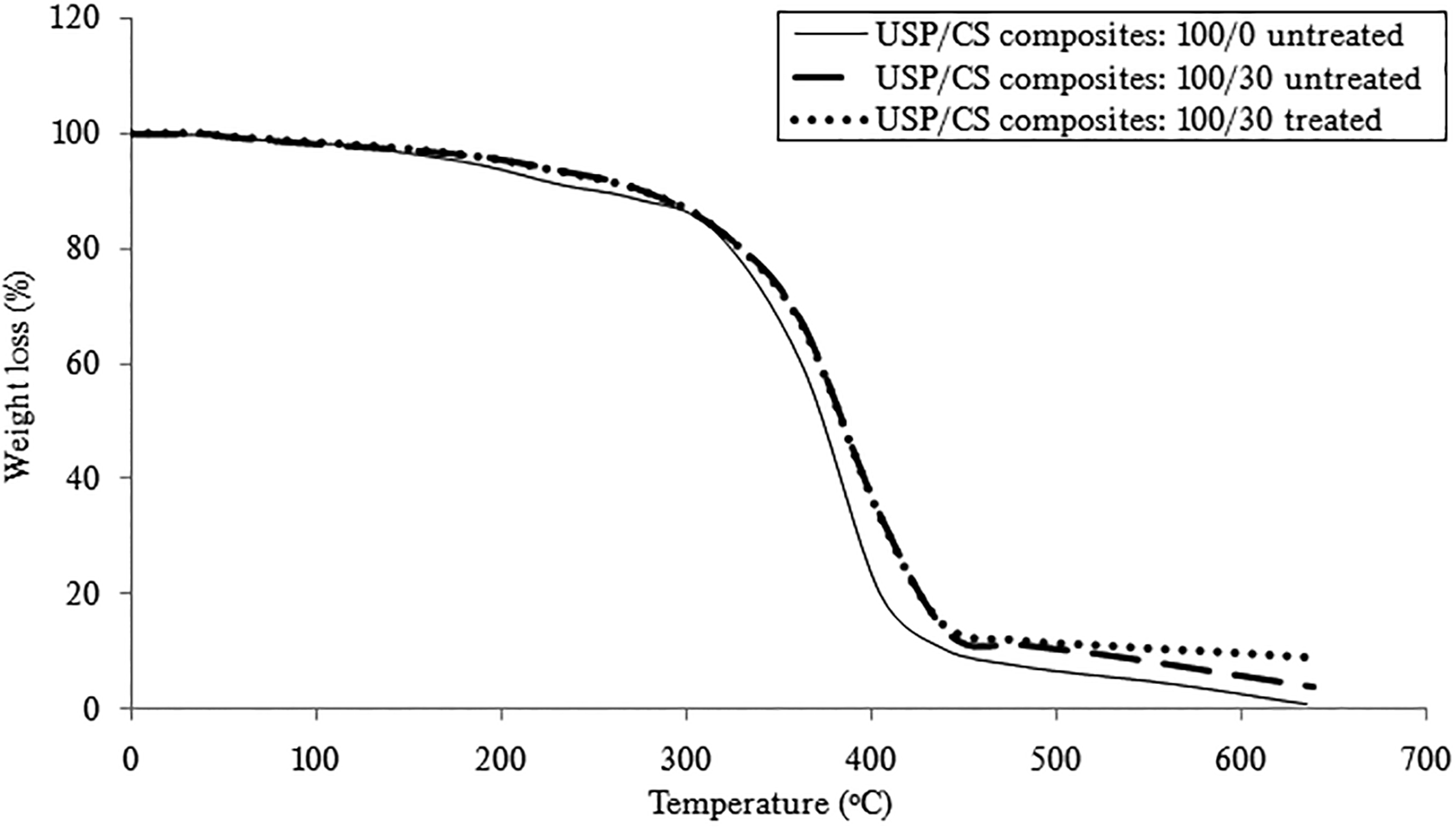
TGA curves for the treated and untreated USP/CSP composites. 80
Another study prepared CSP and crysnanoclay incorporated acrylonitrile-butadiene rubber/styrene-butadiene rubber green nanocomposites (NBR/SBR)/CSP/CN and investigated their thermal characteristics by TGA. 81 The TGA thermograms of the study are shown in Figure 6, illustrating decreasing thermal stability when the content of CSP as filler was decreased. 81 The thermal degradation data are recorded in Table 11. 81 Based on the records, the (NBR/SBR)/CSP/CN nanocomposite showed thermal stability up to 225°C. 81
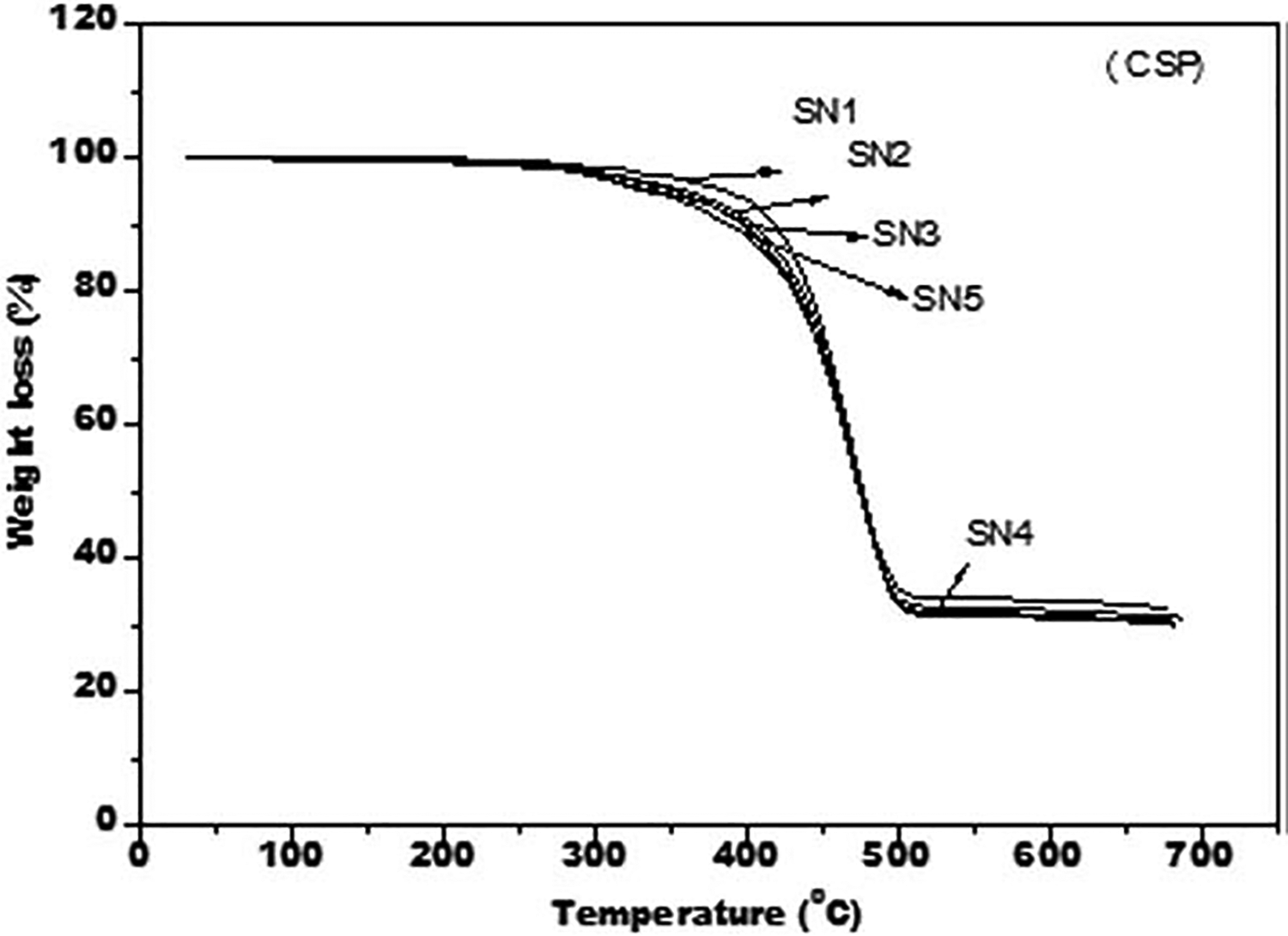
TGA and derivative thermograms of SN1, SN2, SN3, SN4, and SN5 nanocomposites. 81
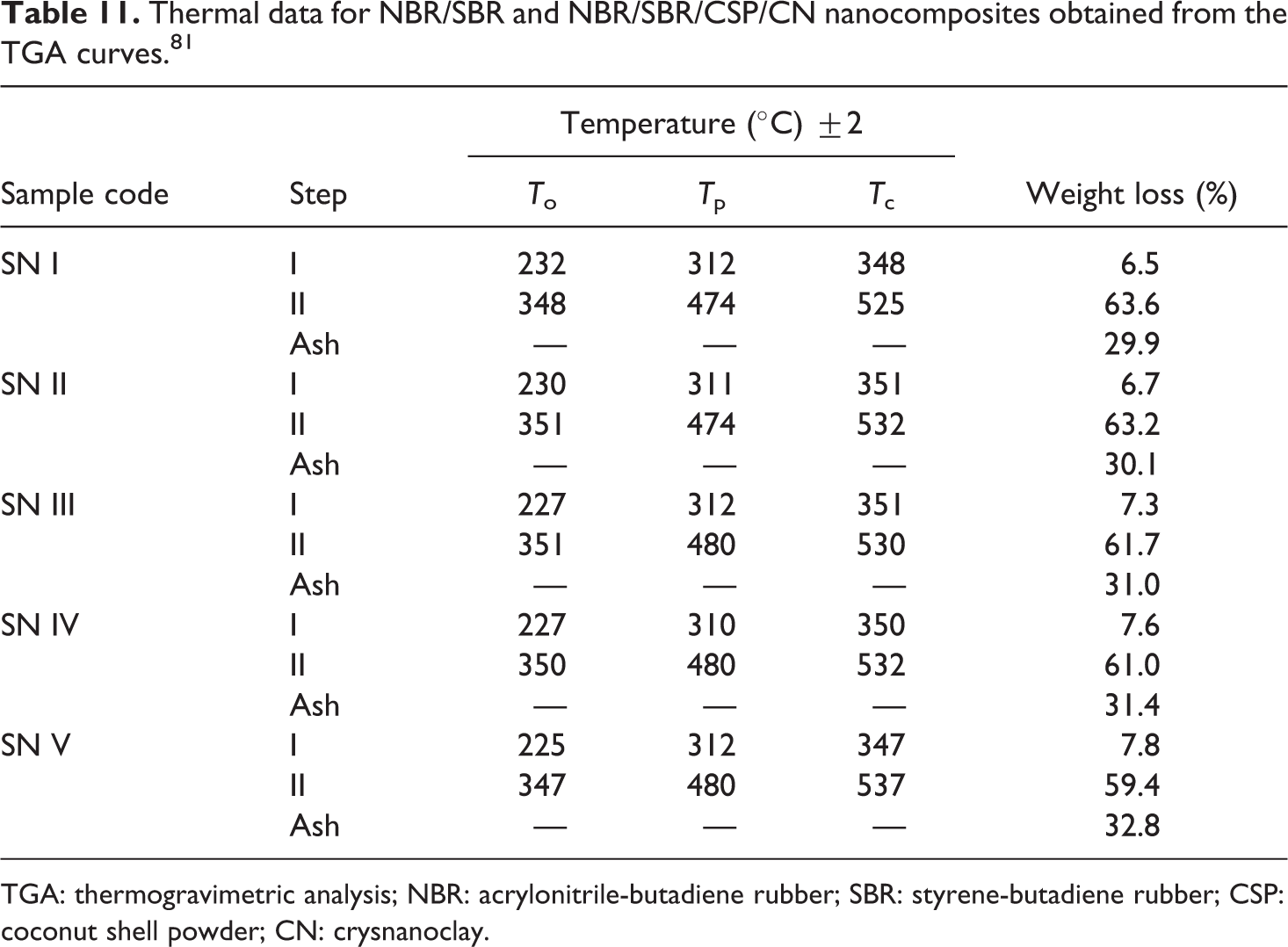
TGA: thermogravimetric analysis; NBR: acrylonitrile-butadiene rubber; SBR: styrene-butadiene rubber; CSP: coconut shell powder; CN: crysnanoclay.
The TGA and DTG results for the two types of composites, which are NBR/SBR blend and NBR/SBR/CSP/CN nanocomposites, are recorded. 81 From the TGA thermograms, all the nanocomposites undergo thermal degradation in two steps in the ranges of 240–355°C and 355–529°C. 81 Based on the temperature range, different weight losses are recorded. 81 The weight loss for the first step is between 6.5% and 7.8% and is due to small amounts of oil from processing and due to the presence of moisture content in CSP. 80 Meanwhile, for the second step, the weight loss is in the range of 59.4–63.6% at the temperature of 350–537°C and is explained by the process of depolymerization of vulcanized rubber. 81
From Table 11, it is noted that the ash content increases with an increasing amount of filler loading. 82 The percentage of the ash content determined in this study is higher than the one expected theoretically. 80 This is proven by the TGA showing the existence of inert (N2) purge gas. 82 Based on this study, the thermal stability of the composites is not affected by the existence of nanoclay and CSP. 81 In addition, an advantage of the composite is that weight loss only happened starting from the temperature of 340°C. Thermal stability depends on the values of the oxidation index (OI), once the OI is high, the thermal stability is also high. 82 As a conclusion, TGA analysis exposed the reduction of thermal stability of the composite after combination of CSP into rubber matrix. 81
Physical properties of CSP reinforced matrices
Products made from natural fiber must be well prepared because their natural behavior normally affects the properties of the end material. The physical properties of natural fiber are influenced by certain conditions. One of the most important physical properties of natural fiber is water absorption. Koay et al. studied the water absorption of rPP/CSP composite as a function of the content of CSP and tested it following the standard ASTM D570. 75 The results are recorded in Figure 7. The study was carried out on unmodified and modified rPP/CSP composites, where the modification was performed by using SDS as coupling agent. 75 The hydrophilic properties of coconut shell are due to the hydroxyl groups, which trigger the natural tendency to absorb water in natural fibers. 75 Based on the figure, unmodified rPP/CSP composites show higher water absorption, compared to the modified rPP/CSP composites. 75
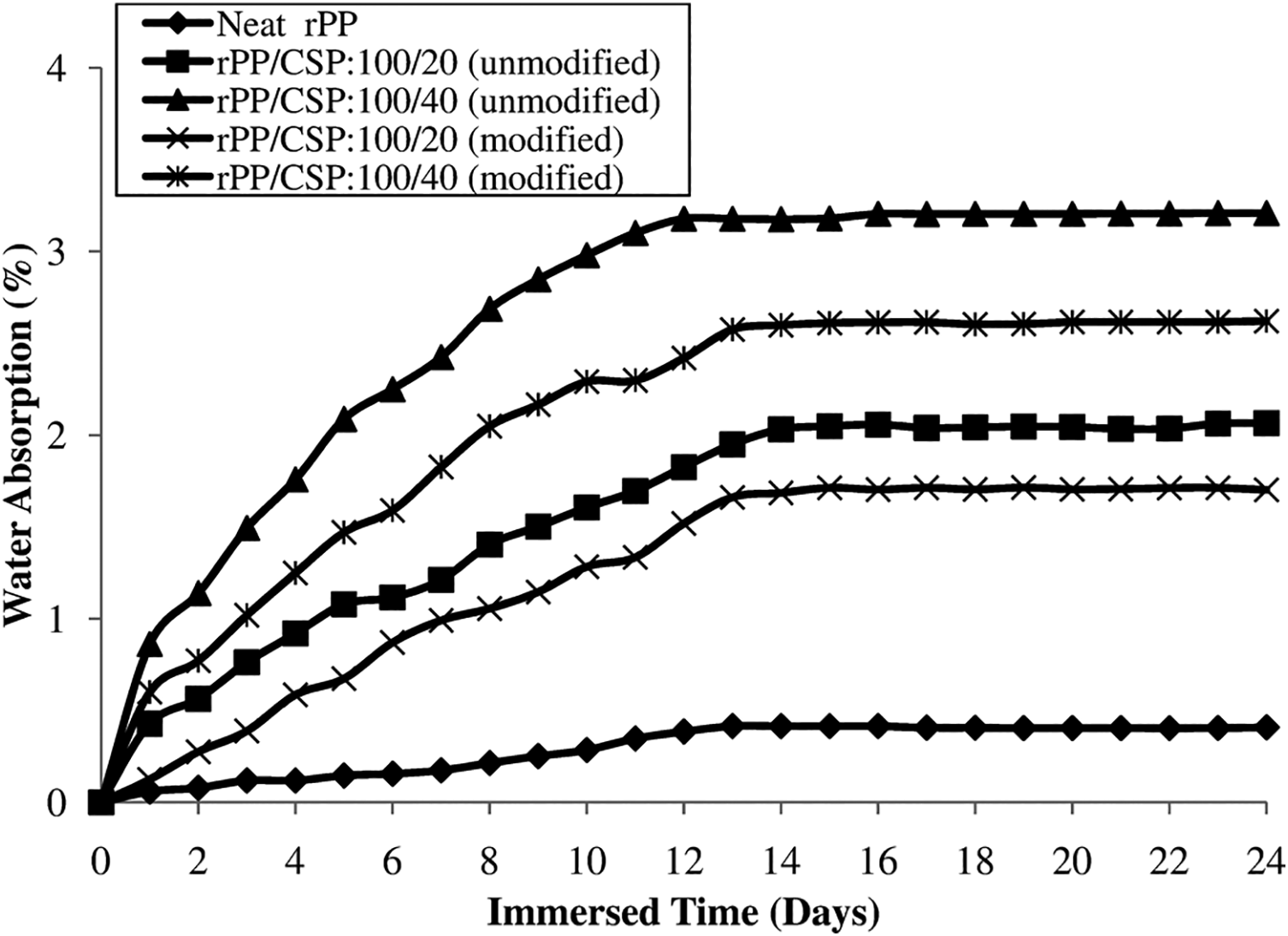
Water adsorption of unmodified and modified rPP/CSP composites. 75
In another research work, the preparation of wood-plastic composites (WPCs) from expanded polystyrene (EPS) foam combined with CSP was studied to develop a new green technology by exploiting this agro-waste product. 83 In this study, the water absorption of the EPS/CSP WPCs was determined. 83 CSP was also treated with NaOH to see the effect of the treatment on the water absorption properties of the CSP. Water absorption testing was done according to the ASTM standard D570: involving soaking the samples in water with durations of 50, 200, and 900 h, followed by oven drying for 24 h. 83 Data analysis was recorded in Figure 6, which shows the percentage of water absorption. 83
Based on Figure 8, the water absorption percentage increases with increasing CSP content. 84 The increasing water absorption ability is due to the higher number of hydroxyl groups from the CSP. 84 Moreover, the treatment with NaOH led to a lower level of water absorption, compared to the untreated composites. 84 Composites subjected to alkaline treatment had improved water resistance.83,85
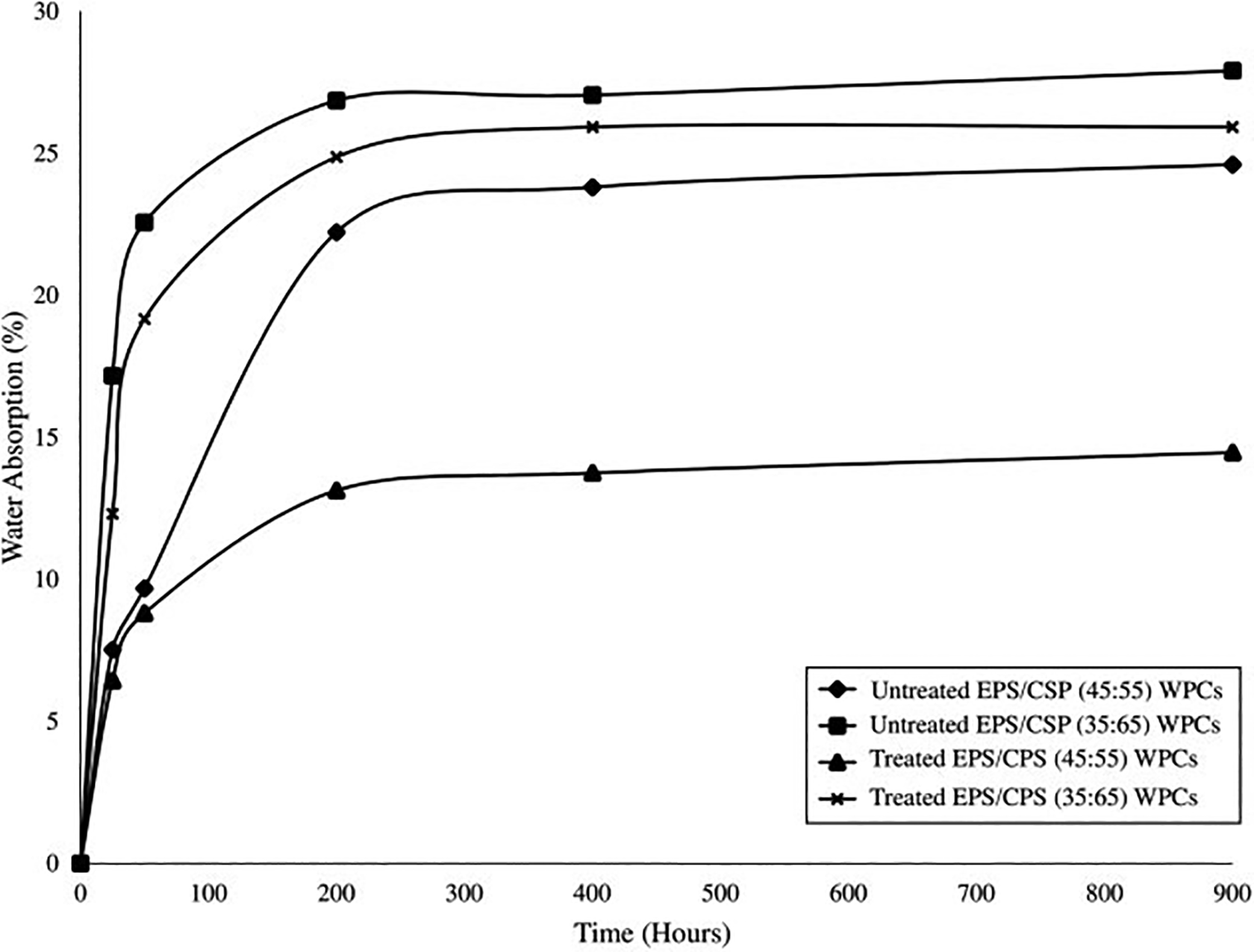
Water absorption of untreated and treated EPS/CSP composites. 84
Other physical properties of CSP composites studied by researchers are density and porosity. Micrographs of composites made from silicon carbide/nano coconut shell charcoal (SiC/ncsc) reinforced Mg show the existence of porosity in minimal percentages, in the structure of the composites, which was also supported by the measurement of density. 86 A summary of the density and porosity measurements is presented in Table 12.
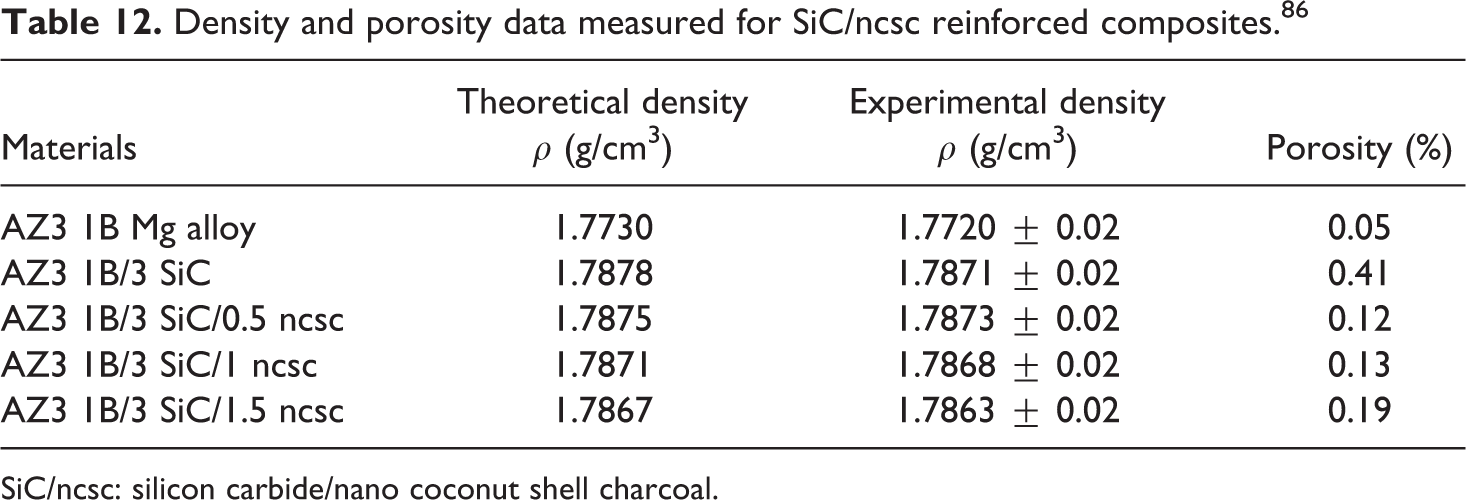
SiC/ncsc: silicon carbide/nano coconut shell charcoal.
Due to better bonding within the AZ31B/SiC/ncsc composite, minimal percentages of porosity were noted in this composite material. Porosity is an important parameter, since it is known to influence the mechanical properties of composites. 86 Also, the density of the composite increased as a function of the percentage of ncsc particles. 86 Minimal oxidation of magnesium and lack of macro-pores also helped to increase the density.86,87
Applications of CSP reinforced composites
CSP composites have been proposed to be used in several applications. For example, a study aiming to improve the properties of brake pads developed a material comprising 35% of epoxy as binder for 52% of coconut shell, 8% aluminum oxide for abrasiveness, and 5% of graphite as friction modifier. 41 The results of this study showed that the brake pad made from coconut shell produced less brake noise and vibration during application. The presence of aluminum in the formulation increased the mechanical properties of the material. 41 Table 13 presents a comparison of the mechanical properties of a commercial product taken as the control and the coconut reinforced brake.
Comparative mechanical properties of a control commercial product and the coconut reinforced brake. 41
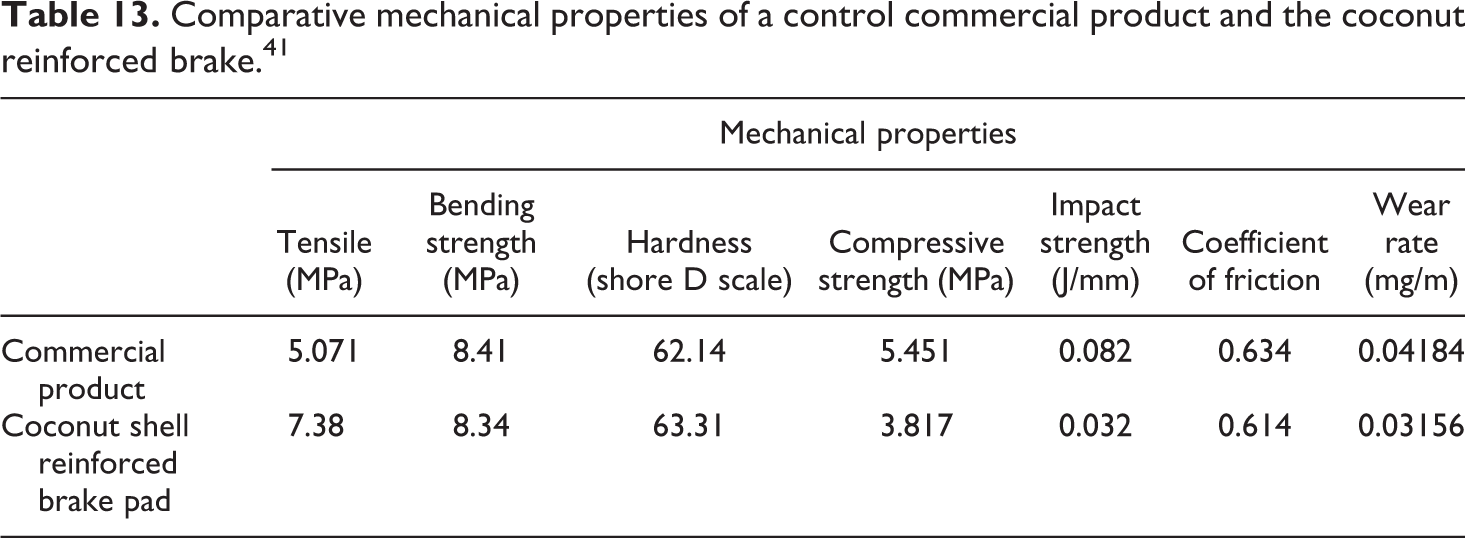
Based on Table 13, the performance of the newly developed coconut reinforced brake pad meets the requirements of Society of Automobile Engineer, and according to the standards, the brake pad belongs to class H (>0.55) type of brake pads. 41 Moreover, the performance of the coconut reinforced brake pad is satisfactory, producing less noise and vibration, due to lower wear rate and stable friction coefficient. 41 Therefore, the coconut shell has great potential to be applied in the development of heavy-duty brake pads. Other than that, coconut fibers rubber latex composites were also used for the seats of the Mercedes-Benz A-Class model. 88
Researchers have also investigated using CSP composites for car bumper application. Car bumper parts were produced using carbonized coconut shell nanoparticles composites at the 1:8 prototype scale of Toyota highlander bumper actual scale. A total of 5 wt% of carbonized coconut shell nanoparticles were mixed together with 670 g of epoxy resin and 270 g of hardener and were poured into the mold. 50 The results showed that the formulation with 25% of wt carbonized coconut shell nanoparticles produced the optimal hardness (26.35 VHN), while the tensile stress at break was 338.75 MPa, flexural and impact energy of 156.9 MPa and 5.71 J at a loading of 10%. 50 The results showed that the impact energy at break of the newly developed car bumper material is 10.5% over that of the Toyota Big Daddy Model and 37.45% over that of the Toyota Carina for the same testing conditions applied. 50
In addition, another study developed coconut shell aggregate concrete for non-pressure pipes and showed that the characteristics of the coconut shell aggregate concrete were almost similar to those of conventional concrete pipes. 89 This study focused on the hydrostatic test, the three-edge bearing test, and the absorption test for pipes in accordance with the standard IS 458:2003 for pipe production. 89 The volume of concrete was calculated approximately equal to 815 kg/m3, but the maximum cement content required for fabricating non-pressure pipes is 450 kg/m3. 89 Based on the results, the three-edge bearing test showed that, 0.25 mm crack width occurred on the coconut shell aggregate concrete pipes at a load of 15.20 kN/m, while on the conventional concrete pipes it occurred at 18.45 kN/m, which is greater than the load of 13.70 kN/m for producing a 0.25 mm crack based on the standard IS 458:2003. 89 The crack width results followed the standard IS 458:2003, when the load reached 22.20 kN/m for the coconut shell aggregate concrete pipes, and for the conventional concrete pipes—26.66 kN/m, respectively, which is greater compared to the load of 20.55 kN/m stated in the standard IS 458:2003. 89
The study of coconut shell on concrete pipes was based on the standard IS 458:2003 for developing concrete pipes 70 . The pressure used in the study was 0.07 N/mm2 for the hydrostatic test. The study showed that the coconut shell aggregate concrete pipes and conventional concrete pipes had good performance under hydrostatic pressure. 89 The coconut shell aggregate concrete pipes and the conventional concrete pipes were soaked in water for 10 min and the results of water absorption were 1.83% and 2.09%, respectively, following the standard IS 458:2003 which is the standard for precast concrete pipes. 89 Both types of the pipes acquired not more than 2.5% of their dry mass as per IS 458:2003, while after 24 h of soaking in water, the pipes showed water absorption values of 4.63% for the coconut shell aggregate concrete pipes and of 4.98% for the conventional concrete pipes, respectively, with not more than 6.5% dry mass as per the IS 458:1988 was the standard of specification for precast concrete pipes. 89
Conclusion
This article gives an overview of the use of CSP in composites. The properties of the CSP together with the properties of CSP composites were discussed. Mechanical properties of CSP composites were clearly depended on the matrix used. Moreover, CSP has been investigated as a filler in a metal matrix to observe its abrasiveness in brake pads for the automotive industry, as well as with regard to its strength in clutch pads. In addition, in construction applications, coconut shell is used as a filler in concrete, demonstrating that the strength of the composite is almost similar to that of conventional concrete, providing high structural stability. Thus, this review provides insights on the fabrication methods and on the properties of CSP composites, as well as on their applications, which may be useful for researchers seeking to improve the composite properties to suit the industry demand. Based on the available literature, it appears that much research has been carried out on the properties of CSP composites, but extensive research and innovation are still necessary to overcome potential limitations.
Footnotes
Acknowledgements
The authors would like to express their gratitude and sincere appreciation to the Department of Aerospace Engineering, Faculty of Engineering, Universiti Putra Malaysia and Laboratory of Biocomposite Technology, Institute of Tropical Forestry and Forest Products (INTROP), Universiti Putra Malaysia (HiCOE) for the close collaboration in this research.
Funding
The author(s) disclosed receipt of the following financial support for the research, authorship, and/or publication of this article: This work is supported by Universiti Putra Malaysia (UPM) under GP-IPS grant, 9647100.
