




Abstract
Polymer composites for structural applications are prone to damage emanating from cracks which are formed within the material, where detection is not easy and repairing almost not feasible. Material cracking results in mechanical deterioration of polymer composites for microelectronic components, which can result in electrical failure. Microcracking occurring as a result of thermally and mechanically induced fatigue is challenging for effective polymer performance. Self-healing composites are materials exhibiting capability of automatically recovering when damaged. They derive their inspiration through biological systems similar to the human skin, which exhibit a natural tendency to undergo healing by themselves. Stretchability is a factor enabling electronic devices to properly align to irregular 3-D structures, such as soft and movable parts. Stretchable electronics offers materials with the ability to conform to soft and nonplanar composites while enabling movement of biological tissues. Therefore, this article elucidates very recently emerging advancements on self-healing composites, stretchable composites, and sensors. Future market disposition and application of self-healing composites are also presented.
Keywords
Introduction
In previous decades, quests for structurally lightweight materials for use in automotive, aerospace, and renewable energy applications have increasingly escalated. This has resulted in the innovation of nanoparticle- or fiber-filled polymer composites. These materials are composed of polymeric matrices with the inclusion of high-performing nanoparticles or fibers. This has resulted in fabrication of polymer composites or nanocomposites exhibiting superior strengths and moduli in comparison with structural materials, such as aluminum and steel alloys. However, a notable deficiency of polymeric composites is an exhibition of complexities and challenges in detecting damaged sites in comparison with isolated phase materials. Instances of these damages include interfacial debonding, delamination, fiber fracturing, and microvoids of polymeric matrices. 1,2,4 –6
The collation of these varying damage mechanisms and the complexity of the inner structure of reinforced composites makes damage detection and customized composite parts damage mending very intricate and costly and almost impossible in thermosetting composites. As a result of these challenges, quests for self-mending polymer nanocomposites (PNCs) capable of prolonging the overall shelf life of the material have escalated. 2 This quest for autonomous mending and prolonged shelf life of polymeric nanocomposites has contributed to initial development of engineered self-mending materials in the field of composite materials. 3
Early research demonstrated the prospects of composite self-mending via embedment of glass-fibers within a liquid-repairing agent in an epoxy matrix. 7 This was subsequently followed by the investigation into the autonomic mending of voids in a thermosetting polymeric matrix. 8 Here, a liquid was encapsulated in a mending agent within microcapsules (MICs), which rupture on a crack intrusion in the matrix polymer, thereby enabling in flow of the reactive liquid into the crack. Due to predoping of the thermosetting matrix zone with a catalyst initiating the polymerization of the mending agent within a short duration, the mending agent flowing into the void as a result of capillary forces gets changed from a liquid to a highly bonding solid, which in turn restores the load carrying capacity of the thermosetting product. These novel innovations have resulted in increased studies tilting toward the development of self-mending composites in previous years. 7,8
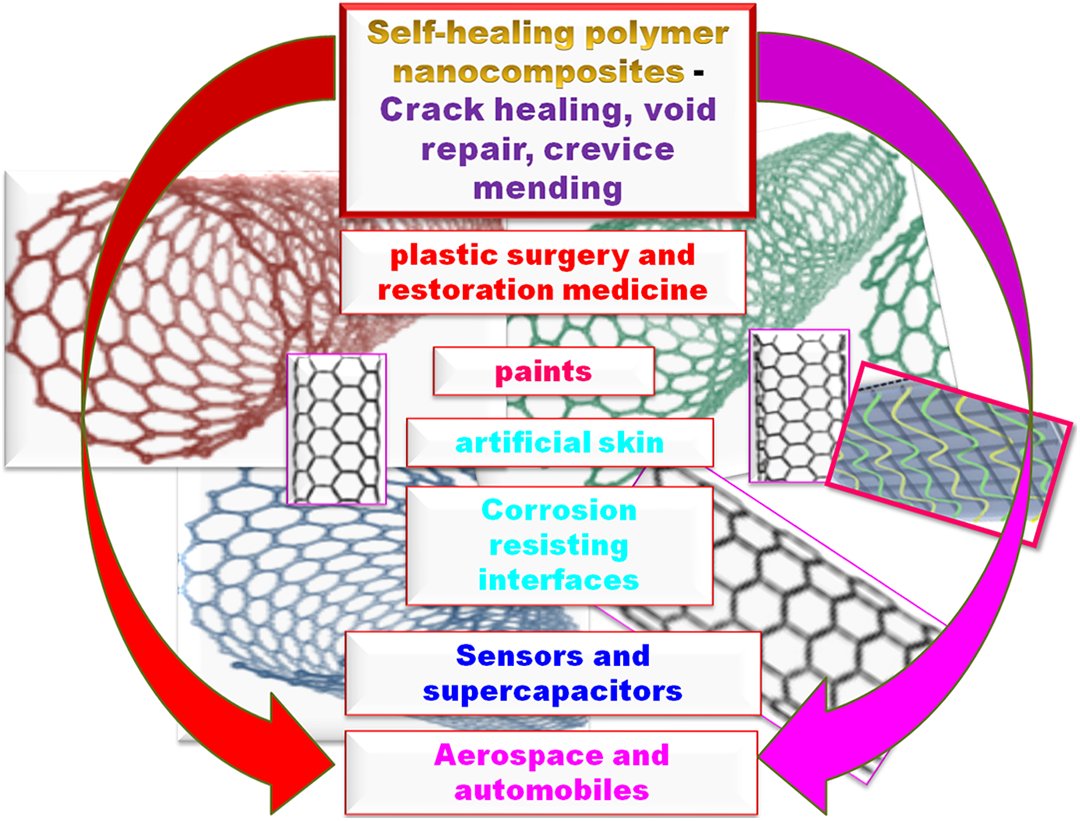
Polymeric nanocomposites exhibiting capability of self-mending exhibit interesting benefits in numerous applications, relative to performance and prolonged shelf life. 9 Recently, polymeric nanocomposites have demonstrated self-healing when in contact with the external stimuli, including light, 10 –15 heat, 16 and pressure on application to damaged sites. 17 –19 Prospective uses for self-mending materials include plastic surgery and restoration medicine especially in artificial skin, 17 paints, 20 aerospace, and automobile composites. 21 Reported effective fabrication routes for self-mending polymer composites include monomer encapsulation systems, 22 –24 reversibility covalent bonding formation, use of irreversible covalent bonding routes, and supramolecular self-alignment. 15,25,26
Thus, this article elucidates novel technological advancements in self-mending polymeric nanocomposites relative to material designing, interfacial structures, and potential market prospects.
Self-healing polymer nanocomposite interfacial morphologies
Fundamentally, a composite material is expressed as a material composed of two or more separate phases with an identifiable interphase. Composites are categorized as a function of their matrix characteristics (polymeric, metallic, ceramic, organic, or inorganic), origin (naturally occurring or synthetic), and processing pedigree (thermosetting or thermoplastic), as schematically elucidated in Figure 1. 27 –29 Another composite component is the reinforcement phase, likely in fibers, or sheets form or particles included in the polymeric matrix phase. 30 –33
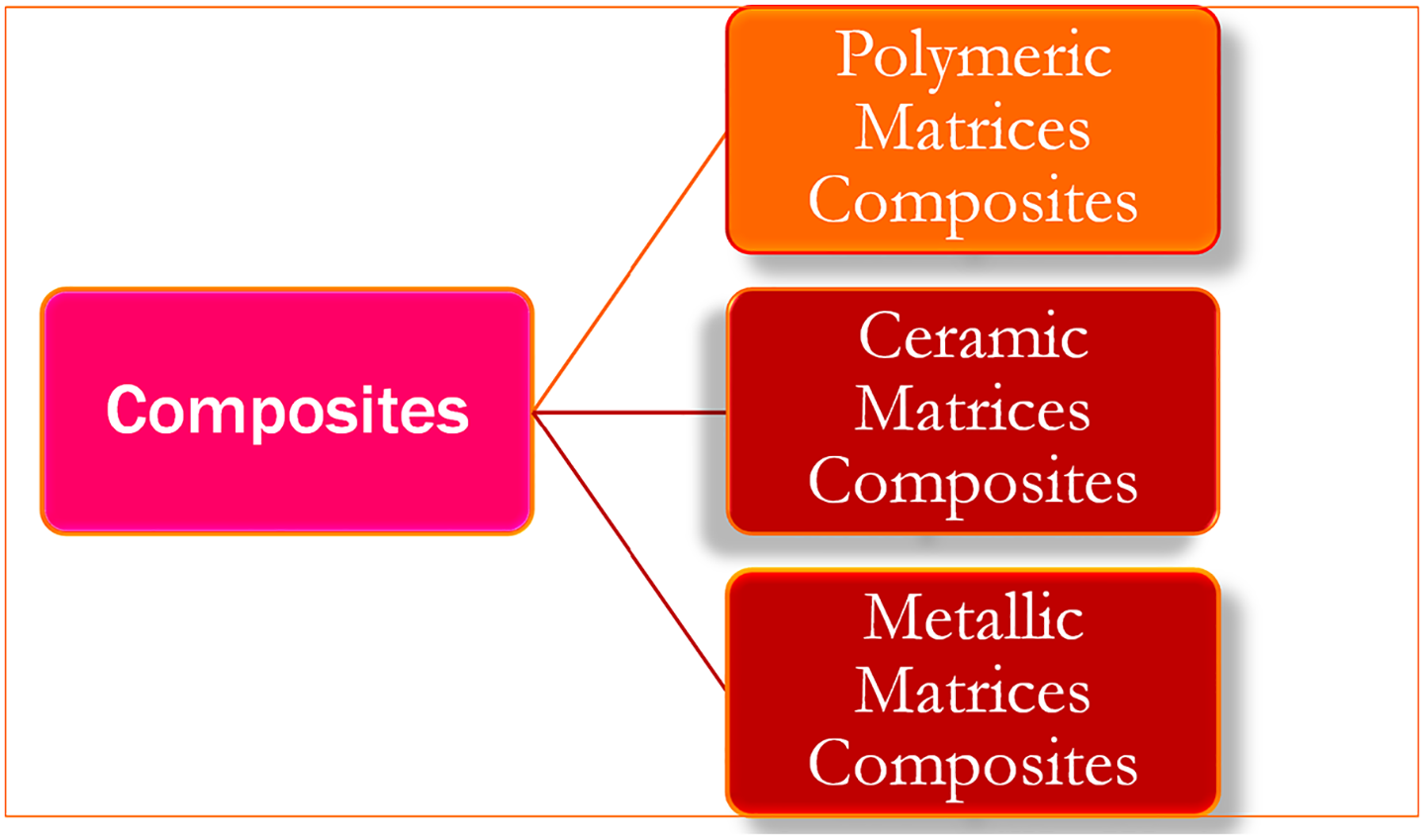
Classification of composites.
Additionally, composites are also referred as single materials in bonding with two or more materials to form an entirely novel material. 34 –36 The importance of fillers inclusion in polymeric matrices is to improve the synergistic properties accruable from the polymer system; minimize cost, reduce expansion coefficient, shrinkage, molding cycle, and resistivity; and enhance heat dissipation properties. 37 –39
Polymeric nanocomposites are materials composed of highly fine interphase of small nanometric levels, as illustrated in Figure 2. Nanocomposites have been broadly elucidated to encompass numerous varieties of systems, including amorphous materials, spherical unidimensional nanoparticles, nanodots, and unidimensional nanoclay sheets consisting of varying materials combined at the nanometric level. 40 –42 Nanocomposite also encompasses materials composed of two phases, one of which is nanometrically (10−9 level) distributed in the other. 43 Hence, polymeric nanocomposites are materials composed of organic or inorganic reinforcement and polymers, where one of the components at least is distributed in the nanometric range.
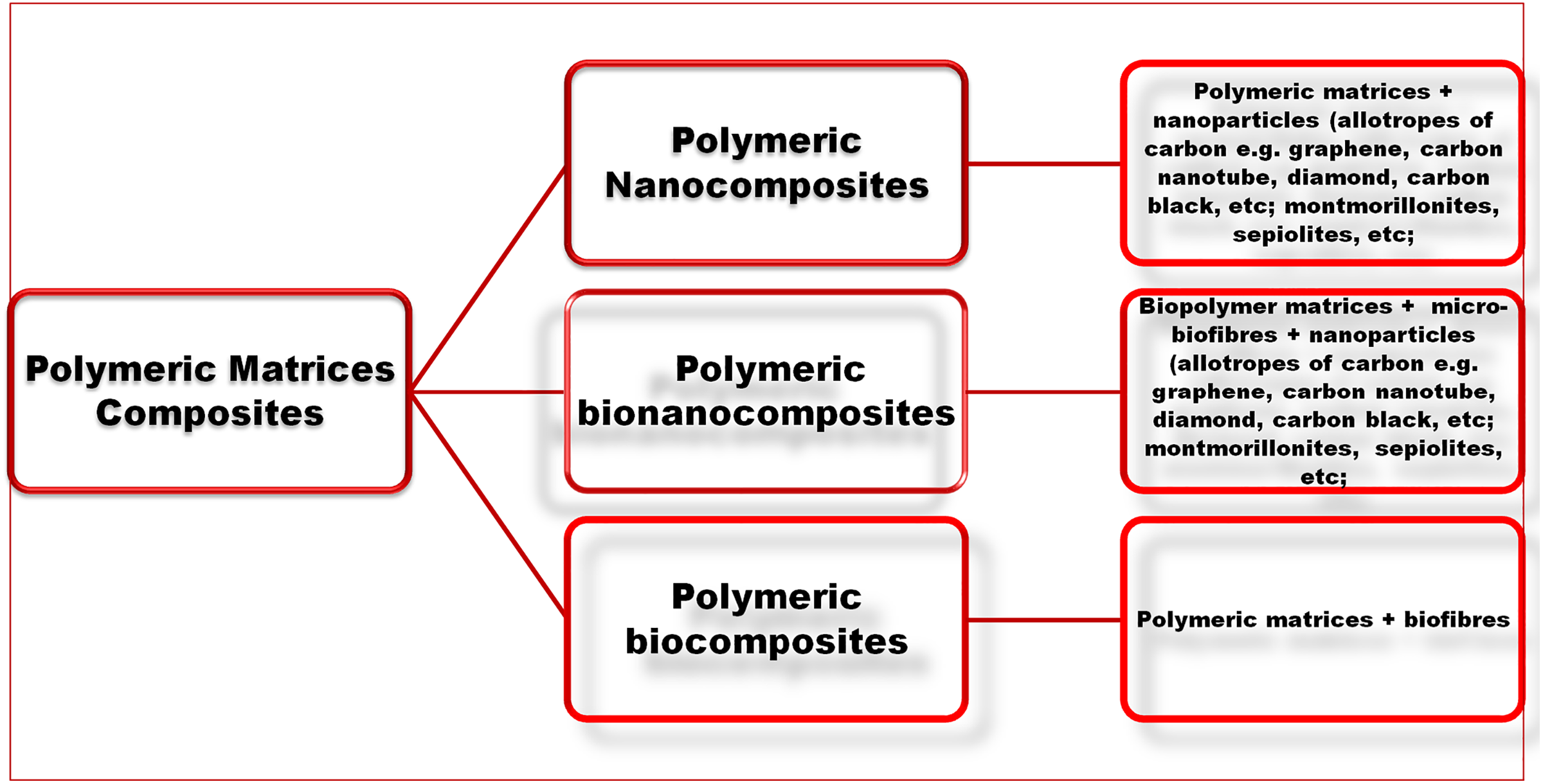
Categories of polymeric nanocomposites.
Nanocomposites are derived from nanoparticle-filled polymer matrices, including rigid polymers, colloidal distributions, zeolites, precipitated silica, and bead-like silica. 44 Layered filled PNCs are categorized into flocculated, exfoliated, and intercalated nanocomposites. 44 Intercalated nanocomposites are materials in which the polymer chains have been inserted into structures, which are layered, and occur in ordered crystallographic pattern with a continuous nanometric dimension. 45 –47
Exfoliated polymeric nanocomposites are materials, which are separated by average distances from single layers in the polymer matrix and depend on the degree of layers. 48 The uniform distribution of nanofillers in the polymer matrix is the main parameter determining the property of PNCs. 49 The degree of distribution is classified into immiscible or phase separated, intercalated and exfoliated, as elucidated in Figure 3.
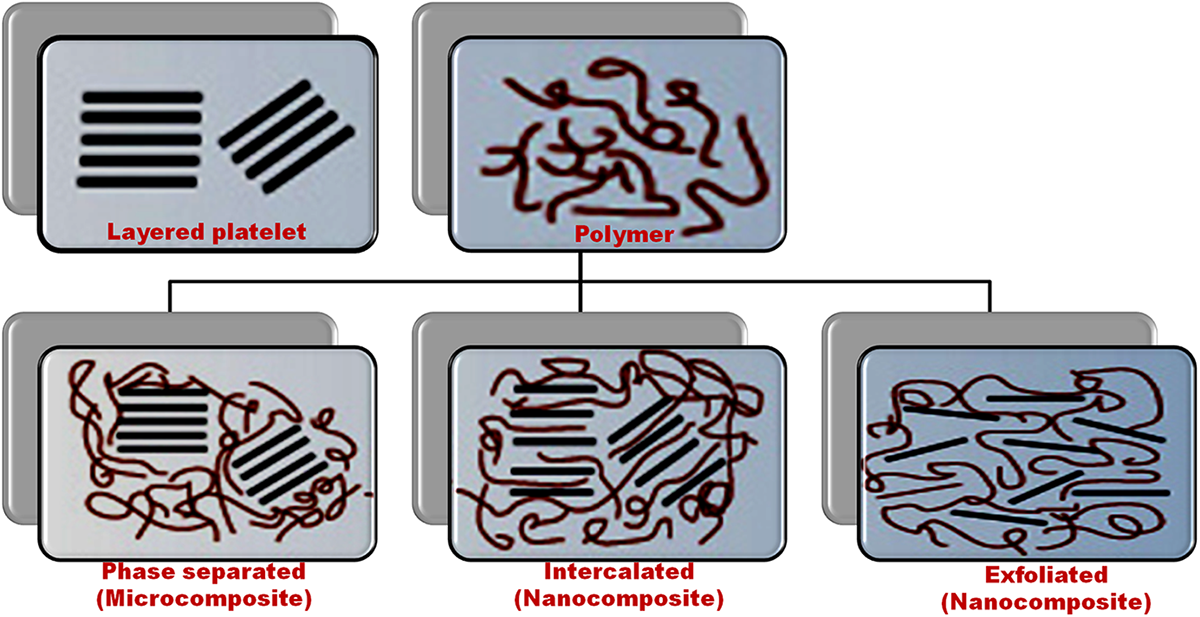
Interfacial morphologies of polymer nanocomposites.
In the phase-separation or immiscibility phase, the polymeric matrix is devoid of the ability to mix and penetrate separate plates layering. 50 Here, phase separation exists within the layering and the polymer matrices. 51 The polymeric chains do not possess the traits of penetrating separate graphene plates. In this condition, the composite is referred as a microcomposite because the effective nanofiller particulate sizes are more than 100 nm. 52
The essence of this phase is that the effectiveness of layered reinforcement of nanosheets will not attain optimal level. Hence, the property improvement will minimally improve or totally deteriorated. In the intercalated microstructural phase or reinforcement phase, the penetration of separate nanosheet layering by the polymer chain is improved. The composites that are intercalated are referred to as nanocomposites as the dimension of the nanofiller particle size is below 100 nm. 53
The PNC properties attained from this phase are enhanced when compared with the immiscible or phase-separated microcomposites. The exfoliation or reinforcing phase involves uniformity between the polymeric matrix and the nanosheet layers. 54 –56
Polymeric nanocomposite self-healing concepts
Damage repair in polymeric materials has been alluded to five phases of mending vis-a-vis (1) interfacial realignment, (2) surface route, (3) wetting, (4) diffusion, and (5) randomization. 57 –61 There are mainly two significant events, which occur during polymer self-mending; firstly, distribution of molecular segments around a damaged area and secondly, rebinding of cleaved-bonds after mechanical damages. 57 These occurrences may happen continually depending on the relationship between thermodynamics and kinetics. 58 An experimental route was developed to demonstrate the relationship between these parameters. This experimental route established that the self-repair concept enables a material to mend damage with minimal interferences. Based on this mending theory, numerous routes and techniques have been developed to enable the self-mending behavior of polymers, their composites, and nanocomposites. 59 Two routes of self-mending are generally recognized vis-a-vis extrinsic and intrinsic self-mending.
The latter concept is focused on utilizing a repairing agent in the damaged zone and has the propensity to interact with the matrix or fill the crevice with the repairing agent resulting from its polymerization. 60 The initial approach deals with the encapsulation of MICs or hollow fibers into the matrix previously filled with a liquified mending agent, specifically a monomer. 61 When a crevice develops and moves across the hollow structures, the liquified mending agent is released and subsequently fills the void. The mending agent released comes in contact with existing functional groups, which remain unreacted and available in the matrix and repair the crevice. The shortcoming of these mending agents is their lone chance of mending crevices at the same positioning. Based on this premise, another novel repairing route based on a microvascular network similar to human blood circulatory system was proposed. 62 –66
To demonstrate the self-healing propensity of anhydride-treated polybenzoxazines oriented on transesterification, the optical micrograph image of damaged and repaired samples is presented in Figure 4(a)–(d). In Figure 4(e), the healing attribute is related to dynamic ester bonds residing at the damaged interface, which initiated self-healing of the material. 57
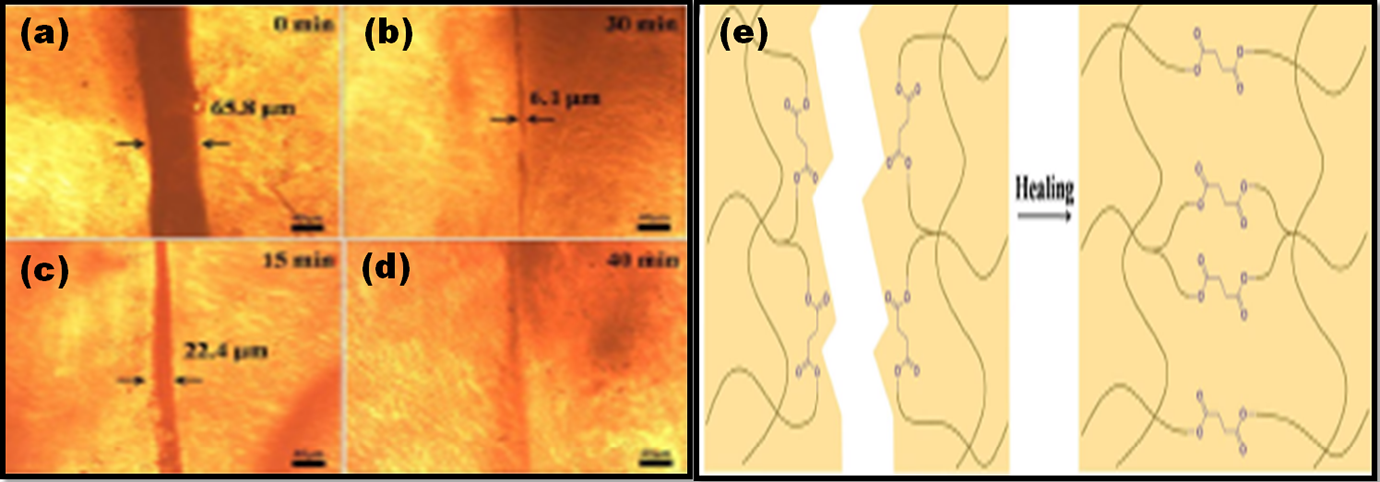
(a)–(d) Optical micrograph image of damaged and repaired samples; (e) healing attribute is related to dynamic ester bonds residing at the damaged interface, which initiated self-healing of the material. 57
Extrinsic self-mending technique
This is also referred as autonomous mending technique. Here, healing agents are attained or undergo encapsulation in microspheres, hollow fibers, and other containing vessels. The operational mechanism involves the damage initiated in the polymeric system causing the healing agents released to conduct the mending procedure. The damage mending theory aforementioned in the previous section comes into play in this type of repairing procedure and involves the five phases of mending already highlighted. Extrinsic self-mending technique is further subcategorized into two groups, namely capsule- and vascular-oriented.
Here, the mending agents undergo encapsulation via microencapsulation or vascular mechanism, as shown in Figure 5. 67 The mending procedure is such that on crevice, void, or crack occurrence, mending, healing, or repairing agents are ejected into the crack route, and subsequently polymerization takes place and finally, repairs the crevice. The notable deficiency of capsule focused repair involves its single mending duration propensity. Nevertheless, embedment of vascular system composed of mending agent in the polymer matrix is a significant challenge occurring during fabrication. However, the performance of self-mending coating composed of twin-component MIC revealed efficiency in a system and ascribed to the inclusion of microencapsulated isophorone diisocyanate and microencapsulated polyaspartic acid ester/tung oil. The emitted mending agents via ruptured microcapsules automatically healed the crack through reaction with each other, because of the subsequent formation of polyurea, which filled the microcrack as revealed by true color confocal microscope in Figure 5. The resultant effect distinctly revealed the great potential of a self-mending coating composed of twin-component MIC in exterior environments, as shown in Figure 5 with field emission scanning electron microscopy (FESEM) images in Figure 6. 67
TCCM images of scratched regions (a–c) control coating without self-healing microcapsules; (d–f) self-healing coating containing self-healing microcapsules. 67
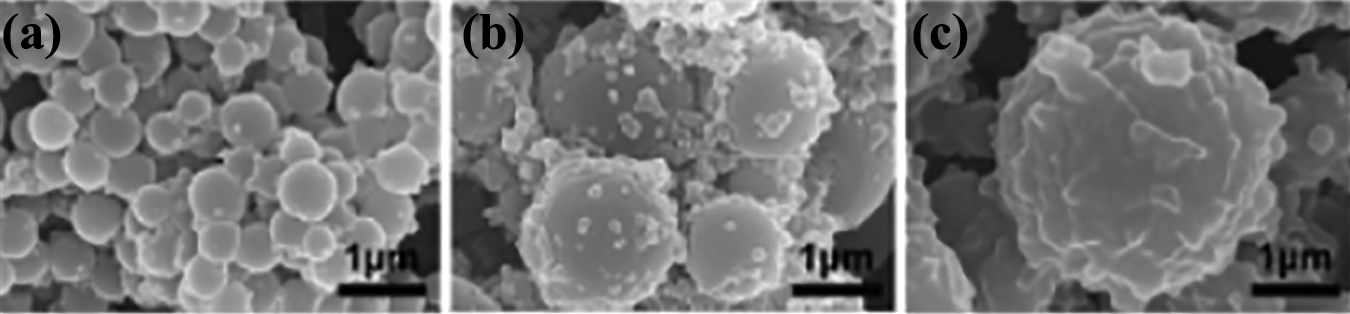
SEM micrographs of (a) microencapsulated PAE; (b) microencapsulated PAE/TO and (c) microencapsulated TO. 67
Intrinsic self-mending techniques
Intrinsic self-repairing technique also referred as stimuli-responding self-repairing technique involves external stimulating agents, such as thermal, 68 photochemical, electrical, and moisture propagation to trigger the mending procedure, mostly attained via bond scission and bond restructuring. Thermally induced self-mending disposition and attributes of four epoxy coatings with varying network microstructures were assessed via their corrosion-resisting performance. 68 After thermal and NaCl modification, the coating with a dense nonreversible arrangement demonstrated a similar rust behavior as the one with the new cracking. Contrarily, the other three mended coatings demonstrated minimal rusting on their surfaces. The undamaged coating inhibited contact between NaCl solution and the steel plates, as shown in Figure 7. 68
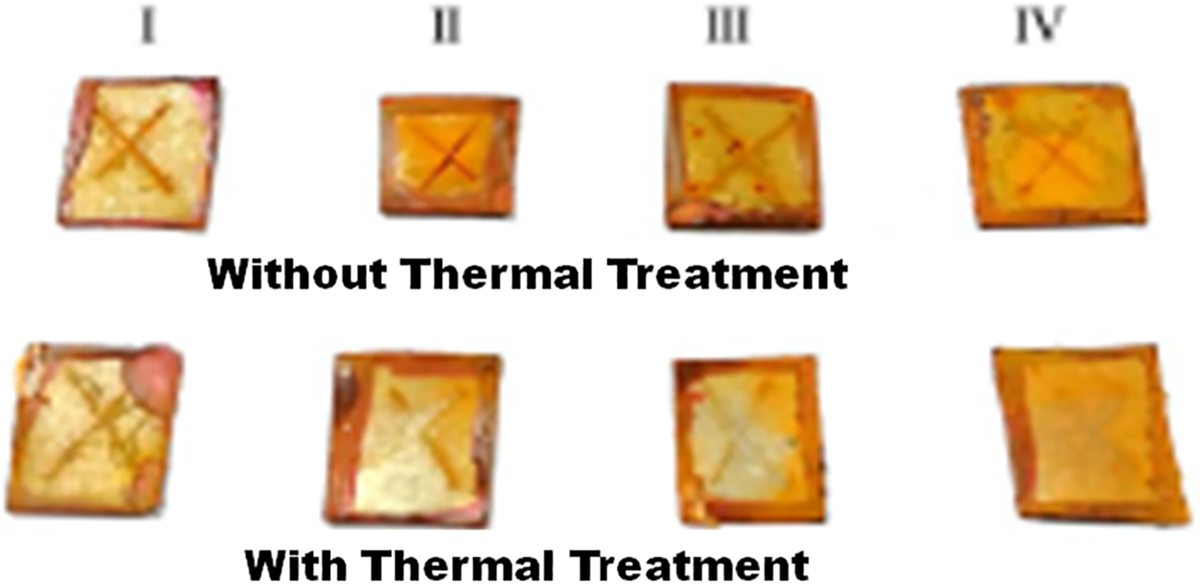
Photos of coated steel plates without and with thermal modification after immersion in NaCl solution for 120 h. 68
Numerous reaction systems are used in propagating intrinsic mending in polymer composites. Instances include irradiation-initiated cyclo-inclusion, metathesis interaction, photothermal-ring-opening-interactions, photothermal-metal–ligand-complexation, and redox-triggered-host–guest-complexation, and decomplexation interactions. 69,70
Intrinsic self-repairing PNCs have garnered much attention as its self-mending abilities have been attained via a dynamic linkage. 71 Thus, in a recent investigation, a twin network of self-mending films has been attained via Schiff-oriented bonding between chitosan (CS) and dialdehyde starch (DS), and hydrogen binding between oxygen-constituting groups in the polymer. The self-mending ability of (CS/DS-PVAx)n film with varying concentration of polyvinyl acetate (PVA) was studied. Results revealed an effective self-mending efficiency of the films while the combined gas separating propensity and the self-mending property offers a novel route to enhance shelf-life of gaseous separating films.
Novel trends in self-healing carbon nanotubes polymer composites
Carbon nanotubes (CNTs) as smart and multifunctional materials have been used as nanofillers in the fabrication of nanocomposites exhibiting superior mechanical, electrical, thermal, and self-mending properties with minimal weight. 41,49,60 Their good polymer compatibility after CNTs surface modification results in attainment of desirable chemical stability in addition to superior thermal and electrical properties, which make them appropriate for fabricating self-mending PNCs. The parameters influencing polymer matrix–CNT nanocomposite interfacial interaction relative to self-healing morphology are schematically elucidated in Figure 8.
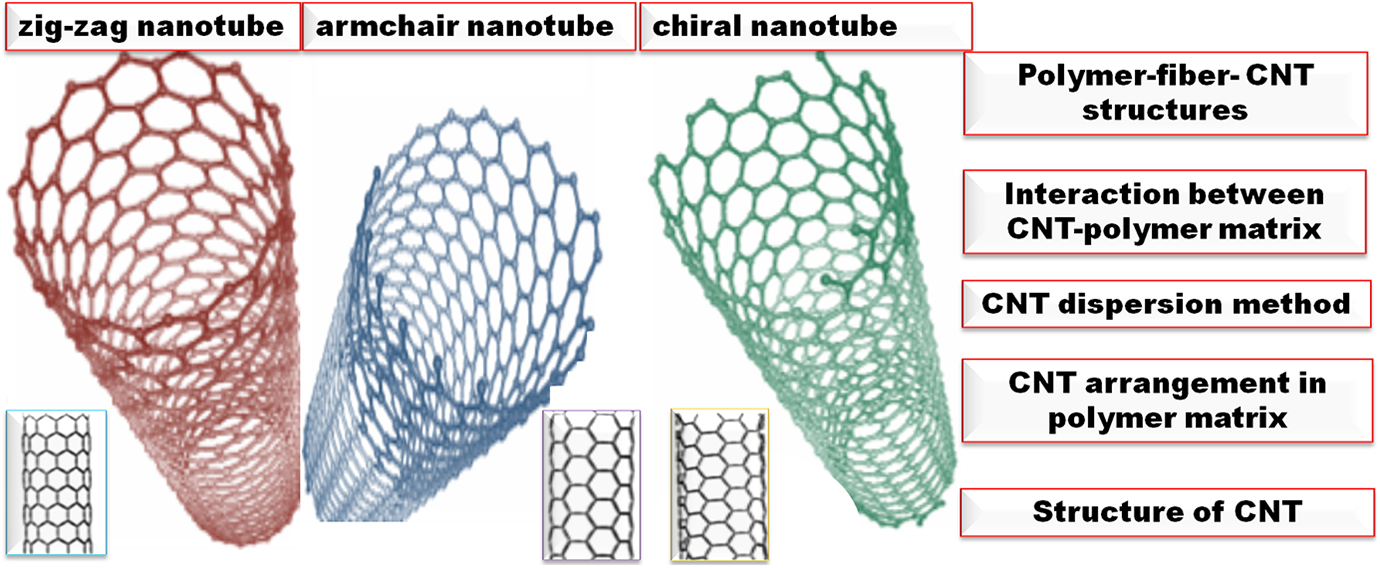
Parameters influencing self-healing morphologies of CNT-polymer nanocomposites.
Self-mending is attained via a bioinspirational concept because nature is composed of self-healable composites. In previous decades, extensive interests have been aroused for materials capable of self-mending for actual engineering applications especially in the areas of aerospace, automotives, sporting goods, electronics, and robotics. This is because these anticipated properties can enhance the materials shelf life and minimize the costs of replacement while improving safety. Structural polymer composites are prone to damages and deterioration via cracks formation within the enclosure of the structure.
Self-mending conductivity is a vital attribute of electronic skin, which is highly imperative for next-generation wearable devices. However, the fabrication of conductors exhibiting good mechanical properties with the combination of thermal sensitivity, adhesion, and injectability, in addition to self-mending capability, remains a great issue.
Thus, the deformation-sensing and self-mending behavior of carbon-fiber polypropylene (CFPP)/CNT nanocomposites have been conducted relative to attainable conducting network. In a bid to improve damage sensibility resolution of CFPP/CNT nanocomposite, through-thickness electrical conductivity has been enhanced via monitoring of the press parameters and spraying of CNT within the prepregs. Results reveal the enhanced electrical resistivity in thickness direction with the high resolution of damage sensing, in addition to significant self-mending efficiency (96.83%), during the fourth cycle of repeatable three-point bending test. 72
Also, a self-mending and stretchable electroluminescent device has been developed from an electroluminescent phosphor sandwiched between a twin-aligned CNT/polyurethane (pu) composite electrodes. The aligned CNTs undergo interconnection in recovering electrical conductivity while the pu-elastomer can recover the mechanical strength when in contact with the two broken components. The wrinkled structure of the aligned CNT sheet and pu-elastomer utilization further enhanced stretchability of the electroluminescent device. Hence, the self-mending and stretchable electroluminescent device maintained a stable luminance after damaging and mending for 10 cycles and after repeatedly stretching and releasing for 350 cycles.
A series of self-mending conductors have been fabricated via random copolymerization of butyl methacrylate, lauryl methacrylate, and undecylenyl alcohol modified multiwalled carbon nanotubes (mMWCNTs). The covalent bond between mMWCNTs and polymers negates agglomeration and nonuniform distribution of MWCNTs in the polymer matrix. The fabricated conductors exhibited electrical conductivity (about 11 S m−1) and superior mechanical performance (Young’s modulus: ∼10 MPa and tensile strength: ∼0.89 MPa), in addition to high mechanical and electrical self-healability (>94% of mechanical strength and >98% of conductivity). More importantly, the composites also exhibited other significant features, such as adherence, injectability, and sensing ability. 73
Recently, autonomously self-mending hydrogels have garnered enormous interests as a result of their ability to autonomously mend themselves after undergoing damages, which in turn affords them better stability and prolonged life span. Thus, in a recent work, an effective electromagnetic interference (EMI) shielding material with a robust mechanical, electrical, and self-mending hydrogel has been successfully fabricated via the inclusion of MWCNTs into the hydrophobically linked polyacrylamide hydrogels utilizing cellulose nanofiber (CNF) as a dispersant. It was shown that CNF enhances uniform dispersion of MWCNTs, thereby improving the mechanical property of the fabricated hydrogels. Additionally, these composite hydrogels have the capability of restoring their electrical conductivity and EMI shielding efficiency very rapidly postmechanical damage at room temperature devoid of any external stimulation. These fabricated composite hydrogels exhibited mechanical and self-mending properties, similar to human skin, and beyond human skin due to their added electrical and EMI shielding properties. They may be used for skin stimulation and protection of precision electronic devices.
MICs with tunable mechanical properties are highly appropriate for pressure-sensitive applications. Thus, a facile route for the preparation of polyurea/MWCNTs nanocomposite MICs with enhanced stiffness has been presented. The route utilized in this study can be utilized in tuning the mechanical properties of the MICs. 74
Self-mending halloysite nanotubes polymer composites
Halloysite nanotube (HNT) is an interesting naturally occurring nanoparticles tubular clay mineral with numerous uses in various industrial fields. HNT is a naturally occurring, biocompatible material. The scanning electron microscopy (SEM) and transmission electron microscopy (TEM) micrographs, and electron dispersive spectrum (EDS) of HNT reveal that it possesses an open-ended tubular cylindrical structure of length ranging between 500 nm and 1200 nm, interior diameter ranging between 15 nm and 35 nm, and a wall thickness ranging between 10 nm and 15 nm (Figure 9). 75
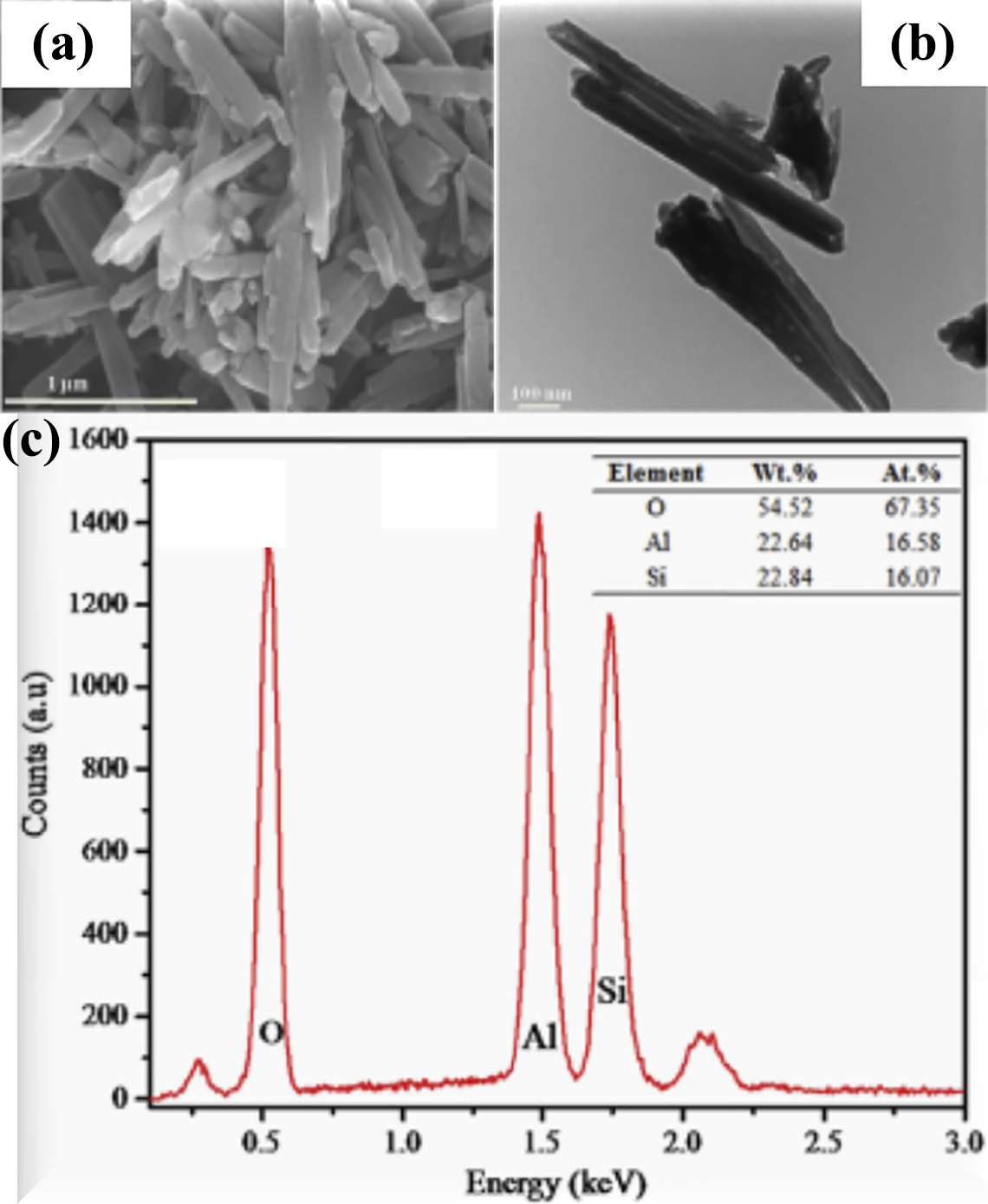
(a) SEM, (b) TEM micrographs, and (c) EDS of raw HNT powder. 75
It is available in thousands of tons at a minimal cost. HNT is majorly utilized as a nanoconveyor for the controlled release of numerous chemicals. Due to possession of a hollow cavity, the chemical modification of both the inner lumen and the outer surface is a route to enhancing the nanotube’s properties. However, the chemical modification of HNT surfaces results in a nanostructure with specific affinity for exterior surface functionalization and drug conveyance through the functionalization of the lumen of the nanotube.
Thus, a recent work utilized the pH-based electrostatic interactions between
HNTs loaded with corrosion inhibitors benzotriazole, 2-mercaptobenzimidazole, and MBT have been utilized as additives in self-mending composite paint-coating of copper. These inhibitors formed protective substrates on the surface of the metal and propensity for corrosion mitigation. 79
Self-healing in polymer composite electronics
Recently, there has been an increasing quest to develop a completely self-mending electronic system using conductive polymeric composite fabricated from self-mending polymeric matrix and conductive reinforcing materials. Appropriate blending ratios can facilitate enhanced electrical conductivity via the material while maintaining the self-mending properties of the polymeric composite. 18,80 Hence, damages in the polymer will result in self-mending, thereby reconnecting the conductive filler material and rejoin the circuit.
Thus, in recent research, a polymeric composite exhibited the ability to withstand mild flexing and twisting (resisting strains of about 20%), while also maintaining high conductive and self-mending attributes. 81 Thus, inasmuch as the conducting coating is properly aligned during self-mending procedure, the material recovers its conductivity. However, this elastomer exhibits the ability to undergo self-mending in seconds at an equal level as a hydrogel self-mending material, though devoid of any need for hydration, which is progressive for self-mending elastomeric materials. Recently, interests in polymer composites used for sensory applications using conductive hydrogels (CHs) exhibiting self-mending at room temperature, dynamic and elastically stretchable have escalated. A recent trend is shown in the utilization of metallic ions as a basis for self-mending chemistry and conductive element. 82 –85
On exposure of flexible devices composed of soft and stiff materials to huge exterior forces, physical deformation occur once applied strain exceeded capability of the devices to tolerate mechanical strain, thereby destroying the device structure causing functional failure. 86 To find a solution to this challenge, insight was derived from the healing behavior of living things after undergoing physical wound or injury, thereby inculcating self-healability to flexible devices to improve mending of devices on occurrence of mechanical damages and enhance recovery in performance of the device. 87,88
However, inasmuch as the inclusion of metallic ions improves hydrogels conductivity, researchers have significantly reduced the concentration. This is because extremely very low hydrogel does not undergo conduction, while too high hydrogel inclusion results in zero self-mending attainments.
CHs are categories of functional materials, combining the soft-watery attributes of hydrogels and electrical behavior of conductive polymers. CHs have been utilized in supercapacitors, fuel cells, rechargeable-lithium-batteries, chemical-biosensors, and biomedical devices. However, CHs possesses poor mechanical attribute and brittility, which adversely inhibits their practical applications. Recently, research has gone into the development of higher strength CHs, such as composite and twin-network CHs. 89 Thus, a twin-amide hydrogen bond in cross-linking with superior strength supramolecular polymer CHs was fabricated via in situ doping poly (N-acryloyl glycinamide-co-2-acrylamide-2-methylpropanesulfonic) (PNAGA-PAMPS) hydrogels with poly (3,4-ethylenedioxythiophene) (PEDOT)/polystyrene sulfonate (PSS). 89 Figure 10 presents a schematic elucidation of N-acryloyl glycinamide (NAGA) molecular structure, 2-acrylamide-2-methylpropanesulfonic acid (AMPS), and poly (NAGA-co-AMPS) (PNAGA-PAMPS).
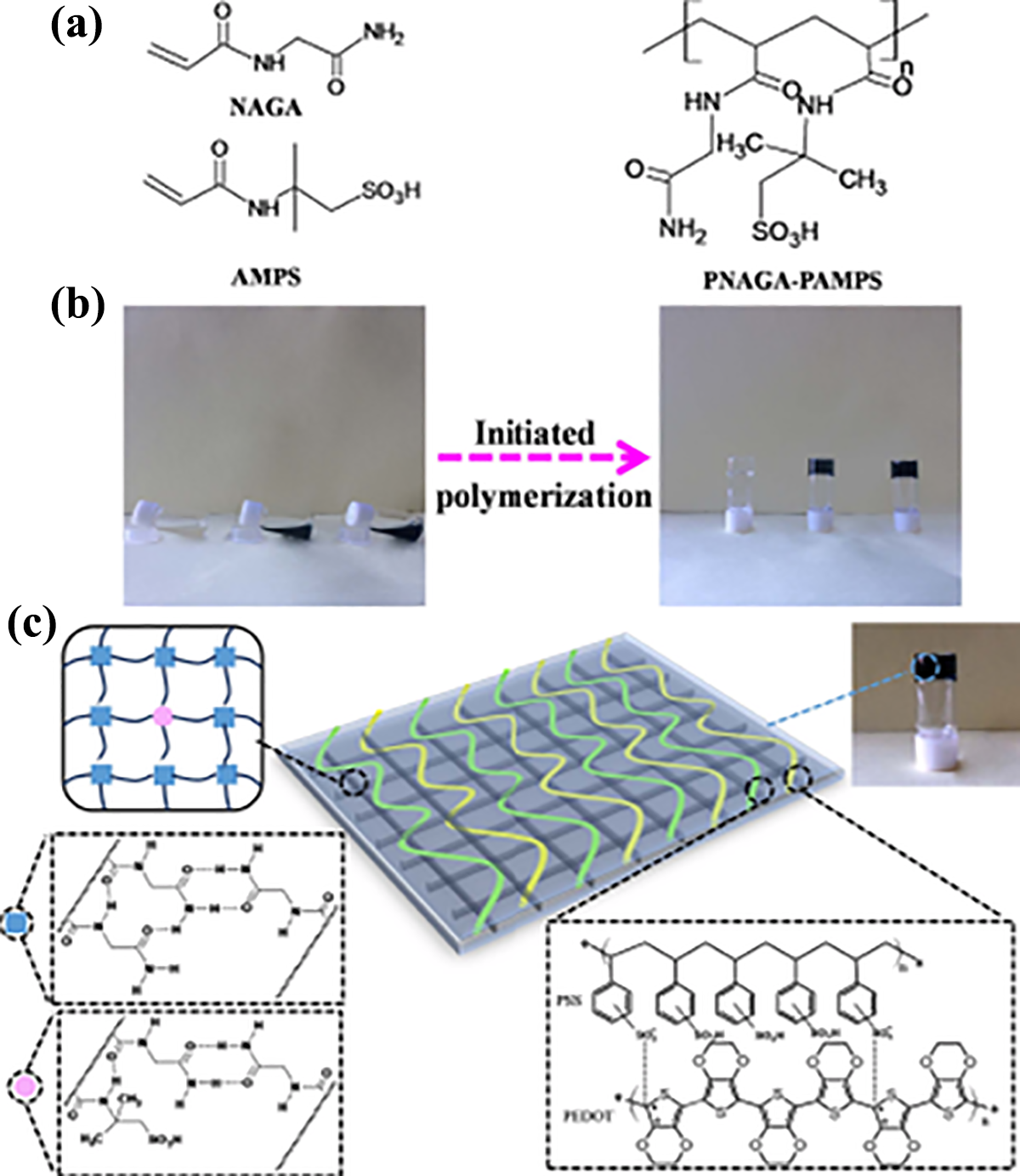
(a) Elucidation of the molecular structures of N-acryloyl glycinamide (NAGA), 2-acrylamide2-methylpropane sulfonic acid (AMPS), and poly (NAGA-co-AMPS) (PNAGA-PAMPS). (b) Aqueous solution gelation of PNAGA-PAMPS/PEDOT/PSS-X-49 (X = 0, 3, 5 from left to right in turn). (c) Schematic illustration of the structural network in cross-linking with twin amide hydrogen bonds in doping with PEDOT/PSS. 89 The repairing hydrogels recovered both mechanical and conductive properties. The produced CHs supercapacitor electrodes displayed superior high capacitive behavior. These cytocompatible CHs possess great potentials as electroactive and electrical biomaterials. 89
The main route for attaining self-mending in devices depends on the inclusion of active substrates, which are in discrete separation to avoid macrophysical damages and self-healing polymers comprising of flexible chains and dynamic interactions. 90 –93 In previous years, active substrates have undergone engineering via rational structural designing, in form of surface-treated nanowires, nanopieces, and nanoparticles, to facilitate the performance of electronic activities in the physical state so as to eliminate degrading of mechanical properties, in addition to enhancing recovery of the original functions. 94 –96 Self-healable device with electronic features can be attained by directly laying the structural materials on the surface of the material or embedding them into self-healable polymeric substrates. The device performance recovery is based on the reassociation of structural electronic materials with each other as induced by the self-healability of the polymer matrix under physical contact through applied external stimuli, such as light, magnetism, heat, and chemical modification. 96 –99
Soft robotics self-mending and damage recovery
Numerous researches have been conducted on self-mending materials, especially polymeric and elastomeric materials, which can undergo self-mending via a broad range of routes and methods. 100 However, the majority of emerging soft robotic devices are fabricated from polymeric or elastomeric materials. Although research into soft robotics is an emerging area generally, self-mending and deformation recovery systems are starting to be included into three major support groups, which are enhancing the future of soft robotics for structures, actuators, and sensors. Advancement in soft robotics will be essential in meeting future generation of robot–human interfaces. Systems composed of soft materials inculcate safety at the material-level, offering added safeguards, which facilitate their relationship with humans and other biological systems. 101
Nevertheless, in a bid to act in uncontrollable, uncharted environments alongside biological systems, soft robotic systems should exhibit efficiency in their affinity to recover from deformation just like their biological contemporaries. Soft robotics are usually inspired by critical aspects of biologically focused systems, such as their close-infinite level of freedom, flexibility, environmental conformation, and power output. 102 Deriving motivation from the soft, deformable, and conforming bodies available naturally, soft robotic developers fabricated a robotic system exhibiting abilities beyond those attainable via conventional rigid robots. 103
Due to their naturally occurring soft attributes, soft robotic techniques are usually perceived to be prospectively safer for humans interactions, both as human-enabling actuators and as wearable sensory-skins. 104 Nevertheless, in a bid to be commercially marketable for use in these applications, soft robots should exhibit versatility in function in addition to their self-mending, damage recovering biological contemporaries. 105 The concept that robots can undergo self-mending, self-healing, or heal from damage similar to biological systems is an idea that remains relatively novel. 106
Among numerous prospective benefits of soft robotic systems is the privilege to go by functional inhibitions. Conventional robots are normally composed of parts with streamlined functions, such as sensors, controllers, actuators, structures, and emerging multifunctional materials facilitating components with prospects of fulfilling twin or triple varying functions at the same time. Presently, self-healable materials are utilized in soft actuators, soft structures, and soft sensing devices. 104 –108
Materials design facilitating actuation and sensing is vital to improving adaptability and functionality in soft robotic devices. Structural components, material connectors linking a group of actuators and sensors, can easily be improved through the inclusion of self-repairing functionality. 104 Some expressions of sensory feedback in combination with onboard computer are essential for actuation control of soft robotics with regards to the possession of a closed-loop control. Thus, relative to this matter, quests for sensory skins have escalated for fabrication of soft roboticists because their flexibility makes for effective integration of intricate electronic parts into soft body robots. 105 The inculcation of self-mending into electronics possessing both flexibility and stretchability is essential to an entirely controllable, self-mending soft robotics.
Therefore, self-mending polymeric materials are applied in a variety of sensory-skin devices, including flexion sensors, strain sensors, capacitors, supercapacitors, batteries, and solar cells. 106 –108 Two varying techniques have been utilized by researchers in developing fully self-mending, flexible, and highly stretchable electronics implementable in soft robotics. The initial technique utilizes room temperature liquified metals embedded in a self-repairing structure, while the other uses a composite self-mending bulk polymer in mixture with conductive reinforcements. 109 –111
Polycaprolactone (PCL), as a healing reagent, plays a vital role in composite conduction while also improving self-mending in the composite. On scratch infliction using a scalpel upon the specimen, most of CNT/MnO2 component damaged along a crevice, thereby resulting in a damaged conductive layering and reduced capacitance. 98 However, capacitance was easily reversibly recovered on heating the sample due to the composite self-repairing ability. The self-repairing ability of the composite initiated from the healing reagent PCL and influence of shape memory.
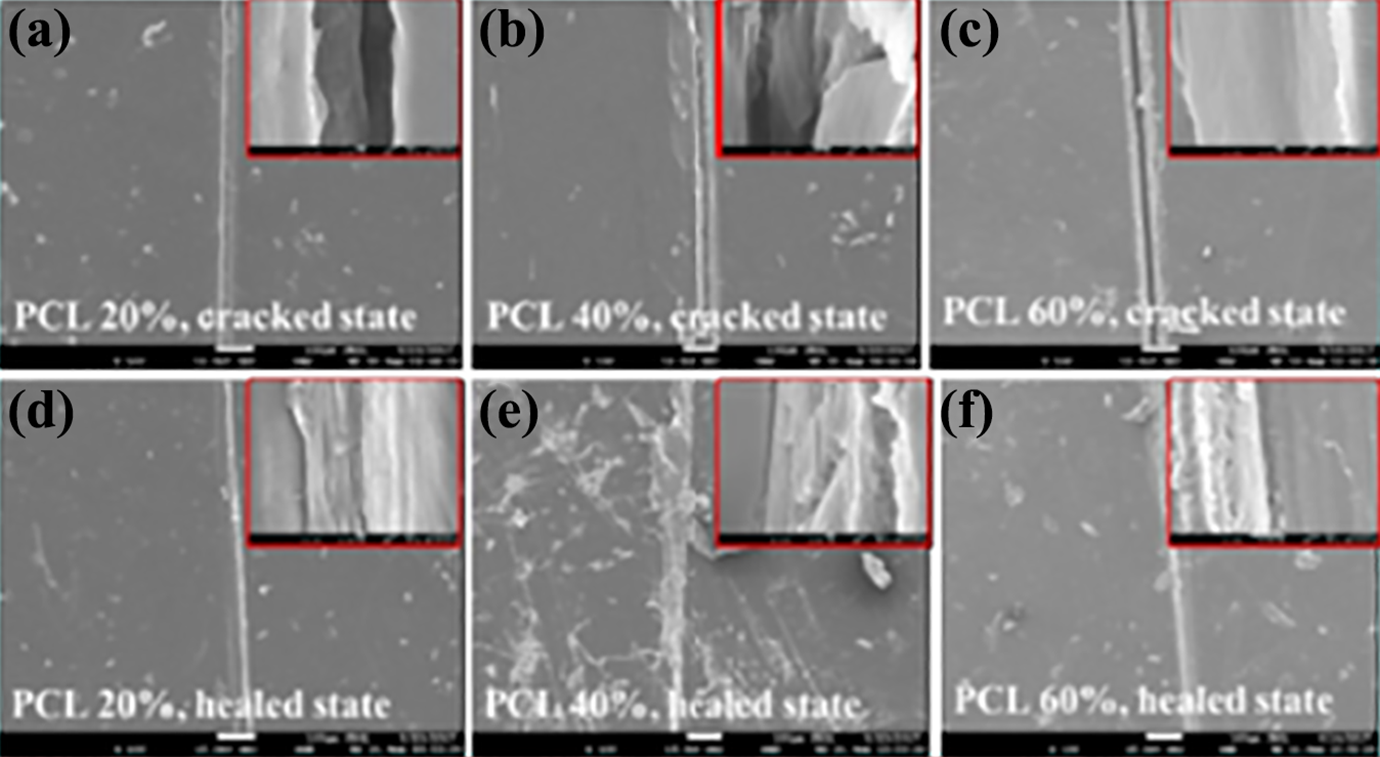
SEM images of the samples in Figure 11 demonstrate variations in surface morphologies under varying PCL compositions. Scratches of micrometer dimensions were observed in the specimens at the damage zone. However, heating at 60°C for some minutes caused the scratch to undergo self-mending. The influence of mending was enhanced with increasing PCL composition. For example, the samples containing 40% and 60% PCL exhibited improved recovery under thermal initiation.
99
SEM images of damaged zones prior- and post self-repairing equivalent to (a, d) 20%; (b, e) 40%; (c, f) 60% PCL sample composition, respectively.
99
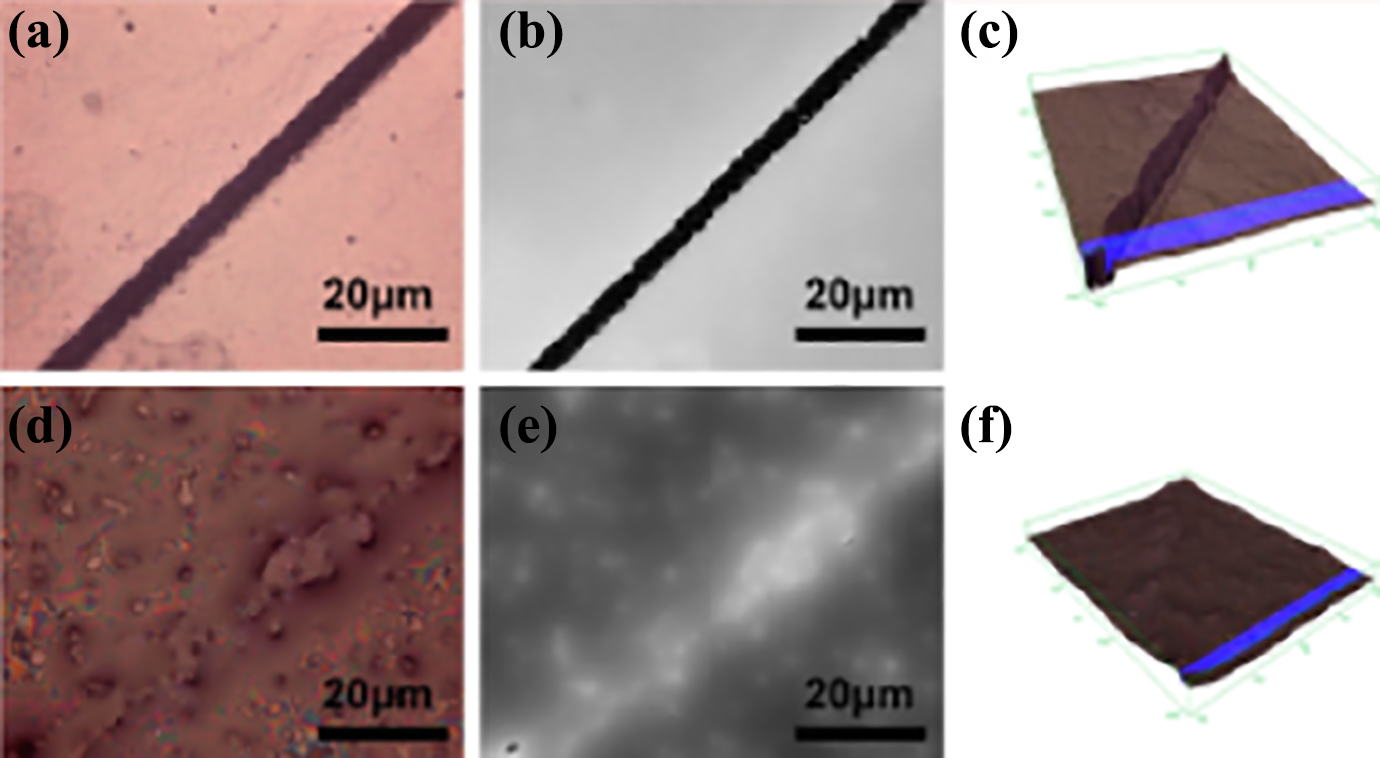
TCCM images of scratched regions (a - c) control coating without self-healing microcapsules; (d - f) self-healing coating containing self-healing microcapsules. 98
Hydrogel self-mending is futuristic with regards to the soft robotics research area. A hydrogel is a type of highly hydrophilic thermosetting polymeric matrix capable of absorbing water molecules into the bulk substrate. Several studies have been conducted elucidating the use of self-repairing hydrogels in actuators and soft robotics, 109 extremely stretchable, self-healable hydrogels, 110,111 whose strong, self-healable hydrogel needs slightly more mending time, though ionically conductive. Through the absorption of water molecules within the long polymeric chains, the hydrogel’s polymeric matrix undergoes expansion, enhancing a variation in dimension numerous times over in comparison to the original structure. 89 –93 This diffusion-restricting procedure has been utilized repeatedly in soft robotics as a prospective actuation technique. 93 –96 Self-mending hydrogels have established as a specialist area of research as revealed in recent articles. 97 –102
It is perceived that much benefits are going to be harnessed by prospectively exploring self-mending hydrogels in soft robotics. For instance, through the inclusion of hygroscopic ions to hydrogels, they could undergo self-hydration by pulling out water from the ambient environment 106 –108 and making sure that the actuator is consistently ready to self-repair. The high water concentration in hydrogels in comparison with the surrounding humidity of the air can ensure that hydrogel polymeric materials mend much more quickly in comparison with normal self-healing polymers, as revealed in a research. 109 –111 Nevertheless, a consistent challenge facing hydrogels ensures that they remain hydrated enough.
Self-healing in dielectric elastomeric actuators
Soft actuation portends in several forms, utilizing uniquely designed material systems in converting energy origins into forces and displacements. Sources of energy include electricity, electric fields, magnetic fields, pressurized gasses and liquids, thermal energy, and chemically inspired mass transfer, with the capability of offering kinematic motion. 112
Dielectric elastomeric actuators (DEAs) are prospective actuation mechanisms for soft robotics. 112,113 DEAs showcase attributes of high-strain deformations at elevated frequencies, dependable hindering tendencies, and rapid controllability, all of which are essentials for proper actuation. 112 –114
Numerous researchers have been conducted elucidating self-mendable systems in DEAs through creation of both self-mending dielectric layers and electrodes. A study has presented a silicone dielectric elastomeric material capable of self-repairing holes in the dielectric layering formed by high-energy discharge spark. 113 Also, an extremely stretchable, self-mending silicone elastomeric material has been developed and utilized as a dielectric layering in DEAs to resist both electrical and physical deformation. 114 A sheet of the self-mending elastomeric material was damaged, allowed to mend for about 3 days at room temperature, and then utilized as a DEA. The punctured site experienced nil dielectric deterioration, even when an 11-kV charge was applied on the electrodes. Another research fabricated another set of self-mending, stretchable dielectric-silicones for utilization in DEAs. 115
Shape memory materials
Shape memory materials are materials, which can undergo plastic deformation from an already programmed status and self-recovery to their usual shape during monitored heat application and include both shape memory polymers (SMPs) and metallic shape memory alloys (SMAs). SMAs and SMPs are easily available actuator tools, which have been frequently utilized in soft robotics applications, 116 –119 though rarely utilized as changeable and stiff structural substrates. 120 The capability of autonomous restoration postplastic deformation in damage recovery soft robotics showcase the prospects of inculcating a coiled SMA wire at the interior of semiflexible, self-mending polymeric materials. 117
A self-mending SMP capable of mending its surface when exposed to scratches has been elucidated. 116 This has also become the basis of research into self-mending coatings. 116 –120 SMPs have also been utilized in a double-step self-mending procedure, where the SMP can seal entire crevices and voids using the shape memory interaction than self-mending the voids via interior chemical interaction. 121 These types of hybrid systems allowing for both crevice and voids repair and crack mending exhibit great potential, though the biggest challenge will involve demonstrating this ability while controlling the soft robotics at the same time utilizing these same materials. 41,42,121,123
Self-repairing shape memory and flexible supercapacitors are new and effective energy storing devices capable of providing superior power and energy-density in comparison with other electronics and devices. However, conventional supercapacitors are easily damaged, resulting in reduced performance and failure in extreme cases. To inculcate durability and efficiency, self-repairing and flexible shape memory-oriented supercapacitors have been fabricated in which the conducting nanocarbon networks have undergone combination with pseudocapacitive materials, while including SMP matrix containing mending reagents. Self-repairing PNCs have witnessed great attention in the medical field as a result of their great prospects as mobilizers for anticancer drugs. Due to DNA biocompatibility, hydrogels demonstrate prospects in environmental and biological areas. 122
Generally, PNC self-healing materials have evolved to be a veritable component of advanced materials utilization especially in the automobile aerospace and built technology. 41,42,57,123,124
Conclusion, future perspectives, and challenges
Self-healable PNCs exhibit a broad range of application potentials in numerous high-technological industries, such as weaponry, biomedicals, deep-space exploring, and so on. Self-mending hydrogels can be divided into soft and robust hydrogels with good mechanical properties suitable for applications in biomedicine. Robust self-mending hydrogels are applied in soft robotics, for instance, in implantable or wearable biosensors due to prolonged shelf life and mechanical performance as a result of damages or fatigue mendings. Soft self-mending hydrogels exhibiting shear-thinning behavior are utilized in cell and drug conveyance and also in 3-D printing as a result of injection via narrow needles and retention at appropriate sites. In the future, to enhance biomedical applications, self-mending hydrogels need to find a solution to several challenges, such as the design of self-mending hydrogels possessing good biocompatibility and mechanical properties, and so on. Moreover, appropriate control of biodegradability is vital in self-mending hydrogels applied in tissue engineering and drug conveying. Numerous potentials of self-mending and damage resistance exist for soft robotics in the future especially with regards to fault hindrance and self-mending of DEAs applied in soft sensors and electronics. Furthermore, the prospects of utilizing self-mending elastomers and hydrogels in inflatable actuators, such as inflatable actuators and hydrogel actuators. Presently, self-mending elastomeric nanocomposites tend to undergo rapid stress relaxation, thereby causing the loss of ability of returning to their original configuration. Notably, self-mending graphene/polymer composites are very promising intelligent/smart materials. However, not minding their rapid development, numerous challenges need overcoming to improve their perspective in practical applications. For instance, as a component of self-mending composites, graphene can play a vital role in self-mending process due to their ability to undergo photothermal energy transformation. Here, graphene portends as an energy absorbing agent for the rapid and efficient conversion of irradiation or sunlight to thermal energy to improve diffusion of polymer chains across the faulted interface, thereby enhancing the self-mending procedure. Nevertheless, graphene-reinforced composites exhibit superior mechanical properties. However, self-mending process may be hindered as a result of the interactions between graphene and polymers, which may retrain the diffusion and motion of polymer chains. Additionally, the composites glass transition temperature may vary after graphene inclusion, thereby affecting the self-mending effectiveness. In other words, the composite self-mending effectiveness may be reduced due to graphene inclusion. Thus, striking a balance between superior mechanical strength attained in the mix and high self-mending efficiency in graphene/polymer composites is a major hurdle. Also, the enhancement of polymer/graphene compatibility while retaining the inherent attributes of graphene to a large extent in the composite is a major obstacle. CNTs and HNTs also present beneficial properties generally. Hence, CNTs and HNTs can prospectively improve mechanical properties of the composite materials, while containing and releasing healing agents, detecting strain-cracks and temperature, and undergo self-mending equally. Finally, the unique attributes of self-mending materials in comparison with other materials present them as new alternatives in various applications. In the future, these materials can be utilized in numerous applications, including turbine injectors, automobiles, spacecrafts, nuclear reactors, and specialized cutting devices.
Footnotes
Acknowledgements
The author acknowledges Universiti Teknologi Malaysia, Manchester University, England, United Kingdom, Federal University of Technology Owerri, Nigeria, and Ebonyi State University Nigeria for knowledge acquisition.
Funding
The author(s) received no financial support for the research, authorship, and/or publication of this article.
