



Abstract
Pristine mesoporous diatomite was employed to prepare polystyrene/diatomite composites. Diatomite platelets were used for in situ polymerization of styrene by atom transfer radical polymerization to synthesize tailor-made polystyrene nanocomposites. X-Ray fluorescence spectrometer analysis and thermogravimetric analysis (TGA) were employed for evaluating some inherent properties of pristine diatomite platelets. Nitrogen adsorption/desorption isotherm is applied to examine surface area and structural characteristics of the diatomite platelets. Evaluation of pore size distribution and morphological studies were also performed by scanning and transmission electron microscopy. Conversion and molecular weight determinations were carried out using gas and size exclusion chromatography, respectively. Linear increase of ln (M0/M) with time for all the samples shows that polymerization proceeds in a living manner. Addition of 3 wt% pristine mesoporous diatomite leads to an increase of conversion from 72% to 89%. Molecular weight of polystyrene chains increases from 11,326 g mol−1 to 14134 g mol−1 with the addition of 3 wt% pristine mesoporous diatomite; however, polydispersity index values increases from 1.13 to 1.38. Increasing thermal stability of the nanocomposites is demonstrated by TGA. Differential scanning calorimetry shows an increase in glass transition temperature from 81.9°C to 87.1°C by adding 3 wt% of mesoporous diatomite platelets.
Introduction
The last decades have seen an increased interest in hybrid materials. 1,2 Hybrid materials are comprised from suitable combination of inorganic and organic components. 3 Nano-objects as inorganic section of polymer-based nanocomposites have attracted more attention because dispersion low content of them can significantly improve several properties of the produced hybrids (nanocomposites) in comparison with traditional composites. 4 Nanocomposites combine the advantages of the inorganic section (such as rigidity and thermal stability) and organic polymer section (such as flexibility and processability). 5 The properties of a nanocomposite are generally affected by the type and size of its inorganic component and also the degree of mixing between its various phases. 6 Depending on the shape of the nanofiller, nanocomposites can be categorized into three classes: nanoparticles with three-dimensional nanosize distribution, nanotubes or whiskers with two-dimensional nanosize distribution, and phyllosilicates (such as clay) with one-dimensional nanosize distribution. 7 In situ polymerization, solution intercalation, and melt intercalation are three main procedures for the preparation of nanocomposites. 8 –10
Diatomite as a sedimentary rock presents some unique and interesting properties such as low density, high surface area, high porosity (up to 80%), rigidity, high absorptivity, strong acid resistance, and high mechanical strength in which these unique features in combination with its low cost make it as a suitable candidate for many industrial and scientific applications. 11 –14 The pore size of naturally occurring porous diatomite ranges from nanometric to micrometric domains. 15 Due to attractive properties of diatomite, it has been applied in various applications including removal of heavy metals and organic pollutants, sound and heat insulation as filters, filtering-utility material, and catalysis. 16 –19
Synthesis of polymers with tailor-made compositions, architectures, and functionalities has been a long-standing goal in polymer chemistry. 20,21 By introducing controlled/living radical polymerization (CRP), the deficiencies of free radical polymerization (FRP) method are circumvented and preparation of tailor-made polymers with desired characteristics is currently available. 22 –24 Several CRP methods have been developed that the most well-known of them are namely nitroxide-mediated polymerization, atom transfer radical polymerization (ATRP), and reversible addition fragmentation chain transfer. 25 –27 Among the different CRP methods, ATRP provides some interesting advantages over other procedures such as commercial availability of its reagents (alkyl halides, ligands, and transition metals), considerable tolerance to functional groups, mild polymerization conditions, and application for various polymerization systems and media. 20,22,28
A review of literature indicates that there is not an obvious research on the application of diatomite as filler to synthesize polymer/diatomite composites. However, Karaman et al. have prepared polyethylene glycol (PEG)/diatomite composite as a novel form-stable composite phase-change material (PCM) in which the PCM was prepared by incorporating PEG in the pores of diatomite. 29 Li et al. have synthesized conducting diatomite by polyaniline on the surface of diatomite. Linkage of polyaniline on the surface of diatomite is attributed to the hydrogen bond between the surface of diatomite and polyaniline macromolecules. 30 Li et al. have also prepared fibrillar polyaniline/diatomite composite by one-step in situ polymerization. According to their results, the polyaniline/diatomite composite can be applied as fillers for electromagnetic shielding materials and conductive coatings. 31 In addition, other studies such as investigating the effects of extrusion conditions on die-swell behavior of polypropylene/diatomite composite melts and crystallization behaviors and foaming properties of diatomite-filled polypropylene composites have been performed. 32,33
In this research, we take unique advantages of normal ATRP method to synthesize polystyrene nanocomposite. The ATRP process was applied to the mixture of monomer and pristine diatomite to prepare well-defined nanocomposite using in situ polymerization pathway. We have tried to investigate the effect of diatomite loading on the kinetic parameters of the polymerization, thermal stability, and glass transition temperature (T g) of the products. Evaluation of diatomite platelets as a suitable replacement of natural clay platelets is also performed by examining thermal properties of the prepared nanocomposites.
Experimental
Materials
Diatomite earth sample was obtained from Kamel Abad-Azerbaijan, Iran. It was dispersed in 100-mL distilled water by magnetic stirring and then it was kept constant until some solid impurities were dispersed. The particles were separated with filter paper and dried at 100°C for 8 h. Styrene (St, Aldrich, Gallen, Switzerland, 99%) was passed through an alumina-filled column, dried over calcium hydride, and distilled under reduced pressure (60°C, 40 mmHg). Copper(I) bromide (CuBr, Aldrich, 98%) was washed with glacial acetic acid, filtered, and, finally, washed with ethanol; it was dried in a vacuum oven (50°C, 40 mmHg) and then stored under nitrogen (N2) atmosphere. N,N,N′,N′′,N′′-Pentamethyldiethylenetriamine (PMDETA, Aldrich, 99%), ethyl alpha-bromoisobutyrate (EBiB, Aldrich, 97%), anisole (Aldrich, 99%), tetrahydrofuran (THF, Merck, 99%), and neutral aluminum oxide (Al2O3; Aldrich, 99%) were used as received.
Preparation of pure polystyrene and its nanocomposites via normal ATRP
A typical batch of polymerization was run at 110°C with the molar ratio of 150:1:1:1 for [Styrene]:[EBiB]:[CuBr]:[PMDETA] giving a theoretical polymer molecular weight of 15,646 g mol−1 at 100% conversion. At first, styrene (20 mL, 0.17 mol), CuBr (0.166 g, 1.163 mmol), PMDETA (0.24 mL, 1.163 mmol), and anisole (7 mL) were added to the reactor. Then, it was degassed and back-filled with N2 three times, and then left under N2 with stirring at room temperature. Then, the reaction temperature was increased to 110°C for about 15 min. Subsequently, initiator (EBiB, 0.17 mL, 1.163 mmol) was injected into the reactor to start the styrene via normal ATRP. Samples were taken at the end of the reaction to measure the final conversion. General procedure for the synthesis of tailor-made polystyrene chains via normal ATRP in the presence of the pristine diatomite nanoplatelets is illustrated in Figure 1. For the preparation of nanocomposites, a desired amount of pristine diatomite was dispersed in 10 mL of styrene, and the mixture was stirred for 20 h. Then, the remained 10 mL of styrene was added to the mixture. Subsequently, polymerization procedure was applied accordingly.
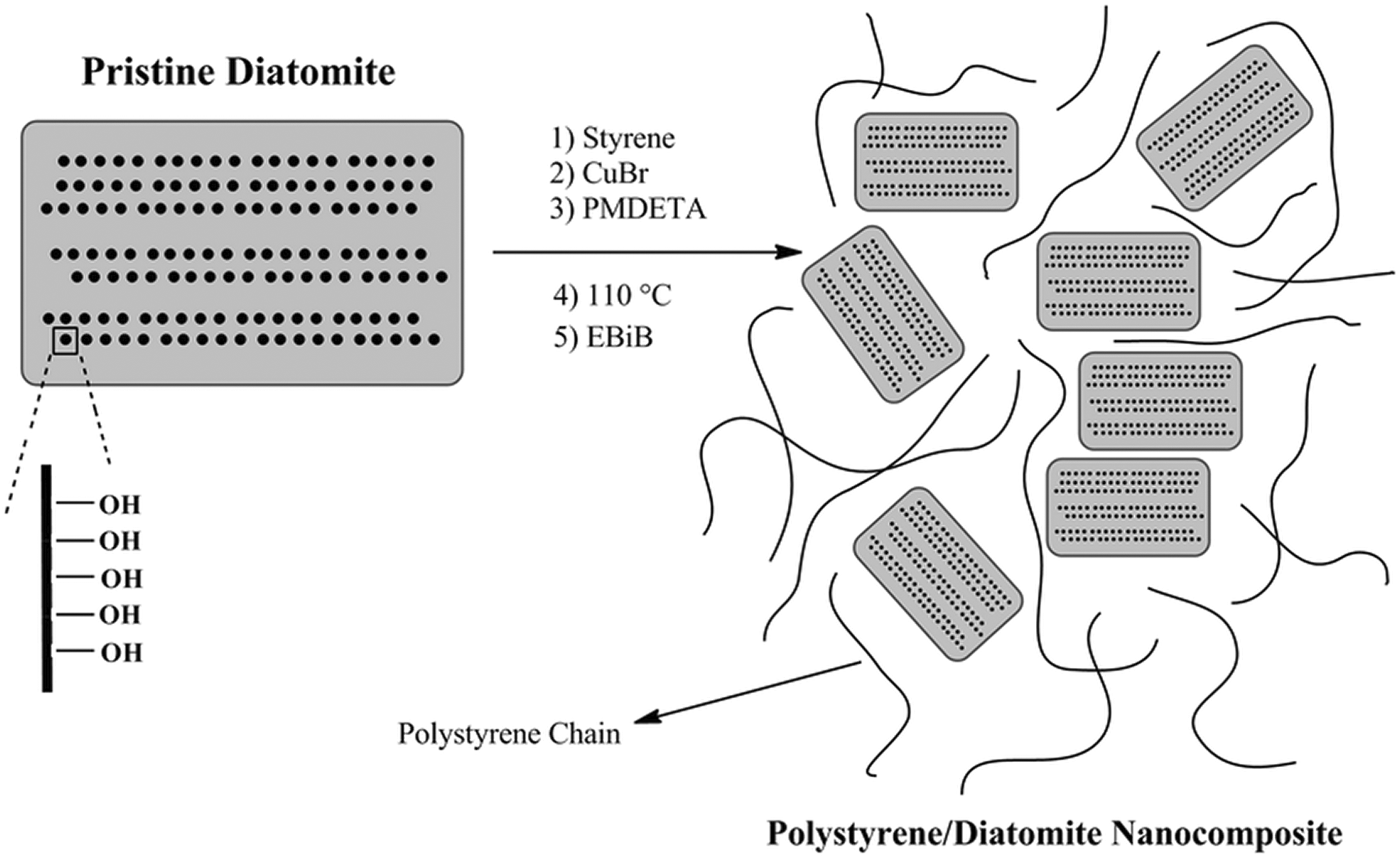
General procedure for the synthesis of polystyrene/diatomite nanocomposites via normal ATRP.
In the samples designation, PS refers to the neat polystyrene and PSDT X implies different nanocomposites with X percentages of pristine diatomite content. Designation of the samples with the percentage of pristine diatomite is given in Table 1.
Designation of the samples.
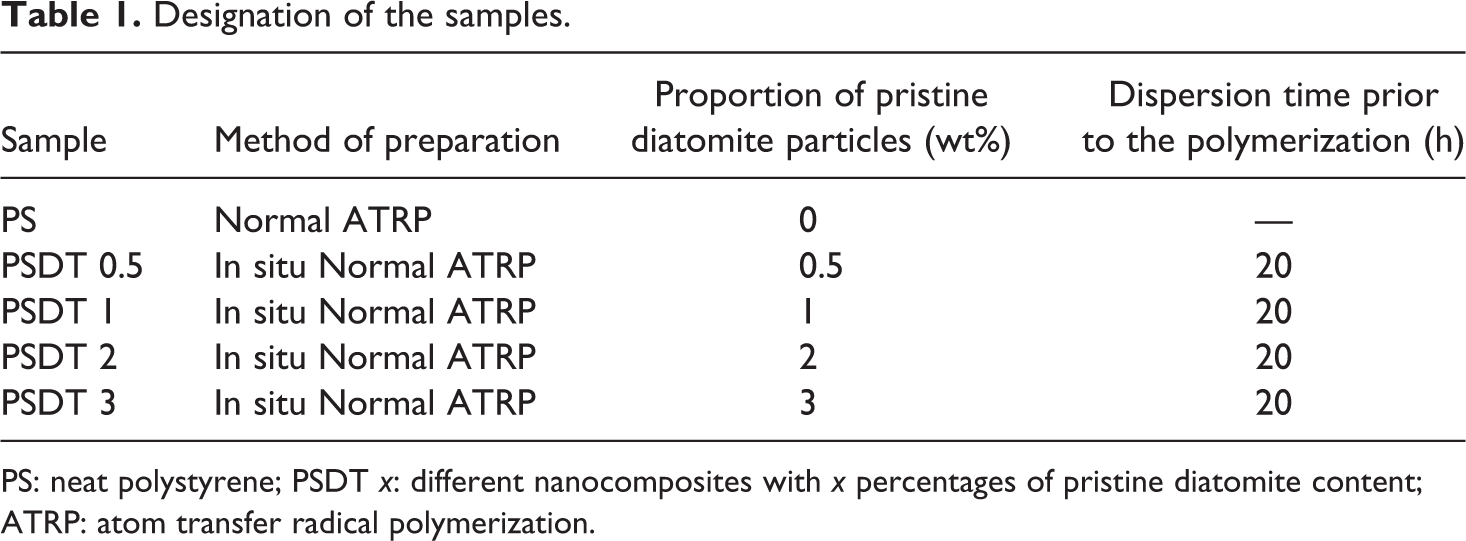
PS: neat polystyrene; PSDT x: different nanocomposites with x percentages of pristine diatomite content; ATRP: atom transfer radical polymerization.
Separation of polystyrene chains from pristine diatomite particles and catalyst removal
For separating polystyrene chains from pristine diatomite particles, nanocomposites were dissolved in THF. By ultracentrifugation (10,000 r/min) and then passing the solution through a 0.2-μm filter, polystyrene chains were separated from pristine diatomite particles. Subsequently, polymer solutions passed through an alumina column to remove catalyst species.
Characterization
Characterization of the pristine diatomite sample for its chemical composition was performed by X-ray fluorescence spectrometer (XRF, Philips 2400, Netherlands). Porosity of materials was characterized by N2 adsorption/desorption curves obtained with a Quntasurb QS18 (Quntachrom) apparatus. The surface area and pore size distribution values were obtained with the corrected Brunauer–Emmett–Teller (BET) equation. Pore size distributions were also calculated by the Barrett–Joyner–Halenda (BJH) method. Surface morphology of the pristine diatomite was examined by SEM (Philips XL30) with an acceleration voltage of 20 kV. The transmission electron microscope, Philips EM 208 (The Netherlands), with an accelerating voltage of 120 kV was employed to study the morphology of the pristine diatomite sample. Gas chromatography (GC) is a simple and highly sensitive characterization method and does not require removal of the metal catalyst particles. GC was performed on an Agilent-6890N with a split/splitless injector and flame ionization detector, using a 60-m HP-INNOWAX capillary column for the separation. The GC temperature profile included an initial steady heating at 60°C for 10 min and a 10°C min−1 ramp from 60°C to 160°C. The samples were also diluted with acetone. The ratio of monomer to anisole was measured by GC to calculate monomer conversion throughout the reaction. Size exclusion chromatography (SEC) was used to measure the molecular weight and molecular weight distribution. A Waters 2000 ALLIANCE with a set of three columns of pore sizes of 10,000, 1000, and 500 Å was utilized to determine average molecular weight and polydispersity index (PDI) of the polymer. THF was used as the eluent at a flow rate of 1.0 mL min−1, and calibration was carried out using low polydispersity polystyrene standards. Thermogravimetric analysis (TGA) was carried out with a PL thermogravimetric analyzer (Polymer Laboratories, TGA 1000, UK). Thermograms were obtained from ambient temperature to 700°C at a heating rate of 10 °C min−1. Thermal analysis were carried out using a differential scanning calorimetry (DSC) instrument (NETZSCH DSC 200 F3, Netzsch Co, Selb/Bavaria, Germany). N2 at a rate of 50 mL min−1 was used as purging gas. Aluminum pans containing 2–3 mg of the samples were sealed using DSC sample press. The samples were heated from ambient temperature to 225°C at a heating rate of 10 °C min−1.
Results and discussion
Inherent characteristics of the nanofiller or the type of organic modifier on the surface of them can affect the kinetics of in situ polymerization and consequently nanocomposite properties. Therefore, morphological studies and evaluation of structural properties of the nanofiller can be considered as a key factor in the synthesis of various nanocomposites.
Chemical composition of the pristine diatomite is evaluated by XRF technique (Table 2 presents the results of XRF analysis). According to Table 2, silica (SiO2) is the main constituent of the diatomite sample (about 63%). Al2O3 is another important constituent of the sample (about 13%). In addition, there are also water molecules and other impurities consisting of Fe2O3, CaO, K2O, Na2O, and TiO2.
The results of XRF analysis.

XRF: X-ray fluorescence.
N2 adsorption/desorption isotherms of the pristine diatomite is presented in Figure 2. The shape of the isotherm is similar to the type IV isotherms according to the IUPAC classification and confirms that the diatomite has mesoporous structure. 34 The hysteresis is associated with the filling and emptying of the mesopores by capillary condensation. 35 A sharp increase in the N2-adsorbed quantity near the relative pressure of one demonstrates the existence of macropores in the pure diatomite and therefore nonuniform pore size distribution can be comprehended. 36
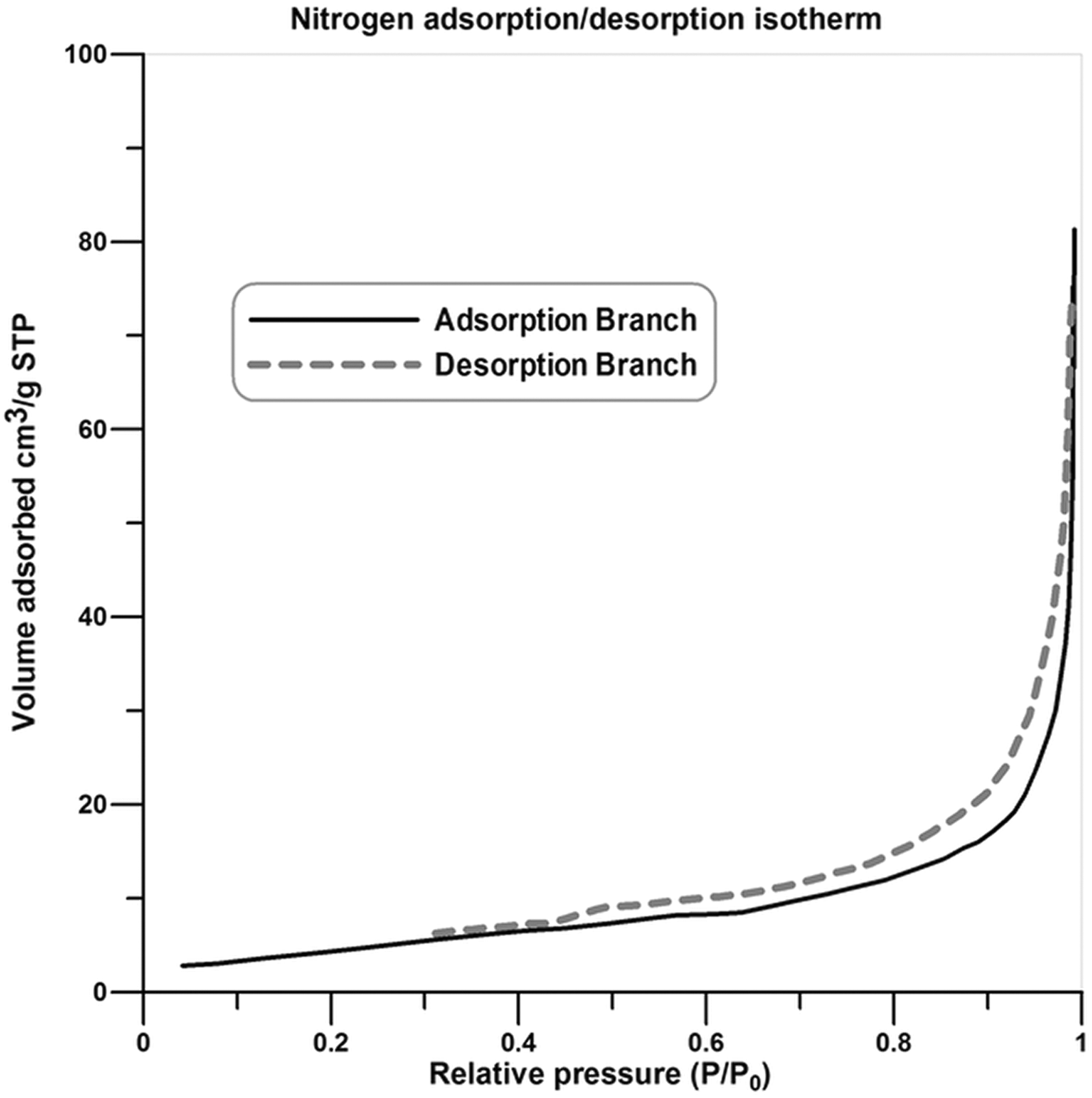
N2 adsorption/desorption isotherm of the pristine diatomite nanoparticles.
According to extracted data from the N2 adsorption/desorption isotherms, surface area of the pristine diatomite is calculated as 18.726 m2 g−1. Also, the average pore diameter is estimated to be around 23.67 nm.
SEM and TEM images of the pristine diatomite sample are presented in Figure 3. As it can be seen, pristine diatomite is composed of plaque plate particles with spherical-shaped pores. In addition, pristine diatomite belongs to numerous regularly spaced rows of pores in its structure. Average pore diameter from TEM images is estimated between 35 nm and 40 nm.
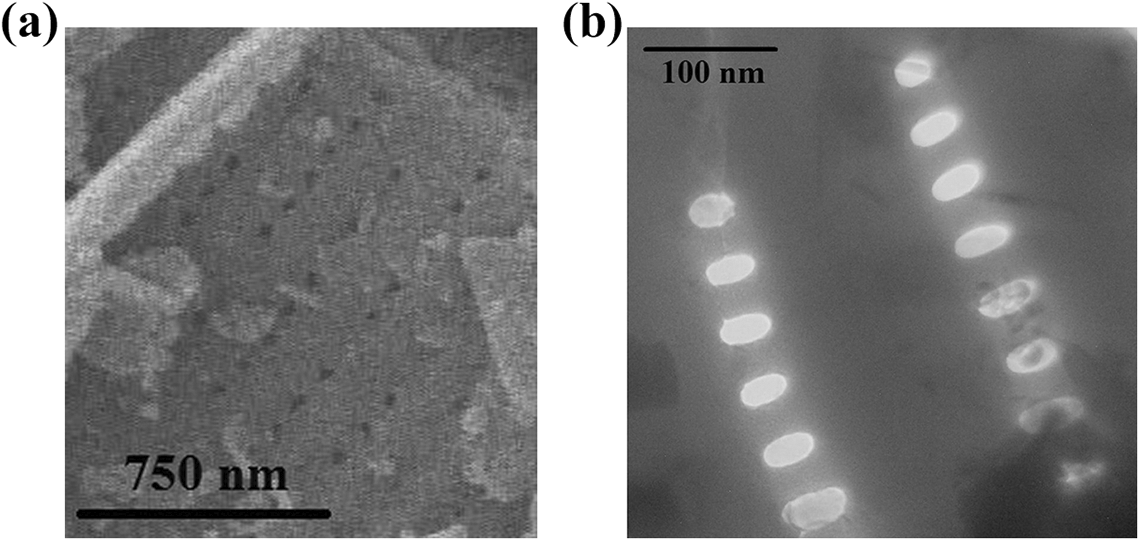
SEM and TEM images of the pristine diatomite sample.
Plots of monomer conversion versus time for the neat polystyrene and its different nanocomposites are displayed in Figure 4. According to the results, similar behavior as in pure polystyrene was observed in all the nanocomposites. In addition, polymerization rate and conversion in the nanocomposites are higher than neat polystyrene and by increasing diatomite nanoplatelets content, the polymerization rate and conversion were also increased. Pendant hydroxyl groups on the surface of the diatomite nanoplatelets can possibly cause a polarity change into the reaction medium in which it exerts a rate acceleration effect on the polymerization system and therefore leads to increment of the polymerization rate. 37,38
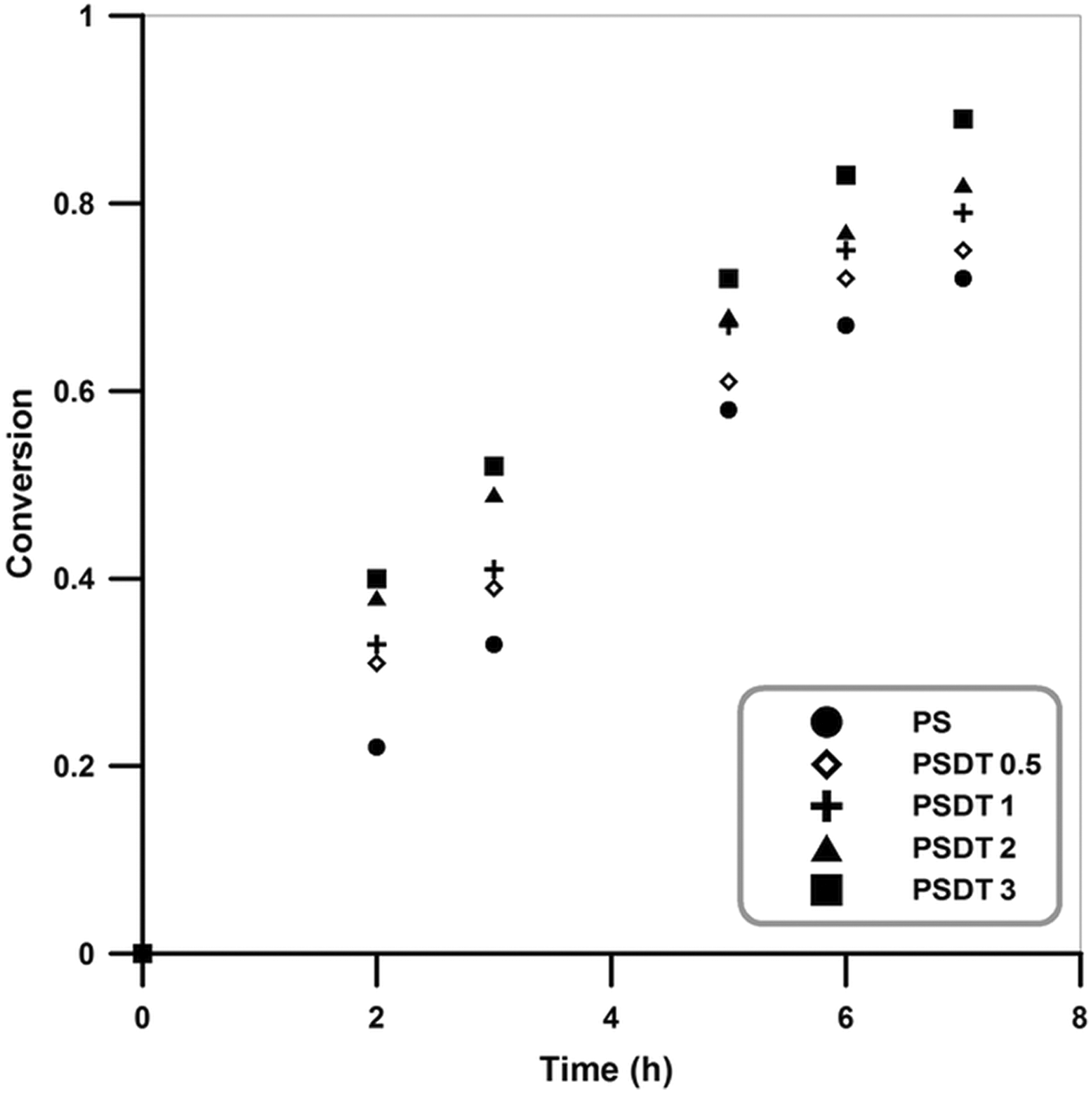
Evolution of monomer conversion with time for neat polystyrene and its nanocomposites.
Variation of number-averaged molecular weight (M n) versus conversion during the polymerization is presented in Figure 5. Two main results can be concluded from these plots: (i) M n increases by monomer conversion and (ii) the addition of diatomite nanoplatelets results in higher M n values compared with the neat polystyrene. Higher M n values of the nanocomposite samples are attributed to the polarizing effect of hydroxyl groups on the surface of diatomite platelets. 37,38 Moreover, the experimental results are in good agreement with the theoretical molecular weight that well-controlled polymerization processes are appropriately demonstrated. 37
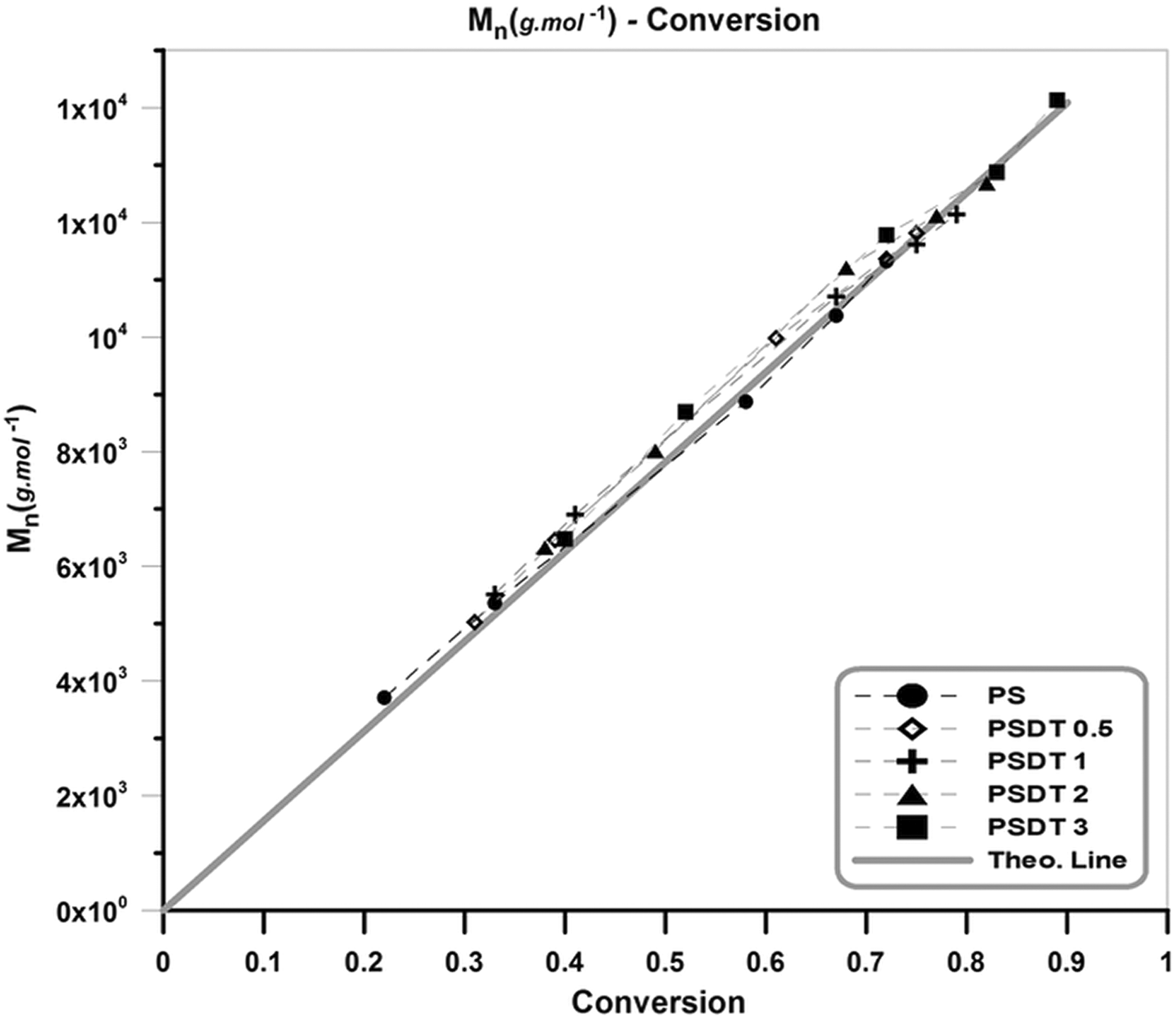
Molecular weight versus conversion for the neat polystyrene and its various nanocomposites.
Variation of PDI values with conversion for the neat polystyrene and its various nanocomposites are shown in Figure 6. As expected for controlled-living radial polymerization, PDI values are decreased with conversion (for the neat polystyrene and its nanocomposites). Also, PDI values of the nanocomposites are higher than neat polystyrene. This can be ascribed to the impurity role of the diatomite nanoplatelets. The occurrence of termination and transfer reactions between the propagating (macro)radicals and diatomite nanoplatelets can be considered as the main reason of emerging high PDI values in the nanocomposites samples. 37 –39
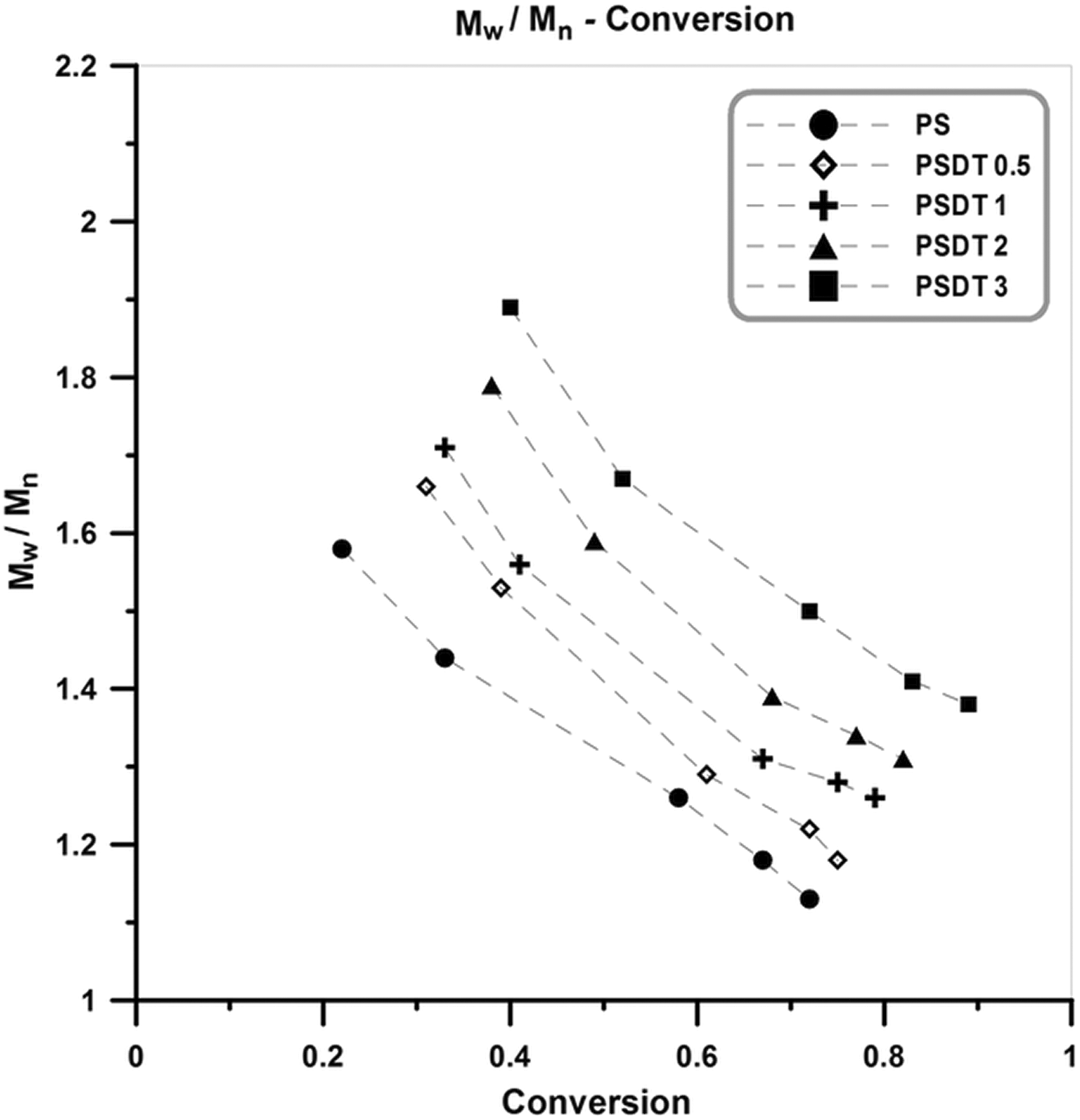
PDI values versus conversion for the neat polystyrene and its different nanocomposites.
Pseudo-first-order kinetic plots for the synthesized nanocomposites and the neat polystyrene are presented in Figure 7. Since the slope of the curves remains fairly constant in the whole of polymerization, it can be concluded that the steady-state kinetics is obtained (for all the experiments). In all the samples, ln (M 0/M) increases linearly with reaction time in which constant radical concentration in the polymerization medium can be concluded. 39 According to the results, rate of the polymerization increases by adding diatomite nanoplatelets content.
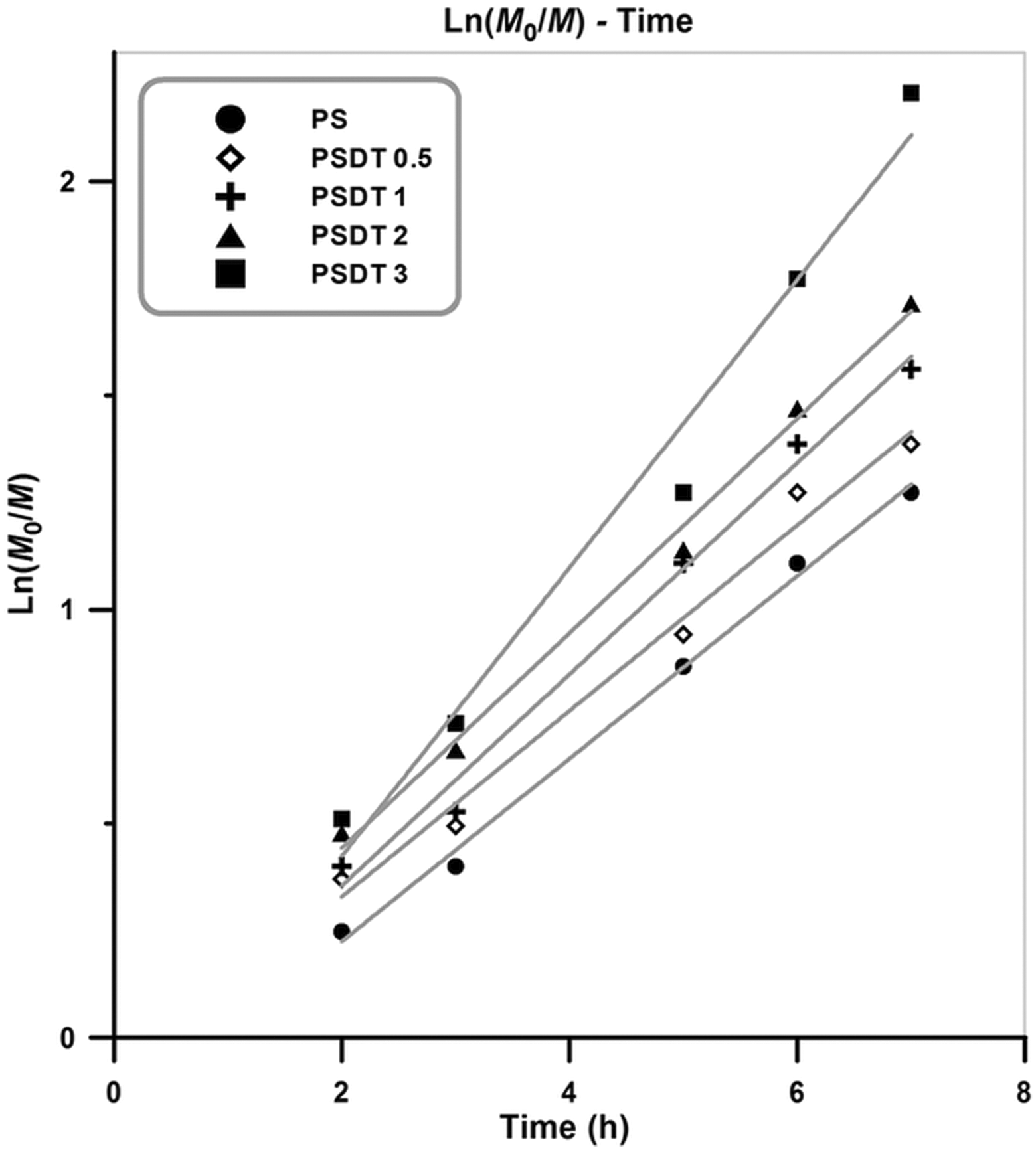
Kinetic plot with respect to the reaction time.
SEC traces of the neat polystyrene and all of the nanocomposites are shown in Figure 8.
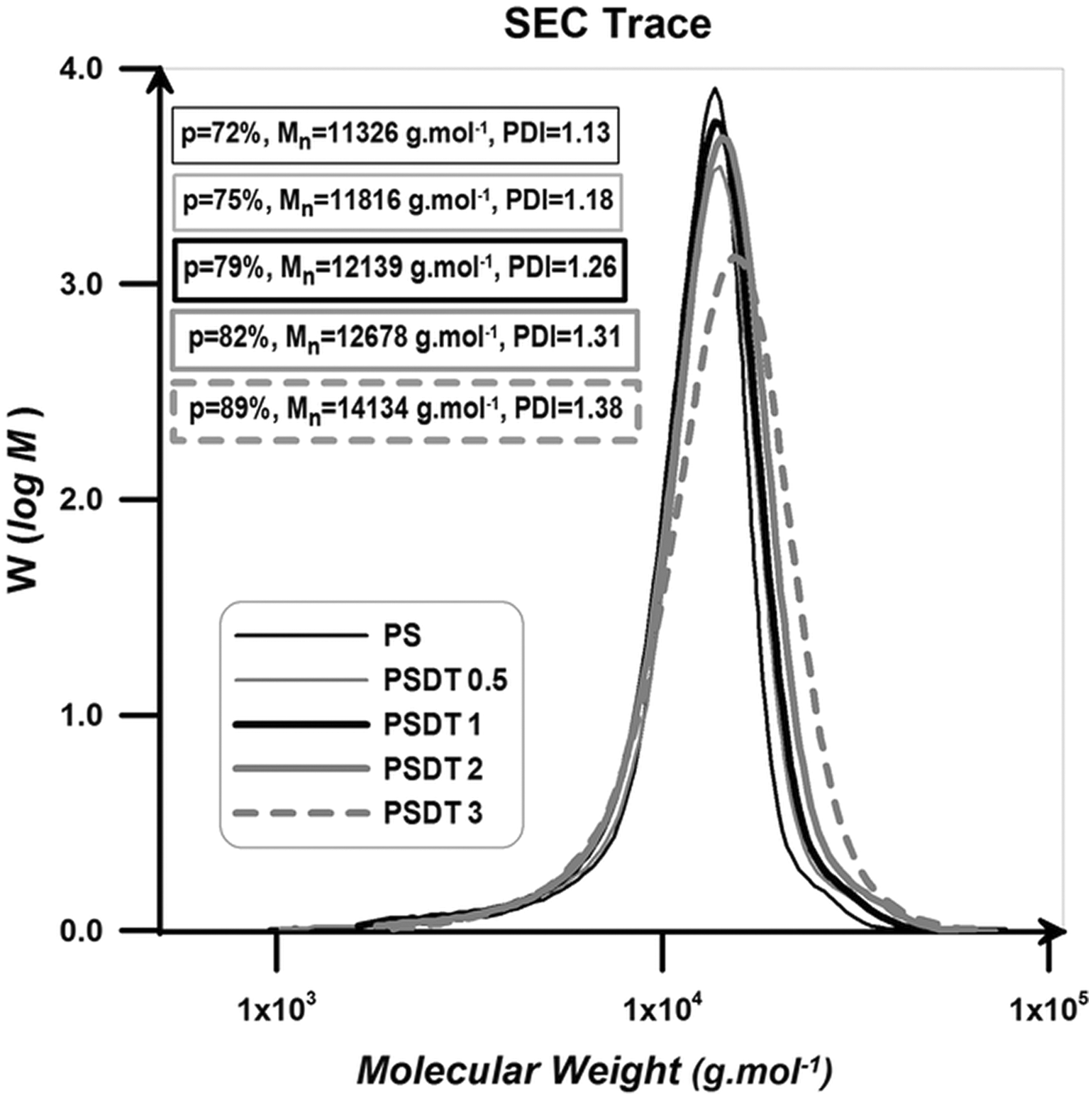
SEC traces of the neat polystyrene and its different nanocomposites.
According to the results, neat polystyrene and all of the nanocomposites display monomodal peaks corresponding to the molecular weight values predetermined by the molar ratio of monomer to initiator. Neat polystyrene reveals narrow distribution and low PDI value which can demonstrate successful normal ATRP is established. By adding the pristine diatomite nanoparticles, final conversion and molecular weight were increased. With the addition of only 3 wt% of the pristine diatomite, final conversion increases from 72% to 89%. Positive effect of the pristine diatomite on the molecular weight of the samples can be interpreted by abundant pendant hydroxyl groups of the pristine diatomite. It is demonstrated that polar solvents (especially hydroxyl containing the ones like water, phenol, and carboxylic acids) exert a rate acceleration effect on the polymerization systems for increasing radical activation rate and also reducing radical recombination rate. Numerous pendant hydroxyl groups on the surface of the pristine diatomite can possibly cause a polarity change into the reaction medium. In addition, negatively charged surface (pendant hydroxyl groups on the surface of the pristine diatomite at our work) could absorb and gather positively charged catalyst (Cu ions at our work) and consequently enhances the chain growth rate. The accelerating effect of other nanofillers such as nanoclay and MCM-41 nanoparticles on polymerization rate was also reported elsewhere. 37 –39 PDI values of the polymer chains increases by the addition of pristine diatomite. Pristine diatomite acts as an impurity in the polymerization medium and therefore causes the molecular weight distribution of the resultant polymers to be increased; PDI increases from 1.13 to 1.38 by 3 wt% loading of pristine diatomite. 37,39 Extracted data from SEC traces of the neat polystyrene and its different nanocomposites are summarized in Table 3.
Molecular weights and PDI values of the extracted polymers resulted from SEC traces.
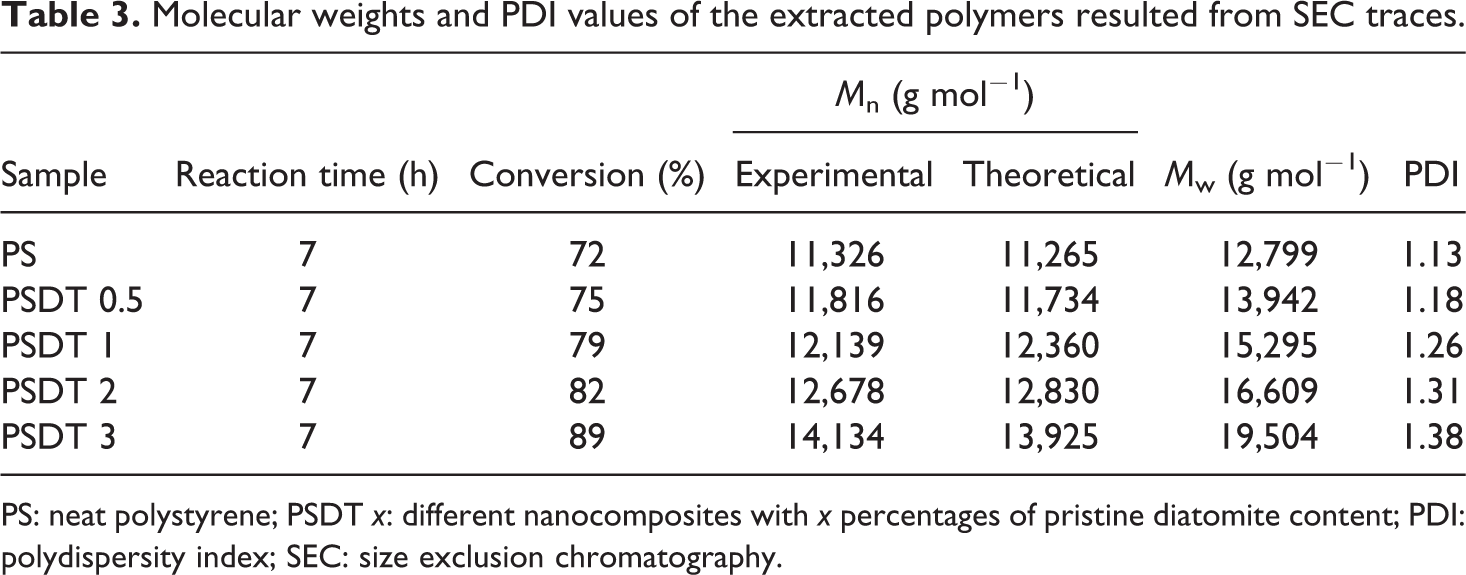
PS: neat polystyrene; PSDT x: different nanocomposites with x percentages of pristine diatomite content; PDI: polydispersity index; SEC: size exclusion chromatography.
Theoretical molecular weight is calculated using equation (1)

where [M]0 and [I]0 are initial concentration of the monomer and initiator, respectively. Conversion is denoted by p and the symbol of the molecular weight of monomer is M monomer, which in the case of styrene is equal to 104.15 g mol−1.
TGA was used to study thermal stability of the neat polystyrene and its various nanocomposites. TGA thermograms of weight loss as a function of temperature in the temperature window of 30–700°C in addition to their corresponding differential thermogravimetric (DTG) curves are shown in Figure 9.
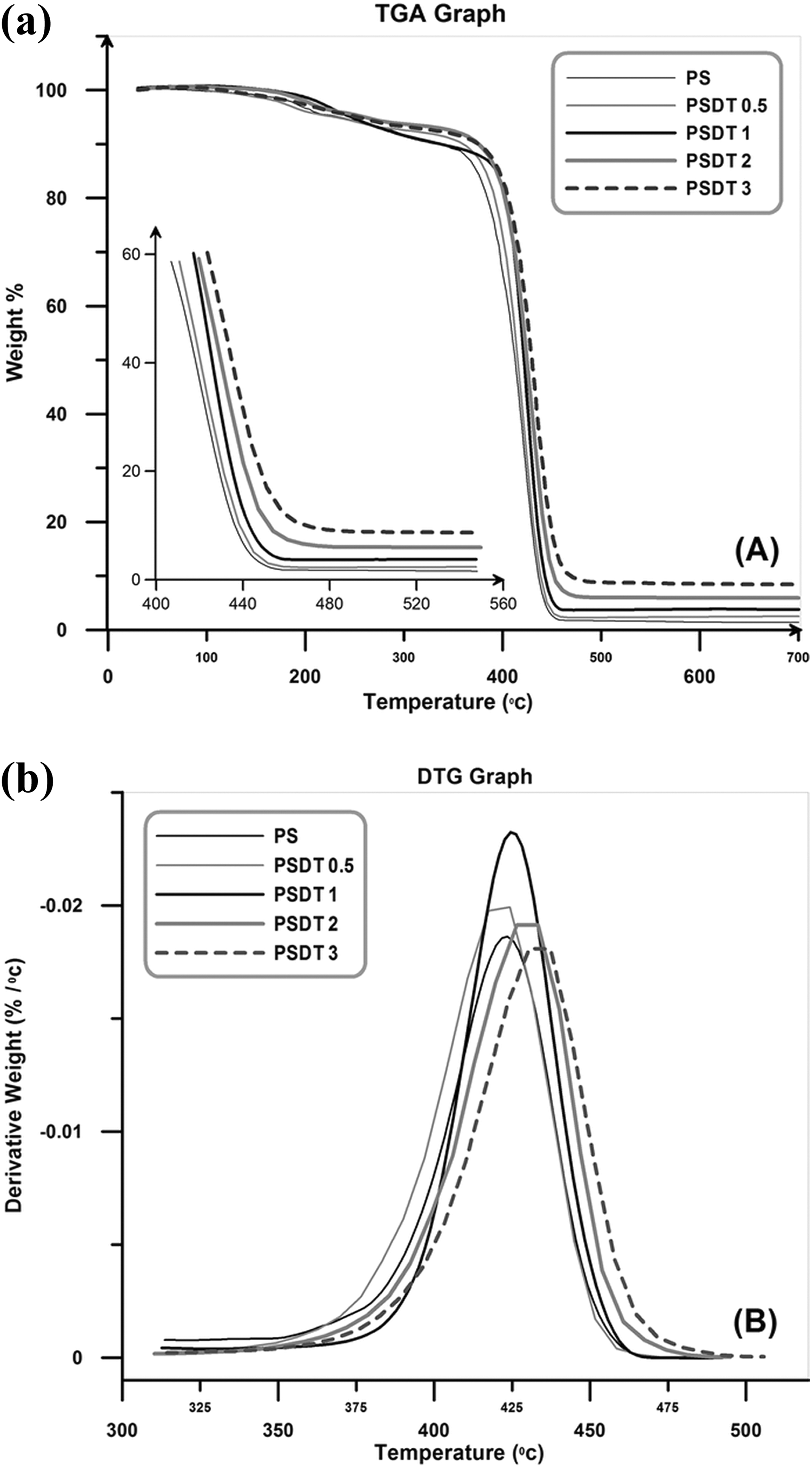
(a) TGA and (b) DTG thermograms of the neat polystyrene and its nanocomposites.
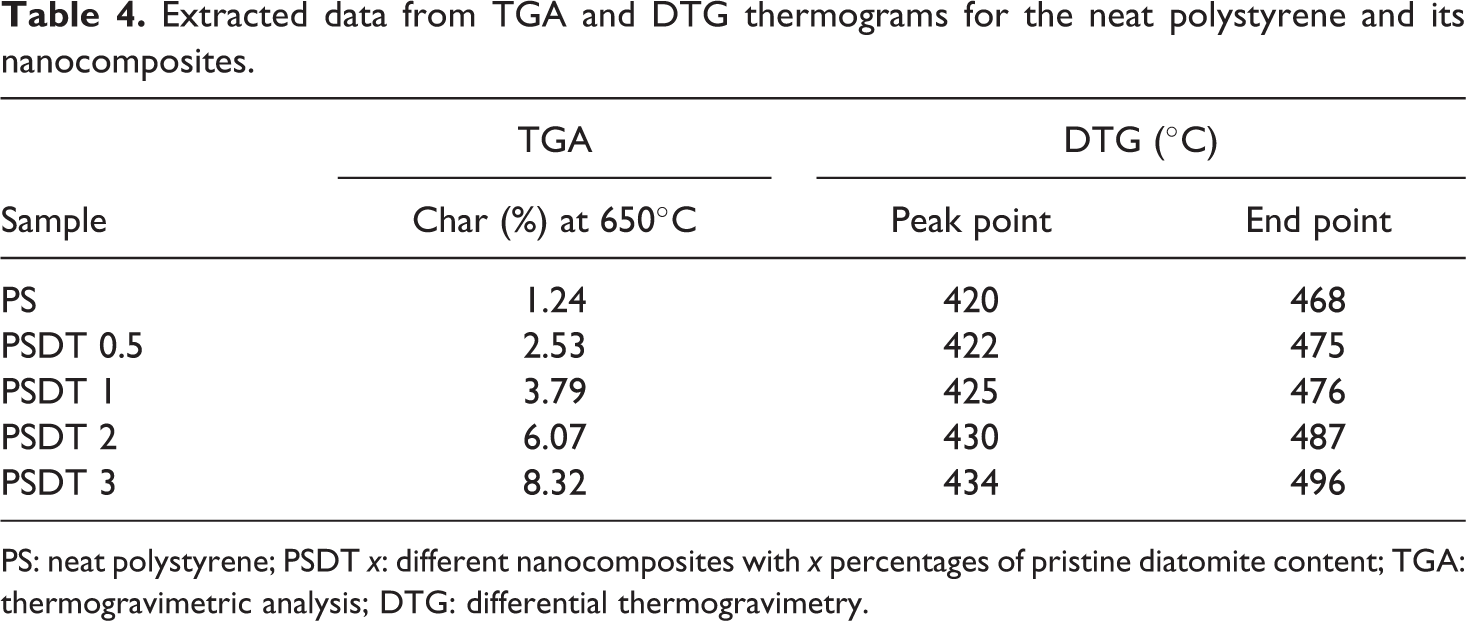
According to Figure 9, thermal stability of the neat polystyrene is lower than all of the nanocomposites. In addition, thermal stability of the neat polystyrene is improved by adding pristine diatomite which by increasing diatomite content, an increase in degradation temperatures was observed. In general, by increasing temperature in the TGA graphs three separated steps can be identified: (i) evaporation of the water molecules results in the weight loss between 100–150°C; (ii) degradation of volatile materials such as residual monomer and low-molecular-weight oligomers (at the temperature window around 180–350°C); (iii) degradation of the synthesized polymer and nanocomposites (the main degradation step) is also presented at the temperatures above 380°C. Extracted data from TGA are graphically illustrated in Figure 10. Degradation temperature of the samples versus amount of degradation is employed to show that addition of diatomite in the polystyrene matrix, results in an improvement of thermal stabilities of the nanocomposites (TX: temperature threshold at which X% of neat polystyrene and its nanocomposites is degraded). Char values at 650°C are also presented in Table 4. As it is expected, the char values increase by increasing pristine diatomite content.
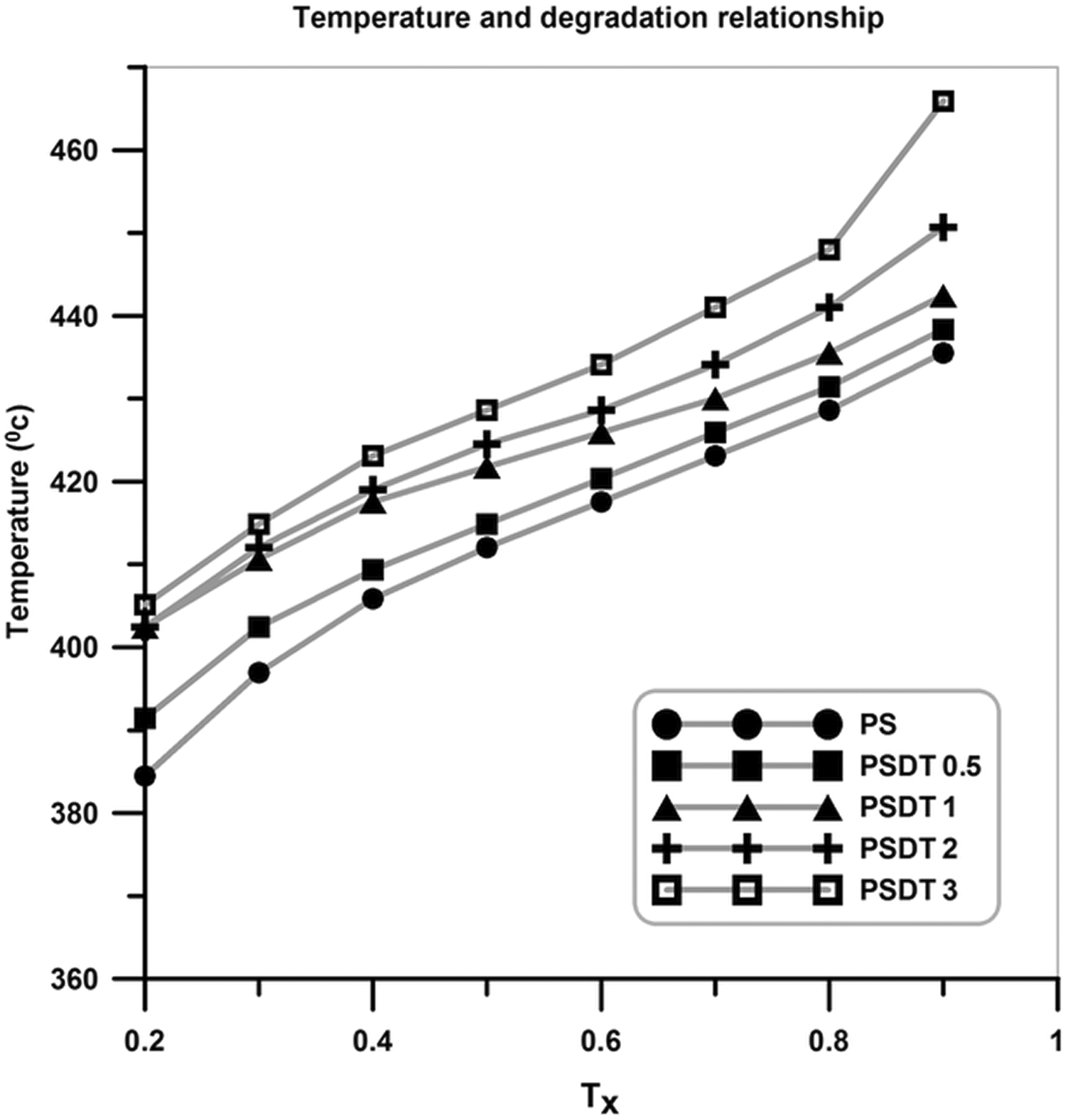
Graphical illustration of temperature and degradation relationship.
Extracted data from TGA and DTG thermograms for the neat polystyrene and its nanocomposites.
PS: neat polystyrene; PSDT x: different nanocomposites with x percentages of pristine diatomite content; TGA: thermogravimetric analysis; DTG: differential thermogravimetry.
Increasing of degradation temperature of the nanocomposites by adding pristine diatomite content is attributed to the high thermal stability of diatomite nanoplatelets and also interaction between diatomite platelets and polymer matrix. 40 Physical interaction between polystyrene chains and surface of the pristine diatomite is an important factor for increasing thermal stability of the nanocomposites. 41 Moreover, porous structure of the diatomite nanoplatelets that can absorb introduced gas (in O2 atmosphere) is another effective parameter. Additionally, hindrance effect of diatomite platelets on the polymer chains movement and restriction of oxygen permeation by these sheets are the other reasons for higher thermal stability of the nanocomposites. Similar conclusions are also achieved in the case of polymer/clay nanocomposites. 39 Extracted data from TGA thermograms and DTG curves are also summarized in Table 4. Pristine diatomite leaves 92.32% char after complete degradation at 700°C.
Evaluation of the effect of pristine diatomite on the chain confinement of the samples and determination of T g are performed by DSC. Figure 11 presents DSC thermograms of the neat polystyrene and its various nanocomposites. Temperature range of 50–170°C is used to describe DSC results in heating path. Pristine diatomite does not bear any transition in this range of temperature, therefore only thermal transition of polymers is observed. In these experiments, samples are heated from room temperature to 225°C to remove their thermal history. Then, they are cooled to room temperature to distinguish the phase conversion and other irreversible thermal behaviors. Finally, samples are heated from room temperature to 225°C to obtain T g values.
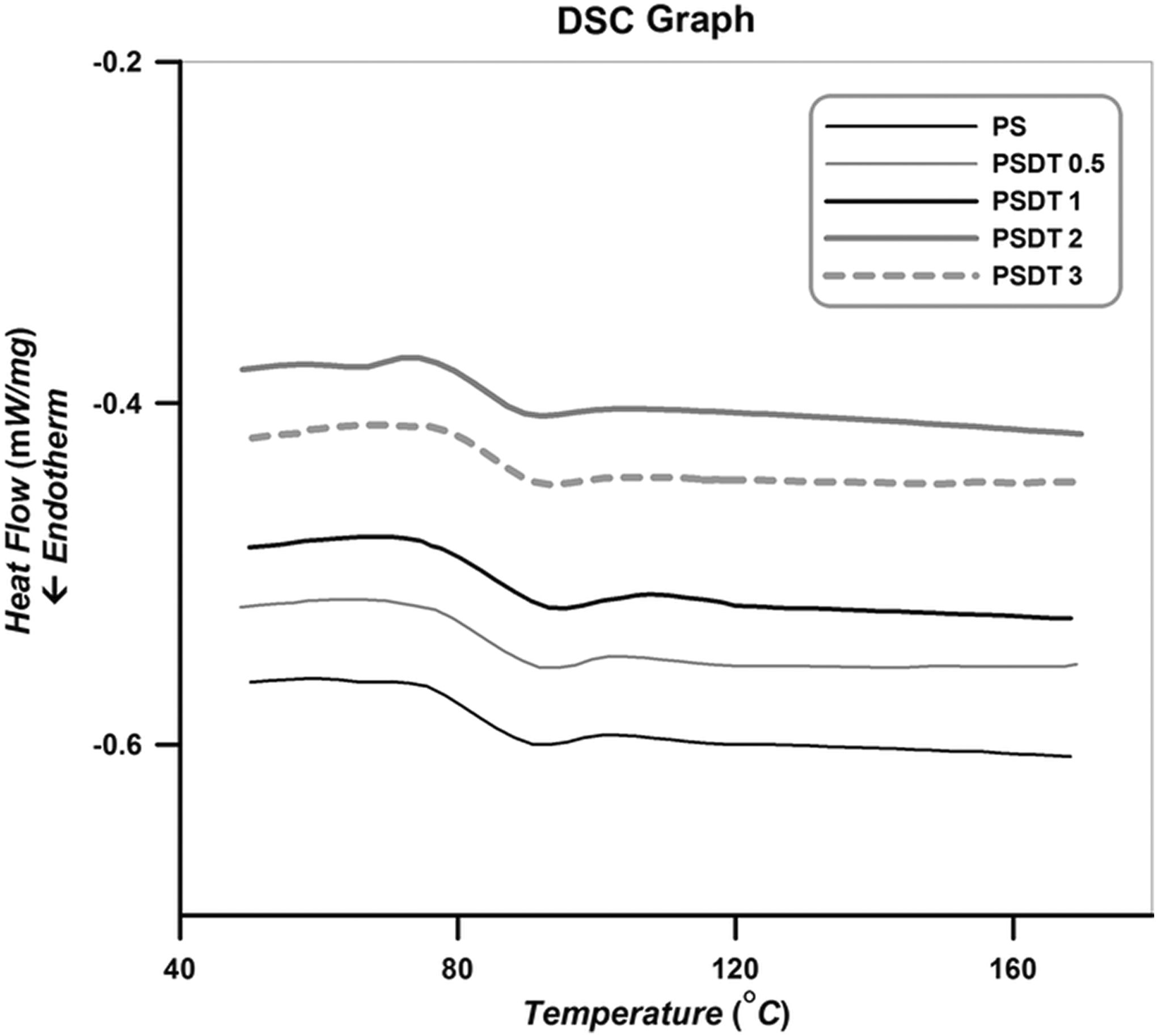
DSC thermograms of the neat polystyrene and its nanocomposites (heating path).
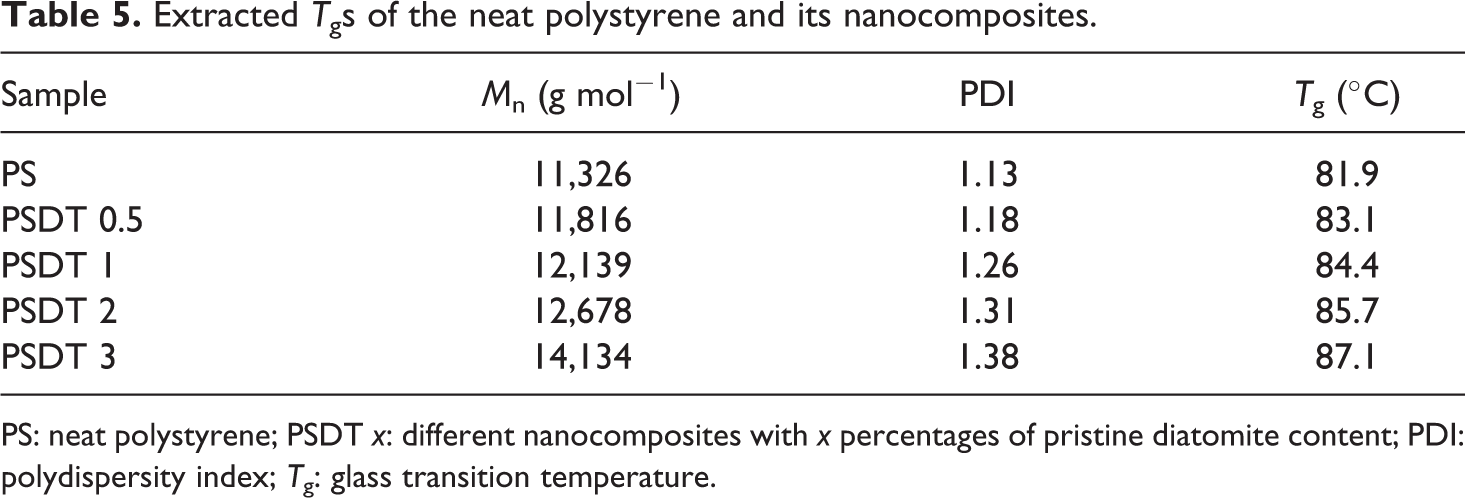
According to Figure 11, an obvious inflection in the heating path has occurred, which shows T g of the samples. Corresponding inflection in the cooling path has also appeared. Because there is no other peak in the cooling path indicating that the structure of the synthesized polymer and its nanocomposites are mainly amorphous, they have not gone through crystallization phenomenon. Extracted T g values of the samples from DSC graphs are summarized in Table 5.
Extracted T gs of the neat polystyrene and its nanocomposites.
PS: neat polystyrene; PSDT x: different nanocomposites with x percentages of pristine diatomite content; PDI: polydispersity index; T g: glass transition temperature.
According to the results, T g value of the neat polystyrene is lower than all of the nanocomposites and an increase in T g values is occurred by increasing of pristine diatomite content. Increasing T g values by adding pristine diatomite content in the polymer matrix can be attributed to the confinement effect of the diatomite platelets. The rigid two-dimensional diatomite platelets can restrict the steric mobility of polymer chains and cause inflection in the DSC graphs that start at higher temperatures. It should be noted that due to rather low molecular weight of the prepared polystyrene in this study, the obtained T g values are lower than commercially available polystyrene (T g value of the polystyrene is frequently around 100°C). Similar conclusions are also obtained in the case of polymer/clay nanocomposites. 39,42,43
Conclusions
In situ ATRP of styrene was employed to synthesize tailor-made polystyrene and its different nanocomposites in the presence of pristine mesoporous diatomite nanoplatelets. Mesoporous structure, existence of plaque plate particles with spherical-shaped pores, silica as the main constituent, and existence of numerous regularly spaced rows in its structure are some inherent features of the pristine diatomite nanoplatelets. In situ ATRP of styrene in the presence of pristine mesoporous diatomite leads to an increment of conversion from 72% to 89%. Moreover, molecular weight and PDI values increase from 11,326 g mol−1 to 14,134 g mol−1 and from 1.13 to 1.38, respectively. Improvement in thermal stability of the nanocomposites and increasing T g values from 81.9°C to 87.1°C was also observed by the incorporation of 3 wt% of pristine mesoporous diatomite nanoplatelets.
