



Abstract
Persistent child wasting is evident across the Sahel and Horn of Africa, much of which is typically dryland and dependent on agropastoralism. Two events in 2021, the United Nations (UN) Food Systems Summit and the Tokyo Nutrition for Growth Summit, represented a watershed moment for the alignment of food systems and nutrition. Against this backdrop, the costed country operational roadmaps, developed in 22 countries as part of the joint UN Global Action Plan on Child Wasting (UNICEF 2021), recognized the importance of preventing child wasting using a multisectoral approach. We use a food systems lens to assess how current governance mechanisms, policies, and programming priorities in 8 sub-Saharan countries are responsive to the food security and nutritional needs of the most vulnerable people. For governance mechanisms, we draw from a narrative review of joint annual assessments conducted by the Scaling Up Nutrition Movement’s national multistakeholder platforms since 2016. For policy frameworks, we analyze recommendations included in operational roadmaps and findings from the review of national multisectoral nutrition plans. For programming priorities, we analyze the typologies of costed interventions in the food and social protection systems. We present how nutrition and healthy diets were factored into national food systems pathways and how Government commitments to Nutrition for Growth integrate food systems and resilience. Results of this exploratory review suggest opportunities offered by the implementation of the country roadmaps should rely on a fundamental understanding of context-specific risks and vulnerabilities embedded in the systems and their dynamics.
Plain language title
Using a Food Systems Lens to Prevent Child Wasting in 8 Sub-Saharan Countries Characterized by Dryland Livelihoods
Plain language summary
Child wasting persists across the Sahel and Horn of Africa, much of which is typically dryland and dependent on agropastoralism. We use a food systems lens to assess how governance mechanisms, policies, and programming priorities in 8 sub-Saharan countries are responsive to the food security and nutritional needs of the people in greatest vulnerability. For governance mechanisms, we draw from a narrative review of joint annual assessments conducted by the Scaling Up Nutrition (SUN) Movement’s national multistakeholder platforms between 2016 and 2021. For policy frameworks, we analyze policy recommendations and national multisectoral nutrition plans. For programming priorities, we examine costed interventions within the food and social protection systems that have been included in the country’s operational roadmaps for the prevention of child wasting. As indications of high-level political dedication, we present how nutrition and healthy diets were factored into national food systems pathways developed for the 2021 UN Food Systems Summit and how food systems and resilience were integrated into Government commitments made for the 2021 Tokyo Nutrition for Growth Summit. Findings of this exploratory review point to an enabling governance, policy, and political environment for the implementation of interventions to prevent child wasting. However, results will rely on a fundamental understanding of context-specific risks and vulnerabilities embedded in the food systems and their dynamics.
Keywords
Introduction
There is consensus that a multiple systems approach for the prevention of wasting is critical. This approach aims to activate the 5 systems—food, health, water and sanitation, education, and social protection—with the greatest potential to deliver healthy diets, essential nutrition services, and positive nutrition practices for children, adolescents, and women, all of which are needed to prevent children from becoming wasted. 1 Periods of wasting slow linear growth and therefore increase the risk of stunting. 2 Wasting and stunting share common causes and require enhanced integration of preventive actions in a meaningful manner to protect and promote diets, services, and practices that support optimal nutrition, growth, and development. 2 -5
In 2019, the UN Secretary-General called for a joint effort by the UN agencies with a mandate on nutrition—Food and Agriculture Organization (FAO), United Nations High Commissioner for Refugees (UNHCR), United Nations Children’s Fund (UNICEF), World Food Programme (WFP), and World Health Organization (WHO)—to prevent, detect, and treat child wasting. A common principle of the resulting UN-joint Global Action Plan (GAP) on Child Wasting 6 is to “Re-position prevention at the centre of the collective efforts to reduce the number of children suffering from wasting and increase the efficiency of these collective efforts.” Three of the 4 key outcomes of the GAP framework contribute to the prevention of child wasting: Outcome 1: reduced incidence of low birth weight; outcome 2: improved child health; and outcome 3: improved infant and young child feeding (IYCF). These priorities build on evidence that malnutrition during pregnancy and early life increases the risk of malnutrition in later life. 7 -11 The inclusion of the prevention side in addressing child wasting gave more prominence to a multisectoral approach to ensure that the most vulnerable individuals can meet their basic needs for health, food, water, sanitation and hygiene (WASH), and social protection. In 2021, 22 countries developed and costed multisystem operational roadmaps to prevent, detect, and treat child wasting (note 1).
The 8 countries included in this article have been selected because of their commitment to address child wasting using a systemic approach as part of the UN-Joint GAP. These are Burkina Faso, Ethiopia, Kenya, Niger, Nigeria, Mali, South Sudan, and Sudan. The 2022 Global Report on Food Crises (GRCF) 12 classifies all 8 countries as experiencing acute hunger with Ethiopia, Nigeria, Sudan, and South Sudan characterized among the 10 worst food crises in the world. The Global Report on Food Crises (GRFC) builds on the Integrated Food Security Phase Classification (IPC) and the analysis of malnutrition, which includes anthropometry, dietary intake, IYCF practices, health, and WASH indicators. According to the GRFC, the food crises are the result of 3 drivers: conflict/insecurity, climate shocks, and economic shocks, which are often mutually reinforcing. In the past years, sub-Saharan countries have faced a once-in-a-century desert locust upsurge and the COVID-19 pandemic while simultaneously dealing with conflict, droughts, and floods among other shocks and stressors.
The selected 8 countries share common characteristics in terms of geography and livelihoods. Mali, Niger, and Sudan have a large portion of their lands characterized as hyperarid and arid. Burkina Faso, Nigeria (North), South Sudan, Ethiopia, and Kenya are primarily characterized as semiarid and only partially as dry subhumid. 13 Their livelihoods depend predominantly on agriculture for food and income with a significant role played by agropastoralism, which includes both the growing of crops and the raising of livestock. 14 The 8 countries are all characterized by a high prevalence of child stunting and child wasting with a low prevalence of child overweight, except for South Sudan.
There is a growing body of knowledge and experience in relation to the vulnerability and resilience of communities and their livelihoods to climate, conflict, and other shocks in dryland environments and their relation to the seasonality of child acute malnutrition. 15 Dryland regions are characterized by extreme variability in rainfall and vegetation in space and time. Research undertaken by FAO and Tufts reveals the importance of seasonality in relation to dryland livelihoods. A reanalysis of 350 surveys from Chad, Sudan, and South Sudan found 2 seasonal peaks in acute malnutrition: the first and larger peak at the end of the hot dry season, as the rains start, and the second peak coinciding with the end of the rains and the beginning of the harvest season. 16 The country operational roadmaps 6 developed by 22 countries as part of the UN GAP on Child Wasting could help in positioning food systems as central to the prevention of acute malnutrition in typically dryland areas.
In 2021, 2 key events, the UN Food Systems Summit and the Nutrition for Growth Summit, represented a watershed moment for the alignment of food systems and nutrition. Multistakeholder food systems dialogues were convened at the national level to cocreate “game-changing solutions” to interlinked challenges related to agriculture, nutrition, poverty, environment, and climate. Countries developed the so-called national food systems pathways. For Africa in particular, some authors 17 commented that the implementation of the national food systems pathways should link to the National Agriculture Investment Plans (NAIPs) developed under the Comprehensive Africa Agriculture Development Programme (CAADP) and build upon the technical recommendations that emerged from the Biennial Review process. 18 This link has yet to be established.
The role of multistakeholder engagement and nutrition planning has been extensively explored in the literature as part of the enabling environment to advance nutrition outcomes. 19 -21 The Voluntary Guidelines on Food Systems and Nutrition adopted by the Committee on World Food Security 22 collates evidence-based recommendations to orient food systems toward better nutrition. This builds upon the growing literature on policies and actions needed to get food systems working for healthier diets. 23 -25
This analysis aims to provide a comparative perspective on common characteristics and gaps across these 8 sub-Saharan countries to inform country knowledge and learning, as well as global efforts and guidance, in the effective implementation of policies and actions to prevent child wasting in drylands.
Methodology
This article uses a food systems lens 26,27 to assess how current governance mechanisms, policies, and programming priorities in the 8 countries are responsive to the food security and nutritional needs of the most vulnerable individuals for the prevention of child wasting, namely young children and pregnant-lactating women. According to the HLPE 2020 definition, a food system gathers all the elements (environment, people, inputs, processes, infrastructures, institutions, etc) and activities that relate to the production, processing, distribution, preparation, and consumption of food, and the outputs of these activities, including socioeconomic and environmental outcomes. A radically transformed food system is expected to ensure equity and agency of all food systems actors including small-scale producers, women, youth, Indigenous Peoples, and other vulnerable and marginalized groups. 28 As shown in Figure 1, the food systems encompass the following components: production support systems, food supply chains, food environments, and consumer behaviors. These components are interlinked through complex relationships and influence the quantity, quality, diversity, safety, and adequacy of the diets as directly linked to nutrition and health outcomes.
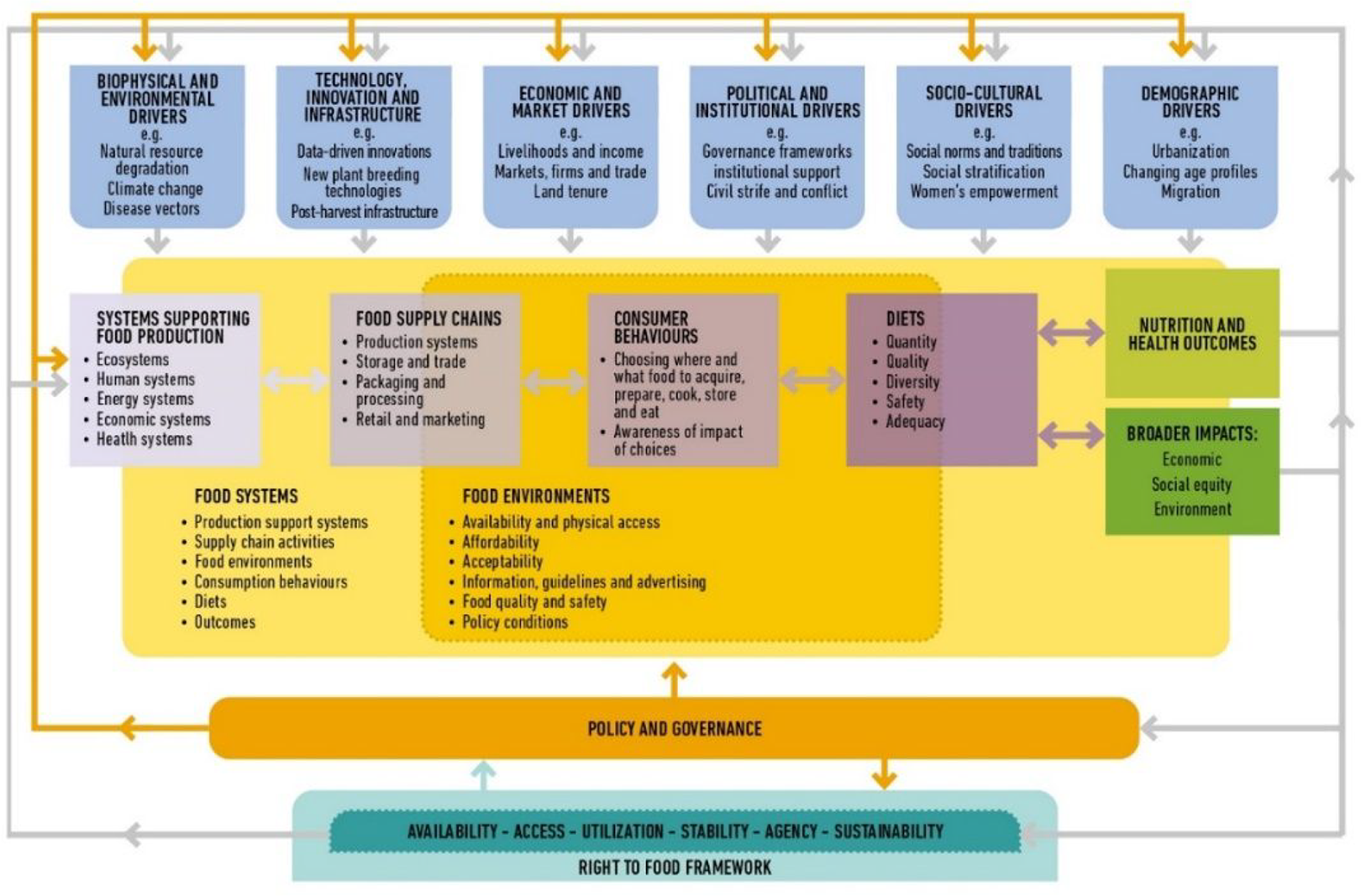
Sustainable food systems framework.
When reviewing the UNICEF conceptual framework developed in the 1990s, Young et al 29 identified 3 basic causes of child acute malnutrition in drylands: environment and seasonality, systems and formal and informal institutions, and livelihood systems, and also incorporated vulnerability and resilience concepts. In this article, the authors paired these 3 basic causes with drivers in the sustainable food systems framework (Figure 1), namely: biophysical and environment, which include natural resource degradation, climate change, and seasonality; economic and market, which include livelihoods; and political and institutional drivers, which cover governance, institutional supports, and conflict. Young et al 29 considered gender, cultural, and social norms under formal and informal institutions while the sustainable food systems framework (Figure 1) indicates sociocultural drivers separately, including gendered social norms.
The authors applied a food system lens in their analysis of the enabling environment, looking specifically at the governance mechanisms, the policy frameworks, the programming priorities, and the high-level political commitments.
Key Words (English) Used to Review the N4G Government Commitments.
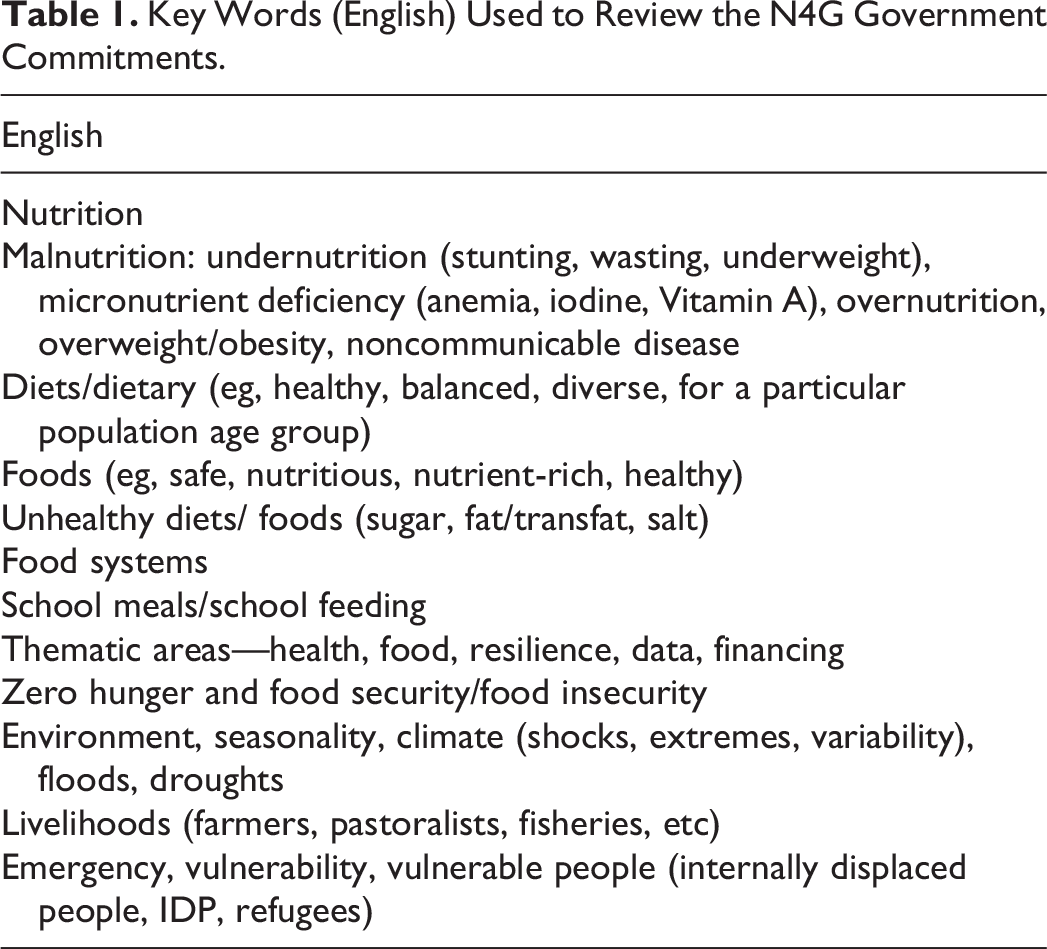
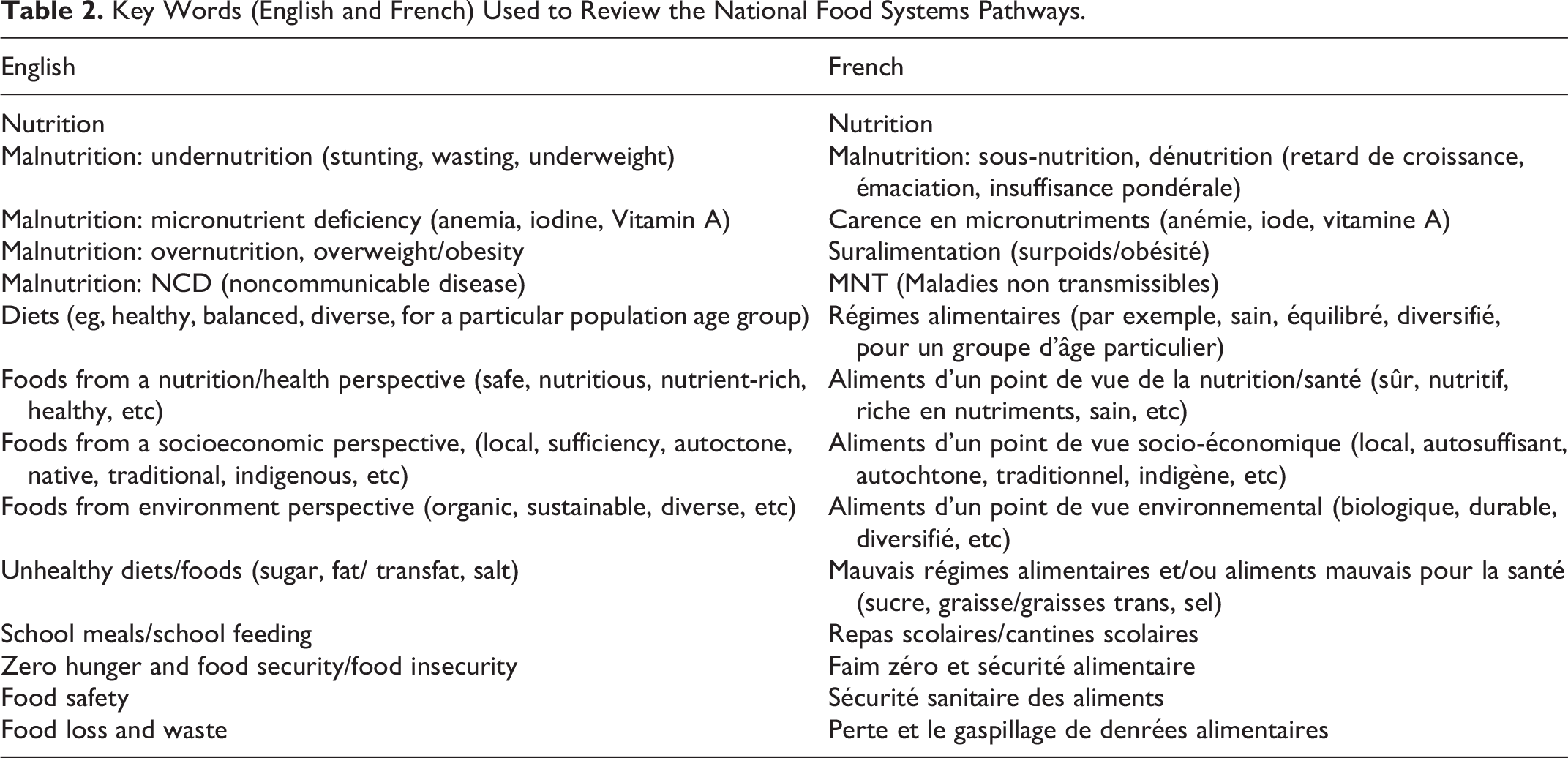
Key Words (English and French) Used to Review the National Food Systems Pathways.
Findings
Governance Mechanisms
All 8 countries are members of the SUN Movement, which puts a major emphasis on the use of a multisectoral and multistakeholder approach with acknowledgment of the unique role and expertise of each sector and stakeholder. Since its inception in 2010, the SUN Movement has recognized the importance of preventing malnutrition through a whole-of-society approach that brings together different government sectors, civil society organizations, businesses, and the UN system. In addition, there has been a growing concern that fragile and conflict-affected countries risk being left behind unless dedicated support is provided to enable the most vulnerable individuals to meet their food security and nutrition needs. Apart from Burkina Faso, all countries were involved in a mapping exercise conducted in 2019 45 to assess the functioning of multistakeholder nutrition platforms and networks in fragile and conflict-affected countries. The resilience agenda was highlighted as a crucial bridge to link humanitarian and development structures. However, only Kenya mentioned the importance of early warning and media engagement to ensure a rapid response to the appearance of a drought in order to prevent food insecurity and malnutrition. At the time of mapping, most fragile and conflict-affected countries had platforms in place that were convened around emergency responses but lacked well-equipped mechanisms to build the humanitarian–development nexus and effectively coordinate preventive actions using a food systems lens.
Results from the analysis of 34 Joint Annual Assessments reports 30 show that ministries of agriculture participated from the beginning in the nutrition multistakeholder platforms in all countries but other subsector specific ministries were less engaged such as food security, fisheries, animal husbandry, and irrigations. All 8 countries indicated in their JAA that ministries in agriculture were actively involved through the multistakeholder platforms in planning activities related to the development of national food and nutrition policies and/or sectoral policies, including, among others national multisectoral nutrition action plans, food fortification, food-based dietary guidelines, food marketing and labeling regulations, food loss and waste reduction policies, trade and retail regulations and food safety strategies. Apart from Niger, Nigeria, and Sudan, all countries reported on large-scale programs related to food supply chains. Ethiopia was the only country to report on gender inclusion in the food value chain. Only Mali, Niger, and Nigeria mentioned consumer behavior change strategies through social communication and the involvement of community and religious leaders. However, when establishing annual priorities, only Kenya mentioned advocacy for the agrinutrition strategy and the food and nutrition policy implementation framework as a joint activity for the nutrition multistakeholder platform. Overall, there was very limited evidence from the JAA that the most vulnerable communities in the 8 countries were prioritized through assessments of their context-specific needs and responsive actions to address shortcomings of the food systems as well as environmental, livelihoods, and/or political/conflict drivers (Table 3).
Summary Findings From the JAA Reports Across 8 Countries.
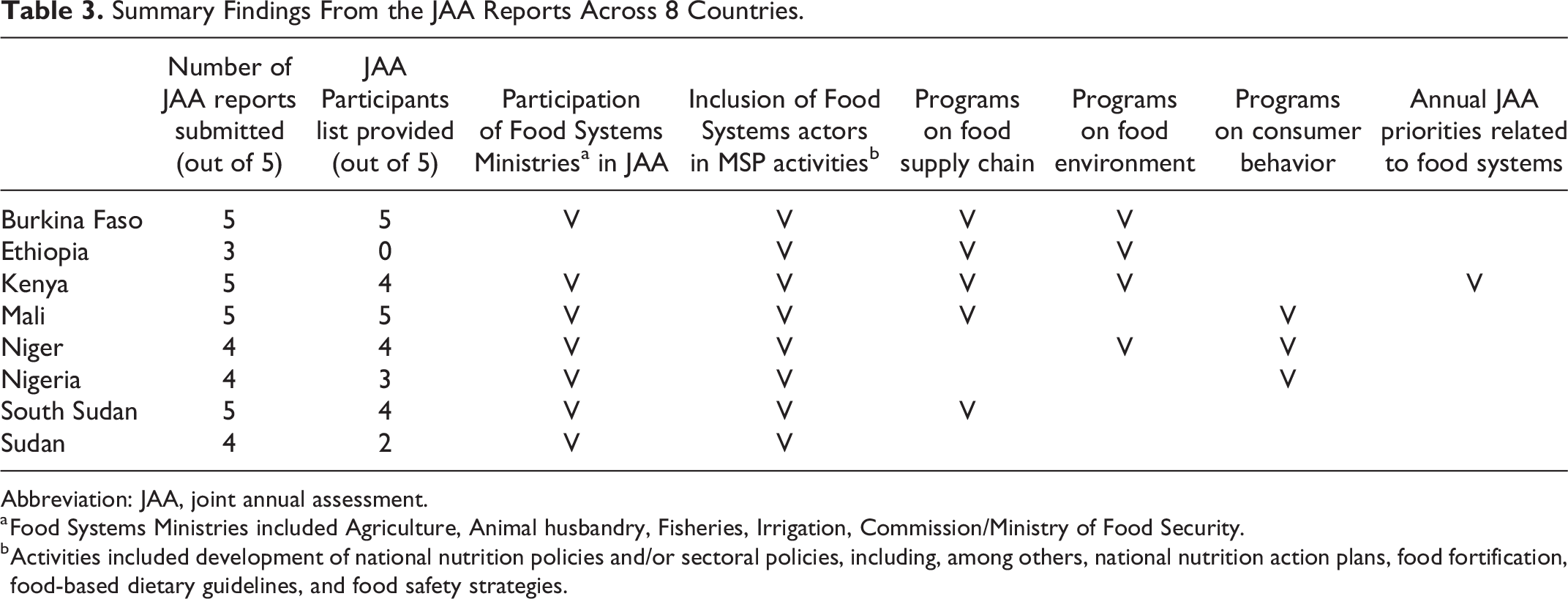
Abbreviation: JAA, joint annual assessment.
a Food Systems Ministries included Agriculture, Animal husbandry, Fisheries, Irrigation, Commission/Ministry of Food Security.
b Activities included development of national nutrition policies and/or sectoral policies, including, among others, national nutrition action plans, food fortification, food-based dietary guidelines, and food safety strategies.
Policy Frameworks
Results from the analysis of 6 multisectoral nutrition plans 35 -41 show that child undernutrition, especially, child stunting, and child wasting were recognized as major challenges and included in comprehensive analyses of the country’s nutrition situation. While all reviewed plans gave importance to all sectors, including agriculture, they showed limitations in terms of analyzing context-specific risks and vulnerabilities, especially linked to underlying drivers of food systems and malnutrition. Therefore risk mitigation strategies to address environmental, livelihood, and political/conflict drivers were largely absent. Gaps were also identified in defining responsible agencies for the actual implementation of food systems actions. The review, however, found that most recent plans like the ones from Mali and Ethiopia showed a shift in system thinking by placing food systems at the core for supporting healthy diets and better nutrition. More visibility was given to the importance of building food systems that were both sustainable and resilient.
Results from the analysis of 111 policy recommendations (81 under food systems and 30 under social protection) included in the 8 operational roadmaps 6 for the prevention of child wasting, show a high emphasis on nutritionally vulnerable individuals such as young children, adolescents, and women during pregnancy and lactation. Few policy recommendations mentioned other categories of vulnerable individuals such as the poor, internally displaced people, refugees, and people with disabilities. South Sudan referenced the need to integrate livelihood dynamics and seasonality in the design and delivery of emergency and resilience-building programs to meet the nutritional needs of children in situations of acute food insecurity. Equitable livelihoods and resilience building to vulnerabilities and shocks were mentioned by Nigeria in the policy recommendation linked to nutritious food value chains. The need for crisis mitigation was referenced by Mali to support the programming priority on seasonal food assistance to severely food-insecure households.
Programming Priorities
Results from the analysis of the background information and geographical priority areas of the 8 operational roadmaps show a deep understanding of food security and nutrition situations across all countries with data provided from relatively recent surveys. The reported immediate and underlying causes of acute malnutrition were similar across the 8 countries but the basic causes varied. By looking at programming priorities using a food systems lens, the authors found out that the background information included an analysis of key sustainable food systems framework drivers. For example, most countries mentioned conflicts, insecurity, and climate extremes such as floods and droughts as reasons behind the increase in internally displaced people. Other key drivers, such as economic downturns and restrictions related to COVID-19 pandemic, were also mentioned as basic causes of increased food insecurity and malnutrition. While the prevalence or burden of child wasting was used as the main criteria for geographic prioritization, countries also considered additional nutrition and dietary indicators and factors such as food insecurity, poverty, and vulnerability. Burkina Faso, Sudan, and South Sudan mentioned the use of the Integrated Food Security Phase Classification (IPC) and the acute malnutrition analysis. Kenya prioritized arid and semi-arid lands because of their persistent high levels of child wasting and critical seasonal peaks during drought years. Sudan applied a detailed mapping to select 53 localities (districts) in 16 states covering 50% of the expected acute malnutrition caseload in the country for the simultaneous and coordinated delivery of essential services for the prevention, early detection, and treatment of child wasting (Table 4).
Summary Findings From the Prioritization Across 8 Country Operational Roadmaps.
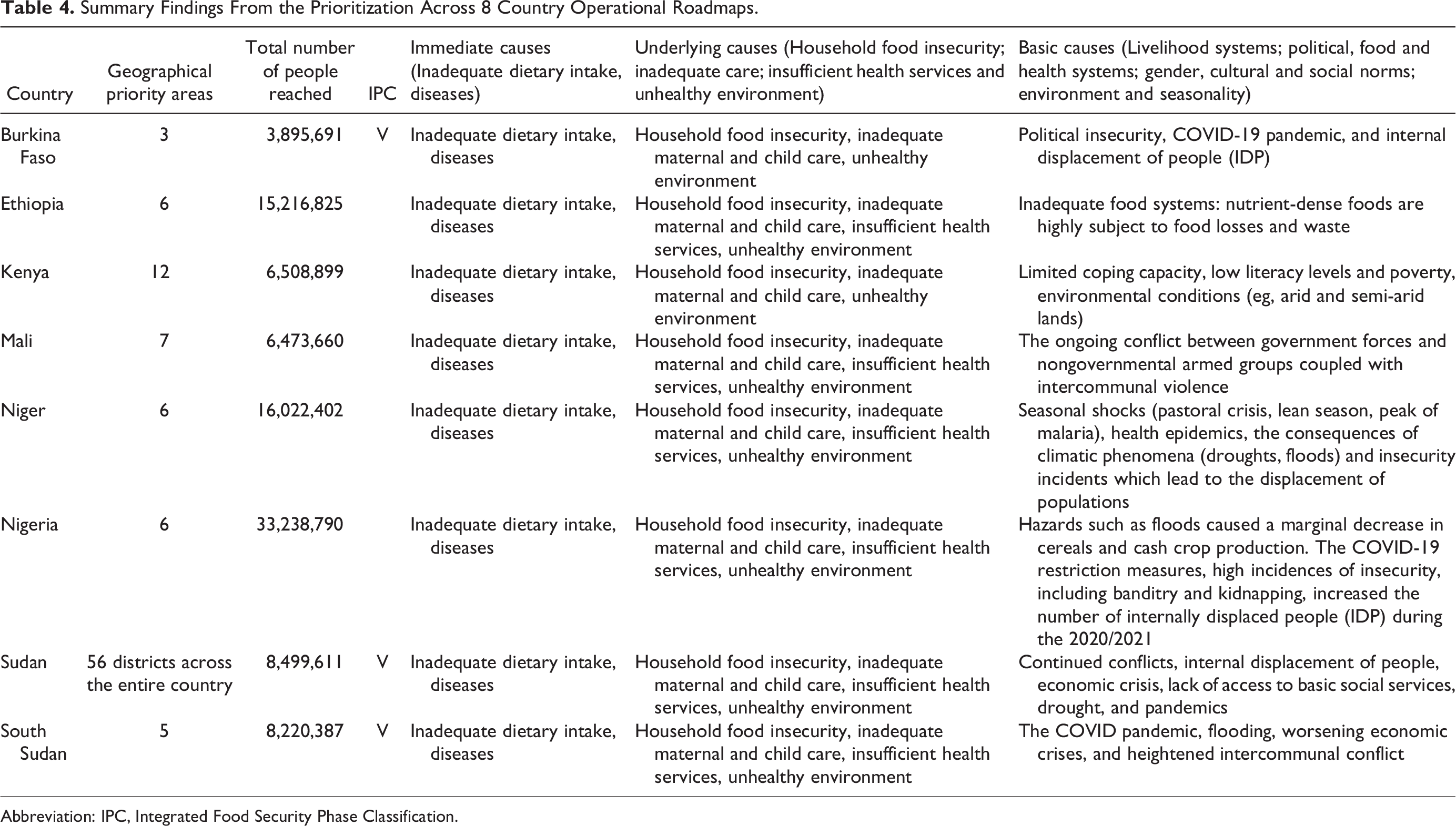
Abbreviation: IPC, Integrated Food Security Phase Classification.
Results from the analysis of 111 costed programming priorities (81 under food systems and 30 under social protection) included in the 8 operational roadmaps 6 show that food systems were given a predominant role to ensure adequate maternal nutrition (GAP outcome 1), improved child health (GAP outcome 2), and IYCF (GAP outcome 3). Interventions included under outcome 2 were mostly on food safety and regulations governing the quality of food supply (Figure 2). Interventions included under social protection largely covered aspects related to the accessibility of nutritious foods for vulnerable individuals.
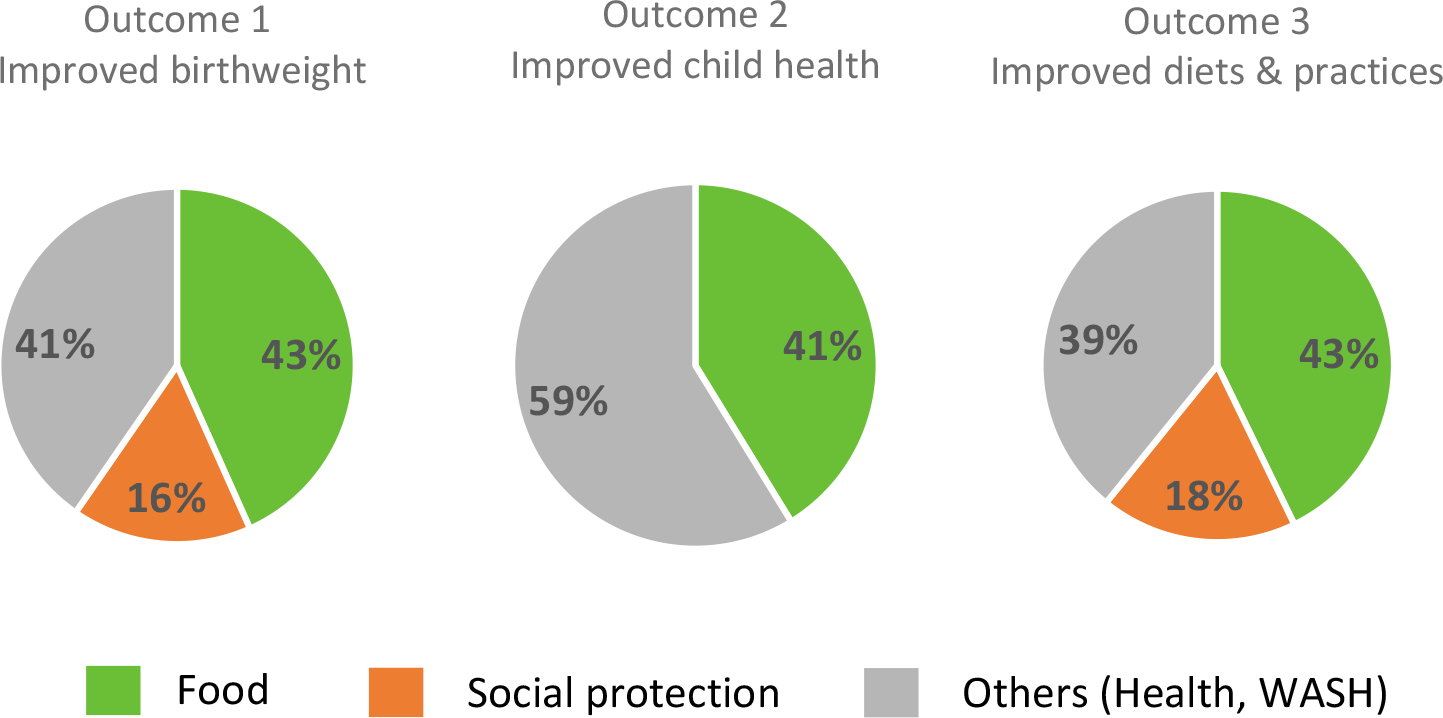
Proportion of costs for food and social protection systems across all countries.
The typology of costed interventions included in the operational roadmaps shows a high degree of alignment with global and national recommendations to orient food systems toward healthier diets and better nutrition. As shown in Table 5, all countries prioritized and costed interventions on nutritious food value chains and social transfers (cash and in-kind), followed by most countries prioritizing food safety, food fortification and biofortification, school food and nutrition (note 3), and social protection policies and programs. On the other hand, only a small amount of countries included specific measures such as targeted food aid for women of reproductive age, public food procurement, planning processes, emergency and resilience (targeted to the 1000 days), and postharvest technologies to reduce loss and waste of nutritious foods. The analysis of 34 food value chain interventions showed similarities in terms of the scope, which was to increase the availability and accessibility of nutritious foods to improve the dietary quality of women of reproductive age and children, with an emphasis given to animal source foods, fruits, and vegetables. Twenty-six interventions (76%) in the food value chains related to enhancing production and food diversification, in particular through kitchen gardens, home gardens, and household-level animal husbandry. Thirteen interventions (38%) were aimed at increasing access to nutritious foods and mostly included food transfers, targeted food supplementation, and school meals. Only 7 interventions (20%) in the food value chains were aimed at improving the consumption of nutritious foods through nutrition education and social behavior change communication. Only 3 countries included interventions in the food value chains that covered all aspects from food production all the way to consumption. Most interventions in the food value chains targeted smallholder farmers and pastoralists with nutritionally vulnerable individuals like women and children being targeted for food access and consumption. While the majority of interventions in the food value chains were led by the national ministries of agriculture, there were few led by the ministry of health. A specific reference was made in several operational roadmaps to the coordination of ministries with local bureaus and farmer cooperatives and with related nonstate actors. Analysis of the food value chains revealed a major limitation in linking production to the markets with only one intervention looking at the role of decentralized markets.
Annual Cost Estimates in US Dollars for Interventions Included in the Food and Social Protection Systems Targeted at Different Population Groups.
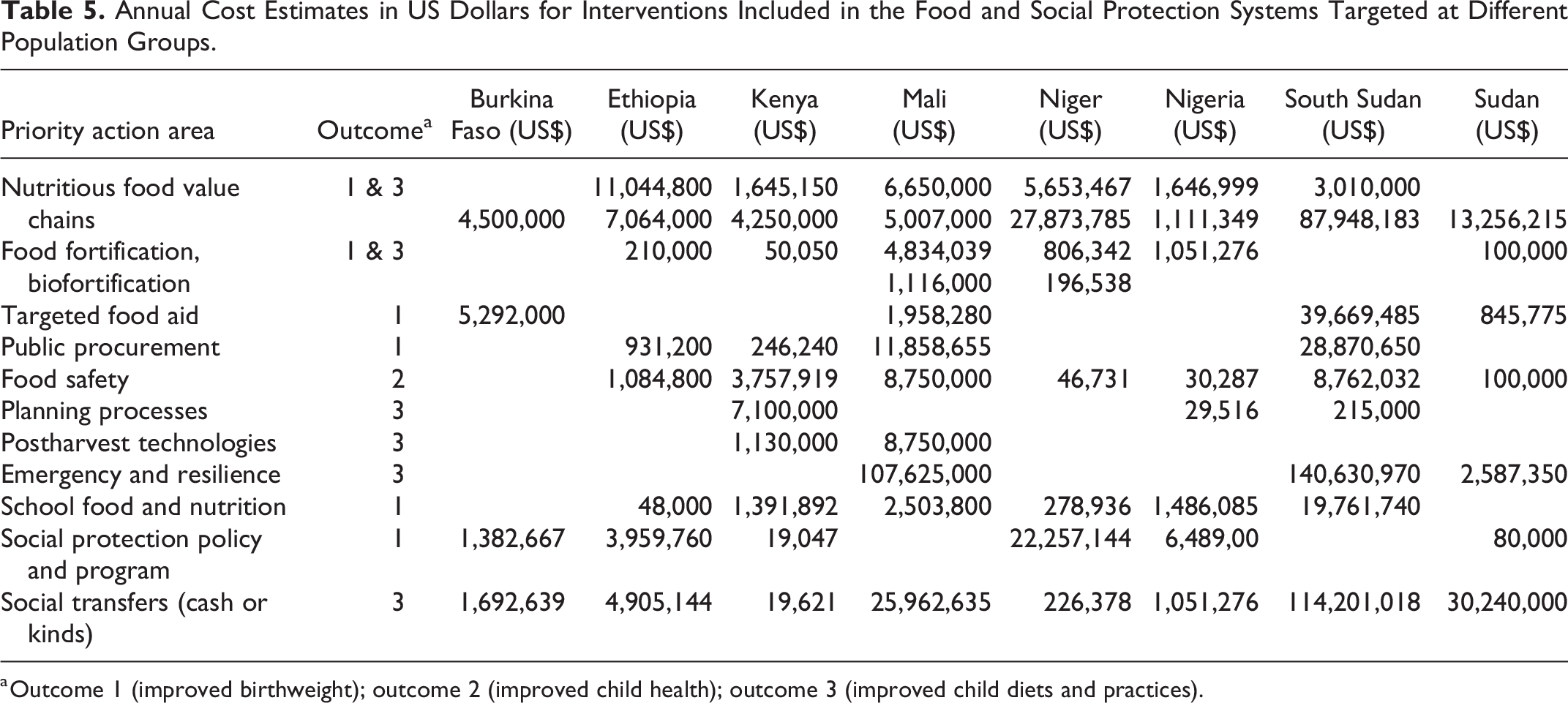
a Outcome 1 (improved birthweight); outcome 2 (improved child health); outcome 3 (improved child diets and practices).
The 4 countries that included planning processes among their programming priorities looked at mechanisms to improve the collection and use of data for decision-making, coordination, and better targeting of the most vulnerable people. Only 3 countries included emergency and resilience interventions for improving infant and young child feeding (GAP outcome 3) with the highest costs estimated by South Sudan and Mali. Food interventions comprised seasonal food assistance to severely food insecure households in Mali and blanket supplementary feeding for all children during an emergency in Sudan. Both South Sudan and Sudan included 1 intervention each that took a more comprehensive and integrated resilience-building approach while maintaining a focus on nutritionally vulnerable individuals.
A mapping of all 111 costed programming priorities alongside the components of the food systems shows a larger concentration on the food supply side (Figure 3), although there are significant differences in the distribution across the 8 countries (Figure 4). The responsibility to increase accessibility to nutritious foods appeared to be placed under interventions such as school meals or school food programs, social transfers (cash or in-kind), and social protection programs targeted at vulnerable individuals including refugees and displaced people. Measures to promote the consumption of nutritious foods as part of healthy diets were significantly less as they might have been included among the essential nutrition actions delivered through the health system.
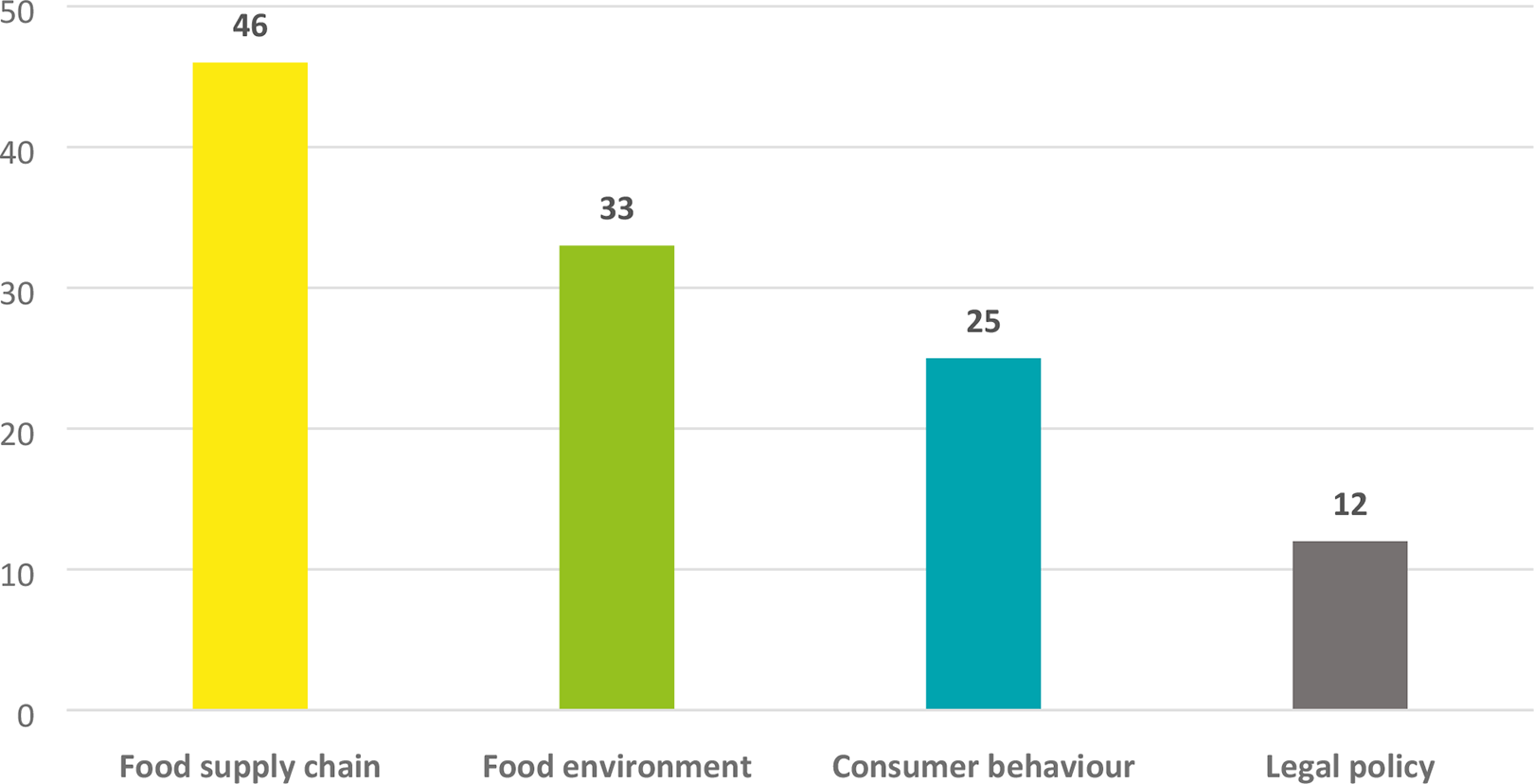
Distribution of all interventions alongside the components of the food systems.
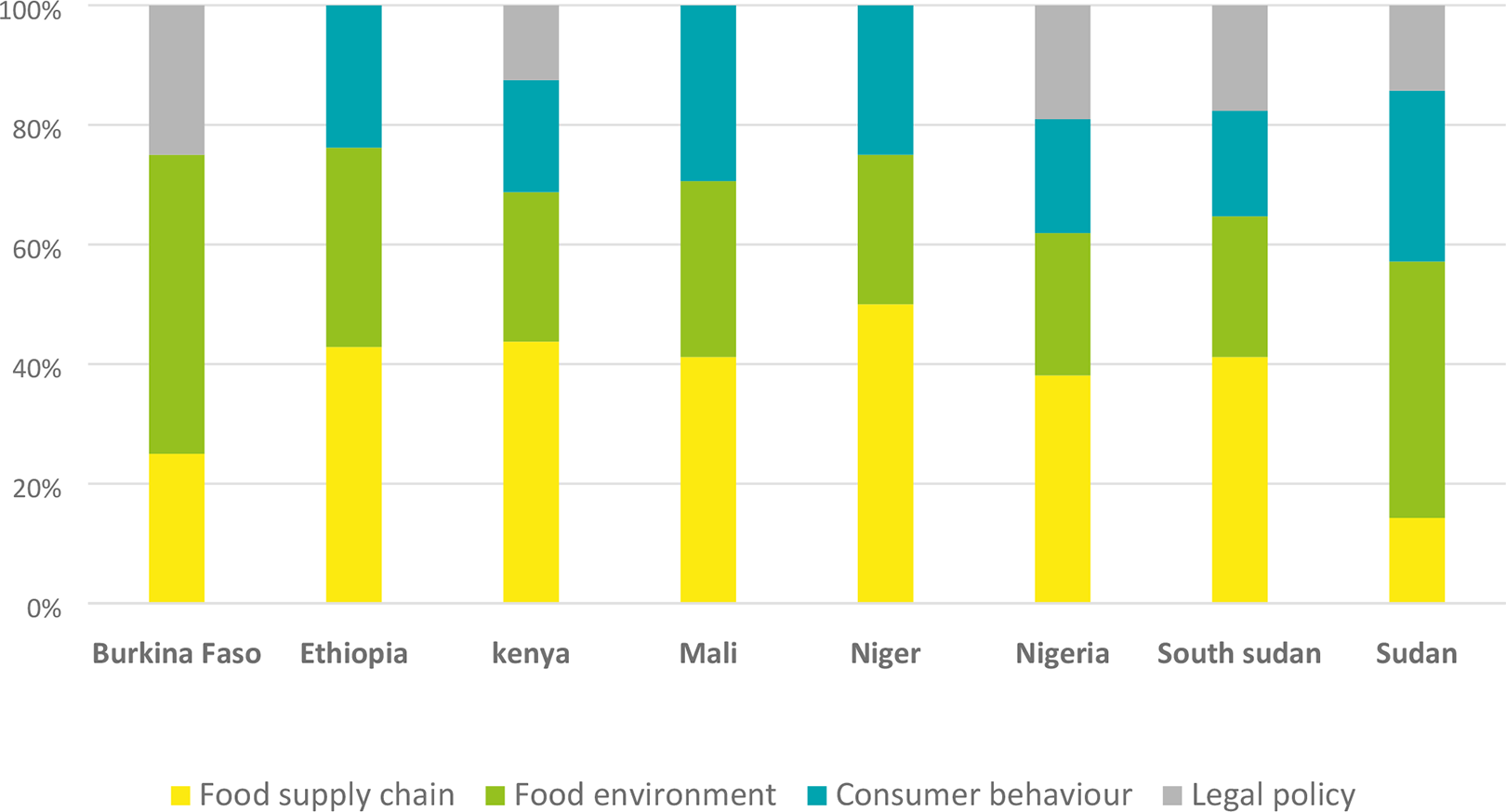
Distribution of interventions alongside the components of the food systems by country.
High-Level Political Commitments
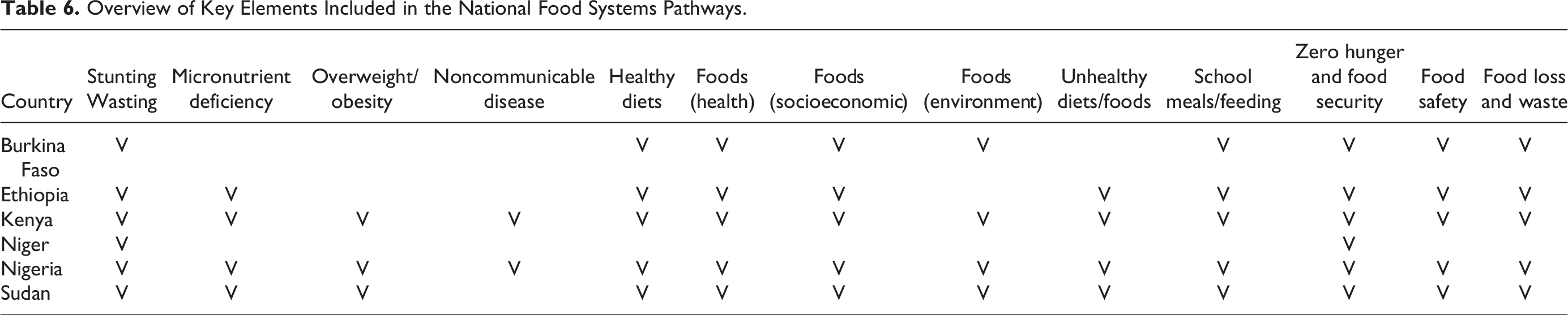
Results from the review of 6 published national food system pathways 42 as part of the 2021 UN Food Systems Summit show that all countries recognized child stunting as a challenge with 4 countries (Burkina Faso, Ethiopia, Kenya, and Sudan) also including child wasting. Four countries mentioned micronutrient deficiencies but only 3 countries made a reference to overweight and obesity and only 2 included noncommunicable diseases. With the exception of Niger, all countries included healthy diets and made an explicit reference to the importance of improving availability and access to nutritious foods from a health perspective. Most countries also considered the risks associated with unhealthy foods or foods rich in salt, fats, and sugar. Most countries looked at foods from a health, socioeconomic, and environmental perspective. In relation to other topics of interest for the emerging coalitions from the UN Food System Summit, all 6 countries mentioned food security and zero hunger as a priority followed by school meals, food loss and waste (with a focus on reducing food loss), and food safety. None of the countries included One Health (which links humans, animals, and the environment to address the full spectrum of disease control) as a topic of interest, despite livestock being of such importance. Issues related to resilience and vulnerability, especially from an environmental and livelihood perspective, were largely covered under the wider topic of addressing food insecurity and malnutrition (Table 6).
Overview of Key Elements Included in the National Food Systems Pathways.
All 8 countries made commitments to the Nutrition for Growth (N4G) summit and, with the exception of Nigeria, covered all thematic areas related to health, food, resilience, data, and financing. Four countries (Burkina Faso, Kenya, South Sudan, and Sudan) committed to address child wasting. Two countries (South Sudan and Sudan) made an explicit reference to healthy diets and Burkina Faso included a specific target on dietary diversity for women of reproductive age and young children (6-23 months). Two countries committed to national initiatives that promote a multisystemic approach with Kenya pledging to adapt and customize the GAP on Child Wasting and Ethiopia pledging to implement the Seqota Declaration Expansion Scale Up. South Sudan pledged to strengthen food value chains to ensure the availability and affordability of healthy diets. Well-defined commitments to build resilience were largely missing across all countries with very limited reference made to any of the basic causes of child malnutrition. Burkina Faso committed to build resilience of nutritionally insecure people but did not specify any measure while South Sudan included 1 commitment to strengthen shock-responsive social protection in food insecure areas. Sudan was the only country that linked resilience with food systems through the commitment to aligning climate-smart gender-sensitive policies and strategies across the food system action plans. Sudan also made commitments to address recurrent shocks and work with farmers and small animal producers. Kenya made specific commitments related to school meals and cash transfers for vulnerable children.
Conclusions
The analysis aimed to provide a comparative perspective on common characteristics and gaps across the 8 selected countries to inform country knowledge and learning as well as global efforts and guidance to effectively implement policies and actions to prevent child wasting in drylands.
This exploratory review makes a novel contribution to the existing literature, which has been largely confined to the UNICEF conceptual framework developed in the 1990s with a focus on the immediate and underlying drivers of child malnutrition. It built on the work by Young et al 29 on the 3 basic/systemic causes of child acute malnutrition in drylands, recognizing that the drivers are highly dependent on the livelihoods, environment, and seasonality. The authors used a food systems lens to assess how current governance mechanisms, policy frameworks, and programming priorities in the 8 countries were responsive to the food security and nutritional needs of the most vulnerable individuals.
The exploratory review revealed common strengths in terms of existing multistakeholder governance mechanisms, opportunities for engaging key actors in the food systems, and existence of policy frameworks. The country’s operational roadmaps, in particular, showed that basic causes such as conflict/insecurity, climate shocks, and economic shocks were taken into account when analyzing the food security and nutrition situation. All countries included costed interventions on nutritious food value chains and social transfers (cash and in-kind). This was followed by most countries prioritizing interventions for food safety, food fortification and biofortification, school food and nutrition, and social protection policies and programs.
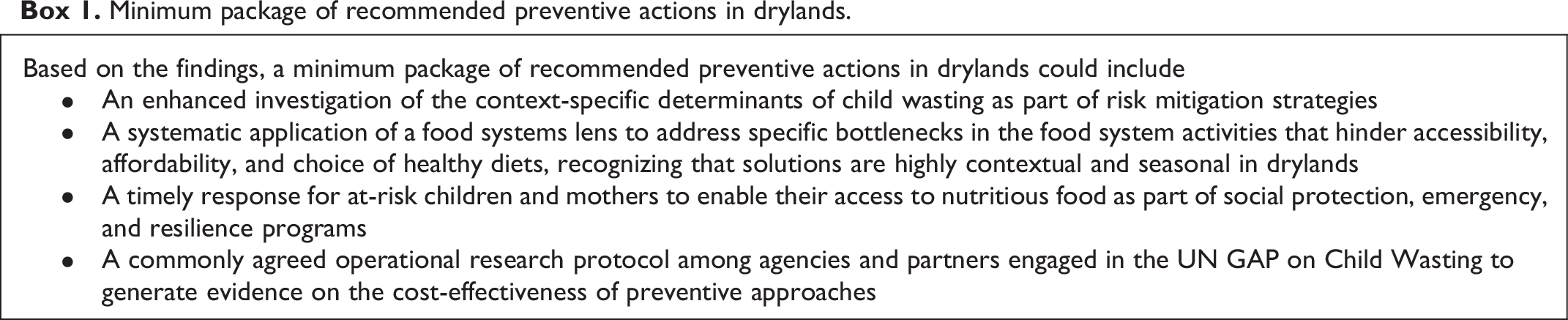
On the other hand, the review revealed that context-specific risks and vulnerabilities linked to livelihoods, environment, and seasonality as well as political/conflict drivers could be better incorporated into the nutrition governance, including how policies are enacted and programs implemented. Overall, there was less attention given to resilience, especially the role of territorial markets in mediating the supply and demand of foods, as well as risk mitigation strategies to address livelihoods, environmental, and political/conflict drivers (Box 1).
Minimum package of recommended preventive actions in drylands.
The African Union declared 2022 the Year of Nutrition, making it an ideal time to further align ambitions for transforming food systems in order to improve food security and address malnutrition. Countries that have aligned with the UN GAP on Child Wasting have committed toward a more sustainable system-wide approach that requires policy coherence across key sectors as well as the joint implementation of priority actions to address all causes of acute malnutrition. The country’s operational roadmaps developed as part of the GAP could effectively help in positioning food systems as central to the prevention of child wasting in typically dryland areas. This may require shifting from addressing vulnerability, as a result of failed livelihoods and institutions, to building resilience, recognizing the potential of sustainable drylands livelihoods in the prevention of child wasting and other forms of malnutrition.
Footnotes
Author's Note
Morgane Daget is now affiliated with GAVI, the Vaccine Alliance, Geneva, Switzerland.
Declaration of Conflicting Interests
The authors declared no potential conflicts of interest with respect to the research, authorship, and/or publication of this article.
Funding
The authors received no financial support for the research, authorship, and/or publication of this article.