



Abstract
Agricultural interventions more effectively improve nutrition when they are adapted to local contexts and engage multiple sectors. However, evidence is limited for how to design and measure the impacts of such interventions. We piloted a participatory methodology to collect community feedback to inform the design and selection of measures for a multisector nutrition intervention in Ethiopia. Study participants were purposively recruited from 6 rural districts in Tigray and the Southern Nations, Nationalities, and Peoples’ regions. Qualitative data were collected from 12 focus group discussions with smallholder farmers (men and women) participating in a nutrition-sensitive agriculture intervention. The Sustainable Livelihoods Approach (SLA) combined with an ecological systems model informed the survey tool and analyses. Analyses revealed 3 key findings. First, there were regional differences in how communities defined assets important for nutrition. Second, when asked to prioritize which assets were most important, communities selected every SLA capital category; however, the types of assets within each category differed by region. Third, the most commonly reported barriers to good nutrition were traditional feeding behaviors (eg, men eating before women) and lack of nutrition knowledge. How households use assets to enhance nutrition is influenced by diverse and dynamic cultural, social, economic, and ecological factors. The participatory methods piloted in this study present a novel approach to identify contextually relevant household, community, and institutional assets used to support food and nutrition security.
Keywords
Introduction
Between 1990 and 2015, global progress was made toward the food security targets in the Millennium Development Goals, which included reducing the prevalence of undernourished people. 1 Globally, rates fell from 1.01 billion to 795 million people. 2 However, achievement of this goal varied among countries and within different populations. In sub-Saharan Africa (SSA), an estimated 25% of the population remains undernourished, with the number of undernourished people actually increasing by 44 million people between 1990 and 2015, a statistic not often visible unless global food security data are disaggregated by region. 2,3 While overall rates of food security improved globally, the simultaneous regression in areas such as SSA points to the pressing need to better understand local and contextual factors that contribute to ensuring nutrition and food security for all. 4 –6
Food security is essential for nutrition, and the underlying causes of food insecurity may be more successfully addressed by complimentary actions across sectors to have indirect effects on nutrition outcomes. 7,8 Governments and agencies recognize this and increasingly are shifting programs from addressing a single driver of food insecurity to interdisciplinary, multisector approaches that strengthen nutrition and livelihoods. 9,10 Such strategies, termed “nutrition-sensitive interventions,” include projects in agricultural development, education, water, and sanitation changes in the built environment; poverty reduction; and women’s empowerment. 11,12 Additionally, concern about food insecurity and its relationship with chronic undernutrition has specifically increased interest for how agriculture can improve nutrition. 9,13 However, 2 recent systematic reviews of agricultural interventions intended to improve nutrition showed limited impact. 14,15 Another study conducted by the Leverhulme Centre for Integrative Research on Agriculture and Health (LCIRAH) analyzed and mapped the gaps for how agricultural interventions can improve nutrition. 16 The authors looked at 151 agricultural projects with an explicit intent to impact nutrition outcomes and found multiple gaps, including a lack of relevant measures. This has contributed to the growing awareness of the need for more evidence about the design of and measures for multisector nutrition-sensitive agriculture interventions and how such programs work in different locations. 12
Multisector Food Security Frameworks
Given the complex nature of food security, different frameworks have been produced to help understand linkages among the determinants of food security, select indicators used to measure it, and explain relationships. 17 – 23 One multisector framework used to design and analyze impacts of agriculture and food security programs is the Sustainable Livelihoods Approach (SLA), originally developed by the United Kingdom’s Department for International Development. 24,25 The SLA is a livelihood-centered approach useful for analyzing how households manage resources (assets) and make decisions to ensure food security. 26,27 Interventions using the SLA have classified household assets into 5 capital categories: financial, human, natural, physical, and social. 28 –31 Interventions that have applied the SLA have found that 4 or more capitals should be strengthened to have positive long-term effects on household livelihoods. 28,32 –37 However, there were challenges with the original SLA model, and the framework has undergone modifications. 38,39 One challenge is that the types of household assets use are context specific and may change over time. Additionally, the original framework only presented 5 capitals, but researchers have argued the importance of cultural and political capitals in certain settings. 38,40 A final challenge is that the SLA has primarily been applied at the household level. However, food security is multidimensional and is influenced not only by household and community factors but also by organizational and policy environments. 41 To address these gaps in the SLA model, our research integrated an ecological systems approach to consider interrelationships between households and other tiers of influence to inform the selection of indicators for a nutrition-sensitive agriculture intervention in Ethiopia. 42 In the field of public health, the social–ecological model (SEM) is an evidence-based framework frequently used to guide communities in making changes at multiple levels to support healthier lifestyles. 43 This conceptual framework (Figure 1) for integrating SEM with the SLA is intended to support a holistic set of actions at multiple levels to advance food security programs and policies that build upon contextually relevant assets to support the health and resilience of individuals, households, and whole communities.
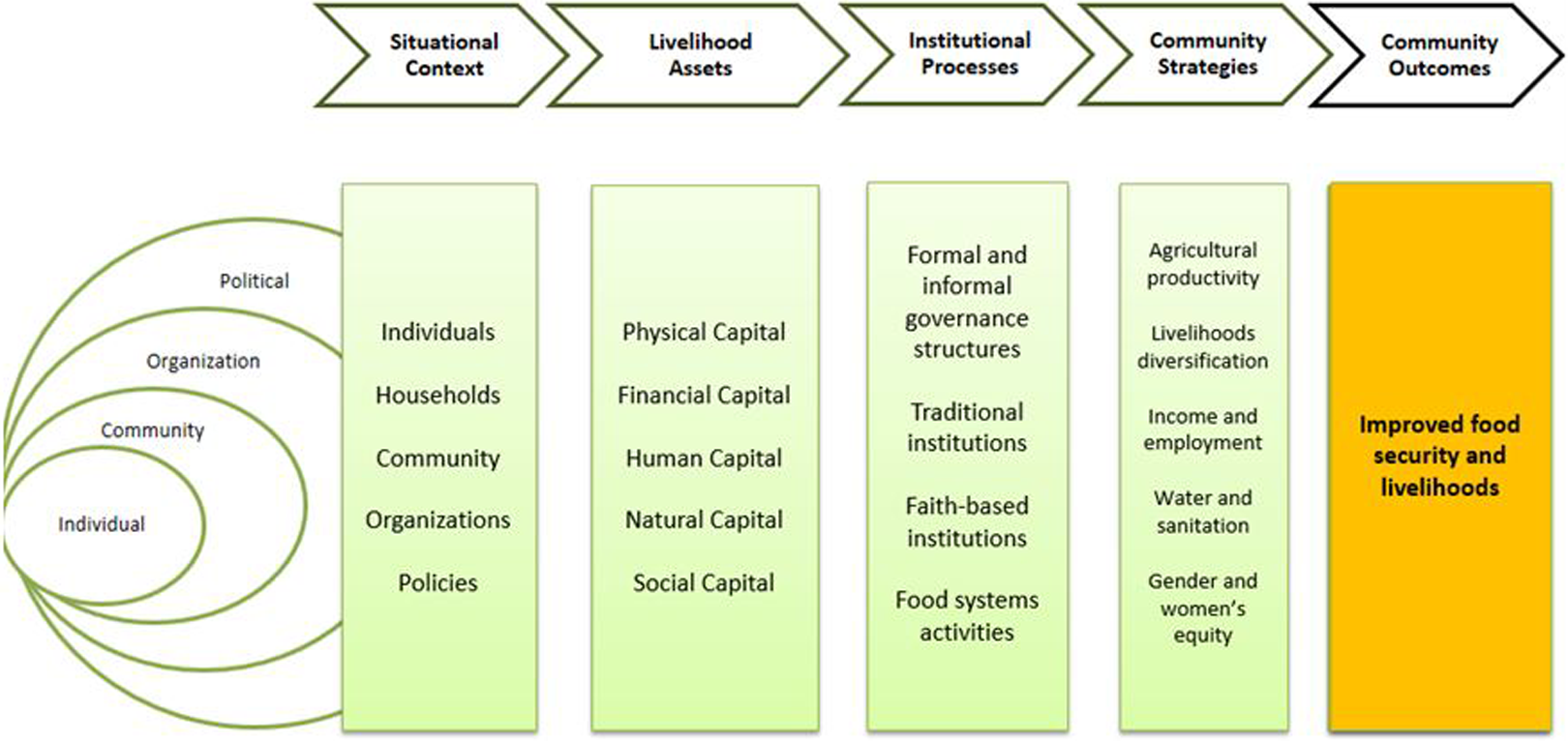
Framework for a social–ecological approach to Sustainable Livelihoods.
Recognizing that food security interventions should be multisectoral and adapted to local contexts, this study used a traditional food security framework but modified and expanded it to include ecological systems theory and participatory methods to understand how rural households in 2 target regions of Ethiopia use assets at multiple ecological levels to meet their nutrition and food security goals. This article is organized as follows: First, we describe the program rationale and design of a nutrition-sensitive agriculture intervention in Ethiopia that served as the study site and list the questions this article explores. Second, we present our participatory methodology for collecting and analyzing data about what local household, community, and institutional factors influence nutrition and food security within the study population. Finally, we discuss our results and implications for selecting evaluation measures for multisector nutrition programs.
Methods
Program Description
To help address the challenges of food insecurity and malnutrition in Ethiopia, in 2013, the International Potato Center (CIP) implemented a 3-year, nutrition-sensitive agriculture intervention (intervention) in 2 regions, Tigray and the Southern Nations, Nationalities, and Peoples’ (SNNP) regions. The program goal was to improve nutrition and food security of smallholder farmers through increased production and consumption of orange-fleshed sweet potatoes (OFSP) as part of diversified diets. In recent years, CIP has worked to improve production and consumption of OFSP in Ethiopia and other SSA countries to address vitamin A deficiency (VAD). 44,45 Using a food-based approach to increase production and consumption of vitamin A-rich OFSP been shown to effectively reduce VAD in vulnerable populations when introduced with community nutrition education. 46 –48
The overall objectives of the CIP intervention were to expand smallholder production of OFSP, increase OFSP consumption, strengthen value chains, and facilitate cross-sector nutrition policies. International Potato Center worked with multiple stakeholders to implement the intervention in 20 woredas (districts), 10 in Tigray and 10 in the SNNP regions. International Potato Center and regional Bureaus of Agriculture (BoA) selected woredas based on the following criteria: agroecology suitable for OFSP production; degree of food insecurity based on participation in the Government of Ethiopia’s (GoE) Productive Safety Net Programme; degree of child malnutrition; and proximity to a main road. Figure 2 provides a map of the CIP intervention regions in Ethiopia.
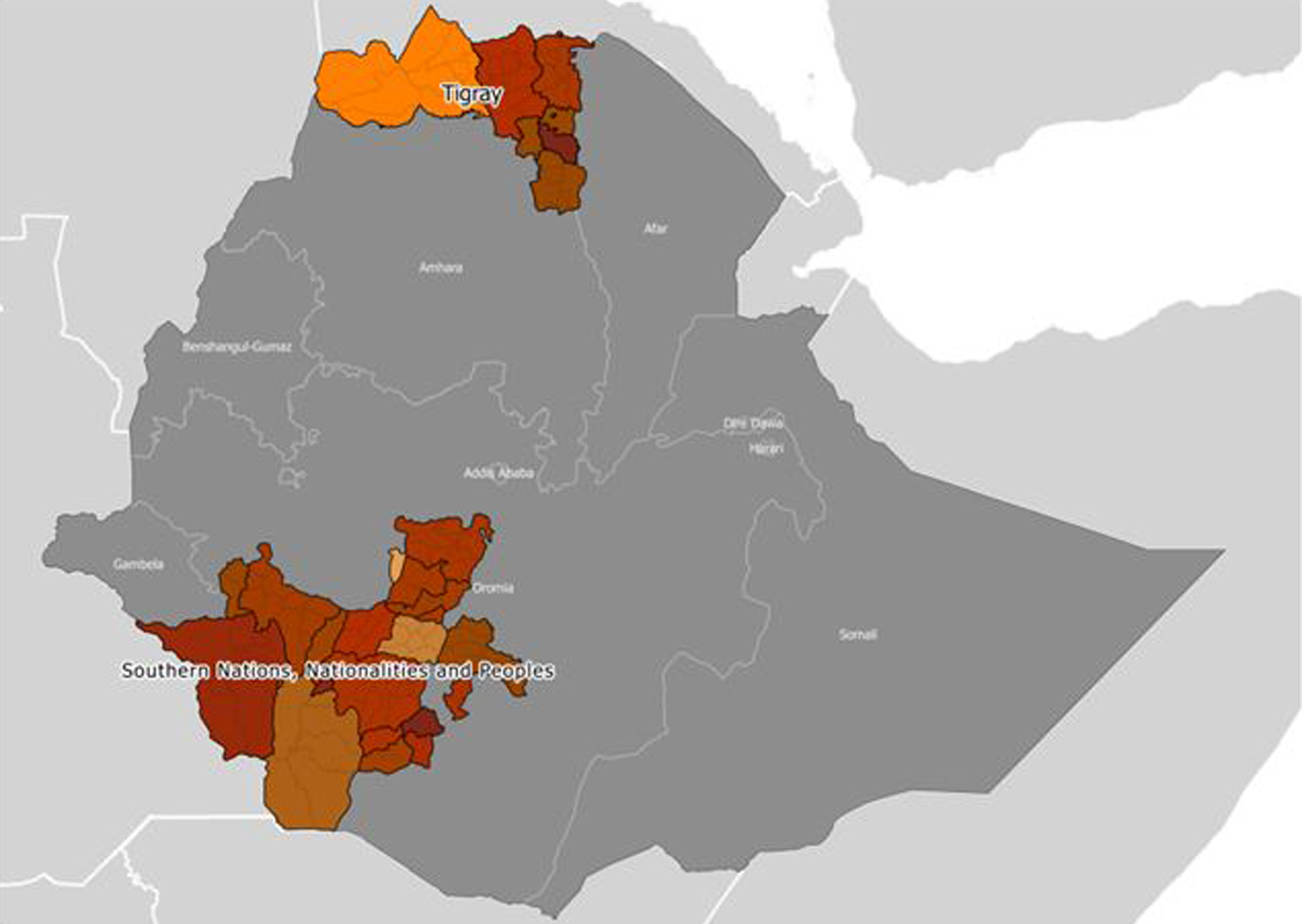
Map of Ethiopia highlighting the International Potato Center (CIP) Nutrition Program areas, Tigray and the Southern Nations, Nationalities, and People’s regions.
This study is 1 component of an overall impact evaluation that collected cross-sectional demographic and socioeconomic data from study households. Table 1 reports demographic data from these baseline surveys. The intent of this study was to create a participatory process for reflection, discussion, and action by participant households to inform evaluation of the CIP intervention, helping ensure activities were responsive to local factors and the selection of relevant indicators. The study objectives were to understand (1) what assets households in the project areas use to strengthen livelihoods and nutrition, (2) how these assets are used, and (3) the factors that impede or facilitate their use. The questions this article explores are found in Figure 3. Ethical approval was obtained from the Health Sciences institutional review board at the University of Wisconsin–Madison.
Comparison of Select Socioeconomic Indicators Between Tigray and SNNP Households Participating in the CIP Nutrition Project.
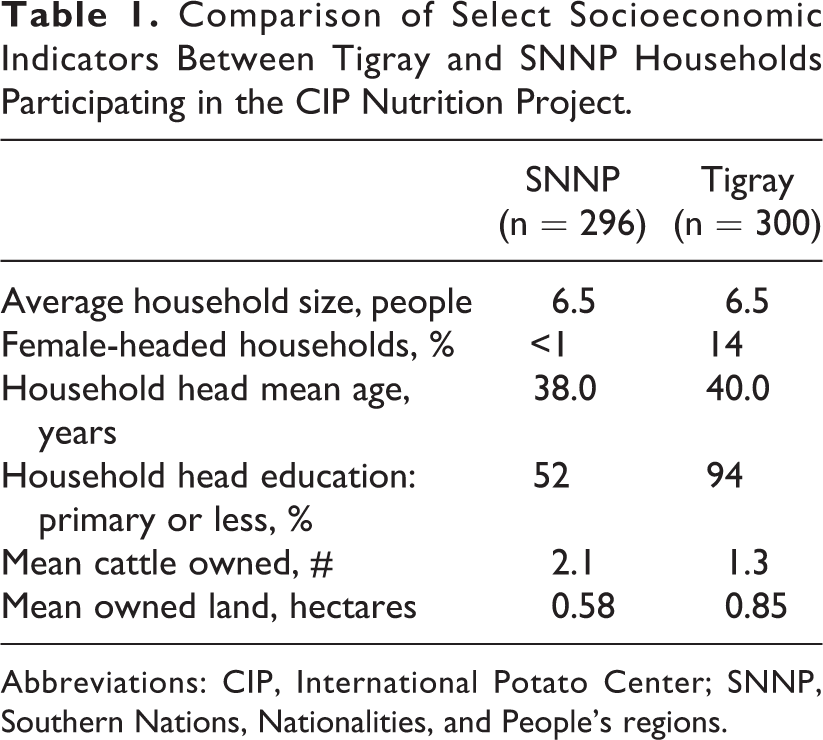
Abbreviations: CIP, International Potato Center; SNNP, Southern Nations, Nationalities, and People’s regions.
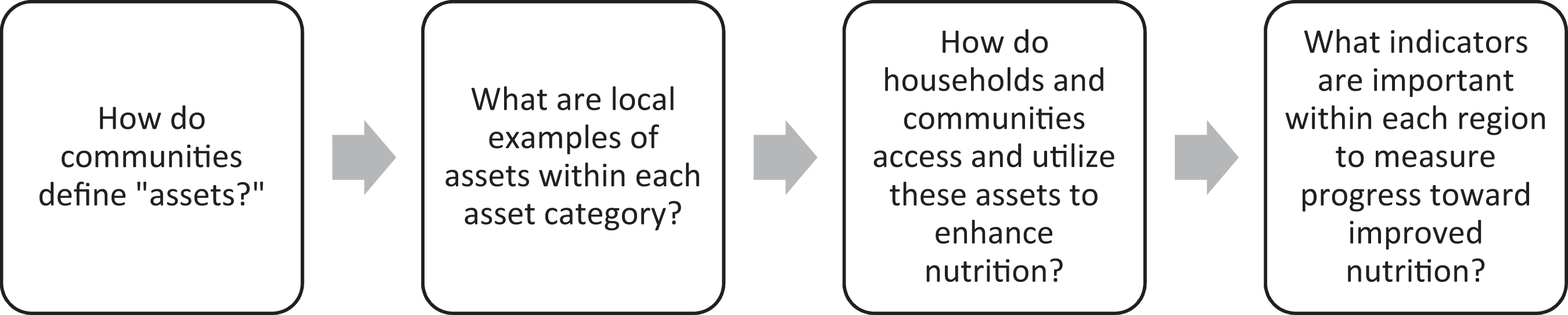
Questions this article explores.
Study Participants
Participants were recruited from among smallholder farmer households engaged in the CIP intervention. Data were collected during focus group discussions (FGDs) that were conducted in 6 woredas (3 in Tigray and 3 in SNNP regions) in June to July 2015 (Table 2). In each woreda, trained facilitators conducted 2 FGDs—1 for men and 1 for women—in the local language. A total of 98 smallholder farmers participated, of which 52% were women. Participants provided verbal consent to participate in the study prior to data collection. No per diem or other incentives to participate were provided.
Interview Participants by Category of Interview, Data Collection Method, and Region.
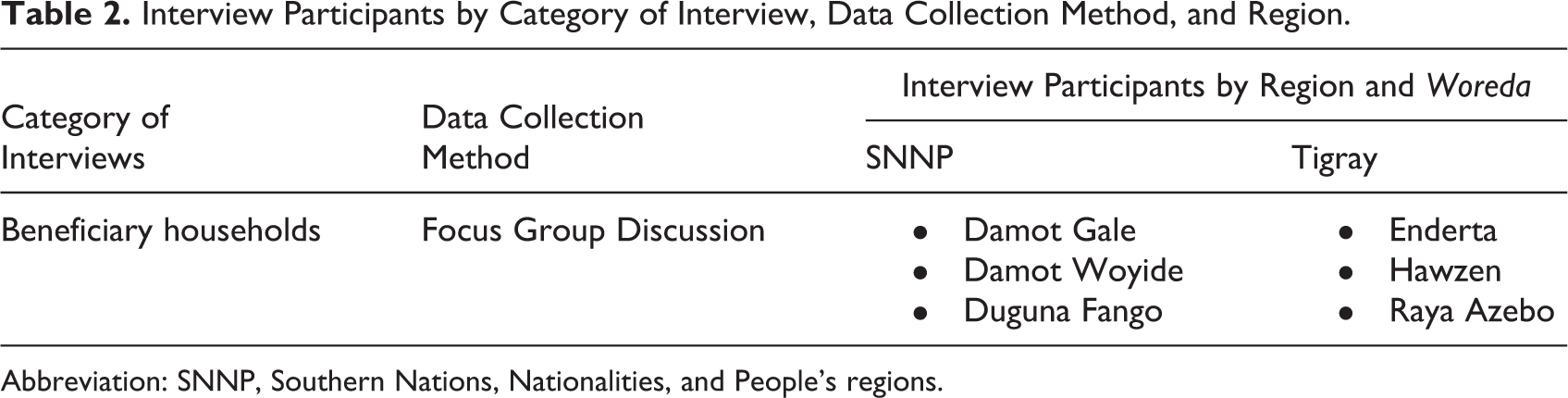
Abbreviation: SNNP, Southern Nations, Nationalities, and People’s regions.
Data Collection
We conducted semi-structured FGDs and collected data using community asset maps, a ripple mapping exercise, field notes, and observations. Community asset maps and ripple mapping engaged participants in describing their environments, institutions, and assets, and—in doing so—helped us learn about communities and draw out perspectives that can be ignored in traditional FGDs. For community mapping, participants drew their community and discussed definitions of community; their communities’ physical, social, and political spaces; and who did (or did not) access these spaces. For ripple mapping, participants drew 3 concentric circles of impact: the central project goal, resulting changes that occurred, and changes they would like to see happen in the future. Ripple mapping was also used to help understand what intervention activities had occurred, whether there were gaps in delivery or reach of the intervention, and whether there were innovations working well in 1 community that could be shared with others.
Focus Group Discussion Outline
Facilitators followed a semi-structured script to collect data using the asset and ripple maps, pictures, and narrative discussion. Table 3 outlines an abbreviated script. Previous studies that used the SLA have found that assets important for ensuring nutrition and food security differ across community contexts and that multiple types of capital categories are important. 37 Recognizing that how a community defines assets reflects their values, relationships, and available resources, facilitators first probed to understand how communities defined assets. This was important for 2 reasons. First, it helped us understand local perceptions and whether there were similarities or difference between and within communities. Second, it enabled the facilitators to establish a shared understanding of the concept to use for group discussion.
Outline for Community Discussions in the SNNP and Tigray.
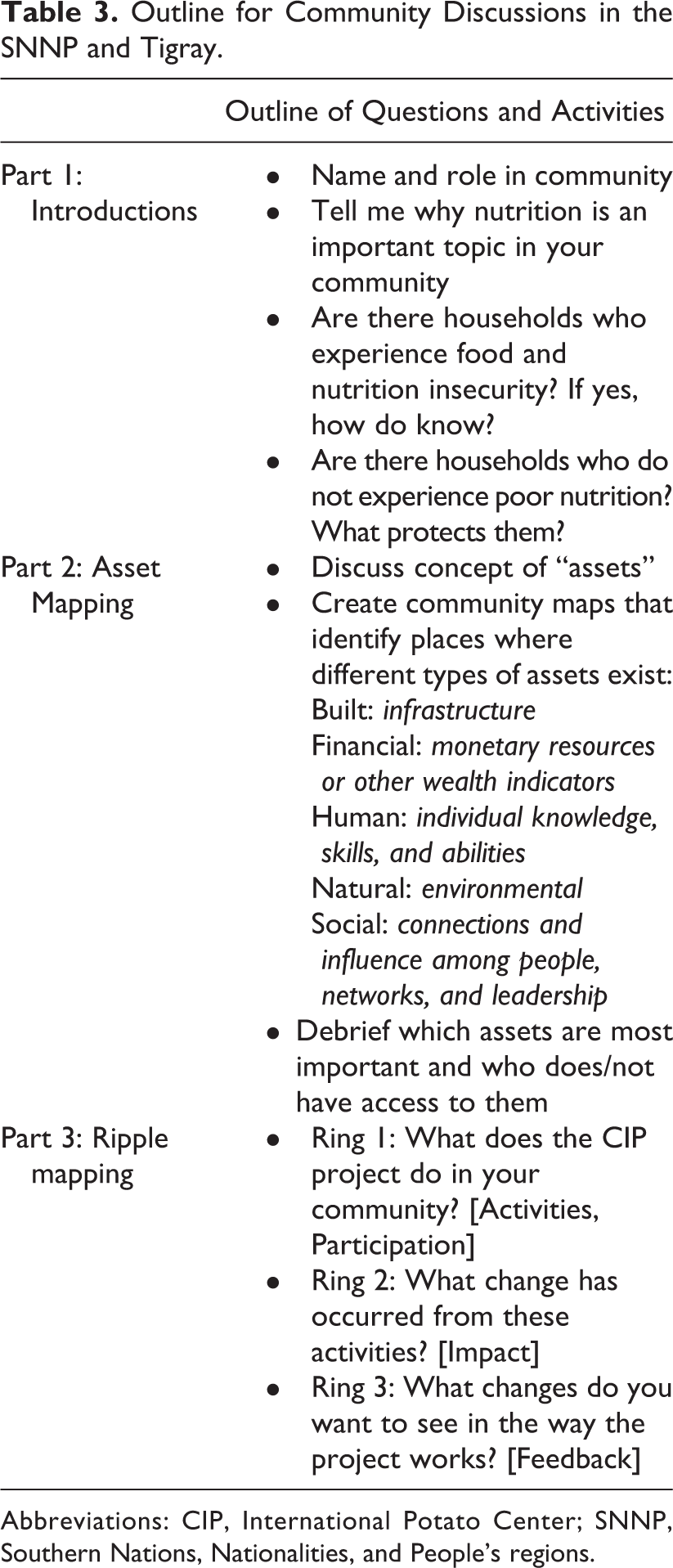
Abbreviations: CIP, International Potato Center; SNNP, Southern Nations, Nationalities, and People’s regions.
Data Analysis
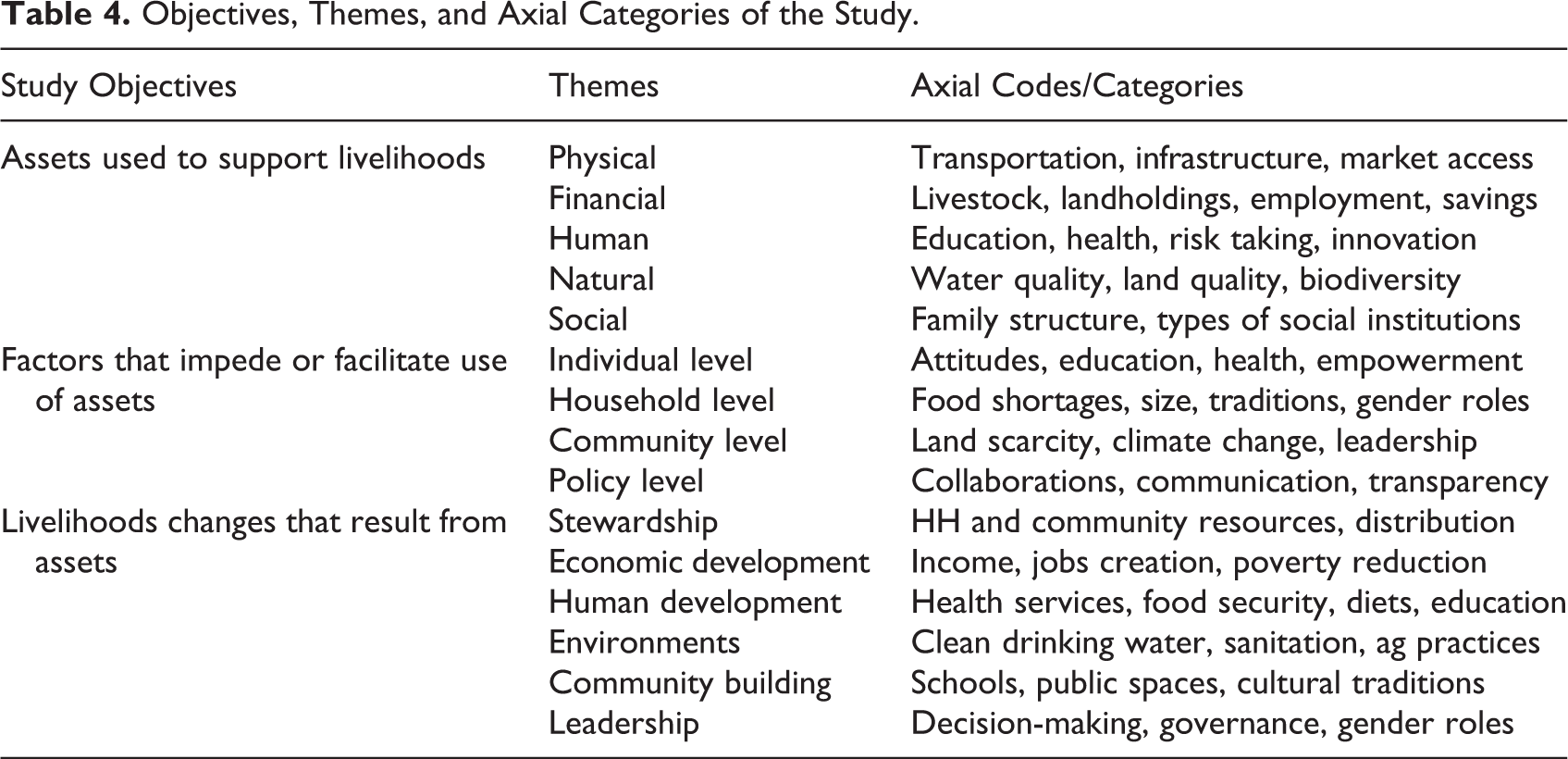
Each FGD was led by 1 facilitator and conducted in the local language (eg, Tigrinya in Tigray and Amharic in the SNNP regions). A second facilitator took notes in English. At the end of each day, materials (ie, digital audio recordings, field notes, and photographs of the maps) were collected. At the end of the field study, facilitators translated and transcribed the audio recordings into English and sent them to the research team. English transcriptions were read by the research team who sent questions to the translators to ensure clarity of meaning before finalizing each FGD transcription. Transcriptions were uploaded into NVivo Version 10 (QSR International) as a data management tool and coded by 2 team members. Analysis started with an overall reading of the transcriptions. Then, deductive categories were generated relevant to the study objectives, using the a priori thematic categories of the SLA capitals (Table 4). The final stage established categories linked to each theme for coding. For the community asset maps, frequency of the categories and types of assets within each were identified. For the ripple maps, responses were translated into English and manually coded into inductive categories under the study question of how households and communities access and utilize assets to enhance nutrition.
Objectives, Themes, and Axial Categories of the Study.
Results
How do Communities Define “Assets?”
Participants from both the Tigray and SNNP regions described assets in the context of community and interpersonal relationships and not just financial wealth. In the Sidama zone of the SNNP regions, terms exist in the local language to distinguish between financial wealth and assets. In Sidama, there is a word for asset. It is jiru. A person with a lot of land and cattle is considered “rich.” But a person is considered to have jiru if they are generous with others. Assets are not what someone has, but what the community owns. The biggest asset is when the community has awareness and knowledge. If the community does not have [these], it can’t develop assets. Life is sustained by assets. To be a good citizen and to have better ideas, you should make use of your assets. You get an asset or wealth through work. You set a plan and direction. Therefore, an asset is a current direction that leads to change.
The regional differences in defining assets may in part be reflected by the different cultural and political histories of the 2 regions. The SNNP region is very diverse in terms of ethnicity, languages, and agroecologies. The Wolayta zone in particular has a history of innovative, participatory, and community-based development initiatives to address local issues, particularly food insecurity. Local decisions are frequently influenced by community institutions such as ekub, a traditional financial institution that works as a rotating fund for members, and idir, a social institution where members collect funds to help members in emergencies such as to pay for a funeral. The SNNP region definitions of assets seemed to emphasize strengthening such grassroots efforts and dependence on local knowledge and relationships.
In contrast, Tigray is more homogenous in terms of ethnicity, language, and agroecologies. Women’s development groups figure prominently in community outreach and mobilization efforts as does coordination with local government offices to ensure projects align with the regional government. In addition, the Tigray region is perceived as having improved infrastructure and resources than other regions, largely because of its linkages with the federal party. While ekub and idir also function in Tigray communities, in general, the regional government plays a stronger role in individual and community life, and community definitions of assets seemed to link back to this sense of responsibility and allegiance to the regional government.
What Assets Are Important for Ensuring Food Security and Livelihoods in the Regional Contexts?
One way to classify assets is to categorize resources using the SLA capitals of financial, human, natural, physical, and social. To reinforce a common and clear understanding about assets, facilitators asked participants for examples from each category. The findings from this activity illustrated how specific assets within each category are determined by local socioeconomic and political contexts, the natural resource base, and change over time. For example, in the financial category, participants from both regions identified cattle, land, and income as important assets. But they also described how these assets were changing in their communities, such as this quote from Tigray: In old times, camels were assets. But now assets are cows, goats, and sheep. The focus has shifted from number to quality, because new varieties of cattle give more milk and butter, and people are changing.
In the SNNP region, participants also described assets specific to their natural resource base. This in part reflects SNNP demographics, where more than 85% of households are subsistence farmers and still depend on agriculture for their livelihoods. Participants identified local cattle breeds as valued assets because they were adapted to the climate and forages. They also named plants and trees as important because they were sources of food throughout the year, stablilized hillsides to prevent erosion, and were “gifts from the Creator” and had intrinsic sacredness. Like in Tigray, SNNP communities described the increasing importance of financial wealth. And how—with better incomes—families could make improvements in dimensions of their lives beyond nutrition and food security. One example was their houses and a change from the traditional tikul (home) with thatched roofs to more modern structures. This SNNP quote describes how improving a family’s financial assets leads to changes in other household welfare dimensions, such as home improvements and sending children to school. [When] men and women get better incomes, they [change] their livelihoods. We are seeing tikul changing from thatch to tin roofs. We are sending our kids to school. Health itself is an asset. If you have health, it is possible to reach anything. After you ensure health, the cash or livestock you get as a result of work are also assets. Water is life. In any place, for a human to lead a healthy life, the availability of clean water is necessary. A healthy diet requires balanced foods and clean water.
Additionally, there was seldom consensus within groups about which asset category was most important. In 1 group, a farmer believed that a “person’s way of thinking is the biggest asset. If you develop good thinking, then other assets will be accumulated.” While a second farmer in the group shared that “a healthy diet is the [most important asset]. It is the cornerstone for a healthy community and country, [and] a source of development for our country.” Finally, a third farmer in the group stated that “all [assets] are necessary, but physical assets are crucial in a society. We cannot survive if there is no road or health center or school in our village.” The second quote offered an opportunity to more critically examine how the community defined “healthy diets” specifically and “health” generally to learn whether there were cultural perceptions that were shared or differed across settings. This is worth noting, as it raised issues of how to ensure nutrition interventions support rather than impede cultural values and traditions.
How do Communities Use Assets to Enhance Nutrition and Food Security?
Nutrition outcomes depend on more than just access to food and other livelihood assets. An important aspect of the SLA model is how assets are transformed by policies and institutions, which raise cultural, social, and participatory dimensions of livelihoods strategies. Factors that influence participation in these policy-making contexts, however, require knowledge of local institutions and processes. After discussing assets, facilitators guided community and ripple mapping activities to collect information on how communities used their assets. This method was used to understand local issues of participation and power (ie, who did or did not access assets). Table 5 summarizes the identified assets.
Summary of Capitals and Examples Identified by Any Community Discussion in the SNNP and Tigray, Respectively, by SLA Category.
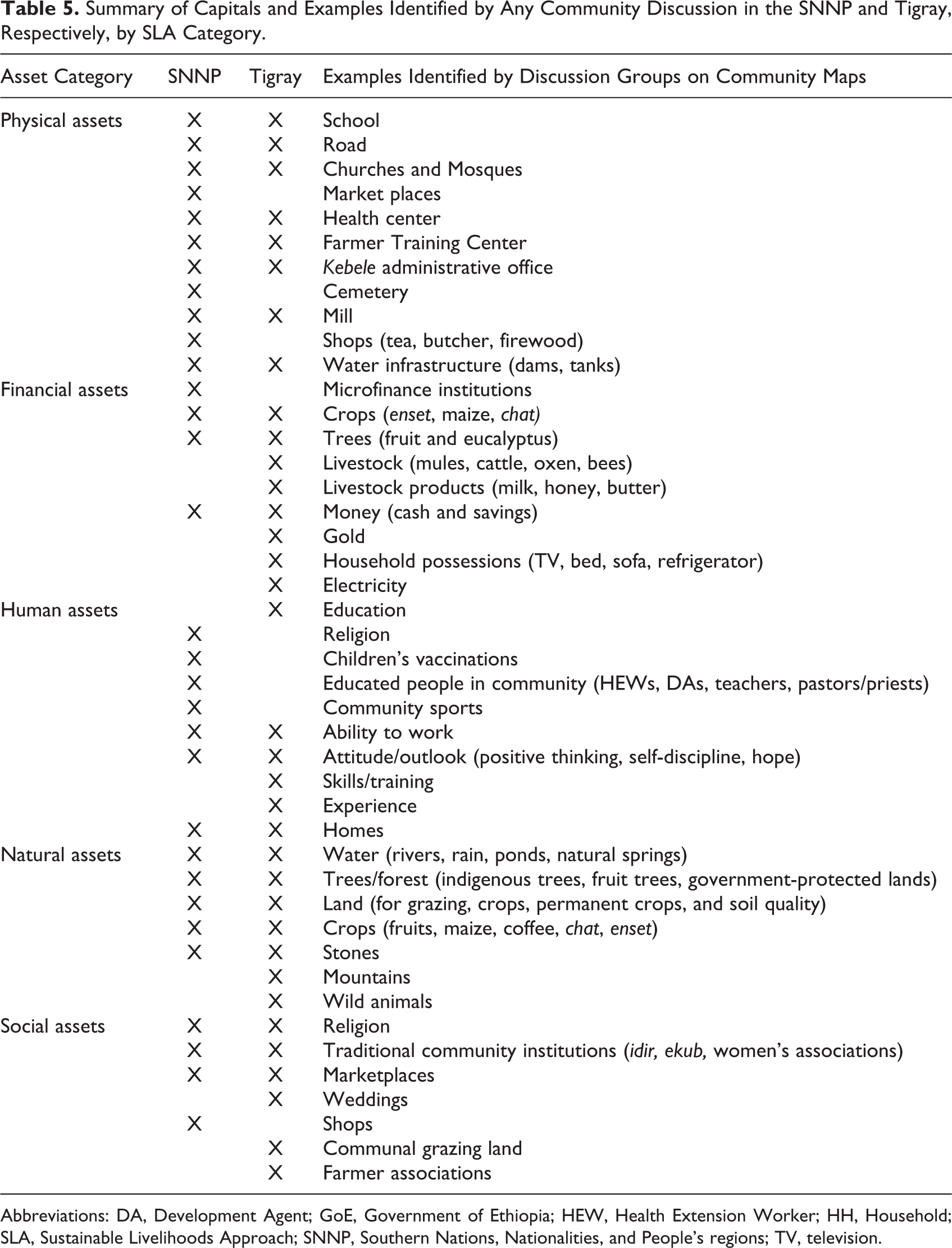
Abbreviations: DA, Development Agent; GoE, Government of Ethiopia; HEW, Health Extension Worker; HH, Household; SLA, Sustainable Livelihoods Approach; SNNP, Southern Nations, Nationalities, and People’s regions; TV, television.
Regional Assets: Commonalities
Common assets drawn on maps in both the SNNP region and Tigray include schools, health-care facilities, water infrastructure, religious institutions (ie, churches and mosques), traditional community institutions, trees/forests, and roads. Water in particular featured prominently in responses from both regions, such as this quote from Tigray: “Water is a natural asset. We mentioned earlier that our assets or wealth diminish due to lack of water, because water is life.” All communities described the importance of health, community infrastructure, and traditional social institutions for individual and community development; however, SNNP region and Tigray have unique political, historical, cultural, environmental, and economic contexts. Because these contexts shape participants’ understanding and responses, this section describes how assets are used in each region to support nutrition and what factors support or impede the use of these assets.
Regional Assets: SNNP Regions
In the SNNP regions, unique assets included land holdings, local markets where crops and food products (eg, coffee, tea, tej [Ethiopian honey wine]) were sold and social interactions happened, microfinance institutions, kebele administrative offices, and the BoA’s Farmer Training Center. Food insecurity is a challenge in all SNNP region communities. Community members understand food insecurity as being driven by multiple factors, including the lack of nutrition knowledge, seasonal fluctuations in food production, climate change, and high population densities. Further, the majority of households are rural, smallholder farmers who depend on subsistence and rain-fed agriculture for food production and nutrition. Their crop yields are constrained by small landholdings, lack of irrigation, and labor availability.
Regional Assets: Tigray
In Tigray, unique assets included crops and livestock that can be sold for income, individual health and well-being, knowledge and education, mosques and churches, women’s associations, and having savings. The Tigray region is known for cereal and livestock production. In Tigray as in many communities, multiple factors drive undernutrition and food insecurity. First, population densities are much lower than the SNNP regions, but the land is not very productive because of repeated cultivation over generations. Second, households’ labor supply and landholdings have been affected by political instability and conflict with Eritrea. Third, farmers in general have limited resources and low levels of modernization. The Tigray government is investing heavily in irrigation systems to increase agricultural productivity; however, it has not yet implemented a complementary strategy to address cultural feeding behaviors and practices of households. As 1 farmer stated, The government now needs a strategy to bring changes in feeding practices. The productivity between now and old times is [improved]. But we didn’t bring similar changes in nutrition.
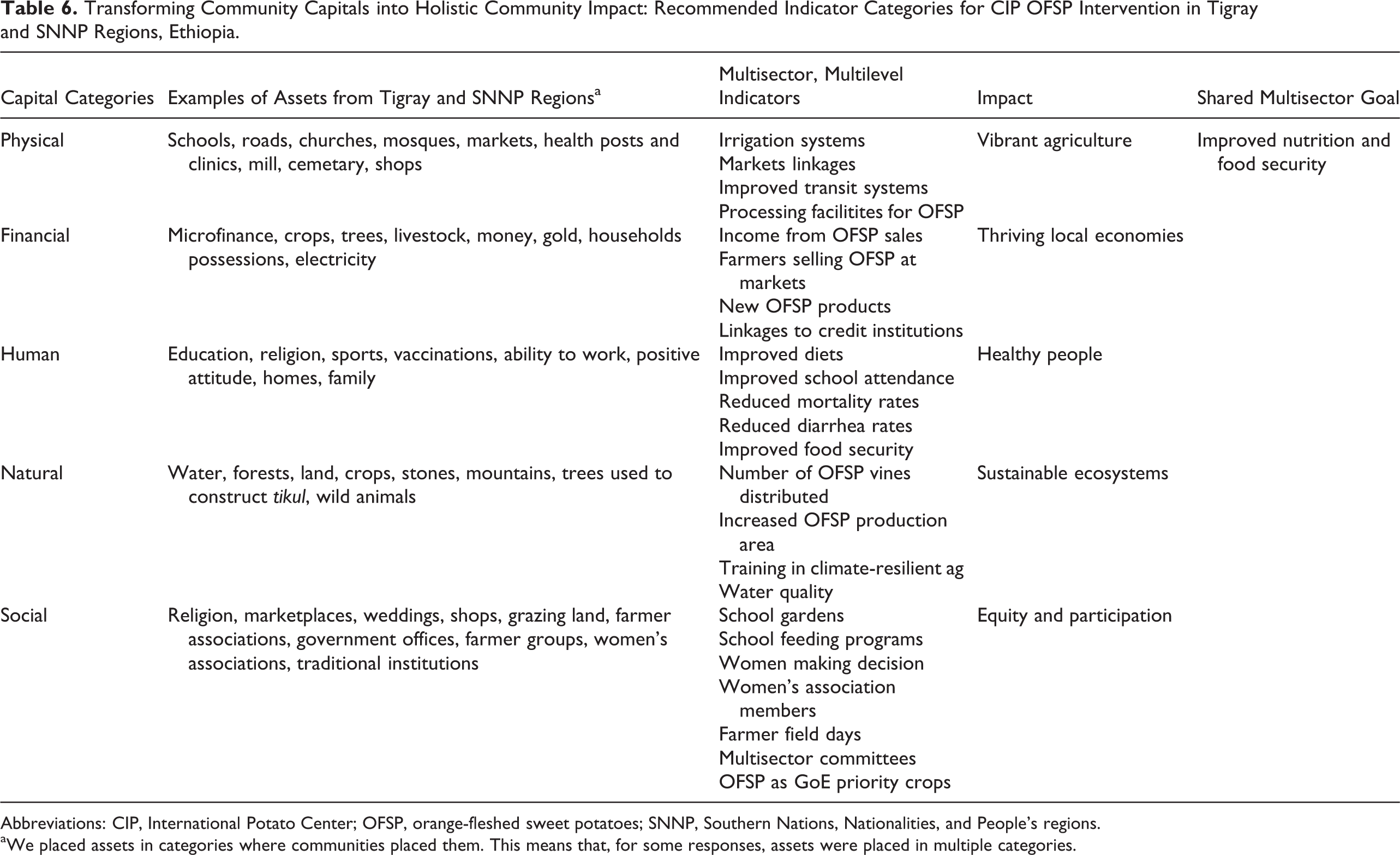
Table 6 presents a revised logic model reflecting how the qualitative findings from this study could inform the selection of contextually specific intervention indicators. These indicators reflect change at multiple SEM levels—household, community, and policy environments. The indicators also reflect factors the communities valued—for example, irrigation sytems, transit services to markets and cities, traditional institutions, and experience sharing with other communities.
Transforming Community Capitals into Holistic Community Impact: Recommended Indicator Categories for CIP OFSP Intervention in Tigray and SNNP Regions, Ethiopia.
Abbreviations: CIP, International Potato Center; OFSP, orange-fleshed sweet potatoes; SNNP, Southern Nations, Nationalities, and People’s regions.
aWe placed assets in categories where communities placed them. This means that, for some responses, assets were placed in multiple categories.
Discussion
We learned the following from the participatory methods piloted in this study: improved understanding of local assets from multiple SLA capital categories, which assets communities in Tigray and the SNNP regions perceive to be important for supporting food security and nutrition, and factors which facilitate or impede the use of these assets.
Implications for Understanding Local Definitions of Assets
The regional similarities and differences in how participants defined assets have important programmatic and evaluation implications for CIP and other multisector nutrition interventions. First, these differences may impact how the program works differently across regions and what kinds of changes may occur. Subsequently, the CIP intervention should consider selecting and collecting some regionally specific measures of change, as traditional agricultural (eg, agronomic productivity) and food security (eg, borrowing money from neighbors) measures may not be what matters most or be relevant in different communities. Finally, the intervention should consider ways to strengthen community and institutional assets in both regions. This is an important shift away from building household assets, a traditional focus of food security interventions. 51 –53 By strengthening community institutions, multisector nutrition interventions may align with rather than disrupt local structures and processes that serve multiple roles in community life and livelihoods.
Implications for Prioritizing Assets Most Important for Ensuring Food Security and Nutrition
We learned multiple programmatic lessons when asking participants to prioritize assets most important for ensuring nutrition and food security. First, consistent with other studies that used the SLA, 32 –37 participants from Tigray and the SNNP regions identified that no single factor ensures nutrition. Interventions may need to enhance and monitor changes from multiple asset categories to assess their contributions toward strengthened livelihoods. This may require programs and funding agencies commit sustained, long-term inputs that support collective efforts and build local institutions and leadership. Second, households cannot sustainably improve nutrition and livelihoods if community infrastructure is not first in place, such as schools, health clinics, clean water, irrigation systems, and transportation services, because all are necessary to ensure nutrition. Assessing and understanding gaps in basic community infrastructure—and, within communities, who does and does not accesss them—can help direct multisector nutrition interventions toward enhancing community and institutional assets for all members. Because nutrition is determined by multiple factors, nutrition interventions are uniquely situated to engage multiple sectors toward collective efforts that support community resilience, social justice, and equity and should take advantage of this. Third, participants’ inability to identify a single factor that influences nutrition highlights the importance and inherent complexity of identifying indicators for nutrition interventions and raises the question of how far “upstream” multisector interventions should look to describe their impact?
Implications for Understanding How Communities in Each Region Use Assets
In the SNNP regions, assets were defined in terms of collective resources and processes (eg, jiru). This provided some insight into how assets are perceived collectively in the SNNP regions, and how activities that promote trust, participation, and enhancing collective assets are important to improve nutrition and livelihoods. This meant 3 things to CIP’s intervention: First, in order for activities to enhance household and community livelihoods, the project promoted communal benefits (eg, hosted workshops and field days open to the community, rather than focus on 1:1 meetings). Second, SNNP farmers are risk adverse and, with very high population densities, available land is limited. Thus, farmers are less likely to convert their cropland to experiment with a new crop (eg, OFSP) until there is sufficient consumer demand or markets for it. Until such market demand was created, the CIP Intervention focused on kitchen gardens to promote household OFSP consumption and dietary diversity. And, third, activities were delivered by people from within trusted local institutions rather than outside “experts.” This quote from the SNNP regions reflects the importance of CIP’s work with trusted, local leaders to deliver activities: [We] trust someone who is part of the community, someone who speaks the language. For example, [we] have a close daily relationship with the [Health Extension Workers]. When they train [on OFSP], we accept [their teachings]. Kebele leaders and agriculture workers are also trusted because they are members of the community.
In contrast, in Tigray, the regional government has made investments to increase food production and, in general, has a strong and influential role in individual and community life. Here, participants reported the CIP Intervention worked with formal governance structures from multiple sectors, strengthened women’s empowerment, and enhanced nutrition knowledge to support “changes in feeding practices.” These findings meant a few things to the CIP intervention in Tigray. First, the intervention needed to consider cultural behaviors and religious practices in design and implementation. In order to address this respectfully and not disrupt existing processes and leadership, CIP aligned activities with existing government structures (including the regional nutrition task force) and worked with the BoA to make OFSP a regional priority crop. Second, the intervention focused on enhancing assets for women. The importance of this strategy was expressed by 1 woman from a Tigray FGD. In her own words, “if we supply [OFSP vines] to the male farmer, it’s going to be a cash crop. But if we divert the empowerment to the mother, [it becomes] food.” International Potato Center worked to strengthen the capacity of women’s development groups and cooperatives to help ensure that activities reached women and, in particular, female-headed households. Finally, although CIP is an agricultural research institution to impact nutrition in Tigray, it worked with institutions focused on education and systemic behavior change using a multisector approach. Examples included school gardens, school feeding programs, and voucher programs with Health Extension offices to promote nutrition and health.
Implications for Selecting Measures for Multisector Nutrition Interventions
One criticism of food security interventions—and measures used to evaluate their impacts—is that they often are driven by outside funders’ interests and do not reflect the values, priorities, or assets within communities they are trying to help, limiting their potential to do more good. 54,55 The participatory methods piloted in this study tried to address this power imbalance by placing participants as experts to what change should occur in their communities and used this feedback to shape future project activities and measures. For example, in the SNNP regions, we learned that if nutrition education and OFSP vines were not delivered by individuals, the community trusts—be they development agents, HEWs, or model farmers—the information is not likely to be adapted by farmers. In Tigray, a different lesson was learned. Tigray is often perceived as having improved infrastructure and resources than other regions. However, it has some of the highest rates of child stunting in Ethiopia, 1 reason CIP selected it for the intervention. Our qualitative data contributed improved understanding about the cultural drivers of this paradox. We learned that—among Tigray households sampled in this study—cultural feeding behaviors impede good nutrition and food security, particularly for women and children. This presents a unique challenge from both a program design and research ethics perspective: When factors influencing poor nutrition are rooted in cultural values and beliefs, how should research collaborators respond? How can the program work to address seemingly negative behaviors in ways that are respectful and do not result in unintended harmful consequences?
Our novel methodology of integrating the SEM approach with the SLA structured findings in ways that can help this and other nutrition intervention work with communities to transform assets, focusing efforts on long-term approaches that strengthen local assets at multiple levels. Understanding community assets—when combined with coordinated efforts of multisector interventions—may direct nutrition-sensitive agriculture programs toward measuring impacts in more holistic ways that go beyond traditional nutrition and agronomic outputs and consider broader community systems. Rather than focus solely on the question of what factors drive poor nutrition and food insecurity, we reframed the question to learn what factors promote good nutrition and community resilience to inform a revised logic model with contextually specific measures (Table 6). In collecting this feedback, we better understood the local and multisector drivers of malnutrition in Tigray and SNNP regions. The integration of the SLA—what local assets exist, how they are used, and by whom—with the SEM can inform the selection of outcome and impact indicators and support more coordinated efforts across sectors to contribute to the shared goal of improving nutrition and food security.
Limitations
Not all of the intervention communities were involved in this study due to time and resource constraints. Different communities may have responded differently and having more community input would enhance the data. Additionally, the study only collected data from intervention participants who had acquired trainings from the project. This may have influenced their ideas and ways of thinking and, subsequently, affected responses. Given the different regional contexts, the intervention adopted regionally specific strategies. At the time this qualitative study was conducted, project impacts had not yet been analyzed to consider regional similarities and differences, but this may also have affected participant responses. While the same University of Wisconsin (UW) researcher trained the facilitators in qualitative research methods and participatory approaches for the group discussions, there were 6 different facilitators that influenced the consistency for how questions were asked. Community members were not randomly selected to participate; rather, a convenience sample was taken based on geographic areas where CIP had worked and at sites that were willing to participate. All community members were welcome to participate, so the responses may reflect a bias toward those who wanted to offer feedback rather than being representative of the total population. Errors may have occurred during both translation and transcription processes. Some of the questions raised—particularly about health and food security status during the FGDs—reflect sensitive topics with social stigmas attached. Not all participants may have felt comfortable sharing their thoughts and what was captured may reflect ideas of certain individuals and not sentiments of the entire group.
Conclusion
How households use assets to ensure nutrition and food security is influenced by diverse and dynamic cultural, social, and ecological landscapes. Thus, understanding both the assets and local contexts should inform the design and evaluation of more contextually relevant, multisector nutrition interventions. Additionally, solutions to nutrition challenges need to be driven by leadership and expertise from within communities. Local leaders and stakeholders can improve understanding of contextual drivers of nutrition as well as coordinate partnerships across different systems and sectors that influence nutrition better than external institutions that may unintentionally disrupt these systems. Understanding these contexts, systems, and relationships in alignment with local institutions should inform how multisector nutrition interventions are designed and measured to ensure effectiveness. The participatory methods piloted in this study present a novel approach to identify and increase household and community assets and may inform how multisector nutrition interventions can address complex issues in holistic, integrated, and contextually appropriate ways that strengthen community resilience.
Footnotes
Authors’ Note
The authors have read the Food and Nutrition Bulletin’s guidance on competing interests and none have any competing interests in the manuscript.
Declaration of Conflicting Interests
The author(s) declared no potential conflicts of interest with respect to the research, authorship, and/or publication of this article.
Funding
The author(s) disclosed receipt of the following financial support for the research, authorship, and/or publication of this article: The authors gratefully acknowledge the financial support of Irish Aid to conduct this study. The ideas, opinions, and comments therein are entirely the responsibility of the authors and do not necessarily represent or reflect Irish Aid policy.