



Abstract
Graduate employability is a major focal point of higher education. Designing curricula that equip graduates with the skills and attributes necessary to gain and retain employment is a challenge for Universities worldwide. This article investigates the perception differential between students, academics, and industry professionals. The aim is to identify the relevant skills and attributes to facilitate the transition of mechanical engineering graduates from education to employment. The results establish an upper second-class degree as the most desirable qualification. Studying a professional-body accredited course and being a student member of a professional institution are seen as crucial, despite the latter not being recognised as such by students. Significant differences are identified in the importance of Information Technology skills and software packages, with an institutional bias identified amongst academics. Lastly, the key skills and attributes to secure graduate employment are determined, with striking differences between industry professionals and students, the former desiring a personal and professional attitude and professional conduct above all else, the importance of which is underestimated by students. The findings provide novel insights into employability skills for mechanical engineers, and it is envisaged they may contribute to aligning engineering curricula with employer expectations, allowing graduates and academics to identify key employability skills and attributes, and improving graduate employment.
Keywords
Introduction
Graduate employability was defined by Dearing 1 as the ability to secure employment appropriate to the education received. The definition was further refined by Hillage and Pollard 2 to encompass three dimensions: (i) gaining initial employment, (ii) maintaining employment, and (iii) transitioning to new roles within current employment. To do so requires a mix of skills beyond purely academic ones. 3 In this study, graduate employability aligns with the definition of Nabi, 4 namely, the skills and attitudes desired to secure and retain employment. As such, it comprises dimensions (i) and (ii) of Hillage and Pollard. 2
Embedding engineering employability skills in the curriculum is crucial for higher education, 5 particularly as graduate attributes have increasingly been considered more important than their actual degree.6,7 Additionally, employers have now come to rely on higher education institutions to equip graduates with the skills required for an entry-level job.9,8 Nowadays, individuals are also more likely to move away from a ‘job-for-life’ career towards a ‘portfolio-career’. 10 This is also a major challenge given the recognised shortage of engineers worldwide, 11 in both developed 12 and developing 13 nations. There is, therefore, a need to enhance employability through higher education, driven by student aspirations, industry expectations, and governmental ambitions to address unemployment 14 and skills shortage to sustain their national economies.16,15 In fact, the role of higher education in supporting employment is seen as an ethical responsibility. 17 In the United Kingdom (UK), the long-standing call for employability skills emerged in the 1960s, 18 with later an increased demand for information on graduate employability.19,20 This has resulted in the significant place of employability on the contemporary higher education agenda,21,22 supported by national policies,23,24 and metrics such as the ‘Graduate Outcome’, previously the ‘Destination of Leavers in Higher Education’. The need to demonstrate employability skills in the UK is further accentuated by a significant increase in tuition fees in the last three decades, as evidenced in Figure 1.
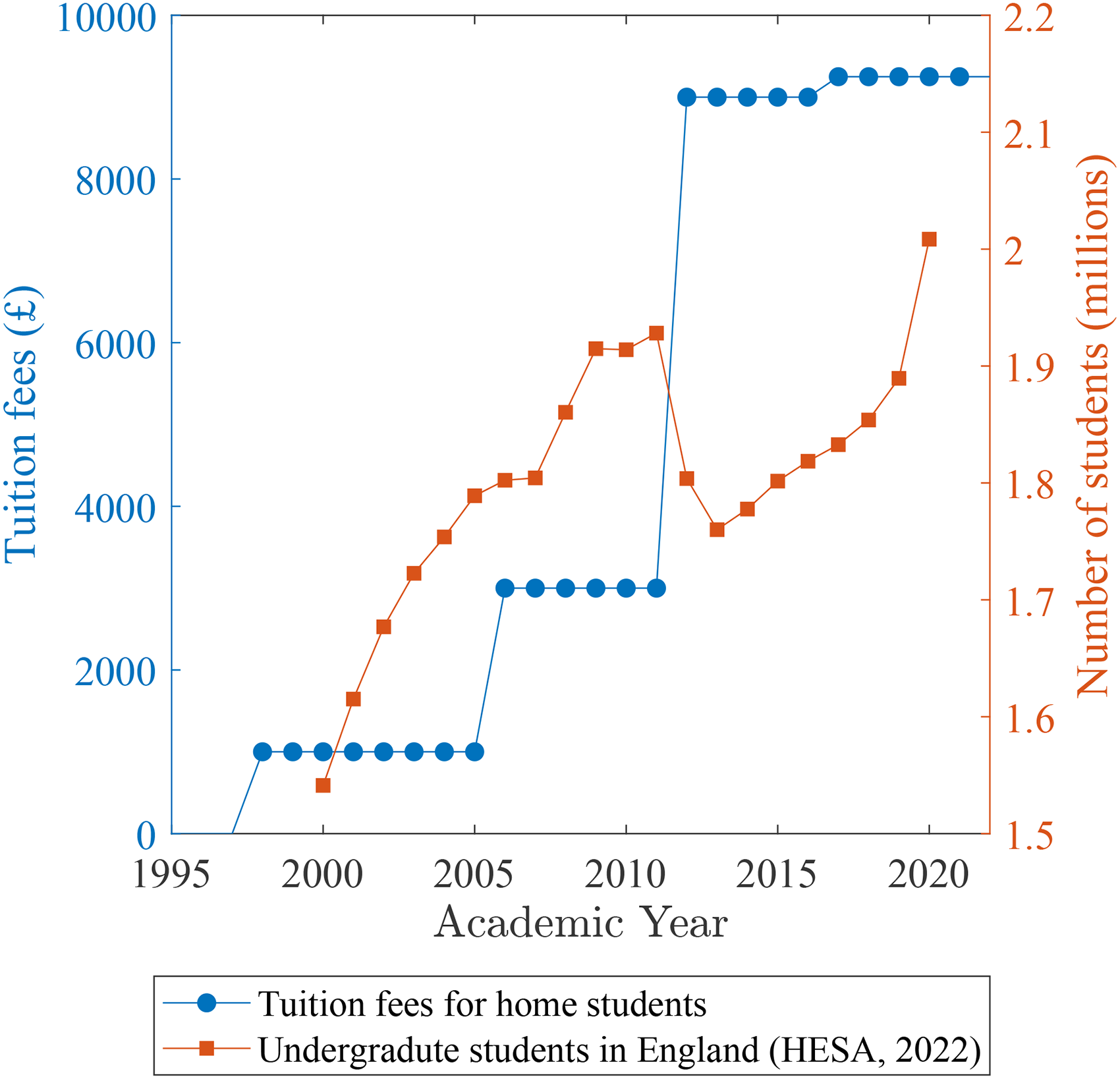
Increase in home tuition fee and number of undergraduate students in England, including data from the Higher Education Statistics Agency. 25
Universities must, therefore, demonstrate the relevance of their graduates to society 26 by remedying the skills gap. 27 Indeed, employers have identified engineering graduates as lacking relevant attributes 28 and look to higher education institutions to equip graduates with the necessary skills. 29
The traditional student view that higher academic achievements would yield employment in the desired field has led students to focus solely on academic skills, thereby neglecting vital professional skills necessary to secure employment. 30 Indeed, grades alone are no longer seen as sufficient to gain employment. 31 Soft 32 and transferable 33 skills are seen as essential for graduates to contribute to businesses. 34 Yet, shortcomings remain, and both students and employers have reported a lack of key employability skills in higher education.35,36
Consequently, there is a clear argument for embedding engineering employability skills in curricula,37,38 with a greater focus on real-life implications.39,40 This has led to a number of pedagogies being applied in engineering education, including problem-based learning, 41 conceive-design-implement-operate,42,43 interdisciplinary approaches, 44 and real-world learning. 45 A fundamental obstacle remains: the identification of the necessary skills and attributes for graduate employability.
This is often tackled theoretically and across fields, 16 but does require a more localised approach 46 with a disciplinary aspect5,10 to yield actionable findings. To that effect, surveys of relevant stakeholders have been employed, with a need to involve employers, 30 but also students to assess their beliefs and understand their behaviour.47,22 Only rarely have academics also been included, together with students and industry professionals, in such surveys. 46
The aim of this work is to investigate the perception differential between students, academics and industry professionals to identify the relevant skills for graduate mechanical engineers to gain and retain employment. This study will be focused on the Mechanical Engineering discipline at Aston University, UK.
The remainder of the article is structured as follows. First, the methodology employed is introduced, including the questionnaire and participants. Then, the perception differential between students, academics and industry professionals is presented for an array of skills and attributes. Finally, the results of this study are summarised. It is envisaged the findings will contribute to aligning engineering curricula with employer expectations of graduates while allowing graduates to identify key employability skills and removing academic and institutional biases identified in this work to support graduate employability.
Methodology
Questionnaire
The online questionnaire employed was granted ethical approval by Aston University and was distributed to participants electronically, with a three-week response period. The survey was structured into five separate sections, identical for each participant group (i.e. whether student, academic, or industry professional), with the intention to be completed within 10 min. Before completing the five sections of the questionnaires, participants were presented with a description of the research project and a consent form. The structure of the questionnaire is described hereafter.
Section 1 – Eligibility. Participants were first asked to provide details regarding their occupation and education in order to ensure their eligibility for this study.
Section 2 – Preferred qualification. Then, participants were quizzed on their perceived importance of (i) the qualification held upon starting a graduate engineering job, (ii) the most appropriate degree classification, (iii) graduating from a professional body accredited course, and (iv) student membership of a professional body.
Section 3 – Software. In this section, participants were asked to select the software and Information Technology (IT) skills deemed desirable in graduates from a list of 19 common IT and specialist engineering software.
Section 4 – Open-ended question. Participants were provided with an opportunity to describe, in their own words, what they felt employers looked for in graduates and what skills were most essential. This is tackled prior to the rating of skills and attributes to avoid inducing a bias in the participant’s response.
Section 5 – Skills and attributes. Lastly, a 5-point Likert scale is employed to evaluate the perceived importance of a range of skills and attributes. The Likert scale was as follows: (1) not important and all, (2) only slightly important, (3) moderately important, (4) very important, and (5) extremely important. A total of 33 skills and attributes were presented to the participants. This section of the questionnaire was directly informed by the literature. It includes the 17 competencies listed by the Engineering Council to attain Chartered Engineering (CEng) status. 48 Additional skills and attributes featured in the questionnaire have been selected based on their identification as desirable in engineering graduate roles50,51,49 to enable comparison with the present study, as later discussed in the ‘Results’ section.
Participants
Participants are divided into the following three categories:
students, undertaking full-time undergraduate (91.6%) or postgraduate (9.4%) studies in mechanical engineering at Aston University, academics, full-time members of staff teaching mechanical engineering courses at Aston University, and industry professionals, within the local area and links to Aston University. Industry professionals were required to have hiring authority in the mechanical engineering discipline.
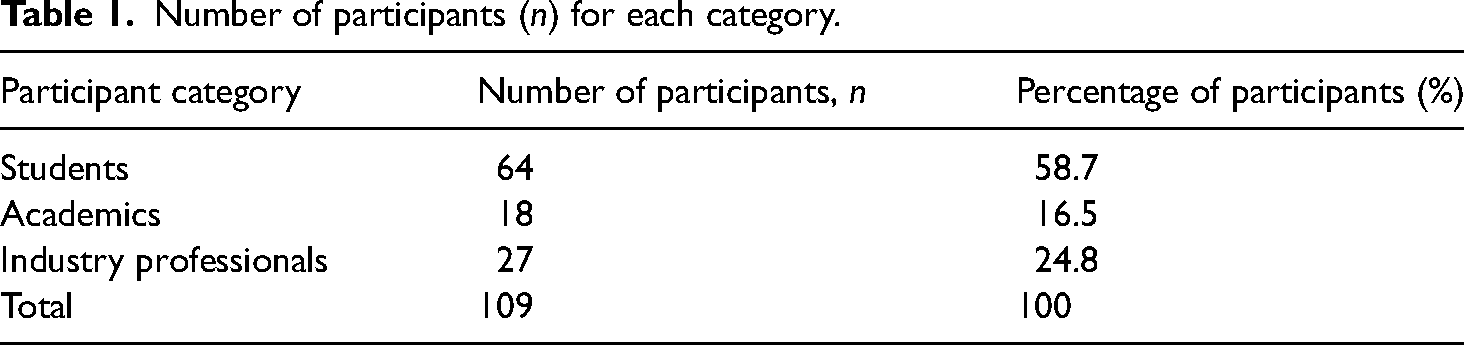
A total of 109 eligible participant responses qualified for this study, with the breakdown provided in Table 1.
Number of participants (
While employability surveys with thousands of participants have been reported, 14 this study adopts a more localised (Aston University) and disciplinary (mechanical engineering) approach, as recommended by Wickramasinghe and Perera. 46 While this may yield limitations in extrapolating results to other geographical areas and disciplines, this targeted approach has proven to reach relevant conclusions even for a small number of participants, as evidenced in Figure 2. Moreover, few studies have considered the various perspectives. Terrón-López et al. 52 and Fletcher et al. 53 compared student perception with that of academics for the former and industry professionals for the latter. Wickramasinghe and Perera 46 considered all three categories, albeit in a different engineering discipline location than the present study. Consequently, this work provides novel insights into mechanical engineering employability.
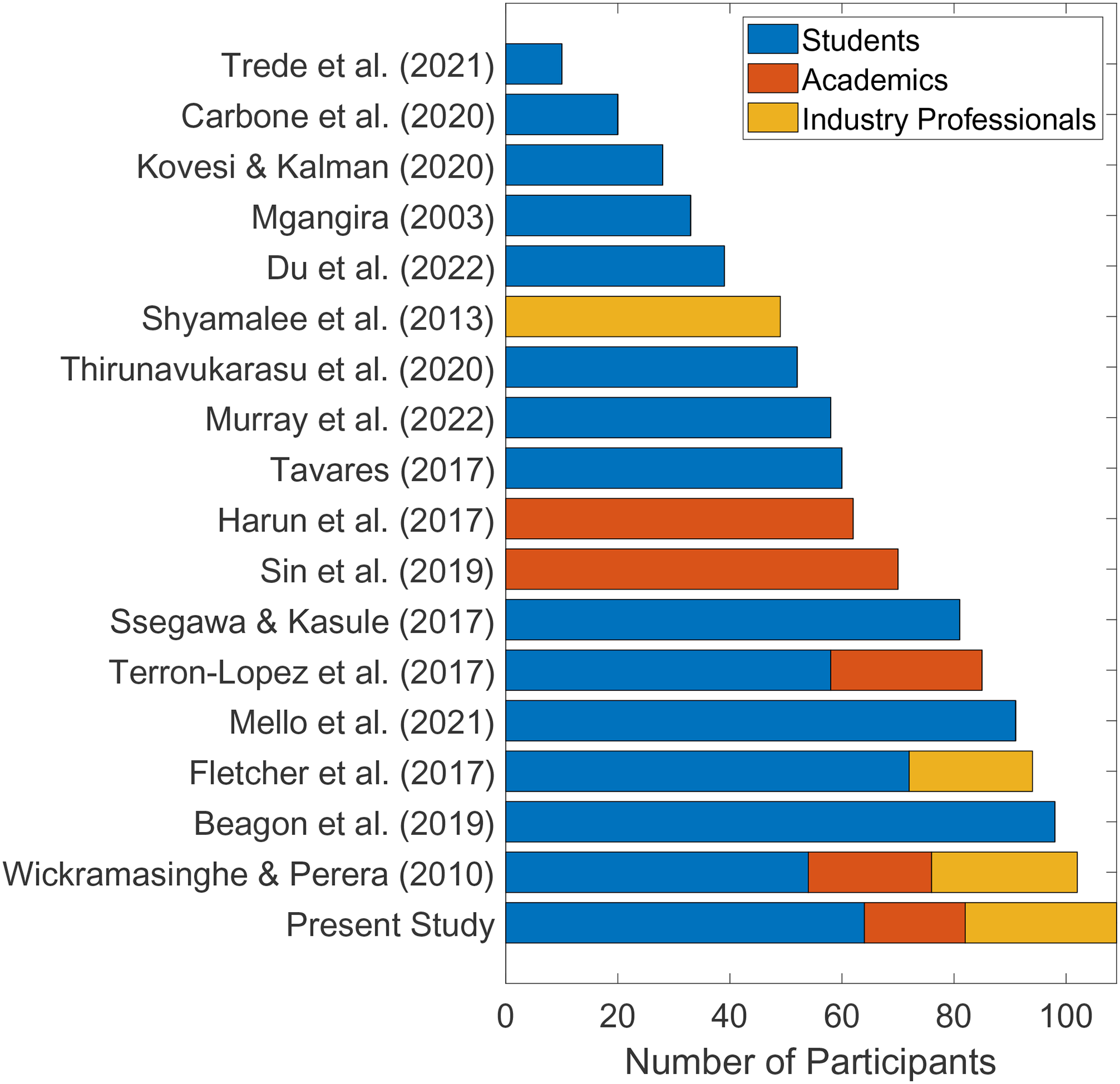
Number of participants in engineering employability studies.
Results and discussion
Academic qualification
The qualification perceived as being the most relevant for securing an engineering graduate job is presented in Figure 3. Degrees and degrees with placement appear to be the most popular, which appears consistent with the findings for industry preference reported by Souppez 51 in the yacht design field. There are, however, some interesting differences. Students perceive a higher value in a degree with placement to secure employability (45.3%) as opposed to a degree without (31.3%). Understandably, benefiting from a year of work experience would be seen as valuable once reaching the job market. Yet, both academics and, even more so, industry professionals appear to favour a degree without placement. For academics, this trend is reversed at master level, where master with placement is seen as more likely to yield graduate employment. It is, however, surprising to see industry professionals not favouring students with placement experience, neither at degree nor at master level.
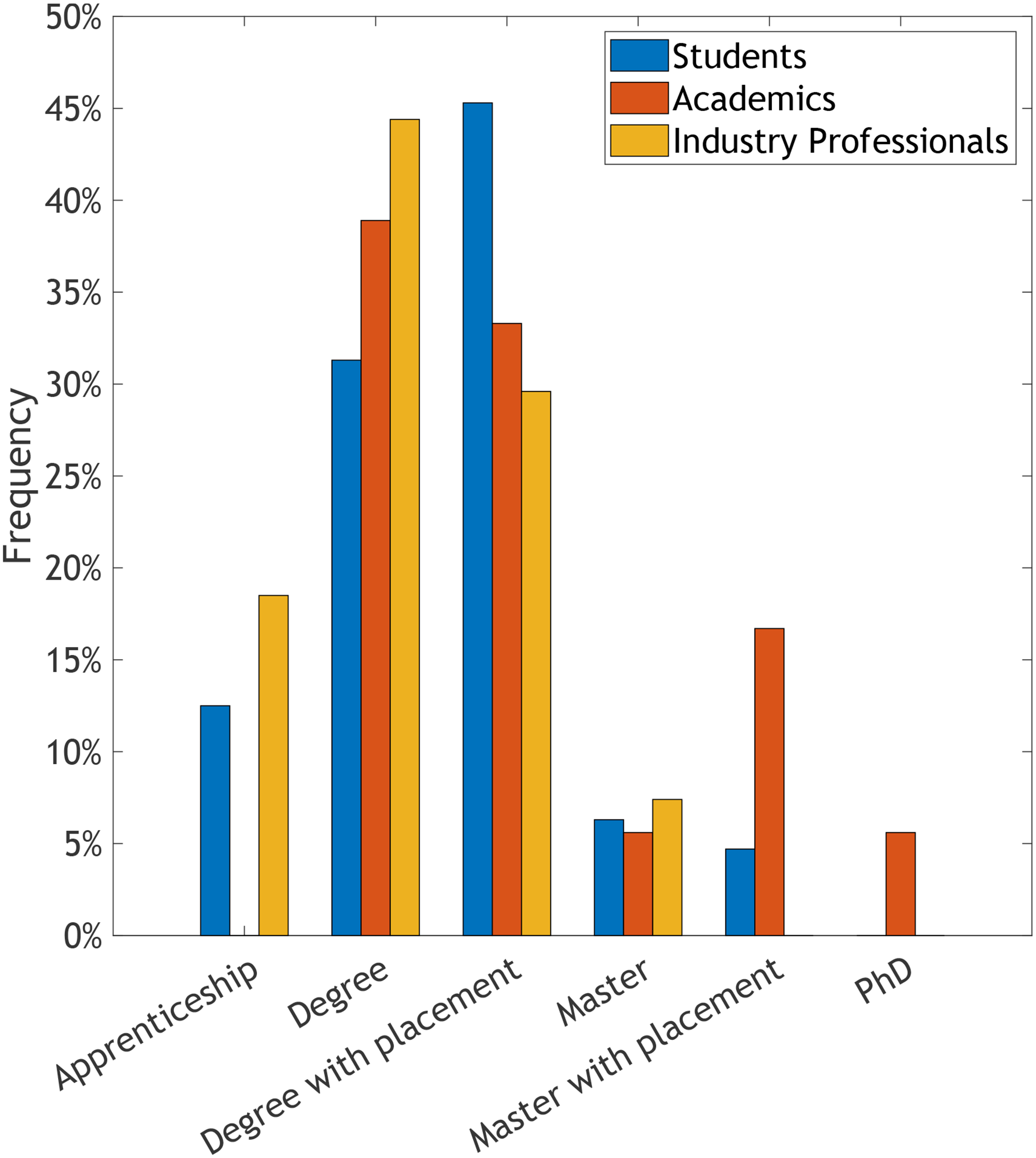
Perceived preferred qualification to secure graduate employment.
A further trend is noticed in the academics’ response: a bias towards longer studies. Indeed, academics are the only category of respondents to consider a PhD as the most relevant qualification to secure graduate employment. Academics are also the only category not to see apprenticeships as a relevant qualification, while both students and industry professionals do. This is understood as a bias arising from their own experience, with academics having typically undertaken longer studies.
Assuming a graduate with a degree, participants were asked to clarify which degree classification was seen as most desirable, with the results presented in Figure 4. The four degrees classifications are defined as follows. A third-class degree is awarded for an overall average between 40% and 49.49%; a lower second-class degree (or 2:2) for an overall average between 49.50% and 59.49%, an upper second-class (or 2:1) for an overall average between 59.50% and 69.49%, and a first-class for an overall average greater than, or equal to, 69.50%.
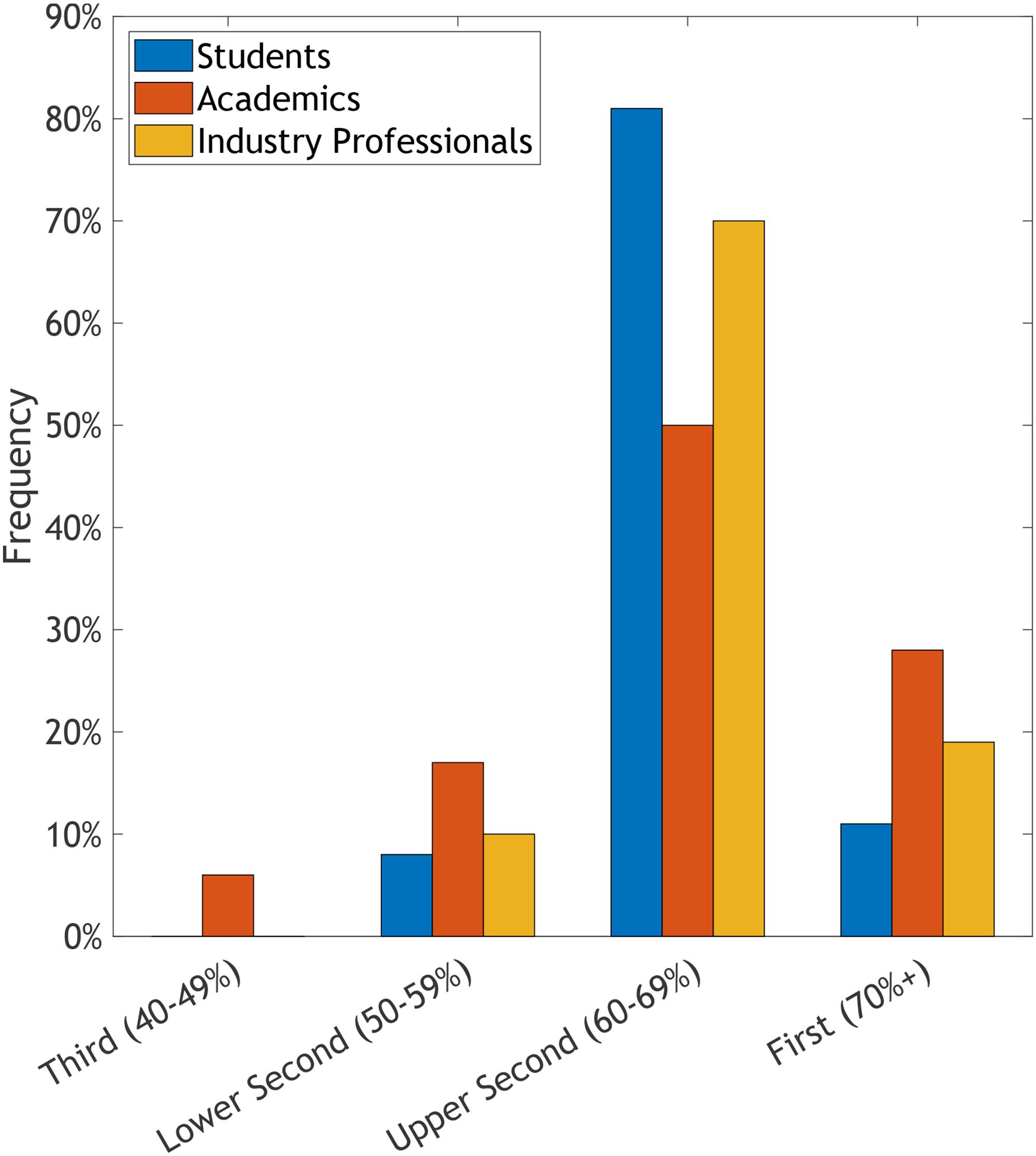
Perceived preferred degree qualification to secure graduate employment.
An upper second-class is largely perceived as the most suited degree classification and was identified as such by 81% of students, 70% of industry professionals, and 50% of academics. This is then followed, to a much smaller extent, by a first-class degree, with 28% of academics, 19% of industry professionals, and 11% of students seeing the highest possible degree classification as being essential to secure graduate employment. These results are in agreement with the findings of Di Pietro, 54 who identified graduates with a 2:1 as having a higher employment rate following graduation. The perception, amongst all participant groups, that a 2:1 or above will result in better employability than a 2:2 or below is therefore justified. Nevertheless, this is not always a guarantee, and as noted by an academic in the open-ended question: ‘A good degree shows focus, but a 3rd doesn’t mean they’re a bad engineer’. Indeed, subsequent sections will show that skills and attributes may prove more important to secure graduate employment than grades, as previously suggested by Knight and Yorke. 7
Professional body recognition
The increasing importance of professional body recognition and accreditation has been noted in the literature.55,56 Moreover, as some of the engineering skills and attributes in the present work have been dictated by the CEng competencies, 48 the perceived importance of both studying a professional body accredited course and holding student membership of a professional institution was investigated. Figure 5 shows that, while all participants agreed on the high importance of accreditation, this seems to be over-valued by academics (100%), as opposed to students (68%), and industry (60%). Indeed, the latter two categories provided some neutral responses. Nevertheless, in the absence of a negative perception of professional body accreditation, and with a majority of all respondent categories seeing high importance for employability, this should be strongly encouraged.
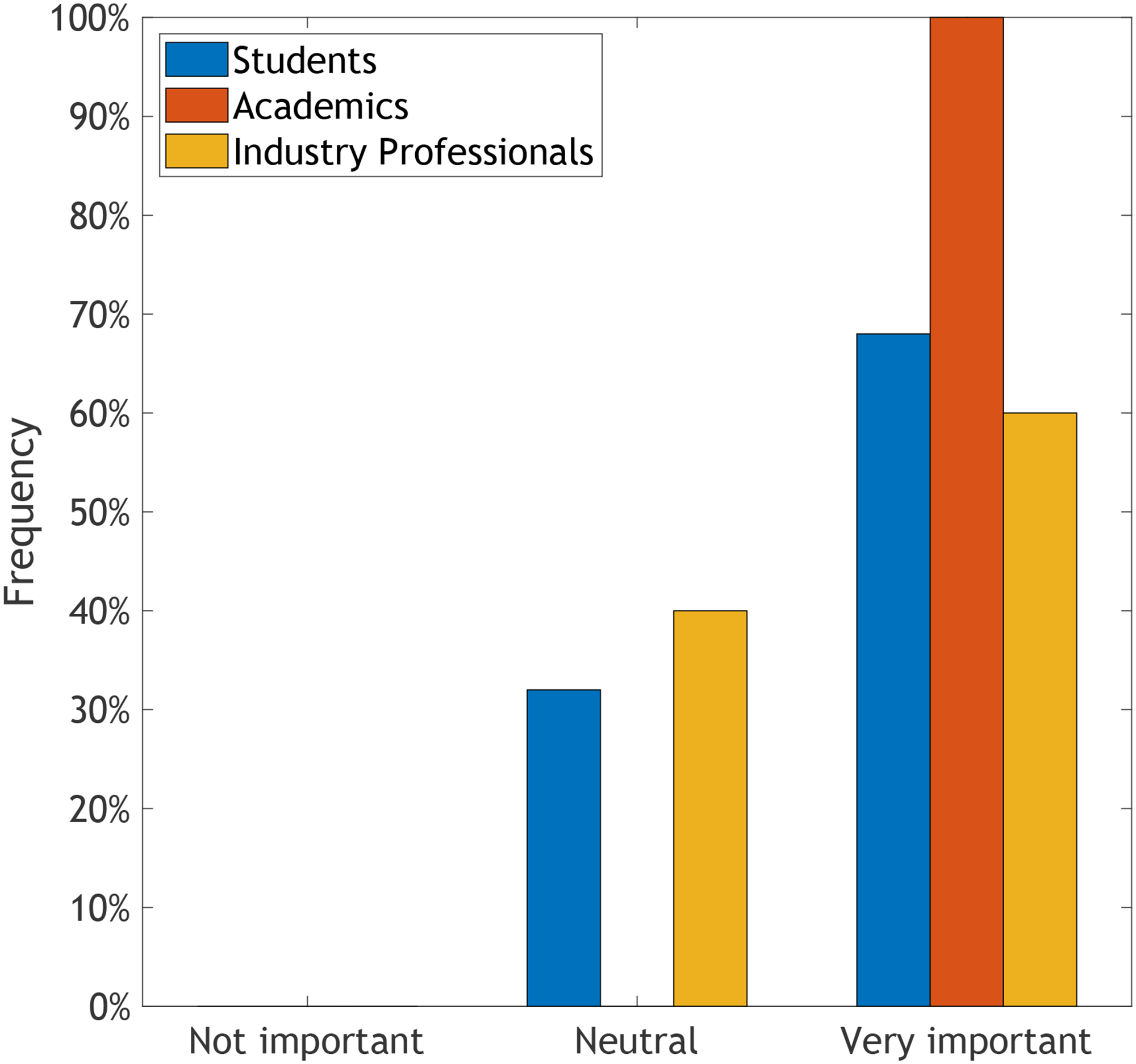
Perceived importance of studying a professional body accredited course to secure graduate employment.
While degree accreditation is a process undertaken institutionally, student membership of a professional body is an individual action. As such, it is vital for students to understand the value of such membership to support their transition into the job market, as depicted in Figure 6. Interestingly, this is not something that appeared to be perceived by the students, as a majority (59%) felt neutral about this contributing to graduate employability. This is in contrast with the views of industry professionals (59%) and academics (71%), both recognising the high importance of holding student membership of a professional body. As stated by an academic respondent: ‘Student membership shows focus, but doesn’t mean they’re going to make a good engineer’. Nevertheless, this result is significant because it highlights that students may underestimate the importance of professional body membership. Therefore, raising awareness of its significance is needed for students to realise its value in terms of employability.
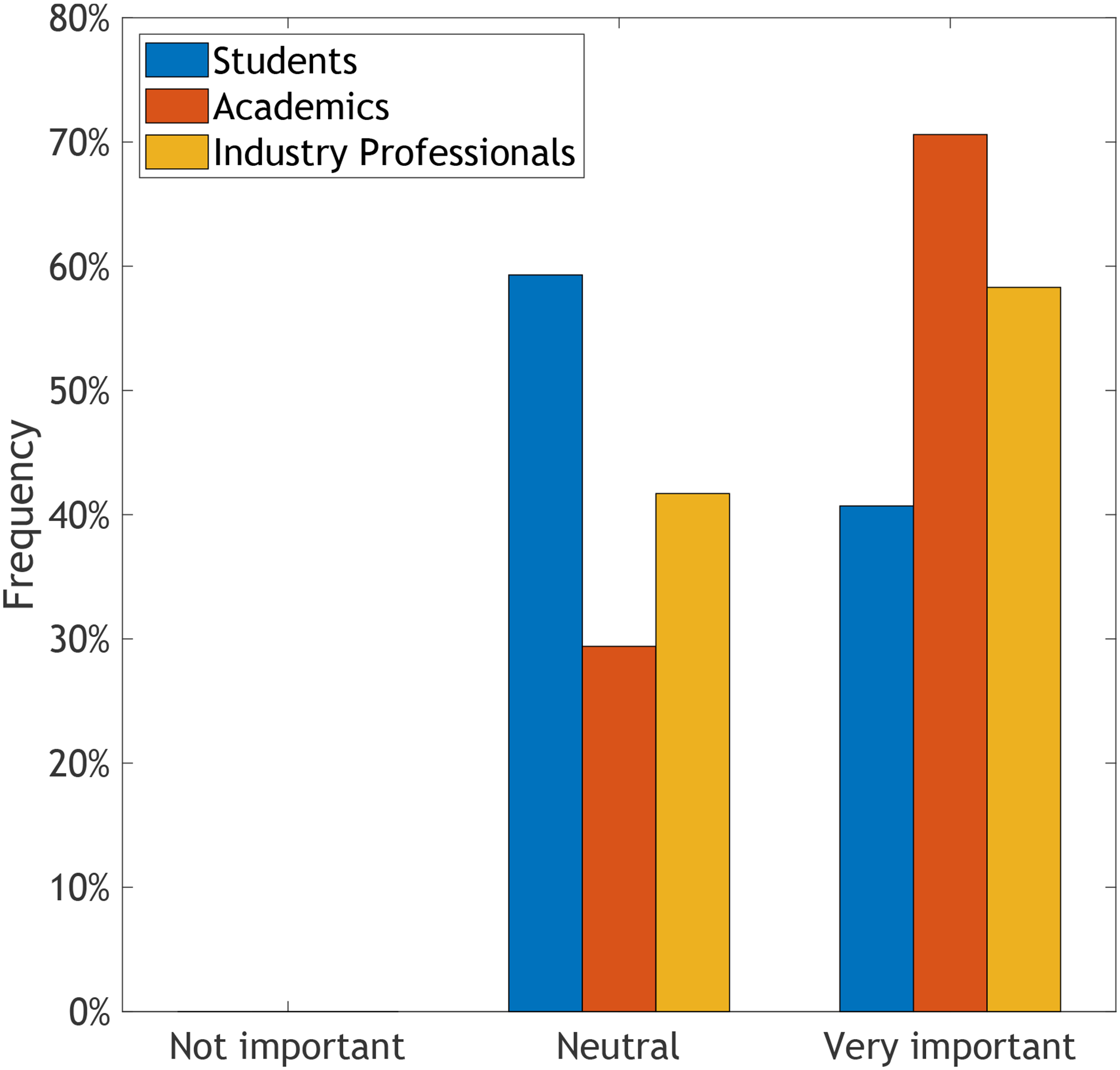
Perceived importance of holding student membership of a professional body to secure graduate employment.
Software
The use of software packages is central to professional engineering and core to industry practice.60,59,57,58 Consequently, equipping graduates with the relevant software skills is vital in underpinning their securing graduate employment. Part of the survey, therefore, aimed to assess which software packages were perceived as most important. The results are presented, in descending order of average importance, in Figure 7. While there is a general trend and agreement between the three participant groups, some striking differences are revealed, providing valuable insights into the difference in perception between stakeholder groups. This further supports a better alignment of future curricula with the necessary skills to support graduate employability.
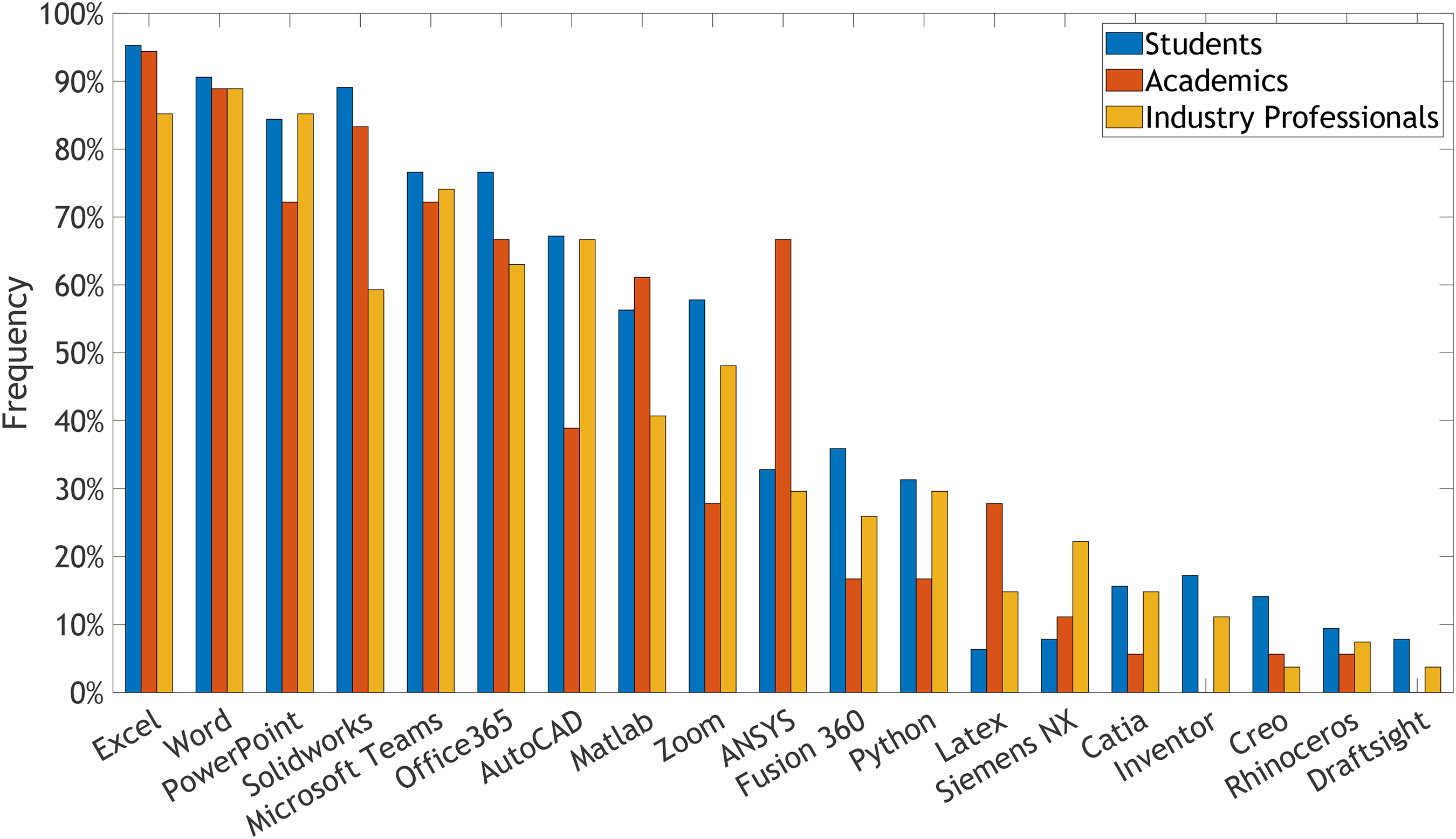
Perceived importance of IT skills and software to secure graduate employment.
It is interesting to notice that fundamental Microsoft Office packages, namely Word, Excel and PowerPoint, rank highest, and indeed higher than specific engineering software for computer-aided design (CAD). This further supports the importance of soft and transferable skills. Similarly, generic IT capabilities, such as the Office 365 package and online meeting platforms (Microsoft Teams and Zoom), are shown to be highly valued. This is an indication that these must be integrated into the curriculum, for instance, through their use as the main communication platform for student group projects.
The present study revealed clear divergences of opinion when it comes to the importance of software packaged for graduate employability.
The first is PowerPoint. Amongst the Microsoft Office Package, the importance of PowerPoint seems to be underestimated by academics compared to the other participant groups by circa 12%. This may suggest that the importance of presentation skills, a fundamental soft skill, should be further embedded in the curriculum. For instance, this may be achieved with assessed presentations in lieu of traditional reports.
Then, Solidworks and CAD software yield contrasted views. The perceived value of Solidworks is close to 20% higher for students and academics compared to industry professionals. This can be explained by the fact that institutions typically focus on the teaching of a given CAD package. In the case of Aston University, this is Solidworks. On the other hand, industry may employ a wider variety of CAD packages. This is revealed by the consistently higher frequency of other CAD packages (e.g. Fusion360, Siemenes NX, Catia, Inventor, Creo, and Rhinoceros) perceived as important by industry professionals compared to academics. This variety may be explained by a number of factors, including personal preferences, established company practices, and cost.
Indeed, the results show that Matlab, a paid software, is deemed 20% less important by industry professionals compared to academics. Conversely, the free alternative, Python, is considered 13% more important by industry professionals compared to academics. This reveals the importance of open-source alternatives in a commercial context. This is also seen with CAD programmes, with industry professionals being comparatively less attracted by the expensive Solidworks package than academics but typically keener on less onerous alternatives.
A further divergence of opinions for engineering software may be seen with the responses inherent to AutoCAD and Ansys. Similar to Solidworks, Ansys is a more costly package adopted by the Institution under consideration. This can lead to a bias amongst academics in terms of its importance, as evidenced by 67% of academics perceiving it as important, compared to 33% and 30% for students and industry professionals, respectively. In the case of AutoCAD, which is not taught at Aston University, only 39% of academics recognise it as an important software, compared to 67% of students and industry professionals. This would, therefore, provide a clear rationale for its implementation as part of the curriculum.
Very clear divergences of opinions are therefore shown. These provide valuable insights into the perception differential between the three groups of participants and may form the basis for curriculum improvements in order to enhance student employability. This may be achieved with a wider range of assessment practices, raising awareness of alternative software packages, and encouraging students to explore open-source alternatives. The findings may also motivate the inclusion of new software packages as part of the curriculum. In addition to the IT skills presented in this section, further skills and attributes of graduates perceived as desirable to ensure transition into employment are ascertained.
Skills and attributes
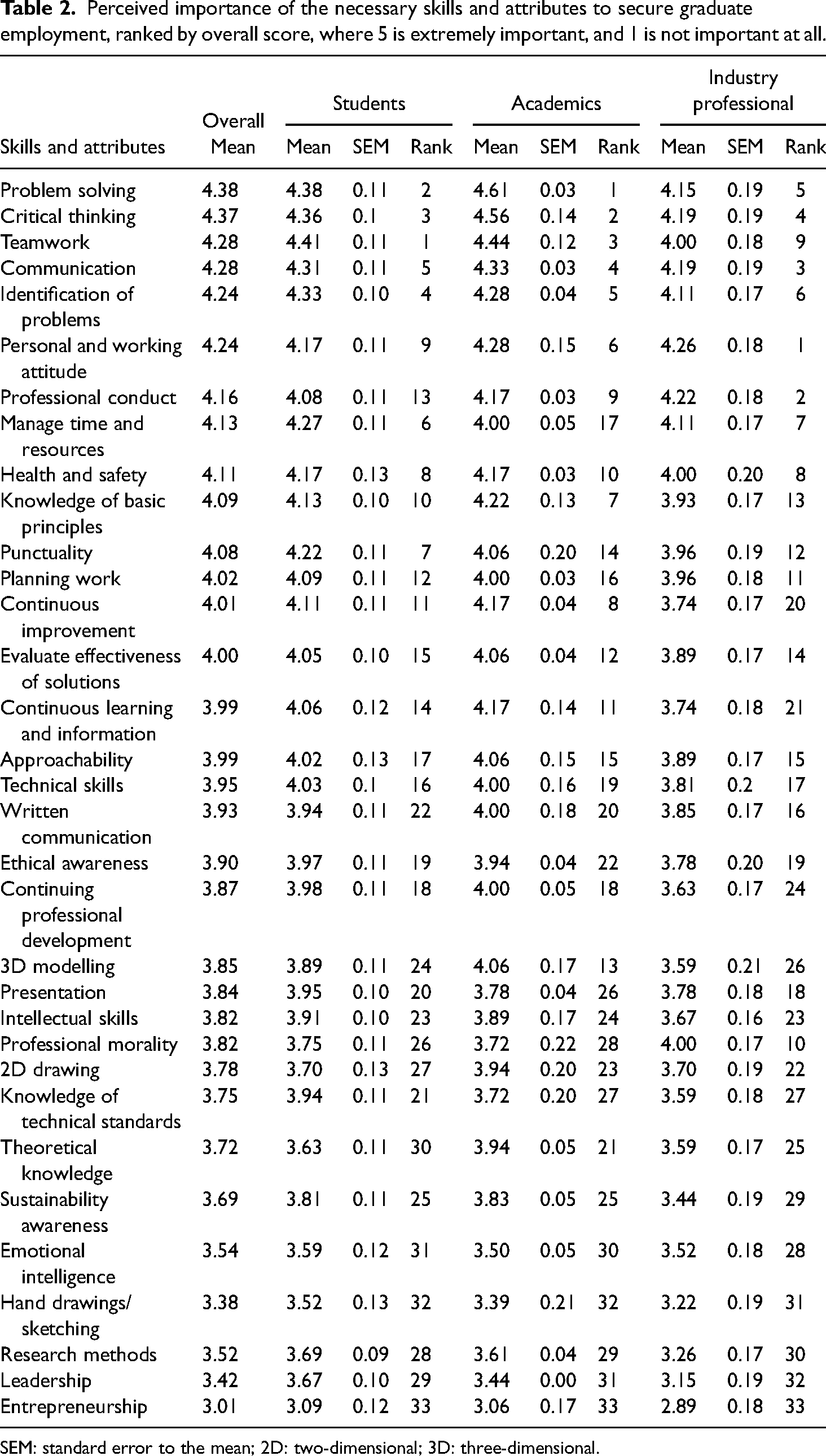
Table 2 presents the importance of the skills and attributes perceived as important to secure graduate employment. They are presented in descending order of overall mean value for the 5-point Likert scale used. Here, the mean value 

Perceived importance of the necessary skills and attributes to secure graduate employment, ranked by overall score, where 5 is extremely important, and 1 is not important at all.
SEM: standard error to the mean; 2D: two-dimensional; 3D: three-dimensional.
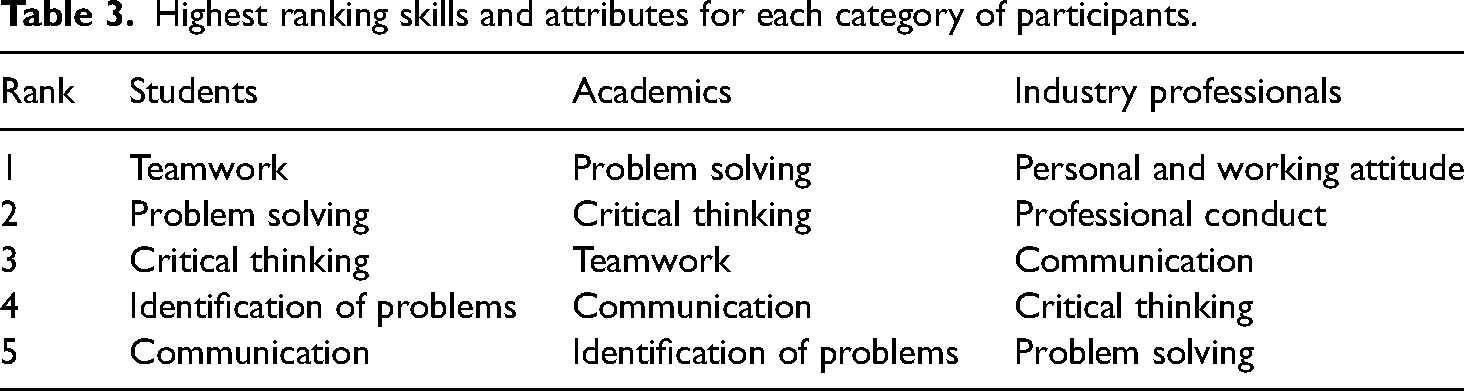
The top five skills and attributes according to each group of participants are further presented in Table 3. All categories identify problem solving, critical thinking, and communication amongst their top 5. The crucial perception of critical thinking and problem solving in mechanical engineering in Malaysia was also identified by Ismail et al., 49 while communication has been identified as the most important om electrical and electronic engineering disciplines in Sri Lanka by Shyamalee et al. 50 This suggests findings may also inform different geographical areas and engineering disciplines. Interestingly, the present results reveal that industry professionals deemed personal and working attitude and professional conduct as the most important skills. These only rank ninth and 13th amongst students and sixth and ninth amongst academics, respectively. There is, therefore, a significant difference of perception regarding the importance of personal and working attitude and professional conduct. The open-ended section of the questionnaire also revealed that willingness to learn was a fundamental industry expectation not covered by the Likert scale. Similarly, professional morality is ranked 10th by industry professionals but only 26th and 28th amongst students and academics, respectively. Industry employers, therefore, significantly value professional attributes that are not appreciated for their importance by students or academics. Consequently, engineering courses should greatly emphasise these attributes, and the results from this survey provide a rationale for initiating a change while also providing a clear justification for its need.
Highest ranking skills and attributes for each category of participants.
It is noted that five of the bottom seven skills are based on the required CEng competencies, 48 namely (in ascending order): leadership, research methods, emotional intelligence, sustainability awareness, and theoretical knowledge. This may suggest a disconnect between the CEng competencies and the perception of students, academics and industry professionals. However, these skills are all rated between 3 and 4 on the Likert scale, that is between moderately important and very important.
Conclusions
Higher education needs to embed employability skills into the curriculum in order to equip graduates with the relevant skills and attributes to secure employment. These are often disciplinary and geography-specific and thus require a localised approach to identify them, as adopted in this work. Indeed, the perception differential between students, academics, and industry professionals has been assessed using a questionnaire targeted at the mechanical engineering discipline at Aston University. The aim is to identify the relevant skills and attributes to facilitate the transition of graduates from education to employment. Differences in perception between the three stakeholder groups considered are employed to pinpoint key areas of future curriculum improvement.
This study reveals that an upper second-class degree is seen as the most desirable qualification. Moreover, studying a professional-body accredited course and membership of a professional institution are considered very important. The latter, however, is not being fully recognised as such by students, thus calling for student education as to its influence. Striking differences were noticed in the importance of IT skills and software packages. Particularly, there appears to be an institutional bias identified amongst academics, favouring the taught software over their alternatives. Lastly, the skills and attributes perceived as most important are identified. A key finding is the emphasis placed by industry professionals on personal and professional attitude and professional conduct. These appear largely underestimated by students and, to a lesser extent, by academics.
The results have been shown to be of relevance to wider geographical areas and broader engineering disciplines. Therefore, it is envisaged this study may contribute to higher education institutions better supporting the transition of graduates from education to employment by aligning engineering curricula with employer expectations and allowing graduates and academics to identify key employability skills and attributes. As such, these skills may take a more prominent role in teaching activities and assessments to prepare mechanical engineering graduates for employment.
Footnotes
Declaration of conflicting interests
The author(s) declared no potential conflicts of interest with respect to the research, authorship and/or publication of this article.
Funding
The author(s) received no financial support for the research, authorship and/or publication of this article.

Data availability statement
Data available from the author upon reasonable request. 73