




Abstract
There is limited knowledge of the pathogenesis of human ebolavirus infections and no reported human cases acquired by the aerosol route. There is a threat of ebolavirus as an aerosolized biological weapon, and this study evaluated the pathogenesis of aerosol infection in 18 rhesus macaques. Important and unique findings include early infection of the respiratory lymphoid tissues, early fibrin deposition in the splenic white pulp, and perivasculitis and vasculitis in superficial dermal blood vessels of haired skin with rash. Initial infection occurred in the respiratory lymphoid tissues, fibroblastic reticular cells, dendritic cells, alveolar macrophages, and blood monocytes. Virus spread to regional lymph nodes, where significant viral replication occurred. Virus secondarily infected many additional blood monocytes and spread from the respiratory tissues to multiple organs, including the liver and spleen. Viremia, increased temperature, lymphocytopenia, neutrophilia, thrombocytopenia, and increased alanine aminotransferase, aspartate aminotransferase, γ-glutamyl transpeptidase, total bilirubin, serum urea nitrogen, creatinine, and hypoalbuminemia were measurable mid to late infection. Infection progressed rapidly with whole-body destruction of lymphoid tissues, hepatic necrosis, vasculitis, hemorrhage, and extravascular fibrin accumulation. Hypothermia and thrombocytopenia were noted in late stages with the development of disseminated intravascular coagulation and shock. This study provides unprecedented insight into pathogenesis of human aerosol Zaire ebolavirus infection and suggests development of a medical countermeasure to aerosol infection will be a great challenge due to massive early infection of respiratory lymphoid tissues. Rhesus macaques may be used as a model of aerosol infection that will allow the development of lifesaving medical countermeasures under the Food and Drug Administration’s animal rule.
Zaire ebolavirus (EBOV) is a large 19-kb, negative-sense, single-stranded RNA virus that causes lethal disease in humans and nonhuman primates (NHPs). The virus is a member of the virus family Filoviridae that contains 5 ebolavirus species: Bundibugyo ebolavirus, Reston ebolavirus, Sudan ebolavirus, Taï Forest ebolavirus, and Zaire ebolavirus. 56 This family of viruses has significant epidemic potential, and there is limited information regarding its origin and location(s) of the natural reservoir host(s). 18 –21 EBOV in humans causes viral hemorrhagic fever with a case fatality rate of 50% to 90%. 6,20,29,67,82 EBOV is generally believed to be a zoonotic disease naturally acquired through breaks in the skin or mucous membranes from contact with an animal host. 9 How the virus is spread among humans during outbreaks is largely unknown; however, close contact and iatrogenic spread have been documented. 6,8,20,66,82 In NHP, there is 1 report of transmission among research animals by way of infectious droplets and aerosolized particles. 51 Aerosol exposure as a means of human infection has never been documented. EBOV, along with several other highly pathogenic agents, has the potential to be used in biowarfare as aerosolized weapons and are therefore classified as biological select agents and toxins (BSATs). 1,11,28,32,45,69 These factors, coupled with a lack of licensed human vaccine or approved medical countermeasures, amplify the risks of EBOV to human health.
Rhesus macaques (Macaca mulatta, rhesus) are an appropriate species to evaluate aerosol EBOV pathogenesis because they closely mimic many human physiologic and immune responses and are currently being used as animal models for other BSAT diseases such as anthrax and tularemia. 74,75 We theorize that aerosol EBOV infection in rhesus will closely resemble the course of disease in humans. Understanding the pathogenesis of aerosol EBOV infections in NHPs will provide critical insight to disease pathology in humans and will allow the development of lifesaving medical countermeasures based primarily on animal data. We present pathologic information of experimental aerosol EBOV infection in a group of 18 rhesus.
Materials and Methods
This US Army Medical Research Institute of Infectious Diseases study was approved by the Institutional Animal Care and Use Committee, and research was conducted in compliance with the Animal Welfare Act and other federal statutes and regulations relating to animals at the time this study was conducted. Experiments involving animals adhered to principles stated in the Guide for the Care and Use of Laboratory Animals of the National Research Council. The US Army Medical Research Institute of Infectious Diseases is fully accredited by the Association for Assessment and Accreditation of Laboratory Animal Care International.
Eighteen male and female adult rhesus weighing 3.8 to 7.6 kg were obtained from licensed and approved vendors. Animals were separated as follows: 4 rhesus in a natural history (NH; ie, natural disease) group (cases NH1–4) and 14 rhesus in a sequential sampling (SS) group (cases 1–28). The NH group animals either succumbed or were euthanized. The SS group animals were euthanatized on day 1, 3, 4, 5, 6, 7, or 8 postexposure (PE) with n = 2.
NHPs were exposed to EBOV in a head-only chamber within a biosafety level 4 laboratory containing a class III biological safety cabinet maintained under negative pressure. NHPs were exposed to an aerosol created by a 3-jet Collison nebulizer (BGI, Inc, Waltham, MA) and controlled by the automated bioaerosol exposure system. Whole-body plethysmography (Buxco Research Systems, Wilmington, NC) was performed on each animal to obtain the minute volume, immediately before the exposure. NHPs were anesthetized by an intramuscular injection of a ketamine-acepromazin mixture before plethysmography and aerosol exposure. The EBOV used in this study was originally obtained from a person who died of fatal infection in Zaire in 1995. 18,19,21 Virus was grown in E6 cells with 3 passages. Aerosol concentration of EBOV in plaque-forming units (pfu) was determined by constant sampling of the chamber with an all-glass impinger (AGI) containing Minimal Essential Media (MEM; Gibco Life Technologies, Carlsbad, CA) + heat-inactivated fetal calf serum (HI-FCS; Gibco). This was collected following exposure and was titered by plaque assay to calculate the actual dose received by each rhesus. Viral titers were determined by plaque assay using Vero E6 cells and an Avicel-591 (FMC Biopolymer, Philadelphia, PA) semisolid overlay at 1.25% final concentration in 1× MEM + 5% HI-FBS + antibiotic-antimycotic (Gibco). Log or half-log dilutions of samples in duplicate or triplicate were prepared, with 200 μl added to each well, and incubated with the monolayers for 45 minutes to 1 hour with rocking prior to overlay. Following 8 to 9 days of incubation at 37°C and 5% CO2, plates were stained with 0.4% genetian violet/3% neutral buffered formalin solution (Ricca Chemical, Arlington, TX) for enumeration. The presented dose was calculated by multiplying the total volume of experimental atmosphere inhaled by the aerosol concentration. Rhesus were aerosol challenged with calculated doses between 7.43E+02 and 2.74E+05 pfu of EBOV delivered as a small-particle aerosol (mass median diameter [MMAD] 1.4 microns). 25,44,64
Clinical observations prior to the onset of clinical signs were performed at least twice per day by study staff or animal caretakers. After the onset of clinical signs (responsiveness, altered posture and appearance, presence of rash, bleeding, gastrointestinal signs, food consumption altered, edema, respiration rate altered, exudates from any orifice, and/or altered neurological function), animals were observed more than twice daily by study staff. When macaques were anesthetized for blood collection or physical exams, body temperatures were taken in the SS group using a rectal thermometer.
Clinical laboratory analysis was performed on samples of whole blood collected from SS group animals in dipotassium ethylenediaminetetraacetic acid (K2EDTA tubes) and used for determination of quantitative blood cell counts with differential using the HemaVet 950FS Hematology Analyzer (Drew Scientific Group, Waterbury, CT) in accordance with manufacturer guidelines. The HemaVet was used for primary determination of complete blood count (CBC). Serum chemistry analysis was obtained from whole-blood samples collected in sterile red-top tubes and processed to serum. Serum was tested on a Piccolo General Chemistry 13 reagent disc using a Piccolo xpress Chemistry Analyzer (Abaxis, Union City, CA) according to the manufacturer’s guidelines.
Viral RNA levels of the SS group by 1-step quantitative reverse transcriptase polymerase chain reaction (qRT-PCR) were performed and tissues were homogenized to an approximate 10% weight per volume in Eagle’s MEM (EMEM) + 2% HI-FCS + antibiotics/antimycotics or lower (5% or 2.5%) if the amount of tissue was limited on a gentleMACS dissociator using the mouse spleen 2 setting (Miltenyi Biotec, Bergisch Gladbach, Germany). Clarified homogenates (200 μl) were prepared using TRIreagentLS (Molecular Research Center, Inc., Cincinnati, OH; 600 μl), and 700 μl of this was extracted using 2-ml Phase Lock Heavy Gel tubes (5 Prime, Gaithersburg, MD) with 1-bromo-3-chloropropane (BCP; Sigma Aldrich, St Louis, MO). The aqueous phase was removed and applied to a gDNA eliminator column, then processed using a Qiagen RNeasy Mini Plus kit per the manufacturer’s extraction protocol (Qiagen, Valencia, CA). Serum samples were extracted using the QIAamp Viral RNA Mini kit following the manufacturer’s recommendations. Final elution was 2 × 50 μl nuclease-free water. Samples were stored at –80°C until processed. A standard amplification curve was generated from the EBOV viral seed stock extracted using the QIAamp Viral RNA Mini kit (Qiagen). Standards were used at the following concentrations: 1.5E+07 pfu/ml equivalents (undiluted eluate), 1E+07, 1E+06, 1E+05, 1E+04, 1E+03, 1E+02, 1E+01, 1E00, and 1E-01 pfu/ml. RT-PCR reactions were carried out as described using 5 μl RNA. 73
Complete necropsies were performed on each animal immediately following death in the US Army Medical Research Institute of Infectious Disease high-containment, biosafety level 4 laboratory. A set of tissues from all major organ systems was collected from each animal for histopathology, and sections of skin from the face of animals with macular rash were collected from NH group animals. These were immersion fixed in 10% neutral buffered formalin and held in biocontainment for a minimum of 21 days. Tissues for histopathology underwent routine histologic processing and were embedded in paraffin, sectioned, and stained with hematoxylin and eosin.
Immunohistochemistry (IHC) was used to identify cells with EBOV antigen, expressing nerve growth factor receptor (NGFR), cleaved caspase 3, and presence of fibrin. Particular features of the IHC procedures are summarized in Table 1.
Details of Immunohistochemical Reagents.
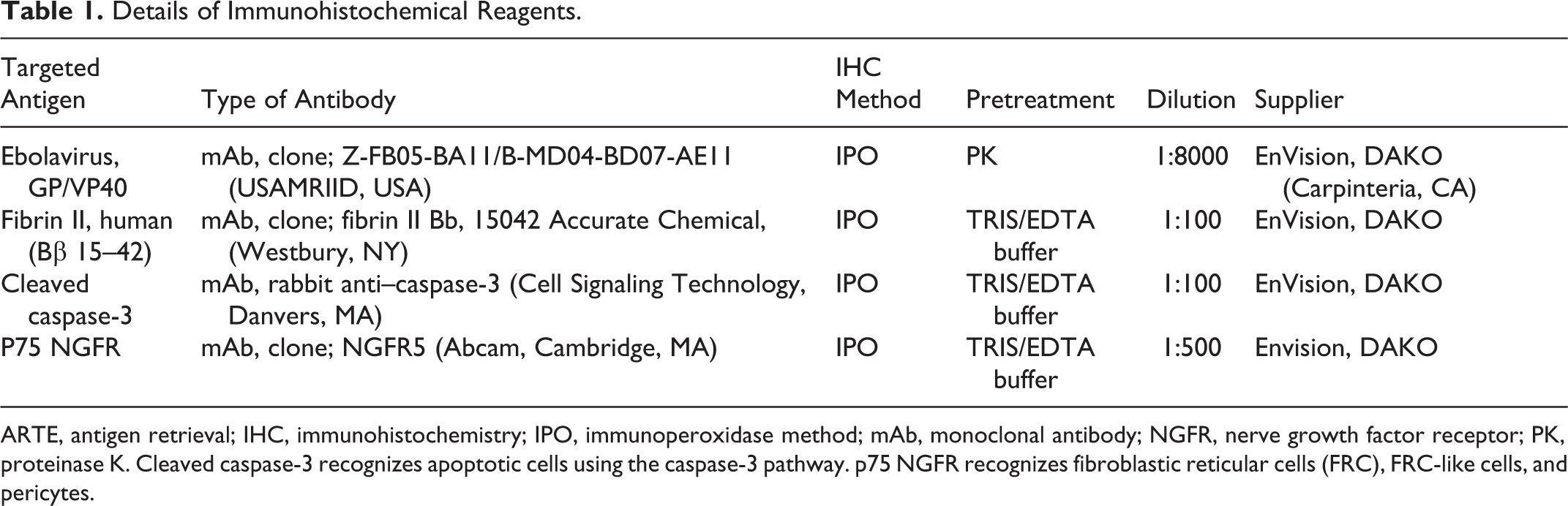
ARTE, antigen retrieval; IHC, immunohistochemistry; IPO, immunoperoxidase method; mAb, monoclonal antibody; NGFR, nerve growth factor receptor; PK, proteinase K. Cleaved caspase-3 recognizes apoptotic cells using the caspase-3 pathway. p75 NGFR recognizes fibroblastic reticular cells (FRC), FRC-like cells, and pericytes.
Terminal deoxynucleotidyl transferase dUTP nick end labeling (TUNEL) was performed on select tissues using the ApopTag In Situ Apoptosis Detection Kit (Millipore, Billerica, MA). Samples were incubated with terminal deoxytransferase (TdT) and digoxigenin-conjugated nucleotides to label free 3′-OH termini and then incubated with an anti-digoxigenin antibody conjugated to a peroxidase reporter molecule to enable IHC detection.
A complete set of tissues was collected from each animal for transmission electron microscopy (TEM). Tissues were cut into approximately 1-mm3 sections and immediately immersed in primary fixative. Samples for TEM were fixed overnight at 4°C in 0.1M phosphate buffer (pH 7.2) containing 4% paraformaldehyde and 1% glutaraldehyde. Tissues were postfixed in 1% osmium tetroxide in phosphate buffer for 1 hour and then removed from biocontainment. Samples were contrasted in ethanolic uranyl acetate, dehydrated through a series of graded ethanol and propylene oxide washes, and then embedded in EMbed-812 resin (Electron Microscopic Sciences, Fort Washington, PA). Embedded tissues were cut with a Leica (Wetzlar, Germany) ultramicrotome and mounted on copper grids. All sections were then stained with 2% uranyl acetate for 25 minutes and Reynolds’ lead citrate for 2 minutes before examination on a JEOL 1011 TEM (JEOL, Peabody, MA). Images were captured using a side-mounted DVC or Hamamatsu (Bridgewater, NJ) digital camera with AMT v600 acquisition software (Advanced Microscopy Techniques, Danvers, MA).
Results
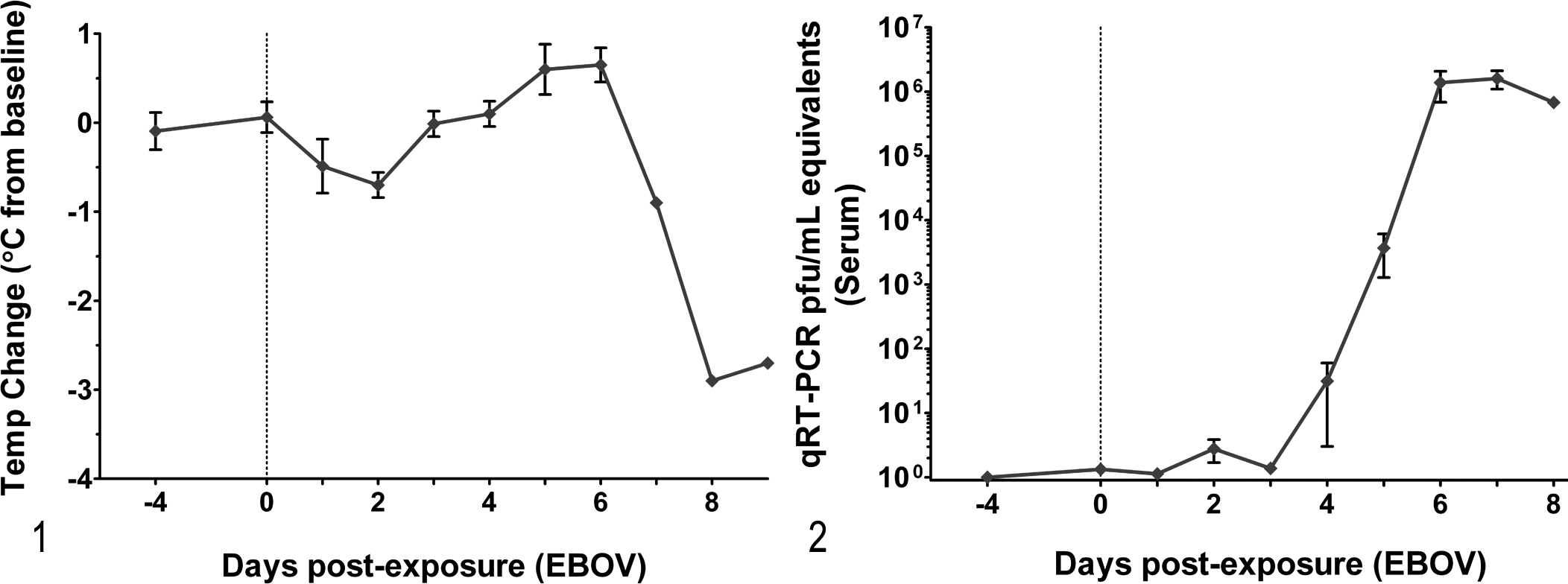
NH group animals received aerosol doses 7.43E+02–1.59E+03 pfu and succumbed 7 to 10 days PE, and SS group animals received 9.82E+02–2.74E+05 pfu (individual doses shown in Tables 2 –5). Body temperature increases in SS group animals occurred on day 5 (mean) PE (Fig. 1), and body temperature decreases occurred during the late stage of infection, day 7+ PE. Sharp increases in serum qRT-PCR pfu/ml equivalents occurred days 4 to 6 PE in SS group animals (Fig. 2), reaching values > 106 pfu/ml. Tissue results of qRT-PCR pfu/ml equivalents are presented in Fig. 3. Mean values of 105 and 106 pfu/ml within the lung and tracheobronchial lymph node were present by day 3 PE. In addition, levels of ≥103 pfu/ml were present within the spleen, liver, gonad, and heart by day 4 PE. With the exception of the brain, levels of ≥105 pfu/ml were present in all tissues by days 6 to 8 PE.
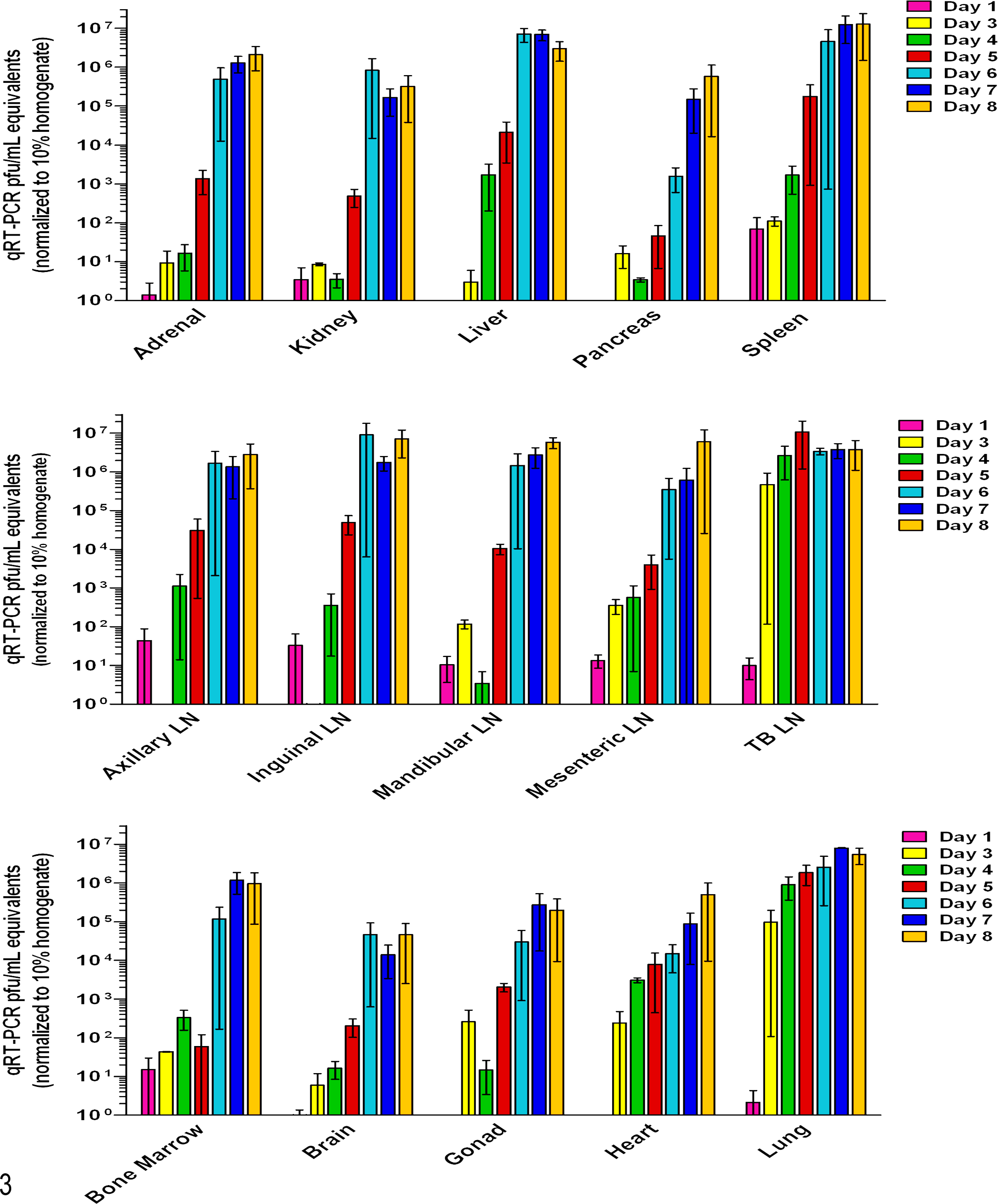
Mean tissue quantitative reverse transcriptase polymerase chain reaction (qRT-PCR) presented by tissue and day postexposure (PE) in serial sampling (SS) group animals. Note that 105 and 106 pfu/ml within the lung and tracheobronchial lymph node are present day 3 PE. In addition, >103 pfu/ml is present within the spleen, liver, axillary lymph node, and heart day 4 PE. By day 6 PE, most tissues are >105 pfu/ml.
Primary Histopathologic Findings From Rhesus Macaques Challenged With Ebolavirus by the Aerosol Route.
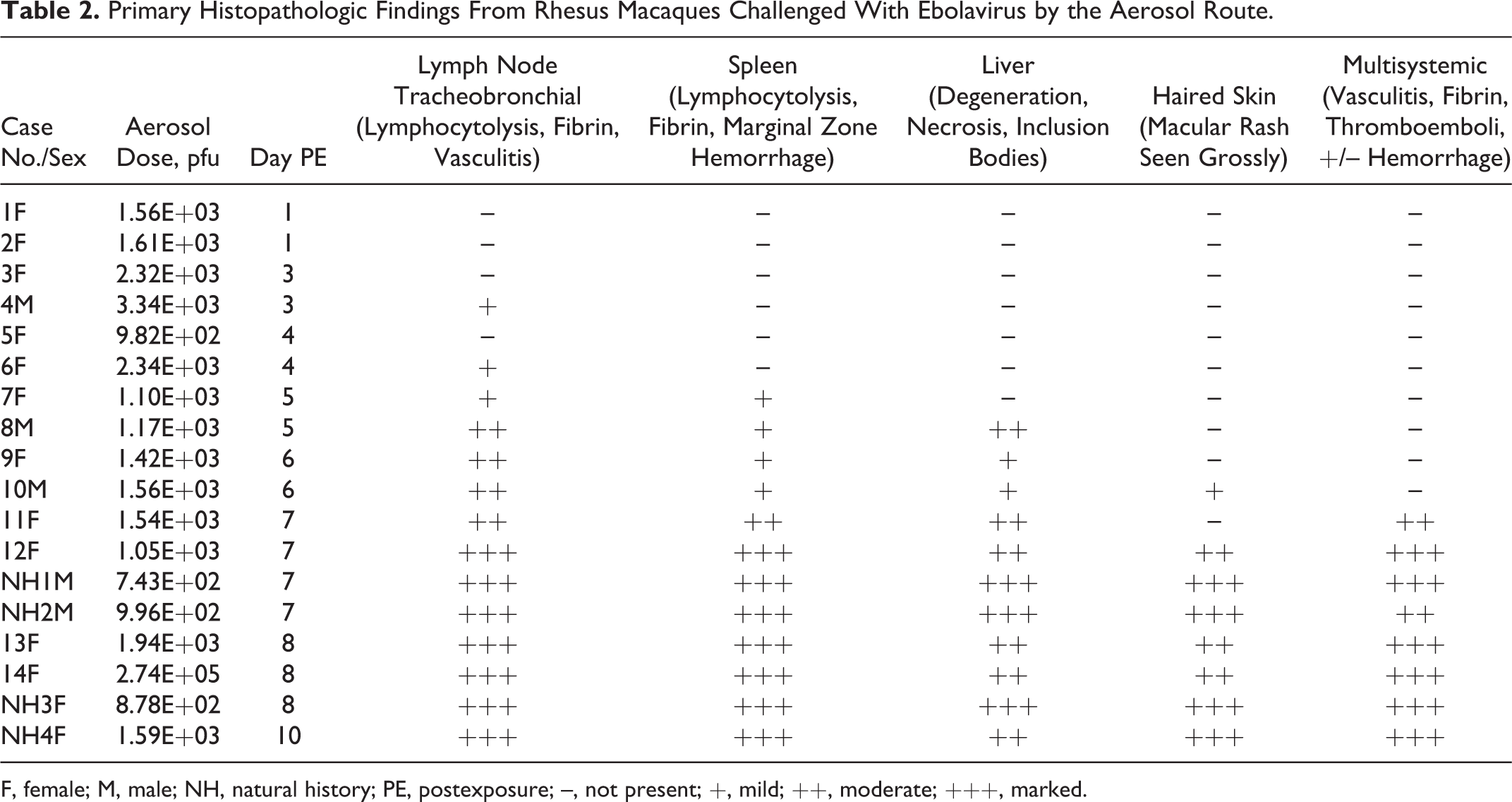
F, female; M, male; NH, natural history; PE, postexposure; –, not present; +, mild; ++, moderate; +++, marked.
Ebolavirus (EBOV) Immunohistochemistry Findings From Rhesus Macaques Challenged With EBOV by the Aerosol Route.
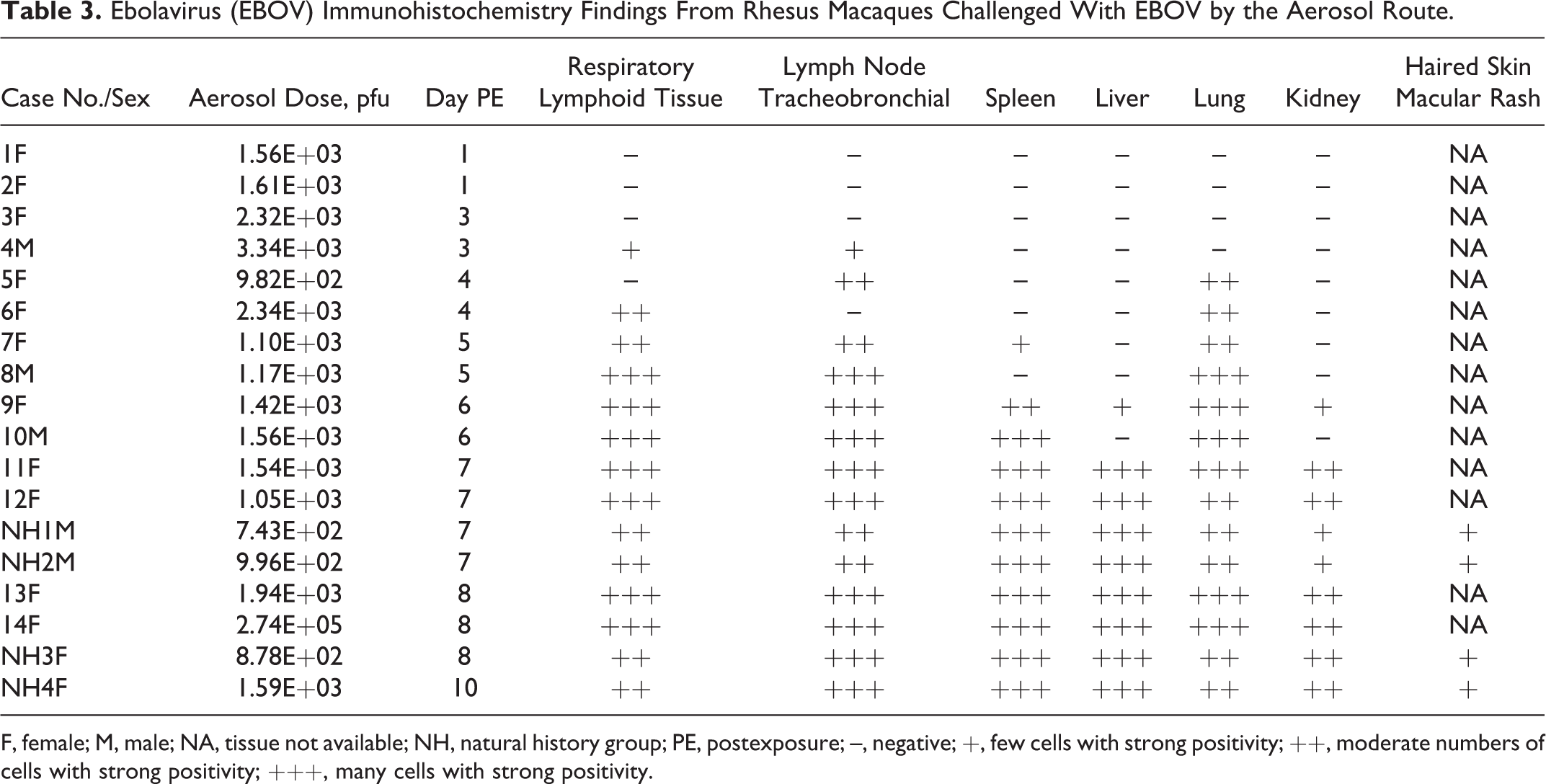
F, female; M, male; NA, tissue not available; NH, natural history group; PE, postexposure; –, negative; +, few cells with strong positivity; ++, moderate numbers of cells with strong positivity; +++, many cells with strong positivity.
Caspase 3 Immunohistochemistry and TUNEL Findings From Rhesus Macaques Challenged With Ebolavirus by the Aerosol Route.
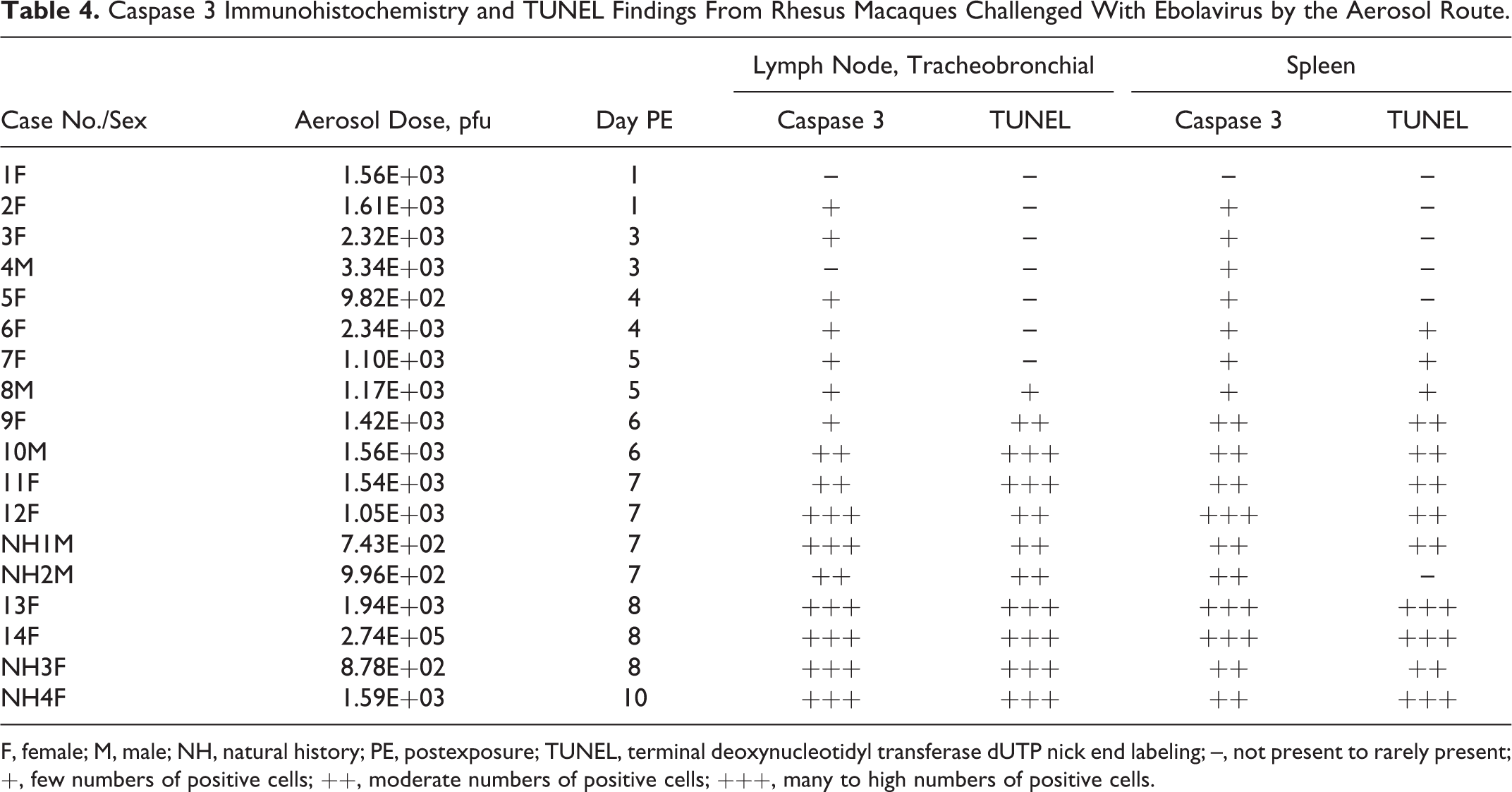
F, female; M, male; NH, natural history; PE, postexposure; TUNEL, terminal deoxynucleotidyl transferase dUTP nick end labeling; –, not present to rarely present; +, few numbers of positive cells; ++, moderate numbers of positive cells; +++, many to high numbers of positive cells.
Fibrin II Immunohistochemistry Findings From Rhesus Macaques Challenged With Ebolavirus by the Aerosol Route.
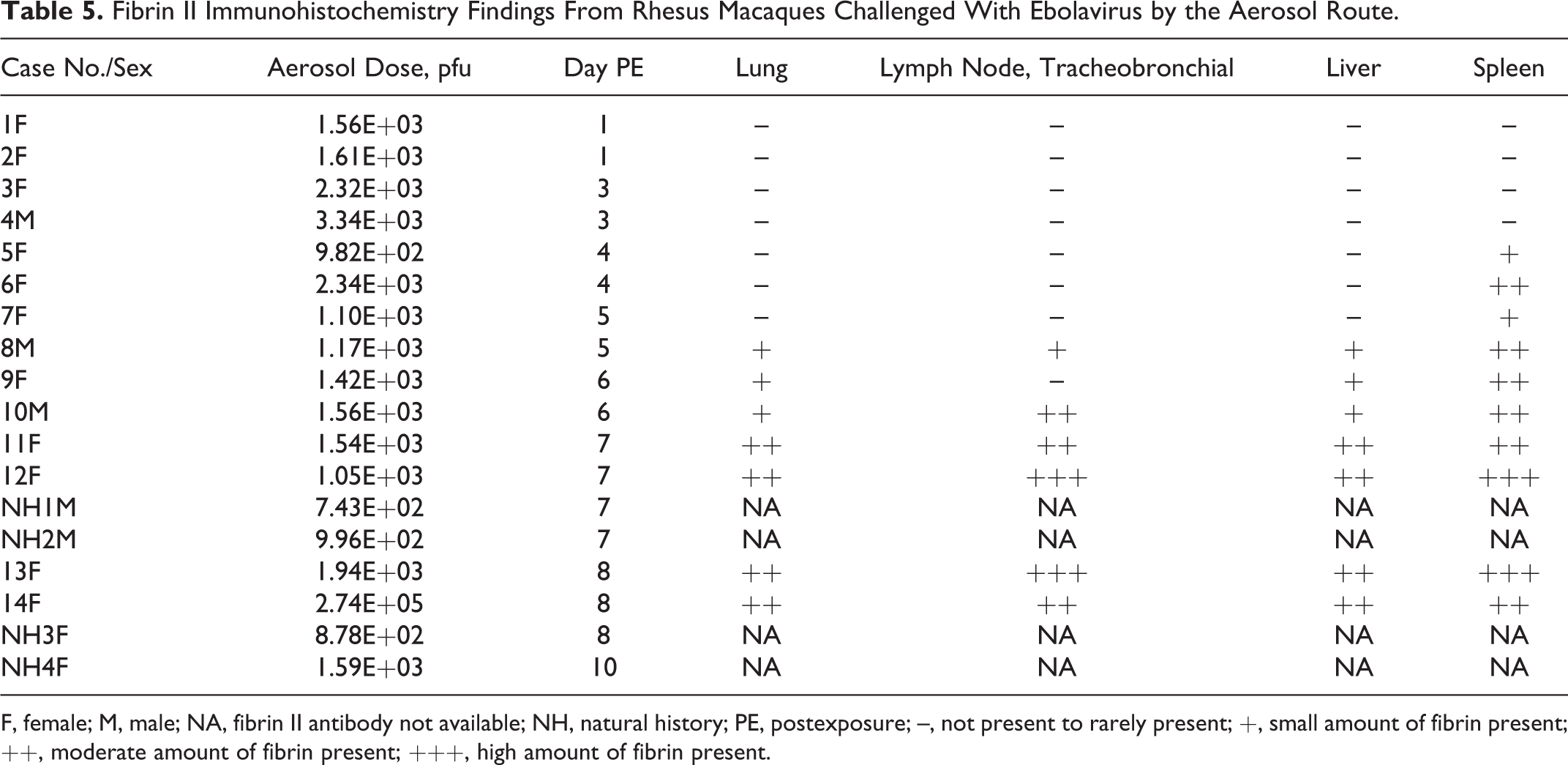
F, female; M, male; NA, fibrin II antibody not available; NH, natural history; PE, postexposure; –, not present to rarely present; +, small amount of fibrin present; ++, moderate amount of fibrin present; +++, high amount of fibrin present.
Changes in key features of the CBC in SS group animals are presented in Fig. 4. There was an initial decrease in mean total white blood cell count (tWBC) that steadily increased until day 5 PE. On day 6 PE, there was decline in tWBC. Lymphocyte % increased slightly initially but then began to decline sharply on day 2 PE. This was in contrast to the neutrophil % that declined initially and then increased until day 6 PE. Mean platelet counts peaked on day 3 PE and steadily declined thereafter.
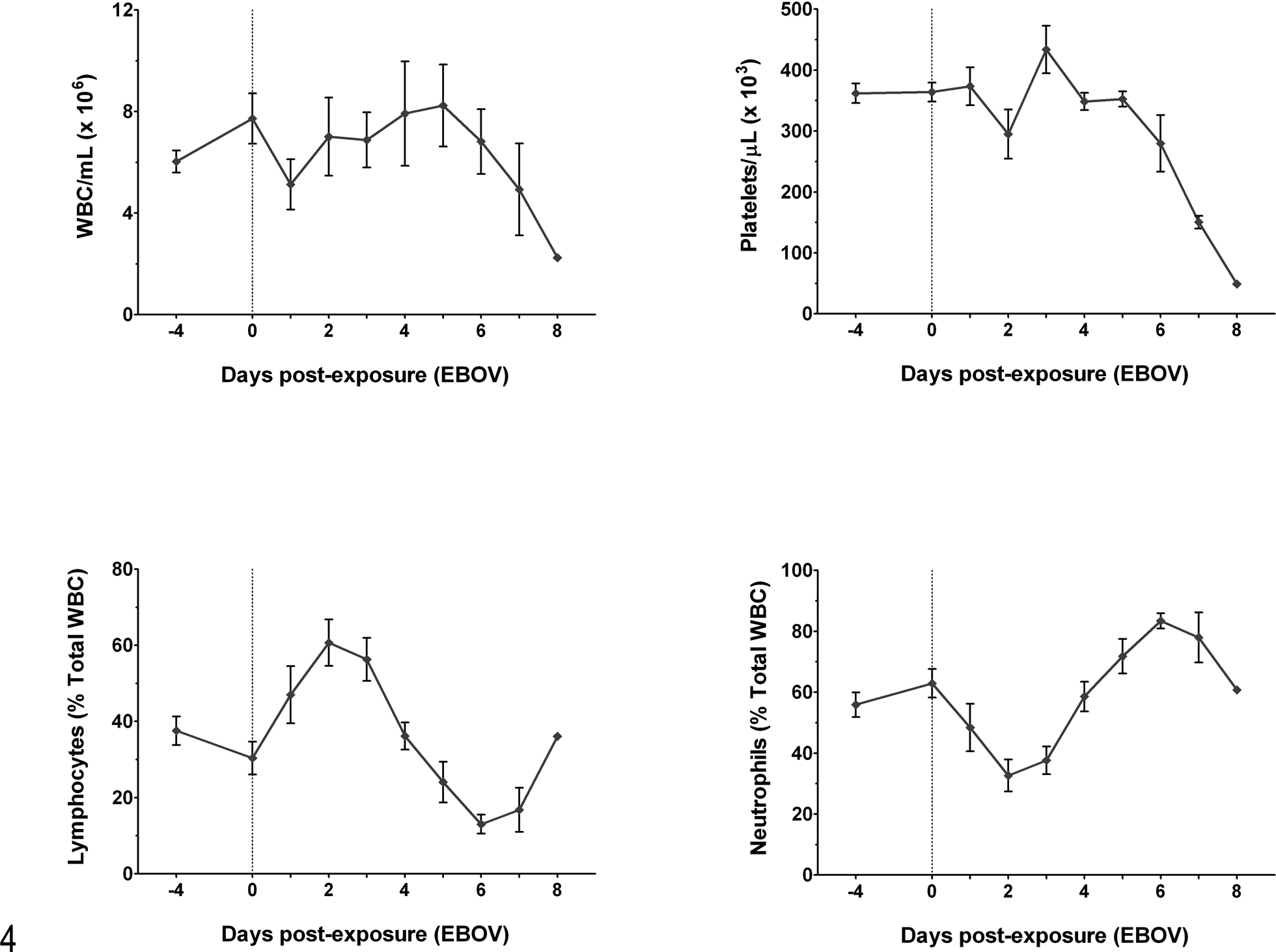
Mean changes in total white blood cell count (tWBC), platelets, lymphocytes, and neutrophils of serial sampling (SS) group animals. tWBC remains relatively constant until day 6 postexposure (PE). Sharply declining lymphocytes are offset by increasing neutrophils. Lymphopenia is severe by day 6 PE and reflected in tWBC. EBOV, ebolavirus.
Pertinent serum chemistry changes in SS group animals include increased aspartate aminotransferase (AST) and alanine aminotransferase (ALT) that began day 6 PE and increases in total bilirubin (TBIL) and γ-glutamyl transpeptidase (GGT) that began on day 7 PE and are presented in Suppl. Fig. S1 (available online at http://vet.sagepub.com/supplemental/). Day 7 PE serum urea nitrogen and creatinine (Cre) began to increase. Other late changes (day 6+ PE) included decreased albumin. These results support diagnosis of hepatic necrosis with declining liver function and azotemia. Although prerenal azotemia was presumed (likely due to decreased glomerular filtration rate due to renal hypoperfusion occurring with metabolic shock), urine was not available for concentration analysis to confirm.
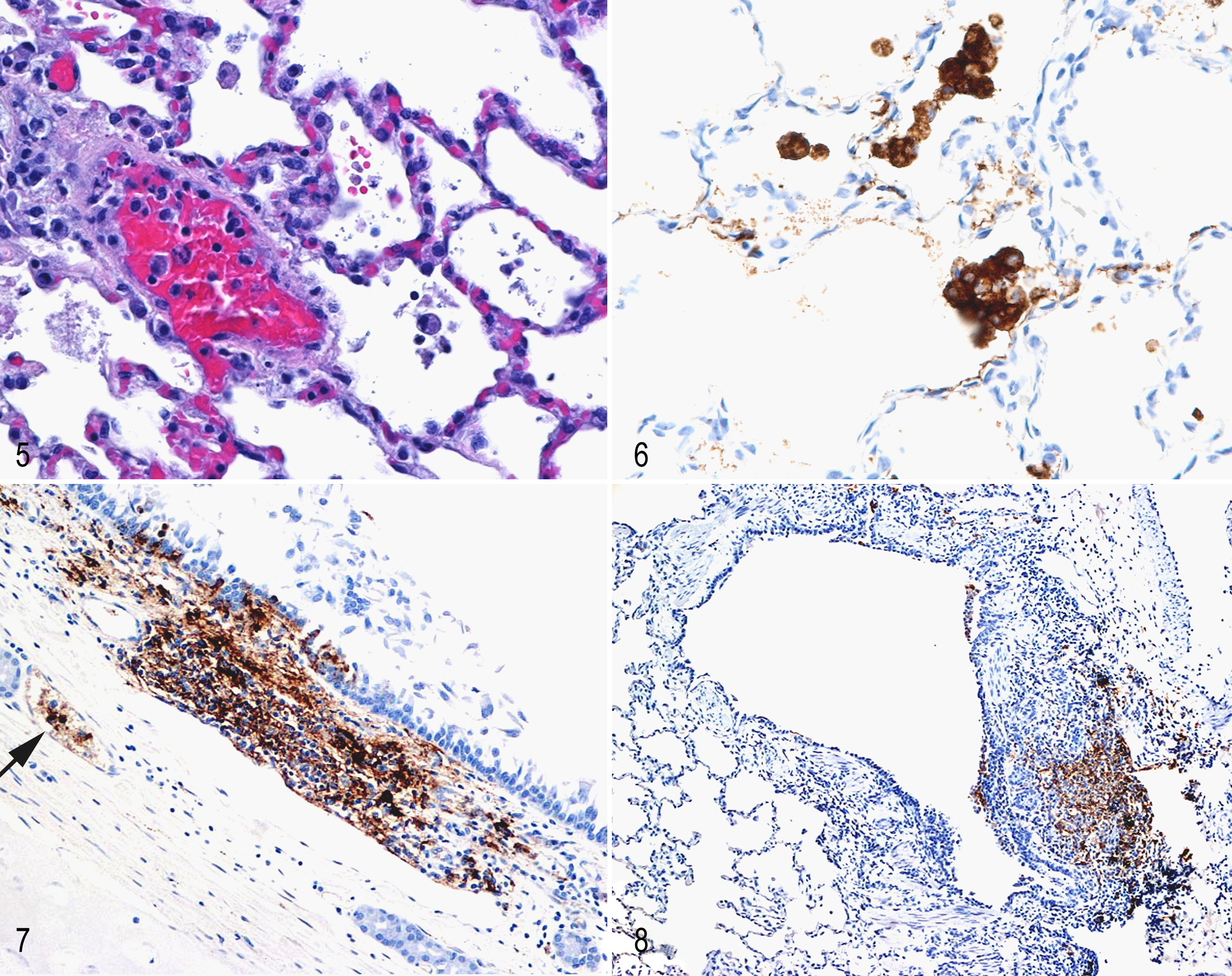
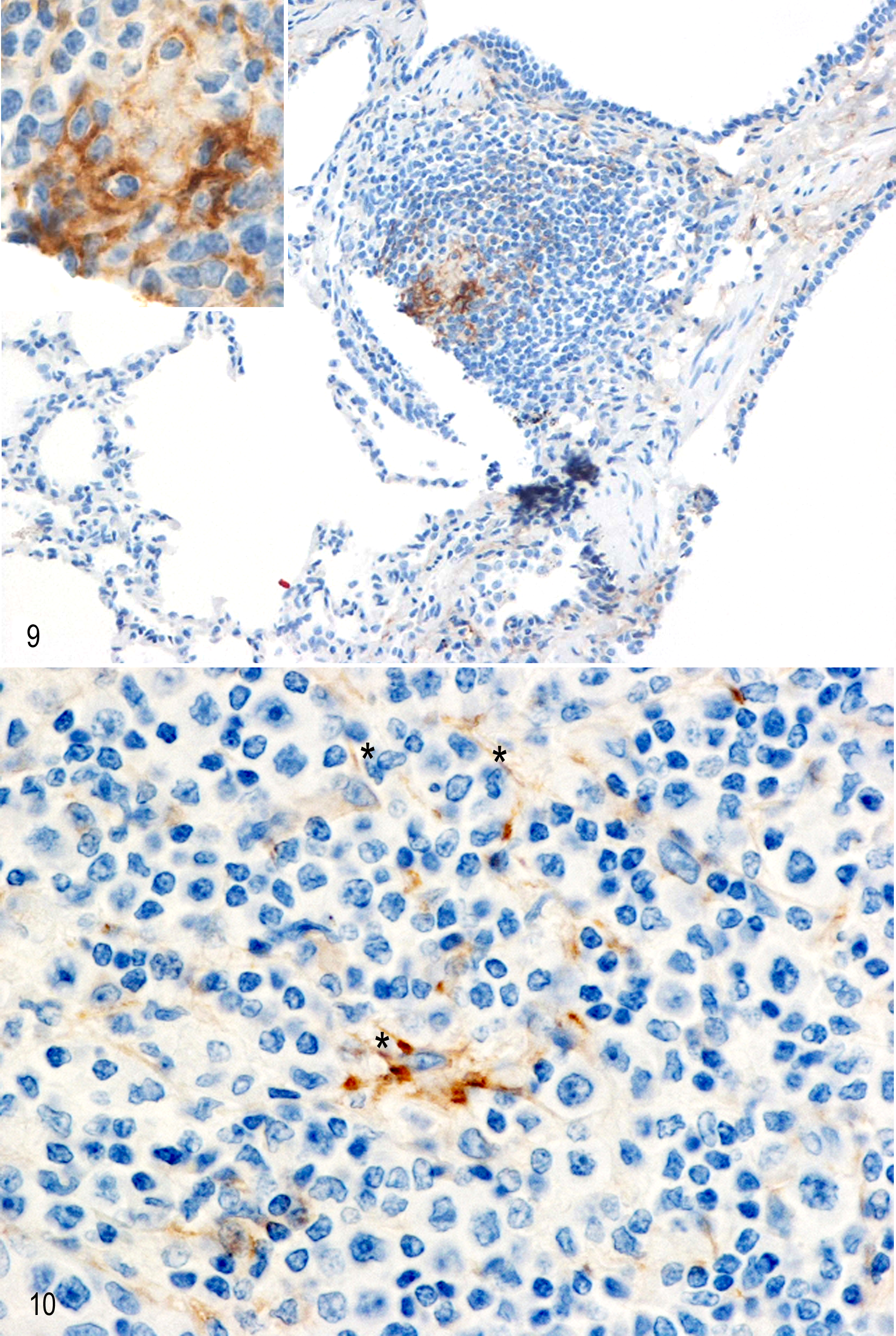
The primary histopathologic and EBOV IHC findings present in all NH group animals and present sequentially in the SS group are summarized in Tables 2 and 3, respectively. Histologic changes within the lungs included alveolar histiocytosis, alveolar fibrin, and multifocal fibrinoid vasculitis (Fig. 5). Intracytoplasmic inclusion bodies were present in few alveolar macrophages. These changes began late (days 7 and 8 PE) in the SS group. Alveolar macrophages displayed strong EBOV IHC positivity (Fig. 6), and immunopositivity was also multifocally present in airway epithelial cells, tracheal-associated lymphoid tissues (TALTs) (Fig. 7), bronchial-associated lymphoid tissues (BALTs), interstitial cells, and intravascular monocytes. Importantly, EBOV IHC immunopositivity was multifocally present in respiratory-associated lymphoid tissues in the majority of animals in this study, sometimes without significant histologic changes. Initial immunopositivity of BALTs began very early in the SS group (day 3 PE; Fig. 8). Positive cells within the alveolar interstitium and BALTs were morphologically consistent with pulmonary epithelial cells, intravascular monocytes, dendritic cells, macrophages, and fibroblastic reticular cells (FRCs) or FRC-like cells. FRCs have been shown to be present in secondary lymphoid tissues and are key early targets of filoviruses. 3,4,12,27,38,41,70,71 We compared FRCs or FRC-like cells in the BALT with those present in the tracheobronchial lymph node by performing p-75 NGFR IHC (Fig. 9). FRCs present in the BALT were loosely arranged and did not form corridors or conduits. In contrast, FRC cellular extensions created conduits in the lymph node (Fig. 10). 3,4,41,70,71,81
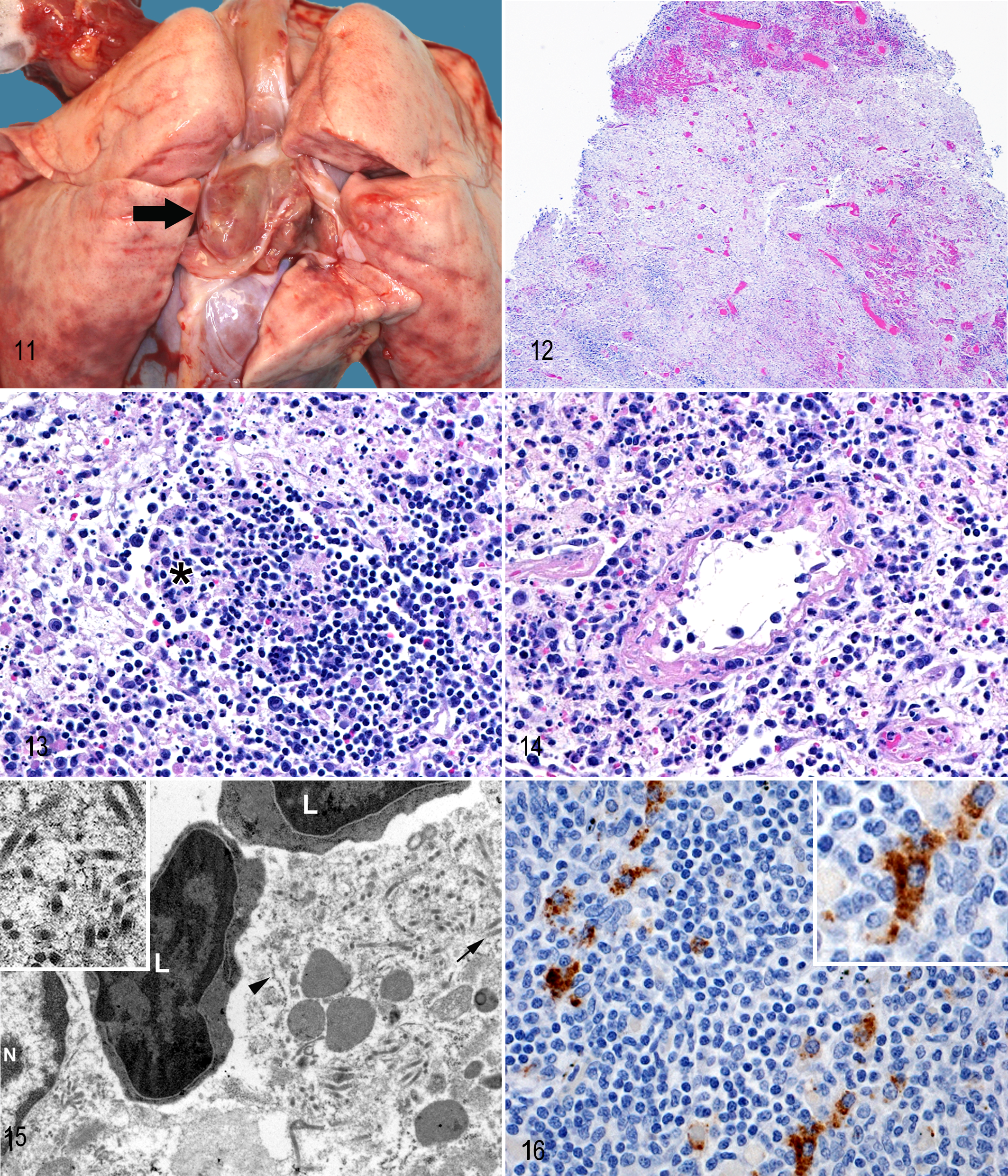
Grossly enlarged and friable tracheobronchial (Fig. 11) and mediastinal lymph nodes were noted in all NH group animals and beginning day 3 in the SS group. Within these lymph nodes, histologic changes included destruction and loss of lymphocytes, resulting in marked generalized lymphoid depletion, loss of follicular architecture, fibrin, and hemorrhage (Figs. 12 and 13). Additional frequently noted findings included necrotizing and fibrinoid vasculitis with large accumulations of fibrin (Fig. 14), edema, thromboemboli, and occasionally hemorrhage. Lymphocytolysis within follicular germinal centers and sinus histiocytosis was the first change found on day 3 PE in the SS group. Rare intracytoplasmic inclusion bodies consistent with EBOV were present within sinus histiocytes in both groups. TEM identified ebola nucleocapsids on day 3 PE in the cytoplasm of degenerating macrophages (Fig. 15). In addition, cells morphologically consistent with FRCs, dendritic cells, and macrophages were immunopositive with EBOV IHC by day 3 PE (Fig. 16).
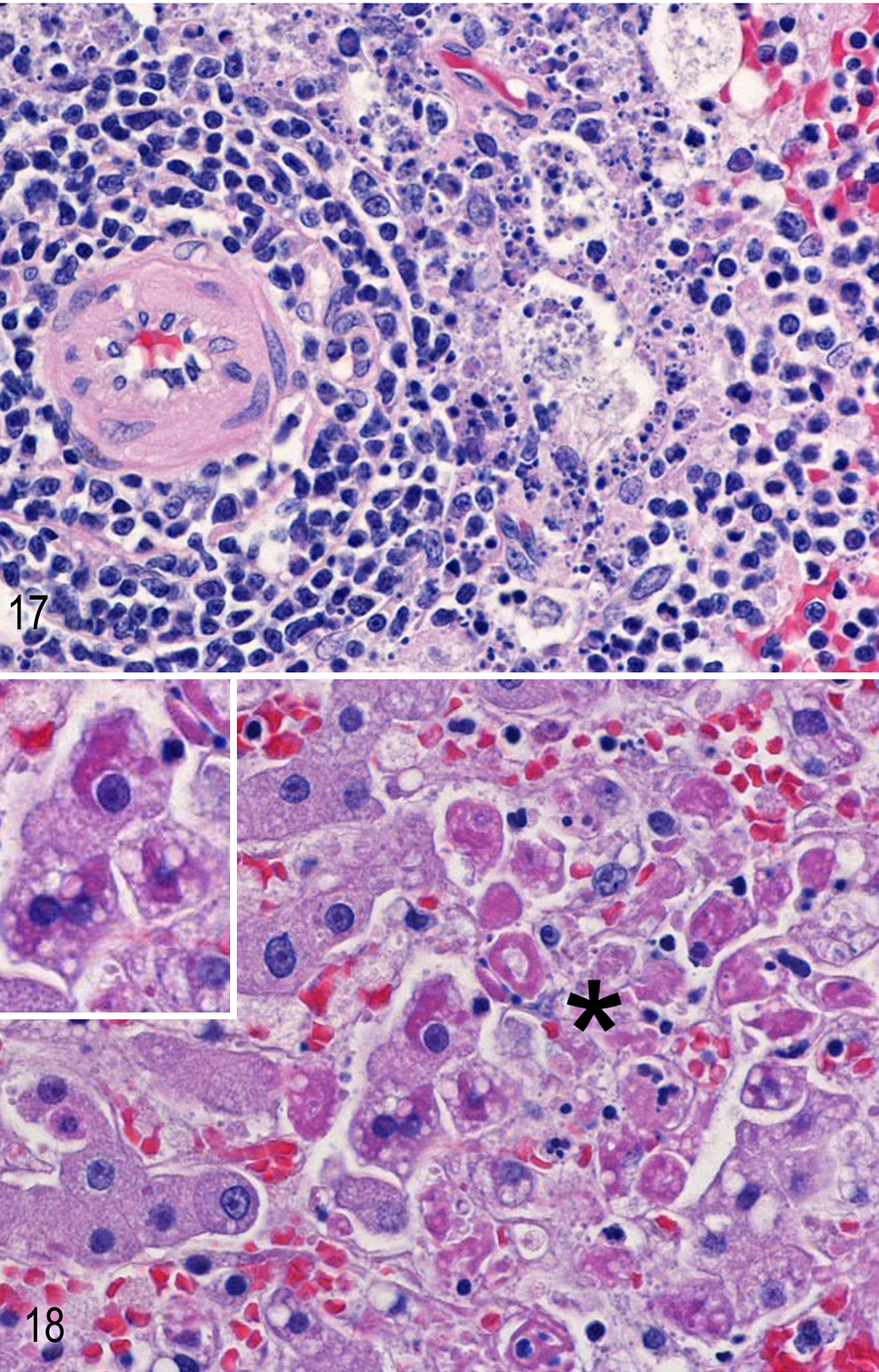
Gross splenic enlargement with firm texture was present in all NH group animals and seen late in the SS group beginning day 6 PE (data not shown). Histologic changes within the spleen included generalized destruction of the white pulp with pronounced lymphoid depletion. Marked lymphocytolysis was present notably within germinal centers and periarteriolar lymphoid sheaths (PALS; Fig. 17). There were large accumulations of fibrin within the white and red pulp with marginal zone congestion and hemorrhage. Widespread EBOV immunopositivity was present in red and white pulp in all animals of the NH group. In the SS group, EBOV IHC positivity limited to the white pulp began on day 5 PE and spread to the red pulp by days 7 and 8 PE.
Grossly, hepatic pallor was noted in all NH group animals and beginning day 5 PE in the SS group (data not shown). Histologic changes within the liver included multifocal random areas of hepatocellular degeneration and necrosis, hepatocellular intracytoplasmic inclusion bodies (Fig. 18), and moderate fibrin accumulation within sinusoids. In addition, hepatic cord architecture was disrupted in necrotic areas and replaced by cellular debris, fibrin, and occasionally hemorrhage. Hepatic changes were initially noted in the SS group on days 5 and 6 PE, and EBOV immunopositivity began day 5 PE. Immunopositive cells were morphologically consistent with hepatocytes, hepatic stellate cells, and blood monocytes.
Multisystemic vasculitis, fibrin thromboemboli, extravascular fibrin deposition, necrosis, edema, and occasional hemorrhage were present in all NH group animals and found beginning on day 6 PE in SS group animals. These changes affected many organs and body systems, including all previously described tissues and organs, adrenal glands, kidneys, gonads, urinary bladder, retina, ciliary body, choroid plexus, and haired skin.
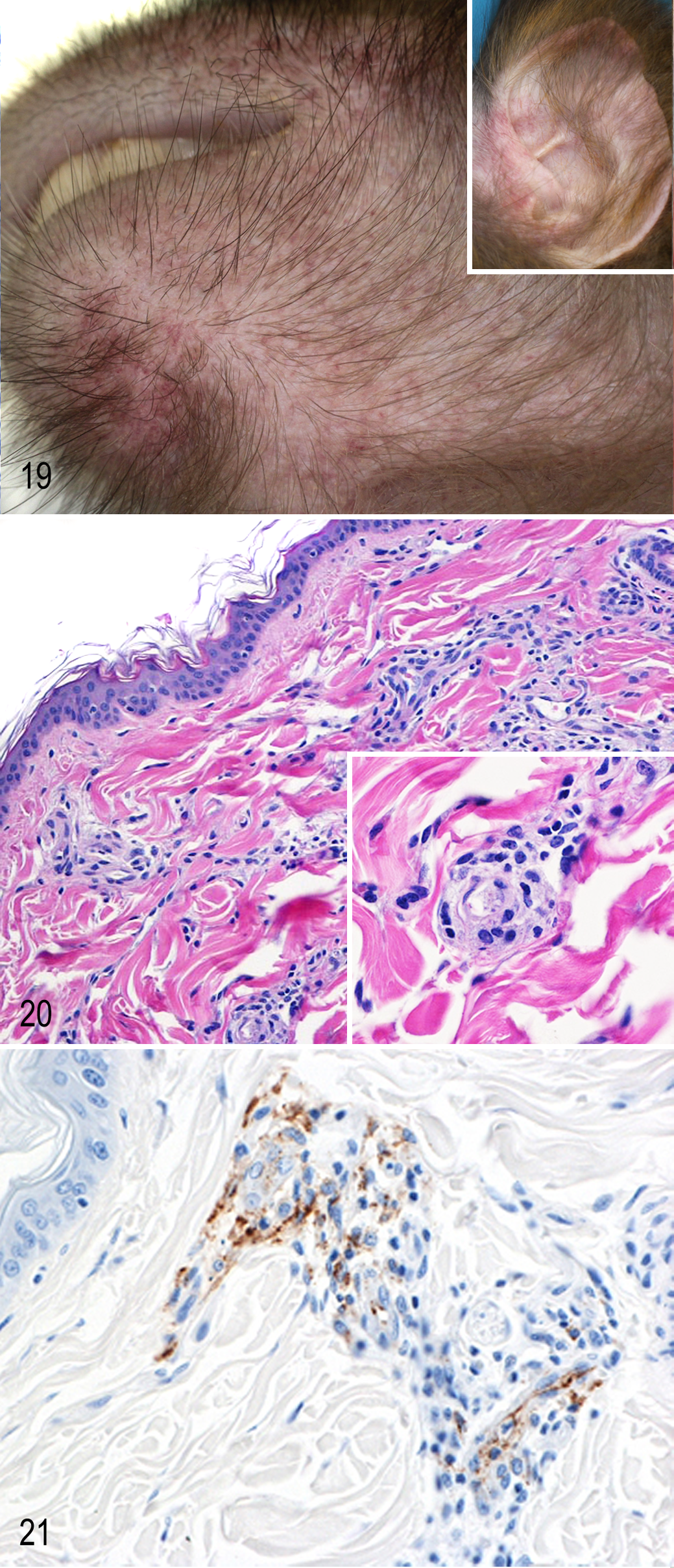
Macular rash of haired skin of the face, pinna (Fig. 19), and axillary and inguinal regions was present grossly in all NH group animals and seen days 7 and 8 PE in the SS group. Histopathology of the haired skin of the face of NH group animals with a macular rash was performed. The superficial dermal vessels contained vasculitis and perivasculitis accounting for the rash seen grossly (Fig. 20). In addition, small vessels multifocally contained intravascular fibrin with perivascular edema. Hemorrhage was not found within the subcutaneous or dermal tissues in any section examined. EBOV IHC was multifocally positive within cells morphologically consistent with pericytes and macrophages (Fig. 21).
Significant histologic changes were not identified in the kidneys in either the NH group or the SS group animals. Multifocally, there was mild subacute interstitial inflammation noted in few animals of both groups and was considered a background lesion. EBOV immunopositivity within renal tubular epithelial cells was multifocally present. This was attributed to the accumulation of VP40 in those cells, confirmed by strongly positive VP40 immunohistochemistry in the tubular epithelium of select animals (data not presented) and not due to the presence of viral antigen. 72 This was supported by performing TEM that did not identify nucleocapsids in the renal epithelial cells in any section examined at any time point (TEM of kidney was performed on days 3, 4, 5, 6, 7, and 8).
Apoptotic lymphocytes were demonstrated using caspase-3 IHC and TUNEL and were a significant finding in most animals (Table 4; Suppl. Figs. S2–S21, available online). Apoptotic lymphocytes within the tracheobronchial lymph node and spleen increased sequentially in the SS group, beginning in the germinal centers days 3 to 4 PE. At later time points, necrotizing and fibrinoid vasculitis with thromboemboli caused ischemia, and overall loss of lymphocytes was attributed due to both apoptosis and necrosis. Caspase-3 identified significant numbers of apoptotic cells and could be used as an alternative to, or in conjunction with, TUNEL.
Fibrin II IHC (Table 5; Suppl. Figs. S22–S39, available online) identified fibrin accumulation sequentially within multiple tissues of the SS group. The most significant accumulations occurred days 6+ PE. Interestingly, within the spleen, fibrin was present multifocally within white pulp mantle zones and germinal centers, forming a unique pattern at 4 to 5 days PE (Suppl. Figs. S25 and S28, available online). At later time points, fibrin was also present within the red pulp, and the distinct early pattern was not evident. Of note, fibrin deposition within the splenic white pulp preceded EBOV IHC positivity.
Discussion
To date, there are no described EBOV human infections acquired by aerosol. In general, reports of natural disease and outbreaks in humans are inconsistent and incomplete likely due to their occurrence in remote geographic locations that lack medical care. Of naturally acquired cases that have been documented, hallmarks of human disease include fever; rash; viremia; petechial hemorrhages and ecchymoses at mucus membranes, internal organs, and the skin; widespread lymphocytolysis in the spleen and lymph nodes; hepatic necrosis; hepatocytic viral inclusions; changes in hematology and clinical chemistries; infection of the spleen; and targeting of the monocytic, dendritic, and fibroblastic cell lines. 5,6,8,16,18 –21,36,55,61,67,79,83,84 Viral particles or antigen have been found in pulmonary interstitium and intra-alveolar macrophages without significant histologic changes to lung parenchyma. Limited information is available describing renal lesions, but there are reported changes in renal tubular epithelial cells and glomeruli ascribed to both viral and ischemic damage. 36
EBOV NHP studies describing pathologic changes of experimental infection by the aerosol route are extremely limited. 2,53,55 In this study (NH group), naive rhesus challenged by the aerosol route resulted in a rapidly progressive, fatal infection with death occurring 7 to 10 days PE. This is similar to other documented NHP studies that report deaths between 5 and 12 days following aerosol, intramuscular (IM), intranasal (IN), or intraperitoneal (IP) EBOV challenge. 26,27,38,46,51 –53,62,63
Unique to the aerosol challenge, there was significant initial infection of respiratory-associated lymphoid tissues and mediastinal lymph nodes. Historical data characterizing aerosol EBOV infection in the lung 53 describe a patchy pneumonia with a bronchocentric pattern. In this study, we demonstrate that the bronchocentric pattern of EBOV IHC is due specifically to immunopositivity within BALT. This is not a prominent feature of natural human infection or experimental NHP infection challenged by the IM, IN, or IP routes. 14,23,26,27,30,38 –40,46,51 –53,62,63,65 Primary infection of the lymphoid tissues of the upper and lower respiratory tract sets the aerosol EBOV NHP model apart from the IM EBOV NHP model. Comparison of these models is useful, and pathologic data published by Geisbert et al 38 in 2003, using IM challenge in naive cynomolgus macaques (cynomolgus IM EBOV), afford close comparison with the current experiment because both studies were conducted at the same facility and used the same species, strain, and passage of the virus.
Productive infection of FRCs, dendritic cells, macrophages, and blood monocytes has been documented in cynomolgus macaques, African green monkeys, humans, and in vitro studies 10,12,48,54,85 and was consistent with findings in this study. The quantity of cells initially infected is likely much higher with aerosol challenge compared with IM challenge due to the large surface area of the respiratory tract, and this may affect pathogenesis in ways not apparent in this study. This most certainly will be a consideration when selecting medical treatment options. Future studies designed to quantify and compare the extent of initial infection will be useful to further characterize aerosol infection. EBOV in humans and all NHP species, irrespective of route of exposure, have a predilection for early and sustained infection of FRCs, dendritic cells, macrophages, and blood monocytes. The reason for susceptibility of these cell lines to EBOV is unknown. The mechanisms by which EBOV uses to infect cells may be important in understanding varying cell susceptibility. The cholesterol transporter, Niemann-Pick C1 (NPC1), is a recently discovered requirement for EBOV entry into cells and is expressed by all cells. 17,24 It is possible that cells express varying levels of NPC1, and this may alter susceptibility to infection. This is a focus of future research that may uncover distinct ways to prevent and treat EBOV infections.
Apoptosis of lymphocytes has been well documented in human and NHP EBOV cases. 2,5,7,23,26,27,31,37,38,49 –51,53,61,67,79,84 Apoptotic lymphocytes were most abundant in the mediastinal lymph nodes and spleen. Apoptosis was also present, albeit to a lesser extent, within respiratory lymphoid tissues, including TALT and BALT. Massive and widespread destruction of lymphocytes and infection and loss of their supporting cells, including FRCs, macrophages, and dendritic cells, contribute to the pronounced immune suppression characteristic of EBOV infections in humans and NHPs and was a consistent finding in this study. 2,10,12,13,15,38,42,48,54,57,70,71,83,84 Apoptosis of splenic germinal center lymphocytes and accumulation of fibrin within germinal centers and mantle zones was seen early (days 3–4 PE) in SS group animals.
To the best of our knowledge, extravascular accumulation of fibrin in splenic white pulp at early time points has not been documented in previous NHP EBOV studies. In this study, fibrin deposition formed a unique early pattern, and fibrin II immunopositivity preceded EBOV immunopositivity by 1 to 2 days. Mean splenic qRT-PCR of >102 pfu/ml was present by day 3 PE and >103 by day 4 PE, suggesting a viral presence despite negative EBOV IHC results. In addition, fibrin deposition has been shown to accumulate along EBOV-infected splenic FRCs. 70,71 These results suggest EBOV infection in the spleen occurred very early (by day 4 PE) with aerosol exposure, and fibrin accumulation may be related to FRC EBOV infection. Lymphocytic apoptosis, exposure of collagen, and fibrin accumulation in conduit cores have been previously shown to be associated with EBOV infection of FRCs. 14,22,34,41,70,71 Although further evaluation of our findings is necessary, it is likely early infection of splenic FRCs, possibly coupled with other changes such as alterations in blood vessel permeability and coagulation cascade, 38,46,58 –60 resulted in early fibrin deposition in the spleen.
Other results of this study that are similar to human parenteral disease include fever, neutrophilia, increased liver enzymes, azotemia, and skin rash. Hemorrhagic fever rash has been characterized in a variety of ways, including petechial and hemorrhagic. To our knowledge, rash of haired skin has not been evaluated histologically in any documented NHP report. In this study, a rash was noted grossly within the skin over the face, pinna, arms, and legs late in the course of disease (6+ days PE) and evaluated histologically in the NH group animals. Although the gross lesions are fairly dramatic when present, their histological appearance in this study was rather lackluster, devoid of petechia or hemorrhage in the subcutis or dermis, supporting the characterization of the rash as macular. This is in contrast to what has been reported in humans and NHPs. 2,38,51,53,83,84 Interpretation of this potential discordance of results is difficult, and review of the literature provided little additional information. EBOV IHC results supported infection of perivascular inflammatory cells and pericytes. The data collected in this study are extremely valuable because the unimpeded view of superficial dermal blood vessels, unobstructed by surrounding necrosis, hemorrhage, or fibrin, may be a reflection of what is occurring in and around blood vessels throughout the body by days 7+ PE. Multisystemic vasculitis may actually begin as a perivasculitis with infection of pericytes based on these findings. Continued sampling of haired skin with rash from human cases and experimental animal infections will be highly beneficial in characterizing and comparing this lesion and may shed light on systemic vasculitis that occurs in EBOV infections.
In summary, the pathogenesis we propose for aerosol EBOV infection in rhesus, based on the results of the current study, is as follows: initial infection occurs in the respiratory lymphoid tissues, FRCs, dendritic cells, alveolar macrophages, and few blood monocytes. Virus spreads by way of dendritic cells and macrophages to regional lymph nodes via lymphatics, where it infects local FRCs, dendritic cells, and macrophages. In the regional lymph nodes, significant viral replication occurs accompanied by initial destruction of lymphocytes and lymph node parenchyma. No clinical changes may be apparent during this early phase. From the pulmonary lymph nodes, the virus secondarily infects many additional blood monocytes and moves away from the regional tissues to infect multiple organs, specifically the liver and spleen, via blood vessels. Viremia, increased body temperature, and declining WBC with rapidly declining % lymphocytes are detectible clinically. There is progressive systemic destruction of lymphocytes causing severe immune suppression and necrosis in multiple tissues, with pronounced hepatic necrosis. Clinically, lymphocytopenia may be accompanied by neutrophilia (necrosis) and declining numbers of platelets on CBC. Increased ALT, AST, GGT, TBIL, serum urea nitrogen, Cre, and hypoalbuminemia are present on blood chemistries. The systemic infection progresses with speed, leading to vasculitis, thrombosis, hemorrhage, and extravascular fibrin accumulation in multiple organs and tissues in addition to shock. During later stages, hypothermia and thrombocytopenia can be noted in addition to other CBC and chemistry changes described. Finally, there is disseminated intravascular coagulation and shock. 5,13,22,34,41,47,60 This occurred in a 7- to 10-day span in this study. We predict this sequence of events would be the same in human aerosol infection.
Although tremendous progress has been made in the past decade to develop medical countermeasures against EBOV infection, 13,33,52,57,62,67,80 there are currently no Food and Drug Administration (FDA)–approved therapeutics or vaccines. Development and characterization of animal models that reflect both natural routes of transmission, as well as potential biological threat scenarios such as aerosol exposure, are necessary for advancing products for the treatment and prevention of EBOV infections under the FDA’s animal rule. 35,43,68,76 –78 Developing an animal model for human infection with an undocumented route of exposure is unprecedented to our knowledge, yet understanding the pathogenesis of aerosol EBOV infections in NHP is critical to animal model development and underscores the value of the current study. On the basis of our findings, we believe the rhesus have the potential to serve as a useful animal model for future EBOV research.
Footnotes
Acknowledgement
We gratefully acknowledge the numerous contributions of pathology personnel, including Anthony Alves, Carl Shaia, Neil Davis, Phil Fogle, Angela Grove, Gale Krietz, Kathleen Kuehl, and Christine Mech; Center for Aerobiology personnel; other key scientific personnel, including Dr John Huggins, Dr Julia Biggins, Keith and Heather Esham, Brian Friedrich, Christopher Reed, Joshua Shamblin, and Joseph Shaw; staff from the Diagnostics Systems Division who prepared and quality tested the EBOV mastermix; and Adrienne Hall, Megan Heinrich, and Ashley Zovanyi. We would also like to acknowledge Miranda Roberts-Johnson for assistance with RNA extractions, Bill Discher for photographic assistance, and Dr Arthur Anderson for expert review. The views, opinions, and/or findings contained herein are those of the authors and should not be construed as an official Department of Army position, policy, or decision unless so designated by other documentation.
Declaration of Conflicting Interests
The author(s) declared no potential conflicts of interest with respect to the research, authorship, and/or publication of this article.
Funding
The author(s) received no financial support for the research, authorship, and/or publication of this article.