




Abstract
It is an undeniable fact that business endeavours in modern times are centred on offshore operations. This scenario demands the employment of virtual teams to be seen as an essential requirement. The experiences from COVID-19 pandemic corroborate this reality. Corporations ought to revise their strategies to successfully incorporate technology as a part of their habitual actions. Holonic manufacturing emerges as a powerful communication and collaboration tool for virtual teams to optimize resources and human power. This study is based on an experiment consisting in a simulated automobile assembly industry. Holonic organizations are compared to non-holonic structures in terms of labour costs based on effective work times. The study employed a Holonic Manufacturing Structure to analyse its possible impact on labour cost reduction among several other advantages.
Introduction
The Hungarian scholar Arthur Koestler (1967) used the term ‘holons’ to identify autonomous, but accessible, structures that could function independently as well as collaboratively as part of a system. The propounded concept developed by Koestler can be applied to industries, where the basic purpose is to achieve synergy in production. Holons can be subdivisions, links, or associates within the same company that collaborate for the achievement of common goals.
A manufacturing holon is a self-governing and cooperative building block of a manufacturing system that transforms, transports, stores and validates information or physical objects (Van Leeuwen & Norrie, 1997). Figure 1 represents the structure of a holon.
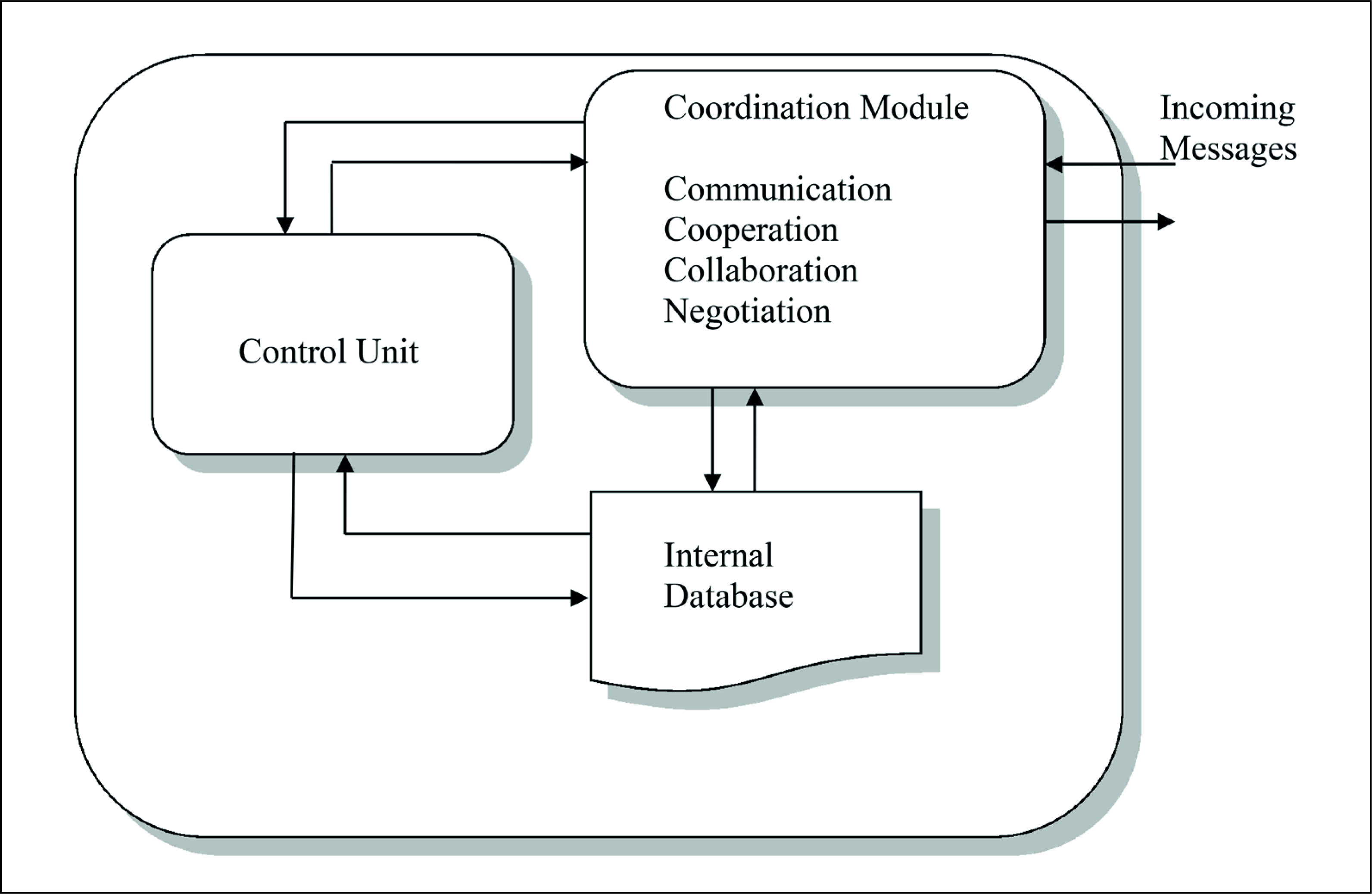
Holonic structures provide a proper way of ‘decentralizing’ regular operations by allowing members of their networks to participate more actively in decision makings and suggesting improvements. The efficient communication within the structure allows a greater involvement of the units in the production processes. These novel arrangements aim for an efficient interaction between technology and the human resources by using virtual teams. The idea is to generate value through a greater exposure of information to improve several aspects of manufacturing.
One of the many strategies oriented to achieve profitability in companies is cost reduction. The objective of this study is to analyse labour expenses in holonic manufacturing systems (HMS) and non-holonic structures (NHS). To incorporate the use of virtual teams into the HMS is also part of the goal. Results can be applied in project and operations management. The intention is to achieve efficiency through collaboration and to diminish overall production time with the reduction of cost as a corollary. It is usually an expectation that less assembly time is supposed to result in a reduced amount of labour cost.
HMS contributes to the new era of the Fourth Industrial Revolution by setting standards that can last for many years. Effectiveness and optimal use of resources have been mentioned as benefits. This research will appraise if labour cost reduction could be counted as part of such advantages. Expenditure drop is a sensitive variable, especially in the employment of new techniques such as Holonic Manufacturing. Of course, budget saving is an objective of predominant significance for almost all corporations.
Gibson and Manuel (2003) stated that harmonization and trust have paramount importance to lessen fabrication times among holonic systems. Terzi et al. (2007) presented an original advance to output traceability by combining HMS with Product Lifecycle Management (PLM). These authors appealed to holons to measure and analyse product lifecycles.
PLM can be defined as a systematic, scientific, logic methodology and tactic oriented to the optimal administration, analysis and control of the introduction, growth, maturity and decline of goods. Many PLM-focused companies are currently facing serious challenges in the areas of cost reduction and customer satisfaction. The combination of virtual teams with holonic systems can be defined as a strategy for maintaining optimum results through more efficient use of resources. Martín-Gómez et al. (2021) described advanced holonic architectures that are characterized by the use of intelligent agents. In their research, these authors defend the virtual allocation of holons.
In the current marketplace, organizations need to be able to complete projects with optimal use of facilities, tools and human resources by sharing information and responsibility. The goal of this study is to compare a traditional NHS with an HMS to discover the benefits of using virtual teams under the holonic arrangement.
Literature Review
Holonic Structures and Their Use in Recent Times
Project and operations management have significant importance in today’s business environment where several organizations merge to form mega-institutions and penetrate international markets to remain competitive. Van Fenema et al. (2016) emphasized the need of having a system of participants in Operations mega-projects. HMS satisfies that necessity through a network of collaboration. Foit (2022) incorporated HMS among the distinguishing features of Industry 4.0, or the Fourth Industrial Revolution, where the higher quality standards are demanded by today’s customers in optimal lead times.
As a result of current marketplace conditions, organizations must reconsider their traditional business practices, production strategies and economy. The goal of these organizations is to find successful models that allow their businesses to function at optimal conditions and achieve profitability. This objective can offer an interesting challenge to organizations as they propose new models and systems from the basis of historical data provided through the use of current techniques. Such techniques have already been proven to be successful in particular settings. Radujkovica and Sjekavicab (2017) dist- inguished three factors as the accountable reasons for fruitful achievement: project management competence; organization and elements of methodologies, methods, tools and practices. Often, logistics is a significant global factor in the successful implementation of these new models that, in more than one occasion, have reduced costs significantly.
Teams located in different geographical regions, referred to as virtual teams, often must work together to develop a product or process and to diminish the difficulties of logistics. Krumm et al. (2016) accentuate the expertise, experience and proficiency commonly found in virtual teams. For this reason, these groups are capable of offering gains of utmost significance.
The use of virtual communications, such as teleconferences, has been proven to be a useful tool to overcome geographic challenges. The use of virtual teams can provide benefits to project and operations management methodology in domestic and transnational settings. When working virtually, tasks and entire endeavours can be completed on a continuous basis. Nevertheless, the remoteness, which is the main characteristic of virtual endeavours, represents an extra challenge for the easiness of a direct, close influence within the group (typical of NHS). Responsibility and commitment to results have an elevated role in virtual teams.
Virtual Teams and Their Advantages
A chart known as the ‘stage–gate process’ (Figure 2) is usually employed when working virtually to reduce cost, increase customer satisfaction, and successfully conclude projects with an advantageous utilization of resources, According to Cooper (2001), the stage–gate process is a useful tool for PLM. The stage–gate is a functional visual tool that can be utilized as a practical set of directions and a way for the documentation of successful product introduction.
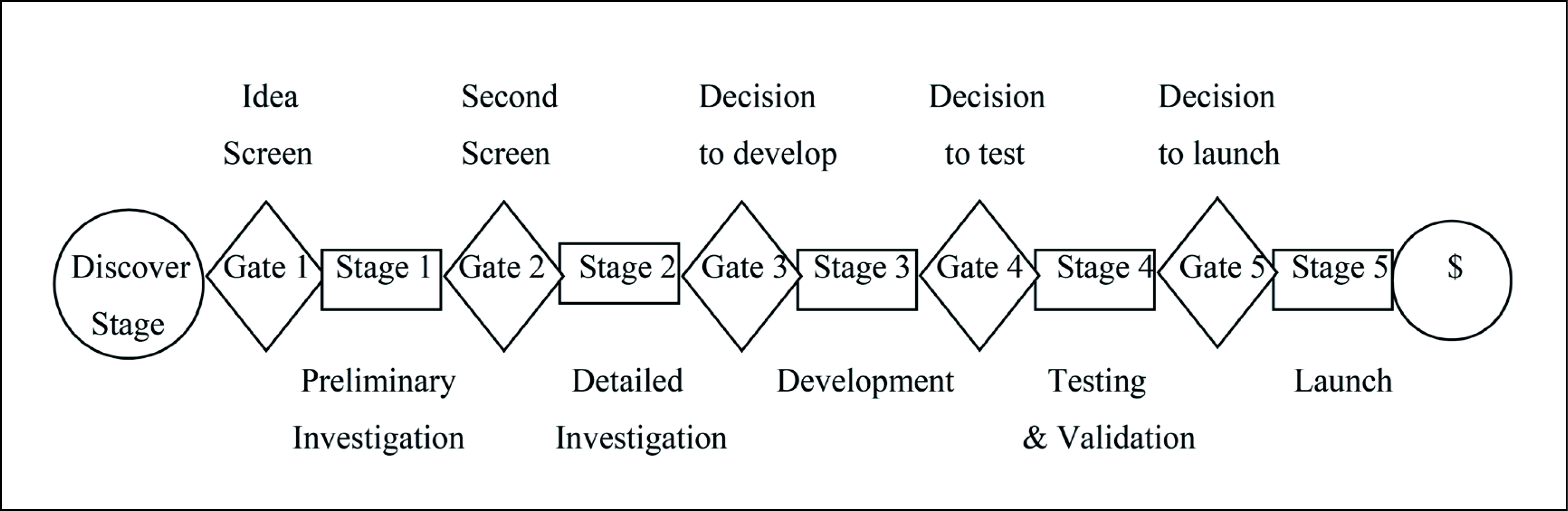
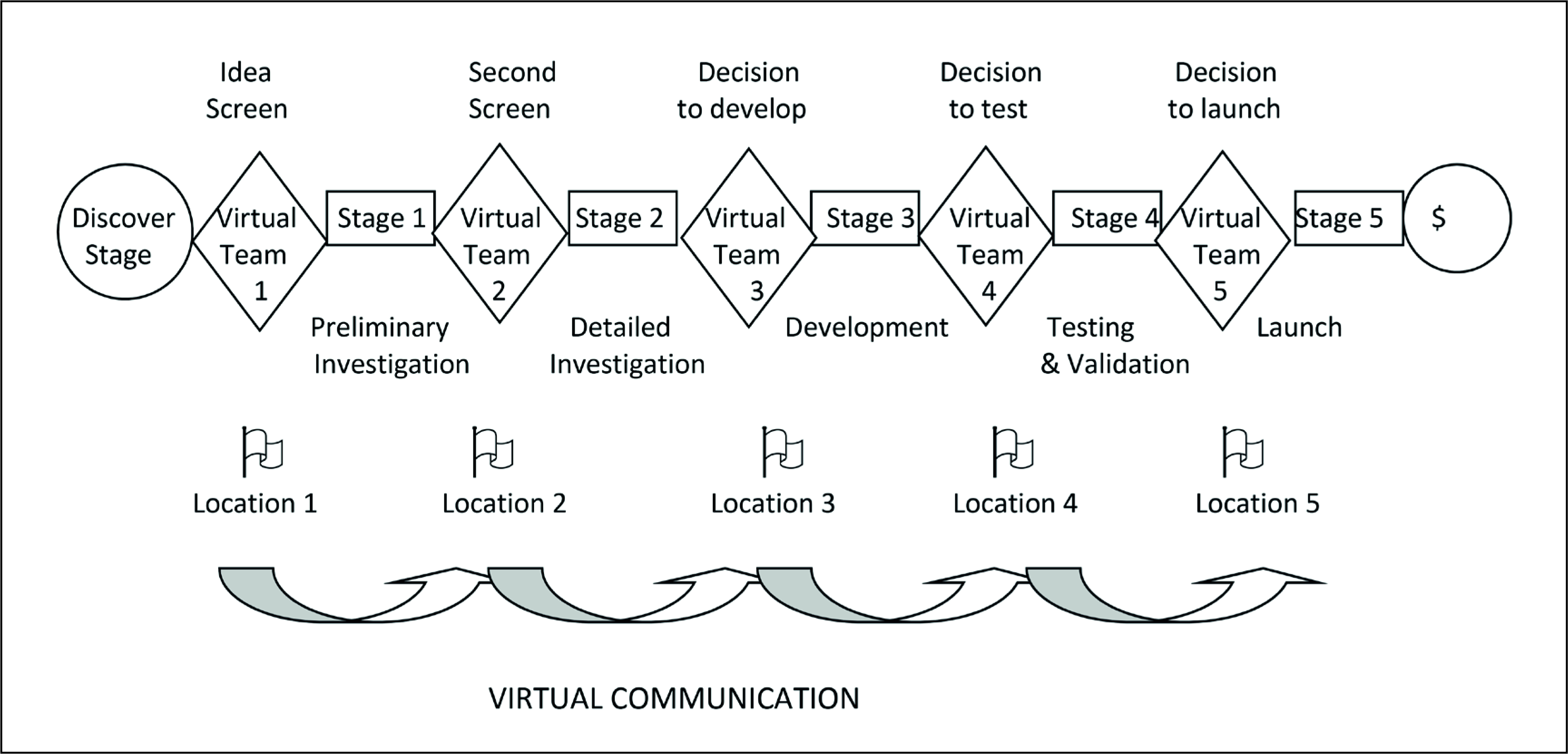
For the purposes of this study, the Cooper stage–gate process can be applied by using virtual teams as the gates preceding each stage. The teams could be operational from different geographical locations and communicate virtually to achieve each stage of the process. Figure 3 is a graphical representation of the stage–gate process with the use of virtual teams.
Cost Reduction
Burova et al. (2022) concluded that virtual environments are capable of diminishing costs and project durations. They proved that allocated asymmetric virtual reality is a low expense and feasible new technique that can successfully combine with corporative cybernetic operations.
In 2006, Link and Filias interviewed Alan Huberty, a virtual team technology project consultant for Ford Motor Company in addition to many other corporations such as Intel, Boeing, Owens Corning, SMART Technologies and others (Link & Filias, 2006, p. 62). They documented that virtual teams had improved production, cost and performance in several companies. The possibility of improving processes to make them more efficient is just one of the many advantages of technology. Improved processes will save time and costs to the company and will add value to the outcome offered to the customer, synergistic with project and operations management primary goals. These improvements represent avenues through which a company can increase profits. According to Hammer and Champy (2003), when Bell Atlantic organized focused process teams, delivery times were reduced drastically. Teams at Bell Atlantic, a company with domestic-based processes, according to Hammer and Champy’s (2003) description, were able to achieve this goal by assuming operational endeavours, eliminating bureaucracy and directly serving the customer. This same achievement can be accomplished globally with virtual tools.
The decrease of lead time and cost reduction are control assessment tools in virtual endeavours. The lead time decrease can be from one stock point to another (one holon to another) or the overall project duration. Costs to be reduced because of less production periods include setup costs (communication, motion, order, transportation and material handling), production costs (material costs, labour costs and energy costs), inventory costs (opportunity costs, insurance costs, storage costs and depreciation costs), work-in-process costs, backorder costs and stock-out costs. Lukić and Vračar (2018) thought that cost reduction is one of the many advantages of virtual teams. To determine if labour expenses can be counted among those cost reductions is the intention of this article. The human resource can be considered as the most eminent of all production resources. A lot has been said and done in terms of achieving dignifying and fair labour expenses. Being that HMS is a present and future management approach and stratagem, labour cost has vital significance.
This study focuses on appraising labour cost since expenses may decrease with diminished lead times. Nevertheless, the holonic structure demands some extra time for teams (holons) to share information and provide aid to each other. The extra time means more labour costs. Additional periods are an implicit attribute of virtual groups. It is necessary to comprise phases for planning, sharing data, controlling and executing. All these should be under a scenario that involves different time zones plus a wide range of societies and backgrounds. These are unequivocal characteristics of transnational management.
Transnational Management
This study focuses on worldwide administration and the global perspective among partners that communicate virtually under a holonic network. As the name suggests, transnational management is the running, planning, coordinating and monitoring of resources along with ensuring adequate interaction or participation of people, supplies, materials, machinery and tools from different countries or geographical regions (Bartlett et al., 2004). Issues related to difference in languages, culture, schedules, traditions, legislations, politics and economies are important concerns to be taken into account when dealing with international partners, customers, or suppliers. In today’s business environment, it is imperative that individuals and corporations join efforts and work together internationally to pursue common goals.
For most businesses, the ultimate objective is profit. A palpable way to increase profit is with cost reduction. Labour is a remarkable part of operational costs. Transnational management and the international relations that are part of it had their origin in ancient times and have been evolving ever since. Currently, international business is indeed a common commercial practice and for years has been a source of considerable profit. Nevertheless, business can be performed under other approaches as well. Jeannet categorized management thinking into five mindsets: domestic, international, multinational, pan-regional and global (Jeannet, 2000, p. 36). The domestic view is the one that comes from one business setting. ‘The international mindset is formed by an individual having at least one major experience in a second country’ (Jeannet, 2000, p. 36). With the multinational approach, managers operate in several different countries and focus on one market at a time. This action results in a diminishment of lead time and an expected labour cost reduction. Executives are not particularly skilled in worldwide endeavours where different rules apply. The regional manager, on the other hand, is an expert and experienced professional in a particular territory that usually embraces neighbouring nations or several countries with characteristics in common such as Europe, Asia or Latin America. Jeannet defined the global leader as a manager who is capable of performing business on a worldwide basis, analysing, and performing actions in several markets at one time.
The analysis performed in this study primarily focuses on the global perspective evaluating a possible labour cost cutback. To successfully achieve the global perspective, it is necessary to ‘be comfortable with the various types of global strategies pursued by business today’ (Jeannet, 2000, p. 41). This research intends to further support that virtual integration is not always an option, but a mandatory requirement, given the characteristics of the current business environment and globalization. Precisely, researchers such as Agrifoglio et al. (2017) position globalization, disparities in client demands and virtual interaction as the key reasons for the development of Operations Management techniques by companies in both fabrication and services.
However, the use of virtual teams might not be able to offer the same advantages as face-to-face meetings within a domestic environment. Consequently, managers who are prepared to interact with several markets simultaneously and who are familiar with the different international business rules are the ones who are most likely to succeed in cost efficiency. Hence, the global mindset has been selected for this study purpose: ‘embarking on an exploratory voyage into an emerging global system just now beginning to take shape’ (Jeannet, 2000, p. 42). The global mindset that characterizes the use of virtual teams in holonic systems seems to convey shorter lead times due to the synergy of collaboration and communication that can be achieved with the holonic networks. Would this expectation include a reduction of labour cost?
Formulation of Hypothesis
When considering labour costs, an important metric is the lead time. Fewer lapses imply more efficiency for operational projects. One must highlight, however, that this efficiency will be accomplished only if the decreased lead time is achieved through a cutback of non-value-added activities such as inoperative time. Suri (2020) pinpoints ‘employees whose job is to re-do units’, ‘supervisors of rework activities’ and ‘time spent by management leading repair departments’ as key sources of waste that obviously escalates labour costs and lead times. The diminished gaps should not be reached by intensifying capacity through the addition of resources such as workforce or equipment.
A reduction in lead time would bring the decrease of cost as a corollary, given all other things are equal. Consequently, the following hypothesis can be stated:
There is a greater labour cost reduction for the completion of an operational project when performing with the holonic structured virtual team organization than with the traditional non-holonic organization.
Methodology, Structure and Procedure
In the experiment performed, there was an assumed random labour cost per hour of $10 which was selected for ease of calculations. It is expected that proving the main hypothesis will determine that less time is needed to build the model under a holonic structure. Consequently, there would be labour cost savings due to less lead time. Nevertheless, the extra time spent on the virtual meetings of holonic groups to cooperate with each other also needs to be measured. This extra time, which was not spent by the traditional groups, involves extra labour cost. Originally, it was estimated that even with the additional labour cost spent with the virtual meetings, the projects completed by holonic organizations will be less expensive than the ones from non-holonic groups in terms of total labour cost.
It is important to observe how holonic structures perform beyond the precepts of theory. Virtual teams located in several countries can form a holonic network. This research utilized the experiment described by Torres-Palacio (2019), which consisted in a practical investigation that compared HMS to NHS.
For this study, the automobile assembly line was considered in a general sense. There were no specific automobile firms included or analysed. It was a simulation of automobile assembly with the use of a model of the Chevy Bel Air 1951, 25 times smaller than the real one (Figure 4). To prevent any possible partiality in the experiment, it was a characteristic that the Chevy replica required no previous specific education or preparation to be assembled. However, tasks were puzzling and interesting enough for participants so all manufacturing variants and flaws could be discovered. All members obtained the same directives on how to fabricate the exemplar. The assignments consisted of verification that all materials were delivered, removal of pieces and connection of all parts using the glue provided.
The Chevy Bel Air 1951 Model.

As presented in the experiment by Torres-Palacio (2019), there were several international institutions (universities) forming a global network. These were Purdue University (66 students, Indiana, USA), Universidad de las Américas (UDLA) (42 students, Ecuador), Dublin Institute of Technology (DIT) (6 students, Ireland), Ivy Tech (12 students, Indiana, USA), Coastal Carolina (6 students, South Carolina, USA), Technische Universität Kaiserslautern (6 students, Germany) and Universidad San Francisco de Quito (USFQ) (12 students, Ecuador). Half of the number of participants in each place formed holonic teams and the other half formed non-holonic groups. In total there were 150 students from different countries, 75 holonic and 75 non-holonic. All teams consisted of three members (a sub-assembler, an assembler and a quality controller) in both categories.
The sub-assemblers had the goal of building the prototype from step 1 to step 4. The objective of the assemblers, on the other hand, was to finish the construction of the prototype by completing steps 5 to 7. Finally, the quality controllers examined each corresponding finished exemplar to report deficiencies or imperfections and recommend corrections.
Since constant interaction and coordination are distinctive attributes of HMS, holonic teams were allowed to share all information through Skype virtual meetings. In other words, when a holonic team was doing its job, they contacted another ‘holon’ (group) which had already assembled the prototype. Advice was freely shared in addition to communicating with the assembly director or manager (represented by the experiment investigator). In contrast, NHS teams did not communicate with each other, but did only with the reproduced supervisor and with the other two participants within the same group. In that way, the non-holonic scenario was simulated. No further information reached NHS and to achieve this goal, the investigation started with the non-holonic squads so there was no previous familiarity or awareness. Holonic units completed the experiment after the NHS so if any possible sharing of experience was present, it would match the feature that precisely distinguishes holons: the interaction of data.
Data, Statistics and Hypothesis Testing
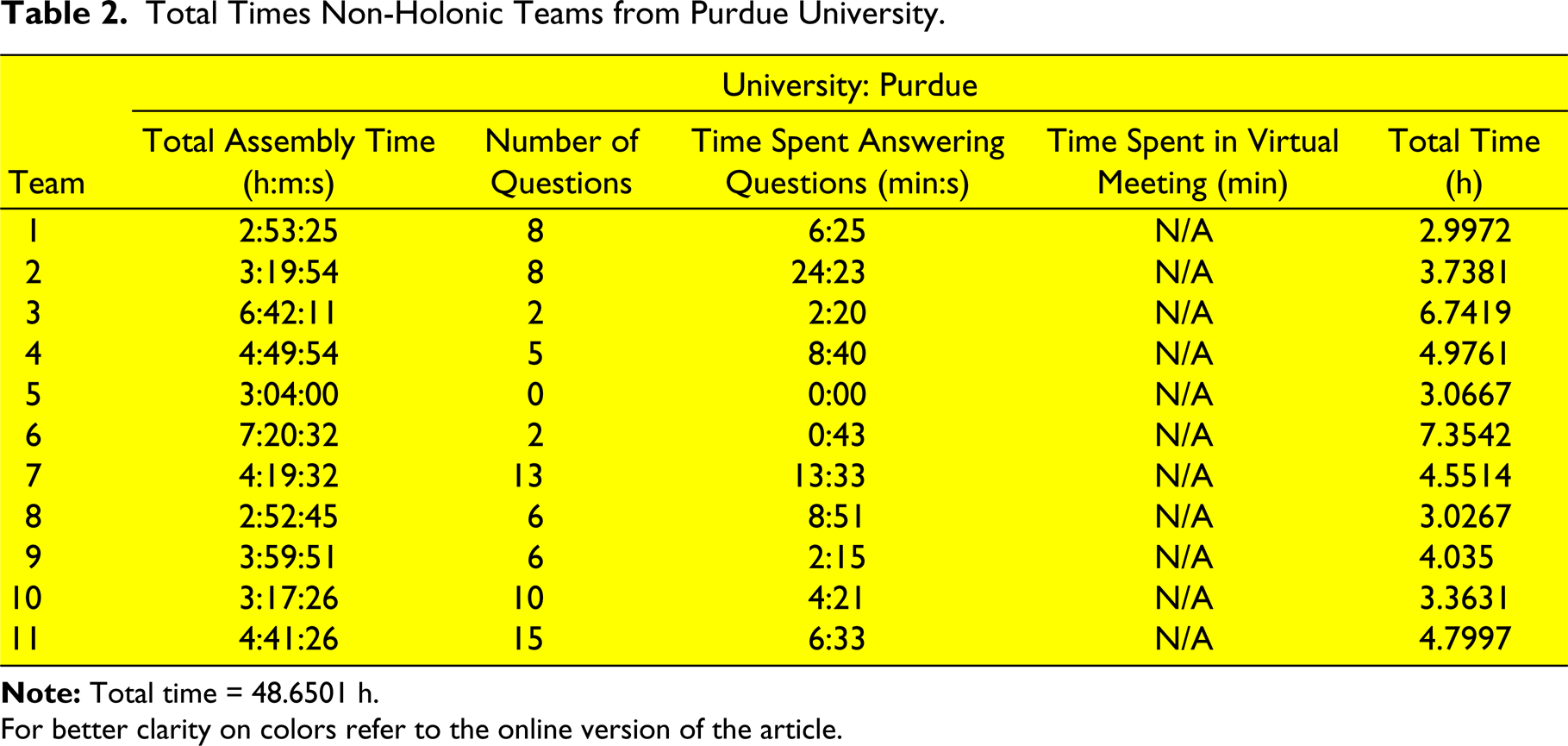
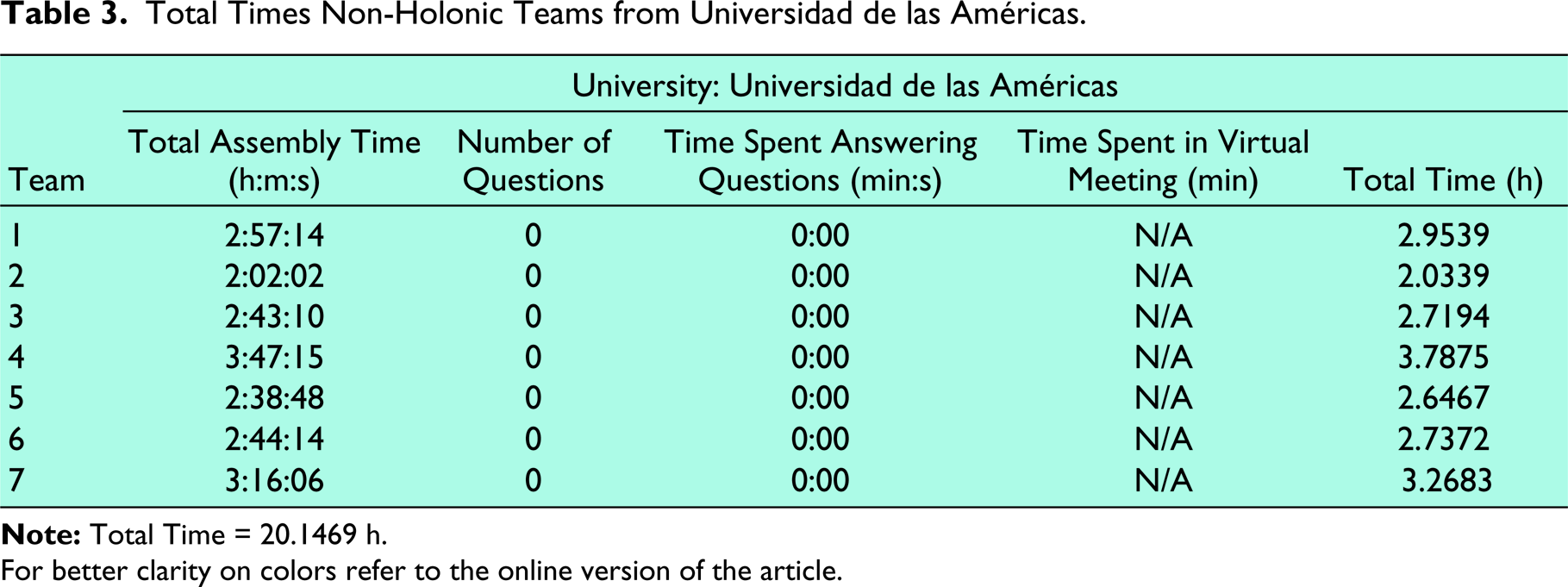
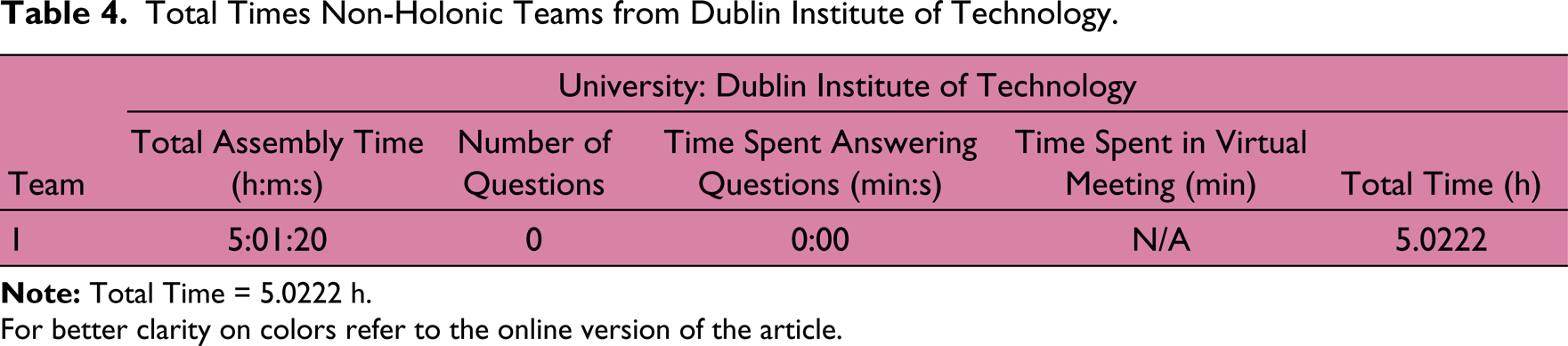
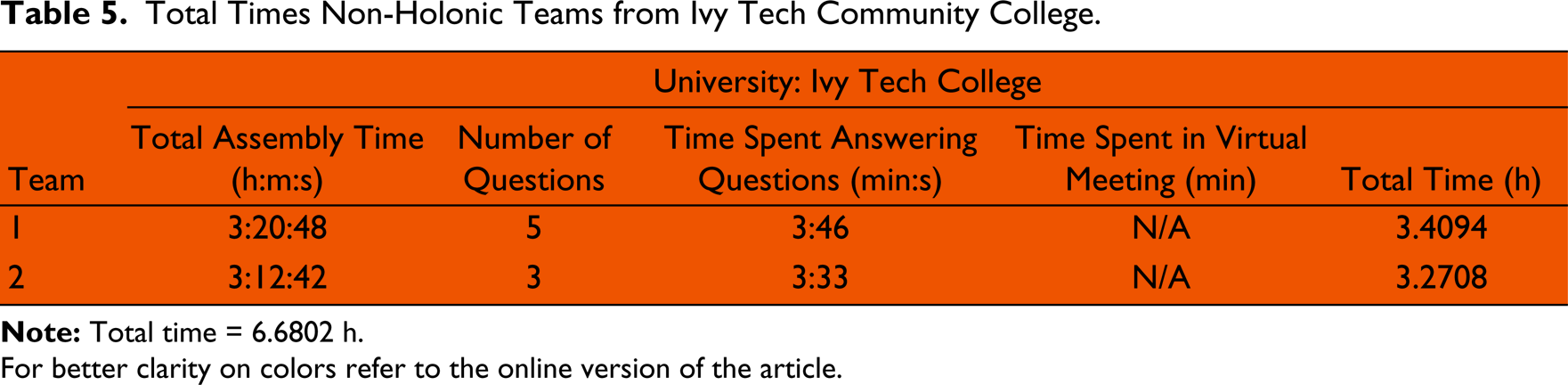
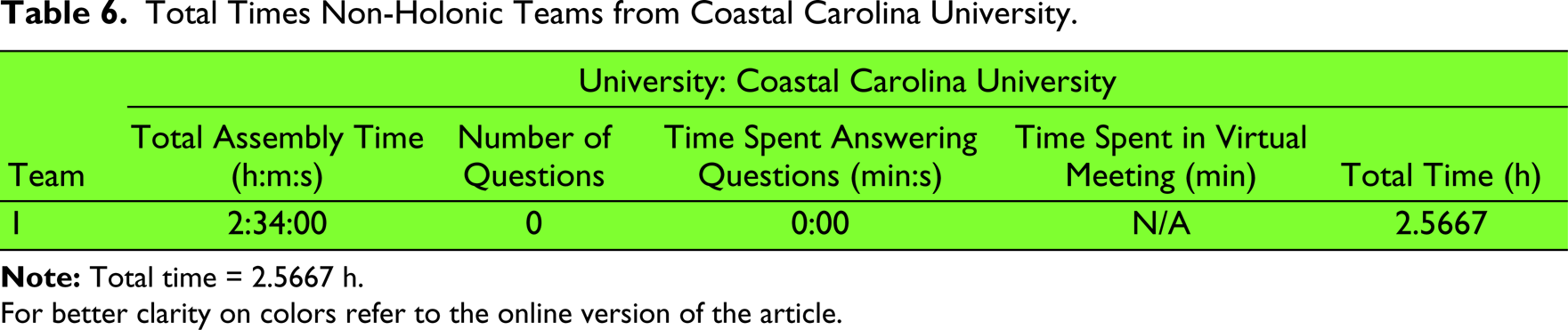
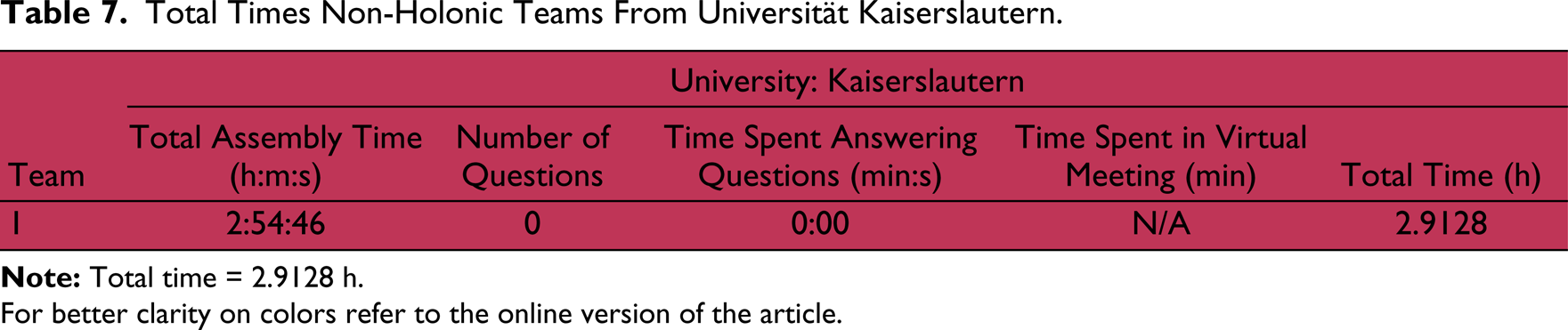
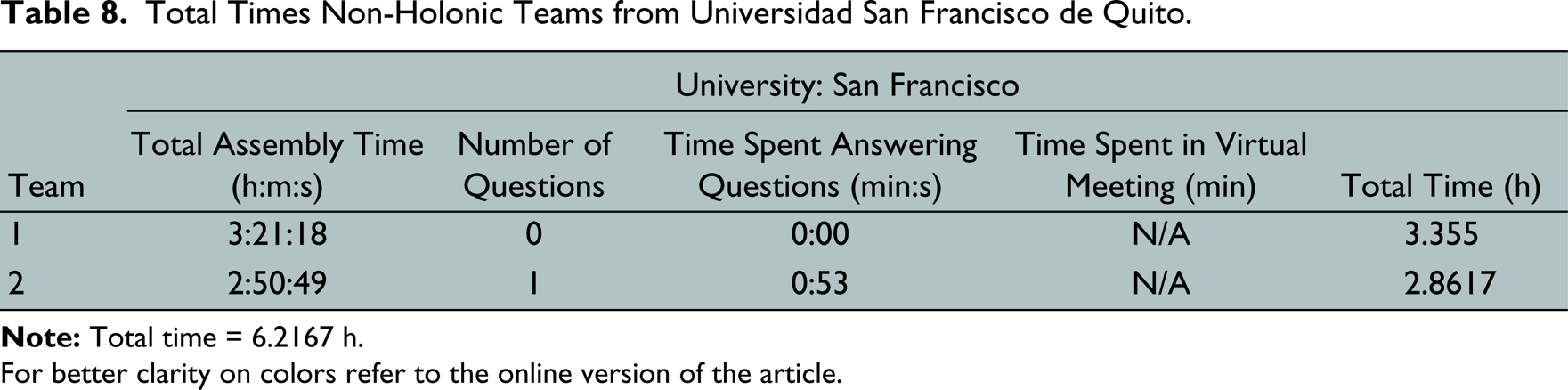
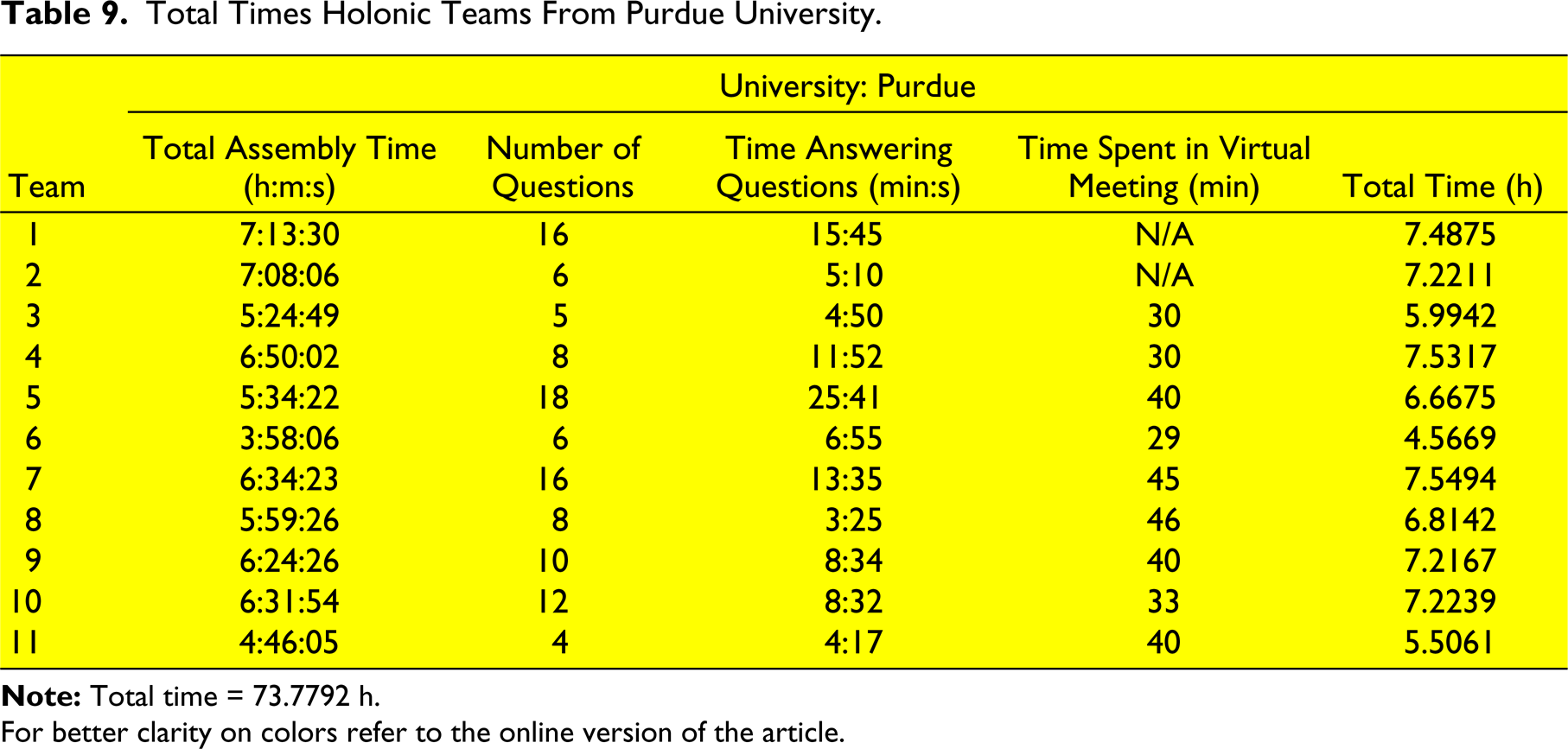
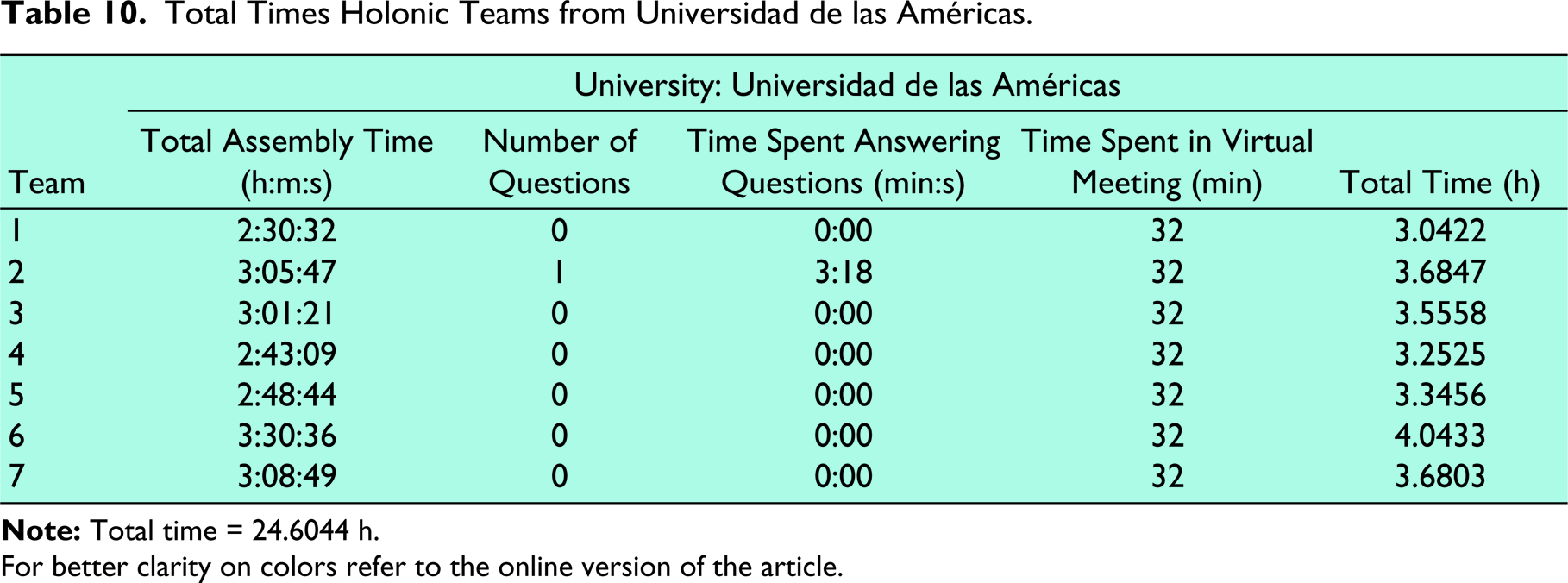
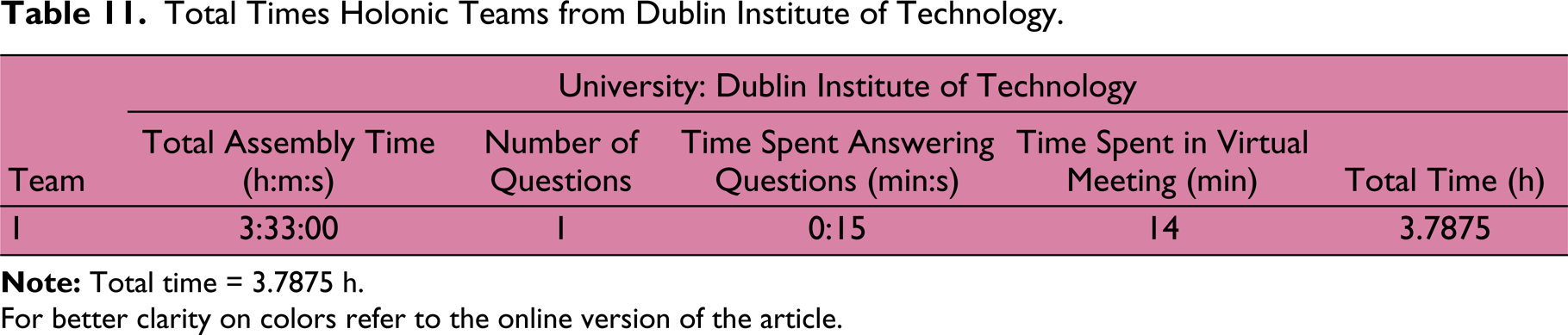
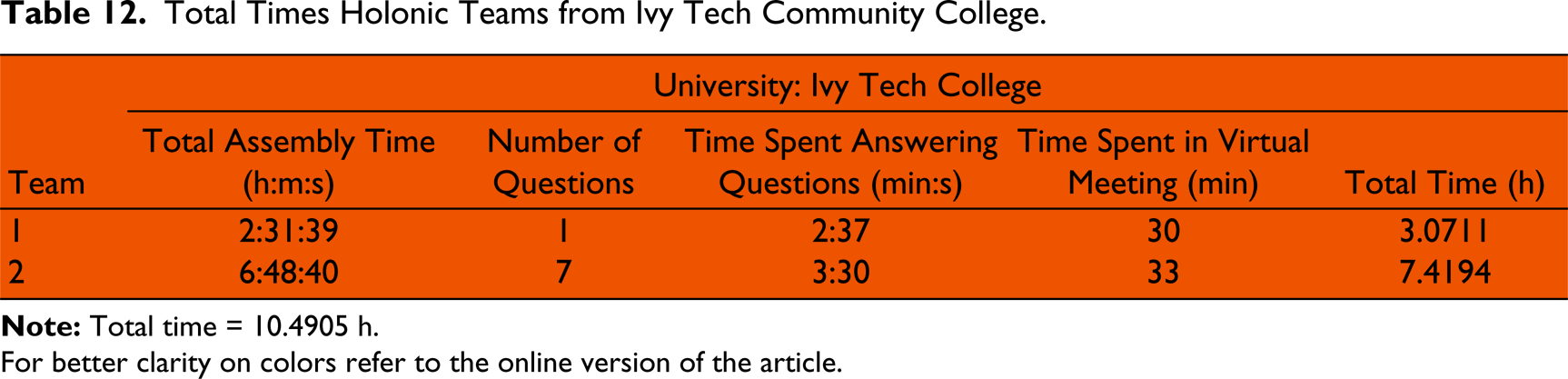
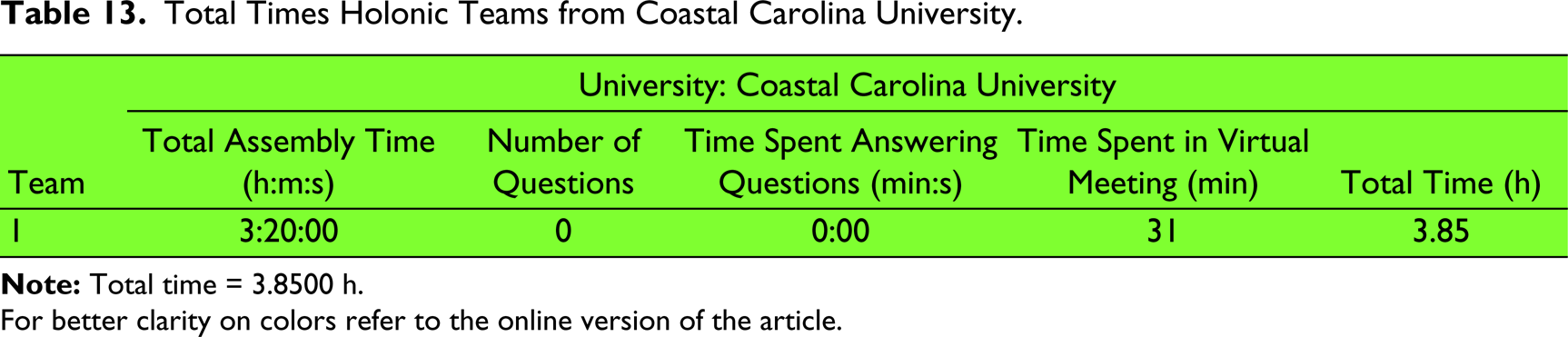
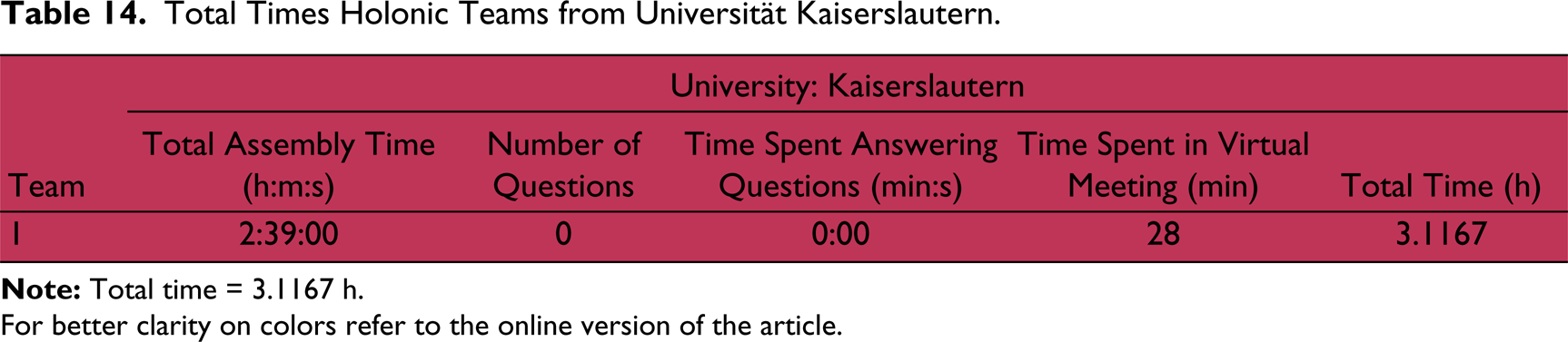
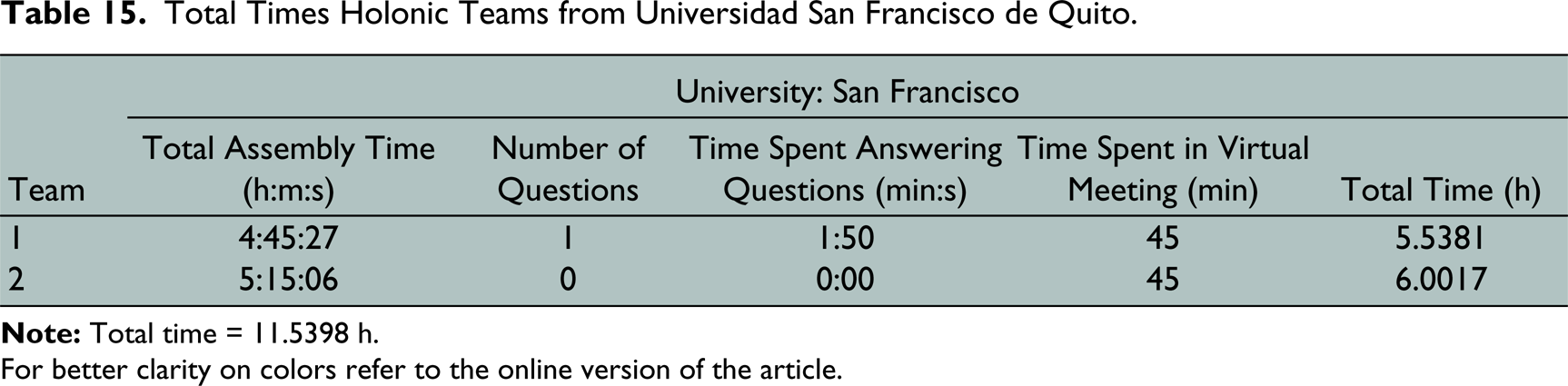
To appraise a possible cost reduction when employing holonic structures, the total assembly times were considered. The data were obtained from the measurements completed by Torres-Palacio (2019). In addition, the times required to answer questions asked by the workforce to the supervisor (questions of participants to the researcher) were also contemplated, as well as the time spent in virtual meetings in the case of holonic-structured teams. This hypothesis focuses on cost reduction; consequently, a supposed rate of $10 per hour has been utilized for a comparison. Table 1 displays the different colours utilized to represent each participant university. Tables 2–8 present the total times, including questions, for non-holonic groups. Tables 9–15 display the total times, including questions and virtual meetings for holonic groups.
Colours Used for the Different University Tables.

Total Times Non-Holonic Teams from Purdue University.
For better clarity on colors refer to the online version of the article.
Total Times Non-Holonic Teams from Universidad de las Américas.
For better clarity on colors refer to the online version of the article.
Total Times Non-Holonic Teams from Dublin Institute of Technology.
For better clarity on colors refer to the online version of the article.
Total Times Non-Holonic Teams from Ivy Tech Community College.
For better clarity on colors refer to the online version of the article.
Total Times Non-Holonic Teams from Coastal Carolina University.
For better clarity on colors refer to the online version of the article.
Total Times Non-Holonic Teams From Universität Kaiserslautern.
For better clarity on colors refer to the online version of the article.
Total Times Non-Holonic Teams from Universidad San Francisco de Quito.
For better clarity on colors refer to the online version of the article.
Total Times Holonic Teams From Purdue University.
For better clarity on colors refer to the online version of the article.
Total Times Holonic Teams from Universidad de las Américas.
For better clarity on colors refer to the online version of the article.
Total Times Holonic Teams from Dublin Institute of Technology.
For better clarity on colors refer to the online version of the article.
Total Times Holonic Teams from Ivy Tech Community College.
For better clarity on colors refer to the online version of the article.
Total Times Holonic Teams from Coastal Carolina University.
For better clarity on colors refer to the online version of the article.
Total Times Holonic Teams from Universität Kaiserslautern.
For better clarity on colors refer to the online version of the article.
Total Times Holonic Teams from Universidad San Francisco de Quito.
For better clarity on colors refer to the online version of the article.
The experiment performed by Torres-Palacio (2019) indicated that the total assembly time in non-holonic teams was (48.6501 + 20.1469 + 5.0222 + 6.6802 +2.5667 + 2.9128 + 6.2167) = 92.1956 h. Under the consideration of $10 per hour of labour cost, then the total cost for non-holonic groups was $921.956.
The study by Torres-Palacio (2019) also revealed that the total assembly time in holonic groups was (73.7792 + 24.6044 + 3.7875 + 10.4905 + 3.8500 + 3.1167 + 11.5398) = 131.1681 h. At a cost of $10 per hour, there was a total labour cost of $ 1,311.681. Apparently, holonic groups would be more expensive than the traditional non-holonic units.
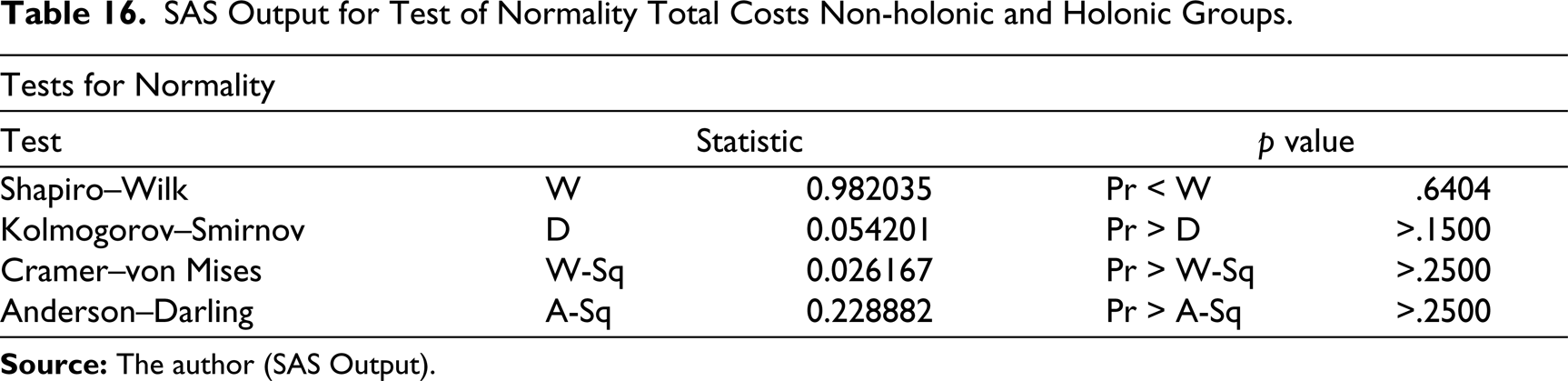
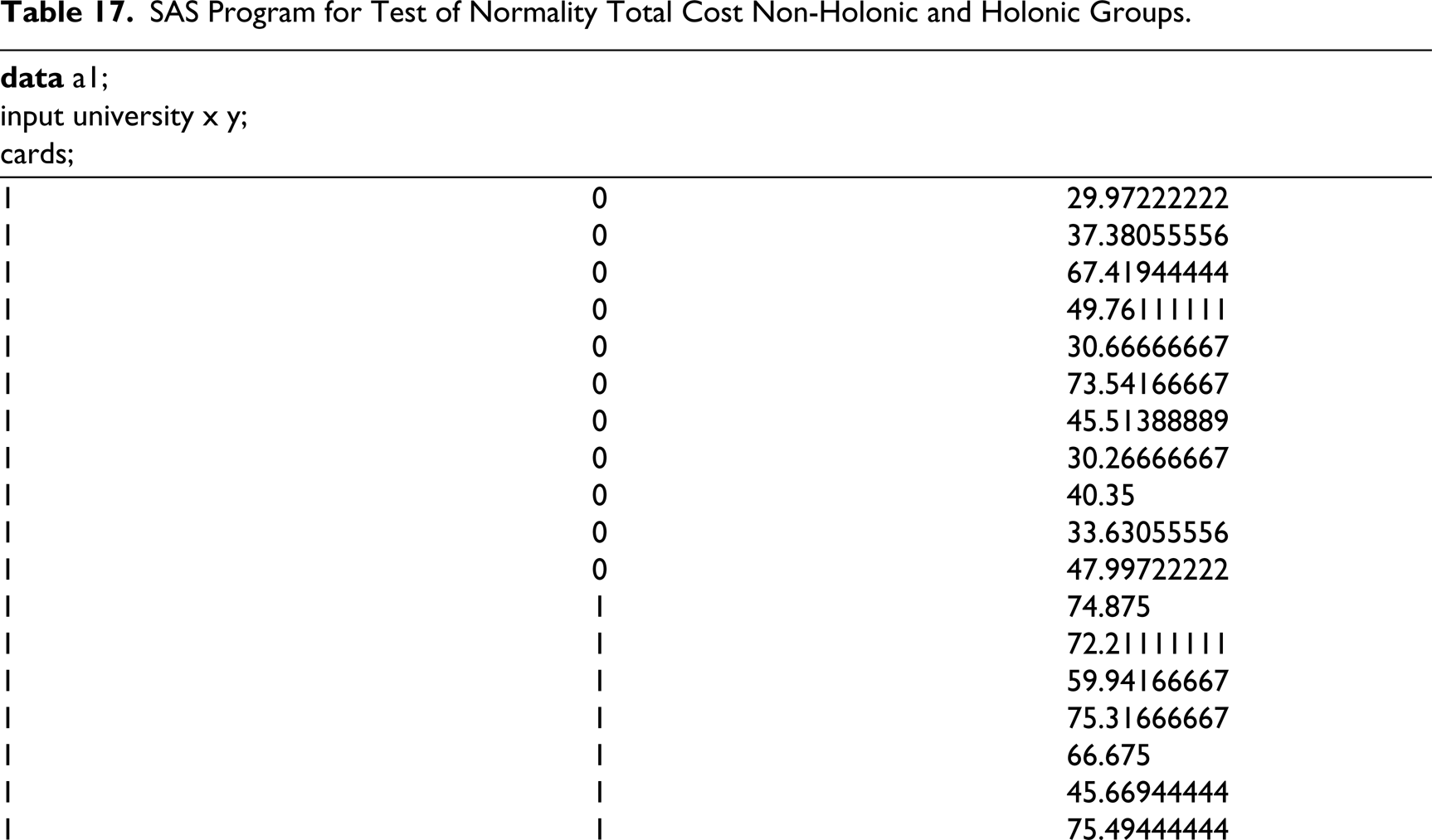
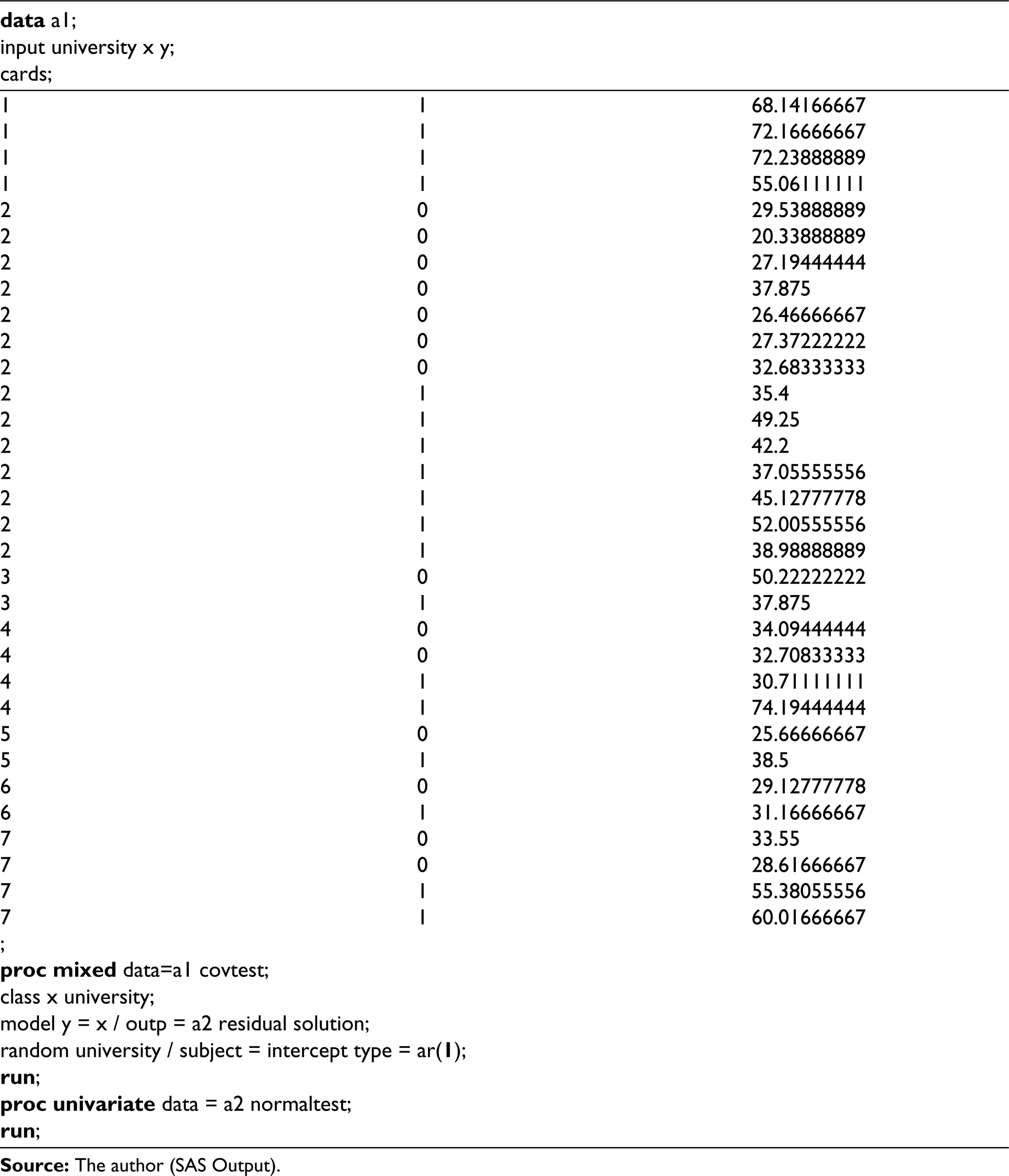
The SAS statistical software was utilized to run a test of normality for total costs in both structures. The output of the test for normality for total cost for both structures is presented in Table 16. The SAS program that generated this output is displayed in Table 17. The normality postulation is accepted. All p values are greater than .05.
SAS Output for Test of Normality Total Costs Non-holonic and Holonic Groups.
SAS Program for Test of Normality Total Cost Non-Holonic and Holonic Groups.
For the analysis of total cost for non-holonic and holonic classifications, this study presents the following null hypothesis (Ho):
Specifically, on average, there is no difference in labour costs for non-holonic teams with labour costs for holonic groups. On the other hand, the alternative hypothesis (Ha) is presented as:
That is to say, on an average, there is a difference in the total labour cost of non-holonic arrangements compared to the total workforce charges of holonic units. There could be an institution(s) where non-holonic participants were different from their counterparts among the holonic parties in terms of total labour cost.
Another way of stating these hypotheses is:
A pair-wise comparison was utilized for analysis. The rationale for the use of such a statistical tool is based on the fact that this experiment employed the same sample sizes in all observations and two attributes (non-holonic or holonic) have been considered. Means were compared using the t-test with p values. An alpha of 5% was applied for this analysis.
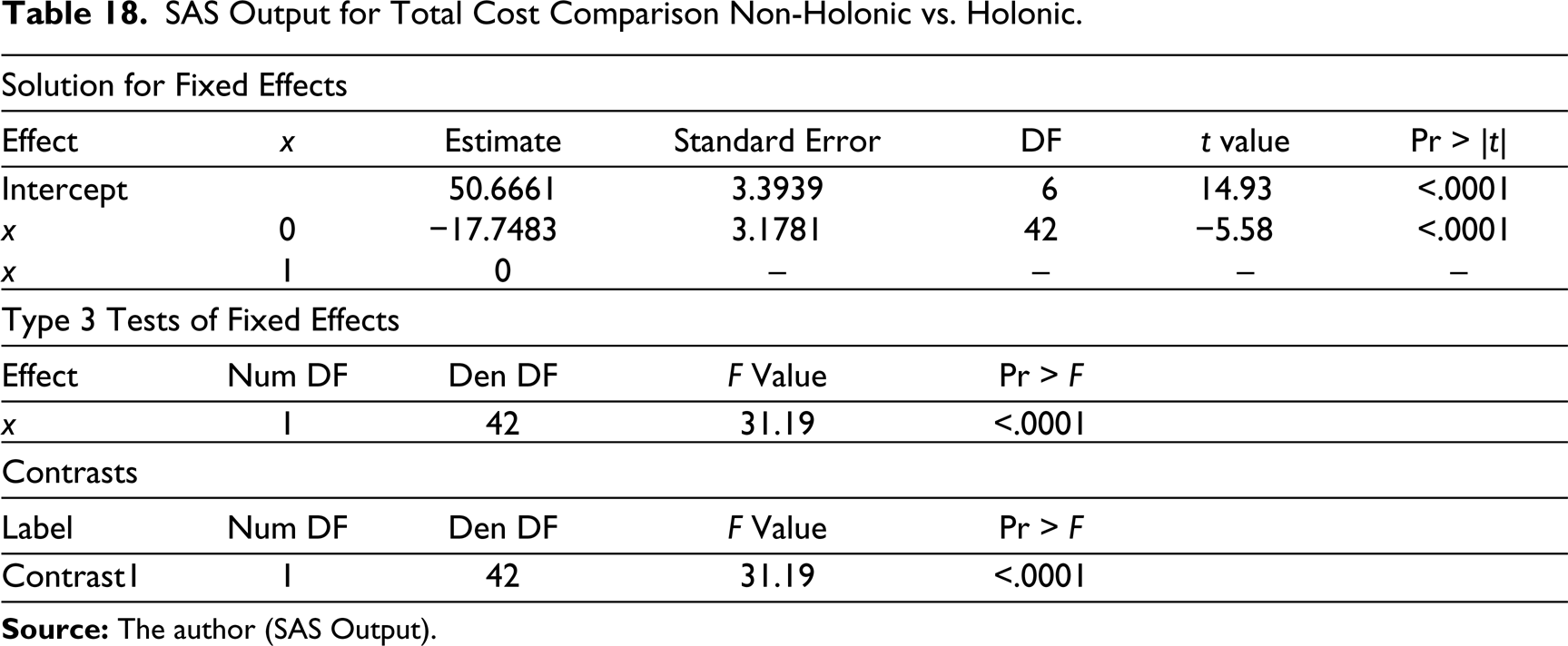
The SAS results indicate an F value of 31.19 and a p value < .0001. A p value of less than .05 provides statistical proof for the dismissal of the null hypothesis. Consequently, it can be inferred that the means are dissimilar.
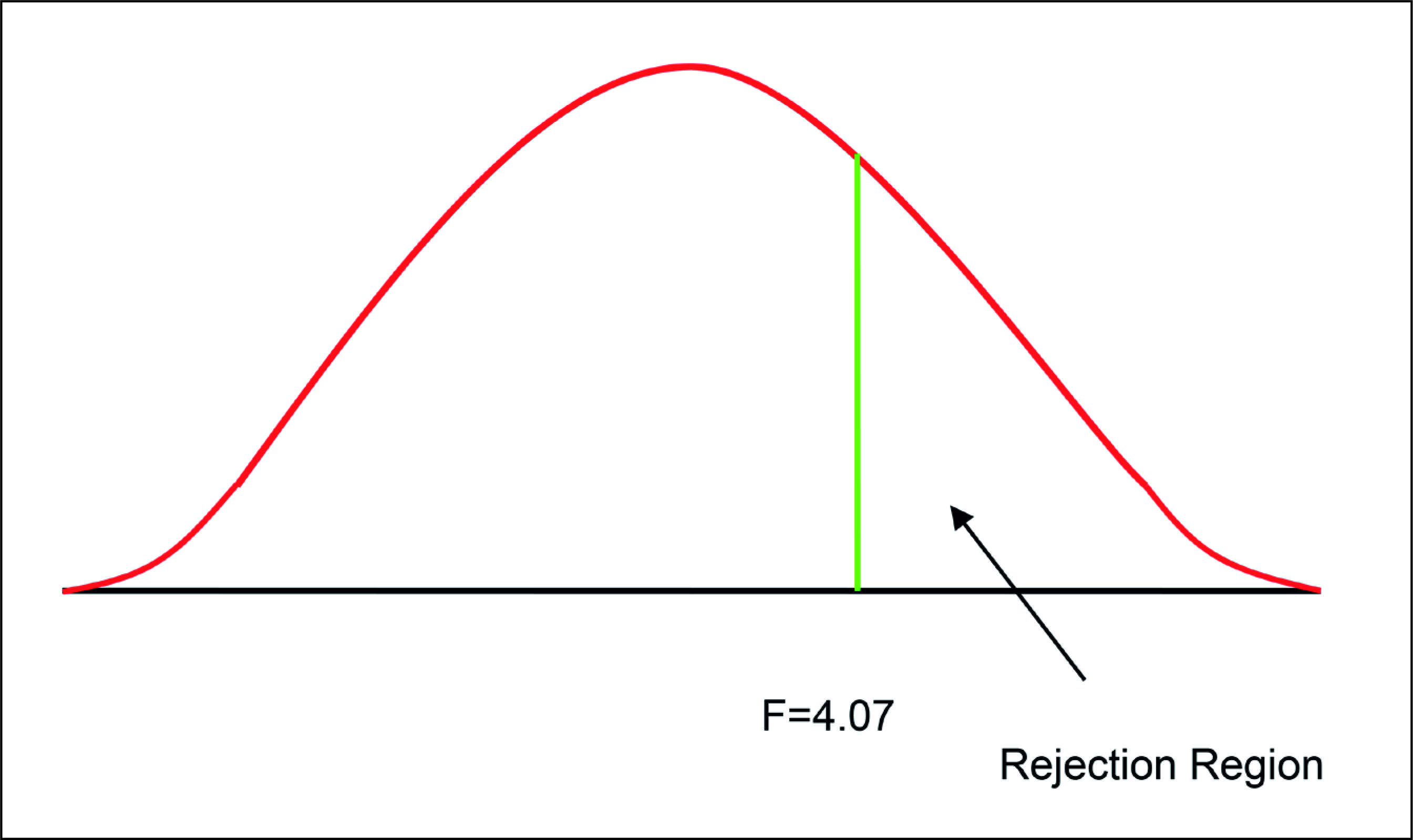
The Table of Percentiles of the F-distribution indicates an F value of 4.07 (observing one degree of freedom in the numerator, 42 degrees of freedom in the denominator and 5% significance level). The dismissal range is [4.07, ∞).
According to the results observed in Table 18 (‘Contrasts’), the calculated F value rises to 31.19. At 5% significance level, this amount is part of the elimination range. Under those conditions, the null hypothesis is discarded (Figure 5).
SAS Output for Total Cost Comparison Non-Holonic vs. Holonic.
F Value and Rejection Region.
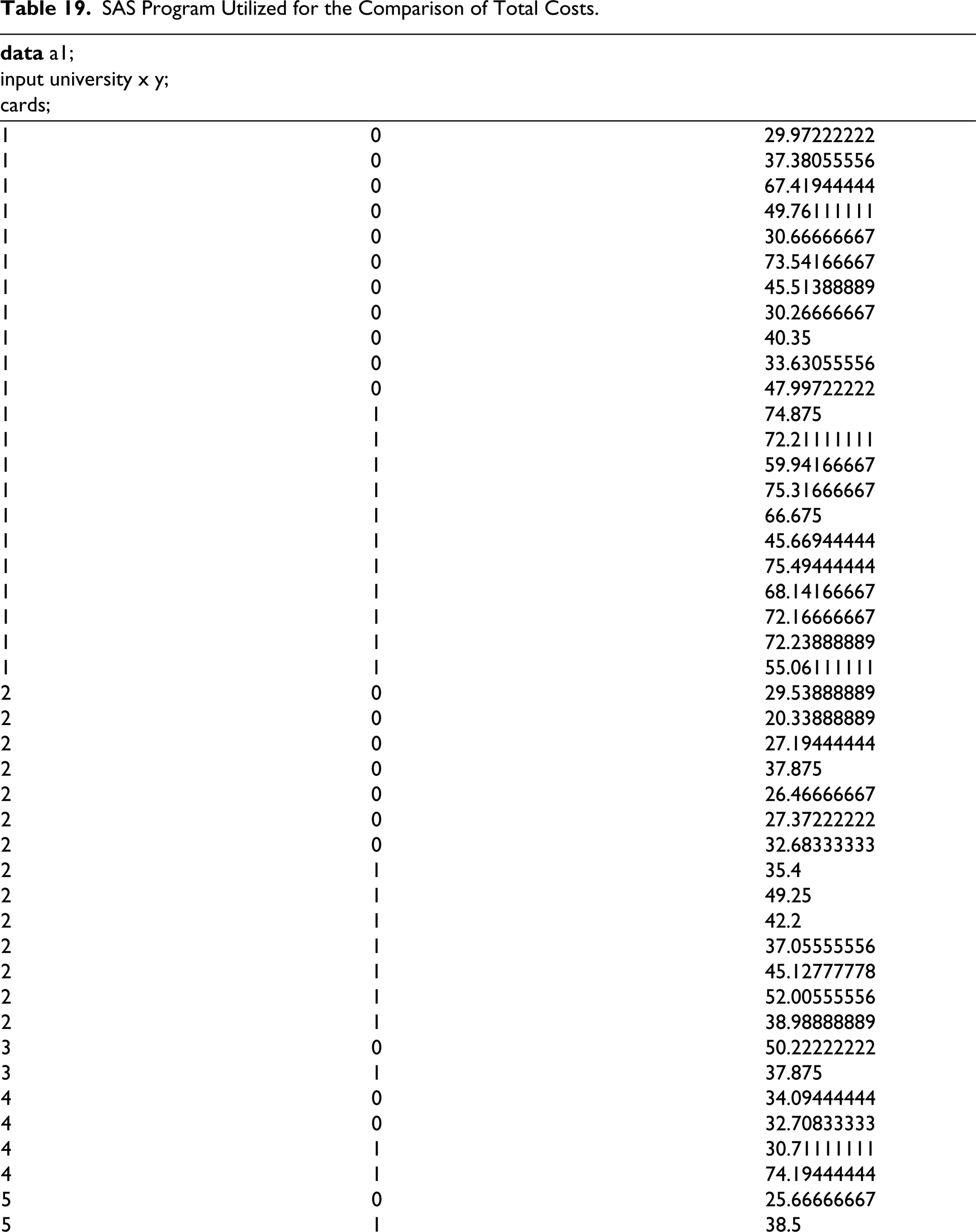
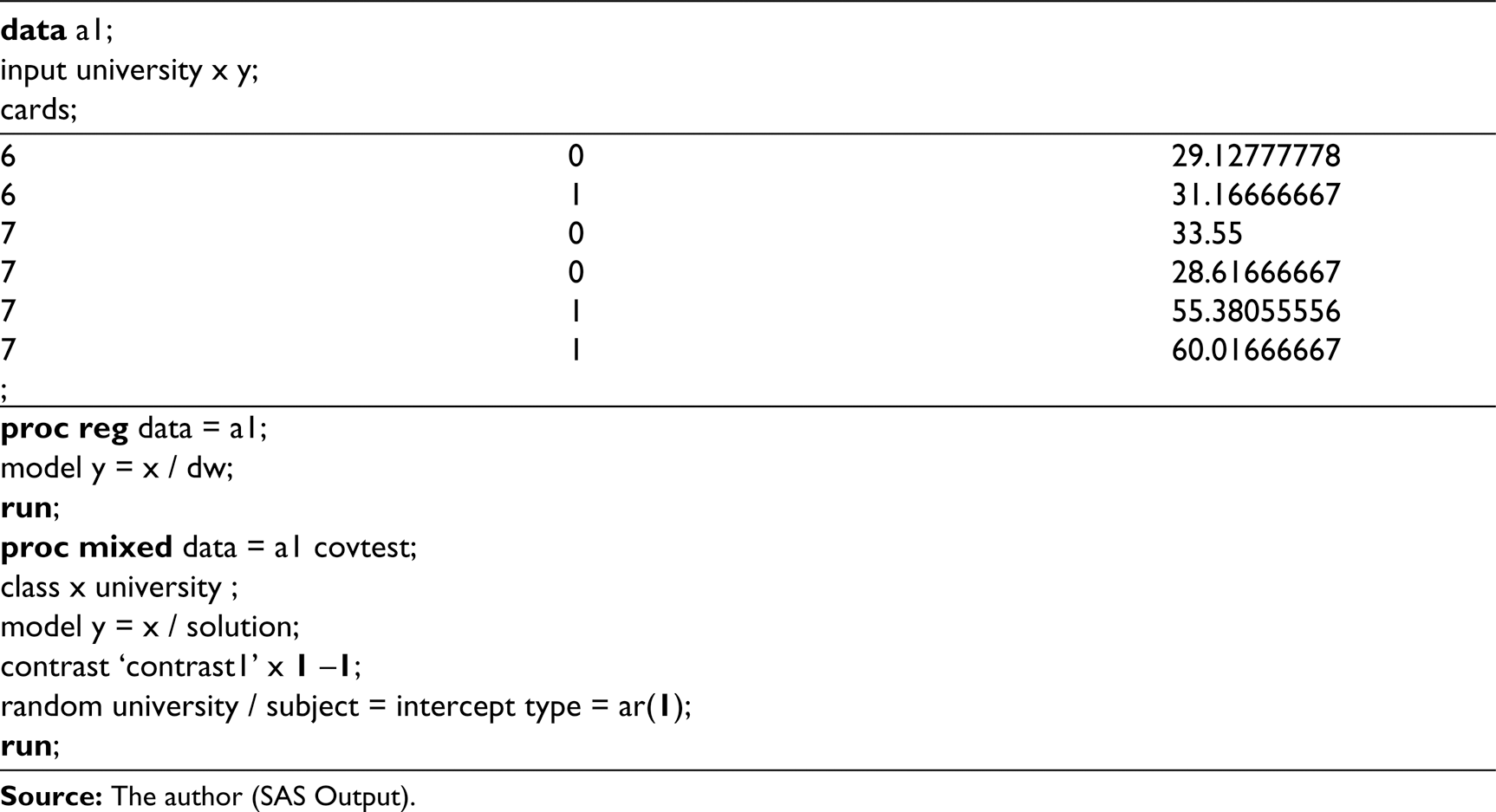
The statistical analysis (SAS output in Table 18 and SAS program used for hypothesis testing in Table 19) reveals that there are substantial distinctions among means at α = 0.05. There are eminent and essential contrasts in terms of direct labour costs between traditional, non-holonic groups and holonic teams.
SAS Program Utilized for the Comparison of Total Costs.
Implications of the Study to Theory
Corrections and rectifications in quality do imply extra labour costs, but is that cost worthwhile? The author of this research certainly believes so. The extra cost in labour will be useful to follow principles of lean thinking and to pursue customer satisfaction, which is the key for success in operations and project management. Nevertheless, it must be stated that if quality is achieved from the start, through any improvement strategy (such as holonic manufacturing, which, as it was presented in the simulation of this research, can improve value and excellence of units) and products ‘pass’ the quality control, labour costs could be diminished by preventing re-work and corrections. This conclusion is supported by Evans and Lindsay (2008) in their study about quality and performance excellence. ‘There is no such thing as the economics of quality; doing the job right the first time is always cheaper’ (Evans & Lindsay, 2008, p. 109).
This research complements the literature review by corroborating the advantages of HMS in terms of collaboration. Indeed, business branches located in different geographical regions, referred to as virtual teams, work together and try to diminish the difficulties of logistics. Nevertheless, benefits do not come with cheaper labour costs, as it was demonstrated with the experiment of this investigation. Such extra expenditures could be temporarily contemplated as investments to profit from the advantages of HMS in the future.
As an additional implication to the study of theory, this work would add a fourth factor to the ones identified by Radujkovica and Sjekavicab (2017) for fruitful achievement of virtual projects under HMS: labour cost management. The workforce is the most important resource in an organization. It is important, therefore, to invest in its instruction, coaching, motivation, rewards and recognition. The achievement of this goal has a price.
Implications of the Study to Practice
In a real-world scenario, all defects would be corrected (after the quality controllers have reported their findings). Definitely, this fact implies additional time before the final product (e.g., an automobile) is introduced into the market. This fact will increase labour costs in either a non-holonic organization or in a holonic one, since the factory would have to pay for that extra work time (i.e., pay for the extra labour time required to re-work units and fix defects). In their work about the effect of defects on the cyclic behaviour of polymeric 3D kirigami structures, Bashandeh et al. (2020) declared that the presence of defects during production can influence operations. Therefore, extra time and costs evolve as a logical corollary.
As indicated in the literature review, costs might be reduced because of the diminishment of lead times. Consequently, the savings in setup, materials, energy and inventory expenses can be a reality. Managers would appreciate these benefits in the long term. In a short period of time, increments in labour should be considered in budgets.
For the practice of transnational endeavours, companies should constantly seek tax exemption opportunities, free-trade zones and/or subsidies that could allow the affordability of labour expenses.
Recommendations
A recommendation for future studies is to include re-working activities in the experiment to measure the time and cost under both scenarios. Missing the price of quality is one-way organizations lose the opportunities for continuous improvement and cost savings.
To repair and/or reject activities also adds extra time and, therefore, extra cost. Restoration and fixing are a source of ‘muda’ (waste). Obviously, to re-do products or the repetition of processes also represent a cost. Future research could add these variables in an interesting investigation.
Finally, a qualitative appraisal of leadership under the new scenarios of holonic manufacturing, virtual communication and new process methods would also be a valuable contribution to operations and project management. Panteli et al. (2019) emphasized efficient leadership as one of the ingredients for goal achievement in virtual groups. The new kind of leader in these settings should also motivate the people that are behind modern technologies. Finding ways to motivate, reward, train and encourage the new era of workforce so that they can overcome the contemporary barriers and problems are other challenges worthy of several studies. In other words, how much could labour cost be diminished if motivation overcomes the need for a salary?
The significant problems we face cannot be solved at the same level of thinking we were at when we created them. (Albert Einstein)
Limitations and Scope for Further Studies
The simulation of this experiment was run as far as assembly process and defect detection by quality control. Holonic systems presented higher labour costs due to the assembly time and the time spent in virtual meetings. It would be expected, for future research, that the extra labour cost required to fix the mistakes in production will be higher in non-holonic manufacturing than in holonic manufacturing.
This was a research endeavour performed as a simulation with the participation of several academic institutions. An interesting challenge for future studies would be to administer the experiment with the involvement of real multinational automobile-assembly corporations.
It would also be suggested to consider the different benefits, deductions, taxes, or expenses that, in real life, and are also part of labour cost. Considering that holonic structures can transcend national technology spaces and create opportunities for holons to interact, the question rises that how HMS should manage the different legislations in terms of labour law.
Conclusions
There is no labour cost reduction for the completion of an operational project when performing with the holonic structured virtual team organization than with the traditional non-holonic organization. There is indeed a difference for both group structures in terms of cost. Holonic groups involve greater expenses in terms of labour costs. This conclusion seems more obvious, keeping in mind that holonic networks required extra time for virtual meetings as demonstrated by Torres-Palacio (2019). Truong and Hara (2018) studied several organizations and alluded to longer lead times as a possible hazard for HMS. Consequently, the cost of that extra time also increased. Even more, if holonic groups spend more time assembling the model compared to non-holonic groups, the labour costs will increase. ‘Obviously at each level of the holarchy all the base holons are always included; in other words, each group of intermediate costs always sums up all, and only, the elementary factor costs’ (Mella, 2009, p. 45).
The experiment performed in the present research confirms the conclusions of Torres-Palacio (2019) and Babiceanu (2005), since it demonstrated that regarding production times, holonic teams require additional periods for virtual meetings and communication. This additional time obviously demands extra cost. ‘Time is money’, as it is commonly said.
Managing virtual teams requires special considerations. Expectations and goals for every task should be clear and understandable. Leaders should make sure that objectives are shared with every group member. Teleconferencing, file-sharing activities, online meeting platforms, screen sharing, whiteboard tools, collaboration portals, audiographic devices and video creation are first-hand tools in which virtual participants should excel.
Footnotes
Declaration of Conflicting Interests
The author declared no potential conflicts of interest with respect to the research, authorship and/or publication of this article.
Funding
The author received no financial support for the research, authorship and/or publication of this article.