




Abstract
In this study, the concentrations of 16 US Environmental Protection Agency (USEPA)-priority polycyclic aromatic hydrocarbons (PAHs) in 29 high-rank, high-organic sulfur coal samples were determined using gas chromatography-mass spectrometry. Additionally, the total sulfur, sulfur forms content, and the vitrinite reflectance were also measured. An Incremental Lifetime Cancer Risk (ILCR) standard model was employed to evaluate potential carcinogenic risk induced by PAHs. The results indicated that the samples can be classified as high-rank, high-organic sulfur coals. Nine individual PAHs out of the 16 USEPA-priority PAHs can be detected, and their total concentrations ranged from 3492.76 to 88,342.61 ng/g, with an average of 13,645.40 ng/g. The detected PAHs were dominated by low-molecular weight PAHs. The results of health risk assessment indicated that all the samples exhibited extremely high carcinogenic risks induced by the PAHs, with total ILCR ranges of 1.16 × 10⁻³–5.47 × 10⁻² and 6.03 × 10⁻⁴–2.84 × 10⁻² for adults and children respectively, which far exceeded the USEPA-recommended severe risk threshold (10−4). For all demographic groups (gender/age), ingestion and dermal contact were identified as the main exposure pathways of PAHs inducing the carcinogenic risks, while the risk from inhalation pathway was negligible. The results also illustrated that high contents of organic sulfur in the coals can result in an elevation of indeno[1,2,3-c,d]pyrene concentration with a high toxic equivalency factor, thereby exacerbating the ultimate carcinogenic risks.
Keywords
Introduction
According to the statistical data of the National Statistics and National Coal Association of China, coal still retains its supremacy in the diversification processes of energy portfolios (NBSPRC, 2025). However, the exploitation and utilization of coal resources can inevitably induce a series of geological disasters and environmental contamination (Dai et al., 2024; Han et al., 2010; Tasev et al., 2025; Vaz-Ramos et al., 2025). These issues include the release of hazardous elements present in coal due to coal mining and combustion, which further leads to ecological and environmental pollution (Sun, 2005; Sun et al., 2020; Yang et al., 2020). Additionally, as one of the flammable organic rocks, coal serves as an important geological carrier for various organic compounds, especially for polycyclic aromatic hydrocarbons (PAHs) which are common and harmful. PAHs are a group of persistent organic pollutants which are characterized by lipophilic and hydrophobic properties. They exhibit a strong anti-degradation ability under supergenic environment, thereby ubiquitously occurring within diverse environmental median such as soil, sediment, water, and atmosphere (Yue et al., 2003). Thus far, PAHs have been on the blacklist of pollutants to be controlled in numerous countries around the world on account of their carcinogenicity, teratogenicity, and mutagenicity. The US Environmental Protection Agency (USEPA) categorized 16 individual PAHs as priority-control organic pollutants in soils and water bodies. Owing to their distinctive environmental characteristics and severe threat to human health, research into the health risks posed by PAHs in multiple environmental media (including coal and its by-products generated from coal mining and utilization) remains a hotspot.
The relevant research mainly focused on soil (Shan et al., 2025), coal gangue (Du et al., 2024), and atmospheric particulate (Ianiri et al., 2025), yet overlooked the potential health risks induced by PAHs in coal. Research on high-sulfur coal is sparse so far, highlighting an urgent need for specific study. Compared with traditional coal, high-sulfur coal may pose more issues of environmental pollution in the processes of excavation, transportation, and utilization. The presence of high content of sulfur can not only lead to acid rain with corrosivity that is detrimental to metallic equipment and local ecosystem, but also exert possible effects on the categories and concentrations of PAHs in coal. These alterations may, in turn, alter the potential health risks posed by these PAHs. However, a key research gap exists in relevant studies, as few studies focus on the environmental threats and health risks of PAHs in high-sulfur coal. Moreover, our previous studies (e.g. Zhao et al., 2021, 2023, 2025) have found that sulfur content plays a dominant role in regulating PAH dynamics and speciation. Given this, it is reasonable to hypothesize that sulfur content may also affect PAH-derived carcinogenic risk. Therefore, to ascertain the potential influences of sulfur content in coals on PAH-derived carcinogenic risk, we collected a total of 29 high-rank, high-sulfur coal samples from the Yuzhou Coalfield (Henan Province) and Heshan Coalfield (Guangxi Province), China. The concentrations and profiles of 16 USEPA-priority PAHs were determined. Furthermore, based on the results of the health risk assessment conducted by the Incremental Lifetime Cancer Risk (ILCR) standard model recommended by the USEPA, the influences of sulfur concentrations in coal on the associated health risks were identified and discussed. The findings can provide a scientific basis for local coal mining enterprises and regulatory departments to establish precise PAHs health risk control measures specific to high-sulfur coal.
Materials and methods
Geological setting
The Yuzhou Coalfield is located in the southern part of North China (Figure 1), constitutes an important component of the large-scale coalfields in the North China Basin. During the period of Carboniferous to Permian, the North China Basin formed an extensive coalfield covering approximately 800,000 km2 with exceptionally thick coal seams. Its coal-bearing series is primarily composed of the Taiyuan Formation and Shanxi Formation, with a total thickness of about 110 m (Zhao et al., 2023). The main coal-bearing strata in the Yuzhou Coalfield belong to the Taiyuan Formation of Carboniferous to Permian. The Taiyuan Formation, lying conformably above the aluminous clay of the Benxi Formation, is made up of bioclastic limestone, limestone with coal interbeds, mudstone, and silty mudstone. In total, the Taiyuan Formation contains 8 to 11 coal seams. Specifically, within the Yuzhou Coalfield, this formation hosts No. 11, No. 13, and No. 14 coal seams, among which the No. 11 coal seam is of mineable quality. The coal-bearing strata in the Yuzhou Coalfield are predominantly developed in marine–continental transitional sedimentary facies.
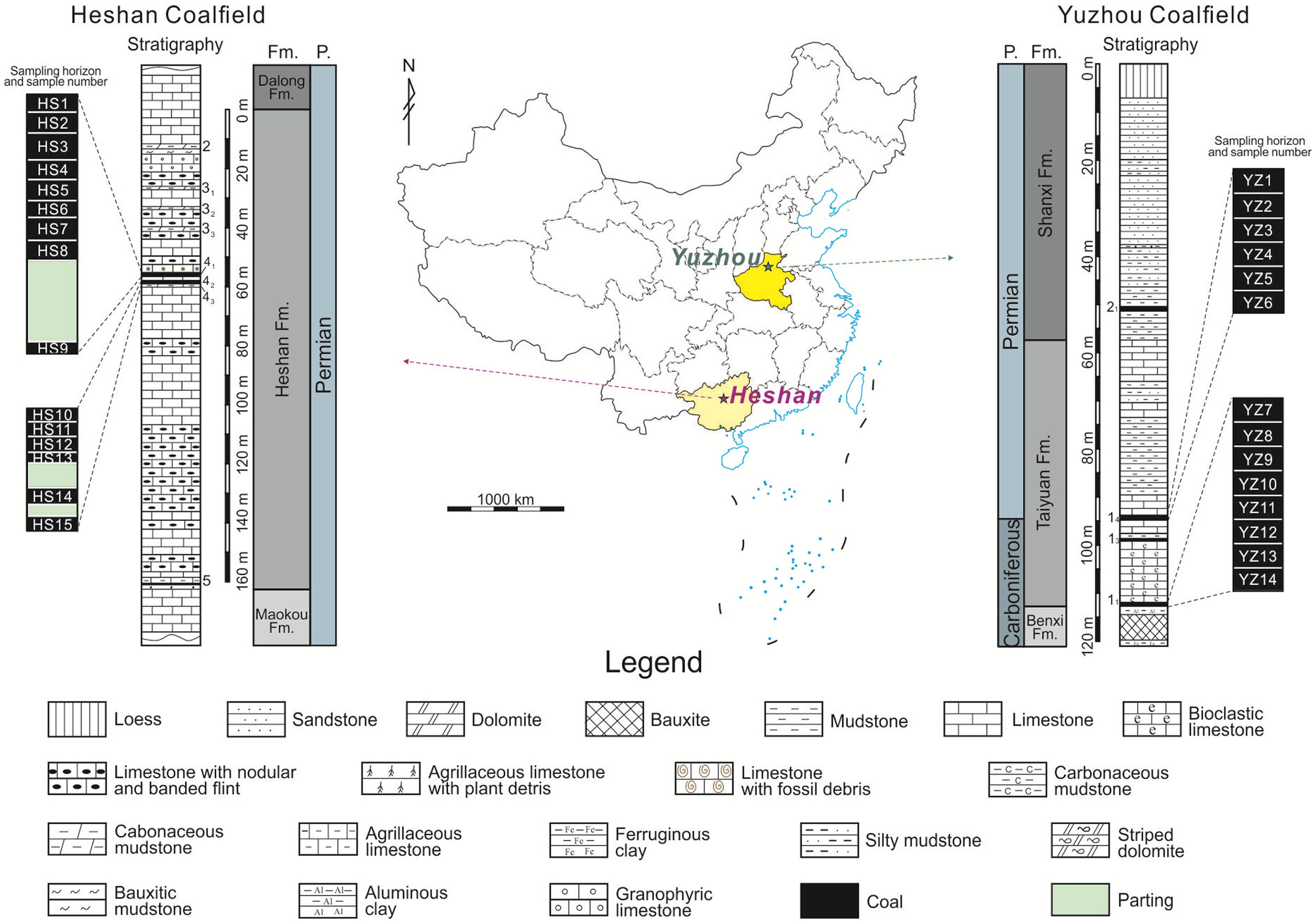
Locations of the Yuzhou and Heshan coalfields involved in this study and their stratigraphic columns of coal seam occurrence horizons with labeled sampling horizons.
The Heshan Coalfield, spanning approximately 30 km in length and 12 km in width, covering an area of about 360 km2, is located in Heshan City, Guangxi Province (Figure 1). As the largest energy production base in Guangxi Province, Heshan City holds coal resources with reserves reaching 700 million tons, accounting for one-third of the total coal reserves in the province. The coal-bearing strata mainly belong to the Late Permian Heshan Formation. The sampling section of this study is located in the Shicun Mining Area of the Heshan Coalfield, which belongs to the northern part of the western limb of the Heshan asymmetric syncline. The mining area contains a total of six to seven coal seams, among which only the No. 4 coal seam is mineable throughout the entire area. This mineable coal seam belongs to the Upper Permian Heshan Formation. With the No. 4 coal seam as the boundary, the Heshan Formation can be divided into upper and lower members. The lower member is composed of chert limestone, with a thickness of approximately 100 m and with poorly developed bedding. The upper member has a thickness of about 55 m, features relatively well-developed bedding, and consists of chert limestone interbedded with three coal seams (Zhao et al., 2021).
Sample collection and analytical methods
Sample collection
Fourteen coal samples (YZ1–YZ14) were collected from the No. 1 coal seam in the Yuzhou Coalfield, Henan Province (34.159563°N, 113.166583°E), and 15 (HS1–HS15) from the No. 4 coal seam in the Heshan Coalfield, Guangxi Province (23.812988°N, 108.970900°E). The samples were sealed in an aluminum foil to prevent cross-contamination and oxidation, and transported to a laboratory immediately after collection. All collected coal samples are derived from the mineable coal seams of their respective coalfields. Given their status as mineable seams, these coal samples pose significant potential environmental hazards and human health risks, which are associated with their extraction, transportation, and utilization (coal combustion) processes. Furthermore, our previous studies have confirmed that the coal from these specific seams is classified as high-rank, high-sulfur coal. Thus, the collected samples are representative of this coal type.
Measurement of sulfur concentrations and vitrinite reflectance
The concentrations of total sulfur and organic sulfur were detected according to the international standards of ASTM D4239-18el (2018) and ASTM D2492-02 (2012), respectively. The vitrinite reflectance was measured according to the international standard of ASTM D 388-99 (2005).
Sample extraction and analysis
Approximately 10 g of 200-mesh powder of the coal sample was weighed and subjected to Soxhlet extraction using redistilled dichloromethane (analytical grade) for 48 h. Subsequently, 40 mg of the extracted sample was separately eluted with 40 mL of n-hexane, 40 mL of dichloromethane, and 40 mL of anhydrous methanol to obtain saturated hydrocarbons, aromatic hydrocarbons, and heterocyclic hydrocarbons, respectively. The extracted aromatic hydrocarbons were analyzed using a gas chromatography coupled with a mass spectrometry (GC–MS) (Agilent 7890B-5977A MSD). An HP-5MSUI capillary column (30 m × 0.25 mm × 0.25 μm) was employed for separation. The GC temperature program was set as follows: the initial oven temperature was held at 60 °C for 5 min, increased to 300 °C at a rate of 4 °C/min, and then held for 15 min. High-purity helium was used as the carrier gas. The mass spectrometer was operated in the electron impact (EI) mode with an electron energy of 70 eV. The mass scan range was set from 50 to 650 Da. Sixteen species of PAHs which were classified as priority-controlled organic pollutants by the USEPA were detected and quantified. These included naphthalene (Nap), acenaphthene (Ace), acenaphthylene (Acy), fluorene (Fl), phenanthrene (Phe), anthracene (Ant), fluoranthene (Flu), pyrene (Pyr), benzo[a]anthracene (BaA), chrysene (Chr), benzo[b]fluoranthene (BbF), benzo[k]fluoranthene (BkF), benzo[a]pyrene (BaP), dibenzo[a,h]anthracene (DahA), benzo[g,h,i]perylene (BghiP), and indeno[1,2,3-c,d]pyrene (IcdP). MassHunter software was used for quantitative analysis of the compounds. Identification of PAHs was performed by comparing mass spectral data with the NIST98 reference library and existing literature.
Quality assurance/quality control
To ensure the accuracy and reliability of the analytical results, strict quality assurance/quality control measures were implemented during the PAH detection process in this study. Surrogate standards (naphthalene-d8, phenanthrene-d10, pyrene-d12) were added to each 10 g coal sample prior to Soxhlet extraction to monitor extraction recovery, while squalane was used as the internal standard for quantitative calibration of PAHs. Meanwhile, method blanks (three samples per batch), which were comprised of only redistilled dichloromethane without coal sample, and parallel samples (three samples per batch) were analyzed to assess potential background contamination and method reproducibility, respectively.
Additionally, a standard reference material (NIST SRM 1649b, Urban Dust) was employed to verify analytical accuracy, with the recoveries of target PAHs ranging from 93.7% to 103.9% and relative standard deviations less than 6%. The method detection limits for PAHs, which are calculated as three times the signal-to-noise ratio, were determined to be 0.3–2.2 ng/g. Finally, the expanded uncertainties (k = 2, corresponding to a 95% confidence level) for PAH concentrations ranged from 4.7% to 8.1%, which could be attributed to variations in extraction efficiency and the signal stability of the GC–MS instrument.
Carcinogenic risk assessment
The ILCR standard model proposed by USEPA (2011) was used to quantitatively evaluate the potential carcinogenic risks from three exposure pathways (i.e. ingestion, inhalation, and dermal contact). The calculations were conducted using the following equations:





PAHs concentrations and BaP TEQ values in the samples (unit is ng/g).
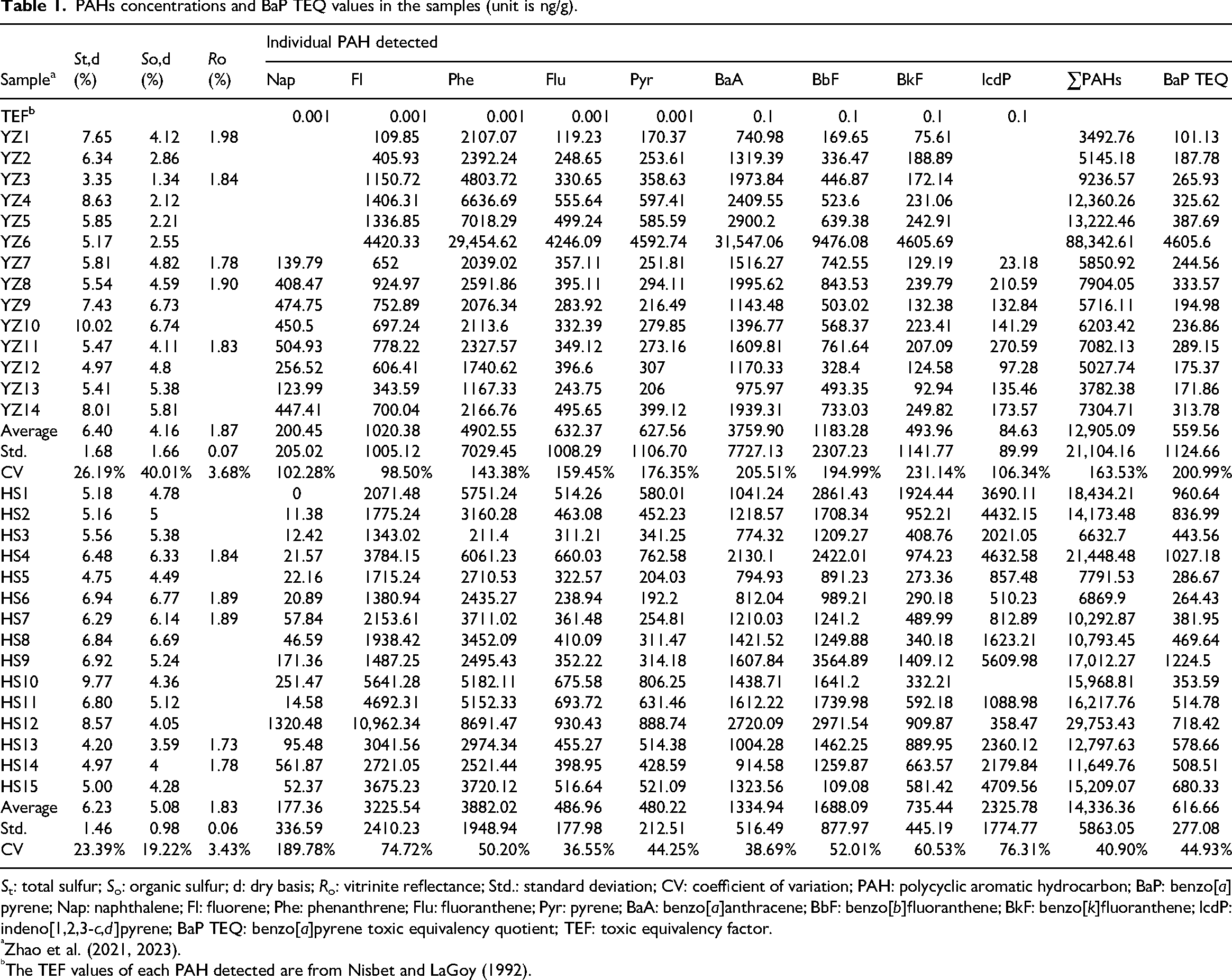
St: total sulfur; So: organic sulfur; d: dry basis; Ro: vitrinite reflectance; Std.: standard deviation; CV: coefficient of variation; PAH: polycyclic aromatic hydrocarbon; BaP: benzo[a]pyrene; Nap: naphthalene; Fl: fluorene; Phe: phenanthrene; Flu: fluoranthene; Pyr: pyrene; BaA: benzo[a]anthracene; BbF: benzo[b]fluoranthene; BkF: benzo[k]fluoranthene; IcdP: indeno[1,2,3-c,d]pyrene; BaP TEQ: benzo[a]pyrene toxic equivalency quotient; TEF: toxic equivalency factor.
The TEF values of each PAH detected are from Nisbet and LaGoy (1992).
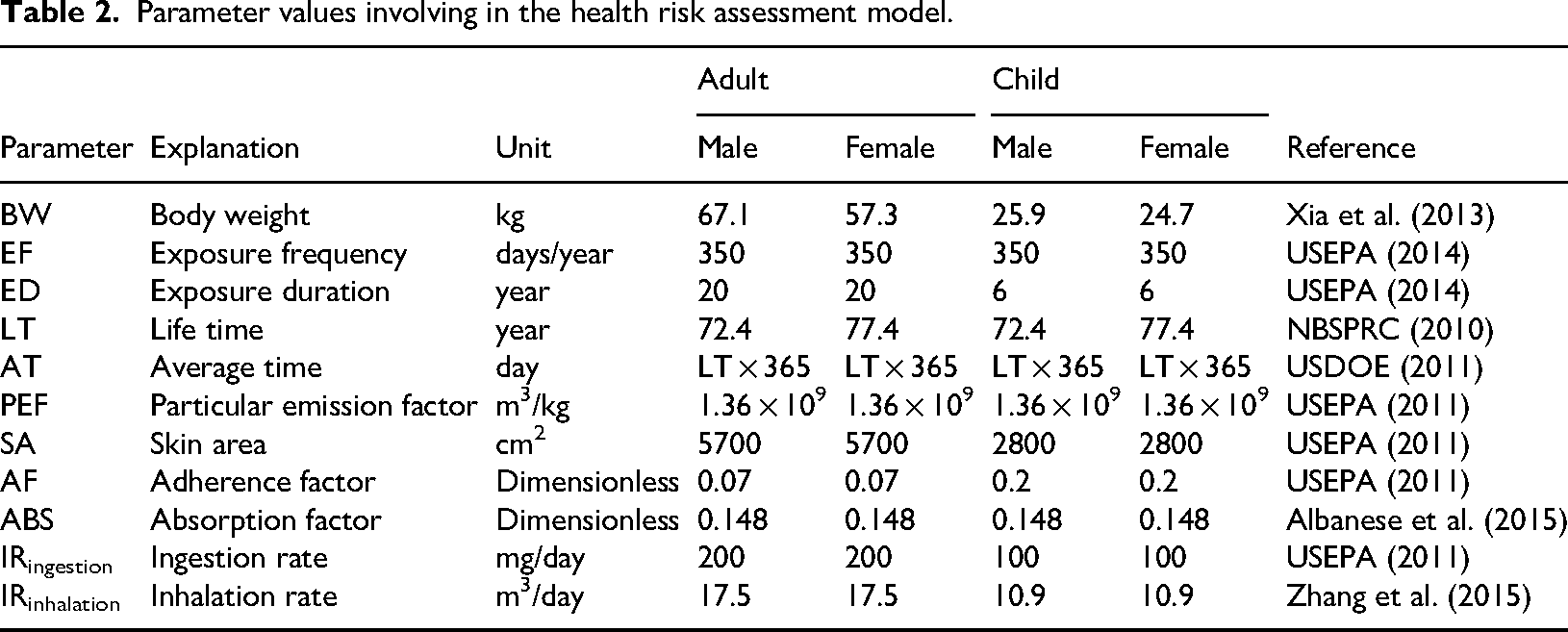
For the remaining parameters involved in the risk assessment, their values are listed in Table 2.
Parameter values involving in the health risk assessment model.
Results and discussion
Sulfur concentrations and vitrinite reflectance
The concentrations of total sulfur (on a dry basis) in the coal samples collected from the Yuzhou Coalfield varied from 3.35% to 10.02%, with an average of 6.40%. The concentrations of organic sulfur (on a dry basis) were between 1.34% and 6.74%, with an average of 4.16%. The mean vitrinite reflectance was 1.87%. Regarding the coal samples collected from the Heshan Coalfield, Guangxi Province, the concentrations of total sulfur ranged from 4.20% to 9.77% (averaging 6.23%), while those of organic sulfur were between 3.59% and 6.77% with an average of 5.08%. The vitrinite reflectance averaged to 1.83%. According to the corresponding definition (Chou, 2012), most of the samples involved in this study can be classified as high-rank, high-organic sulfur coal on account of their high vitrinite reflectance and elevated concentrations of organic sulfur.
PAH concentrations and profiles
There were nine individual PAHs out of the 16 USEPA-priority PAHs can be detected. Their concentrations and descriptive statistics are presented in Table 1. For the coal samples collected from the Yuzhou Coalfield, the total PAH concentrations were between 3492.76 and 88,342.61 ng/g, with an average of 12,905.09 ng/g. By comparison, Phe was identified as the predominant individual PAH (averaging 4902.55 ng/g), and was followed by BaA (3759.90 ng/g). BbF (1183.28 ng/g), Fl (1020.38 ng/g), Flu (632.37 ng/g), Pyr (627.56 ng/g), and BkF (493.96 ng/g) exhibited moderate concentration levels. Nap (200.45 ng/g) and IcdP (84.63 ng/g) showed lower abundances, and in some samples, their concentrations were below the detection limit. The Heshan coal samples had slightly higher total PAH concentrations than those from Yuzhou, with a range of 6632.70–29,753.43 ng/g and an average of 14,336.36 ng/g. The PAHs in the Heshan coal samples were collectively dominated by Phe (averaging 3882.02 ng/g), Fl (3225.54 ng/g), and IcdP (2325.78 ng/g). The order of the remaining individual PAH detected was: BbF (1688.09 ng/g) > BaA (1334.94 ng/g) > BkF (735.44 ng/g) > Flu (486.96 ng/g) > Pyr (480.22 ng/g) > Nap (177.36 ng/g).
Among the detected PAHs in this study, Nap, Fl, and Phe belong to low-molecular weight PAHs (LMW-PAHs) due to their two- and three-ring structures; Flu, Pyr, and BaA, which contain four aromatic rings, are classified as middle-molecular weight PAHs (MMW-PAHs); whereas BbF, BkF, and IcdP are categorized as high-molecular weight PAHs (HMW-PAHs) owing to their five- and six-ring configurations. Figure 2(a) and (b) shows that the samples from the two coalfields exhibit certain differences, both in terms of individual PAHs and PAH profiles. The PAHs in the Yuzhou coal samples were dominated by LMW-PAHs and MMW-PAHs, with average relative abundances of 53.48% and 33.94%, respectively. HMW-PAHs accounted for a lower proportion (12.58%). In contrast, although LMW-PAHs still served as the dominant component (49.29%) in the Heshan coal samples, the proportion of HMW-PAHs increased significantly (34.15%), making them the secondary component. Correspondingly, the share of MMW-PAHs decreased to 16.55%. Furthermore, the results of the Mann–Whitney U test (Table 3) indicate that Fl, BbF, BkF, and IcdP exhibit significant differences between the samples from the two coalfields (p < 0.05), thereby resulting in statistically significant disparities in LMW-PAHs, HMW-PAHs, and ∑PAHs. The results of Spearman's correlation analysis (Figure 3) indicated that, for all the samples involved in this study, Phe made the primary contribution to the content of LMW-PAHs, since it exhibited the highest correlation coefficient with LMW-PAHs (r = 0.963, p < 0.01). Fl also showed a strong positive correlation with LMW-PAHs (r = 0.864, p < 0.01). Nap contributed minimally to LMW-PAHs with no statistically significant correlation. All the three detected four-ring PAH monomers, namely Flu, Pyr, and BaA, contributed substantially to MMW-PAHs content, with correlation coefficients of 0.837, 0.826, and 0.935 (p < 0.01), respectively. Similarly, the content of HMW-PAHs was collectively contributed by the three detected five- to six-ring PAH monomers, namely BbF, BkF, and IcdP. Their correlation coefficients to HMW-PAHs were 0.832, 0.959, and 0.758 (p < 0.01), respectively.
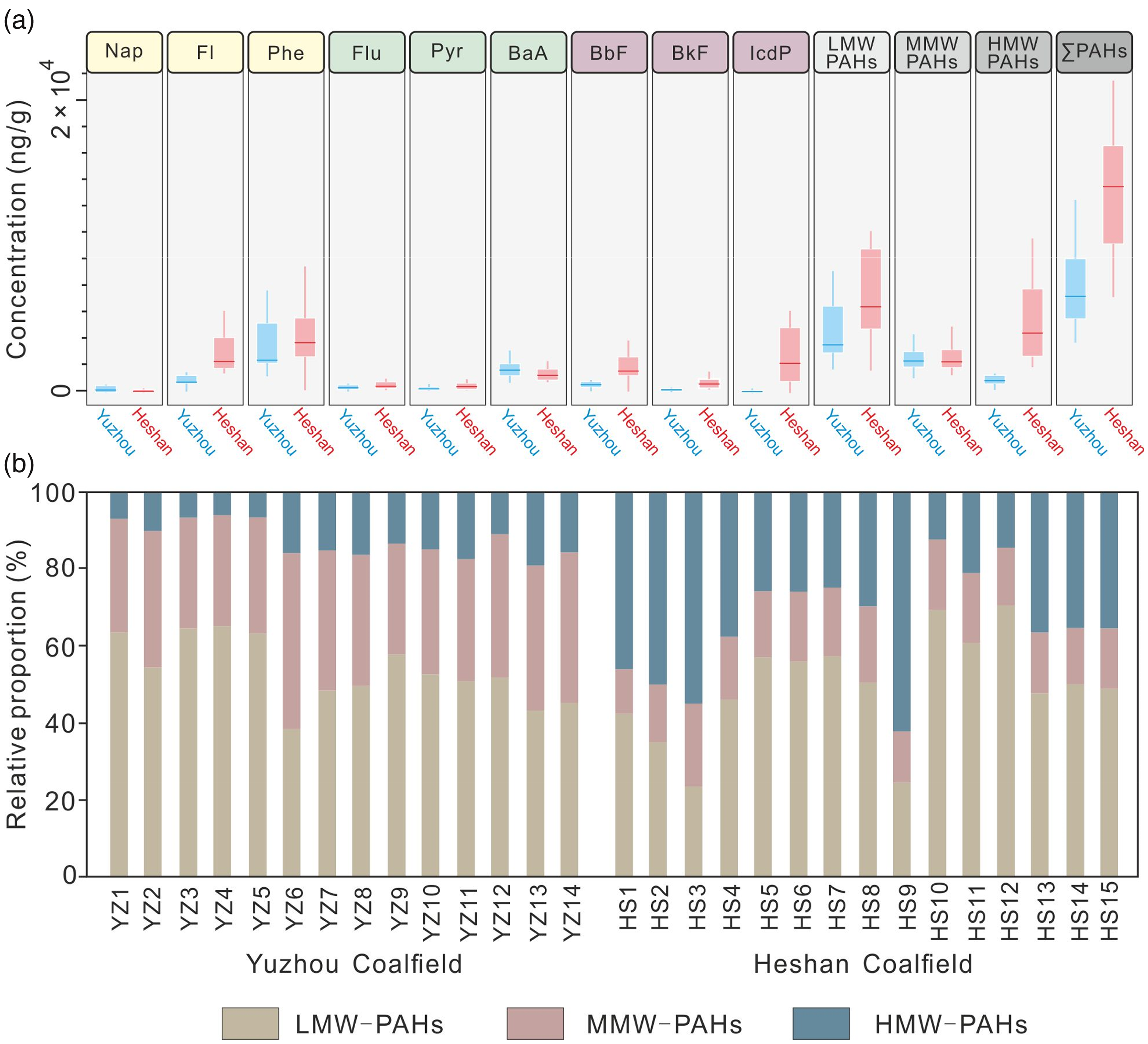
Comparison of detected PAHs between the two coalfields: (a) individual concentrations and (b) compositional profiles. In the boxplot, the box corresponds to the upper and lower quartiles, with a horizontal line inside indicating the median. The whiskers of the plot cover the range of 1.5× IQR, and outliers are excluded from the display in the boxplot. PAH: polycyclic aromatic hydrocarbon; IQR: Interquartile range.
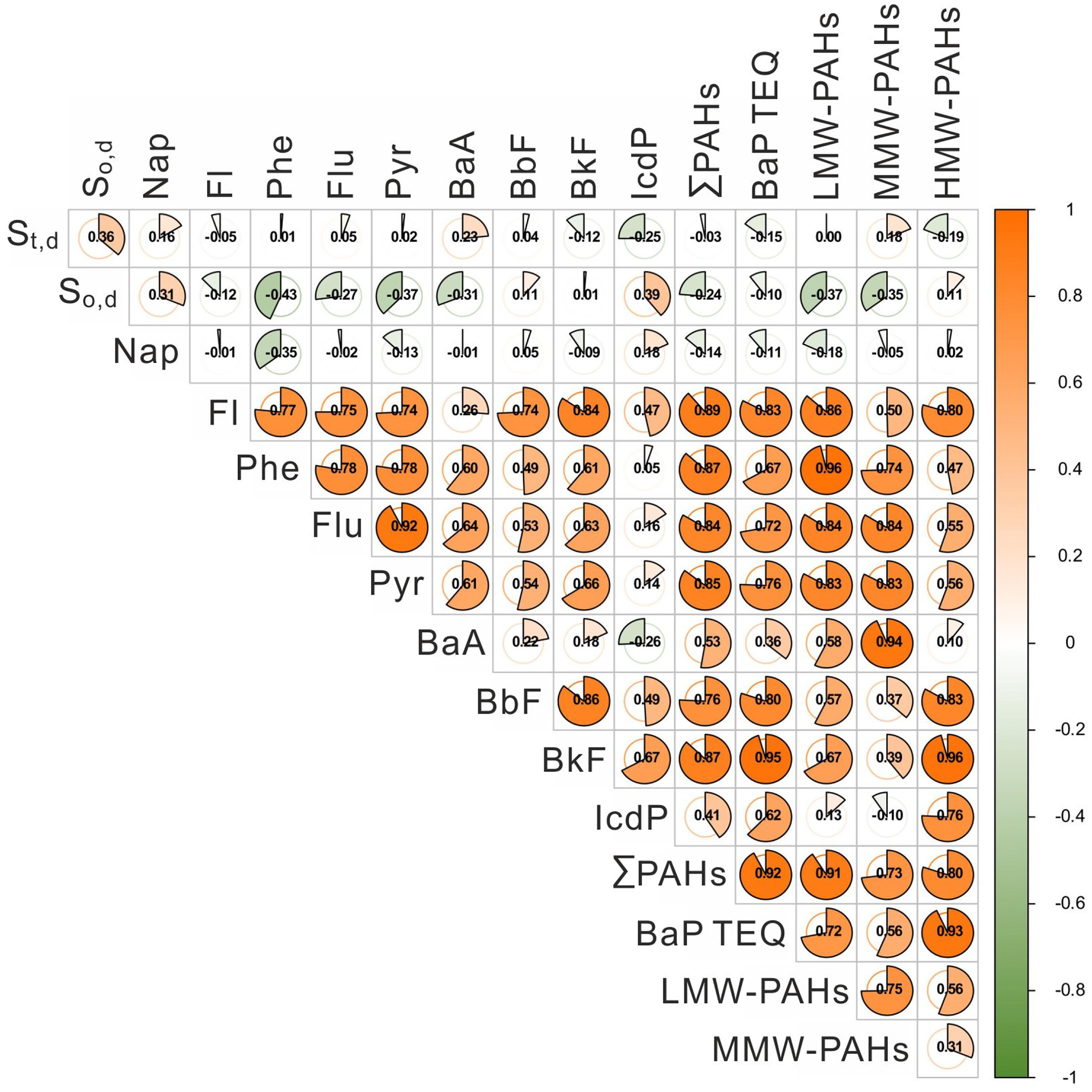
Matrix of Spearman's rank correlation coefficients.
Results of Mann–Whitney U test along with medians and IQRs of detected individual PAHs.
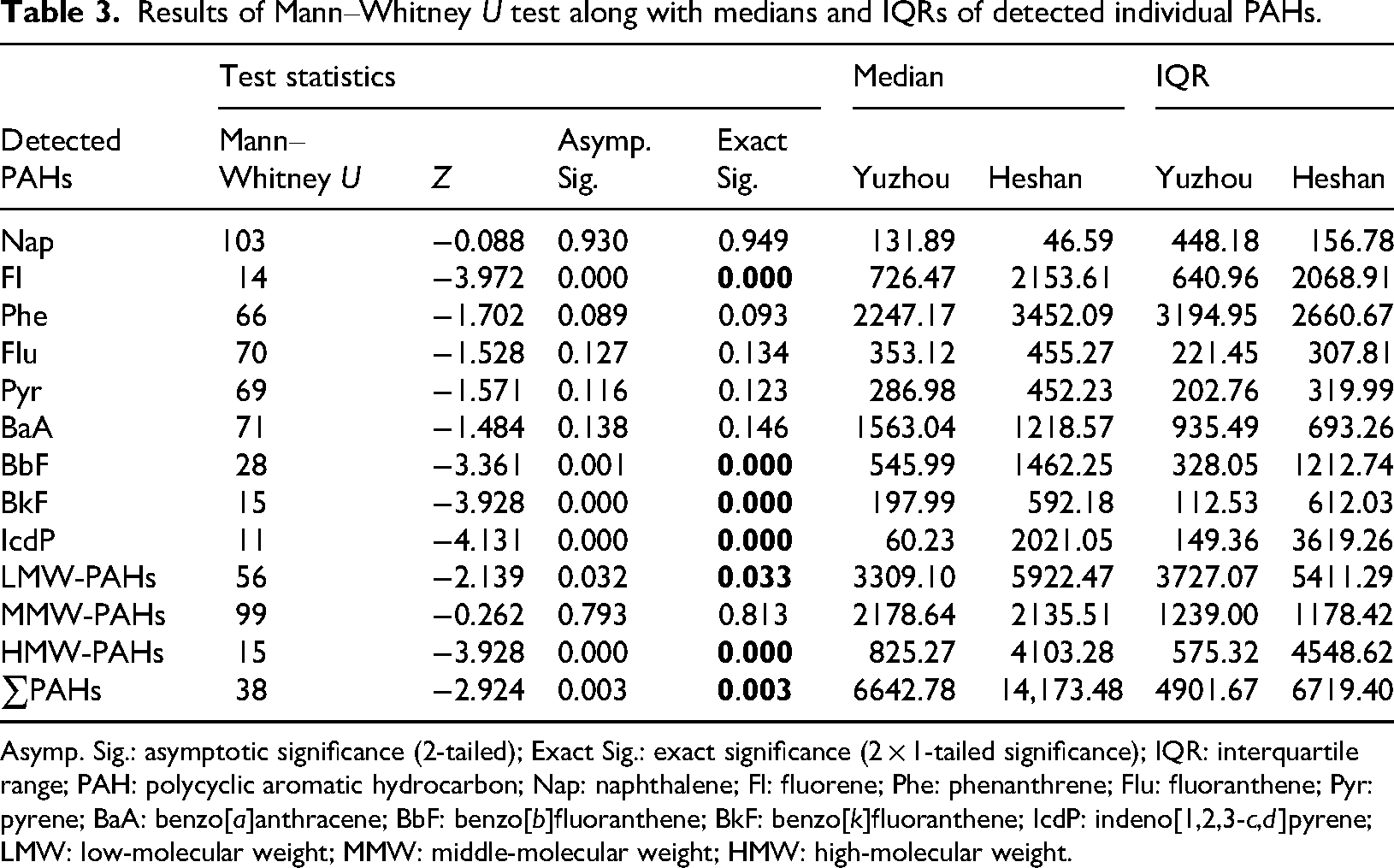
Asymp. Sig.: asymptotic significance (2-tailed); Exact Sig.: exact significance (2 × 1-tailed significance); IQR: interquartile range; PAH: polycyclic aromatic hydrocarbon; Nap: naphthalene; Fl: fluorene; Phe: phenanthrene; Flu: fluoranthene; Pyr: pyrene; BaA: benzo[a]anthracene; BbF: benzo[b]fluoranthene; BkF: benzo[k]fluoranthene; IcdP: indeno[1,2,3-c,d]pyrene; LMW: low-molecular weight; MMW: middle-molecular weight; HMW: high-molecular weight.
Carcinogenic risk assessment
On the basis of the results of BaP TEQ calculation, the ILCR standard model recommended by the USEPA was employed to quantitatively assess the potential carcinogenic risks of PAHs in the coal samples. Three exposure pathways (i.e. ingestion, inhalation, and dermal contact) and age and gender groups were taken into consideration during the risk assessment (Figure 4). The classification scheme of carcinogenic risks proposed by USEPA (1996) is as follows: total ILCRs <10−6 represent an acceptable level, those in a range of 10−6 to 10−4 indicate a potential risk, and values >10−4 imply a severe carcinogenic risk that requires monitoring and control. For the Yuzhou coal samples, the values of ILCRs of inhalation pathway were lower than 10−6 for adults and children, indicating that the carcinogenic risk from inhalation can be neglected. However, the values of ingestion and dermal contact pathways exceeded 10−4. The average values of ILCRs for adult males via ingestion and dermal contact were 3.18 × 10⁻³ and 3.22 × 10⁻³, respectively, while those for adult females were 3.31 × 10⁻³ and 3.34 × 10⁻³, respectively. The carcinogenic risk in children due to dermal contact was comparable to that in adults, with average values for boys and girls being 2.55 × 10⁻³ and 2.47 × 10⁻³, respectively. Clearly, the risk values from these two pathways were higher in adult females than in adult males, and boys underwent higher risks than girls. The assessment results for the Heshan coal samples were generally in accordance with those for the Yuzhou samples. The carcinogenic risk from the inhalation pathway was one to two orders of magnitude below the threshold of the acceptable level (10−6), and was therefore negligible. In contrast, the risks from the other two exposure pathways exceeded the permissible limit and exhibited obvious variations across age groups. Specifically, within the adult group, females exhibited higher risks than males, whereas among children, boys had higher risks than girls (Table 4). Overall, for the total carcinogenic risk, the average ILCRtotal values for the samples from both coalfields exceeded the threshold for severe risk (10−4) defined by the USEPA, regardless of gender or age group. Specifically, the ILCRtotal values of the Yuzhou samples ranged from 1.16 × 10⁻³ to 5.47 × 10⁻² for adults and from 6.03 × 10⁻⁴ to 2.84 × 10⁻² for children, while those of the Heshan samples varied from 3.02 × 10⁻³ to 1.45 × 10⁻² for adults and from 1.58 × 10⁻³ to 7.56 × 10⁻³ for children. Among the samples, several showed ILCRtotal values even surpassing the threshold by two orders of magnitude. When compared with other areas affected by coal-related activities, our samples still exhibited a high level of ILCR. For the soil in coal chemical industry areas in North China, the total ILCR (including all three exposure pathways) varied from 4.76 × 10⁻³ to 4.14 × 10⁻² for adults and from 6.40 × 10⁻³ to 5.57 × 10⁻² for children (Jiao et al., 2023a). Around Latin America's largest opencast coal mine, particulate matter-bound PAHs exhibited a lower ILCR (including only inhalation pathway) level, ranging from 2.87 × 10⁻⁷ to 4.21 × 10⁻⁷ (Arregocés et al., 2023). In the sediments of the Kaokaowusu River near a coal industrial zone, the total ILCR (including all three exposure pathways) averaged 2.95 × 10⁻³ with a maximum of 1.10 × 10⁻² for adults, and averaged 1.87 × 10⁻² with a maximum of 6.96 × 10⁻² for children (Wang et al., 2023). The comparison with the standard threshold and with other areas clearly indicated a critically high-potential carcinogenic risk associated with the PAHs in our coal samples. Thus, a series of effective strategies for mitigating such health risk should be planned and implemented immediately. The entire lifecycle of the coal, including mining, transportation, and utilization, must be considered to prevent environmental pollution and threats to human health due to high PAHs content in the coal. For example, it is essential to prevent PAHs in the coal from contaminating local groundwater via mine water during mining operations, and to avoid the release of PAHs from coal gangue dumps into surrounding soil and water bodies via weathering and leaching processes. To control PAH pollution from coal gangue dumps, impermeable membranes can be used to prevent PAH leakage, and specific PAH-tolerant vegetation can be planted around the dumps to further enhance PAH adsorption. These measures can effectively mitigate soil and water contamination in the vicinity of coal gangue dumps. Furthermore, it is also necessary to minimize the pollution posed by coal dust and spilled coal particles during transportation. Sealed trucks and boxcars can be used to prevent the release of dust-borne PAHs. Coal combustion is another source of PAHs release that must be strictly monitored. Implementing pre-combustion desulfurization can reduce the sulfur content in raw coal, and equipping combustion systems with sulfur-removal devices can simultaneously mitigate the release of PAHs and their sulfur-containing derivatives.
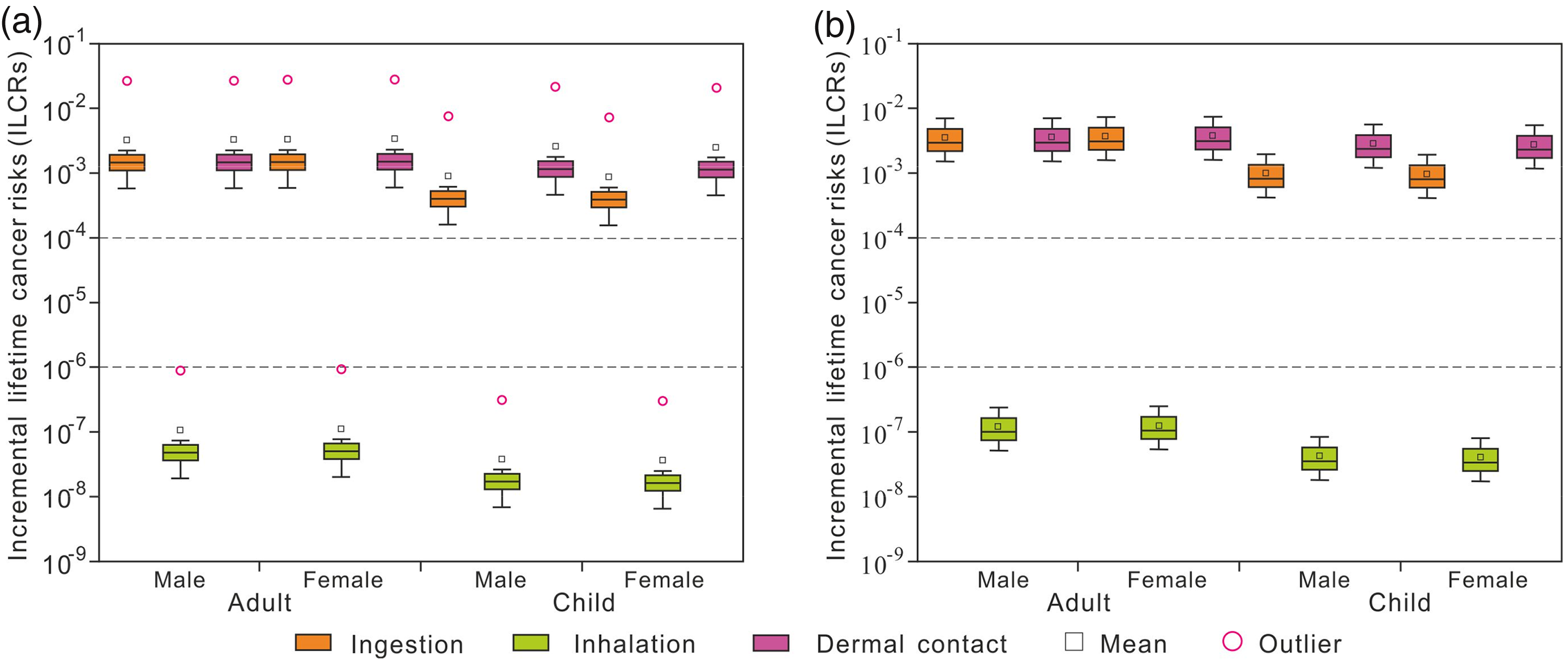
Statistical result of carcinogenic risk assessment for the samples from the Heshan Coalfield (a) and the Yuzhou Coalfield (b).
Statistical results of the ILCR calculations.
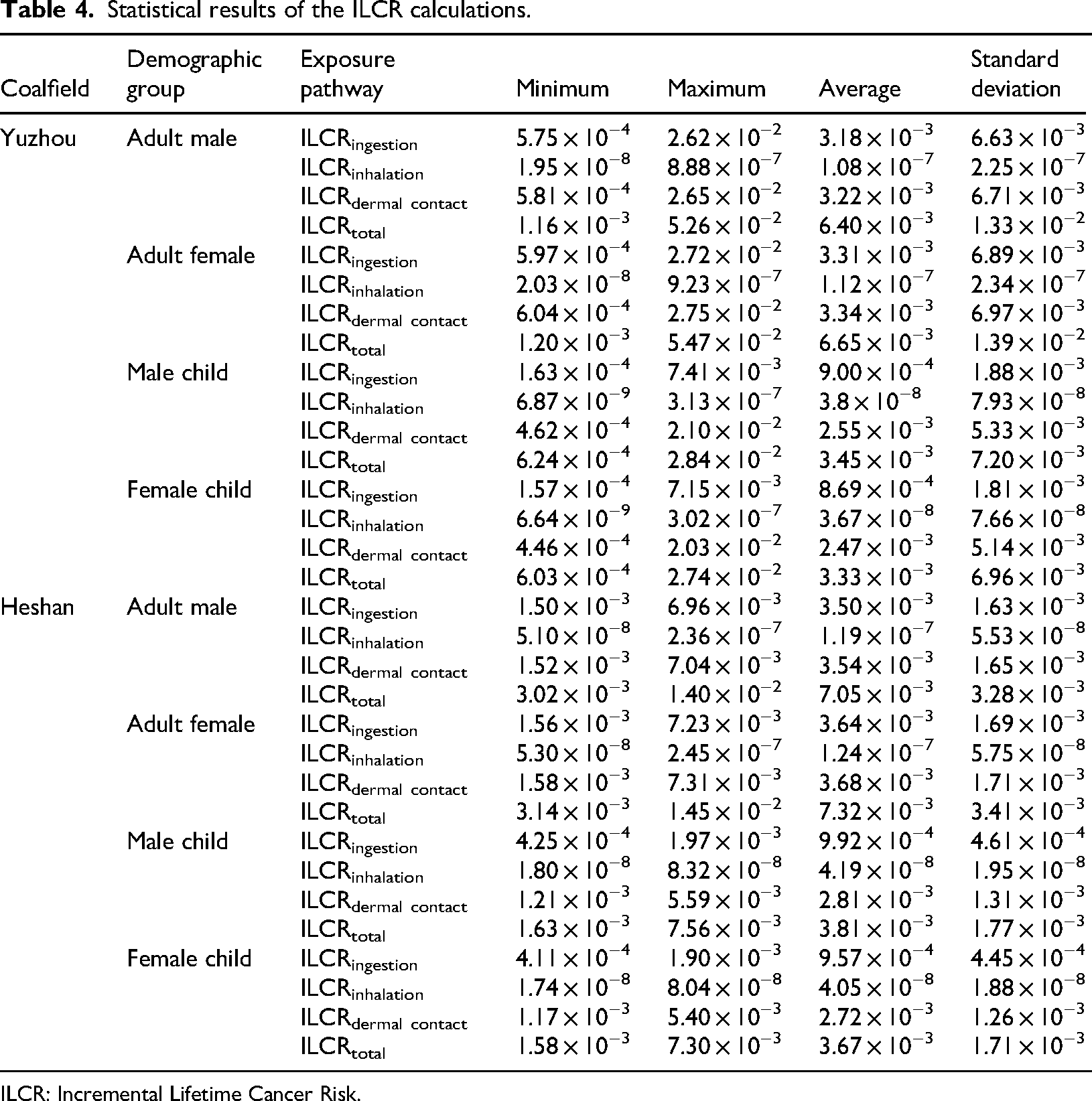
ILCR: Incremental Lifetime Cancer Risk.
The extremely high carcinogenic risks identified in the coal samples were an outcome collectively affected by multiple factors. The measured values of vitrinite reflectance (Table 1) indicated that all the coal samples were in a high rank of coalification. As a result, the aromatization of the PAHs intensified with increasing temperature, thereby inducing an elevation of five- to six-ring HMW-PAHs content together with a decrease in the content of two- to three-ring LMW-PAHs (Wang et al., 2017). On the other hand, the formation of PAHs is related to wildfires. PAHs with three or more rings are generally considered products of wildfires (Jiao et al., 2023b). Additionally, the role of high-sulfur content in the coal samples cannot be overlooked. Previous studies have confirmed that sulfur under reducing conditions can replace the C-9 carbon in the five-membered ring of fluorene to form dibenzothiophene (Lin et al., 1987). The presence of sulfur can also inhibit the formation of phenanthrene-series compounds (Zhao et al., 2021). In this study, the organic sulfur content (So,d) showed a negative correlation with phenanthrene (three-ring) and pyrene (four-ring), with correlation coefficients of −0.433 and −0.374 (p < 0.05), respectively, and a positive correlation with indeno[1,2,3-c,d]pyrene (six-ring) (r = 0.390, p < 0.05) (Figure 3). Notably, the correlation analysis results only reflect a statistical association rather than definitive causation. Such associations could be confounded by other geological factors that regulate PAH abundances. For example, coal rank, which is characterized by vitrinite reflectance (Ro), is one of the confounders because high metamorphic degrees may promote the enrichment of HMW-PAHs (Wang et al., 2017). However, we found linear fitting of Ro and IcdP showed a low R2 and a negative slope, suggesting coal rank had exerted limited impact on IcdP, thereby strengthening the potential role of organic sulfur in the elevation of IcdP content. Additionally, while high coal rank was accompanied by high (organic) sulfur content in the samples, sulfur content in coals is regulated primarily by deposition environments (Chou, 2012) rather than coal rank, indicating that high-sulfur content is not inherently tied to high coal rank. This further validates that the promotion of IcdP by organic sulfur is an independent effect, rather than a byproduct of high coal rank. Together, we can infer that increased organic sulfur content in the samples may be conducive to a decrease in LMW- and MMW-PAHs and an increase in HMW-PAHs. As shown in Table 1, the toxicity equivalence factors (TEFs) of HMW-PAHs are substantially higher (by three orders of magnitude) than those of LMW- and MMW-PAHs. Therefore, all the factors analyzed above, including the aromatization effect of high-rank coal, the independent promotion of HMW-PAHs by high-organic sulfur content, and higher toxicity of HMW-PAHs, contributed to the elevated health risks associated with PAHs in the samples.
Conclusion
A total of nine individual PAHs out of the 16 USEPA-priority PAHs were detected in the high-rank, high-organic sulfur coal samples collected from the Yuzhou and Heshan Coalfields, namely Nap, Phe, Fl, Pyr, Flu, BaA, BbF, BkF, and IcdP. The Yuzhou coal samples were dominated by LMW-PAHs with two- to three-ring and MMW-PAHs with four-ring, while the Heshan samples were primarily composed of LMW-PAHs and HMW-PAHs with five- to six-ring.
The results of the health risk assessment indicated that the calculated ILCRs for all population groups exceeded the threshold for severe carcinogenic risk (10−4), suggesting that sufficient attention should be paid during the processes of mining, transportation, and utilization of these coals. The extremely high carcinogenic risks were mainly derived from ingestion and dermal contact pathways, whereas inhalation made a negligible contribution. Among the adult groups, the risks from both ingestion and dermal contact pathways for males were lower than those for females, which was contrary to the results observed in the child groups.
The high-sulfur content, particularly the organic sulfur content, and the high coal rank of the coal samples involved in this study resulted in variations of PAH composition. Specifically, the HMW-PAHs content increased with a decrease of LMW-PAHs content. Given that the former is far more toxic than the latter due to higher TEF values, these changes can lead to an elevated carcinogenic risk associated with PAHs in the samples.
This study, while providing insights into PAH-derived health risks in high-rank, high-sulfur coals, has several uncertainties. The relatively small sample size and the omission of environmental processes such as weathering and microbial degradation may simplify the actual release dynamics of PAHs from the coal, thereby influencing the absolute accuracy of carcinogenic risk assessment. Additionally, the scope of this study did not cover sulfur-containing PAHs that exhibit higher potential of health risks. To address these gaps, future studies should focus on expanding the sampling scope and scale, especially by including more high-sulfur coals. This is crucial for conducting a holistic health risk assessment that encompasses PAH derivatives, primarily the sulfur-containing analogues. Furthermore, more in-depth research is needed on the impact of sulfur content and speciation in high-sulfur coals on PAH concentrations and profiles, including exploring how sulfur-containing compounds in coal internally regulate PAH formation and transformation during coalification and epigenetic processes, and analyzing the synergistic effects between internal sulfur content and other coal components (macerals and minerals) on the distribution and stability of PAHs and their derivatives within the coal matrix.
Footnotes

Funding
The authors disclosed receipt of the following financial support for the research, authorship, and/or publication of this article: This work was supported by the National Fund for Fostering Talents of Basic Science (grant number 42372197).
Declaration of conflicting interests
The authors declared no potential conflicts of interest with respect to the research, authorship, and/or publication of this article.