




Abstract
With the continuous development of urbanization in our country, the contradiction between the protection of traditional village heritage architecture and the development of modern urban lifestyle is becoming increasingly prominent. With the introduction of China's rural revitalization strategy, improving the rural living environment, promoting sustainable development, utilizing renewable energy for power supply, and achieving low-carbon architecture have become particularly important. This article investigates the relationship between solar energy system and site layout in illustrative historic buildings, and uses thermal-economic methods for feasibility analysis of such old building retrofitting program toward nearly zero energy construction. The preliminary results indicate that integrating solar panel roof with old building body for renewable energy exploitation can achieve good economic benefits while reducing carbon dioxide emissions. This work provides reference insights into the sustainable transformation of traditional rural heritage conservation buildings in our country and proposes feasible solutions to reconcile the contradiction between the preservation of traditional architectural heritage and sustainable modernization demands.
Introduction
The process of urbanization has presented numerous challenges in the maintenance and development of traditional village heritage architecture. The coexistence of urban lifestyle and the preservation of ancestral architecture has become increasingly contradictory, necessitating the alignment of architectural heritage preservation with the demands of modernization (Li et al., 2023b). Existing literature has examined the significant role of energy efficiency in social housing buildings, highlighting the potential economic and energy benefits associated with various energy efficiency measures (Hernandez-Cruz et al., 2023). These measures also have the potential to address the issue of energy poverty commonly found in social housing. A study conducted in Surrey, British Columbia sheds light on the utilization of waste heat from industrial sites for energy supply in district energy networks. This presents a potential avenue for sourcing and utilizing renewable energy in conservation buildings (Shehadeh et al., 2021). Additionally, the integration of grid-connected PV, wind turbines, and battery packs in rural houses has been demonstrated as other potential sources of renewable energy (Chang et al., 2022). The integration of sustainable energy in historical structures prompts inquiry into the methods by which these edifices can be converted into nearly zero-energy structures.
Researchers have utilized thermal economic analysis methods to explore the economic effects and feasibility of such transformations in heritage buildings (Pochwała et al., 2023). The use of building information models in evaluating retrofitting schemes for existing buildings is also a valuable approach to achieving energy efficiency. Moreover, scholarly investigations have underscored the effectiveness of hybrid renewable energy systems (HRES) and low-carbon substances in attaining sustainability in edifices, further accentuating the significance of amalgamating various renewable energy systems (Kallio and Siroux, 2023). It is crucial to ensure community participation in the preservation and development of rural heritage buildings (Hu, 2023). The transformation process must take into account local living culture and habits, land resources, and the provision of enhanced thermal comfort performance. In the field of architectural planning, the promotion of green and low-carbon concepts is integral to sustainable development. The incorporation of these concepts in architectural education can foster the creation of low-carbon emission projects and contribute to sustainable development (Li et al., 2023a). The utilization of technologies such as 5G and blockchain can aid in managing the decentralized nature of renewable energy sources and facilitate the harmonious integration of traditional architecture with urban environments (Rajendran and Smith, 2016). In conclusion, the transformation process should involve the adoption of renewable energy, the implementation of energy efficiency measures, and the engagement of various stakeholders, all while preserving the authenticity of traditional architecture.
Currently, researchers have successfully integrated conservative restoration and renewable technologies to transform historic buildings into nearly zero energy buildings (NZEBs). These studies collectively emphasize the potential role of solar energy in the sustainable transformation of traditional heritage conservation buildings. Recent studies have explored the intersection of traditional heritage conservation buildings with solar energy (Lin et al., 2021), low-carbon transformation, and near-zero energy consumption (Hu, 2023; Kang et al., 2020; Senturk and Ozcan, 2023). These studies highlight the potential for sustainable energy solutions in traditional buildings and emphasize the importance of careful planning and consideration of heritage values. Abrahamsen et al. (2023) emphasize the importance of considering the environmental impact of solar photovoltaic (PV) panels in the process of achieving NZEBs standards. (Lucchi, 2023) focuses on the need for clear rules and heritage-compatible technologies when applying renewable energy to architectural heritage. Li et al. (2023c) provide a comprehensive review of policies, technologies, and assessment methods for low-carbon buildings and communities, stressing the necessity of considering overall approaches that take into account economic, technical, environmental, and social benefits. These studies highlight the key strategic role of integrating solar energy into traditional heritage conservation buildings for achieving low-carbon transformation and near-zero energy consumption. Furthermore, several studies have analyzed how solar energy can be applied in heritage buildings. They explore the potential of integrating solar energy systems into traditional heritage conservation buildings to achieve low-carbon transformation and near-zero energy consumption. Cabeza et al. (2018) both emphasize the importance of energy-saving measures and renewable energy technologies such as solar PV/thermal systems in achieving these goals. They further discuss the integration of renewable technologies, including solar and geothermal, in historic heritage buildings. Perez-Garcia et al. (2018) studied retrofit measures for listed buildings with a focus on improving thermal performance while respecting their use. Loli and Bertolin (2018) emphasize the necessity of sustainable refurbishment and energy consumption assessment of historic buildings. Paschoalin and Isaacs (2020) point out the potential of holistic refurbishment in reducing the environmental impact of historic and heritage buildings, especially in the context of New Zealand's Zero Carbon Act. Lumbreras and Garay (2020) emphasize the importance of low-carbon practices and technologies in the context of urbanization in China, with a particular focus on the need for effective planning and improved technology adoption. They further highlight the potential of integrating solar thermal systems into facades to reduce energy consumption and emissions, with a more specific focus on the application of renewable energy in buildings. These studies collectively emphasize the importance of incorporating sustainability considerations into the preservation and refurbishment of traditional heritage conservation buildings and the potential of solar energy low-carbon technologies in traditional buildings, while also highlighting the necessity of effective policies, planning, and communication strategies. Other researchers have explored the economic impacts of preserving traditional heritage buildings. Kim and Lee (2020) also emphasize the economic value of heritage, through contingent valuation methods to determine the non-use economic value, and Kim's research finding that preservation leads to higher accommodation prices. They also state the importance of modern conservation techniques and international collaboration in the preservation of historic buildings. These studies collectively indicate that preserving traditional heritage buildings can generate significant economic benefits.
Chinese researchers have conducted in-depth research on the potential and challenges of integrating renewable energy into buildings. With comprehensively renewable energy applications in buildings, researchers have revealed its tremendous potential in reducing energy consumption and carbon emissions (Lin et al., 2023). Although the application of renewable energy faces challenges in certain regions, these issues can be addressed through improved calculation methods, local design, and integrated renewable energy systems. Yang et al. (2023) points out the importance of achieving low-carbon buildings, with specifically highlighting the role of solar power, ground source heat pump technology, and energy management systems. Zhang et al. (2020) further explore the practical aspects of integrating renewable energy into buildings and discuss the suitability of different renewable energy sources in buildings, while predict the potential energy consumption substitution and the share of renewable energy in building energy consumption. Zhang et al. (2021) further emphasize China's rich and stable solar energy resources, using Xinjiang as an example of the optimal location. However, Zhu et al. (2023) highlights the enormous economic potential of rooftop PV systems in university campuses and analyze the investment return under different scenarios. They estimate the actual solar energy potential of urban buildings in ten Chinese cities, providing a valuable dataset for economic decision-making. These studies collectively emphasize the economic feasibility and environmental sustainability of solar energy in the Chinese construction sector.
Although existing research has provided many methods and approaches for the conservation of traditional heritage buildings, there is relatively limited research on the retrofitting of heritage conservation buildings with renewable energy, especially in the context of China. Furthermore, the focus of research has often been on modernizing these buildings through passive or active means, often overlooking the economic factors involved in the retrofitting process. This approach involves the use of modern materials and structures to address the sustainability issues of the building. While there have also been studies on the use of renewable energy in traditional heritage buildings, the main focus has been on the placement and operation of renewable energy sources such as wind, solar, and hydropower. However, in the process of modern urbanization, how can traditional heritage buildings meet people's usage needs? Additionally, renewable energy equipment can be used in both urban and rural areas and lacks unique features specific to rural regions. Therefore, equipment costs often align with those of urban areas. So, how can we determine the appropriate equipment and control the duration of its usage to obtain significant benefits and meet the economic capabilities of rural residents, making the installation of renewable energy equipment meaningful?
To provide a preliminary answer to the academic question above, this article takes the example of the Hu Family Courtyard in Kejia Lane, Huili Ancient Town, located in the southwestern part of China. This courtyard represents a typical case of a heritage building in need of preservation. Due to the relatively limited research on the combination of renewable energy technologies and thermal-economic analysis to reduce the energy consumption of traditional heritage buildings. This article takes the Hu Family Courtyard, a heritage conservation building, as an example, combining the actual condition of the residential area and its potential for renovation. By utilizing renewable energy reasonably in heritage conservation buildings, the aim is to minimize carbon emissions and maximize economic benefits, considering the local environmental conditions and economic constraints. The study aims to address the contradiction between the protection of traditional heritage buildings and modern urbanization development by transforming it into the contradiction between the use of renewable energy in traditional heritage conservation buildings and a rational thermal economy. It provides a reference method for the sustainable renovation and thermal economy analysis of traditional heritage conservation buildings.
Materials and methods
Illustrative example overview
The Hu family compound is situated in the region of Sichuan Province Liangshan Yi Autonomous Prefecture, specifically in Huili Ancient City. This architectural marvel boasts a long-standing history, having borne witness not only to the splendor and decline of the Hu family but also to the rich and vibrant history and culture of the western Sichuan region. In fact, the Hu family compound is the most ancient surviving mansion in Huili's ancient city. Its construction commenced with the implementation of a three-entry quadrangle pattern, covering an area of approximately 460 square meters The entire structure, arranged symmetrically along the central axis, is oriented in a north–south direction. It encompasses compartments on both the eastern and western sides, while also incorporating a courtyard in the front and rear to enhance ventilation and illumination. Connecting these courtyards, there is a hall, exemplifying the quintessential traditional architecture of western Sichuan. Owing to the abundant forestry resources and favorable climate in the Huili region, wood predominantly constitutes the primary material utilized within the compound's courtyard. Moreover, the walls, constructed from earth and wood, are further reinforced with a cement plaster surface that provides a moisture-resistant effect. The main rooms are adorned with wooden flooring, while the courtyard ground is paved with stone. Finally, the roof is adorned with durable mountain tiles.
The Hu Family Compound, situated in Huili County, was once the dwelling place of the esteemed Hu family. Renowned as one of the most affluent and influential families in the vicinity, the Hu family held a prominent position and possessed considerable sway in the western region of Sichuan during the Qing Dynasty. This eminence was visibly manifested in the Hu Family Compound, which served as a venue for hosting various events such as ancestral ceremonies, guest receptions, and family gatherings. Adorned with intricate wood carvings, paintings, and furniture, the compound epitomizes the traditional culture and artistic characteristics of the western Sichuan region during the Qing Dynasty. These characteristics are distinguished by the fusion of artistic elements from other ethnic groups, resulting in a creation of great artistic merit (Figure 1).
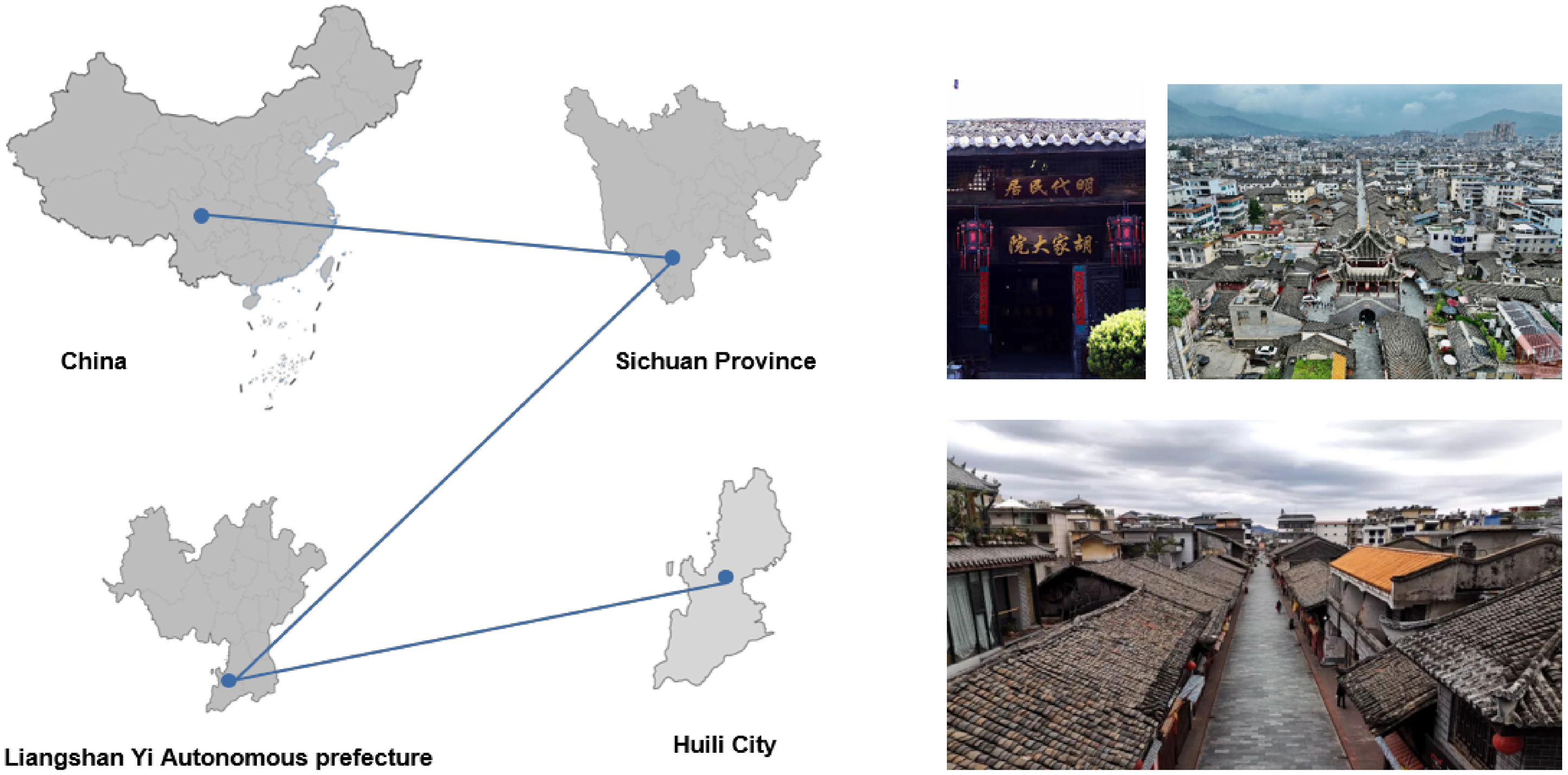
Location map of case city, HuiLi in southern China (drawn by authors) and Hu family compound real picture.
In contemporary times, the Hu Family Compound has transformed into a significant historical and cultural site of great appeal to tourists. Every year, a substantial number of visitors are drawn to this attraction, seeking to explore and appreciate its historical background and traditional architectural culture prevalent in the western Sichuan region. In the process of admiring the style and intricacies of the ancient structures, tourists gain insight into the rich heritage of the Hu Family Compound. Furthermore, the compound now organizes an array of cultural activities, including exhibitions showcasing ancient buildings, art exhibitions, and traditional festival celebrations. These events have further contributed to the compound's popularity, attracting a substantial influx of tourists and enthusiasts of culture. The Hu Family Compound's historical and cultural significance has been widely acknowledged and safeguarded in recent years. It has been designated as a cultural relic protection unit in Sichuan Province, and currently stands as a first-rate protected edifice showcasing Huili's historical and cultural heritage. The local government has intensified efforts in the preservation and innovation of cultural legacies, employing diverse exhibitions and promotional activities to facilitate greater comprehension and recognition of the Hu Family Compound's cultural worth. Possessing an unparalleled historical essence and cultural allure, the Hujia compound in Huili, Sichuan has emerged as a prominent emblem of the Western region, captivating visitors from across the globe.
Current building performance
The geographical positioning of Huili City in Sichuan is situated at a latitude range of 26°5′–27°12′ N and a longitude range of 101°52′–102°38′ E. Huili City is specifically located in the southernmost region of the Liangshan Yi Autonomous Prefecture in Sichuan Province, as shown in Figure 1. This city is positioned within the core area of the West Panzhihua Strategic Resource Innovation and Development Demonstration Zone, which belongs to the Liangshan Yi Autonomous Prefecture of Sichuan Province. Huili experiences ample sunlight exposure, with an annual average of 2400 h of sunshine and an average annual temperature of 15.1°C. The region benefits from abundant solar radiation, with the highest levels occurring in May and June, reaching up to 600 MJ/m2. Conversely, the lowest annual solar radiation is observed in October, with radiation levels still reaching 350 MJ/m2. December is identified as the coldest month of the year, showcasing an average temperature of 8 °C, whereas July and August are renowned as the warmest months, characterized by an average temperature of 23 °C (Figure 2). These temperature patterns are characteristic of a mild climate region and necessitate careful consideration of winter thermal insulation measures. Huili lies within the domestic semi-moist climate zone of the western subtropical region and boasts abundant light and heat resources, creating pleasant climatic conditions and promoting evaporation. Moreover, rainfall in the region is concentrated, leading to distinct wet and dry seasons. Despite minimal differences in annual temperature, there are significant diurnal temperature fluctuations. Winters are warm without severe cold, while summers are cool without excessive heat. Additionally, the climate undergoes vertical changes in the mountains, experiencing phenomena such as snowfall in higher elevations and hot conditions in canyons. Temperature fluctuations throughout the year are also substantial, accompanied by significant rainfall in the winter season. The county encompasses a forestry land area of 4.47 million mu, with 13.157 million cubic meters of live forests and a forest coverage of 55%. Due to its favorable climate, Huili enjoys warm winters resembling spring-like conditions, earning it the moniker of “small spring city.”
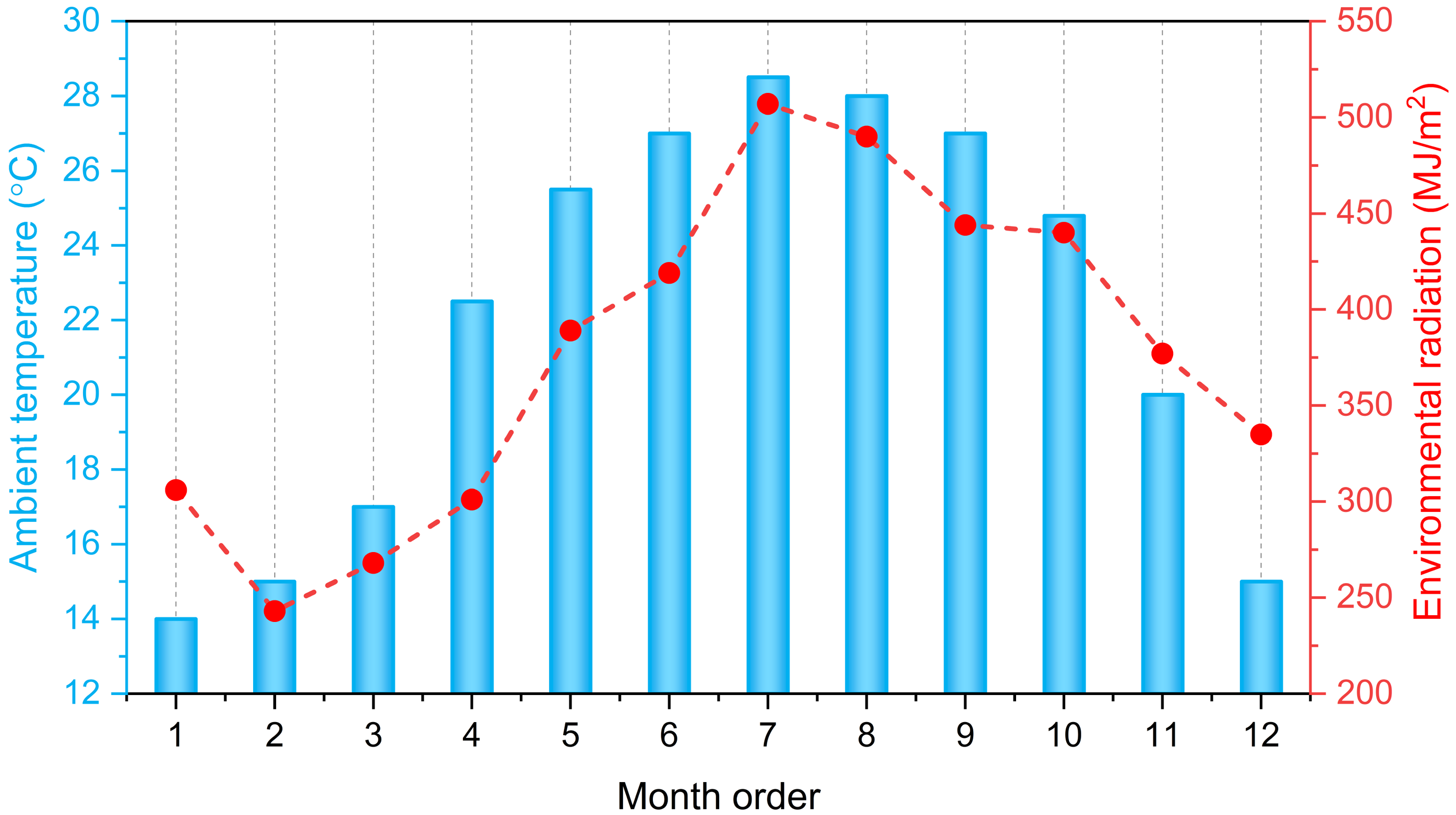
Key climatic parameters in Huili.
On the whole, the climatic and geographical conditions of Huili County in Sichuan render it an optimal location for both habitation and tourism. The region experiences mild winters and moderate summers, abundant precipitation, and ample light and heat resources, making it an ideal climate for immersing oneself in the beauty of nature and enjoying a leisurely vacation. Given the sufficient abundance of light, heat, and water resources in Huili City, this study focuses on investigating the potential of renewable energy sources as a means to achieve near-zero energy consumption in Hujia compound. This objective is pursued while ensuring the satisfaction of indoor thermal conditions and human thermal comfort. Through software simulations, the annual energy consumption of Hujia compound has been analyzed and summarized in (Figure 3). The Figure representation illustrates the segregation of the annual cycle into two separate temporal intervals. The initial period, which encompasses the months of May to September, observes a surge in the need for cooling energy. In contrast, the subsequent period, taking place from November to March of the following year, encounters a rise in the requirement for heating energy. It is important to highlight that neither heating nor cooling is required during the months of April and October. Additionally, the figure indicates a significant disparity between the demands for heating and cooling energy throughout the year, with the former greatly surpassing the latter This data highlights an imbalance in the heating and cooling demands within Hujia compound. In light of this substantial heating demand, it is imperative to implement appropriate measures and harness renewable energy sources to supplement the heating energy consumption in Hujia compound.
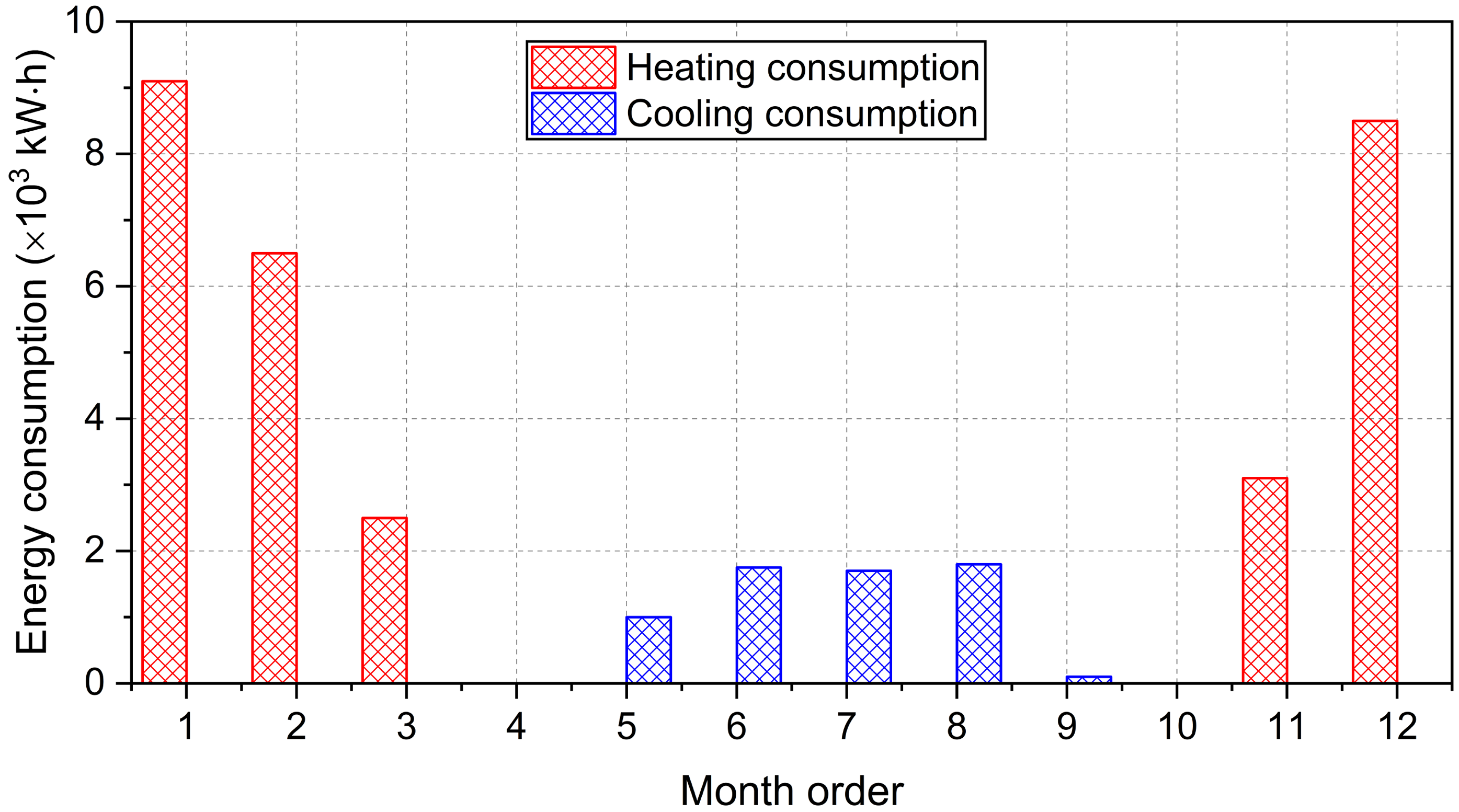
Building energy demand for space heating and cooling.
Problems
The utilization of solar power in conventional dwellings has currently emerged as a crucial facet of achieving sustainable progress. In Huili area, due to abundant sunshine and favorable climate conditions, the use of solar energy in traditional houses has become a common phenomenon. The use of solar energy in traditional houses is mainly reflected in hot water supply and heating. The transformation of solar energy into thermal energy is accomplished by utilizing solar collector panels, solar heat pumps, and a multitude of other equipment. This conversion process allows for the provision of hot water and heating for conventional dwellings. The utilization of solar energy in this manner not only diminishes reliance on traditional energy sources and curtails energy usage but also mitigates harm to the environment, thereby accomplishing the objective of sustainable development.
The employment of solar energy within customary dwellings not only furnishes unpolluted and replenishable energy for the dwellings, but also instigates certain adjustments to the architectural configuration of the dwellings. When crafting customary dwellings, the efficiency of solar energy employment is typically taken into account, such as making adaptations in the positioning of the dwelling and the arrangement of the windows so as to more effectively utilize solar energy resources. And the Hu family compound building height is lower, the building courtyard is more, the building shade is less, more convenient to receive solar radiation (Figure 4). Furthermore, the installation of solar collector panels or solar PV panels on the rooftops of customary dwellings has also become a widespread phenomenon, which not only bestows a distinctive style upon the dwellings, but also contributes to the advancement of sustainability. The Hu Family Residence, where a family of five still lives today, is a heritage conservation building, but also as a building for daily use, should focus on the functionality of the building, and be reasonably preserved under the premise of meeting the needs of the users first and foremost.
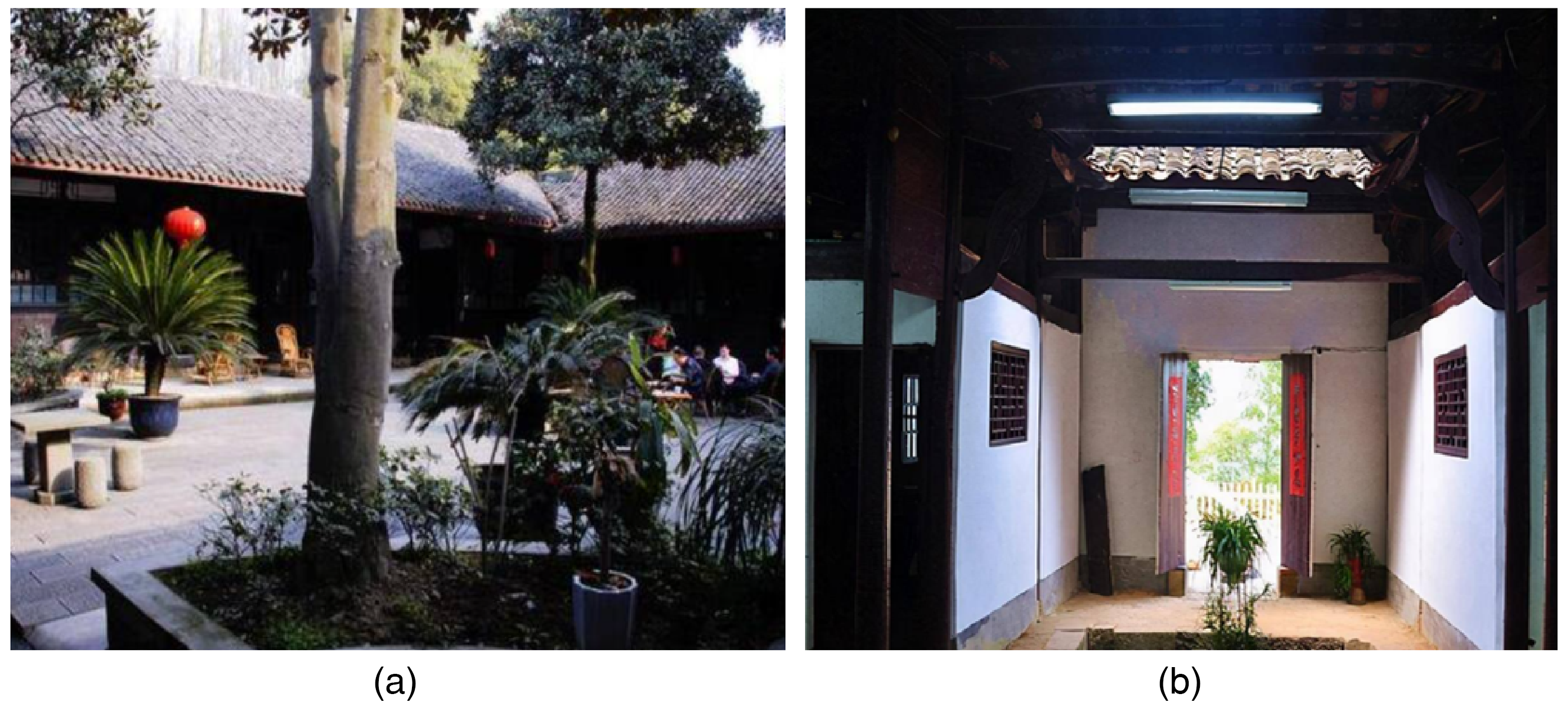
Hu family compound real picture 2: (a) Courtyard; (b) corridor.
There is currently a large imbalance in the building energy demand of the Hu compound, the heating demand of the building from November to March is much larger than the cooling demand of the building from April to October (Figure 5), the annual heating demand of the building is about 29,700 kWh, and the annual cooling demand of the building is about 6350 kWh, and the heating demand is almost 4.7 times as much as the cooling demand, which visually demonstrates the imbalance in the building's energy consumption demand. In the building is reflected in the impact of the building thermal environment and human thermal comfort, and heating demand for a large part of the time before and after the Spring Festival holiday, the number of local tourists will surge, the Hu family compound by the number of visits will also be increased, so to take the appropriate energy for heating is very necessary. It is particularly important to utilize solar energy to supplement the heating energy consumption of the building, to meet the requirements of tourists stopping to appreciate the building, and to bring good thermal comfort and experience to the visitors.
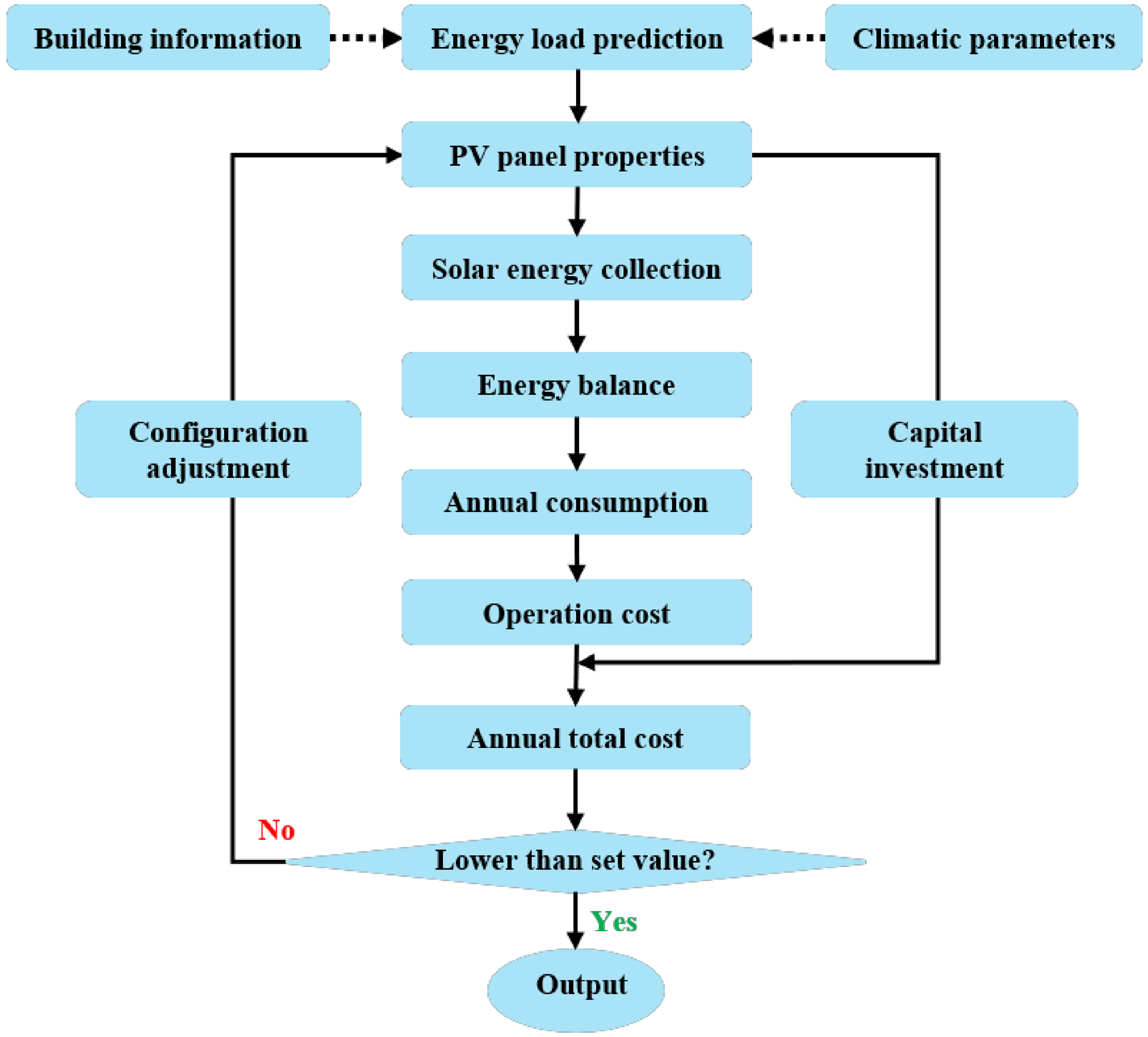
Calculation solution flow chart.
MATLAB is used to solve the equations by using the solution flow shown in Figure 5. A computational logic diagram can be divided into three modules: Initial input, optimization calculation, and results output. Hourly load data calculated by DesignBuilder software (Albatayneh, 2021), building meteorological parameters, equipment performance parameters and other data are input to the optimization calculation module, to calculate the hourly energy collection of the equipment.
Model building and result analysis
Building renovation
Due to the utilization of the local sunlight conditions within the Huili region, the Hu family compound benefits from a significant amount of sunshine, totaling 2421.5 h per year. This abundance of sunlight is advantageous for the compound, particularly in the two courtyards located within the premises. Furthermore, the surrounding buildings in the Kejia Lane are of the one-storey courtyard type, resulting in minimal shading from adjacent structures. And the personnel mainly move around the main house. Considering these circumstances, a small area for laying solar panels was planned on the roof of the main house of the Hu family compound, which is about 115 square meters (Figure 6). By optimizing the utilization of these limited spaces, it is possible to maintain a regular cycle of operation for the split solar water heating system. This system will be located outside the main house in the courtyard, with an air layer established above the ground to accommodate the placement of heat-conducting materials. The residual heat from the water in the solar panels will flow into the heat-conducting layer through gravity, thereby heating the indoor floor and enhancing indoor thermal comfort. The functioning of this system involves the receipt of solar radiation by the solar panels and the placement of temperature sensors on the solar collector panels to observe variations in solar thermal energy. The liquid contained within the reservoir undergoes heating, while the variations in temperature are continuously observed by temperature sensors that are positioned within the reservoir. To guarantee the efficient flow and preservation of heat within the system, a safety valve is incorporated into the connecting pipeline, and a pressure relief valve is located within the reservoir. The bottom of the building is constructed as a heat-conductive layer, along with a filler layer, insulation layer, expansion joints, fixed clips, steel wire mesh, and tie-downs. Additionally, a heating coil made of high-temperature-resistant polyethylene is selected for laying. An air layer is created between the ground and the floor, effectively preventing thermal loss and providing insulation for the building.
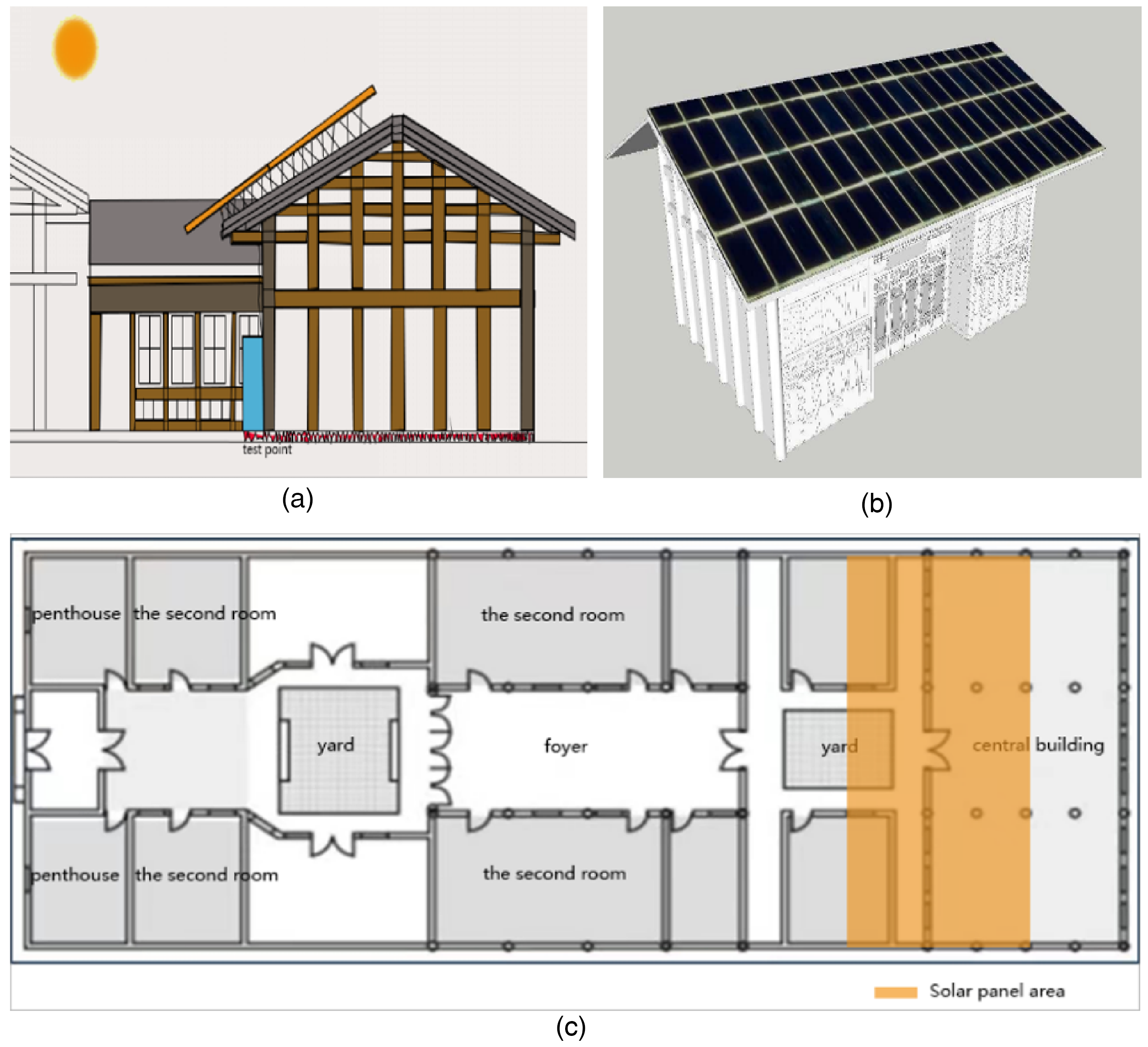
Schematic diagram of building retrofitting with integrated solar roof: (a) Profile view (b) model in sketchUp software (c) floor layout.
The design arranges a collector with efficiency of 0.436, heat loss coefficient of 0.02, length of 15 m width of 7.6 m on the roof of the main room of Hujia courtyard and an area of 115 m2. This ensures that the solar panel does not affect the overall lighting and ventilation of the building while still being able to absorb sufficient solar energy. Since the winter temperature in Huili area is above 0 °C and there is no risk of water freezing, two split solar hot water systems will be installed on the exterior wall without occupying indoor space. This will maintain a high level of light-to-heat conversion efficiency and provide additional energy for users in daily use. The simple installation of the solar panel support frame will be adopted. The double-sloped roof of the main building will have solar panels on the side near the inner courtyard. The presence of the solar panels will only be felt by the residents living in the courtyard, and it will not affect the traditional heritage protection building's architectural style when viewed from different directions. To maintain the architectural style, the solar panels can be easily removed for events like exhibitions or receptions to meet the requirements of visitor tours.
Solar energy utilization
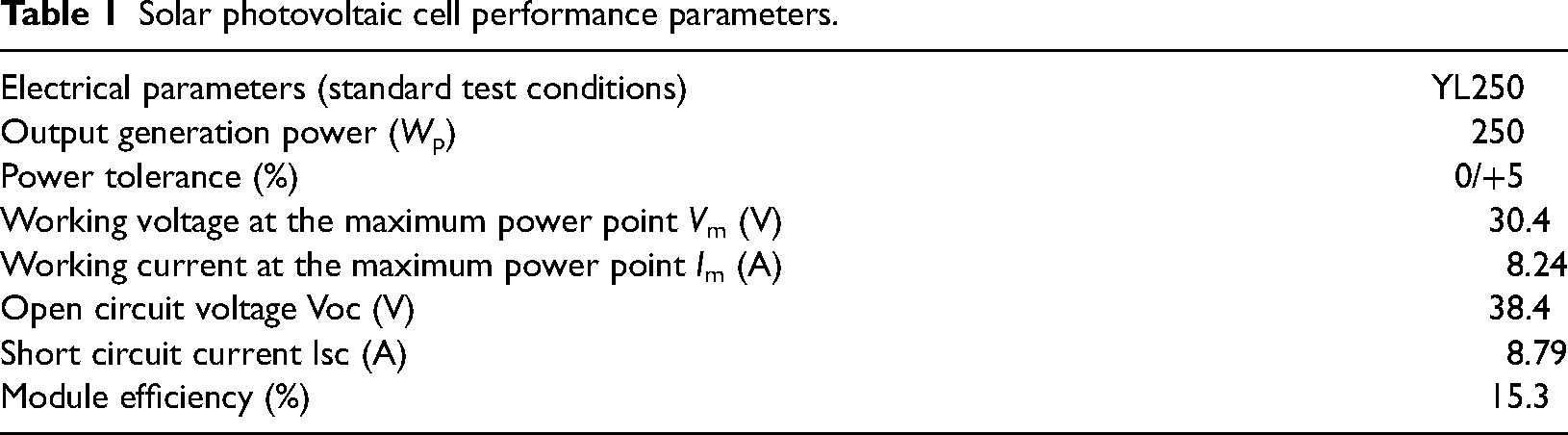
The prospects for the development of solar energy in the western region of Sichuan are very promising. The area has abundant solar resources, ample sunlight, and long average sunshine hours, making it suitable for the utilization of solar energy. Particularly in the western plateau region of Sichuan, due to the high altitude and thin atmosphere, the solar radiation intensity is higher, making it suitable for the construction and operation of PV power generation systems. With China's emphasis on renewable energy and policy support, the solar energy industry in the western region of Sichuan has rapidly developed. The government has increased support for solar energy, attracting substantial investment in funds, technology, and active participation from numerous enterprises. Additionally, the western region of Sichuan is remote and relatively lacking in traditional energy supply, making the development of solar energy essential for energy security. The development and utilization of solar energy can relieve the local energy demand and provide strong support for the sustainable development of the western region of Sichuan. Solar PV cells manufactured by YINGLI Solar Company were selected as the research object, and its performance parameters are shown in Table 1. The annual attenuation performance of photovoltaic systems can be basically divided into two stages, which is ≤10% in the first 0–10 years and ≤20% in the next 11–25 years, indicating that the module efficiency after 25 years is still 80% of the nominal power. The overall system efficiency of photovoltaic systems takes 75% in the present study.
Solar photovoltaic cell performance parameters.
Furthermore, the prospects for the development of solar energy also benefit from the architectural characteristics of the western region of Sichuan. Traditional homes in the area typically incorporate wooden structures and sloped roofs, providing favorable conditions for the installation of solar water heaters, PV panels, and similar equipment. Moreover, due to the significant temperature difference between day and night, solar water heaters can not only meet the household water needs but also utilize residual heat for heating, demonstrating excellent energy-saving and environmentally friendly effects. In recent years, global carbon dioxide emissions have continued to rise, causing serious pollution to the natural environment. The majority of these emissions come from the operation of buildings, indicating that the construction industry is a major contributor to the increase in global carbon dioxide emissions. In order to promote global sustainable development and reduce energy consumption, countries around the world are actively promoting and constructing nearly zero-energy buildings. Currently, software is used to analyze carbon dioxide emissions before and after the implementation of solar energy systems in buildings. By installing renewable energy systems in buildings and utilizing renewable energy sources, traditional buildings can reduce the combustion of fossil fuels and thereby reduce carbon dioxide emissions. This has proven to be an effective measure for the transformation of traditional buildings.
The current residence at Hu Family Courtyard houses five people, and the installation of the aforementioned split solar hot water system can effectively reduce the use of traditional energy and meet the requirements for the utilization of renewable energy. The solar system in Hu Family Courtyard operates from November to March the following year, spanning a total of 5 months, during which the building has a substantial heating demand and experiences high tourist traffic. The winter heating energy consumption of the Hu family compound from November to March of the following year is 29,700 kWh. According to Equation (1), the average monthly solar radiation 


Traditional solar panels have relatively low collection efficiency, with most ranging from 15% to 25%. In this case, if ordinary solar panels are used, the collection area must be expanded to meet the energy consumption requirements within a period of 5 months. Taking a collection efficiency of 25% as an example, calculations based on Equation (3) indicate that approximately 200 m2 of solar panels would be needed to meet the requirements. Considering that the Hu family compound is a heritage-protected building, efforts should be made to minimize external factors that could cause damage during operation. Therefore, this study considers the use of solar energy equipment with high collection efficiency and low heat loss efficiency. After research, it was found that using a new and efficient ceramic-aluminum composite solar panel system can effectively meet these two requirements. The collection efficiency of this ceramic-aluminum composite solar panel can reach 0.436, while the heat loss efficiency is only 0.02. Therefore, by installing a solar energy system with an area of 115 m2, operating for 150 days, a collection efficiency
Based on software simulation analysis, under the condition that the Hu family compound adopts a solar energy system with a collection area of 115 m2, a collection efficiency of 0.436, and a heat loss efficiency of 0.02, operating for 150 days per year, if the Hu family compound continues to operate under these conditions for 100 years, it will generate an annual CO2 emission of 65.651 (tCO2/a). This results in a total CO2 emission of 6565.101 (tCO2/a) over the entire lifespan. In comparison, if a solar energy system is not used, the annual CO2 emissions over the entire lifespan would be 77.773 (tCO2/a), with a total CO2 emission of 7777.353 (tCO2/a). From Figure 7, it can be seen that installing a solar energy system can reduce CO2 emissions by 15.6% annually, effectively enhancing the sustainability of the building.
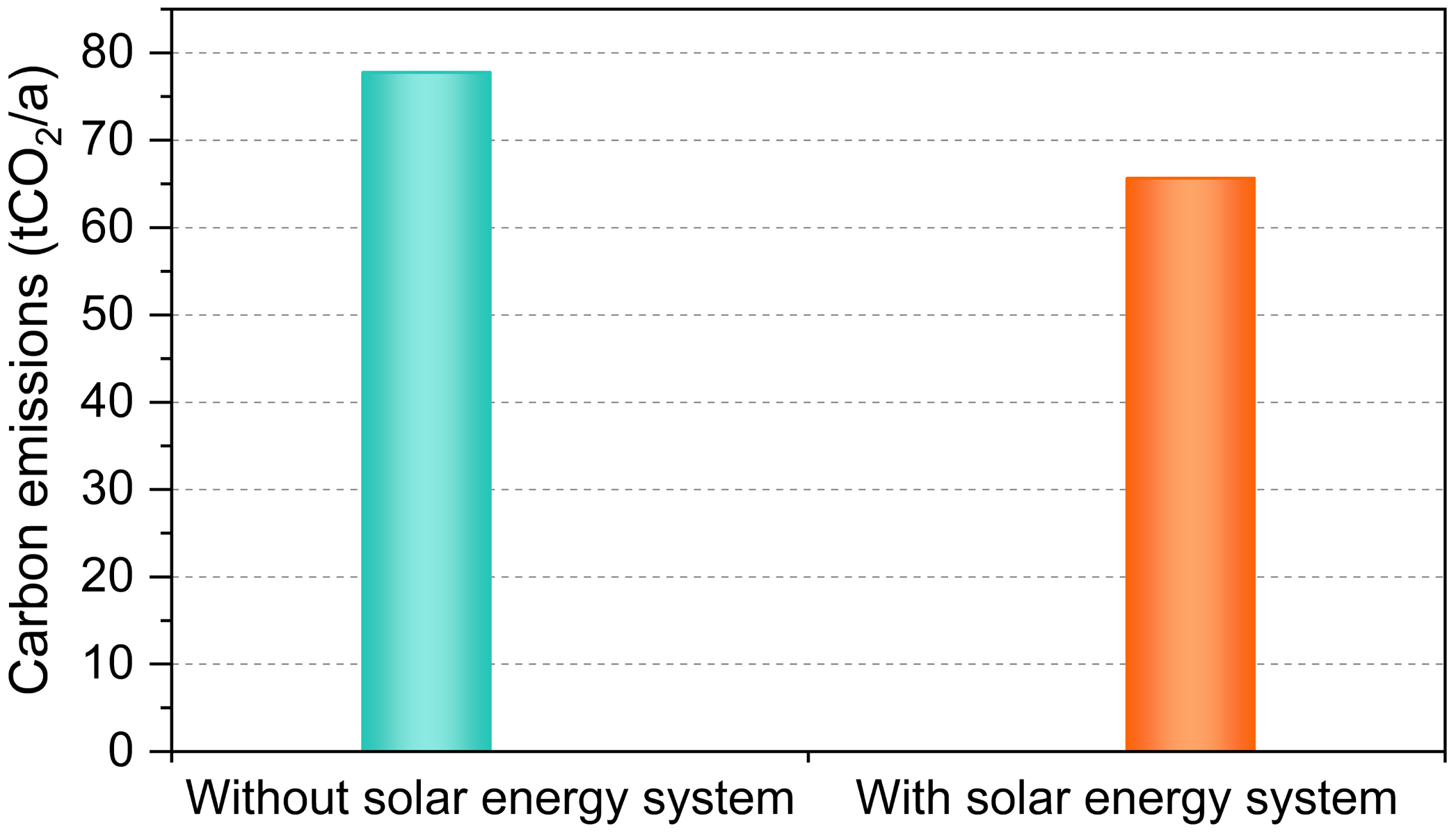
Annual carbon emissions of buildings.
Economic feasibility analysis
Currently, the average market price for ceramic-aluminum composite solar panels is 1500 yuan per square meter, and their lifespan is greater than 10 years. With relatively low costs, it has been calculated that the purchase of equipment for the Hu family compound will cost approximately 175,000 yuan. To fully provide the heating energy consumption, the solar energy system needs to provide approximately 5940 kWh of energy per month. Taking into account the differences in electricity prices during the dry season, rainy season, peak hours, and non-peak hours, sensitivity analysis is conducted to ensure the universality of the conclusions. Due to its natural conditions, hydropower has become the main source of electricity in Sichuan Province. The region experiences distinct wet and dry seasons, forming a seasonal hydropower generation pattern. The summer has abundant water resources, while water scarcity is a prominent feature during the winter. The peak hours are from 7 am to 11 pm, while non-peak hours are from 11 pm to the following morning at 7 am. Based on the above conditions, during the flat and dry seasons from November to March of the following year, if it is assumed that the electricity consumption remains in the peak hours, the local electricity price can be determined. According to Equation (5) and the monthly electricity consumption (W) calculation, renewable energy can save an average of approximately 4811.06 yuan per month. If it is assumed that the electricity consumption remains in the non-peak hours, the savings from renewable energy can be estimated at around 3213.79 yuan per month, using the local electricity price. Assuming a monthly savings of 4811.06 yuan, the payback period can be calculated using the formula for payback period Equation (4). The calculation shows that the cost can be recovered after the equipment has been operating for 37 months. If the monthly savings are 3213.79 yuan, it would take approximately 55 months of equipment operation to recoup the cost.

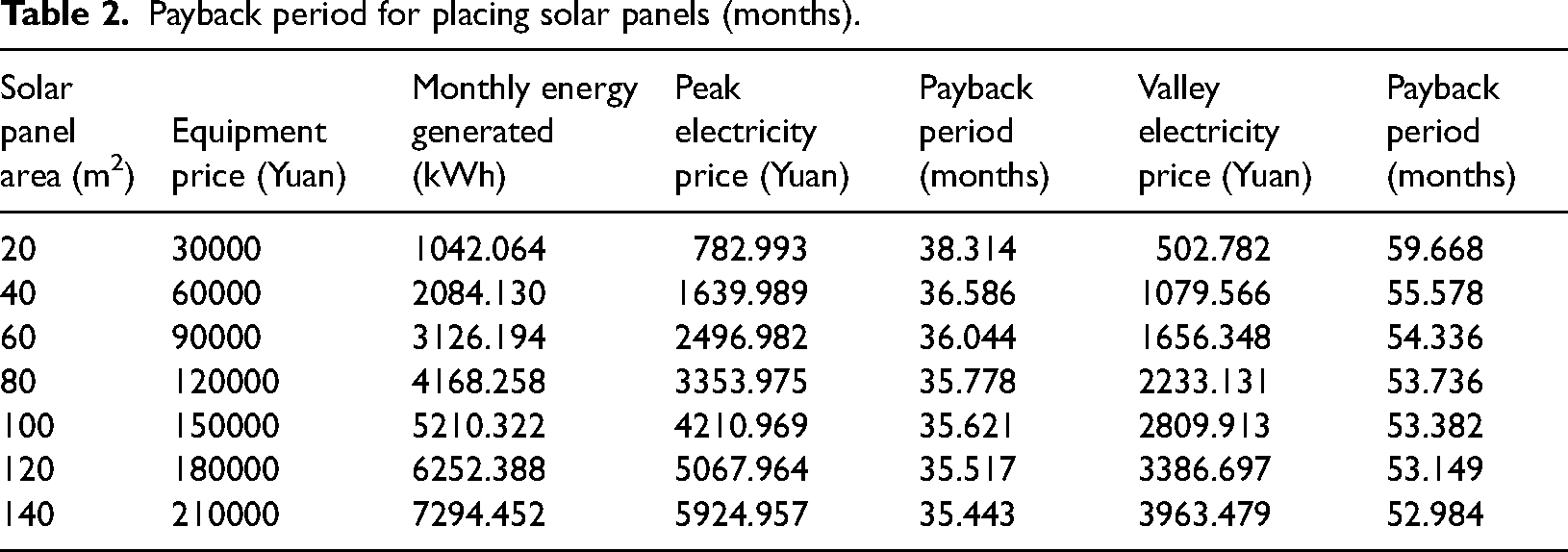
In order to better illustrate the impact of the area of solar panel installation on the investment payback period, this study set a range of solar panel areas from 20 to 140 m2 while keeping other conditions unchanged. The investment payback period was calculated for each area, and the results are shown in Table 2. From Table 2 and Figure 8, it can be observed that as the area of solar panel installation increases, regardless of whether it is during peak or off-peak electricity consumption periods, the investment payback period shows a convergence phenomenon. This means that with increasing investment, the decrease in the investment payback period becomes slower. Therefore, in the case of Hu's courtyard, where the solar panels should meet the heating energy consumption demand, the appropriate area is determined to be 115 m2. At this point, there is no need to further increase the area of the solar panels, as it would result in relatively lower economic benefits.
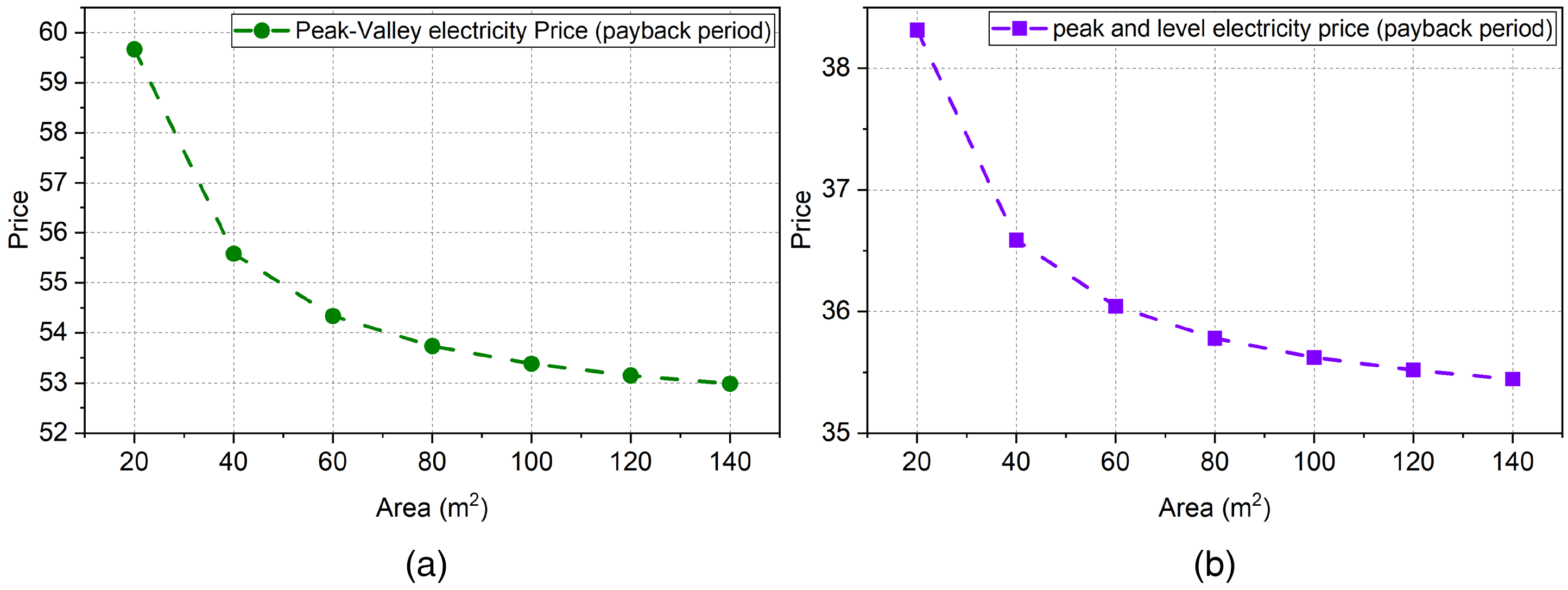
Relationship between payback period and area of solar panel placement: (a) Peak-Vally electricity price; (b) Peak-Level electricity price.
Payback period for placing solar panels (months).
The mathematical analysis above indicates that the use of solar energy in heritage conservation buildings has a relatively short investment payback period. However, it is important to conduct a specific analysis based on the unique characteristics of different cities and buildings. It cannot be simply concluded that installing solar energy systems in cities with high solar radiation will always result in higher renewable energy generation. This study, using the Hu Family Courtyard as an example, investigates the economic feasibility of renewable energy in the context of sustainable development and renovation of heritage conservation buildings. It provides valuable insights for such projects.
Discussion
Considering the alteration in the demand for building energy resulting from the impact of contemporary lifestyles, in conjunction with the sustainable development of rural tourism instigated by the rural revitalization strategy, the integration of renewable energy into buildings has emerged as an efficacious modality for transformation. Due to the immutable nature of the internal space of conventional heritage-protected structures, the passive renovation approach cannot be implemented, thereby necessitating the prioritization of the utilization of active equipment to renovate traditional buildings while adequately addressing local economic factors. The focal point of the transformation resides in determining the appropriate equipment and regulating its usage duration, thereby ensuring substantial benefits and aligning with the economic capability of rural residents. Consequently, the renovation of buildings assumes significant import. Firstly, the selection of suitable renewable energy equipment warrants consideration, with pertinent factors encompassing the building's floor area, equipment conversion efficiency, and aesthetic requisites. In conjunction with the case analysis of the Hu family compound, the primary dwelling characterized by heightened human activity assumes prominence in the layout of renewable energy equipment, with the designated area representing the critical zone where the equipment can fulfill the energy demand. Thus, while maximizing energy enhancements and mitigating economic predicaments, the equipment's appearance and style are preserved. Hence, this study elucidates the circumstances underpinning the renovation of traditional heritage-protected residential houses with renewable energy, thereby engendering the subsequent proposed initiatives.
The restoration of traditional heritage structures necessitates an initial assurance of their preservation, followed by an evaluation as to whether these buildings are still in regular use. Subsequently, regulations mandating the augmented adoption of renewable energy within heritage buildings should be established. Given the relatively limited area occupied by traditional buildings, the mere installment of solar panels may inadequately suffice in fulfilling the requisite energy consumption. Consequently, the juxtaposition of analogous buildings enables the elevation of energy efficiency. The augmentation of renewable energy efficacy within traditional protected buildings serves to curtail the expenditure associated with renewable energy equipment, thereby fostering a virtuous cycle wherein the continuous promotion of policies facilitates the proliferation of renewable energy, subsequently propelling sustainable development.
Conclusions
Traditional heritage conservation architecture is currently facing a contradiction between heritage protection and meeting the demands of modern life. How to use renewable energy to reduce the consumption of traditional energy, reduce carbon dioxide emissions, and design buildings rationally under the premise of protecting heritage buildings, while also meeting economic conditions, has become an effective way for the sustainable development of architectural heritage conservation. This article takes a typical courtyard-style traditional residential building in Southwest China as an example and combines economic analysis to propose a method for the use of renewable energy in traditional heritage conservation architecture. Without damaging the structure of traditional heritage buildings and preserving the colors and materials of traditional architecture, solar energy is used to supplement the energy consumption of the buildings, ultimately achieving the goal of having the entire or partial energy consumption of the buildings provided by solar energy, making the buildings approach zero-energy consumption and minimizing carbon dioxide emissions. This approach promotes sustainable development.
This study only presents a typical case to demonstrate the design methods and application strategies of renewable energy in traditional heritage conservation architecture. The specific design details proposed may not be applicable to other situations because the performance and energy-saving potential of solar energy systems largely depend on the actual engineering conditions, including the building location, size, energy usage demands, economic conditions, and local climate conditions, among others. Further research in the future is also necessitated by these limitations. However, the solar energy system design method used in this article focuses on traditional courtyard-style residential buildings, and variations may occur in different regions due to differences in solar radiation and economic analysis. Nevertheless, in similar situations, this research can be applied and adapted to regional conditions. This study provides a typical design reference for the sustainable renovation of traditional heritage conservation architecture.
Data availability statement
Footnotes
Acknowledgements
Data will be available on request.
Declaration of conflicting interests
The authors declared no potential conflicts of interest with respect to the research, authorship, and/or publication of this article.
Ethical approval
This study does not contain any studies with human or animal subjects performed by any of the authors.
Funding
The authors disclosed receipt of the following financial support for the research, authorship, and/or publication of this article: This work was supported by the National Social Science Fund of China and Natural Science Foundation of Sichuan Province (grant numbers 23BGL283, 24NSFSC4695).
