




Abstract
The development of small-scale solar thermal technologies is useful to address specific energy needs; however, there is a gap between the technology that is developed and the one that is accepted and achieves its use in a sustained long-term manner. In this sense, the development of a double-inclination solar dryer for the dehydration of medicinal plants used in traditional P'urhépecha medicine is presented. From a participatory and consensual perspective of technological co-creation with the user that allows promoting its long-term use, the solar dryer was generated from the Design Thinking methodology and the conventional technological development process. The stages of the proposed process considered the identification of the energy need, the design, sizing and simulation, the prototyping, and the characterization and implementation of the technology in a group of traditional doctors for the drying of local medicinal plants. The result is a solar dryer with thermal efficiency of 23% and exergy efficiency of 3%, which achieves the dehydration of medicinal plants in 1 day with 4.7 kWh of average solar irradiance, and removes more than 80% of the humidity from a maximum load of 5 kilograms. The temperature of the drying chamber exceeds 50°C, and the energy distribution is homogeneous, being a natural convection device, easy to build and with affordable materials. This technology has been implemented in the home of a traditional doctor and it is expected that it can be replicated to satisfy the demand for drying products in indigenous community families in Mexico.
Introduction
In Mexico, the solar energy potential is useful for dehydration processes of products such as: fruits, vegetables, seeds, meat, wood, herbs, and medicinal plants (Valdes-Barrón et al., 2014). In the case of solar drying technologies, some used open systems exposed to direct radiation (UNESCO-UN-Celestina Pérez de Almada Foundation, 2016), an inefficient method, since the food is exposed and interacts with animals and insects, contaminating and reducing its feasibility of use, especially deteriorating the vitamins and more volatile elements of the products that are dehydrated (Ding et al., 2012). There are now indirect drying systems using hybrid forced convection processes, and some that use phase change materials and thermochemical processes (Kabeel et al., 2017; Khallaf and El-Sebaii, 2022; Ramezanizadeh et al., 2018), which is equipment that is expensive and requires considerable amounts of supplemental fuel, or electricity to operate (Sharma et al., 2009).
Currently, solar drying systems have greater efficiency and energy quality, as well as lower operating costs than mechanized dehydrators (Gilago and Chandramohan, 2022; Mugi and Chandramohan, 2021). Solar dehydrators are a viable and economical option that contributes to the reduction of harmful emissions to the environment (Sharma et al., 2009), which also as eco-technologies represent a technological milestone for the satisfaction of needs and are possible to adapt to the user requirements in a multi-scalar way (Ortíz-Moreno et al., 2014). It is also highlighted that solar drying technologies can in some cases be adaptive, participatory, and respond to sustainability criteria, as has been demonstrated in previous research for the drying of various products in an optimized way (López-Sosa et al., 2019). However, despite various efforts, some designs of solar dehydrators have been proposed and discussed in the literature, but users often do not adapt to them, and the technology stops being used because it is not developed together with the user to meet the particular needs. It is also important that they have local materials for their maintenance and that they are possible to replicate, which is why there are areas of opportunity in the co-development of these technologies (EL-Mesery et al., 2022; Kumar Jangde et al., 2022).
On the other hand, in the specific case of drying medicinal plants, these have been discovered and used in traditional medicine practice since prehistoric times. Medicinal plants should be dried as soon as possible after harvesting. Its humidity at harvest time is around 70–80%. Furthermore, the chemical components of medicinal plants are not affected by different drying methods (Khallaf and El-Sebaii, 2022), so it is a technique for preserving these natural resources by preserving their functional properties (El-Sebaii and Shalaby, 2012; Sharma et al., 2009). However, researchers on traditional medicine have privileged a wide variety of social approaches to determine the relationships that traditional doctors have with their health practice, in addition to their multiple and varied implications on the problems of somatization of the diseases.
Traditional medicine for its daily practice refers to and requires the extraction of plants, minerals, and materials that the nature of its own space provides; otherwise, it would lose the definition of being traditional due to the imposed use of modern medicine. Apparently, it is itself the bearer of the sustainability of its own conceptualization and the architect of preservation for all time. From an endless number of plants that in each region and in various parts of the world contain characteristic elements known and used for health/disease in the cases of treatment by traditional doctors. Therefore, it is necessary to address issues related to traditional medicine as a sustainability issue for indigenous communities (León, Olivé; Lazos, 2014), where the use of herbalism becomes daily as part of the task that must safeguard its uses and customs for the preservation of health. Within the multidisciplinarity in which research and systematization of knowledge can be poured, as well as the dialogue of knowledge (Bermúdez et al., 2005), is subject to the privilege of still having the presence of traditional doctors with knowledge of the use of plants and that this can be shared with new generations as a sustainable foundation of the relationships between the survival customs of individuals. Therefore, in this safeguarding approach, the contemporary articulation between traditional knowledge and technological co-development can coexist, to generate improvements in medicinal plant processing practice through efficient and sustainable drying mechanisms, with community available materials, and responding from ecotechniques that satisfy needs and adapt to local ways of life, as has happened with some experiences reported in the literature (L.B. López-Sosa, A. Ortíz-Carrión, D. Espinoza-Gómez, J. Zárate-Medina, 2021; López-Sosa et al., 2019, 2022; Morales-Máximo et al., 2022; Morales et al., 2020; Sosa et al., 2014).
Therefore, this research incorporates the Design Thinking (DT) methodology (Brown, 2009; Jeanne Liedtka, 2011), to propose a multicompound solar drying system that satisfies the dehydration needs of medicinal plants used in indigenous P'úrhépecha medicine by traditional doctors, incorporating sustainability indicators in the development of this technology, combining a co-creation process focused on the needs of the target population, which takes into account a technical analysis, the functionality of the device, the materials, the dimensions and efficiency appropriate to the case study, showing an experience of eco-technological generation from a participatory, inclusive and knowledge systematization perspective, which is articulated with the dialogue of knowledge, the result of which is a device that responds to specific needs, prioritizing that the technology adapts to the user and not vice versa.
Materials and methods
Context of the case study
The present proposal is developed territorially as a case study on the P'urhépecha plateau and the shores of Pátzcuaro lake, in the state of Michoacán, west of central Mexico, focusing mainly on 11 indigenous traditional doctors (Gabriela Orozco-Gutiérrez, Hipólito Jesús Muñoz Flores, Ignacio Vidales Fernández, 2014; Medina Huerta, 2021). These doctors include 10 women and one man, who live in five municipalities of Michoacán: Pátzcuaro, Uruapan, Tzintzuntzan, Tingambato and Cherán (Figure 1). Whose traditional community medicine practice focus, among many other activities, on the treatment and prevention of diseases, midwifery and community rituals that are part of the P'urhépecha worldview and their daily way of life. Traditional doctors represent the first service to address health problems in the populations where they live, using local medicinal plants and community resources, which due to the characteristics of their practice, are services with natural and low-cost products, which represents the more affordable medical care for the indigenous population of these regions.
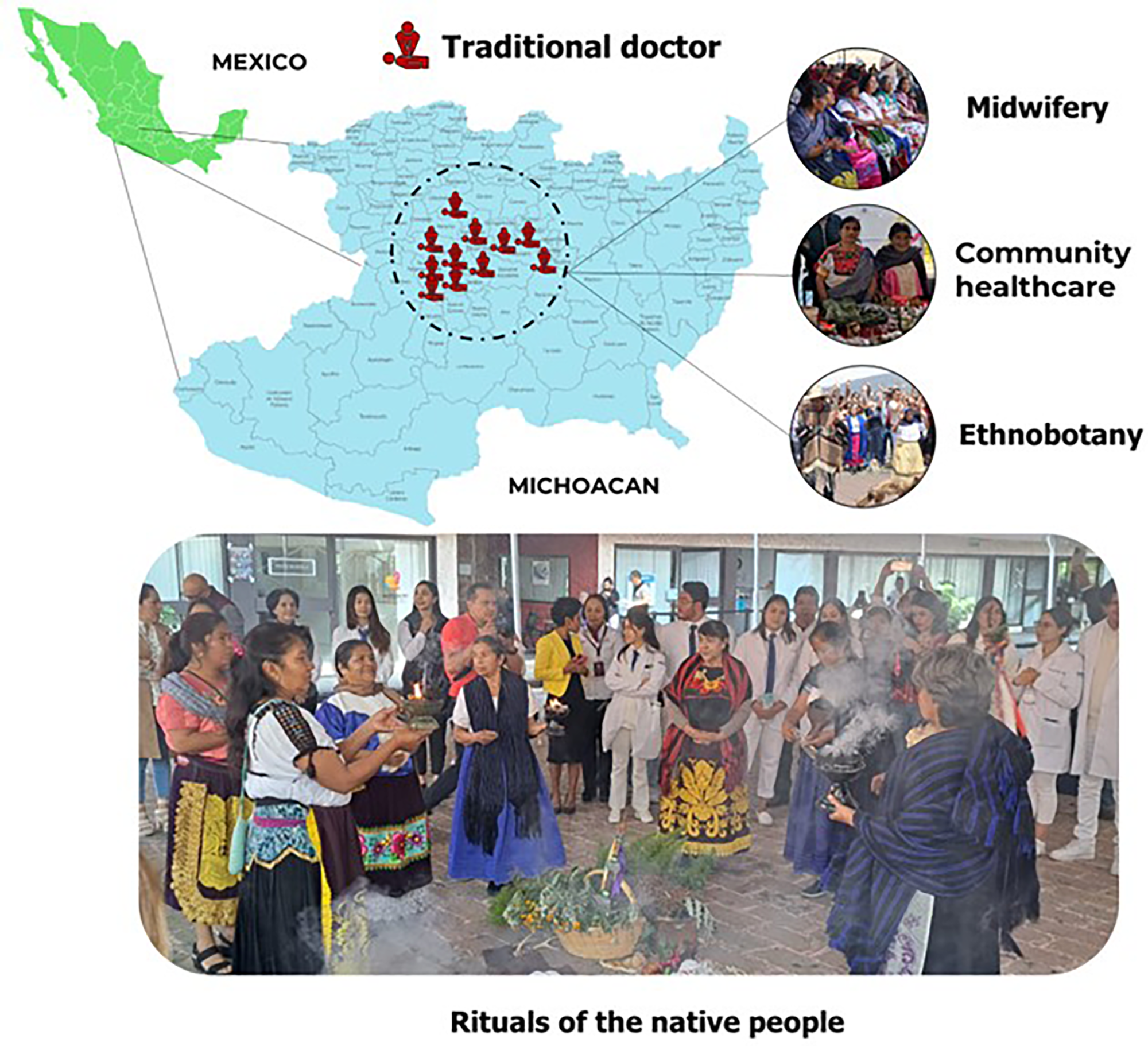
Spatial location and general description of the case study.
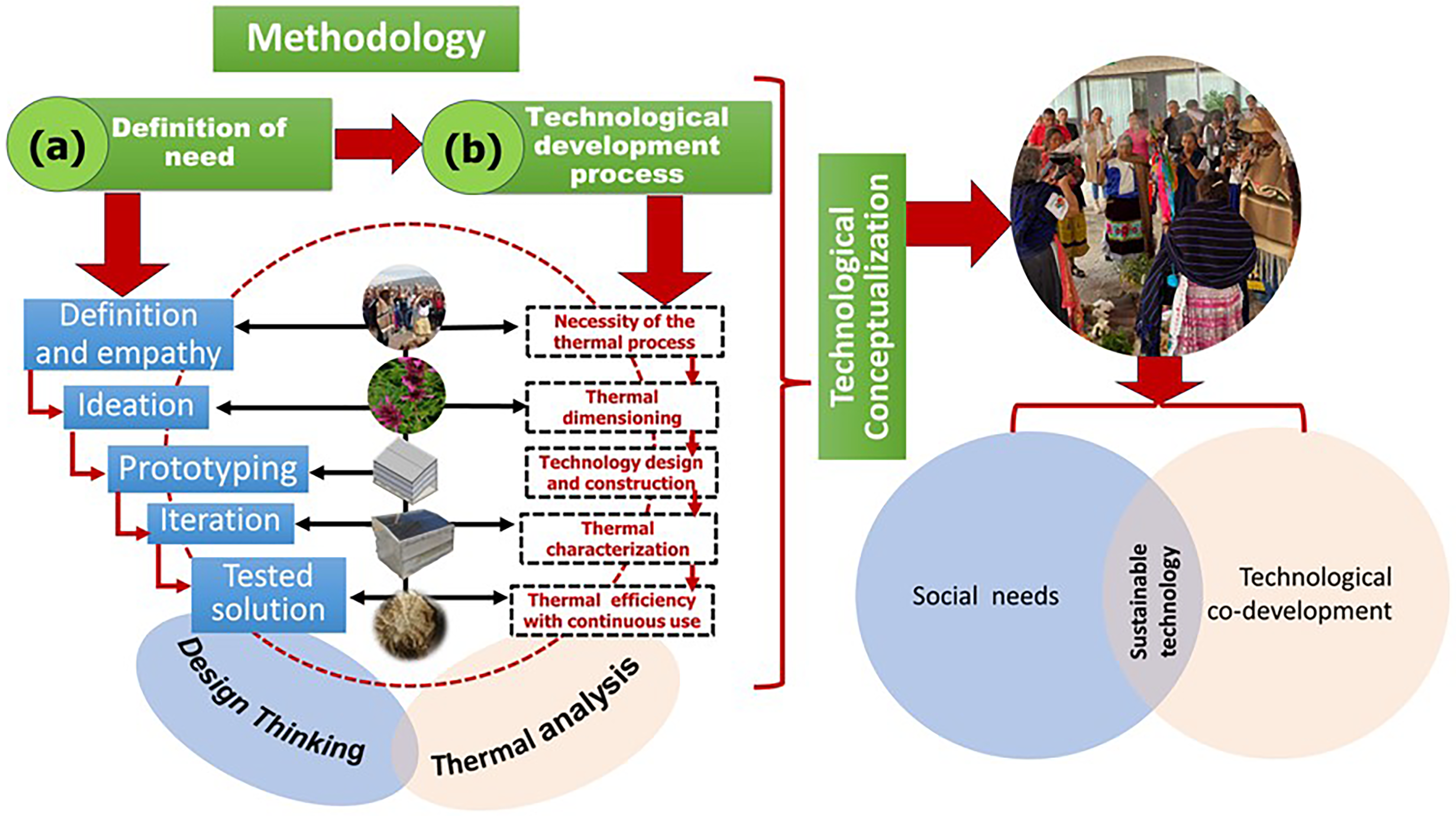
Integration of design thinking methodology with thermal functionality of the solar dryer.
The methodology focuses on two main aspects:
The identification from DT of the needs of the target population. That is, the drying requirements of the medicinal plants with the greatest use and need for preservation. Traditional doctors grow and harvest medicinal plants, dry them outdoors, and then store and/or process them for use in their medical practice. However, the scarcity of some plants and climatic variability have required that the drying processes be different. Needing to preserve medicinal plants for a longer time and to optimize the extraction of these natural resources. An exploratory diagnosis was carried out on their medical practice, the use of medicinal plants, their extraction, processing, and daily use. The technological development process, which, together, aims to establish an alternative for the drying of medicinal plants. Due to the above, new technologies are necessary that adhere to their needs and practices, so the development of new technologies is necessary but in a participatory manner as established in the DT methodology (Brown, 2009; Jeanne Liedtka, 2011), which is designed for the user, and incorporates various stages that include its definition, the ideation of possible solutions, its prototypes and iteration cycles: Empathy, Definition, Ideation, Prototyping and Testing (Figure 2). This is the motivation of the present study.
Following the DT methodology, the “Person” tool was used to establish empathy, using an archetype of a fictitious but realistic person (Bosque et al., 2021), whose analysis focused on “Tata,” a generic name to refer to a single person of the 11 doctors analyzed, but in addition, the results compile the collective interest of the 11 mentioned doctors, with whom dialogic workshops and participatory interviews were held to learn their way of life, their traditional medicine practice, and the use and processing of medicinal plants. To understand their thoughts and beliefs, an empathy map and the Journey Map tool were used (Bosque et al., 2021), with which the needs were identified in a consensual, participatory and inclusive manner, which also defines the need and the conception of a technology proposal for this need. Furthermore, considering the scenario of drying needs from its perception, a cause-effect map was built, through the Ishikawa diagram, where the characteristics required in the dehydration processes are observed, which together allowed us to articulate the methodology of DT with the technological development process and technology validation.
Technical-energy analysis
After considering the theoretical-conceptual tools of the DT, the technological development process together with the user, took up an initial version of a solar dryer that was manufactured from the appropriate technology approach (Hernán Thomas & Guillermo Santos, 2016), and which was implemented in the community of Pichátaro (Michoacán), for the drying of wood used in the manufacture of handmade furniture (López-Sosa et al., 2019). The design and simulation of the device for drying medicinal plants was carried out using the SolidWorks® design program (Bucio-Sistos et al., 2022). The simulation considered solar radiation of 1000 W/m2, with an ambient temperature of 25°C; the interior convection temperature was also estimated considering the increase in temperature in a closed system. The device conforms to locally available materials incorporating polycarbonate or rubber for the walls and metal roof with glass cover, aluminum frame, and plastic mesh drying trays. The characterization was carried out by estimating the thermal drying efficiency (Chavan, BR; Yakupitiyage, A.; Kumar, 2011):




A comprehensive analysis was carried out from the DT methodology starting with the results of the “Person” tool (Figure 3). Identifying some of the motivations that are based on a P'urhépecha value called “Maroani,” the vocation to serve their community and the use of natural resources as a practice of contact with nature that allows, on the one hand, to serve their community with the resources that nature provides them and, on the other hand, to be a sustainable practice with low environmental impact, low cost, and functional use for their medical practice.
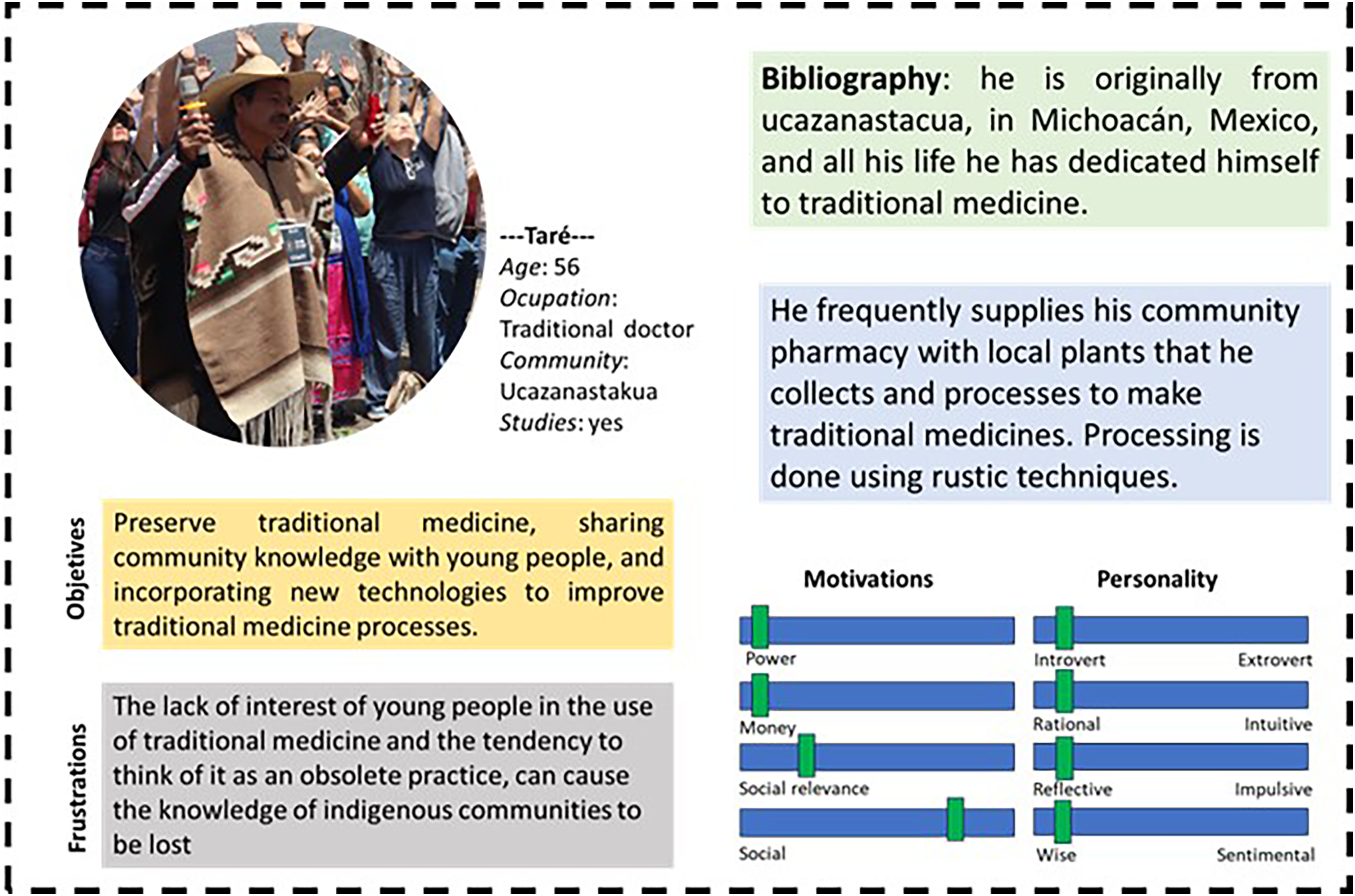
Results of the “person” tool.
The empathy map showed the different actions and procedures that are related to his/her daily practice in traditional medicine (Figure 4). What he/she does, what he/she thinks and how he/she lives. Demonstrating his/her concern to improve his/her traditional medicine practice, transmit them to subsequent generations and ensure that traditional medicine is valued by present and future members of their community. The importance of the use of medicinal plants as one of the most important elements in their medical practice, and the need to optimize their use, was also highlighted.
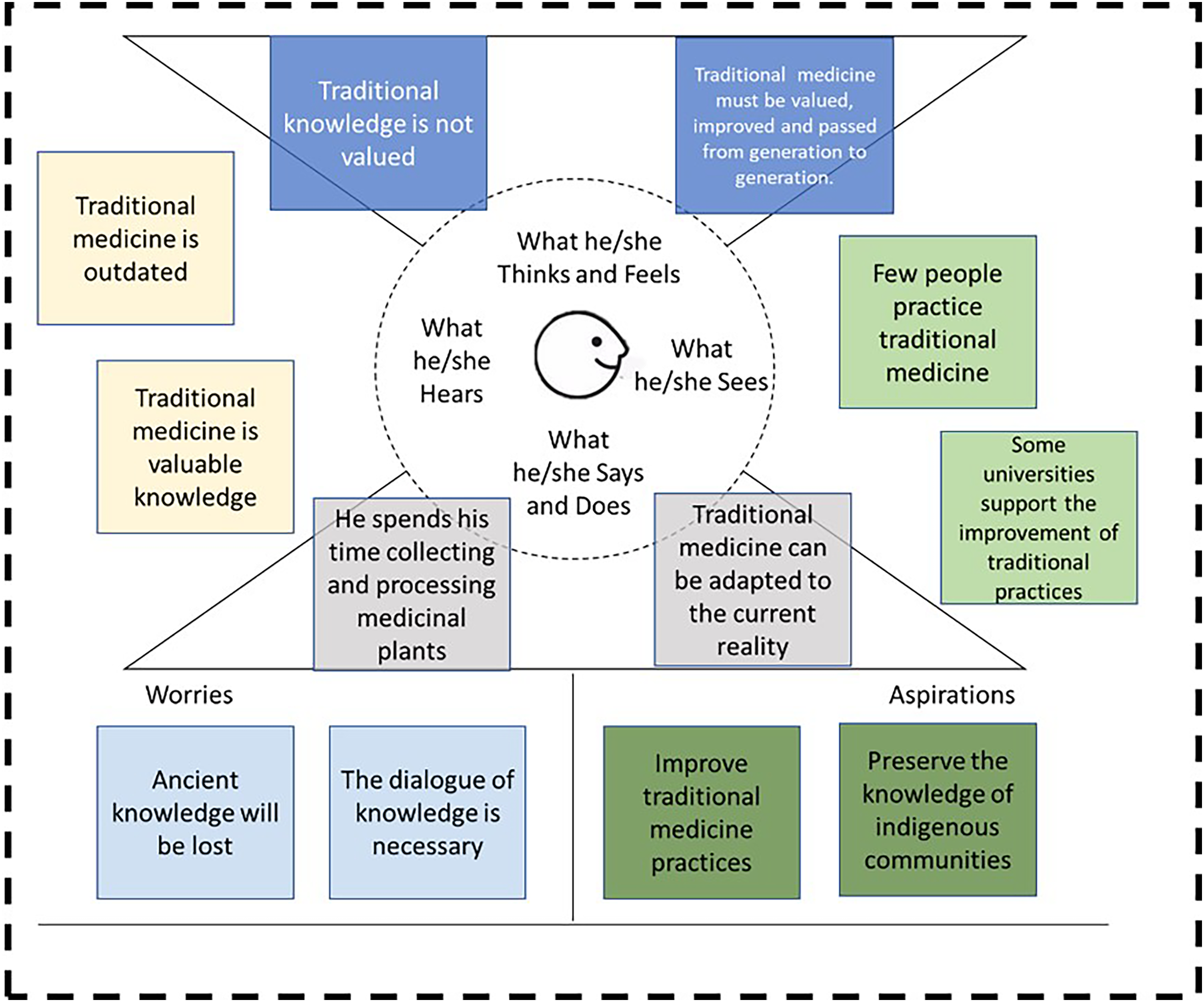
Empathy map results.
On the other hand, in a complementary way, the key parameters in the processing process of medicinal plants were defined using the Journey Map (Figure 5(a)), and the benefits in general terms that could be obtained with a technology for drying medicinal plants. The diagnostic experience of traditional doctors showed that there have been attempts to use technologies for drying, using metal plates, transparent rubber and even metal meshes to dry medicinal plants, but until the moment of writing this article, the development and implementation of technologies that satisfy their drying needs have not been achieved. Regarding the workshop on the co-design of drying technologies, the Ishikawa diagram allowed us to know four important aspects that the drying technology that adapts to its needs for medicinal plants must consider (Figure 5(b)): manufacturing, design, characteristics of the materials and aspects that technology transfer and appropriation must consider.
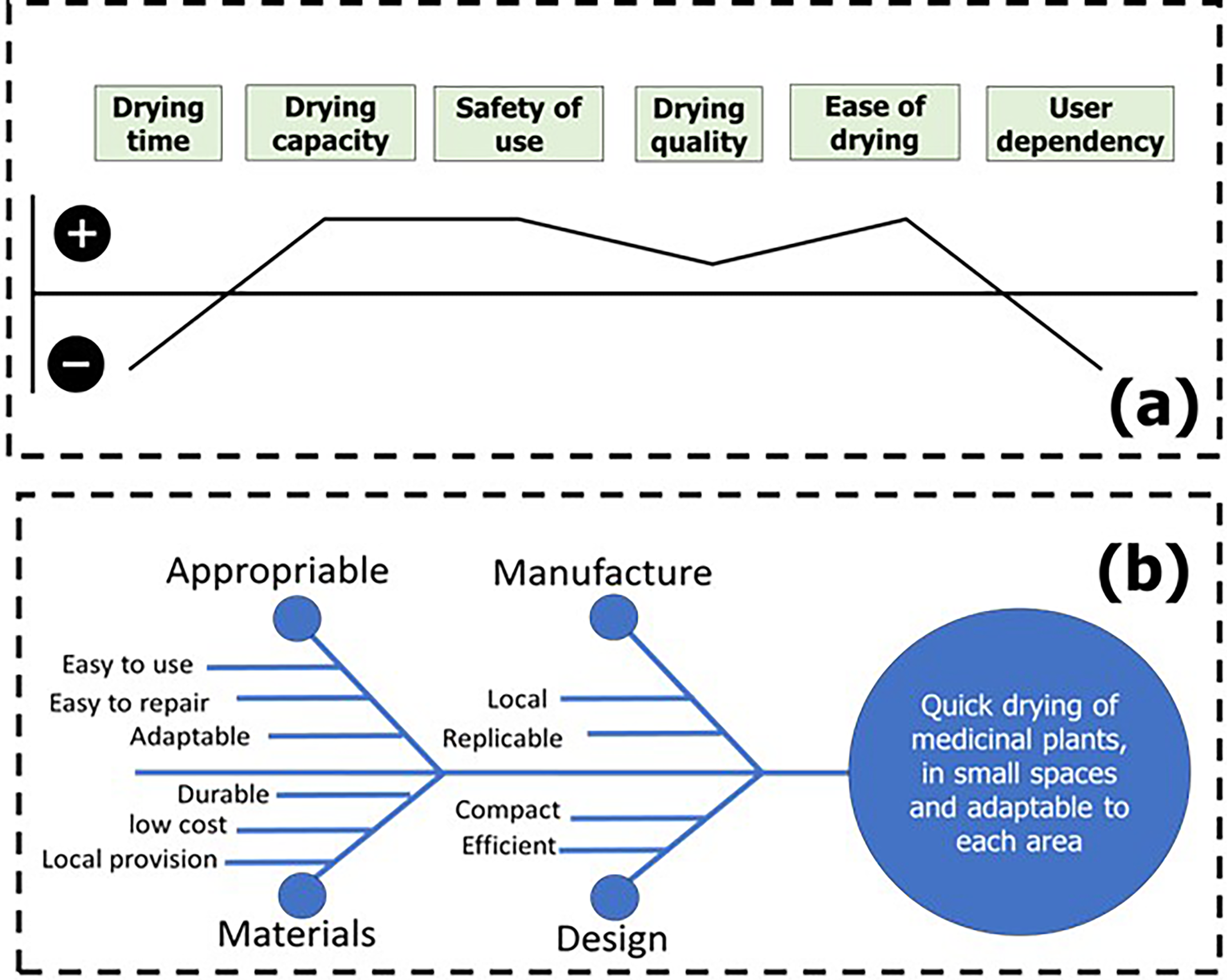
Results: (a) Journey map and (b) Ishikawa diagram.
In short, the DT tools allowed us to know the ways of thinking, being and carrying out their medical practice of traditional doctors, their needs in this area linked to the use of natural resources, and the characteristics that a technology for drying their medicinal plants should contain that allow them to be used in ointments, infusions, and lotions. These results simultaneously allowed progress in each of the stages of the technological development process: sizing, design, simulation, construction, validation of functionality, and implementation.
The sizing estimated a design of 1 to 5 kilograms of load capacity, derived from the results of the drying processes of the 11 doctors analyzed, and from the exploratory diagnoses in each of them on their medical practice with medicinal plants. With the sizing, a design was obtained with a 0.3 m2 collector that operates with natural convection, which represents an easy-to-use technology for traditional doctors (Figure 6(a)–(f)). A design of three input trays was included, to store up to 5 kg of organic matter. The plants with the greatest demand for drying are valerian leaves (Valeriana spp.), lemon balm root (Agastache mexicana) and cactus leaves (Opuntia spp.). The double-inclination design for drying systems was reported by the team of this work in past research, where the appropriate combination used in this design showed better hot air flow distribution conditions to achieve homogeneous drying (López-Sosa et al., 2019); the dual-tilt composite geometry has been shown in past research to be functional for drying processes because it provides better flow recirculation throughout the cavity (López-Sosa et al., 2019). After the design, a simulation was carried out to determine the thermal behavior of the drying chamber (Figure 6(g)).
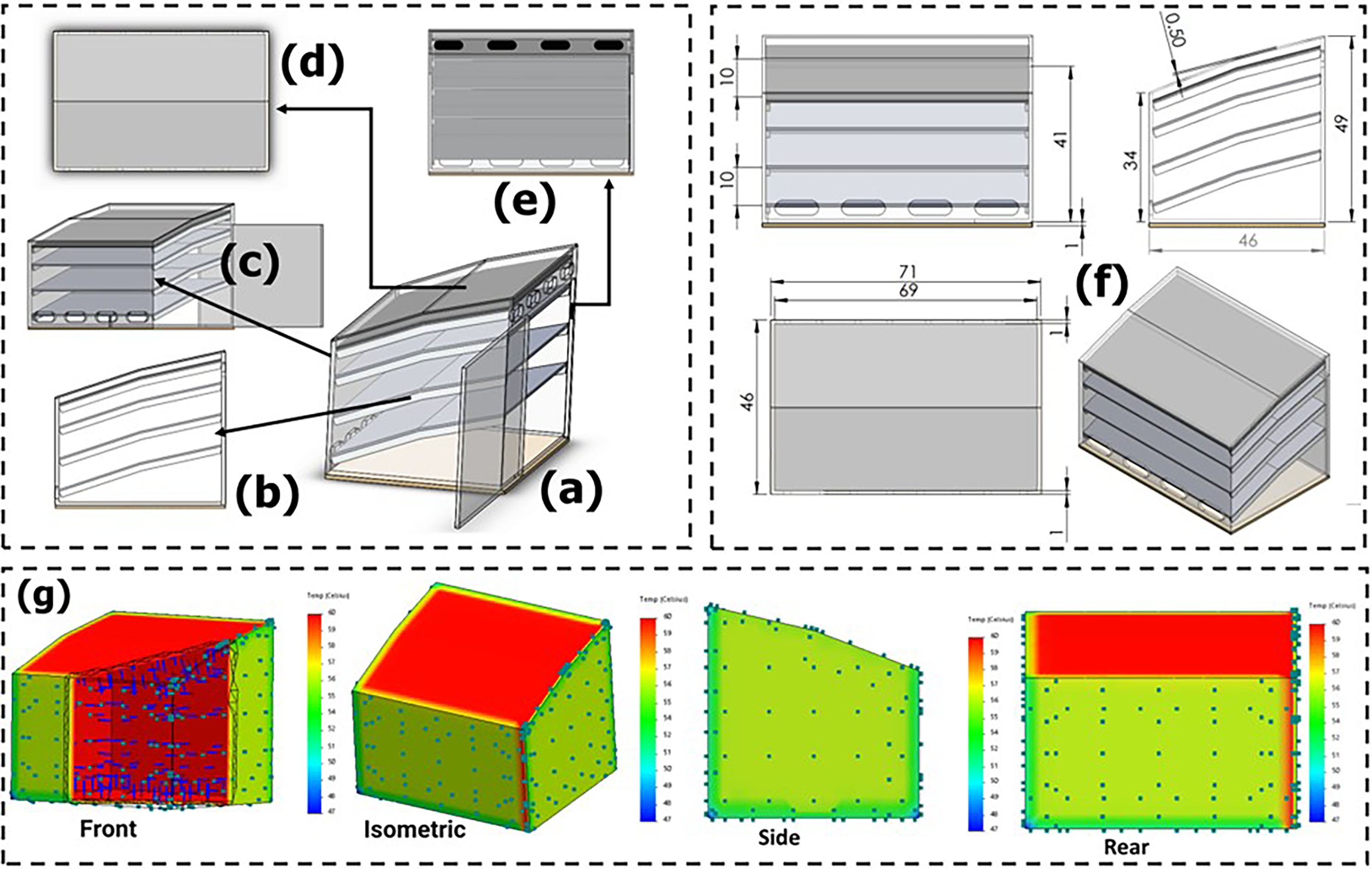
Design of the drying system: (a) isometric projection, (b) side view, (c) front view, (d) top view, (e) rear view, (f) dimensions, (cm) and (g) simulation of the interior of the dryer.
The design and simulation validate acceptable operation for the drying process. The construction incorporated locally available materials, which make it possible for the repair of this technology to be achieved without difficulties (Figure 7). It has an aluminum structure, polycarbonate walls with a UV protection cover, the surface solar collector is a glass cover on a metal sheet plate with a low environmental impact absorbent film made with materials derived from combustion (López-Sosa et al., 2020, 2022), and the drying trays are made of food grade aluminum and mesh (Figure 7(a)–(d)). The device works indirectly the sun's rays reach a solar absorbing cover made of black galvanized sheet, which transfers the heat to the drying chamber where the trays containing medicinal plants are located. In the thermographic analysis, it can be noted that the thermal accumulation is adequate in the drying chamber and the temperature gradient distribution descends from the cover (Figure 7(e) and (f)). The developed system is passive, so it does not require orientation to the sun.
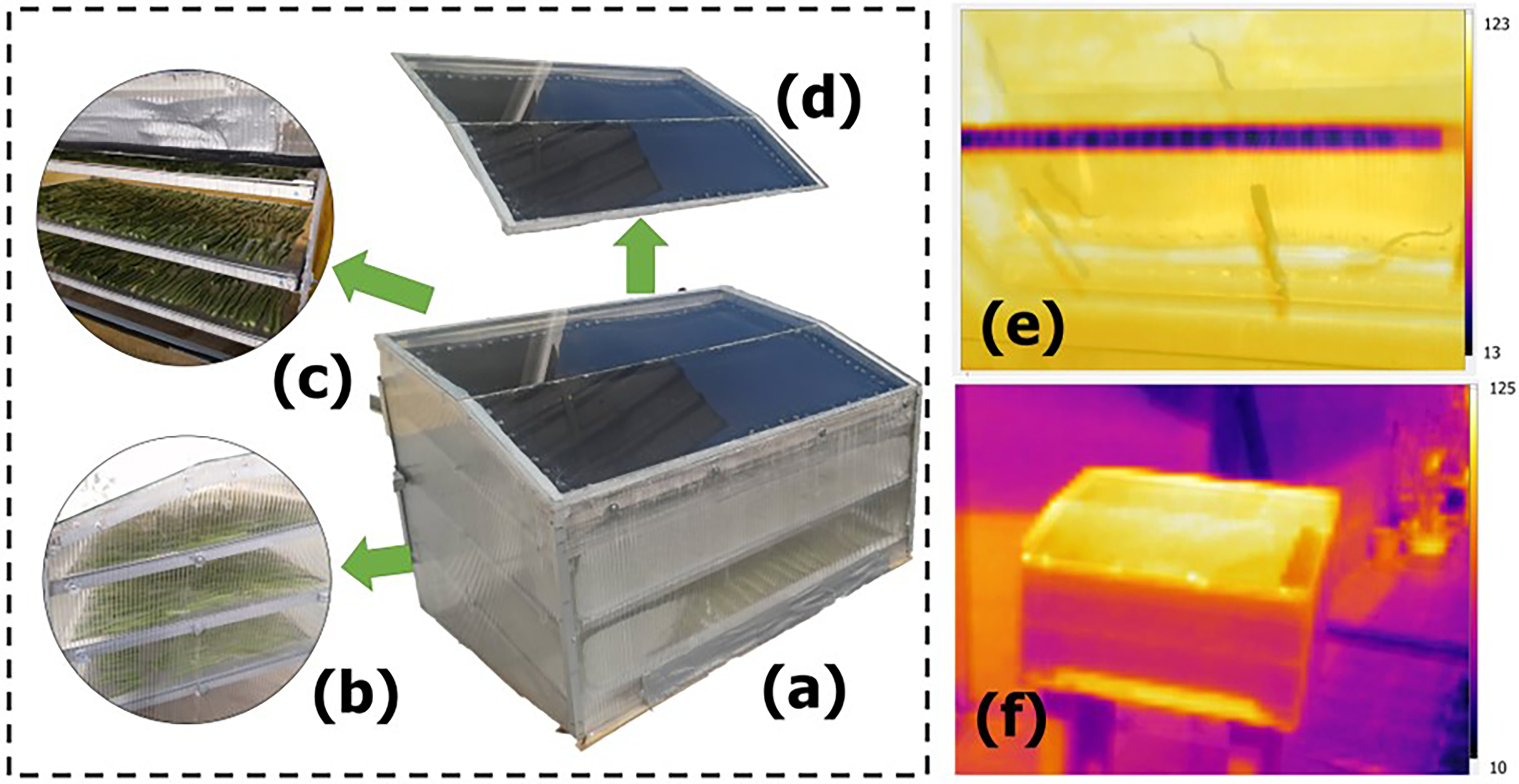
(a) Proposed dryer, (b) trays, (c) drying chamber, and (d) solar collector. Thermographic analysis: (e) drying chamber and (f) isometric view.
The thermal efficiency of the device was 23.8%, with a standard deviation of ±5%, considering the tests and different plants introduced, as well as 3% ± 0.7% for the exergy efficiency. This behavior achieved a homogeneous drying process. During the test days from September to December 2022 carried out in communities on the P'urhépecha plateau (Michoacán), the drying process removed more than 80% of the humidity of the introduced plants (Figure 8(a)–(c)). T1 and T2 represent the temperature in the solar collector of the dryer that reaches values close to 100 °C, T3 and T4 are the temperatures in the drying chamber with values greater than 50 °C, and TE is the ambient temperature outside the dryer (Figure 8(d)–(f)). The simulation results are consistent with the field tests of the dryer. With full load capacity, drying was homogeneous, and the resulting product met the requirements necessary by traditional doctors (Figure 5(g)), textures and humidity like those achieved with the sun during several days of exposure. The drying time was approximately 5 h with normal irradiance, drying which was achieved in 1 day by average irradiance of 5 kWh/m2. This technology is at the Intercultural Indigenous University of Michoacán, in the indigenous community of San Francisco Pichátaro, in the Municipality of Tingambato, Michoacán, where the 11 traditional doctors provide their services and have access to this technology. The manufacturing cost of the device is 40 dollars, and its materials can be variable substituted by those that are within the user's reach. It is a technology that is easy to manipulate and weighs less than 10 kilograms of mass and is easy to replicate.
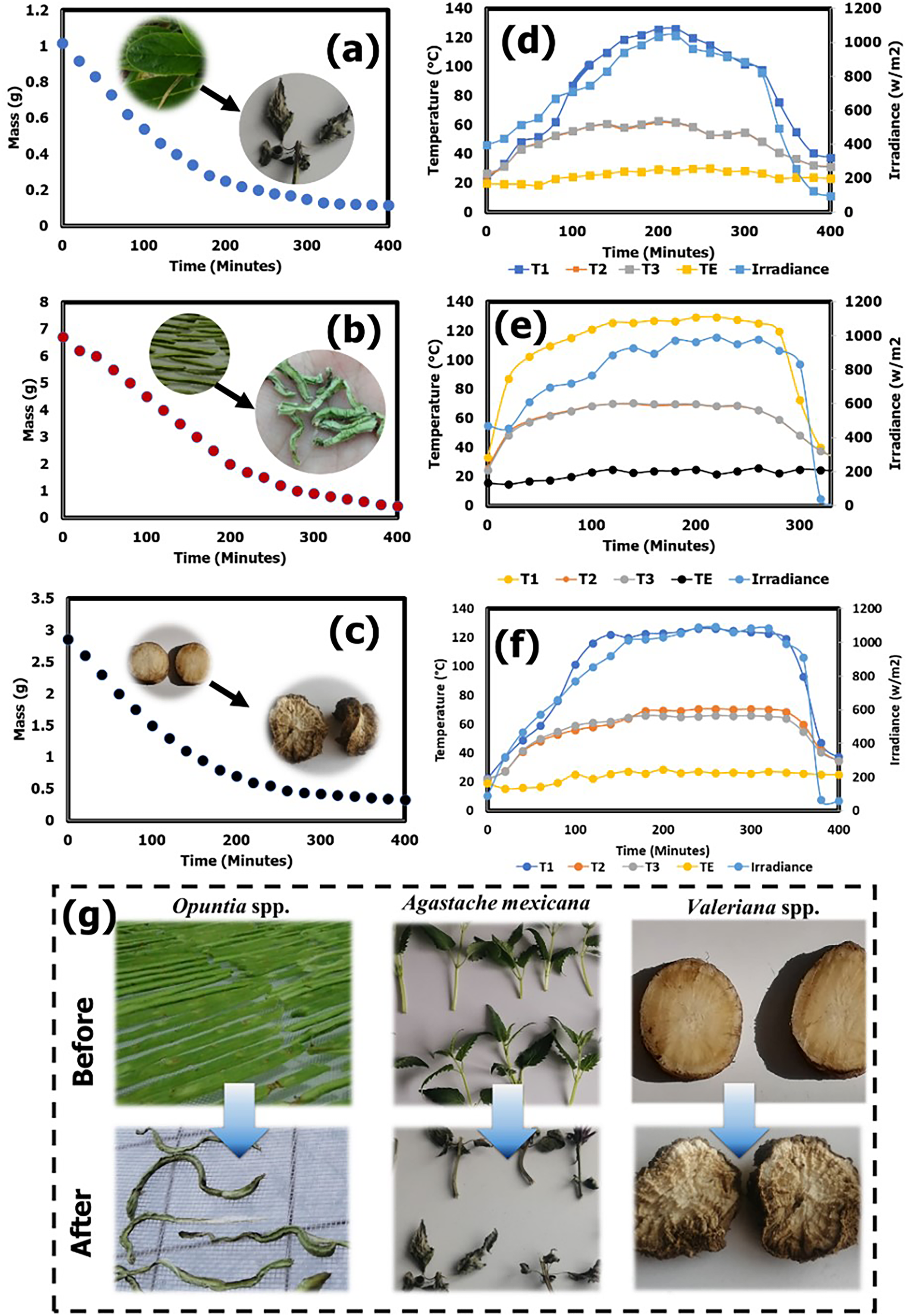
Thermal analysis in the dryer: (a) lemon balm, (b) cactus, and (c) valerian. Drying curves: (d) lemon balm, (e) cactus, (f) valerian, and (g) result of the drying process.
The resistance to the change from traditional medicine to modern health thinking does not omit the design of instruments and tools that allow the potential of the use of medicinal plants to be generated. That is why the creation of a solar dryer allows not only to continue the dehydration used by traditional doctors who cultivate, extract, prune, and process medicinal plants to address local health problems, from their perspective and community medical practice and cosmoperceptive. It also represents a dialogic proposal to address a need jointly, community-academia, which does not imply a change in the cognitive system of traditional medicine but on the contrary, being a dryer made with materials of daily use, allows to ingrain a sustainable perspective on the knowledge of the disease/plant drying/health process as an improvement scheme in traditional medicine; as has been shown with the use of technological co-creation assisted by the DT methodology to collaboratively give rise to an immediate attention technology from the user's perspective. The creation of this device allows for efficiency in drying time, enabling the assurance and continuity of traditional medicine that favors the sustainability of ancestral knowledge and the preservation of natural resources from effective and harmonized management from a community vision (Pardo de Santayana and Gómez Pellón, 2003).
Unlike the different linear innovation approaches to understand and solve a problem in a given context, the use of the DT methodology is an important factor to analyze the understanding and interaction with users when proposing the co-development of technological innovation based on the resolution of problems focused on a need (Andalusia and Bermejo-mart, 2020). It is considered a process that requires time and patience to generate greater efficiency. Once this methodology phase is completed, the design of the indirect solar dryer passively provides a link with the user to generate an appropriate feasibility framework, based on knowledge and observations of real-life situations. There are other works that promote DT as a tool to obtain an interactive and user-centered approach to problem solving (Buhl et al., 2019), which from an eco-technological perspective can be defined in five key factors: problem formulation, user approach, visualization, experimentation, and interaction with the final product.
Currently, the DT methodology has aroused greater interest in work that focuses on multidisciplinary teams that adopt an activity oriented to the needs of users in order to build viable solutions to the different problems they face (Jeanne Liedtka, 2011). In this way, the DT approach becomes a useful tool for formulating problems related to the real needs that users have.
The implementation of a passively indirect solar dryer for the dehydration of medicinal plants in the Púrhérepecha Plateau and the lake area of Pátzcuaro is an alternative technology that allows us to change the traditional conservation techniques of medicinal plants that cause their deterioration or scarcity in a way greatly accelerated by changes in climatological variability. This type of dryer, unlike others, is simple to manufacture and has low costs in local materials compared to active solar dryers (Bhanudas et al., 2020). The thermal and exergetic efficiency, as well as the temperature of the solar collector and the drying chamber that the solar dryer managed to have, is viable and efficient to achieve the dehydration of the plants most used in traditional P'urhépecha medicine, by removing more than 80% humidity. For example, Seretse et al., 2019 built a passive solar dryer with temperatures in the drying chamber between 43.6°C and 79.2°C with 4 h of continuous solar radiation at a maximum ambient temperature of 27.5°C. The drying efficiency was 18 to 30% and the exergetic efficiency was 4.5%. Besides, Hatami et al., (2019) designed an indirect solar dryer by performing a thermal and exergetic analysis, as well as of the air velocity, the thickness of the glass cover and the length of the collector.
Therefore, the implementation of the passive indirect solar dryer is a viable alternative for drying medicinal plants, however, as commented by Matavel et al., 2021, the physical and thermal properties must be evaluated, as well as the use of an appropriate methodology to obtain results with greater certainty about the potential benefits of this type of alternative technologies so as not to generate economic losses and disuse due to technological innovation, which in the particular case, this proposal aims to complement traditional technological development schemes and promote eco-technological processes from a participatory approach.
Conclusions
This research showed the development of a solar drying system with composite geometry, based on the DT methodology, which was articulated with a technological co-development process, concluding from this methodological interaction the following:
The components of the methodologies were grouped as follows: (a) the definition of empathy made it possible to identify the need for drying medicinal plants and a thermal process required for their attention, (b) the ideation allowed the sizing of the task of drying, (c) the prototyping considered the design, simulation and construction of the equipment with affordable materials for users, (d) the iteration process was carried out through minimal adaptations and the thermal characterization of the solar dryer, and (e) finally the testing of the technology is carried out with continuous use to meet the identified need, therefore, traditional doctors now have access to the dryer for dehydrating medicinal plants. The proposal generated a device that operates with a renewable energy source, to meet a local energy need, and from the methodologies used (DT and Technological Development) considered a consensual and participatory perspective, as well as a sustainability approach in the use of materials and the functionality of the technology. Thus, this proposal showed an alternative way of generating technologies designed from and with the user, without neglecting functionality and efficiency. The developed device was characterized through an analysis of the efficiency of the first and second law of thermodynamics, and has a thermal efficiency of 28% and 3% exergetic efficiency, reaching temperatures in the drying chamber of more than 50°C and achieving the removal of more than 80% of moisture from organic matter during 1 day of operation at maximum capacity, in the main medicinal plants used by the target population (traditional doctors), Valeriana spp, Agastache mexicana and Opuntia spp., in compliance with the required needs. The device is a passive system susceptible to improvements in the solar energy monitoring and storage process, easy to use and with highly durable materials, with a cost of 40USD, whose materials can be adaptable and is a technology that is easy to replicate, which it is currently in use by 11 traditional doctors.
As future work, it is expected to estimate the cost-benefit relationship of the technology, explore the characterization of the functional substances of medicinal plants dried with the developed device, and evaluate the monitoring of its use by traditional doctors in the region. Finally, it is highlighted that the dryer maintains a co-creation scheme, and it is expected that it can be used by various traditional doctors to optimize the processing practice of other medicinal plants, whose dehydration will be explored in future works.
Footnotes
Acknowledgments
The authors thank the traditional doctors of the Universidad Intercultural Indígena de Michoacán for their support in carrying out this research. We also thank PRODEP 2023, to the CONAHCYT Project 319333, the Intercultural Universidad Intercultural Indígena de Michoacán and the Escuela Nacional de Estudios Superiores Unidad Morelia for the technical support for this research.
Author contributions
Natalia Núñez-Montiel: conceptualization, experimental design, experimentation, and writing of results. Jorge Cira-Ramos: conceptualization, experimental design and experimentation. Juan Carlos Corral-Huacuz: analysis of the state of the art of the subject and writing of results. Mario Morales-Máximo: technical design and simulation. Luis Bernardo López Sosa: conceptualization, research methodology, experimental design, writing of results, and writing of the manuscript. Carlos A. García: supervision and writing of the manuscript. Arturo Aguilera-Mandujano: calibration of the experimental equipment and writing of the manuscript. Cesar Ricardo Arias Navarrete: data processing, experimentation and writing of results. María del Carmen Rodríguez-Magallón: analysis of the state of the art of the subject and writing of results. All authors reviewed the manuscript.
Declaration of conflicting interests
The author(s) declared no potential conflicts of interest with respect to the research, authorship, and/or publication of this article.
Funding
The author(s) received no financial support for the research, authorship, and/or publication of this article.
