




Abstract
The efficient extraction of gas from low-permeability coal seams is an urgent problem in coal mine safety production. The traditional gas extraction technology generally suffers from problems that limited penetration enhancement or extraction effect, low construction efficiency, large workload, etc. Thus, it is especially urgent and important to explore the new technology applicable to efficient underground gas extraction. In this paper, based on the principle of hydraulic fracturing to increase permeability, we innovatively propose a technique to enhance the effect of hydraulic fracturing to increase permeability and further improve the efficiency of gas extraction using the gas desorption activity of native microorganisms in coal seams. Herein, the composition of the primary microbial community of a coal seam in Xinji No.2 mine was analyzed by bacterial and archaeal 16SrDNA amplicon sequencing, the community structure of the main functional microorganisms was clarified, the optimal combination of functional microorganisms for organic matter degradation in coal seam under anaerobic culture conditions was obtained. Besides the Biolog microplate technology was used to screen the nutrients of the excitation carbon source to stimulate the rapid decomposition of coal organic matter by microorganisms and to define the optimal ratio of the excitation carbon source to microorganisms. Finally, the effect of this technology on the application of coal seam fracturing and gas extraction was tested through field industrial tests, revealing that the extraction effect of this technology was more significant than that of the common coal seam perforation extraction technology. The results of this paper provide a new technical idea for gas extraction from low permeability coal seams, which is an important reference value for subsequent similar studies.
Introduction
Currently, fossil energy still accounts for the major part of the world's energy supply, with coal accounting for about 26% of global primary energy (BP, 2021) and up to 56.8% of energy consumption in China (NBSPRC, 2021). Coal produces associated gases such as gas during its long geological evolution (Cao et al., 2003; Flores, 1998), which posed to gas protrusion accidents under the influence of mining, threatening seriously the safety of coal production activities.
Coal seam gas extraction technology is the most direct and effective method to prevent and control coal seam gas protrusion accidents (Slastunov et al., 2022), that is, coal seam gas is extracted in advance by drilling down-seam or through-seam holes in the coal seam at the working face. However, due to the generally low permeability of coal seams in China, the effective range of coal seam borehole extraction is small, the extraction attainment time is long, the required borehole density is high, and the efficiency of gas extraction is low (Yuan, 2008). To improve the efficiency of coal seam gas extraction in mines, how to increase the coal seam permeability coefficient is one of the key issues.
For the increased permeability technology of low permeability coal seams, scholars have conducted a lot of basic research. For gas-rich coal seams with protective seams, the mining of protective seams can greatly increase the permeability of the protected coal seams (Yuan et al., 2019), which has been widely recognized and applied. For low permeability coal seams without protective seam mining conditions, technologies such as intensive drilling to increase permeability, high-pressure hydraulic permeability, and deep hole blasting to increase permeability provide effective solutions. Chen et al. (2020) built a multi-physical coupling model to study the failure range and permeability evolution after hydraulic flushing. The technical contents, Shi et al. (2011), introduced the features and application of the directional drilling technology and types of equipment and present future work and trends. Liu and Cheng (2014) measured the pressure drops in 54 drainage boreholes of the coal seam and concluded that pressure drop does affect the coal seam gas extraction, the pressure around the borehole increases with increasing borehole depth, and the increment of the pressure becomes larger with enhancing the borehole's drainage effect. High-pressure hydraulic penetration enhancement techniques mainly include hydraulic cutting (Yang et al., 2012), hydraulic fracturing (Cosgrove, 2001), and hydraulic perforation (Lei et al., 2015). Zhang et al. (2022) established a model for coordinated slag disposal during hydraulic cutting and determined the selection interval of reasonable pressure for coordinated slag disposal during hydraulic cutting. Liu et al. (2022) investigated the role of natural fractures in tight reservoirs on the effect of hydraulic fracturing and found that hydraulic fracturing can easily pass through preexisting fractures with high dip angles and be blocked by preexisting fractures with small dip angles and pointed out that the effective stress is the main factor affecting the propagation of hydraulic fractures. Liu et al. (2020) obtained the mechanism of directional perforation hydraulic fracture initiation and expansion by conducting a directional perforation hydraulic fracture test study on unconfined pressure rock samples. It was found that the crack generation and expansion were mainly driven by tensile stress, and the crack generation pressure increased with the increase in perforation azimuth and confining pressure ratio coefficient. Zhang et al. (2022) found that with the improvement of hole sealing quality, the coal rock permeability gradually decreased, the amount of gas leakage from the borehole was significantly reduced, and the gas extraction concentration was significantly increased. Numerous researches on coal seam augmentation and extraction of gas have provided effective technical ideas for the difficult problem of efficient and safe extraction of gas from mines and laid the foundation for the research in this paper.
Although the traditional seam augmentation technology provides an effective technical way to extract gas from low-permeability coal seams without a protective layer, there are still problems such as limited augmentation effect, low construction efficiency, and large workload. In order to achieve safe and efficient mine recovery, it is especially urgent and important to explore new technologies for efficient underground gas extraction. Faison (2004) discovered through experimental research that microorganisms can convert coal into methane. Chen et al. (2017) used the exogenous methanogenic bacteria obtained by the gradual domestication of biogas slurry as the source of bacteria to conduct simulation experiments on methane production by coal bio gasification of different coal ranks. The results show that there are gas production cycles in coal bio gasification with different coal samples, and there are obvious differences in gasification stages among different coal species. Wang et al. (2015) found through the gas production test of coal with different particle sizes that when the particle size of coal decreased to a certain extent, the gas production of coal no longer increased, and continued to reduce the particle size of coal, resulting in a decrease in gas production.
Based on the microbial gas drive and hydraulic fracturing permeability enhancement technology, this paper proposes an innovative microbial method to enhance hydraulic fracturing coal seam increased-permeability technology, which uses native microbial gas desorption in coal seams to enhance the hydraulic fracturing increased-permeability effect. In this paper, we analyzed the composition of the native microbial community in coal seams by 16SrDNA amplicon sequencing of bacteria and archaea, clarified the structure of the main functional microbial community, and used Biolog microplate technology to screen out the stimulating carbon source nutrients to stimulate the rapid decomposition of coal organic matter by microorganisms and mastered the best combination of carbon source microorganisms. On this basis, this study tested the efficiency of coal seam fracturing and gas extraction by field industrial tests, analyzed its application effect, and provided a new technical reference for solving the problem of gas extraction from low permeability coal seams.
Engineering background
Xinji Mining District is located in the northern part of Anhui Province and is an important part of the two Huaihuai Mining Districts. Xinji No.2 Mine is located in the west of Fengtai County, Huainan City, Anhui Province, with a length of 6 km from east to west and a width of 5 km from north to south, and a designed production capacity of 3.0 Mt/a. The mine is a vertical shaft with multiple levels, with three levels of −550 m, −750 m, and −1000 m. The mine's gas grade is coal and gas prominence mine. The details are shown in Figure 1.
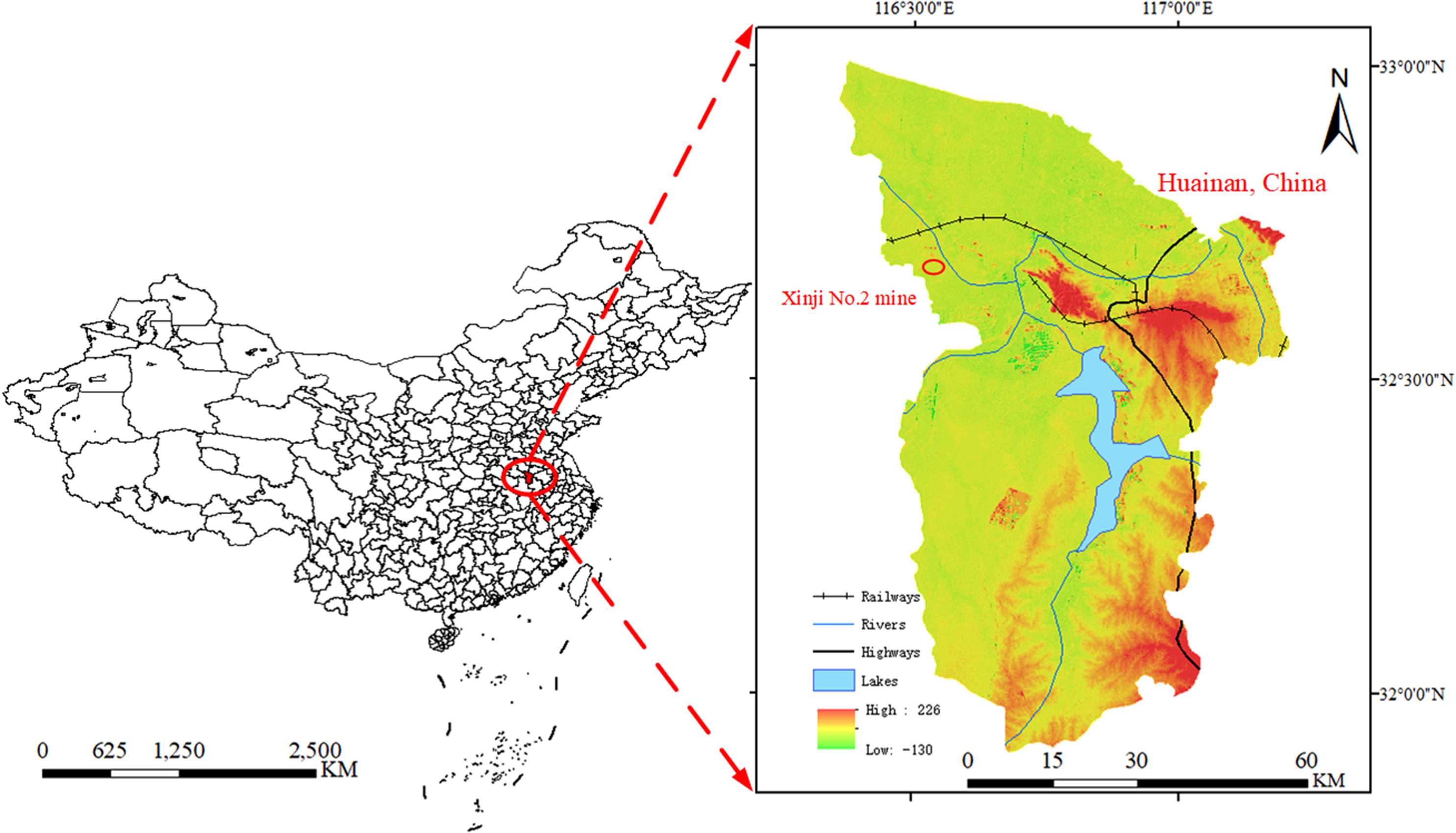
The geographical location map of the research area.
A total of 230,106 working face located in 2301 mining area of the east wing of the second level of Xinji No.2 mine is with a recoverable strike length of 780 m and a recoverable tendency length of 180 m. The working face contains 1upcoal seam and 1 coal seam, both with simple structures and average coal seam thickness of 4.3 m and 3.8 m, respectively. The measured maximum original gas pressure is 1.4 MPa, and gas content is 6.6 m3/t of 230,106 working face, which is in the protrusion hazard area of 1 coal seam. The permeability coefficient of the coal seam is 0.0389 m2/Mpa2•d in the normal area of coal group 1 and is 0.0523 m2/Mpa2•d in the area of washout zone, which is a low permeability coal seam, making gas extraction more difficult. The dip angle of the coal (rock) seam is between 5° and 18°, with an average of 9°, and the dip angle varies greatly in the local area due to the influence of geological structure. The roadway layout and the lithology of the top and bottom slabs of the 230,106 working face are shown in Figure 2.
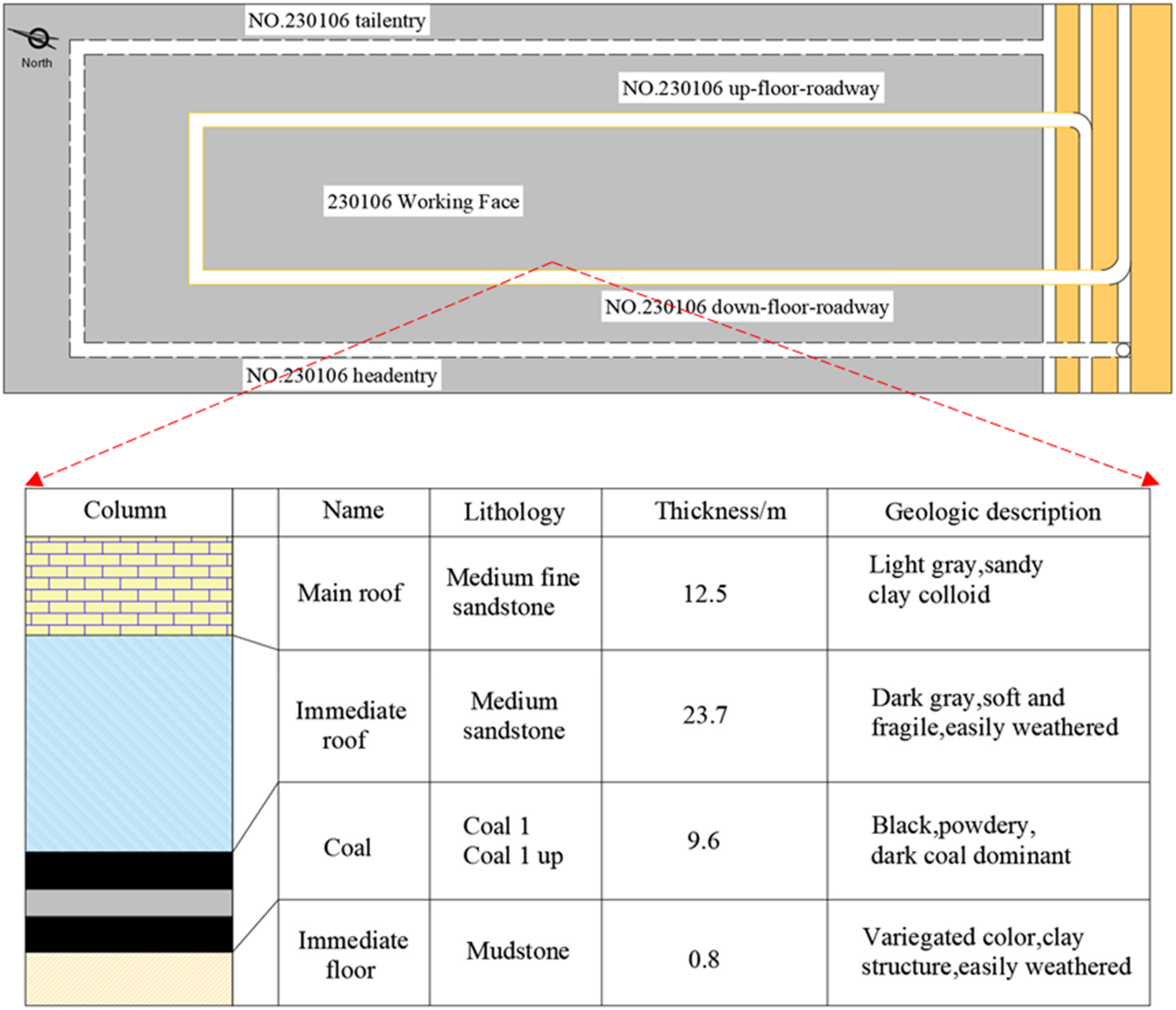
Basic information of roadway in 230,106 working face.
In situ microbial diversity testing and screening in coal seams
Sample collection
Coal dust samples were taken from 1#, 2#, and 3# fracturing inspection holes in the bottom plate alley on the 230,106 working face of Xinji No.2 mine. Three samples were collected from each hole, the weight of each sample was about 200 g, total of 9 coal samples were collected for analysis. The samples were placed in sterile plastic sampling bags, evacuated and brought back to the laboratory via ice box on the same day. In the laboratory sterile anaerobic workstation (WhitleyDG250), large particles of coal dust were ground to powder in a sterilized grinder and stored in an ultra-low temperature refrigerator at −80°C in preparation for DNA extraction. It is important to note that sample contamination has been avoided as much as possible during the sampling operation as well as during the post-sample processing.
Testing method
Bacterial/archaeal DNA extraction and PCR amplification
DNA extraction from coal samples was performed using the Fast DNA® Spin Kit for Soil (MP Biomedicals, Cleveland, USA). Then, PCR amplification of bacterial and archaeal 16SrDNA was performed using the extracted total DNA as template.
Bacteria 16SrRNA
The primers were 338F (5′-ACTCCTACGGGAGGCAGCAG-3′) and 806R (5′-GGACTACHVGGGTWTCTAAT-3′), and the amplification length was 468 bp.
Archaea 16SrRNA
Genomic DNA was accurately quantified using the Qubit 2.0 DNA detection kit to determine the amount of DNA added to the PCR reaction. A total of two rounds of nested PCR amplification were cited for the archaea, with the first round using M-340F, and GU1ST-1000R primers for amplification (GU1st-340F: CCCTAYGGGGYGCASCAG; GU1st-1000R: GGCCATGCACYWCYTCTC). The first round PCR products were examined by agarose gel electrophoresis, as shown in Figure 3.
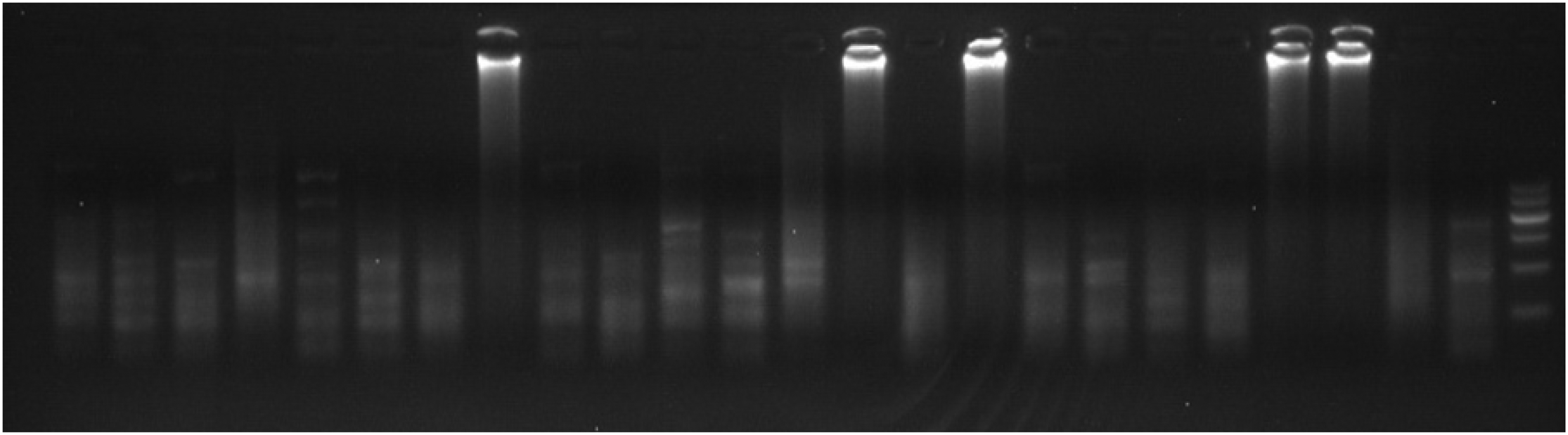
Results of the first round of PCR products by agarose gel electrophoresis.
The products of the first PCR round were amplified in the second round, and the primers used for PCR had been fused with the V3–V4 universal primers of the Miseq sequencing platform (349F primer: CCCTACACGACGCTCTTCCGATCTN(barcode); 806R primer: GACTGGAGTTCCTTGGCACCCGAGAATTCCAGGACTACVSGGG(barcode)). The second round of PCR amplification, part of the electrophoresis map, is shown in Figure 4.
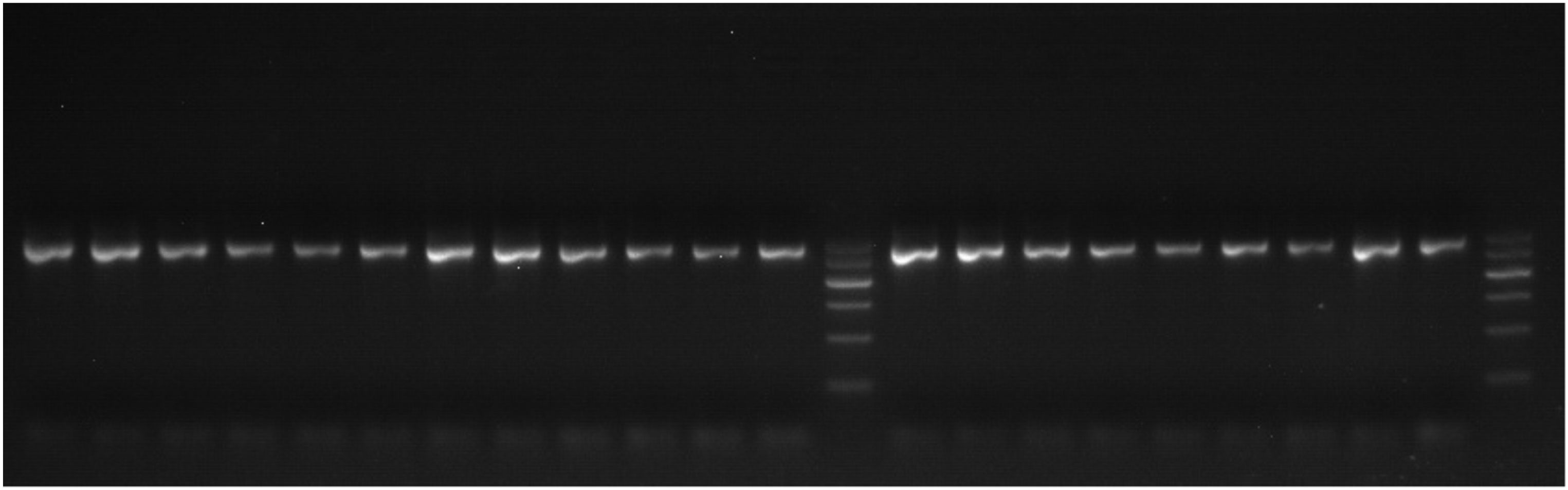
Results of the second round of PCR products by agarose gel electrophoresis.
For PCR products amplified by bacterial and archaeal and with normal amplification fragments of 400 bp or more, they were treated with 0.6x magnetic beads (AgencourtAMPureXP). For fungal PCR products and other PCR products with amplification fragments less than 400 bp, 0.8-fold magnetic beads were used for treatment. The specific operations include: (1) Add 0.6 times (0.8 times) the volume of magnetic beads to 25 µL of PCR products, shake to fully suspend them and then put them on a magnetic stand for 5 min and aspirate the supernatant with a pipette gun. (2) Add 30 µL of 0.6 times (0.8×) the volume of the magnetic bead washing solution, shake to fully suspend and then place on a magnetic stand for 5 min and carefully aspirate the supernatant. (3) Add 90 µL WashBuffer (or 70% ethanol) and reverse it on the magnetic rack to make the magnetic beads adsorbed to the other side of the PCR tube, sucking out the supernatant after sufficient adsorption. (4) Put the PCR tube or 8-tube in oven at 55°C for 5 min to make the alcohol inside evaporate completely. (5) Add 30 µL ElutionBuffer to elute. (6) Place the PCR tube on the adsorption rack for 5 min to fully adsorb, and then remove the supernatant into a clean 1.5 mL centrifuge tube for subsequent use.
Biolog-ECO microtiter plate technique
The Biolog method is mainly used to describe the dynamic changes of microorganisms in communities based on the differences in their ability to utilize carbon source substrates. The Biolog-ECO microplate technique can desorb changes in the physiological characteristics of microbial communities, providing a simple and rapid method to describe the functional diversity of microbial communities. In this paper, we used a Biolog-ECO microplate to analyze and compare the metabolic activity and functional diversity of microbial carbon sources in different coal seams. The specific operation included adding 10 g of coal powder to 90 mL of sterile saline, sealing it and shaking it for 20 min in a shaker at 120 r/min. After standing for 30 min, 150 µL of supernatant was added to 96-microtiter wells through an eight-channel sampler. The plates were incubated at 28°C for seven consecutive days in a constant temperature incubator, and the absorbance values of the plates were measured every 24 h at 590 nm and 750 nm wavelengths (OD).
Test results
16SrRNA sequencing analysis of bacteria and archaea
The dominant bacterial phylum of 1# included: Proteobacteria (55.84–97.04%), Firmicutes (1.01–6.69%), Actinobacteria (0.28–7.09%), Bacteroidetes (0.52–8.99%), and Fusobacteria (0.00–15.60%). 2# of the dominant bacterial phylum included: Proteobacteria (89.69–97.80%), Firmicutes (0.87–5.33%), and Actinobacteria (0.24–3.83%). 3# of the dominant bacterial phylum included: Proteobacteria (83.56–94.64%), Firmicutes (1.91–6.25%), Actinobacteria (0.52–4.72%), and Bacteroidetes (0.36–3.79%). The comparison shows that the relative abundance of Proteobacteria (93.71% ± 0.92%) was significantly higher in 2# than in 1# (83.77 ± 4.80).
In each sample, the community structure of Archaea differed much more significantly at the phylum level than that of bacteria (as shown in Figure 5). The phylum Euryarchaeota was dominant in 1#, with a relative abundance of 99.99 ± 8.98 × 10⁻³%, while Thaumarchaeota was dominant in 2#, with a relative abundance of 99.97 ± 5.23 × 10⁻³%, the structure of the flora of 3# was richer compared to the above two groups, and the dominant phylum included Euryarchaeota (42.79 ± 0.15%), Thaumarchaeota (39.37 ± 15.38%), and Woesearchaeota (16.63 ± 0.08%).
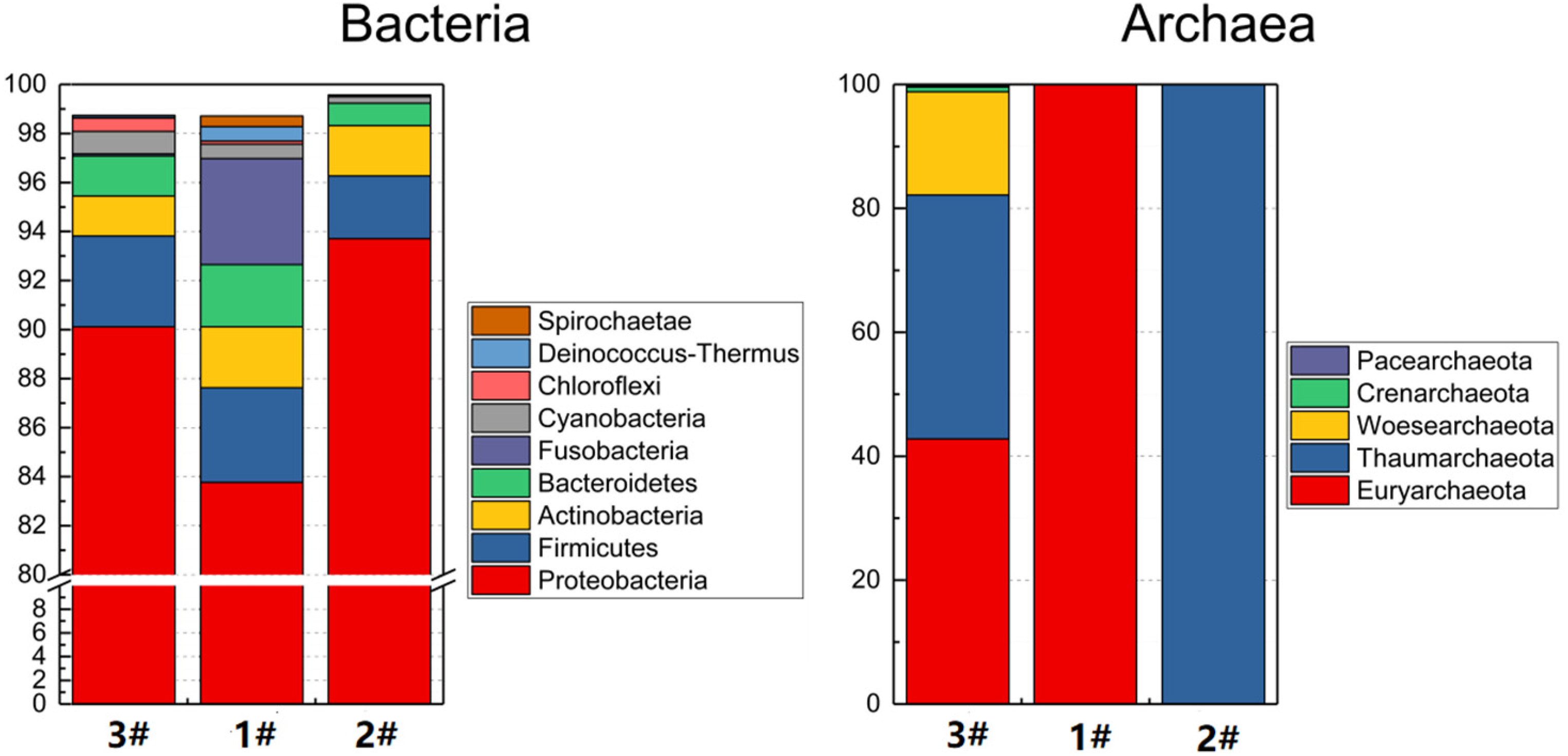
The main microbial composition of the borehole.
Figure 6 shows the phylogenetic tree analysis of the key functional genes for degradation. From the figure, it can be seen that the microorganisms related to the methanogenic functional genes in coal seams mainly include three major groups of bacteria, Bacillaceae, Clostridiaceae, and β-Proteobacteria, all of which can produce extracellular enzymes through their own metabolism to promote the degradation of coal organic matter by other microorganisms in coal seams, which makes the pore structure of coal body further developed.
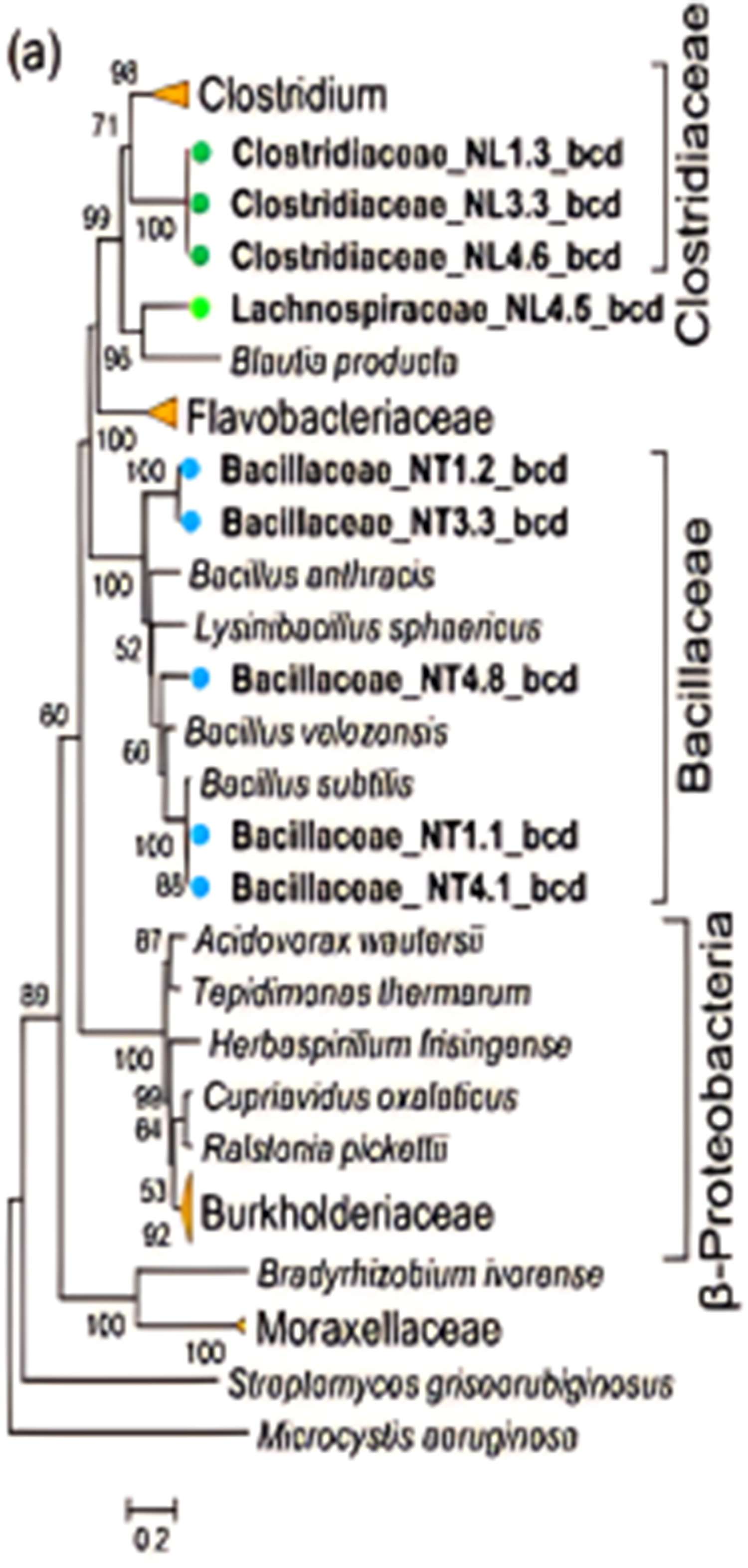
Phylogenetic tree of key functional genes for degradation.
Analysis of metabolic diversity of microbial communities
In this paper, the AWCD values of Biolog-ECO microplates were used as an important index to evaluate the metabolic activity of living microorganisms, and the community metabolic diversity of coal seams was characterized using the Shannon diversity index. As shown in Figure 7, the AWCD values of 31 carbon sources were calculated comprehensively, and it was found that the AWCD values of all samples gradually increased with the increase in reaction time and reached the peak at 144 h. The variation of AWCD values of hole 3# ranged from 0.90 to 1.06, that of 1# ranged from 0.27 to 0.76, and that of 2# ranged from 0.99 to 1.17. The AWCD of 1# was significantly lower than the other boreholes, while the difference between 2# and 3# was not significant (p < 0.05). The AWCD of 144 h was taken for Shannon diversity index analysis, and the Shannon index of 1# was 2.76 ± 0.22, which was significantly lower than that of 3# (3.33 ± 0.016) and 2# (3.34 ± 0.0076), p < 0.05.
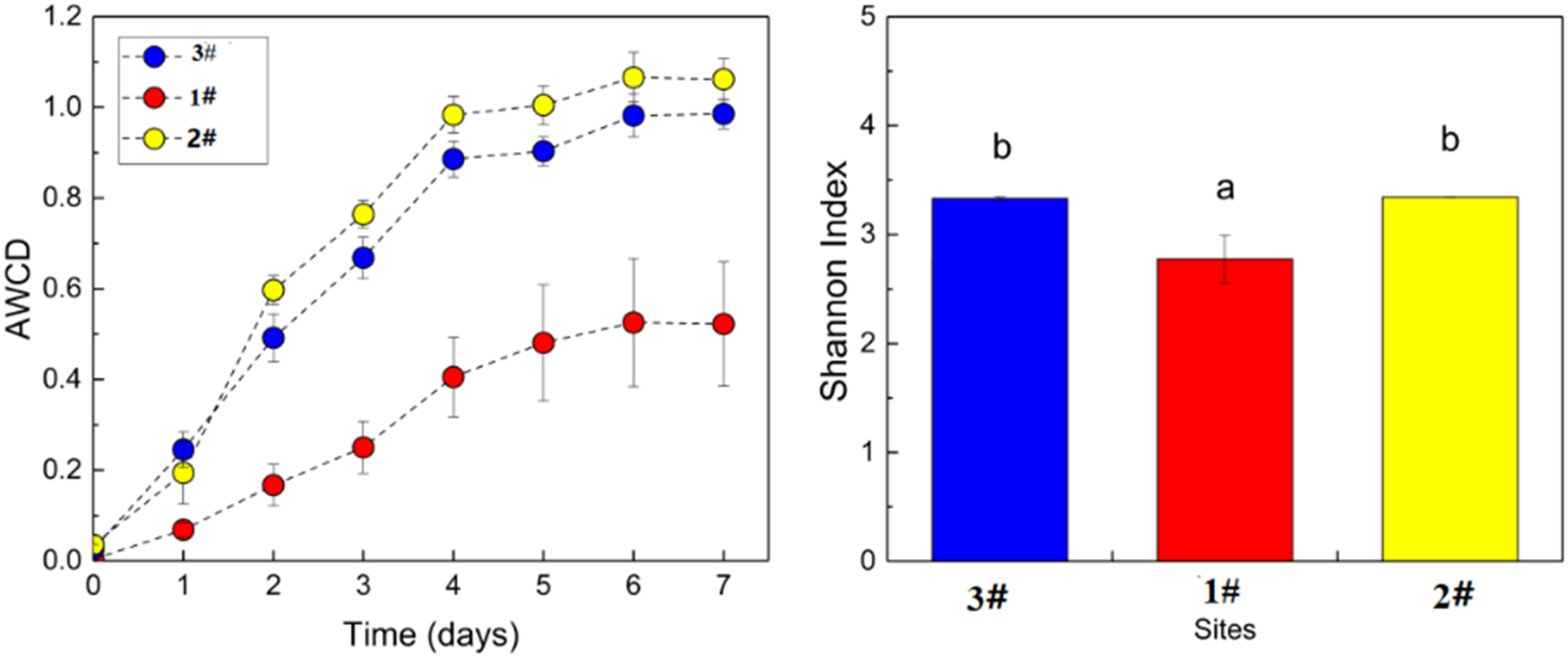
Metabolic diversity analysis of microbial communities. (a) Comparison of AWCD values of microorganisms. (b) Analysis of Shannon diversity index.
Screening analysis
In order to realize the input of the enriched microbial taxa into the coal body employing hydraulic fracturing and to enhance the microbial propagation in the in situ coal seam to improve the sustainability of microbial degradation of organic matter in the coal seam, it is necessary to screen the stimulating organic matter.
Combined cultures of microorganisms such as Bacillus and Clostridium were cultured and the best carbon sources that can rapidly excite functional microorganisms for rapid resolution were screened by Biolog microplate technology. Statistical analysis of 31 single carbon source principal components revealed that coal bed anaerobic microbial communities prefer to utilize compounds containing benzene rings such as L-phenylalanine, α-butyric acid, 4-hydroxybenzoic acid, 2-hydroxybenzoic acid, and phenylethylamine when providing nutrients for recovery metabolism initially, and functional microorganisms use exactly these carbon sources as substrates for their metabolic activities.
Indoor culture experiments were conducted according to the abovementioned carbon source organic matter and water in three concentration gradients of 1:1000, 5:1000, and 2:100, and the experimental results are shown in Figure 8. The figure shows that the mixing concentration of 2:100 worked best.
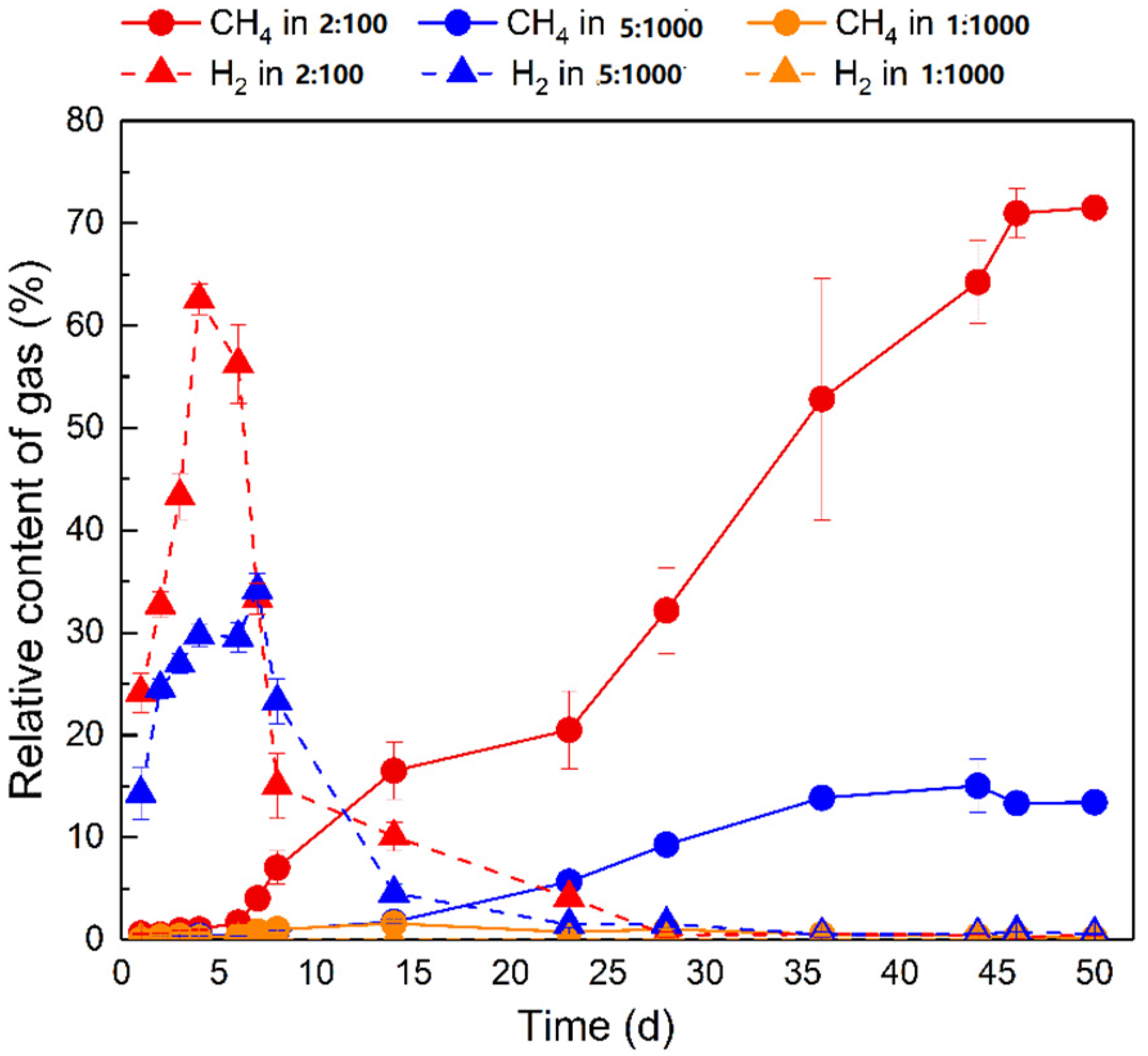
Experiment on optimal proportion of organic compounds.
Field application of microbial fracturing and permeability enhancement technology
Implementation program
According to the conditions of Xinji No.2 mine and the actual needs of this experiment, the relevant work was selected to be carried out at 230,106 working face, and the drilling site was located at 230,106 upper bottom lane. The first group of holes is the normal drilling area, the second and fourth groups are the microbial hydraulic fracturing extraction area, and the third group is the normal hydraulic fracturing extraction area, with a spacing of 40 m. The first and third groups of holes are used as comparison holes for the effect of microbial hydraulic fracturing extraction. A total of three fracture holes (normal hydraulic fracture hole YL3#, biological hydraulic fracture holes YL2# and YL4#) and one control hole (YL1#) were constructed, with a total construction length of 156 m; 12 extraction holes were constructed in each group of holes, with a spacing of 8 × 8, for a total of 48 holes, with a total construction length of 1756 m. The distance from the stopping line of 230,106 working face is 83 m, 123 m, 163 m, and 203 m, respectively. The drilling arrangement is shown in Figure 9.
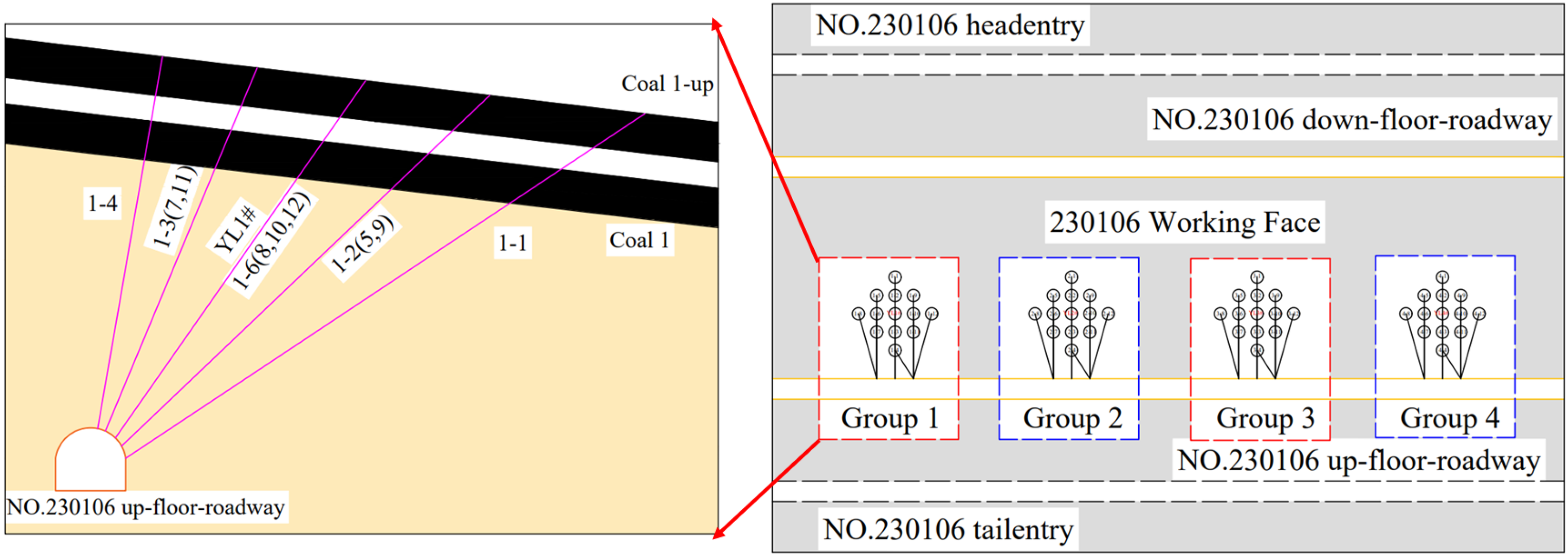
Four groups of coal seam drilling layout.
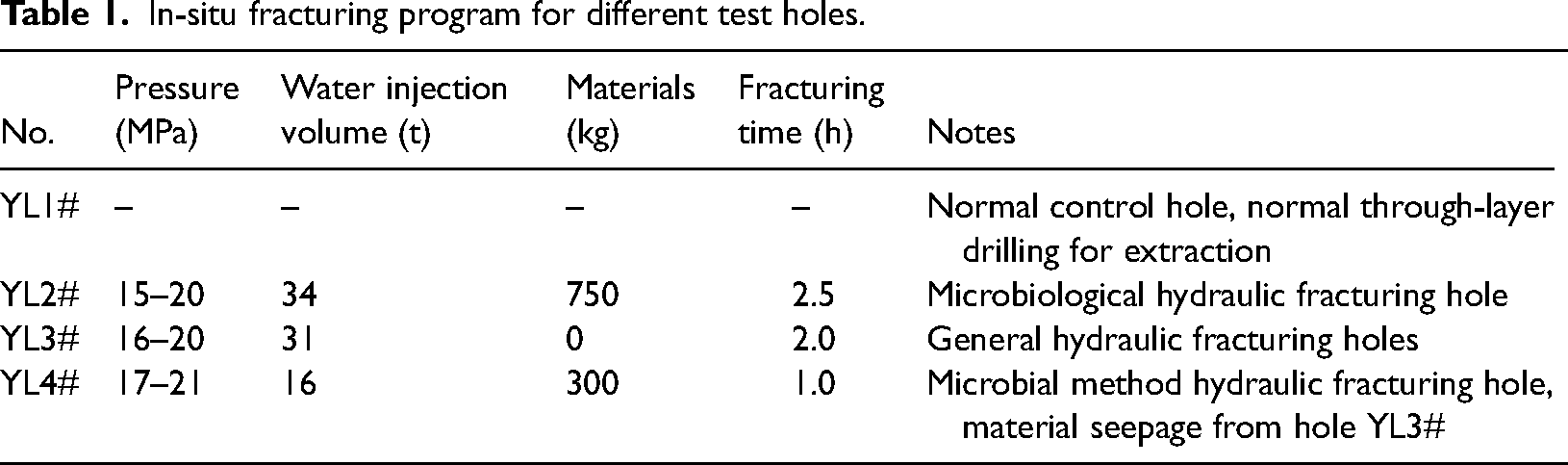
After the sealing of the fracturing test holes, fracturing construction and microbial injection were carried out for test holes YL2#, YL3#, and YL4#, and the specific fracturing plan is shown in Table 1.
In-situ fracturing program for different test holes.
Effect analysis
The test originally designed YL3# as an ordinary hydraulic fracturing hole (without adding microbial materials) as a comparison hole for the effect of microbial method hydraulic fracturing hole, but during the fracturing construction of YL4# hole on site, it was found that the fracturing fluid seeped out from YL3# hole, which indicated that the microbial materials penetrated into YL3# hole through the fissures of the coal seam or bottom rock, and the diluted materials existed in the hole with the concentration of about 0.5–0.6%, resulting in the loss of control significance of hole YL3#. Therefore, both hole YL2# and hole YL3# were examined as microbial method hydraulic fracturing holes, except that the material concentration of hole YL3# was lower than that of hole YL2#. To judge whether the microbial method of hydraulic fracturing and permeability enhancement technology achieves the expected effect, water content and permeability coefficient tests of coal seam, analysis of microbial permeability effect, and comparison of gas extraction effect were carried out to obtain relevant laws.
Test results of coal seam water content and permeability coefficient
Water injection, as an important parameter of the hydraulic fracturing process, is an important indicator that affects the fracturing effect. Besides, microorganisms come into the coal seam with the help of water, and the effective range of microorganisms in the coal is also one of the important influencing factors for the effect of the microbial method to increase the permeability. Therefore, in this experiment, the water content of the hydraulically fractured coal seam was measured, and after completing the hydraulic fracturing work, the range of influence of hydraulic fracturing was examined, and the extraction boreholes were constructed around the fracture holes No. 2 and No. 3 at the same time. Among them, drilling site 3# was taken from YL3-10 at 8 m from the fracture hole and YL3-12 at 16 m for examination, and drilling site 2# was taken from YL2-3 at 8 m from the fracture hole and YL2-4 at 16 m, and the water content rates are shown in Table 2.
Water content of coal seam after hydraulic fracturing.
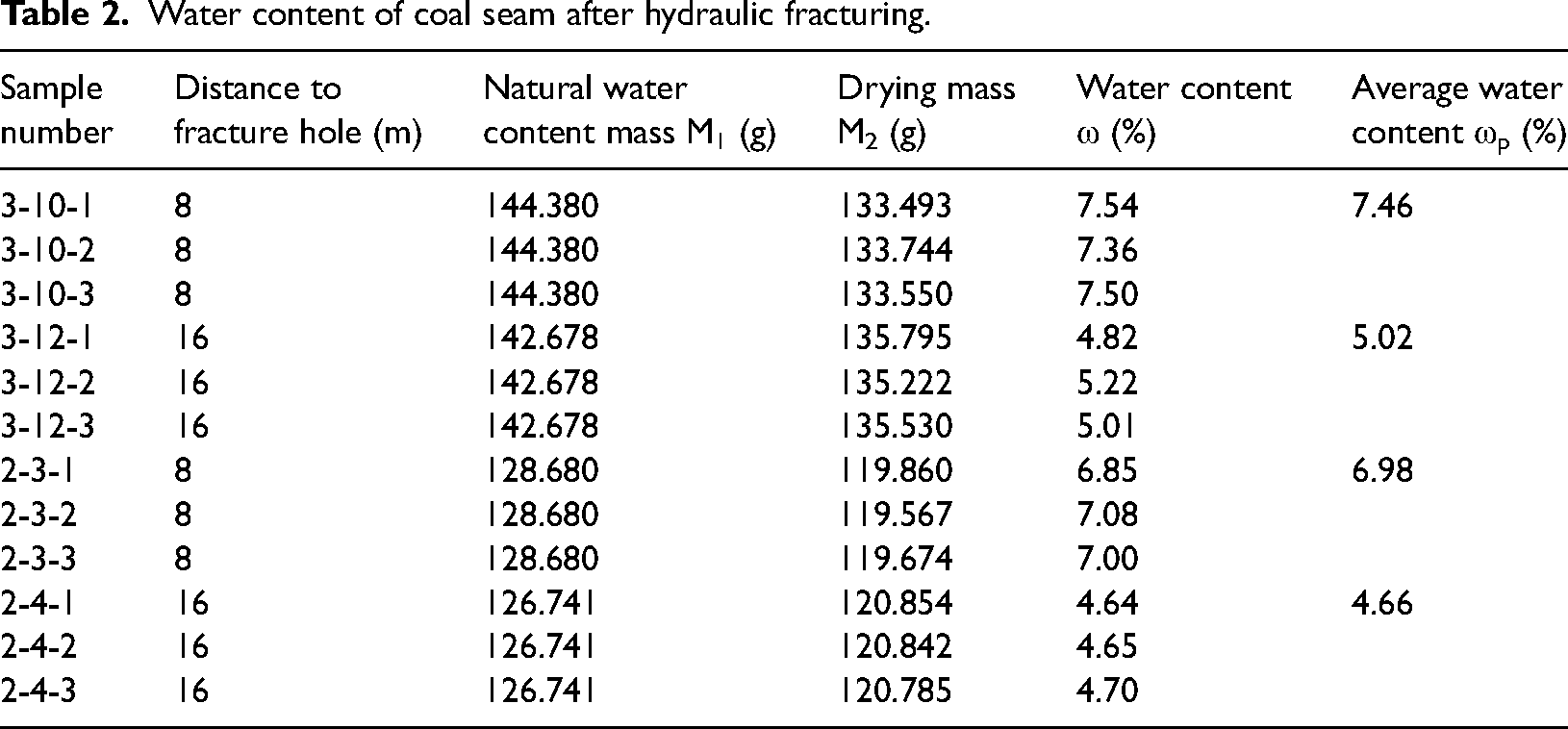
As can be seen from Table 2, the average water content after fracturing of coal samples 8 m and 16 m from fracture hole YL3# are 7.46% and 5.02%, respectively, and the average water content after fracturing of coal samples 8 m and 16 m from fracture hole YL2# are 6.98% and 4.66%, respectively. It is generally considered that the range of water content above 4% is the effective fracturing range, so the extraction drilling arrangement areas are all within the effective fracturing range.
According to the data provided by the mine, the permeability coefficient of the original coal seam of No.1 coal group is 0.0389 m2/MPa2•d. The permeability coefficients of the coal seam of YL3-10 and YL3-12, which are 8 m and 16 m away from fracture hole YL3#, and YL2-3 and YL2-4, which are 8 m and 16 m away from fracture hole YL2#, were tested on-site, and the test results are shown in Table 3.
Coal seam permeability coefficient after hydraulic fracturing.
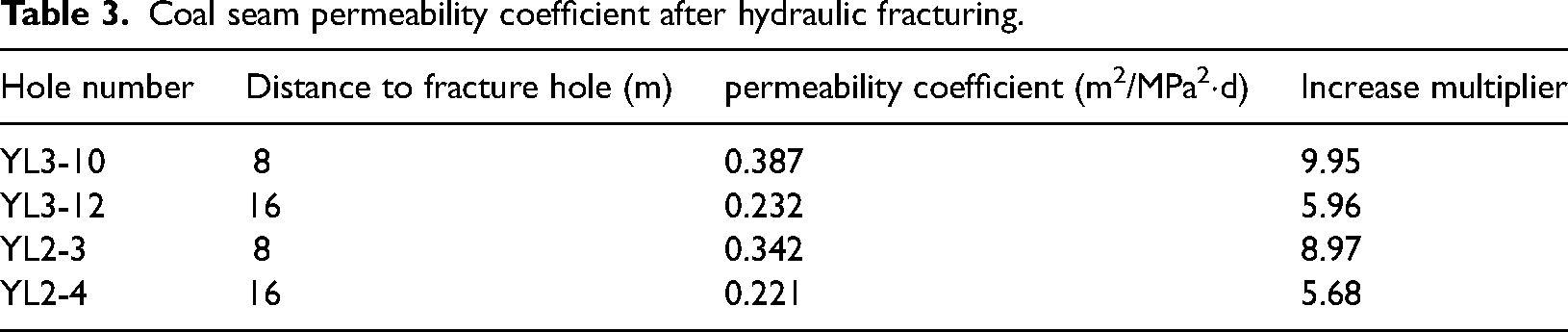
Table 3 shows that the permeability coefficient measured in hole YL3-10 is 0.387 m2 /MPa2•d, which is 9.95 times that of the original coal seam, in hole YL3-12 is 0.232 m2 /MPa2•d, which is 5.96 times that of the original coal seam, and in hole YL2-3 is 0.342 m2 /MPa2•d, which is 8.79 times that of the original coal seam, and in hole YL2-4 is 0.221 m2 /MPa2•d, which is 5.68 times of the original coal seam.
The test results show that the permeability of the coal seam is significantly improved after hydraulic fracturing, and the average permeability coefficient of the coal body is 0.3645 m2 /MPa2-d at 8 m from the fracture hole and 0.2265 m2 /MPa2-d at 16 m from the fracture hole.
Analysis of microbial permeability effect
Three drill chips samples from the original coal seam borehole YL1-8 at drill site 1#, YL2-8 at drill site 2#, and YL3-8 at drill site 3# after fracturing were taken for microbial abundance and composition structure test experiments, mainly to observe whether the microbial materials entered the coal seam within the effective range of fracturing together with water after fracturing. The test results are shown in Figure 9.
Figure 10 shows that the difference in microbial community composition is obvious between the original sample of 1# and 2# and 3#, and the dominant genera of microorganisms in 2# and 3# are Bacillaceae and Clostridiaceae, indicating that the exogenous microorganisms reached the coal seam in the influence range of hydraulic fracturing. As both drill holes 2# and 3# adopt microbial method of hydraulic fracturing extraction, the quantity of microbial injection in drill hole 2# is more than that in hole 3#, which indicates that drill holes 2# and 3# exhibit different gas extraction effect related to different microbial injection quantity.
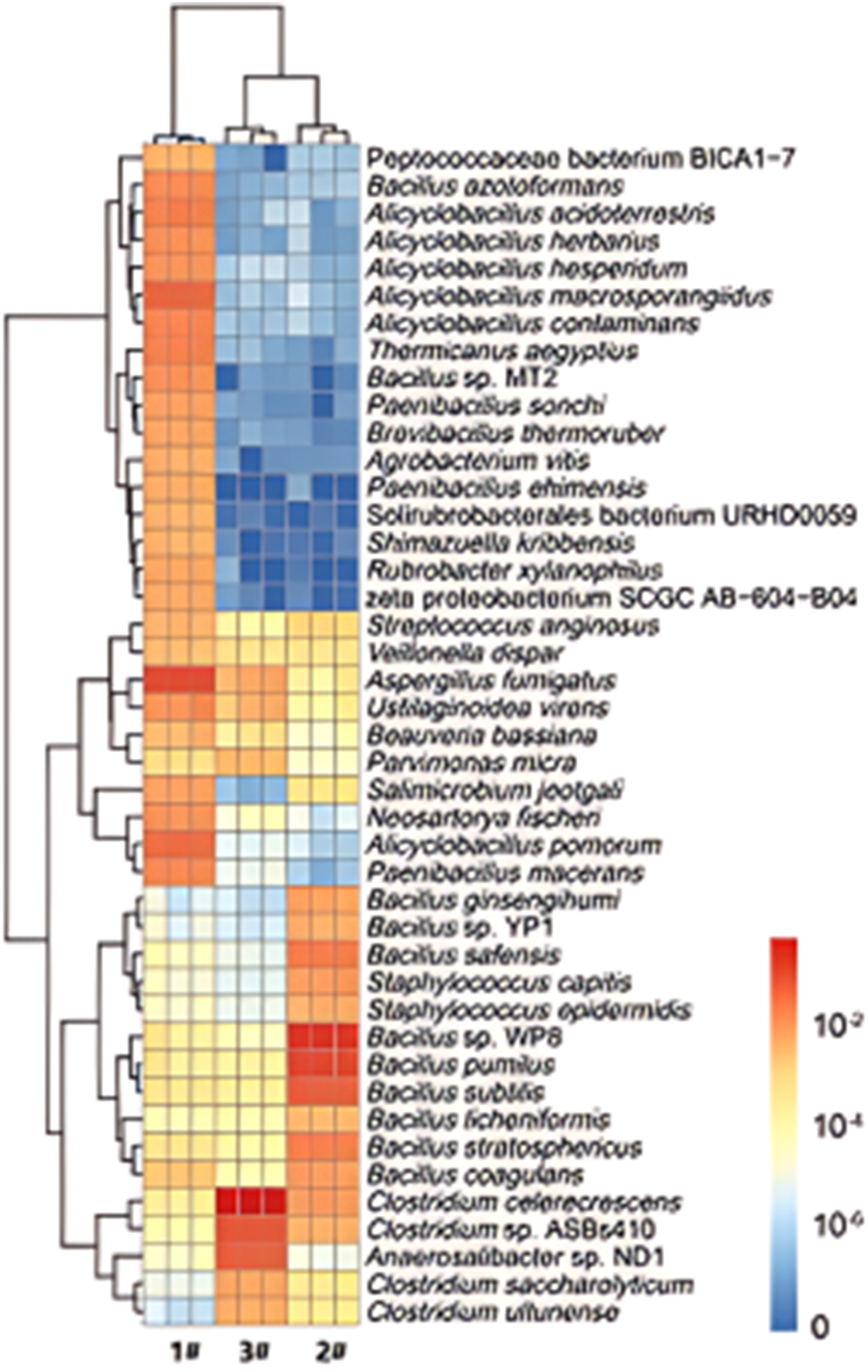
Microbial composition and dominant strains of different boreholes.
Gas extraction concentration and pure volume of extraction
The gas extraction concentration of different test boreholes was tested with the number of extraction days, and the test results are shown in Figure 11(a).
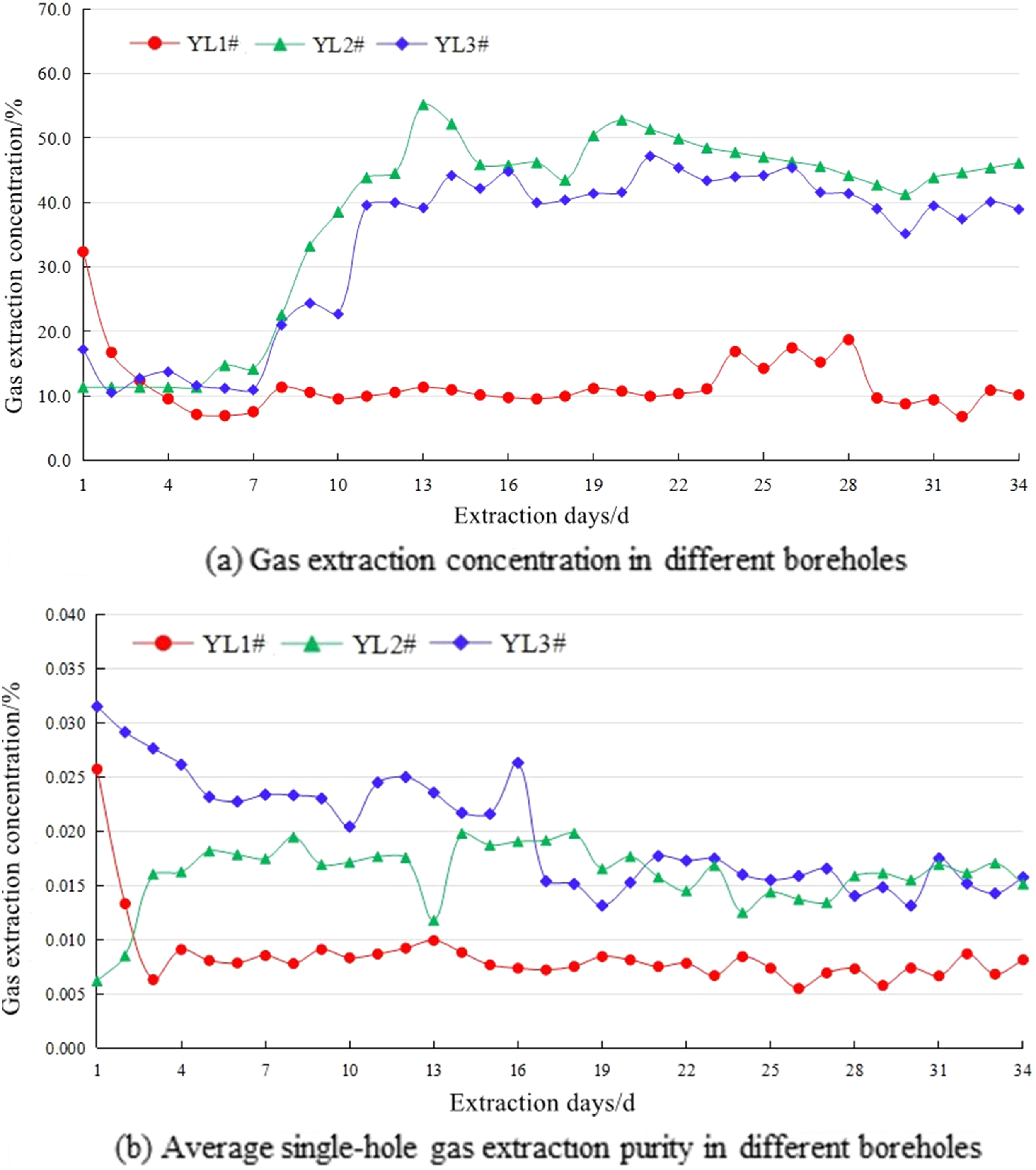
Comparison of the effect of gas extraction.
Figure 11(a) shows that the concentration of ordinary extraction boreholes reached more than 30% at the beginning of extraction, but decayed quickly, and the extraction concentration fluctuated around 10% at the later stage. The microbial method hydraulic fracturing borehole did not differ much from the ordinary extraction borehole in the first seven days of the investigation, but the extraction concentration increased significantly afterward, reaching up to 55.2% in borehole YL2# and 47.2% in borehole YL3#, and most of the extraction concentration in the later stage was between 40% and 50%. The analysis reason is that by injecting microbial bacterial solution and mixed nutrient solution into the original coal seam, the exogenous microorganisms are the main contributor to the decomposition of organic matter in the coal seam at first and play the main role in the initial stage after hydraulic fracturing, and after some time, under the excitation of exogenous nutrient solution, the metabolic activity of in situ anaerobic microorganisms in this coal seam is restored and gradually becomes the main force of organic matter decomposition; the in situ anaerobic microorganisms take the coal-rich in the side chain oxygenated functional group organic matter as nutrients (such as wax, oil, etc.) to decompose and metabolize, which can increase the pore fracture development of coal, and then accelerate the rapid desorption of gas from the difficult to desorb part of coal when they are attached to the coal.
The variation of the average single-hole gas extraction pure volume with the number of extraction days in different test holes was tested, and the test results are shown in Figure 11(b).
Figure 11(b) shows that the pure volume of single-hole gas extraction in the ordinary penetration borehole without hydraulic fracturing was the maximum value of 0.0257 m3/min on the first day of extraction, and then declined rapidly, with the pure volume of extraction fluctuating from 0.005 to 0.010 m3/min, and the average pure volume of single-hole extraction was 0.0085 m3/min for 34d of investigation. The pure extraction volume of single-hole gas ranged from 0.0131 to 0.0315 m3/min in the area of L2# microbial hydraulic fracturing borehole and ranged from 0.0094 to 0.0200 m3/min in the area of L3#. The average pure extraction volume of single-hole for 34d was 0.0198 m3/min in the area of L2# and was 0.0160 m3/min in the area of L3#.
In order to further analyze the enhanced penetration and extraction effect of the microbial method of hydraulic fracturing, we compared it with the cut-and-pressure combined penetration enhancement technology tested in Xinji No.2 Mine. The cut-and-pressure joint penetration enhancement technology is used to cut the coal seam with high-pressure water at 100 MPa pressure first, and then hydraulically fracture the coal seam with 25 MP pressure after the completion of cutting to increase the penetration of the coal seam. Figure 12 shows the comparison of the average single-hole extraction pure volume of each type of extraction borehole. It shows that the average pure extraction volume per hole of microbiological method of penetration enhancement is 1.89–2.34 times that of ordinary seam penetration borehole, and 1.21–1.50 times that of combined cut-and-pressure penetration borehole, with a significant effect of gas extraction.
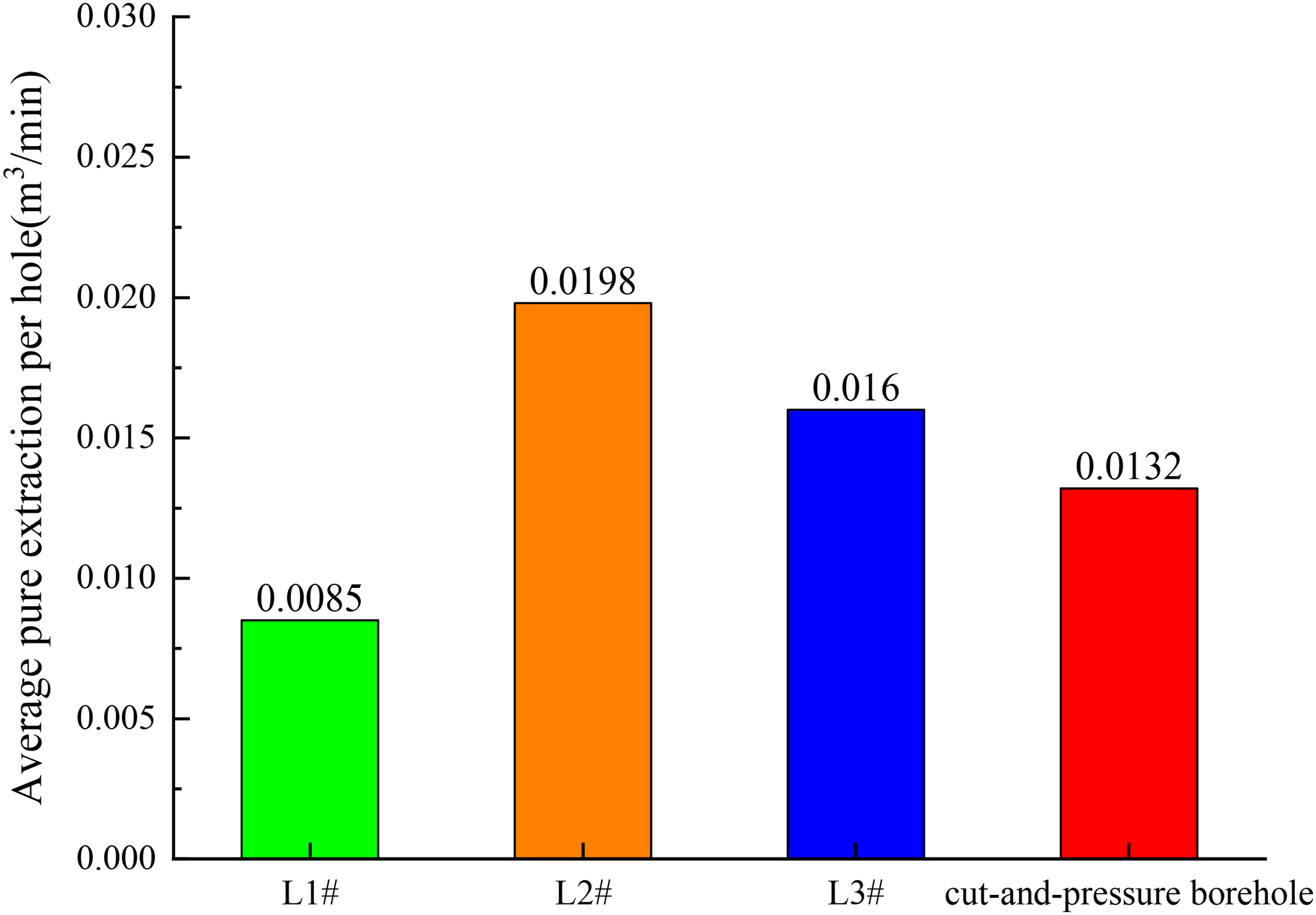
Comparison of average single-hole extraction purity of various extraction boreholes.
Effective gas extraction radius
The cumulative pure extraction volumes of the extraction holes in the area of test hole L1# and test hole L2# at different times are shown in Table 4.
Cumulative pure volume extracted from a single hole for different extraction times.
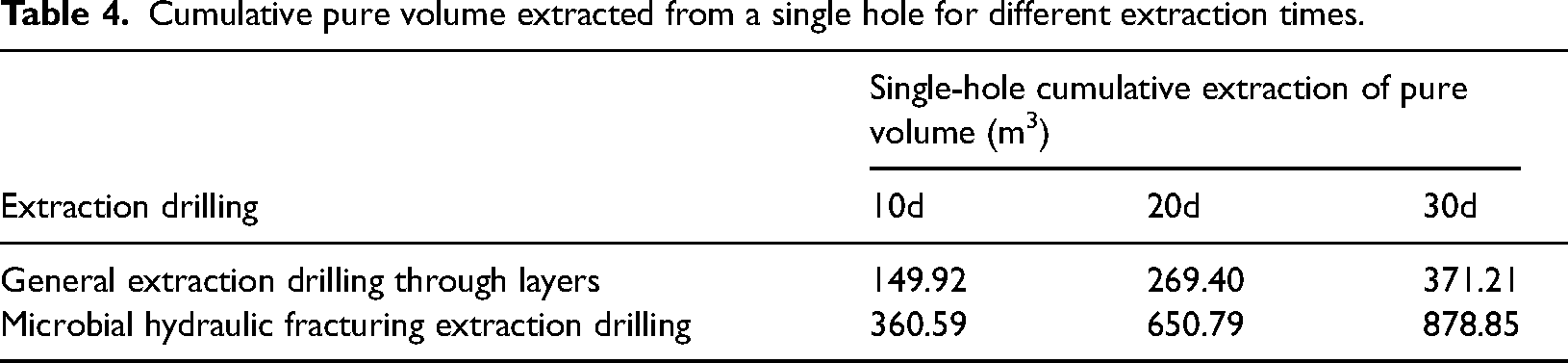
The effective extraction radius of the borehole for different extraction times is calculated based on the cumulative pure extraction volume of a single hole in Table 4, and the results are shown in Table 5.
Comparison of effective extraction radius of drill holes corresponding to different extraction times.
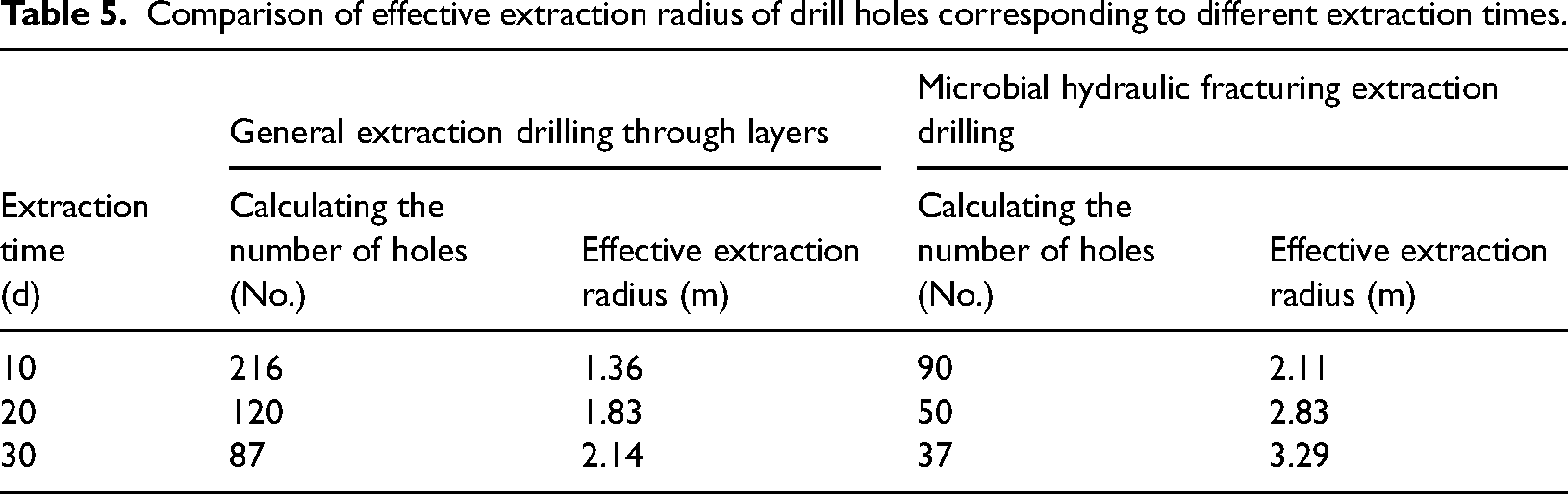
Table 5 shows that the effective extraction radius achieved by the microbial hydraulic fracture extraction method in the borehole is 1.55 times more than that achieved by the common penetration extraction method in the same extraction time on average, which indicates that the microbial hydraulic fracture extraction method has a wider extraction range and more significant extraction effect in a single hole.
At the same time, the daily cumulative extraction volume of microbial hydraulic fracturing extraction borehole was further fitted to plot the extraction fitting curve shown in Figure 13, that is, Qt = 40.438e−0.022t. The data correlation was good with a high correlation coefficient (R2 = 0.742), and its decay negative exponential curve could represent the decay law of pure gas volume in the single hole of extraction borehole.
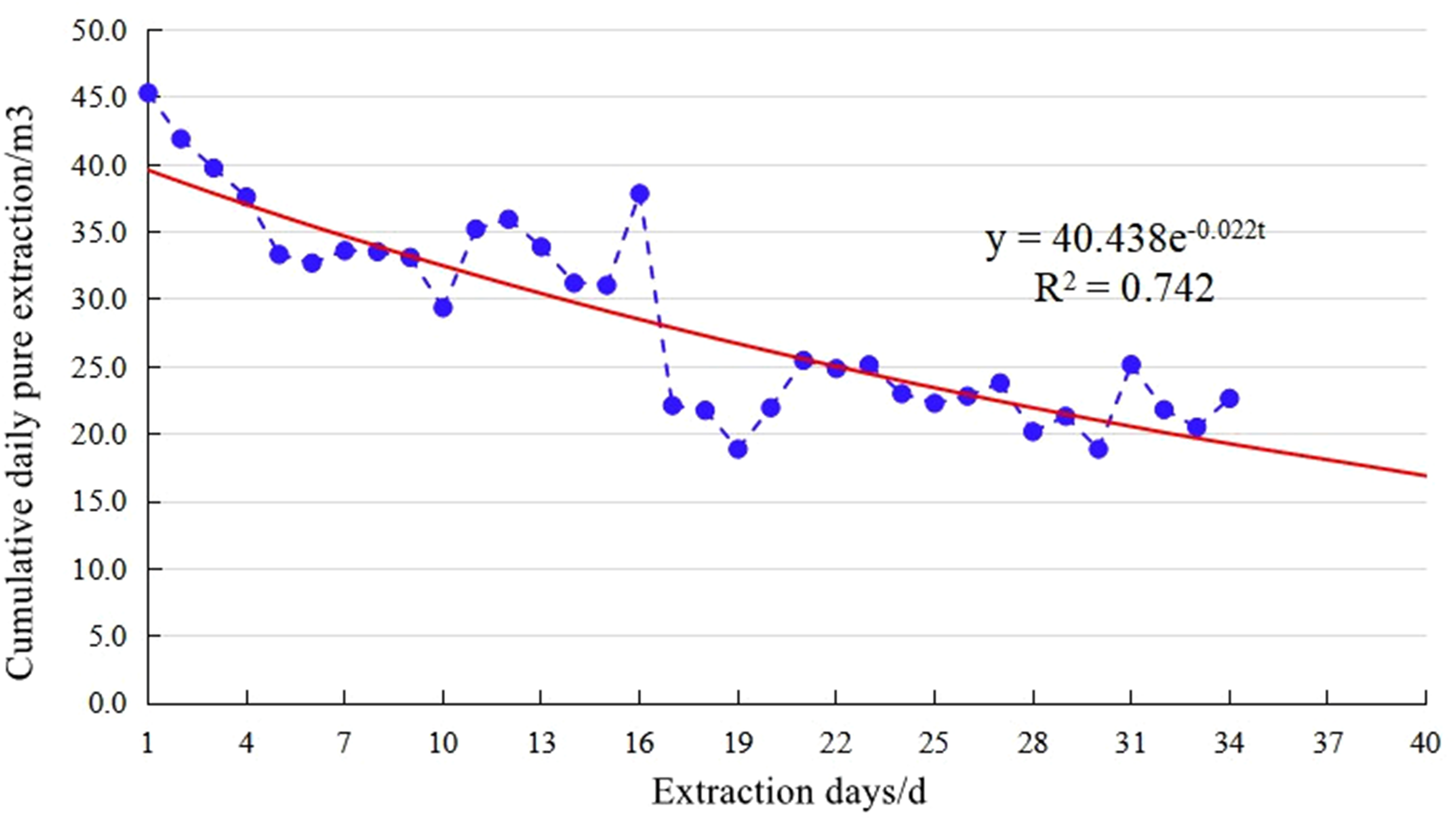
Fitted plot of daily extraction from microbial hydraulic fracturing and extraction drilling.
According to the fitting equation, the effective extraction radius corresponding to different extraction times can be calculated with the extension of the inspection time. The related results are shown in Table 6.
Calculation of extraction radius results based on single-hole extraction volume fitting.

From the fitting curve, it can be predicted that the effective extraction radius of a single hole can reach 4.36 m when the extraction time is 90 days by using the microbial method of hydraulic fracturing extraction method. Compared with the ordinary extraction method of drilling through layers, the microbial method of hydraulic fracturing extraction method has a larger extraction radius and requires a smaller drilling density, which is conducive to reducing the construction difficulty of the extraction project and improving the efficiency of gas extraction.
Conclusions
Faced with the difficulties of a large volume of construction work, low efficiency of gas extraction and a long time to reach the standard of extraction for pre-pumping drilling in soft and low permeability coal seams, we innovated the microbial method to enhance the hydraulic fracturing coal seam penetration enhancement technology, conducted laboratory tests on the diversity of native microorganisms in coal seams and the best activation carbon source and carried out the microbial method hydraulic fracturing penetration enhancement based on the current research on microbial gas drive technology and hydraulic fracturing technology, The following conclusions were obtained from the field measurements of extraction.
Samples were taken from the coal seam of Xinji No.2 mine, and the diversity of coal seam microorganisms was tested in the laboratory, and three major groups of microorganisms related to methanogenic functional genes in coal seams were obtained by 16SrRNA sequencing analysis, namely Bacillaceae, Clostridiaceae and β-Proteobacteria. The Biolog microplate technology was used to screen the best carbon sources that can rapidly stimulate the rapid resolution of functional microorganisms, including compounds containing phenyl rings such as L-phenylalanine, α-butyric acid, 4-hydroxybenzoic acid, 2-hydroxybenzoic acid, and phenylethylamine; also determine the optimal ratio of carbon source to water for desorption at 2:100. The specific microbial method hydraulic fracturing coal seam penetration enhancement technology process was developed, and field tests were carried out in 230,106 upper bottom lanes of Xinji No.2 mine to investigate the effect of fracturing penetration enhancement and gas extraction effect on site. By comparing the microbial method hydraulic fracturing and penetration technology with the common seam penetration drilling and cutting pressure combined penetration technology, the permeability coefficient of the 8 m coal seam near the microbial hydraulic fracturing borehole is 8–10 times that of the original coal seam, and the permeability coefficient of the 16 m coal seam near the borehole is 5–6 times that of the original coal seam; In terms of the average net gas extraction per hole in extraction holes, the average net gas extraction per hole in microbiological enhanced penetrations is 1.89–2.34 times higher than that in ordinary penetrations, and 1.21–1.50 times higher than that in combined cut-and-pressure enhanced penetrations.
Therefore, it is considered that the microbial method of hydraulic fracturing and permeation technology has significantly improved the effect of coal seam permeation and gas extraction, and the gas extraction concentration and pure volume of gas extraction have been greatly increased, which indicates that the microbial method of hydraulic fracturing and permeation gas extraction technology has certain availability.
Footnotes
Acknowledgments
All authors have agreed to the listing of authors. The authors thank expert guidance and Xinji coal mining enterprises for providing on-site test conditions.
Author contributions
Shoulong Ma contributed to experimental design; Qi Zong contributed to field measurement.
Declaration of conflicting interests
The author(s) declared no potential conflicts of interest with respect to the research, authorship, and/or publication of this article.
Funding
The author(s) received no financial support for the research, authorship, and/or publication of this article.
