




Abstract
In this study, subjective questionnaires and a building energy simulation were utilized to investigate the impact of air conditioner operation on the energy consumption/savings of a model building with different types of exterior wall thermal insulation. The results indicate that an intermittent energy usage mode is generally used in residential buildings in hot summer and cold winter areas. Air conditioner operation behavior is affected by the human thermal experience. The greater the indoor temperature deviates from the human comfort range, the higher the air conditioner operation frequency. Under continuous energy usage mode, the annual heating and cooling effect of the exterior thermal insulation was found to be better than that of interior thermal insulation. Under the intermittent energy usage mode without considering residents’ temperature tolerance, the annual heating and cooling effect of the interior thermal insulation was better than that of the exterior insulation. Under the intermittent energy usage mode considering tolerance levels, the energy-saving effect of the interior and exterior thermal insulation of the exterior wall was different. In the case of low and medium temperature tolerance, the annual heating and cooling energy-saving effect of the interior thermal insulation was better than the exterior thermal insulation; in the case of high tolerance, the heating and cooling energy saving effect of the exterior thermal insulation was better.
Keywords
Introduction
Building energy is widely recognized as a weighted part of social energy consumption, and residential buildings contribute more than 33% of the total energy consumption (Sadineni et al., 2011). This proportion will continue to increase in the coming years, especially in a developing country such as China (Kong et al., 2012). Chen et al. (2001) developed a model to estimate the intensity of energy consumption for residential buildings and applied this model to two high-rise buildings in Hong Kong. The results showed that it is feasible to reduce energy demand by improving the building components in residential buildings. Chen et al. (2013) proposed an operation schedule for domestic devices in residential buildings which takes advantage of the time-varying electricity prices by fully considering the thermodynamic boundaries and thermal comfort of residents. Mata et al. (2013) analyzed net/final fuel consumption and associated carbon dioxide emissions of 12 energy-saving measures (ESMs) in residential buildings in Sweden. The results showed that the application of ESMs had a maximum energy reduction potential of around 53%.
In positive-controlled residential buildings, energy consumption is affected by occupants’ adaptive thermal behaviors and the thermal insulation of the building envelope (Allan et al., 2009; Fang et al., 2014; Rajan et al., 2018). Rajan et al. (2018) conducted a one-year-round investigation on occupants’ adaptive thermal behaviors in an apartment, by on-site measurement and subjective votes. The results showed that the use of air conditioner (AC) and mechanical heating facilities is closely associated with occupants’ thermal adaptive behaviors. Fang et al. (2014) constructed two experimental chambers to clarify the influence of external wall insulation on energy consumption and the indoor thermal environment in Chongqing, and the results demonstrated that good external wall insulation can improve the energy efficiency of buildings. Dong et al. (2018) comprehensively reviewed the current modeling efforts of occupant behavior, and summarized occupancy models for building applications including energy performance, architectural and engineering design, and operation strategies. In addition, they analyzed the modeling requirement for different applications, and described a few commonly used models. Fabi et al. (2013) emphasized the importance of human behaviors on building energy simulation. Based on medium/long-term monitoring, they proposed a methodology to model occupant behavior in the context of real energy usage, and applied this model to data on occupants’ interactions with windows (i.e., opening and closing behavior). Dar et al. (2015) investigated occupancy behavior, appliance use, and the family size, to study the effect of occupant behaviors on the difference between actual energy use and that predicted by the proposed model. The results showed that using identified parameters in modeling practices can improve the prediction of actual energy use of buildings. Allan et al. (2009) investigated the effect of increasing envelope insulation on indoor overheating in buildings during hot days, by combing heat transfer analysis and thermal comfort analysis. The results showed that the solar and internal heat gains from added thermal insulation may cause overheating in summer months, with shading identified as an important factor to cut the use of cooling energy in buildings. Peng et al. (2012) proposed a model to forecast the quantitative impact of human behavior on the indoor environment and energy consumption of residential buildings, and applied this model to a real building to verify the reliability of this model. The results showed the human behavior can be quantified by this method and these simulation tools can be utilized to improve energy efficiency. Ballarini and Corrado (2012) proposed a new methodology to study the parameters which affect the cooling energy efficiency of buildings based on sensitivity analysis. They suggest that this methodology can be utilized to improve the energy efficiency for both buildings under construction and existing buildings. Jim et al. (Jim, 2015; Jim and Tsang, 2011; Peng and Jim, 2015) conducted various investigations on the impact of various types of “green roof” on the heat gain and energy consumption of buildings with differing thermal insulation, and under different summer weather scenarios. The consensus of these studies is that improving the thermal mass and thermal capacity of the insulation layer in buildings can reduce the consumption of cooling energy during the summer months in Hong Kong.
In cities like Hong Kong, Tokyo, and Singapore, heating facilities are generally not required due to their warm climate (Huang et al., 2015; Lam et al., 2010; Wan et al., 2011). The situation in China’s hot summer and cold winter (HSCW) areas is very different, as both cooling for summers and heating for winters is required due to its unique climate characteristics (Sha et al., 2014; Xu et al., 2013). The thermal insulation of external walls in this area continues to be a controversial subject. Some researchers argue that higher thermal insulation can save more energy, while others hold the opposite view. There are also some researchers who instead emphasize the role of occupant behavior, suggesting that human behavior has a greater impact on building energy efficiency than insulation. Hence, determining the role of thermal insulation, especially of external walls, on building energy efficiency in HSCW areas is a complex scientific issue.
In this study, we chose Wuhan City, a typical city of HSCW areas, to study the effects of AC operation on the energy efficiency of residential buildings with different thermally insulated external walls. The results of this study, provide references for the determination of external wall parameters and the development of AC operation control strategies.
Materials and methods
The research area of this study is one residential community in Wuhan City (29°58′–31°22′ N and 113°41′–115°05′ E), a typical megacity in an HSCW area. It is located at the intersection of the Yangtze River and the Hanjiang River, in the center of China (Figure 1). The annual average temperature in Wuhan is 15.8–17.5°C. The average temperature in winter is about 0°C, while the average temperature in summer is above 30°C (Figure 2). The methods used in this study were subjective questionnaires and building energy simulation.
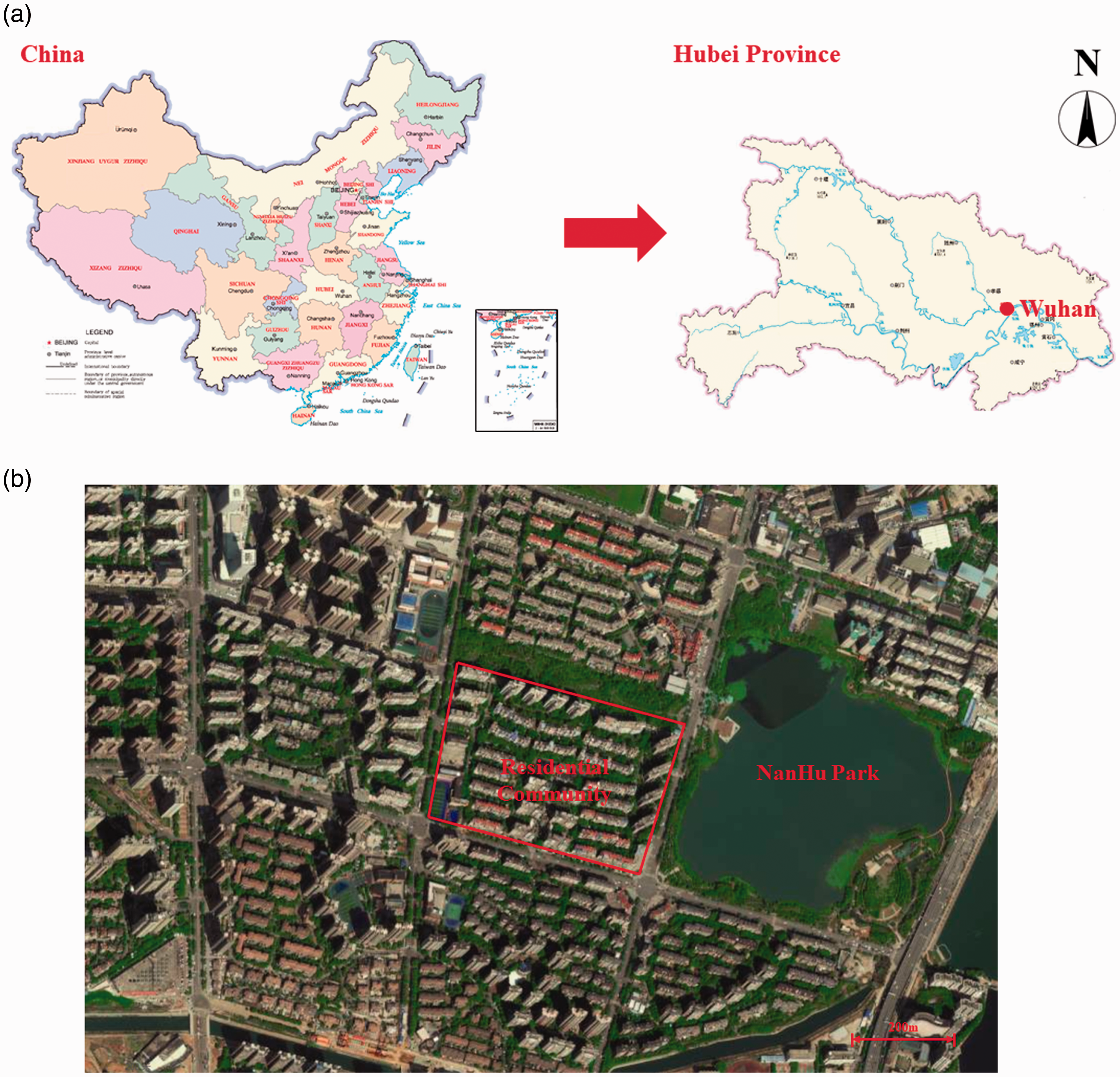
Location of the research site.
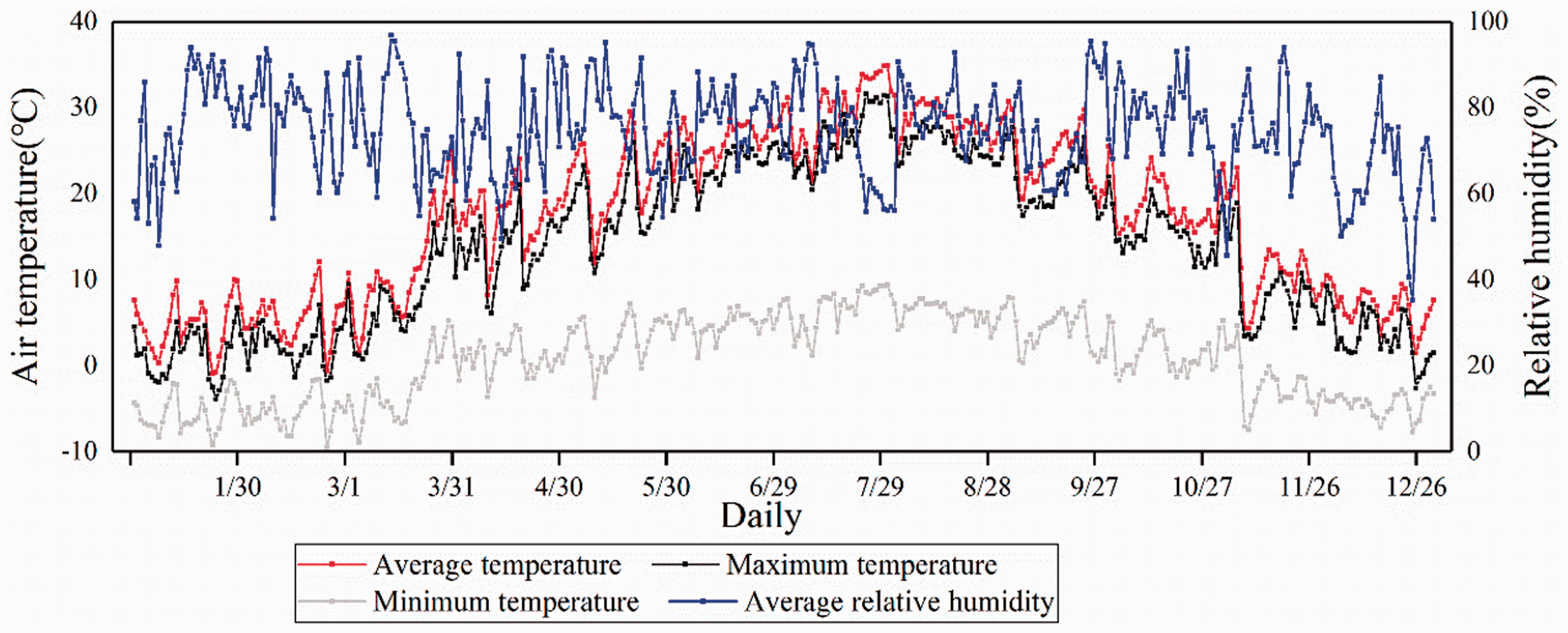
Yearly variations of temperature and relative humidity in Wuhan.
Subjective questionnaires
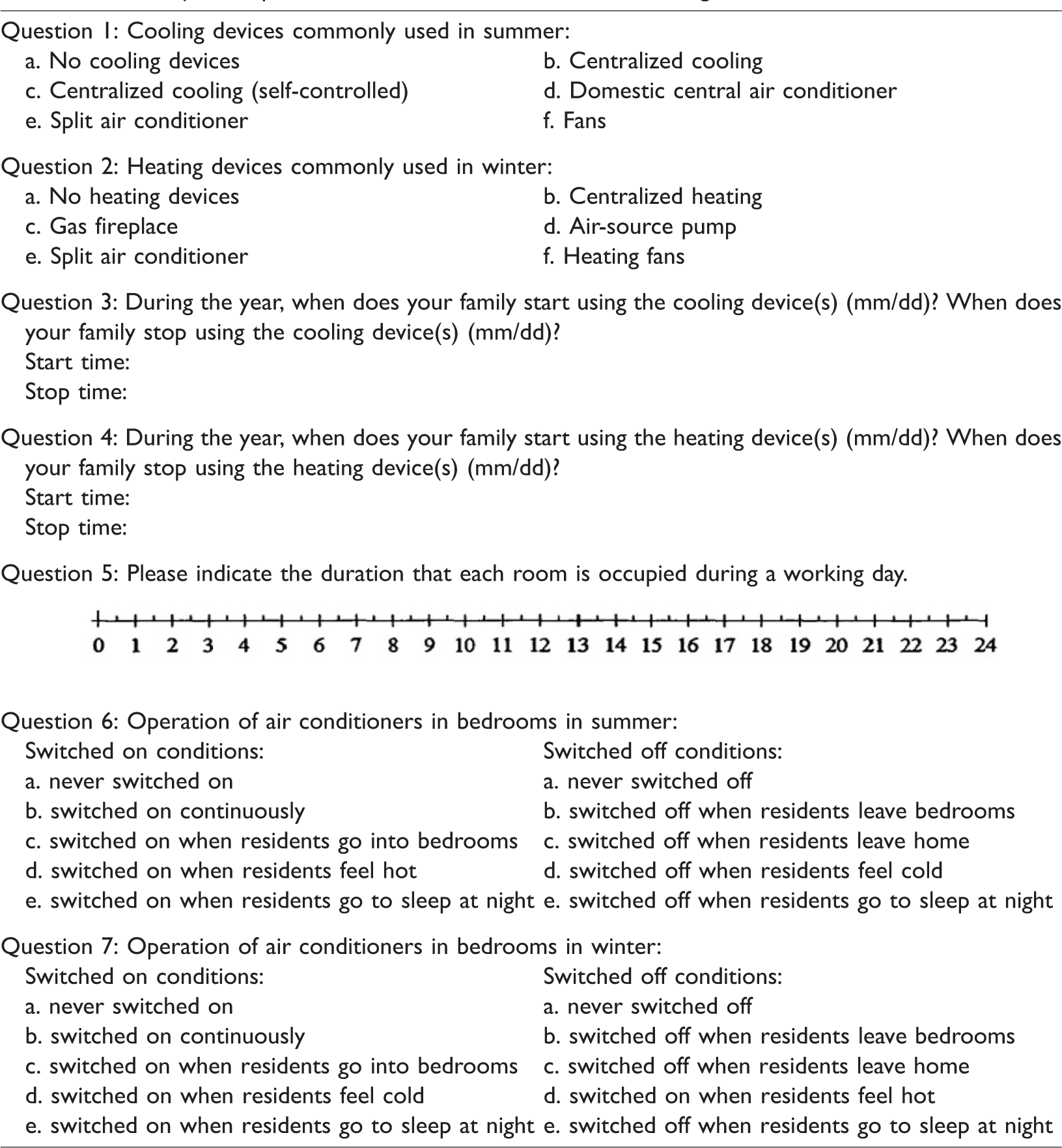
Subjective questionnaires are widely utilized in studies investigating sociological characteristics (Cui et al., 2017; Gómez et al., 2004; Lan et al., 2008). From August 2018 to August 2019, questionnaires written in Chinese were distributed to residents from a typical residential community in Wuhan City, to obtain information regarding occupants’ domestic heating and cooling behaviors (including occupied duration in one day or year, heating/cooling devices used, and AC operation modes). There are both high- and low-rise buildings in this community as shown in the Figure 1(b). Content of the questionnaire is listed in Table 1. Throughout the survey, a total of 500 questionnaires were distributed and 442 valid questionnaires were returned.
The subjective questionnaire translated from Chinese to English.
Building energy simulation
A building energy simulation was utilized to calculate the year-round energy consumption of a model building. The model building has six floors, the floor height is 3.2 m, and the window to wall ratio is 0.3. The plan of a standard floor is shown in Figure 3. Rooms A, B, C, and D are the main active-controlled spaces by split household AC, and room A is the study subject. The fourth floor was chosen for energy analysis to avoid additional heat gain/loss of the ground floor and top floor.
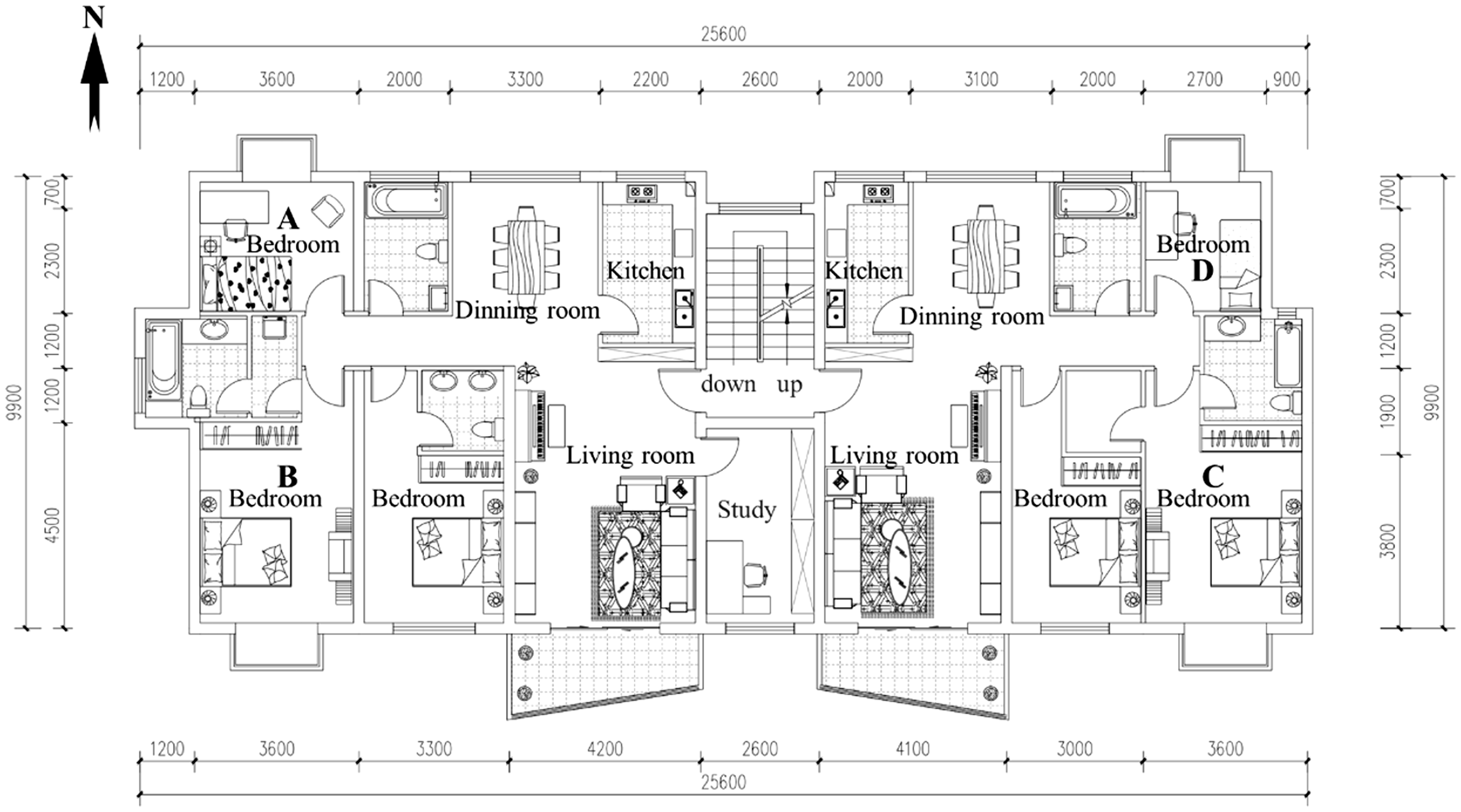
Standard floor plan of the model building.
For the study of building energy, the thermal parameters of the building envelope are important factors for determining energy efficiency, especially for AC-controlled residential buildings (Antonopoulos and Koronaki, 2000; Barrios et al., 2012; Corrado and Paduos, 2016). The thermal parameters of the model building envelope are shown in Table 2.
Thermal parameters of the model building envelope parameters.
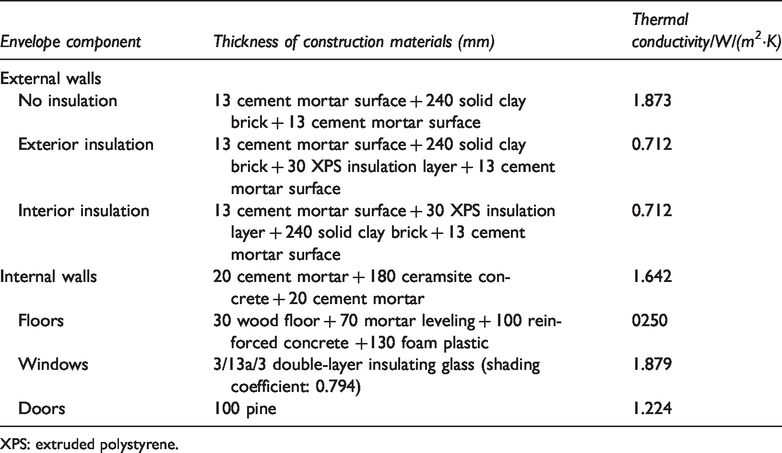
XPS: extruded polystyrene.
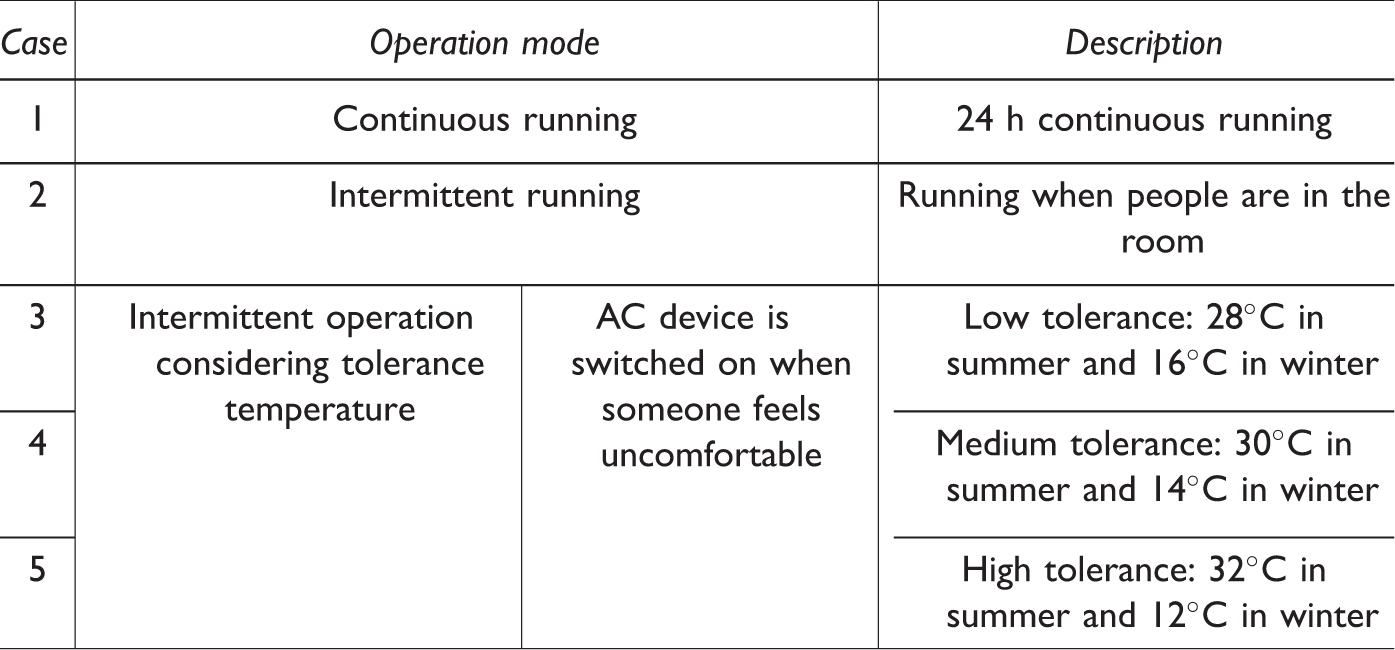
The setting of operation parameters on AC devices is also important for building energy simulation. The AC parameters are set according to the “Design Standard for Energy Efficiency of Residential Buildings in Hot Summer and Cold Winter Zone” of China. The indoor controlled temperatures are 18°C (heating season) and 26°C (cooling season). The air ventilation frequency of the AC switch-on period is 1.0 times/h, the natural ventilation frequency of the AC switch-off period is 1.0–5.0 times/h, and the indoor average heating gain intensity is 4.3 W/m2. The heating period is from December 10th to February 20th, and the cooling period is from June 1st to September 15th. The results of the questionnaires indicated that the typical operation of ACs by residents can be classified into three modes (Table 3), in which the intermittent operation mode can be further divided into three modes according to tolerance of temperature. The intermittent energy usage mode refers to use between 22:00 h and 06:00 h.
AC operation modes.
Results
Subjective questionnaires
Figure 4 shows the proportions of devices that residents use for heating and cooling. All families were found to be equipped with devices to provide cooling during summer, and almost all families were equipped with devices to provide heating during winter. Approximately 92% of the households had a split AC for both cooling and heating, which is much higher than any other kind of heating/cooling device. That means that split ACs contribute the most to the energy consumption of heating/cooling devices in these buildings. Hence, the split AC is the focus of this study.
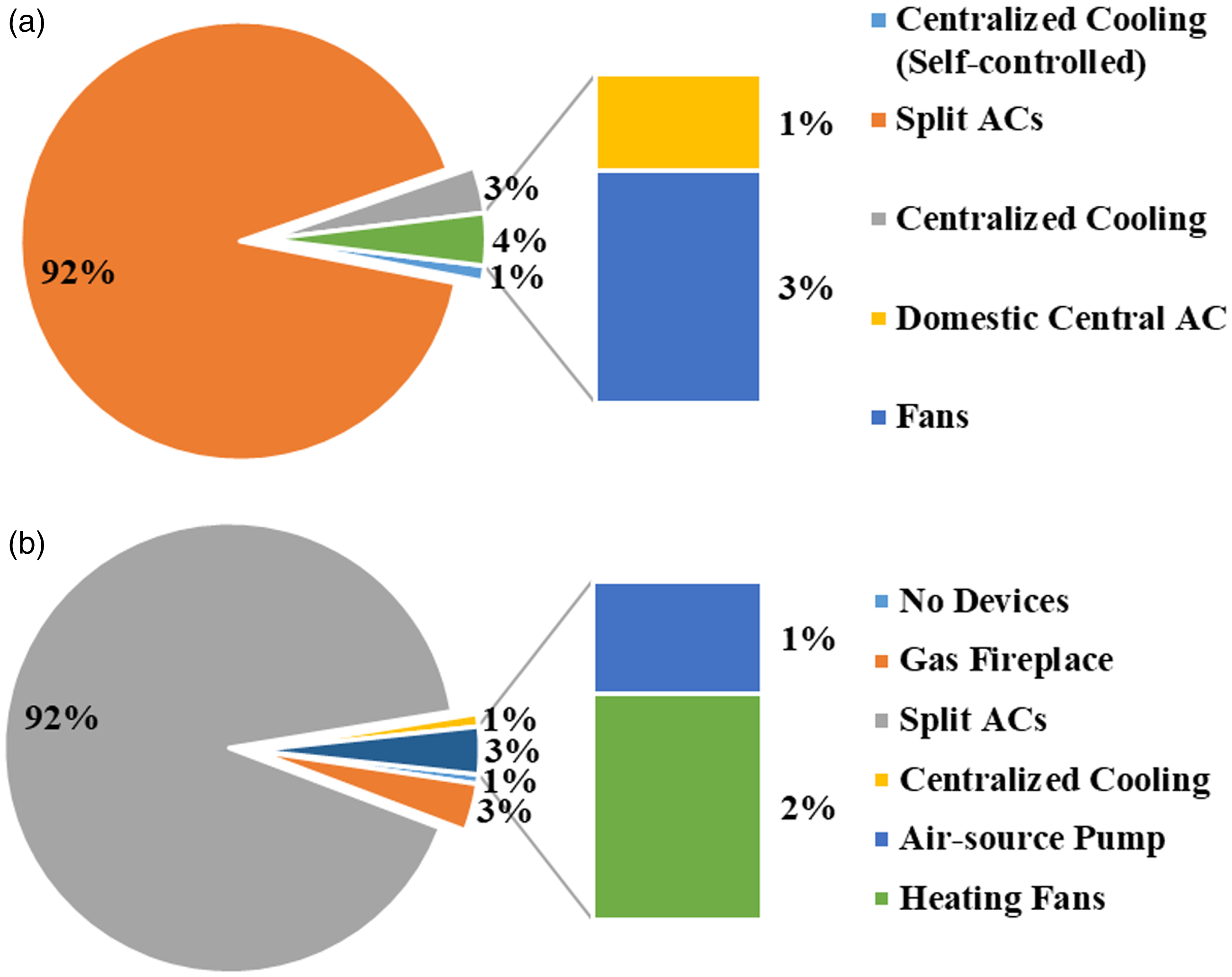
Proportions of devices residents using for (a) cooling and (b) heating.
Figure 5 shows the occupied modes of ACs in winter and summer. Residents tend to switch-on and -off their AC considering the temperature of the room and demand in both summer and winter. All families switch-on their AC to provide cooling during the summer; no family was reported using the AC to provide heating during winter.
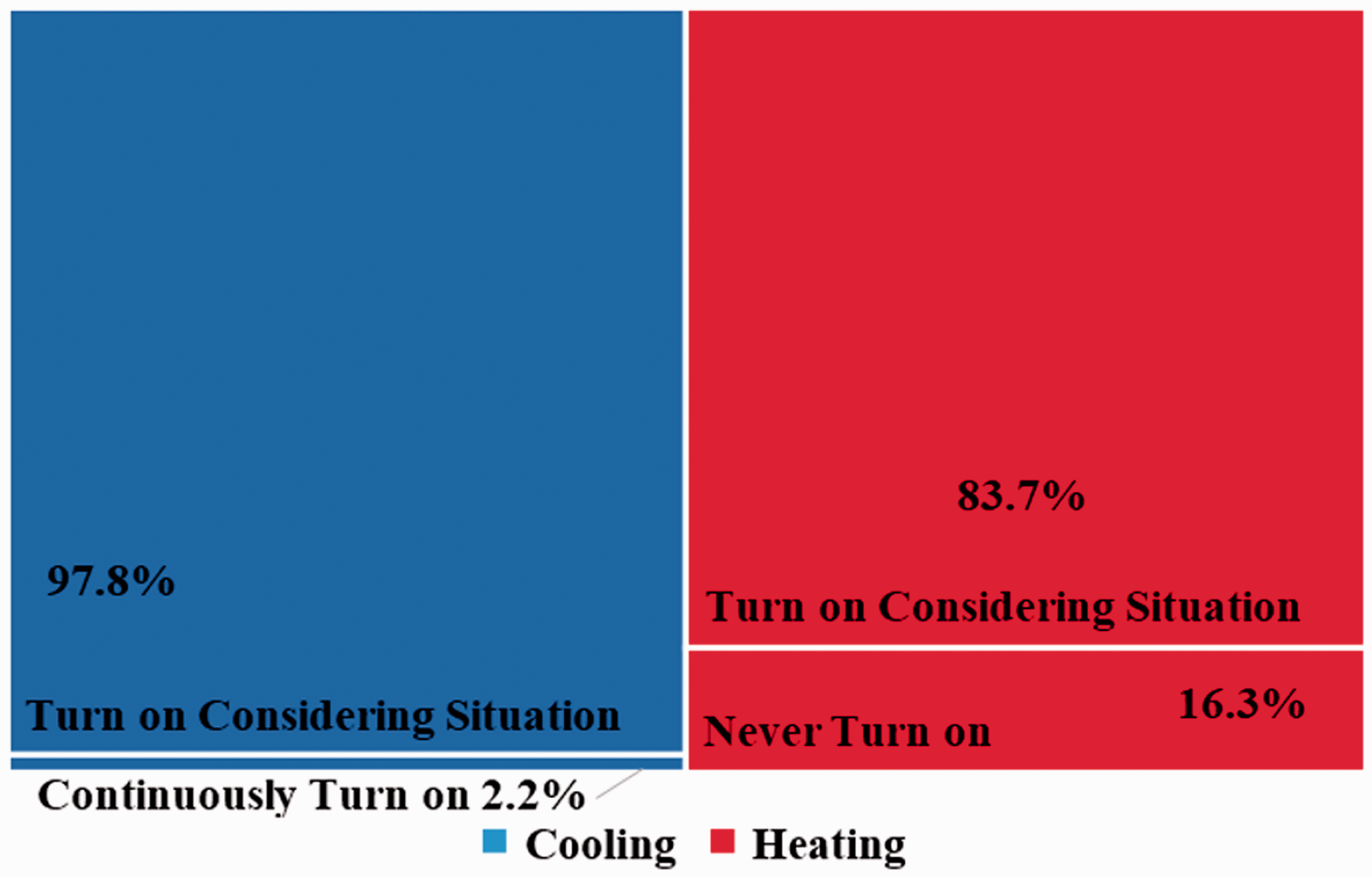
Occupied modes of AC in winter and summer.
Figure 6 gives the proportions of the timings of switching on/off the AC in the summer. Approximately 70% of the residents switch-on the AC when they feel hot, while 33% of them tend to switch-off the AC. Approximately 10% of residents tend to switch-on/off AC when they get into or leave bedrooms. The proportion of residents who tend to switch-on and off the AC when they go to sleep at night are 24% and 26%, respectively. Over 30% of residents choose to switch-off the AC when they wake up in the morning.
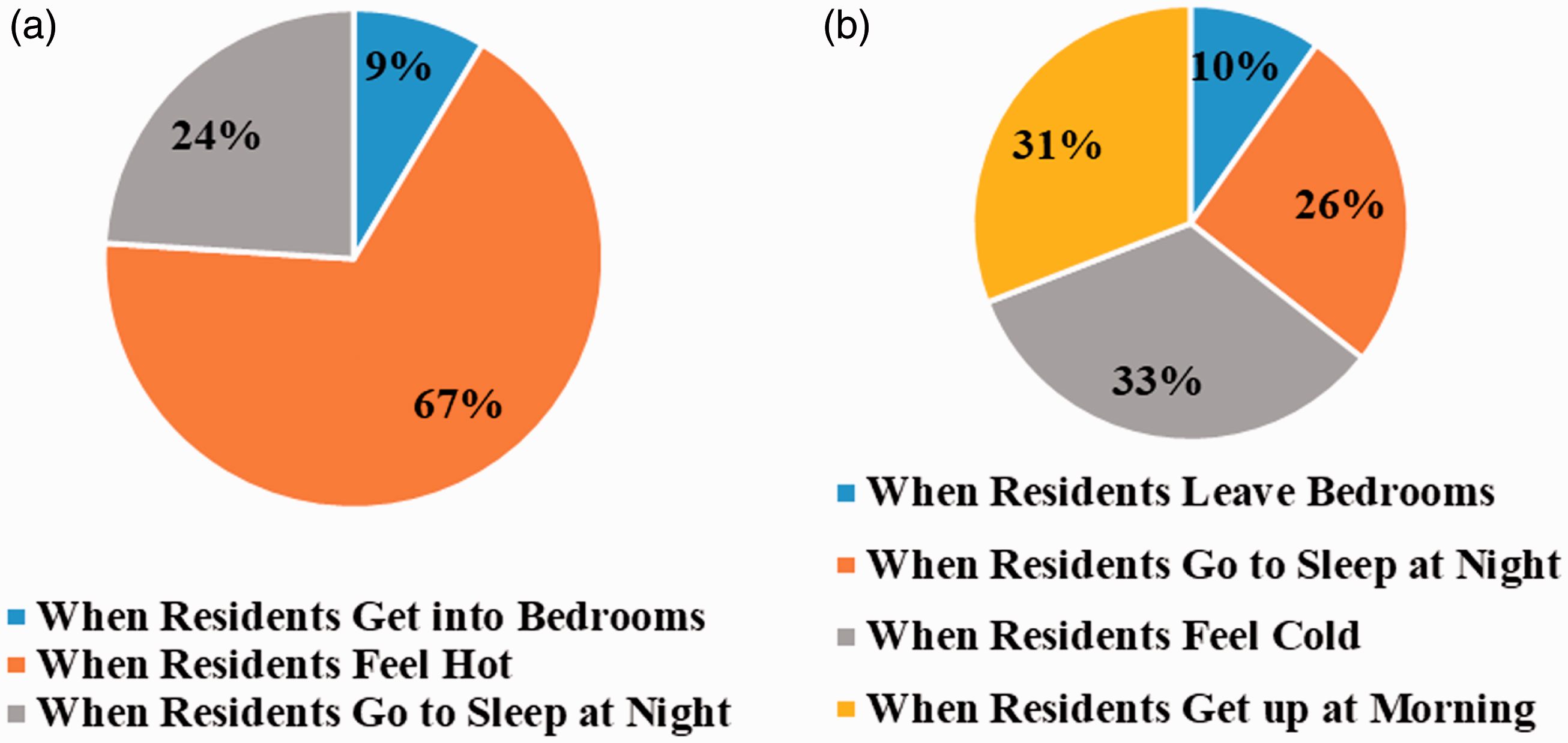
Proportions of the timings of turning (a) on and (b) off in summer.
Figure 7 gives the proportions of the timings of switching the AC on or off in winter. Approximately 80% of the residents choose to switch-on the AC when they feel cold, while 50% of them tend to switch-off the AC. Approximately 10% of residents tend to switch the AC on or off when they get into or leave bedrooms. Approximately 20% of the residents choose to switch-off AC when they get up in the morning.
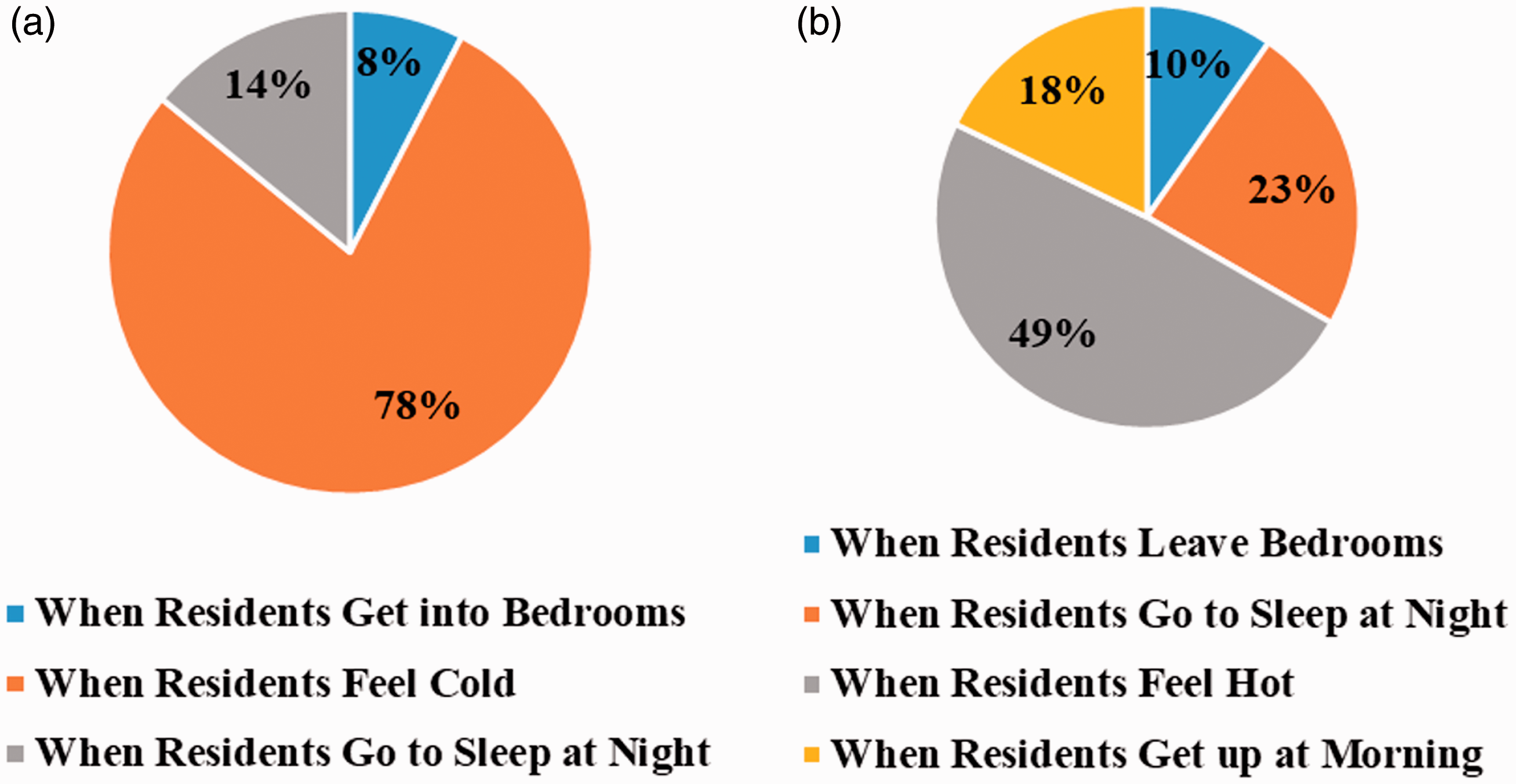
Proportions of the timings of turning (a) on and (b) off in winter.
Building energy simulation
Operation schedules of AC considering energy usage
Based on the results of the questionnaires, the operation schedules of AC are summarized as 10 subcategories, as presented in Figure 8. In Figure 8, the red area represents the duration in which ACs were switched-on, and the blue area represents the duration in which ACs were switched off. Figure 8(a) and (b) shows the operation schedules of continuous energy usage, which are not general in the HSCW area. Figure 8(c) and (d) shows the operation schedules of intermittent energy usage without considering the tolerance modes. This mode is closer to the actual situation in the HSCW region, but there is still a certain difference. Figure 8(e) to (i) shows the operation schedules of intermittent energy usage considering the actual tolerance of residents, which closely match actual energy use in this region.
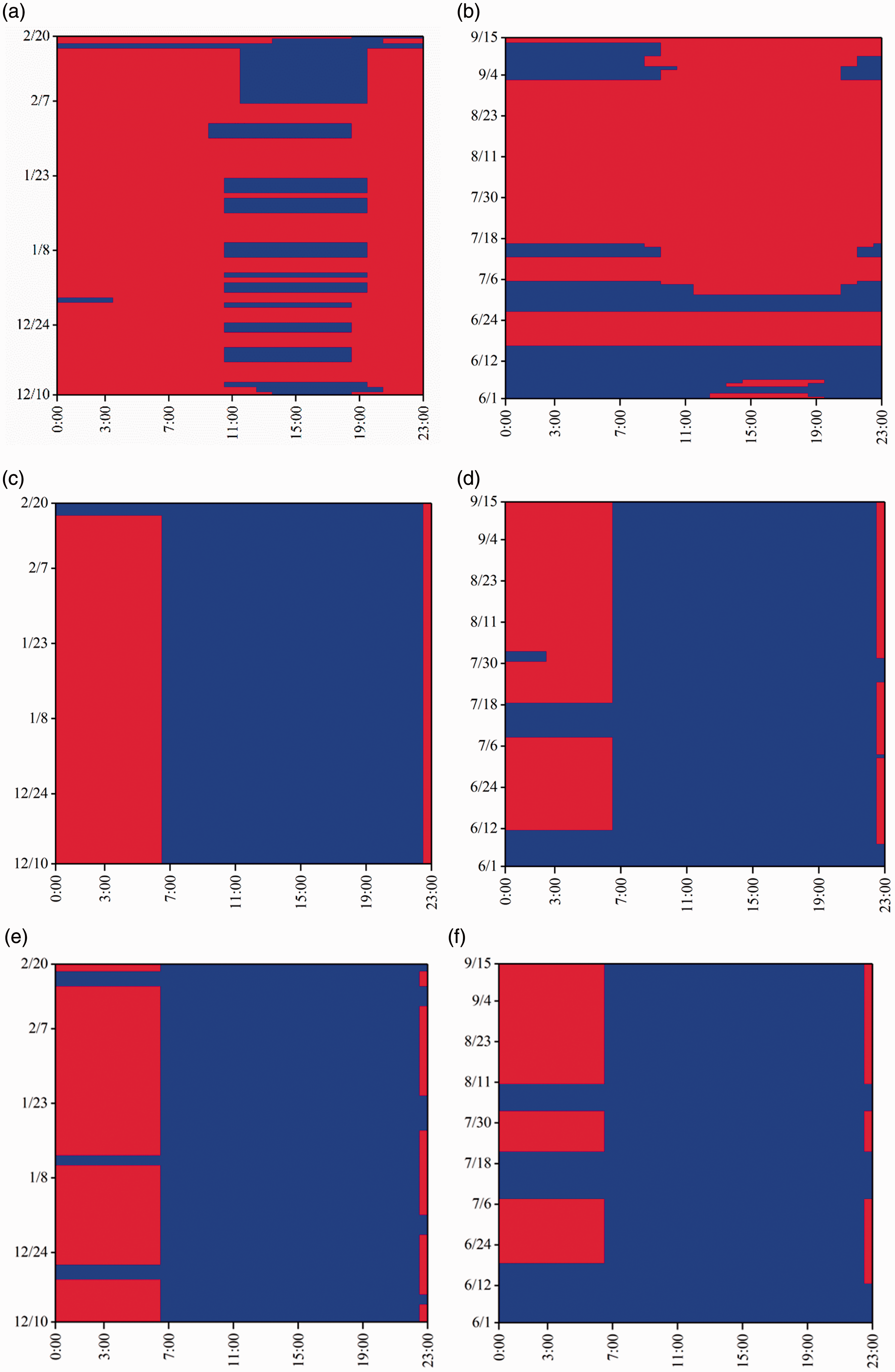
Operation modes of AC at different duration. (a) Continuous energy usage in winter. (b) Continuous energy usage in summer. (c) Intermittent energy usage in winter. (d) Intermittent energy usage in summer. (e) Intermittent energy usage in winter (low tolerance). (f) Intermittent energy usage in summer (low tolerance). (g) Intermittent energy usage in winter (medium tolerance). (h) Intermittent energy usage in summer (medium tolerance). (i) Intermittent energy usage in winter (high tolerance). (j) Intermittent energy usage in summer (high tolerance).
Heating and cooling energy consumption under different operation modes with different thermal insulation
For residential buildings in HSCW areas, domestic cooling/heating devices consume electricity (Guo et al., 2015). The cooling/heating energy consumption in this study is defined as the cooling/heating amount without considering the energy efficiency ratio (EER) and coefficient of performance (COP). Hence, total energy consumption is defined as the sum of cooling energy consumption and the heating energy consumption. As mentioned in Building energy simulation section, the thermal insulation of the building envelope affects energy efficiency. Hence, we analyzed the energy consumption/saving of the model building with different types of thermal insulation of the exterior walls: (1) exterior thermal insulation system (ETIS); (2) interior thermal insulation system (ITIS); and (3) no thermal insulation system (NTIS).
Figure 9 shows the energy consumption of an AC under different operation modes with different envelope thermal insulation type. It is evident that the thermal insulation of exterior walls can reduce energy consumption. The annual total energy consumption of an AC in intermittent operation mode is significantly lower than in continuous operation mode. Compared with the continuous energy usage mode, the annual heating energy consumption is less than the annual cooling energy consumption of the intermittent energy usage mode. With an increase in temperature tolerance of residents, annual energy consumption is gradually decreasing.
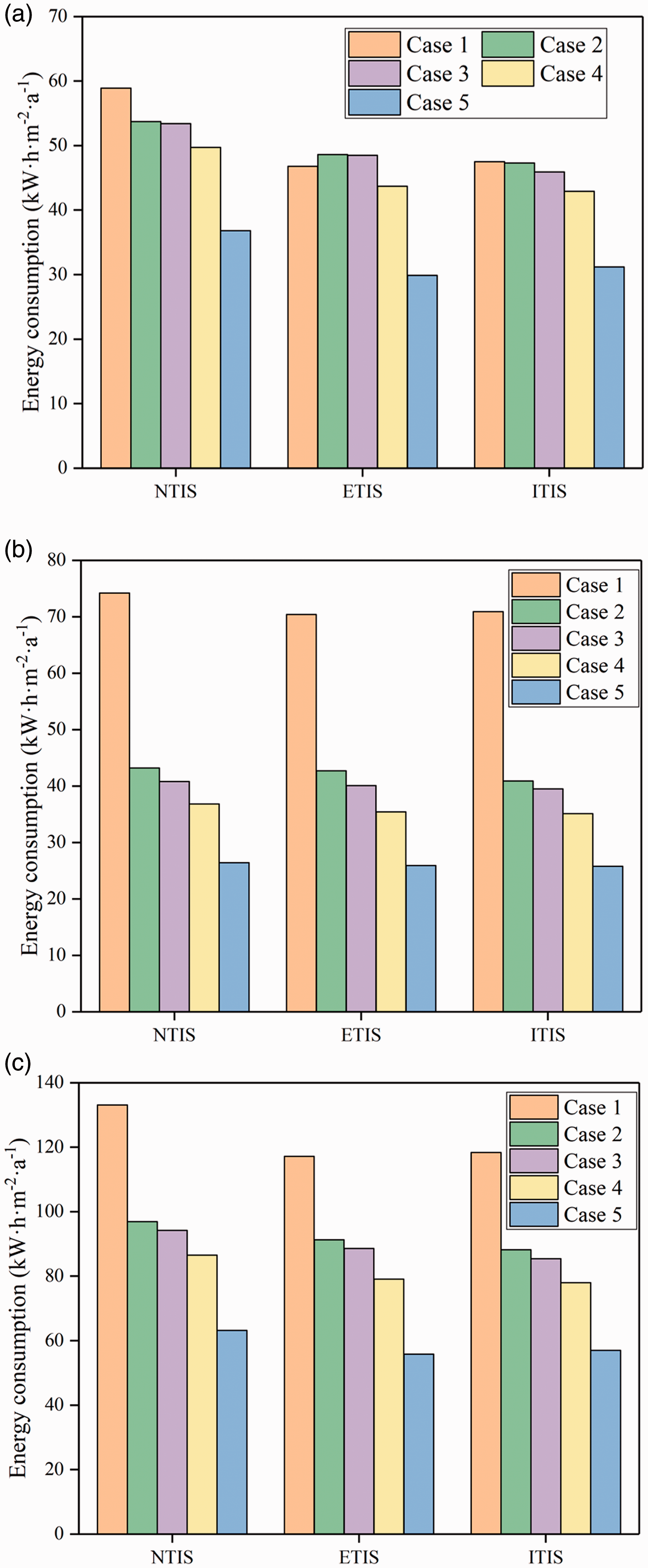
Annual energy consumption of AC under different operation modes with different envelope thermal insulation. (a) Annual cooling energy consumption. (b) Annual heating energy consumption. (c) Annual total energy consumption.
Figure 10 shows the annual cumulative use durations in different insulation modes. The more the cumulative values of hours in a specific temperature range, the larger the difference of running duration between two energy usage modes considering residents’ tolerance. The cumulative hours below 12°C and above 32°C account for about 50% of the whole year. Therefore, the annual energy consumption reduction is most obvious in the high tolerance mode.
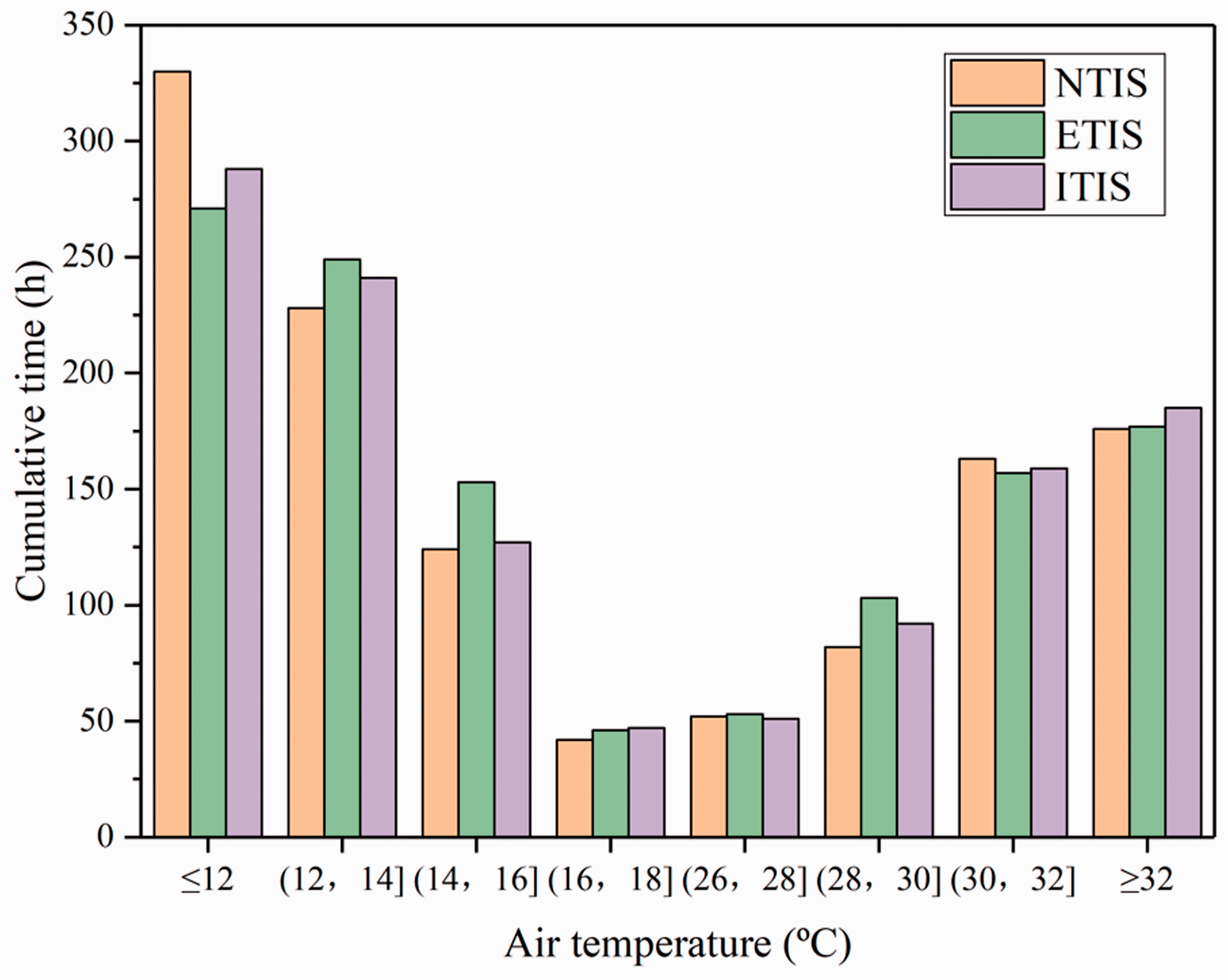
Annual cumulative durations in different insulation modes.
Energy saving under different operation modes with different thermal insulation
Figure 11 shows the annual heating, cooling, and total energy savings of exterior and internal thermal insulation systems compared to NTIS. The annual heating energy saving is higher than that of cooling. We suggest two reasons contributing to this phenomenon: (1) the indoor and outdoor temperature difference is greater in winter than in summer, so the thermal insulation performs better in winter; (2) the insulation layer absorbs solar radiant heat during the daytime, which is good for heating and bad for cooling during the nighttime.
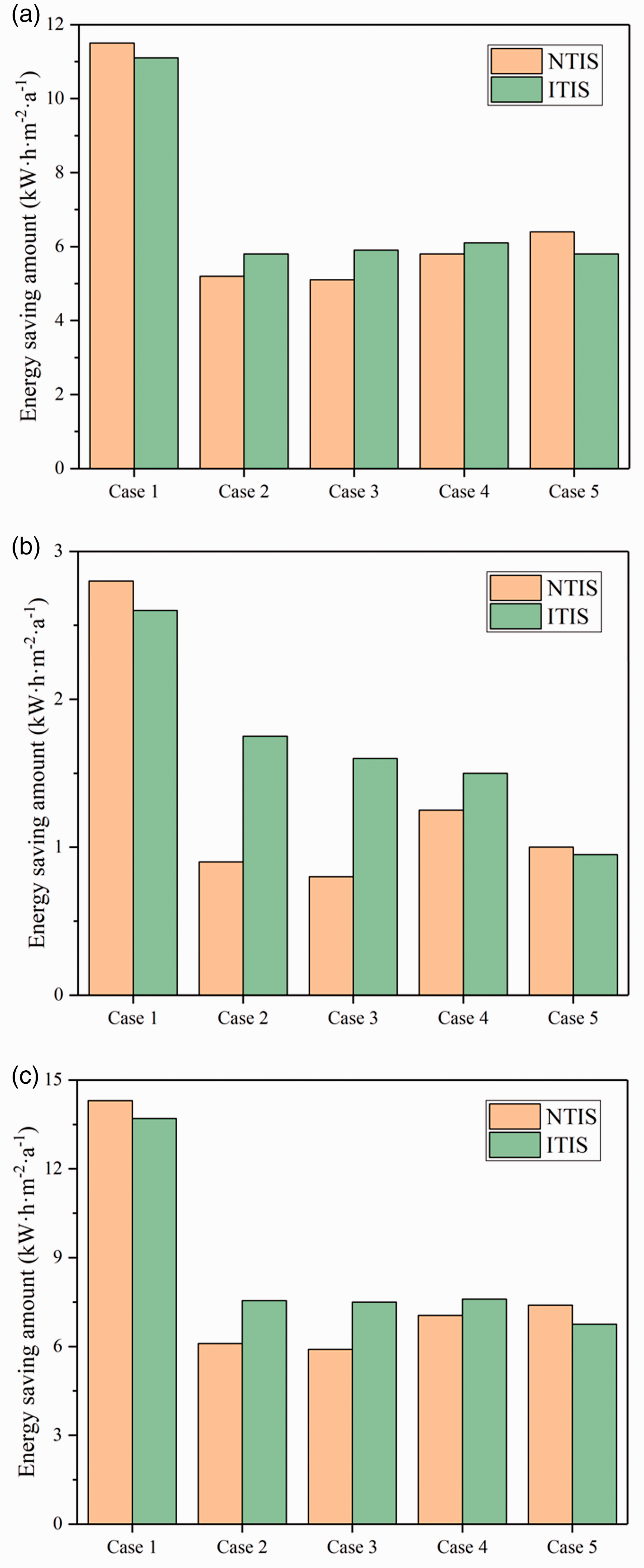
Annual energy savings of NTIS and ITIS with different thermal insulation. (a) Annual heating energy saving. (b) Annual cooling energy saving, and (c) Annual total energy saving.
Under the continuous operation mode, the annual heating and cooling effect of the exterior insulation is better than the interior insulation of the exterior walls. Under this mode, the walls can store both hot and cold air and have high heat capacity, thereby maintaining a stable indoor temperature. The insulation layer installed outside the exterior wall can effectively reduce the heat exchange between the wall and the outdoor environment and can reduce the cooling/heating load of buildings. The insulation layer installed inside the exterior wall makes the stability of indoor air temperature poor, causing the AC to be repeatedly switched on and -off, limiting energy saving. Contrary to continuous energy usage mode, the annual heating and cooling efficiency of the interior insulation is better than the exterior insulation in intermittent energy usage mode. In this energy usage mode, the heat storage of the wall covers the entire energy usage cycle, which forms the major part of the load of an AC. If the insulation layer is installed inside the wall, the AC can be directly utilized to cool/heat indoor air, reducing the energy consumption of buildings.
Discussion
The results indicate that the intermittent energy usage mode is common in HSCW areas. Reduction in AC use may benefit building energy conservation in HSCW areas (Zhou et al., 2016).
In general, residents can endure exorbitant temperatures to some extent. We studied the energy conservation performance of the different types of thermal insulation of external walls, under different tolerance level of residents, and conclude some points of view. However, there are obvious individual difference and sociological characteristics on temperature tolerance among residents. An understanding of individual differences and sociological characteristics can improve the prediction of regional energy and the development of control strategies in residential communities.
Hence, the investigation of sociological characteristics (e.g., age, gender, education, income, and family size) is the prospective work of the authors.
Conclusions
The intermittent energy usage mode is general in residential buildings in the HSCW area. AC operation behavior is affected by the human thermal experience. The greater the indoor temperature deviates from the human comfort range, the higher the AC operation frequency. Under the continuous energy usage mode, the annual heating and cooling effect of the external thermal insulation was found to be better than that of the internal thermal insulation. Under the intermittent energy usage mode, without considering residents’ tolerance, the annual heating and cooling effect of the interior thermal insulation was better than the exterior insulation. Under the intermittent energy usage mode considering tolerance levels, the energy-saving effect of interior and exterior thermal insulation was different. In the case of low- and medium-temperature tolerance, the annual heating and cooling energy saving effect of the interior thermal insulation was better than the exterior thermal insulation; and in the case of high tolerance, the heating and cooling energy-saving effect of the exterior thermal insulation was better than interior thermal insulation.
Footnotes
Declaration of conflicting interests
The author(s) declared no potential conflicts of interest with respect to the research, authorship, and/or publication of this article.
Funding
The author(s) disclosed receipt of the following financial support for the research, authorship and/or publication of this article: This project was funded by the National Key R&D Program of China (Grant No. 2018YFC0704300), and the National Natural Science Foundation of China (Grant Nos. 51608405, 51808410).
