




Abstract
The application of multi-generation systems has seen significant growth in recent years. This research explores an innovative Rankine organic cycle that generates electricity, hydrogen, and potable water by integrating geothermal and heat recovery as energy sources. The cycle's efficiency is assessed in two configurations: utilizing geothermal energy and not utilizing it. Calculations show that the highest exergy destruction, at 32.5%, is linked to the proton electrolyzer membrane (PEM). Additionally, the lowest exergoeconomic factor, at 7.9, is found for the PEM. The cycle generates 1.81 L/s of hydrogen and 4.52 kg/s of desalinated water. Increasing the temperature of the geothermal source from 125 °C to 161 °C leads to a 30.2% increase in hydrogen production and an 18.1% increase in desalinated water production. If geothermal energy is not used and all energy comes from heat recovery, carbon dioxide emissions will increase to 71%.
Introduction
The rise in global energy demand has created a necessity for various energy systems in recent decades and has resulted in excessive fuel consumption (Didi et al., 2024; Ebazadeh et al., 2024; Rajhi et al., 2024; Su et al., 2023). While the level of social welfare has markedly improved alongside the advancement of energy systems in both urban and industrial domains, there have also been adverse effects (Albaker et al., 2023; Lin et al., 2023). Lei et al. (2024) pointed out that despite the fact that fossil fuels or hydrocarbons power the majority of energy systems, the significant issues stem from environmental concerns as well as the expenses associated with fuel extraction and distribution. As per the International Energy Agency (Marshall et al., 2024), traditional energy systems rank among the leading contributors to carbon dioxide (CO2) emissions globally, which has caused numerous environmental challenges (Akhoundi et al., 2024).
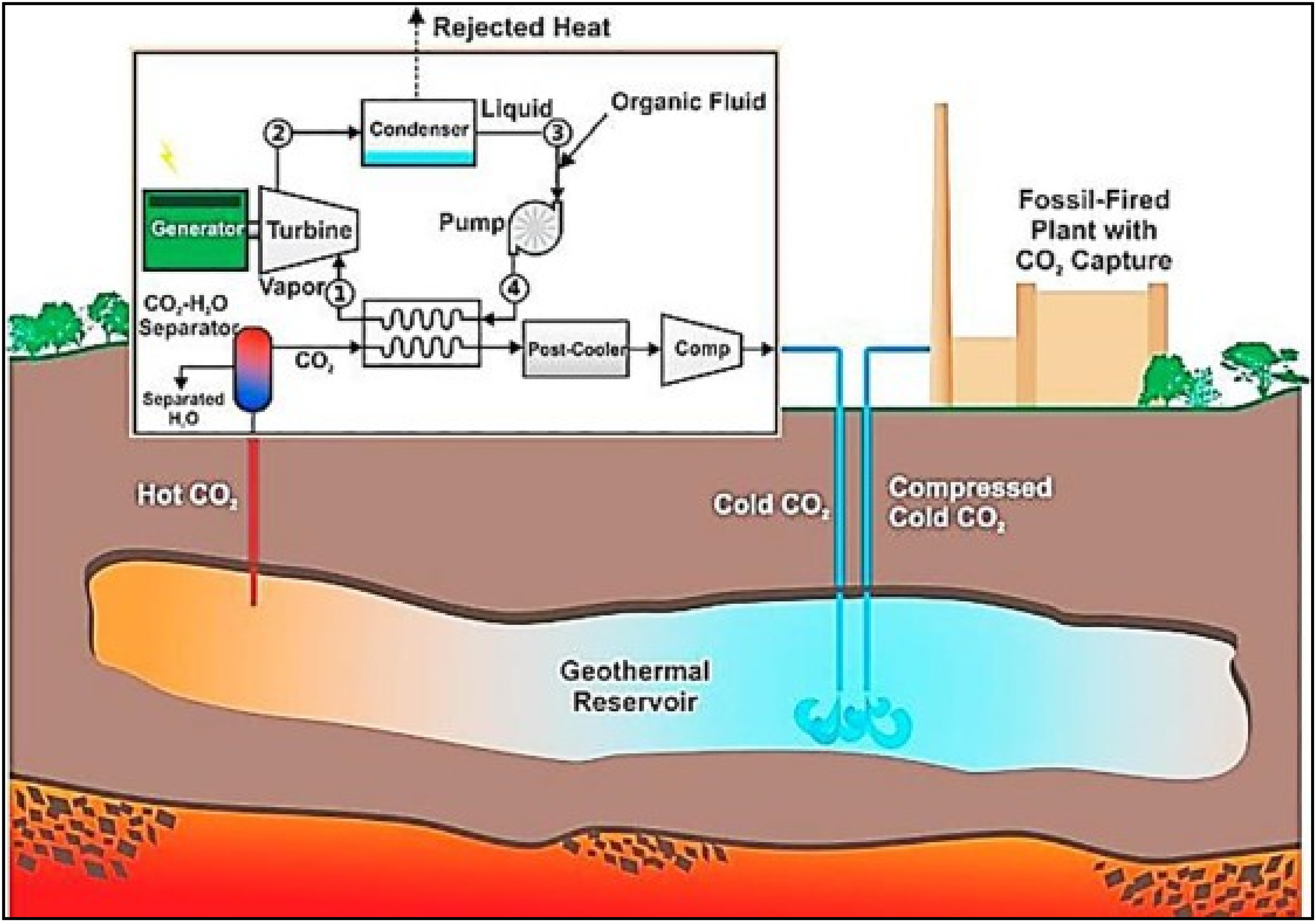
Organic Rankine cycles (ORCs) are widely utilized in power generation, employing an organic fluid as the working medium. These cycles are recognized for their operation at low to moderate temperatures, rendering them ideal for renewable energy sources such as geothermal energy and waste heat recovery (Han et al., 2020; Li et al., 2024; Wang et al., 2024). The Rankine cycle is comprised of four main components: turbine, condenser, pump, and boiler. In the condenser, the working fluid is condensed into a liquid through the release of heat (Li et al., 2023; Yang et al., 2024a, 2024b). The pump subsequently raises the pressure of the fluid and directs it to the boiler. In the boiler, the working fluid absorbs heat, undergoes a phase change, and is subsequently routed to the turbine under high temperature and pressure. As energy is generated, the fluid experiences a drop in both pressure and temperature, leading it back to the condenser to restart the cycle (Hajialigol et al., 2024; Zhou et al., 2024).
In recent years, the increasing demand for fossil fuels to satisfy human requirements has resulted in a considerable depletion of fossil energy resources. Additionally, the utilization of fossil fuels is a contributing factor to environmental pollution and global warming. Consequently, renewable energy sources and recycled heat generated from industries present feasible alternatives to fossil fuels and provide a sustainable solution for future energy requirements. Geothermal energy stands out as a renewable energy source with a multitude of advantages. Among these benefits are its absence of environmental pollutants and its capacity to produce a substantial amount of power (Alayi et al., 2021a, 2021b). In Iran, waste heat produced by industrial units remains an untapped energy resource that has not garnered much attention. Iran's limited adoption of waste heat recovery stems from a historical focus on fossil fuels, subsidized energy prices, and a weak regulatory framework, diminishing the economic incentive for industries to invest in such technologies. Furthermore, lack of awareness, expertise, and access to financing, coupled with outdated infrastructure, pose significant technological and financial barriers to implementing waste heat recovery systems. These factors collectively hinder the widespread implementation of waste heat recovery in Iran's energy sector (Alayi et al., 2021a, 2021b).
At present, there is a significant volume of waste heat with temperatures below 400 °C in industrial units. Harnessing this waste heat can significantly aid in optimizing energy consumption, improving energy system performance, and diminishing environmental pollution. However, conventional Rankine cycles are incapable of utilizing this heat due to its low temperature and pressure.
Ratlamwala and Dincer (2012) explored a cogeneration system that utilizes geothermal energy with multiple evaporation cycles. Their research indicated that the exergy efficiency rose from 6.53% to 47.29% as the number of evaporation stages increased from one to five. Yilmaz et al. (2012) investigated seven distinct geothermal configurations and hydrogen production via the electrolyzer method. Their study demonstrated that the cost of hydrogen production diminished as the temperature of the geothermal source increased. Wang et al. (2009) assessed four simultaneous electricity generation methods in a cement plant. They employed the genetic algorithm method to optimize each steam cycle, Kalina cycle, and separate cycle to enhance exergy efficiency or minimize losses within the cement production process. The Kalina cycle, achieving an exergy efficiency of approximately 45%, was determined to be the most suitable system for cement heat recovery. Quoilin et al. (2013) optimized a compact ORC utilizing waste heat and various working fluids. They attained an efficiency of 5.2% with n-butane fluid, costing €2136/kW to generate 4.2 kW of power. Song et al. (2015) investigated heat recovery from a marine diesel engine and observed a 10.2% improvement in engine efficiency. Larsen et al. (2014) contrasted the traditional Rankine cycle with the ORC using a two-stroke diesel engine. Their findings revealed that the ORC yielded the highest power, with the Kalina cycle generating 75% of the power produced by the ORC. Pierobon et al. (2014) examined the most efficient heat recovery technology for offshore equipment and concluded that the ORC surpassed the traditional Rankine cycle. Girgin and Ezgi (2017) performed a thermodynamic analysis of an ORC utilizing waste heat from a diesel generator aboard a ship. Their findings indicated that using toluene fluid resulted in the generation of 92 kW of power, conserved 25,000 L of diesel fuel, and led to a reduction of 67.2 tons of CO2 emissions after 1000 h of operation. Therefore, the specific research gaps can be identified as:
Using gas turbine cycles in power generation layouts can lead to a significant amount of waste energy. The combined Brayton and inverse Brayton cycle (IBC), which are used in such systems, has a considerable amount of waste energy in the heat rejection stage and exhausted gas, which has not been considered in previous studies. Geothermal energy is often used with low-temperature systems. However, the exergy efficiency of these systems is not very high. When using geothermal energy to produce hydrogen and freshwater, the total power consumption reduces the exergy efficiency even further (Quoilin et al., 2013). It is suggested to use other energy sources (e.g. renewable energy resources) to provide the necessary energy for the ORC. This research proposes a new cycle that simultaneously produces power, heating, hydrogen, and freshwater by combining geothermal energy with recycled heat sources (Girgin and Ezgi, 2017; Larsen et al., 2014; Pierobon et al., 2014; Quoilin et al., 2013; Song et al., 2015).
Traditional approaches to waste heat recovery and geothermal energy utilization often face limitations in efficiency, economic viability, or environmental impact (Fu et al., 2025; Jichao et al., 2024; Kong et al., 2023; Yi et al., 2025; Zhang et al., 2023, 2024; Zhu et al., 2025). This research addresses these challenges by introducing a novel integrated cycle that combines geothermal energy with recycled heat sources, such as industrial waste heat, to simultaneously produce power, heating, hydrogen, and freshwater. The core innovation lies in the optimal integration of a Brayton cycle, an IBC, and an ORC. This design incorporates three key heat exchangers to maximize energy recovery. However, the added complexity necessitates a thorough technical and economic assessment of the heat exchanger placement and its overall impact on system performance. Furthermore, the environmental benefits of utilizing recycled heat must be carefully evaluated against the associated carbon emissions. This research aims to provide a comprehensive energy, exergy, economic, and environmental analysis of the proposed cycle, while also assessing the unique benefits derived from integrating geothermal energy by comparing performance with and without its inclusion. Therefore, the key objectives and contributions are:
Objectives:
To comprehensively analyze the energy, exergy, economic, and environmental aspects of the proposed cycle. To evaluate the effectiveness and optimal placement of heat exchangers through technical and economic evaluations. To assess the environmental impact, specifically the carbon emissions, from the use of recycled heat. To promote the utilization of geothermal energy by comparing the cycle's performance with and without its inclusion. Contributions:
Presenting a novel integrated cycle combining geothermal energy and recycled heat sources. Providing a detailed assessment of the economic viability of heat exchangers. Offering an environmental evaluation, considering the carbon emissions associated with recycled heat. Facilitating the comparison of system performance with and without geothermal energy, highlighting its potential benefits.
Materials and methods
The current study combines a proton electrolyzer membrane (PEM) system and a reverse osmosis (RO) system with the ORC. Geothermal energy and recycled heat are used to power the ORC. In Figure 1, the cycle shows a system that simultaneously produces power, hydrogen, and heating using geothermal energy and recycled heat, along with a hydrogen production subsystem. The main outputs of this system are power, heating, and freshwater, which are generated in the ORC and RO subsystems. The diagram in Figure 1 shows an integrated system utilizing geothermal energy and recycled heat to produce power, hydrogen, heating, and freshwater. The core of the system is the ORC, with the PEM and RO systems integrated with the ORC's energy streams. The system begins with geothermal energy input, shown as a heat source. Geothermal energy is used to heat the working fluid. There is also a heat input from the recycled heat, as a separate heat source. R134a, the working fluid, enters the cycle. It is preheated by a pump. The R134a is preheated by the recycled heat exchanger, using heat from the cycle.
The diagram schematic of the proposed integrated system utilizing geothermal energy and recycled heat.
The preheated R134a enters the economizer, where it absorbs heat from the geothermal source and becomes a saturated vapor. The saturated vapor then passes through the evaporator, and the superheater to increase the temperature to the maximum temperature of the cycle. The superheated R134a expands through a turbine, generating mechanical power. The turbine is mechanically coupled to a generator, which converts the mechanical power into electricity. After passing through the turbine, the working fluid still retains heat. It enters a desuperheater, where it provides heat for the electrolyzer system (PEM). The working fluid then enters a condenser to release heat. The heat is used to provide heating for sanitary hot water. After releasing heat, the R134a returns to a saturated liquid state and the cycle repeats, starting with preheating.
Electricity generated by the generator is supplied to the PEM system. Water enters the desuperheater. The heated water enters the electrolyzer. Inside the electrolyzer, water is split into hydrogen and oxygen. Hydrogen is produced at the cathode and is stored. Oxygen is separated from the water–oxygen mixture at the anode. The remaining water is recycled back into the electrolyzer. Furthermore, the electricity from the generator is supplied to the RO system. The RO system receives water as input (the source is not specified in your description, but it would typically be a water source). The RO system produces freshwater as its primary output. Electricity is generated by the generator. This is distributed to the PEM and RO systems.
The power generated in the ORC is converted into electricity by a generator. This electricity is then evenly distributed to the proton membrane and RO system to create hydrogen and freshwater.
In the electrolyzer system, water enters the desuperheater at atmospheric pressure and is heated to the necessary temperature. Hydrogen produced at the cathode releases heat and is stored, while oxygen from the anode is separated from the water–oxygen mixture. The remaining water is recycled back into the electrolyzer to produce more hydrogen. The 4E analysis (energy, exergy, exergy-economic, and environmental) pertaining to the aforementioned configurations has been carried out by means of implementing suitable correlations within the engineering equation solver (EES). For the sake of simulation, a few simplifying assumptions have been considered, which are listed below:
By assuming a steady-state mode, the simulation simplifies the analysis but may overlook transient phenomena that could occur during operation. This could lead to inaccuracies, especially in systems where startup, shut-down, or varying load conditions are common. Transient dynamics may affect system efficiency and response times, which could have implications for real-world applications.
The assumption that the pressure loss in the combustion chamber (CC) is 5% and 3% in other heat exchangers relies heavily on empirical data. Overestimating or underestimating these losses can skew the results, particularly the net power output and efficiency calculations. If the pressure losses are greater than assumed, the system's overall performance may be significantly degraded. Conversely, underestimating pressure losses could make the system appear more efficient than it truly is.
Disregarding kinetic and potential energy simplifies the energy balance but may be unjustified in specific scenarios where these factors contribute significantly. This omission may result in a marginal error in energy and exergy calculations, particularly in high-velocity or significantly elevated systems where kinetic energy and elevation changes are non-negligible.
Assuming that isentropic efficiencies of turbo-machinery remain constant can simplify the modeling but may not reflect operational realities since these efficiencies may vary under different load conditions or with wear and tear. Changes in isentropic efficiency could significantly affect the performance predictions of compressors and turbines, leading to inaccurate exergy and energy assessments.
Using ideal gas correlations for air and gas mixtures can be appropriate under many conditions, but real gas behavior, especially at high pressures or for specific gas compositions, may deviate from ideality. This assumption could lead to errors in calculating properties such as enthalpy and entropy, which are critical for accurate energy and exergy evaluations.
While assuming that most components are adiabatic simplifies the model, estimating a 2% thermal loss from the CC is somewhat arbitrary without further empirical justification. This assumption could lead to underestimating the system's heat recovery potential, thereby inflating efficiency metrics. Specific system designs may yield different rates of thermal loss, thus modifying the results.
The assumption about the mole fraction of air relies on standard atmospheric conditions, which may not apply in all operating environments (e.g. high altitudes and polluted areas). Deviations from these standard compositions can affect combustion efficiency and exhaust gas characteristics, ultimately impacting the overall performance outcomes predicted by the simulation.
Specifying a minimum exhaust gas temperature of 70 °C may not account for all operating conditions and potential heat recovery. An arbitrary exhaust temperature could significantly alter hot gas flow characteristics, affecting heat recovery potential and cycle efficiency in the simulation results.
Treating ambient pressure and temperature as benchmarks is standard practice in exergy analysis. While justified, this assumption can still lead to inaccuracies in exergy efficiency calculations if operating conditions diverge from standard conditions, which can vary greatly in practical applications (Hussein et al., 2024; Sannigrahi et al., 2010; Shokati et al., 2015).
While these assumptions can simplify the simulation and enable initial evaluations of system performance, their validity should be carefully scrutinized to ascertain how they could affect the simulation results. Any inaccuracies introduced by these assumptions may misinform design considerations, operational strategies, and reliability assessments of the proposed cycle. Future work should involve sensitivity analyses to quantify the impact of these assumptions and potentially refine them with empirical data to improve simulation accuracy.
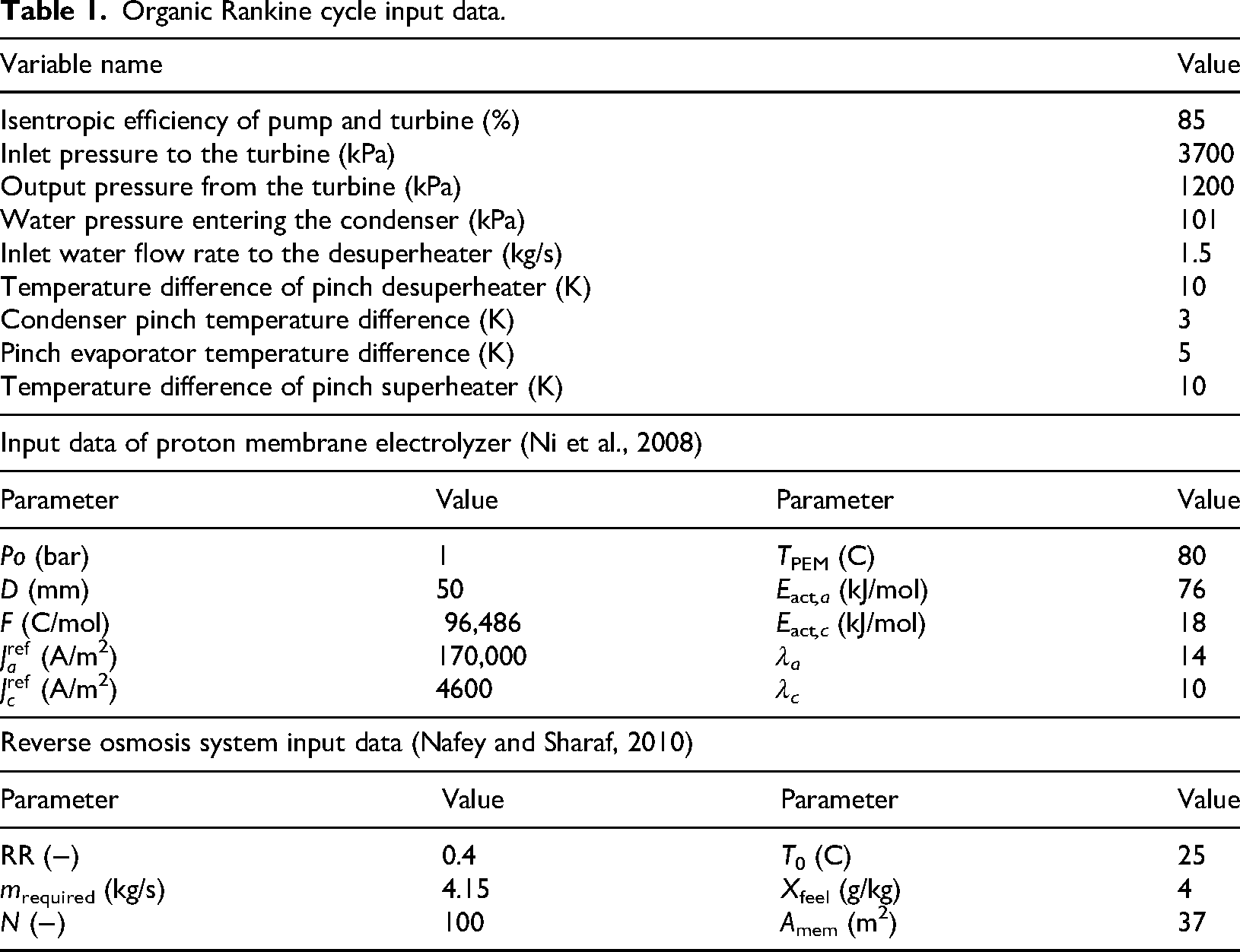
Table 1 displays the input data for the ORC, proton membrane electrolyzer system, and RO system.
Organic Rankine cycle input data.
Energy and exergy analysis
In order to calculate the energy of the system accurately, it is necessary to apply the laws of conservation of mass and energy to every component of the system. To do this, each element is treated as a control volume (Al-Sulaiman et al., 2012; Nami et al., 2017).

Exergy is categorized into four types: physical exergy, chemical exergy, kinetic exergy, and potential exergy. For this research, kinetic and potential exergy terms have been excluded due to minor changes in speed and height. Physical exergy represents the maximum useful work that a system can obtain when interacting with the environment under equilibrium conditions. By taking into account the first and second laws of thermodynamics, the exergy balance can be expressed as equation (3) (Al-Sulaiman et al., 2012).
Indexes i and e specify the input and output exergy of the control volume. 


The energy efficiency of the studied cogeneration system is calculated based on equation (7).



The exergy efficiency of the cogeneration system is calculated using equation (11).

Exergy-economic analysis
The exergy costing process involves writing cost balance equations separately for each system component, as outlined in equation (13) (Nemati et al., 2018).
In the above relationship, c is the unit cost of exergy and 
In the above relationship, Zk is the initial purchase cost of the component, φ is the coefficient related to the operation and maintenance cost of the component, N is the number of annual operating hours of the component, and CRF is the return on investment coefficient and is determined from equation (15).
In equation (15), i is the capital interest rate equal to 12%, and n is the number of years of system operation equal to 20 years; also, φ is equal to 1.06, and N is considered equal to 8000 h. In this research, from the relationships presented in references (Sayyaadi and Mehrabipour, 2012) to obtain the initial price of Rankine cycle components and from the relations of reference (Ahmadi et al., 2012) to obtain the price of converters and geothermal energy and from reference (Nafey and Sharaf, 2010) to obtain the initial price of the unit water desalination and reference (Ahmadi et al., 2014) has been used to obtain the initial price of the electrolyzer unit. The price determination relations provided are related to the previous years and these prices are updated by equation (16).
When determining the exergy efficiency of a component, it is important to define the fuel and product being used. This helps establish the cost streams associated with the fuel and product for the system. The average unit cost of fuel and product for the specific component can be calculated using equations (17) and (18).

The rate of exergy destruction cost is calculated by combining the exergy balance and cost balance.
The exergy-economic factor in each component is obtained from equation (20).
Environmental analysis
An environmental analysis was conducted on a proposed system to assess the emissions of pollutants if geothermal energy is not utilized and all energy is provided by recycled heat, which comes from fuel combustion. The modeling of simultaneous geothermal energy and recycled heat production assumed complete combustion in the CC to determine system thermodynamic and economic parameters. However, in reality, incomplete chemical reactions in the CC result in the production of carbon monoxide (CO) and nitrogen oxides in the combustion products (Ahmadi et al., 2011).
An environmental exergy analysis was conducted on a multiple production system to determine the cost of reducing pollutant emissions. This study specifically focused on the costs associated with CO, CO2, and nitrogen oxide emissions.
The quantity of CO and NOx created during combustion changes depending on the adiabatic flame temperature. This temperature is calculated using equation (22) (Dincer and Rosen, 2007; Feng et al., 2024; Gülder, 1986; Hao et al., 2024).
The values of Π, θ, ψ are dimensionless temperature and pressure, respectively, and the ratio of hydrogen atoms to carbon. The values of x∗, y∗, and z∗ are expressed as a function of σ in equations (23) to (25).


A, a, β, σ, ai, bi, and ci are obtained from reference (Dincer and Rosen, 2007). To solve thermodynamic equations, EES software has been used.
Results
In this section, the results of the calculations are presented. The results are presented in two cases with and without geothermal.
Validation
In order to verify the accuracy of the calculations from previous research, the results are compared and displayed in Figures 2 and 3, as well as in Table 2. The comparison shows a strong correlation between the results.
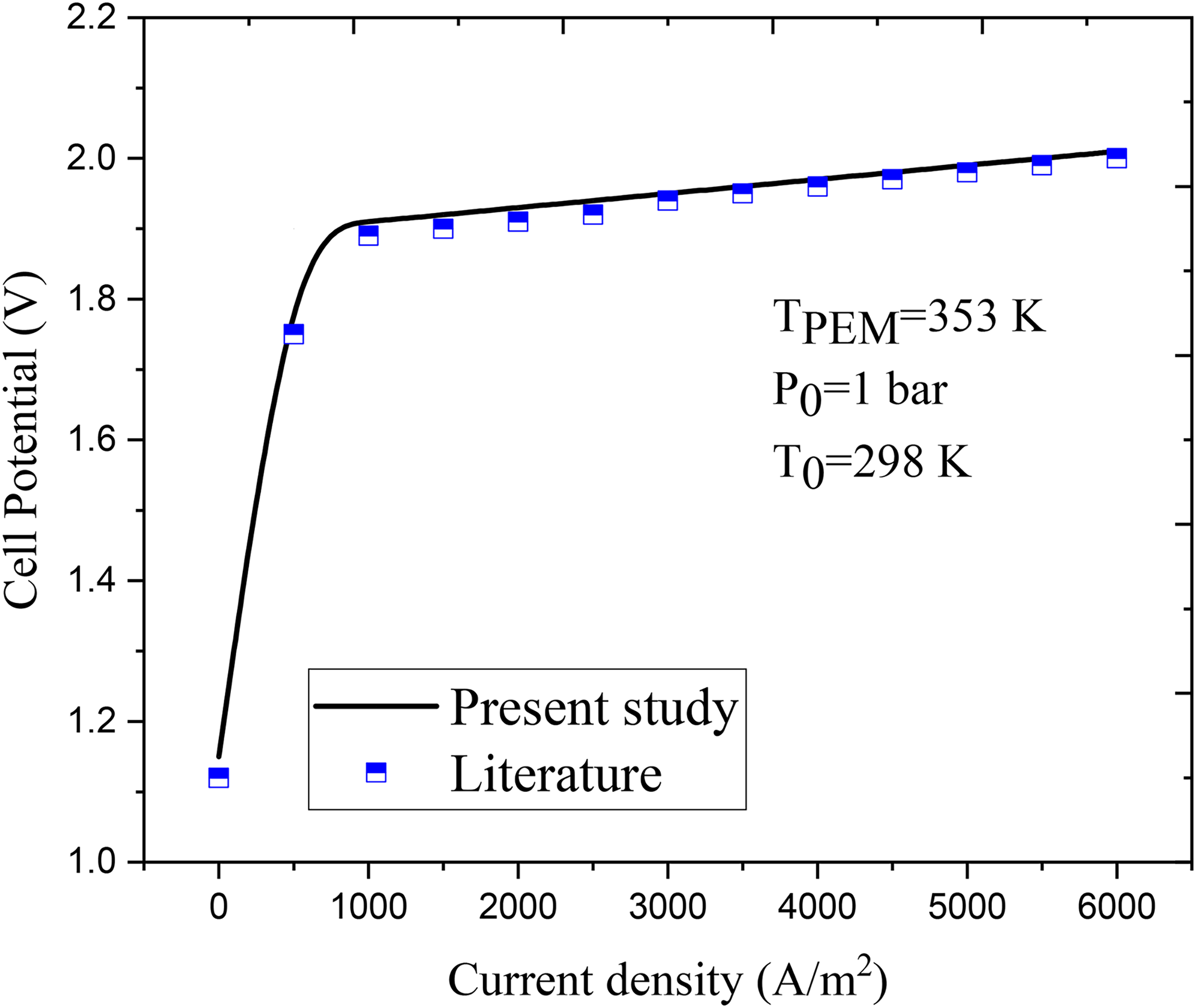
Results of hydrogen production modeling.
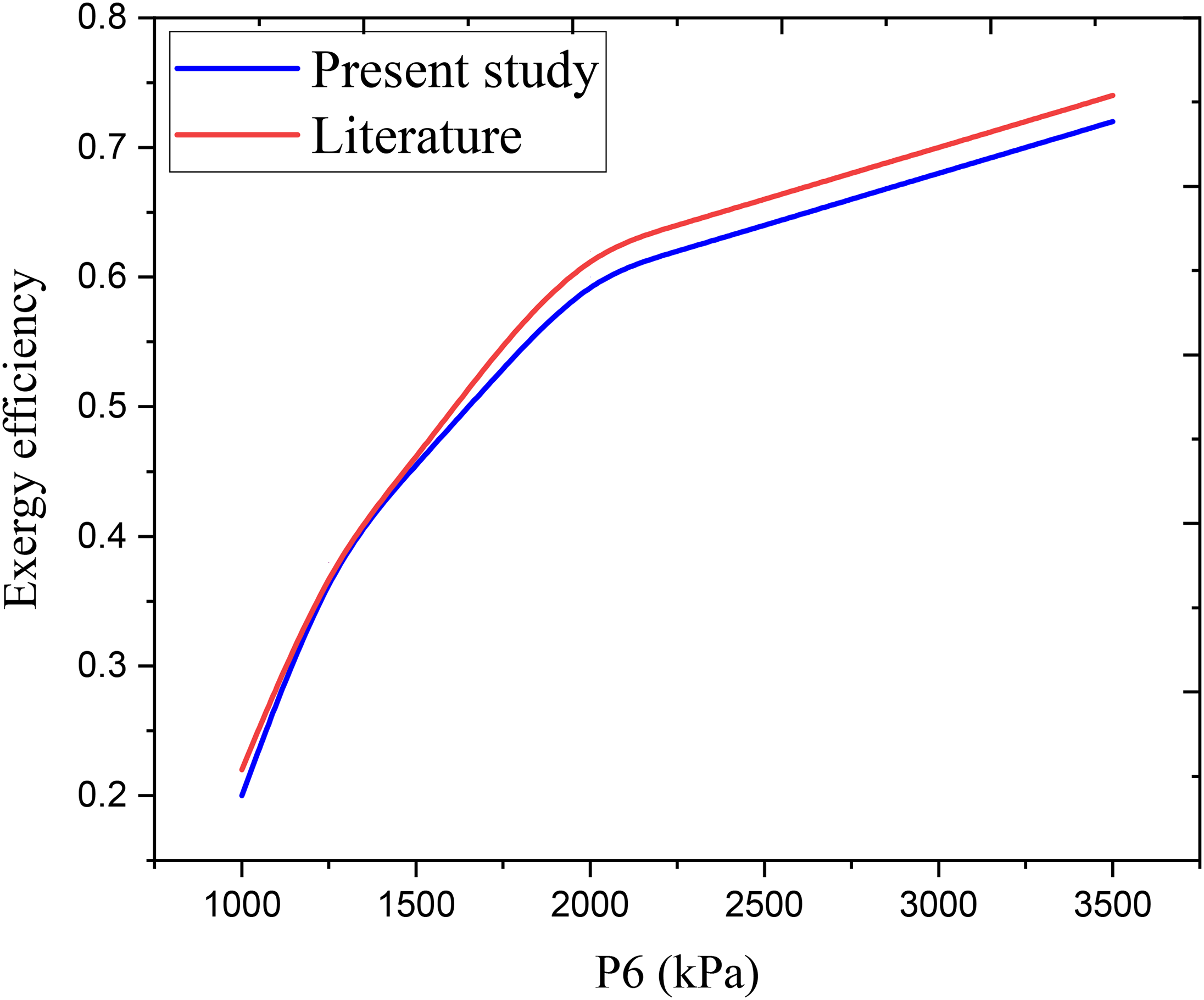
Results of organic Rankine cycle modeling.
Validation results of the desalination modeling.
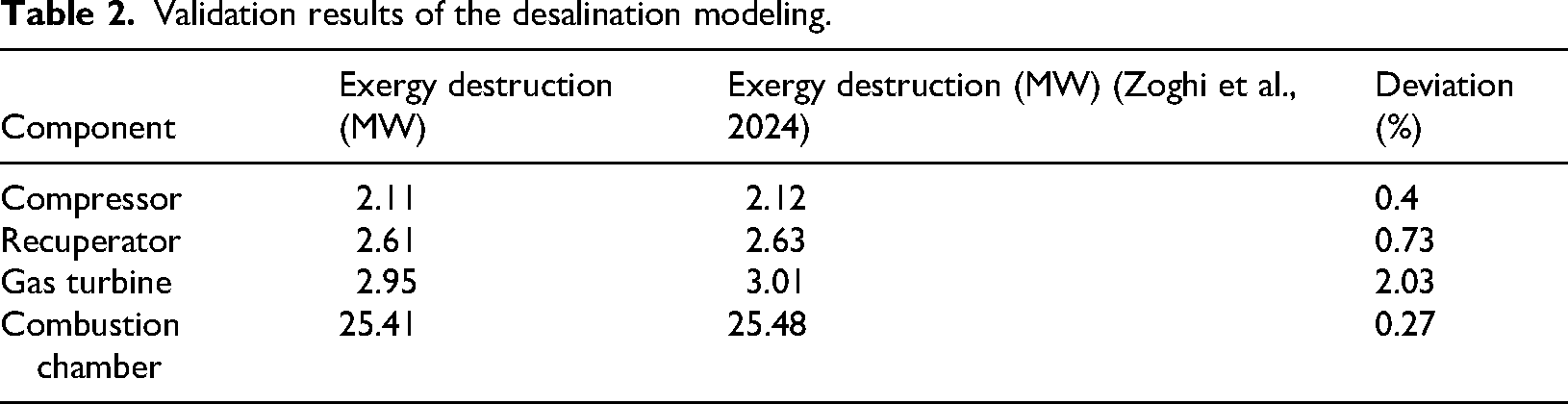
To validate the results of desalination modeling, the input data was considered according to reference (Zoghi et al., 2024) and its results were compared with the present work, which is presented in Table 2.
Results of exergy–economic analysis
Exergy analysis in energy systems aims to identify the amount of exergy loss and ways to improve it. In Figure 4, the percentage of exergy loss for each part of the system is shown. According to the figure, the ORC has the highest exergy loss at 41%, primarily because of heat exchangers and temperature differences between hot and cold flows. Following the ORC, the electrolyzer is the second-highest exergy loss unit at 32%. The significant exergy loss in electrolyzers is mainly due to the electrochemical process used for water decomposition, which is greatly influenced by power consumption intensity and electric current density. Figure 4 displays the exergy efficiency values for each component in the system being studied.
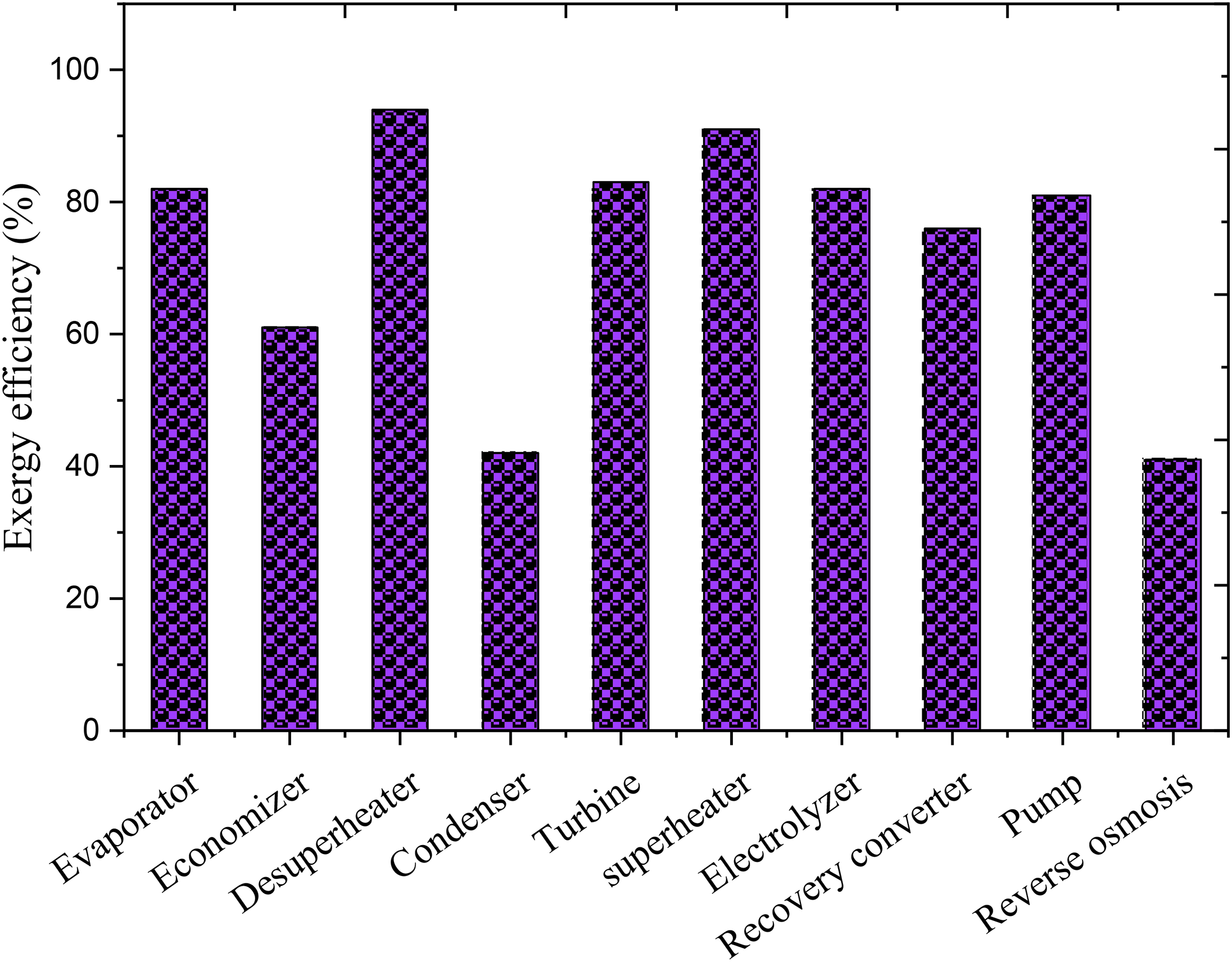
Exergy efficiency of different system components.
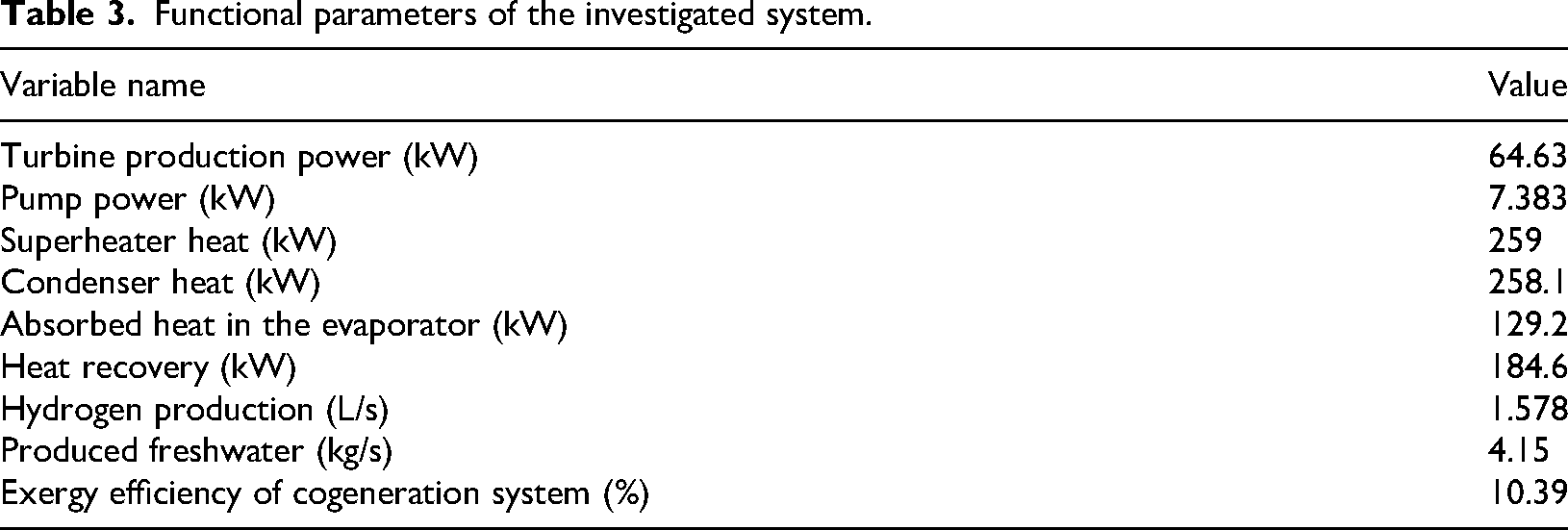
Based on Figure 4, the desuperheater has the highest exergy efficiency while the electrolyzer has the lowest. The electrolyzer's low efficiency is caused by a high amount of exergy being destroyed inside it. Table 3 displays the functional parameter values of the system being studied.
Functional parameters of the investigated system.
The contribution of different parts of the investigated system to the total cost of the system is shown in Figure 5.
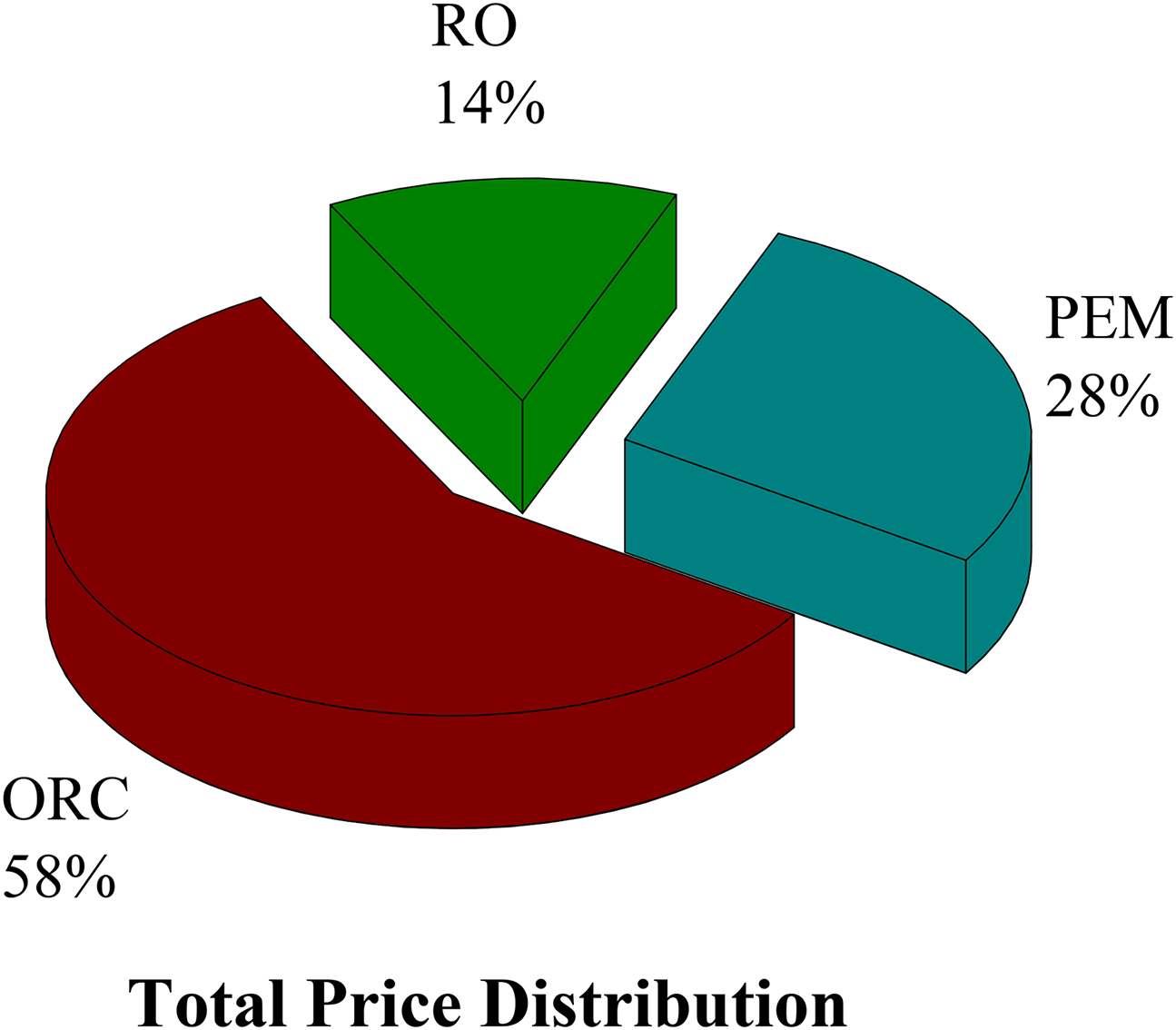
The share of different parts of the system in the total price.
Typically, economic analysis results align with exergy analysis results. The Rankine organic cycle is the most cost-effective option, requiring 58% of the investment. However, it also has the highest exergy destruction. Following the Rankine cycle, the electrolyzer is the next most significant in terms of economic impact.
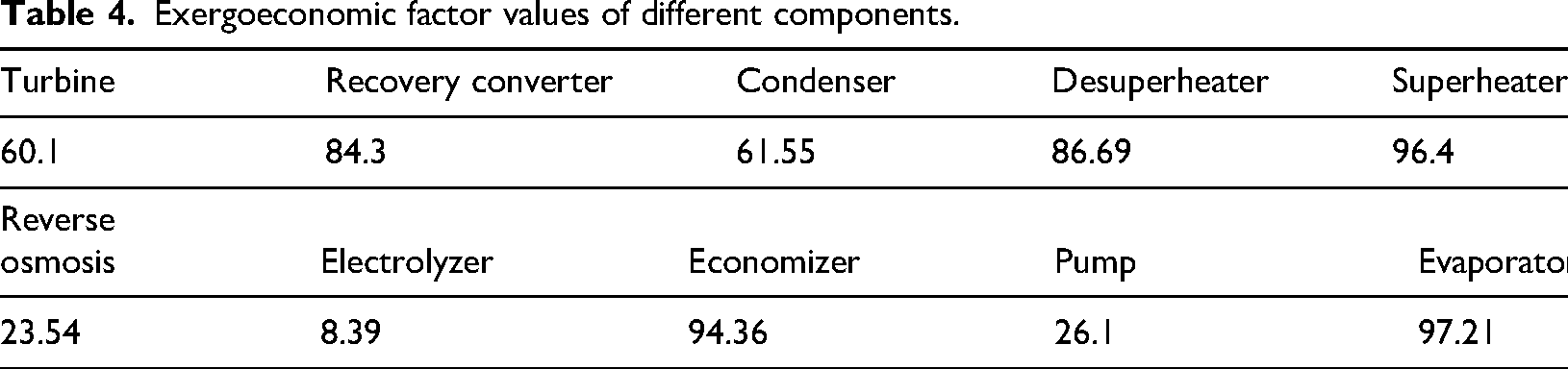
In economic analysis, a crucial parameter to consider is the exergoeconomic factor. This parameter helps determine whether the high cost of a component is due to its high investment cost or its high exergy destruction rate. Table 4 displays the exergoeconomic factor values, while Figure 6 shows the percentage of each component in the system being studied. The electrolyzer has the lowest exergoeconomic factor at 8.39%, followed by the RO unit at 23.54%. The low exergoeconomic factor of these components suggests that their high cost is primarily due to their high exergy destruction rather than their investment cost. Therefore, by increasing the investment in these components and enhancing their performance, the overall system cost can be reduced.
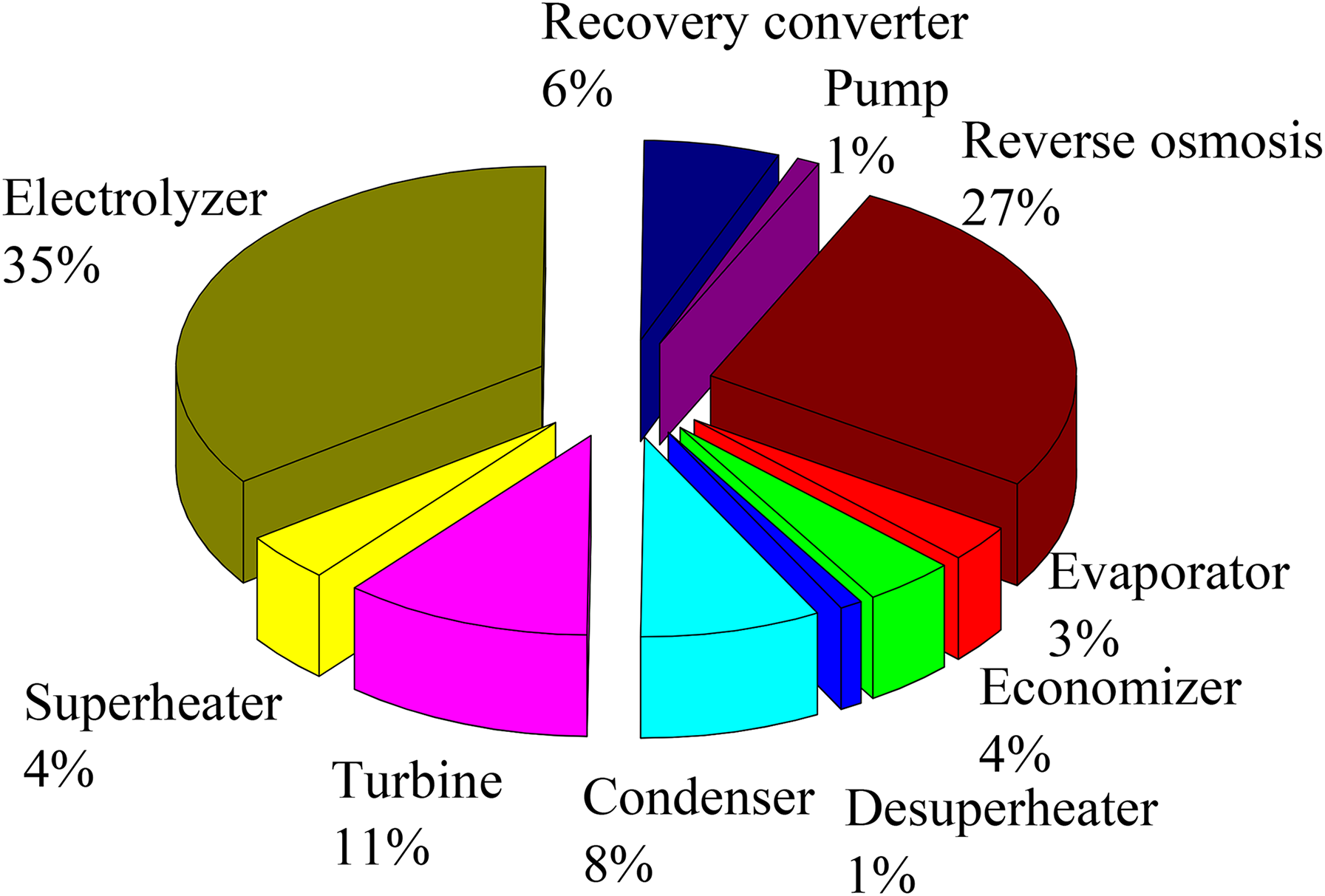
Exergoeconomic factors of different components of the system.
Exergoeconomic factor values of different components.
Parametric study
In this section, we looked at how changing the temperature of the geothermal source and the amount of recycled heat affects the system's thermodynamic performance. Figure 7 illustrates how the exergy efficiency of the entire system changes with variations in the geothermal source temperature. The figure shows that as the temperature of the geothermal source rises from 125 °C to 155 °C, the exergy efficiency of the system drops from 0.29 to 0.09. This decrease can be explained by the fact that while the net power output of the ORC increases with higher source temperatures, leading to improved Rankine cycle performance, the exergy destruction of the electrolyzer and RO units also increases. In fact, while a hotter heat source makes the ORC “more” efficient at generating electricity, the other parts of the system (electrolyzer and RO) become less efficient at higher temperatures. The net effect is that the overall system performance decreases because the increase in exergy destruction in the electrolyzer and RO units outweighs the improved performance of the ORC. Specifically, the exergy destruction of the electrolyzer rises from 13.07 to 43.66 kW, and for the RO unit, it increases from 21.34 to 31.75 kW as the geothermal temperature goes from 125 °C to 155 °C. Figure 8 displays the changes in the exergy destruction rate of these units with varying geothermal temperatures.
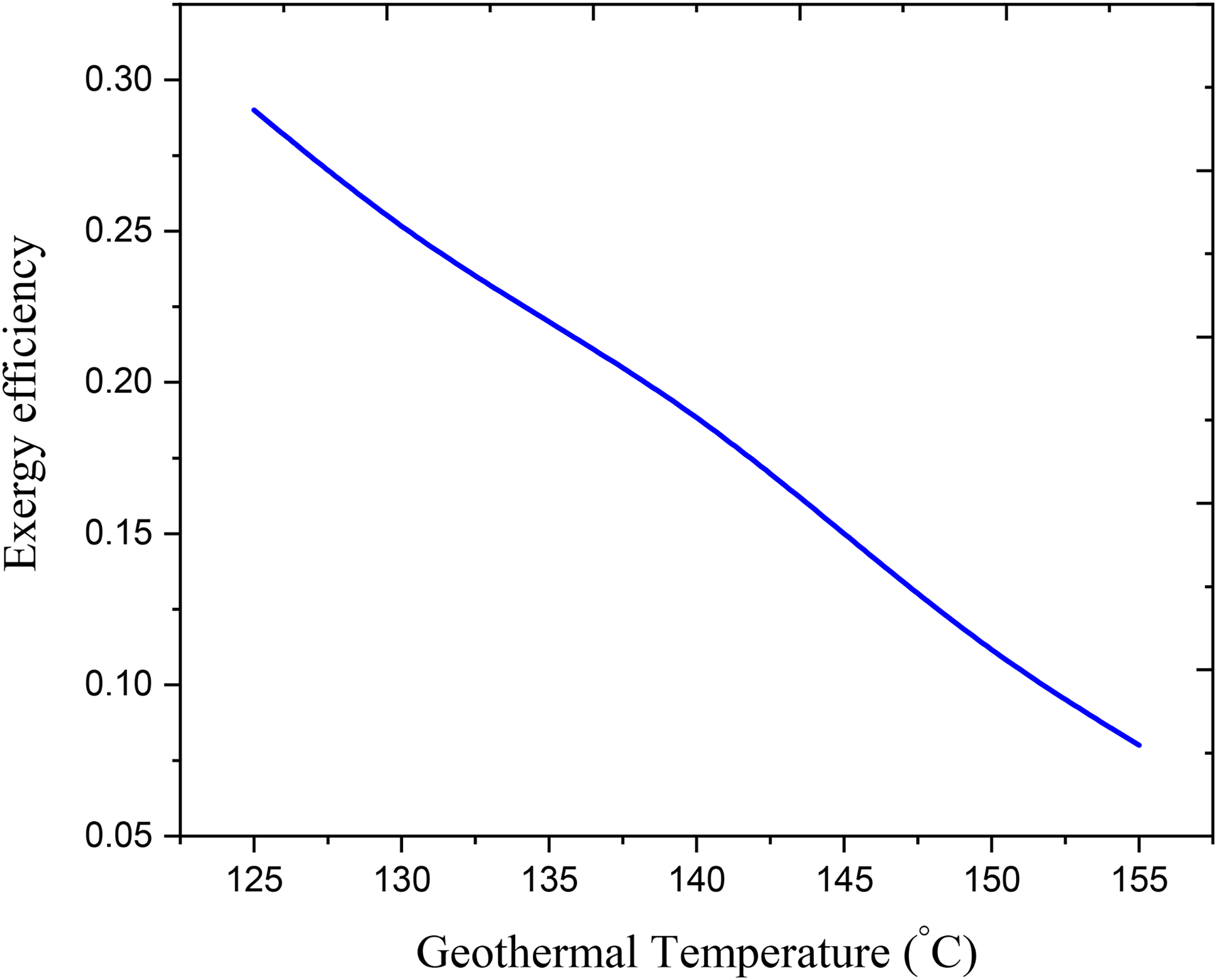
Changes in the exergy efficiency of the whole system with changes in the temperature of the geothermal source.
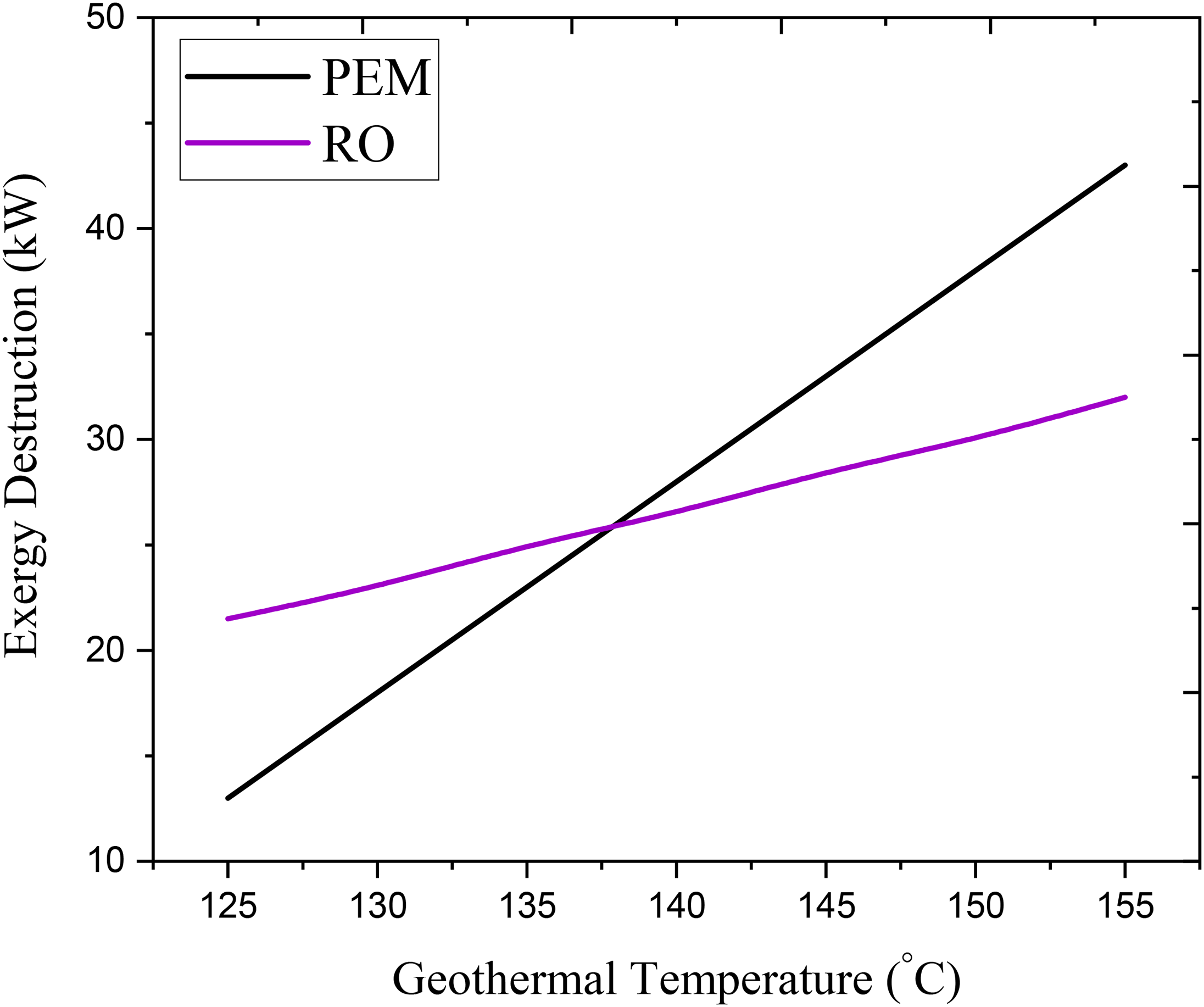
The influence of geothermal source temperature with the amount of exergy destruction of electrolyzer and desalination units.
In this section, the impact of adjusting the temperature of the geothermal source and the amount of recycled heat on the system's thermodynamic performance has been studied. Figure 7 illustrates how the overall exergy efficiency of the system changes as the temperature of the geothermal source varies. The figure indicates that as the temperature of the geothermal source rises from 125 °C to 155 °C, the net power produced and the energy efficiency of the ORC increase. However, a significant portion of the power generated in the electrolyzer and desalination subsystems is lost, leading to a decrease in the overall exergy efficiency of the system as the temperature increases.
Figure 9 displays the temperature variations of the geothermal barrier in relation to the amount of hydrogen and freshwater production. With an increase in the source temperature from 125 °C to 155 °C, hydrogen production rose from 1.25 to 1.67 L/s (a 29% increase), and freshwater production increased from 3.43 to 4.32 kg/s (a 17% increase). As the geothermal temperature rises from 125 °C to 155 °C, the overall system's exergy efficiency drops from 0.29 to 0.09. This decline can be attributed to the increased exergy destruction in the electrolyzer and RO units as the geothermal temperature rises. Specifically, the exergy destruction in the electrolyzer increases from 13.07 to 43.66 kW, and the RO unit from 21.34 to 31.75 kW, when the geothermal temperature increases from 125 °C to 155 °C. The changes in the exergy destruction rate of these units with the geothermal temperature are depicted in Figure 8.
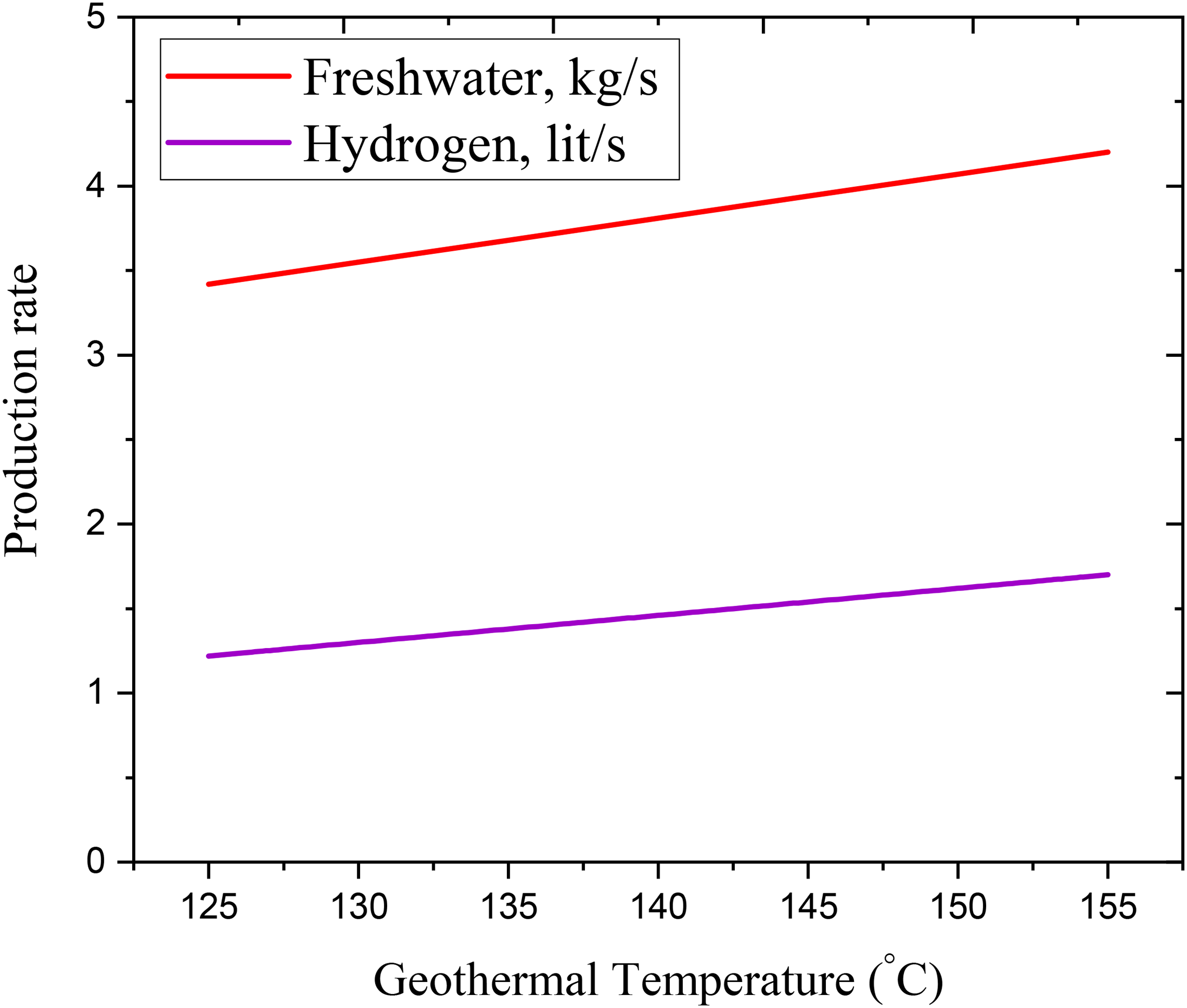
Changes in the temperature of the geothermal barrier with the amount of hydrogen production and freshwater production.
Analysis of system without geothermal source
The proposed system uses an ORC to generate electricity and heat from both recycled waste heat and geothermal energy. The economizer, evaporator, and superheater transfer heat from the heat sources into the system. When geothermal energy is available, the system can operate with near-zero direct CO2 emissions from fuel combustion. However, if geothermal is unavailable, the system relies on recycled heat supplemented by 0.012 kg/s of natural gas. This reliance on natural gas significantly increases emissions. As shown in Figure 10, when the input fuel flow rate increases from 0.0037 to 0.012 kg/s, the CO2 emissions increase from 0.0016 to 0.005 kg/s. Annualized, this represents an increase of approximately X tons of CO2 per year, a Y% increase, and Z tons of NOx per year, a W% increase, making the emission a far worse profile if geothermal energy isn't used. Also, the overall emission coefficient of pollutants increases from $0.00017 to $0.00056/s·kg. This emission profile is reduced significantly when the geothermal energy source is used.
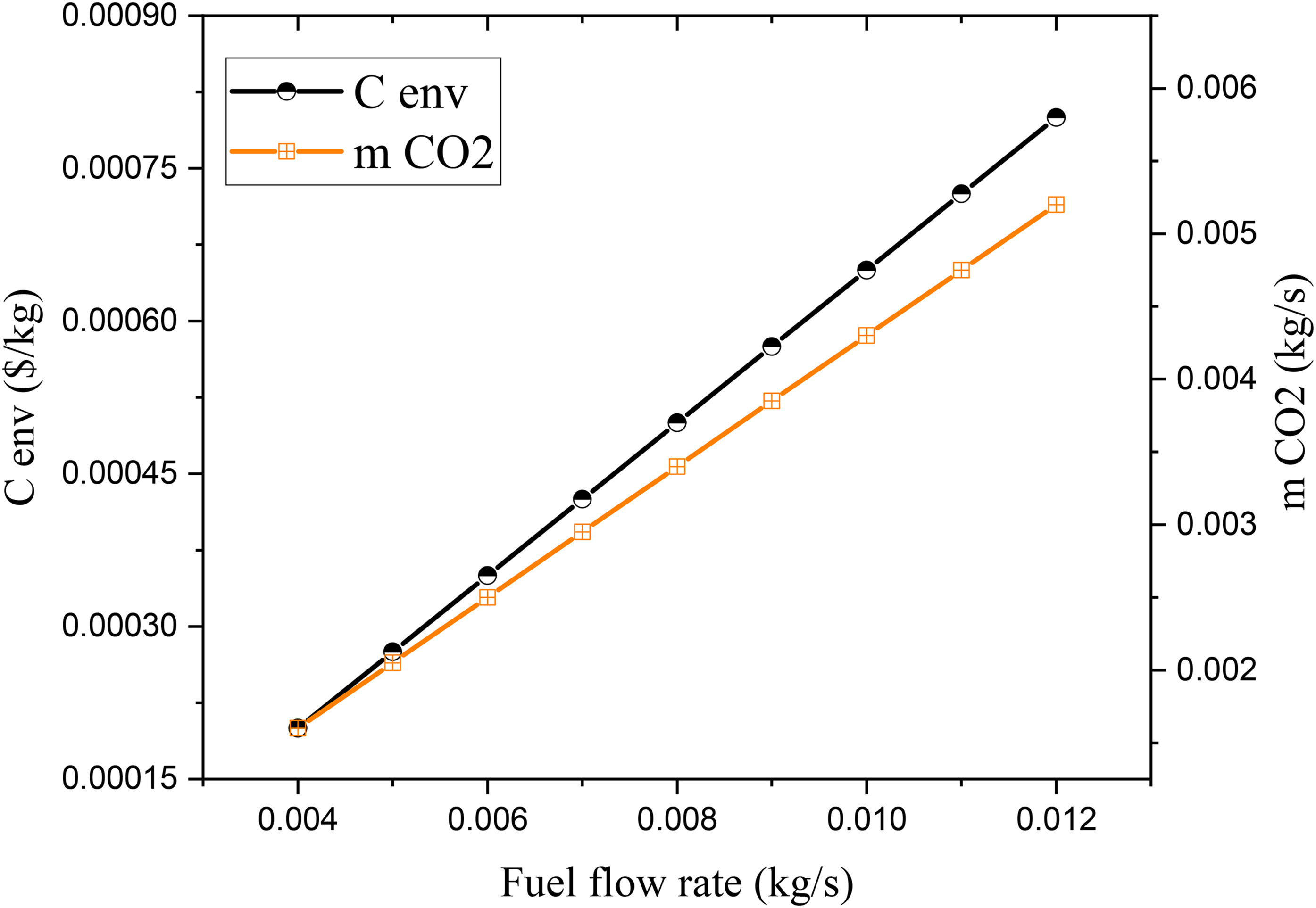
The effect of increasing fuel flow rate on pollutant emissions.
The absence of geothermal energy leads to a 69% increase in both CO2 production and the emission coefficient of pollutants. This is due to the need to burn significantly more natural gas to meet the system's heat demands. By utilizing geothermal energy, the proposed system reduces reliance on fossil fuels, conserves natural gas resources, and reduces greenhouse gas emissions. This supports the goal of achieving a cleaner energy future.
A key objective of this research was to rigorously quantify the environmental impact of the cycle. We conducted a comprehensive assessment of carbon emissions and other pollutants associated with the use of recycled heat, identifying that recycled heat stream has lower overall emissions than natural gas. This detailed analysis, a key contribution of our work, provides a more complete picture of the environmental tradeoffs associated with recycled heat utilization. To highlight the potential of geothermal energy, we compared the cycle's performance with and without its inclusion. Our results conclusively demonstrate that integrating geothermal energy leads to a significant reduction in CO2 emissions and reduction in overall pollutant emissions compared to relying solely on recycled heat and/or natural gas. This translates to, making a substantial contribution to emission reduction goals. Furthermore, we optimized the placement and sizing of heat exchangers to minimize the system's environmental footprint. Our financial analysis identified the configuration that not only reduces capital costs but also minimizes material usage and improves overall energy efficiency.
Table 5 compares the results of the current cycle with Taheri et al.’s (2024) research. The study found that the cycle being investigated has higher exergy efficiency and production power. This is due to the increased use of heat exchangers, which helps reduce exergy destruction in the system and improve efficiency.
Comparison of the performance of the current cycle with the previous cycle.

Conclusion
This research investigated a novel multi-generation system integrating a proton exchange membrane (PEM) electrolyzer, an RO desalination unit, and an ORC powered by geothermal energy and reclaimed heat. The primary objective was to assess the system's performance in concurrently generating electricity, hydrogen, and potable water, while evaluating its energy and exergoeconomic efficiency. Our analysis revealed key performance characteristics and identified areas for improvement.
The system demonstrated a significant capacity for multi-generation, producing 1.81 L of hydrogen and 4.52 kg of desalinated water per second under baseline conditions (125 °C geothermal source). However, the analysis also highlighted that the PEM electrolyzer constitutes the primary source of exergy destruction (32.5%) and possesses the lowest exergoeconomic factor (7.9), indicating a significant area for optimization. This finding underscores the critical importance of selecting highly efficient PEM technology and optimizing its operating parameters. Importantly, increasing the geothermal source temperature from 125 °C to 161 °C resulted in substantial production increases: a 30.2% rise in hydrogen output and an 18.1% increase in desalinated water production, highlighting the significant contribution of geothermal energy to the system's overall performance. The comparison with a scenario relying solely on heat recovery further emphasizes the crucial role of geothermal energy, showing a potential 71% increase in CO2 emissions without it.
These findings have significant implications for sustainable energy and water production. The system's ability to generate clean hydrogen and potable water using renewable geothermal energy offers a pathway toward decarbonizing industrial processes and addressing water scarcity in regions with geothermal resources. The substantial economic benefits of utilizing geothermal energy, compared to relying solely on reclaimed thermal energy, highlight its financial viability. This technology holds particular promise for remote or off-grid locations where access to clean energy and potable water is limited. Future research should focus on several key areas to further enhance the system's performance and broaden its applicability:
A comprehensive parametric study should investigate the influence of various operating parameters (geothermal temperature, pressure, flow rates, etc.) on the system's performance, optimizing both energy efficiency and economic viability. This will involve a detailed sensitivity analysis of the key system parameters. A more thorough investigation into the interplay between different system variables will be crucial for optimizing overall performance. This includes studying the effects of varying feed water quality and concentration for the desalination process. Multi-objective optimization techniques should be applied to optimize the double-flash geothermal-based ORC multi-generation system, balancing the competing objectives of maximizing hydrogen and water production while minimizing exergy destruction and costs. This optimization can be approached using methods such as genetic algorithms or Pareto optimization.
By addressing these research directions, we can significantly advance the development and deployment of this sustainable multi-generation technology, paving the way for wider adoption and impact.
Footnotes
Abbreviations

Funding
The author(s) disclosed receipt of the following financial support for the research, authorship, and/or publication of this article: The authors are thankful to the Founding body, Sumerian Scriptum Synthesis Publisher (SSSP), Baqubah 32001, Diyala Province, Iraq, for financially supporting this work through the Large Research Group Project under Grant No. G.N.R.2022.SSSP.
Conflicting interests
The author(s) declared no potential conflicts of interest with respect to the research, authorship, and/or publication of this article.
Appendix Energy and exergy analysis:
Exergy equations of ORC.
PEM system equations.
Freshwater production equations with RO.