




Abstract
Tight sandstone gas is on the first position of unconventional natural gas sources, which can be developed under today’s technical conditions. In recent years, tight sandstone gas reservoirs have been found in several wells in the Linxing area, eastern margin of Ordos Basin, China. In this article, a variety of methods, including cast thin sections, X-ray diffraction analysis, scanning electron microscope, and drill core data were used to study the petrological characteristics and their influences on tight sandstone reservoir in coal-bearing strata of the Linxing area. Based on the analysis of thin section, it can be concluded that the sandstone reservoir is essentially constituted of lithic sandstone as well as lithic arkose and feldspathic litharenite. Cement types are complicated, including carbonate minerals, clay minerals, and quartz overgrowth. Illite, kaolinite, chlorite, illite–smectite mixed layer, and chlorite–smectite mixed layer are found in clay minerals. Compared with other clay minerals, illite is in the dominant position. Pores can be divided into residual intergranular pore, intragranular dissolution pore, intergranular dissolution pore, cement dissolution pore, intercrystalline pore, and microcrack in sandstone reservoir of the Linxing area. Quartz has an average content of 68% with the feature of low compositional maturity and plays a major role in increasing porosity due to dissolution and protecting of quartz. Feldspar dissolution plays a role in decreasing porosity because the by-product materials of feldspar dissolution remain in original place, instead of being transported to other areas. Dissolution pores are 2–20 µm and may be filled with kaolinite, illite, or halite. It is worth mentioning that grain-coating chlorite may be of sufficient thickness to protect reservoirs along with the increasing content of chlorite, which is testified by the crossplot between the chlorite and porosity when the absolute content of chlorite is less than 1.5%.
Keywords
Introduction
The genesis of tight sandstones has been discussed in many aspects, such as tectonism, sedimentary process, and diagenesis (Shrivastava and Lawatia, 2011). Morad et al. (2010) and Nguyen et al. (2013) believed that the influence of deposition on tight sandstones was reflected by the distribution of pore and throat in different composition and size of sandstones. Mansurbeg et al. (2012) and Walderhaug et al. (2012) investigated the effect of compaction on decreasing the porosity of sandstones. Ajdukiewicz and Lander (2010) and McKinley et al. (2011) believed that the radius of sandstone pore and throat may be decreased with the pores transforming into intercrystal pores and also argued that cements may block up the throat, reducing the connectivity of pores. Harris (2006) and Taylor et al. (2010) introduced the dual role of the tectonization about the reservoir physical property, including the unfavorable tectonic compression and beneficial fractures to increase the reservoir porosity. Types and contents of minerals and rocks have a significant influence on the densification of tight sandstone reservoir (Li et al., 2016; Ma et al., 2016). However, few studies have paid sufficient attention to the influence of mineral rock composition, content, structure, and second changes on reservoir densification (Zhong et al., 2012). Tight sandstones are composed of rock skeleton, pores, and fluid, so the discussion of petrological characteristics is to explore the nature of reservoir densification. In recent years, tight sandstone gas reservoirs have been found in several exploration wells accompanying with industrial gas flow in Linxing (Xie et al., 2015). The discussion of the studied coal-bearing strata is of great significance to understand tight sandstone reservoir and explore the potential tight gas reservoir.
In this study, detailed studies including scanning electron microscope (SEM), X-ray diffraction analysis, and cast thin sections are used to characterize rock constituents and contents of coal-bearing strata in Linxing. We then analyze the influencing mechanism of different components on reservoir physical property, followed by the correlation analysis between mineral content and reservoir physical property to evaluate their influence on porosity and permeability of reservoirs.
Geological setting
Ordos Basin is a superimposed cycle of cratonic basin that is the second largest sedimentary basin in China (Li and Hu, 2010; Wang et al., 2010). According to the structural feature and basement properties, the basin can be broadly subdivided into six major tectonic units that are the Yimeng uplift, Yishan slope, Weibei uplift, western margin thrust belts, Tianhuan depression, and Jixi fold belt (Han et al., 2016; Liu et al., 2015). Ordos Basin has experienced multiple tectonic cycles including Caledonian, Hercynian, Indosinian, Yanshan, and Himalayan cycles (Zhao et al., 2012). Paleogeographic evolution of the basin encompasses epicontinental sea basin, paralic lake basin, and inland depression lake basin, which are dominated by, respectively, marine deposit, transitional facies deposit, and continental clastic deposit (Chen et al., 2001). Upper paleozoic formation is composed of Upper Carboniferous Benxi Formation, Lower Permian Taiyuan and Shanxi Formations, Middle Permian Lower Shihezi Formation and Upper Shihezi Formation, and Upper Permian Shiqianfeng Formation (Chen et al., 2011). The depositional environment of Benxi and Taiyuan Formations is mainly tidal flat depositional system and delta sedimentary system develops in Shanxi Formation (Xie et al., 2016). Burial history of Ordos Basin indicates that it has been the evolutionary process of the tilted structure, which may be related to the craton block of North China (Chen et al., 2006).
Linxing area tectonically belongs to the northeast of Yishan slope and the northwest of Jinxi fold belt of the eastern margin of the Ordos Basin, which is the second largest basin of China (Figure 1). The type of structure is featured by a tectonic nose, which has relatively flatter strata layers in low inclined angle. Coal-bearing strata, including the Benxi, Taiyuan, and Shanxi Formations, are important tight reservoirs as well as hydrocarbon-generating sequences in Ordos Basin (Li et al., 2012; Xie et al., 2015). The symbiotic relationship among sandstone, mudstone, and coal is the typical characteristic of coal-bearing strata. In general, the rock types from the bottom to the top are coal, mudstone, and sandstone, and the bottom of gray medium-fine sandstone may even be in direct contact with coal seam according to well cores (Figure 2).
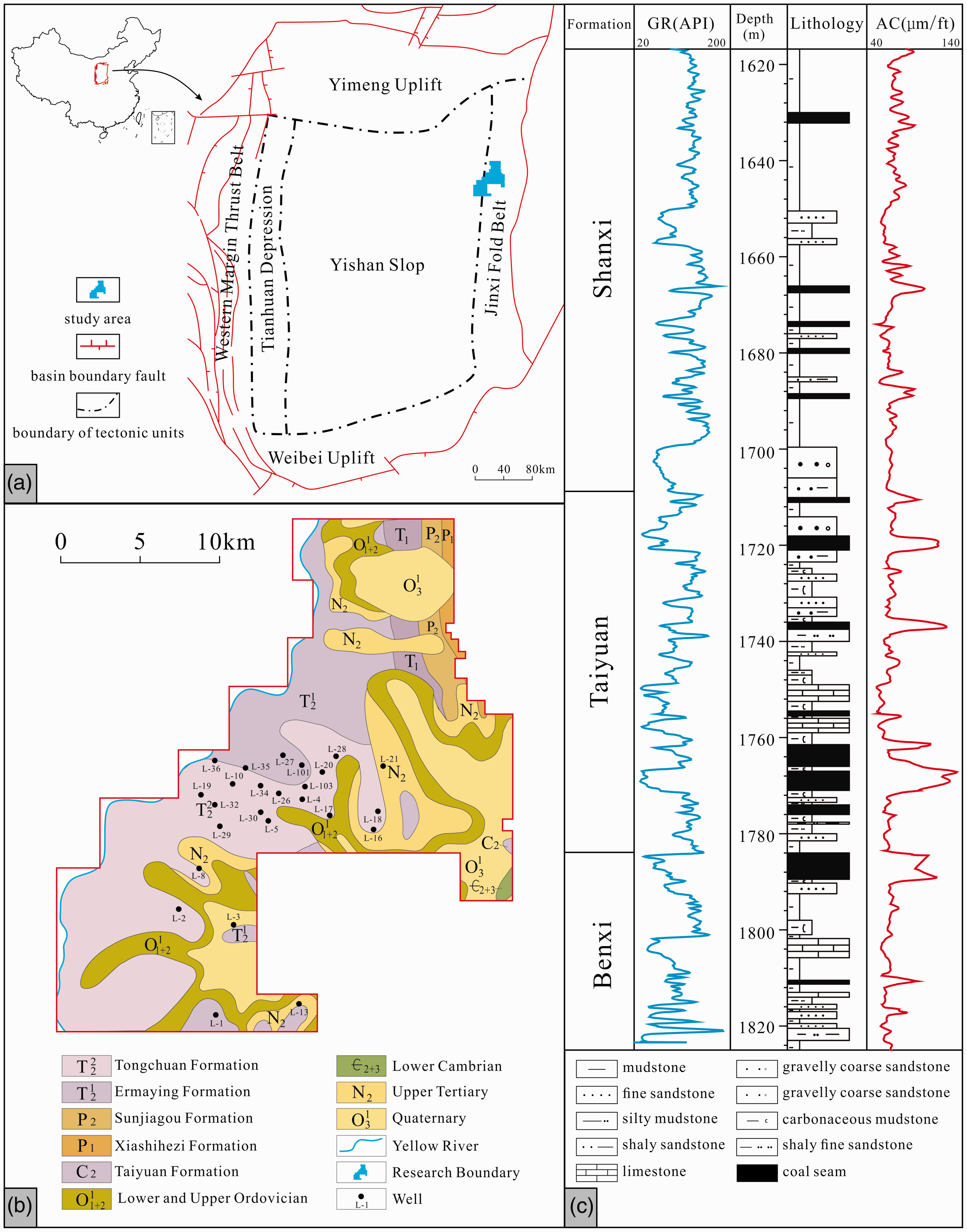
Structural zone and coal-bearing strata of Ordos Basin. (a) Tectonic units of Ordos Basin and location map of Linxing area (Zhong et al., 2012), (b) geologic map of Linxing area (modified from geological map of Shanxi province), and (c) schematic stratigraphy of coal bearing at well L-5 in Linxing area.
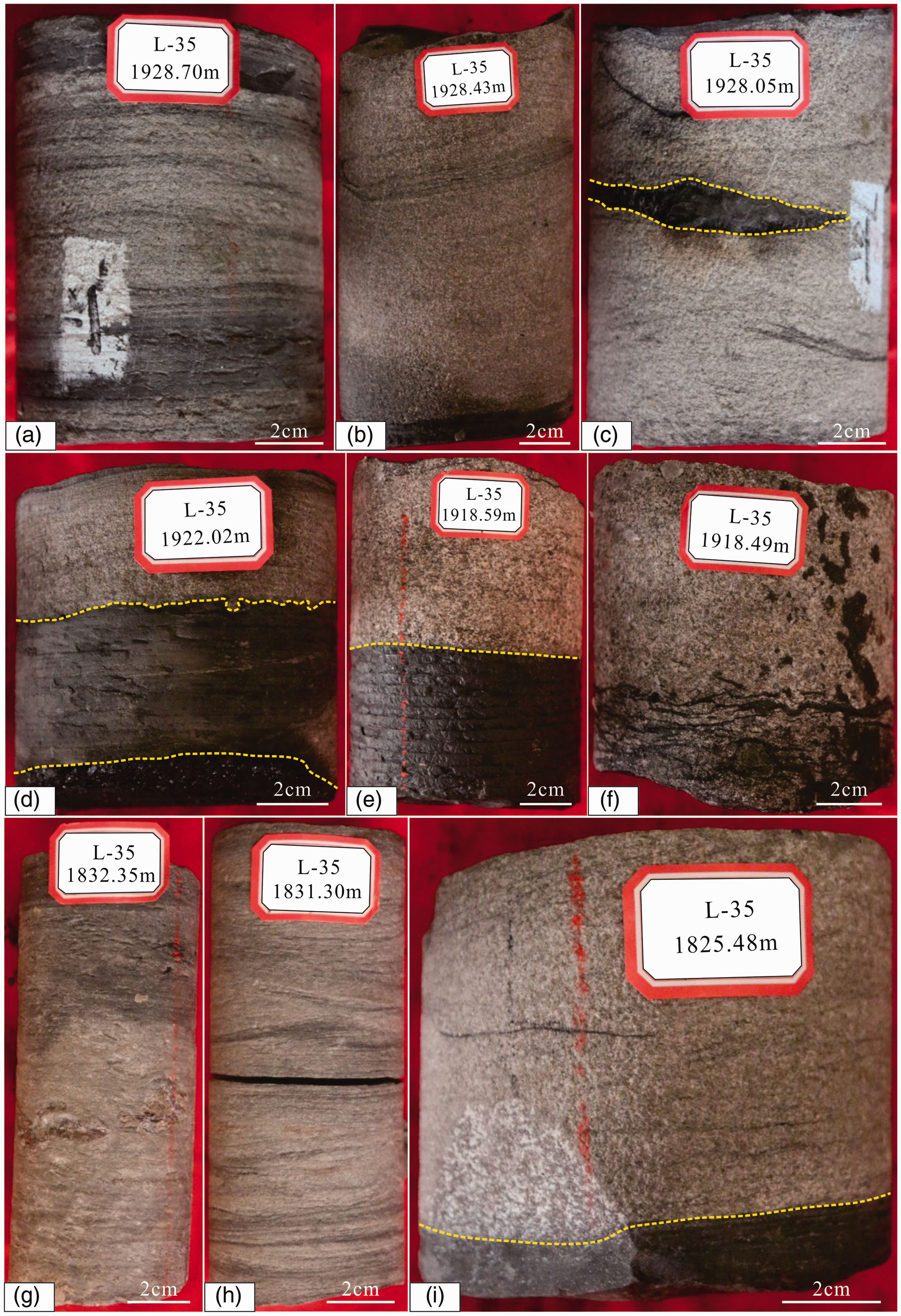
Core photographs of coal-bearing strata in Linxing area. (a) Fine sandstone at 1928.70 m of well L-35; (b) medium sandstone at 1928.43 m of well L-35; (c) medium sandstone that contains carbon dust at 1928.05 m of well L-35; (d) vertical superposed sandstone, mudstone, and coal at 1922.20 m of well L-35; (e) vertical superposed sandstone and coal at 1918.59 m of well L-35; (f) medium sandstone that contains muddy strip at 1918.49 m of well L-35; (g) mudstone that contains nodular pyrite at 1832.35 m of well L-35; (h) mudstone at 1831.30 m of well L-35; and (i) vertical superposed medium sandstone and mudstone at 1925.48 m of well L-35.
Samples and experimental methods
Sample descriptions and preparation
Sandstone core samples from coal-bearing strata of the Linxing area were used in the study. A total of 620 samples were collected from wells and shown in Figure 1(b), of which 103 samples were collected in the Benxi Formation, 310 samples were from the Taiyuan Formation, and the remaining 207 samples were obtained from the Shanxi Formation. Prior to the experiment, all samples had been preprocessed, including oil washing and drying. Moreover, 12 water samples are collected from coal-bearing strata in Linxing in order to determine the property of formation water. Two water samples are from Benxi Formation, seven water samples from Taiyuan Formation, and three water samples are from Shanxi Formation.
Experimental methods
Cast thin sections of 166 samples were manufactured by means of injecting blue liquid glue into pore space under the vacuum pressure in order to better recognize the porosity of reservoir rock. X-ray diffraction analysis was used to analyze the content of whole rock and clay minerals which were composed predominantly of kaolinite, illite, chlorite, and the mixed layer minerals of illite and smectite. X-ray diffraction mineral clay analysis of 31 samples was tested under the temperature of 25°C and the humidity of 50% with D/max, 2500 diffractometer. Meanwhile, X-ray diffraction whole rock analysis of 61 samples was also tested to analyze the content of no clay minerals that included quartz, K-feldspar, plagioclase, calcite, and other minerals. SEM was used to observe particle morphology, cement types, pore structures, and diagenetic change. One hundred and forty three samples were observed by using a SEM (SEM EVO/MA 15) under the temperature of 25°C and the humidity of 50%. Moreover, porosity and permeability of 290 samples were analyzed using PoroTM300 and Low perm-meter JS100005 for the purpose of characterizing physical property of tight sandstones. All the experiments were carried out in the Bohai Central Laboratory, Oilfield Engineering Research Institute of CNOOC Energy Technology and Services. pH of formation water was measured using potentiometric titration in Downhole Service Company of CNPC Bohai Drilling Engineering Company Limited.
Results
Petrological characteristics
Based on the analysis of the thin sections, it can be seen that sandstone reservoir is essentially constituted of lithic sandstone as well as lithic arkose and feldspathic litharenite in the coal-bearing strata of the Linxing area. The statistical analysis of thin sections indicates that quartz has an average content of 68% with the feature of low compositional maturity. Debris is mainly composed of sedimentary rock, igneous rock, metamorphic rock, and mica, among which metamorphic rock accounts for a dominant position.
Seen from SEM images, quartz dissolution can be observed in rock samples of the Benxi, Taiyuan, and Shanxi Formations from the eastern margin of Ordos Basin. Based on the observation and the analysis of tight sandstones, the type of quartz dissolution can be classified into intragranular dissolution, edge corrosion, and dissolution of quartz overgrowth. The denudation may occur in the intra of quartz grain or even the whole quartz granules, which generates isolated intragranular dissolution pores. More generally, the SEM images of tight sandstones show that the edge of quartz grain takes the saw-toothed or embayed forms (Figure 3(a)). Honeycombed weather pits, which range mainly in diameter from 1 to 3 µm, distribute in the interior of quartz grain observed from SEM images (Figure 3(b) and (c)). Simultaneously, small volumes of honeycombed weather pits scatter on the surface of quartz overgrowth leading to roughness or even partially missing (Figure 3(d)). Compared with quartz intragranular dissolution pores, the diameter of dissolution pores on the surface of quartz overgrowth is much smaller and its scale is nothing else than about 300 nm.
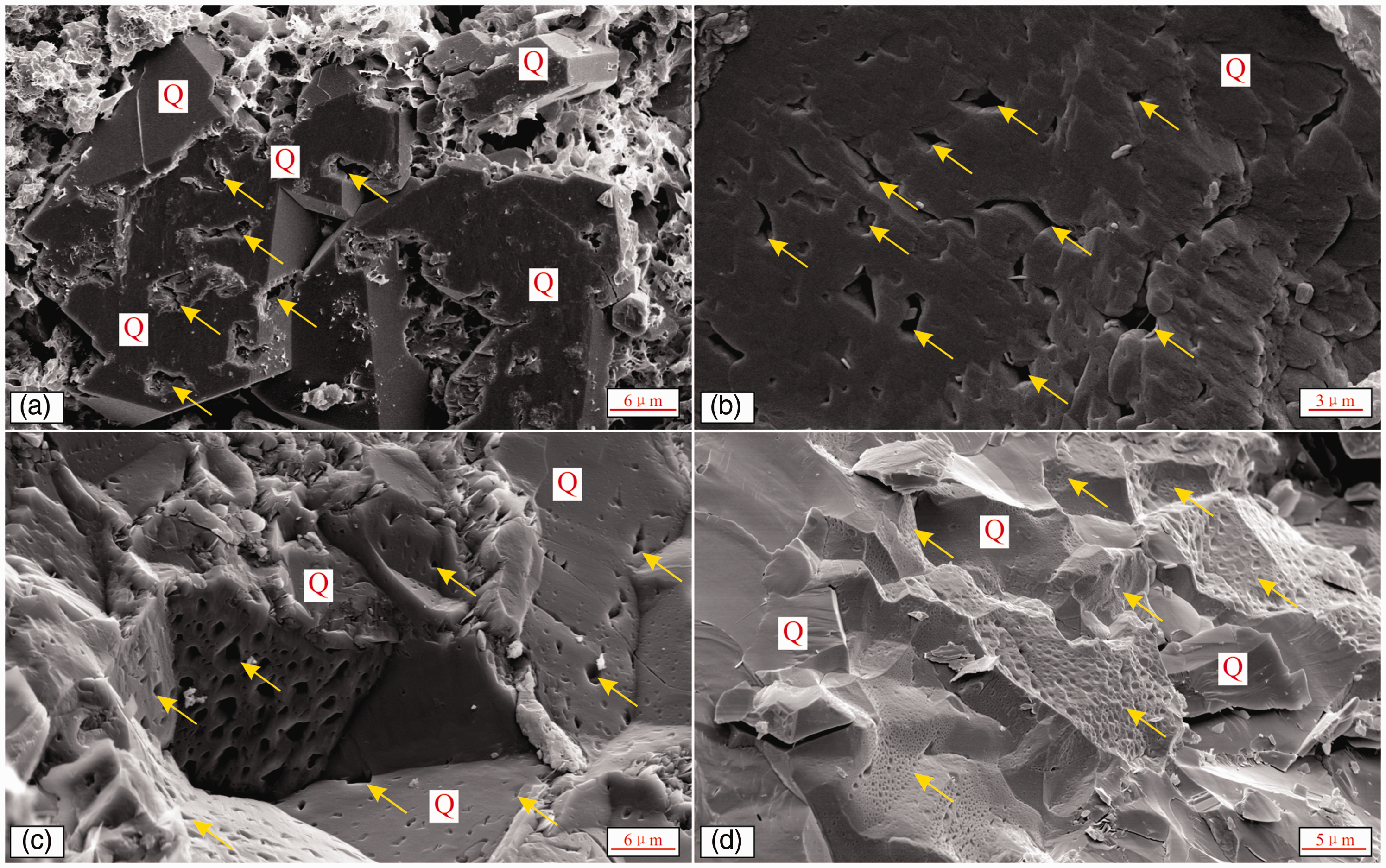
Microscopic characteristics of quartz dissolution in tight sandstone reservoir of coal-bearing strata from Linxing area. (a) Saw-toothed or embayed forms due to quartz dissolution at 1769.15 m of well L-29, (b) honeycombed weather pits due to quartz dissolution at 1982.62 m of well L-28, (c) honeycombed weather pits due to quartz dissolution at 1807.84 m of well L-30, and (d) honeycombed weather pits on the surface of quartz overgrowth. Q represents quartz at 1837.06 m of well L-36.
Morphology and degree of feldspar dissolution have been observed and analyzed by the thin sections and SEM (Figure 4). Some can be dissolved leaving a small amount of feldspar and some even vanished completely generating moldic pore. It is worth mentioning that pores show as blue or dark blue in the images of cast thin section because of the injection of blue liquid glue. Pores of feldspar dissolution are a zonal or honeycomb distribution judging by the color on the basis of cast thin section (Figure 4(a) and (b)). It is common that feldspar dissolution has been ongoing along cleavage crack, which develops crisscrossing dissolution pores in the scanning electron microscopic image (Figure 4(c)). Dissolution pores are 2–20 µm and may be filled with kaolinite, illite, or halite (Figure 4(c) to (f)).
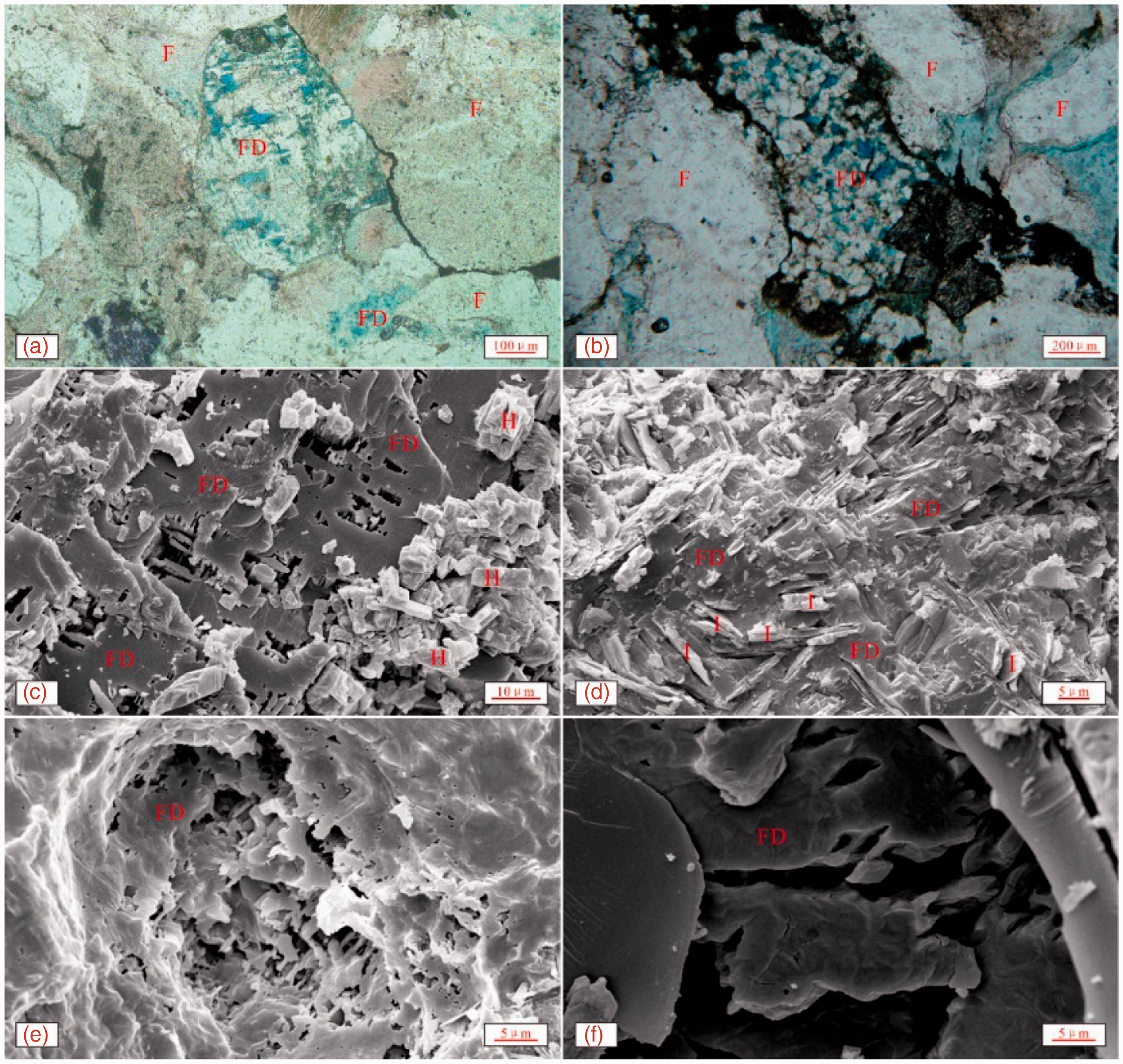
Microscopic characteristics of feldspar dissolution in tight sandstone reservoir of coal-bearing strata from Linxing area. (a) Zonal distribution of feldspar dissolution in the cast thin section at 1877.17 m of well L-21, (b) honeycomb distribution of feldspar dissolution in the cast thin section at 1894.4 m of well L-17, (c) dissolution pores of feldspar dissolution filled by halite at 1716.85 m of well L-17, (d) dissolution pores of feldspar dissolution filled by illite at 1810.15 m of well L-19, (e) honeycomb distribution of feldspar dissolution by SEM at 1871.16 m of well L-16, and (f) zonal distribution of feldspar dissolution by SEM at 2087.63 m of well L-16. F: feldspar; FD: feldspar dissolution; H: halite; I: illite.
The enrichment region of plastic debris or mica varieties usually appears to show that mineral particles experience obviously strong deformation (Figure 5(a) and (b)). It is worth mentioning that a part of mica may be derived from the alteration of feldspar and also undergoes dramatic deformation (Figure 5(c) and (d)).
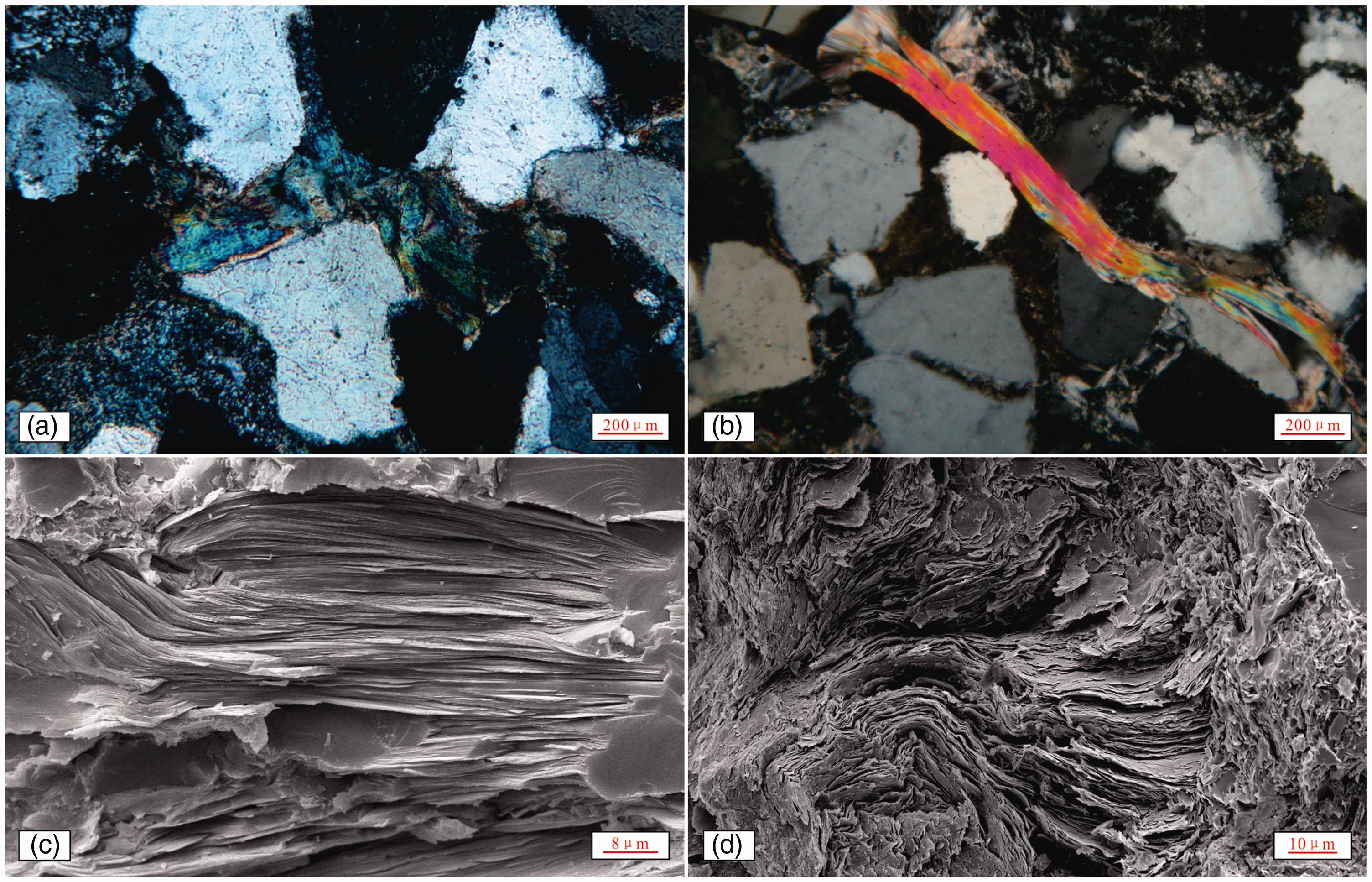
Microscopic characteristics of plastic mineral in tight sandstone reservoir of coal-bearing strata from Linxing area. (a) Strong deformation of plastic mineral in the cast thin section at 1715.26 m of well L-20, (b) anamorphic mica in the cast thin section at 1895.86 m of well L-17, (c) mica generating from the alteration of feldspar at 1793.01 m of well L-19, and (d) strong deformation of plastic mineral by SEM at 1837.71 m of well L-36.
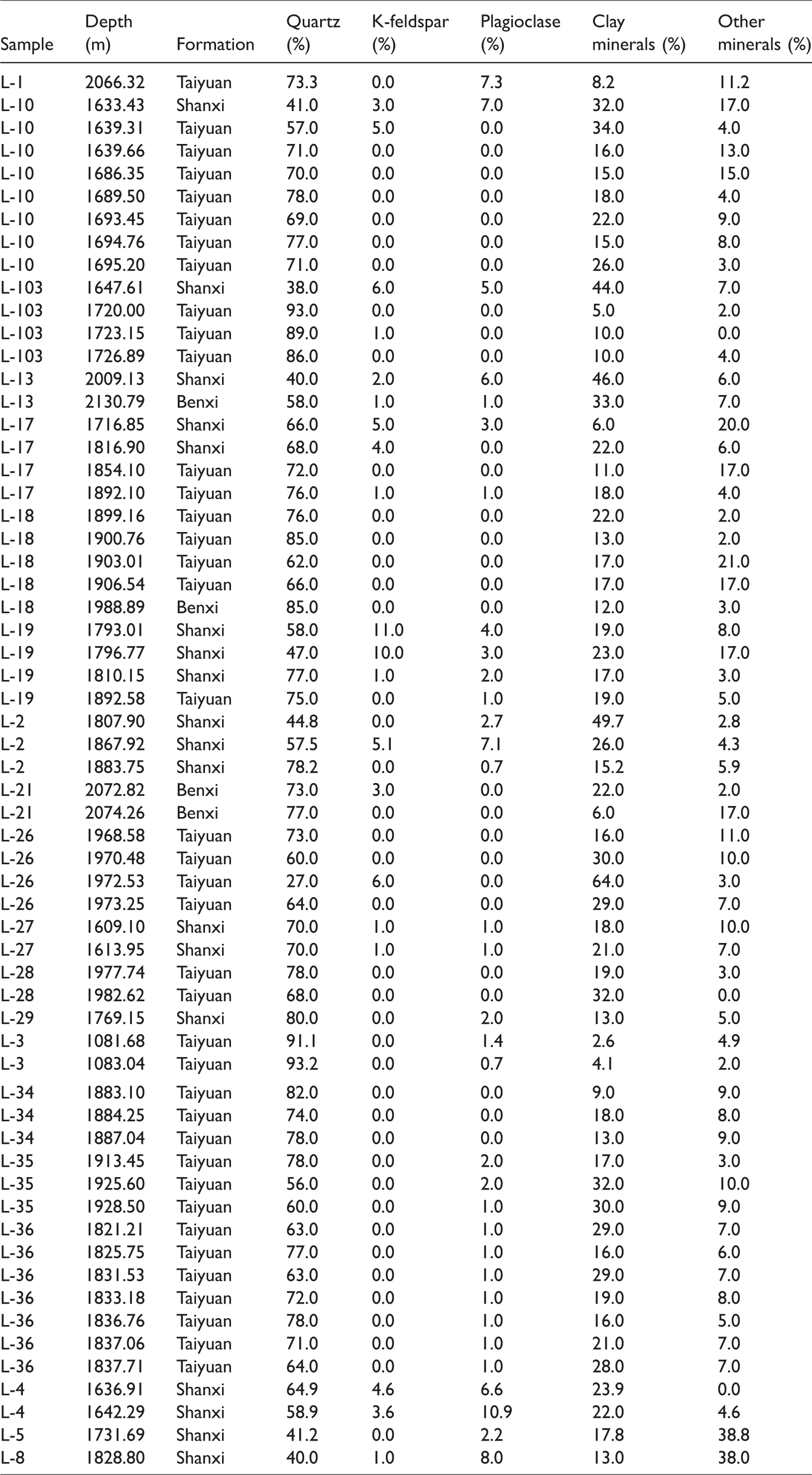
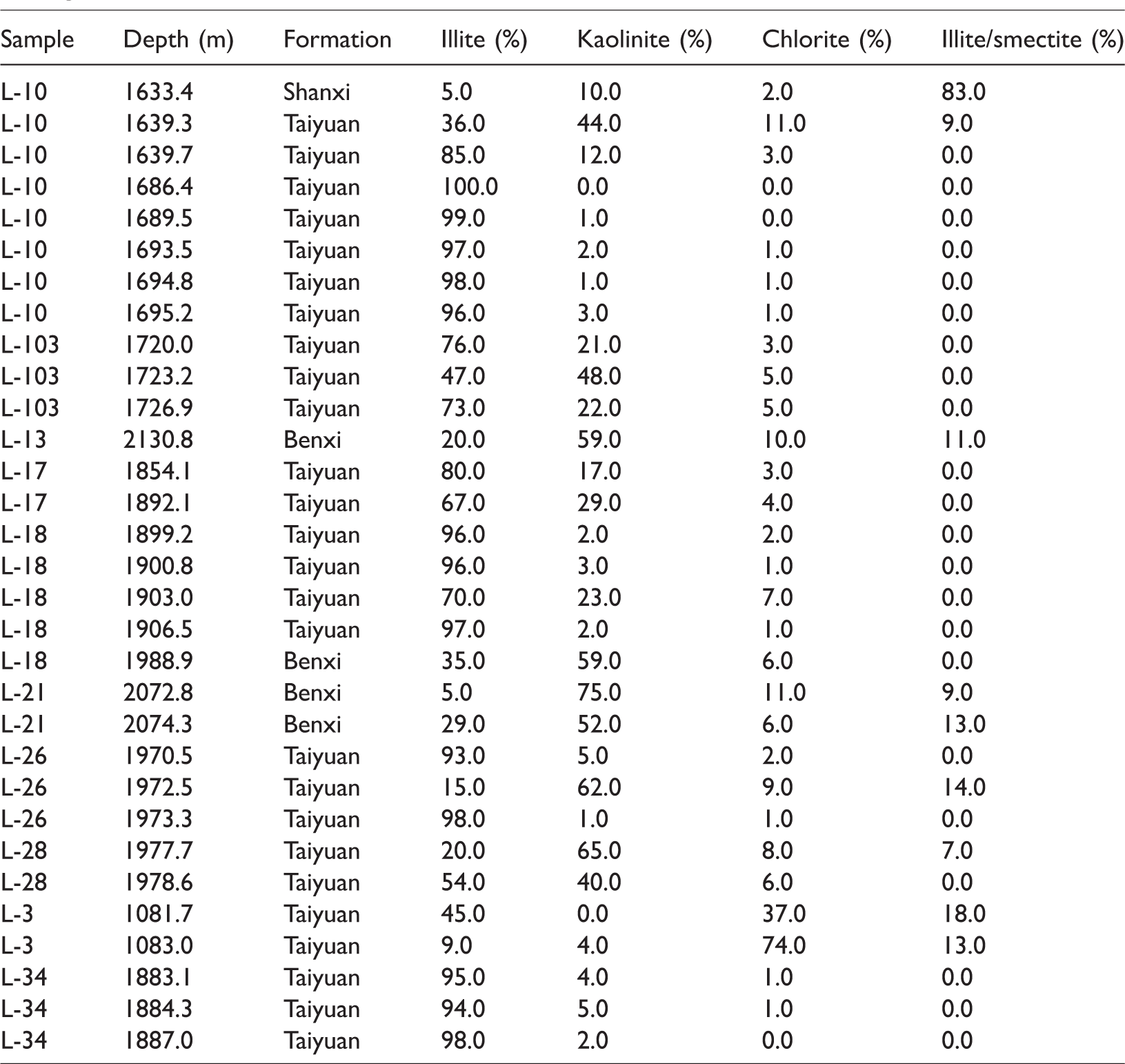
There is no obvious change in the average content of the interstitial material in the sandstone reservoir of coal-bearing strata. Cement types are complicated, including carbonate minerals, clay minerals, and quartz overgrowth (Figure 6). Carbonate cements, which are composed of calcite, dolomite, ferroan calcite, ankerite, and siderite, are not too much in coal-bearing strata (Figure 6(a) to (e), Table 1). The petrographic thin section indicates that carbonate minerals play a role of cementation by means of filling pores between particles. Illite, kaolinite, chlorite, illite–smectite mixed layer, and chlorite–smectite mixed layer are involved in clay minerals (Figure 6(f) to (j)). Compared with other clay minerals, illite is the absolutely dominant position with a general proportion of more than 50% (Table 2). The proportion of illite and kaolinite accounts for about 80% of clay minerals in Benxi Formation. Illite of Taiyuan and Shanxi Formation holds more than half of clay minerals. It is to be mentioned that there is a certain amount of chlorite in coal-bearing strata of Linxing area.
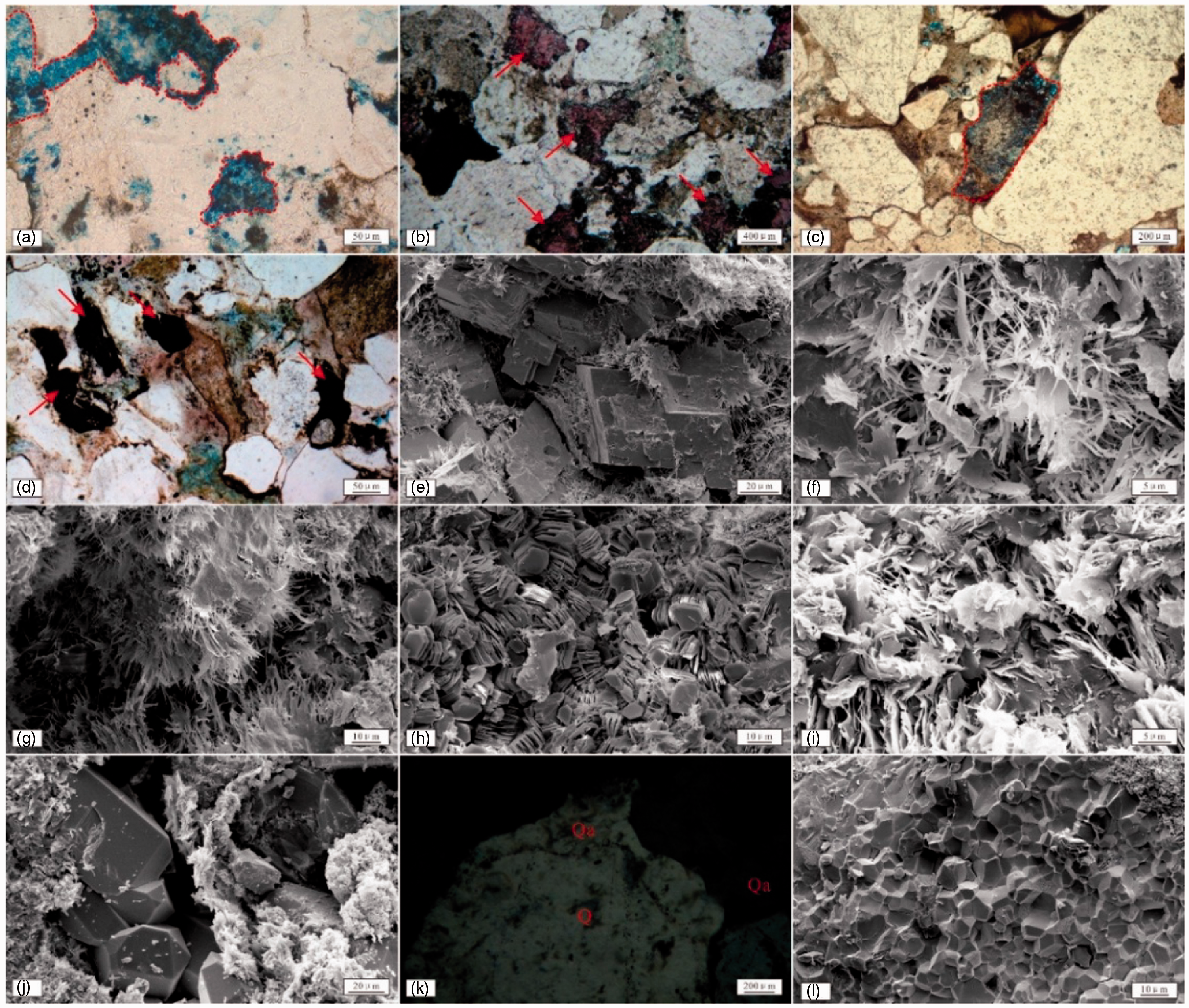
The cementing material in coal-bearing strata of Linxing area. (a) Ankerite cement at 1890.14 m of well L-34, (b) calcite cement at 1791.79 m of well L-19, (c) ferroan calcite cement at 1821.21 m of well L-36, (d) ferruginous cement at 1891.07 m of well L-32, (e) siderite at 1834.96 m of well L-36, (f) needle illite at 1695.2 m of well L-10, (g) bypass illite at 1828.1 m of well L-36, (h) book kaolinite at 1891.07 m of well L-32, (i) flaky illite and chlorite at 1639.66 m of well L-10, (j) the mixed layer minerals of illite and smectite at 1686.35 m of well L-10, (k) quartz overgrowth in cast thin sections at 1738.6 m of well L-101, and (l) quartz overgrowth in SEM at 1734.6 m of well L-36.
Mineral composition and content of sandstones according to X-ray diffraction analysis of whole rock in coal-bearing strata of Linxing area.
Types and contents of clay mineral according to X-ray diffraction analysis in coal-bearing strata of Linxing area.
Particle size is important to evaluate on rock property as the main structural feature. The microscopic observation of cast thin sections shows that medium sandstone and fine sandstone account for a higher proportion and coarse sandstone is frequently distributed in the upper layer of Shanxi Formation. The separation of sandstone particles is mediocre with subrounded psephicity. Grain and porous supports are the substantial supporting way. Concave–convex contact makes a contribution to the densification of sandstone reservoir.
Reservoir space
The research shows that pores can be divided into residual intergranular pore, intragranular dissolution pore, intergranular dissolution pore, cement dissolution pore, intercrystalline pore, and microcrack in sandstone reservoir of Linxing area (Figure 7). There is only a part of primary pore that is preserved due to the later deposition, diagenesis, and tectonism. Dissolution pores, especially intragranular dissolution pore, are the main parts of storage space where oil and gas accumulate into reservoir. Presenting the shape of polygon, residual intergranular pores are the main type of primary pores with punctate distribution and poor connectivity. It also means that the heterogeneity of secondary porosity is intense. A large amount of dissolution pore can be observed between particles and within particles as well as the internal of cements. Feldspar, debris, and even quartz are dissolved, leaving isolated, cancellate, and cellular pores. Simultaneously, there are some intercrystalline pores in authigenic mineral crystal such as kaolinite, illite, and so on. Microfissure, of which that generation is on account of tectonism or syneresis, is also the effective reservoir space of migration channels.
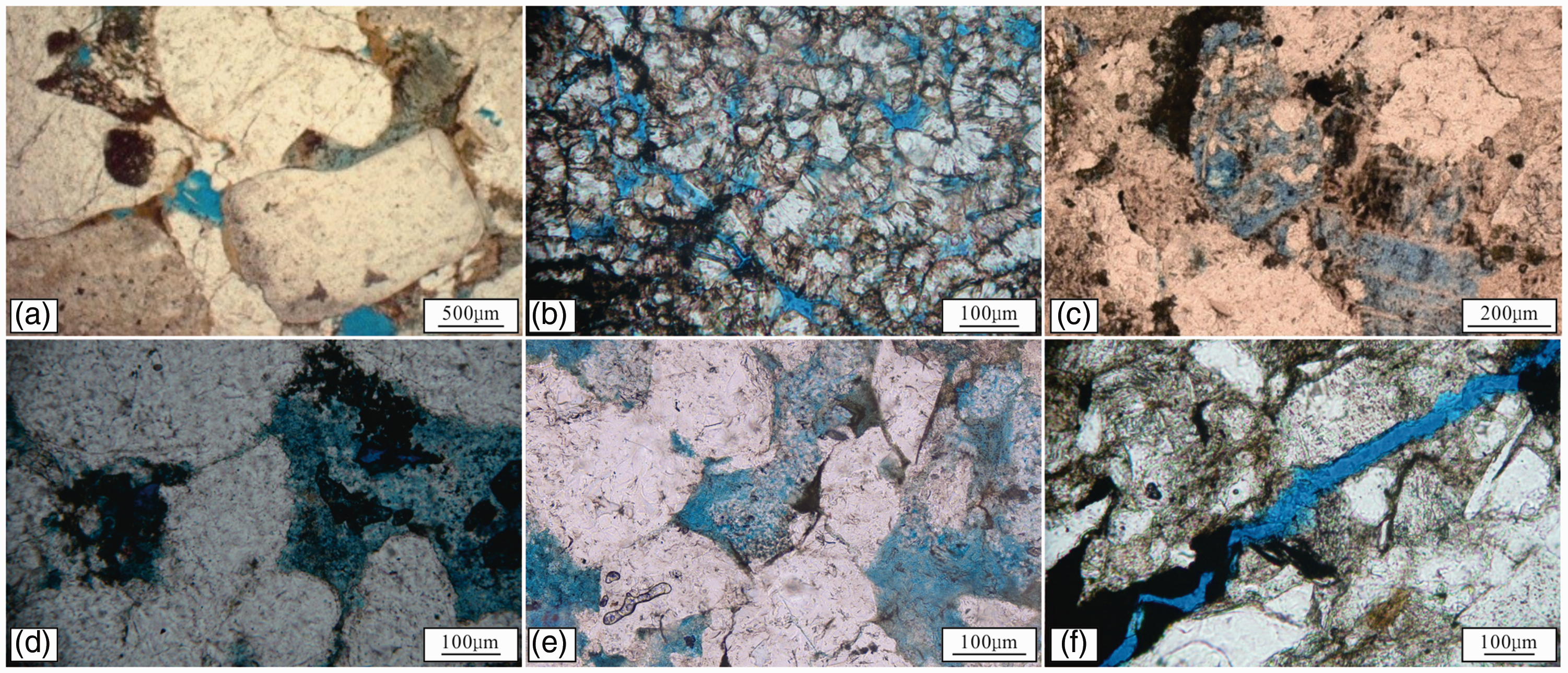
Types and characteristics of reservoir space in coal-bearing strata of Linxing area. (a) Residual intergranular pore at 1821.21 m of well L-36, (b) intergranular dissolution pore at 1976.49 m of well L-28, (c) intragranular dissolution pore at 1804.9 m of well L-30, (d) cement dissolution pore at 1978.63 m of well L-28, (e) intercrystalline pore at 1930.4 m of well L-26, and (f) microcrack at 1638.36 m of well L-20.
Characteristics of physical property
Porosity of sandstone in coal-bearing strata of Linxing area is in the range of 2.0–13.8% according to the experimental data. Porosity of sandstones ranges from 10 to 90%. Permeability of sandstones ranges from 0.01 × 10⁻³ to 0.9 × 10⁻³ µm2 and most of data are smaller than 0.1 × 10⁻³ µm2 (Figure 8(a) and (b)). The crossplot of porosity and permeability reveals that there is a high degree of positively correlation (Figure 8(c)).
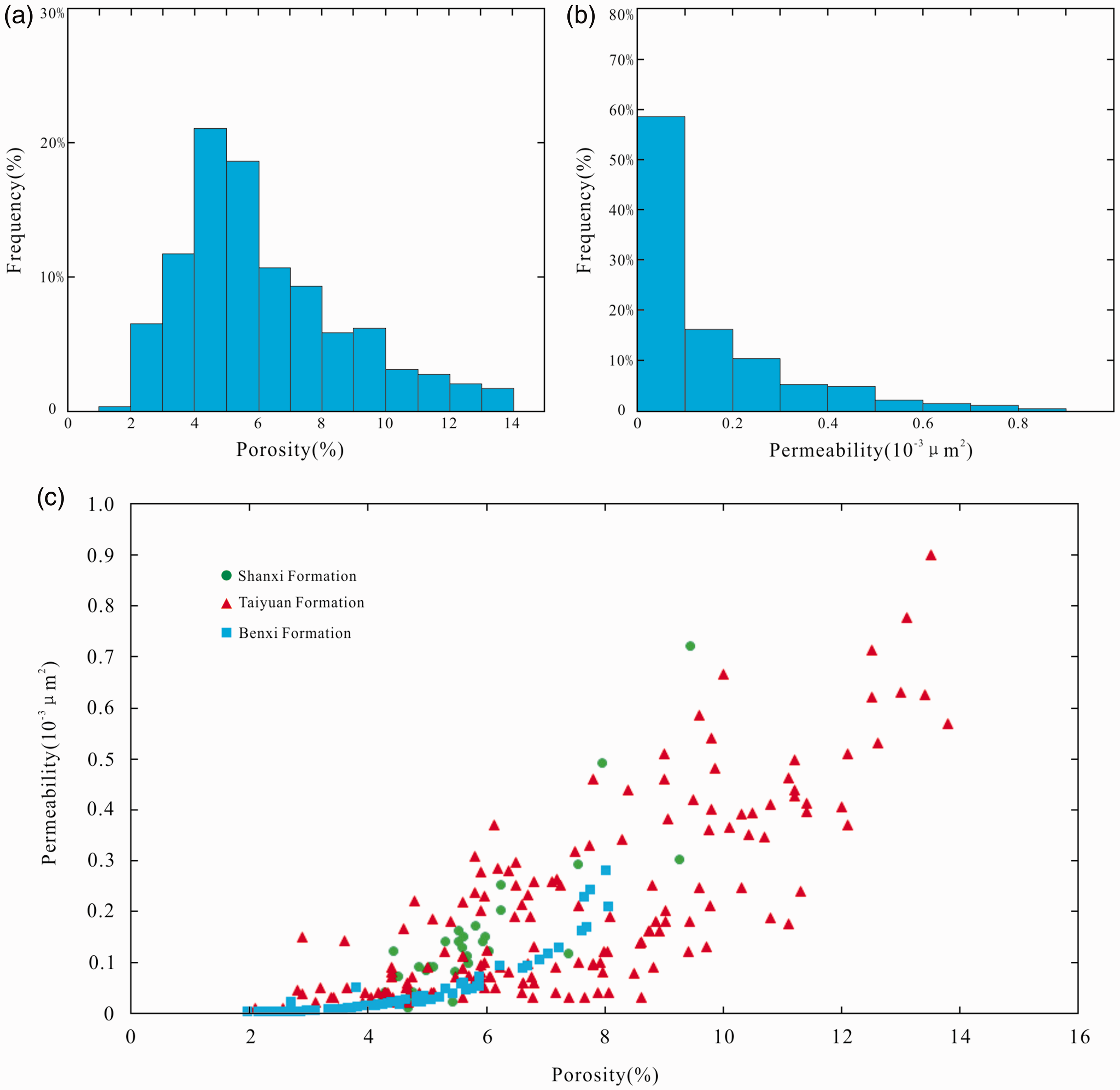
Characteristics of physical property in sandstones of Linxing area. (a) Porosity of frequency distribution histogram, (b) permeability of frequency distribution histogram, and (c) the relative association between porosity and permeability.
Characteristics of formation water
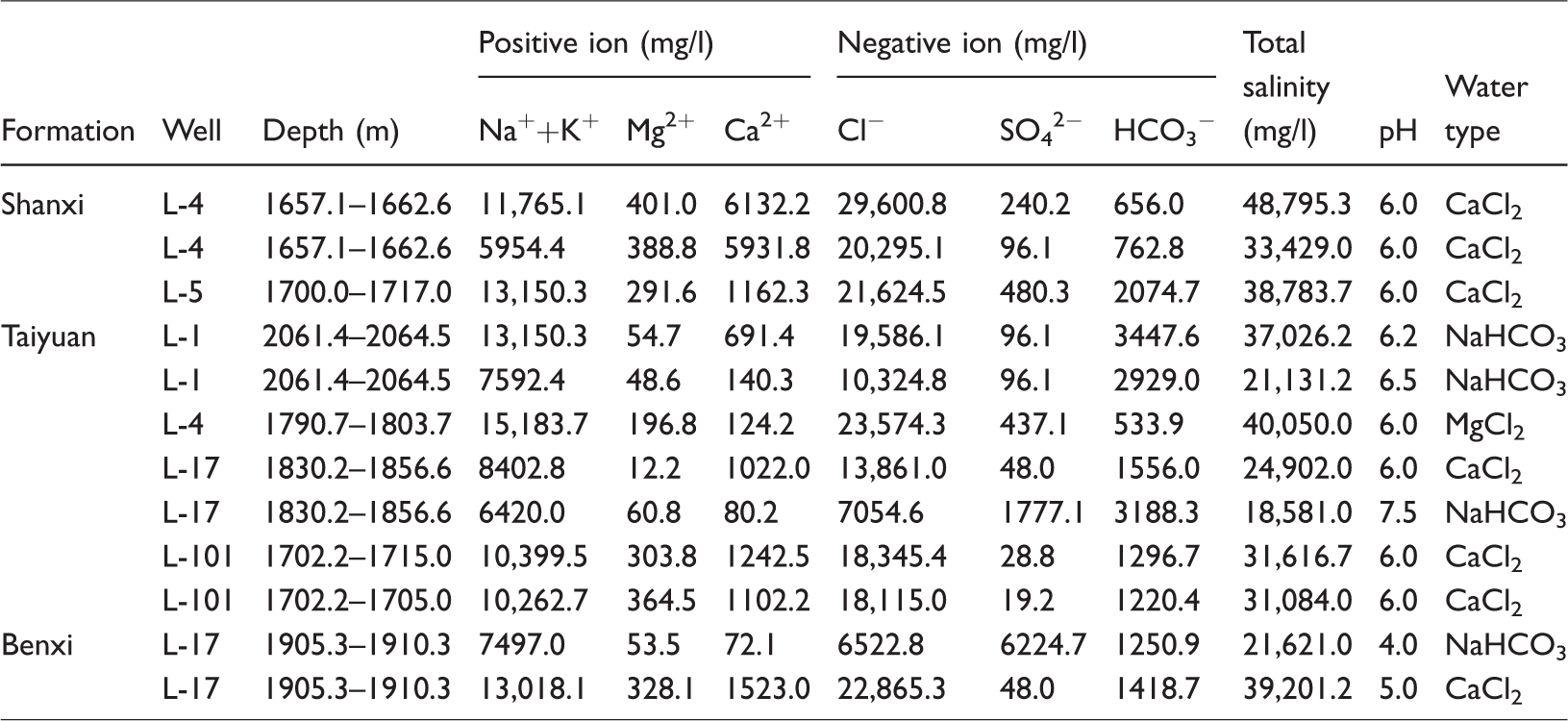
Positive ion of formation water is composed of Na++K+, Mg2+, and Ca2+, among which the content of Na++K+ occupies the absolute dominant position and Ca2+ takes the second place. The content of Mg2+ ranges only from 12.2 to 401.0 mg/l. Negative ion of formation water consists mainly of Cl−, SO42−, and HCO3−. The content of Cl− ranges from 6522.8 to 29,600.8 mg/l and accounts for nearly half of total salinity. The proportion of HCO3− is the second place in negative ion. The total salinity of formation water sustains a relatively high level with the average of 32,185.1 in the coal bearing of Linxing area. Compared with Benxi and Taiyuan Formation, the total salinity of Shanxi Formation appears to be relatively high. The maximum value of pH is 7.5 and the minimum value of pH is 4.0, and 11 water samples present to be acidic. According to the classification of Surin, the type of formation is mostly CaCl2 and NaHCO3 (Table 3).
Characteristic parameters of formation water.
Discussion
Impact of quartz content on reservoir quality
The solubility of quartz has been described in numerous studies on different temperatures, pressure, and fluid systems (Chen et al., 2015; Cruz and Manning, 2015; Hunt and Manning, 2012; Sverjensky et al., 2014). It is generally considered that the dissolution rates for quartz are presented as a function of pH, which depends on the distribution of protonated, deprotonated, or neutral species (Criscenti et al., 2006; Nangia and Garrison, 2008). Most scholars believe that quartz dissolution occurs mainly under alkaline conditions (Pye and Krinsley, 1985; Zhu et al., 2015). Experiment research testifies that the solubility of quartz is unaffected by pH in the condition of acidic to slightly alkaline (pH<8.5). However, solubility increases exponentially with the increase of the pH which is more than 8.5 (Blatt et al., 1974). The bond energy of Si–O–Si may tend to be reduced under alkaline conditions, which make them more susceptible to breakage. Meanwhile, salt effect can be generated to decrease activation energy and increase the rate of quartz dissolution because of the presence of electrolytes in the alkaline environment. The result is the increasing of quartz dissolution with increasing of pH (Liu et al., 2016). Other studies, however, indicate that quartz can be dissolved under different pH conditions (Criscenti et al., 2006; Nangia and Garrison, 2008). The activation energy results of transition states show that the dissolution rate will increase a lot at the alkalic condition comparing with those at acidic or neutral conditions. Accordingly, the dissolution rate at acidic condition is not too much higher than at neutral condition, or even lower. They also suggest that the protonation takes place at the terminal Si–OH unit but not at the bridging oxygen of Si–O–Si linkage under acidic condition (Zhang and Liu, 2009). Hydrolysis reaction equations are as follows in neutral, alkaline, and acidic environments, respectively (Figure 9)



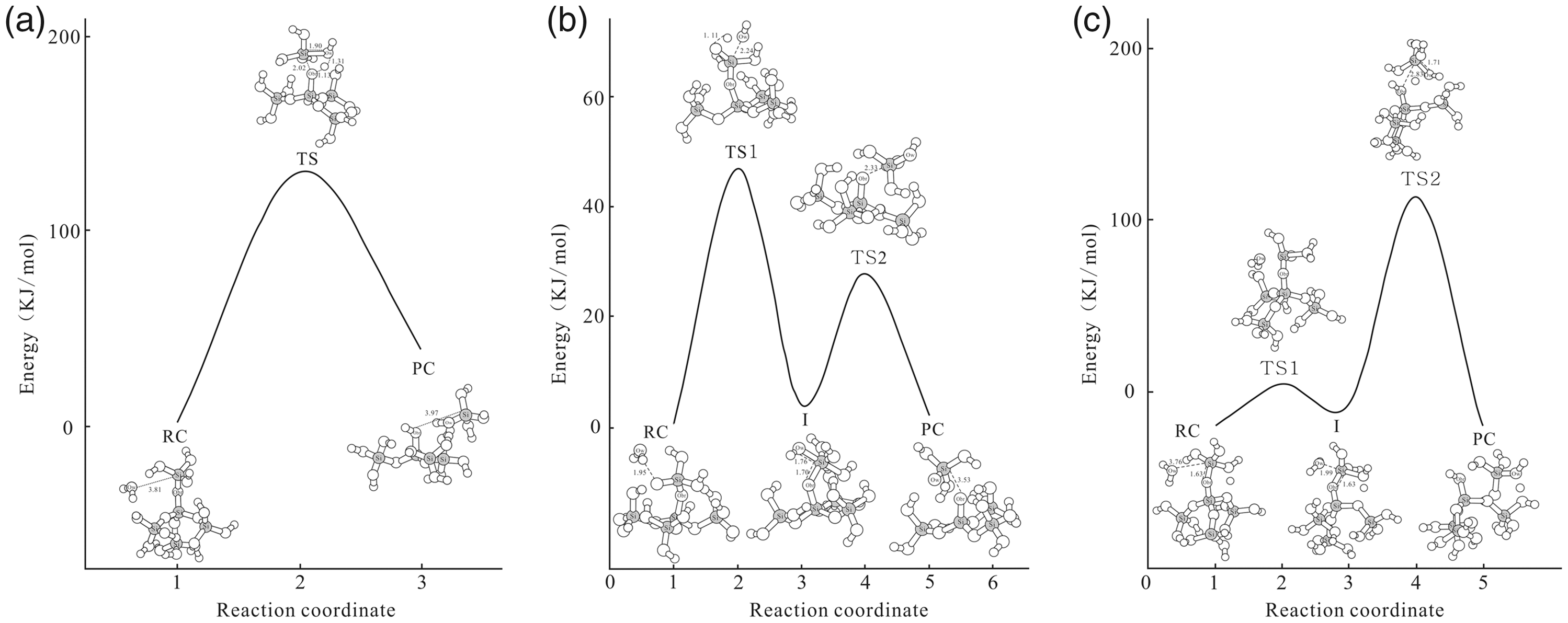
Energy profile and the geometries of the stationary points along the reaction path in different pH. (a) Neutral corresponding to formula (1), (b) alkaline corresponding to formula (2), and (c) acidic corresponding to formula (3) (modified from Zhang and Liu (2009)).
Seen from view of thermal evolution and accumulation history, quartz dissolution may occur in two ways of alkaline environment and organic acids which generate during the destructive effect of paleo-reservoir and the degradation of hydrocarbons (Tian et al., 2016; Zhong et al., 2007). Quartz dissolution shows morphological features, such as “raindrop imprint” pits, “honeycomb” holes, and “stratiform” dissolution under scanning electronic microscope with the scale of dissolution increasing gradually (Chen et al., 2015; Zhang et al., 2016).
Apart from noting the influence of pH on quartz dissolution, other influencing factors may also be considered including temperature and ionic strength (Gratz and Bird, 1993; Strandh et al., 1997). Moreover, increasing attention is presently being directed to the distribution of protonated, deprotonated, or netural species proved by computational study on the dissolution of the quartz surface at any given pH (Lasaga and Lüttge, 2005; Nangia and Garrison, 2008).
According to the analysis of formation water testing, there is no doubt that pH of formation water is less than 7. Compared with pH of formation water collected from the Benxi and Shanxi Formations, the pH of formation water from Benxi Formation is relatively higher and closer to neutral, which may be the reason that the quartz dissolution in Taiyuan Formation is relatively common than that in the Benxi and Shanxi Formations (Table 1). It is well known that the solubility of quartz accretes with the increasing of pH and the reducing of hydrogen ions (Qiu et al., 2002; Yu et al., 2014; Zaid, 2012). Although quartz occurs dissolved at some degree, the solubility of quartz is not so good in acidic environment comparing with alkaline environment. Dissolution of quartz depends on organic acids under acidic environment (Wan et al., 2014; Zhong et al., 2007). Whereas, the presence of organic acids can accelerate the erosion rate of quartz, but not increase the dissolubility (Bennett, 1991; Guo et al., 2003).
Plasticlast and unstable debris may undergo deformation and fill intergranular pores due to the compaction without abnormal pressure in the burial process (Zhang, 2008). Compared with quartz and other rigid minerals, the compression resistances of plastic debris and mica tend to be weak. The enrichment region of plastic debris and mica varieties usually appears to show that mineral particles experience obviously strong deformation due to the mechanical compression of overlying strata (Figure 5). It means that the primary pores are destroyed and filled by the plastic material without the available supporting of mineral grains. Correspondingly, the primary pores which surround rigid particles can be preserved to be the effective reservoir space of oil and gas. However, quartz is helpful in resisting the pressure of upper formation and protecting the pores as a kind of rigid minerals considering high hardness of quartz. At the same time, superfluous contents of quartz occupy reservoir space and decrease reservoir porosity. Based on the experimental results of X-ray diffraction whole rock analysis, plot between quartz and porosity shows that there is an increasing of porosity with the enrichment of quartz. That means dissolution and protecting of quartz play a major role which is favorable for reservoirs with the effect of increasing porosity. The same is true of permeability (Figure 10).
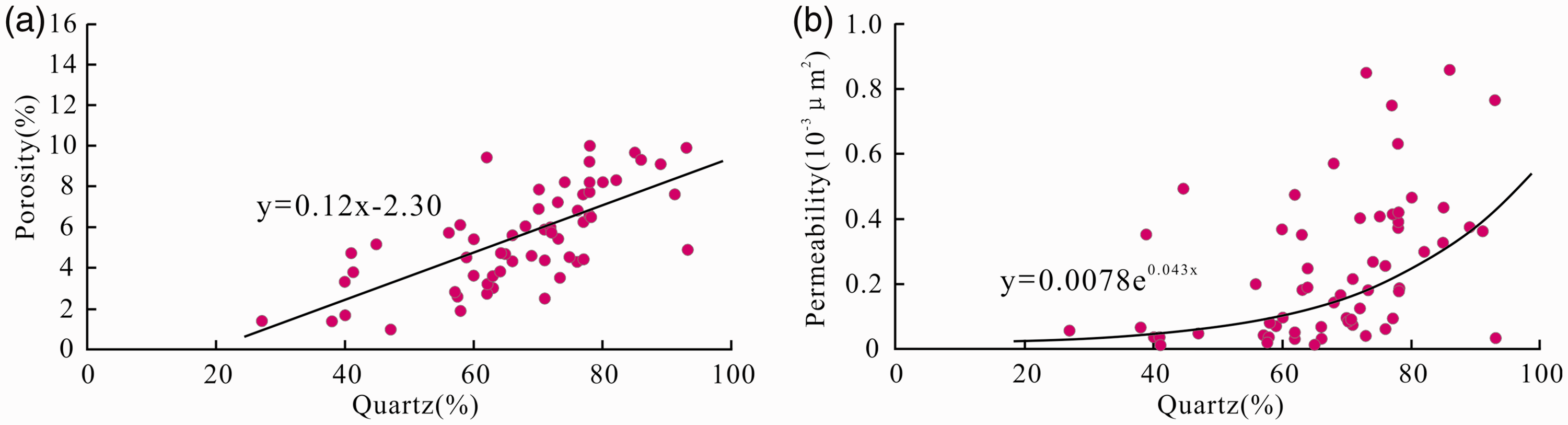
Plots illustrating the effect of quartz content on reservoir quality. (a) Crossplot between quartz and porosity and (b) crossplot between quartz and permeability.
Mechanism of feldspar dissolution and its impact on reservoir quality
Feldspar dissolution has been paid more attention because of the instability of feldspar (Cao et al., 2015; Li et al., 2016). Previous studies reflect that this instability mainly shows as feldspar dissolution and the optimal temperature of feldspar dissolution is 80–120°C (Surdam et al., 1989; Wu et al., 2011). At this point, most scholars believe that feldspar dissolution is of great importance in reforming the physical property of reservoir (Chen et al., 2009; Kang et al., 2016). However, dissolution of feldspar is a silica source for quartz cement accompanying with the generation of kaolinite or illite (Zhu et al., 2008). The accumulation of clay mineral and silica composition reduces the physical properties of sandstones further. There are certainly some scholars holding the view that the key question is whether erosional product can be transported or not (Yuan et al., 2013).
The generation of organic acids can be strongly affected by total organic content and maturity degree (Feng et al., 2013; Yao et al., 2012). The contents of organic matter are rich in the case of coal-bearing strata in the Linxing area, eastern margin of Ordos Basin. Kerogen is the mixture of multiple components instead of single macerals. No matter which formation kerogen derives from, all of it belongs to the type of humic kerogen which is a favorable matrix for generating organic acids (Shi et al., 2017; Tao et al., 2016). Organic acid fluids are released in the process of burial and diagenesis, which provides the sources for feldspar dissolution. The reaction equation is as follows taking potash feldspar as an example


Obviously, feldspar dissolution makes contribution to reform the reservoir physical property as well as connectivity with pores. But equally important is that feldspar dissolution may only change reservoir structure without the erosion product being transported to other places. Plot between the content of feldspar and porosity indicates that porosity decreases gradually along with increased feldspar according to the experimental results of X-ray diffraction whole rock analysis. The same is true for the permeability (Figure 11). Consequently, by-product materials of feldspar dissolution remain to the original area instead of being transported to other places. Feldspar dissolution plays a role in decreasing porosity instead of increasing porosity.
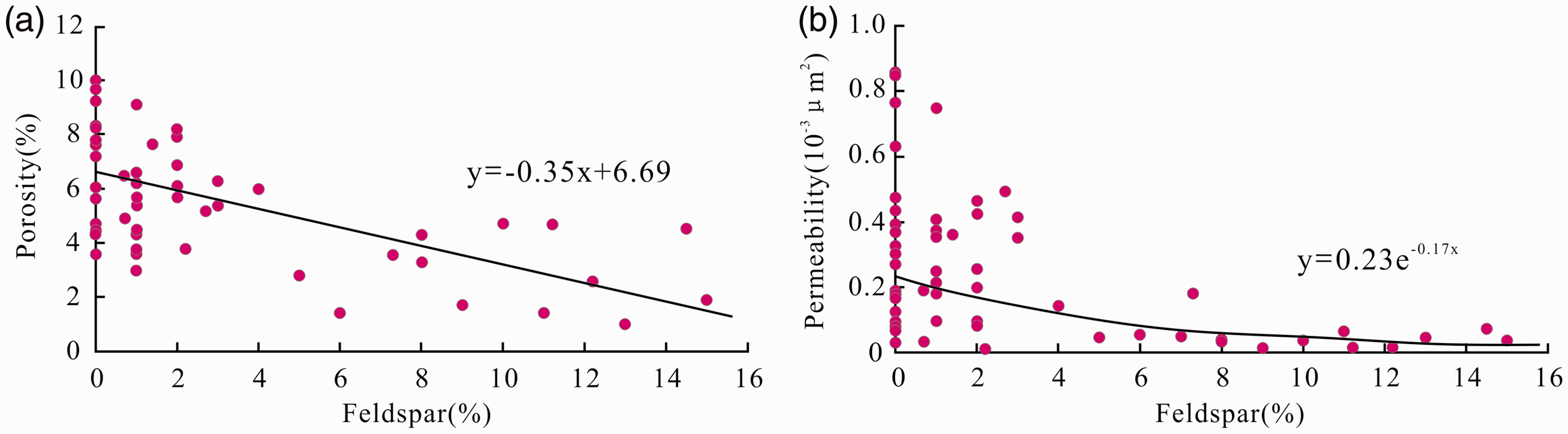
Plots illustrating the effect of feldspar content on reservoir quality. (a) Crossplot between feldspar and porosity and (b) crossplot between feldspar and permeability.
Impact of different clay minerals content on reservoir quality
Illite, of which the absolute average content reach to 10.6%, is the main clay mineral in tight sandstone reservoir of coal-bearing strata from Linxing area. The most common shape of illite is pore bridging and a few is schistose. The metasomatism of feldspar may occur because of illite along the cleavage (Figure 4). Illite monomer tends to be filiform and the aggregation is predominantly cancellate, which leads reservoir quality to deteriorate in the way of splitting pore spaces (Ehrenberg, 1989). It is prevalent in pores in the form of interstitial material. As a result, there is a gradual decrease in porosity and permeability with increased illite (Figure 12).
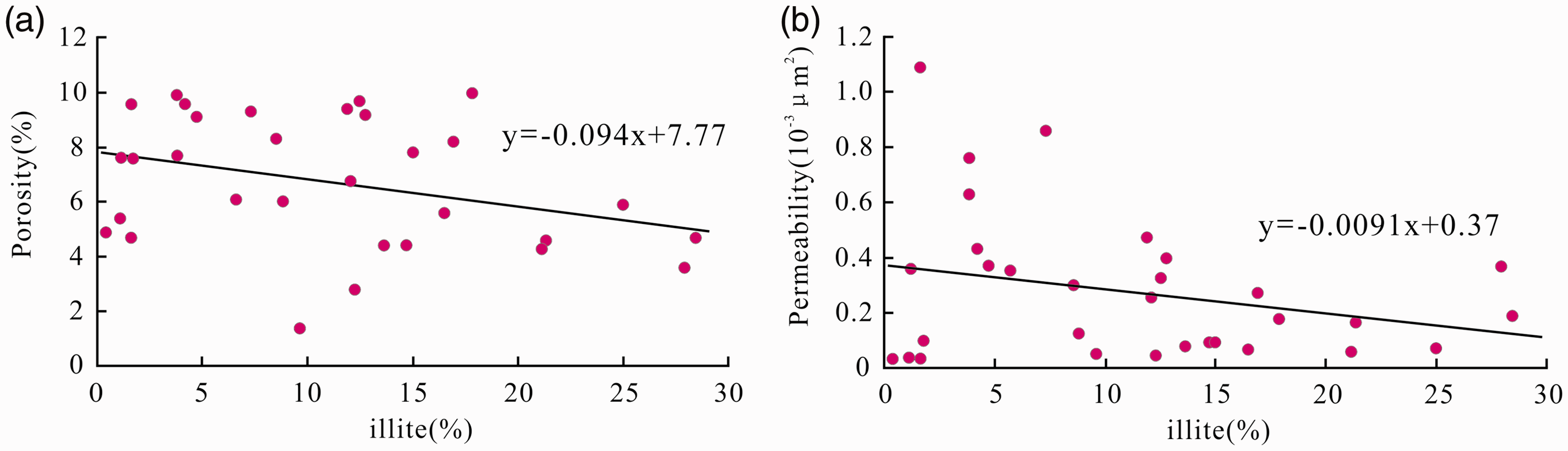
Plots illustrating the effect of illite content on reservoir quality. (a) Crossplot between illite and porosity and (b) crossplot between illite and permeability.
The relative content of kaolinite, which is characterized by book or vermicular structure, is second only to the illite in tight sandstone reservoir of coal-bearing strata from the Linxing area. Dissolution of feldspar is the main source of kaolinite as one of the main products under acidic condition (Zhu et al., 2008). Kaolinite is filled in primary intergranular pores and dissolution pores as the interstitial material of pores or throats, which are not conducive to the preservation of pores. So there is no doubt that porosity and permeability will decrease along with the increase of kaolinite (Figure 13).
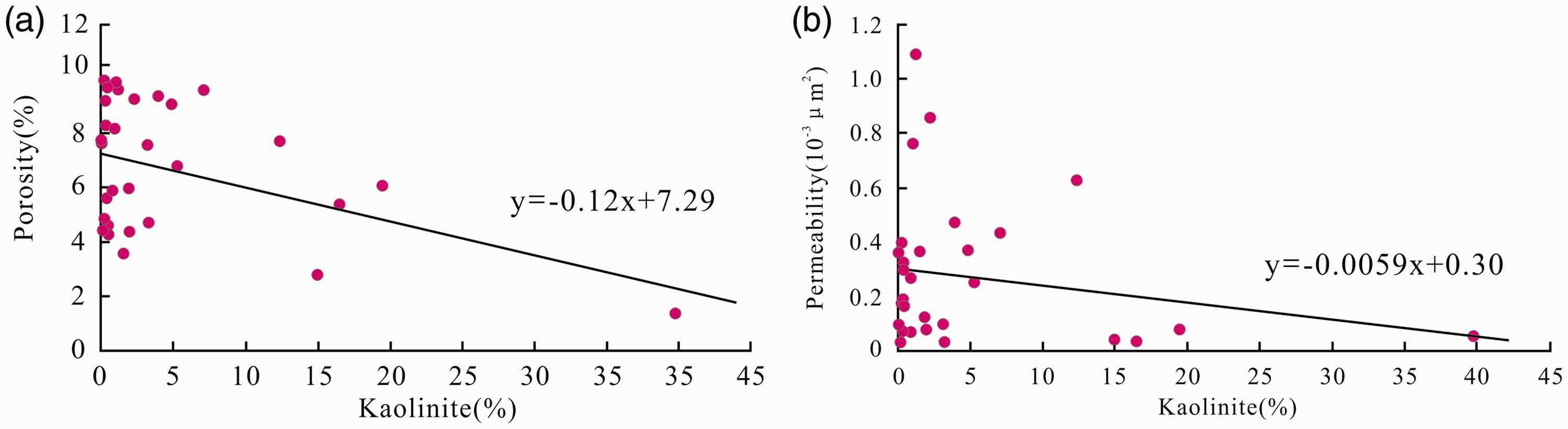
Plots illustrating the effect of kaolinite content on reservoir quality. (a) Crossplot between kaolinite and porosity and (b) crossplot between kaolinite and permeability.
Based on the arrangement of chlorite crystal and the contact with other particles, chlorite may be classified into grain-coating chlorite, pore-lining chlorite, and rose-shaped chlorite (Billault, et al., 2003; Zhang et al., 2012). Grain-coating chlorite is favorable for the preservation of primary pore (Amthor and Okkerman, 1998; Ehrenberg, 1993). It plays a positive role for reservoir because of preventing the precipitation of other cements, relieving the compaction, inhibiting the pressure solution, and promoting the denudation (Sun et al., 2012). The data that are less than 0.3% have been deleted in order to reduce artificial errors in plots between reservoir quality and chlorite. The content of chlorite does not have a simple linear relationship with porosity according to the crossplot (Figure 14(a)). There is a gradual decrease in porosity with increased chlorite when the absolute content of chlorite is less than 1.5%. At this time grain-coating chlorite is insufficient for relieving the compaction or preventing quartz overgrowth. Grain-coating chlorite may be of sufficient thickness to protect reservoirs along with the increasing content of chlorite. The crossplot between chlorite and porosity reveals this phenomenon when the absolute content of chlorite is less than 1.5%. As the content continues to increase, excess chlorite will fill pores and decline the porosity. On the whole, the development of chlorite has a negative effect on permeability (Figure 14(b)).
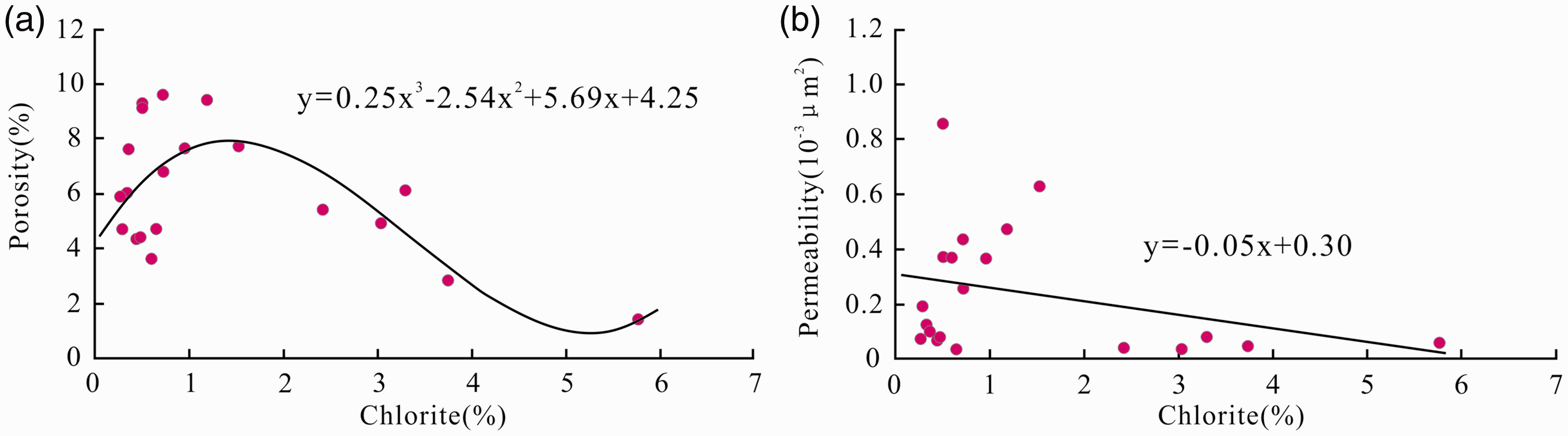
Plots illustrating the effect of chlorite content on reservoir quality. (a) Crossplot between chlorite and porosity and (b) crossplot between chlorite and permeability.
Conclusions
The effect of quartz on the reservoir involves three points including quartz dissolution, quartz overgrowth, and quartz supporting. On the whole, there is an increasing of porosity with the enrichment of quartz. Dissolution and protecting of quartz play a major role which is favorable for reservoirs with the effect of increasing porosity. The effect of quartz overgrowth that decreases porosity and permeability is weak. Feldspar dissolution is common with the generation of kaolinite and illite under acidic conditions. It plays a role in decreasing porosity due to by-product materials of feldspar dissolution remaining instead of being transported to other places. Clay minerals have the negative effect on porosity and permeability involving illite, kaolinite, and chlorite. It is worth mentioning that grain-coating chlorite may be of sufficient thickness to protect reservoirs along with the increasing content of chlorite, which is testified by the crossplot between chlorite and porosity when the absolute content of chlorite is less than 1.5%.
Footnotes
Declaration of conflicting interests
The author(s) declared no potential conflicts of interest with respect to the research, authorship, and/or publication of this article.
Funding
The author(s) disclosed receipt of the following financial support for the research, authorship, and/or publication of this article: The authors are grateful for the support of National Science and Technology Major Project of China (Grant No. 2016ZX05066001–003), Natural Science Foundation for Young Scholars of Shandong (Grant No. ZR201702180287), National Natural Science Funds of China (Grant No. 41702198, 41702138), and Fundamental Research Funds for Central Universities (No. 16CX06044A).