




Abstract
Light hydrocarbon has abundant geochemical information, but there are few studies on it in Shenmu gas field. Taking Upper Paleozoic in Shenmu gas field as an example, authors use gas chromatography technology to study light hydrocarbon systematically. The results show that (1) The Shenmu gas field is mainly coal-derived gas, which is mixed by partial oil-derived gas due to the experiment data. (2) Based on K1, K2 parameter and Halpern star chart, the Upper Paleozoic gas in Shenmu gas field belongs to the same petroleum system and the depositional environment of natural gas source rocks should be homologous. (3) The source rocks are mainly from terrestrial higher plant origins and belong to swamp facies humic due to methyl cyclohexane index and Mango parameter intersection chart, which excluded the possibility of the Upper Paleozoic limestone as source rocks. (4) The isoheptane ranges from 1.45 to 2.69 with an average of 2.32, and n-heptane ranges from 9.48 to 17.68% with an average of 11.71%, which is below 20%. The maturity of Upper Paleozoic gas in Shenmu gas field is low-normal stage, which is consistent with Ro data. (5) The Upper Paleozoic natural gas in the Shenmu gas field did not experience prolonged migration or secondary changes, thus can be analyzed by light hydrocarbon index precisely.
Introduction
As an important constituent of oil and gas, light hydrocarbons are of great geochemical significance (Yu et al., 2014), but there is no universally accepted definition for them now. As per Dai Jinxing’s definition (Dai, 1993a), light hydrocarbons are referred to as gasoline hydrocarbons with the boiling range less than 200℃, or C5–10 alkanes including some gas-associated condensate oil and light oil. Guo et al. (2009), Mango (1997), Odden (1999), and Shen et al. (2011) defined light hydrocarbons as C4–7, C1–9, C1–13, and C5–10 alkanes, respectively. In this paper, C1–13 alkanes are defined as light hydrocarbons in a broad sense and C5–9 alkanes as the analogs in a narrow sense; the latter is the focus of efforts in current researches and in this paper.
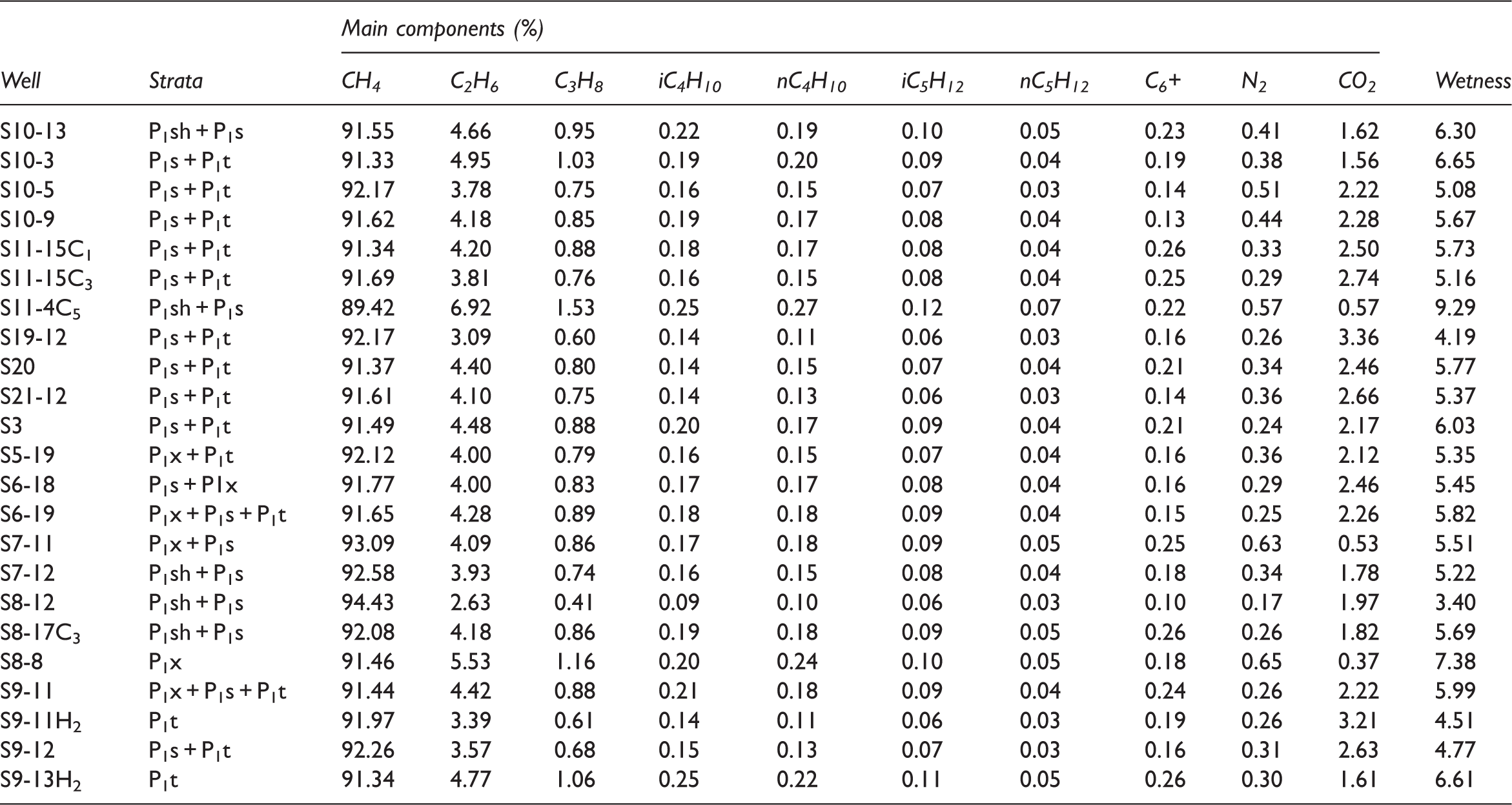
Upper Paleozoic gas in Shenmu gas field is characterized by high humidity and high light hydrocarbon content but has seldom been discussed before. This paper focuses on Upper Paleozoic gas geneses, gas and source rock correlation, and natural gas maturity in Shenmu gas field based on the tests and analyses of light hydrocarbon composition of natural gas. The conclusions may have some guiding significance to future gas exploration and development.
Regional geologic setting and samples
Shenmu gas field of 4 × 10⁴ km2 geographically lies in Yuyang District of Yulin City and Shenmu County, Shanxi Province and which is also positioned adjacent to Mizhi, Da niudi, Yulin, and Zizhou gas fields (Yang et al., 2015) (Figure 1). Tectonically it is a widely gentle west-inclined slope with few faults situated in the northeast of Yishan slope, a secondary tectonic unit, and the south of Yimeng uplift (Liu et al., 2009). The sedimentary system changed from marine facies to continental facies. Major pay zone is the Taiyuan Formation, which is composed of shallow deltaic deposits generated from marine transgression and low-energy carbonate rocks of littoral facies (Meng et al., 2013). There are clastic formations, limestone formations, and alternate layers in this field, especially alternate layers (Lan et al., 2011). Distributary channel grits alternate with pervasive coal-measure source rocks to form self-sourced lithologic reservoirs. Reservoir space is mainly composed of dissolved pores and the barriers are surrounding mudstone and constricted sandstone.
Sketch map showing location of Shenmu gas field.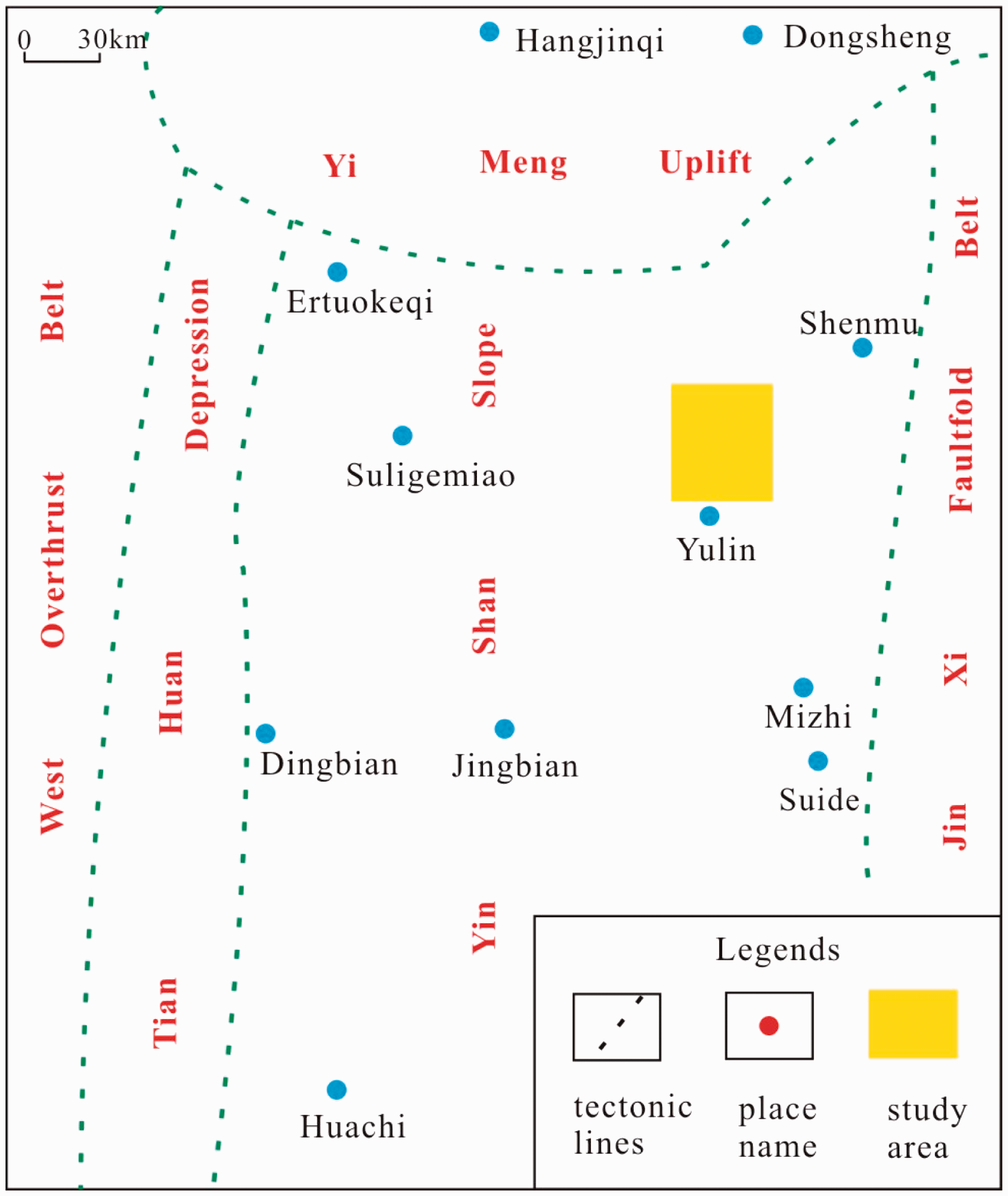
The characteristics of natural gas components from Shenmu gas field.
Light hydrocarbon geochemical characteristics and their application
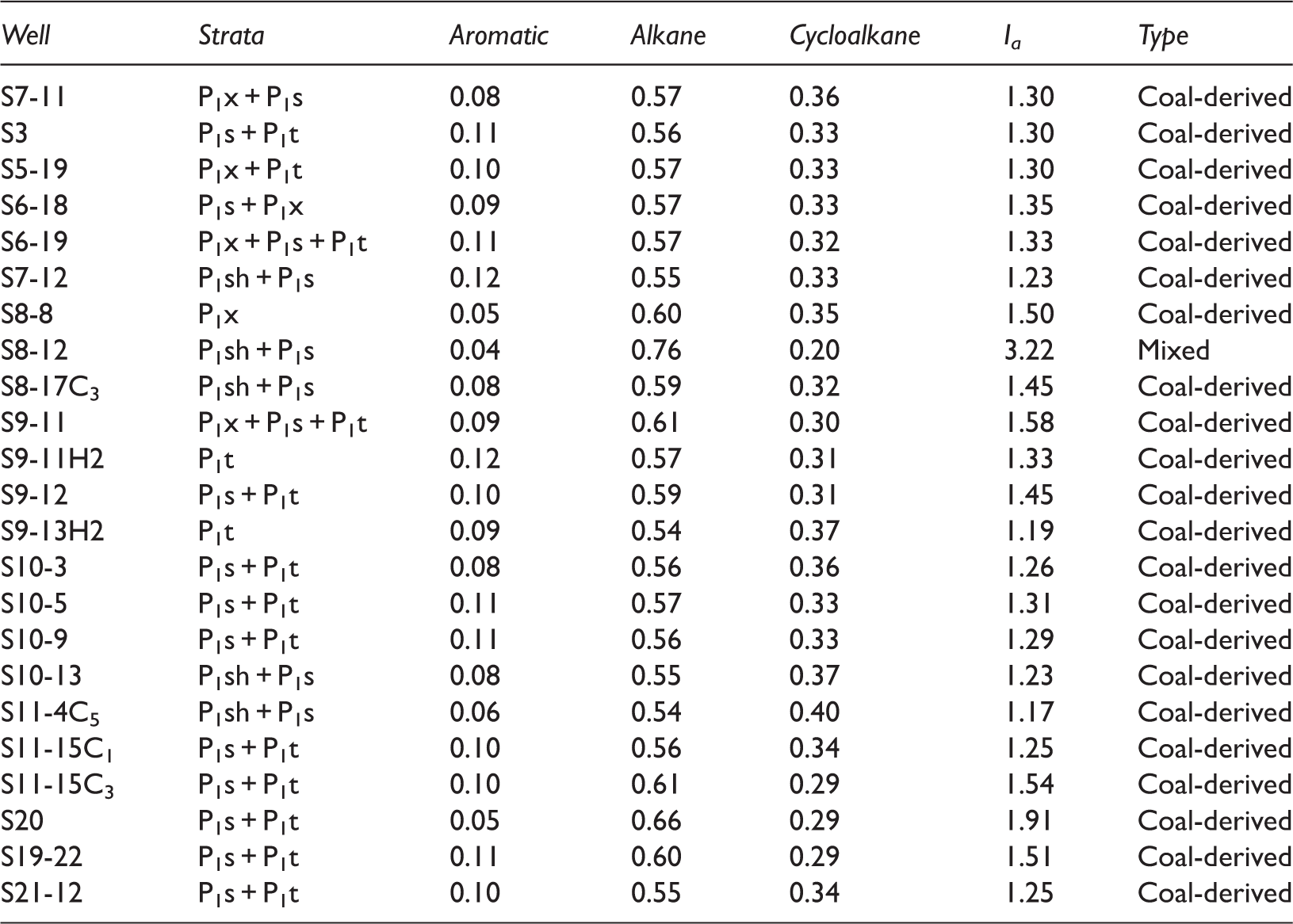
One notable feature of light hydrocarbon composition of Upper Paleozoic natural gas in the Shenmu gas field is that the methyl cyclohexane (MCH) content is very high. Figure 2 shows typical light hydrocarbon chromatographs of natural gas in the Shenmu gas field. In the distribution of C7 compound of coal-derived gas, MCH is the main peak and has a distribution advantage. Prolific in alkane is another feature in this study area. In the relative volume fraction among aromatic, alkane, cycloalkane of C6–7 findings are alkane is the most abundant, with the amount distributed in 54–76%, averaging at 58%. Next is cycloalkane, distributed in 20–40% and averaging at 33%. The content of aromatic is relatively low, distributed in 4–12% and averaging at 9%.
Light hydrocarbon chromatogram of Shenmu gas field. 1: methyl cyclohexane; 2: toluene; 3: n-heptane; 4: 3-methyl hexane; 5: 2- methyl hexane; 6: cyclohexane; 7: benzene; 8: methyl cyclopentane.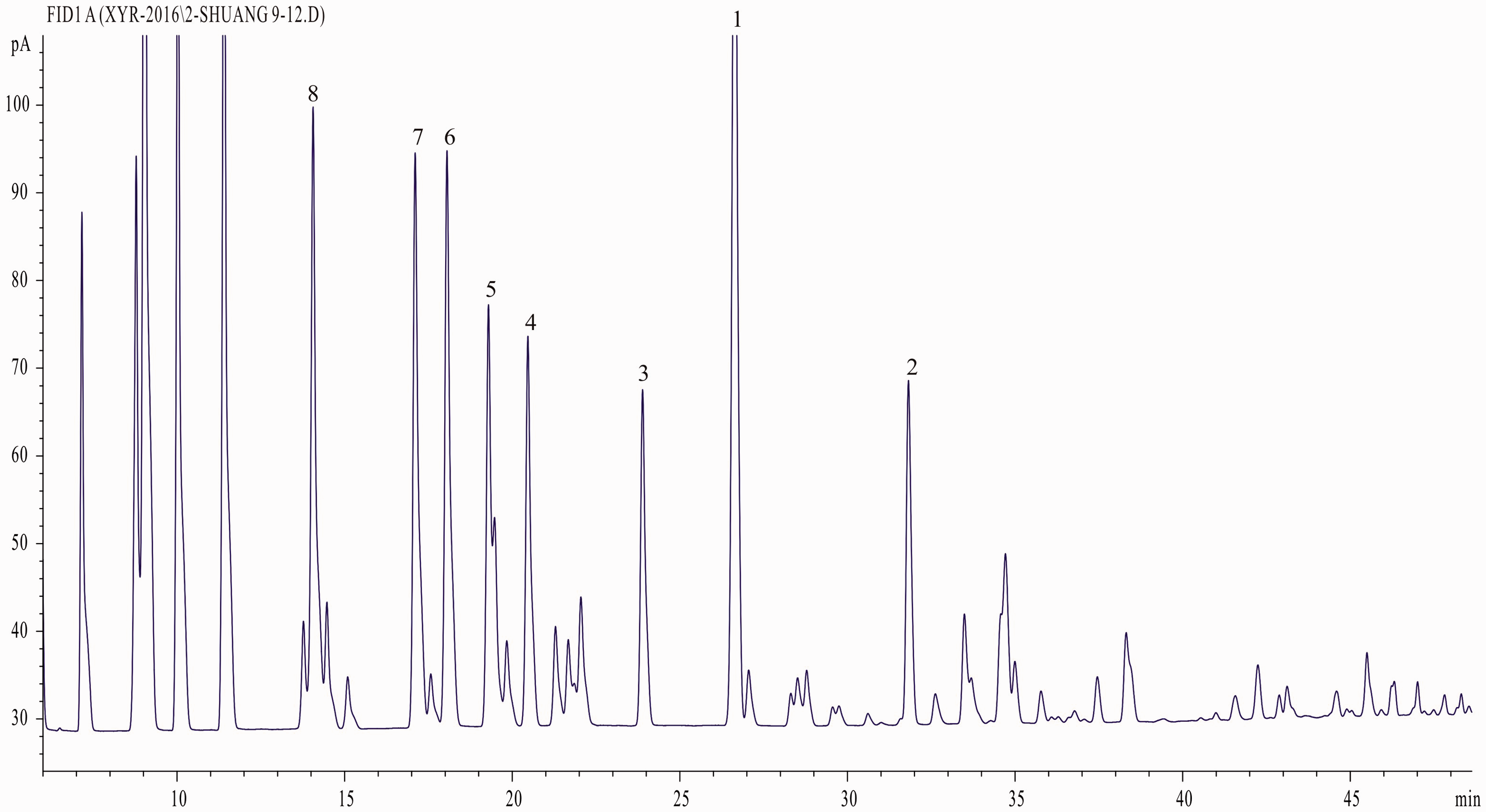
Natural gas types
In addition to C1–4 isotopic constitution, light hydrocarbon constitution, e.g. relative benzene and toluene contents; benzene toluene ratio; IMCH6; triangular plot of C7 light hydrocarbons; C6–7 aromatic and branched alkane combination; and relative C5–7N-alkanes, isoparaffin, and cycloalkane contents, could also be used as an indicator to identify natural gas geneses (Dai, 1992, 1993b; Hu et al., 1990, 2007; Lin, 1990; Qin et al., 1991). The following four indicators could be used to identify natural gas geneses accurately. In this paper, we propose the concept of alkane index for the first time.
MCH index
MCH mainly originates in lignocellulose found in higher plants and saccharide and is a major marker of humic organic matter (Guo et al., 2009). The existence of massive MCH indicates the origin of coal-derived gas. Hu et al. (1990) suggested MCH index (IMCH6) could be used to identify the type of natural gas. IMCH6 > (50 ± 2)% indicates coal-derived gas and IMCH6 < (50 ± 2)% indicates oil-derived gas

The relative content of light hydrocarbon and methyl cyclohexane index.
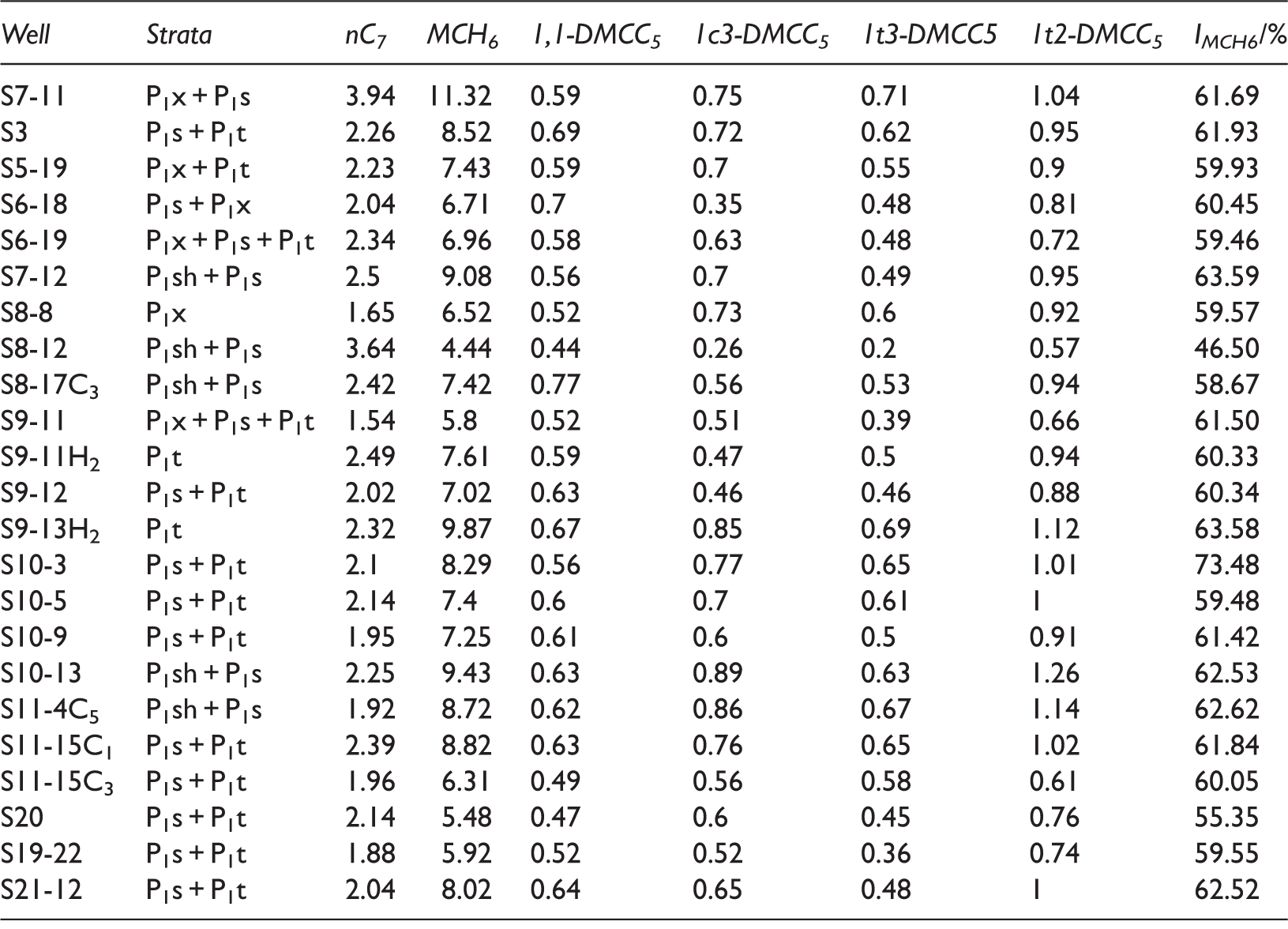
IMCH6: methyl cyclohexane index; MCH6: methyl cyclohexane; nC7: normal heptane; 1c3-DMCC5: 1, cis-3-dimethyl cyclopentane; 1,1-DMCC5: 1,1-dimethyl cyclopentane; 1t2-DMCC5: 1, trans-2-dimethyl cyclopentane; 1t3-DMCC5: 1, trans-3-dimethyl cyclopentane.
Alkane index
The parent material of organic matter has a great impact on C6–7 light hydrocarbons. Oil-derived gas generated from sapropelic parent materials is relatively rich in alkane hydrocarbons and coal-derived gas generated from humic materials is relatively rich in cycloalkane and aromatic (Leythaeuser et al., 1979; Snowdon and Powell, 1982). Yu et al. (2013) analyzed light hydrocarbon composition of oil-derived gas in the Tarim Basin and found relative alkane content > relative cycloalkane content > relative aromatic content. In this paper, a concept of alkane index (Ia) is formulated as follows based on the study of relative C6–7 alkane, cycloalkane, and aromatic content

The index of alkane of Shenmu gas field.
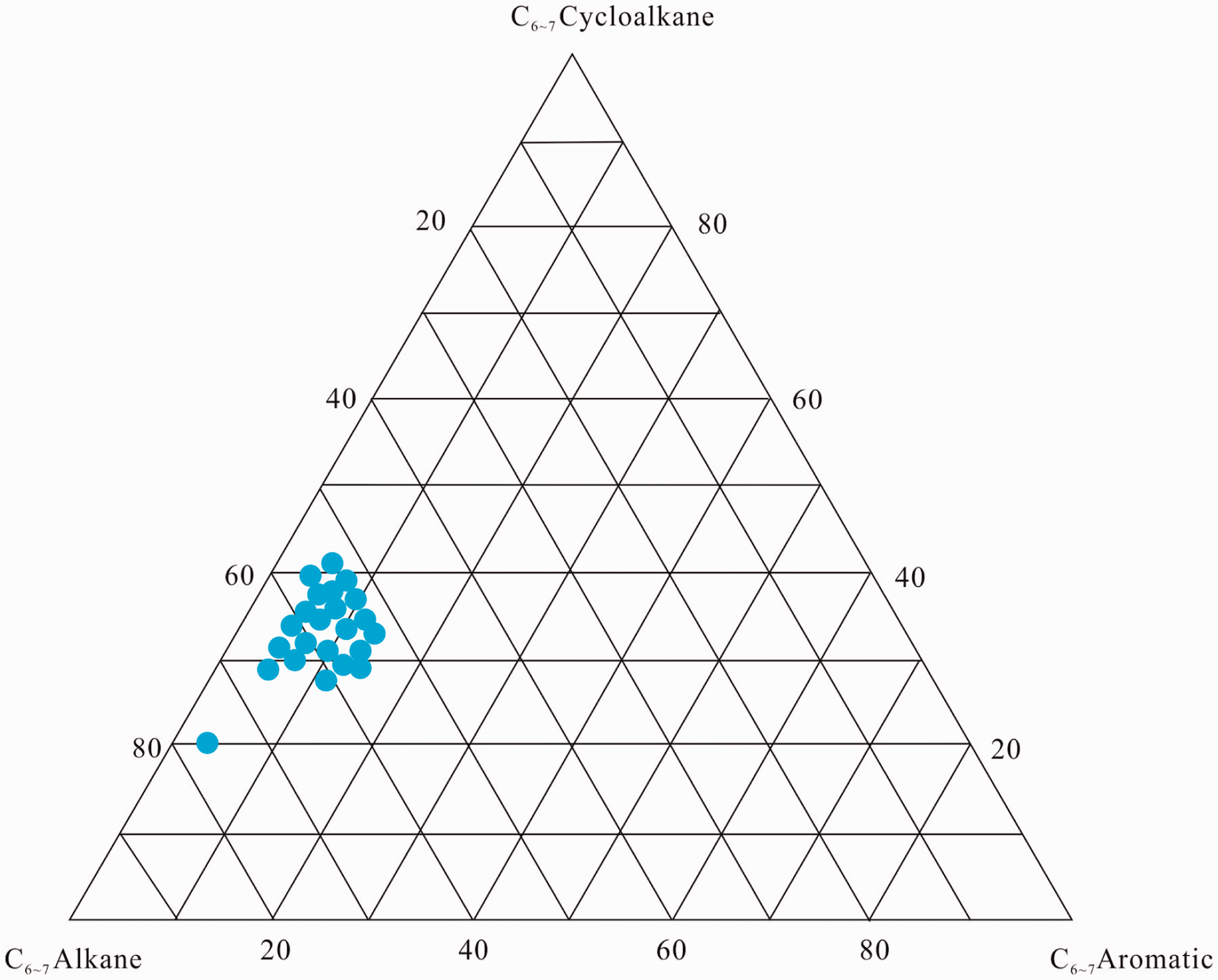
The triangle chart of alkane, aromatic, and cycloalkane.
Triangular plot of light hydrocarbons
Common C7 light hydrocarbons mainly include (1) MCH, which originates in terrigenous parent materials of humic type. Massive MCH is an indicator of coal-derived gas; (2) dimethyl cyclopentanes (ΣDMCP) of different constitutions, which originate in lipids from aquatic organisms and indicate oil-derived gas of sapropelic type; (3) normal heptane (nC7), which originates in various parent materials including bacteria, algae, and higher plants and is a good index of maturity. A triangular plot composed of above three compounds could then be used to distinguish natural gas geneses (Figure 4(a)) (Dai, 1993b; Dai and Li, 1994; Dai et al., 1985; Mango, 1990a; Snowdon and Powell, 1982).
The triangle chart of (a) C7 light hydrocarbon system and (b) N-alkanes, isoparaffin, cycloalkane.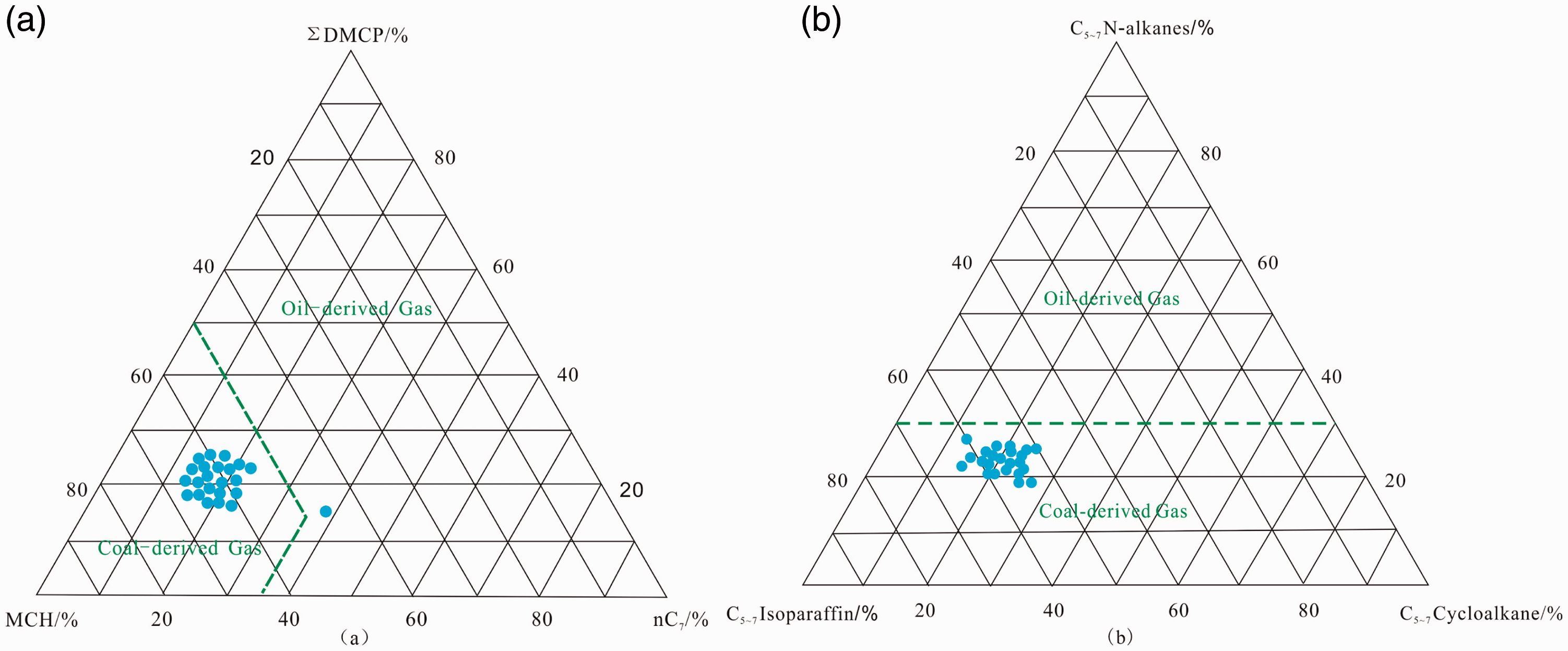
As per the plot, Upper Paleozoic gas samples from Shenmu gas field have high relative MCH content of 46–73% with an average of 61% and low relative normal heptane (nC7) content of 14–38% with an average of 18%. Hu et al. (2007) proposed that oil-derived gas has relative nC7 content over 30% and relative MCH content under 70%, while coal-derived gas has relative nC7 content under 35% and relative MCH content over 50%. As per these criteria, 22 samples are of coal-derived gas origin and additional one sample from Well Shuang 8-12 falls in the overlapping interval, which is consistent with the judgment of coal-derived gas and oil-derived gas mixture by IMCH6 index.
The composition of aliphatic in natural gas is dependent on sedimentary environments and source rocks with different parent materials. Oil-derived gas generated from sapropelic parent materials is rich in N-alkanes; coal-derived gas generated from humic materials is rich in aromatic and isoparaffin (Dai, 1992); terrigenous materials are rich in cycloalkane. This means relative contents of C5–7 N-alkanes, isoparaffin, and cycloalkane could be used to identify natural gas geneses (Figure 4(b)).
The above figure shows 23 Upper Paleozoic gas samples concentrate in a local area on the triangular plot. As per the argument proposed by Hu et al. (2007) that coal-derived gas has relative C5–7 content below 30%, 23 samples are of coal-derived gas origin.
Correlation of natural gas source rocks
K1 and K2 parameter
Mango discovered four isoheptane compounds, i.e. 2-methyl-hexane, 3-methyl-hexane, 2,3-dimethyl-pentane, and 2,4-dimethyl-pentane from more than 2000 light hydrocarbon samples worldwide. For a same chemical reaction, its isomer products are constituted in a relatively fixed proportion which does not vary with the concentration of intermediums and substrates. Mango (1987) defined this proportion as K1 constant (equation (3)). The discrepancies in the constitution of humic kerogen and sapropel kerogen would lead to the discrepancies in the route and subsequent dynamic process of chemical reaction (Mango, 1997). This means different parent materials would generate isoparaffin with various abundances, which would be demonstrated by the discrepancies in isoparaffin parameters. Therefore, K1 constant could be used for oil and gas–source rock correlation

K1 value of 23 Upper Paleozoic gas samples from Shenmu gas field consistently ranges 1.00–1.23 with an average of 1.08 (Figure 5), which indicates natural gas in Shenmu gas field originates in the same petroleum system.
The distribution plot of K1 in natural gas from Shenmu gas field.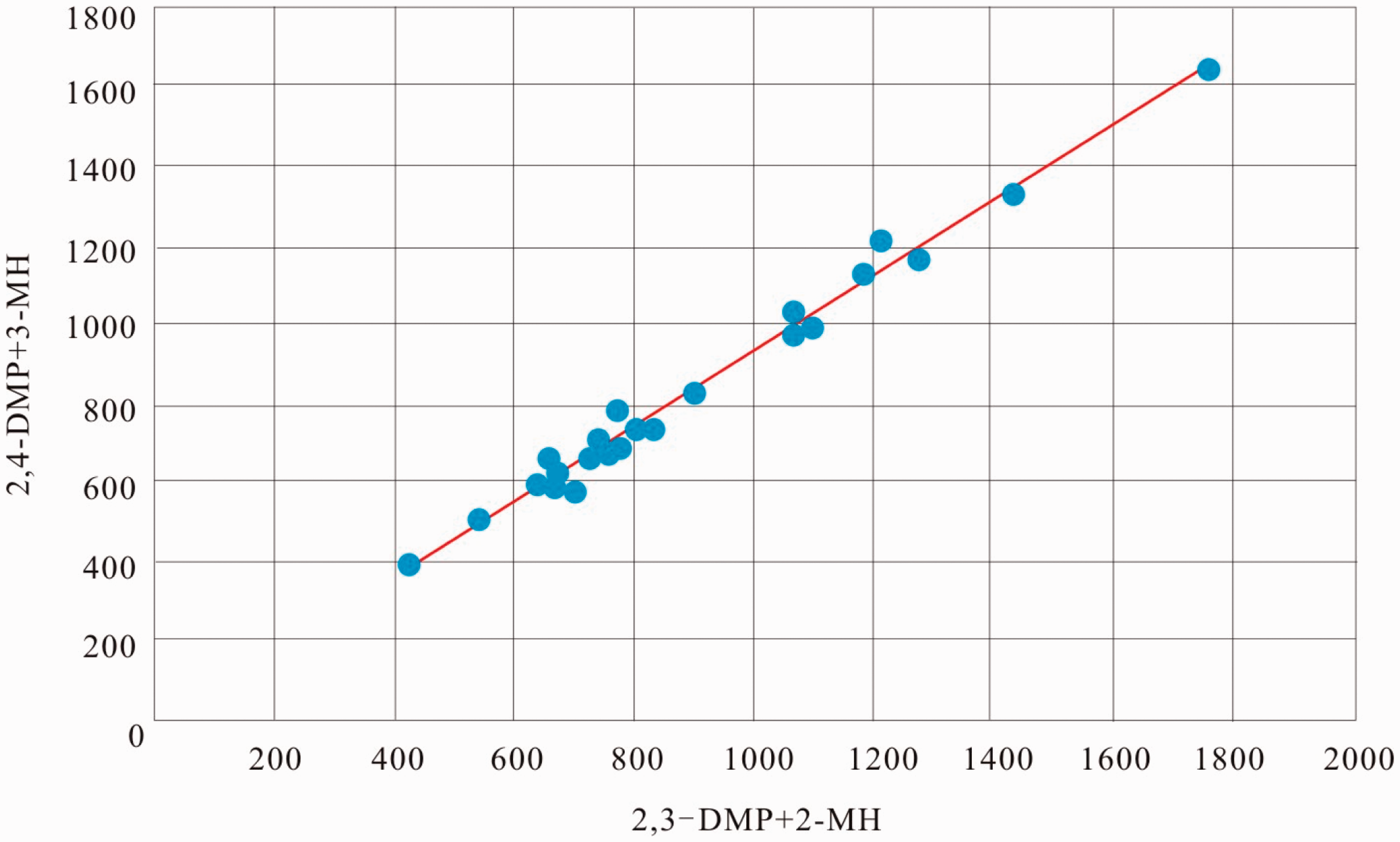
Based on the kinetic model of steady-state catalysis for C7 genesis, Mango (1990b) supposed each reaction has its individual rate to generate cyclic compound with different carbon number, but the reaction rate to generate equal carbon number and identical ring should be in proportion; in accordance with this argument, Mango presented a K2 parameter (defined in equation (4)). Zhu and Zhang (1999) proposed that light hydrocarbons generated from the same source rocks within the entire oil-generating window should have equal K2 value, i.e. cyclopentane content in proportion to isopentane content

For 23 Upper Paleozoic gas samples from Shenmu gas field, K2 value ranges 0.44–0.80 with an average of 0.55 and standard deviation of 0.09 (Figure 6), indicating natural gas in Shenmu originates in the same petroleum system, which is consistent with K1 judgment.
The distribution plot of K2 in natural gas from Shenmu gas field.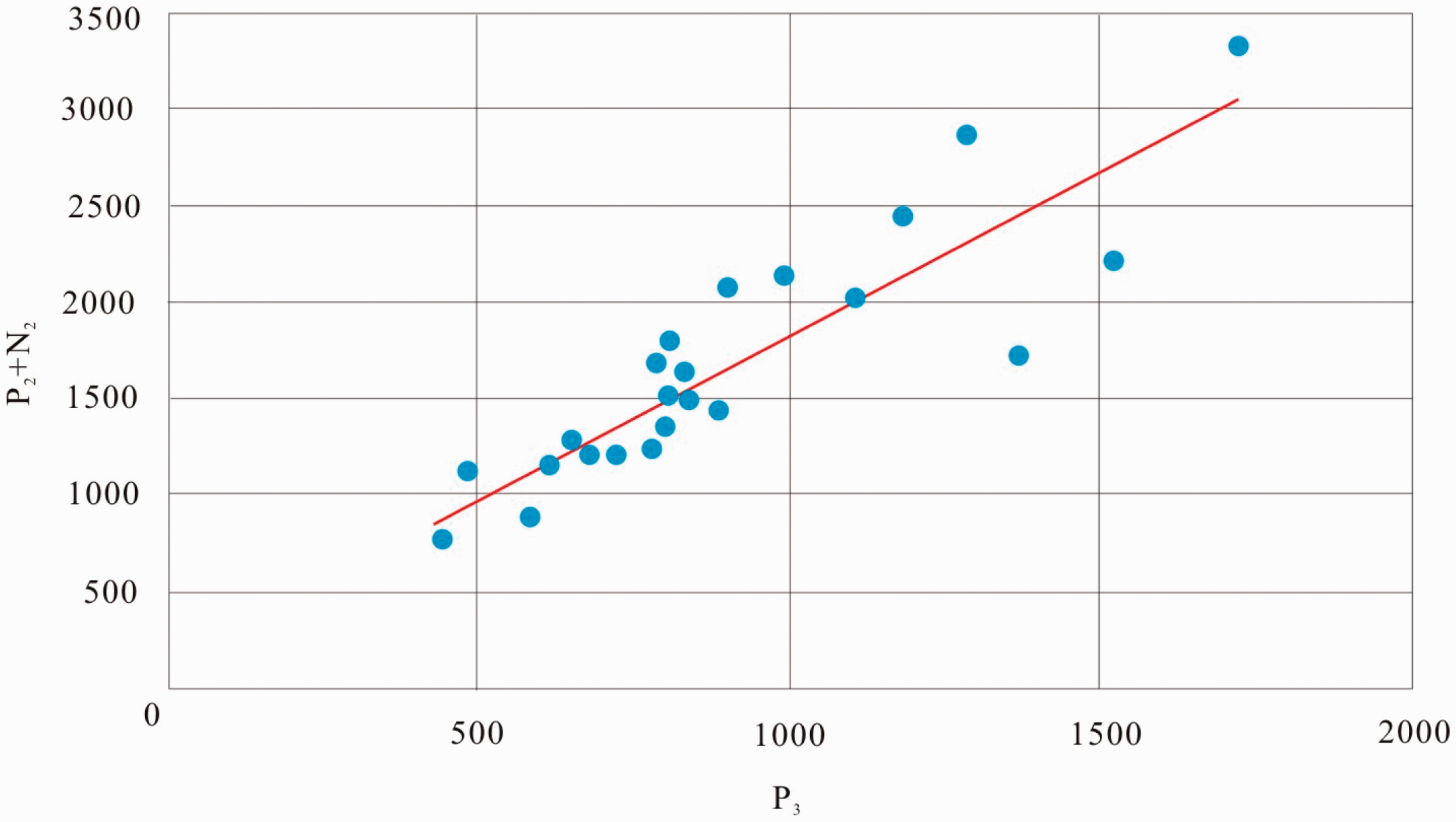
Star chart of Halpern
Halpern (1995) optimized five parameters in light hydrocarbons and named them C1–C5. The star chart consists of five ratios involving compounds that are source related and resistant to the effects of transformation. Therefore, they are useful for correlation. We put the samples from Shenmu gas field into the star chart and found that the trend tends to be identical (Figure 7). Although we cannot distinguish the depositional environment of the source rocks from the star chart, it is useful to identify natural gas from different depositional environment (Huang et al., 2014; Liu et al., 2015; Ten Haven, 1996). So it is certain that the natural gas source rocks of the Upper Paleozoic Shenmu gas field should be consistent.
C7 oil gas correlation star diagram for Upper Paleozoic gas in Shenmu gas field.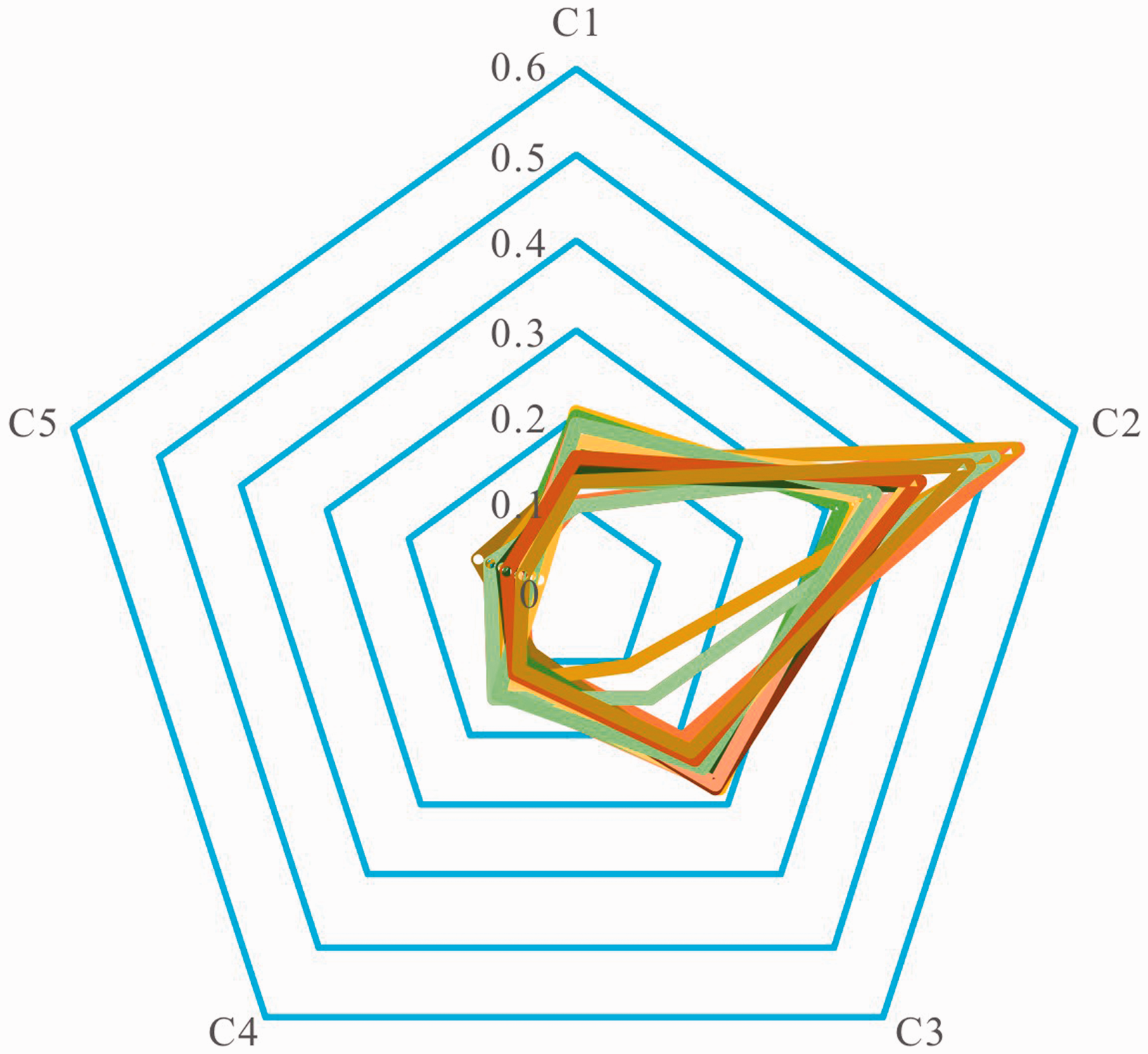
Types of source rocks
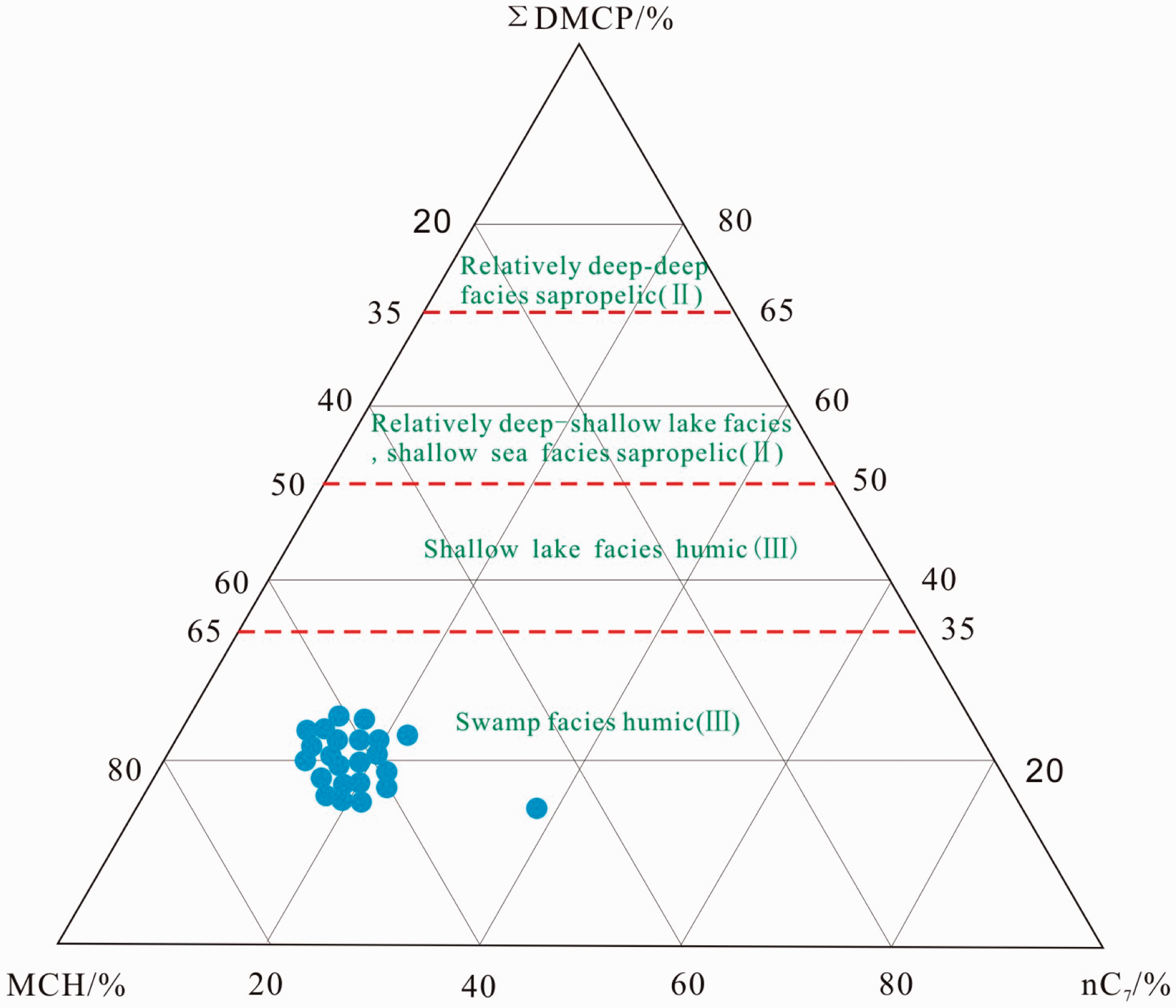
Hu et al. (1990) proposed to use MCH index (IMCH6) to distinguish parent materials forming in different sedimentary environments. In accordance with this standard, Upper Paleozoic gas source rocks in Shenmu gas field are mainly of humic genesis of swamp facies (Figure 8). As per the principle that C6–7 compounds have equal carbon number, different constitutions and configurations, and similar boiling points, two naphthenic indices, CA1 and CA2, were formulated (equations (5) and (6)) as follows. If gas source rocks have similar parent materials, these two parameters would have good correlation
The identification triangle chart using IMCH6 index.

Gas samples demonstrate good correlation between CA1 and CA2 (with correlation coefficient of 0.85), which indicates these samples originate from the same source rocks (Figure 9). This conclusion is consistent with the judgment by MCH index (IMCH6).
The relationship scatter diagram between CA1 and CA2.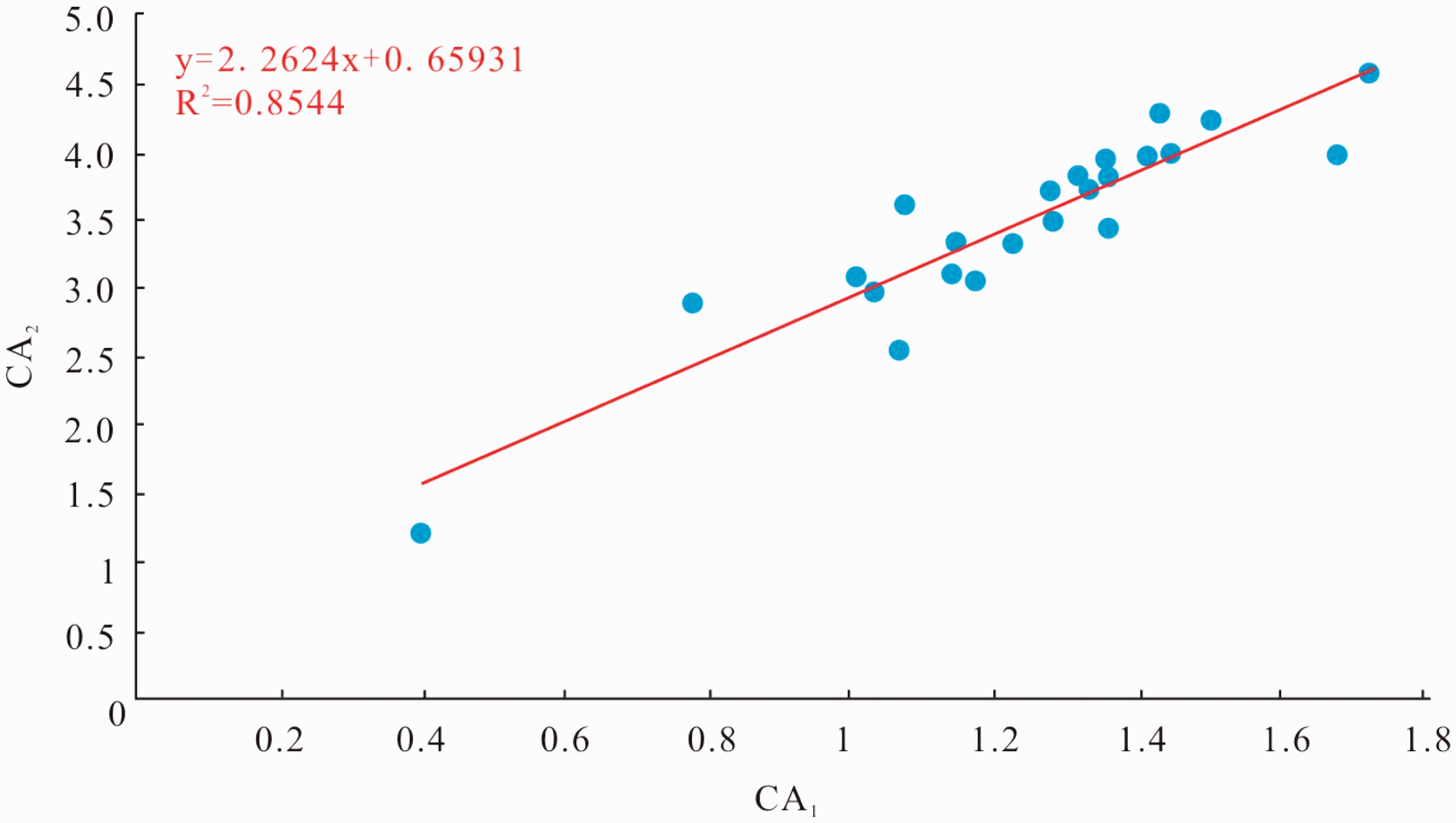
Ten Haven (1996) used Mango parameters to successfully distinguish lacustrine lower plant origins, mixed origins, and terrestrial higher plant origins. We use this chart to distinguish the samples from Shenmu gas field. From the chart, we can see that the samples all fall on the bottom, which indicates that the sources are terrestrial higher plant origins (Figure 10(a)). From Figure 10(b), we can see that oil from lacustrine organic has higher P3/P2 + N2 value and lower N2/P3 than oil from terrestrial organic. The samples are from terrestrial higher plant origins, which are consistent with the IMCH6 index.
Cross plots of (a) P2 + N2 versus P3 and (b) N2/P3 versus P2 (modified from Liu et al. (2015) and Ten Haven (1996)).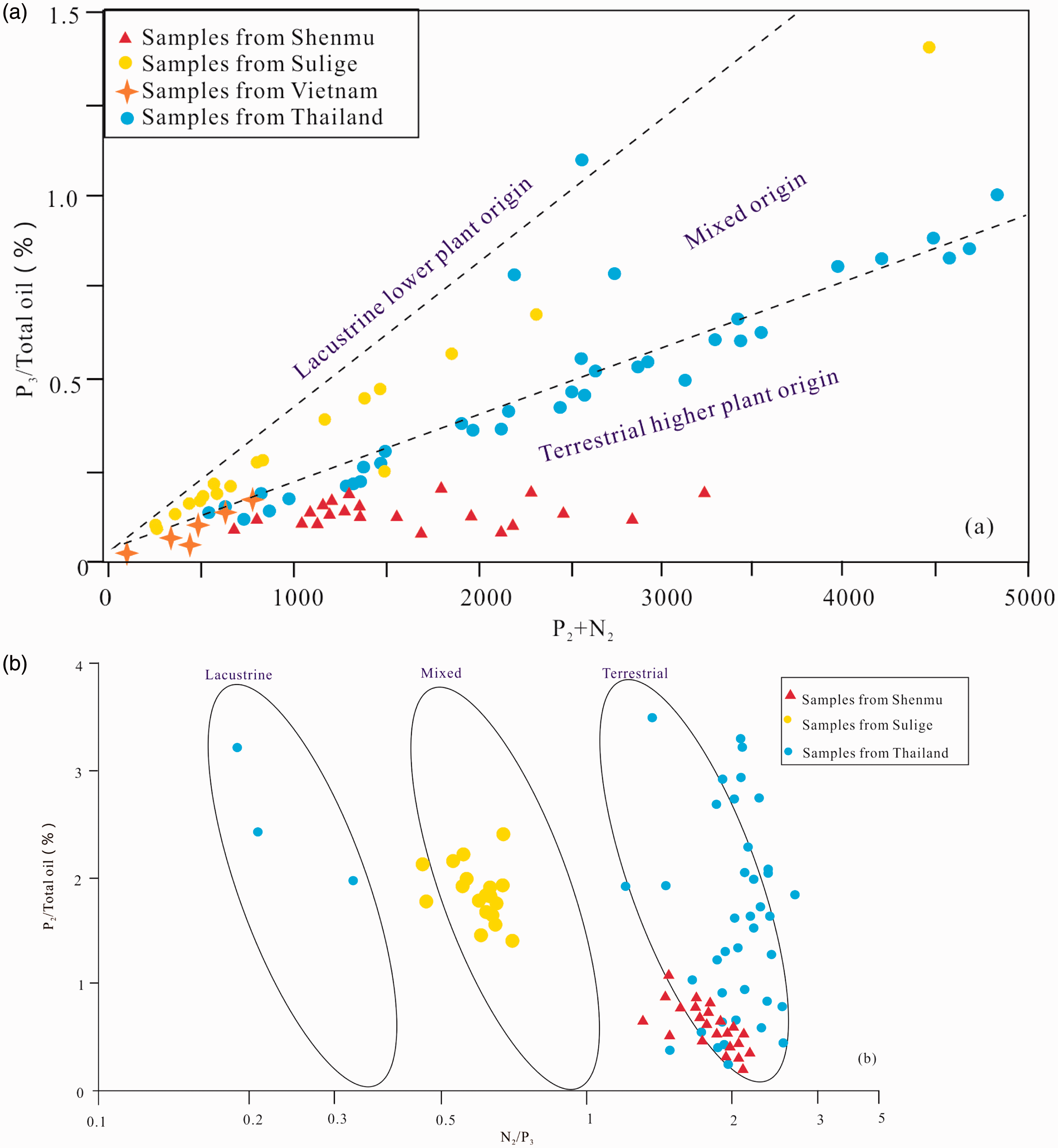
Natural gas maturity
Some light hydrocarbons are related with formation temperature of sedimentary rocks during burial; therefore, heptane value (H) and isoheptane value (I) could be jointly used to estimate natural gas maturity (Shen et al., 2010; Thompson, 1983). Biodegraded gas has isoheptane value less than 0.8 and heptane value less than 16; low-mature gas has isoheptane value of 0.8–2.2 and heptane value of 16–22; mature gas has isoheptane value of 2.5–5 and heptane value of 22–30; high-mature gas has isoheptane value over 5 and heptane value over 30.
For 23 Upper Paleozoic gas samples from Shenmu gas field, isoheptane value of 22 samples ranges 1.45–2.69 with an average of 2.32; additional one sample has isoheptane value of 6.39. Heptane value of 23 samples ranges 9.48–17.68 with an average of 11.71, all less than 20 (Figure 11). As per above criteria, coal-derived gas in Shenmu is low mature to mature. The maximum values occur in Well Shuang 8-12 with isoheptane value of 6.39 and heptane value of 17.68. These two values are closely related with source rock maturity; for the same maturity, oil-derived gas of sapropelic type would have higher heptane value than coal-derived gas of humic type (Shen et al., 2010). Due to the mixture of some oil-derived gas in Well Shuang 8-12, its heptane value and isoheptane value are abnormally high.
Maturity of light hydrocarbon in natural gas in Shenmu gas field.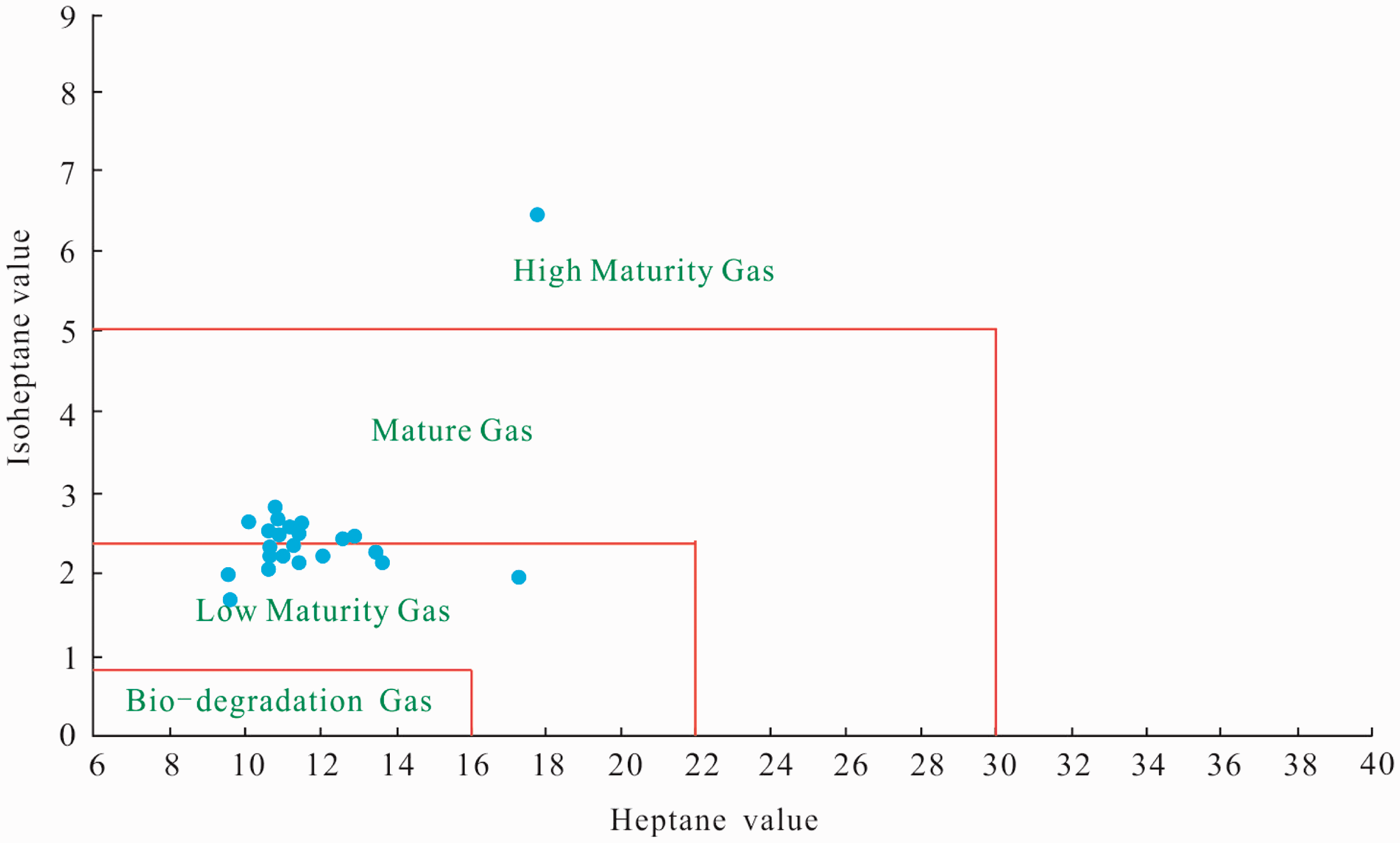

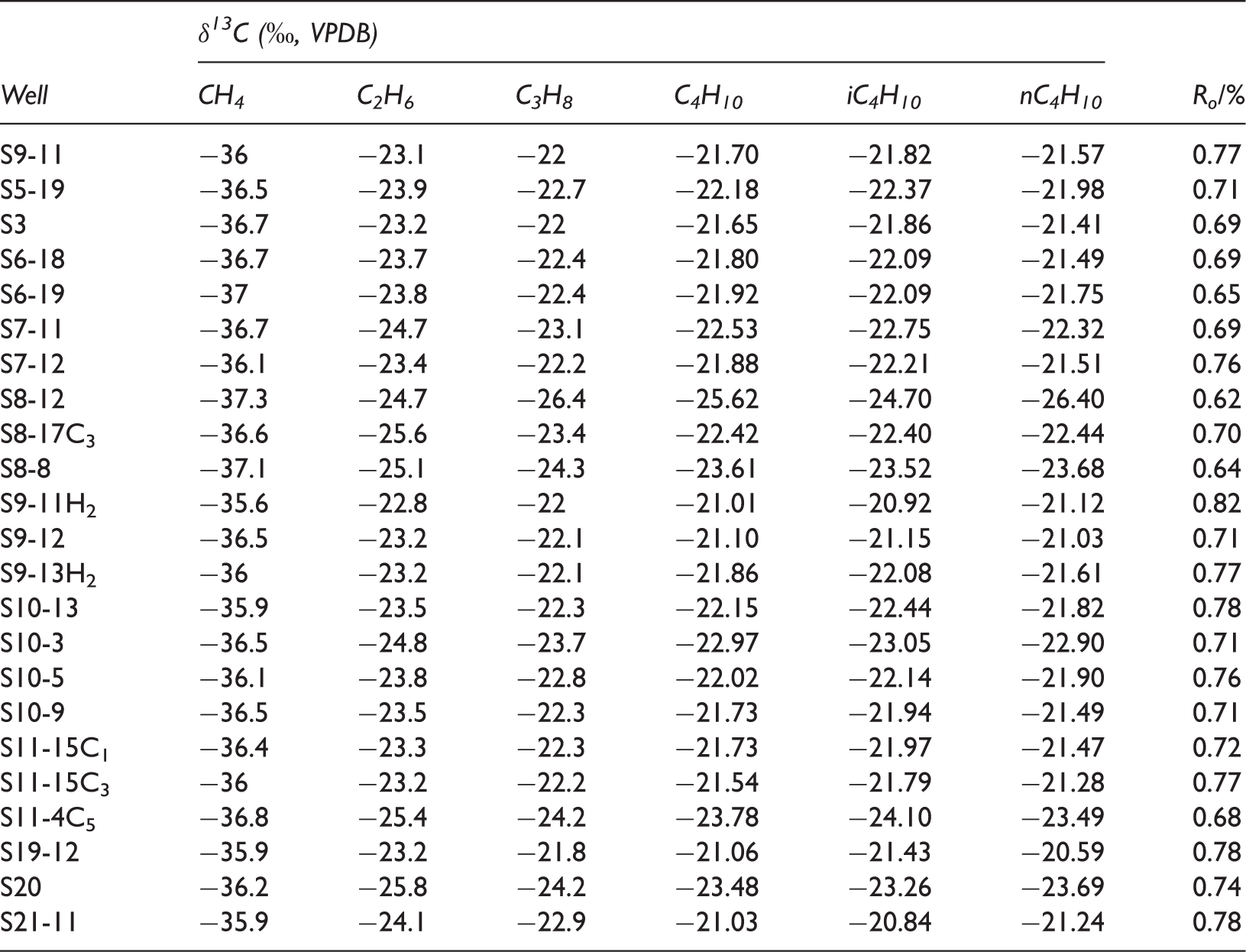
The δ13C and Ro value of Shenmu gas field.
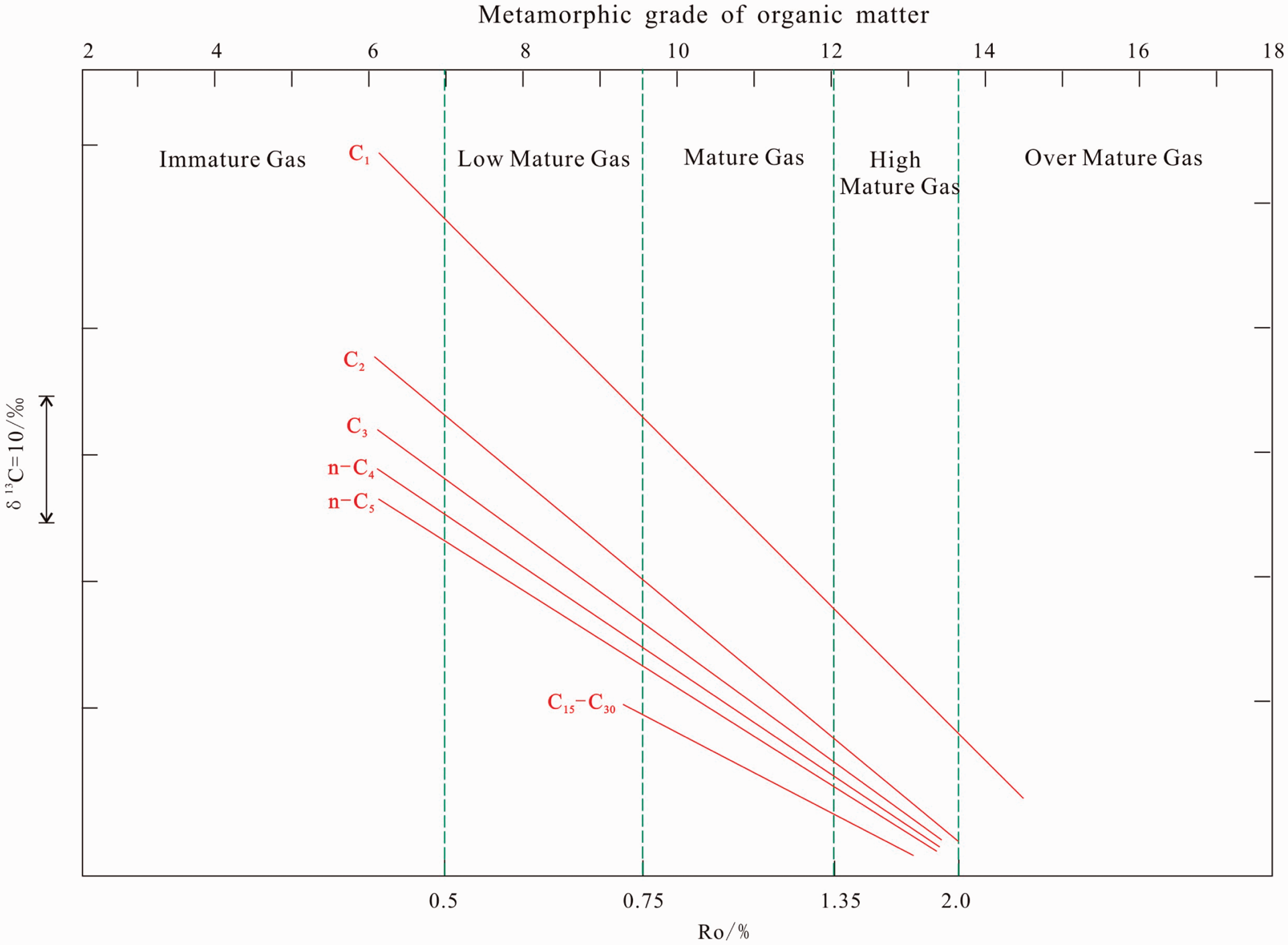
The maturity map of coal-derived gas in East China (including Ordos Basin and Sichuan Basin).
Study on preservation conditions
Compared with oil, natural gas is more easily lost and more difficult to be saved. Therefore, it is necessary to study the preservation conditions of Shenmu gas field, in order to exclude secondary effects on light hydrocarbon index. An increase in aromatic hydrocarbons and cycloalkanes relative to N-alkanes indicates secondary evaporative fractionation of lighter components of the gas during migration or other postexpulsion processes. We projected the samples to chart and found that gas samples were located in the normal area of crude oil, which indicates that the preservation conditions of Shenmu gas field are good and natural gas has not experienced late damage (Figure 13).
Cross plot of nC7/MCH versus TOL/nC7 (modified from Thompson (1987)).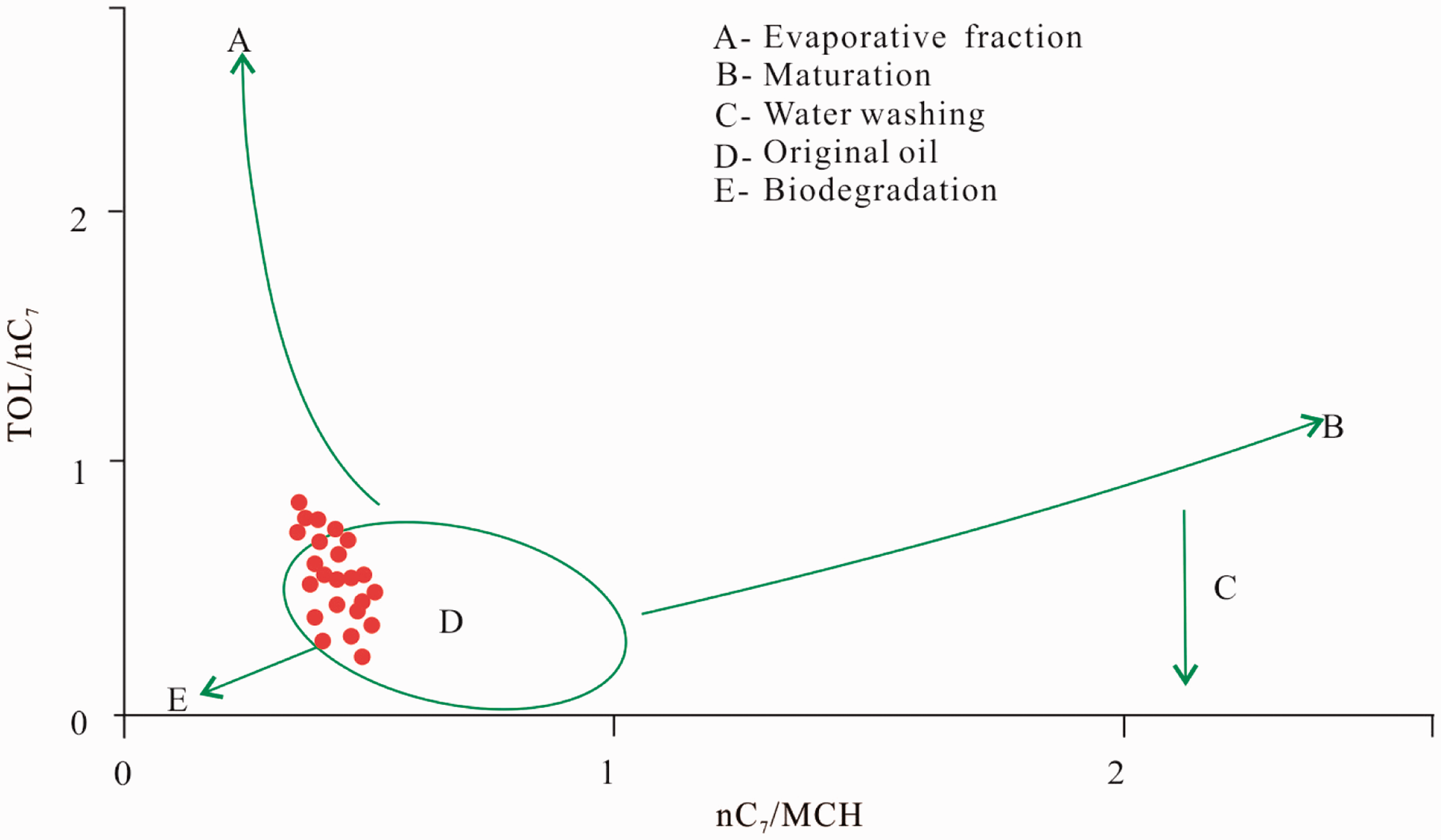
Halpern (1995) used parameters Tr1–Tr8 to judge if the oil had experienced prolonged migration or secondary changes. The parameters put the antisecondary transformation of the compound as the denominator and eight compounds which are susceptible to secondary effects as the numerator. The parameters are in the order of sensitivity of molecular compounds. The samples from the Upper Paleozoic of Shenmu gas field are almost identical in the Halpern star map, which indicates that natural gas did not experience prolonged migration or secondary changes (Figure 14). Therefore, light hydrocarbon characteristics could reflect their original state within the source rock.
C7 oil transformation star diagram (modified from Halpern (1995)).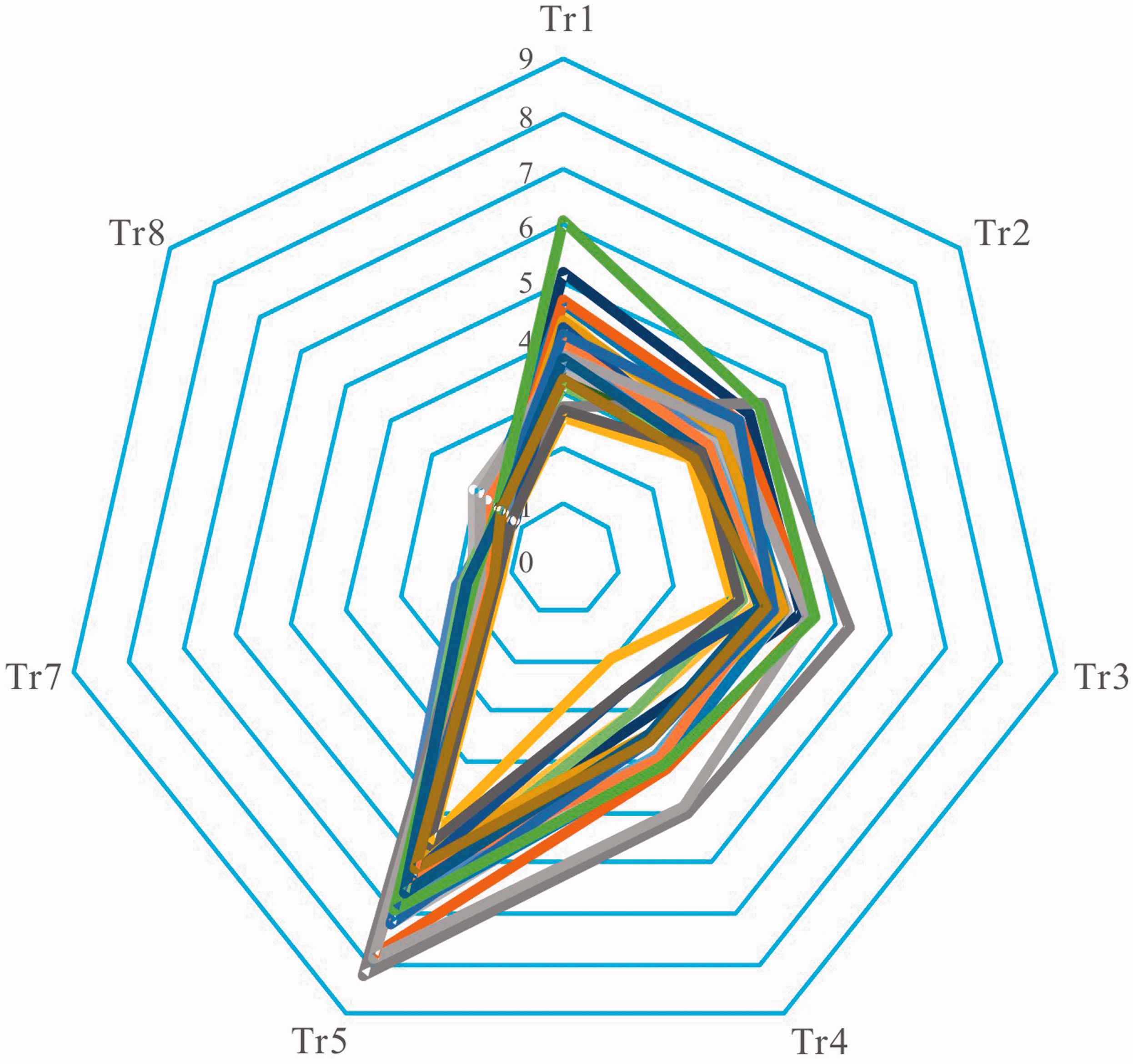
Conclusions
As per light hydrocarbon composition, Upper Paleozoic gas in Shenmu gas field is mainly composed of coal-derived gas mixed with some oil-derived gas partly. The concept of alkane index (Ia) is proposed. For Upper Paleozoic gas in Shenmu, alkane index of coal-derived gas ranges 1.17–1.91% and is less than 2%. For oil-derived gas or the mixture of oil-derived gas, alkane index should be higher than 2%. K1 value, a Mango parameter, of 23 Upper Paleozoic gas samples from Shenmu gas field consistently ranges 1.00–1.23 with an average of 1.08 and K2 value, another Mango parameter, ranges 0.44–0.80 with an average of 0.55 and standard deviation of 0.09. The samples in star chart tend to be consistent. Both K1,K2 value and star chart indicate natural gas in Shenmu gas field originates in the same petroleum system. Based on MCH index and Mango parameter cross plot, the source rocks of Upper Paleozoic in the Shenmu gas field are humic types originated from terrestrial higher plants. This result excludes the possibility of Upper Paleozoic limestone acting as source rocks. For 23 Upper Paleozoic gas samples from Shenmu gas field, isoheptane value (I) of 22 samples ranges 1.45–2.69 with an average of 2.32; heptane value (H) of 23 samples ranges 9.48–17.68 with an average of 11.71, all less than 20. Ro value of 23 gas samples ranges 0.62–0.82. In terms of isoheptane, heptane, and Ro values, Upper Paleozoic gas in Shenmu is low mature to mature. The Upper Paleozoic natural gas in the Shenmu gas field experienced few damages in the late period, thus can be analyzed by light hydrocarbon index.
Authors' note
The abbreviations and their corresponding light hydrocarbons are listed in Table 5 in the appendix.
Footnotes
Acknowledgments
We appreciate professor Jinxing Dai for his constructive reviewing.
Declaration of conflicting interests
The author(s) declared no potential conflicts of interest with respect to the research, authorship, and/or publication of this article.
Funding
The author(s) received no financial support for the research, authorship, and/or publication of this article.