




Abstract
This paper presents the development of a parametric pattern system, implementing textile fabric properties and the wearer’s body tissue softness to achieve defined pressure levels in calf compression sleeves. The study addresses the mechanical interactions between the wearer’s soft tissue as well as the textile properties and accounts for this by calculating the stretch and shrinkage factors of the textile. In addition, the formula incorporates body fat percentage within three different body mass index (BMI) classes to comprehensively investigate the effects of pressure on different quantities of soft tissue and body composition. This research contributes to a more nuanced understanding of how these factors combine to influence the effect of pressure through compression textiles on varying levels of soft tissue in relation to the human anatomy. The results show that the inclusion of a newly developed adaption factor based on body fat percentage leads to a significantly more precise achievement of a defined pressure, especially in subjects with low body fat.
Compression textiles are highly elastic fabrics designed to apply pressure to the human body. Therefore, the interaction between compression textiles and human soft tissue is a crucial aspect that goes beyond the collection of standard body measurements. Achieving adequate levels of compression is key to the effectiveness of compression textiles, but the importance of incorporating the softness and characteristics of human tissue into the standard clothing sizing systems has not yet been considered. 1 Compression textiles have been found to be core components in improving various physiological aspects, from improving circulation to muscle support. 2 However, to achieve an optimal result, not only the correct garment fit, but also the compressibility and characteristics of the individual soft tissue must be carefully considered. Current sizing systems do not take these differentiating factors into account, which highlights the need for a more comprehensive approach to ensure both effectiveness and comfort. 3
The aim of this paper is to address the existing gap in the current understanding of the relationships between compression textiles, human soft tissue and sizing systems. The main objectives include: (1) exploring the mechanical interactions between compression textiles and the human body; (2) investigating the influence of body fat percentage on the pressure that compression garments (CGs) can exert; (3) examining how age affects the firmness of the human soft tissue; and (4) proposing a parametric patterning system for the personalized construction of calf compression textiles that takes both the textile parameters and the softness level of the wearer’s tissue into account.
The paper is structured to begin with a definition of calf CGs and a literature review of the mechanical interactions between textiles and the human body. Body mass index (BMI) as well as the body fat percentage is defined and the influence of body fat percentage on the pressure exerted by CGs is examined. The literature regarding the firmness is investigated before moving on to scan selection and parametric design of a calf compression sleeve. In order to include the proportion of soft tissue, we develop a so-called adaption factor, which is included in the pattern construction, with the aim of achieving a defined pressure level.
The validation process is carried out by data collection through pattern construction in Grafis and simulating in CLO3D pressure map measurements. This is leading to the results which show how the newly developed adaptation factor ensures a defined pressure of the compression textiles to be achieved much more precisely. Through this structured approach, we aim to contribute valuable insights to optimize compression textiles tailored to the complexities of the human anatomy and individual composition.
Literature review
Compression garments
CGs are worn in order to induce physiological responses in the human body. 4 They were first developed to treat medical issues such as venous insufficiencies and scars,5,6 but have since been adopted by the sporting field in order to enhance performance and recovery.7,8 They are also worn in everyday life to support better posture, reduce fatigue, and increase well-being. They are specially developed garments that exert controlled pressure on specific areas of the body to achieve various physiological effects. CGs are characterized by features that determine their functionality. Typically, they are made from highly elastic materials such as elastane which allow for even and controlled compression. These materials are often seamlessly constructed to minimize friction and irritation and ensure greater comfort. A characteristic feature of compression textiles is the gradual compression that decreases from the distal to the proximal area of the body. This gradual compression promotes improved blood circulation and supports muscle work. By promoting blood flow, they can lead to improved oxygenation of the muscles and accelerated removal of metabolic waste products. 9 In addition, they can reduce muscle vibration and increase muscle stability during exercise, which can lead to improved performance and a reduced risk of injury. 10 Due to their anatomical fit, compression textiles are able to provide optimal support and fit for specific areas of the body.11,12
CGs have been the focus of many studies, aiming to quantify their benefits within both the medical and sporting applications.13–15 The majority of these studies do not mention measuring interface pressures (IPs) prior to testing, which questions the validity of any conclusions made. The garments must apply adequate pressure to the body to induce physiological benefits, therefore if the IP is not measured before testing, there is no certainty that optimal pressure is being applied.
Evaluating the functionality of compression textiles requires considering criteria that reflect their performance and effectiveness in different areas of application. Some important criteria for assessing the functionality of compression textiles are as follows.
Compression standards
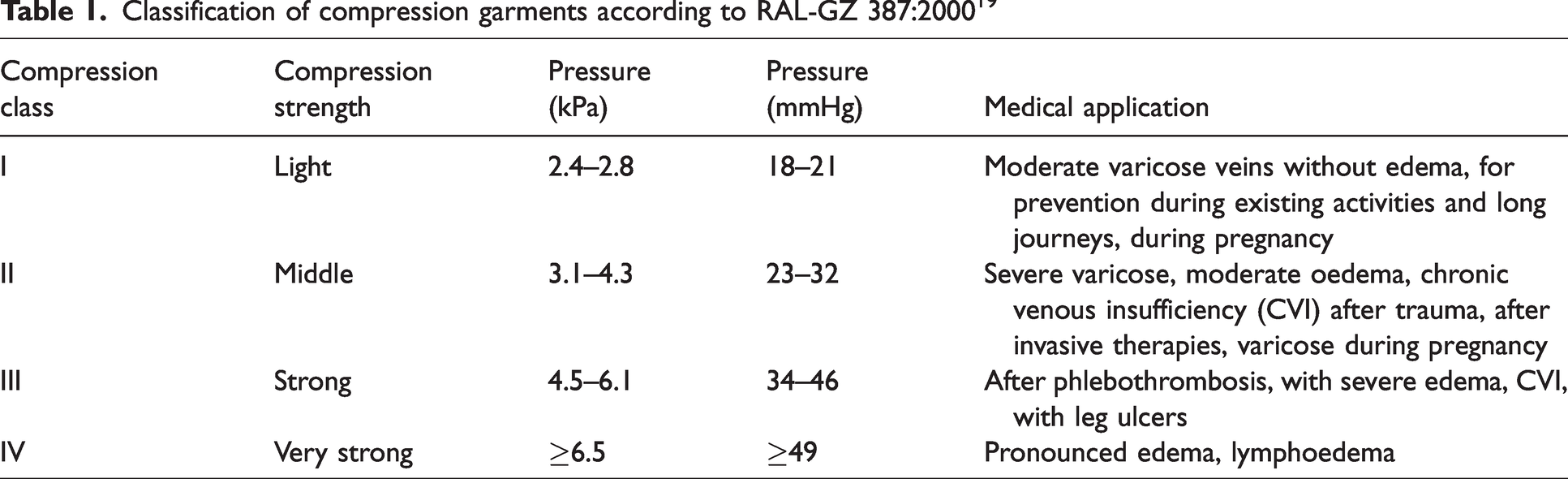
Whilst there are compression standards for medical purposes, in the form of the German standards (RAL-GZ 387:2000), British standards (BS 661210:20180), and French standards (ASQUAL8), there are no standards which suggest optimum pressures to be applied to the body for sporting applications. 18 Table 1 describes the compression classes according to RAL-GZ 387:2000. 10
Classification of compression garments according to RAL-GZ 387:2000 19
In the medical field, the level of pressure required to produce physiological responses will depend on the type and severity of disease. However, in 1980, Lawrence and Kakkar 20 established the level of pressure in graduated compression stockings that would lead to the fastest venous return as 18 mmHg at the ankle, 14 mmHg at the calf, 8 mmHg at the knee, 10 mmHg at the lower thigh, and 8 mmHg at the upper thigh. There are no optimal pressure levels recorded for sports CGs, but this is likely to depend on the sport, event, and desired effects. Some studies have found positive effects with calf pressures between 10 and 40 mmHg.21–24
Pressure measurement
Pressure can be measured by various methods, using sensors in both in vivo and in vitro settings, statically or dynamically.
Measuring the amount of pressure CGs apply is usually conducted within an in vitro setting using rigid, cylindrical shaped forms to represent a human limb and a pressure measurement device such as Picopress27,28 or Kikuhime.29,30 This method is used due to the difficulties with in vivo pressure measuring and has produced varying results. These methods using rigid forms are neither useful nor accurate for understanding the IP applied to the human form which is composed of varying levels of soft tissue and bony prominences. The HOSY Pressure measurement system created by Hohenstein, forms the basis of the standards DIN-SPEC 4868, 31 which tests IP, wear stretch (elongation %), tensile force (N/cm), and residual pressure (%). 29 Pressure is able to be measured dynamically at any point, which can consider shape changes of the limb but again this is not measured directly on a human body and does not, therefore, consider tissue densities. Special pressure sensors can be placed directly on the surface of the textile to measure the pressure exerted. These sensors record the pressure changes and provide precise data on the compression pressure at various points on the textile.32–34
Pressure prediction models
Prediction models are used to predict the amount of pressure that can be applied to the body by the CG, in medical applications it is traditionally predicted using Laplace’s Law, which states that the IP is inversely proportional to the radius of the limb, when fabric tension is constant. 35 However, this method of prediction was not developed for this purpose 53 and has been adapted by other researchers, for example a modified Laplace’s Law was developed for tubular medical CGs. 36 Although, these methods are unable to account for the non-cylindrical nature of the limbs and tissue density. 14 Brubacher et al. 37 studied the use of virtual fit technology to predict pressure application of both upper and lower body sports CGs and compared this to in vivo pressures directly measured. The study found that virtual pressures did not accurately reflect in vivo pressures. Similar results were also found by Cheng at al. 38 . Current methods of pressure prediction therefore cannot be wholly accurate as curvature and composition of body tissue has an effect on pressure application. 8
CG materials
Compression textiles are made from special materials that are designed to exert controlled pressure on specific areas of the body. These textiles are often used in areas such as medicine, sport, and rehabilitation. The main materials used to manufacture compression textiles are elastomeric fibers, in particular elastane, also known as Lycra or Spandex. These materials provide the elasticity and stretch required to achieve the desired compression effect. Elastomeric fibers are polymers that stretch under load and return to their original shape after being relieved. This property is crucial for the manufacture of compression textiles, as they enable constant and even pressure to be exerted. 39 Spandex is a synthetic fiber that offers exceptional elasticity. It can stretch up to five to seven times its original length and then returns to its initial shape. This fiber is often used in combination with other materials such as nylon or polyester to improve the durability and functionality of the end product. 10
The construction of the fabric plays a key role in determining the mechanical properties and effectiveness of compression textiles. The most commonly used techniques for producing these fabrics are knitting and weaving.
The mechanical properties of compression textiles are decisive for their functionality. The most important properties include elasticity, stretchability, resilience, and pressure distribution.
Even In addition to mechanical properties, compression textiles must also be
Compression textiles, which are mainly made from elastomeric fibers such as spandex, offer effective and comfortable compression due to their special mechanical properties. The construction of the fabric, either knitted or woven, has a significant role in determining these properties. By combining material selection and fabric construction, compression textiles can be developed that offer even pressure distribution, high elasticity, and excellent comfort.10,41
The human body
The human body is made up of different types of soft tissue that play an important role in supporting, moving, and functioning of the body. The main types of soft tissue include muscle tissue, adipose tissue, connective tissue, and blood tissue. Muscle tissue enables movement, adipose tissue provides energy storage and insulation, connective tissue connects and supports body structures, and blood tissue transports oxygen and nutrients throughout the body. These different tissue types work together to support and maintain the multiple functions of the human body. The type and extent of the tissue has an effect on the mechanical interactions between the body and the compression textile.42,43
Definition of BMI
BMI is an anthropometric measurement used to relate a person’s body weight to their height. BMI is calculated by dividing the body weight in kilograms by the square of the height in meters. Mathematically, the BMI can be expressed by the formula:

The World Health Organization (WHO) classifies BMI into different categories to assess the relative risk of obesity-related health problems. 44 These categories are as described in Table 2.
BMI classifications 44
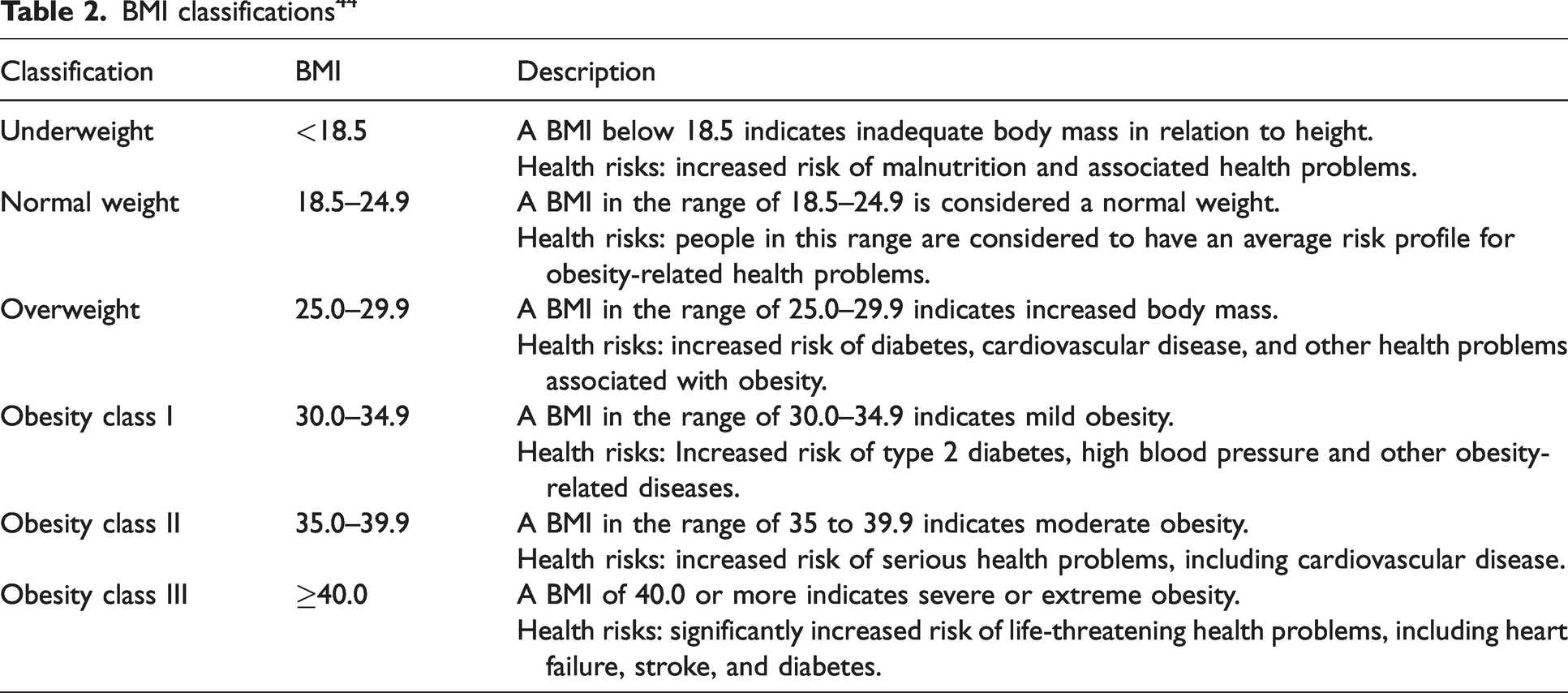
The BMI classification serves as a useful tool for assessing the relative degree of obesity and enables a differentiated risk assessment in the context of various health parameters. There are limitations to the use of BMI for certain applications as the calculation does not consider differences between lean and fatty tissue. 45
Influence of body fat percentage on CG pressure
The interaction between compression textiles and the human body is critical to the comfort and effectiveness of such textiles. The percentage of body fat of an individual plays a crucial role in the distribution of pressure exerted by a compression textile on the soft tissue. Individuals with a higher percentage of body fat may have a different pressure distribution as the fatty tissue has a certain amount of give. This can lead to a more even distribution of pressure, reducing potential pressure peaks. The variation in body fat percentage can also affect the contour of the body, which, in turn, affects the contact between the textile and the soft tissue. A higher body fat percentage can result in a larger surface area over which pressure is evenly distributed, minimizing local pressure on certain areas of the body.43,46,47,54
The compression of the pressure generated by the compression textile can be perceived differently by the body depending on the body fat percentage. It also plays a role that people with a higher body fat percentage may feel less pressure, as the additional fatty tissue can act as cushioning. This can lead to a more comfortable feeling, especially when wearing CGs for longer periods. However, it is important to note that individual sensations may vary, and other factors such as muscle mass and individual pain thresholds must also be taken into account. Individuals with a lower body fat percentage may experience a more intense pressure sensation as there is less soft tissue to act as a buffer.46,47
The percentage of body fat has a significant influence on the pressure distribution and the pressure exerted by a compression textile on the soft tissue. A deeper understanding of these relationships enables compression textiles to be adapted more precisely to individual physiological differences. This aspect is crucial for the further development of textiles that are both effective and comfortable for a diverse population.46–48
Influence of age on softness of the tissue
The dynamic interaction between a person’s age and the texture of their tissue is a decisive role in the fitting of compression textiles. It is important to understand how age affects the firmness and softness of the tissue and the effect this has on the exerted pressure of CGs. As we age, the tissues of the human body undergo various structural texture changes. Collagen and elastin fibers, which are responsible for the firmness and elasticity of the tissue, tend to lose density and compromise their structural integrity. This leads to a general decrease in tissue firmness and an increased tendency toward softness. The decrease in tissue firmness with age has a direct impact on the effectiveness of compression textiles. Older people may have a lower resistance to pressure, which means that the strength of the CG must be balanced to provide both supportive pressure and comfort. Choosing the right material, compression level and structural properties of the textiles becomes crucial to achieve optimal results for different age groups.43,49,50
The pressure level of compression textiles should therefore take age into account as a decisive factor. This requires not only the adaptation of pressure levels, but also the integration of softer materials to meet the specific requirements of older people. A person’s age affects the firmness and softness of the tissue, which has a direct effect on the effectiveness of compression textiles.
Gap analysis
A key challenge in the development of such textiles is to ensure the correct compression pressure to achieve the desired therapeutic effects. Traditionally, the construction of these textiles has been based primarily on material parameters such as elasticity and stretchability, without taking sufficient account of the individual physiological differences of the wearer, in particular the percentage of body fat. It has been shown that people with different body fat percentages react differently to the same compression pressure. In people with a higher body fat percentage, the soft tissue can absorb and distribute the pressure more evenly, whereas in people with a lower body fat percentage, the same pressure may lead to uncomfortable pressure peaks. 46 This leads to variable and often unpredictable pressure distribution, which can not only affect comfort but also reduce the effectiveness of compression textiles.
This variability poses a significant problem as conventional construction methods do not take different body compositions into account. In order to improve and achieve the required compression pressure and accurately for individuals, it is necessary to develop an adaptation factor. This factor must take into account the individual physiological parameters, in particular the body fat percentage, in order to ensure personalized and effective compression.
Methodology
Subject and measurement selection
Data set > Exclude male data > Sort data by age >Locate scans same age with different body fat >Classified scans underweight, normal weight, and overweight as per BMI
Nine 3D body scans were selected from a large database at the University of Manchester. The scans were captured by the Size Stream SS20 (Size Stream LLC, UK), and measurements of 268 female scans were extracted using batch processing in the Size Stream Studio software. In order to rule out age as a factor influencing soft body tissue firmness, scans were selected and grouped into by age (20–23 years old). Within each test group, there were three subjects categorized as either overweight, normal weight, and overweight as per their calculated BMI. From of over 100 measurements, only eight were necessary for this study, so the rest of the measurements were excluded. The main measurements selected for the study and their definitions as per the Size Stream software are located in Table 3. Measurements were also extracted every 2 cm in between the under knee and minimum lower leg measurements for greater pattern accuracy over the contours of the lower leg segment.
Measurements and their definitions as per Size Stream software
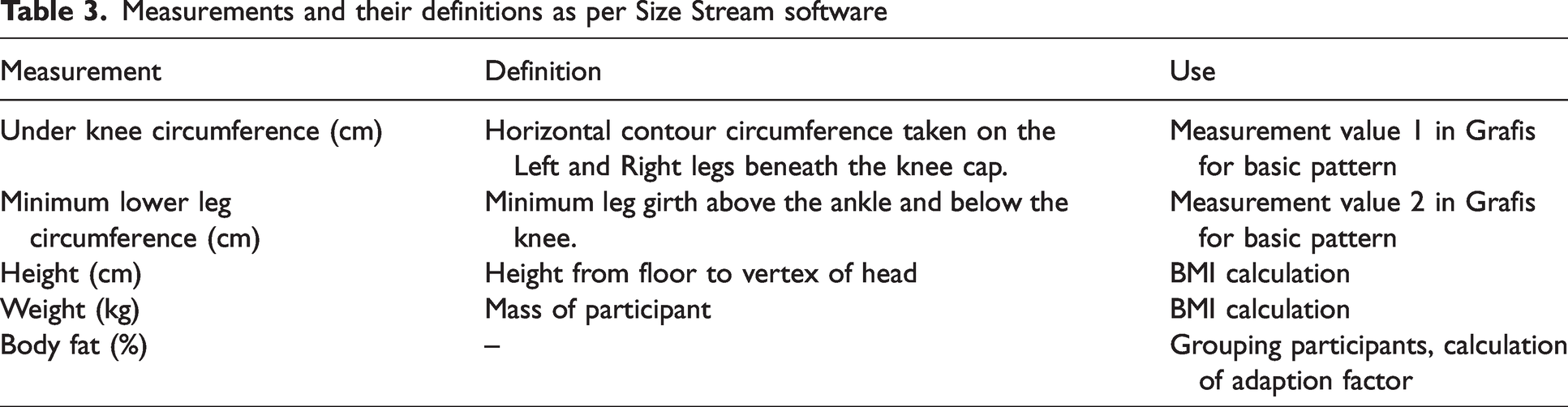
The data were then exported into Excel (Microsoft, Redmond, WA), and BMI was calculated for females from the height and weight recorded during the scan process, using formula (1). 30 For this research, BMI was used to categorize the participants within each ages group and to validate the body fat measurement extracted by the SS20. BMI does not distinguish between fat and other types of tissue; and is therefore not an accurate measure of body fat percentage (BF%), however previous research has indicated strong positive correlation between BMI and body fat percentage, particularly in females within a range of r = 0.82–0.85.56–58 This has been found to be dependent on sex, age, and ethnicity, with the most significant being sex.56,58 In addition, in this study sex, age, and ethnicity have been removed as influences. Pearson correlation analysis was conducted on BMI and BF% measures in Table 4 and found almost perfect correlation of r = 0.9997, even greater than previous studies, demonstrating a reliable measure.
Test persons scan information
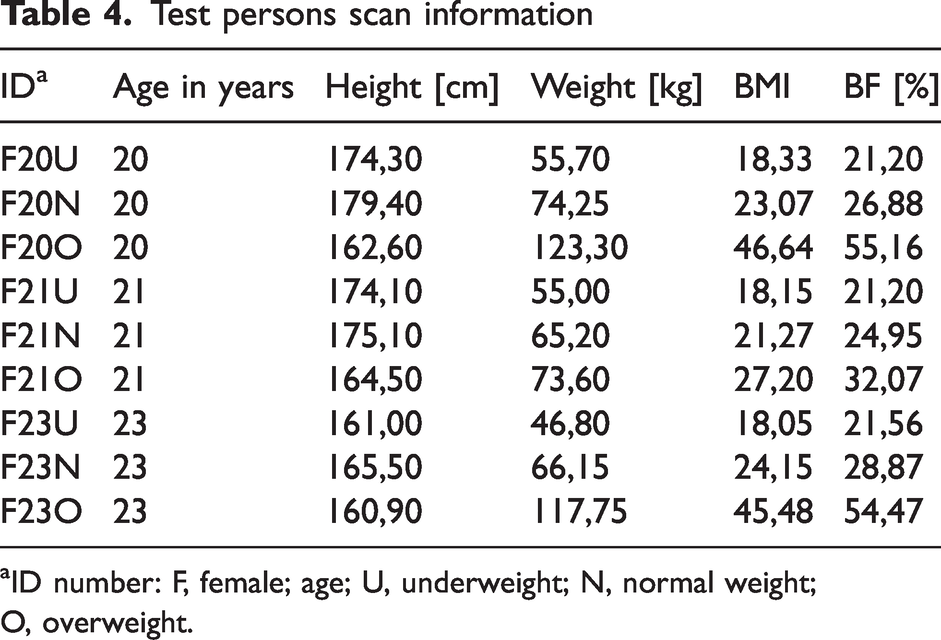
ID number: F, female; age; U, underweight; N, normal weight; O, overweight.
Calculation material stretch factor
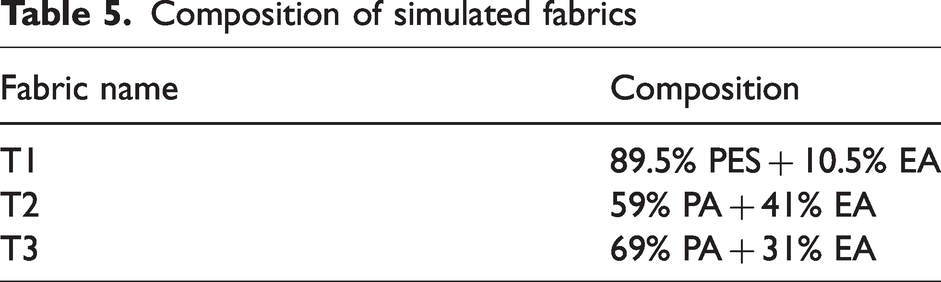
To implement the material elasticity into the pattern, the percentage value of the specific stretch factor is multiplied by the body dimension, which results in the construction line dimensions. 51 The inclusion of the physical material properties in the pattern is an elementary component for the correct fit in order to ensure a defined pressure. However, the transverse and longitudinal elongation factors must first be calculated for the materials. The calculation of these elongation factors depends on the respective body region used, whereby the subdivision is made in literature into upper body, arms, and legs. 52 The constituent fibers of each of the fabrics selected for this study are described in Table 5.
Composition of simulated fabrics
In this study, mechanical testing of the three different compression material compositions were carried out according to the relevant standards, in order to determine the material parameters for calculating the stretch factor and digitization. The parameters for material digitization and the associated standards are documented in Table 6 as an example for fabric T1.
Material digitalization example for fabric T1: 89.5% PES and 10.5% Spandex
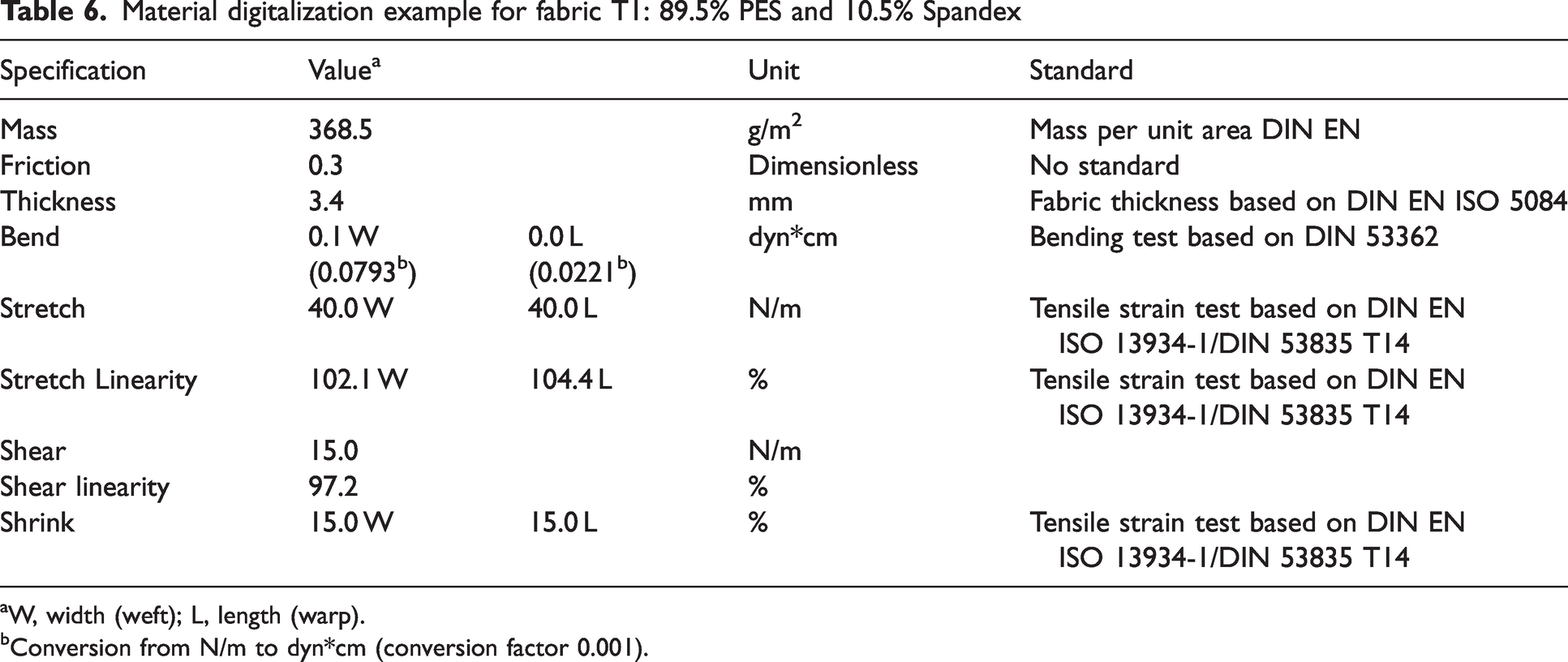
W, width (weft); L, length (warp).
Conversion from N/m to dyn*cm (conversion factor 0.001).
For T1 the tested parameter of stretch is 102.1% in weft direction and 104.4% in warp direction. The same parameters have been determined for digitalization from material T2 made from 59% polyamide 41% elastane. Here the stretch is 185.1% in weft and 132.3% in warp directions. In addition, fabric T3, composed of 69% Polyamide and 31% elastane, was tested and the stretch in weft direction was 252.58% and in warp direction was 262.03%.
To take into account the stretch of the material to ensure it can exert the same pressure on the body surface evenly, the radius 
The tensile forces in the material 
Calculation of material properties for implementation into the pattern construction values 52
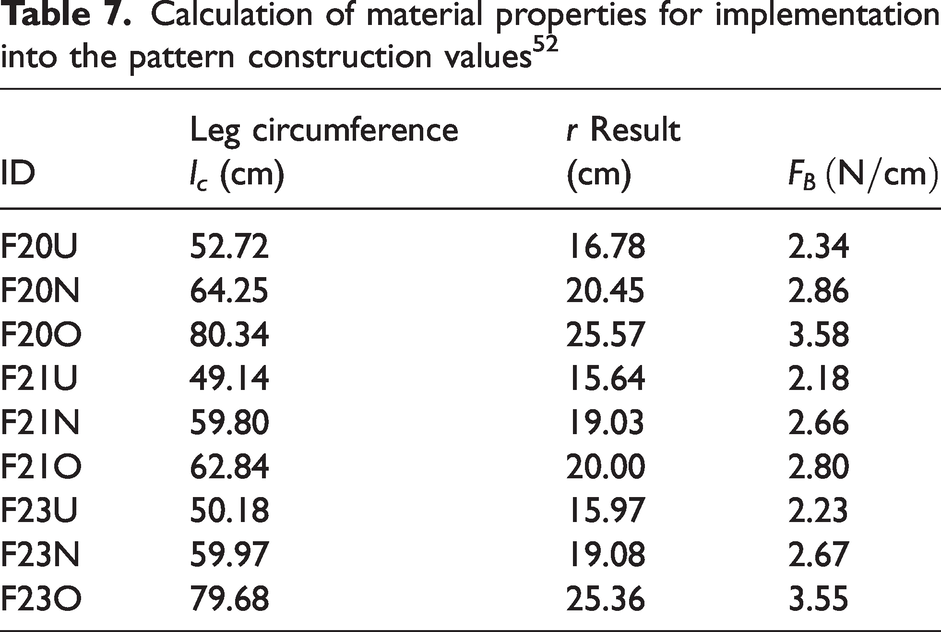
Assuming that in this application example stretching is only to be performed in the circumferential direction of the body and the cross-section of the leg is also assumed to be circular for simplification. Table 7 lists the results of each individuals leg circumference and the calculated radius
The corresponding elongation value 
Results stretch factors in weft and warp direction
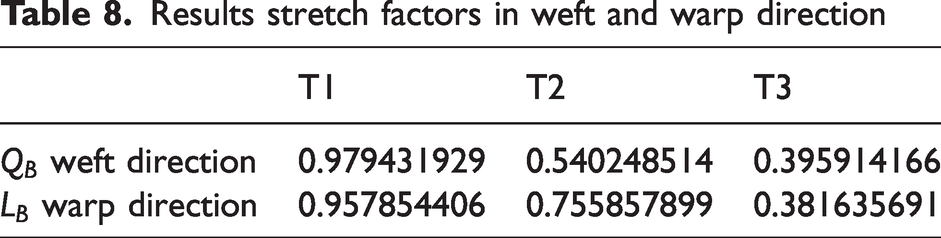
The longitudinal stretch factor 
The results of the calculation of stretch factor for each material is presented in Table 8. The required dimensions of the 3D scans are defined prior to the construction of the basic pattern, see the section “Subject and measurement selection.”
The body measurements of the test subjects are then multiplied by each stretch factor from Table 8 to calculate the construction dimensions in accordance with the specific material. This results in three measurements sets per test subject, one for each material.
Adaption factor: implementation of body fat percentage
For incorporating the body fat percentage in interdependence to the defined pressure, a new formula (6) is developed to calculate the so-called the adaption factor (AF):

Here, the tensile forces of the material
The higher a person’s body fat percentage, the less sensitive a person is to exerted pressure.46,47 Therefore, the scaling value (6) is necessary to invert a high body fat mass into a smaller adaption factor than for a person with a lower body fat percentage. This is due to the high mechanical moment of resistance in tissue with a low body fat percentage. Even if a body with a high fat percentage often has a higher volume, the mechanical properties of fat tissue result in low tissue resistance. The approach of scaling the adaptation factor inversely to the body fat percentage takes this biomechanical behavior into account and enables a physiologically coordinated construction.
The goal is to achieve a consistent compression pressure of 14 mmHg across different body compositions. Traditional methods that rely solely on fabric tensile properties and body dimensions often fall short in accommodating the variability introduced by differing body fat percentages. The experiment of developing the adaption factor is an entirely new method of specifically incorporating the wearer’s body fat mass as a scaling value into the pattern construction of compression textiles. The formula calculates the adaptation factor by dividing the tensile force of the material by the subtraction of the complete weight (kg) and the fat mass (kg). The division of body weight to body fat mass reflects the proportion of soft tissue in the body. By using this scaling in the formula, the compression pressure can be customized to meet the specific physiological conditions of the wearer, not only the used textile material. In the following, we examine whether the use of this newly developed formula represents a new and innovative approach and makes it possible to integrate the body fat into the design of compression textiles. In contrast to traditional methods, which are only based on general material parameters, the adaption factor enables an adjustment to the individual body composition. This would not only lead to a higher effectiveness of the compression textile, but also to increased wearer comfort, as both over- or under-pressure is avoided.
This variability in body fat percentages can have a significant influence on how the fabric interacts with the underlying tissue, particularly in terms of pressure distribution and comfort. By normalizing the materials forces in weft direction into the ratio of body weight and body fat, the differing resistance and deformation characteristics of the soft tissue in individuals with varying body fat percentages are accounted for. Table 9 presents the calculation of the specific adaption factor for each test person with the corresponding scaling value.
Calculation of adaption factor for incorporation of body fat percentage
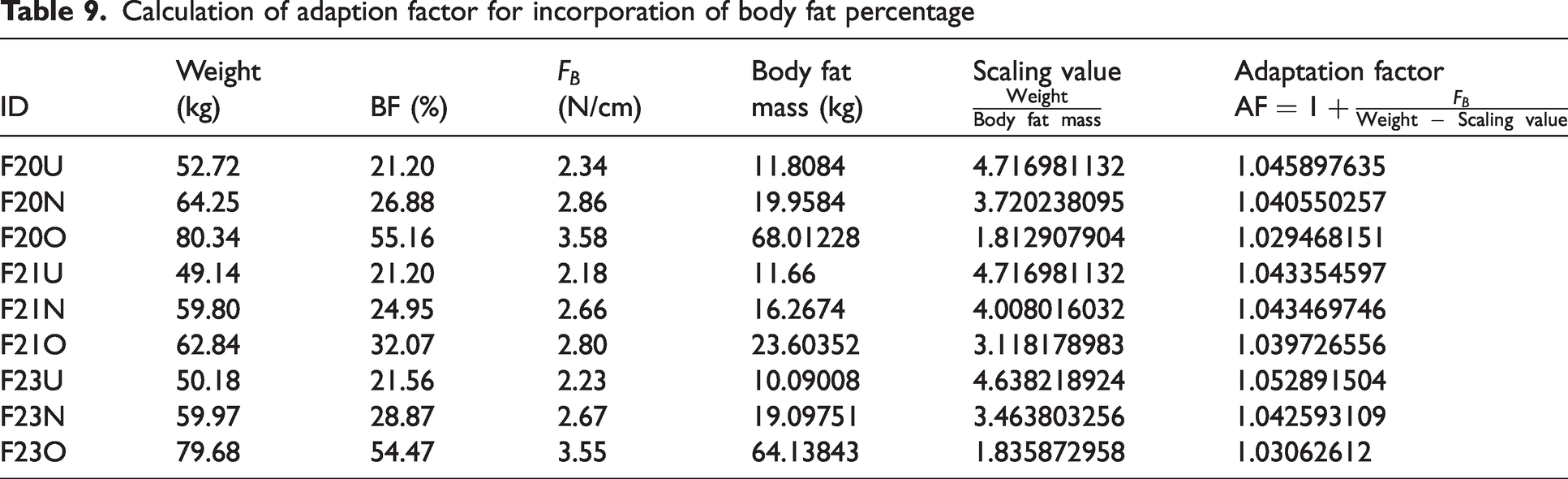
These adaption adjustment factors were then applied to the measurement sets for each material only in weft direction as the direction of effect of the designed stockings is horizontal.
Parametric system pattern development
To develop the basic pattern shape, a parametric construction system was created in the CAD program Grafis based on the body measurements of the upper and lower calf circumference as horizontal measuring sections. Similarly, the distance along the body geometry between the two circumference measurements were defined by subtracting the height of the maximal and minimal circumferences of the calf. Between these circumference lines, the vertical connection was rasterized every second centimeter and the consecutive circumferences on the right and left were constructed symmetrically, so the shape of the person’s individual calf is reproduced in the pattern. Once all the body dimension lines for the parametric construction were defined, the strain factor of the material was imported using *MAI files as measurement sets for the import of all test subjects’ scans measurements. The new measurement set, or several measurement sets can be selected in the CAD program toolbox so the basic pattern adapts to them based on the basic pattern automatically. Figure 1 shows the basic pattern for the CG and also how it is adapting to different sizing tables imported, as shown in the Figure 2.
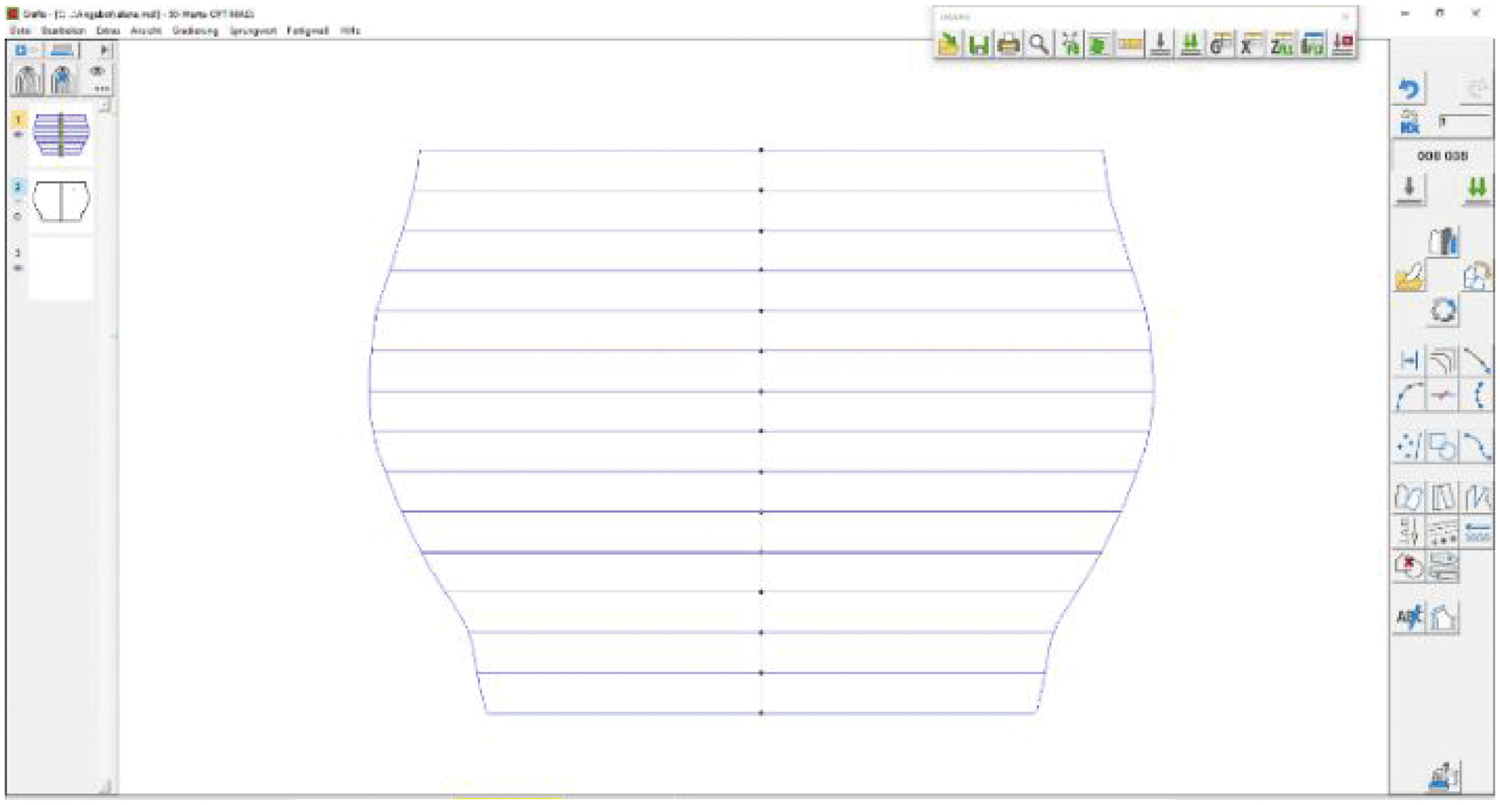
Basic parametric pattern in Grafis.
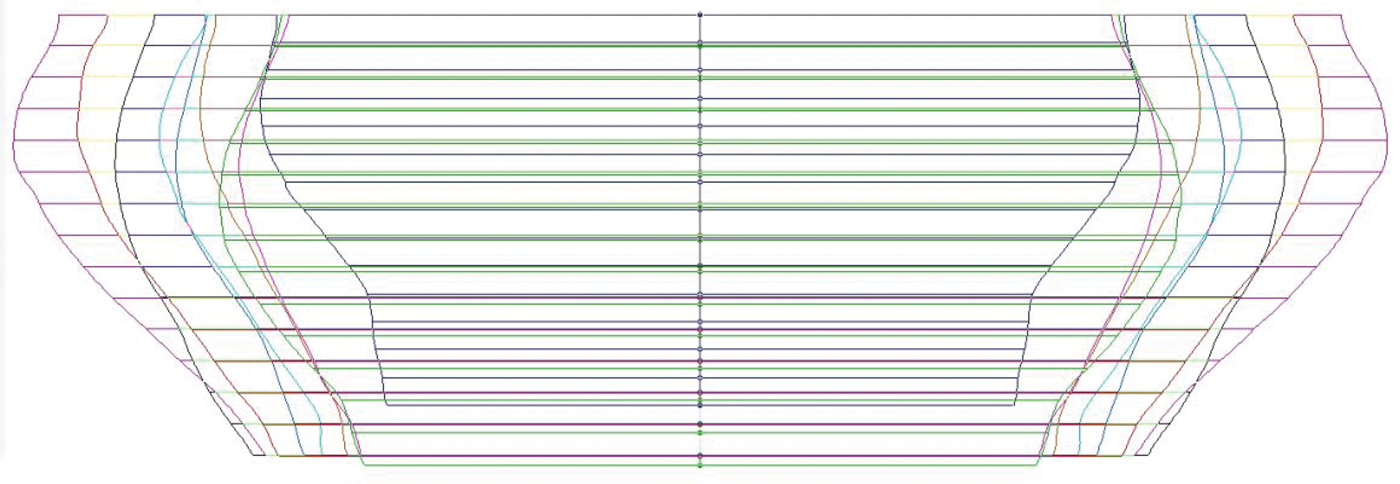
Pattern graded all sizes in Grafis.
The pattern was used to first import the measurement tables including the textile parameters and then also the measurement sets including the adaptation factor for the incorporation of body fat, as shown in Figure 3. The outer pattern shows the pattern including the adaption factor and the inner pattern in green shows the pattern only taking the material stretch factor into account.
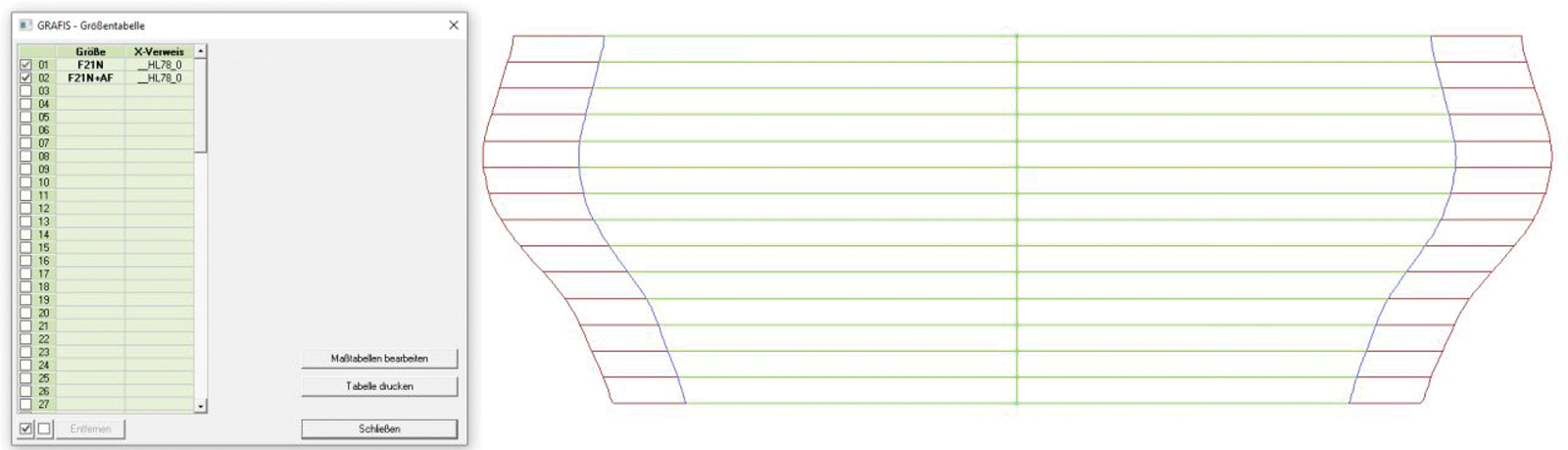
Difference between measurement sets of a test person.
Results
For measuring the pressure exerted by each different textile, the individual circumference line of the maximum calf girth was marked on each pattern piece, divided into four segments and the pressure for each test person with each material was measured at these points with the pressure measurement tool of CLO3D, as shown in Figure 4 for subject F20N.
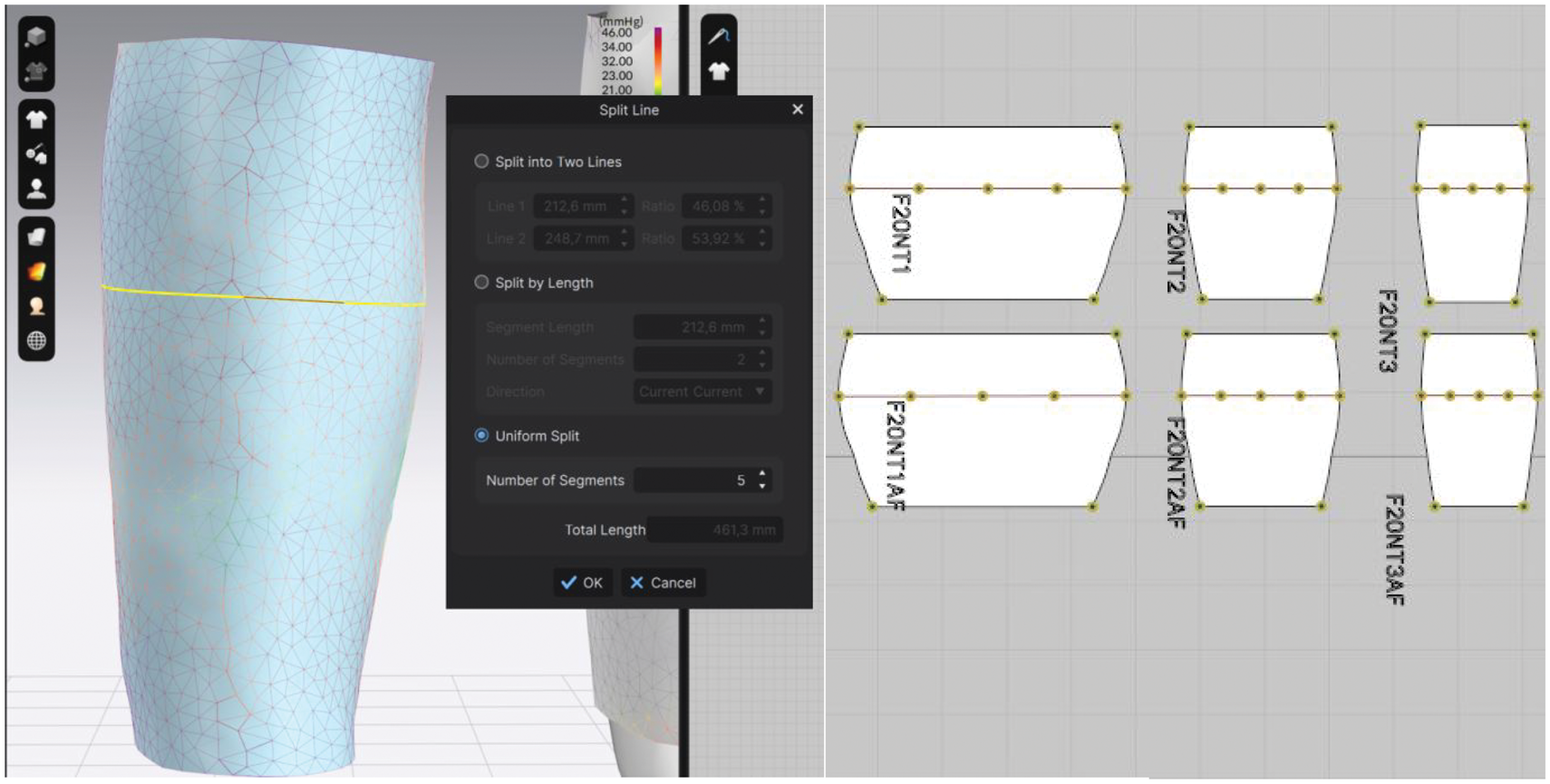
Pattern segmentation.
The garment fit properties according to Table 1 were used to classify the compression strengths, as shown on the right in Figure 5. The left-hand side of Figure 5 shows the different pressure maps of a compression sleeve for an individual: left in red without and right in mostly blue with the adaption factor.
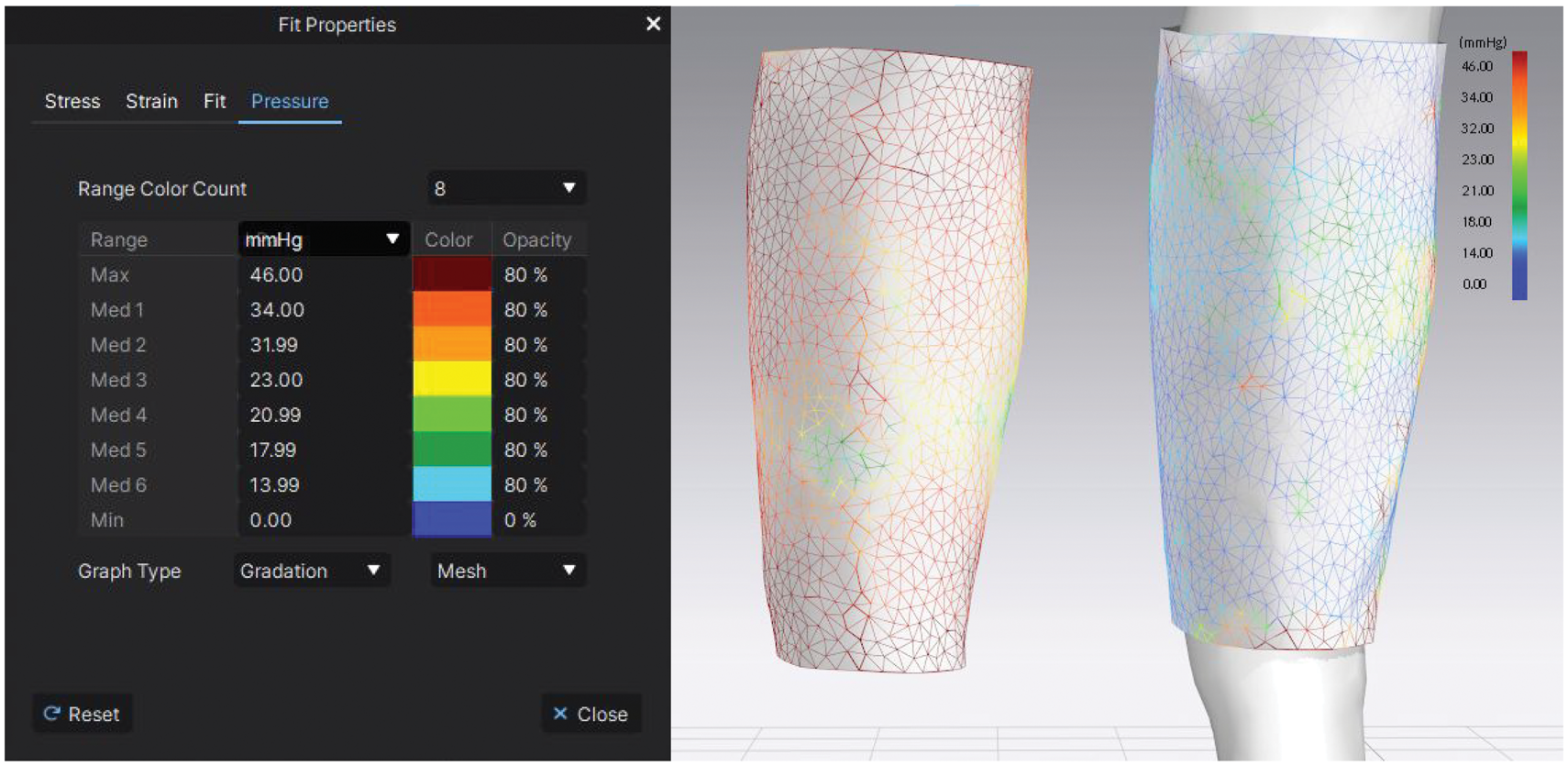
Simulation and measurement of pressure: scale in mmHg.
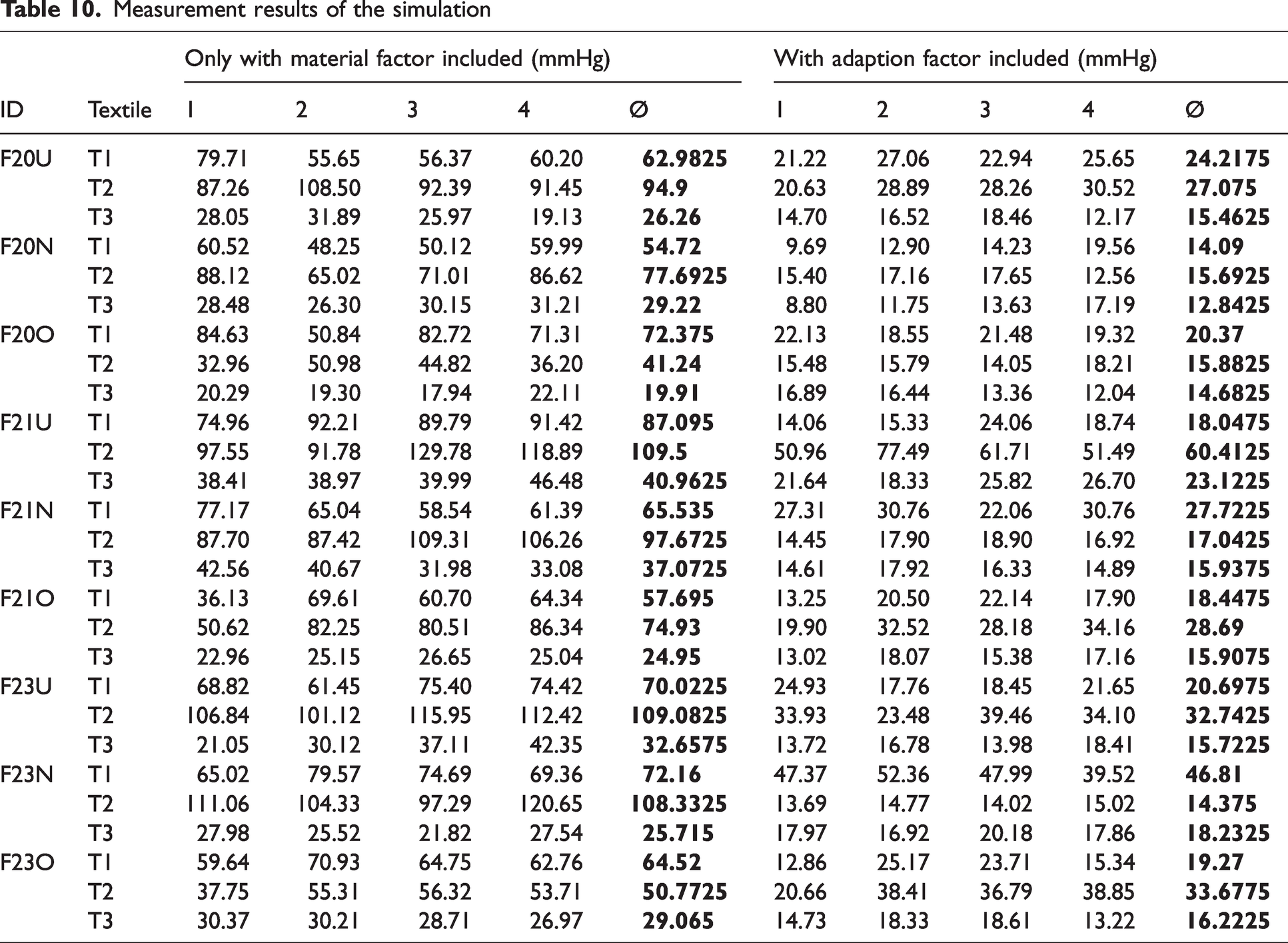
Table 10 presents the results of the pressure measurement in the simulation of the compression calf sleeves with the construction measurements in which only the material parameters were taken into account and also the measurement results of the simulation of the construction measurements including the adaptation factor based on each person’s body fat percentage.
Measurement results of the simulation
Conclusion
The experimental tests we have carried out here have followed two construction approaches: first, simulation of the compression stockings using construction dimensions only taking the material parameters into account; and, second, simulation of the pattern construction including the new developed adaption factor based on the body fat percentage of the test subjects. The aim of this study was to calibrate the pressure of the compression sleeves to a defined value of 14 mmHg.
The initial simulations, which only took into consideration the material parameters, revealed significant deviations from the target value of 14 mmHg as listed in Table 10. In particular, in the underweight test subjects, the measured pressure was significantly higher than the defined aim pressure value. This discrepancy demonstrates that the sole consideration of material parameters is insufficient to ensure precise pressure exertion. The results demonstrate that without adjustment for individual physiological differences, the compression effect can vary considerably.
In the second simulation for each test person, an adaption factor based on the body fat percentage of the test subjects was integrated into the pattern construction. The results of these simulations showed a significant improvement in compliance with the specified target value of 14 mmHg. In underweight subjects, the measured pressure values were remarkably close to the target value, which emphasizes the relevance of taking body fat percentage into account for the construction of compression textiles. The pressure values of normal-weight subjects were also largely in line with the target value, with minimal deviations. In overweight subjects, the measured values were slightly above the target value of 14 mmHg. This slight excess could be due to the assumption of the rigid body model in the simulations, which can lead to an overestimation of the actual pressure. This suggests that further refinements and adjustments to the simulation model are necessary to more accurately reflect real physiological conditions.
The comparison of the two approaches clearly shows that the integration of an adaption factor based on the body fat percentage leads to significantly more precise pressure values. The results are significantly closer to the for this research specified target value of 14 mmHg, particularly in the underweight test subjects. These findings emphasize the need to incorporate individual textile and person’s physiological parameters such as body fat percentage into the construction of compression textiles in order to optimize their functionality and comfort.
The overall results of this study clearly illustrate that the exclusive consideration of material parameters leads to deviations from the desired compression pressure. The implementation of an adaption factor based on body fat percentage enables a more precise pressure to be achieved, which improves the effectiveness of the compression stockings significantly. The slight overruns in overweight subjects indicate that further refinement of the model is required to match the simulations even more accurately to real physiological conditions.
This prediction calculation can be used to improve accuracy of fit and pressure delivery of CGs by considering the tissue on which it is to be applied. This can benefit those using these products medically and for sport. The tissue types and distribution of a performance athlete will be extremely different from an edema patient, so this improved calculation is important for creating bespoke products. This new method represents a significant advance in the development of compression textiles and offers an innovative approach to adapting clothing to individual physiological needs. While this is an experimental calculation, it offers scope to consider other parameters for the accuracy of pressure prediction and CG pattern creation.
Future research in this area could look at validation of the pressure prediction through comparison of directly measured pressures. Age was not a factor within the pressure prediction due to difficulties with integration into the prediction calculations. In further studies, age should be a factor considered within pressure prediction, due to age-related changes to the body, having an effect on the amount of muscle and fatty tissue present in the limbs. 55 Radius of curvature is likely to be more regular or uniform (cylindrical) around the circumference due to sarcopenia (loss of muscle tissue with age).
Footnotes
Declaration of conflicting interests
The author(s) declared no potential conflicts of interest with respect to the research, authorship, and/or publication of this article.
Funding
The author(s) received no financial support for the research, authorship, and/or publication of this article.
