




Abstract
How does domestic surveillance affect the frequency of political imprisonments in autocratic states? In contrast to conventional wisdom, I argue that surveillance reduces the frequency of political imprisonments in power-maximizing autocracies. Surveillance decreases uncertainty about the correct targets of repression, allowing for more selective detentions and shifts to silent instruments of repression. To investigate these claims, I draw on a unique county-level dataset of political imprisonment in the German Democratic Republic between 1984 and 1988. I proxy the number of monitored individuals with newly collected county-level data on surveillance operations. I use ordinary least squares (OLS) regression, random effects, and instrumental variable models to investigate the impact of surveillance on political imprisonment. I find that higher shares of spies per monitored individual were associated with a reduction of political imprisonment. Further, increasing levels of spy infiltration were linked to a systematic shift to silent instruments of repression.
Keywords
Introduction
The United Nations Special Rapporteur on the promotion and protection of the right to freedom of expression wrote that the “surveillance of individuals – often journalists, activists, opposition figures, critics and others exercising their right to freedom of expression – has been shown to lead to arbitrary detention, sometimes to torture and possibly to extrajudicial killings” (UN HRC 2019). It is uncontroversial that the secret surveillance of citizens represents an intrusive act itself that may violate fundamental human rights such as the right to privacy. However, it is much less straightforward whether surveillance leads to physical integrity rights violations such as political imprisonment. Is there a causal relationship in the sense that higher levels of surveillance lead to more imprisonments? Or are there other factors that correlate both with surveillance and political imprisonment that confound the assumed relationship? ( 1 )
The key questions of this study is how domestic surveillance affects the frequency of political imprisonments in autocratic states. 2 I further seek to investigate how domestic surveillance affects choices of alternative repressive instruments. Previous research suggests that rising levels of surveillance increase the frequency of political imprisonments (Xu 2020b) and of other physical integrity rights violations (Kendall-Taylor, Frantz, and Wright 2020; Qiang 2019). Domestic surveillance conducted by secret police generates intelligence about the identities of dissidents. Intelligence is crucial for identifying dissidents in autocratic states since they have incentives to falsify their preferences in anticipation of state repression (Kuran 1997). Given that rising levels of surveillance increase the likelihood that dissidents are identified, greater surveillance intensities could translate into rising numbers of political imprisonments.
However, it is questionable whether the correct identification of dissidents is a necessary condition for political imprisonment in autocratic states. I argue that increasing levels of domestic surveillance are linked to fewer political imprisonments in power-maximizing autocracies. 3 Further, I suggest that greater surveillance intensities are associated with rising levels of ‘silent’ repression, which can be defined as the secret and extra-judicial harassment of dissidents by covert agents (Knabe 2000). I present a novel theory that applies insights from civil war research to the literature on the surveillance-repression nexus. Research on civil wars suggests that repression becomes more selective and therefore lower in scope with higher levels of intelligence (Gohdes 2020; Kalyvas 2006; Siroky and Dzutsati 2015). 4 These studies claim that uncertainty about the identities of rebels renders states more repressive since they tend to err on the side of repression. Thus, limited intelligence translates into indiscriminate and therefore large-scale repression. I argue that this logic travels beyond the context of civil wars, suggesting that higher levels of domestic surveillance may be linked to reductions of political imprisonment.
I argue that the negative link between domestic surveillance and political imprisonment is driven by two mechanisms: (a) the information mechanism and (b) the strategy substitution mechanism. First, more information about citizens’ identities is associated with a reduction of political imprisonment since it allows regimes to differentiate between ‘true’ and ‘false’ dissidents. Low-intelligence regimes lack the capacity to identify the correct targets of repression. If confronted with ‘fuzzy dissidents’, whose actual beliefs and identities are obscure, power-maximizing autocracies prefer to err on the side of repression (Greitens 2016). Hence, more information may lead to a reduction of false positives, thus resulting in lower numbers of political imprisonment overall. Second, rising levels of domestic surveillance lower the necessity to deter dissent and enhance the capacities of states to employ alternative means of repression. I suggest that autocracies have incentives to replace overt repression with silent repression as their surveillance capacities increase. 5 Both mechanisms taken together imply that increasing levels of domestic surveillance are associated with fewer political imprisonments.
I test these mechanisms with novel historical data on the surveillance-repression nexus in the former German Democratic Republic (GDR). I exploit subnational and temporal variation in the level of spy infiltration and in the frequency of political imprisonments. Since subnational variation in the level of spy infiltration is endogenous to the local level of opposition, I collected new data on the surveillance operations of the East German Ministry of State Security (dubbed as the ‘Stasi’). I test how subnational variation in the share of spies to monitored individuals affected the frequency of political imprisonments. I condition on the Stasi’s own local threat perception by using novel subnational data on ‘operative procedures’, where the Stasi’s county administrations registered all perceived dissidents. Additionally, I use newly collected data on ‘decomposition measures’ (Zersetzungsmaßnahmen)—a form of covert harassment implemented by the Stasi’s undercover agents (Pingel-Schliemann 2009)—to test whether rising levels of surveillance were associated with systematic shifts to silent repression.
Building on OLS regression, random effects, and instrumental variable models, I find evidence for both mechanisms. In support of the information logic, I find that increasing numbers of spies per monitored individual were associated with fewer political imprisonments in the GDR. Since information levels about targets of surveillance increased with higher ratios of spies to monitored individuals, this implies that lower levels of uncertainty about dissident identities were linked to fewer detentions. I also find support for the strategy substitution logic since rising levels of spy infiltration were associated with systematic shifts from political imprisonment to ‘decomposition measures’. This suggests that the Stasi replaced overt repression with silent repression at greater levels of local intelligence.
The study contributes to our understanding of the surveillance-repression nexus in autocracies. The results suggest that the positive association between domestic surveillance and overt repression identified in previous studies does not apply in all political contexts (cf., Kendall-Taylor, Frantz, and Wright 2020; Qiang 2019; Xu 2020b). While levels of spying were exceptionally high in the GDR (Fulbrook 1995; Gieseke 2014), it is plausible that other autocracies with similar preference orderings likewise tend to err on the side of repression. The evidence pertaining to the strategy substitution logic speaks to a growing body of research on covert repression (Conrad, Hill, and Moore 2018; Gueorguiev 2017; Rejali 2007, Ron 1997). Previous literature on strategic choices from repressive menus suggests that external monitoring induces regimes to shift from overt to covert repression (Rejali 2007, Ron 1997). This article complements that literature by endogenizing the decision to replace overt repression—the more surveillance a regime engages in, the less beneficial becomes deterrence through overt repression. Instead, high-intelligence autocracies tend to target dissidents with alternative instruments such as through covert harassment and psychological terror.
Domestic Surveillance and State Repression
Domestic surveillance can be defined as the systematic monitoring of citizens’ actions and social interactions by state actors within the national territory of a state (Johnson 2009). The output generated through surveillance is called ‘intelligence’, referring to the level of information about citizens’ actions and social interactions available to the state. To capture variation in a state’s abilities to generate intelligence, I use the concept of ‘surveillance capacities’ that is realized on a continuum. States with higher surveillance capacities generate more intelligence than states with lower surveillance capacities. Surveillance capacities can also differ on a sub-national level depending on the local capabilities of the intelligence apparatus to collect and to evaluate information.
Research on repression in autocracies suggests that greater surveillance capacities are associated with higher levels of overt state repression (Kendall-Taylor, Frantz, and Wright 2020; Qiang 2019; Xu 2020b). It is straightforward that surveillance increases states’ abilities to detect dissidents. If effective detection is deemed as a precondition for overt repression, it may follow that the frequency of repressive acts increases with rising levels of surveillance. In this vein, Kendall-Taylor, Frantz, and Wright (2020, 111) argue that “dictatorships that increase their use of digital repression also tend to increase their use of violent forms of repression in real life.” Similarly, Qiang (2019, 53) claims that surveillance is supplemented by “outright coercion, […] including arrests.” Xu (2020b) suggests that autocratic regimes face a trade-off between repression and co-optation. He argues that increasing surveillance capacities lead to more overt repression since superior information allow the regime to identify the true dissidents in the population. In contrast, autocratic states are expected to resort to non-repressive co-optation strategies if they lack intelligence about the correct targets of repression.
A different body of research on violence in civil wars suggests that intelligence is associated with reduced levels of state repression (Gohdes 2020; Joshi 2013; Kalyvas 2006; Lyall 2010; Mason and Krane 1989; Siroky and Dzutsati 2015). The authors argue that enhanced intelligence leads to a shift from indiscriminate to selective violence in the context of civil wars. Governments may indiscriminately target regions where rebels and civilians live together if they lack intelligence to identify the rebels. Rising levels of intelligence are linked to a reduction of violence since the identification of the ‘correct’ targets makes collective targeting redundant. Governments are expected to prefer selective violence over indiscriminate violence since the latter might trigger a violent backlash (e.g., Kocher, Pepinsky, and Kalyvas 2011). Indiscriminate violence may push civilians into the arms of rebel groups because they offer better protection if the government employs random attacks (Azam 2006; Kalyvas 2006). Due to these adverse consequence, counter-insurgents tend to use selective violence if they have sufficient intelligence to distinguish rebels from civilians.
By contrasting these bodies of research, it becomes apparent that they make opposing predictions about the impact of intelligence on repression. While research on autocracies suggest a positive relationship between intelligence and repression (e.g., Kendall-Taylor, Frantz, and Wright 2020; Xu 2020b), the prediction is reversed in the context of civil wars (e.g., Gohdes 2020; Kalyvas 2006). At the core of this controversy lie different assumptions about how states respond to uncertainty. Does uncertainty about the correct targets make states more or less repressive? While current research suggests that uncertainty translates only in civil wars into higher levels of repression, the question arises whether the logic of selective violence travels beyond this specific context. So far, empirical evidence remains sparse on this question given that “quantitative research on state surveillance is surprisingly thin” (Xu 2020a, 5). It has not been sufficiently answered whether the negative association between intelligence and repression applies only in civil wars. Testing the logic of selective violence beyond the context of civil wars is necessary to understand the scope conditions of this argument.
Moreover, it remains unclear through which mechanisms intelligence is linked to variation in repressive outputs. Previous research on civil wars suggest an informational logic, i.e. better information allows regimes to identify the ‘true’ rebels in the population (e.g., Joshi 2013; Kalyvas 2006; Lyall 2010; Siroky and Dzutsati 2015). However, these studies do not directly measure the information that is available to regimes. Instead, they rely on proxies including co-ethnicity (Lyall 2010), territorial control (Kalyvas 2006), non-forested terrain (Siroky and Dzutsati 2015), or the local share of subsistence providers (Joshi 2013). Since these measures are endogenous to state capacity, it remains unclear whether they capture an information effect. This study seeks to enhance our understanding of the role of information in the implementation of repression by applying a novel and more direct measure of the information available to the regime.
The Mechanisms Linking Domestic Surveillance to Repressive Outputs
In the following section, I theorize the impact of domestic surveillance on repressive outputs in autocracies. I hypothesize that rising surveillance capacities are linked to fewer political imprisonments but to more silent repression in power-maximizing autocracies. I introduce two mechanisms to explain this claim: (a) the information logic and (b) the strategy substitution logic.
The Information Logic
At the heart of state repression lies an identification problem. 6 Autocratic regimes seek to repress citizens that threaten their rule through their beliefs or actions. However, individual beliefs are inherently unobservable and dissidents face incentives to hide their true beliefs in expectation of punishment (Ritter and Conrad 2016). Hence, the true level of dissent remains hidden to autocratic regimes that struggle to identify the correct targets of repression. Paradoxically, the identification problem becomes more acute with increasing effort to identify and punish dissidents, because a rising perceived risk of punishment increases individuals’ incentives to conceal their true beliefs (Wintrobe 2000). Thus, autocratic regimes find themselves in a permanent and self-imposed state of incomplete information about the identity of their opponents. As Tocqueville (1988, 206) put it, “the Sovereign can punish immediately any fault he discovers, but he cannot flatter himself into supposing that he sees all the faults he should punish.” 7
Autocratic regimes can alleviate the identification problem through strategic intelligence (Davenport 2005). In the context of hidden dissent, strategic intelligence can be generated through secret surveillance and monitoring conducted by secret police. Autocratic regimes must penetrate the private spheres of their citizens to gain insights about their true identities given that preference falsification is ubiquitous (Kuran 1997). Despite such efforts to accumulate information, a certain information asymmetry between regimes and citizens persists. Presumably there is always a subset of covert dissidents that evades regime scrutiny. Considering that complete knowledge about all citizens and their true preferences and beliefs is unattainable, strategic intelligence is always imperfect and necessarily a matter of degree.
How do autocratic regimes implement repression in absence of complete information about the correct targets? The decision to repress can be regarded as a classification task with a binary choice: either to repress or not to repress an individual. Since this decision is made in a context of incomplete information, autocratic regimes face a trade-off between false negatives and false positives. False positives are incidents of repression against false dissidents, i.e. individuals that are erroneously perceived as regime opponents. False negatives are true dissidents that remain undetected. The trade-off between false positives and false negatives can be quantified along the dimensions of ‘precision’ and ‘recall’ (Pan 2020, 173). The precision of a binary classification decreases with rising numbers of false positives in proportion to true positives. The recall of a binary classification decreases with increasing numbers of false negatives in proportion to true positives (see equations below).
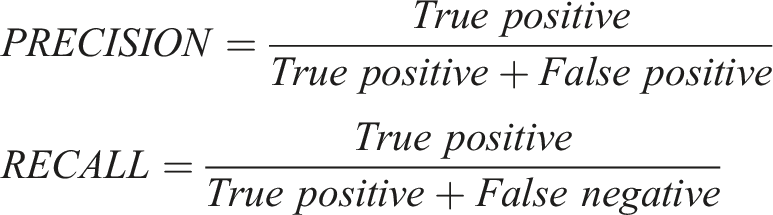
Decisions on this trade-off may depend on whether autocratic regimes pursue a strategy of power-maximization or cost-minimization (Wintrobe 1990). If a regime is power-maximizing, it desires to control the entire population and tolerates no opposition to its rule. Hence, it may strive to eliminate dissidents even at the expense of targeting false positives. In contrast, if a regime is cost-minimizing, it may avoid costly repression of indecisive targets. Driven by the goal to save resources, cost-minimizing regimes may avoid large-scale and potentially counter-productive repression of indecisive targets. Thus, I suggest that power-maximizing regimes prioritize recall over precision, while the preference ordering is reversed for cost-minimizing regimes.
This generates opposing implications for the impact of intelligence on repression (see Figure 1). Since power-maximizing regimes tend to err on the side of repression, low levels of intelligence are expected to result in more repression. Limited intelligence implies that regimes are confronted with a large number of fuzzy dissidents whose dissident status remains obscure. Given that power-maximizing regimes fear to overlook true dissidents, they may opt for repression of fuzzy dissidents (Greitens 2016). Hence, repression is expected to follow a probabilistic logic targeting both true and false dissidents. In contrast, low-levels of intelligence may translate into reduced repression in cost-minimizing regimes. In absence of accurate information on the correct targets, cost-minimizing regimes may choose to repress only the small number of confirmed dissidents. Stylized theoretical argument.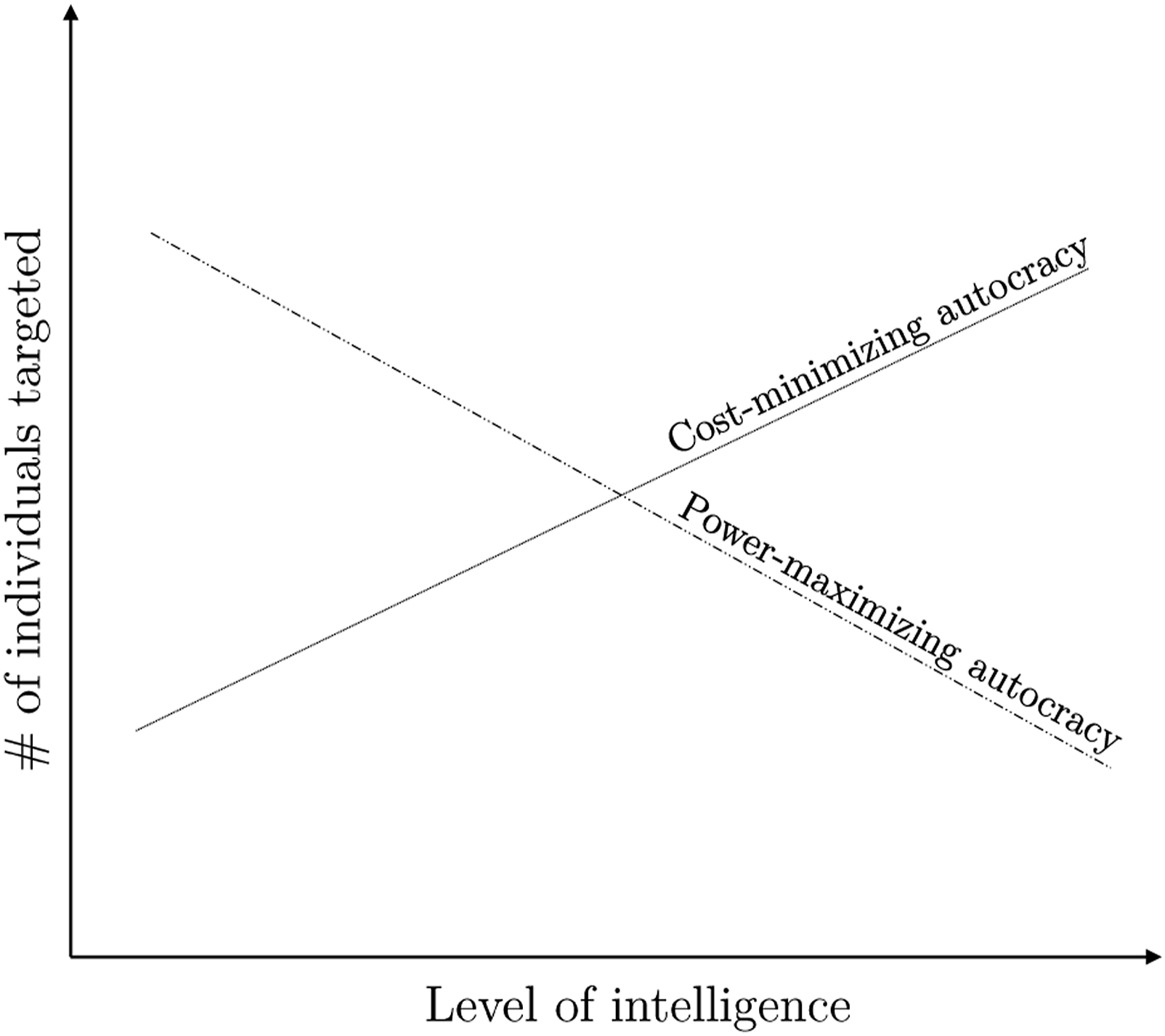
Greater surveillance capacities imply that it is easier to identify the true dissidents in the population. At maximum levels of surveillance, “counterinsurgents are like surgeons cutting out the cancerous tissue while leaving the vital organs intact” (Schlosser 2010, 168). Due to different preferences about precision and recall, this produces opposing effects on repressive outputs in different autocratic regimes. Cost-minimizing regimes are expected to be more repressive in a context of high intelligence as they are able to identify a larger number of dissidents. Power-maximizing regimes are expected to be less repressive in a context of high intelligence since repression becomes more selective.
While the theoretical framework has implications for both power-maximizing and cost-minimizing regimes, I focus herein on the case of a power-maximizing autocracy. To test this informational mechanism linking greater intelligence to reduced repression in a power-maximizing autocracy, I derive the following hypothesis:
H1: Rising levels of intelligence are associated with a reduction of (overt) repression in power-maximizing autocracies.
The Strategy Substitution Logic
The previous discussion abstracted away from variation between different types of repression. Autocratic regimes have a broad repertoire of repressive tools at their disposal (Bagozzi, Berliner, and Welch 2021). The repressive toolkit includes overt repression, such as political imprisonment, but also more subtle forms of silent repression that are secretly implemented while perpetrators remain hidden (Policzer 2004). Silent repression can be defined as a form of harassment by stealth that is extra-judicially implemented by covert agents of the state (Knabe 2000). 8 The key distinguishing features of silent repression are (a) the lack of visible traces of violence and (b) the unidentifiability of the perpetrator.
Autocratic regimes may strategically choose between different tools of repression (DeMeritt and Conrad 2019). A key advantage of silent repression is that it allows the regime to circumvent some negative externalities associated with overt repression. Overt repression tends to provoke anti-regime sentiments in the population since it is clearly attributable to the regime. For instance, it has been argued that political imprisonment create “embodied grievances” (Murphy 2014, 58). Such grievances that are attributable to the government enhance the risk of a backlash (Thomson 2017). In contrast, silent repression allows governments to keep a low profile and to evade accountability for repression. Previous research demonstrates that regimes may strategically seek to evade accountability for repression (Carey, Colaresi, and Mitchell 2015).
However, there are also disadvantages associated with silent repression. Most notably, silent repression compromises on the dimension of deterrence. A central purpose of repression may be to deter future challengers from resistance (Pierskalla 2010). Overt repression sends a visible signal of punishment that may affect the behavior of potential future dissidents. In contrast, silent repression is unlikely to create a strong deterrent effect given its invisibility to the public. In light of this trade-off, it has been claimed that the choice of silent strategies of repression is conditional on the value attached to deterrence (Gueorguiev 2017). The higher the utility attached to deterrence, the more likely is a choice of overt instead of silent repression.
I argue that the utility that autocratic regimes attach to deterrence is systematically affected by their respective surveillance capacities. Autocratic regimes that command secret police with high levels of intelligence and a track record of uncovering dissidents create a cumulative deterrent effect (Greitens 2016). If dissidents recognize that they are virtually guaranteed to be detected, they are deterred from resisting (Judt 2006). Being aware of omnipresent surveillance, the marginal utility of additional deterrence through overt repression is likely to be diminished for regimes with high surveillance capacities. Hence, high-intelligence regimes might value the advantages of silent repression higher than its costs, creating incentives to replace overt repression with silent repression.
Furthermore, greater intelligence may be linked to silent repression through a capacity logic. Overt repression tends to be relatively cheap requiring no investment in the diffusion of accountability. In contrast, the implementation of silent repression is costly, relying on the infiltration of dissident networks with experts of covert action (Dimitrov and Sassoon 2014). Silent repression can take various forms, such as spreading rumors in dissident networks, the systematic isolation of dissidents, or the hidden psychological manipulation of dissidents. Rising levels of intelligence imply that regimes have more capacities to conduct such covert missions that are credibly hidden from the public.
Taken together, I suggest that rising levels of intelligence are associated with a change of repressive strategies. If surveillance capacities are high, autocratic regimes have incentives to substitute overt with silent repression. I test this strategy substitution logic with the following hypothesis:
H2: Rising levels of intelligence are associated with a shift from overt to silent strategies of repression.
The Empirical Case: The German Democratic Republic
I present several empirical tests to investigate the impact of domestic surveillance on repression, drawing on evidence from the former German Democratic Republic (GDR). The GDR was a prime example of a power-maximizing autocracy that aimed to control all spheres of social life (Gieseke 2014). The retrospective perspective on the GDR offers the unique opportunity to draw on internal documents of a secret police, including previously confidential data such as statistics on the number of spies and the amount of monitored individuals. In the following section, I introduce the historical context with a focus on the Stasi’s surveillance apparatus and I present descriptive evidence on repression in the GDR.
Historical Background
After Nazi-Germany’s unconditional surrender had ended World War II in May 1945, the country’s territory west of the Oder-Neisse line was divided among the four Allied Forces—the US, the Soviet Union, the UK, and France. Despite the common objective to demobilize and denazify Germany, the policies of the four occupation powers in their respective zones were strictly guided by their domestic ideologies. In the case of the Soviet Occupation Zone, this implied a steady political and economic transformation in line with the model of the Communist USSR under Stalin’s rule. The extensive de-Nazification in the Soviet Occupation Zone was instrumentalized to deploy loyal Communists in leading administrative bodies (Weber 2000, 62). The ideological division of the metaphorical ‘iron curtain’ was institutionalized when the GDR was constituted in the former Soviet Occupation Zone in October 1949.
The GDR was an authoritarian regime ruled by the Socialist Unity Party (Sozialistische Einheitspartei Deutschlands, SED) and all political power was held by the Politburo in East Berlin (Lichter, Löffler, and Siegloch 2016). The SED was a Marxist-Leninist political party modeled on the Soviet Communist Party. The SED was guided by the conviction to follow ‘scientific’ Marxist principles that were considered as entitlement for absolute autocratic rule (Malycha and Winters 2009). Despite massive ideological indoctrination, the SED was unable to conceal its lack of legitimacy in the population. 9 Pervasive discontent over economic hardship led to the popular revolt of June 1953 that was brutally squashed with the help of Soviet forces. The violent suppression led to decades of relative ‘stability’ (see Port 2007). Dissatisfaction found expression in steady out-migration to the West. The Politburo responded to the mass exodus with the construction of the Berlin Wall in August 1961, which led to the de facto confinement of the East German population. While the SED-regime was able to overcome international isolation in the 1970s, internal hardships, such as the relative economic underdevelopment and state paternalism, remained pervasive.
In the 1980s, the willingness of the population to accept the social contract declined further and opposition networks formed under the umbrella of the Protestant Church (Staritz 1996). Discontent was fueled by the inefficient Socialist structures, economic stagnation, and sprawling environmental degradation (Huff 2015). The regime responded to growing opposition with a mixture of overt and silent repression. This remained true when Mikhail Gorbachev became the Secretary General of the Soviet Communist Party in March 1985, transforming the USSR under the guiding principles of Perestroika and Glasnost. Instead of following his example, the SED-regime emphasized its autonomy and refrained from liberalizing reforms. The Politburo member Kurt Hager famously stated in light of Gorbachev’s reforms that “only because the neighbor is renovating, it does not imply that you have to change your own wallpapers” (cited in Staritz 1996, 341-342.). While the SED-regime collapsed with the fall of the Berlin Wall in November 1989, the focus of this analysis lies on state repression in the 1980s prior to regime breakdown.
The Surveillance Apparatus of the Ministry for State Security
The key instrument for the autocratic rule of the SED was the Ministry for State Security, frequently dubbed as the ‘Stasi’ (Weber 2000). The so-called ‘Shield and Sword’ of the party was responsible for the surveillance and persecution of political opponents. It combined the tasks of an internal secret police with an external intelligence service since domestic opposition was considered to be orchestrated by external ‘capitalist-imperialist’ forces (Gieseke 2014). Moreover, it had far-reaching executive powers in the prosecution and imprisonment of putative dissidents and in dictating outcomes of political trials (Spohr 2015).
The Stasi was an ubiquitous institution with highly specialized units that aspired to control all spheres of social life. It was modeled on the example of the Bolshevist tscheka and heavily influenced by the Soviet Committee for State Security (KGB). The Stasi drew on an unprecedented network of so-called ‘unofficial informants’ (inoffizielle Mitarbeiter, IMs) with a ratio of one informant per 89 East German citizens in the 1980s (Müller-Enbergs 2012). The dense network of informants represented the Stasi’s “main weapon in the fight against the enemy” (Müller-Enbergs 1996, 305). IMs were civilians that had written agreements with the Stasi to secretly collect information about potential dissidents in their social environments (Gieseke 2014). They occupied diverse societal positions while secretly spying colleagues, friends, and even spouses.
The Stasi was closely tied to the SED and major decisions were made in private meetings between the Stasi’s head Erich Mielke and the party’s General Secretary (Malycha and Winters 2009). The Stasi operated with a decentralized structure in contrast to the highly centralized political system, maintaining district offices in each district capital. These district offices bore full responsibility for securing their territories and pursued different strategies to achieve this goal. Importantly, the Minister of State Security based in Berlin-Lichtenberg hardly influenced the activities of the respective heads of the district offices (see Lichter, Löffler, and Siegloch 2016; Gill and Schröter 1991). The district offices, in turn, had authority over county offices within their territories that were locally responsible for surveillance. Due to this decentralized organization, surveillance patterns differed substantially across the GDR.
The key objective of the Stasi was the detection of citizens with so-called ‘negative-hostile’ attitudes. 10 The heads of Stasi county offices were obliged to register all individuals that were secretly monitored (Lucht 2015). Surveillance activities were registered in the internal file categories ‘operative identity checks’ (Operative Personenkontrollen, OPKs) and ‘operational procedures’ (Operative Vorgänge, OVs). OPKs aimed to clarify the identity of potential suspects, being initiated in response to unconfirmed suspicions against certain individuals (Engelmann 2016). If concrete evidence hinted at ‘negative-hostile’ attitudes, individual cases were re-registered to OVs, resulting in imprisonment, recruitment as informant, or preventive measures taken by the Stasi (Lucht 2015).
Overt and Silent Repression in the GDR
Political imprisonment represented the main instrument of overt repression employed by the Stasi. The Stasi believed that political imprisonment had a “stabilizing impact on the rule of the unity party” (Spohr 2015, 72). According to estimates of the commission of inquiry of the German parliament, between 200,000 and 250,000 individuals were imprisoned due to political reasons between 1949 and 1989 (Deutscher Bundestag 1998).
To operationalize political imprisonment, I use the Stasi’s digital prisoner database that stores detailed information about the entire prisoner population (digitized by Horz and Marbach 2020). I differentiate ‘political’ prisoners from ‘criminal’ prisoners with the criminal paragraphs based on which individuals were sentenced. According to legal historians, the political criminal law of the GDR included the paragraphs of the second chapter of the criminal code (crimes against the state), as well as $213, $214, $219, and $220 (Raschka 2000, 324). The subset of the prisoner population that had been charged with political criminal law is classified as political prisoner.
11
I match political prisoners to East German counties with information about their ‘residence’ before incarceration. This provides me with yearly counts of the number of political imprisonment per county. Figure 2 presents the subnational distribution of the incidence of political imprisonment per 100.000 citizens exemplary for the years 1984 and 1988.
12
This illustrates that the Stasi county offices differed substantially in the implementation of political imprisonment despite having equal competences to incarcerate dissidents. Political imprisonment per 100.000 citizens. (a) Incidence of political imprisonment (1984), (b) Incidence of political imprisonment (1988).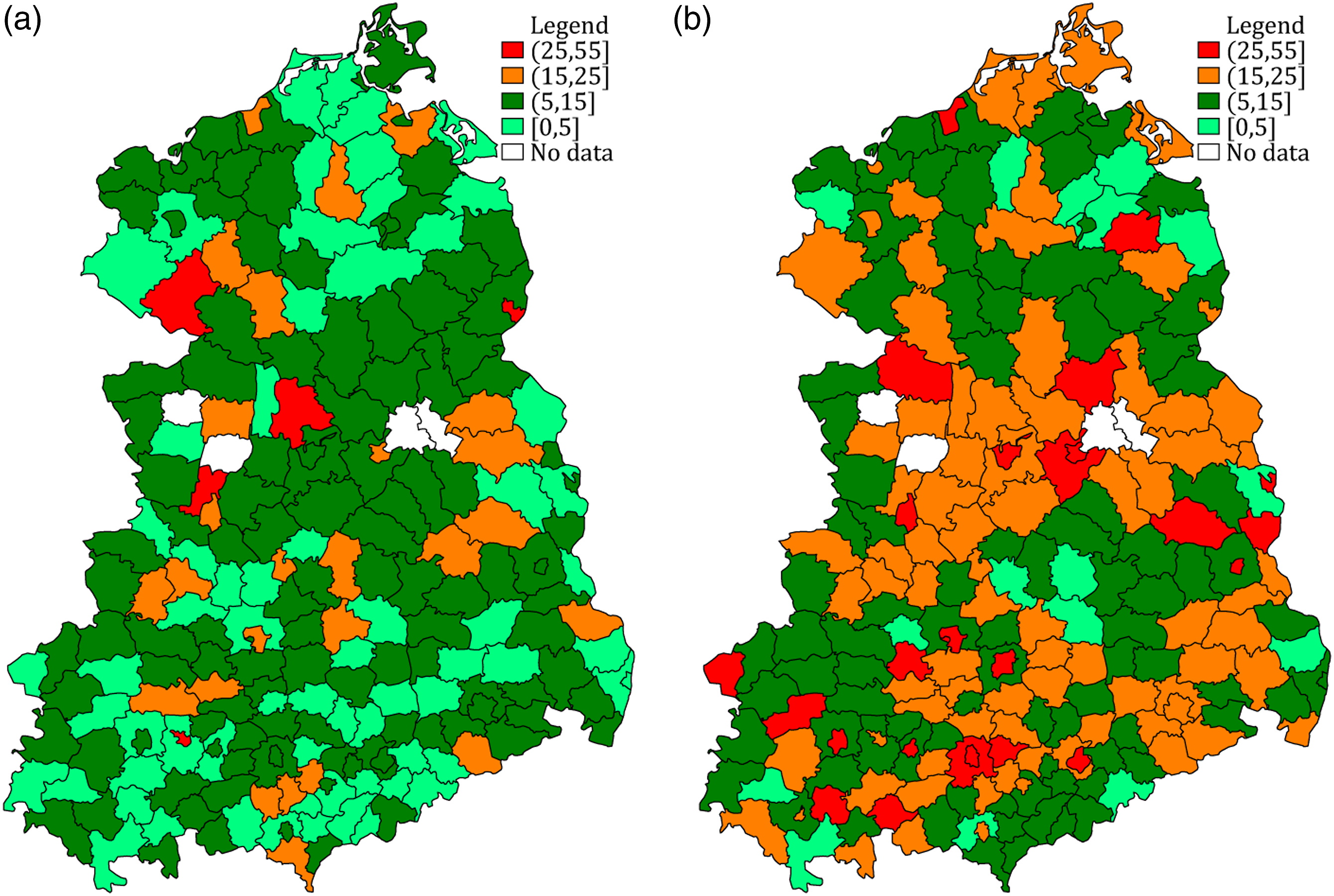
While imprisonments represented the modal instrument to punish dissidents, the Stasi switched in some cases to ‘decomposition measures’ (Zersetzungsmaßnahmen). Decomposition represented a ‘silent’ form of repression that was secretly implemented, aiming at hidden psychological destruction, the creation of mistrust, and the exploitation of rivalries (Gill and Schröter 1991, 389-391). For instance, the Stasi created conflicts between spouses by sending anonymous ‘love’ letters and compromising pictures. Secret informants that were infiltrated in dissident networks impeded group organization by spreading rumours about other group members. Individual dissidents were deliberately brought into contact with alcohol or gambling and so-called ‘romeo agents’ sought to provoke extramarital affairs (Fulbrook 1995). The Stasi also broke into the flats of dissidents and secretly removed objects to create perceptions of loss of control. In the context of decomposition, the Stasi also destroyed professional careers of dissidents by undermining their reputation and by forcing employers to downgrade their ranks. The psychological terror created through decomposition resulted in several cases in suicides (Pingel-Schliemann 2009).
Research Design
I leverage sub-national and temporal variation in spying, political imprisonment, and decomposition in the GDR to draw inferences about the impact of surveillance on repression. I use the following empirical tests of (a) the information logic and (b) the strategy substitution logic.
Empirical Tests of the Information Logic
The information logic suggests that rising levels of intelligence are linked to a reduction of overt repression in power-maximizing autocracies. I operationalize local levels of overt repression with the county-level frequency of political imprisonment. I use data from the Stasi’s political prisoner database (see Horz and Marbach 2020). Local levels of intelligence were a function of the degree of infiltration with IMs that represented the primary source of intelligence for the Stasi (Port 2007, 97-111). In line with previous research (e.g., Lichter, Löffler, and Siegloch 2016), I use the county-level share of IMs in the population as measure of intelligence. 13
IMs had diverse positions and tasks designated by the Stasi. They were divided into the following categories: classical secret informants for political-operative penetration and protection (IMS, ∼53%), informants with enemy-connections (IMB, ∼2%), expert informants for specialist missions (IME, ∼4%), leading informants (FIM, ∼3%), informants for logistical support (IMK, ∼18%), loyal administrative officials (GMS, ∼19%), and informants employed in foreign espionage ( ∼1%) (Gieseke 2014). Since IMS, FIM, IME, and IMB were primarily responsible for local surveillance of dissidents, I use their aggregate number in each county-year as measure of intelligence. The statistics are derived from Müller-Enbergs (2012).
I standardize the absolute number of IMs by county population sizes. IM statistics are collected at the end of each year (t) and they are used to predict the county-level share of political imprisonment per capita in the following year (t+1). Based on hypothesis 1, I expect that rising levels of informant infiltration are linked to reductions of political imprisonment. The systematic component of the statistical model is presented in equation (1), where (λ
kt
) refers to time-varying covariates and (δ
i
) captures time-constant covariates.

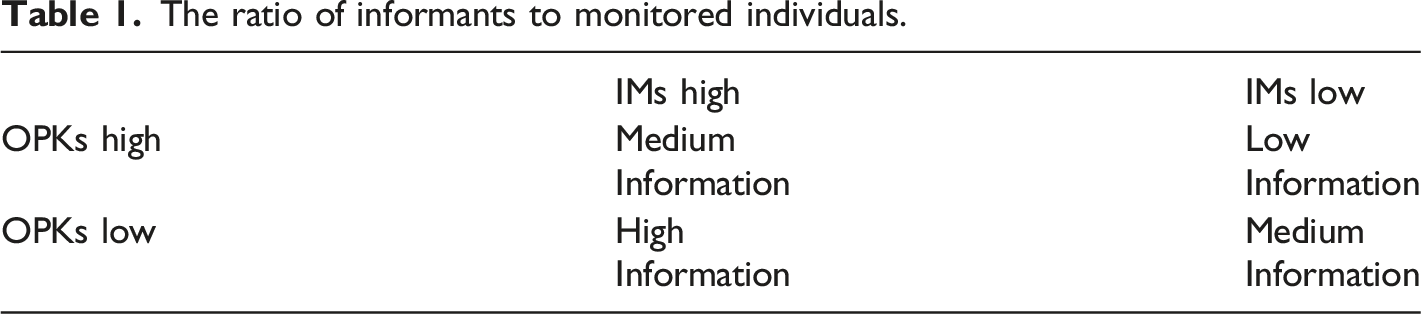
I use the county-level stock of ‘operative identity checks’ (Operative Personenkontrollen, OPKs) at the end of each year to measure the number of monitored individuals in a county. I collected county-level OPK statistics in the Stasi archives in Berlin. 14 OPKs capture surveillance operations that target individuals whose dissident status was unconfirmed. These individuals were perceived as potential dissidents but they were not yet classified as actual dissidents since this would have implied registration as ‘operational procedures’ (OVs) (Engelmann 2016). Hence, the number of OPKs proxies for the amount of individuals whose dissident status had to be evaluated.

The ratio of informants to monitored individuals.
Empirical Tests of the Strategy Substitution Logic
The strategy substitution logic suggests that autocratic regimes replace overt repression with ‘silent’ repression at rising levels of intelligence. I operationalize silent repression with newly collected yearly data on the county-level number of ‘decomposition measures’. 16 Decomposition measures represented a silent tool of repression that aimed to sideline dissidents without creating visible traces of repression (Fulbrook 1995).
To investigate whether the Stasi increasingly implemented decomposition measures at rising levels of intelligence, I regress the county-level incidence of decomposition at time t+1 on the level of spy infiltration in the previous year t. I standardize both the number of informants and the number of decomposition measures by county population sizes. Based on hypothesis 2, I expect that rising levels of spy infiltration are linked to more decomposition. I present the systematic component of the statistical model in equation (3).

Control Variables
I condition on various factors that could confound the relationship between intelligence and repression. The controls are divided into (a) time-varying covariates (λ kt ), and (b) time-constant covariates (δ i ). 17
A key challenge for the empirical analysis is that the Stasi strategically allocated spies to regions with high levels of dissent (Thomson 2017). Given that dissent may have also resulted in repression, the non-random spy allocation could induce a spurious positive correlation between intelligence and political imprisonment. To proxy for variation in latent dissent across time and space, I use newly collected data on ‘operational procedures’ (Operative Vorgänge, OVs). The Stasi registered individuals in OVs if it traced concrete evidence that they had anti-regime attitudes or planned anti-regime actions. Thus, the number of OVs proxies for the number of individuals that the Stasi perceived to be dissidents. I control for the number of OVs registered in the Stasi’s county administrations at the end of each year.
Additionally, I control for economic development with an index of industrial production of the local industry since economic grievances may have affected both surveillance and repression. To control for non-selective universal welfare provision, I account for newly available flats and hospital beds per capita. I also control for the district-level share of employed citizens. Thomson’s (2017) study demonstrates that construction workers were over-represented in the popular uprising in 1953. Since this could influence local surveillance and repression, I control for district-level shares of construction workers among the total working population. I account for the district-level share of farmers since they were particularly affected by the regime’s collectivization policies. To account for a potential effect of education on anti-regime attitudes as suggested by the systematic targeting of so-called ‘Intelligenzler’ (Weber 2000), I control for the district-level number of theater guests per capita. Further, I include a measure for the share of female citizens since the targets of surveillance and repression could systematically differ across sex. These statistics have been scraped from the Statistical Yearbooks of the GDR (Staatliche Zentralverwaltung für Statistik 1984-1989). 18
Turning to time-constant covariates, I control for city counties and for the number of towns in a county since both surveillance and repression could systematically differ in urban regions. Finally, I control for the 1953 protests with a measure capturing the number of municipalities in a county that experienced protest since previous dissent could affect both surveillance and repression in later periods. The time-constant controls have been drawn from Crabtree, Darmofal, and Kern (2015). Since several control variables are highly correlated, I included them to separate model specifications if variance inflation factors were high. 19
Empirical Models
I created an original dataset on the county-level with yearly statistics ranging from 1983 to 1988. 20 Since the Stasi destroyed some of its internal documents in the wake of the popular revolution in 1989, the statistics are not available for all 219 counties. Hence, I use three different versions of the dataset for the empirical analysis: First, an unbalanced panel dataset containing only observations with full information on all variables of interest. Second, a balanced panel dataset where county averages of the main explanatory variables were imputed for missing observations. 21 Third, a full dataset including the entire population of county-years where missings are imputed with AMELIA (Honaker, King, and Blackwell 2011). 22
I use linear regression models with fixed effects for years. I refrain from including county fixed effects since they explain more than two-thirds of the variation in political imprisonment and 98% of the variation in the number of spies. Apart from the fact that it would be problematic to lose all cross-sectional variation, it is also theoretically more compelling to compare between counties. Surveillance strategies differed substantially between counties but were relatively constant within counties (Müller-Enbergs 2012). I run random effects models as a robustness test to account both for variation within and between counties.
Results
Descriptive Evidence
Figure 3 presents the bivariate correlations between the level of spy infiltration at the end of a year and the incidence of political imprisonments and decomposition in the following year for all pooled county-years. The bivariate plots indicate that the level of spying is negatively correlated with political imprisonment and positively correlated with decomposition. Bivariate correlations. (a) IMs and political imprisonment, (b) IMs and decomposition.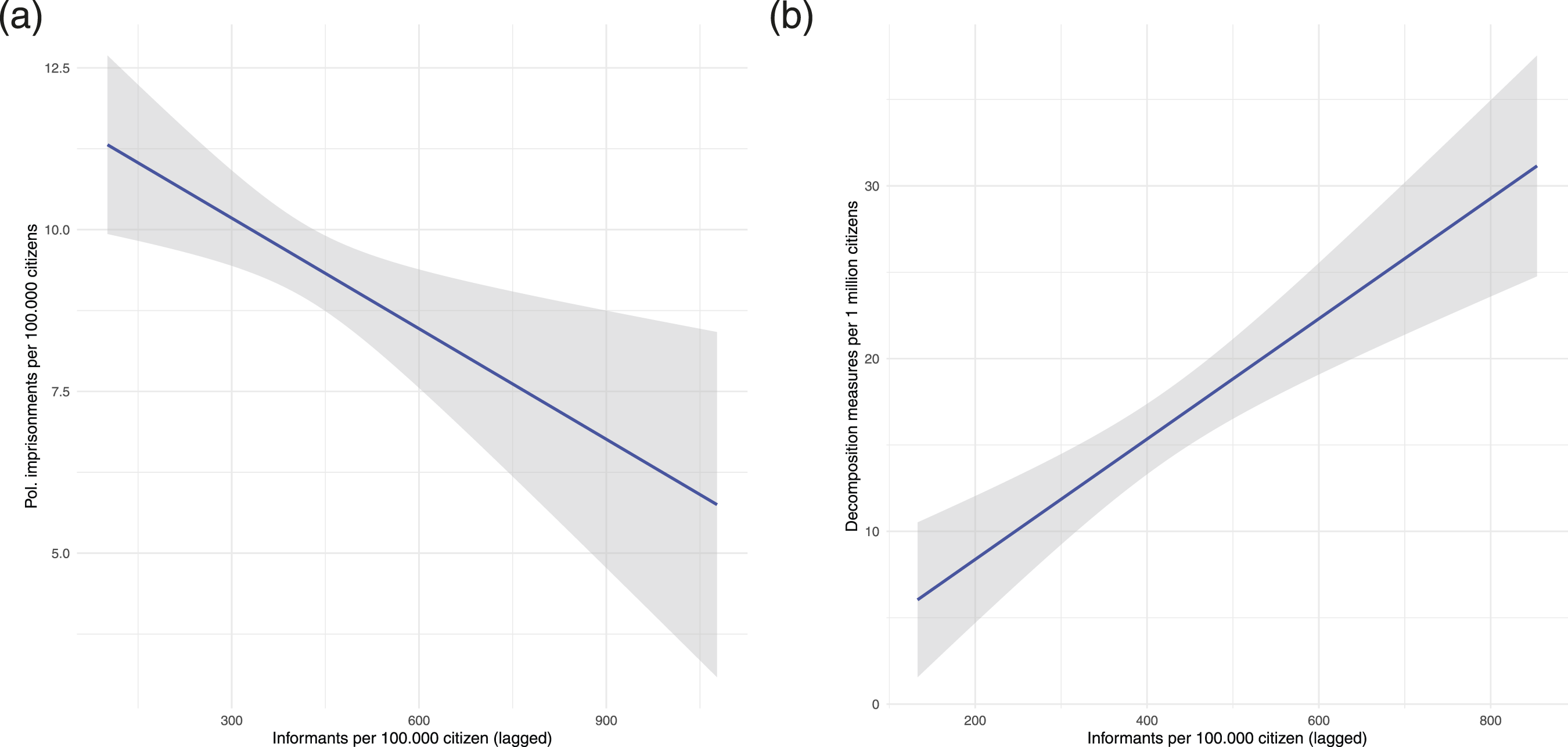
Multivariate Analyses
The results of the OLS regression analysis for the information logic are presented in Figure 4.
23
The results demonstrate that the negative association between spying and political imprisonment persists, even if I condition on various observable factors that may confound the surveillance-imprisonment nexus. Both the effect of the absolute level of spy infiltration (panel a) and the effect of the share of spies per monitored citizen (panel b) are statistically significant at p Simulated expected values (information logic). (a) Spies per capita, (b) Spies per monitored citizen.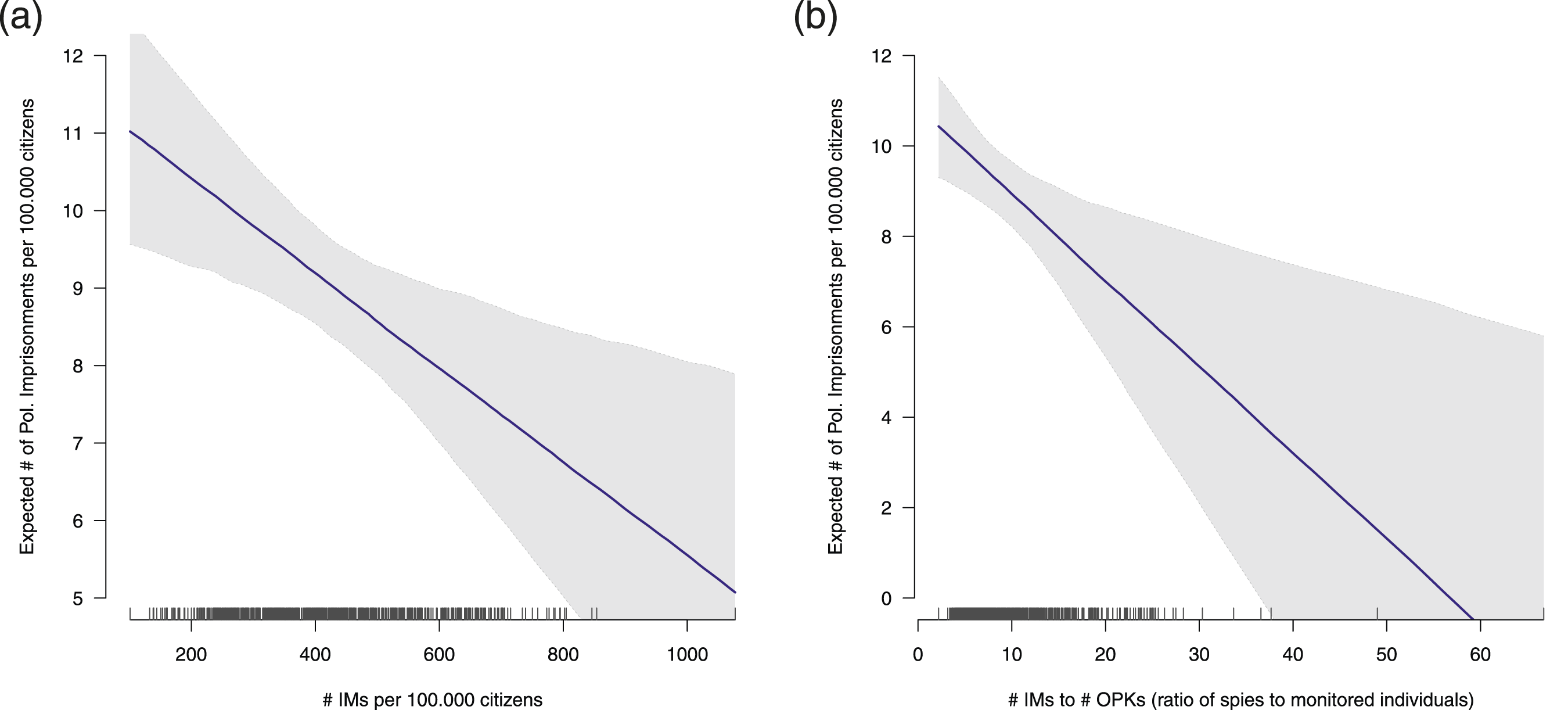
The results align with the argument that higher levels of information translate into fewer political imprisonments. Note that the strategic allocation of spies is likely to bias the effect downwards. Since spies tend to be strategically allocated to regions with high levels of dissent, we would expect more political imprisonments in regions with many spies. While I attempt to account for variation in latent dissent by conditioning on OVs, this may not perfectly capture the local level of dissent. Thus, the true effect is likely to be even stronger.
The results of the OLS regression models that replace political imprisonment with decomposition measures as outcome variable are presented in Figure 5.
24
In contrast to political imprisonment, the level of spy infiltration is positively related to the incidence of decomposition measures. The effect of spy infiltration per capita (panel a) is statistically significant at p Simulated expected values (strategy substitution logic). (a) Spies per capita, (b) Spies per monitored individual.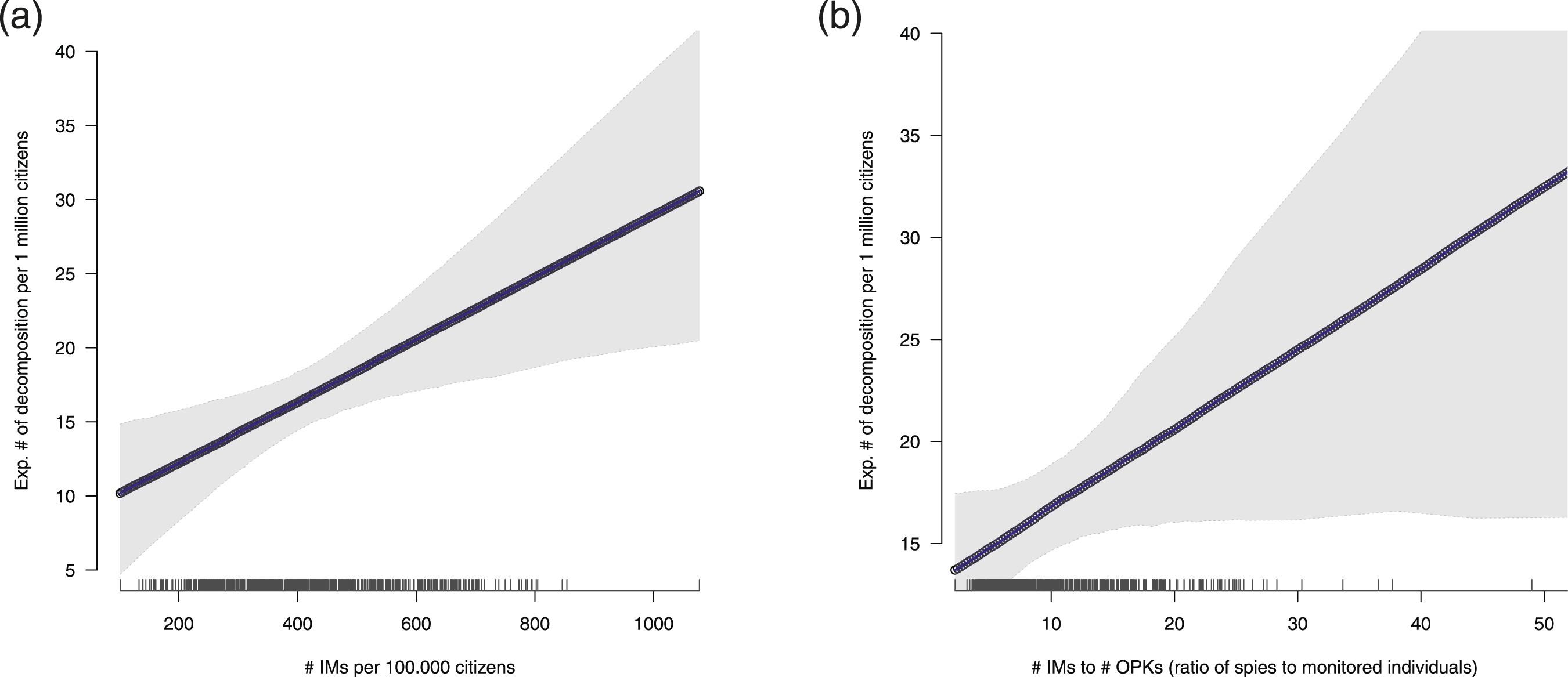
Robustness Tests
A potential concern is that human informants represented not the only source of intelligence. The Stasi was also famed for its sophisticated electronic surveillance capacities including advanced eavesdropping tools and wire tapping (Gieseke 2014). To account for variation in electronic surveillance, I re-run the models with district-level controls for the number of wire-tapped calls (so-called A-missions) and the number of eavesdropped flats (so-called B-missions) with newly digitized data taken from Schmole (2009). Additionally, I control for the district-level number of Stasi employees in department 26 that were responsible for electronic surveillance. The results remain robust as demonstrated in the Appendix Tables 3 & 12.
Since a large number of regime critics tried to leave the GDR, high levels of dissent at time t could have resulted in out-migration at t+1 instead of in political imprisonments. To account for this alternative explanation, I run models where I control for yearly population changes per county and the results remain robust (Appendix Tables 4 & 13). Additionally, I tested whether the results are sensitive to a different measurement of intelligence. I used exclusively the category of IMS that were considered as main information source about societal sentiments (Müller-Enbergs 1996). The findings are unaffected by this alternative measurement (Appendix Tables 5 & 14). 25 The results hold also when the outlier ‘Leipzig-1988’ with exceptionally high levels of political imprisonment is excluded (Tables 6 & 15). 26 Further, I tested the main models both with heteroscedasticity-consistent standard errors and clustered standard errors on the county level and the results remain largely unaffected (see Tables 9-10 & 18-19). 27
Additionally, I ran models where I included random effects to account for variation both within and between counties. The negative effects of both intelligence proxies on political imprisonment remain statistically significant at p
Finally, I apply two-stage least squares regression analysis to account for unobservable omitted variables that could have affected both surveillance and political imprisonment. Such unobserved confounding would imply that the correlation between the explanatory variables and the stochastic component of the model is nonzero resulting in biased estimates (Sovey and Green 2011). To deal with unobserved confounding, I exploit exogenous variation in the signal strength of Western German television (WGTV) (Kern and Hainmueller 2009). Subnational variation in WGTV access affected the Stasi’s perception of local opposition and, in response, the local level of spy infiltration (see first stage in Table 21).
The exclusion restriction requires that the instrument is independent of potential outcomes and that it has no other effect on outcomes than through the first-stage channel conditional on controls. I argue that the signal strength of WGTV affected political imprisonment only through (a) the Stasi’s surveillance capacities (the first-stage channel) and (b) the Stasi’s perception of local dissent, conditional on controls. Given that the Stasi registered all monitored individuals in OPKs and all perceived dissidents in OVs, the distribution of these statistics arguably accounts for the Stasi’s perception of local dissent (see detailed discussion in the appendix section 5). Since the results of the IV model align with the OLS models (see Table 20), this can be regarded as additional suggestive evidence.
Discussion and External Validity
The theoretical discussion focused so far on the impact of surveillance capacities on the repressive behavior of autocratic secret police, while disregarding potential effects of surveillance on citizens (e.g., Sullivan and Davenport 2018). An alternative explanation for the results could be that higher levels of spy infiltration reduced local levels of dissent. From this perspective, the negative effect of spying on political imprisonment could be due to the fact that citizens displayed lower levels of dissent in counties with high levels of spying in anticipation of the higher risk to be uncovered.
This alternative explanation presupposes that East German citizens were aware of different spying intensities. Anecdotal evidence suggests that a large number of citizens discovered that they had been spied only after the demise of the GDR with the opening of the Stasi archives (Miller 1999). It is especially questionable whether East German citizen anticipated local variation in the degree of spy infiltration. 28 While it is possible that self-censorship in response to surveillance has some explanatory power, this alternative explanation likewise supports the general conclusion that surveillance was negatively related to political imprisonment.
To what extent are the findings of this study generalizable beyond the specific case of the GDR? Given that the Stasi was modeled on the example of the Soviet KGB, there are substantial similarities in the organization and the objectives of their secret services. For instance, both secret services combined the tasks of an internal secret police with an external intelligence service, they were hierarchically organized in highly specialized units, and the personnel held army style ranks (Gill and Schröter 1991). Similar parallels apply to secret police of other satellite states in the East Block and to several allied Communist states.
Apart from institutional kinship, the major connection between Communist secret police was the perceived enemy. According to the prevailing Marxist-Leninist ideology, ‘imperialist-capitalist’ forces constituted the main threat to Communist societies. The elusiveness of this threat led to the extensive targeting of citizens even on the basis of minor suspicions. Social democratic inclinations or non-mainstream identities were oftentimes sufficient to vilify individuals as ‘Capitalists’ and to imprison them (Adelman 2019). This suggests that most Communist secret police pursued a strategy of power-maximization, prioritizing recall over precision in the targeting of dissidents. Hence, the surveillance-repression nexus may have followed a similar logic in other Communist regimes.
Beyond that, the question arises how the findings travel beyond Communist autocracies. While this study introduces a general theory of how power-maximizing regimes respond to uncertainty, the empirical evidence relies on subnational variation in a state where the baseline level of intelligence was exceptionally high. The degree of spy infiltration was unprecedented in the GDR (1 informant per 89 citizens) surpassed only by the contemporary North Korean dictatorship (Thomson 2017). Thus, the findings of this study might only generalize to high-intelligence regimes. Further empirical studies are necessary to understand whether the suggested mechanisms hold also in autocracies with lower baselines of intelligence. Future research might also want to investigate how domestic surveillance shapes repressive outputs in democratic states.
Conclusions
This study set out to investigate how domestic surveillance in autocracies affects the frequency of political imprisonments. I presented a novel theory that suggests a negative association between domestic surveillance and political imprisonment in power-maximizing regimes. Two mechanisms are expected to link domestic surveillance to reduced numbers of political imprisonment: (a) the information mechanism and (b) the strategy substitution mechanism. Surveillance reduces the false positive rate of political imprisonment, i.e. the detention of individuals that are erroneously perceived as dissidents. Surveillance also creates incentives and capacities to target dissidents with alternative instruments of repression that are secretly implemented.
Empirical evidence from the GDR lends support to the theoretical claims. I find that greater levels of spying were associated with fewer political imprisonments in the GDR. This suggests that the Stasi was less likely to imprison citizens if it could accumulate more information about them. The finding aligns with the information mechanism, suggesting that overt repression increases as a function of uncertainty in power-maximizing autocracies. I also find evidence that the Stasi substituted political imprisonment with decomposition at rising spying densities. This supports the strategy substitution logic, suggesting that intelligence induced a strategy shift from overt to silent repression.
One key implication of this study is that domestic surveillance is at least in some political contexts negatively related to political imprisonment. This speaks to the body of research on the surveillance-repression nexus in autocratic states (Kendall-Taylor, Frantz, and Wright 2020; Qiang 2019; Xu 2020b). The findings may also inform scholarship on the impact of novel digital surveillance algorithms on state repression (Feldstein 2019; Pan 2020; Xu 2020a.). In order to understand how digital surveillance algorithms change state repression, we first need to understand the baseline of how intelligence is related to state repression in absence of such technologies. By investigating the intelligence-repression nexus in isolation of digital surveillance technologies, this study provides a reference point for this strand of research.
The second implication of this study is that silent repression tends to be linked to high levels of intelligence, speaking to the growing literature on the strategies of governments to hide repressive actions (e.g., Conrad, Hill, and Moore 2018; Gueorguiev 2017; Rejali 2007). East German citizens were targeted with decomposition measures, which entailed the systematic defamation, professional degradation, and permanent harassment of dissidents. While decomposition was a unique and particularly perfidious instrument employed by the Stasi, it is likely that contemporary secret police likewise use creative means to target dissidents. Morgenbesser 2020 identifies a trend toward ‘sophisticated authoritarianism’ and argues that in such regimes “dissidents are confronted with low-intensity coercion in the form of nonphysical harassment […] instead of being imprisoned” (Morgenbesser 2020, 21). Given that overt repression might only capture the metaphorical ‘tip of the iceberg’ of state terror, it may become increasingly relevant to study the rationales and consequences of silent repression.
The third implication of this study is that rising surveillance capacities represent an important explanation why Communist regimes became less repressive in the post-Stalinist period. While Stalinist Communist regimes were infamous for large-scale repression and mass terror (Khlevniuk 2004), repression declined in the post-Stalinist period. Annual reports of the KGB demonstrate that the scope of repression was comparatively low since the 1960s (Dimitrov and Sassoon 2014). In the same period, Communist secret polices such as the Soviet KGB, the East German Stasi, or the Durzhavna sigurnost in Bulgaria gradually enhanced their capacities to gather information about their citizens. This study suggests that these trends did not only coincide but that enhanced surveillance capacities directly contributed to declining levels of overt state repression.
Supplemental Material
Supplemental Material - The Impact of Domestic Surveillance on Political Imprisonment: Evidence from the German Democratic Republic
Supplemental Material for The Impact of Domestic Surveillance on Political Imprisonment: Evidence from the German Democratic Republic by Christoph V. Steinert in Journal of Conflict Resolution
Footnotes
Declaration of conflicting interests
The author(s) declared no potential conflicts of interest with respect to the research, authorship, and/or publication of this article.
Funding
The author(s) disclosed receipt of the following financial support for the research, authorship, and/or publication of this article: This study was supported by German Academic Scholarship Foundation.

Supplemental Material
Supplemental material for this article is available online.
Notes
References
Supplementary Material
Please find the following supplemental material available below.
For Open Access articles published under a Creative Commons License, all supplemental material carries the same license as the article it is associated with.
For non-Open Access articles published, all supplemental material carries a non-exclusive license, and permission requests for re-use of supplemental material or any part of supplemental material shall be sent directly to the copyright owner as specified in the copyright notice associated with the article.
