




Abstract
Fostering children’s engagement in regular recreational reading beyond independent skill acquisition is beneficial to promote continued literacy engagement. Regular recreational reading is associated with both literacy skill acquisition and maintenance across the life span. Children’s perceptions of the importance and value of reading can influence their motivation to read. However, it is not currently known if children continue to perceive the value of reading beyond the period of independent reading skill acquisition. Findings from a sample of 997 older elementary children indicate that some children may not recognise the value of reading beyond independent reading skill acquisition. This is particularly significant, as children who valued the practice of reading read with greater frequency. In addition, children’s subjective task valuing of reading was revealed through the scope of benefits they associated with engagement in the practice, which influenced their conceptualisation of its value. These findings have implications for future educational reading interventions, as fostering greater valuing of regular reading may enhance children’s reading engagement, with valuing of reading found to be an important component of children’s reading motivation.
We may perhaps take for granted that the importance of reading is well understood by children, given the position of reading as a fundamental literacy skill, the regular practice of which is strongly associated with a range of literacy advantages (e.g. Organisation for Economic Co-operation and Development [OECD], 2010a; Samuels & Wu, 2001). When determining how to effectively engage children in regular reading, in addition to consideration of fostering reading skill, the fostering of reading will is also of great significance. The fostering of will has particular relevance beyond the period of independent reading skill acquisition, which may vary significantly between individuals, but typically occurs during the early years of elementary schooling. As children advance through the schooling years, their engagement in regular reading for pleasure declines (Maynard, Mackay, & Smyth, 2008; OECD, 2010b; Sainsbury & Schagen, 2004; Scholastic, 2015). To support the fostering of reading will, and motivation to read, consideration must be given to the reasons why children choose to engage in the practice. This involves, but is not limited to, maintaining a current and comprehensive understanding of children’s beliefs about the importance of reading, which can exert a significant influence on their level of engagement in the practice.
Regular engagement in recreational reading offers benefits for literacy skill development and maintenance. While regular independent reading has long been associated with literacy skill benefits across a range of literacy outcomes (e.g. Anderson, Wilson, & Fielding, 1988; Cunningham & Stanovich, 1998 ; OECD, 2010a), research increasingly points to the role that regular reading plays in both maintaining and extending literacy skills. Research into Summer Literacy Decline (e.g. Cooper et al., 1996) shows a cumulative impact over the years of periods of limited exposure to reading (Krashen & Shin, 2008). This has been related to effects upon vocabulary (Lawrence et al., 2015), spelling (Cooper et al., 1996), and comprehension (Guryan, 2015). As such, literacy advocates and educators are encouraged to increasingly position reading as of both immediate and continuing importance beyond independent skill acquisition. Indeed, the growing body of findings relating reading frequency with cognitive stamina and resistance to cognitive decline (e.g. Vermuri & Mormino, 2013; Wilson et al., 2013) highlights the importance of continuing to read into adulthood.
Perception of the importance of reading may be related to children’s subjective task values in relation to reading, which include ‘interest value, defined as how much the individual likes or is interested in the activity; attainment value, defined as the importance of the activity; and utility value, or the usefulness of an activity’ (pp. 60–61). Individuals’ choice, persistence and performance can be explained by their beliefs about how well they will perform the activity, and the extent to which they value the activity, suggesting that along with expectancies for success, children’s ability beliefs and their subjective task values can shape their ‘choice, persistence and performance’ of activities, as well as influence ‘the extent to which they value the activity’ (Wigfield & Eccles, 2000, p. 68). Task valuing has been found to contribute to motivation across a range of academic subjects and contexts (e.g. Ball et al., 2016; Guo, Parker, Marsh, & Morin, 2015).
With task value positioned as a significant determinant of both motivation and task engagement (Gambrell, Palmer, Codling, & Mazzoni, 1996), the work reported in this article assumes a relationship between a person’s perceived value of a practice, their ability to perform the practice and their willingness to engage in it. This involves understanding children’s perceptions and beliefs about their reason to perform the task, as relates to its value (Barron & Hulleman, 2015). This impetus is also aligned with a more practical and immediate purpose, seeking to determine if children in fact perceive the benefits of reading, as if this is not the case, educational intervention may be indicated.
This concern was stimulated by earlier research with adolescents, which found that in some cases, the continued importance of reading beyond the period of skill acquisition was not effectively communicated by parents, leading to ‘expired expectations’. Expired expectations can be conceptualised as the assumption that the practice of reading is no longer important, where parental encouragement is perceived to be withdrawn based on perceived skill acquisition (Merga, 2014). Such withdrawal has also been noted elsewhere, with parental encouragement and support curtailed in secondary school, perhaps as ‘they no longer feel that the skill is required’ (Nieuwenhuizen, 2001, p. 6) as skill acquisition has been achieved. It was considered valuable to explore what is occurring in the space between the early years of schooling, and the later elementary/primary years, where the skill to read independently has usually been acquired, and the transition from learning to read, to reading to learn, has occurred. This research was also designed to garner insights into how children who felt that reading is important, perceive the scope of benefits of being a good reader. As such, this research sought to determine if the benefits of reading are successfully being communicated to children, so that they value the practice, or if this is an orphaned responsibility, as contended elsewhere (Bunbury, 1995; Merga, 2016). The notion of orphaned responsibility relates to where ‘parents may assume it is the role of the teachers and teachers may assume it is the role of the parents to provide continued encouragement in reading’ (Merga & Mat Roni, 2018, p. 4).
The previous research in this area has been predominately qualitative (e.g. Merga, 2015; Strommen & Mates, 2004). While this has provided deep insight into children’s attitudes towards reading, the factors that can shape these attitudes, and the mechanisms by which expired expectations can be inadvertently communicated, it precludes generalisability. It has also generally been explored as part of a broader research concern and not given singular attention.
Drawing on a sample of older elementary (primary school) students in Western Australia, who took part in the 2016 Western Australian Study in Children’s Book Reading (WASCBR), this article seeks to address the following three key research questions:
Do children perceive reading as important beyond skill acquisition? Is perception of reading importance beyond skill acquisition associated with reading frequency? How is the importance of being a good reader understood and conceptualised by children?
Method
Sites and participants
After ‘purposeful sampling’ to ensure representative diversity was achieved (Anfara, Brown, & Mangoine, 2002, p. 30), the final data set included 24 co-educational schools from diverse geographical locations and contexts. We do not provide further details about the schools to avoid deductive disclosure, as we are bound by ethics to preserve the anonymity of the participating schools.
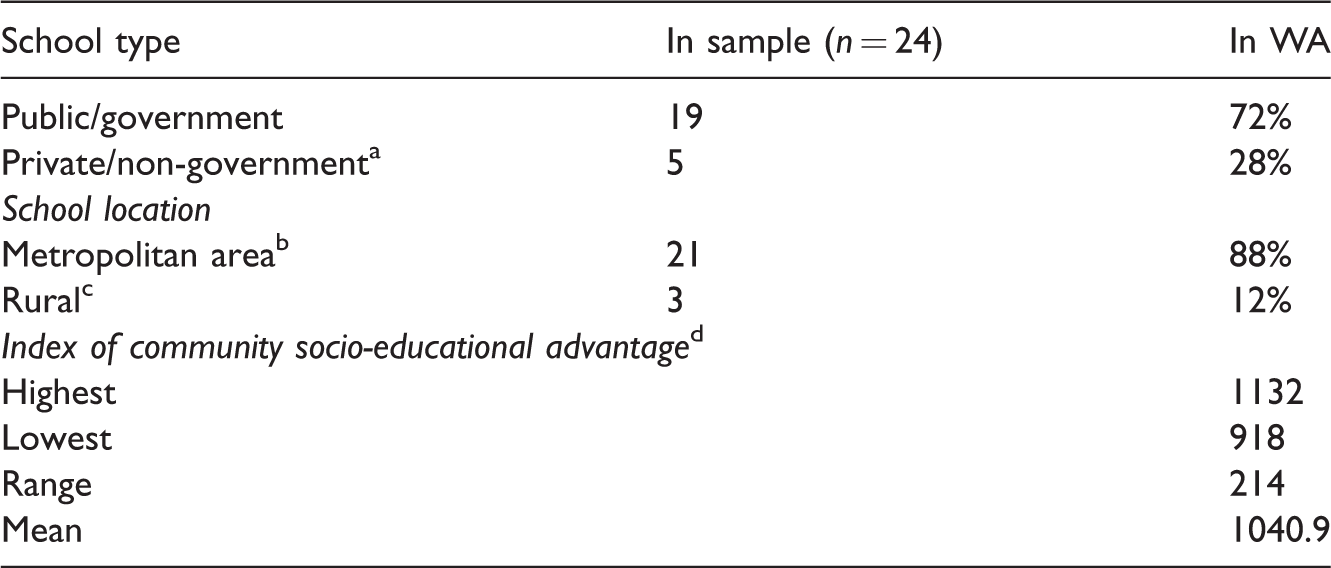
As can be seen in Table 1, the sample included rural and metropolitan schools, government and non-government schools and schools in varying socio-economic environments. The average Index of Community Socio-Educational Advantage (ICSEA) value for the schools that participated in the student survey sample (mean ICSEA = 1040.9) was close to the ICSEA average, which is set at 1000. The ICSEA is based on student factors (parents’ occupation, parents’ education) as well as school factors (geographical location, proportion of Indigenous students), whereby ‘the higher the ICSEA value, the higher the level of educational advantage of students who go to this school’ (Australian Curriculum, Assessment and Reporting Authority (ACARA), 2015).
School sample characteristics.
Private schools include Independent and Catholic schools.
Schools within the Perth Statistical Division as defined by the Australian Bureau of Statistics, with Perth being the capital city of Western Australia.
Schools outside the metropolitan area.
As per 2015 (Australian Curriculum, Assessment and Reporting Authority (ACARA), 2016a).
Participants in the WASCBR were children at Western Australian primary schools in Years 4 and 6 (aged 8–12). While all children in these year groups were invited to participate, only students who were present on the day of data collection and who had provided both their consent and the consent of a guardian could participate in the study. All consenting and present students (n = 997) completed the survey on site on the day they were visited by the researcher, with visits occurring between 23 March and 21 June 2016. In addition, one of the students who had participated in the survey was randomly selected from each class for an interview, with the selection being controlled so that one male and one female student were interviewed per school where possible. Some limitations to this method occurred in the field as in one school only one Year 4 student was available for the interview. This resulted in 47 interviews being conducted.
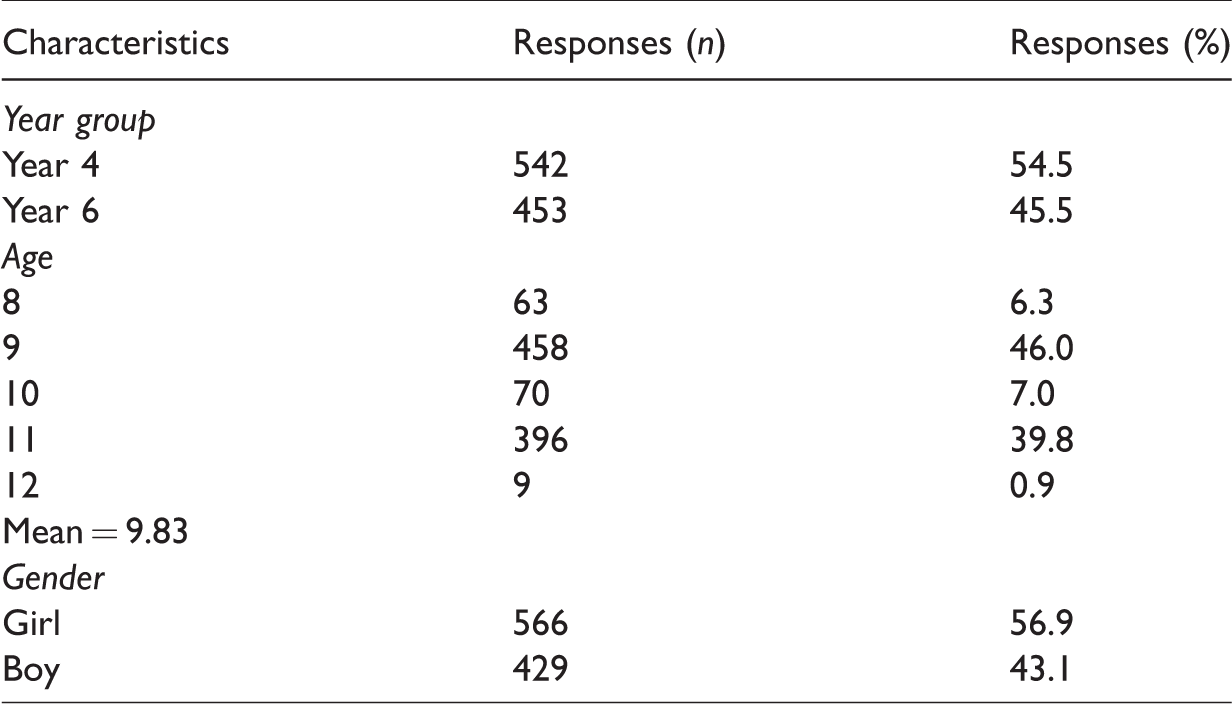
Details of survey respondents are shown in Table 2.
Characteristics of N = 997 student survey sample.
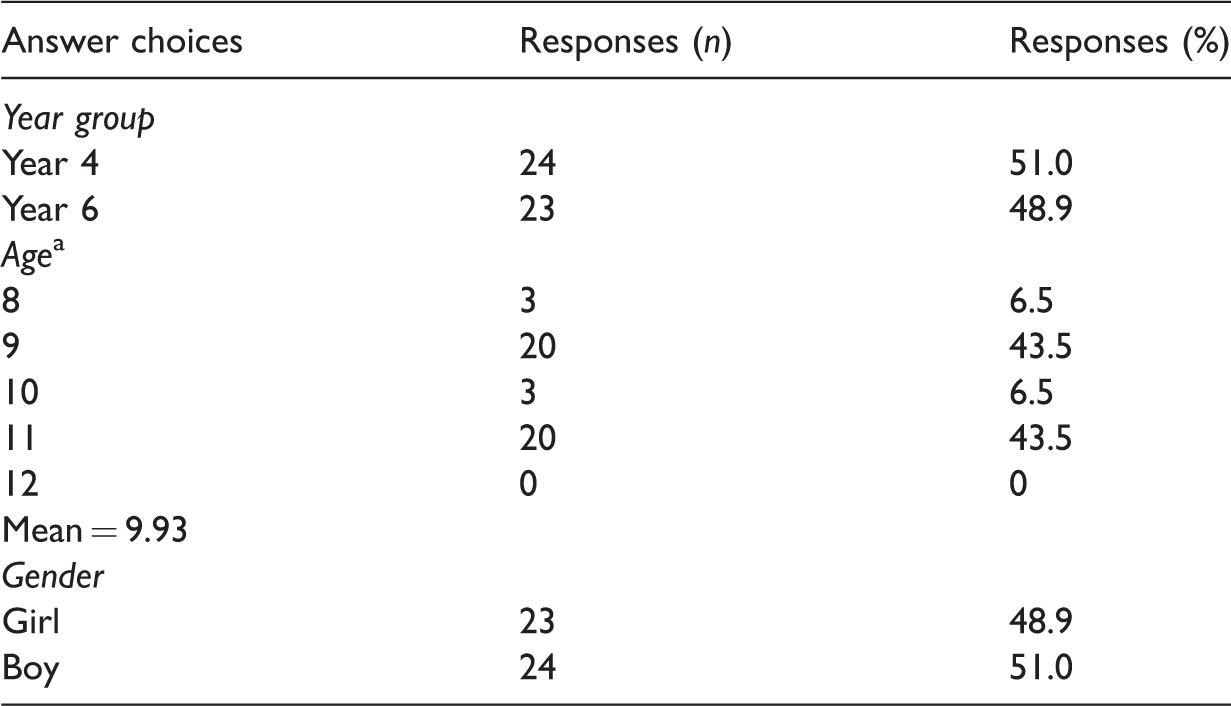
Characteristics of the students in the interview sample are given in Table 3.
Characteristics of the student interview sample (n = 47).
One student unclear.
Procedure
After institutional and department ethics approvals were granted, the research tools were piloted at a local school, where children were asked additional questions about their ease of understanding of the research tools. The tools were then subject to minor revision. The data derived from this pilot were not included in the final data set. While these tools sought to address a range of research concerns within the field of reading research, this article reports on the items relevant to the aforementioned research questions based on responses to the student survey and interviews.
The research questions ‘Do children perceive reading as important beyond skill acquisition?’ and ‘Is perception of reading importance beyond skill acquisition associated with reading frequency?’ are addressed as quantitative items in response to best-fit principles, as they are reliant on the larger sample to allow for some limited capacity for generalizability. Data pertaining to these research questions were captured in the survey question ‘Once you know how to read, do you still need to read?’
In order to investigate the research question ‘How is the importance of being a good reader understood and conceptualised by children?’, qualitative data were collected on interview items in response to focussed questions, enabling breadth of scope and greater child influence of the findings generated. To examine children’s conceptualisation of the value of being a proficient reader, they were asked, ‘Is it important to be a good reader?’, and prompted with, ‘Why/why not?’ if required, as part of the semi-structured interview schedule. This question places the emphasis on the importance of the skill, being a good reader, rather than simply on the practice of reading.
Analysis
In order to investigate the research question ‘Do children perceive reading as important beyond skill acquisition?’, basic analysis was performed on the quantitative data, generating means, range, mode and standard deviation as relevant to the research question, to test the hypothesis emerging from previous research in this area, that not all children perceive the importance of reading beyond the period of skill acquisition. Data were subject to cross-tabulation within the survey platform using filtering mechanisms to examine the presence of general trends relating to year group, age and gender, in relation to the responses. Mann–Whitney U tests (Mann & Whitney, 1947) were performed to investigate gender effects regarding the children’s perception of continuing reading beyond the skill acquisition. Three Spearman’s rho tests (Spearman, 1904) were also conducted to examine the correlation between age and the importance of reading, overall, and these tests were controlled for gender.
A Spearman’s rho test was also conducted to scrutinise for potential correlation between reading frequency in general and the reported view on the importance of reading after the skill had been acquired. In this way, it was investigated if the perception of importance of reading was in fact statistically correlated with reading frequency, hence exploring the potential influence that the perception of importance could have on the children’s reading habits.
Kruskal–Wallis analysis of variance (ANOVA) was also run on the data set to determine if the reading frequency was consistent (homogeneous) among all three different children cohorts who were different in their view of the importance of reading. This analysis requires the total sample to be split into three sub-samples. These are those responded ‘Yes’ (it is important, n = 882), ‘No’ (it is not important, n = 32) and ‘Not sure’ (n = 137). Subsequent to the result, post hoc pairwise analysis using was made using Mann–Whitney U tests to determine which cohort(s) were statistically different.
In order to investigate the research question ‘How is the importance of being a good reader understood and conceptualised by children?’, interview data were collected and transcribed with an iterative coding technique being applied. Constant comparative analysis (Boeije, 2002; Kolb, 2012) was used as ‘an analytical process in which incoming data is compared with existing data in the process of coding and category development’ (Birks & Mills, 2015, p. 177) to ‘discern conceptual similarities, to refine the discriminative power of categories, and to discover patterns’ (Tesch, 1990) in relation to the research questions. An emic focus to analysis was adopted so that the participants’ viewpoints were foregrounded (Schutt, 2012). In this way, children’s ideas and perspectives could generate the findings with an open mind being maintained during analysis to enable codes to emerge from the data. The codes, then, could locate around authentic themes, bringing the literature to bear primarily in the post-coding phase to avoid seeking to confirm existing findings. This analysis sought to capture the breadth of each area under the importance of being a good reader section in the mapping of overall scope (see Figure 1). Interview responses used in the Results section are presented in a lightly edited verbatim form with meaning being unadulterated.
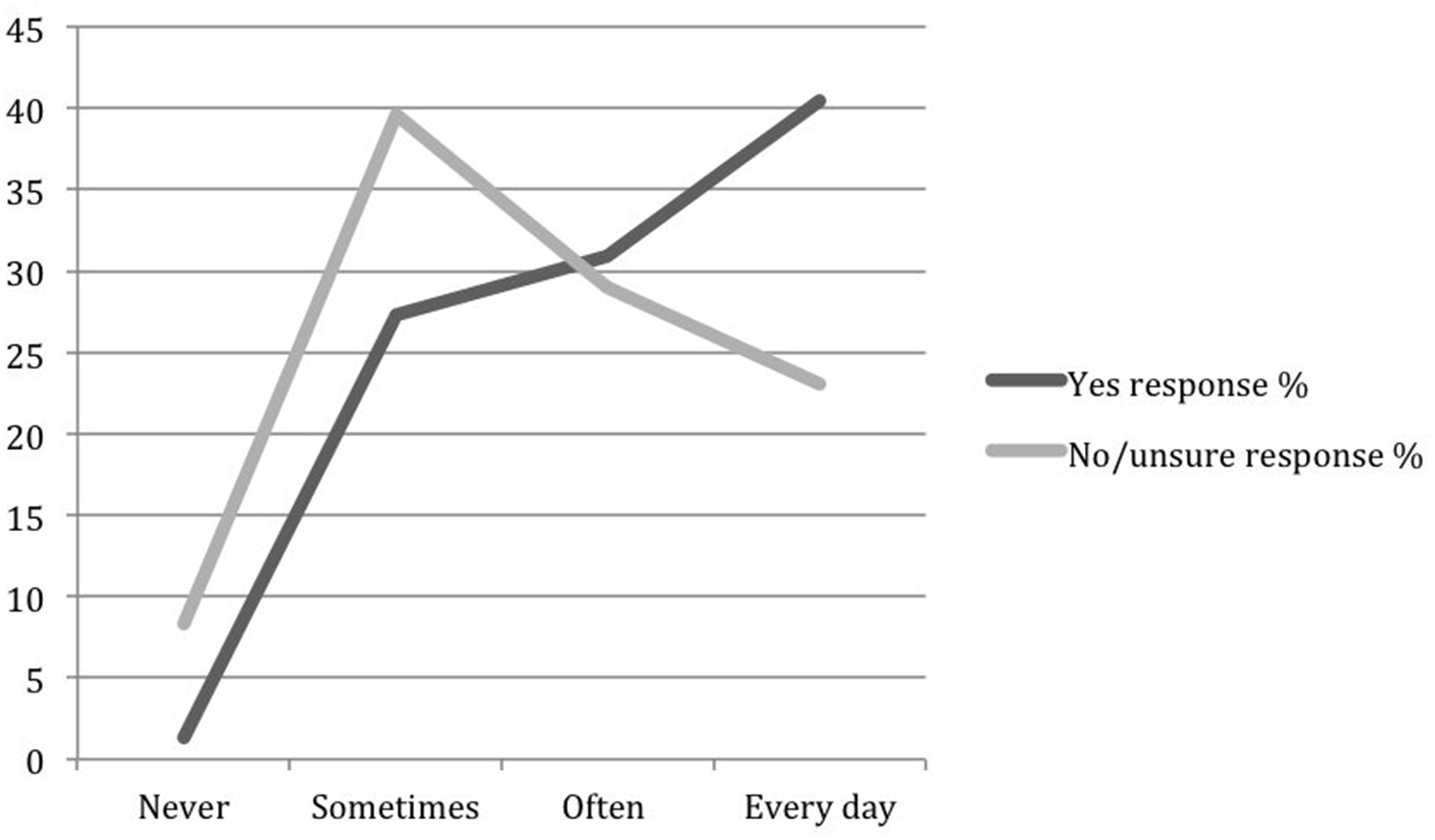
Children’s self-reported reading frequency in relation to their perception of reading importance beyond skill acquisition.
Results
Reading beyond skill acquisition
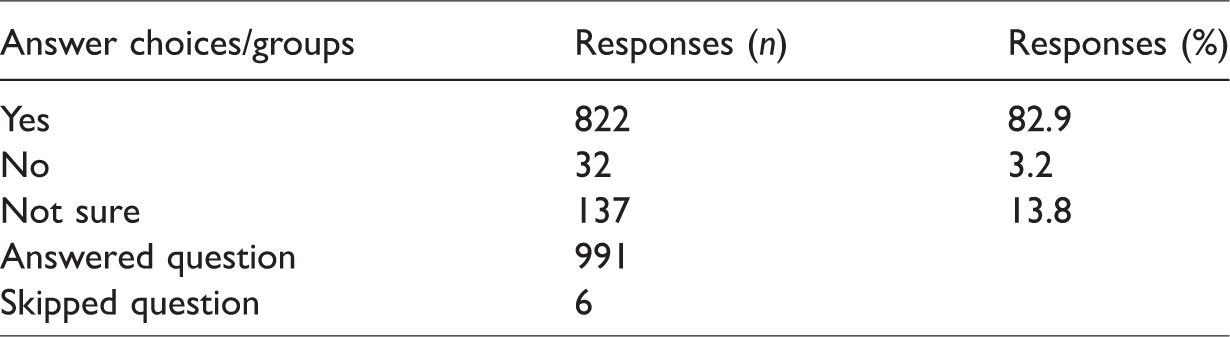
As can be seen in Table 4, 82.9% of respondents agreed that reading is important after skill acquisition. This finding was consistent in both genders as indicated by results of the Mann–Whitney U test, where no statistical significant differences were found between these groups (Girls: mean rank = 498.77, n = 561, boys: mean rank = 490.06, n = 428) in their rating towards post skill-acquisition reading, U = 117,939.00, z = −.727, p = .471.
Importance of reading after skill acquisition.
However, Spearman’s rho results showed that the importance of reading beyond skill acquisition correlated positively and statistically significant with age, rs = .064, p < .05, two-tailed, N = 991. Although significant, the coefficient, rs, suggested a weak correlation between age and the perceived importance of reading. Thus, two separate Spearman rho tests (with Bonferroni adjusted α of .025) were later run for boys and girls. The correlations were found to be positive and statistically significant for boys but not for girls. These results are summarised in Table 5.
Correlations between the importance of reading after skill acquisition and age, by gender.
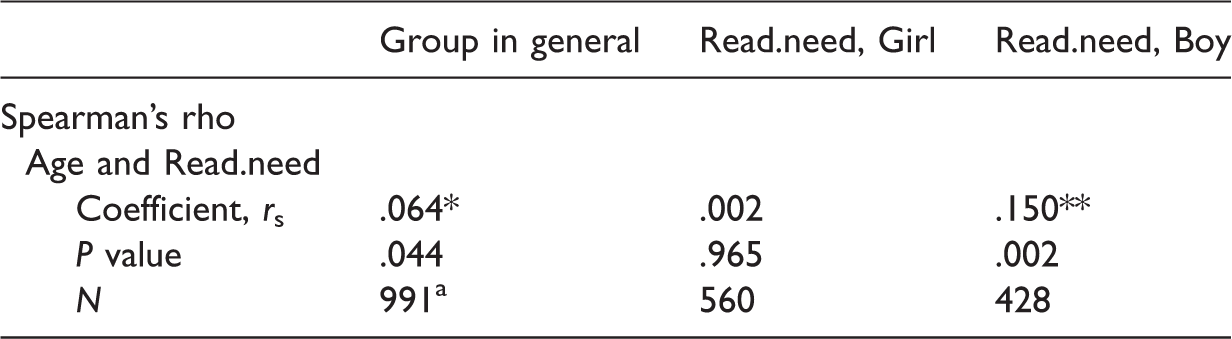
Read.need: importance of reading after skill acquisition.
Inclusive of three responses which gender were not responded to.
Correlation is significant at the 0.05 level (2-tailed).
Correlation is significant at the 0.01 level (2-tailed).
A subset of negative/unsure children was filtered from the overall sample, as per Table 6, to examine the age and gender of children who were unsure or disagree about the importance of reading beyond independent reading skill acquisition.
Characteristics of children who were negative about or unsure of the importance of reading after skill acquisition.
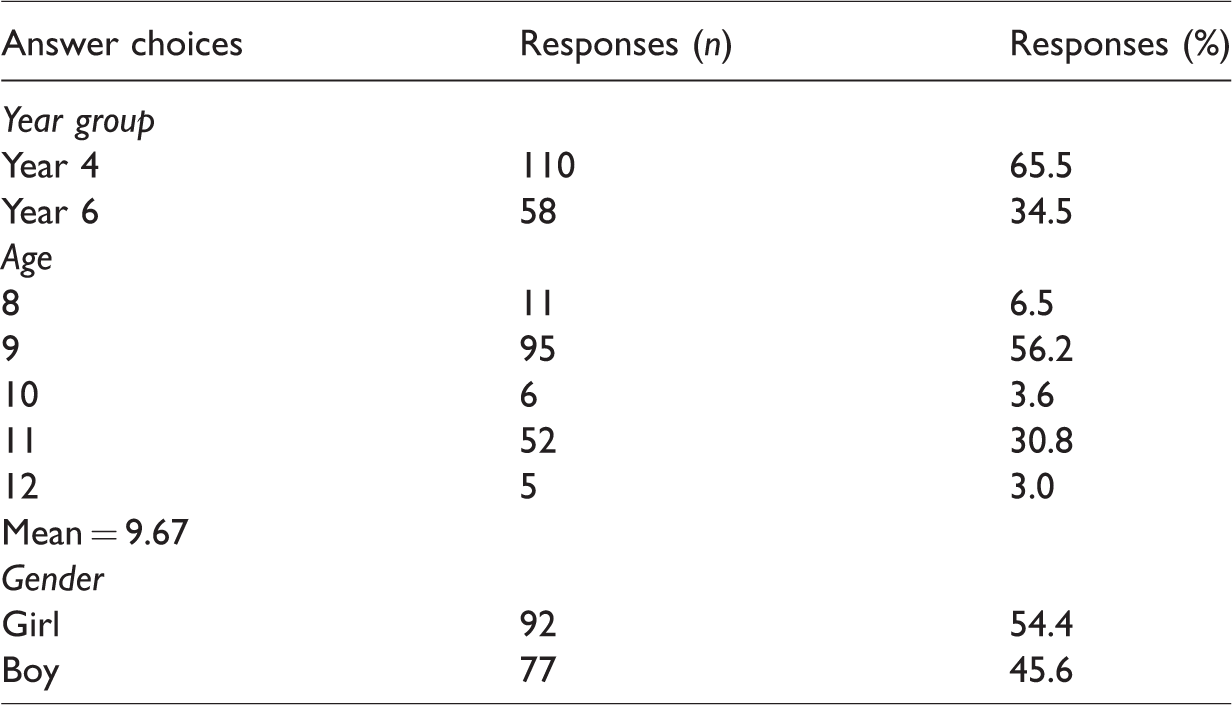
As such, cross tabulation for gender and age was applied to this subset. Relative to the total sample (N = 997) in Table 2, boys showed only a slightly greater inclination than girls to fall into the negative/unsure category with boys at 43.1% of the whole sample, but 45.6% of the negative/unsure subset. The mean age of negative/unsure respondents was also marginally younger, at 9.67, compared with 9.83 in the whole sample.
However, filtering this set further into the small subset of n = 32 of children who responded in the negative yielded a mean age of 10.06, slightly higher than the whole group average. The Mann–Whitney U test shows no significant difference between boys and girls in this instance.
As per Figure 1, children who agreed that reading was still important after skill acquisition were more likely to report daily reading (40.5%) than children who disagreed or were unsure (23.1%). In contrast, children who disagreed or were unsure were more likely to read only sometimes or never (47.9%) than children who agreed (28.6%). This was supported by Spearman’s rho test which showed a positive significant correlation between perception of the importance of reading after skill acquisition and reading frequency in general, rs = .182, p < .001, two-tailed, N = 991.
Kruskal–Wallis ANOVA test was later performed on the data set to investigate if the children’s reading frequency in general was different between the three possible agreement groups, namely those children who agreed, children who were not sure, or children who disagreed that reading remained important beyond independent reading skill acquisition. The result showed that there were statistically significant differences between the children who disagreed (mean rank = 280.72), were not sure (mean rank = 416.08), and those who agreed (mean rank = 517.70), H = .263, df = 2, p < .001.
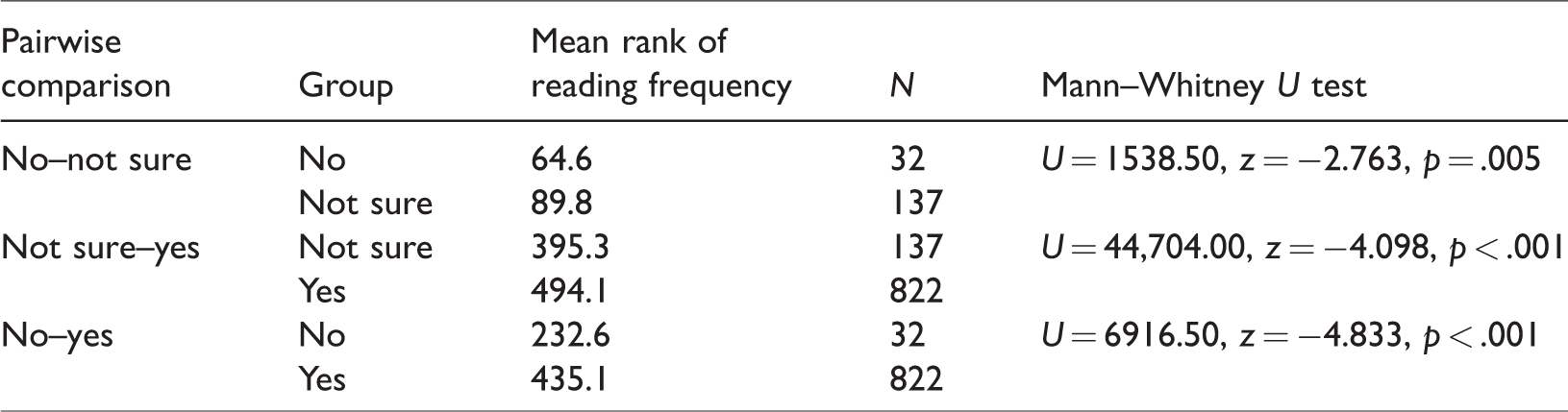
Within-group differences were subsequently investigated to see which, if any, of these three agreement groups (disagree/not sure/agree) were different in their assessment on the importance of continuing reading after reading skill had been acquired. These follow-up pairwise comparisons using the Mann–Whitney U test (with Bonferroni adjusted α of .017) indicated that reading frequency in general was statistically different among the three groups holding varying attitudes towards the importance of reading beyond independent reading skill acquisition (disagree/not sure/agree). The results suggested heterogeneous groups, with the highest reading frequency was found to be among the children who agreed about the importance of reading beyond the skill acquisition, mean rank = 435.90, U = 6916.50, z = −4.833, p < .001, compared to the groups who responded with not sure and disagree (No). This pair-wise post hoc analysis is summarised in Table 7.
Pair-wise comparison of reading frequency in general.
Importance of being a good reader: Scope
When asked ‘Is it important to be a good reader?’ children’s responses tended to encompass one element, with few children imagining importance as being multi-faceted in scope. As per Figure 2, responses concerned both the future and the present, though some children (categorised as unimportant supported, and explained herein) were ambivalent about the importance of being a good reader.
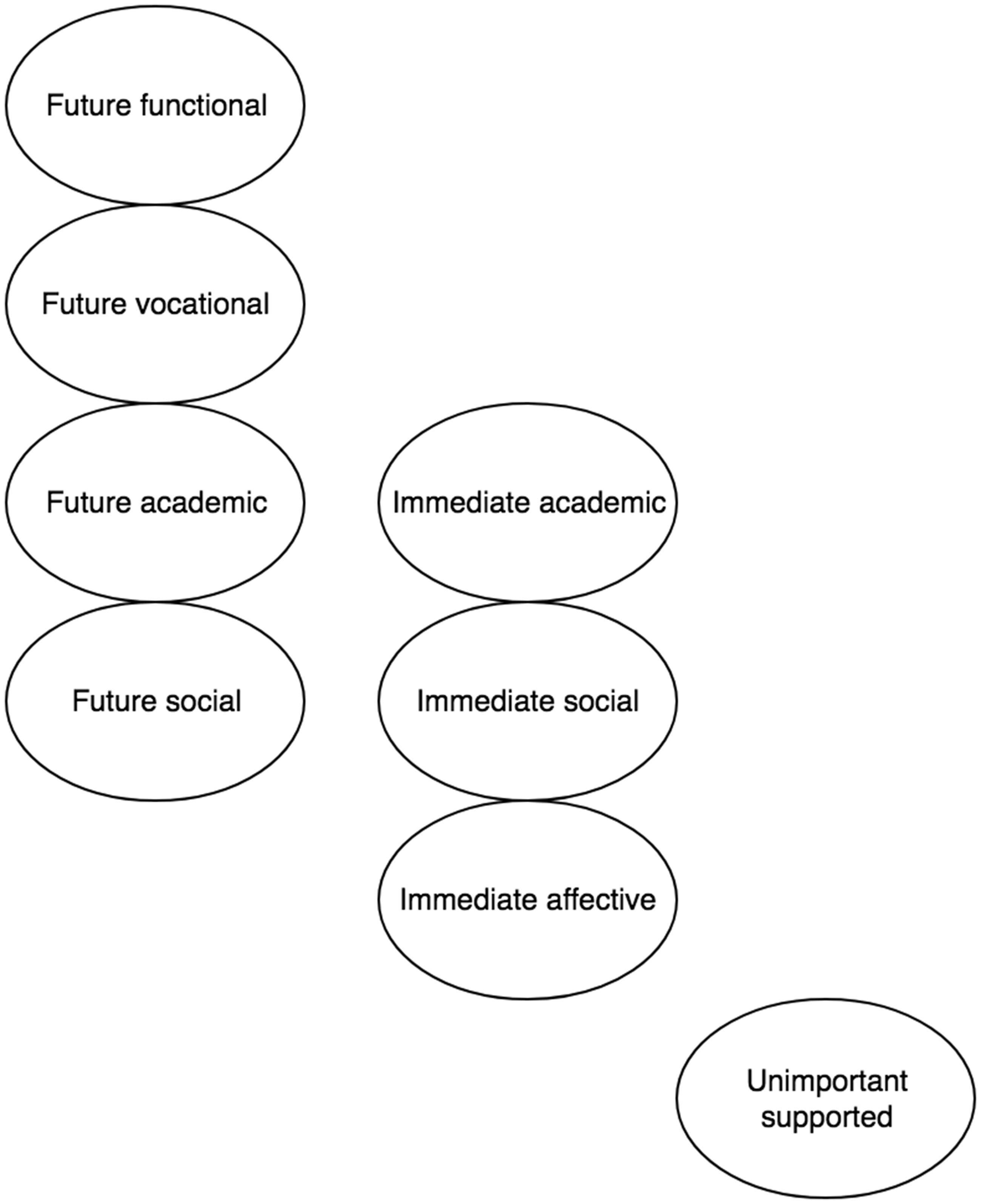
Scope of importance of being a good reader.
Future functional
Reading is seen as useful for functioning in future life, as separate from academic, vocational and social needs. Children felt that it was important to be a good reader, as it is necessary for reading instructions, and to facilitate effective communication and reading comprehension, with Samuel explaining ‘cos if you can’t read complicated sentences, then it’s hard to understand people right’. Similarly, Lucian, who struggled with reading, felt that low literacy could lead to him getting lost when he learned to drive, explaining a scenario where ‘there’s two streets starting with L and you say I’ve got to turn on one that starts with L’; inability to read the whole word could lead to choosing the wrong street, and then ‘you’re going to lose yourself (sic)’. As such, being a good reader is conceptualised by Lucian at an elementary skill level, with the reading of street signs not a high-literacy skill task. This relatively basic conceptualisation of reading may be reflective of Lucian’s self-concept and skill in reading, as he was not confident in his reading ability. Therefore, it is possible that his concept of good reading may thus be at a lower skill level than good reading for a high-achieving and confident reader.
Future vocational
The value of being a good reader could be imagined as part of a required vocational skill set. For these children, as for the other children with exclusively futuristic attributions for reading importance, literacy needs are situated far beyond the immediate, with the need for literacy skills future oriented. While often vocation-specific, these projections can also be quite vague and ambivalent in their vision, with children contending that reading is important ‘so you can read when you are an adult’ or that it is ‘probably good for the future’. Reading is positioned as conferring benefits for job interviews, signing employment contracts and for successfully fulfilling imagined future work roles. In addition to vocational performance and initial employability, it also dictated scope of vocational choices, as explained by Briana: …it kind of depends on your later life, when you’re an adult, ‘cos if you want certain jobs, like a teacher for instance, you have to probably read out loud to your children that you’re teaching. And you have to be able to pronounce words, most of the time. And if you want to be a doctor, you have to be able to read the different body parts, to learn how to be a doctor. Interviewer: And do you think it’s important to be a good reader? Respondent: Yes. Interviewer: Why do you say that? Respondent: Because if you go to uni you’re going to need to know how to read to actually get a job. Interviewer: Do you want to go to uni when you grow up? Respondent: I might have to if I don’t get the job I want. Interviewer: What job do you want? Respondent: To be an AFL player.
Parents could play a role in encouraging their children to adopt a vocational perspective about reading. For example, Josh’s father urged the importance of literacy, as ‘Dad says I’ll need to read later on, if I want to know what to sign in the NBA contract’.
Future academic
Though not seen as an immediate academic advantage, some children projected the benefits of reading into the future. Tyler recognised the academic importance of literacy achievement for the future, explaining: I guess if you weren’t a good reader and you had no idea what you were looking at, then you wouldn’t know what to do in the future, like if you got an assignment or something, and it says to do all this stuff, and you’d be like, ‘What is this? I have no idea what this is’.
Immediate academic
Anna saw more immediate benefit, viewing reading as a foundational literacy skill, which can support skill development across the breadth of literacy needs. Lucy similarly understood that reading books is important due to the immediate and continuing literacy demands of life, explaining ‘basically everywhere you go, someone will ask you, or you will be asked to read something. So, I think it’s a really good thing to have, that you can read books’. The general knowledge that can be obtained from reading books was also recognised, with Marco explaining ‘they really teach you a lot’, as ‘in Year 4 I liked also rocks and all the minerals, so in the library I’d always go to the non-fiction section and find all of those, and some of the words were really long, as well, so it’s important to be a good reader so that you can understand’. Tom also appreciated the benefits of reading for vocabulary, as ‘if you’re a good reader you learn all these really good words to use’, and Max felt that reading was essential for second language acquisition, explaining ‘because if you can’t read, you could never really understand a different language, if you wanted to’. Reading was also thought to stimulate intellectual inquiry, and foster intelligence.
Immediate social
Children who saw immediate social benefits of reading valued them for increasing the scope of their exposure to social experience. Karen used purposeful reading to develop her interpersonal skills and to mitigate risks in her transition from childhood to adolescence: Books give me a lot of really good ideas on how I can do things. And I like to read girl drama books like, teenage girl drama books and lots of it has to do with dealing with friends. And that’s helped me with how I treat my friends, and how I would like to be treated by my friends and stuff. So, I reckon being a good reader one would help you academically through education, but it will also help you in (other) ways.
Future social
Future social concerns about reading were focussed on intergenerational transmission of literacy competence. Fiona related good reading skill to parental competence, explaining: … if you get older, then if you have kids, then they’ll want you to read to them, and then if you don’t know how to read very well, then they might choose this big thick book, and you can’t read it.
Immediate affective
Children saw being a good reader as being related to immediate affective enjoyment and relaxation. Max viewed books as being important for immediate entertainment needs, explaining ‘if you don’t read books then you might get really bored, and bored is bad’. Luke shared this view, as ‘people who can’t read can never discover the joy of reading’. In addition to helping concentration and vocational and academic performance, Kate felt that reading had a soothing effect, as ‘it also helps you get tired and relaxed if you are stressed’.
Unimportant supported
An ambivalent position about the importance of being a good reader could be rooted in a perception that they would not need to be fully independent readers, as help would always be available. Kara explained: It’s not really important, but sometimes it is, because you need to…if you need to read something, like an important note, and you can’t read it, then you don’t know what it’s about, like you can still have some help, sometimes.
Discussion
This article raises a range of limitations and implications for further research. A range of further findings can be generated from this study, and have been generated to date (e.g. Mat Roni & Merga, 2017; Merga, 2016, 2017a, 2017b, 2017c; Merga & Mat Roni, 2017a, 2017b, 2018). While all directly relevant data have been reported here, other published and to be published findings of this study speak to the findings herein. For instance, the exploration of different interpretations of the will to read would contribute further insights into children’s motivation to read. However, for the purposes of this article we wanted to focus on children’s subjective task valuing in relation to the importance of reading, rather than to explore their motivations more broadly, as we feel there has been insufficient attention on this particular area. In addition, while we focussed on attainment value in this article, we did not seek to imply that it is the most significant or important of subjective task values, though arguably it is one of the most under-researched.
In addition, the statistical findings explore association and do not establish causation. However, the present indicative results justify to investigate this area in more depth in future research. Findings are also limited by the constraints of self-report, and the nested nature of the inquiry, whereby the research questions were explored amongst a broader suite of questions, though considerable care was taken to avoiding satisficing, particularly by valuing children’s other, non-reading interests, and listening closely, with positive body language. As we have noted elsewhere, ‘it is very important that research undertaken in this field be carefully designed to avoid children simply satisficing to meet the researchers’ expectations, and that it acknowledge the limitations in factors such as design and sample size’ (Merga, 2017a, p. 32). As such, we also recognise that the data are not longitudinal and represent the views of children in one large but distinct geographic region. Finally, the findings presented in this article warrant further research in this area, with a greater range of questions to more comprehensively explore children’s perceptions of the importance of reading.
Reading beyond skill acquisition
Reading remains important beyond the period of skill acquisition, however the findings presented in this article suggest that this may not be adequately communicated to all children, and that low valuing of reading influences reading frequency through low task valuing. Not all children in the study understood that reading is important beyond skill acquisition, with nearly a fifth not agreeing (as per Table 4), suggesting that educators and parents need to better understand, value and transmit the benefits of being a lifelong reader. Reading needs to be more successfully presented as a valuable and enjoyable recreational pursuit, with ongoing importance beyond independent reading skill acquisition. While children may attribute subjective task values to recreational reading that are not concerned with reading’s ‘importance’. For example, reading for pleasure, which may fall outside this scope, a lack of understanding about the importance of reading in nearly a fifth of respondents is concerning, and suggestive of a lack of recognition of the task value of reading. That children who viewed reading as being important were nearly twice as likely to be daily readers highlights the need to effectively translate the benefits of regular engagement in reading, as this could lead to children have a positive impression of the importance of reading, according to the aforementioned previous body of research in task valuing (e.g. Ball et al., 2016; Guo, Parker, Marsh, & Morin, 2015; Wigfield & Eccles, 2000).
Findings also indicated that, in general, students’ views regarding the importance of reading beyond the skill acquisition changed with age, which could reflect the development of cognitive maturity as the children grew older, or a range of other factors. Other factors may include more extended exposure to Australian high-stakes literacy testing, such as NAPLAN, which is administered to all students in Years 3, 5, 7 and 9 (ACARA, 2016), greater academic expectations placed on students in later schooling years and increased exposure to school-based socialization to attribute value to the practice of reading. Nevertheless, it is a weak correlation, suggesting that this age-related change is not the only factor involved in students’ determination of the value of reading beyond skill acquisition.
At the subsamples level, when the gender is factored in, the correlation between age and the importance of reading is stronger in boys than in girls. This suggests that more needs to be done to ensure that, from an early age, boys understand the immediate and ongoing importance of reading. However, no evidence was found to suggest that the perception of the importance of reading changes amongst girls as they grow older, suggesting that they may be more effectively socialised to attribute value to the practice of regular reading.
The finding that those who value the importance of reading beyond the skill, tended to be frequent readers in general, highlights the persistent link between the subjective task value of reading and reading engagement, and the importance of communicating the value of reading from the early years of schooling and beyond, in school and in the home and broader community.
Importance of being a good reader: Scope
The subjective task values identified through this inquiry primarily related to utility value, though some consideration of interest value was also ultimately encompassed within the ‘importance’ inquiry. Subjective task values are crucial, as they are taken into account when an individual embarks upon an action or task, asking ‘Are the consequences of the action important enough to me? If the answer is yes, the individual more likely will undertake the action. If no, then engagement is less likely’ (Eccles & Wigfield, 2002, p. 127). But understanding the kinds of valuing ascribed by young people is also essential to understanding their motivation. In this instance, perceived importance of being a good reader was related to future projections (functional, vocational, academic, social); immediate advantages (academic, social, affective) or not unequivocally valued, typically due to lack of perception of a time of withdrawn support.
An exclusive future focuses on the importance of reading had the potential to situate the practice as potentially of limited importance. While many children understood the future benefits of reading, an exclusive futuristic vocational focus that was sometimes dependent on the failure of a preferred life pathway that did not require strong literacy skills could have implications for children’s motivation. This type of relevance is also termed immediacy, which can be characterised as related to ‘physical and/or psychological closeness’, and it has been found to be linked to both student learning and motivation (e.g. Frymier & Schulman, 1995). This limited scope/deferred benefit futuristic respondents were also often ambivalent in their discussion of the importance of being a good reader, as for these children, it was not perceived to confer any immediate advantage. Similarly, a future social orientation was dependent on future adoption of a parental role.
In contrast, immediate social orientation was aligned with both current and a more immediate future which draws upon the Theory of Mind. Theory of Mind relates to ‘the capacity to identify and understand others’ subjective states’ (Comer Kidd & Castano, 2013, p. 377), which is used in this instance for personal education: Just as in real life, the worlds of literary fiction are replete with complicated individuals whose inner lives are rarely easily discerned but warrant exploration. The worlds of fiction, though, pose fewer risks than the real world, and they present opportunities to consider the experiences of others without facing the potentially threatening consequences of that engagement. (p. 378)
The children who were not certain of the importance of reading tended to fall readily into an unimportant supported category when pressed to explain their perspective. Such children could be categorised as autonomy resistant, as they did not necessarily value autonomous reading skill. In addition, they held a view of reading which situates the causes of failure or success in reading as not related to individual effort, but rather a ‘some people are, and some people aren’t’ approach, which suggests pre-determination, and a lack of recognition of a link between personal agency and effort, and positive outcomes. This relates to control theory, a type of expectancy-based theory that postulates, ‘one should expect to succeed to the extent that one feels in control of one’s successes and failures (i.e. one has an internal locus of control)’ (Eccles & Wigfield, 2002, p. 111). Therefore, in this instance, relatively low subjective task valuing is accompanied with a lack of an internal locus of control. This emerges as an area for potential education intervention; in our efforts to ensure equity, and acceptance of different abilities, we must avoid inadvertently communicating the idea that reading skills are pre-determined; children must perceive that their efforts are related to their individual improvement, and that they must seek to achieve increasing skills for independent literacy in order to achieve sufficient literacy skills for both immediate and future needs, across functional, vocational, academic, social and affective dimensions.
Conclusion
A key part of achieving the goal of increased effective communication of the importance of reading across the life time lies in educators’ awareness and willing intervention. With previous findings from the WASCBR study suggesting that not all primary teachers are perceived to be keen reading models (Merga, 2016), and the pressures of high-stakes testing and overloaded curriculum potentially limiting the time that can be spent highlighting the importance of continued reading for pleasure in the classroom and beyond, these findings provide impetus to reassess educational priorities. It cannot be assumed that children view reading as important, and considering the relationship between this valuing and children’s reading engagement, it is imperative that more is done to foster reading valuing and will.
For children to view reading as important, they need to be conversant about its benefits. This research also suggests that children may have a limited understanding of these benefits. Of particular concern were future-oriented students, for whom literacy skills did not align with vocational aspirations, particularly in relation to young boys hoping to become professional sportspeople, for whom building literacy skills held questionable relevance. Both immediate and future benefits of reading need to be understood and expounded by educators and parents. However, we also recognise that focus on the skill related benefits of reading is likely to be a part of best practice, not best practice in its entirety. Fostering engagement in reading should also strongly focus on enjoyment in reading, and building of self-efficacy in reading, as we have argued elsewhere (e.g. Merga, 2015).
Footnotes
Declaration of conflicting interests
The author(s) declared no potential conflicts of interest with respect to the research, authorship, and/or publication of this article.
Funding
The author(s) received no financial support for the research, authorship, and/or publication of this article.