





Abstract
Introduction:
Laser with suction in percutaneous nephrolithotomy (PCNL) has been used, but the size of the unit available in the market is 10F or more, making it unsuitable to be used in Mini PCNL. Laser is used in mini PCNL, but the dust generated along with clots poses difficulty in observation during the procedure. If the stone dust was suctioned, it would expedite the procedure. To validate this, we propose the use of laser with suction device, which can be used in mini PCNL.
Materials and Methods:
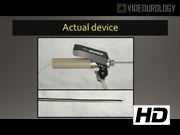
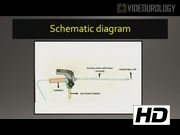
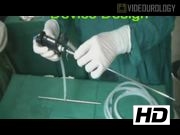
We retrospectively evaluated data of patients who underwent mini PCNL using laser with suction from February 2014 to February 2015. A total of 50 patients were operated using suction with laser by EMS™ using standard mini PCNL assembly by STORZ. The size of the device is 4.5F that houses suction and laser sheath through which a 365 μm fiber can pass. It can pass from working channel of mini PCNL Karl STORZ™ scope, which has a working channel of 6.5F. A 365 μm end firing optical fiber with pulsed holmium:yttrium-aluminum-garnet (Ho:YAG) laser was used with setting long pulse, 0.5–1.5 J and 6–20 Hz.
Results:
The average age of the patient was 38 years and the mean stone size was 20.26 ± 12.58 mm. Average operative time was 55.5 ± 15.2 min and average hospital stay was 1.87 days. Average tract size was 16.82F ± 4.92F and stone clearance rate was 100%. There was no major postoperative complication. Vision and ease of fragmentation during nephroscopy were markedly improved.
Conclusion:
From this initial study, EMS laser with suction is a useful device, which improves vision, significantly decreases the operative time as compared with the standard literature, and has comparable clearance rates. We propose a randomized control trial to prove the efficacy of this device.
No competing financial interests exist.
Runtime of video: 9 mins 43 secs
Get full access to this article
View all access options for this article.