





Abstract
Introduction:
Harmful effects resulting from patient exposure to radiation are well known, including the risk of secondary malignancy. In February 2010, the Food and Drug Administration (FDA) unveiled an initiative to reduce unnecessary radiation exposure from medical imaging. In response to the FDA released White Paper, we have developed and implemented a protocol designed to reduce radiation exposure during ureteroscopic lithotripsy.
Purpose:
To demonstrate key aspects of this reduced fluoroscopy protocol.
Materials and Methods:
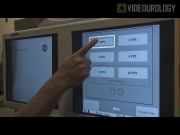
Radiation reduction was achieved primarily through modification of C-arm utilization and surgeon technique. Using a laser guide, minimizing radiation dose, and employing an experienced technician optimized the C-arm for fluoroscopy. The surgeon substituted tactile and visual cues in lieu of additional fluoroscopy time. Patients before and after protocol implementation were compared.
Results:
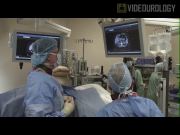
This video demonstrates several modifications of standard fluoroscopy, designed to reduce radiation exposure during ureteroscopy. This video also demonstrates the implementation of these techniques in a patient undergoing stone removal by means of ureteroscopy. Utilizing this protocol, we achieved an 82% reduction in radiation in 30 patients with no difference in operative time, stone-free rate, or complication rate compared with 30 patients treated with a conventional technique.
Conclusions:
Our protocol reduces radiation exposure by 82% in patients undergoing ureteroscopic lithotripsy when compared with the conventional method. Adoption of the techniques demonstrated in this video will allow urologic surgeons to significantly reduce radiation exposure to their patients and staff.
No competing financial interests exist.
Runtime of video: 4 mins 25 secs
Keywords
Get full access to this article
View all access options for this article.