





Abstract
Introduction:
Transurethral resection of prostate (TURP) is a core urology procedure. It is an integral part of urology training. Various artificial models have been used in the past for training purposes with limited success. This video describes a novel prostate model for training in TURP using a human cadaver embalmed by the Thiel's method. 1 The Thiel's method is a novel embalming technique, first reported by Thiel in 1992. 1
Materials and Methods:
A human cadaver embalmed by Thiel's method described previously 1 –3 was used as a model for cystoscopy and TURP. The procedures were undertaken in a clinical skill center using a cystoscope and a resectoscope (Karl Storz). The face validity of cadavers was assessed by two experienced urologists for the positioning of endoscopic procedures, ease of introducing instruments, preservation of endoscopic anatomical landmarks, feel of tissue during resection, and introduction of catheters.
Results and Conclusions:
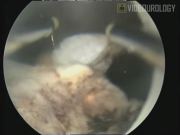
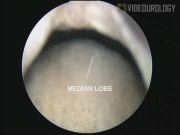
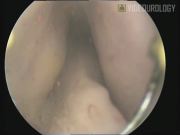
The cadaver model can be positioned in lithotomy due to the inherent advantages of the embalming technique. Instruments were introduced without any difficulty. Cystoscopy showed preserved anatomical landmarks, which were clear and near normal in detail. The resection of the lobes provides the same resection experience as observed in clinical cases. The size and depth of resection could be controlled and could be potentially taught. To our knowledge, this is the first report of TURP in human cadavers embalmed by the Thiel's method. This model can provide a valuable learning tool for training young urologists at the early stages of their career. The TURP in this model bears close resemblance to the real TURP and offers added advantages to the previously reported models.
No competing financial interests exist.
Runtime of video: 2 mins 46 secs
Get full access to this article
View all access options for this article.