





Abstract
Introduction:
Retrocaval ureter is an uncommon venous anomaly, in which the right ureter courses posterior to the inferior vena cava and partially encircles it. This can cause varying degrees of ureteral obstruction, and surgical intervention is often necessary.
Materials and Methods:
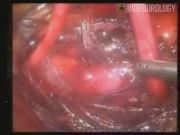
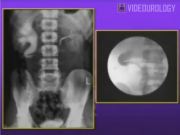
A 19-year-old man detected to have right retrocaval ureter while he was evaluated for recurrent right flank pain of 3-month duration. Ultrasonography, intravenous pyelography, and contrast enhanced computed tomography revealed type 1 retrocaval ureter. This video shows our technique of laparoscopic transperitoneal ureteroureterostomy with Double-J stenting. Duration of surgery was 140 min. Drain was removed after 48 hours. Post operative course was uneventful.
Discussion and Conclusion:
Immediate postoperative period was uneventful. Patient was discharged after 72 hours. Double-J stent was removed after 1 month. The classical treatment for retrocaval ureter consists of separating the ureter, re-anastomosing its stumps, and replacing the ureter in its usual position while maintaining its patency. Laparoscopic surgery for retrocaval ureter has clearly shown the advantages of minimally invasive approaches like less intraoperative bleeding, shorter postoperative hospital stay, reduced postoperative pain, earlier return to daily activities, and a significant superior esthetic effect, while preserving therapeutic efficacy.
No competing financial interests exist.
Runtime of video: 339 mins
Get full access to this article
View all access options for this article.