



Abstract
MagneSil™ Paramagnetic Particles are silica-paramagnetic particles with an affinity for nucleic acids under defined conditions. Particle structure and solution composition can be altered to selectively adsorb nucleic acids based upon type and size. These properties have been used to develop purification methods based on a three-step bind, wash, and elute process. The MagneSil™ technology is readily adaptable to robotic platforms, allowing complete automation of the purification process in either 96- or 384- well plate formats. This article introduces the basic physical and performance characteristics of the MagneSil™ Paramagnetic Particles.
Keywords
Introduction
MagneSil™ Paramagnetic Particles are coherently clad silica micro-particles with a magnetite core. This proprietary matrix 1 combines the advantages of silica/DNA chemistry 2 with excellent response to a magnetic field. In an optimized binding solution, the particles selectively adsorb nucleic acids from complex mixtures. An external magnetic field is applied to remove the particle and adherent target nucleic acid from unbound material. Washing the particles eliminates residual contaminants. The purified target nucleic acid is then eluted, ready for downstream applications. This technology was developed as an alternative to vacuum filtration and centrifugation-based purification formats to allow high throughput sample processing. It offers a number of advantages over conventional systems.
Magnetic particles can be considered a “mobile solid phase”. As such, the binding of nucleic acids can occur in solution, resulting in increased binding kinetics and efficiency. Particles can also be completely resuspended during wash steps, thus enhancing removal of contaminating substances. With most commercially available nucleic acid purification systems, the amount of starting material is limited by the fixed size of the product's purification matrix. With MagneSil™ Paramagnetic Particles, the amount of magnetic solid phase can be scaled to the amount of starting material. Thus, a single system provides increased flexibility with protocols covering small- to large-scale purifications.
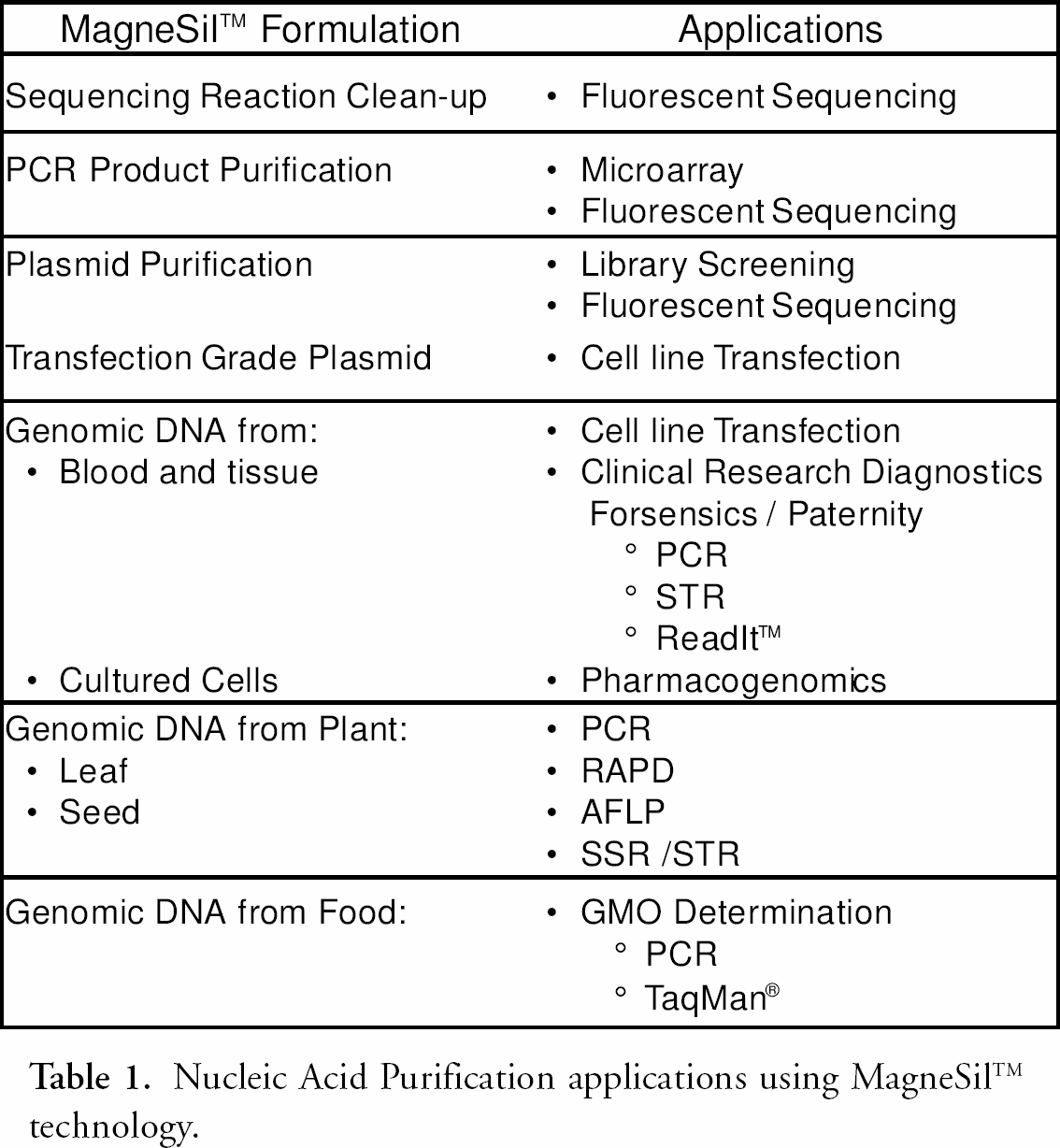
There are numerous purification applications for MagneSil™ Paramagnetic Particles. Methods have been developed for the isolation of plasmid DNA, PCR fragments, sequencing extension products, and genomic DNA from food products, plant material, and blood (Table 1). These applications have been adapted to several laboratory robotic workstations including the Biomek® FX and 2000 (Beckman Coulter Inc., Fullerton, CA) and Genesis (Tecan Seestrasse 103, Männedorf, CH) systems.
Nucleic Acid Purification applications using MagneSil™ technology.
Physical Characteristics of Magnesil™ Paramagnetic Particles
MagneSil™ Paramagnetic Particles are a silicon dioxide (SiO2) — magnetite (Fe3O4) composite (Figure 1). A proprietary manufacturing process results in complete encapsulation of the magnetite by SiO2, eliminating leaching and nonspecific binding to the iron of magnetite. A relatively high magnetite concentration makes the particles extremely responsive in a magnetic field. The particles are ‘paramagnetic’ in nature — they are attracted to a magnet when placed in a magnetic field but retain no magnetic “memory” upon removal of the magnetic field. This characteristic prevents clumping and allows for easy dispersion of the particles.
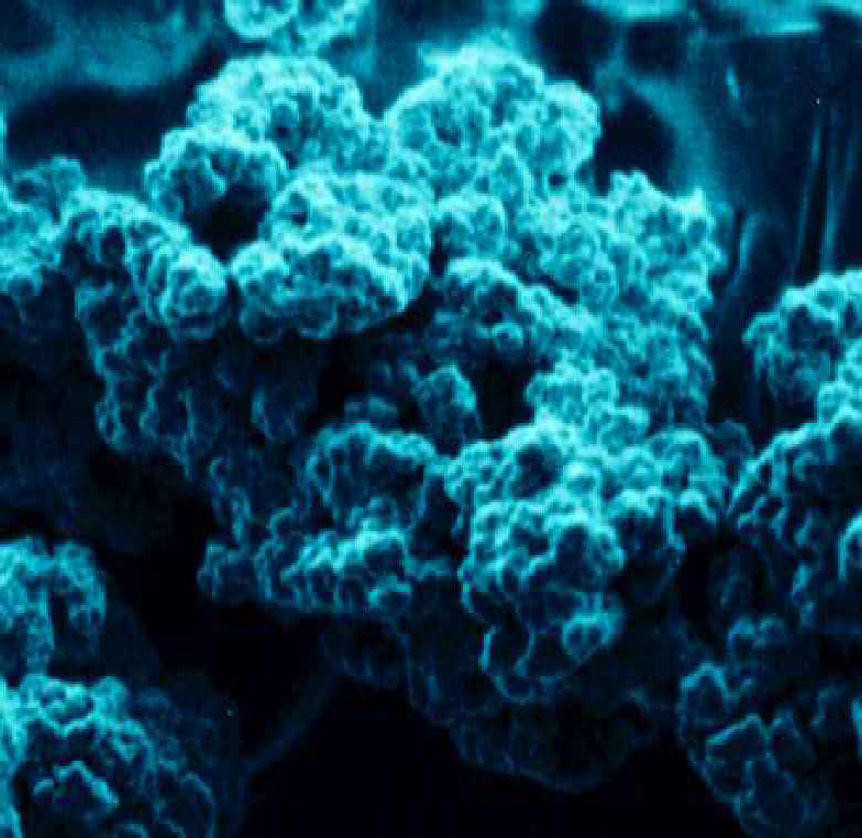
Scanning electron micrograph of MagneSil™k Paramagnetic Particles.
MagneSil™ Paramagnetic Particles are offered in two formats that are distinguished by the ratio of silica to magnetite and degree of porosity. Both particle types are of similar average diameter, but differ in total surface area. The size and structure of the macroporous particles results in high surface area and enhanced binding capacity. These particles are used for high yield applications. The low-macroporosity particles have lower surface area and are recommended in applications where high yield is a secondary consideration (e.g., purification of ssDNA, or purification of normalized amounts of dsDNA for specific downstream applications).
Magnetic Response Characteristics
The magnetic response of MagneSil™ Paramagnetic Particles is a concentration-dependent phenomenon (Figure 2). Upon application of a magnetic field, a small number of particles magnetize and self-attract to form a critical particle mass that moves toward the magnet. At concentrations above 0.5 mg/ml, greater than 90% of the particles are cleared from solution in fewer than 15 seconds. However, even at concentrations as low as 0.01 mg/ml, 90% of the particles can be removed from solution in fewer than 45 seconds. Faster response times can be achieved by using magnets with enhanced field strengths. Promega has designed and developed several magnet configurations that allow a processing in various 96- and 384-well plate formats (Figure 3). These magnetic stands incorporate S36-grade neodymium rare earth magnets to ensure the highest possible level of performance.
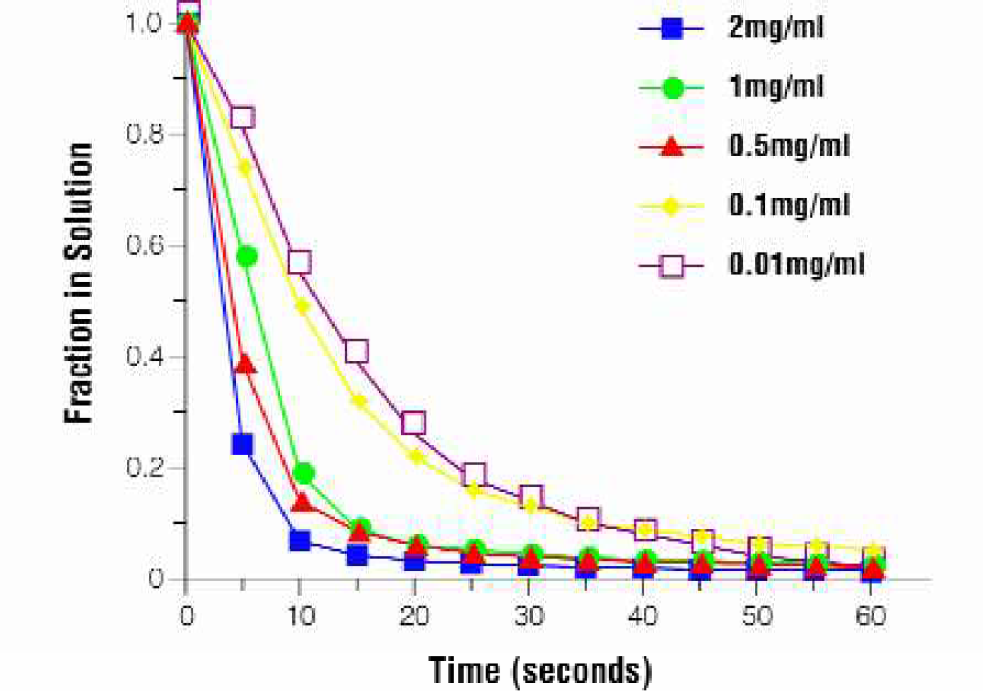
Magnetic response of MagneSil™ Paramagnetic Particles. Magnetic response was measured by placing a mixture of particles and water in a spectrophotometer cuvette holder that had been modified by attaching a neodymium (S36-grade) magnet on its outside wall. Magnetic response was measured by monitoring the optical density of the solution at 600 nm versus time.
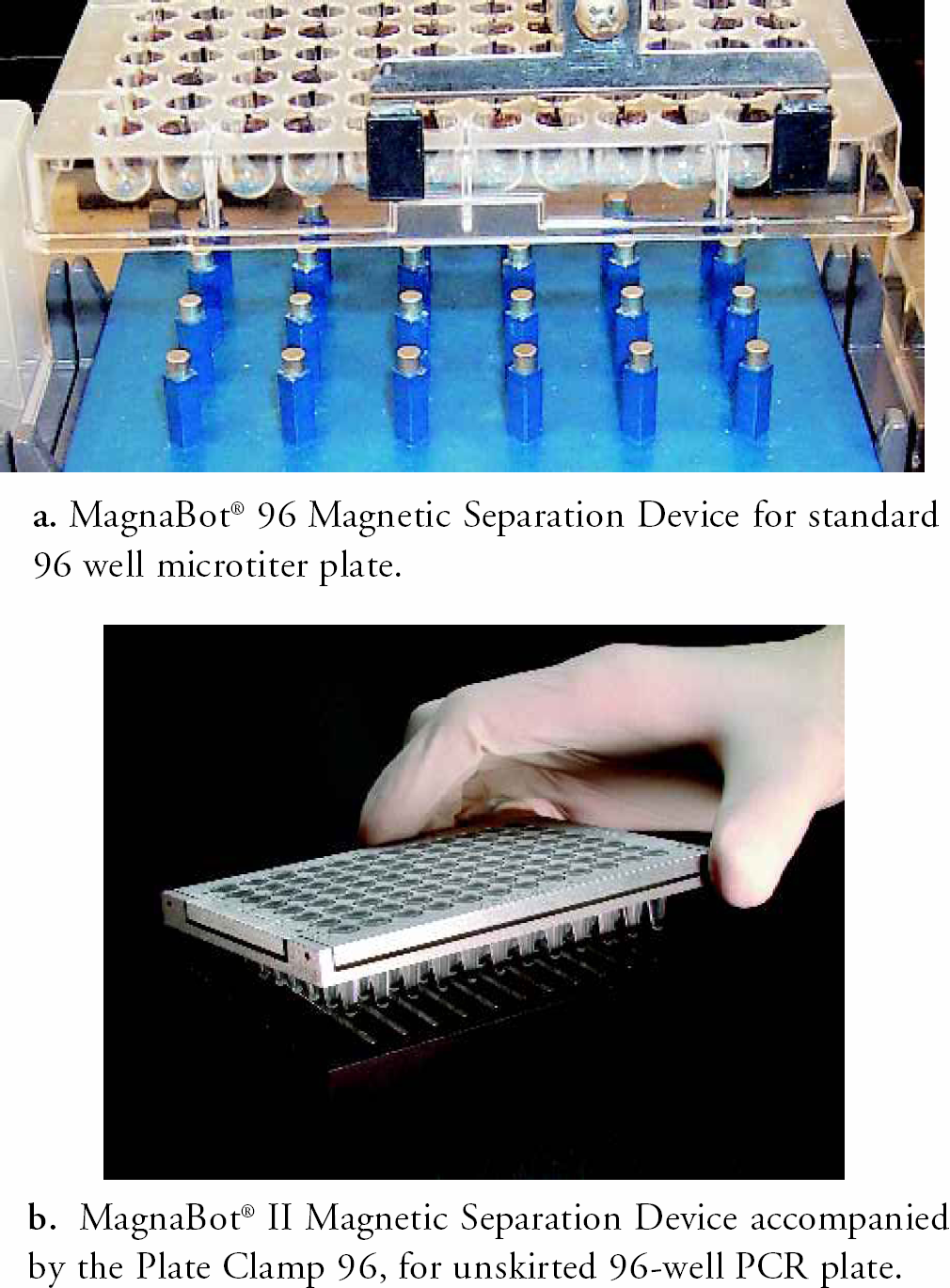
Magnet Configurations for processing MagneSil™ Resin in different microtiter plate formats.
Increased Binding of Nucleic Acids
MagneSil™ Paramagnetic Particles are engineered for high binding capacity for nucleic acids. The macroporous structure is critical to this feature. Particle structure affects the binding and recovery of DNA fragments (Figure 4). The macroporous particles have a higher capacity for the marker DNA per gram of particles. The low-macroporosity material becomes saturated at a much lower DNA concentration. This is best seen when titrations are performed using DNA fragments on fixed amounts of each particle type. This differential binding capacity exemplifies the utility of the two particle types. The macroporous particles are used to obtain maximum yield while the low-macroporosity particles are used for the isolation of small, defined amounts of DNA.
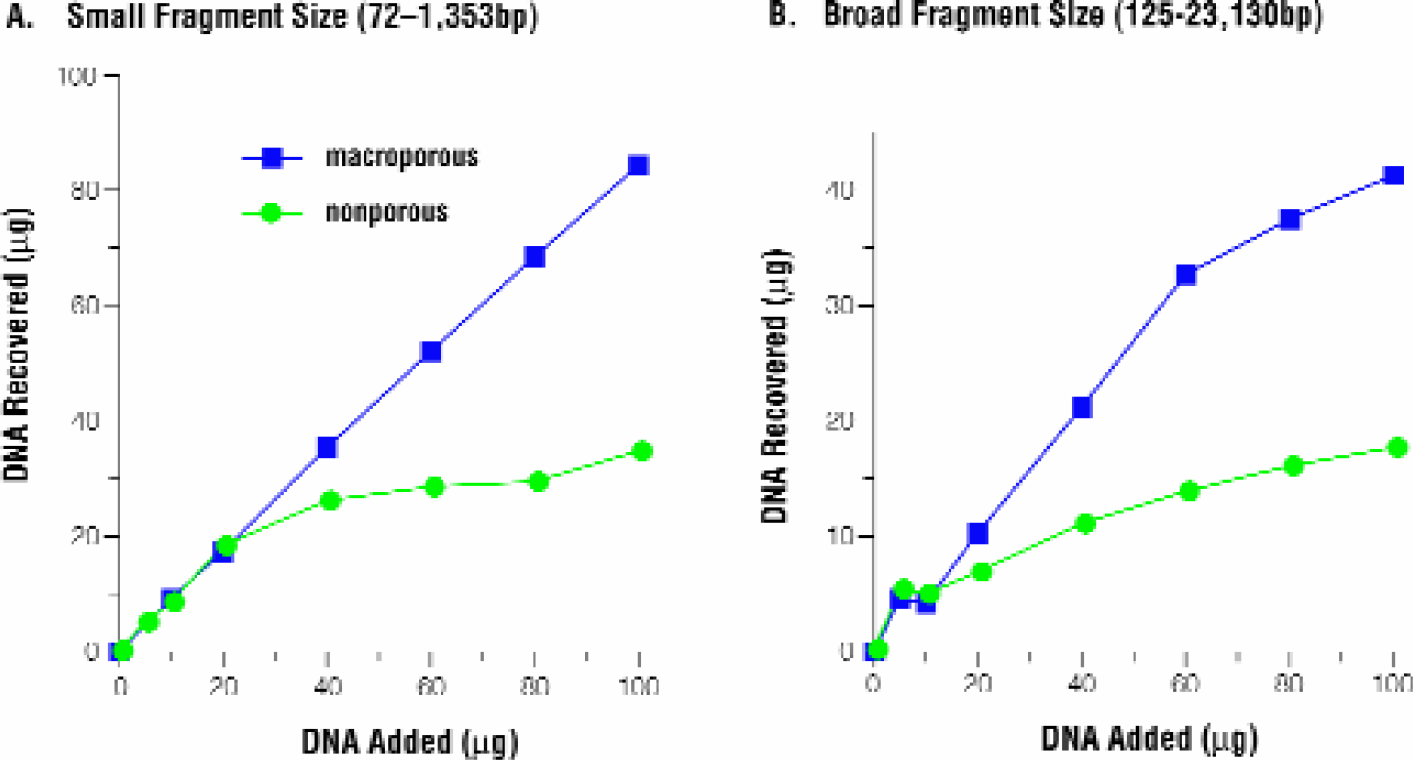
Recovery of Lambda DNA/Hind III and ΦX174/Hae III Marker fragments from macroporous and lower porosity MagneSil™ Particles
As shown in Figure 4, recovery was inversely related to DNA size, with much higher recovery of the lower molecular weight ΦX174/Hae III Marker fragments. For small fragments, final recovery was primarily a function of binding, as these fragments were efficiently eluted in water at room temperature. However, the recovery of lambda fragments was a function of both binding capacity and elution efficiency. The larger fragments have a reduced binding capacity on a weight basis and reduced elution efficiency at room temperature. Uncut lambda DNA of 49,000 bp had the lowest recovery of all DNA tested (data not shown).
Similar results were obtained with bacterial cell lysates (Figure 5). In this experiment, increasing amounts of MagneSil™ Paramagnetic Particles were titrated into cleared bacterial cell lysates prepared from DH5α® containing the high copy number pGL3-Control Vector. Use of 20 mg of macroporous particles resulted in the isolation of 80 μg of plasmid DNA. In contrast, 40 mg of the microporous particles were required to isolate an equivalent amount of plasmid from the same initial culture volume.
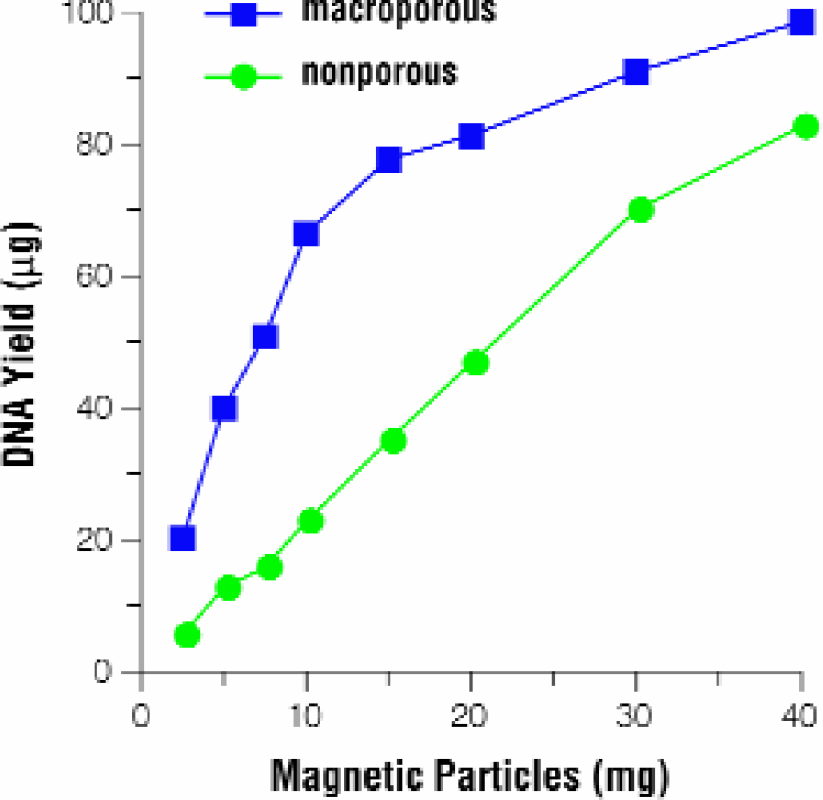
Recovery of plasmid DNA from bacterial cell lysates with low-macroporosity and microporous magnetic particles. Increasing amounts of MagneSil™ PMPs were added to 10 ml bacterial cultures. Yield of plasmid DNA was determined by absorbance at 260 nm.
Applications
MagneSil™ Paramagnetic Particles selectively bind nucleic acids in the presence of a chaotropic salt. Salt concentration and buffer composition can be altered to fine tune nucleic acid type and size selectivity. These parameters have been optimized to develop a variety of formulations to isolate or purify different types of nucleic acids. These will be the basis of future articles.
Sequencing Reaction Clean Up
The Wizard® MagneSil™ Sequencing Reaction Clean-Up System uses the low-macroporousity particles to purify BigDye™ Terminator fluorescent sequencing reactions prior to automated sequence determination. The properties of this particle make it ideally suited for the capture and release of sub-picomole quantities of sequencing extension products, with excellent recovery of short fragments close to the primer. This procedure routinely generates data that is >98% accurate over 700 bases (Figure 6).
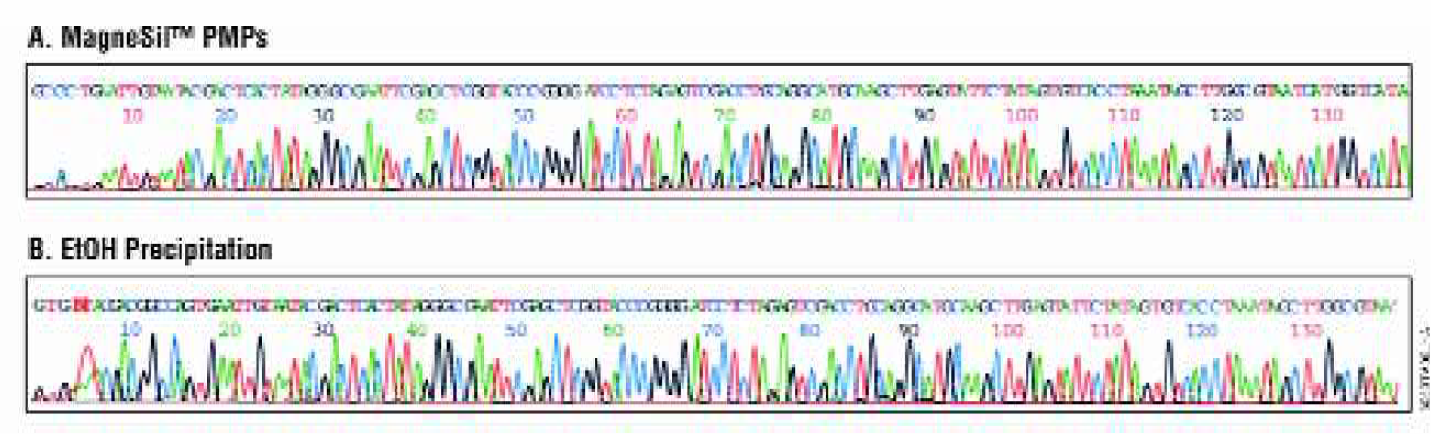
Electropherograms of purified sequencing reactions analyzed on an ABI® 3700 DNA Sequencer. Panel A: Reactions purified with the Wizard® MagneSil™ Sequencing Reaction Clean-Up System. Panel B: Reactions purified by ethanol precipitation.
PCR Reaction Clean Up
The Wizard® MagneSil™ PCR Clean-Up System uses the macroporous particles to purify amplification products away from other reaction components. This procedure efficiently removes primers and primer-dimers from fragments in the range >100 bp to 23 kb, with 80% recovery of fragments greater than 500 bp. DNA fragments are eluted in water with no carryover of salts or other contaminants that interfere with fluorescent DNA sequencing and microarray applications.
Plasmid Purification
The Wizard® MagneSil™ Plasmid Purification System uses macroporous particles to isolate plasmid DNA for automated fluorescent sequence determination and other applications. This system uses two MagneSil™ formulations; one for binding and release of DNA, the second is a unique formulation 3 and is used to clear the bacterial lysates, eliminating the need for centrifugation or vacuum filtration steps. Typical yield is 6–9 μg of high copy DNA from 4OD600 of bacterial cells. A modified method uses a third MagneSil™ formulation 4 to bind and remove bacterial endotoxin for isolation of transfection-grade plasmid DNA.
Genomic DNA from Food
The European Regulation on Novel Foods and Novel Food Ingredients stipulates that products derived from genetically modified organisms (GMO) be labeled as such, as do other countries such as Japan, Korea and Australia. The United States and Canada do not require this level of disclosure. The Wizard® Magnetic DNA Purification System for Food is based upon macroporous particles and provides a single, standardized protocol for DNA purification that works with a wide variety of foods and foodstuffs. The method is designed to efficiently purify DNA regardless of the degree of DNA degradation produced during the production of highly processed foods. The purified DNA is suitable for GMO quantitation in systems such as TaqMan® and LightCycler®. GMO content can be detected to as low as 0.1%
Plant Genomic DNA
The Wizard® Magnetic 96 DNA Plant System uses MagneSil™ macroporous particles to isolate genomic DNA from plant leaf or seed. A single automated protocol can be used on a wide variety of plant species and materials. This system produces amplification-ready DNA for molecular analyses such as PCR, RAPD (random amplification of polymorphic DNA) analysis, AFLP (amplified fragment length polymorphism), ISSR and SSR, which are used in marker assisted breeding programs, seed quality testing, SNP discovery and scoring, and the genetic analysis of transgenic plants.
Genomic DNA from Blood
Two systems have been developed for the isolation of genomic DNA from human whole blood: the first uses macroporous MagneSil™ particles and processes 200 μl of whole blood, generating 4–9 μg of DNA, depending upon the white cell content of the donor blood. This method is scalable down to 50 μl of whole blood, providing added flexibility for downstream DNA testing. For users who prefer to avoid post-purification quantitation, prior to feeding the DNA into downstream applications, a second system, the DNA IQ™ System is available.
The DNA IQ™ System, the first DNA purification system designed specifically for the forensic and paternity communities, allows purification of a predetermined amount of DNA from a blood or tissue sample. Methods have been developed for the purification of DNA in the range of either 100 ng or 1.0 μg from human whole blood. The system uses the low-macroporosity particles to purify and quantitate DNA prior to STR analysis.
Summary
MagneSil™ technology provides a novel matrix with optimized structure for efficient binding of nucleic acids. Use of this technology for nucleic acid capture circumvents the need for centrifugation or vacuum manifolds, making the MagneSil™ Systems an ideal option for full automation. Two particle types have been developed that differ in the silica to magnetite ratio and degree of porosity. Together, these provide a matrix for the purification of all classes of nucleic acids. These applications will be described in subsequent articles in this series.
Footnotes
Trademarks
MagneSil and DNA IQ are trademarks of Promega Corporation and are registered with the U.S. Patent and Trademark Office. Wizard is a registered trademark of Promega Corporation and is registered with the U.S. Patent and Trademark Office.
DH5α is a registered trademark of Invitrogen. BigDye is trademark and TaqMan is a registered trademark of ABI. LightCycler is registered trademark of Roche. Biomek is a registered trademark of Beckman Coulter, Inc.