




Abstract
BACKGROUND:
Kicking is the major way to score in a Taekwondo competition, which makes athletes’ leg power a key quality. However, the characteristics of leg power are very complex and it is difficult to generate physical models to predict training performance.
OBJECTIVE:
To study training programmes of leg power for Taekwondo using data-driven techniques in correlation analyses and modelling.
METHODS:
An 8-week program for back squat training was performed using two devices, a Cormax training system and a conventional barbell. Data analysis was conducted to identify the factors affecting the explosive power training. Finally, a data-driven modelling paradigm employing fuzzy rule-based systems was developed to predict the training performance.
RESULTS:
The Cormax system performed better in improving athletes’ maximum power and velocity. Maximum leg power was best correlated with athletes’ height. The developed predictive models showed good accuracy despite possession of limited training data.
CONCLUSIONS:
This study demonstrated some new training devices which could greatly improve power training. Moreover, a state-of-the-art modelling strategy was able to construct accurate models for training and exercise performance. The predictive models will likely enhance the anticipation of training outcome in advance which may assist in formulating and improving the training programmes.
Introduction
In modern society, people’s ability to collect and store data has dramatically increased. The same happens in sports training and sports engineering. More and more data become available, and analysing and implementing such data provides people with valuable knowledge and tools. When some systems are difficult to express effectively with simple mathematical models, one can use intelligent data-driven modelling methods to generate practical predictive models. In this paper, we employ such a strategy into the Taekwondo training.
With the revision of the Taekwondo competition rules in 2018 [1], the confrontation in Taekwondo has become increasingly fierce, which requires athletes to improve their abilities and skills in order to achieve the best results in competitions. Taekwondo largely involves accelerated forms of movements, such as punching and kicking. Compared with punches, kicks are more vital for a Taekwondo competition. A good example is that 98% of the scored techniques used by the Olympic champions at Sydney were kicks [2]. Hence, the quality of leg explosive strength and power has become the key to win a competition, and how to plan and carry out efficient training to improve the leg explosive power has attracted great attention of scholars and coaches.
A large number of studies have demonstrated that strength and conditioning training helps to improve athletic performance [3]. Huang and Wang [4] summarised five important characteristics for winning Taekwondo competitions, which are “quickness, height, accuracy, change and control”. “Quickness” is a decisive factor for Taekwondo and relates to the explosive strength, which is also refers to strength-speed in strength training.
Explosive strength represents one’s ability to exert a maximum amount of force within a very short time interval [5] or the maximum tension produced when a muscle is explosively contracted. It is normally measured by the rate of force development (RFD). Explosive power respectively refers to the maximum power output (or near maximum) in a very short time interval. Hao [6] suggested that leg explosive strength/power was the manifestation of strength-speed. According to the statistics and analyses of core strength data [7, 8, 9, 10, 11] explosive strength is one of the core strengths of Taekwondo.
One-repetition maximum (1RM) is the maximum weight that a trainee can lift for one repetition and it can be used as an indicator to determine a proper load for an exercise. In a general strength and power training, less than 70% of 1RM is normally reckoned as a light training load, a medium training load is about 70%–85% of 1RM, and a heavy training load is 85%–95% of 1RM or above. To achieve the best training performance, each individual contraction (rep) should be repeated a number of times in a single set with normally 1–4 reps heavy-load training, 5–10 reps for medium-load training and
Weighted squats or weighted squat jumps are the most commonly used training methods for leg strength and power, including the leg explosive strength. The weighted squats help form a foundation for other training programmes that improve linear speed [19, 20]. Some studies [21, 22] found that one’s strength or ability to exert a large force (maximum strength) can be related to his ability to generate a high RFD (explosive strength). However, performing these exercises some athletes often suffer from low back pain, shoulder and back swelling and neck tenderness due to incorrect body positions or incorrect barbell positions. In conventional barbell squats, the barbell is unstable and difficult to control, which often causes lumbar and dorsal injuries with the barbell slipping, tilting and swaying.
Recently, some new training devices have been shown to be helpful in improving training performance. The Cormax power station is such a device for strength training. It helps athletes to exert the maximum intensity of exercise while not being concerned with possible injuries. At the same time, it can feedback velocity and power measurements in real time to allow one to monitor the effectiveness of training.
In this study, we have carried out experiments about the weighted squat training, using both the conventional barbell and the new Cormax system. We have then analysed the results and compared the performance with these devices. From the experimental data, some factors that may affect the explosive power have been identified and the significance of the factors has been studied. Besides these, the collected data was further utilised to construct predictive models for anticipating the maximum power and the maximum velocity. Such models can help in predicting the training performance in advance and strategically monitor the training process.
Detailed information about subjects
Detailed information about subjects
(a) The Cormax TS power station and (b) performing the barbell back squat with it.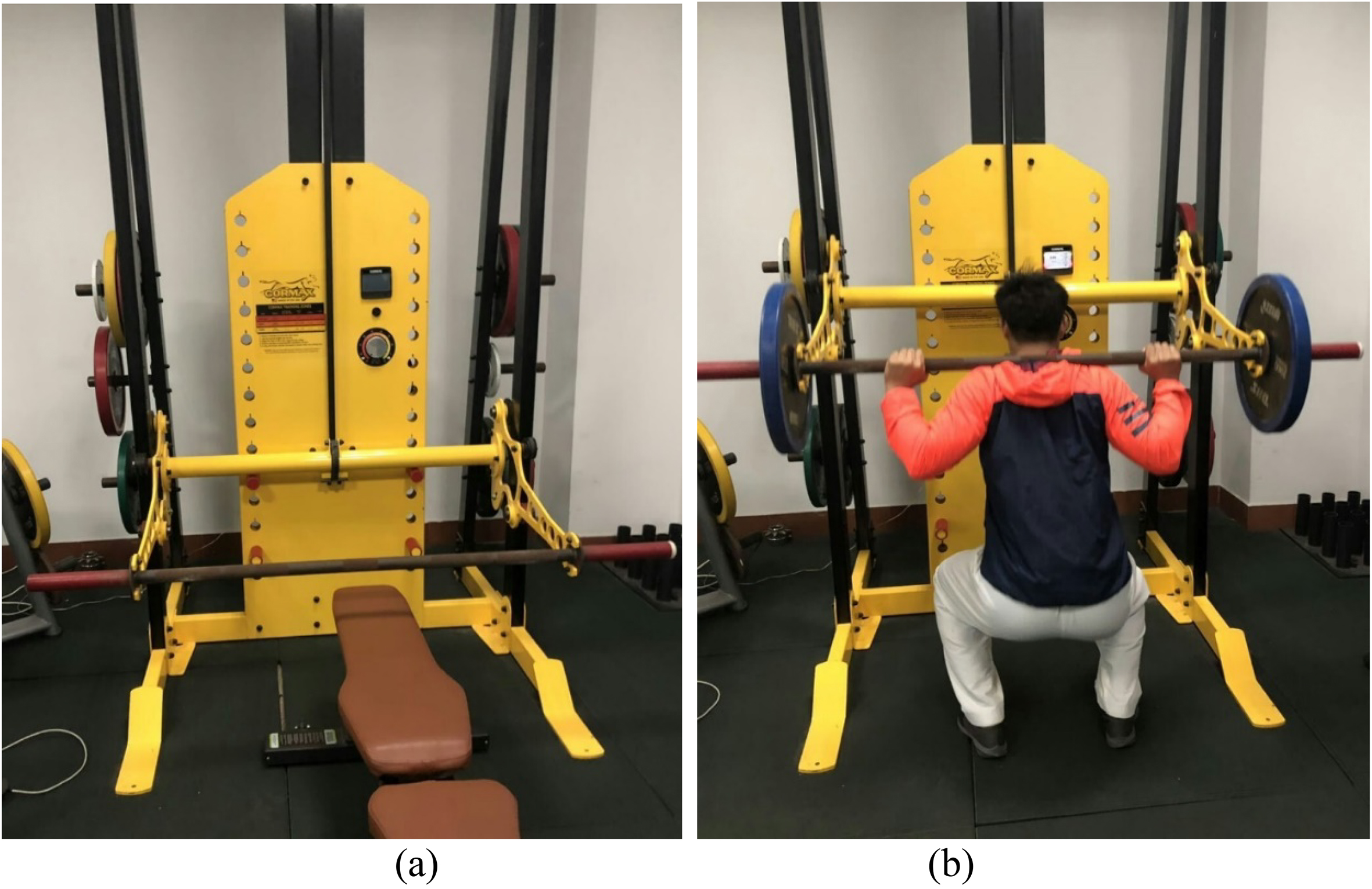
Subjects
Eighteen male athletes from Shandong Province, China participated in the study. Nine athletes were randomly chosen and allocated to an experimental (EX) group while the rest were allocated to a control (CON) group. The EX group used the Cormax TS power station for leg training (Fig. 1) while the CON subjects used the traditional barbell for leg training (Fig. 2). More information about the subjects is summarised in Table 1. The experiments were undertaken with the understanding and written consent of each subject, and Ethics approval was provided by Shandong University’s IRB.
(a) The traditional barbell with a Tendo unit and (b) performing the back squat with it.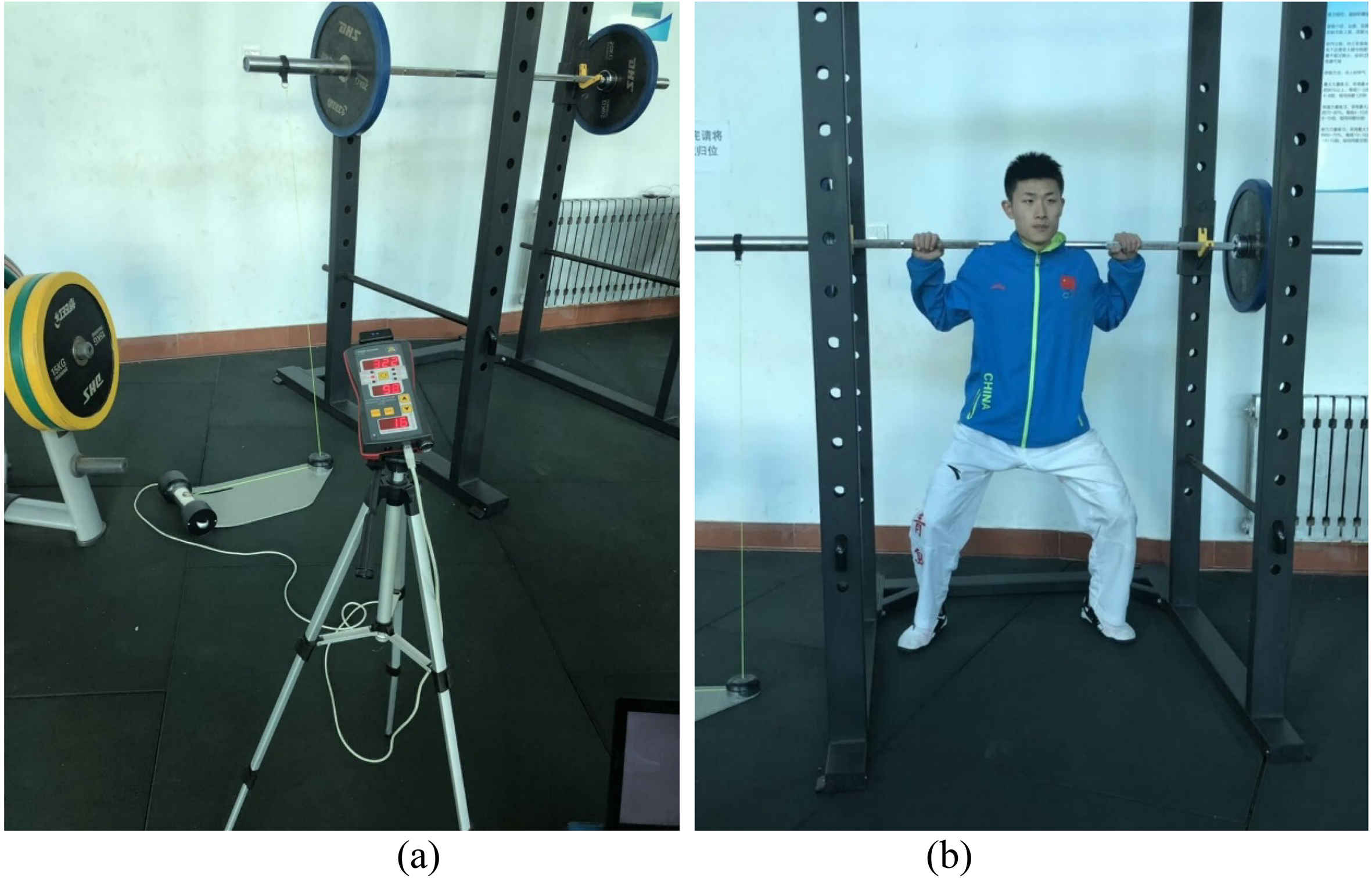
In the barbell back squats, a trainee should stand with the feet shoulder-width (or slightly wider) apart, rest the bar on the rear shoulder muscles, and keep the waist and back straight. The trainee should first lower the body until the hips are at the same level or a little lower than the knees, and then push through legs to return to the start position. The trainee needs to keep the knees not to exceed the toes during the squats.
In the experiments of the control group, the athletes were asked to conduct the downward movement within 2–3 seconds, pause at the bottom position for 1–2 seconds and conduct the upward movement as fast as possible. This requirement makes sure that the athletes exert the maximum power output in a short time to best train their explosive strength. The training emphasis is to move an appropriate load quickly to improve RFD [23, 24].
Cormax TS power station (as shown in Fig. 1a) is a multi-functional training frame that helps trainees to perform lift-related exercises, including weighted squats. It introduces a safety cylinder to provide unidirectional buffering. This allows the trainees to work on the barbell with the maximum speed and intensity throughout the whole upward movement, and with less risk of injury.
In the experiments of the experimental group, the athletes did weighted squats using the barbell fitted on the Cormax power station, as shown in Fig. 1b. The movement of the exercise is the same with that of the normal barbell back squats described before, but it should be completed within less time. The athletes were asked to perform a squat exercise as fast as possible, when they heard a prompt tone. The repetition time was set to be 3 seconds, and any exercise completed in more than 3 seconds was regarded as invalid and should be repeated.
The experimental group and the control group were arranged to conduct a training session twice a week for 8 weeks. Each training session includes 4 separate sets and every set includes 15 repetitions with the load of 70% of 1RM. It is believed such a medium load helps balancing the improvement in both strength and velocity, and is suitable for the explosive power training. The related data were collected every two weeks for 8 weeks.
In this study, we focus on the explosive power, which refers to a maximum power output in a very short time interval. It can be approximately represented by the peak power during the weighted squat exercise. Velocity is also an important factor for the explosive power and thus the maximum velocity is studied in this work as well.
Tendo unit is a device to measure the average velocity, peak velocity, average power and peak power of training actions, which can be hung on barbells, other strength equipment or athletes. In our experiments, the Tendo unit was used to measure the maximum power and maximum velocity of subjects, as shown in Fig. 2b. The height, weight and fat content of subjects were measured twice, once before the first training and again after the last training.
The data-driven modelling method used in this work employs fuzzy rule-based systems (FRBSs) [25] to provide mapping and generalization abilities. FRBSs are capable in learning from data and anticipating complex relationships, at the same time, they require very little or no prior knowledge about the system under consideration. FRBSs are more transparent (interpretable) than most of the other black-box modelling techniques, since they use linguistic descriptive “If-Then” rules, which can be directly interpreted by humans. In this study, the available data set is small and the FRBS becomes a suitable candidate for modelling.
An example of a fuzzy rule-based system.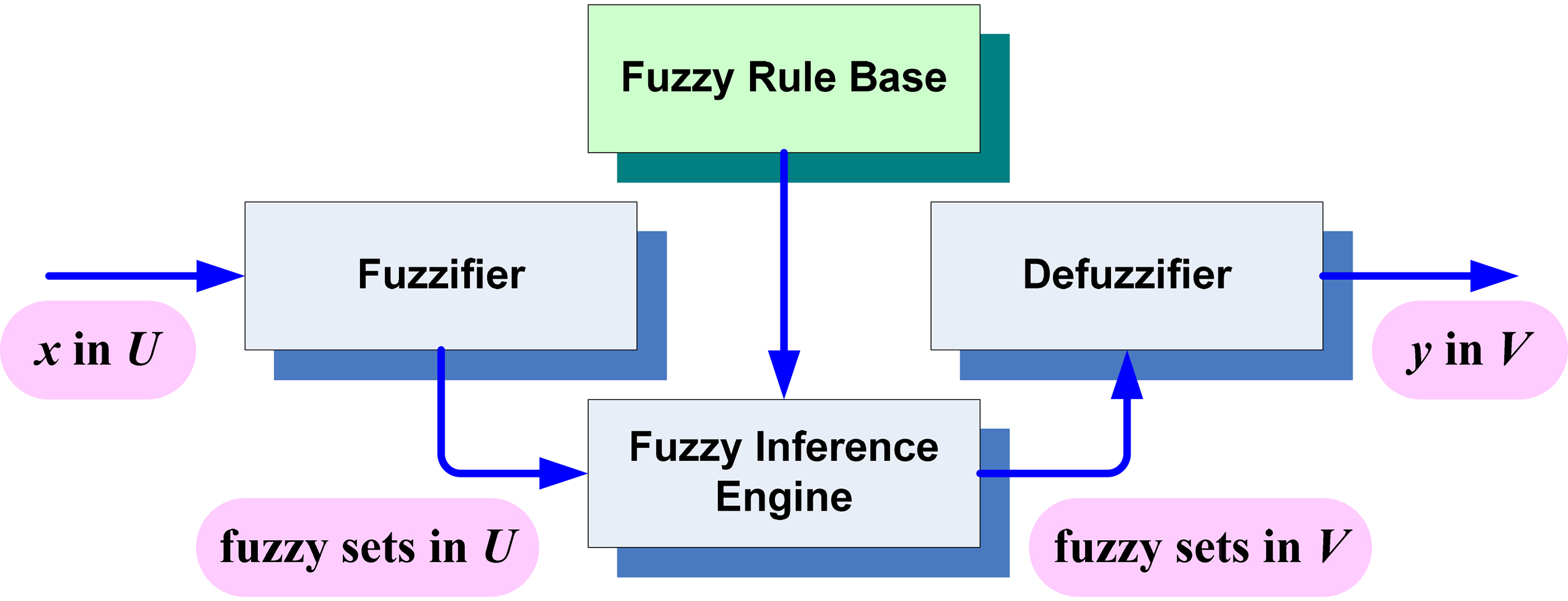
As shown in Fig. 3, a fuzzy rule-based system normally has four main components: 1) fuzzifiers (fuzzy membership functions), used to convert numerical input values to fuzzy values; 2) fuzzy rules, representing the information of mapping from an input domain to an output domain; 3) a fuzzy inference engine, used to integrate all the fuzzy inputs and fuzzy rules to suggest the most reasonable value for the fuzzy output; and 4) a defuzzifier, used to convert the fuzzy output to a numerical value, which can best represent the fuzzy output and can be easily understood and implemented. A fuzzy rule is a linguistic If-Then statement and an example is shown as follows:
where
A conventional way to build fuzzy rule-based models is to generate the fuzzy membership functions and fuzzy rules through the knowledge acquisition from field experts. However, the experts are not always available and their knowledge may be not accurate, consistent and complete. Nowadays, more and more data become available and this makes the data-driven modelling possible and practical.
The flow diagram of the fuzzy modelling method.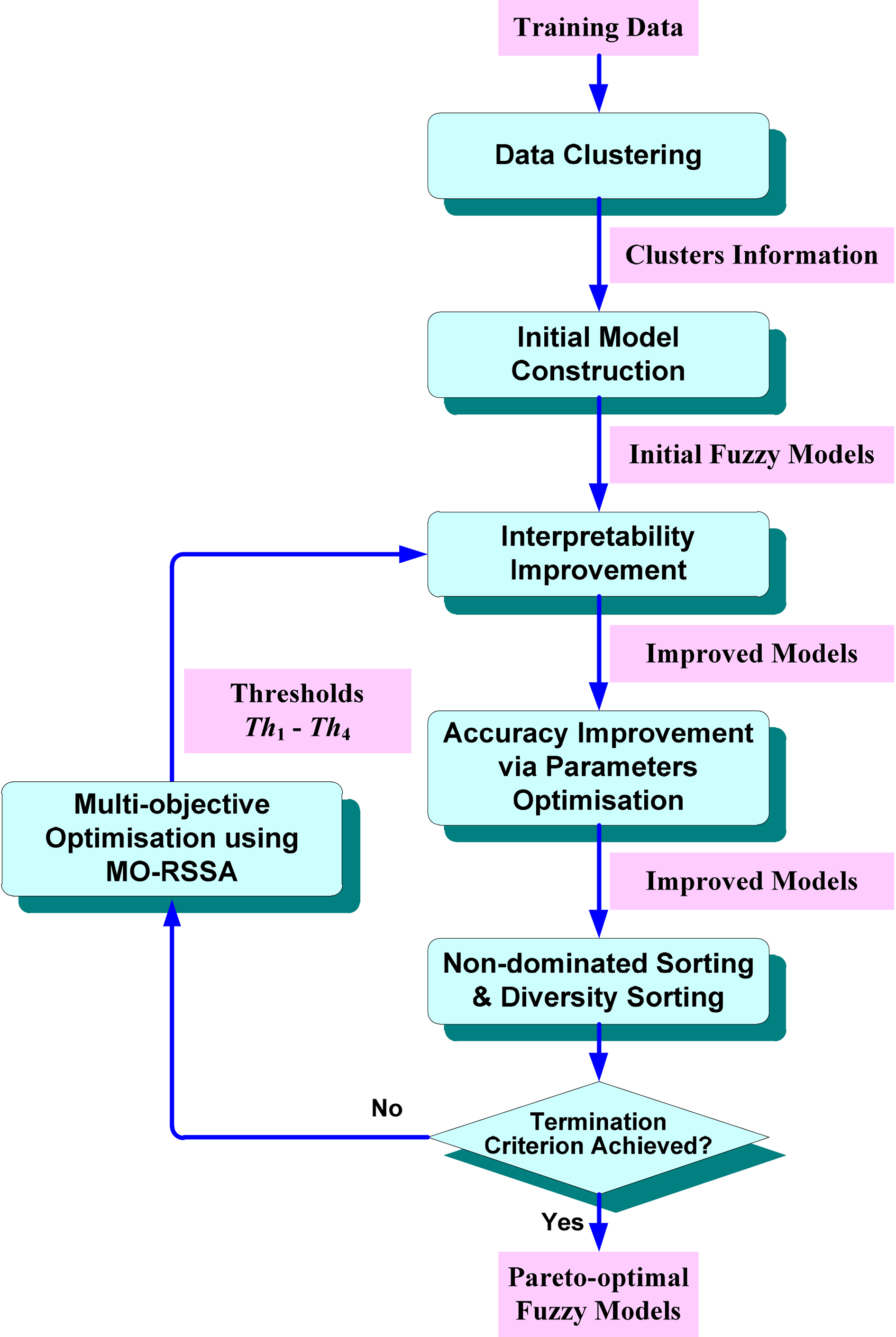
In fuzzy data-driven modelling methods, some learning and optimisation techniques, such as evolutionary computation and multi-objective optimisation, are shown to be very efficient to improve both the structure and parameters of FRBSs [26, 27]. Figure 4 shows the modelling framework used in this paper, where two learning mechanisms are implemented sequentially and iteratively to improve the structure and parameters of the fuzzy models. Reduced space searching algorithm (RSSA) [28, 29] was used to improve the model parameters for better accuracy and the multi-objective reduced space searching algorithm (MO-RSSA) was employed to improve the model structure for better interpretability and lower complexity.
During the modelling process, an initial FRBS is first elicited using clustering information obtained from training data. The initial model is then improved in its structure, where the definition of fuzzy rules and fuzzy sets is modified in consideration of interpretability. This operation includes multiple steps, i.e. removing redundant fuzzy sets and fuzzy rules, and integrating similar fuzzy sets and fuzzy rules. This operation is regulated by four thresholds values and the MO-RSSA automatically generates these thresholds values. Once a new FRBS is suggested with an improved structure, it is further improved in accuracy by the RSSA. More information and details about the modelling method can be obtained in the articles [27, 30].
The maximum power (Watt) of 9 subjects in the experimental group during 8 weeks.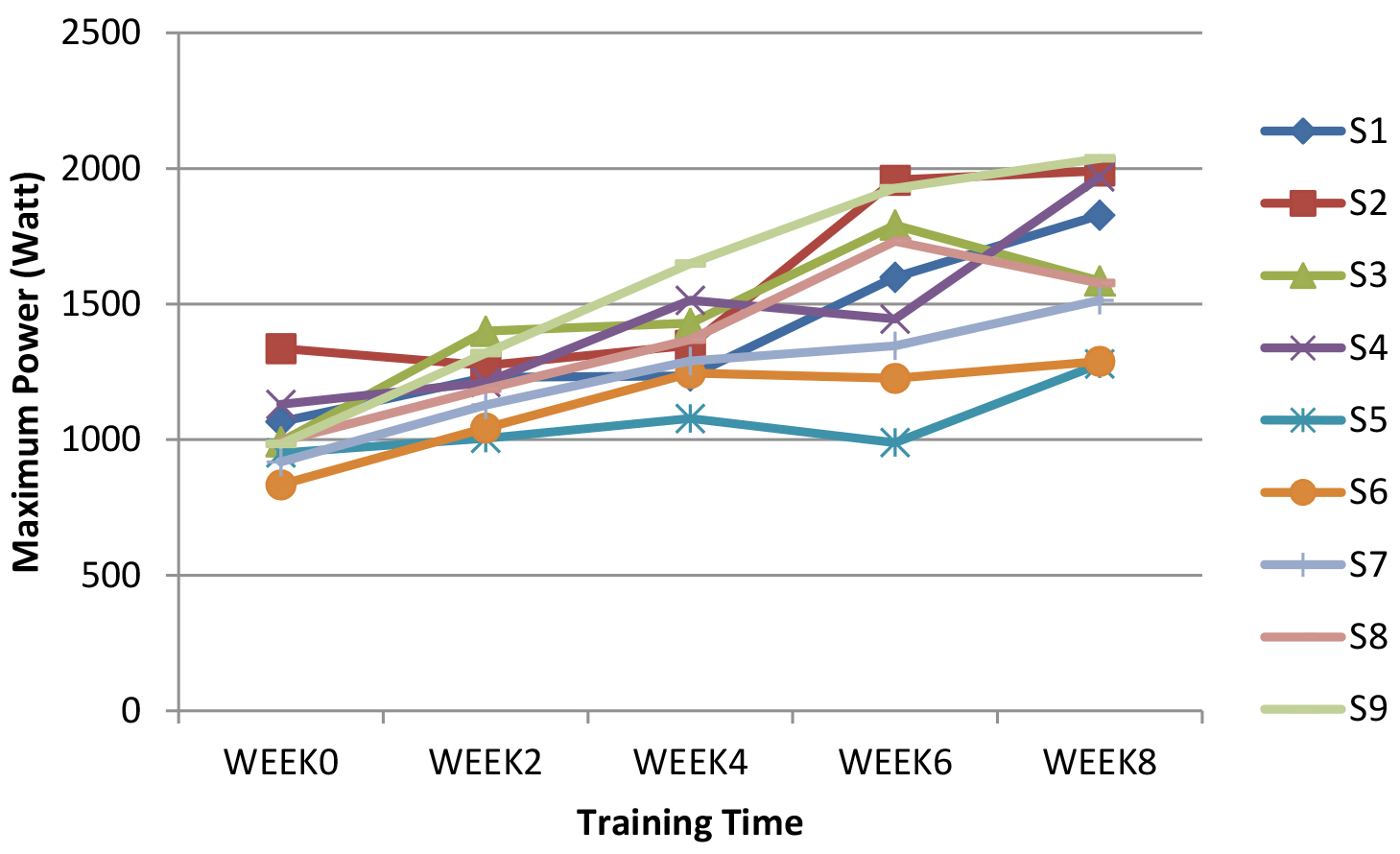
The maximum velocity (m/sec) of 9 subjects in the experimental group during 8 weeks.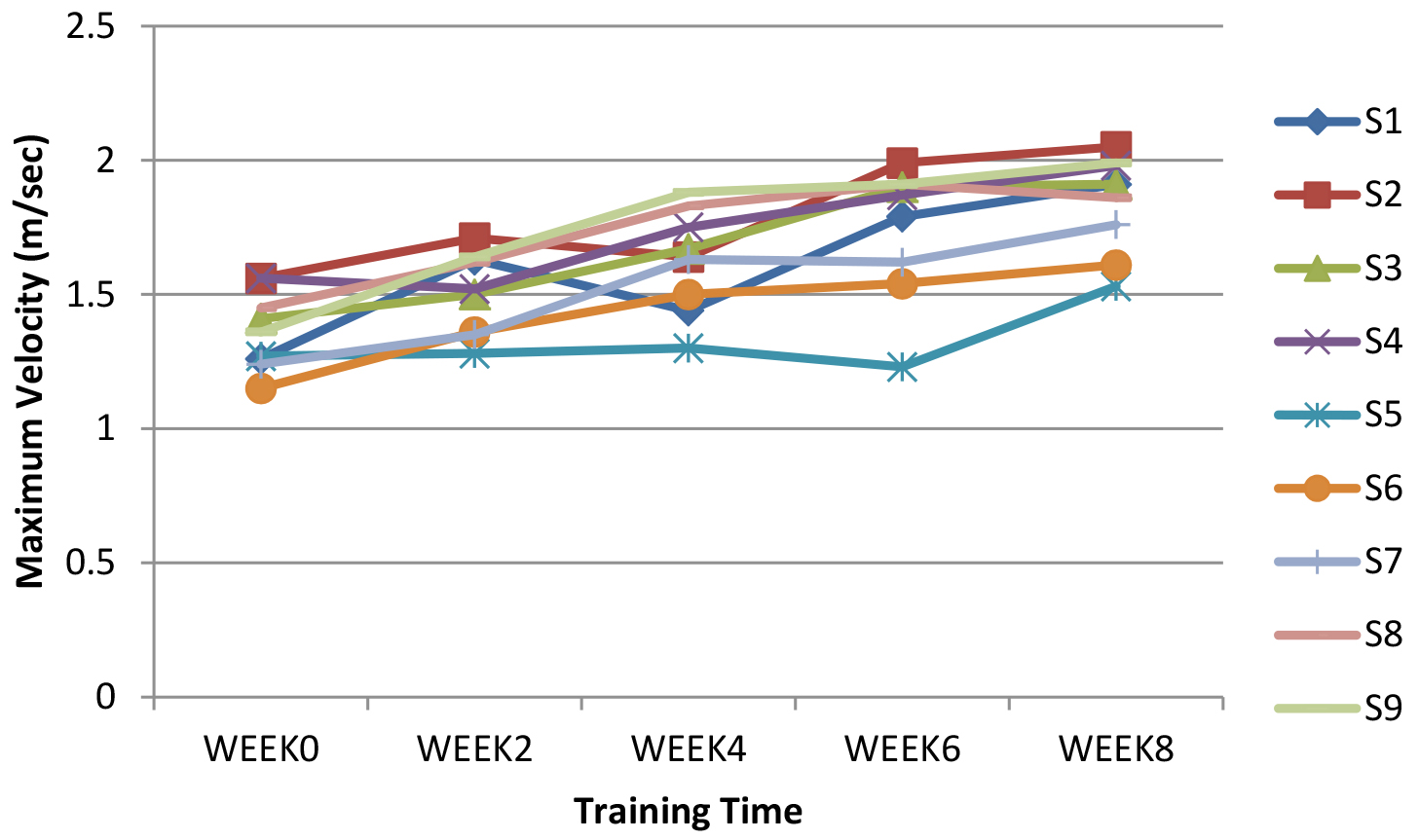
Data analysis
Figure 5 shows the change of the maximum power by using the Cormax training system. The vertical axis represents the maximum power in Watt and the horizontal axis represents the training time from Week 0 to Week 8. Each point in the figure represents the maximum power of a subject in the corresponding time. It can be seen that the training programme worked well as the subjects improved their ability steadily.
Correlation coefficient values (with
-values) between athletes’ features and training outcomes
Correlation coefficient values (with
Comparison between the experimental group and the control group
The results how that, on the basis of the same exercise years and athlete grades, the growth of the maximum power was different with different heights and weights. For example, S1, S7 and S8 were similar in exercise years and athlete grades, but S1 was 12 kg heavier than S7 and 5 cm taller than S8. Thus, the increase of the maximum power of S1 was higher than that of the other two during the same training period. Exercise years and athlete grades represent the training level of athletes. The athletes with longer exercise experience and a higher grade are generally better in their physical conditions. As Taekwondo is a sport that largely involves leg techniques, the leg power is normally proportional to the training level.
Figure 6 shows the change of the maximum velocity in the Cormax training experiments. The vertical axis represents the maximum velocity (m/sec) and the hori-zontal axis represents the training time from Week 0 to Week 8. Each data point in the figure represents the maximum velocity of a subject in the corresponding time. It can be seen that the training scheme worked well as the subjects made steady improvement.
The growth of the maximum velocity is proportional to the growth of the maximum power according to the test data. Regardless of height, weight, exercise years and athlete grade, if the maximum power in any of the four periods increases, the maximum velocity will also increase, and vice versa. According to biomech-anics [31], power depends on force and speed of the muscle contraction. In the case that the loading force was fixed, power is proportional to speed. Subjects S1, S2, and S7 showed a decrease in the maximum velocity in the second phase, and S5 showed a decrease in the maximum velocity in the third phase. Other subjects and the four subjects above in other phases showed a gradual increase in the maximum velocity.
The height and weight of subjects were measured before the first training and after the last training. There was no significant change in the height and weight of the subjects. However, the fat content of the subjects was reduced a little, which was measured by a body-fat scale. This evidences the statement from Turner [3] that a good strength and conditioning training programme can improve both power and speed without the cost of an increase in body mass.
We used Pearson correlation coefficient and
From the table, we can observe that, compared with other factors, height has a better correlation with the final maximum power and the final maximum velocity (with correlation coefficient
From the observations above, we can see that height may be more important for the growth of the maximum power and velocity of athletes. Tall athletes may be more likely to make greater progress in training, which provides some hints for the selection of athletes.
Comparison of two training programmes
Table 3 compares the experimental group and the control group, and shows the statistics of the subjects in two groups, including the average and standard deviation values of the final maximum power, the final maximum velocity, the improvement in the maximum power and the improvement in the maximum velocity. Figures 7 and 8 compare the change of the maximum power and maximum velocity of two groups, respectively. Each data sample in Figs 7 and 8 represents the average performance of one group at the corresponding time point.
The average performance in the maximum power (Watt) over 8 weeks. 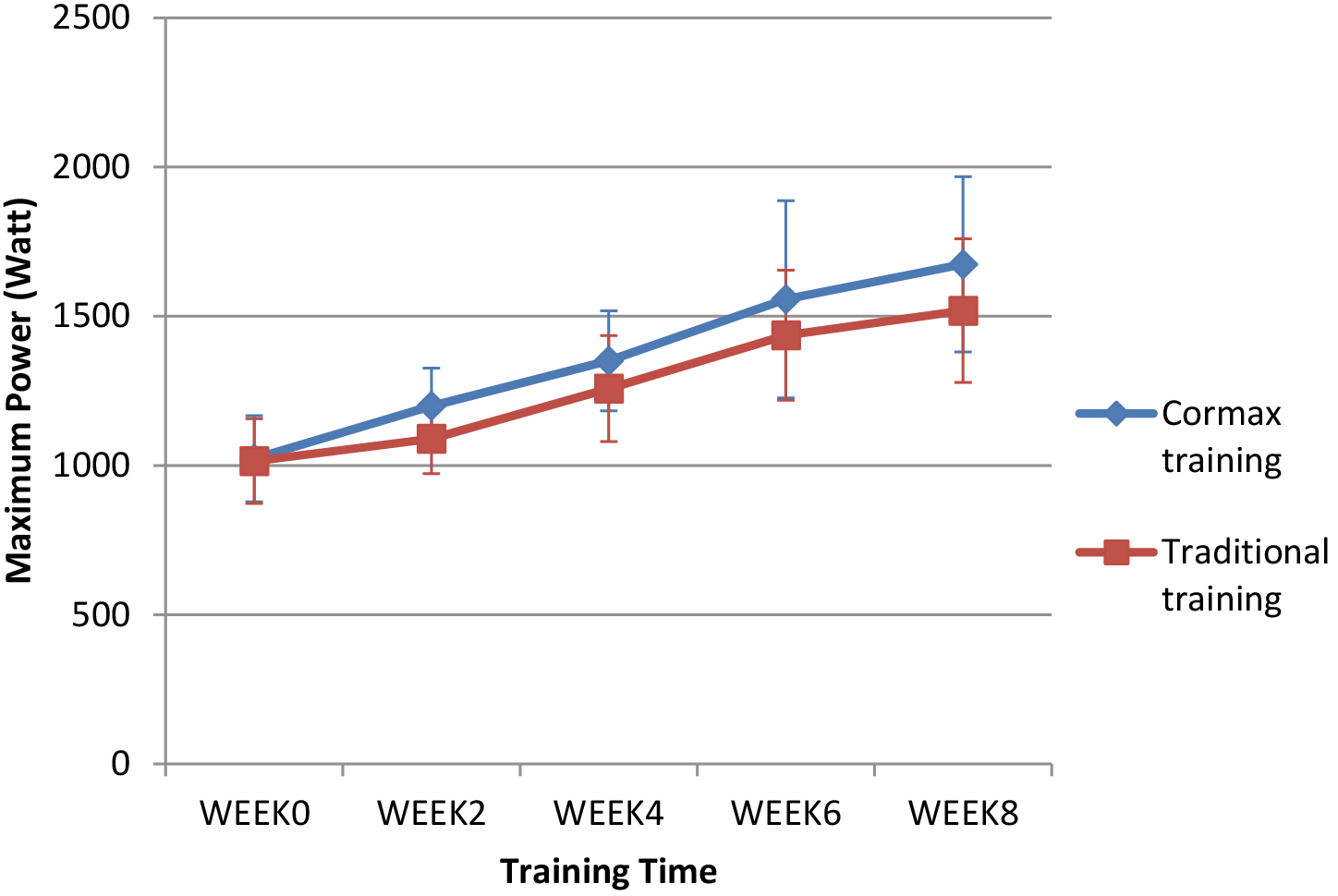
The average performance in the maximum velocity (m/sec) over 8 weeks.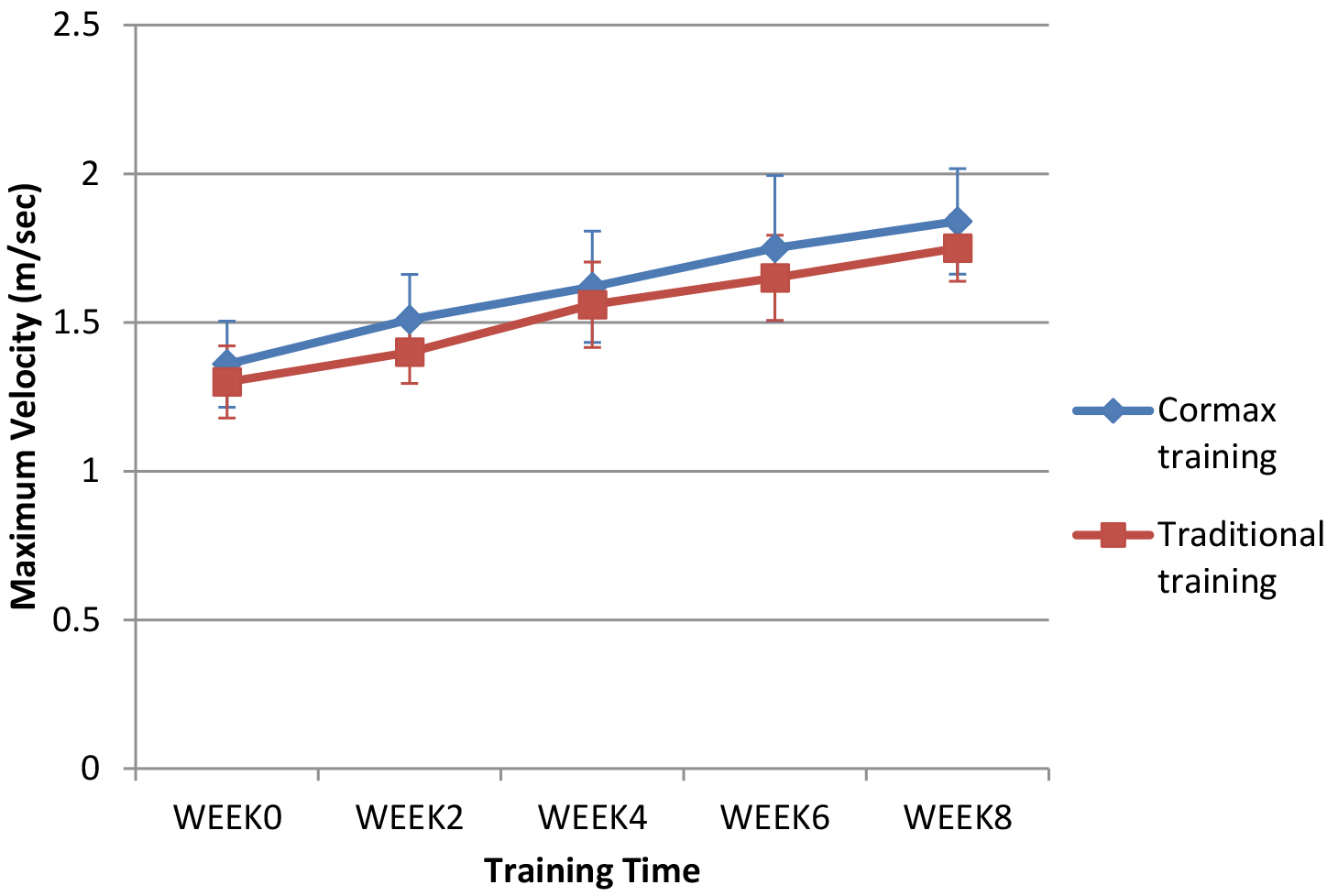
According to the data in Fig. 7, the improvement in the maximum power by using the Cormax training system is greater than that of using the traditional method. In the training with the Cormax system, one needs to squat after hearing the prompt tone and complete the movement within 3 seconds. As a safety cylinder is fitted in this new device to provide unidirectional buffering, the subjects often performed the exercise with the maximum speed and intensity to meet the time target, without worrying too much about the risk of injury. A similar scenario can be observed from Fig. 8. The Cormax training system shows slightly better training performance on the improvement of the maximum velocity.
Predicted outputs vs. measured outputs of models on both training and testing data: (a) increase in the maximum power (Watt) and (b) increase in the maximum velocity (m/sec).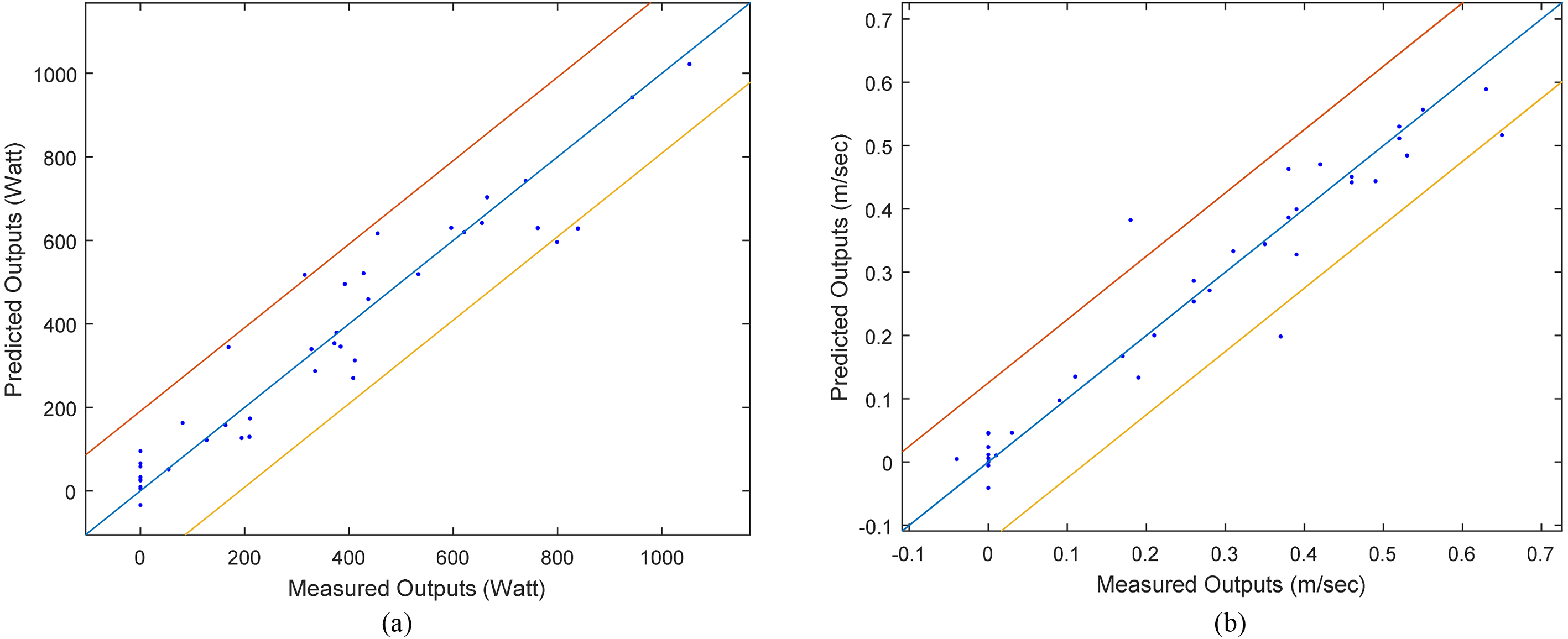
Examples of prediction for the improvement in the maximum power using the developed FRBS: (a) for Subject 7 and (b) for Subject 9.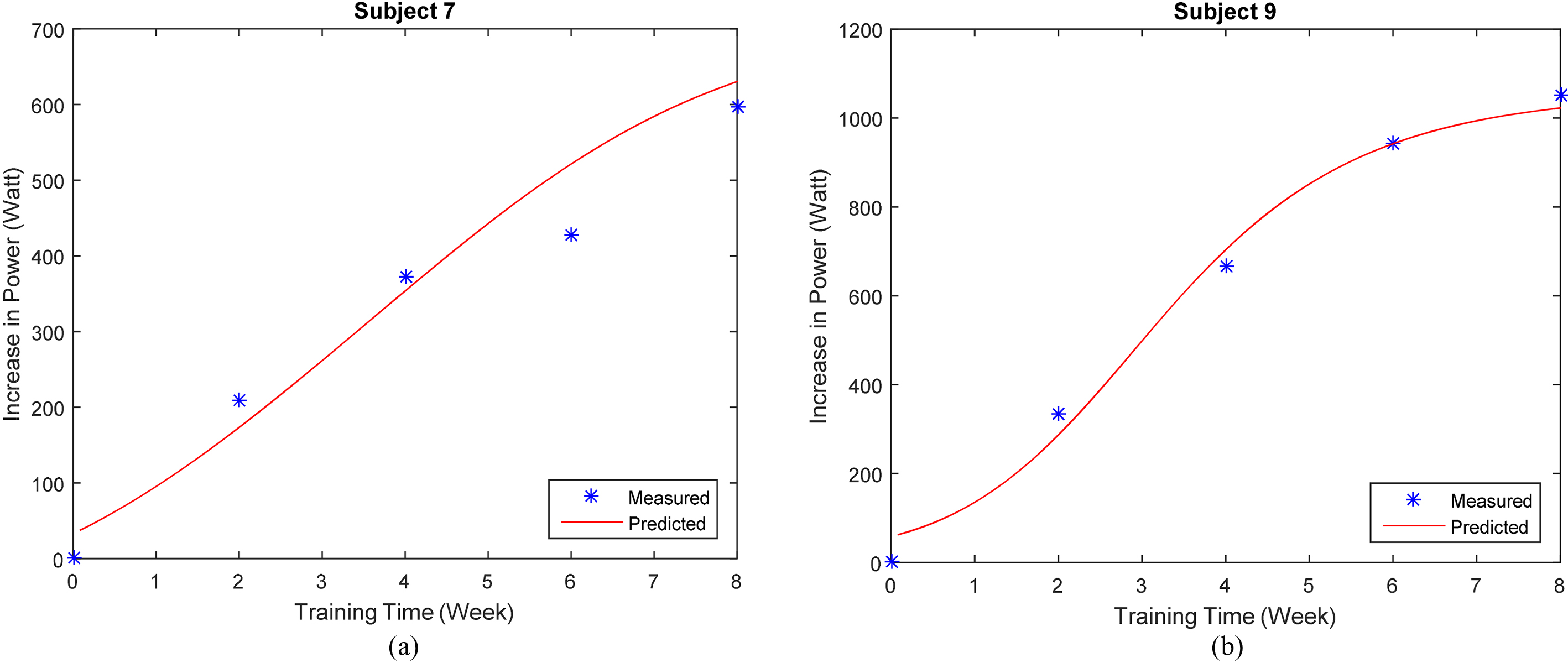
Examples of prediction for the improvement in the maximum velocity using the developed FRBS: (a) for Subject 3 and (b) for Subject 6.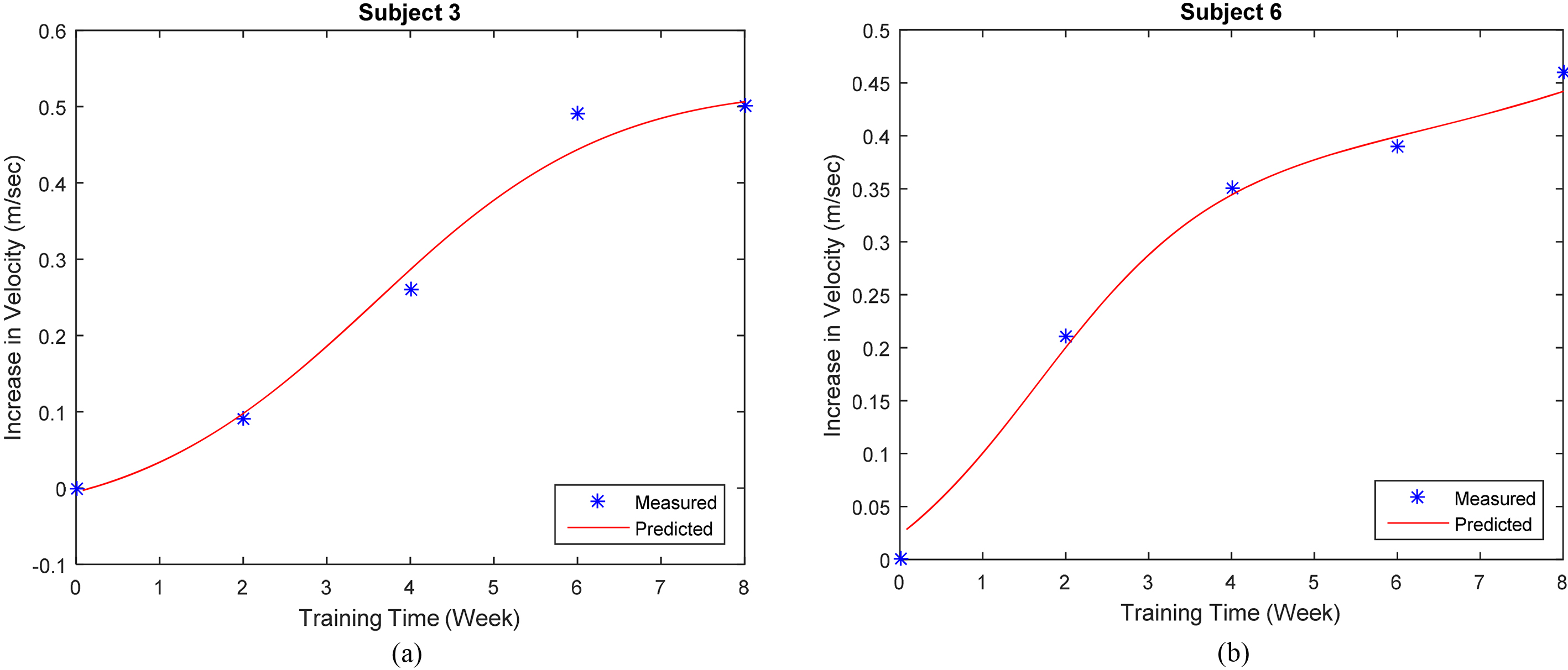
An example of the fuzzy rules of the power model.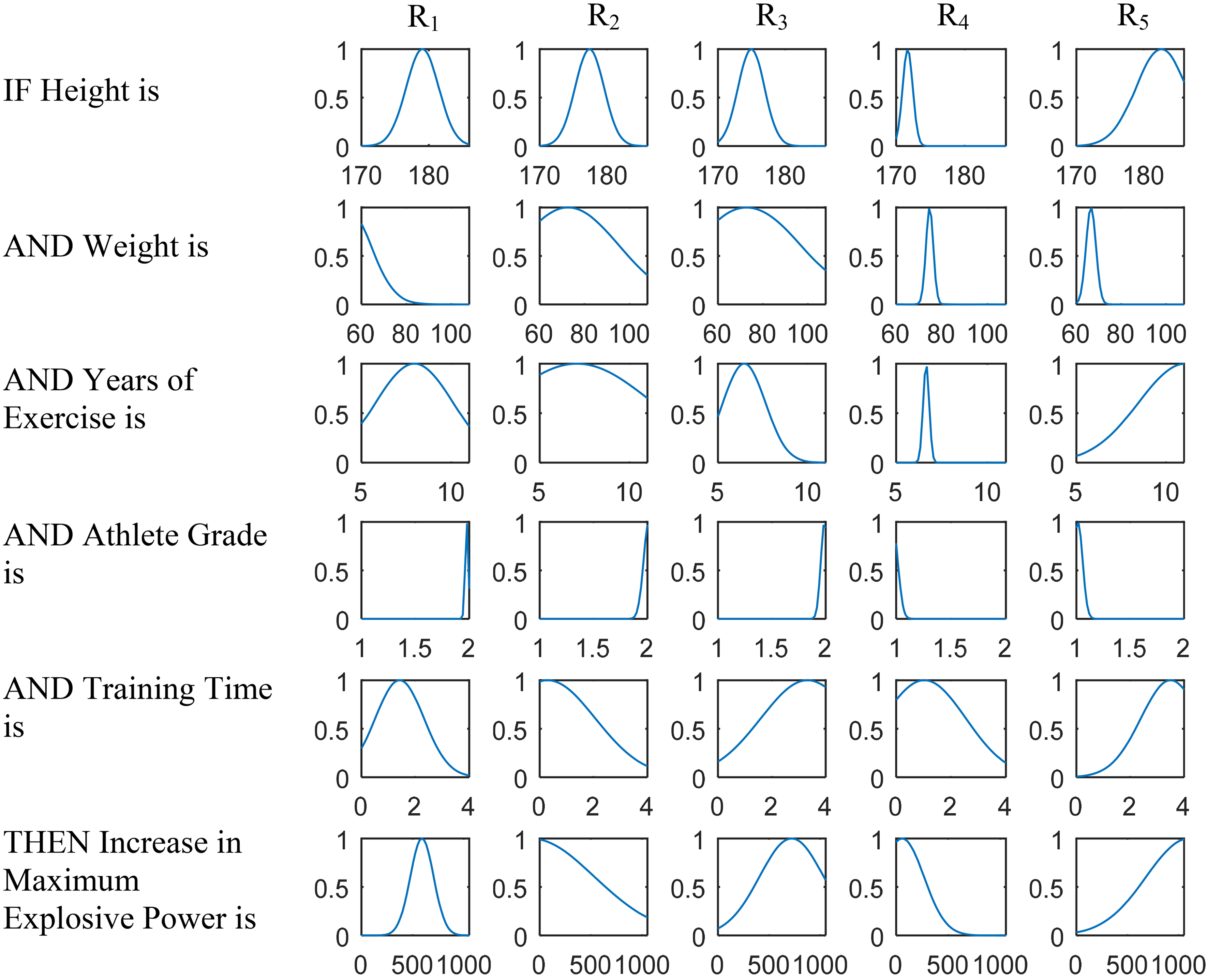
From the sections above, we have observed that the relationship between an athlete’s power and his characteristics is not purely linear and cannot be easily expressed using a simple mathematical model, such as a single equation. In this case, we utilised a data-driven modelling technique to construct predictive models to anticipate the improvement of the maximum power and the maximum velocity in the training with the Cormax system.
Two FRBSs with 9 fuzzy rules were constructed following the data-driven manner. One model is used to predict the increase in the maximum power and the other one is used to predict the increase in the maximum velocity. These models have five input variables, i.e. height, weight, years of exercise, athlete grade and training time. 70% of the collected data were used for training and 30% of the data were used for testing. The Root Mean Square Error (RMSE) of testing for the two models are 86.24 Watt and 0.0575 m/sec, respectively.
Figure 9 shows the predictive performance of the two models. We can see that the predicted outputs are close to the measured outputs and most of the predictions are within the 15% error bands. The error bands are calculated as the central values
Figure 12 illustrates 5 fuzzy rules of the model of the maximum power improvement. The fuzzy rules can also be represented using the approximate linguistic rules [27, 32] with linguistic hedges [33], such as:
R
Through interpreting such linguistic rules, one is enabled to understand more about the training performance and the potential relationship between inputs and outputs.
Discussion
The basic techniques of Taekwondo include boxing techniques, footwork techniques, kicking techniques, etc. Except for boxing, other basic techniques, including dodging and kicking, rely on the rapid start of leg movement. This relates to one’s explosive power and needs good support from the anaerobic metabolic function of the body [34]. Figure 6 shows that, by employing either traditional or Cormax training devices, the trainees’ increase in the maximum power is significant through 8 weeks of training. Therefore, the explosive power is a physical quality that can be improved in a short period of time. However, when the athletes’ explosive power does not reach a high level, there is no way to carry out high-intensity specialised training. A weak explosive strength is also an obstacle to master and use techniques and tactics [15]. Therefore, an appropriate training scheme for the explosive power is particularly important in long-term Taekwondo training.
According to the characteristics of Taekwondo, the specific strength and power training can be divided into the supporting leg training and the kicking leg training. The explosive strength of the supporting leg directly affects the starting speed of movement, and is also of great significance to maintain the balance of body in dodging or rotation [35]. A small to medium load should be adopted in training, and the effective way of exercise includes weighted squats and jumps.
Yoo et al. [36] observed that the small-load lower-limb strength training is beneficial for improving the balance ability of Taekwondo athletes. Squats can develop the strength of thighs and the stretching strength of knee lifting. The use of a small or medium load is to not affect the velocity of athletes. Therefore, the study in this paper selected 70% of 1RM as the load for training, using either the conventional barbell or the Cormax system. Based on the experimental results in Section 3, the Cormax system is recommended to be utilised. Jump training can affect the explosive power of Achilles tendon, and the main training methods include single-leg stair jumps, rope ladder jumps, hurdle training, etc.
In Taekwondo, the kicking leg is the executor of the offensive techniques, such as a turning kick [37]. The power training of the kicking leg is the focus in the Taekwondo training. It helps improve one’s velocity to facilitate the sudden use of long-distance techniques, and also enhance the power to get better kicking effect. The strength training for the kicking leg can be either the weighted squats described before or resistance exercises with small loads.
We have carried out some experiments in this study and shown the weighted squats work effectively in improving both power and velocity. Figures 4 and 5 show that the improvement in the maximum power is proportional to the improvement in the maximum velocity, where the greater the maximum power, the greater the velocity. The resistance exercises are other options that can enhance the striking effect of the kicking leg as well as improve the strength quality. The devices used can be elastic ropes and small kilogram-level sandbags. The training method using an elastic rope is to tie the rope on the kicking leg to train various basic leg techniques. The trainee should pay attention to the technical details to avoid deformed movements. The training method using small sandbags is to fix the sandbags on the kicking leg to perform various basic movements and the requirement is the same as above. The resistance training should be combined with velocity training to improve strength and velocity at the same time.
By using the suggested modelling method, data-driven fuzzy models have been generated to predict the performance of the training programmes. The obtained predictive models showed good accuracy, which reveals some state-of-the-art modelling methods are able to construct accurate models for training and exercise performance. Through interpreting the linguistic If-Then rules of the fuzzy rule-based models, one may gain a deeper insight into the potential relationships between trainees’ characteristics and the training results.
Conclusion
This work studied the training of the leg explosive power for Taekwondo. We have conducted 8-week experiments and compared the back squat training using a new device, the Cormax training system, with another which applies a conventional barbell. The experimental results indicate that the Cormax system outperforms the conventional method in improving the athletes’ maximum power and maximum velocity. From data analysis, it is observed that the maximum power is best correlated with the height of athletes. Data-driven models have then been developed to predict the training performance, by employing a salient fuzzy modelling method. The developed models have shown good accuracy in despite of possessing limited training data. Such models enable people to anticipate the training outcome in advance of training, so as to help formulate the best training schedules.
Author contributions
CONCEPTION: Jiaojiao Liu and Qian Zhang.
PERFORMANCE OF WORK: Jiaojiao Liu.
INTERPRETATION OR ANALYSIS OF DATA: Xiaoxiao Liu.
PREPARATION OF THE MANUSCRIPT: Jiaojiao Liu and Qian Zhang.
REVISION FOR IMPORTANT INTELLECTUAL CONTENT: SUPERVISION: Qian Zhang.
Ethical considerations
The experiments were undertaken with the understanding and written consent of each subject. The research in this article was approved by the Ethics Committee of Shandong Sport University on 20 November 2017 with an approval number SDPEI-EC-2017015.
Funding
The authors report no funding.
Footnotes
Acknowledgments
The authors have no acknowledgments.
Conflict of interest
The authors declare that there is no conflict of interest.