




Abstract
BACKGROUND:
Core exercises include exercises to train muscles that control and stabilize the movements of the abdomen, waist, and hip. Thanks to these exercises, the control and balance of the body are increased. Exercises on unstable surfaces increase the level of muscle activity, and by using elastic resistance tools, one or more joints can be simultaneously and efficiently trained.
OBJECTIVE:
To compare core exercises with Theraband and Swiss Ball in terms of core stabilization and balance performance.
METHOD:
A total of 22 women who perform recreational sports between 25 and 46 years of age participated in the study. The participants were separated into two groups: Swiss Ball (SBC,
RESULTS:
No difference was found between groups in terms of pre-test values. While the weight and body mass index values decreased in all groups, the balance and core stabilization test scores increased significantly. With the exception of the SEBT, which has increased significantly in the TBC group, there were no differences between the groups in none of the scores.
CONCLUSION:
As both training methods lead to positive effect on the tested variables, the choice of the specific method should probably be decided based on individual preference and the training environment.
Introduction
Core strengthening is defined as the provision of muscular control around the lumbar spine to maintain functional stability [1]. The abdominal and core regions are very important in terms of overall body stabilization and sport performance due to the ability to generate or transmit power between the upper and lower extremities [26]. Recently, core training has received a great deal of attention and has become an essential part of training programs [30]. Core exercises include exercises to train muscles that control and stabilize movements of the abdomen, waist, and hip [10]. A good core region allows the athletes to undertake more loads, as well as let them make their technical movements more efficiently with less energy [23]. Increased resistance and endurance training for core muscles allows for more successful incorporation of arm and leg movements into sporting performance [36]. In order for the arms and legs to produce the desired level of strength and to maintain the movement in the same direction, the core muscles must keep the spine in balance [46].
Body stabilization in general is the ability of the muscles around the lumbo-pelvic region, which is the center of the body during static and dynamic positioning, to functionally control postural stability [18, 39]. Body stabilization exercises consist of exercises involving various muscular systems that provide lumbopelvic stability and thus the stabilization of the kinetic chain. The exercise is shaped by the posture, intensity of loading, and the direction of the movement [9]. A proper posture and a strong core structure are crucial for balance. Core stability allows the individual to stay in balance and helps maintain it [34]. Depending on the increase of the balance, the efficiency of the movements or the efficiency of the transitions between the movements increases [12].
Core stability allows the simultaneous improvement of arm and leg strength. In terms of sport performance, the greater the core stability, the greater the power output of the arm and the leg. It is a dynamic concept that is constantly changing to adjust the body’s posture or meet the external load [45]. The presence of a strong and stable lumbopelvic region plays a role in the energy transfer required to create strength in the extremities [18, 19, 20, 21, 22, 23, 24, 25, 26, 27, 28, 29, 30, 31, 32, 33, 34, 35, 36, 37, 38, 39]. Core stabilization is an exercise program involving the activation of multifidus, transversus abdominis, and pelvic floor muscles stabilizing the lumbar region [25].
With core training, in static and dynamic environments, lumbopelvic stability is increased in particular, and strengths of many large and small muscle groups are improved, body control and balance are increased, and the risk of injury is reduced [5, 6, 7, 8, 9, 10, 11, 12, 13, 14, 15, 16, 17, 18, 19, 20, 21, 22, 23]. Core trainings are used for fitness purposes in healthy individuals, and to improve performance and reduce injuries in athletes [39, 40].
Motor control skills are important in dynamic stability. There are many training tools designed to develop dynamic balance and for unstable and dynamic exercises, and also there are a large number of exercises that can be performed with these training tools in order to improve motion performance in various conditions, such as sudden acceleration or deceleration, or sudden change of body direction [11].
In weight lifting training, the athlete changes the stability status, that is, if he or she tries to create a more unstable situation, the core muscles creates a more active work to preserve the technique of the movement [14]. There are many different ways to create an unstabilized state during exercise. For example, exercises may be performed using free weights instead of machines, the body may be supported with one foot instead of double feet, and dynamic working tools, such as Swiss Ball, Theraband or Bosu Ball may be used [46]. Stable and unstable surface applications cause muscle groups to participate in movements at different levels. In core exercises on unstable surfaces, the duration of muscle tension is long and the speed of movement is low. Thus, the application of the same movement on different surfaces allows the muscles involved in the movement to generate forces at different levels. This does not require the muscles to exert strength not only locally, but also provides a coordinated strength on muscles of many regions, such as the leg-hip-trunk muscles [46].
Exercises on unstable surfaces increase the level of muscle activity. For this reason, higher core muscle activities are seen in exercises with the Swiss Ball [20]. In exercises with the Swiss Ball, the motor control system is needed more for the stabilization of muscles surrounding the spine [8, 43]. As for the resistance produced by the Theraband, it increases with stretching of the band while allowing work on multiple joints at the same time [26]. In addition, as the exercise range of motion increases, the resistance provided by the Theraband increases, which increases the muscle fiber count. Increased number of used muscle fibers leads to increased adaptation to the exercise-acquired muscle strength [4]. However, we are not aware of a comparative analysis of the effect of these treatment techniques.
The aim of this study was therefore to compare the training effect of Theraband and Swiss Ball in women performing recreational sports in terms of body composition, core stabilization, and static and dynamic balance performance in order to find out how effective they are and whether any of the two offers a selective advantage.
Methods
Subjects
Twenty two women performing recreational sports volunteered to participate in this study. They were randomly separated into two groups as the group who did core exercises with the Swiss Ball (SBC,
Swiss Ball Exercises. Curl up.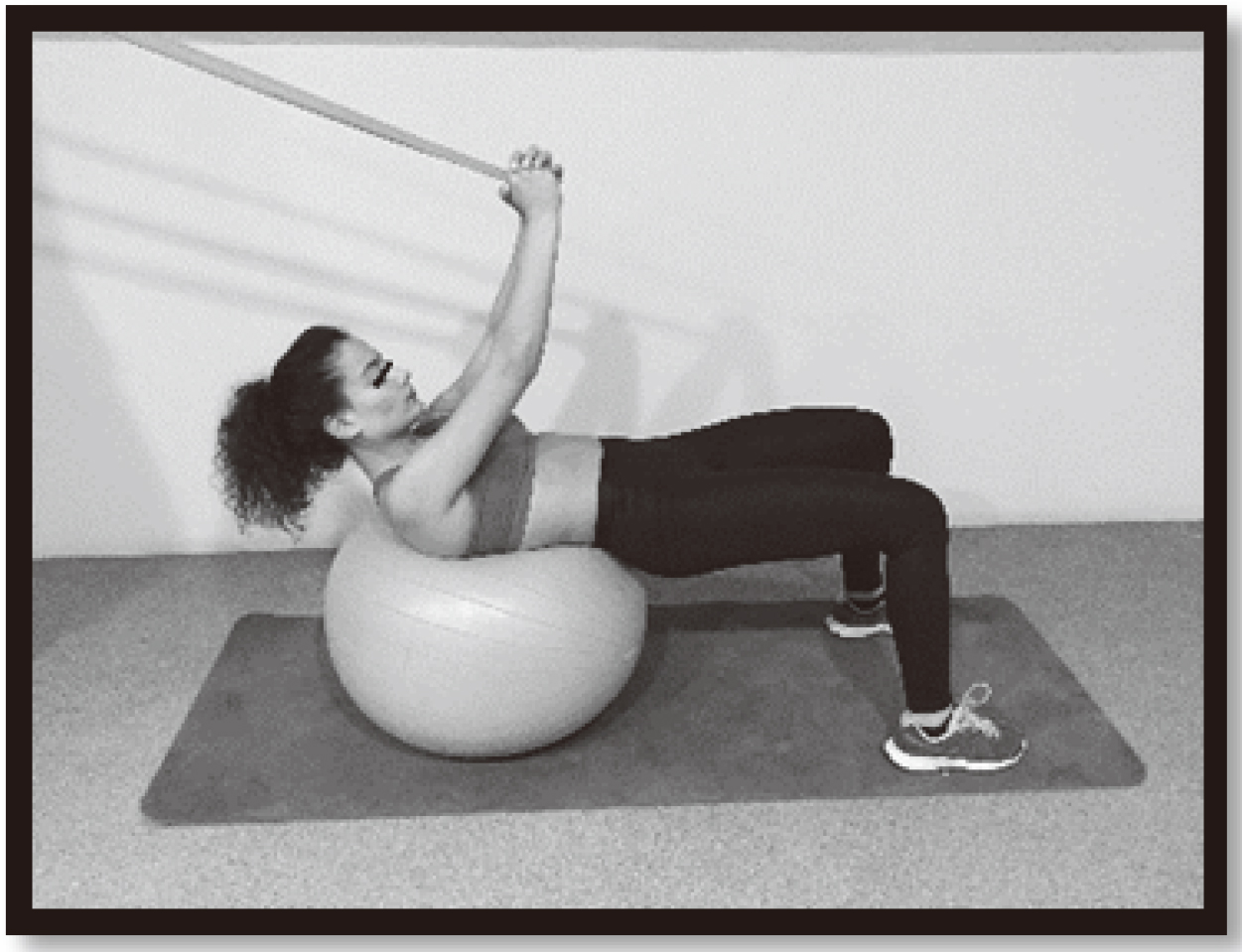
Swiss Ball Exercises. Hip extension and knee flexion.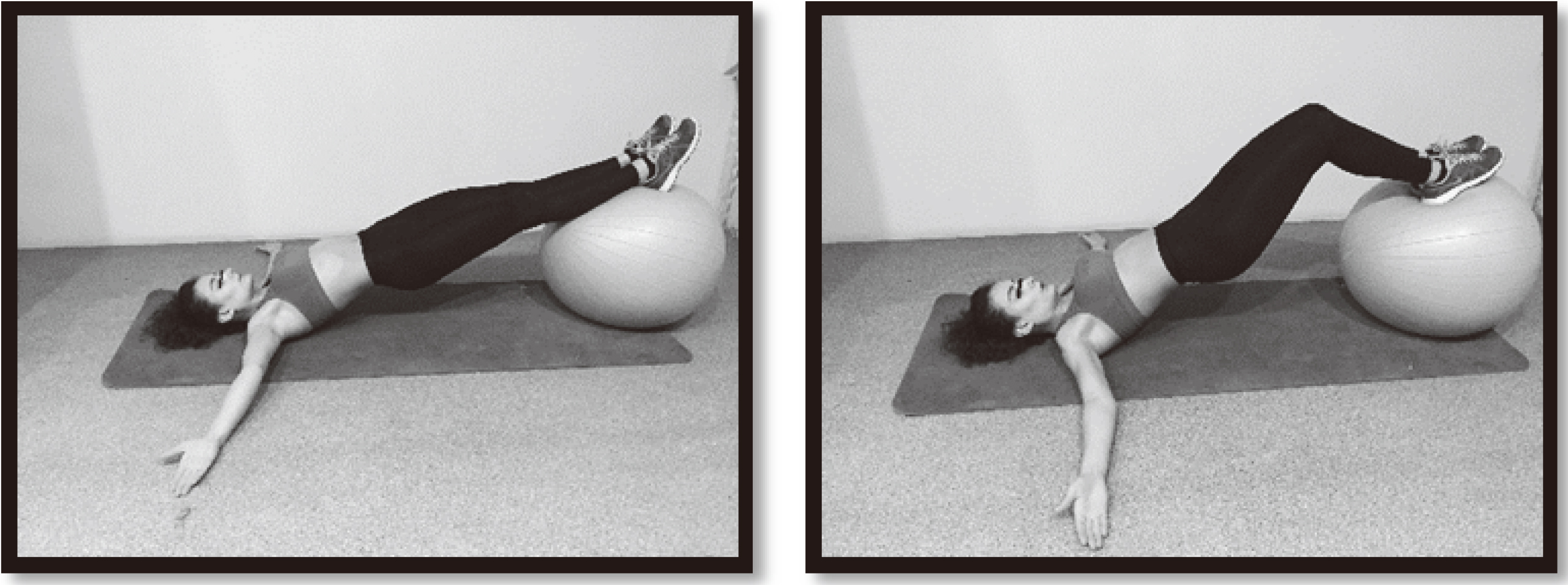
Swiss Ball Exercises. McGill side raise with static hip adduction.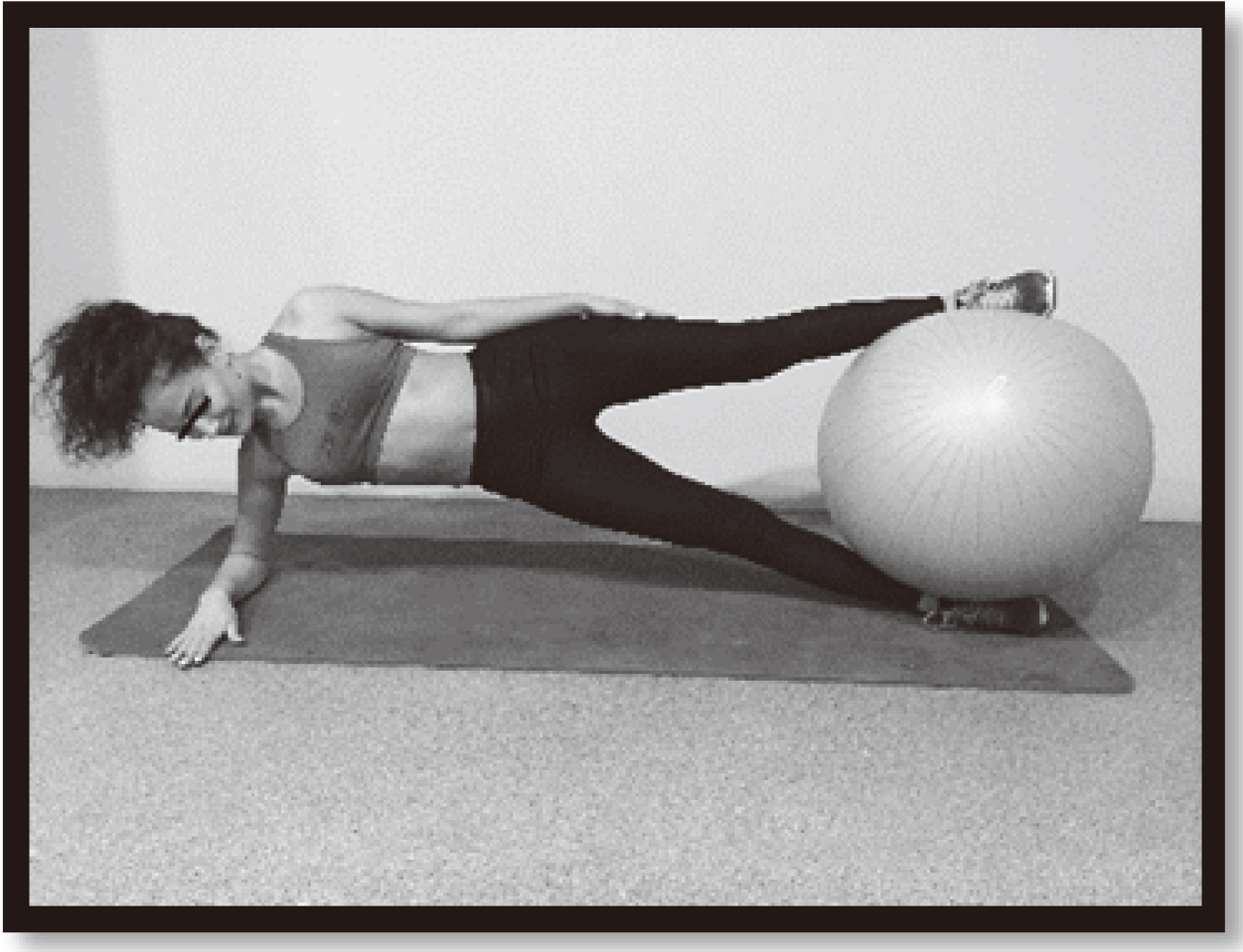
Swiss Ball Exercises. Prone ball hold with knee drive.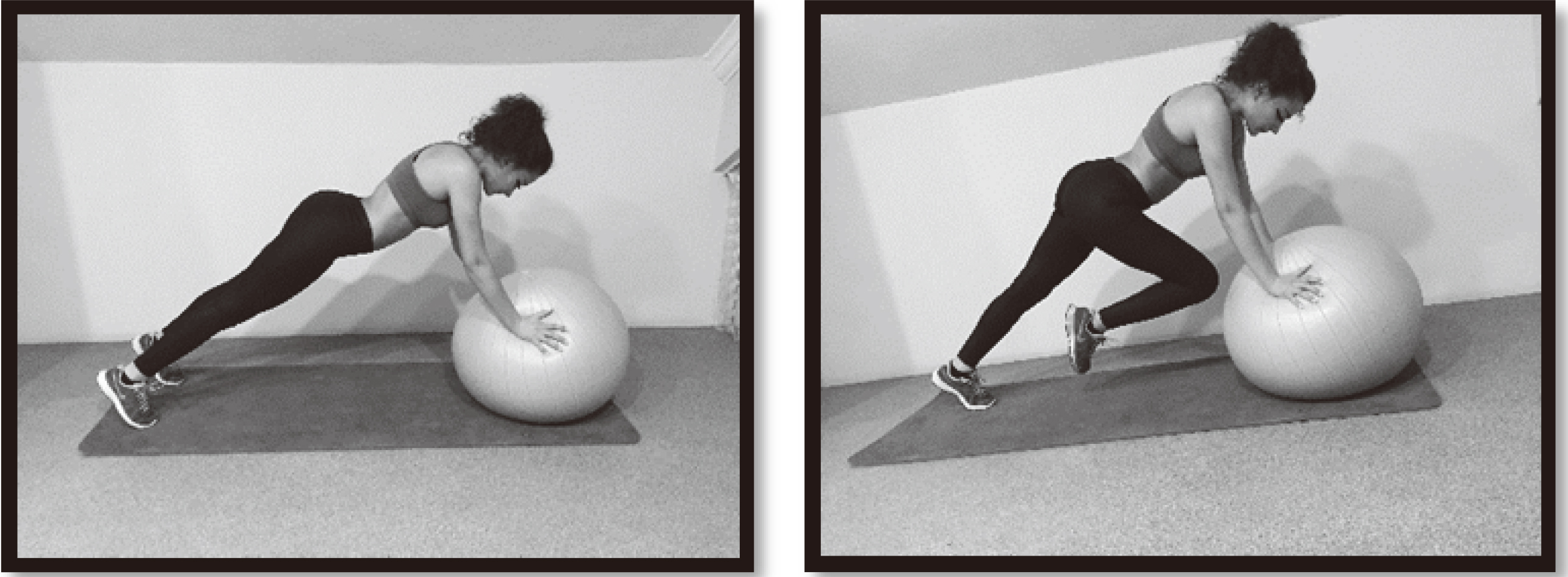
Swiss Ball Exercises. Push up.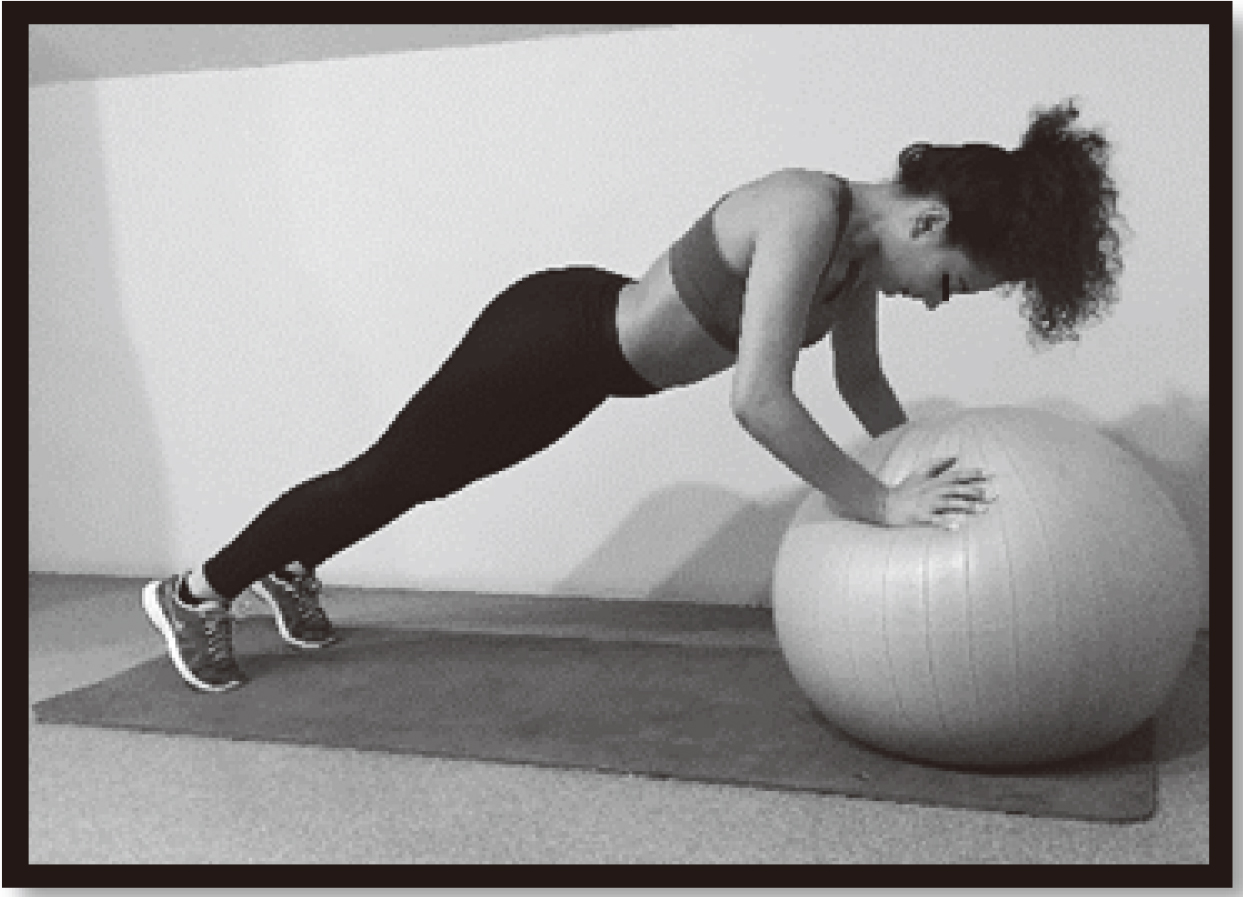
Swiss Ball Exercises. Supine lower abdominal cable curl.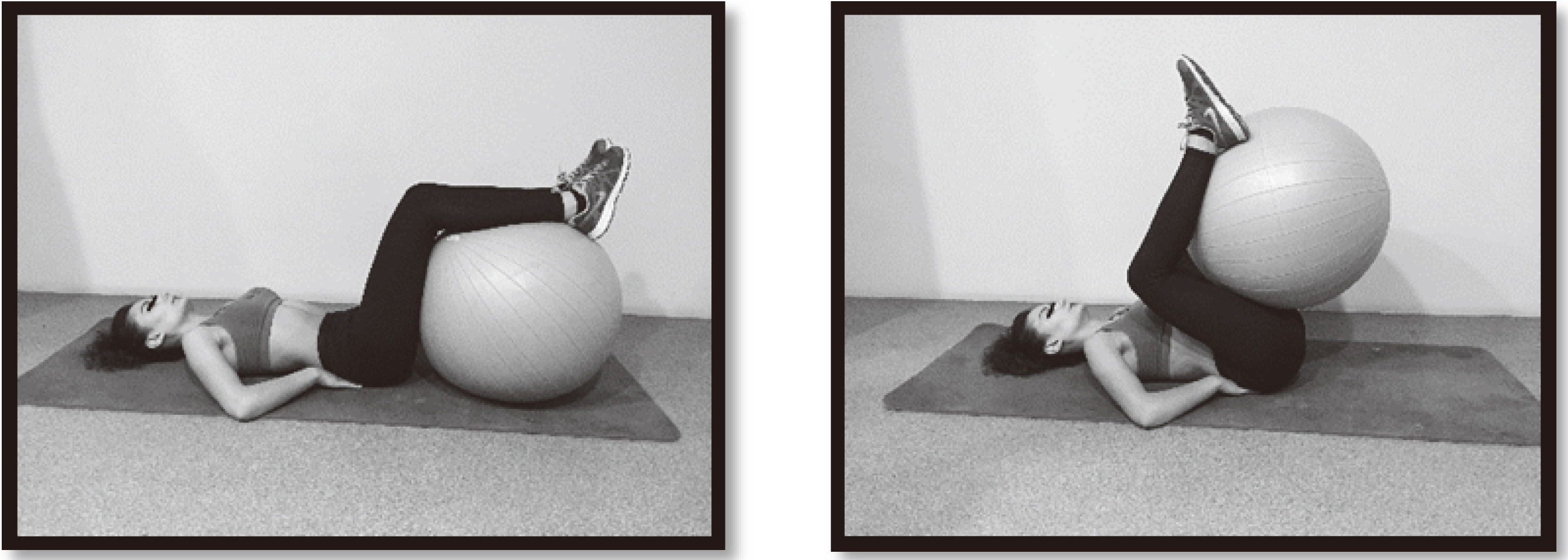
Theraband Exercises. Curl up.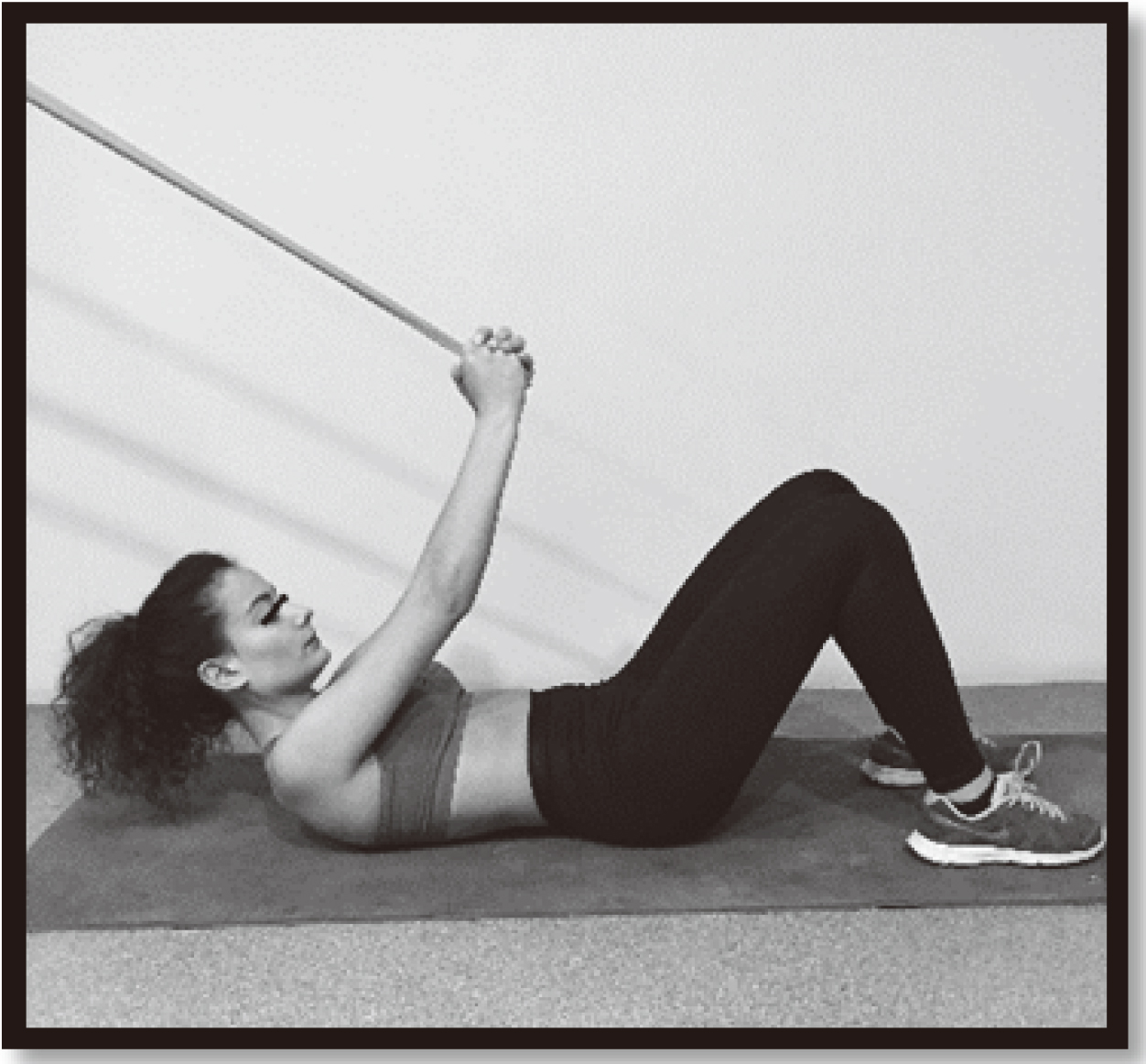
Theraband Exercises. Bridge.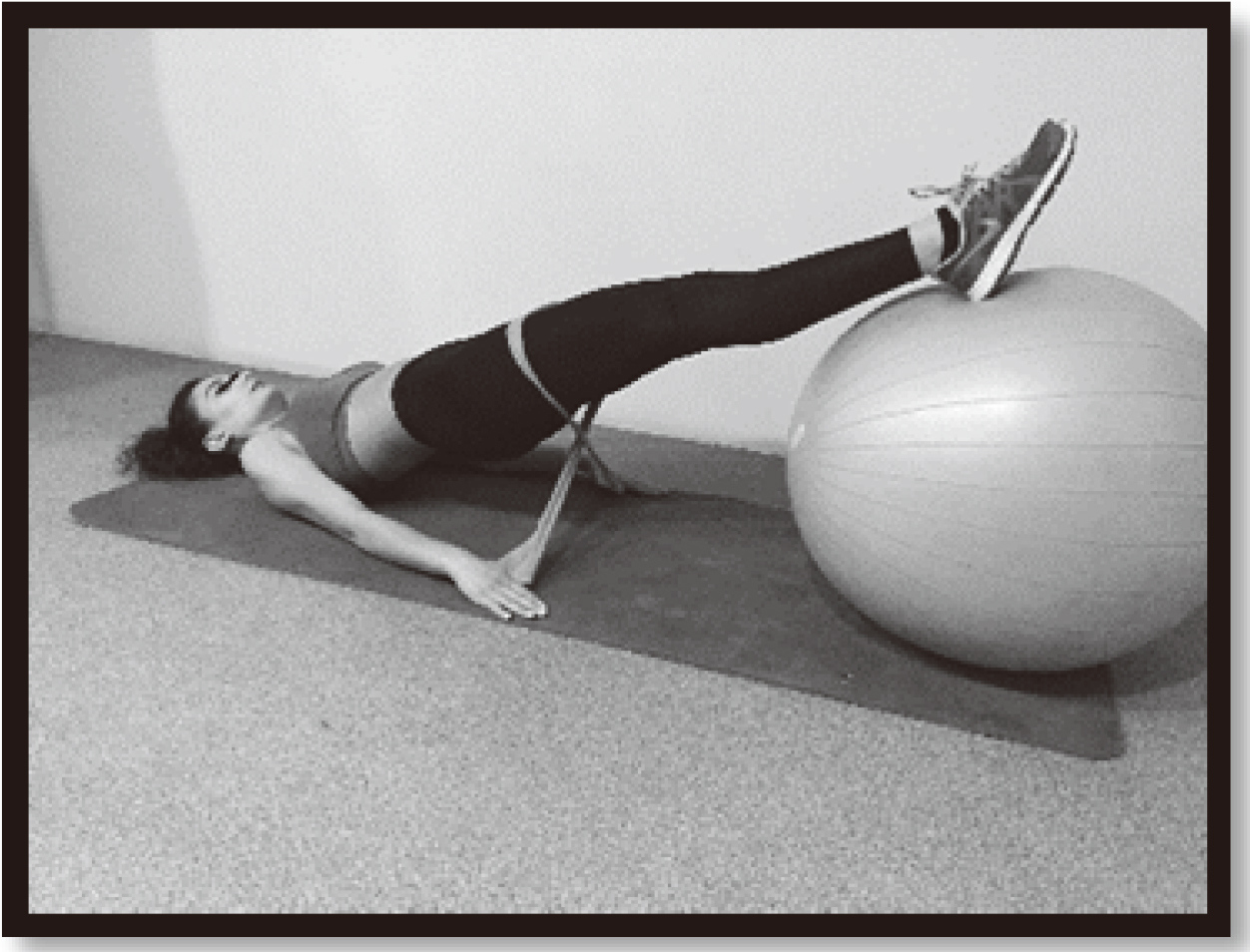
Theraband Exercises. Side bridge.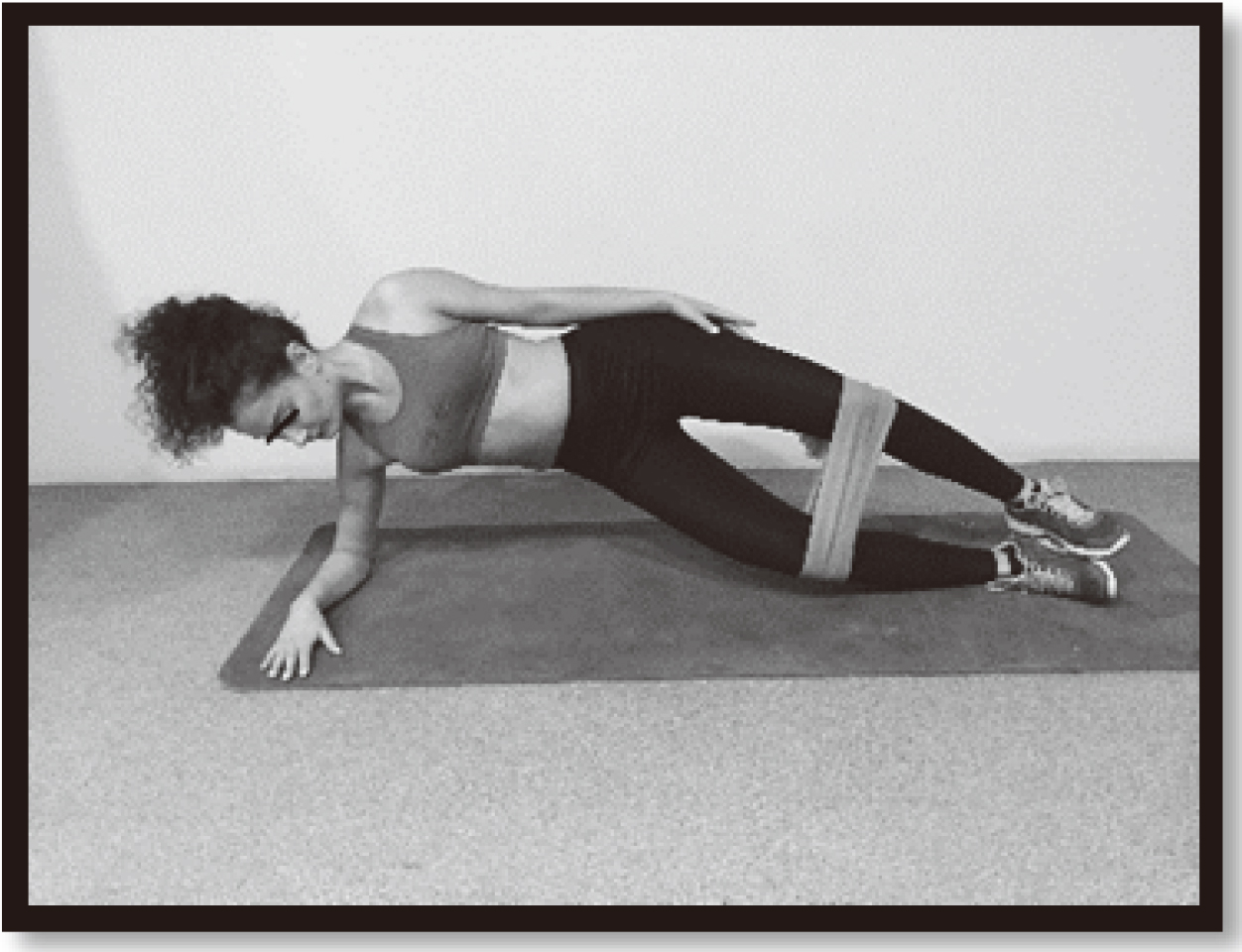
Theraband Exercises. Quadruped stabilization.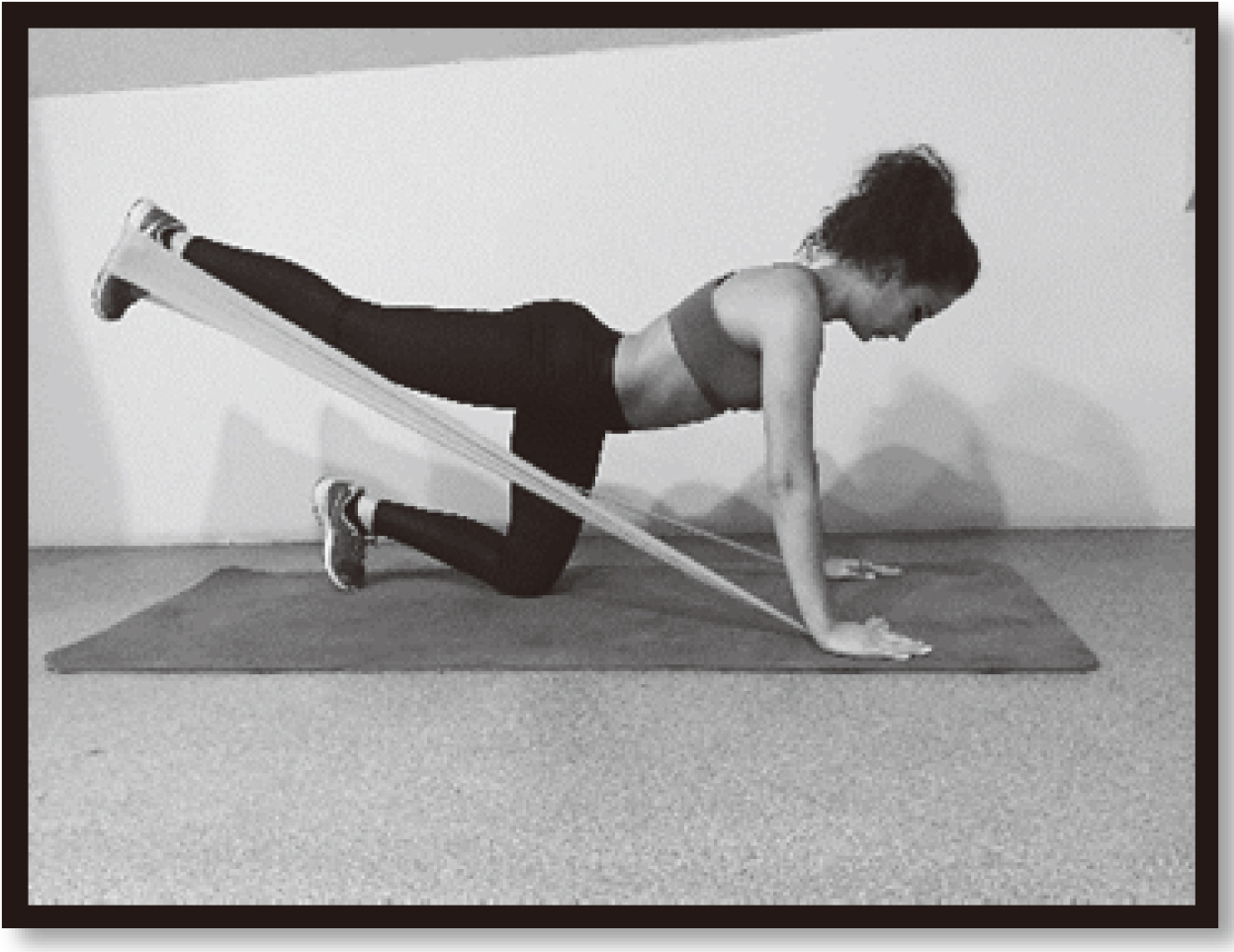
Theraband Exercises. Push up.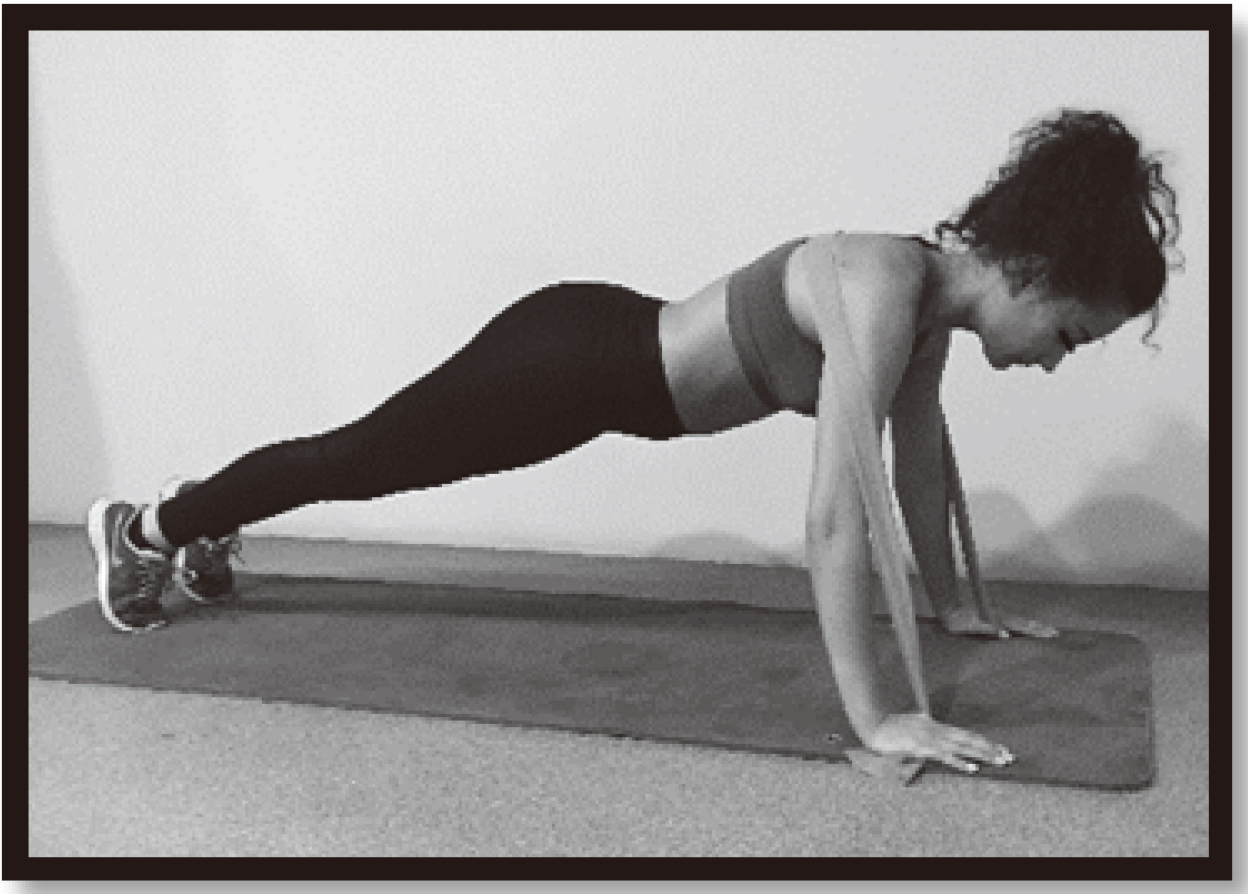
Theraband Exercises. Lower abdominal crunch.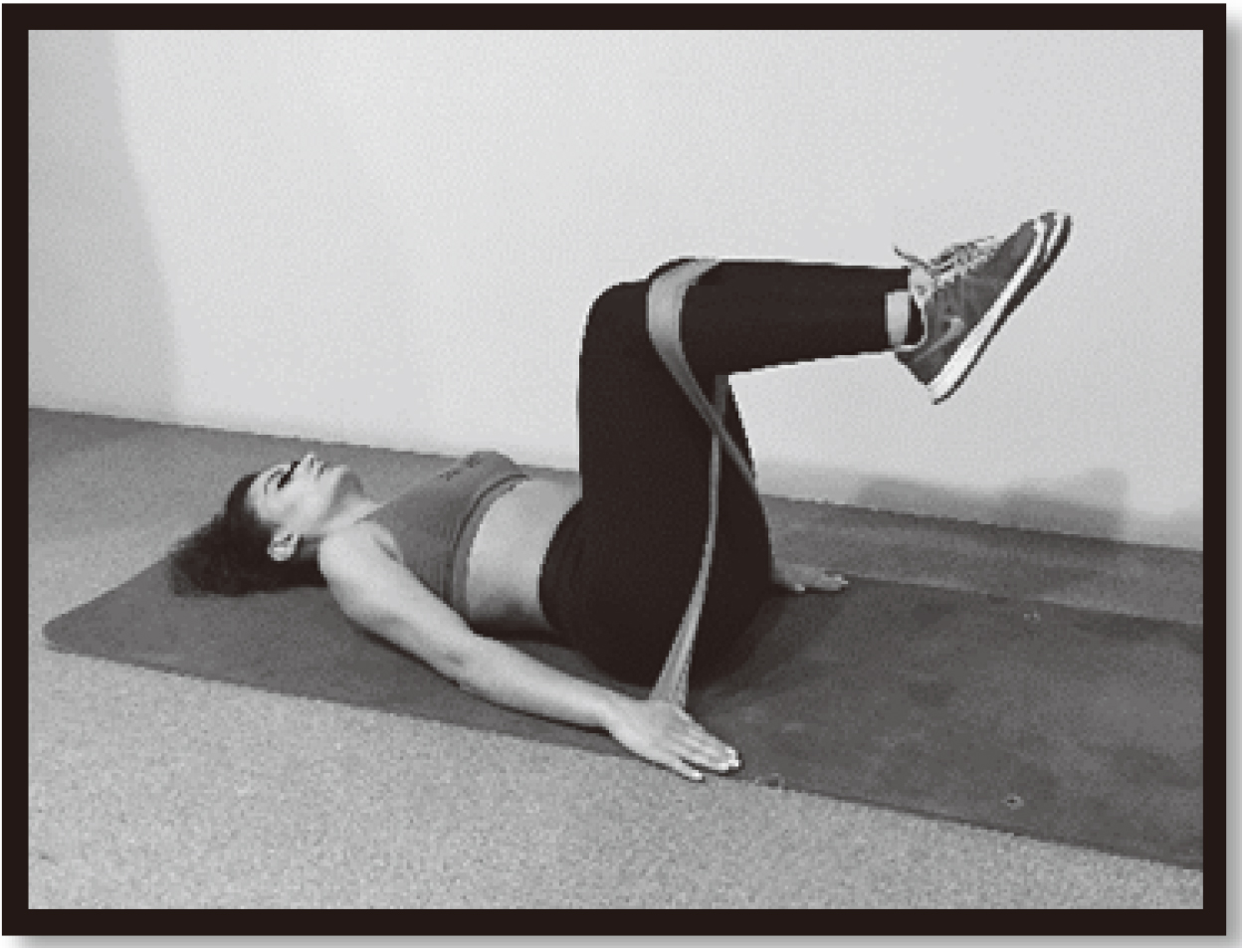
Both SBC and TBC groups were given the core exercise program according to the formula: 6 w
Swiss Ball exercises were planned as curl up (Fig. 1), Hip extension and knee flexion (Fig. 2), McGill side raise with static hip adduction (Fig. 3), Prone ball hold with knee drive (Fig. 4), Push up (Fig. 5), and Supine lower abdominal cable curl (Fig. 6).
Theraband Exercises were planned as Curl up (Fig. 7), Bridge (Fig. 8), Side bridge (Fig. 9), Qua- druped stabilization (Fig. 10), Push up (Fig. 11), and Lower abdominal crunch (Fig. 12).
Testing procedures
Height and body weight measurement
Body weights were measured with a Tanita (TBF 300) body composition analyzer device, with a sensitivity of
Body fat percentage (BFP) and body mass index (BMI)
Body fat percentages and body mass indexes were measured with a Tanita (TBF 300) body composition analyzer device. The participants were asked to step on the electrodes on the measurement platform of the body composition analyzer in bare feet and remain still for 10 seconds.
Core stabilization test
A 4-stage test consisting of Prone bridge, Extensor Endurance, Flexor endurance, and Side bridge, developed by McGill [21] was administered.
Prone bridge test
This is a basic static test to measure body endurance. During the test, the participants lifted their pelvis upright, with their elbows and forearms bilaterally shoulder-wide, and on their toes, forming a straight line parallel to the neck, shoulders, back, hips, and legs. Later, they were asked to maintain this position (Plank position). The time elapsed until the subject became tired and/or could not keep the position was recorded in seconds [29].
The extensor endurance test
It is a static test used to evaluate the durability of back extensors. For this test, the participant laid down in the supine position, hanging off the edge of the bed starting with the anterior superior of the spine iliac. The participants were strained at the level of the gastrocnemius muscle and they were asked to keep their torso parallel to the ground against gravity as their hands were locked at the breast level. Partial trunk extension was allowed. The time was stopped and the score was recorded in seconds when the subject stopped because of tiredness/pain and/or because the position was not maintained [22].
The flexor endurance test
Participants were positioned with hip and knee 90
The side bridge test
The participant was evaluated on both right and left sides. The athlete was laying on her side, with the arm on the side to be assessed perpendicular to the floor, the elbow 90
SEBT (Star excursion balance test)
Dynamic equilibrium assessment was performed with SEBT. A starting point was identified and marked. Participants were asked to place their hands on their waist and then they were told to extend to the longest distance with their right feet to reach 8 directions, namely, anterior, anteromedial, anterolateral, posterior, posteromedial, posterolateral, lateral and medial, by keeping their balance. Markings were made especially in anterolateral, anteromedial, posterolateral, and posteromedial directions to provide a 45-degree opening to the starting point to provide standardization and prevent the participants reach at different angles. The maximum distance that the participants can achieve without disturbing their balance was measured with a measuring tape. Leg length (distance between the spine iliac anterior superior and medial malleolus) was measured to provide normalization at the SEBT distances of the individuals, and the data obtained with (extension distance/leg length)
Stork balance test
The measurement was carried out with sneakers on a hard and straight surface. The participants were asked to stand on their dominant foot and place their hands on their hips; the preferred foot was placed on the floor and the other foot was placed on the knee of the leg on the floor, and the athletes closed their eyes. The subject, upon hearing the instructions, stood on the tips of their toes and tried to keep this position as much as possible. The duration was recorded as seconds [28].
Statistical analyses
Statistical analyses of the findings were carried out using the SPSS 19 package program. Since intra-group distributions were not normal and homogeneous, descriptive data were compared between groups using the Mann-Whitney U Test. The first and last test distributions of the variables were examined according to the groups, the normality of the distributions and the homogeneity of the variances were determined by the Mauchly’s Sphericity Test and the Levene Test. Because the data were not homogeneous, pre- and post-training comparisons were made with the Wilcoxon Test. The change-related analysis of training was carried out using the Multivariate Analysis of Variance in repeated measures. The significance level was accepted as
Results
There was no difference between groups in terms of pre-test values (Table 1). In all groups, body weight and BMI decreased, respectively, by 3.61% and 3.86% for the TBC and 5.77% and 6.40% for the SBC. Body fat percentage decreased only in the TBC group by 5.23%. These values are statistically significant. Prone bridge, extensor endurance, flexor endurance and side bridge test scores in core endurance improved by 38–111% in both groups but without a significant inter-group difference. In terms of Stork balance test scores, there was a 30.62% increase in the TBC group and 51.45% in the SBC group. In the SEBT scores, there was a 51.45% increase in the SBC group and 5.62% in the TBC group. The difference was in favor of the SBC group (Table 2).
Comparison of the pre-test values between the groups
Comparison of the pre-test values between the groups
Comparison of the pre-post test in-group and between group values
In the present study, the effects of core exercises administered in women performing recreational sports with the Swiss Ball and Theraband on core stabilization and balance were investigated. There was no pre-treatment difference in age, weight, and BMI data between the groups (Table 1) while TBC women were 5 cm shorter than their counterparts (statistically significant). Hence, there were no important anthropometric and biological differences that could adversely affect the test results.
As seen in Table 2, body weight and BMI values decreased in both groups, but the body fat percentage value decreased only in TBC. The first-to-last test changes for any measurement did not differ between the groups. Naturally, parameters that are closely related to important diseases (cardiovascular diseases, obesity, diabetes, orthopedic diseases, etc.), namely body weight, BMI, and body fat percentage, which are accepted as risk factors, changed positively by the Swiss Ball and Theraband exercises in these recreationally active women. Especially the 5.23% reduction in body fat percentage in the TBC group suggests that the bulk of body weight loss is fat-mass. A similar effect occurred in a study of 68 women with an average age of 40 at the end of a 3-month plates exercise program, in which fat-free mass increased and the fat percentage decreased [42]. The literature shows different results for anthropometric changes with similar core exercises, which may be caused by the differences in the groups [38]. In sedentary individuals and those performing recreational sports, improvement is more obvious and appears as early adaptation. While studies on sedentary individuals usually have positive effects on body composition [6, 15, 19, 31, 36, 42, 44], this effect has not been demonstrated in some studies [2, 3, 4, 5, 6, 7, 8, 9, 10, 11, 12, 13, 14, 15, 16, 17, 18, 19, 20, 21, 22, 23, 24, 25, 26, 27, 28, 29, 30, 31, 32, 33, 34, 35]. However, studies with non-sedentary individuals do not show a significant change [17, 18, 19, 20, 21, 22, 23, 24, 25, 26, 27, 28, 29, 30, 31, 32, 33, 34, 35, 36, 37, 38, 39, 40, 41]. Ground exercises performed 3 days a week for 8 weeks in 9 individuals led to a reduction of body fat percentage by 1.2%, and reductions of 2.7 cm, 1.7 cm, and 0.5 cm in waist, chest, and arm circumferences, respectively [31]. Core stabilization exercises administered in 23 females for 24 weeks, 3 days a week (45–60 min/day) led to thinning around the waist [24]. Abdominal strength exercises and diet programs in 19 obese and over-weight sedentary individuals led to decreased body fat percentage and increased thickness of the transabdominal muscles (external oblique, internal oblique, transversus abdominis) [19]. Welling and Nitsure [44] grouped 60 healthy sedentary individuals aged 18–40 years into three groups of 20 persons each to perform matt, Swiss Ball, and Theraband core exercises. It was found that the body composition varied significantly and positively in all three groups, but no difference was observed between groups. In the present study, although the body fat percentage decreased significantly in the TBC group, its effects on the two groups’ body composition were close to each other (Table 2). In general, it can be said that core exercises applied with the Swiss Ball and Theraband in sedentary individuals yield a change in the body composition by providing early adaptation in a short time.
Findings of core endurance tests show that a similar improvement occurs for both groups. In all dynamic and static core stabilization tests, the final test values ranged from 38% to 111%. This improvement was similar for both groups in all tests and no difference was found between groups (Table 2). Many scientific data on core exercises refer to similar findings. For example, in another study involving a similar exercise intensity, following the 8-week core program involving plank, bridge, birddog, diagonal crunch, crunch, reverse hyperextension, jack-knife, Russian twist, lateral roll, hip crossover, reverse crunch movements in both groups performing both static and dynamic exercises, the core endurance test (plank, double leg lift, back extension) scores increased [27]. The Swiss Ball stabilization exercises for 6 weeks increased core performance (Swiss Ball facial posture test and Sahrmann test); however, it did not lead to a change in running economy at different speeds, myoelectric fatigue level in different muscles, and running posture [41]. A similar result was obtained in an 8-week core exercise program with football players with high training level, and improvement was observed in shuttle, push-up, plank, back extensor, and lateral bridge core endurance tests [38]. Scibek [33] has improved the core stabilization (Sharmann Stability Test) of athletes using the therapy ball. At the end of the 8-week core stabilization study with the gymnasts, the test scores of the athletes increased compared to the control group [3]. In addition to the effects of strength and endurance skills of core muscles, which have increased with training, improvements in the measurements made in tests with similar motion properties similar to the exercises applied are more pronounced [38]. The shape and amount of contraction of the global and local muscles of the lumbar-pelvic-hip complex, acting statically and dynamically in the crunch, quadruped, lateral bridge and hip flexion movements applied with Theraband and Swiss Ball are compatible with the prone bridge, lateral bridge, trunk flexion, and back extension tests. In this regard, the groups have demonstrated a significant improvement in durability by making a progress of nearly 100% in the tests.
Another aspect of the study is the effect of the Swiss Ball and Theraband on core stabilization and balance improvement. For this purpose, in the first and last tests, balance skills were measured by Stork and SEBT tests. The results were different for the two tests. The improvement of both groups (34.62% for TBC and 51.45% for SBC) was not different between the groups for the Stork test. The improvement for SEBT was 5.62% in the Theraband group and 2.80% in the Swiss Ball group, indicating that the improvement in the Theraband group was statistically higher (Table 2). Although the functional differences between the two balance tests are considered to be the source of the differences between the groups, the result is similar to another study with a different balance test. The Berg test (dynamic balance) and 30-second chair (lower extremity strength) test were applied in women aged 65–70 years who received core exercises with Theraband and Swiss Ball and the results were similar to results of the present study. Similarly, Theraband exercises were associated with more significant improvement in both balance and lower leg strength tests than the Swiss Ball and control group [7]. In this respect, it can be said that Theraband exercises are more effective for dynamic balance improvement than Swiss Ball exercises. Besides, in many studies, athlete and sedentary individuals subjected to core exercises have shown significant improvements in balance tests. For example, a 5-week core exercise in tennis players resulted in the improvement of SEBT test scores [32]. 12-week Swiss Ball core exercise trials (Swiss Ball crunch, arm-leg extension, shoulder bridge, back extension, hamstring curl, and leg raise) with women (
When the findings are evaluated in general, the effects of short term applications of Swiss Ball and Theraband core exercises on body composition and core stabilization tests in sedentary individuals were similar. Swiss Ball and Theraband core exercises used in training practices may reduce body fat percentage and increase muscle mass in early period. This improvement appears in balance and stabilization skills in the same way. Swiss Ball and Theraband applications increase overall body stability. Despite improvements in the practice of Swiss Ball for balance improvement, Theraband applications showed a better improvement, which is among the most important findings of the study. In this respect, it may be beneficial to increase the number of core exercises made with Theraband in training programs that are primarily aimed at balance improvement (especially in the elderly individuals and those with a high risk of falling).
Core exercises may be carried out with just body weight with no need for additional tools; but they may also be enriched with a variety of such. The use of Theraband and Swiss Ball in core exercises allows the use of core exercises in both stable and non-stable surfaces. Core exercises administered on both stable and non-stable surfaces causes the muscles to be part of movements in varying ratios. As both training methods lead to positive effect on the tested variables, the choice of the specific method should probably be decided based on individual preference and the training environment.
As for the limitations of the study, we suggest that the intensity and scope of training programs and exercises, and the energy expenditure in the study were not clearly controlled. However, since the exercises were predominantly in the form of endurance, the effect of intensity on training adaptability is likely to be low while the individuals involved in the practice were sedentary. We also concede that the number of participants was small and may have accounted for some of the nonsignificant differences in the outcome measures.
Footnotes
Conflict of interest
None to report.