




Abstract
Due to the growing stress experienced by teachers in an ever-changing educational environment, there is a rising focus on improving their overall occupational well-being. The objective of this meta-analysis is twofold: (1) to examine the effectiveness of current interventions in enhancing teachers’ overall occupational well-being, along with specific dimensions of well-being, and (2) to identify factors that may influence the effectiveness of these interventions. To guide the analysis of this review, we used an adjusted four-dimensional occupational well-being framework encompassing subjective, cognitive, social, and psychosomatic dimensions. The final analysis included 34 studies representing 4,403 in-service teachers. The results suggested that existing interventions had a significant positive and medium effect on improving teachers’ overall occupational well-being. Upon examining the specific dimensions, the interventions exert the greatest effect on teachers’ subjective well-being and relatively lower effects on their cognitive and social well-being. However, the results of the moderator analysis and meta-regression analysis showed that the investigated factors (i.e., delivery mode, the presence of instructors, intervention scale, intervention length in hours, program duration in months, and the intensity of intervention) exhibited no significant relations with the intervention effectiveness across the four dimensions of occupational well-being. Based on the findings, we recommend the development of future interventions to address teachers’ cognitive and social well-being more effectively. Schools could also provide structural support to ensure the relevance and effectiveness of teacher well-being interventions. Additionally, schools could consider the intervention benefits and costs for teachers and provide intervention in an appropriate mode, scale, length, intensity, and duration.
Keywords
The occupational well-being of teachers is a crucial topic that significantly impacts both the individual development of students and the overall success of schools. Numerous studies have provided evidence suggesting that teachers’ well-being facilitates their organizational commitment (McInerney et al., 2015; Zhu et al., 2011) and reduces turnover intentions (Briner & Dewberry, 2007; Carver-Thomas & Darling-Hammond, 2017; Lee, 2019). The well-being of teachers also plays a vital role in influencing students, as it affects how teachers interact with students, the quality of teaching, and ultimately, students’ well-being, learning outcomes, and academic achievement (Braun et al., 2020; Granziera et al., 2023; Madigan & Kim, 2021; Pianta & Hamre, 2009; Schleicher, 2018; Spilt et al., 2011). Therefore, it is of utmost importance to prioritize and promote teachers’ occupational well-being, not only for teachers’ personal and professional fulfilment but also for the enhancement of student development and the sustained growth of the school.
Despite extensive research efforts to demonstrate and conceptualize the beneficial impact of high levels of occupational well-being among teachers, there has been relatively less attention given to interventions that directly enhance teacher well-being. Within existing studies, common interventions for promoting teacher well-being often include mindfulness-based interventions, physical exercises, cognitive behavior therapies, positive psychology interventions, and peer support services (e.g., Ancona & Mendelson, 2014; Cook et al., 2017; Corbett et al., 2022; Franco et al., 2010; Gold et al., 2010; Kim & Gurvitch, 2020). However, there are significant variations in these interventions. For instance, some of these programs were conducted online, while others were conducted onsite. Some programs involved only a brief one-hour emotional journal writing without any additional guidance (e.g., Ashley et al., 2013), whereas others could involve extensive 50-hour sharing plus multiple additional training sessions (e.g., Oliveira et al., 2022). Additionally, some interventions took only one or two days (e.g., Kidger et al., 2016; Żołnierczyk-Zreda, 2005), while others could last up to 12 months, involving multiple training sessions, booster components, and additional coaching (e.g., Tyson et al., 2009). Finally, the scale of interventions also varies, with some involving a small number of participants (e.g., 10–30; e.g., McCullough et al., 2022; S. G. Taylor et al., 2021) and others with hundreds of participants (L. E. Sandilos et al., 2018; Wolf et al., 2019).
Therefore, several questions arise: How effective are these diverse interventions in promoting teachers’ occupational well-being? Does their effectiveness vary across different dimensions of well-being, such as cognitive, psychosomatic, and social aspects of well-being? Furthermore, do factors such as the scale of the intervention, program duration, and intensity influence their effectiveness? To address these questions, a systematic review is essential. Such a review would synthesize the findings of these varied interventions and provide valuable insights into the most effective practices. Furthermore, the results of such a review could serve as a foundation for researchers and educational practitioners to develop interventions that most effectively and optimally enhance teachers’ occupational well-being.
Teachers’ Occupational Well-being
Teachers’ occupational well-being is generally referred to as their ability to function effectively and maintain good health in their work environment (Collie et al., 2015). Van Horn et al. (2004) initially proposed a comprehensive five-dimensional framework to analyze teachers’ occupational well-being, which encompasses affective, social, professional, cognitive, and psychosomatic dimensions. Specifically, affective well-being focuses on teachers’ positive emotional experiences in the work environment. Professional well-being relates to teachers’ satisfaction derived from pursuing occupational goals and aspirations. Social well-being focuses on teachers’ high-quality social interactions and interpersonal relationships in the workplace. Cognitive well-being concerns teachers’ ability to process job-related information effectively and maintain a focus on high-quality teaching. Last, psychosomatic well-being emphasizes the absence or low occurrence of teachers’ work-related stressors that lead to physical symptoms such as headaches or back pain (Van Horn et al., 2004).
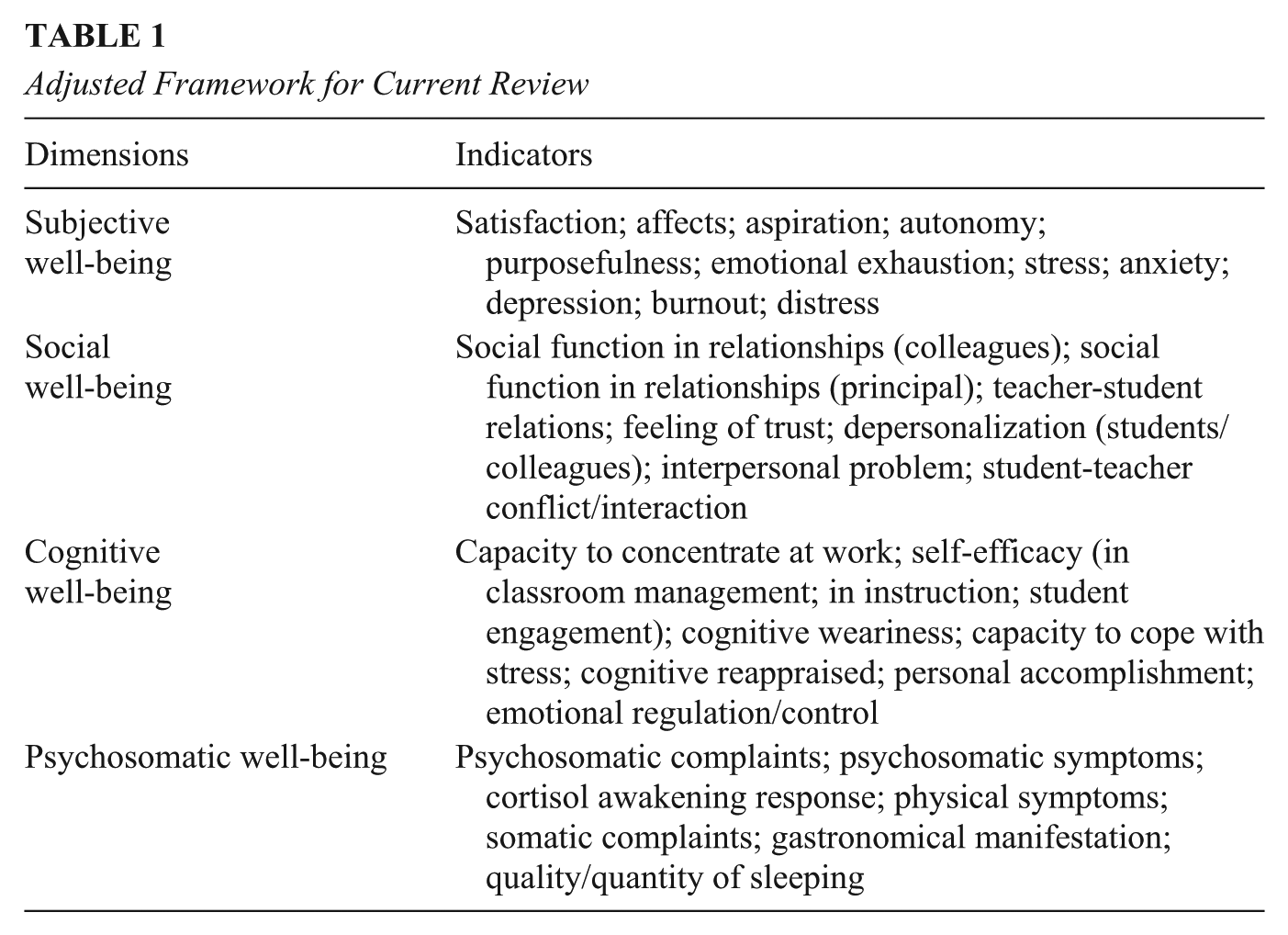
Building upon Van Horn et al.’s conceptualization, many studies on teachers’ occupational well-being have revealed a strong similarity and correlation between teachers’ affective and professional well-being (e.g., Caprara et al., 2003; Klassen & Chiu, 2010). In fact, distinguishing between teachers’ positive emotional experiences and their internal sense of satisfaction has proven challenging (e.g., Dreer, 2021). As a result, the OECD has combined these two dimensions into a composite dimension called subjective well-being while retaining the other three dimensions (i.e., social, cognitive, and psychosomatic; Viac & Fraser, 2020). The updated subjective dimension captures teachers’ subjective experiences of positive emotions and satisfaction derived from their work. In this study, we have considered and integrated both Van Horn et al.’s and OECD’s conceptualizations of teachers’ occupational well-being. Specifically, we propose this multidimensional construct to encompass the subjective, social, cognitive, and psychosomatic dimensions (refer to Table 1 for further details).
Adjusted Framework for Current Review
Factors Influencing Teachers’ Occupational Well-Being
Numerous theoretical frameworks have been developed to gain a comprehensive understanding of the complex interplay among various individual, relational, and organizational factors that influence teachers’ occupational well-being. One prominent framework that effectively encompasses a diverse range of predictors for teacher well-being is the job demands-resources (JD-R) model (Nwoko et al., 2023; Zhou et al., 2024). This model suggests that both demands and resources contribute to one’s well-being. Demands refer to aspects that require sustained mental, physical, and cognitive effort, often leading to negative psychological outcomes such as stress and burnout (Bakker & Demerouti, 2007). They can be further classified into job demands, such as bureaucracy and workload, and personal demands, such as unrealistic expectations that individuals set for themselves (Skinner et al., 2021). In contrast, resources are elements that foster professional growth and help individuals achieve job goals that contribute positively to teachers’ well-being (Bakker & Demerouti, 2007). Resources encompass job-related resources, such as principal support, and personal resources, including resilience and adaptive personal traits. Numerous studies have shown that higher levels of resources are associated with improved teacher well-being (Skaalvik & Skaalvik, 2018; Viac & Fraser, 2020).
One key assertion of the JD-R model is that both individual (e.g., personal demands and personal resources) and contextual (e.g., job demands, job resources) factors significantly influence teachers’ occupational well-being. For instance, under similarly unfavorable working conditions, such as during the COVID-19 pandemic, a resilient teacher might cope more effectively than another teacher with lower resilience (Herman et al., 2021; Lu et al., 2024; Yang et al., 2023). Conversely, for teachers who may possess less favorable characteristics for the teaching profession, such as extreme introversion, a supportive school leader may help mitigate the impact of limited personal resources, thereby enhancing teachers’ occupational well-being (R. F. Cann et al., 2021; Macovei et al., 2023; Yıldırım, 2014). While both the personal and contextual factors play important roles in influencing teacher well-being, the JD-R model also posits that optimal outcomes usually occur when there is a combination—an interaction—of high personal and contextual resources alongside low personal and contextual demands.
Empirical research has consistently focused on both personal and contextual factors. For example, personal resources—such as the ability to set appropriate teaching goals, a strong sense of self-efficacy in accomplishing teaching tasks, and effective stress coping strategies—are crucial (Burić et al., 2020; Cansoy et al., 2020). These personal resources enable teachers to cope more effectively with challenging working conditions and the complex sociocultural contexts of teaching and learning than those who possess relatively weaker personal resources (Herman et al., 2021; Zewude & Hercz, 2022). A recent meta-analytic review has similarly identified that teachers’ motivation, self-efficacy, personality traits, and coping strategies are among the most important personal resources linked to their occupational well-being (Zhou et al., 2024).
In addition, teachers who work in schools with a positive climate, enjoy sufficient pedagogical autonomy, and receive supportive leadership are more likely to experience higher levels of occupational well-being (Carroll et al., 2022; Collie et al., 2016; Nie et al., 2015; Skaalvik & Skaalvik, 2018; Viac & Fraser, 2020). For instance, Weiland’s (2021) study, which involved semistructured interviews with elementary school teachers, revealed that teachers’ relationships with school leaders and colleagues play a crucial role in influencing their occupational well-being. Other studies have similarly suggested that effective school leadership can serve as a valuable job resource that enhances teacher well-being (R. F. Cann et al., 2021; Dreer, 2022). In contrast, increasing workloads and unrealistic job expectations imposed by school principals may act as excessive job demands that undermine teacher well-being (Skinner et al., 2021).
Interventions for Promoting Teacher Well-Being: Individual- Versus Contextual-Level Efforts
Enhancing teacher well-being involves two critical components: improving teachers’ personal factors (increasing personal resources and reducing personal demands), as well as promoting better contextual factors (increasing contextual support while reducing contextual demands). The intervention mechanisms for these components differ significantly. Specifically, promoting teachers’ personal resources primarily entails providing training that equips them with knowledge related to well-being enhancement (R. F. Cann et al., 2021; Macovei et al., 2023). Such programs are typically implemented at the individual level and can vary widely in effectiveness; some may work better for specific types of teachers than others (Kutsyuruba et al., 2019). In contrast, promoting contextual support and reducing job demands usually requires a different approach (Wingerden et al., 2016). This involves support from school leaders, revisiting educational policies, and implementing strategies focusing on training or discussions with school leaders rather than directly with each individual teacher (Lummis et al., 2022; Tingle et al., 2019). These intervention programs are expected to bring about large-scale changes at the school level rather than merely enhancing individual teachers’ abilities to cope with instructional challenges (OECD, 2020).
Agyapong et al. (2024) and Nwoko et al. (2023) both indicate in their research that current initiatives aimed at contextual changes are significantly less documented than those targeting individual teacher behaviors. This is despite evidence suggesting that systemic reforms might lead to more sustainable improvements in teachers’ well-being (Pagán-Castaño et al., 2021). Furthermore, among the few initiatives focusing on contextual changes, very few explicitly describe themselves as “interventions” for teacher well-being, but rather as “school improvement” or “mentoring programs” (e.g., Day & Gu, 2010; Ingersoll & Strong, 2011).
In this review, we will primarily focus on interventions designed to promote teacher well-being at the individual level. This means that the targeted interventions will aim to enhance individual resilience and coping potential rather than changing the school or contextual climate more broadly. The fundamental assumption underlying these interventions is that enhancing teacher well-being involves equipping them with greater personal resources, such as stress coping strategies, resilience, and positive thinking skills, which should ultimately foster better well-being among teachers (e.g., Cann et al., 2024).
However, it is important to clarify that our focus on individual-level interventions does not imply a neglect of contextual support for teachers. Instead, we express skepticism about the effectiveness of interventions that solely address individual factors without incorporating changes to the broader context in which teachers operate. Therefore, we aim to critically position our meta-analytical assessment against a backdrop that emphasizes the necessity of both individual and school-level resources to promote optimal well-being in teachers (Wang & Hall, 2019; Wang & Klassen, 2023). Based on the findings of this review, we aim to identify further directions for interventions and make recommendations for both school improvement and teacher development.
Types of Interventions at the Individual Teacher Level
According to Iancu et al. (2018), these individual-level intervention programs can largely be classified into five major categories, including mindfulness, physical exercise, social-emotional learning, positive psychology training, and cognitive behavioral activities.
First, mindfulness is a practice that involves intentionally focusing one’s attention on the present moment, with an attitude of nonjudgmental awareness. It involves observing one’s thoughts, emotions, and bodily sensations without getting caught up in them or reacting to them (Emerson et al., 2017; Roeser, 2016; Roeser et al., 2012, 2013, 2022). Mindfulness is often cultivated through meditation techniques, such as paying attention to breath or body sensations, with the goal of helping individuals develop a state of heightened awareness and acceptance of themselves, which can lead to improved emotion regulation and overall psychological well-being (Hwang et al., 2017, 2019a, 2019b). The educational literature has documented several mindfulness-based interventions that were specifically designed for teachers. One notable example is the stress management and relaxation techniques (SMART) in the education program developed by Cullen and Wallace (2010). Research has consistently demonstrated the effectiveness of this program in significantly reducing teachers’ burnout (Franco et al., 2010) and improving their job satisfaction (Hülsheger et al., 2013).
Second, physical exercise interventions are widely utilized among teachers, and they encompass activities such as yoga, stretching, tai chi, walking exercises, aerobic workouts, or any other forms of exercise that involve body movement (Abós et al., 2021). The primary purpose of these programs is to help teachers achieve physical relaxation and reduce muscle tension. By improving their physical well-being, teachers can establish better social relationships, enjoy improved sleep quality, and ultimately become more resilient to occupational stress (Fontana et al., 2022).
Empirical evidence supports the efficacy of physical exercise interventions for teachers. For instance, Kim and Gurvitch (2020) designed and implemented a seven-week catchball training program for middle school teachers, and the program was found to significantly reduce teachers’ stress. Additionally, Abós et al. (2021) examined the impact of a leisure-time physical activity intervention that included play-based and strength-based activities, aerobic training, and a series of back pain prevention exercises for teachers from public schools in Spain. The study revealed notable enhancements in job satisfaction and work engagement among the teachers in the intervention group compared to the control group. However, it is important to note that these interventions have heavily relied on teachers’ self-reported data to evaluate outcomes, including their stress levels, job satisfaction, and work engagement. Relying on teachers’ self-reports may lead to inflated findings, as teachers may have a desire to please the researchers who could also be their instructors in these intervention programs.
Third, interventions that are specifically designed based on social-emotional learning principles aim to foster high-quality interpersonal interactions among teachers. While these interventions have traditionally focused on improving teachers’ relationships with their students, there is a growing recognition of the importance of cultivating positive interpersonal connections among teachers themselves (Collie et al., 2012; Jennings & Greenberg, 2009; Jennings et al., 2011, 2013; Neugebauer et al., 2019; Oliveira et al., 2021; L. E. Sandilos et al., 2018, 2020, 2023). For instance, Domitrovich et al. (2016) conducted a school-based randomized controlled trial with a social-emotional training component. The intervention aims to create a positive classroom climate and nurture supportive interpersonal networks among teachers within the school community. The results demonstrated that the program significantly improved teachers’ teaching self-efficacy and social-emotional competence while reducing their burnout.
Fourth, positive psychology interventions help individuals identify and develop personal strengths, promote positive emotions, and encourage individuals to explore their potential to eventually promote overall well-being (Carr et al., 2021; Sin & Lyubomirsky, 2009). Examples of these interventions involve asking teachers to write down successful occurrences in their lives or during the day, express gratitude, and reflect on their previous accomplishments. These practices aim to help teachers shift their focus from the negative aspects toward the positive aspects of their lives, develop optimism, and ultimately enhance their well-being (Carr et al., 2021; Vo & Allen, 2022).
Empirical evidence supports the effectiveness of these interventions. For example, Chan (2010, 2011) conducted a “count-your-blessings” intervention, where teachers were instructed to maintain a weekly log of three positive experiences they had during the week. Similarly, Dreer (2020) implemented an intervention that involved a series of positive psychological activities encompassing concepts such as gratitude, strength building, and kindness that were specifically designed for teachers to enhance their positive thinking and behaviors. Both interventions found significant increases in teachers’ job satisfaction and personal accomplishment and a reduction in burnout.
Finally, cognitive-behavioral therapy (CBT) addresses the intricate relationship between thoughts, emotions, and behaviors (Cook et al., 2017). The core of this intervention revolves around teachers modifying maladaptive cognitions (e.g., about occupational stressors), which lead to changes in their subsequent coping behaviors and the utilization of emotion regulation techniques. The adaptive coping behaviors and effective emotion regulation strategies will, in turn, help improve teachers’ problem-solving abilities and enhance their overall occupational well-being (Awa et al., 2010).
Empirically, Leung et al. (2011) conducted a brief three-session cognitive-behavioral stress-management training program for teachers, while Ghasemi et al. (2023) implemented a 10-session, group-based, cognitive-behavioral therapy program. Both interventions demonstrated effectiveness in reducing teachers’ work-related stress and mitigating their symptoms of burnout. Similarly, Ansley et al. (2021) implemented an intervention that integrated elements of cognitive restructuring for teachers mainly from public schools in the United States. This strategy involved instructing teachers to redirect their attention from the negative aspects to the positive aspects of a situation or event. The group of teachers who received the intervention demonstrated significant improvements in utilizing this strategy. Furthermore, they reported significantly enhanced stress-coping efficacy, reduced burnout, and increased feelings of personal accomplishment.
Formats of Existing Interventions for Teachers
There has been a lack of specific guidance regarding the format researchers should utilize when designing well-being interventions. Previous interventions have predominantly employed three primary formats: workshops/courses, additional coaching/support, and self-study activities. Workshops/courses involve lectures and training sessions where experts in the field deliver direct knowledge and skills on how to improve well-being for teachers (Gouda et al., 2016; Hwang et al., 2019b; Oliveira et al., 2022). Additional coaching/support is often provided as a supplementary component to the workshops, aiming to help teachers apply the intervention knowledge to their daily teaching practice. Although no study has specifically examined the sole effect of coaching on improving teacher well-being, it has been suggested to be an essential component of the intervention, providing an additional layer of support for teachers and enhancing the effectiveness of interventions (Becker et al., 2013; Domitrovich et al., 2016; Pas et al., 2015; Wehby et al., 2012).
Finally, self-study activities offer teachers a unique opportunity to learn strategies that promote well-being while allowing them to monitor their own progress. Typically, these interventions provide teachers with verbal or written instructions at the program’s outset (e.g., Ashley et al., 2013; Rinne et al., 2021). Teachers are then expected to follow these instructions while engaging in reading or writing activities and self-monitoring their progress. For instance, in a study conducted by Ashley et al. (2013), teachers from the UK were instructed to participate in a writing-based intervention at home, where they wrote a 20-minute emotional diary for three consecutive days. The results of this intervention showed significant improvements in teachers’ self-reported physical health. In another intervention conducted in the United States by Jeffcoat and Hayes (2012), teachers in the intervention group received “self-help” books and accessed online quizzes and discussion boards over an eight-week period. This intervention also demonstrated significant positive effects in reducing teachers’ symptoms of depression or anxiety.
Rationale of the Present Review
The primary objective of this study is to conduct a comprehensive review of existing empirical studies and synthesize their findings to investigate the effectiveness of individual-level intervention programs in promoting teachers’ occupational well-being. Specifically, we employed meta-analytical techniques to explore both the overall effectiveness of interventions across various studies and their effectiveness in promoting specific subdimensions of teachers’ occupational well-being.
In addition to examining the overall effectiveness, we will also analyze the impact of several influencing factors on intervention effectiveness. These factors include the number of participants involved, the mode of delivery (online vs. onsite), the presence of instruction (yes vs. no), the length of the intervention in hours, the duration of the program in months, and the intensity of the intervention. By incorporating these factors into our analysis, we aim to identify the key elements that enhance the effectiveness of interventions in promoting teachers’ occupational well-being. By using meta-analytic techniques, we aim to synthesize findings from a diverse range of studies, thereby obtaining a comprehensive understanding of the effective practices for promoting individual teachers’ occupational well-being.
This study seeks to address the following research questions:
Research Question 1: What is the overall effectiveness of interventions in promoting teachers’ occupational well-being?
Research Question 2: How effective are these interventions in promoting specific subdimensions of teachers’ occupational well-being?
Research Question 3: How do influencing factors such as the number of participants, mode of delivery, the presence of an instructor, intervention length, program duration, and intervention intensity influence the effectiveness of interventions in promoting teachers’ occupational well-being?
By answering these research questions, we aim to provide evidence-based recommendations for effective practices in promoting teachers’ occupational well-being.
Method
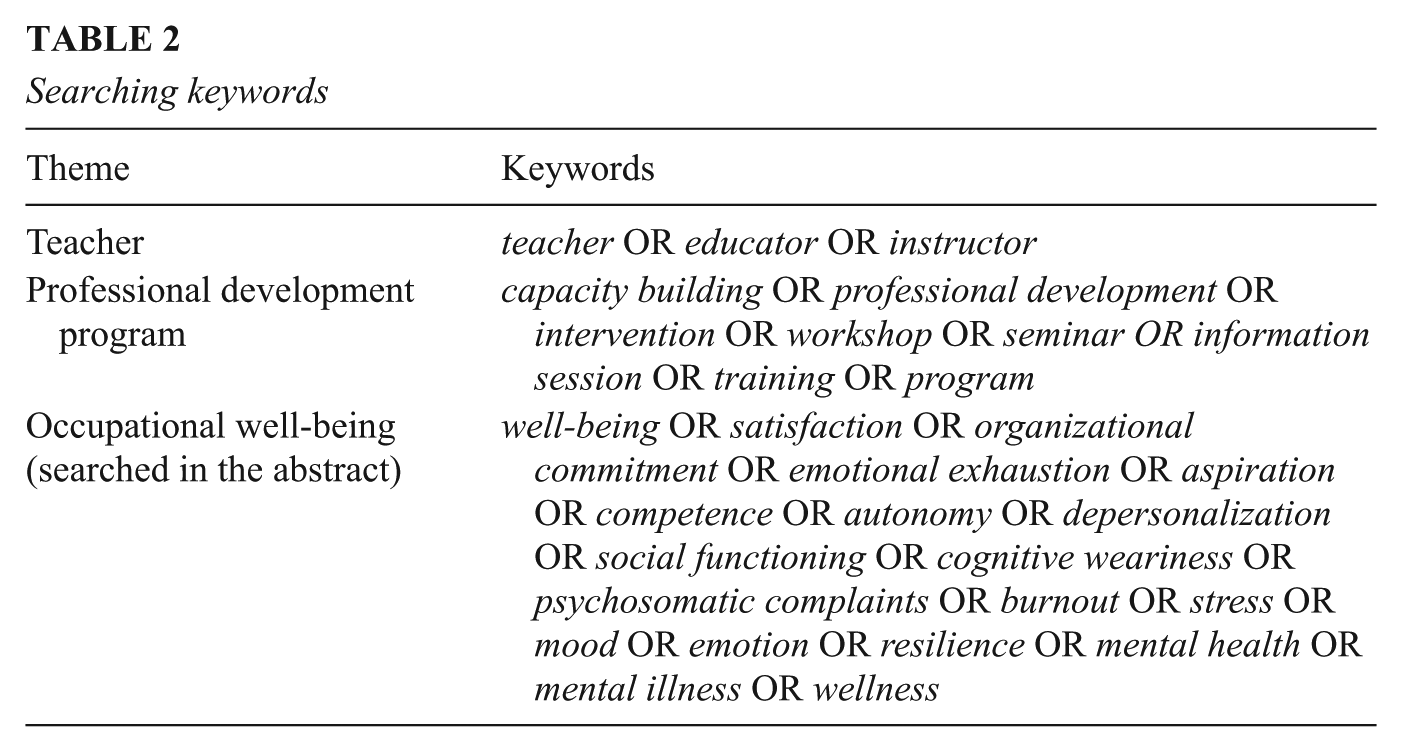
The review process began in September 2022, with the aim of evaluating the effectiveness of intervention programs targeted at improving the occupational well-being of in-service teachers. We incorporated articles published up until April 2023. To ensure a comprehensive search of all relevant literature, our team initially suggested specific search terms that covered three essential aspects: they must (1) have relevance to practicing teachers, (2) have reference to an intervention program, and (3) aim to enhance occupational well-being among teachers. Table 2 provides a detailed list of the keywords used.
Searching keywords
Preliminary Database Searching
The review adheres to the PRISMA review protocols, ensuring a rigorous and transparent screening process (Figure 1). Literature searches were conducted using academic databases, including Scopus, Web of Science, ProQuest, and EBSCO (including ERIC, PsycArticles, and the British Education Index). Google Scholar was also used to cross-check the search findings. The search was restricted to English-language articles published from the year 2000 until the search date. To maintain the quality of the included studies, only peer-reviewed journal publications were included.
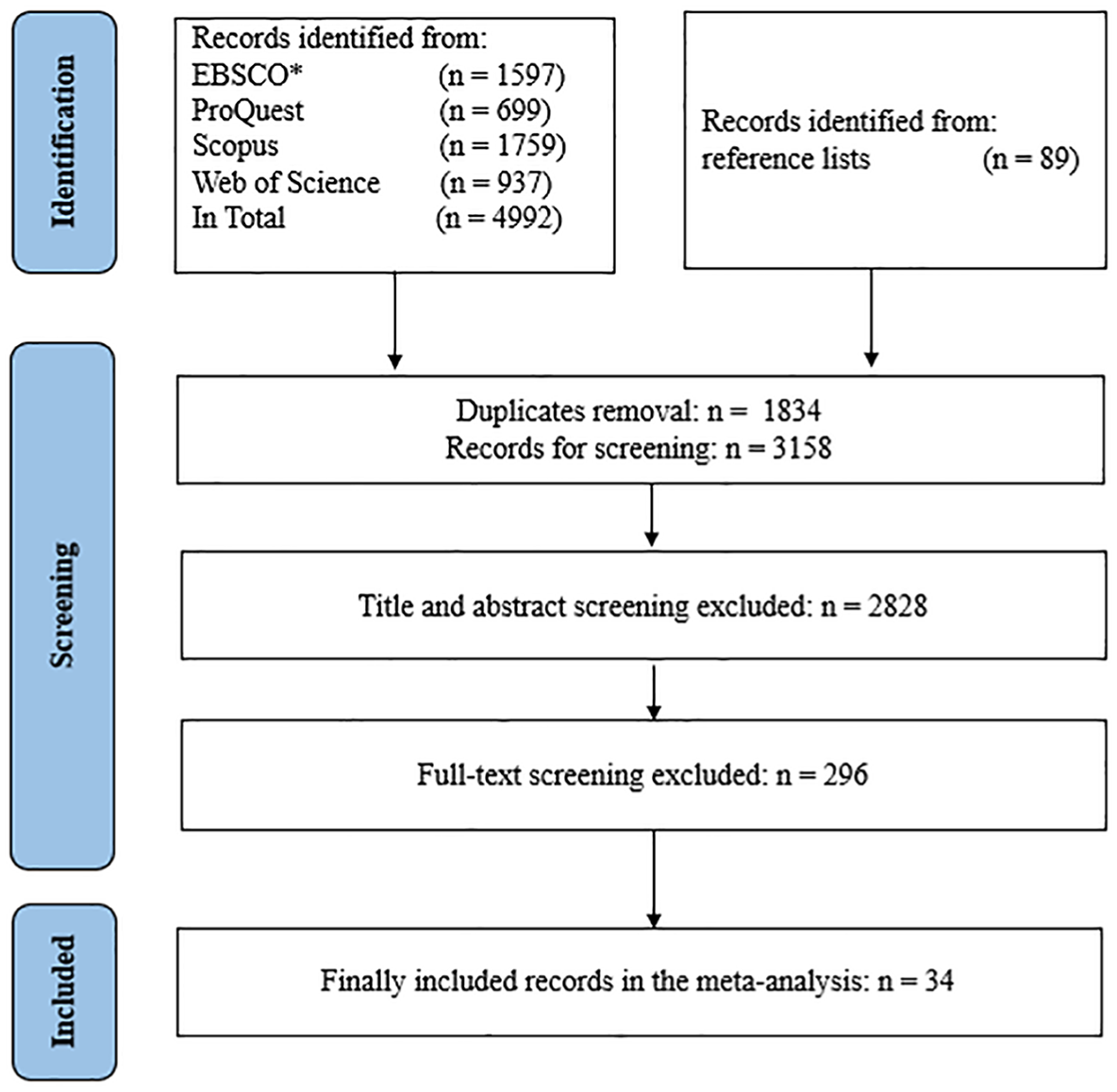
PRISMA flow diagram of the study selection process.
In addition to the primary database search and extraction, we identified an additional 89 relevant articles from the reference lists of pertinent articles (e.g., Anderson et al., 2019; Corbett et al., 2022; Dreer & Gouasé, 2022; Vo & Allen, 2022; Von der et al., 2019). These 89 articles were integrated with 4,992 articles sourced from the database search. Then, duplicates were removed through both automatic and manual processes, leaving 3,158 articles for the initial screening of titles and abstracts.
Title and Abstract Screening
During this screening phase, studies that were clearly not relevant were omitted. These articles were mainly excluded for the following reasons: (1) they were not journal articles but research reports, theses, conference papers, or dissertations; (2) they were not related to teachers’ occupational well-being; (3) they did not focus on K–12 in-service teachers’ well-being but on preservice teachers’ or students’ well-being; and (4) they were theoretical or review papers or papers that did not introduce any intervention. This initial round of screening resulted in the exclusion of 2,851 items, leaving 307 downloaded articles that underwent a full-text screening for independent reviews.
Full-Text Screening
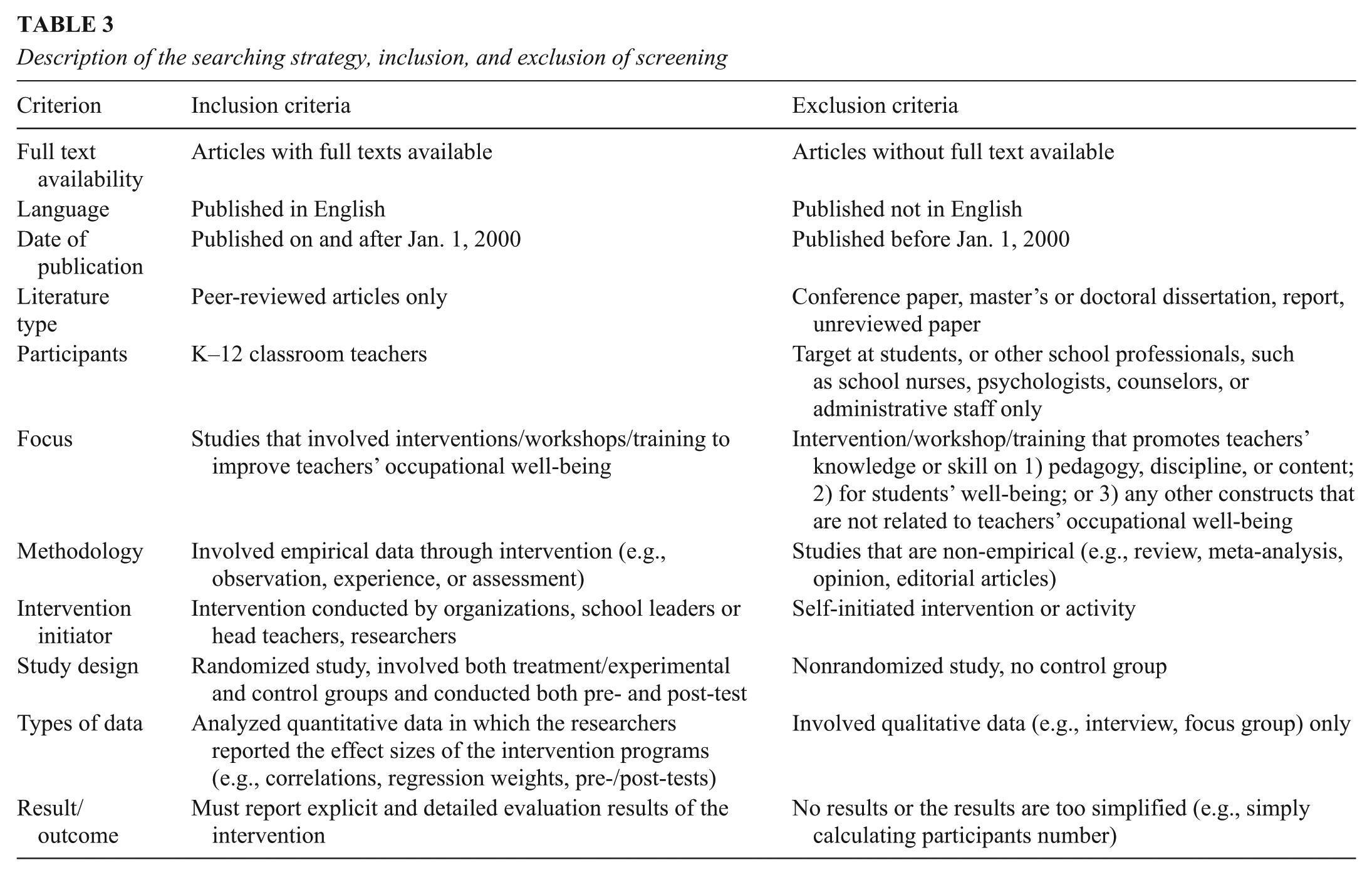
At this stage, we carried out an intensive screening procedure in adherence to our comprehensive inclusion and exclusion criteria (Table 3). To ensure the quality of the intervention programs integrated into this review, studies lacking randomized selection or a control group for the comparison of between-group effectiveness were excluded. Studies were also excluded if they lacked either baseline or postintervention assessments necessary for scrutinizing within-person effectiveness. Furthermore, studies that solely provided qualitative data (e.g., teacher interviews) and not statistical estimates convertible into effect sizes were also excluded. Consequently, all articles included in this review were randomized controlled studies, each including intervention and control groups and clear reports of participants’ scores both pre- and postintervention.
Description of the searching strategy, inclusion, and exclusion of screening
Two independent team members individually assessed all articles based on the inclusion and exclusion criteria. Their individual evaluations were then compared, and any articles of uncertain or ambiguous status were discussed in regular team meetings to reach a final consensus. Ultimately, a total of 34 studies were selected and included in the meta-analysis.
Data Extraction, Coding, and Calculation of Effect Sizes
To ensure a systematic data extraction process and make findings comparable across different studies, we collected the following data from each study and coded them in the following ways: number of participants, school type (public or private), delivery mode (onsite or online), geographic location (listed by country name), presence of an instructor (yes or no), intervention content (mindfulness, physical exercise, social-emotional learning, positive psychology training, and cognitive-behavioral activities), intervention format (workshops/courses, additional coaching/support, and self-study activities), intervention length (in hours), and overall program duration (in months). Additionally, we computed the intervention intensity, as recommended by Dreer & Gouasé (2022) and Van Agteren et al. (2021), dividing the total intervention length in hours by the overall program duration in months. High levels of intensity mean that teachers were required to accomplish more intervention tasks in a relatively short period. Furthermore, we also analyzed the specific dimension of occupational well-being assessed by each intervention, aiming to provide more nuanced information concerning the effects of each intervention included.
For effect size calculation, if a study reported multiple effect sizes (e.g., one study provided both the effect sizes of the intervention on teachers’ social well-being and subjective well-being), we included all of them in our data analysis. Additionally, when studies presented multiple effect sizes for the same well-being dimension (e.g., levels of stress and satisfaction both fall under the facet of teachers’ subjective well-being), we calculated the average effect size instead of treating them as separate effect sizes. This approach helped to address the issue of independence (Lipsey & Wilson, 2001). Studies that utilized the same datasets were treated as a single study (e.g., Crain et al., 2017; Roeser et al., 2013). We used the comprehensive meta-analysis (CMA) software to calculate and convert all effect sizes (Cohen’s d). The final database comprised a total of 288 effect sizes extracted from 33 different intervention studies across 34 articles.
Meta-Analytic Procedure
The meta-analysis was conducted in a systematic series of steps.
As the effect of each intervention on teachers’ occupational well-being varied across studies, random-effects statistical models were used in all these meta-analyses, assuming heterogeneity of study populations. The random-effects model preserves more data in making statistical estimations, thus presenting more accurate and reliable results compared to a fixed-effects model that assumes homogeneity across samples and studies (Borenstein, 2009; Borenstein et al., 2010). Additionally, certain variables were reverse-coded to ensure that all variables and their averaged scores had the same directionality. Specifically, variables representing teachers’ occupational ill-being, such as negative emotional experiences, burnout, stress, depression, and psychological distress, were reverse-coded. After reverse-coding, higher scores on these factors indicated healthier occupational well-being in teachers.
Egger’s regression test is a statistical method that uses the precision of each study to predict the standardized effect size. A nonsignificant result in Egger’s regression test indicates small bias if there is no publication bias. Last, Kendall’s tau, a measure of rank correlation, assesses the correlation between the effect sizes and their variances. A nonsignificant Kendall’s tau suggests that the study’s size or precision did not influence the observed effect size, indicating minimal publication bias. Finally, a funnel plot was also used to visually represent the data, and a symmetrical funnel plot without obvious outliers also suggests minimal publication bias.
Results
Descriptive Overview of Studies
The 34 included studies were conducted between 2005 and 2022, with a notable increase after 2010, indicating a growing concern for teachers’ well-being and increased efforts to support them directly. The included studies exhibited significant variation in terms of their numbers of participants, ranging from as few as 23 (S. G. Taylor et al., 2021) to as many as 444 teachers (Wolf et al., 2019). Most of the interventions were delivered either onsite (k = 25) or online (k = 7). Among the seven interventions conducted online, five studies were carried out before the COVID-19 pandemic (Ansley et al., 2021; Czerwinski et al., 2021; Ebert et al., 2014; Eddy et al., 2022; Jeffcoat & Hayes, 2012), while two were conducted during the pandemic (Molina et al., 2022; Oliveira et al., 2022).
The interventions primarily took place in English-speaking countries, with 14 studies (41.2%) conducted in the United States, four studies (11.8%) in the United Kingdom, three studies (8.8%) in Australia, and one study (2.9%) in Canada. Two studies (5.9%) were conducted in both the United States and Canada (Crain et al., 2017; Roeser et al., 2013). Other European countries also contributed to the interventions, with four studies (11.7%) conducted in Germany, two studies (5.9%) in Portugal (de Carvalho et al., 2021; Oliveira et al., 2022), and a single study conducted in Spain (Abós et al., 2021), in the Netherlands (Hoogendijk et al., 2018), and in Poland (Żołnierczyk-Zreda, 2005). Only one study (2.9%) was conducted in a non-English-speaking or non-European country—specifically, Ghana (Wolf et al., 2019). As for the school type, these interventions are conducted primarily at public schools (k = 16), with only one conducted in mixed school settings (at both public and private schools; Ansley et al., 2021; Wolf et al., 2019). The intervention length ranged from one hour (Ashley et al., 2013) to 50 hours (Oliveira et al., 2022), and the program duration ranged from one day (Kidger et al., 2016) to 12 months (Tyson et al., 2009). More details of these studies can be found in Table 4.
Summary of all the included studies
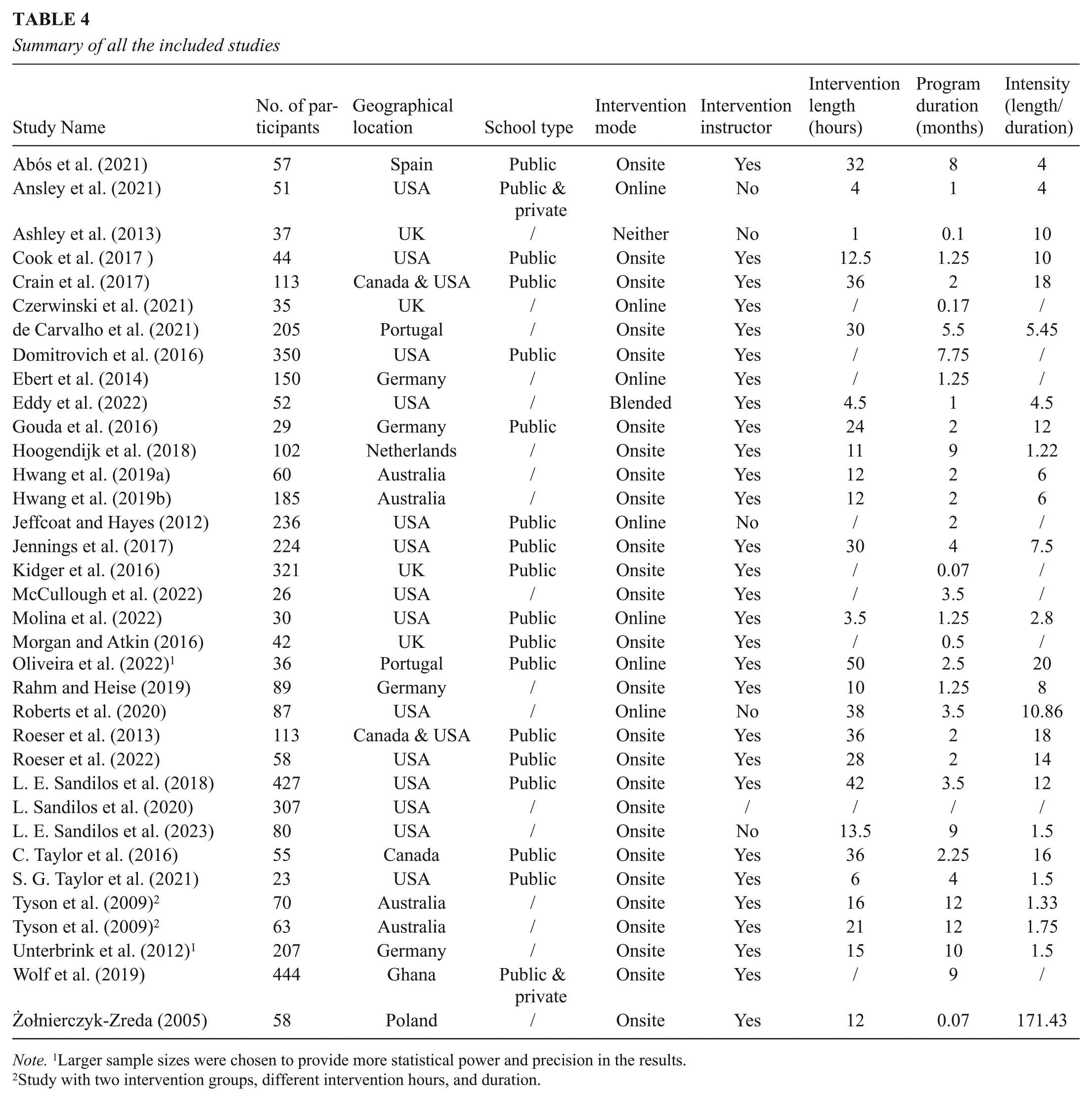
Note. 1Larger sample sizes were chosen to provide more statistical power and precision in the results.
Study with two intervention groups, different intervention hours, and duration.
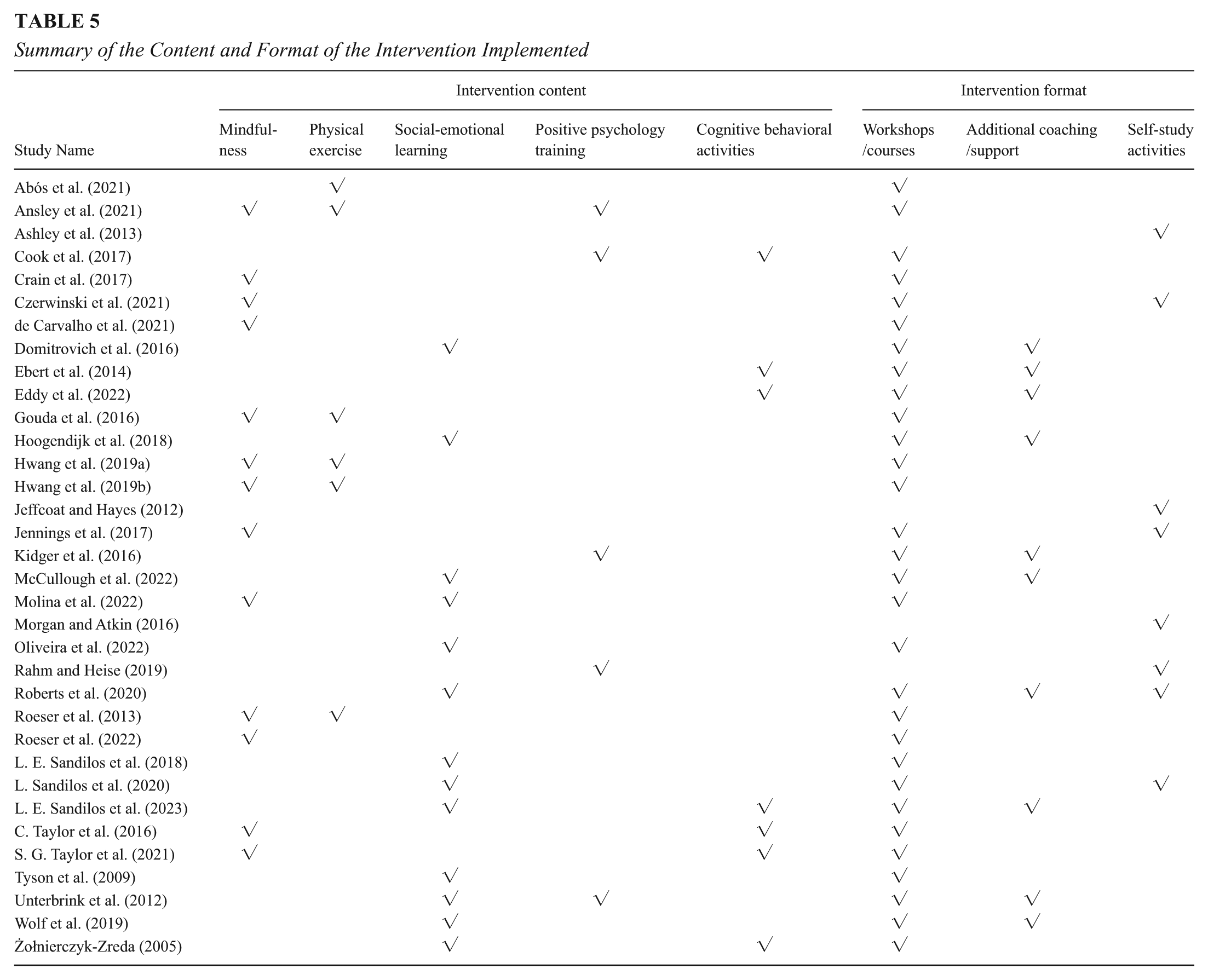
Regarding the intervention contents, mindfulness (k = 13) and social-emotional learning (k = 13) were the most frequently adopted approaches, followed by cognitive behavior therapy (k = 7), physical exercise (k = 6), and positive psychology training (k = 5). Furthermore, in terms of intervention format, 30 studies adopted the workshop/courses format, 10 studies had an additional coaching component, and four studies involved only self-study activities (e.g., Domitrovich et al., 2016; Hoogendijk et al., 2018). More specific details can be found in Table 5.
Summary of the Content and Format of the Intervention Implemented
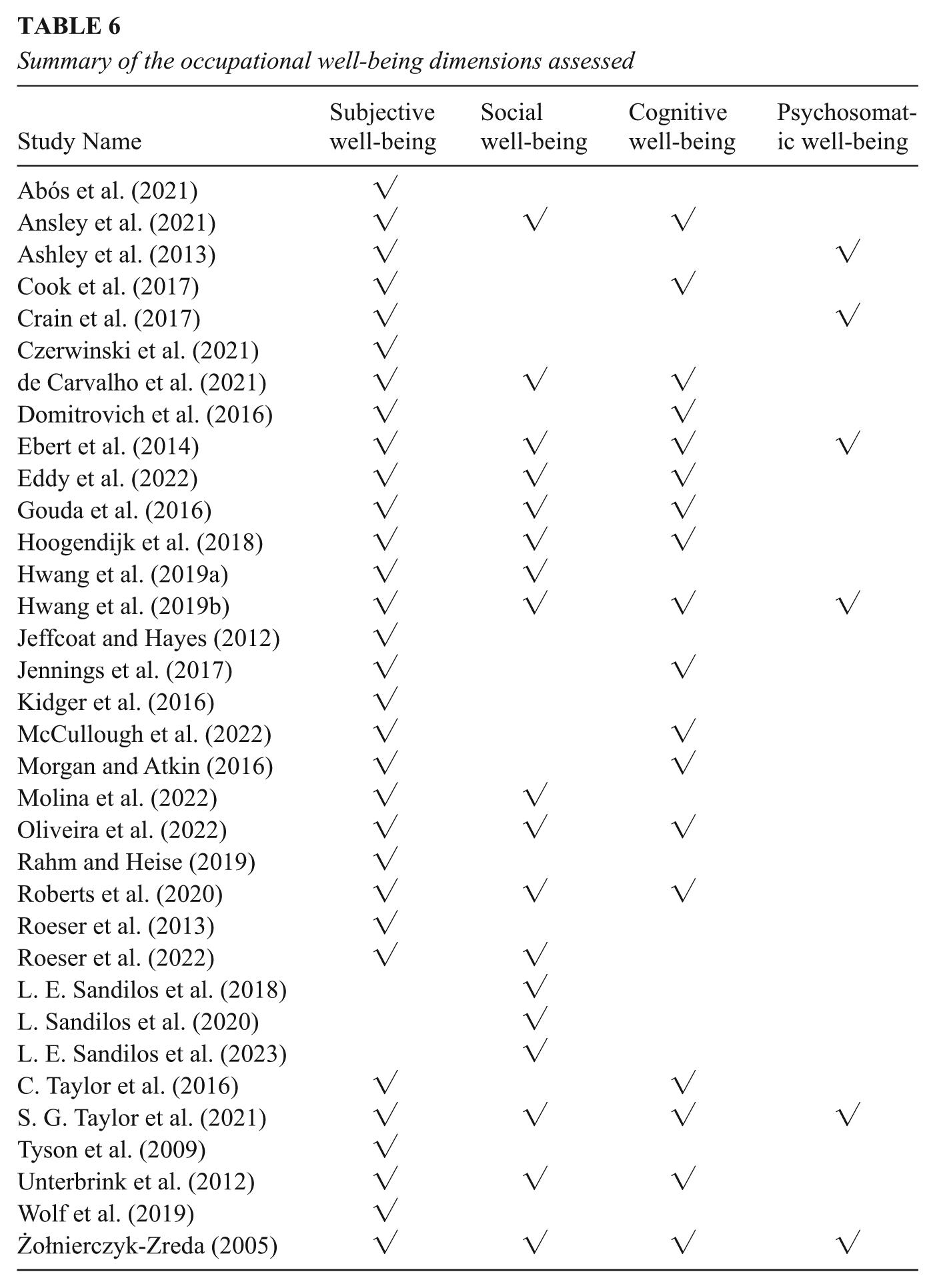
Finally, concerning the dimensions of teachers’ occupational well-being, subjective well-being was the most frequently investigated dimension (k = 31), followed by teachers’ social well-being (k = 18), cognitive well-being (k = 18), and psychosomatic well-being (k = 6; see Table 6 for more details).
Summary of the occupational well-being dimensions assessed
Intervention Effectiveness
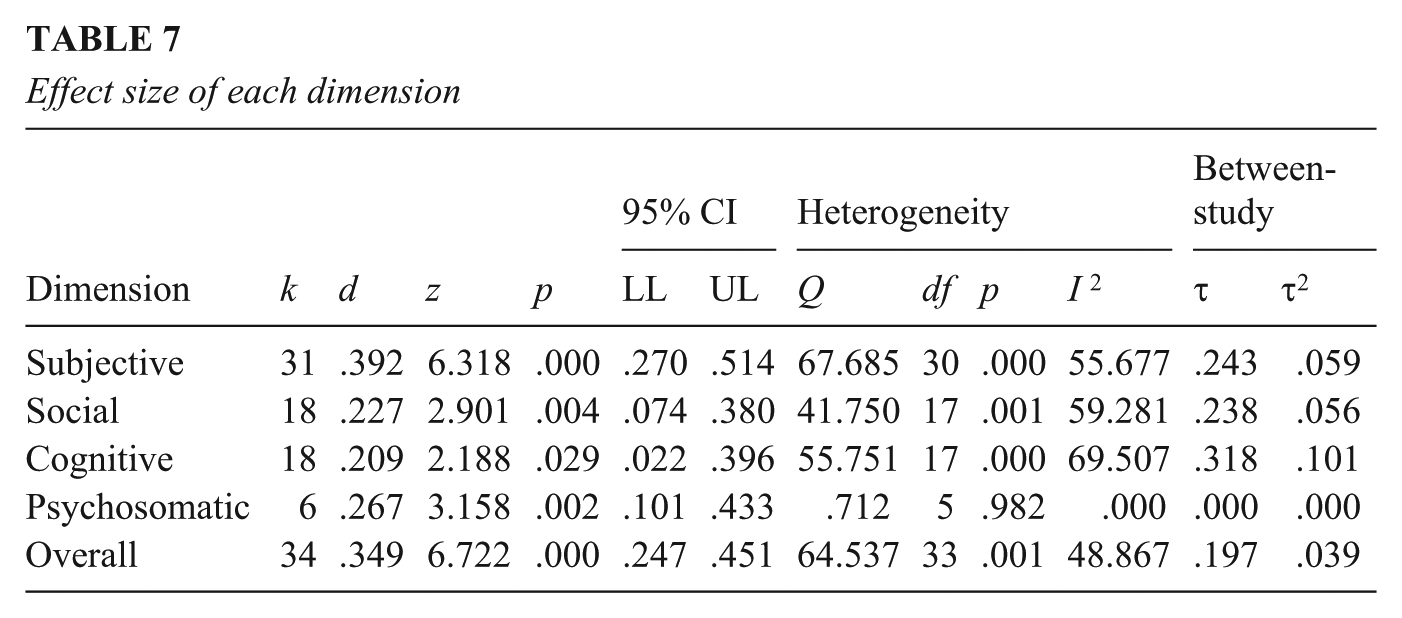
The results of the meta-analysis are presented in Table 7. The interventions had an overall effect size of .349 on promoting teachers’ occupational well-being (k = 34, 95% CI [.247,.451], p < .001, Q(33) = 64.537). While these findings predominantly rely on self-reported data from teachers, the significant and positive findings suggest that teachers who participated in these programs generally felt they had developed better strategies for coping with stress and became more resilient in the face of teaching challenges, thus perceived themselves to have enhanced occupational well-being. Specifically, concerning the dimensions of occupational well-being, the interventions demonstrated the strongest effect on improving teachers’ subjective well-being (k = 31, d = .392, p < .001), followed by improving their psychosomatic well-being (k = 6, d = .267, p = .002) and social well-being (k = 8, d = .227, p = .004), and the least effect on their cognitive well-being (k = 18, d = .209, p = .029).
Effect size of each dimension
Publication Bias
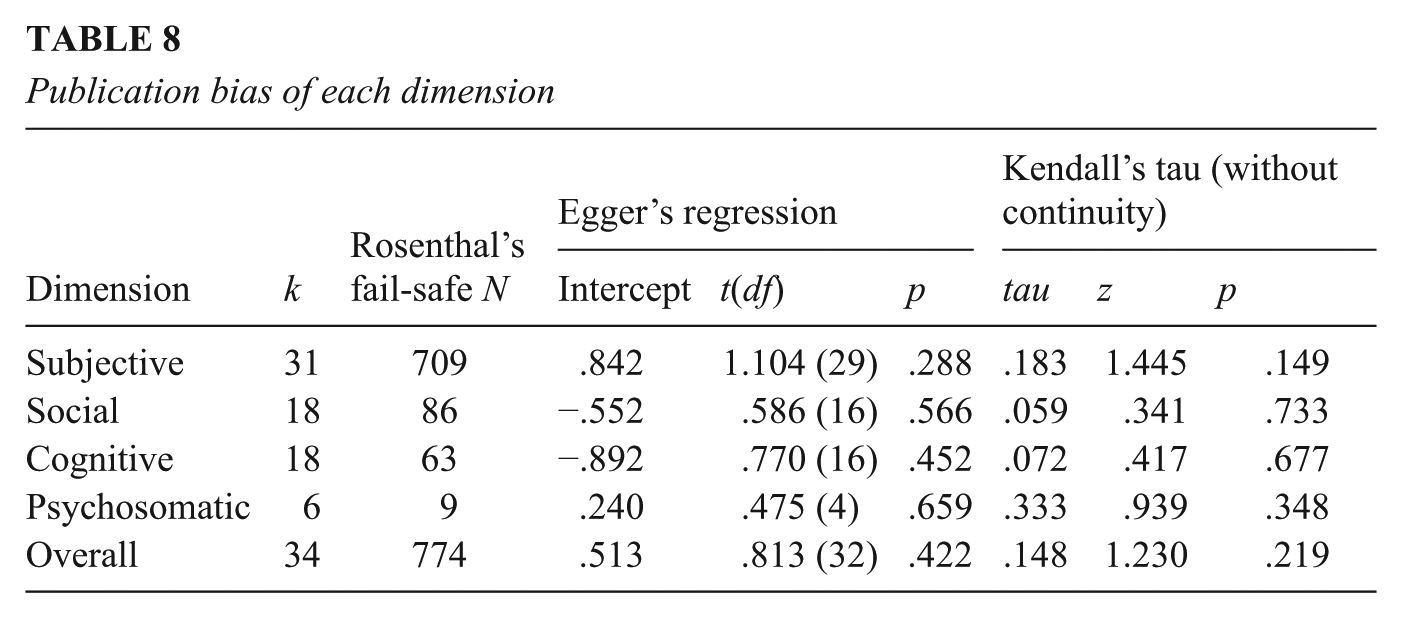
Table 8 presents the results of the assessment of publication bias. The results from Rosenthal’s fail-safe N test suggested that an additional 774 studies with nonsignificant results would be needed to bring the currently observed significant effect of interventions on teachers’ occupational well-being to a nonsignificant level. These results indicated a small publication bias in the reviewed studies. Moreover, the results from nonsignificant Egger’s regression tests (t’s = .475–1.104, p’s = .288–.659) as well as Kendall’s tau (.059–.333) also suggested minimal publication bias of the reviewed studies. Finally, the funnel plot (Figure 2) further depicted acceptable asymmetry among the included studies, indicating minimal publication bias.
Publication bias of each dimension
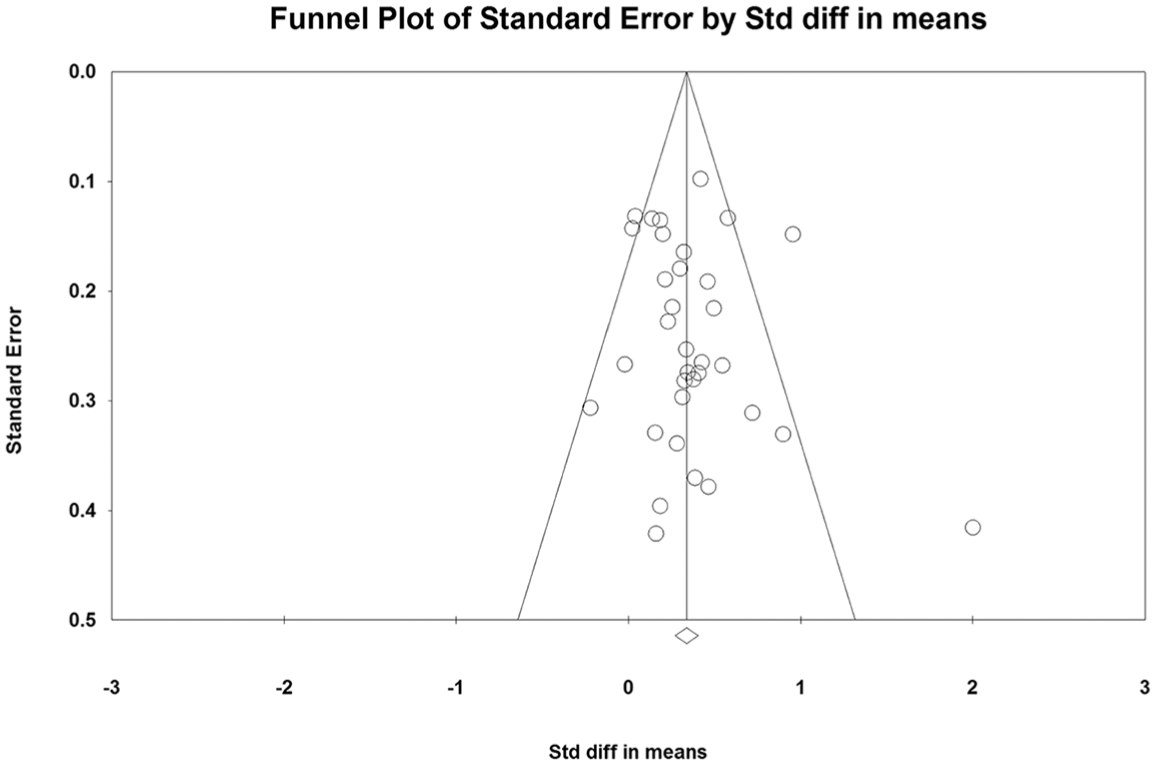
Funnel plots for overall publication bias.
Moderator Analyses
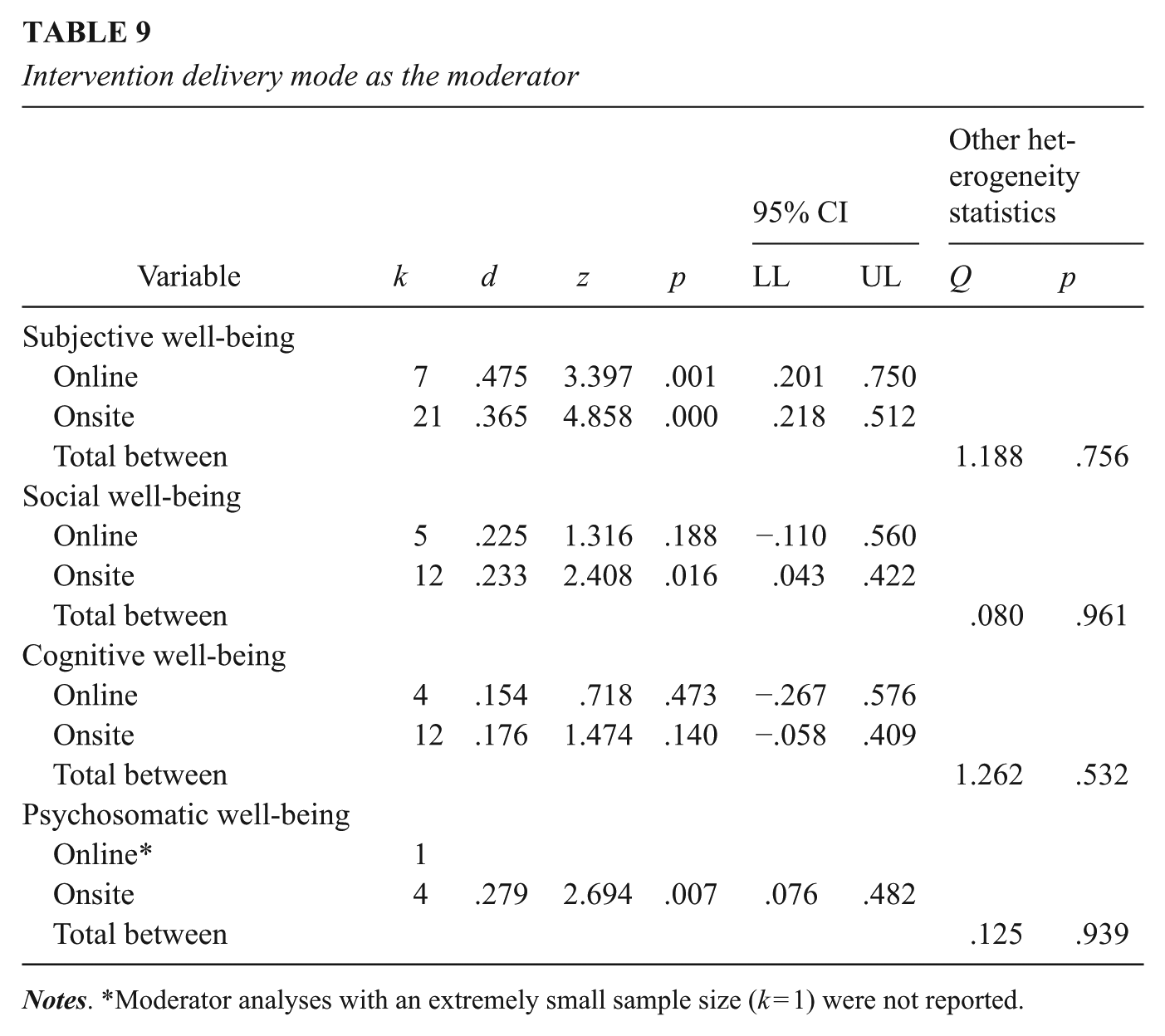
The moderator analysis results in Table 9 compared the impact of the intervention mode on dimensions of occupational well-being. Online interventions only had a significant effect on improving teachers’ subjective well-being (k = 7, d = .475, p = .001). In comparison, onsite interventions had a significant effect on improving teachers’ subjective (k = 21, d = .365, p < .001) and psychosomatic well-being (k = 4, d = .279, p = .007). It was also observed that onsite interventions had significant effects on teachers’ subjective, psychosomatic, and social well-being (except for teachers’ cognitive well-being). However, importantly, these analyses into the dimensions of well-being were limited by small sample sizes. Consequently, the comparison between the two intervention modes yielded nonsignificant differences across four dimensions of teacher well-being (Q’s = .080–1.262, p’s = .532–.961).
Intervention delivery mode as the moderator
Moreover, concerning the presence of instructors, Table 10 shows whether it demonstrated differences in the intervention effectiveness. The findings indicated that the interventions without an instructor could only improve teachers’ subjective well-being (k = 5, d = .360, p = .027), whereas those with instructors had significant effectiveness in promoting teachers’ subjective, social, and psychosomatic well-being (with the only exception being teachers’ cognitive well-being; k = 15, d = .203, p = .054). Notably, the subjective dimension exhibited the largest effect size (k = 26, d = .399, p <.001). However, due to the limited sample sizes, the comparison between interventions with and without instructors revealed nonsignificant differences across four dimensions of teacher well-being (Q’s = .015–.120, p’s = .729–.902).
Intervention instructor presence as the moderator
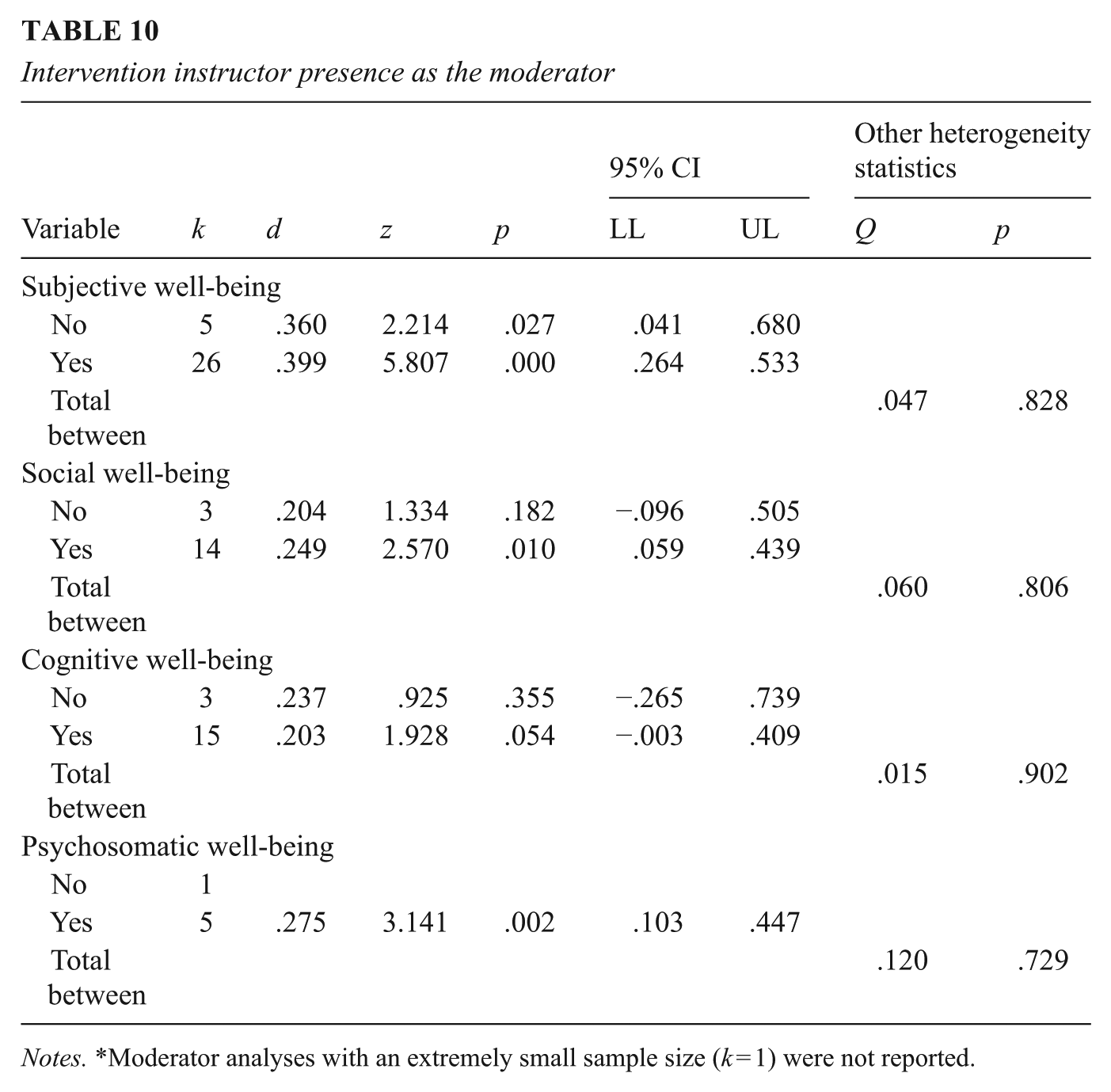
Notes. *Moderator analyses with an extremely small sample size (k = 1) were not reported.
Meta-regression
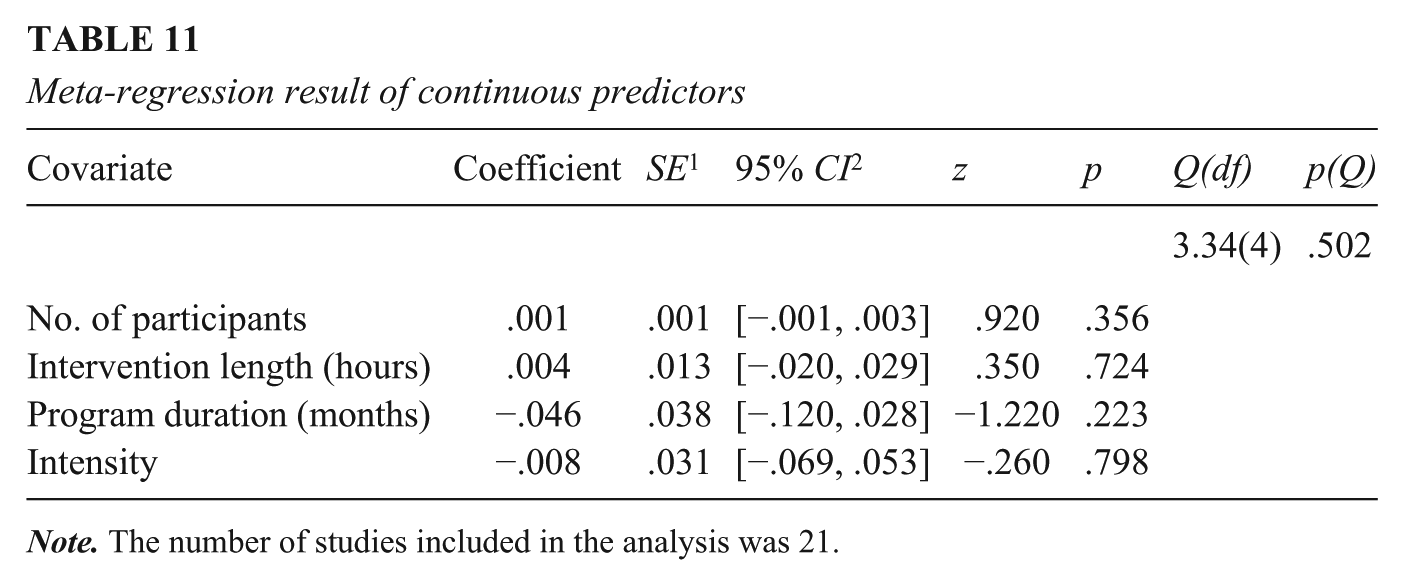
We conducted a meta-regression analysis to further investigate the impact of continuous factors, including the number of participants, intervention length (in hours), program duration (in months), and intensity (hours/months), on intervention effectiveness. The analysis included 21 studies. As displayed in Table 11, none of the examined variables showed statistically significant associations with intervention effectiveness (z-scores ranged from −1.220 to .920; p’s = .223–.798). Given that the teachers in the studies likely volunteered to participate, they may have demonstrated a stronger belief in the effectiveness of these intervention programs, even if the studies were all conducted using a randomized controlled design. Therefore, while the nonsignificant moderating effects could suggest, on one hand, that the efficacy of the interventions remains consistent across various factors, this consistency may also reflect, on the other hand, a higher level of homogeneity in participant bias—specifically, preexisting optimism about these programs—rather than indicating the universal relevance of the interventions. Figure 3 presents scatter plots of the meta-regression findings, including confidence interval lines that help visualize the effect sizes.
Meta-regression result of continuous predictors
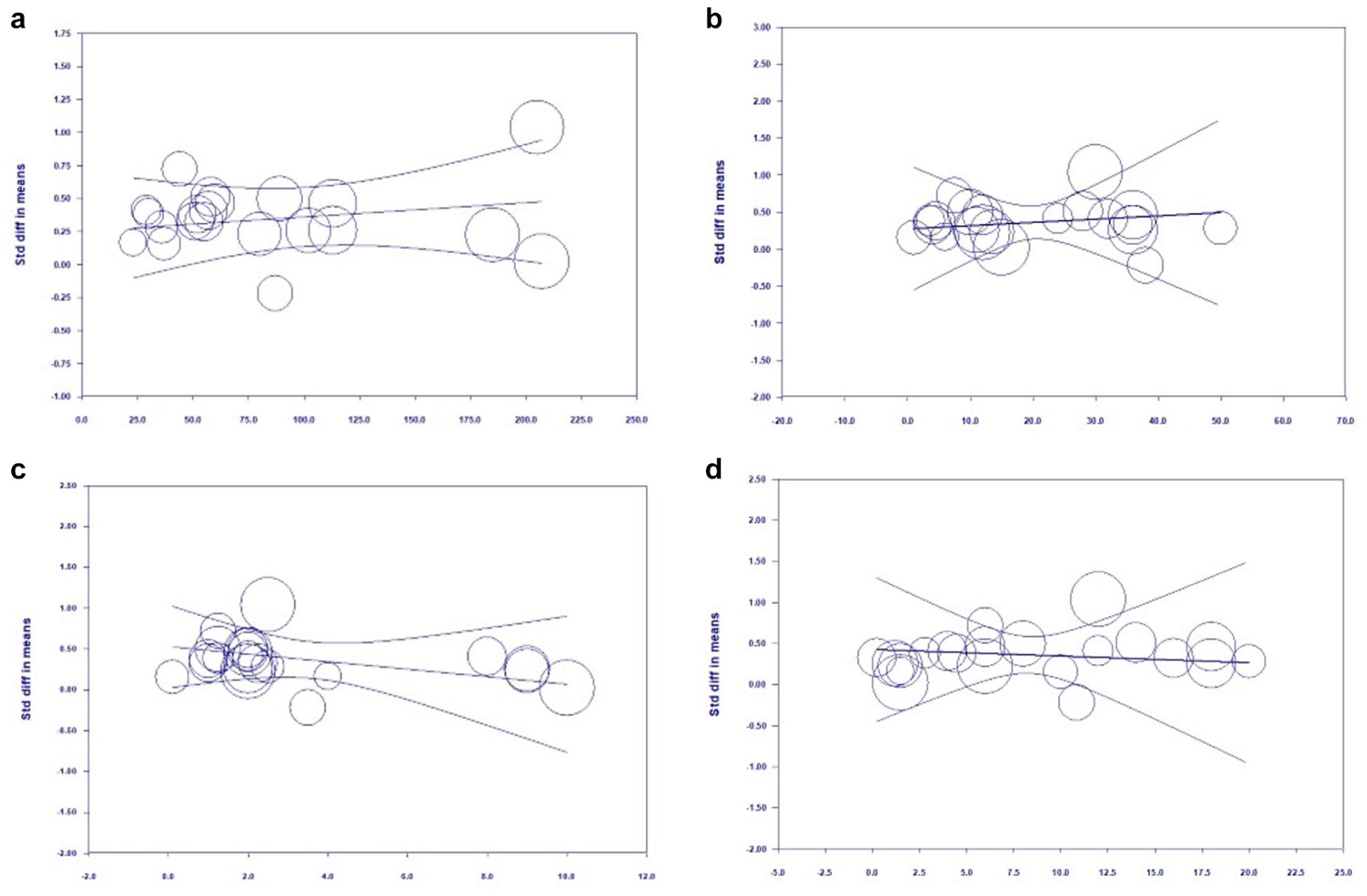
Scatter plots of meta-regression analyses: (a) number of participants, (b) intervention length (in hours), (c) program duration (in months), and (d) intervention intensity.
Discussion
The present review included 34 articles, with 33 different intervention studies. All these studies focus on providing teachers with training and resources to enhance their occupational well-being. Rather than concentrating on broad school-level or structural changes, they primarily emphasize how training programs have the potential to help each individual teacher become more resilient to job stress and achieve higher levels of occupational well-being. Therefore, in the present review, we first synthesized the effectiveness of existing intervention programs in improving teachers’ overall occupational well-being. Based on the adjusted framework of teachers’ occupational well-being (Van Horn et al., 2004; Viac & Fraser, 2020), we further analyzed the effects of interventions on promoting teachers’ subjective, social, cognitive, and psychosomatic well-being. Finally, we investigated the effects of six intervention characteristics (number of participants, delivery mode [online vs. onsite], presence of instructor [yes vs. no], intervention length in hours, program duration in months, and intervention intensity) and analyzed them as factors that influence intervention effectiveness.
A Brief Summary of Review Findings
The review highlighted several key findings and implications for practices regarding interventions aimed at promoting teachers’ occupational well-being. Not surprisingly, the study found a notable increase in research focusing on teachers’ occupational well-being in recent years, indicating a growing concern for teachers’ well-being and increased efforts to directly support teachers (Jerrim et al., 2020).
Another key finding of the present review is that the included intervention programs had an overall positive impact on enhancing teachers’ self-reported well-being at work. However, it is important to note that while the overall effect size indicates that interventions benefit the occupational well-being of teachers who voluntarily engage with them, it cannot guarantee effectiveness and generalizability for all teachers. Specifically, participants in these interventions were predominantly volunteers who likely already held preexisting beliefs in the efficacy of the programs (e.g., mindfulness enthusiasts enrolling in mindfulness trials). They may have also invested considerable time and energy into these interventions, which could lead them to unconsciously overstate the benefits of the programs to align with their preexisting expectations. This self-selection bias, combined with self-reported measurements of indicators, may have significantly inflated the actual effect sizes by excluding skeptical or resistant teachers from the studies.
When examining the specific dimensions of teachers’ occupational well-being in greater detail, our findings suggest that these interventions were most effective in improving teachers’ subjective well-being, followed by psychosomatic well-being and social well-being, while being least effective in enhancing cognitive well-being. The relatively stronger effectiveness in promoting subjective well-being again implies potential self-selection and self-report biases, as teachers who choose to participate in the programs tend to perceive them as more effective.
Interpretations of the Review Findings
The current review suggests that existing interventions are relatively more effective in promoting teachers’ subjective and psychosomatic well-being than their social and cognitive well-being. One possible explanation for these findings is that the majority of existing interventions have focused on enhancing teachers’ positive emotions, moods, and physical health. For example, mindfulness-based programs teach teachers to be mindful of their thoughts, feelings, and bodily sensations, which can contribute to an enhanced sense of well-being (Emerson et al., 2017; Gold et al., 2010; Roeser et al., 2013). Similarly, positive psychology interventions encourage teachers to reflect on and cultivate gratitude, positivity, and positive emotions, which can also directly promote their subjective well-being (Carr et al., 2021; Critchley & Gibbs, 2012; Sin & Lyubomirsky, 2009).
In a similar vein, interventions that incorporate physical activities emphasize the importance of exercise for reducing occupational stress, and some of these interventions directly involve teachers engaging in physical activities. It is not surprising, then, that these interventions may directly improve teachers’ psychosomatic well-being. The improvements in subjective and psychosomatic well-being share a common feature: both factors reside within teachers themselves and represent the aspects that teachers have control over. As a result, teachers could make efforts to change and improve these aspects of well-being more easily compared to other dimensions of well-being that require either changes or improvements in the social environment that teachers do not have full control over (e.g., social well-being) or foundational beliefs about teaching capacities and practices (e.g., cognitive well-being) that cannot be easily improved through “superficial” interventions that address problems at more surface levels, such as encouraging more thoughtfulness or engaging in more physical activities.
The result also shows that while existing interventions have enhanced teachers’ social well-being, their effectiveness is limited and relatively low compared to improvements in subjective and psychosomatic well-being. Enhancing teachers’ social well-being necessitates mutual efforts from both teachers and their environment. For instance, improving teacher-student relationships requires engagement in relationship-building activities by both teachers and students, such as fostering reciprocal dialogues between teachers and students and encouraging them to offer feedback in teaching and learning for each other (Pianta & Hamre, 2009; Sandilos et al., 2023; Spilt et al., 2011; Toropova et al., 2021). Enhancing teacher-colleague relationships requires collaboration among a group of teachers, such as through induction, mentorship programs, or professional learning communities (Carnevale, 2016; Kutsyuruba et al., 2019), and hence, usually requires school- and policy-level support (OECD, 2020; Schleicher, 2018). As proposed by the JD-R model—and numerous empirical studies suggest that contextual factors, such as leadership practices and school support, can greatly influence teacher well-being (Pagán-Castañoet al., 2021)—our results, again, imply that interventions solely targeting teachers may have limited effectiveness without real change and improvement in the working environment (e.g., the social relationships among teachers at the school).
Furthermore, our study also revealed that the existing intervention programs show the least effectiveness in promoting teachers’ cognitive well-being. A major component of teachers’ cognitive well-being is their perceived self-efficacy (Viac & Fraser, 2020), which pertains to their perception of the ability to teach, engage students, and manage classroom disruptions. According to social-cognitive theory (Bandura, 2014), successful teaching experiences, verbal persuasion or social influences from others, and observation of positive role models can be effective strategies that promote teachers’ self-efficacy (Tschannen-Moran et al., 1998). In this sense, existing interventions that primarily focus on mindfulness, positive thinking, physical exercise, or social relationships may not yet address the essential aspects of teachers’ cognitive well-being.
Moderating Factors Influencing Intervention Effectiveness
The results of the meta-regression analysis indicate that there are no significant differences between interventions with varying scales (number of participants), intervention length (in hours), program durations (in months), or intensity of the interventions (which is the length of the intervention divided by the total program duration). Importantly, the small sample size included in this meta-regression analysis (n = 21) may have contributed to limited statistical power and the inability to detect significant effects of these predictors. Nevertheless, our findings suggest that teachers benefit similarly from both small-group interventions, which often involve intensive discussions or practice-based coaching activities (e.g., Gouda et al., 2016; McCullough et al., 2022), and large-scale interventions that primarily consist of lectures or direct information transfer (e.g., L. E. Sandilos et al., 2018).
Moreover, our more detailed analysis using the intervention mode (online vs. onsite studies) as the moderator suggests that onsite interventions were successful in significantly promoting teachers’ social well-being, while online interventions failed to do so. We noticed that a few (k = 2) online interventions were conducted due to the outbreak of the COVID-19 pandemic. Although the researchers’ initial intention in designing or conducting the interventions was not to do it online, they had to quickly adapt the intervention mode and contents in response to such a crisis. Although the comparison between the two intervention modes did not yield significant differences, likely due to the very small sample size, it is still worth mentioning and considering the contrast between these two types of intervention modes, specifically for promoting teachers’ social well-being. It is understandable that promoting social well-being in teachers relies on in-person communication, and many of the interventions included components such as group discussion, observations, and in-class coaching, which could only be achieved in onsite interventions. These results were further supported when we used the presence of an instructor as a moderator. We similarly found that interventions were effective in promoting teachers’ social well-being only when there was at least one instructor. However, interventions that involved self-studies could be as beneficial as interventions with instructors if the aim was to promote teachers’ subjective well-being, which means teachers can benefit equally from learning from others or engaging in self-reflection.
Practical Implications of the Present Review
Implication 1: Targeted Interventions for Social and Cognitive Well-Being Are Needed
Our study findings regarding the varying impacts of interventions on different subdimensions of teacher well-being underscore the importance of targeted interventions that address the specific needs and challenges faced by teachers. Given the relatively weaker effectiveness of existing interventions in promoting teachers’ social and cognitive well-being, future interventions could be tailored to focus on these two dimensions of well-being. For instance, interventions that promote social learning, such as upward social comparison, social modeling, or the establishment of key role models (e.g., Rahimi et al., 2017), may be an effective way to foster collaboration among teachers and enhance their self-efficacy (Ahn et al., 2017; Neugebauer et al., 2019). This, in turn, might lead to continuous improvements in teachers’ social and cognitive well-being.
Implication 2: The Limits of Individual Resilience in Systemic Barriers—Structural Support Is Also Needed
While factors influencing teacher well-being encompass both personal and contextual elements (Bakker & Demerouti, 2007; Nwoko et al., 2023), existing interventions predominantly focus on individual efforts. These interventions emphasize teachers’ initiatives to enhance their capacity for promoting well-being by building resilience, adopting adaptive perspectives on challenges, and engaging in mindfulness activities to buffer the potential negative effects of job demands in a challenging work environment. However, an exclusive focus on individual efforts may not effectively address systemic challenges such as excessive workloads and high-stakes accountability in the teaching profession (OECD, 2020; Rinne et al., 2021; Skaalvik & Skaalvik, 2017). As real-life structural challenges might remain unresolved, frontline teachers might continue to face difficulties in managing their emotional and cognitive burdens (Biesta, 2017).
To address these issues, future interventions might need to consider both individual and contextual factors and encourage collaboration among multiple stakeholders, including teachers, school leaders, and educational policymakers, to implement changes at both levels. For instance, Collie et al. (2012) advocate for systemic interventions at the school level, finding that a positive school climate with supportive leadership and collaborative cultures contributes to greater job satisfaction among teachers. Such effects might be more sustainable and impactful than prioritizing individual resilience alone. Therefore, while this meta-analysis focuses on individual-level interventions, we also advocate for collaborative efforts involving both teachers and their working contexts to possibly achieve the most favorable outcomes for teacher well-being.
Implication 3: Balancing the Benefits and the Costs of the Interventions
Our results regarding the nonsignificant comparison across intervention length and intensity did not support previous studies favoring comprehensive intervention sessions (e.g., Maricuţoiu et al., 2016). In contrast, our results suggest that teachers may already be exhausted from their daily teaching duties, which could make them unprepared or reluctant to invest additional time and energy in extra training sessions. While the primary purpose of these training sessions is to promote teachers’ occupational well-being, participating in these sessions beyond regular working hours can further deplete teachers’ cognitive resources and potentially lead to counterproductive outcomes. Consequently, the advantages and disadvantages of lengthy, intensive, and comprehensive interventions may offset each other, implying that they may not be inherently more effective than shorter or more targeted interventions. Instead, interventions that focus on critical concepts and provide only essential information, tailored to adequately meet teachers’ needs, can be just as effective (Ebert et al., 2014). Therefore, in future interventions, it would be beneficial to consider the benefit‒cost ratio by designing interventions that require minimal additional time and energy from teachers while simultaneously providing them with the greatest benefits for promoting their well-being.
In cases where interventions are really needed to promote teachers’ social well-being and interpersonal relationships, onsite formats should be adopted, involving at least one instructor who can directly convey knowledge or skills to teachers and communicate with them. On the other hand, to promote teachers’ subjective well-being (e.g., improving positive emotions or job satisfaction), various formats can be adopted, including onsite or online sessions, and with or without instructors. For example, mindfulness training may be equally effective in promoting teachers’ positive emotions, regardless of whether it is conducted online or onsite, whether there is an instructor guiding the practice, or whether the teachers simply follow prerecorded audio/video instruction (e.g., Ansley et al., 2021; Czerwinski et al., 2021; Roberts et al., 2020). These types of interventions are flexible in nature and may be particularly useful during critical challenges or crises, such as the COVID-19 pandemic, when onsite interventions are restricted. Although online interventions may not be effective in promoting social well-being among teachers, thus compromising their effectiveness, they can, at a minimum, still provide support to help address some of the psychological challenges faced by teachers during difficult times.
Limitations of the Studies Reviewed
During our review, we identified several limitations in the included studies. First, much of the intervention content was generalized and not specifically tailored to the teaching profession. For instance, some mindfulness-based programs were centered around general mindfulness practices (e.g., Crain et al., 2017; de Carvalho et al., 2021; Roeser et al., 2022). While these strategies could be applied to any occupation or workplace, they did not specifically focus on the characteristics of the teaching profession. Consequently, future studies should consider developing context-specific interventions for teachers, aiming to incorporate the distinct characteristics of the teaching profession and its unique stressors. For example, Skaalvik & Skaalvik (2017) found that heavy workloads and interactions with students were the main sources of teachers’ occupational stress. In this case, future targeted interventions may consider encouraging teachers to mindfully consider the positive aspects of their interactions with students in the classroom (e.g., Roeser et al., 2012).
Second, prior research heavily relied on teachers’ self-reported occupational well-being. This subjective measurement method could inflate the perceived effectiveness of interventions, leading to a potential common method bias that could compromise the reliability of the study findings (Podsakoff et al., 2003). It is also important to note that some researchers serve as the evaluators of their interventions, which can potentially introduce bias into the findings (e.g., Ebert et al., 2014; Molina et al., 2022). Future research may, therefore, adopt objective measures to evaluate teachers’ occupational well-being, such as using cortisol levels as a biomarker to assess occupational stress (Gouda et al., 2016; Rocha et al., 2013). Studies might also consider incorporating student reports to triangulate teachers’ self-assessments regarding the quality of student-teacher interaction (e.g., de Carvalho et al., 2021) or involve multiple independent raters to offer a more objective assessment of the intervention’s effectiveness (Hobart et al., 2004).
Third, it is crucial to consider potential selection effects inherent in the recruitment process, as teachers who volunteer may possess a higher level of interest or openness to interventions, leading to a potential selection bias. In other words, teachers who opt to participate in interventions, such as mindfulness programs, may already hold strong beliefs or interests in these interventions, making them more likely to experience positive effects. Therefore, the positive outcomes of the intervention may not solely stem from the intervention’s content and design but rather from teachers’ preexisting beliefs. While randomization can help mitigate some confounding factors, it may not eliminate the bias introduced by initial self-selection.
Fourth, we observed that the interventions primarily took place in public schools and were from developed countries, particularly those in Europe or English-speaking countries. However, research indicates that teachers in developing countries face even higher levels of occupational stress and burnout due to a lack of support or resources (Y. Wang et al., 2015). Their mental health challenges are often overlooked, leading to even more severe problems, such as sleeping disorders (Musa et al., 2018) or even suicide attempts (Lizhi et al., 2021). Therefore, interventions developed and implemented in developed nations and at urban public schools may not have equivalent effectiveness for teachers from remote or rural areas and in developing countries with diverse cultural, ethnic, and socioeconomic backgrounds. Future studies focusing on teachers from various ethnicities, with different languages or sociocultural backgrounds, are essential for promoting better generalizability of interventions.
Last, it is noteworthy that many interventions reviewed in this study did not investigate the effects of each strategy involved in their studies. Instead, their designs and evaluations were based on a combination of multiple strategies. For instance, the implementation of mindfulness-based interventions might have incorporated elements of positive psychology (e.g., Ansley et al., 2021; Rahm & Heise, 2019), and cognitive-behavioral therapies might have included aspects of social-emotional learning (e.g., L. E. Sandilos et al, 2023; Żołnierczyk-Zreda, 2005). While these studies have addressed a comprehensive array of strategies that may prove more effective than those of other studies that rely on a single strategy, they provide limited information regarding the relative effects of each strategy. As a result, they did not specify which strategies demonstrated stronger impacts than others. Such limitations will result in difficulties in revising these interventions or condensing the intervention contents when it is critical to determine and keep the most effective aspects of the interventions. Therefore, future studies should consider either implementing interventions that focus on one strategy at a time, thereby providing clear information on the relative effectiveness of each strategy, or adopting multiple strategies but analyzing the effects and teachers’ usage of each strategy separately.
Limitations of the Current Review
Regarding the limitations of the current review, we must first acknowledge the small sample size for comparison. This inadequacy is especially evident from our moderator analysis and meta-regression analysis. For example, there exists only one article that used an online format to address teachers’ psychosomatic well-being. Furthermore, only 21 articles were included in the meta-regression analysis, making our results less reliable than studies that could include a larger number of studies to enable more complicated investigations. Thus, there is still a strong need to develop and evaluate interventions for teachers’ well-being to enlarge the sample size for future reviews to produce more reliable and trustworthy results.
The current review is also limited in its ability to compare the effectiveness of each type of intervention (e.g., mindfulness-based interventions vs. physical exercises) on promoting each dimension of teachers’ occupational well-being (e.g., subjective vs. social well-being). This limitation makes it difficult for us to design or revise targeted interventions that promote a specific dimension of occupational well-being. For example, physical exercises might have the strongest influence on promoting psychosomatic well-being; social-emotional training might be the most useful to promote social well-being; and cognitive-behavioral therapies might be optimal in promoting cognitive well-being. However, our review cannot address these assumptions. Future studies are warranted; future reviews may help answer these more nuanced research questions.
Finally, our research team has predominantly concentrated on teachers residing in metropolitan or urban areas. These teachers included in our team’s previous research typically encountered elevated levels of job demands along with relatively high levels of job resources compared to their counterparts in suburban or rural areas (Bottiani et al., 2019). Consequently, considering the notion that researchers’ backgrounds and experiences can introduce biases into their work (Holmes, 2020), we recognize that the prior experiences and backgrounds of our team members may also impact our interpretations of the results.
Conclusion
The present meta-analysis provides evidence for the effectiveness of interventions aimed at improving teachers’ occupational well-being, highlighting a growing recognition and concern for the need to better support teachers. Specifically, these interventions demonstrated a moderate positive impact on teachers’ overall occupational well-being, with the greatest effectiveness observed in enhancing their subjective well-being, followed by the psychosomatic, social, and cognitive dimensions of well-being. These findings underscore the importance of developing tailored interventions that address the unique challenges and needs faced by teachers. They also emphasize the importance of considering both personal and socio-environmental factors when designing programs to improve teacher well-being. Based on the current findings, educators and policymakers may develop and implement future interventions that provide individual support for teachers while promoting a supportive environment. Such an approach may ultimately benefit not only teachers but also their students and the broader school community.
Footnotes

Authors
HUI WANG is an associate professor at the Education University of Hong Kong. Her research focuses on teacher motivation, emotions, emotion regulation, and occupational well-being. Dr. Wang also examines the impact of teacher motivation and emotions on students’ motivational, behavioral, and achievement outcomes. Her research sheds light on the complex interactions between teachers and their students.
YING-YING CHA is a research assistant in the Department of Curriculum and Instruction at the Education University of Hong Kong. Her research interest involves teacher professional development, teachers’ occupational well-being, and positive psychology.
YAN-YIN WEN received her PhD in the Department of Educational Technology, the Graduate School of Education, Peking University. Her research focuses on teachers’ professional vision and occupational well-being.
CHER-PING LIM is a chair professor of learning technologies and innovation at the Education University of Hong Kong. His research focuses on digital learning for development—enhancing equity, quality, and efficiency in the education sector; teacher professional development at scale; and blended and online teaching and learning in higher education.